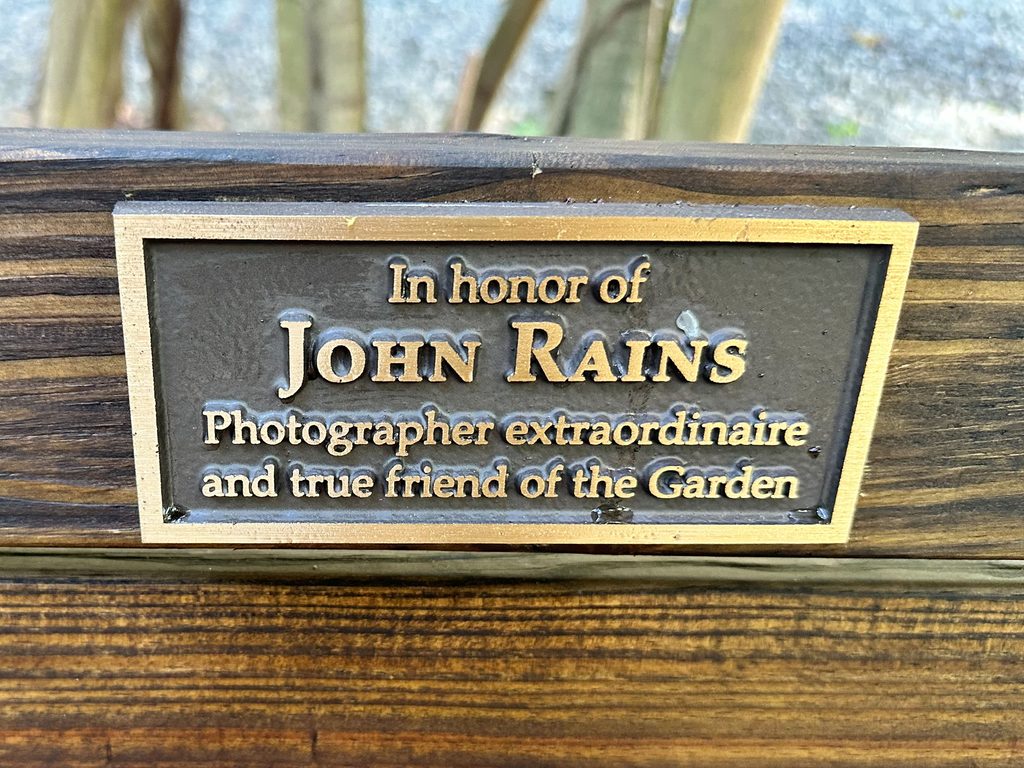
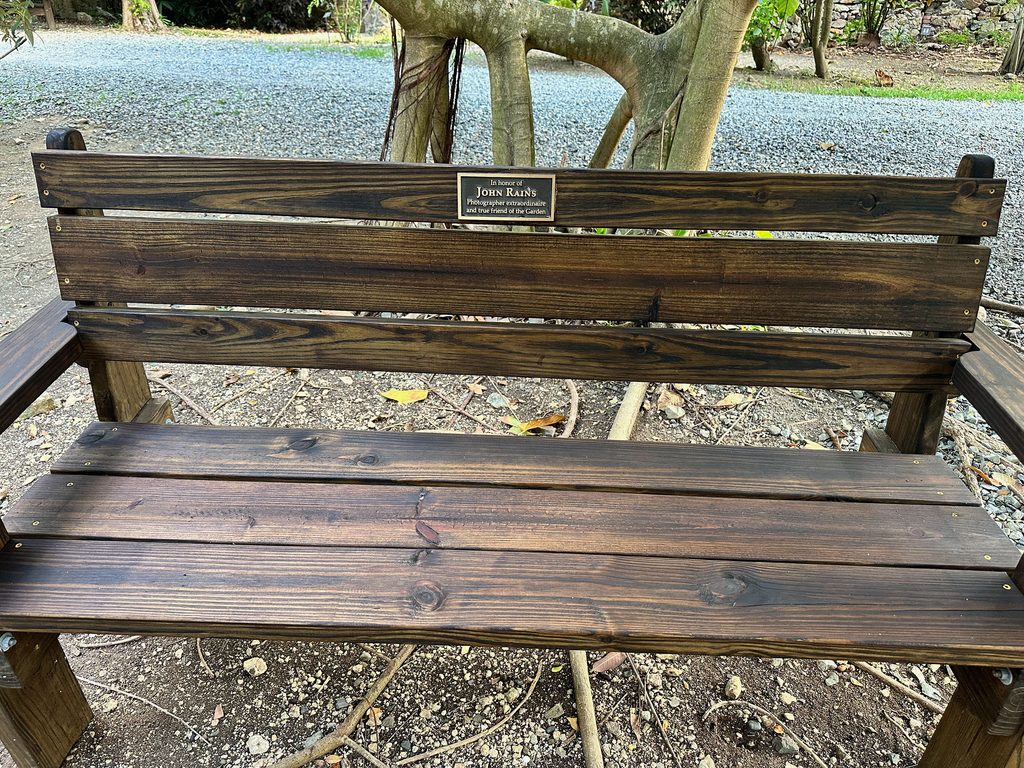
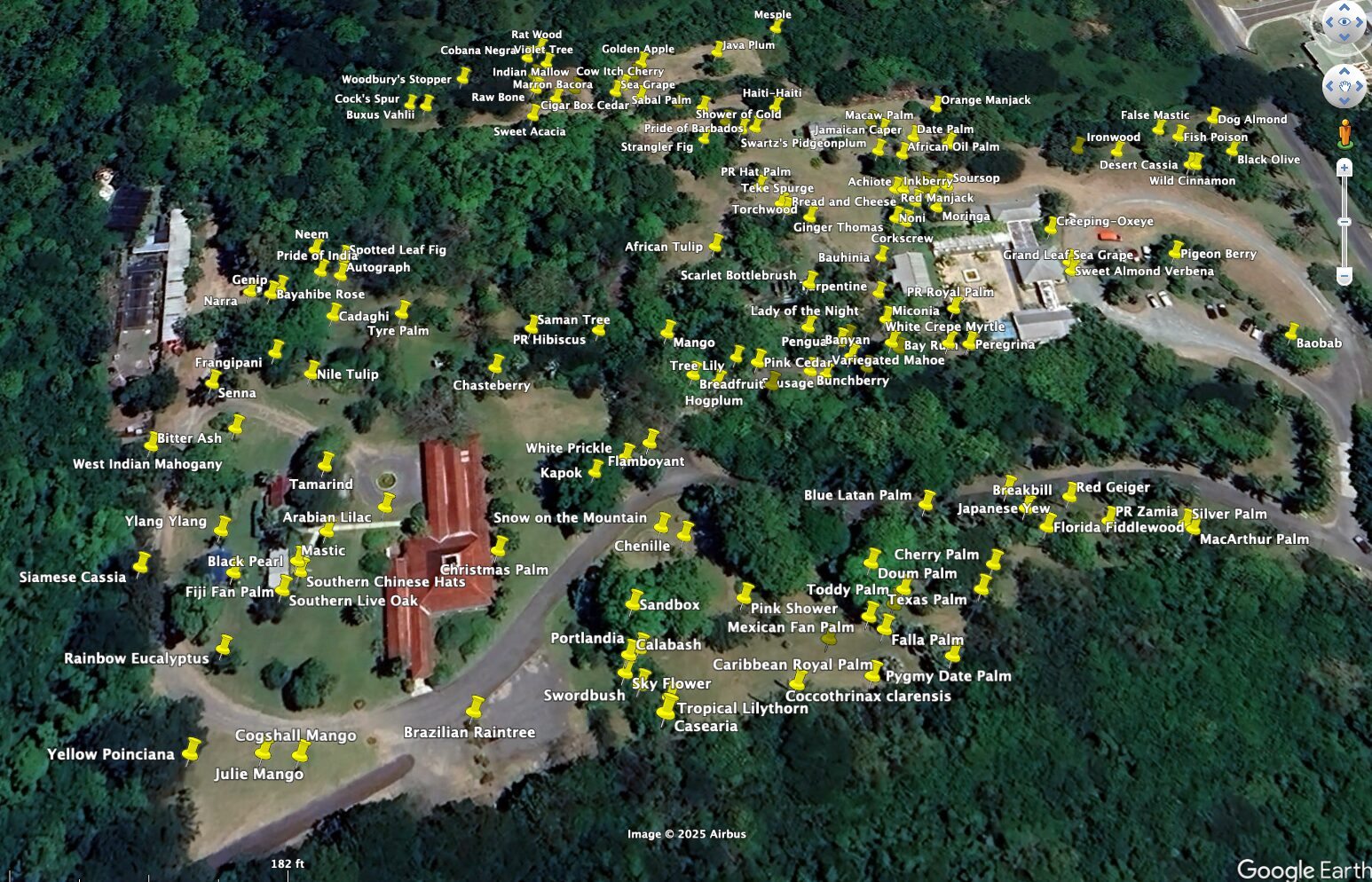
This website was created by John Rains for the St. George Village Botanical Garden on St. Croix, USVI. Its purpose is to serve as a means of sharing phenology photography with the Garden’s Horticultural Manager.
This project is primarily a photographic study documenting the phenology—the timing of key seasonal events in the life cycle—of selected shrubs and trees growing in the Garden. The work supports the Garden’s Level II accreditation under the ArbNet Arboretum Accreditation Program, which was achieved in July, 2025.
In the list below, the 100 species submitted for Level II accreditation are shown in bold.
Red Text indicates that the plant has been photographed for over a one-year cycle.
On each of the species pages, POWO Status: refers to the classification given by Kew Gardens Plants of the World Online database: https://powo.science.kew.org/. Also, IUCN Red List threat level: refers to the threat level assessment by the International Union for Conservation of Nature’s Red List of Threatened Species: https://www.iucnredlist.org/
A page has been added to showcase plants that are not part of the phenological study but are included for their beauty. Miscellaneous.
Plants
- Achiote tree
- African Oil Palm
- African Tulip
- Arabian Lilac
- Arabian Lilac SW
- Autograph Tree
- Banyan tree
- Baobab tree
- Bauhinia tree
- Bay Rum tree
- Bayahibe Rose
- Bitter Ash
- Black Mampoo
- Black Olive tree
- Black Pearl
- Blue Latan Palm
- Brazilian Raintree
- Bread and Cheese
- Breadfruit tree
- Breakbill
- Bunchberry or Black Cherry
- Buttonwood
- Buxus Vahlii (Vahl’s Boxwood)
- Cacao / Cocoa
- Cadaghi
- Calabash tree
- Cannonball tree
- Caribwood
- Caribbean Royal Palm
- Casearia
- Cashew tree
- Chasteberry
- Chenile
- Cherry Palm
- Christmas Palm
- Cigar Box Cedar
- Cobana Negra
- Coccothrinax clarensis
- Cock’s Spur
- Coconut Palm
- Cogshall Mango
- Cook’s Pine
- Corkscrew Tree
- Cow Itch Cherry
- Date Palm
- Desert Cassia
- Desert Rose
- Divi Divi
- Dog Almond
- Doum Palm
- Falla Palm
- False Cow Horn
- False Mastic
- Fiji Fan Palm
- Fish Poison
- Flamboyant tree
- Florida Fiddlewood
- Florida Thatch Palm
- Frangipani
- Genip tree
- Ginger Thomas
- Golden Apple
- Grand Leaf Sea Grape tree
- Guatemalan Ponytail Palm
- Guavaberry
- Haiti-Haiti
- Hispaniola Silver Thatch Palm
- Hogplum tree
- Honduras Mahogany
- Indian Mallow
- Inkberry tree
- Ironwood
- Jamaica Caper
- Japanese Yew
- Java Plum tree
- Julie Mango
- Kapok tree
- Lady of the Night
- Limber Caper
- MacArthur Palm
- Macaw Palm
- Madagascar Mousetrap
- Madagascar Palm
- Madras Thorn
- Maidenberry
- Mango tree
- Maran Bush
- Marron Bacora
- Mastic
- Mesple tree
- Mexican Fan Palm
- Miconia
- Moringa
- Narra / India Padauk
- Neem
- Nile Tulip
- Noni
- Orange Manjack
- Pengua
- Peregrina
- Pereskia aculeata
- Physic Nut
- Pigeon Berry
- Pink Cedar
- Pink Rose
- Pink Shower
- Pomegranate
- Pomegranate 2
- Portlandia tree
- Pride of Barbados
- Pride of India
- Puerto Rican Hat Palm
- Puerto Rican Hibiscus tree
- Puerto Rican Royal Palm
- Puerto Rican Zamia
- Pygmy Date Palm
- Rainbow Eucalyptus tree
- Rat Wood
- Raw Bone
- Red Geiger
- Red Manjack
- Royal Palm
- Saba Nut
- Sabal Palm
- Saman tree
- Sandbox tree
- Sausage tree
- Scarlet Bottlebrush
- Screw Pine
- Sea Grape tree
- Senna
- Shower of Gold tree
- Siamese Cassia
- Silver Palm
- Skyflower
- Snow on the Mountain
- Song of India
- Soursop
- Southern Chinese Hats
- Southern Live Oak
- Spotted Leaf Fig
- St. Croix Agave
- Strangler Fig tree
- Sugar Palm
- Swartz’s Pigeonplum
- Sweet Acacia
- Sweet Almond Verbena
- Swordbush
- Tamarind tree
- Teke Spurge
- Texas Palm
- Toddy Palm
- Torchwood
- Tree Lily
- Tropical Lilythorn
- Trumpetwood
- Turpentine tree
- Tyre Palm
- Variegated Mahoe
- Violet Tree
- West Indian Mahogany
- West Indian Satinwood tree (Zanthoxylum flavum)
- White Crepe Myrtle
- White Prickle tree
- Wild Almond tree
- Wild Cinnamon tree
- Woodbury’s Stopper
- Yellow Poinciana
- Ylang Ylang tree