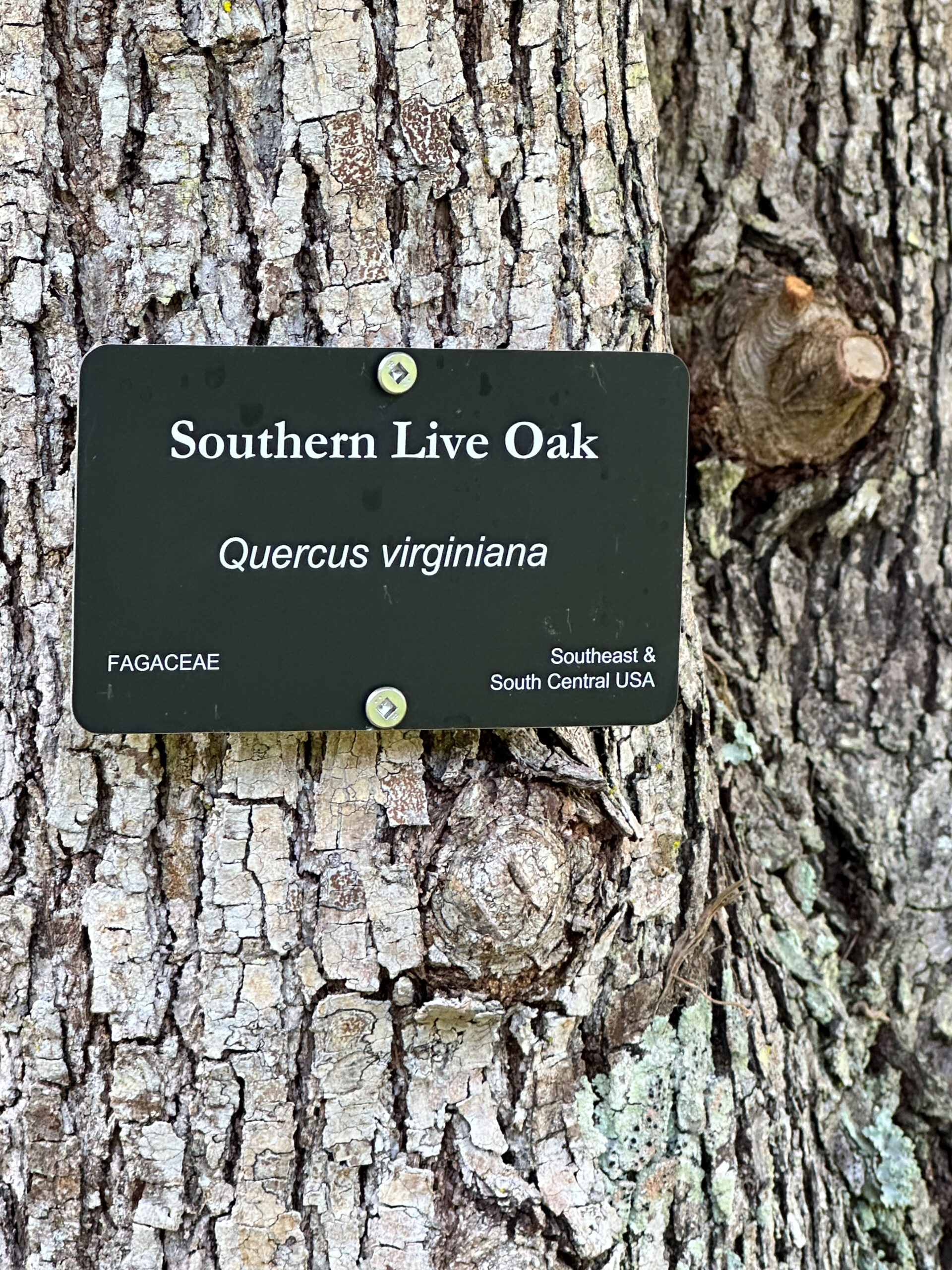
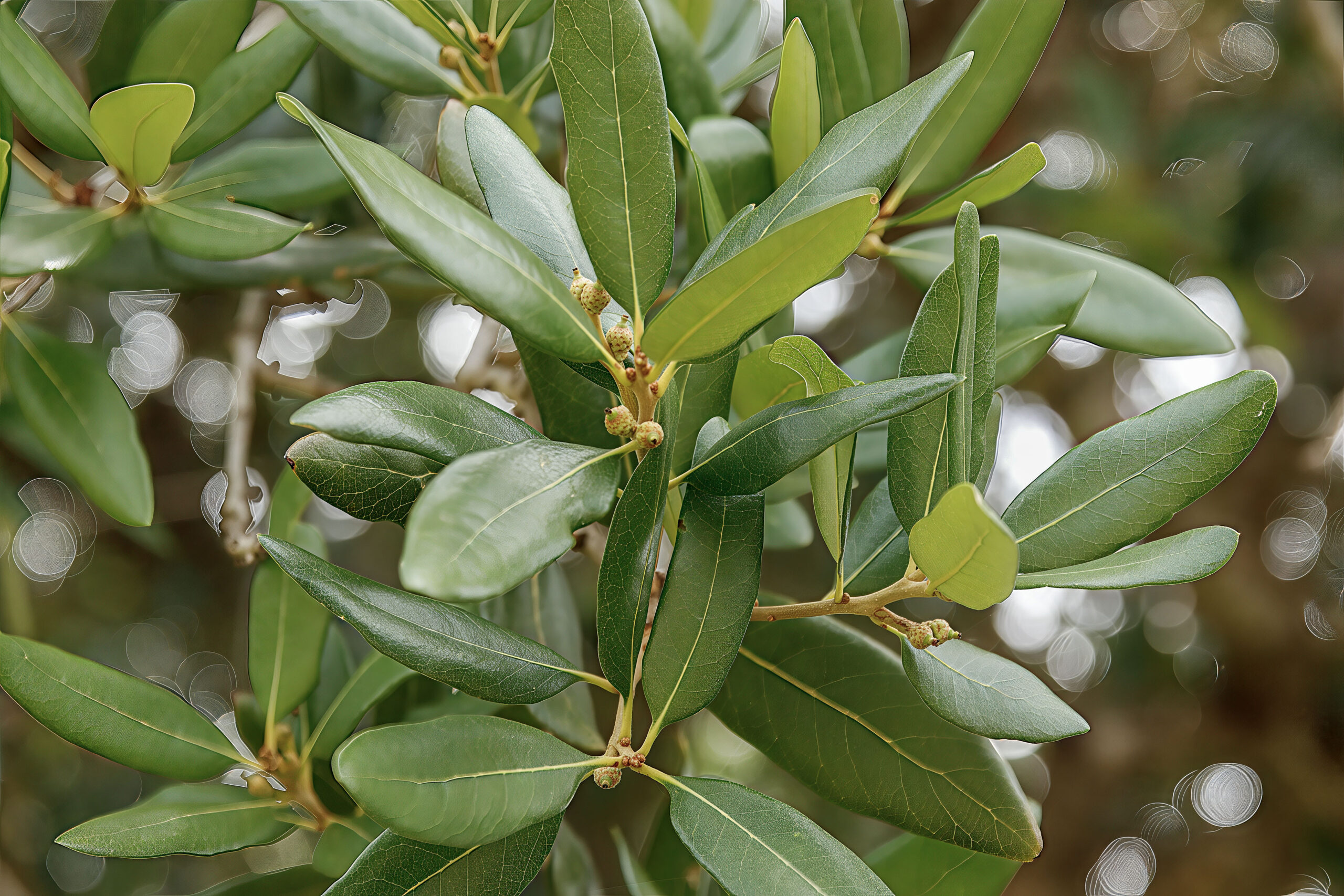
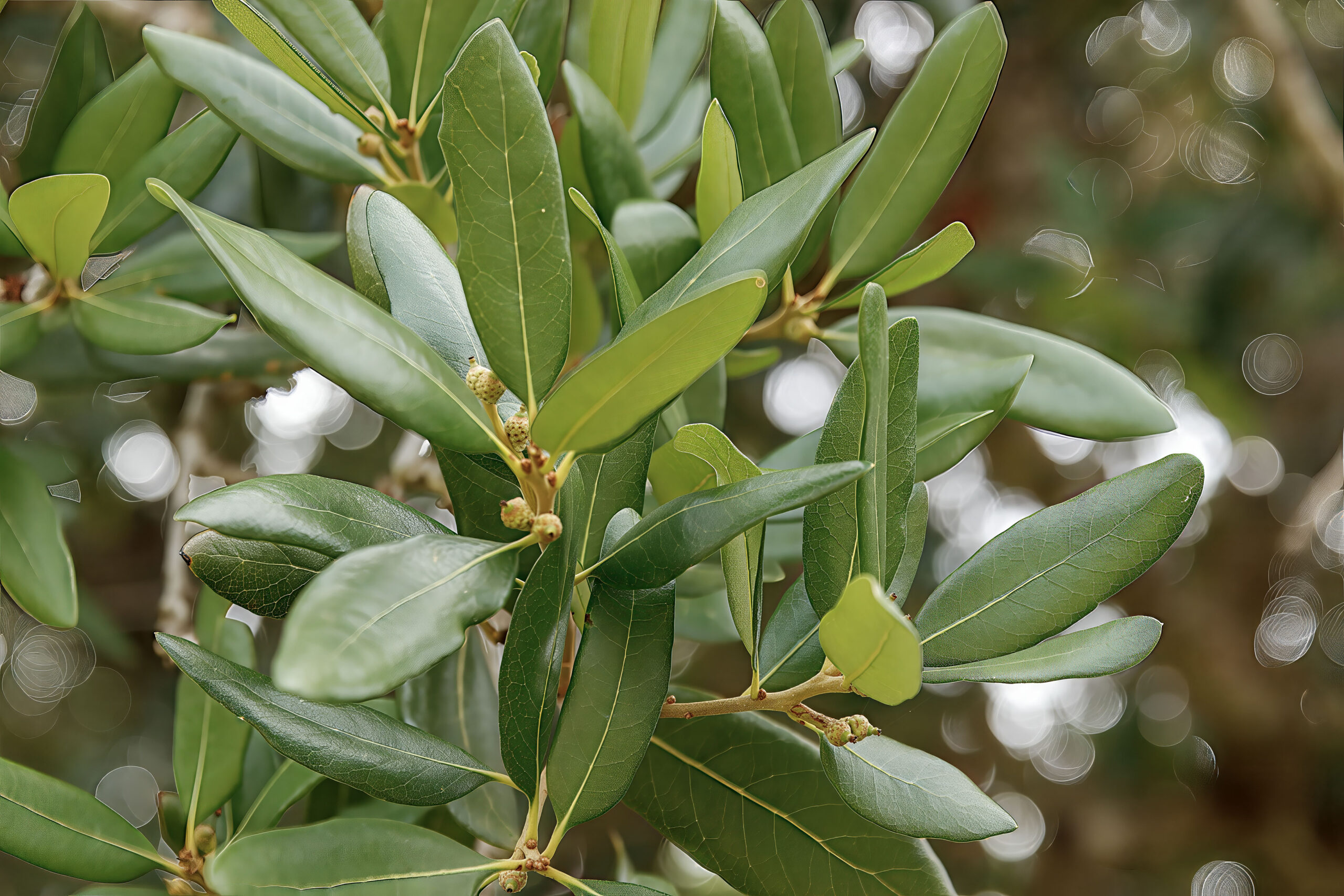
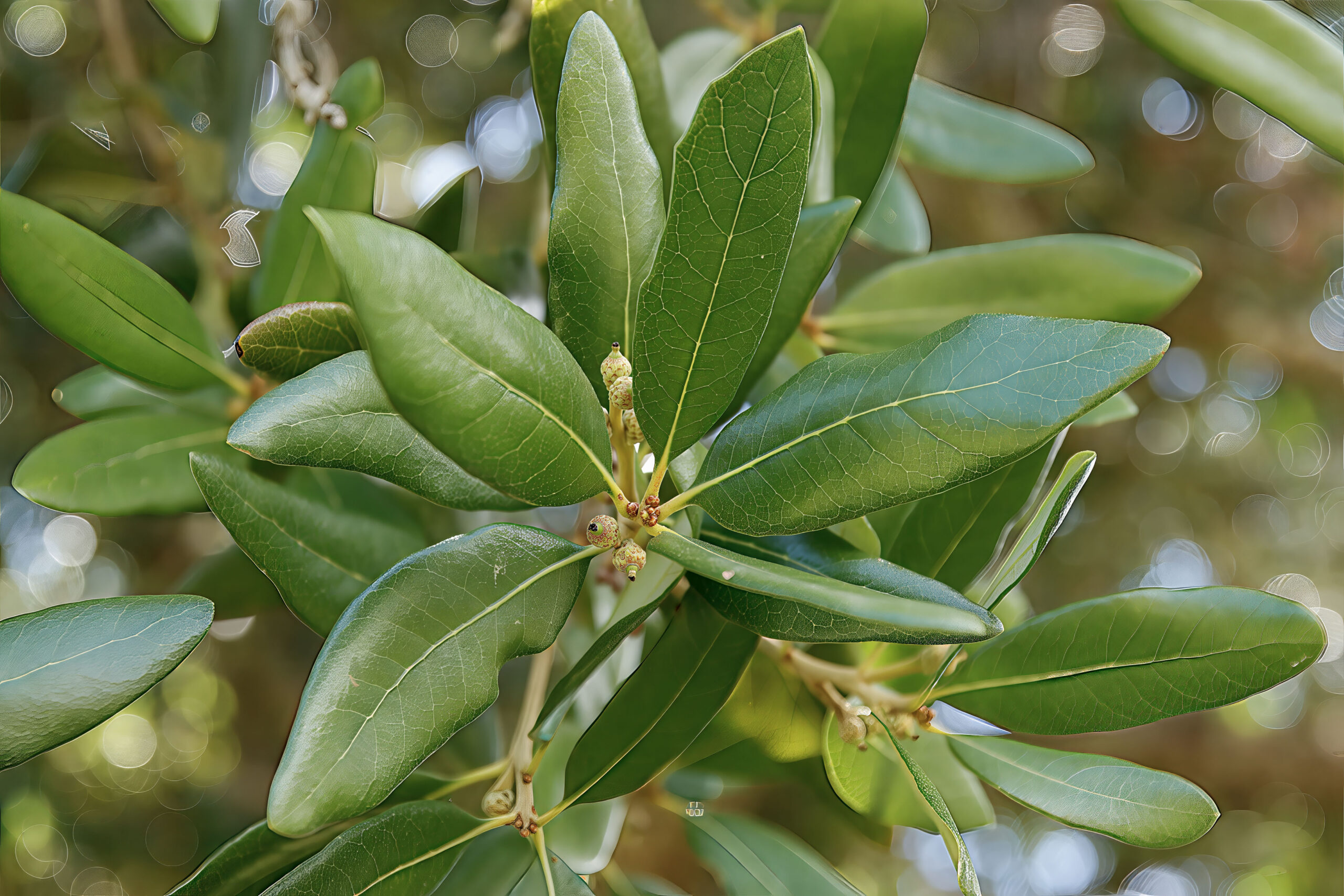
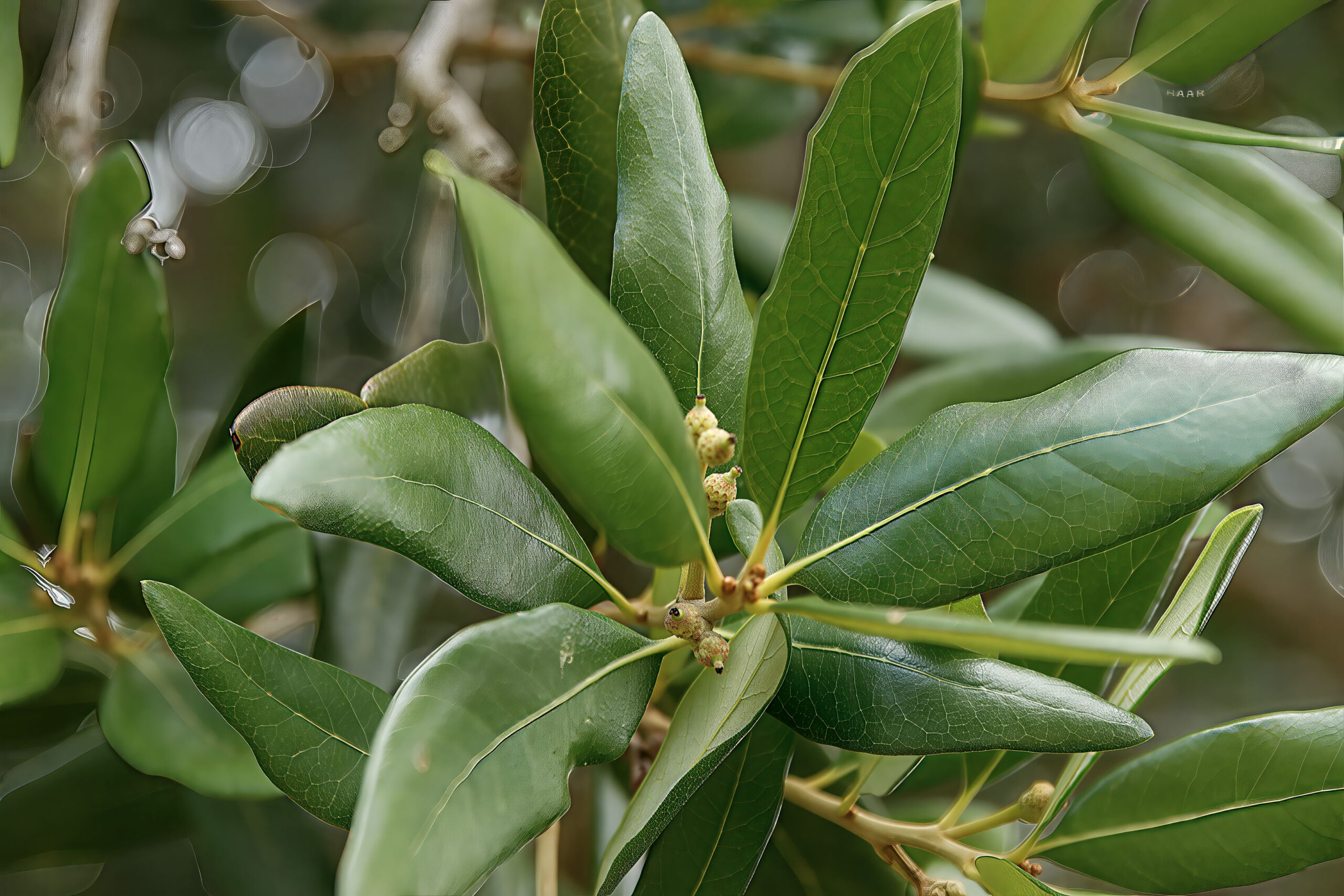
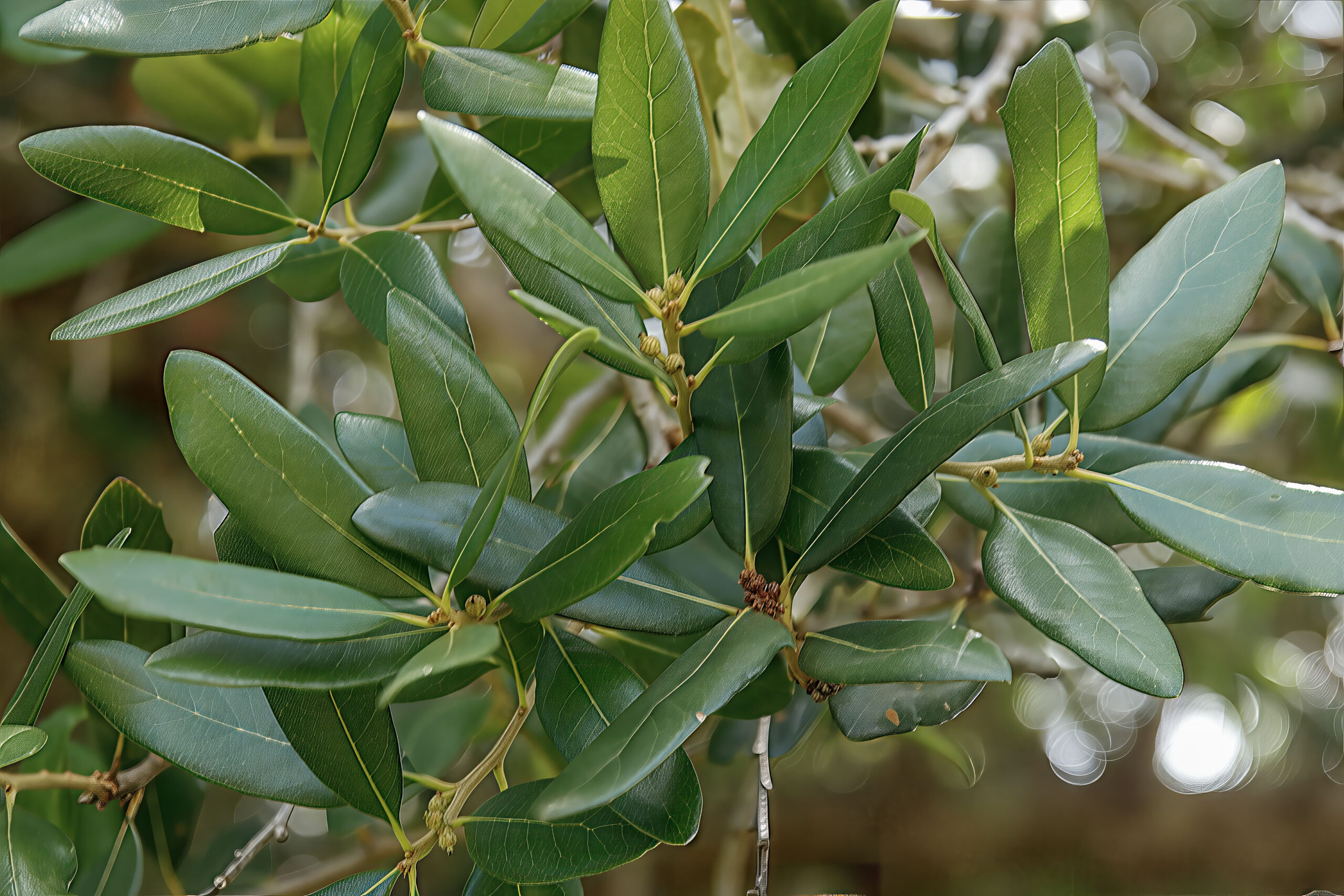
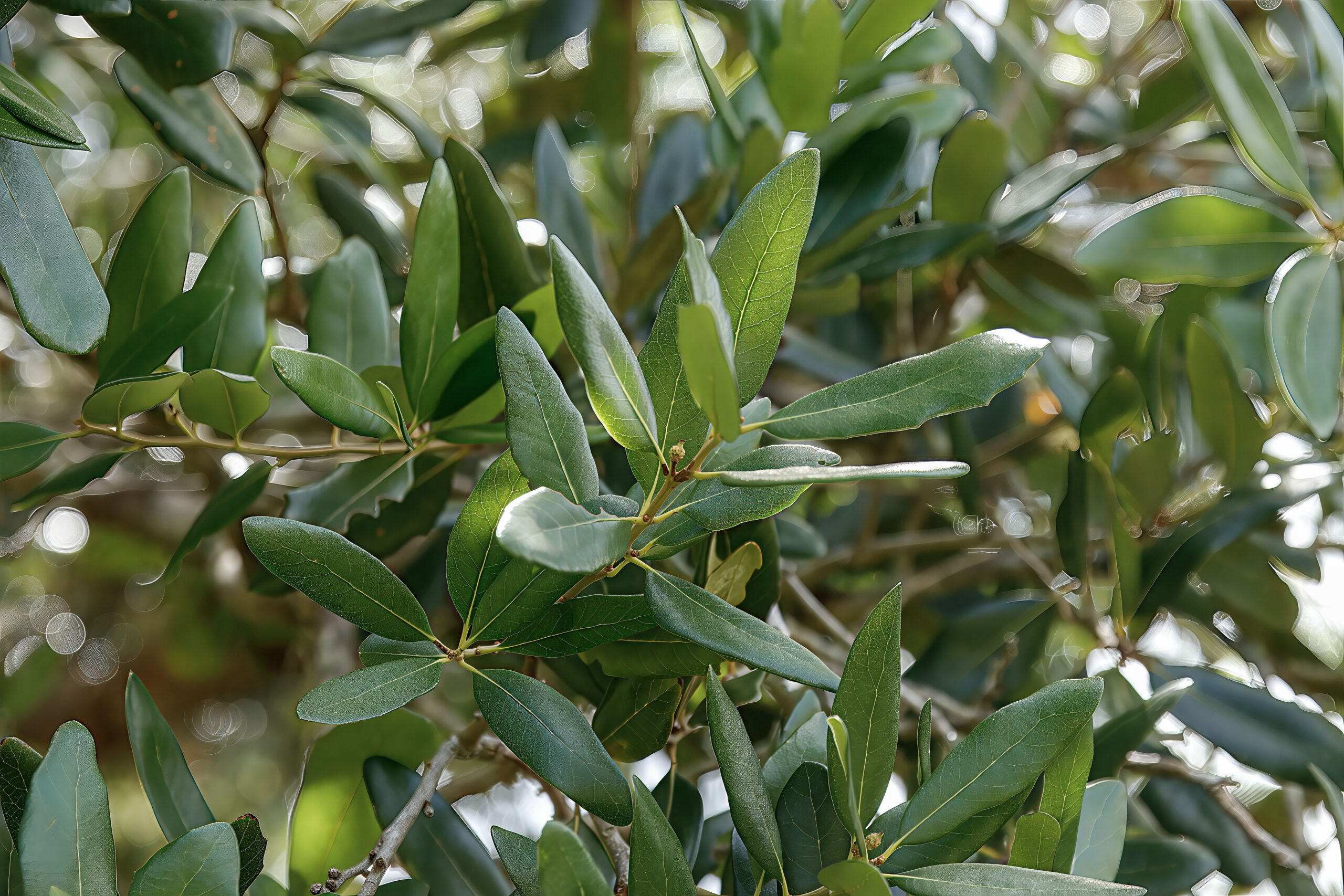
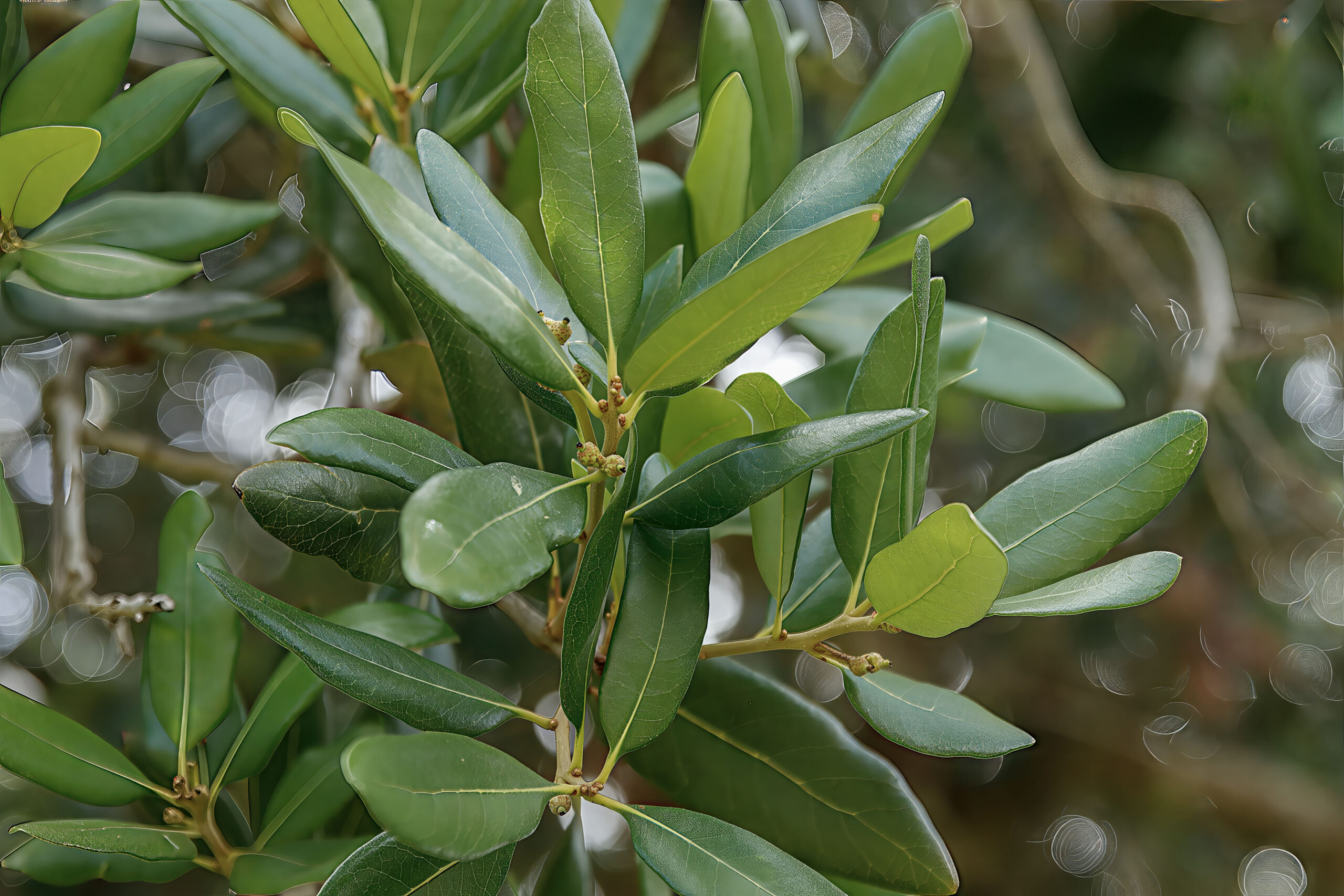
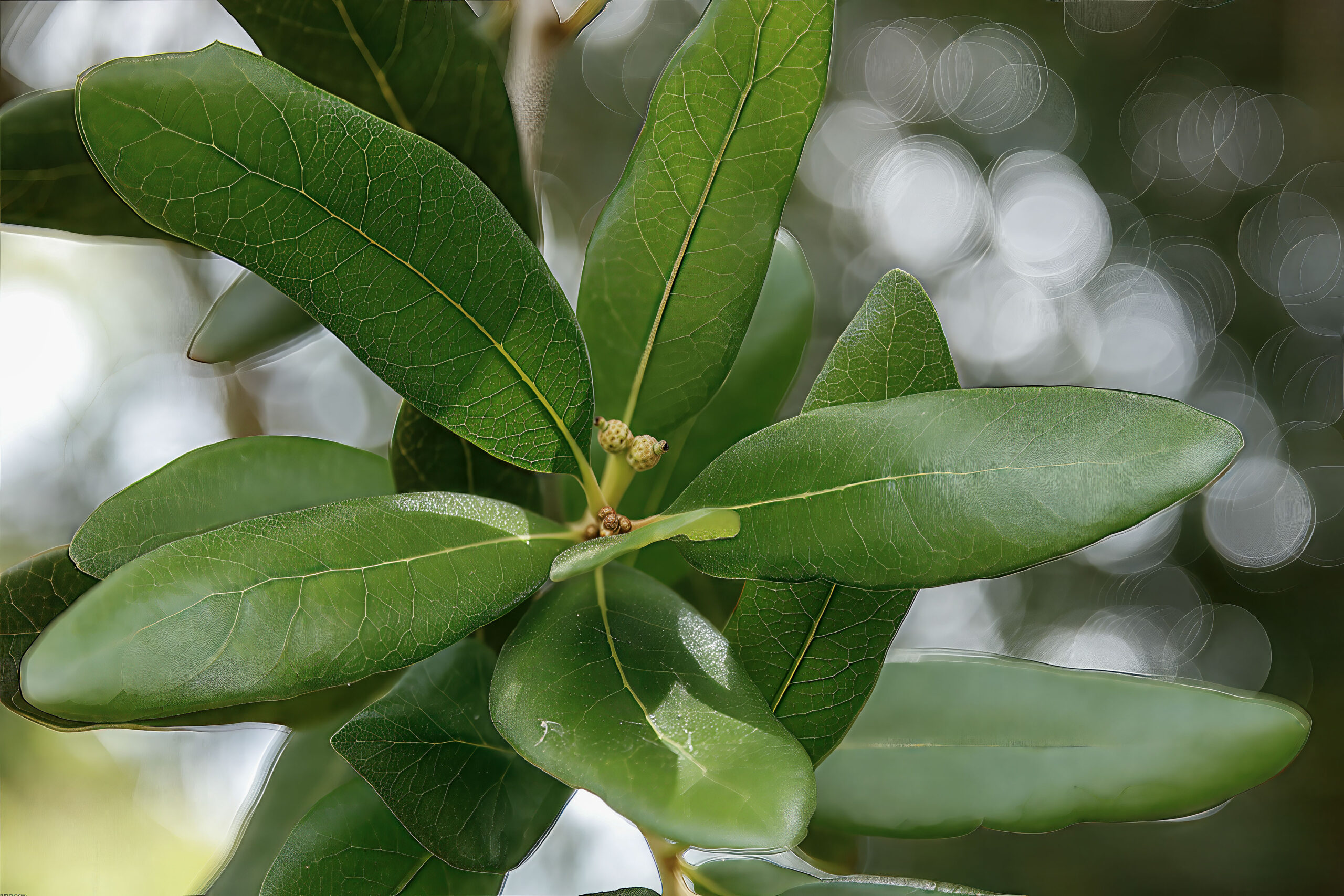
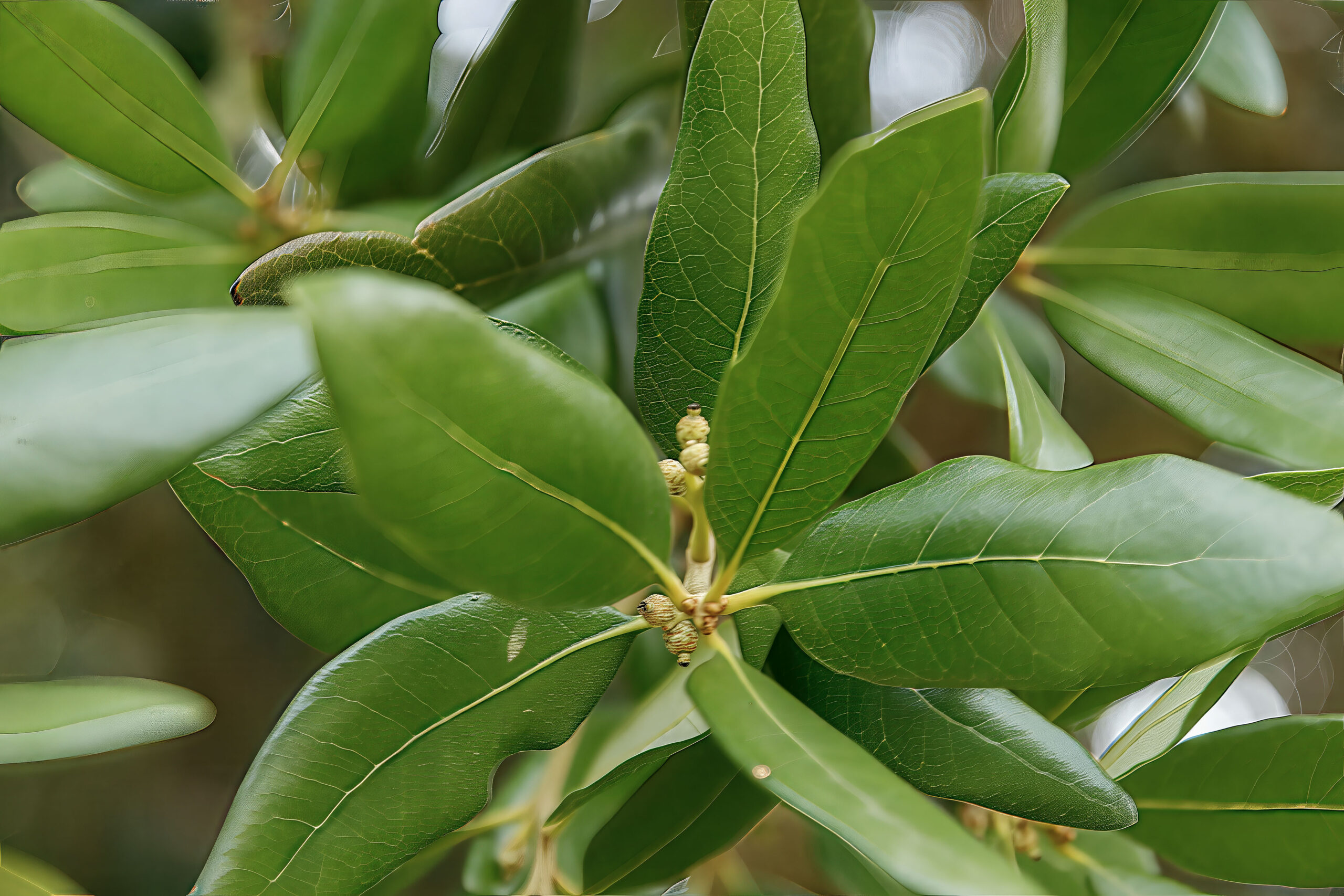
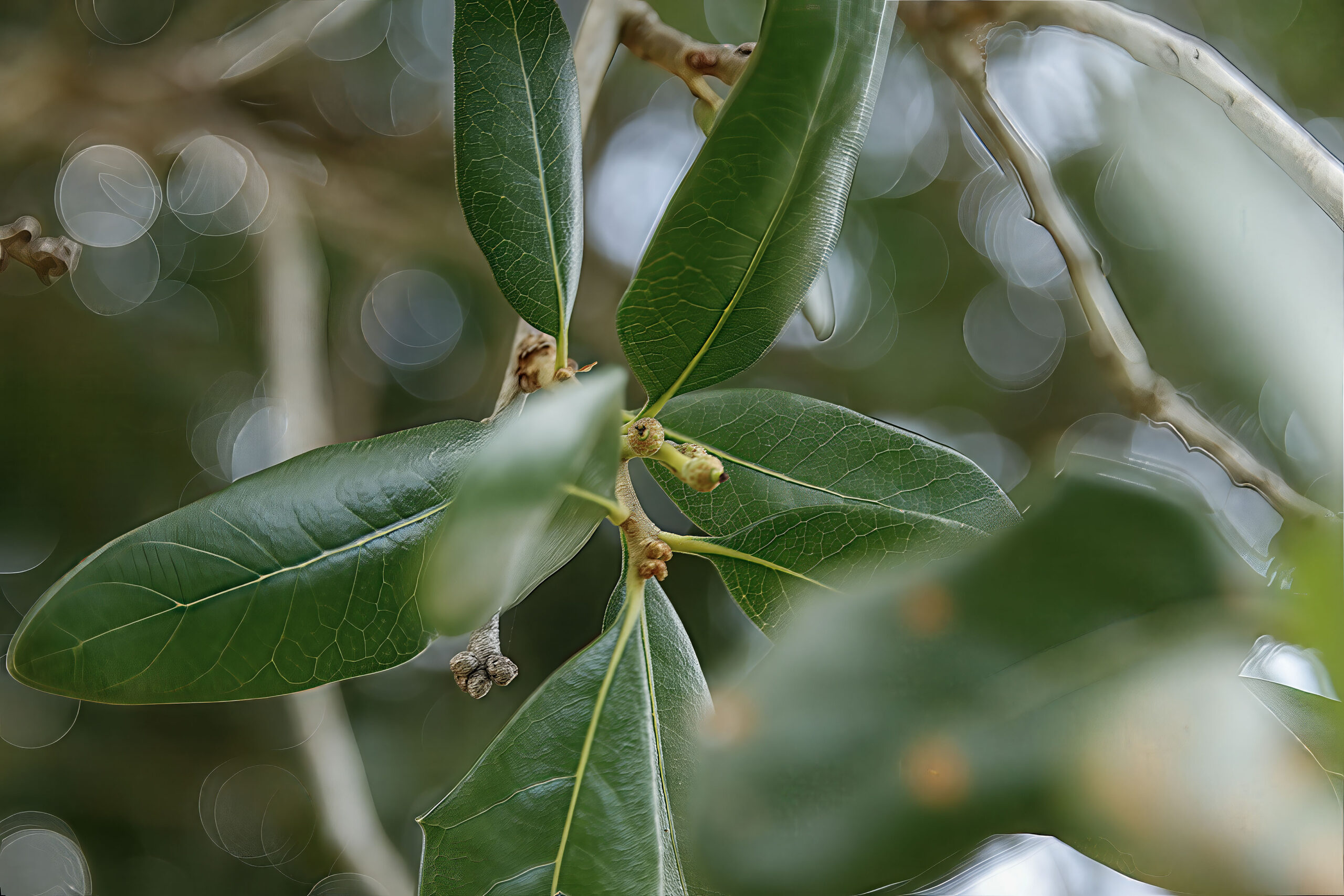
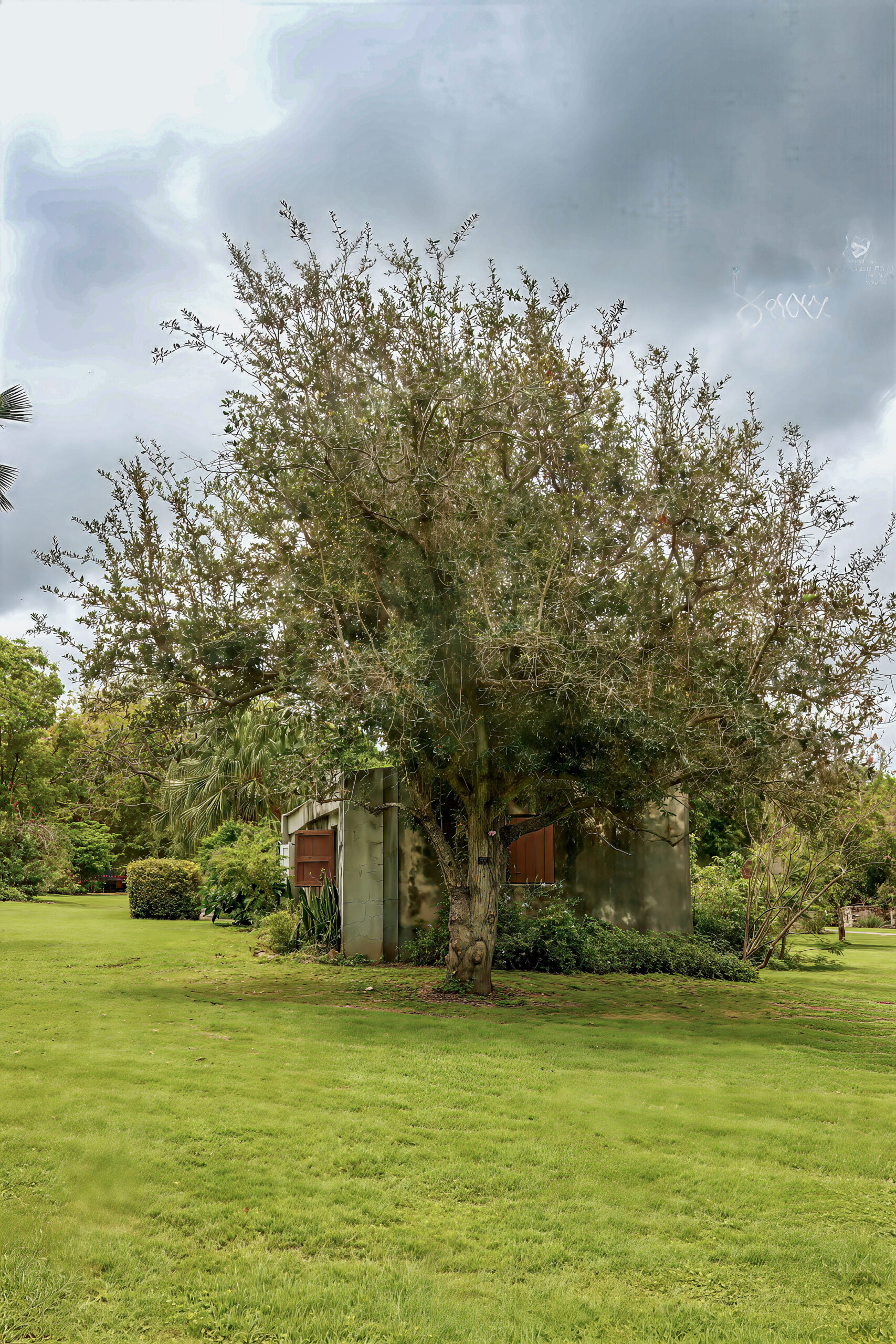
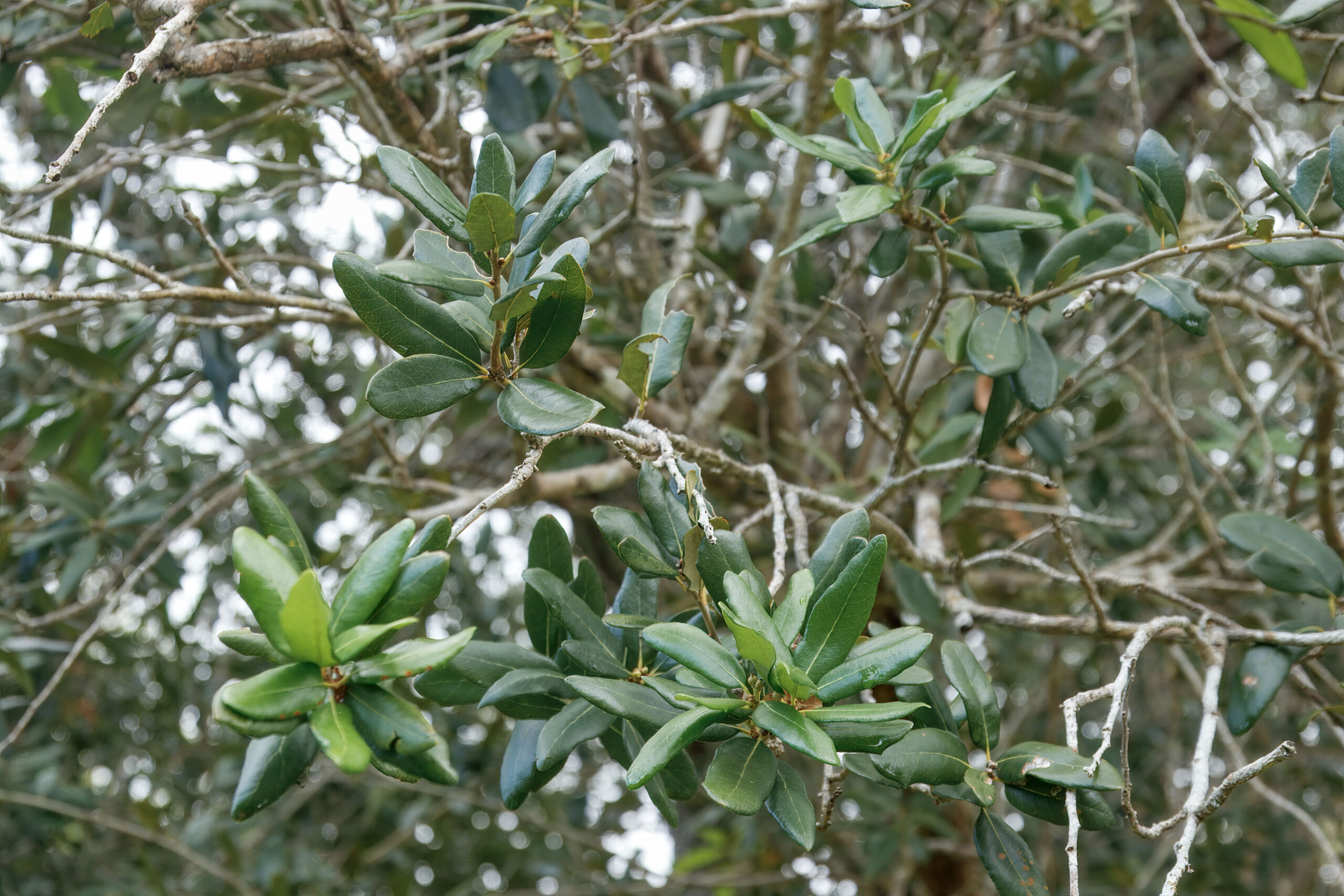
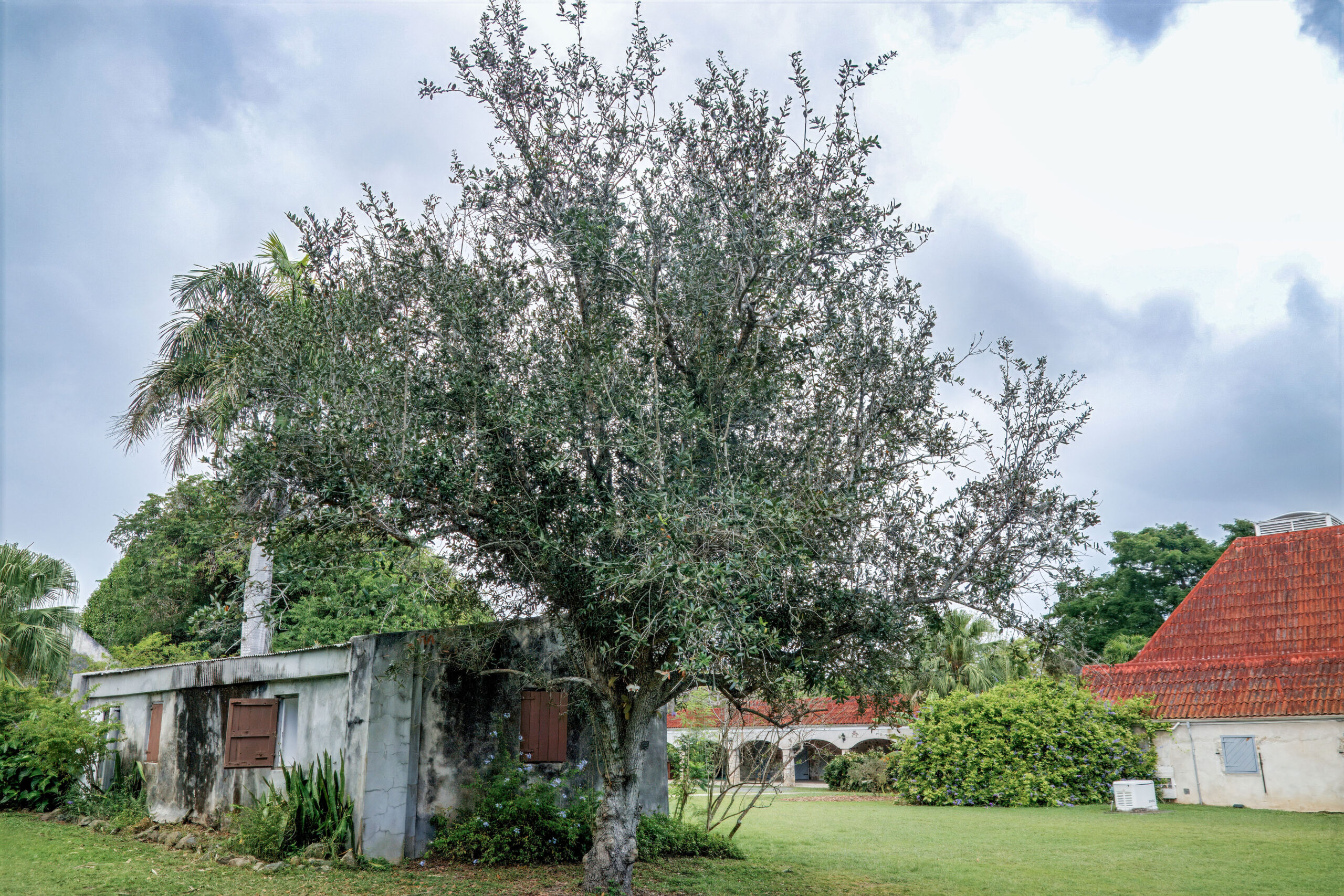
Southern Live Oak

Scientific name: Quercus virginiana

POWO Status: Tree

IUCN Red List threat level: Least Concern

GPS Location: 17° 42′ 54.44″ N, 64° 49′ 51.22″ W

Medicinal Uses

Quercus virginiana (Live Oak) and other oaks have traditional medicinal uses, primarily leveraging their high tannin content, making them powerful astringents for conditions like diarrhea, sore throats, eczema, and hemorrhoids, with uses documented by Indigenous peoples and historical herbalists for issues like bleeding and inflammation, though robust scientific validation for many specific uses is still developing. 

Key Medicinal Applications (Traditional & Preliminary):

  • Diarrhea & Dysentery: Tannins help reduce intestinal secretion, making oak bark useful for internal use in cases of acute diarrhea and dysentery.
  • Inflammation & Soreness: As an astringent, oak bark (used as a mouthwash or topical application) can soothe sore throats, canker sores, and inflamed tissues by binding to proteins.
  • Skin Conditions: Topical oak preparations are used for eczema, dermatitis, and minor wounds due to their astringent and protective properties.
  • Hemorrhages: Galls (abnormal growths on the tree) and bark decoctions have been historically used to stop bleeding, including heavy menstruation (menorrhagia).
  • Antiseptic/Antibacterial: Oak bark is recognized for antiseptic qualities, with some studies showing potential antibacterial properties, notes the National Institutes of Health (NIH). 

How It Works (Tannins):

  • Astringency: Tannins constrict tissues, drying them out and reducing swelling, bleeding, and fluid loss.
  • Protein Binding: Tannic acid binds to proteins in skin and mucous membranes, offering protection and aiding healing. 

Important Considerations:

  • Harvesting: Always harvest bark ethically and sustainably, preferably from fallen trees, and in cooler seasons (fall, winter, spring).
  • Safety: While generally safe in moderation, excessive tannin intake can cause stomach upset; consult a healthcare provider, especially if pregnant or for children, as safety isn’t well-established.

Observations:

Phenological Markers for Southern Live Oak (Quercus virginiana)

1. Leaf Drop and Flush

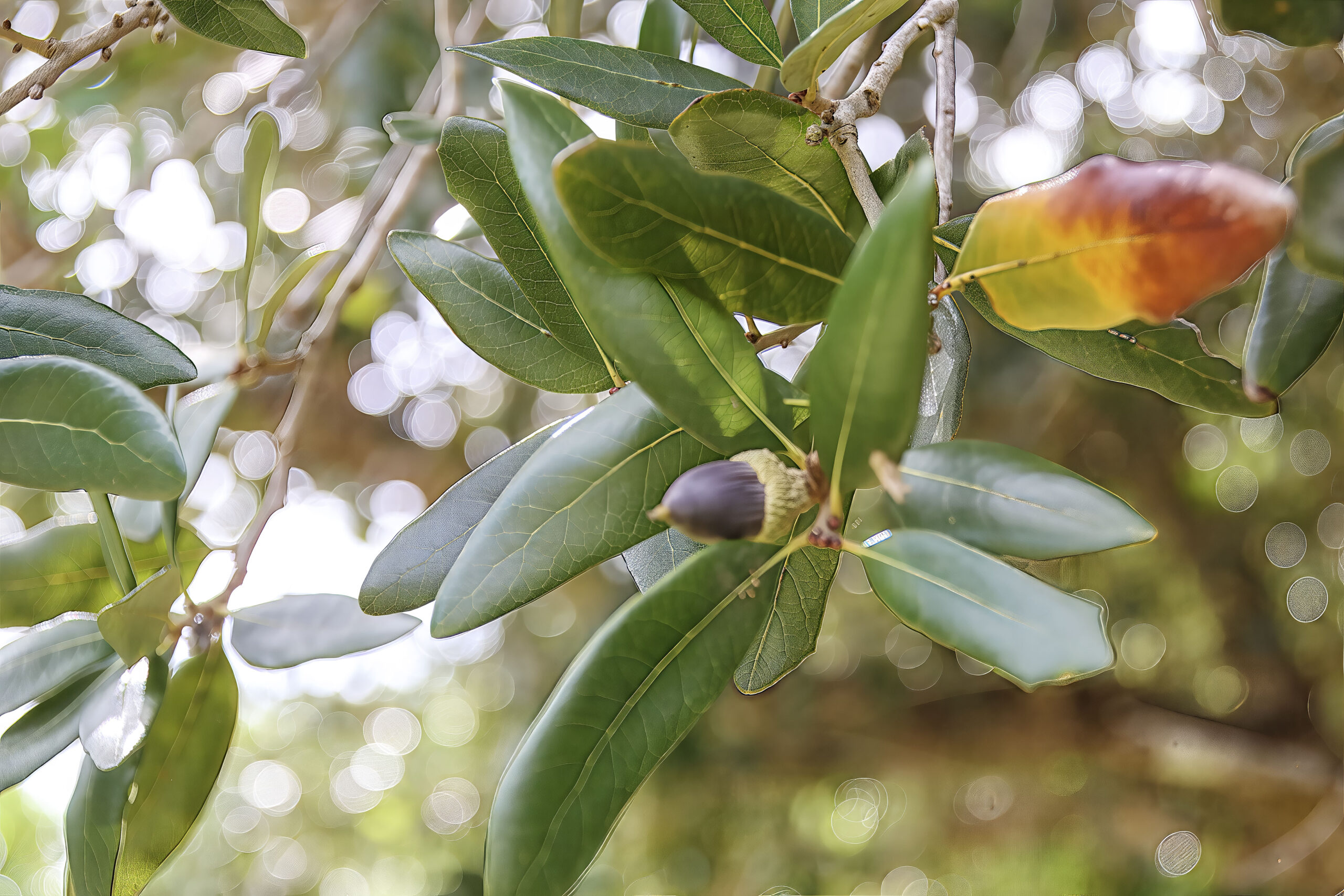
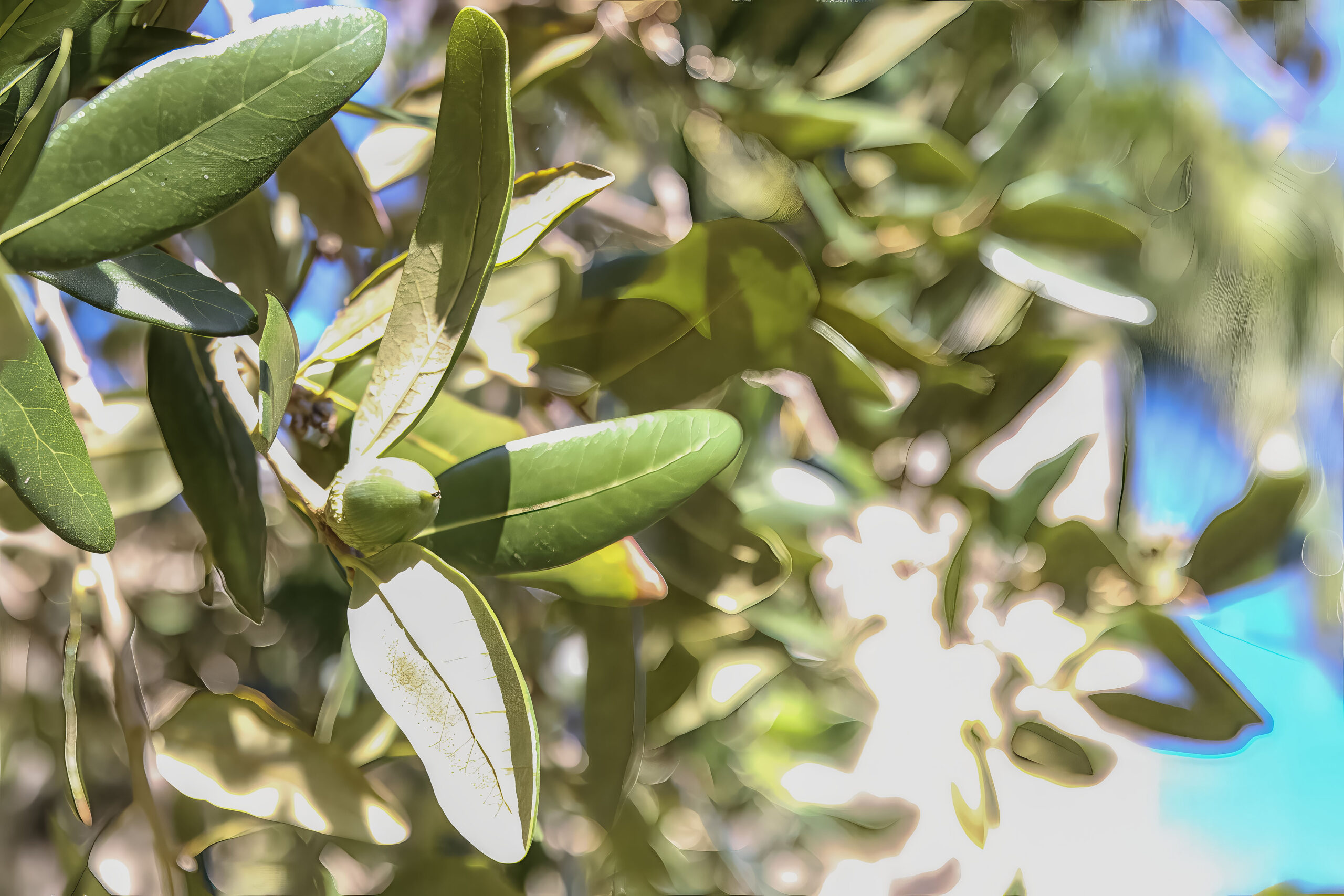
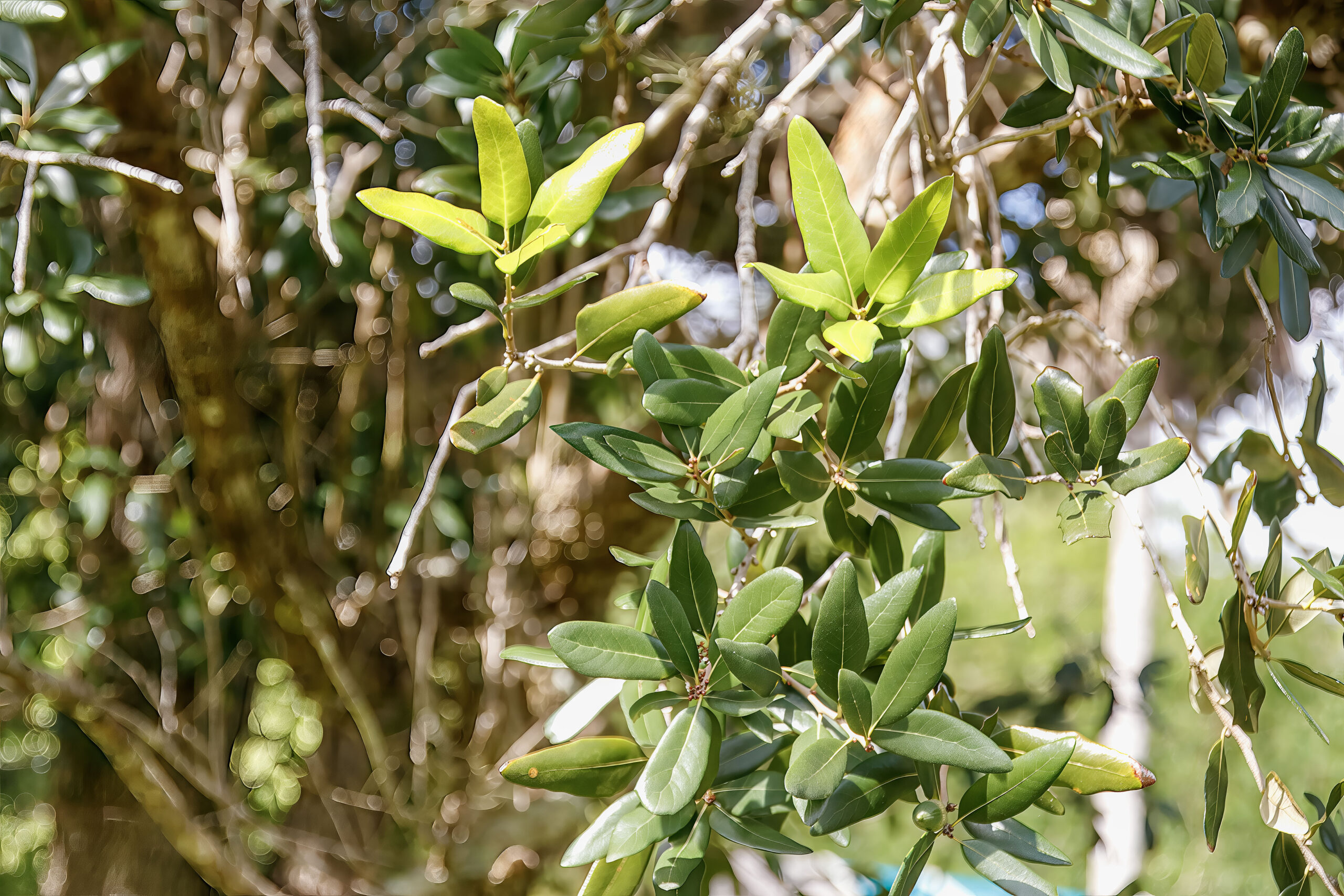
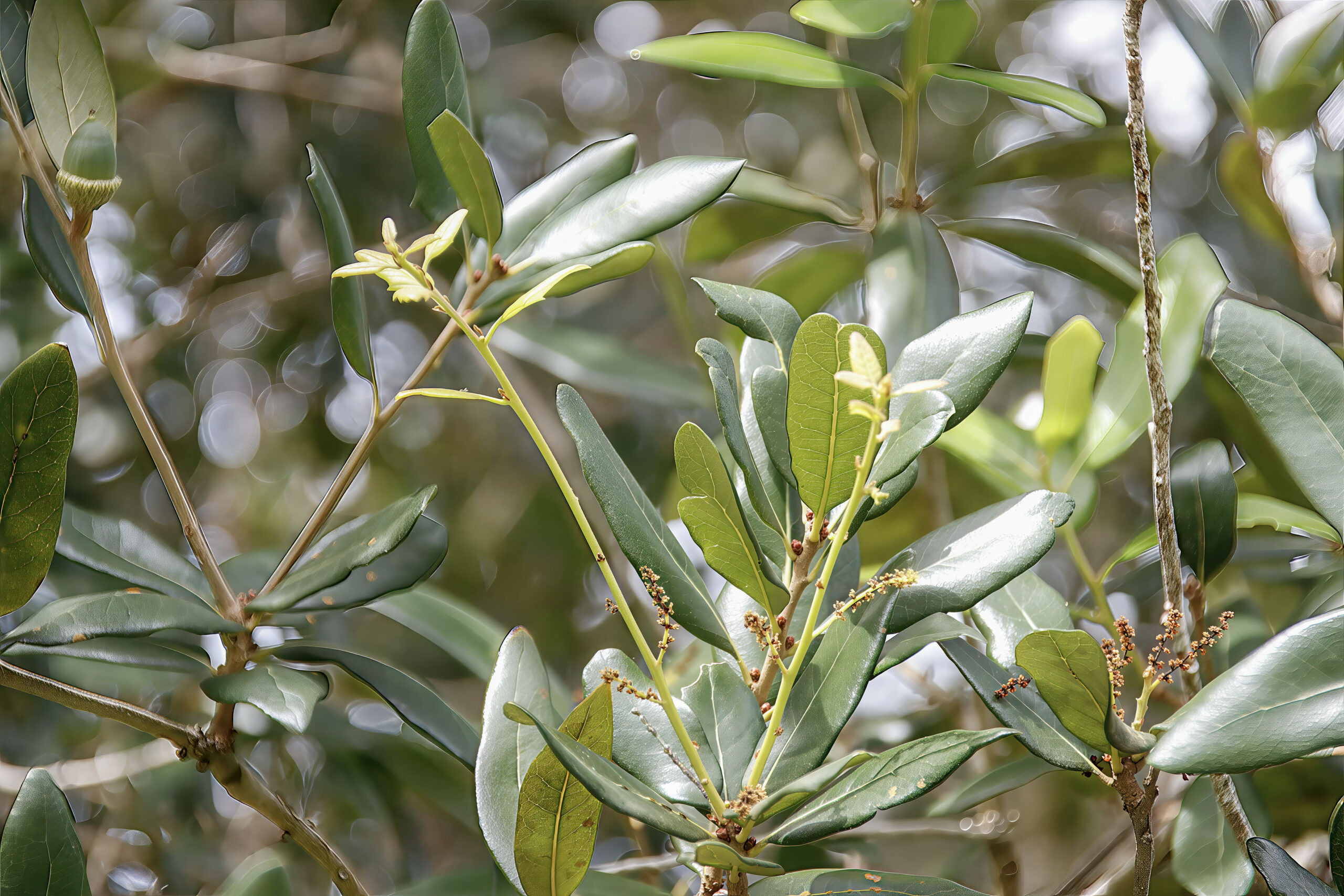
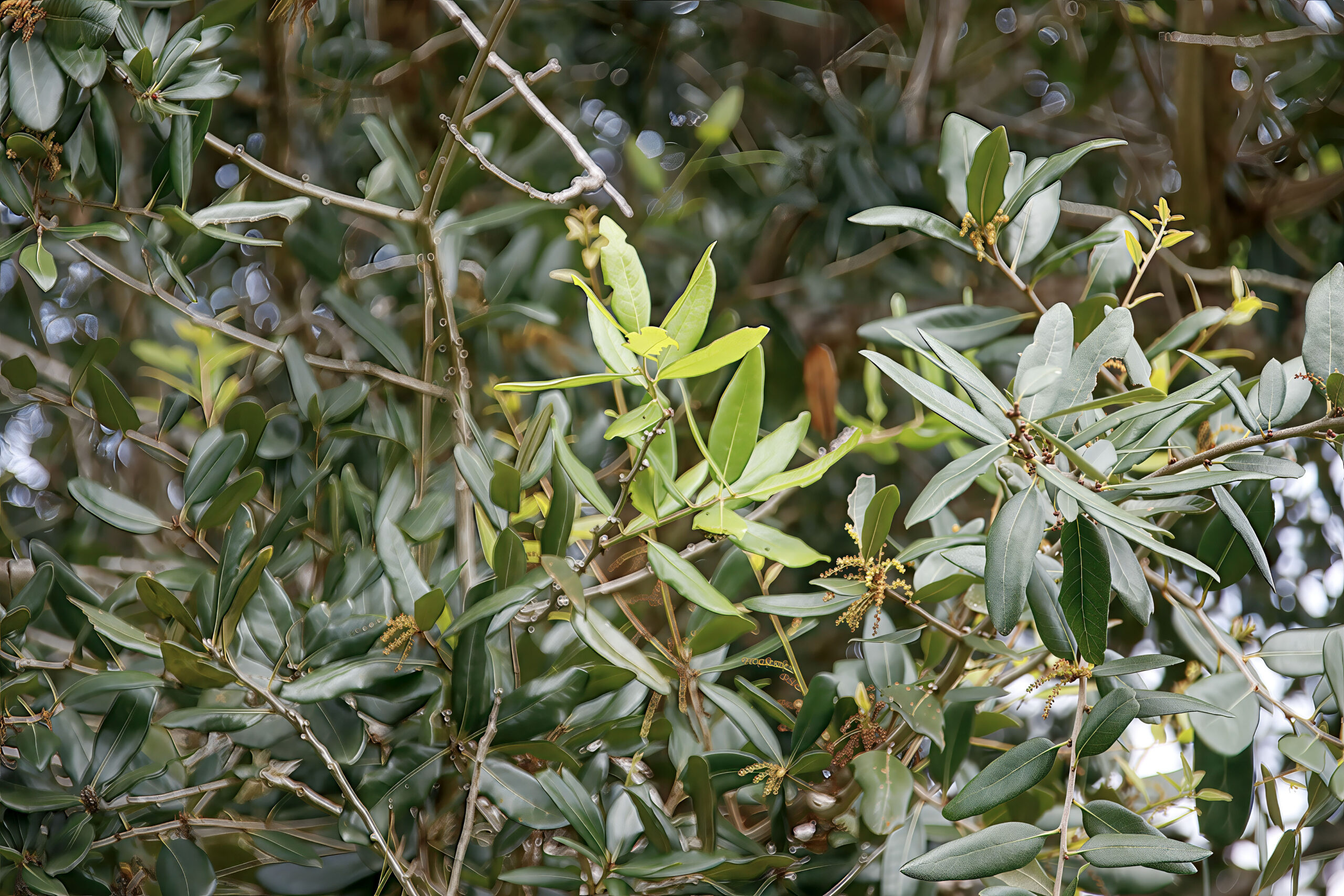
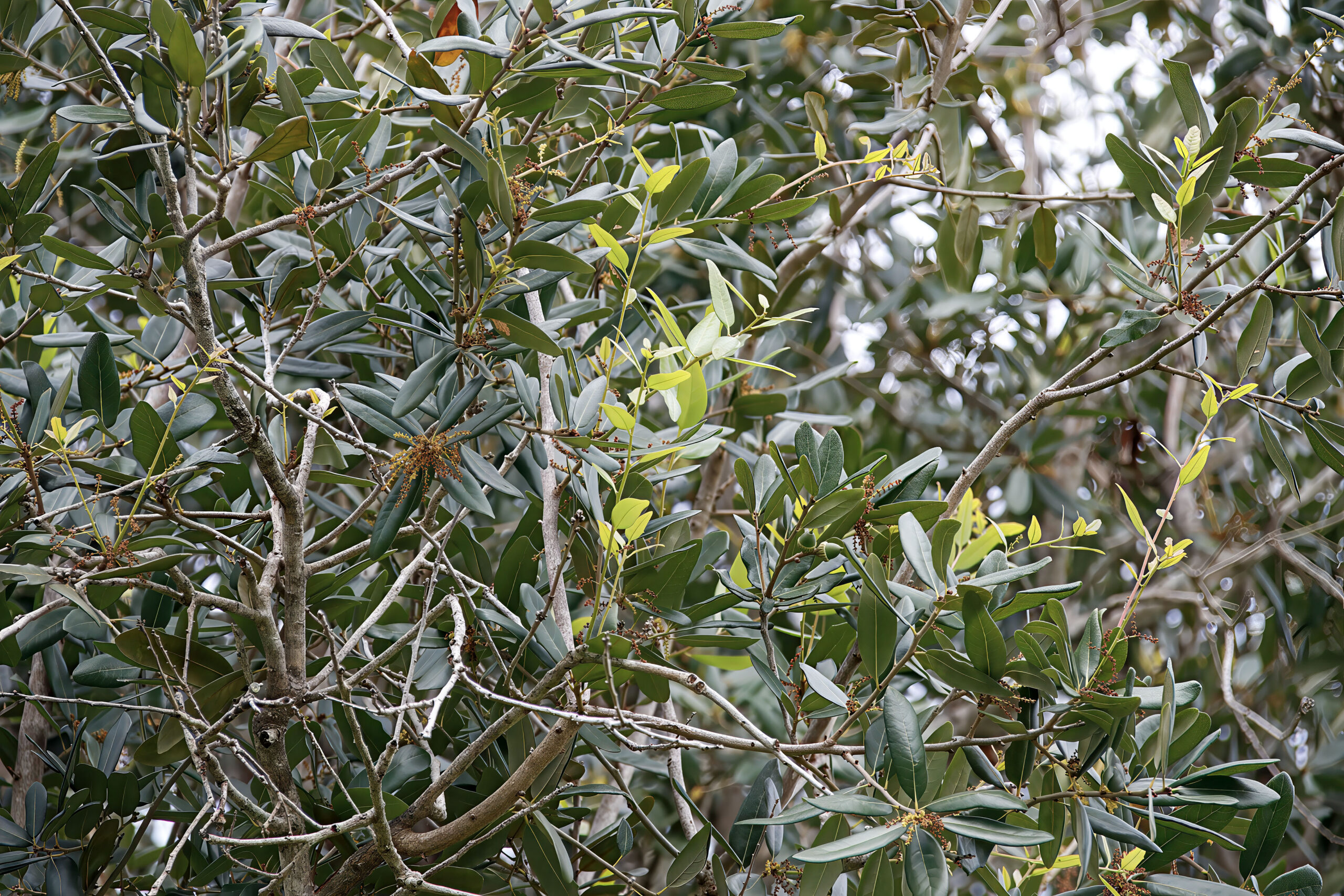
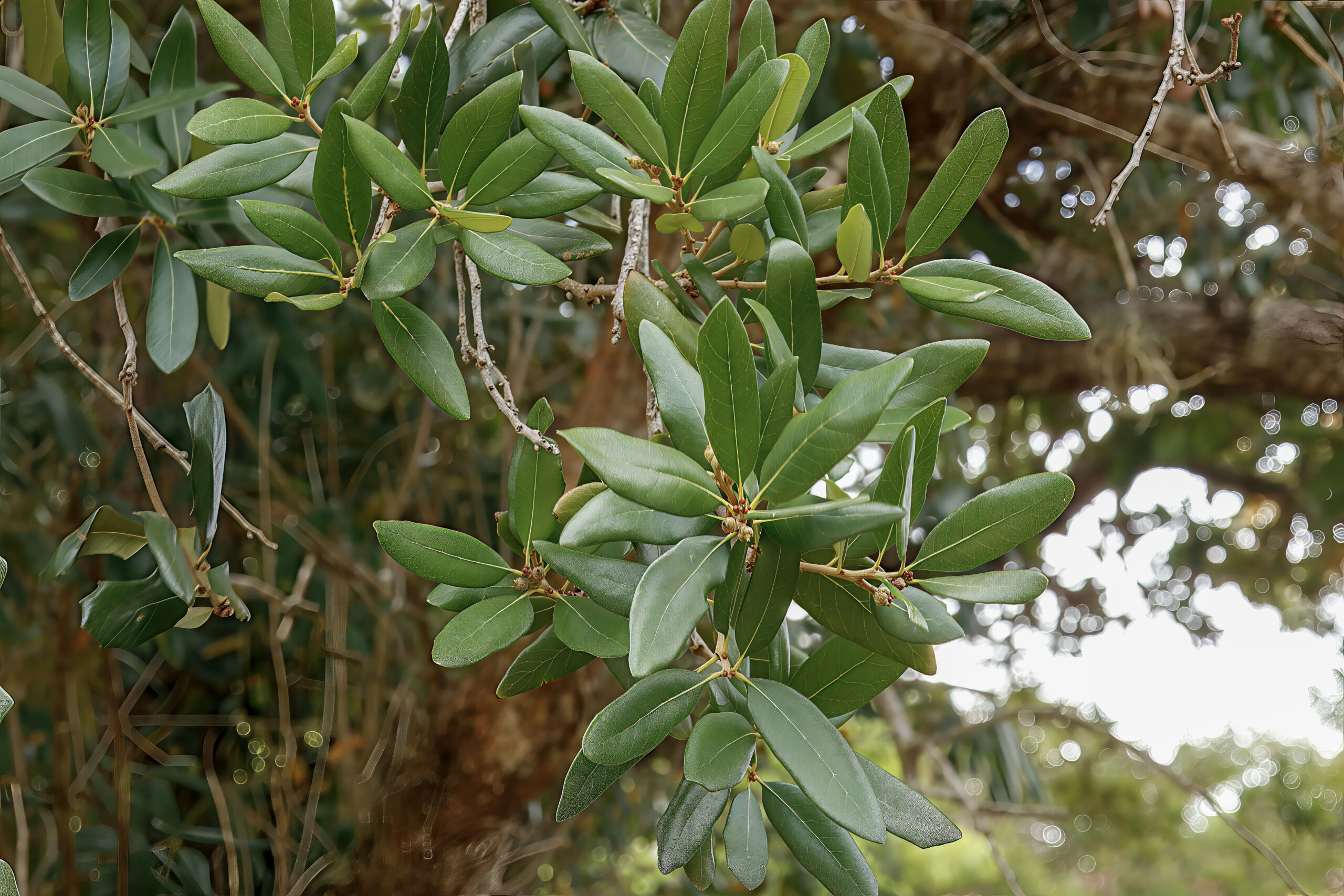
Despite being called “evergreen,” Southern Live Oaks do shed their leaves, just not all at once. In fact, they often replace old leaves with new ones just before spring.

  • Leaf drop typically occurs in late winter to early spring (e.g., February to April).
  • A flush of new leaves often follows shortly thereafter, usually timed with rising temperatures and longer days.

Observation tips:

  • Document first signs of yellowing or leaf browning.
  • Track the peak of leaf fall and the timing of new leaf emergence.
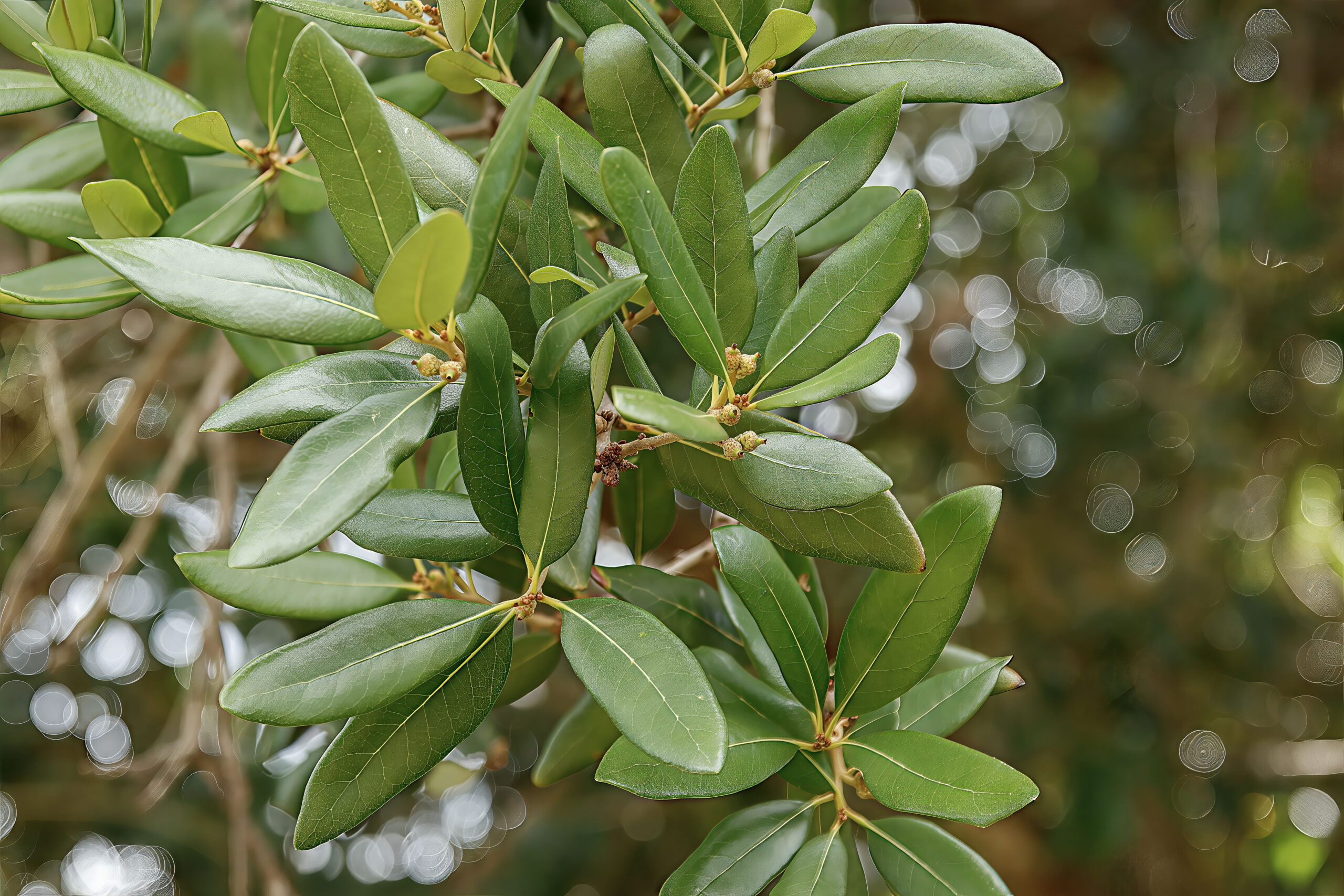
  • Photograph contrast between old and new foliage—new leaves are often lighter and softer in texture.

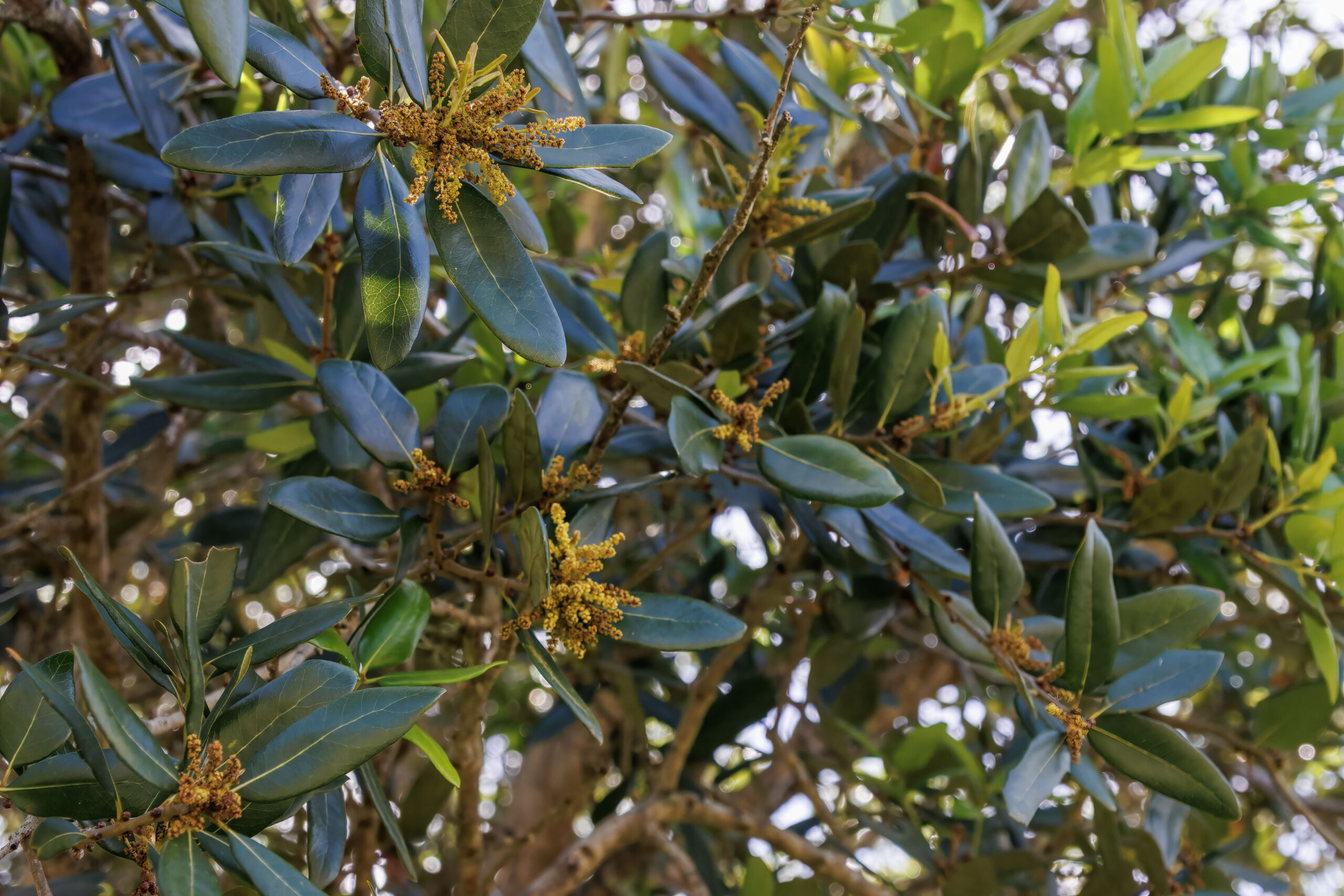
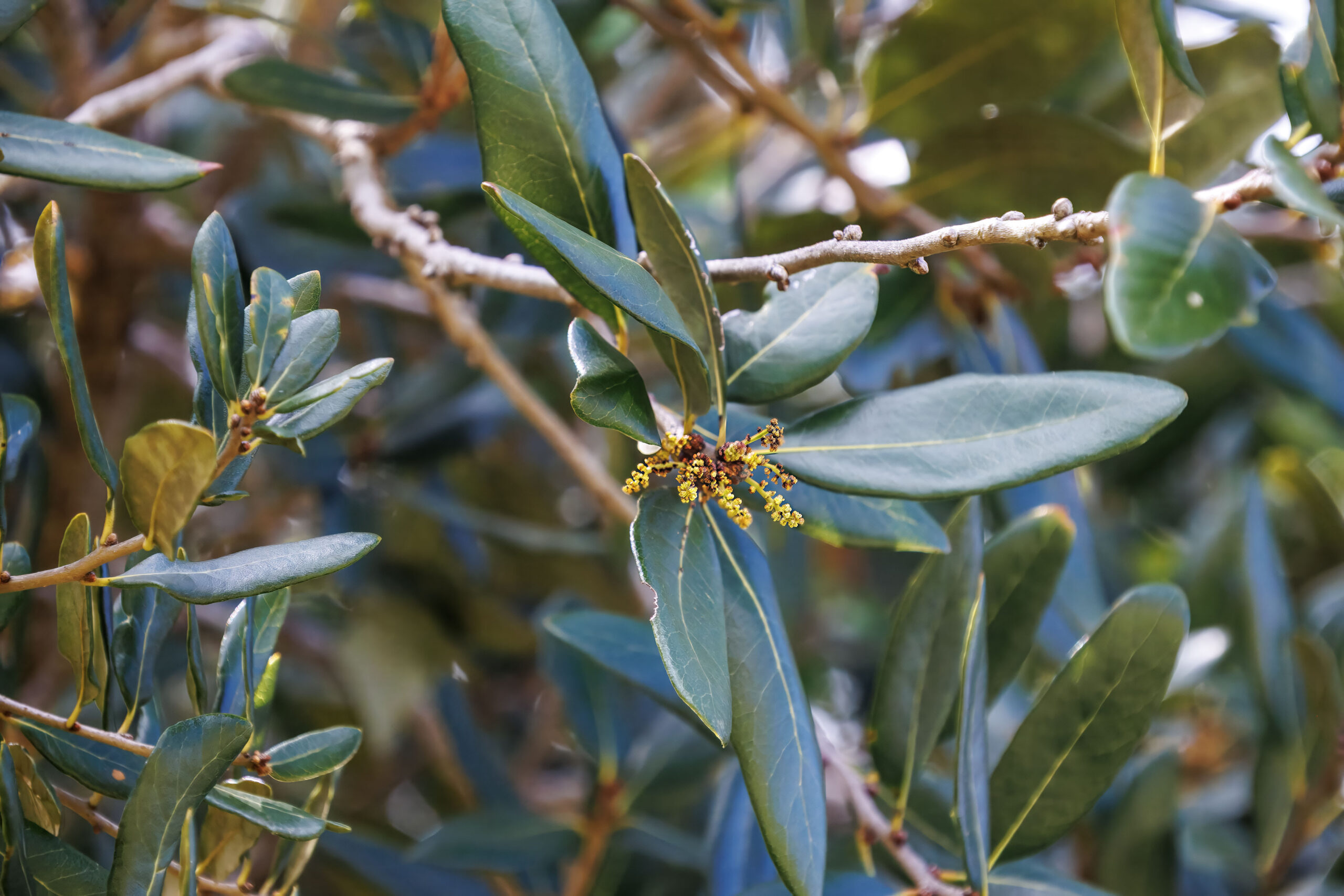
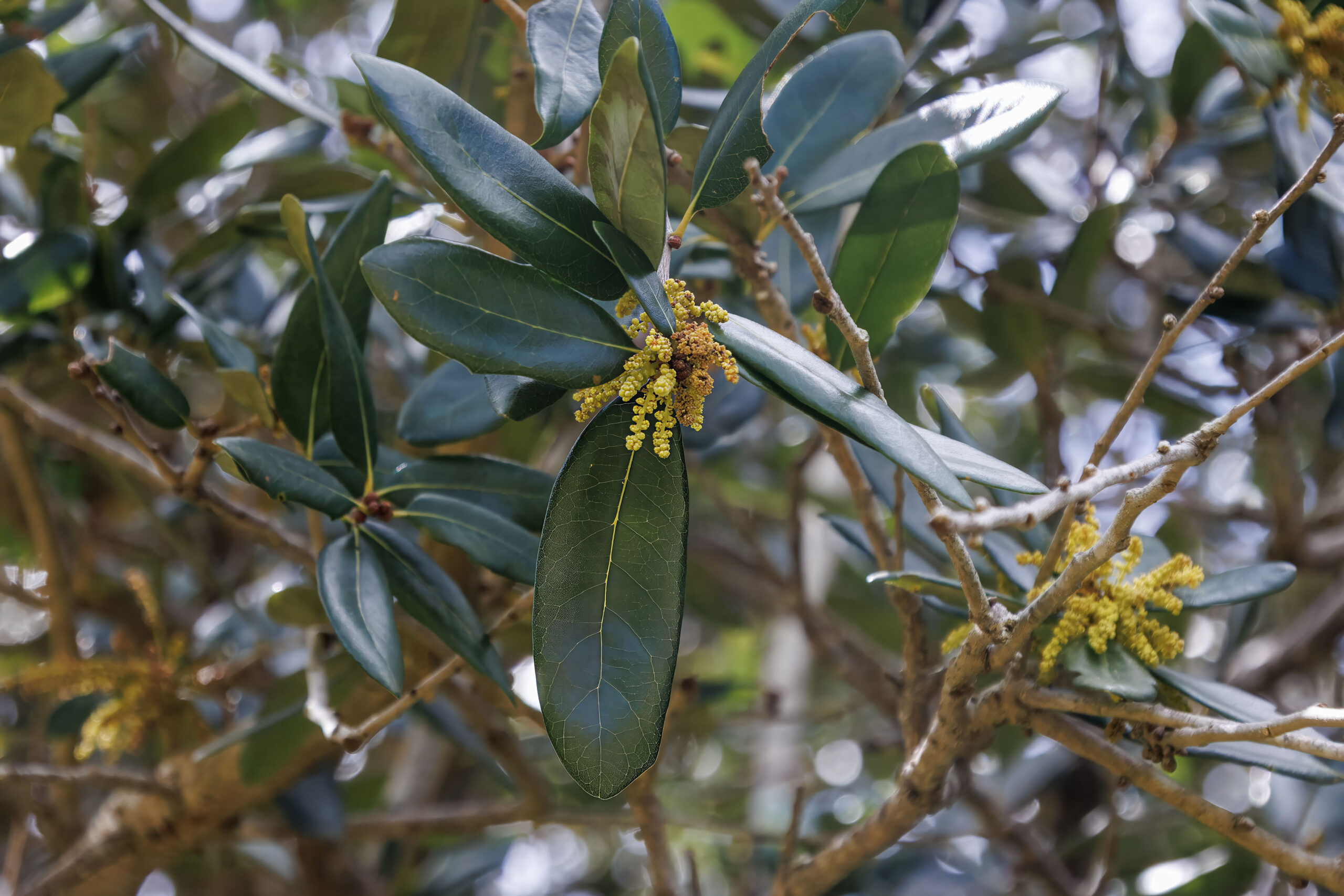
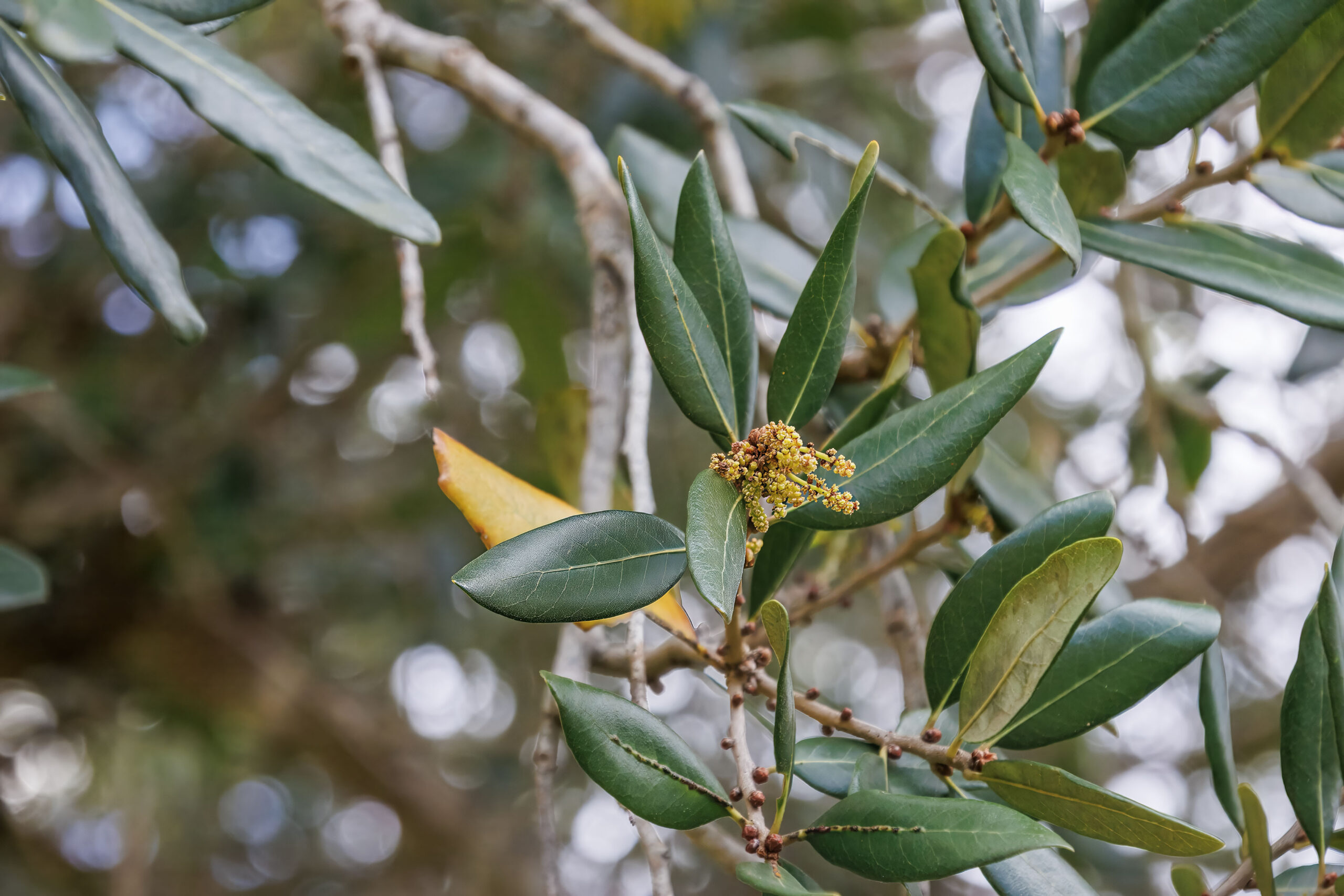
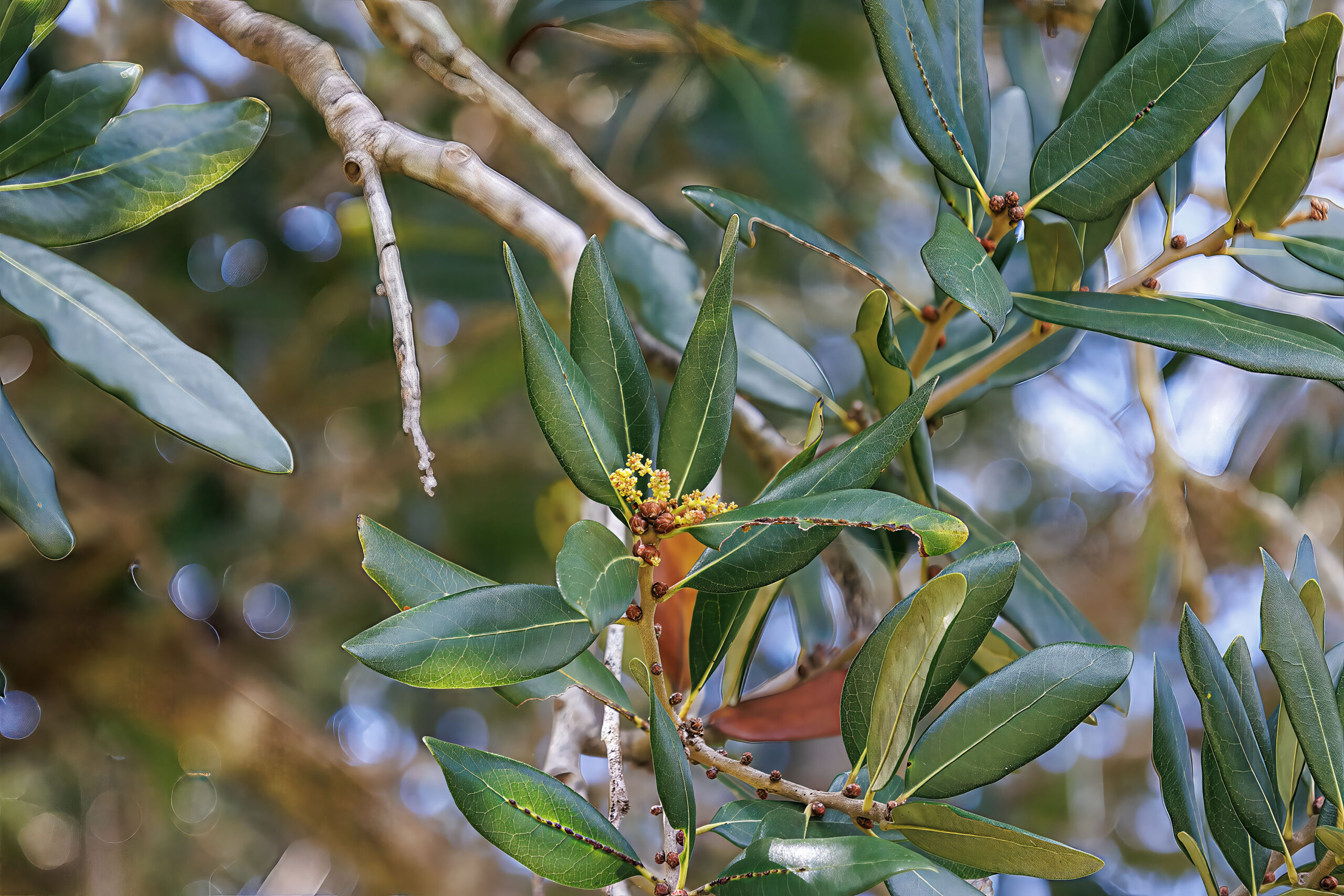
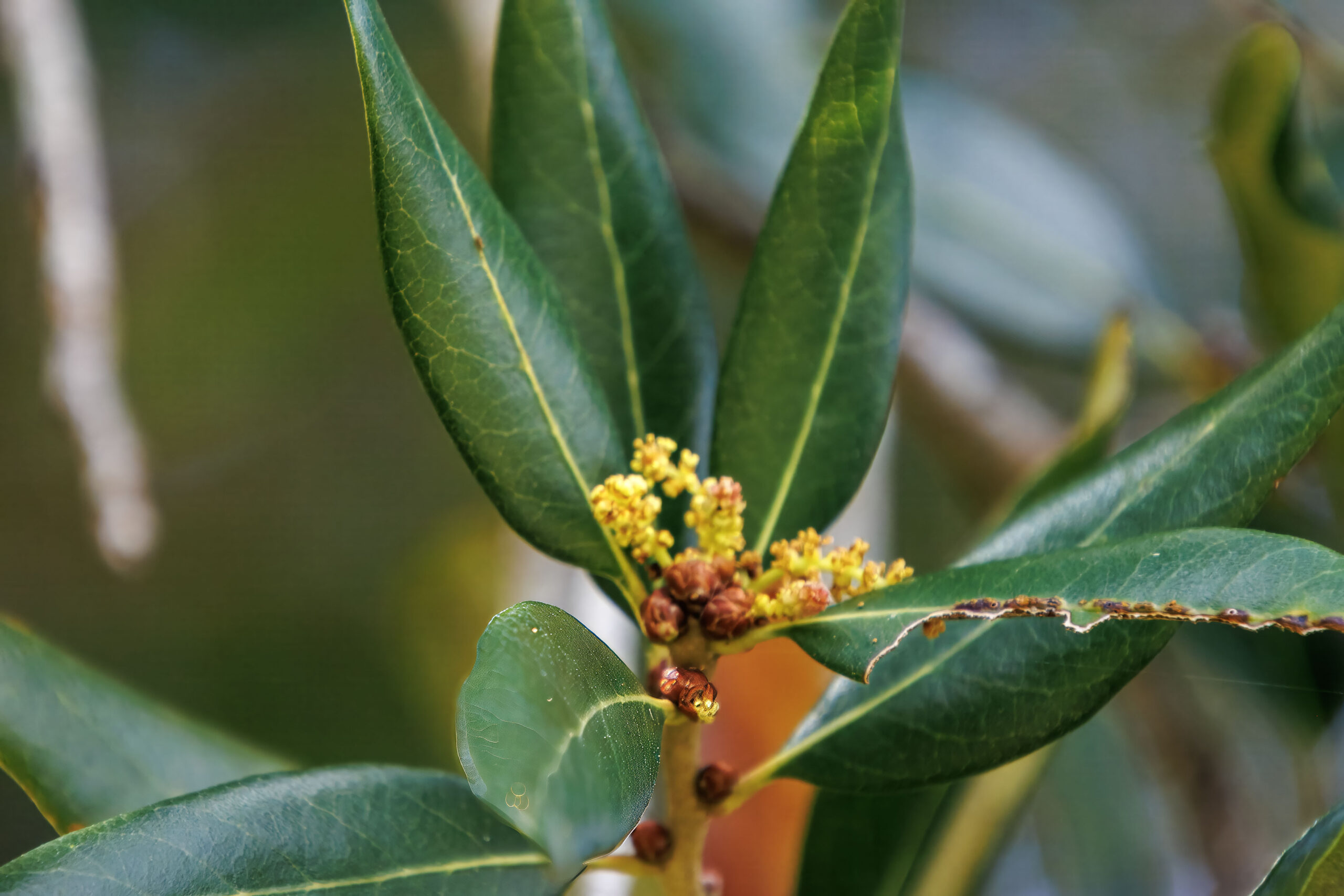
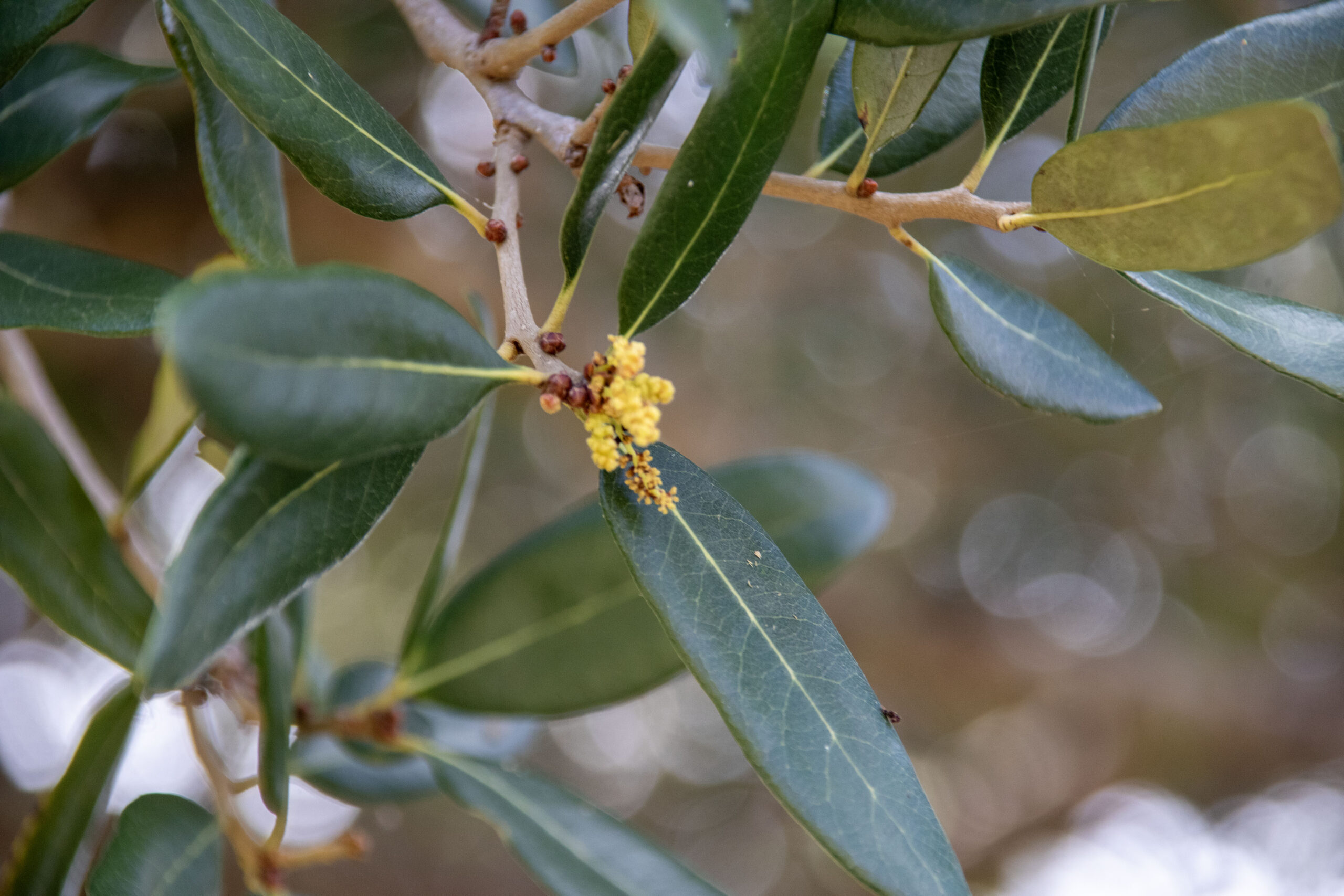
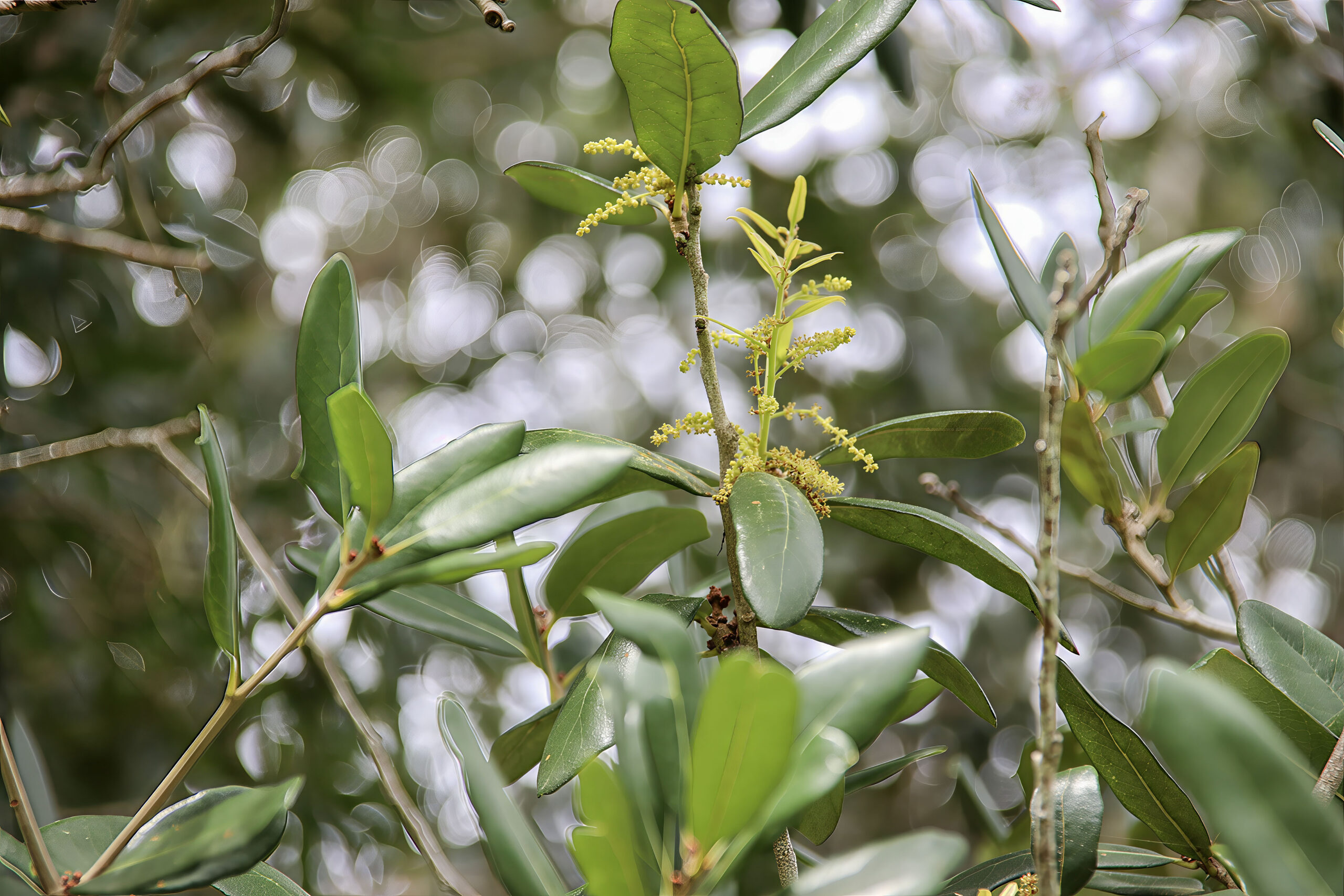
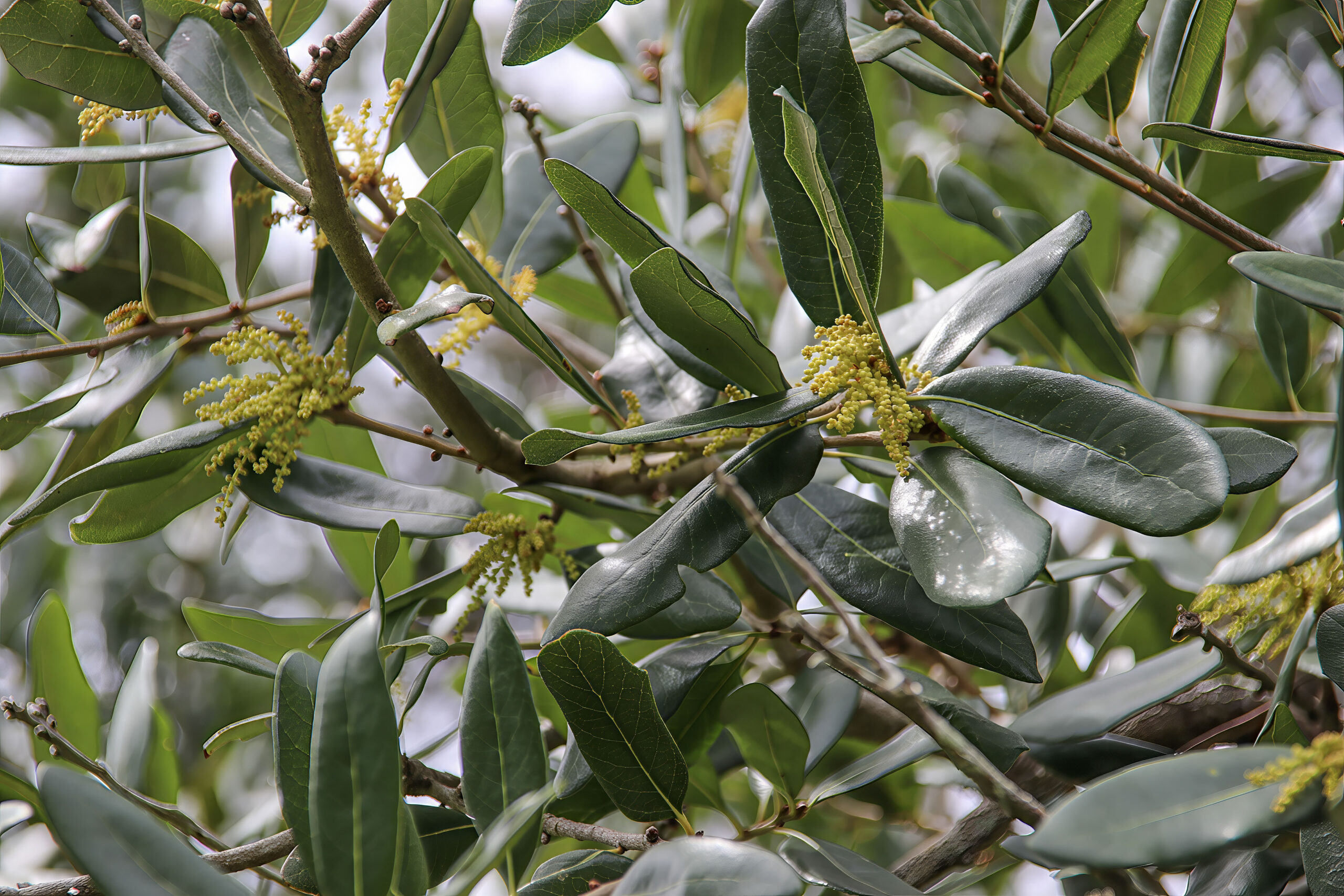
2. Flowering (Catkins)

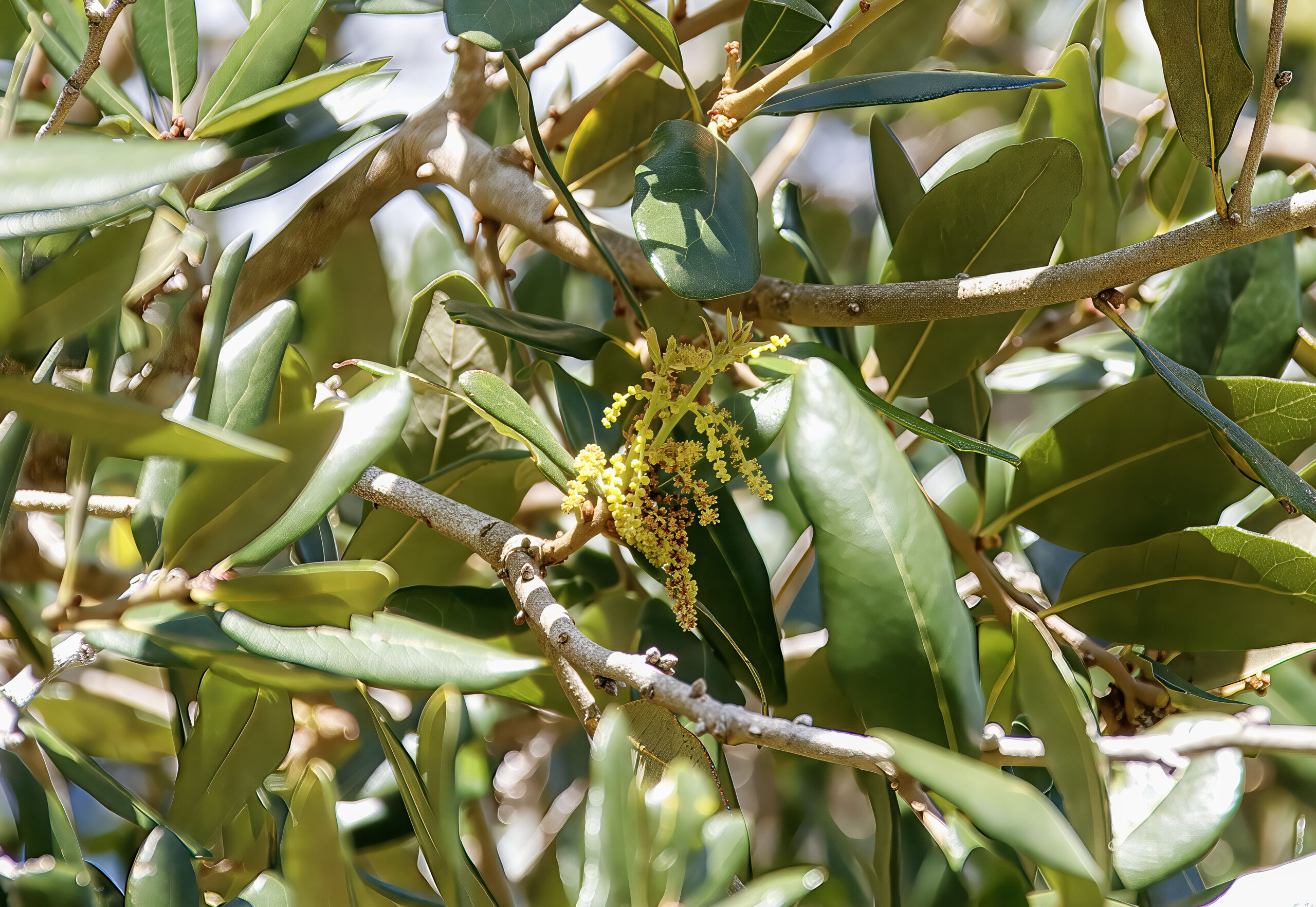
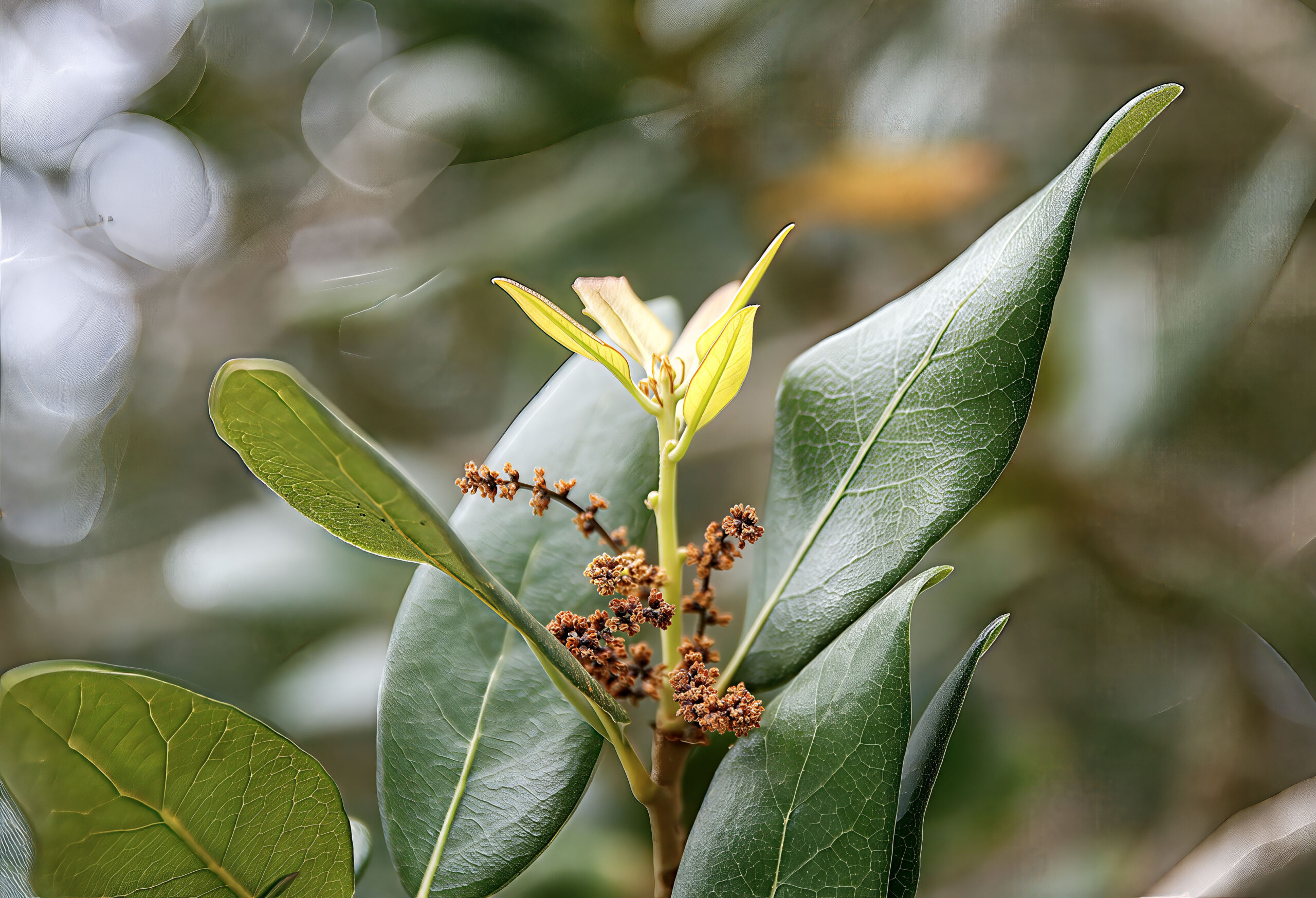
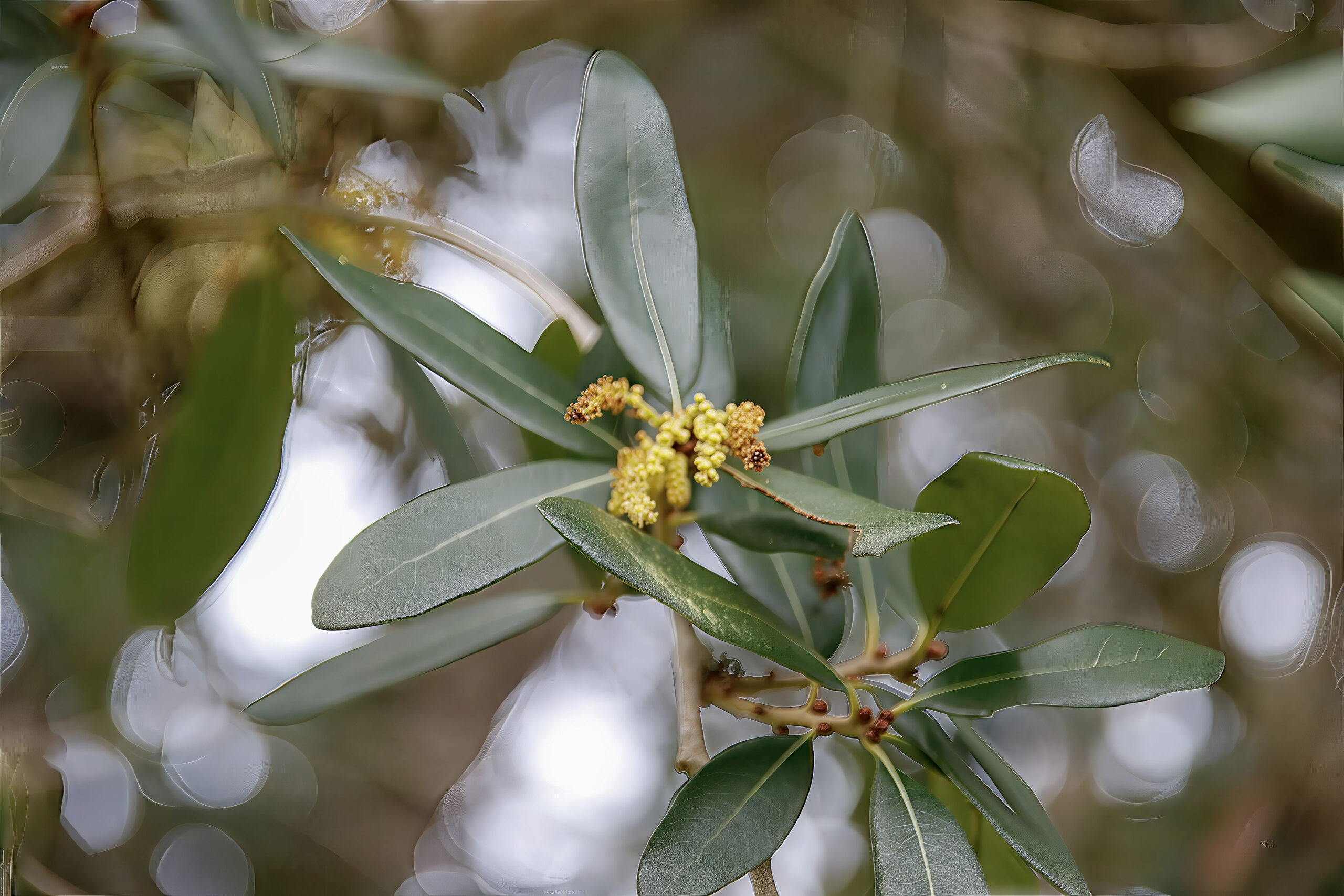
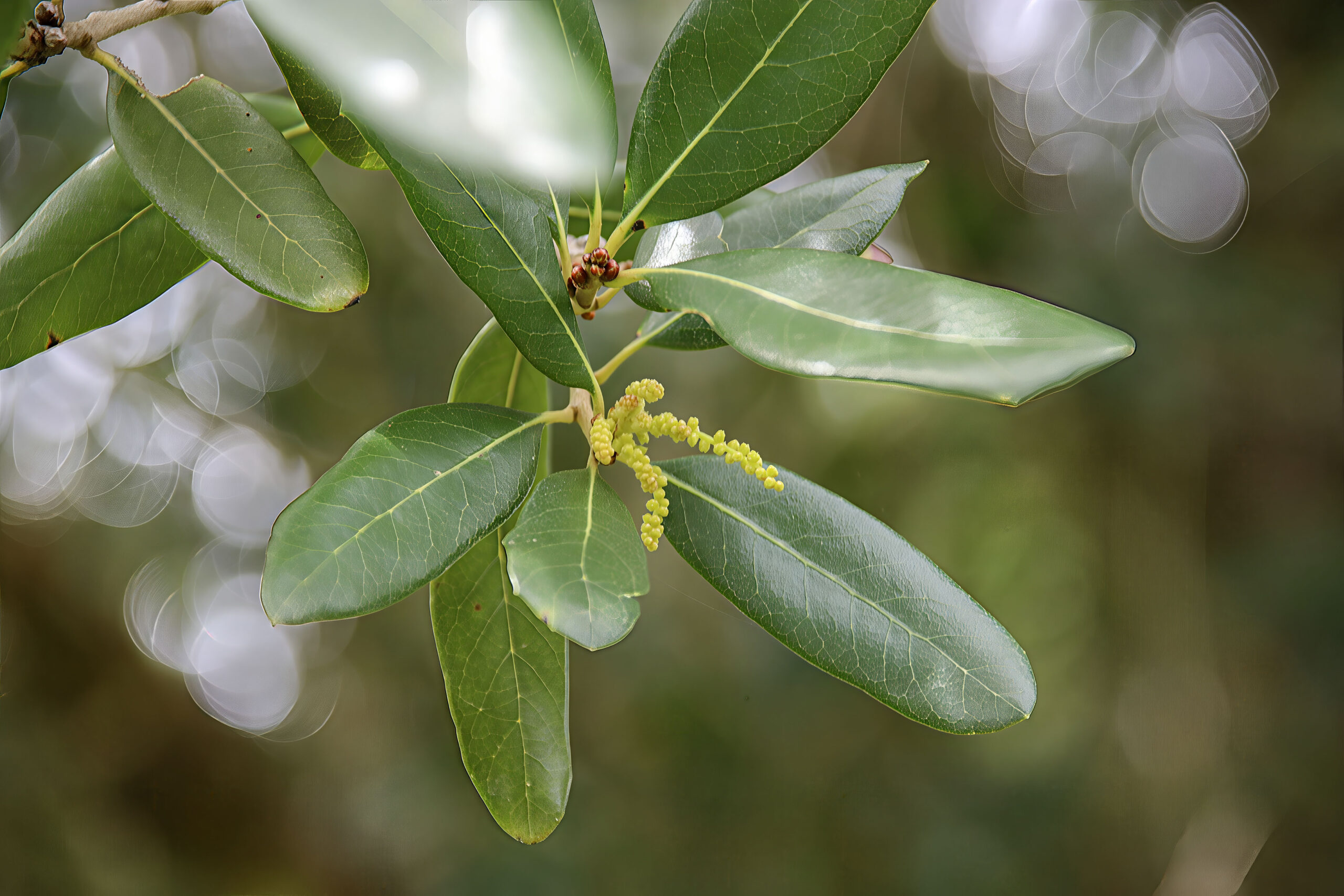
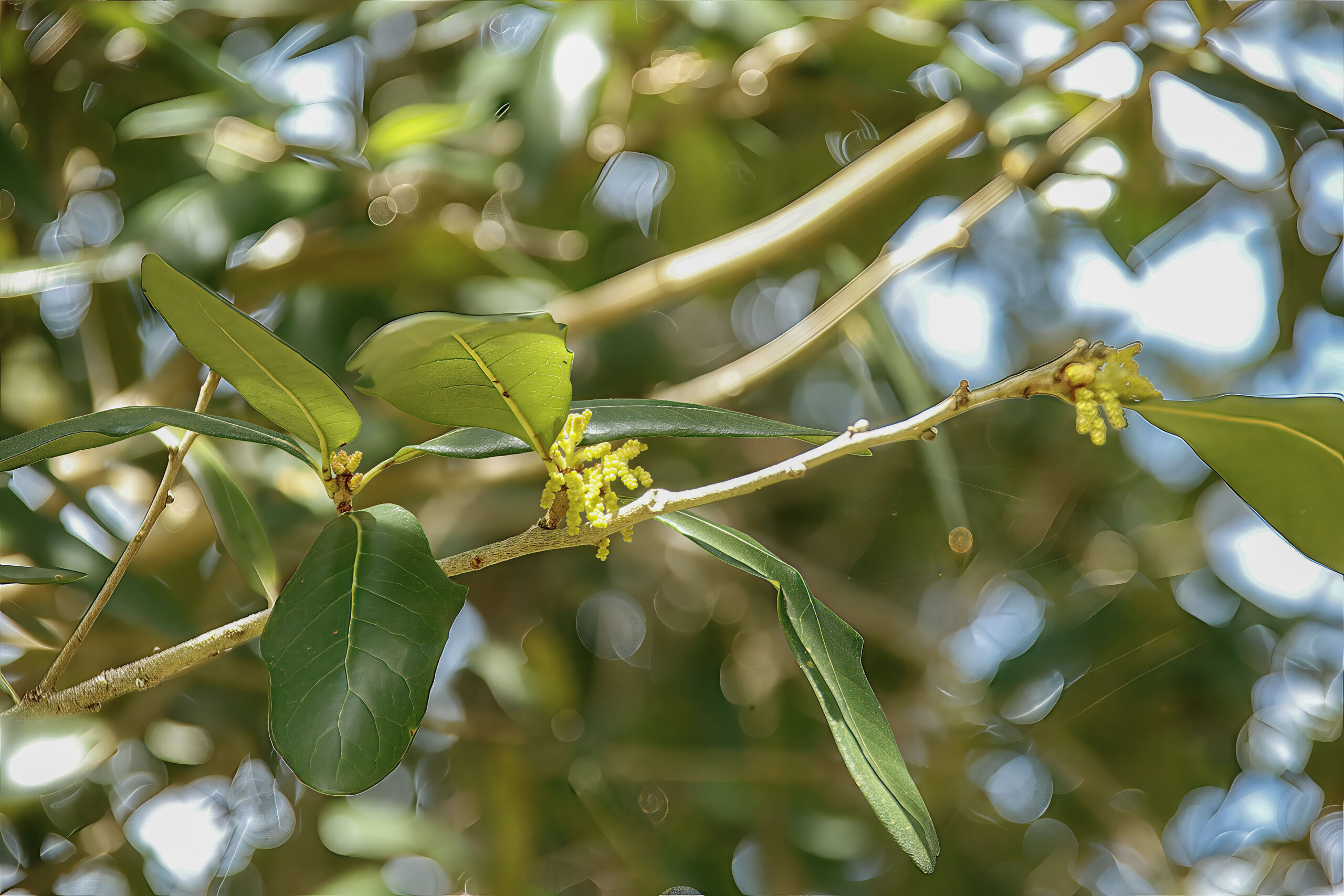
Southern Live Oaks are monoecious, producing male and female flowers on the same tree. Male flowers appear as dangling catkins, while female flowers are tiny and budlike, often harder to spot.

  • Catkin emergence typically occurs in early spring (around March in most subtropical climates).
  • These produce heavy amounts of pollen—a noticeable event in itself.

Observation tips:

  • Photograph first appearance of catkins and note density.
  • Look for pollen release and duration of flowering period.
  • Try to capture female flowers if visible (small and located closer to branch tips).

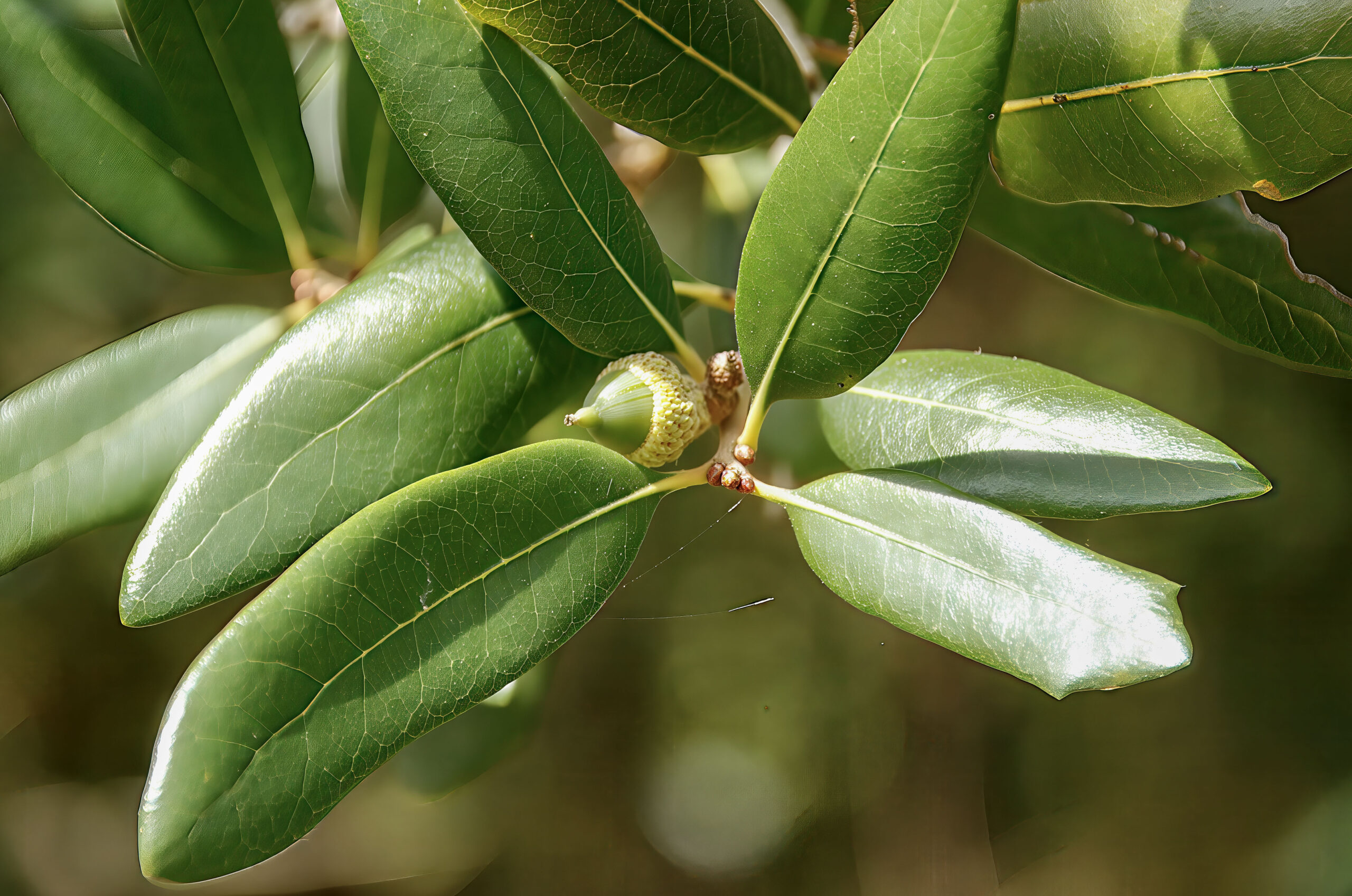
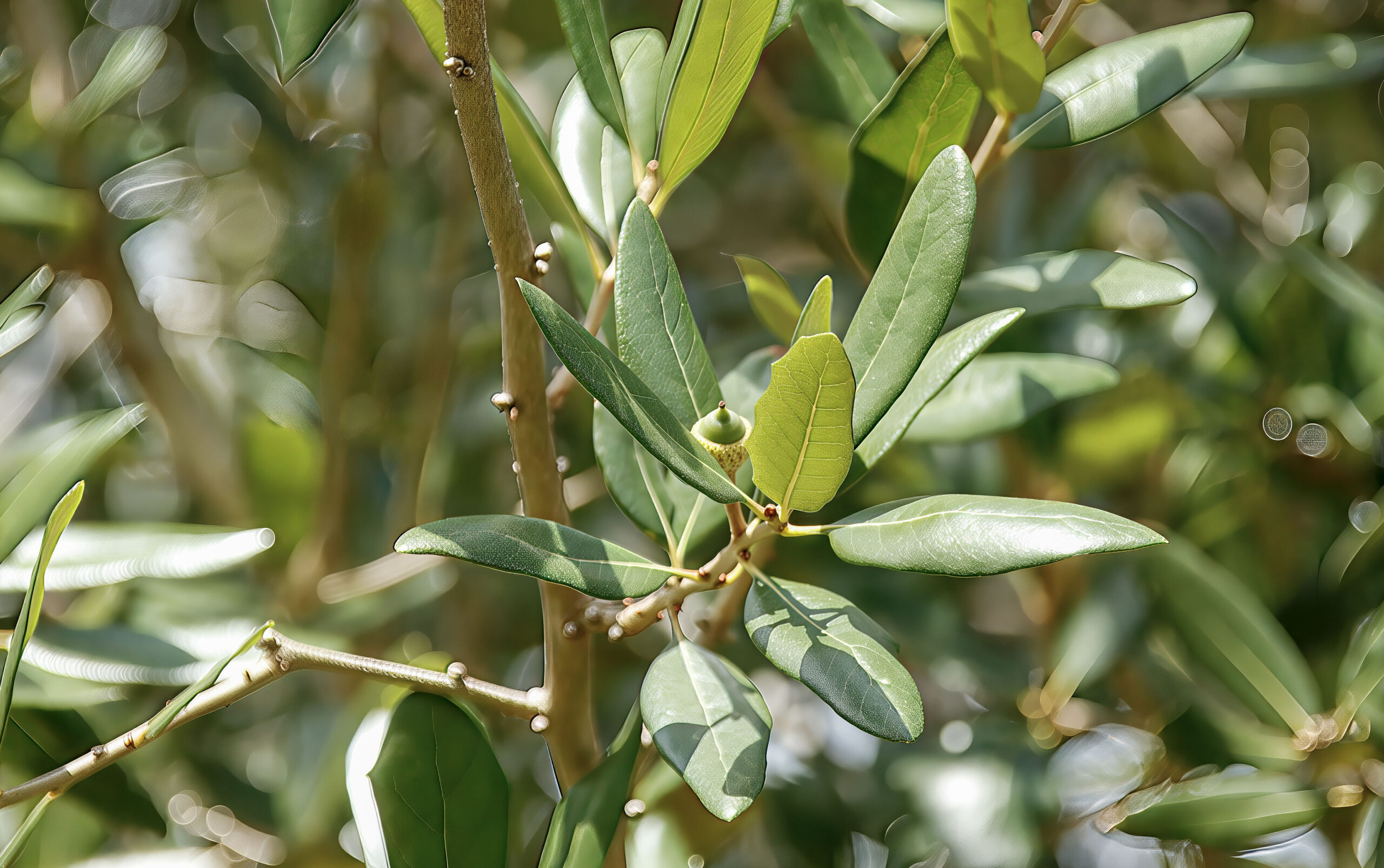
3. Acorn Development and Drop

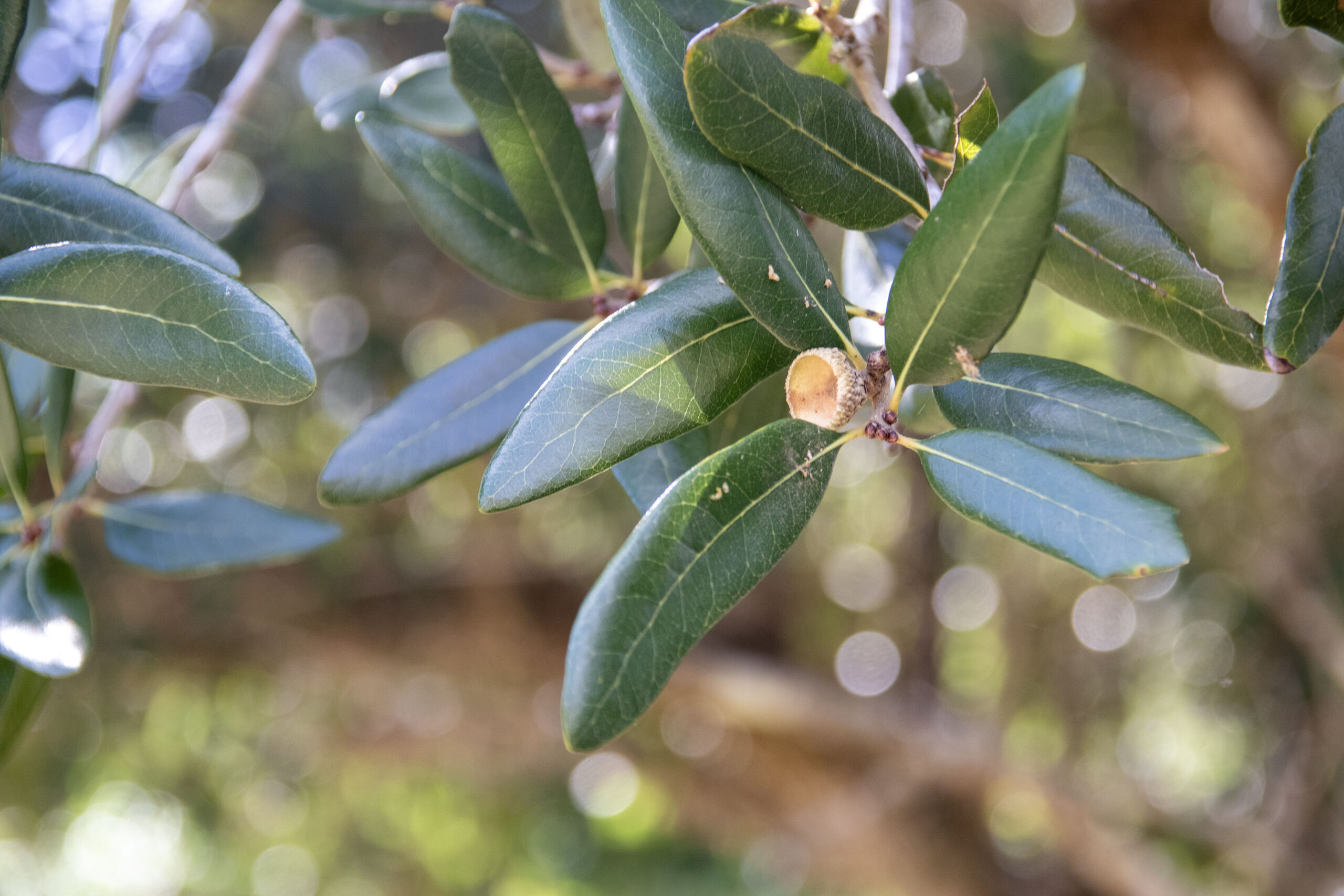
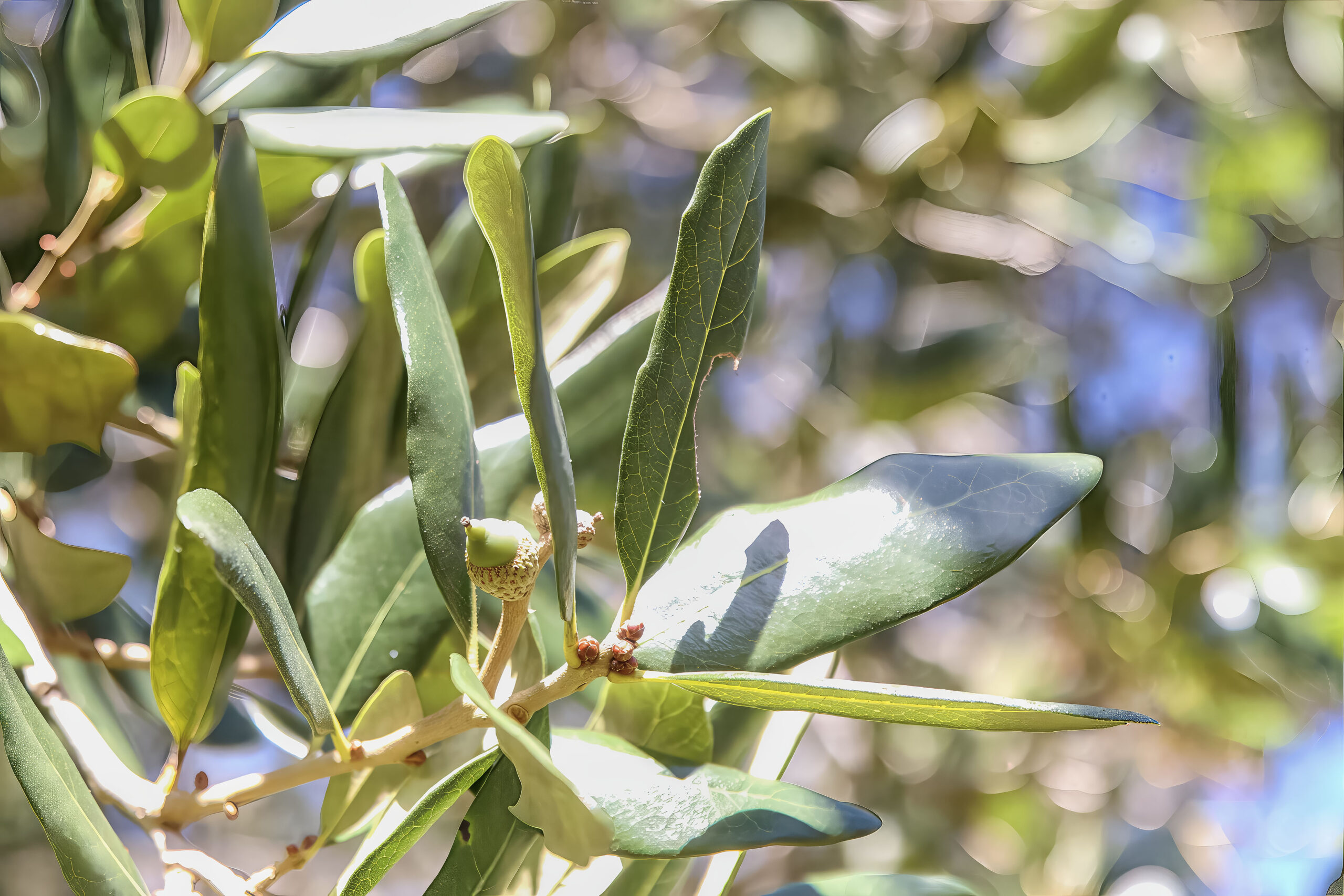
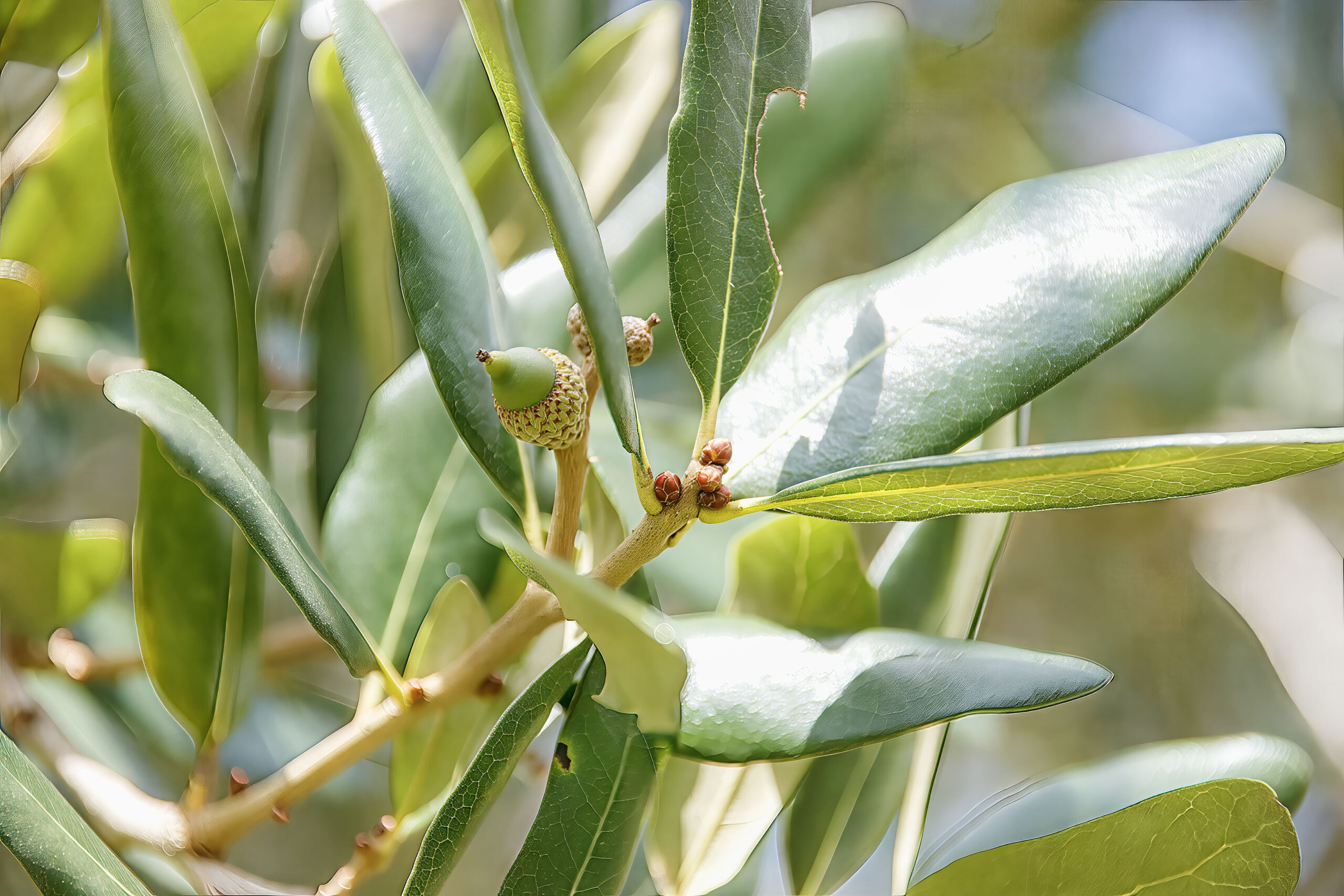
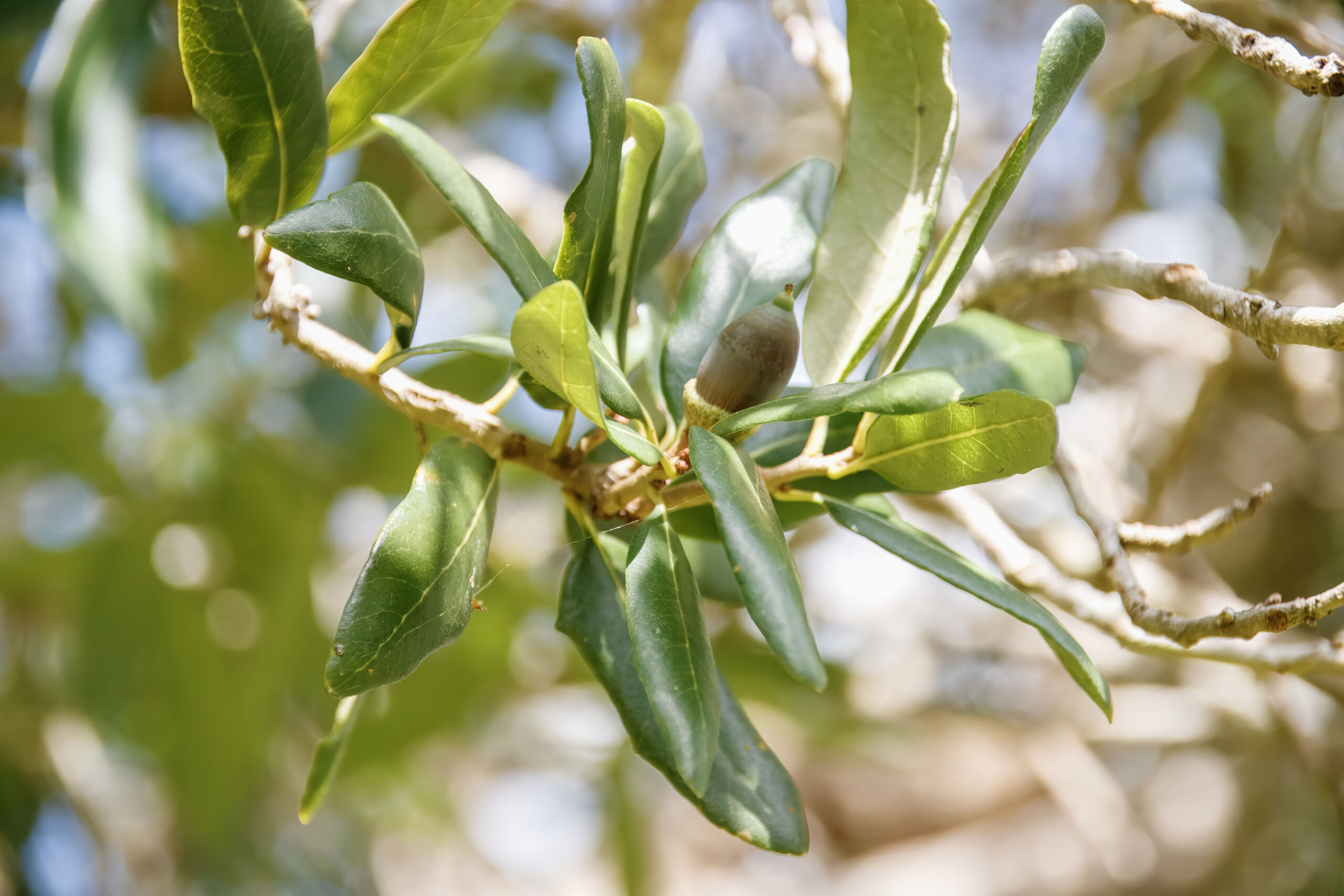
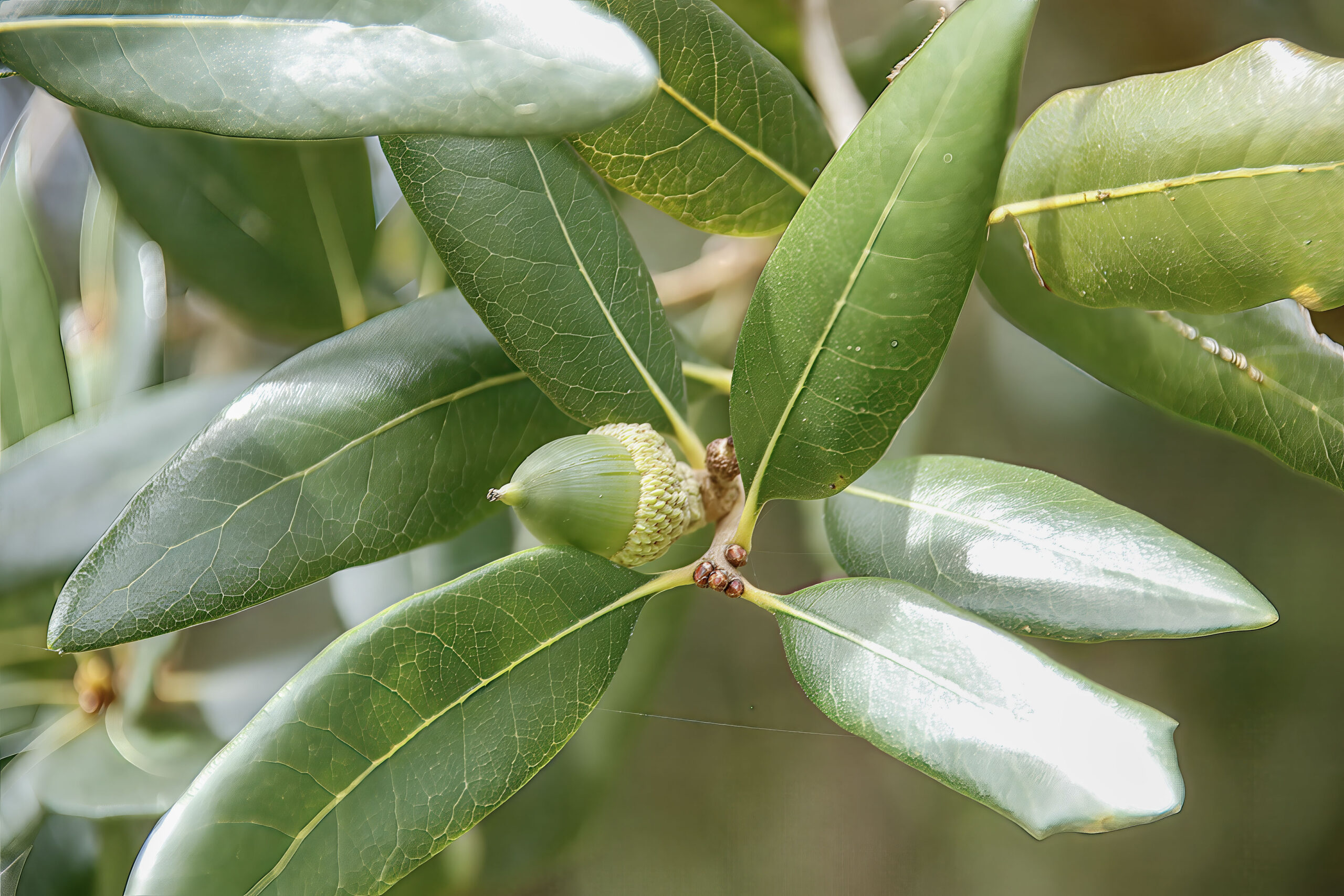
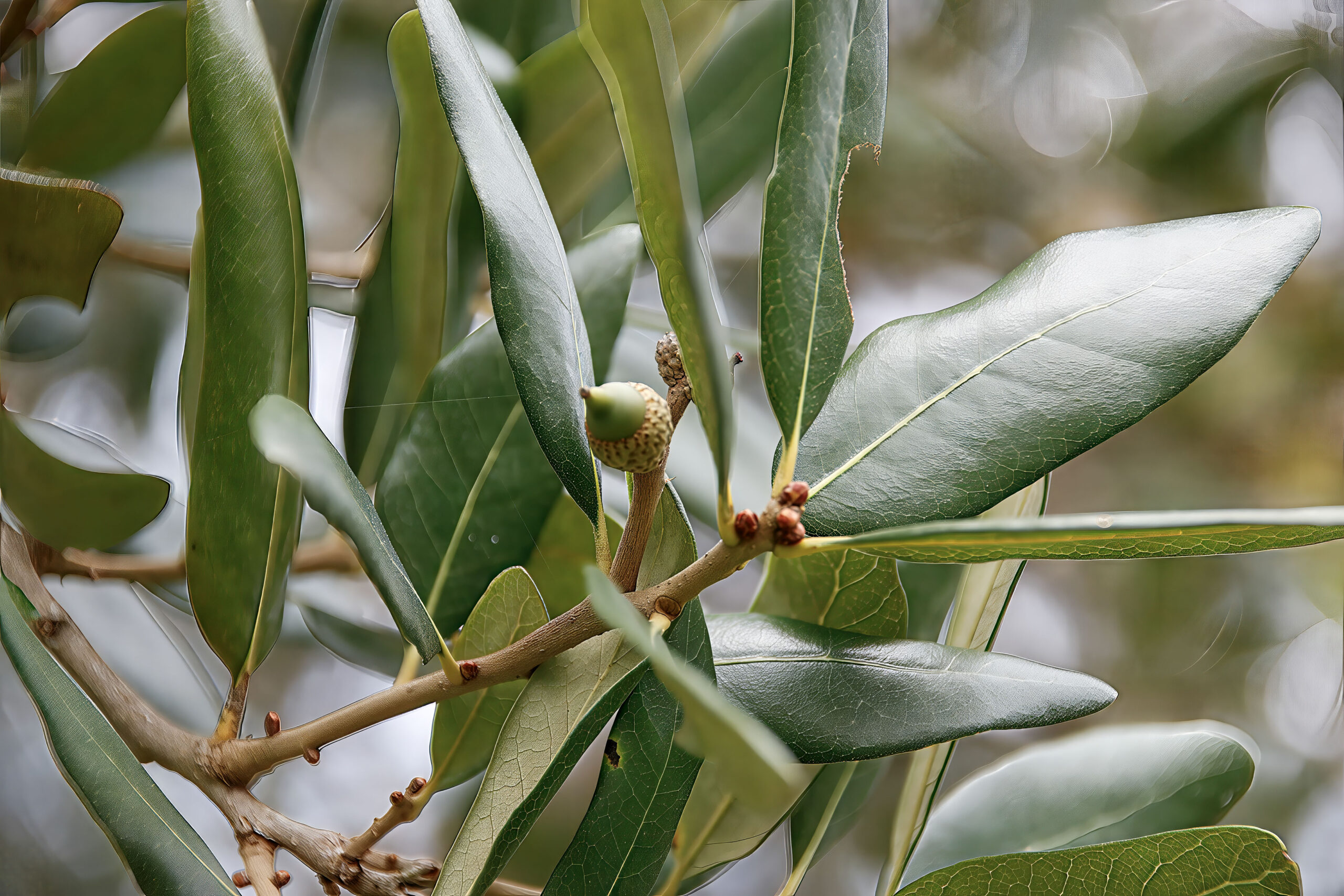
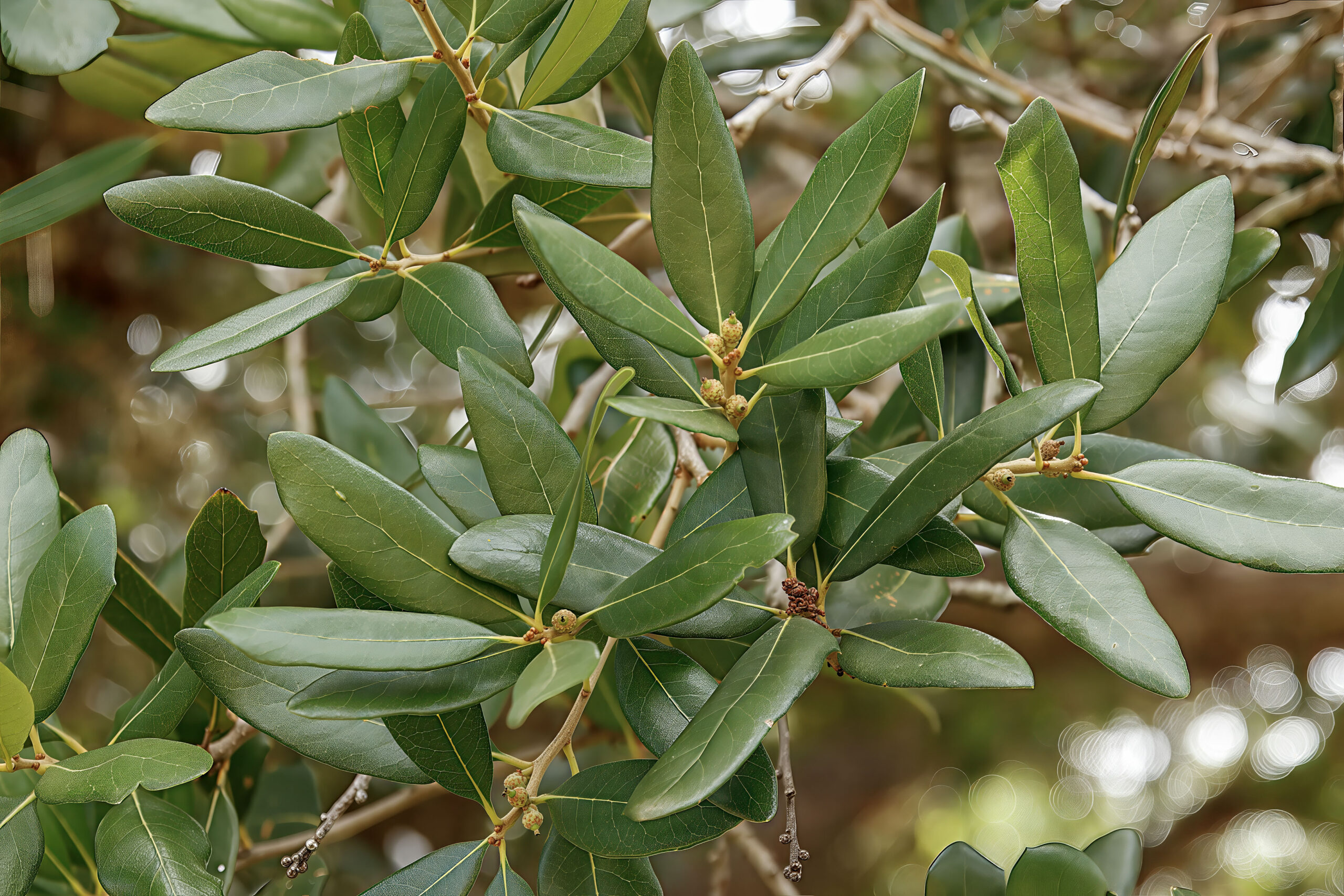
Fertilized female flowers produce acorns, which develop over the summer and generally mature by fall.

  • Acorns typically ripen and fall in late summer to early fall (August–October, depending on location and conditions).
  • Note: Some Southern Live Oaks may produce heavy crops biennially (every other year).

Observation tips:

  • Track acorn development stages (immature green → mature brown).
  • Record timing and abundance of acorn drop.
  • Observe wildlife interaction (birds, squirrels, etc.), which may affect how long acorns remain visible.

4. Lichen, Moss, and Epiphytes

In a moist tropical environment like St. Croix, Southern Live Oaks often support lichens, mosses, and even epiphytic plants on their bark and branches. While not a phenophase in the tree itself, their appearance may correlate with humidity or seasonal changes.

Observation tips:

  • Photograph bark surface over time to track moss/lichen growth.
  • Record seasonal changes in density or visibility.

Additional Notes for Your Project

  • Southern Live Oak’s phenology is subtle but cyclical. Over time, your observations will reveal clear annual rhythms, even if they’re not dramatic at a glance.
  • Regular monthly check-ins can help capture transitions that may otherwise go unnoticed.
  • For long-lived species like this, multi-year tracking is particularly valuable.
Scroll to Top