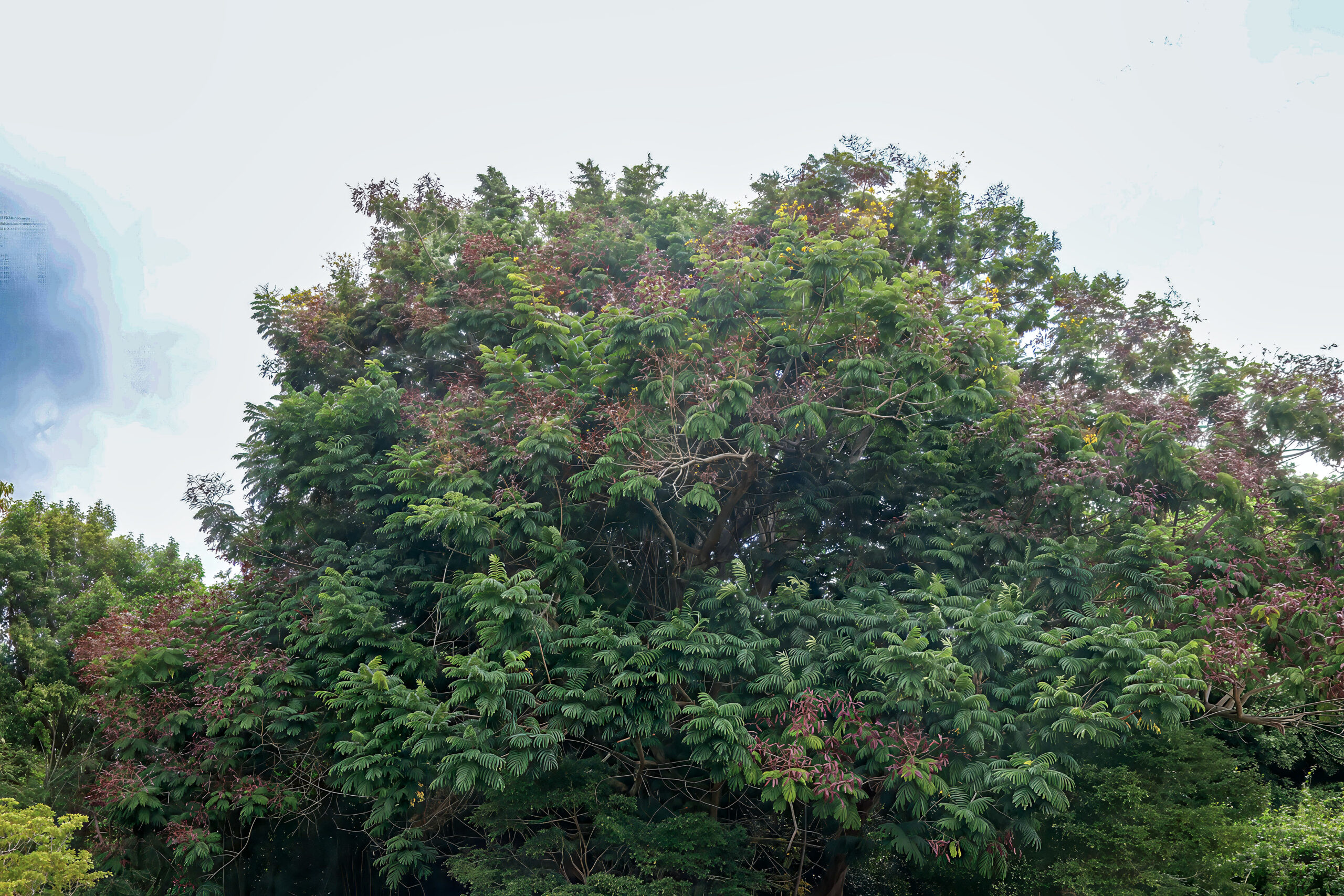
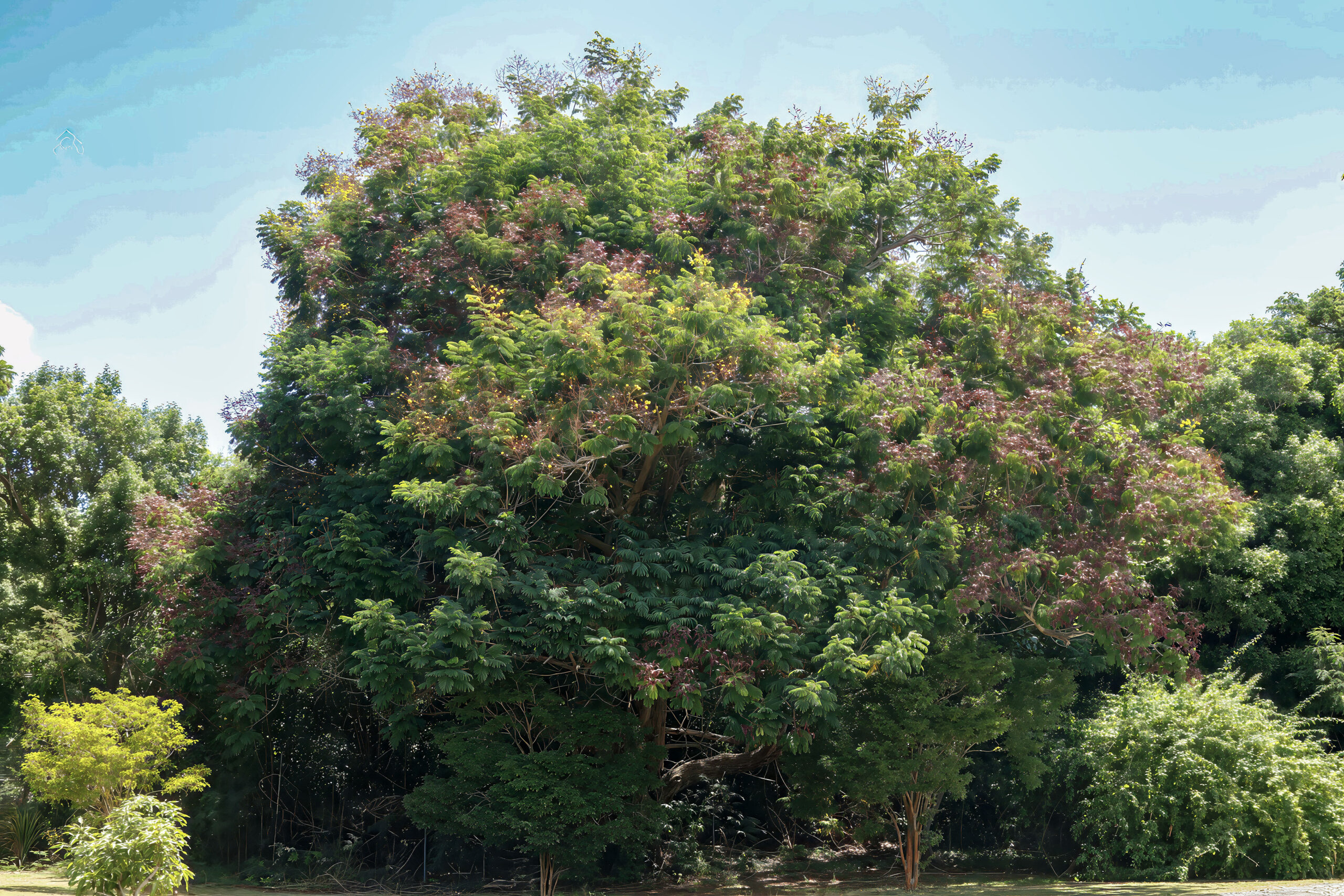
Yellow Poinciana

Scientific name: Peltophorum pterocarpum

POWO Status: Tree

IUCN Red List threat level: Least Concern

Common names: Yellow Flame Tree, Yellow Poinciana, Copperpod

GPS Location: 17° 42′ 53.44″ N, 64° 49′ 51.52″ W

Medicinal Uses

Peltophorum pterocarpum, the Copperpod tree, is used in traditional medicine for skin issues (rashes, sores, ringworm), digestive problems (dysentery, constipation, stomach aches), pain (muscular aches, sprains, fevers), insomnia, and as an astringent, leveraging its antimicrobial, antioxidant, and anti-inflammatory properties found in leaves, bark, and flowers. Modern research supports its potential for acne, anti-ulcer, and even anticancer effects, with active compounds like flavonoids and phenolics being studied. 

Traditional Uses by Plant Part

  • Leaves: Decoctions for skin diseases, insect bites, and as a general health tonic.
  • Bark: Used for dysentery, gargles, tooth powder, and as a lotion for sores, muscle pain, and eye problems; also chewed for diarrhea.
  • Flowers: Applied as a lotion for muscle aches, sores, and eye issues; used as an astringent for intestinal disorders, bruises, sprains, and childbirth pain; also used in teas for coughs and insomnia.
  • Wood: Used for cabinet making, but also in some traditional remedies for various ailments. 

Modern Research & Potential

  • Skin Conditions: Extracts show promise for treating acne and have antibacterial/antifungal properties against skin pathogens.
  • Gastrointestinal: Bark decoctions show anti-ulcer and anti-diarrheal effects, supporting traditional use.
  • Pain & Inflammation: Extracts demonstrate anti-inflammatory action, supporting use for muscle pain and swelling.
  • Antioxidant Power: Rich in phenolics and flavonoids, it fights free radicals, potentially benefiting skin and overall health.
  • Anticancer Potential: Extracts show activity against leukemia cells by inducing apoptosis (programmed cell death). 

Key Active Compounds

  • Flavonoids, phenolic acids, terpenoids, alkaloids, and steroids contribute to its diverse biological activities. 

Note: While research shows promise, traditional uses are not a substitute for modern medicine; always consult a healthcare professional.

Observations:

Phenological Markers – Yellow Poinciana (Peltophorum pterocarpum)

1. Leaf Behavior
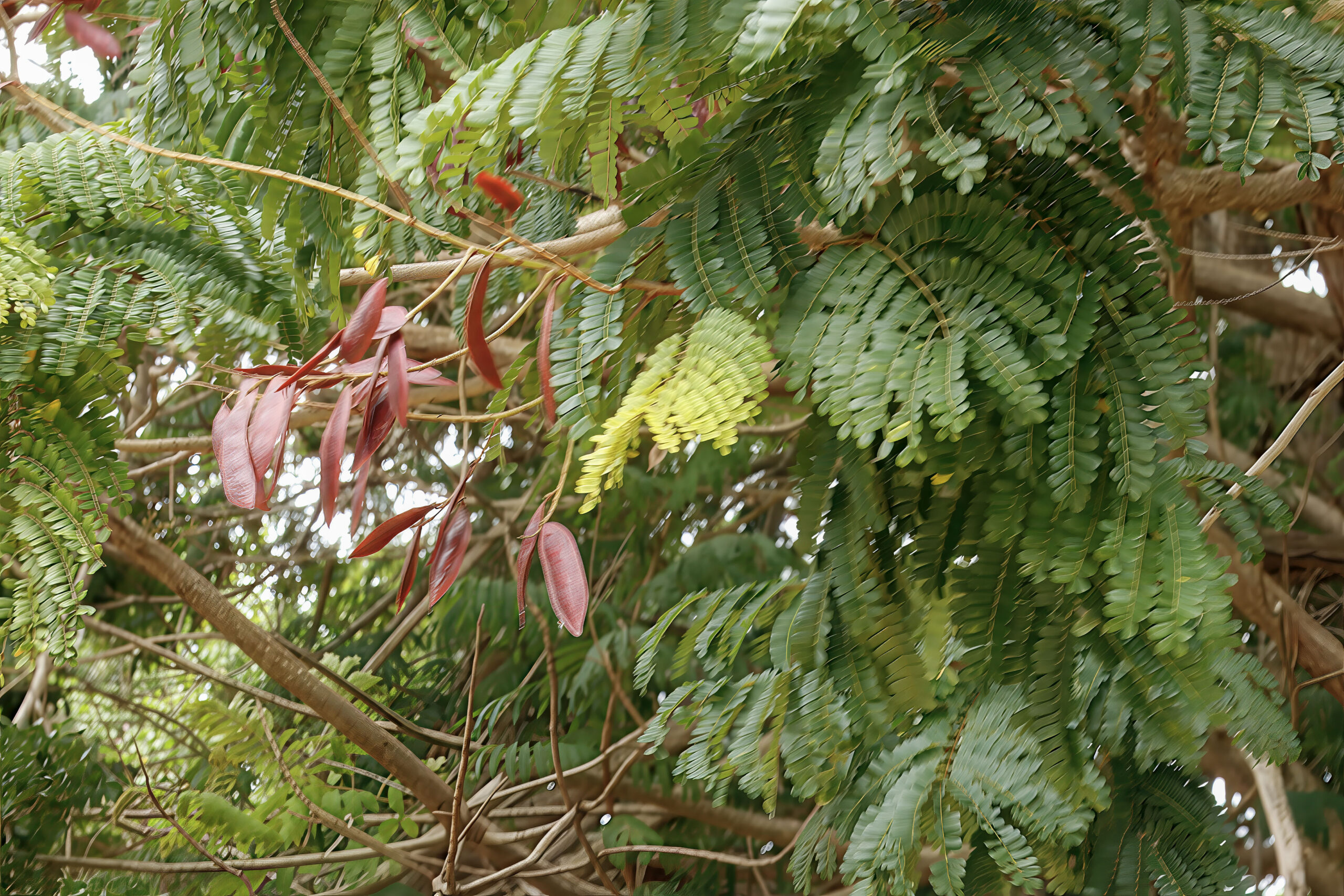
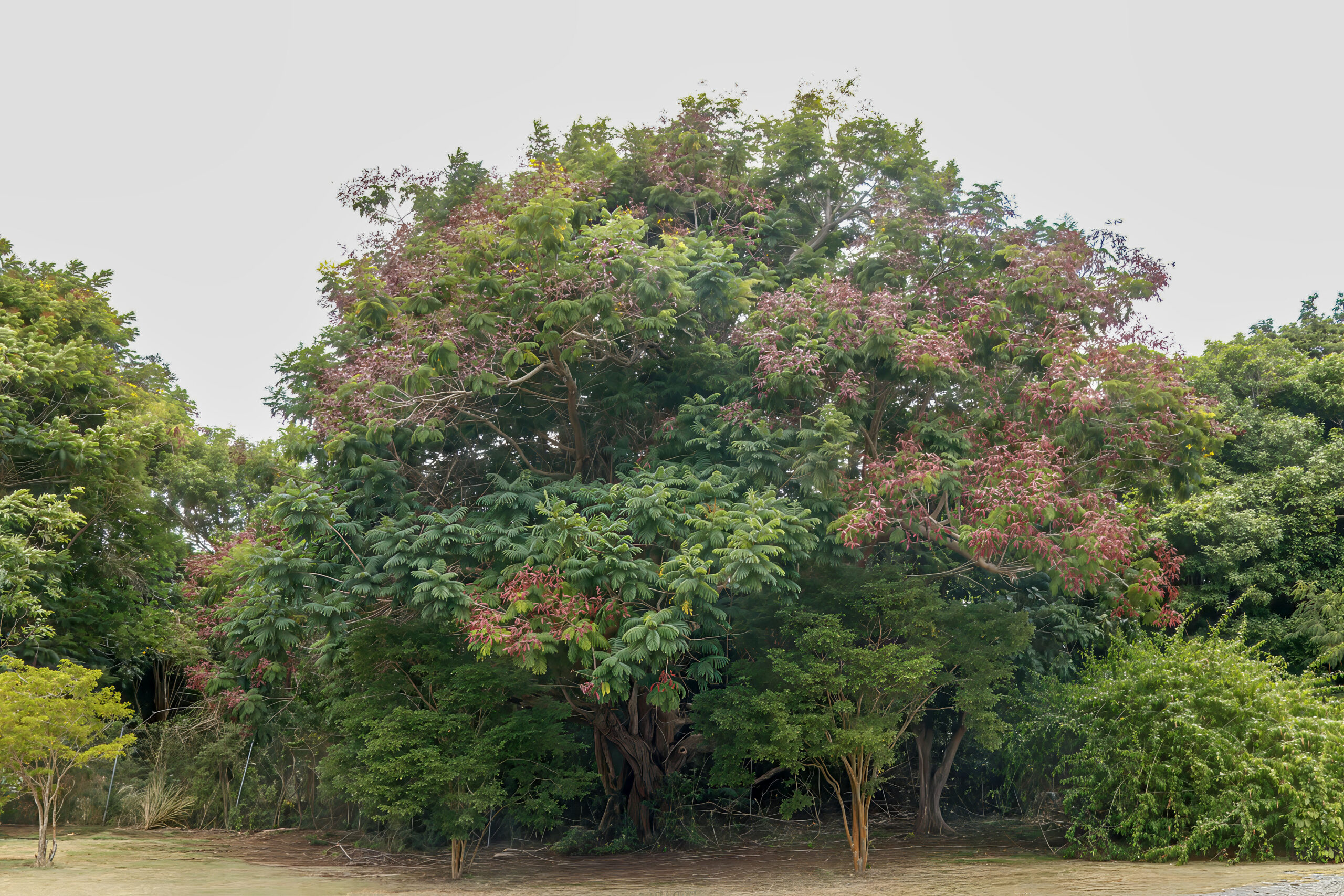
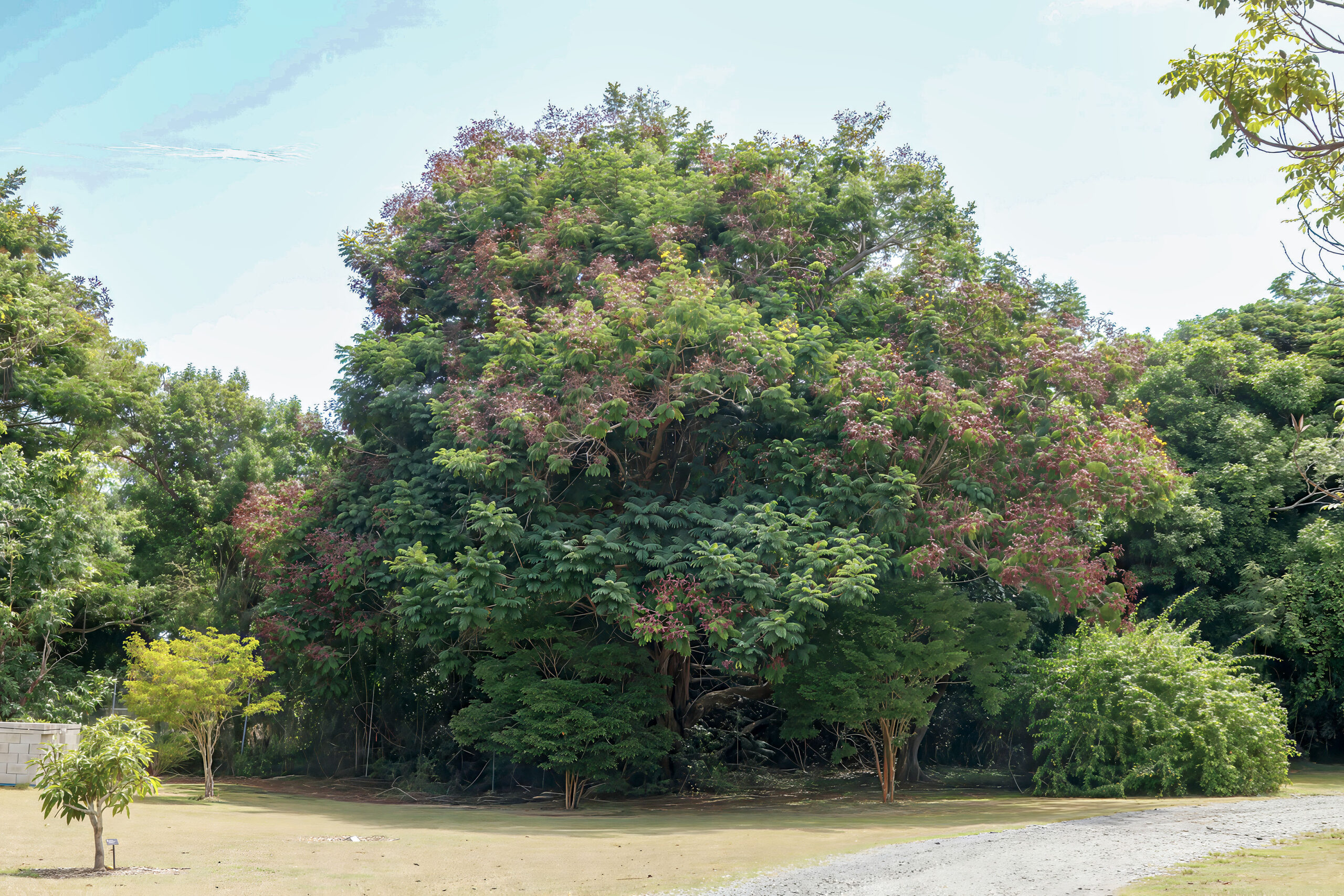
This tree is deciduous to semi-deciduous, often shedding its bipinnate, feathery leaves during the dry season.

  • In St. Croix, leaf drop commonly occurs between January and March, either partially or entirely.
  • New leaf flush often follows the first rains or occurs alongside flowering.

Observation Tips:

  • Watch for yellowing and leaf fall as an early seasonal cue.
  • New foliage emerges light green and soft, turning darker with maturity.

2. Flowering
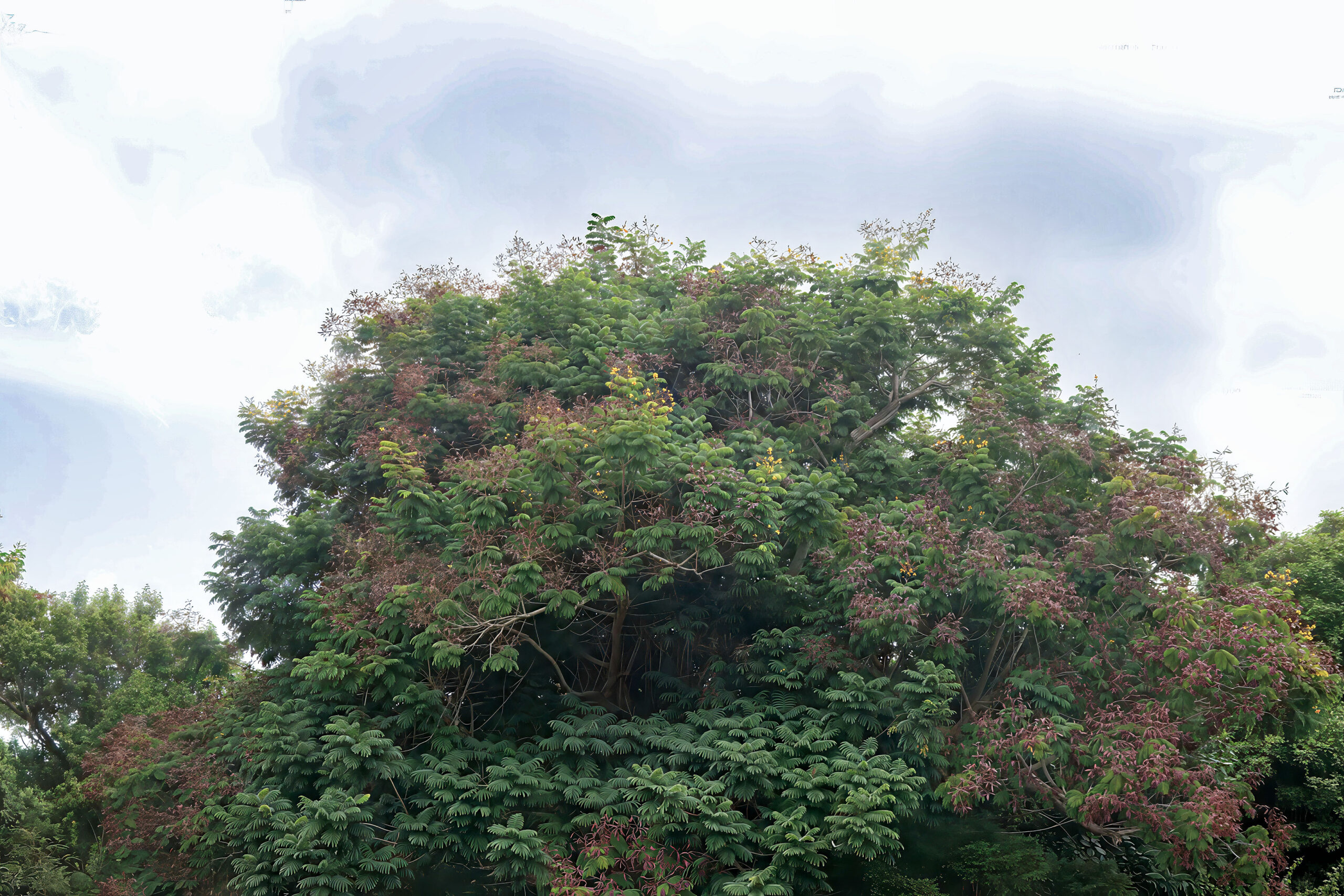
Flowering is the tree’s most spectacular phase. It produces dense, upright panicles of bright yellow, ruffled flowers, often 12–18 inches long, rising above the canopy.

  • Flowering typically occurs in the late dry to early wet season (March to June) in St. Croix.
  • Flowers are lightly fragrant and attract bees and butterflies.
  • Trees may flower while still leafless or with partial canopy.

Observation Tips:

  • Record first bud appearance, peak bloom, and duration of flowering.
  • Photograph crown silhouette against the sky during peak bloom.
  • Track pollinator visitation, especially during morning hours.

3. Fruiting
Following flowering, the tree produces flat, oblong seed pods, about 3–4 inches long, that turn from green to reddish-brown or dark brown.

  • Fruiting begins in late spring to early summer and may extend through late wet season.
  • Pods persist on the tree and may be slow to drop, often remaining through the dry season.

Observation Tips:

  • Note pod development and color transition.
  • Check for pod drop and seed dispersal under the tree, especially after wind or rain.

4. Seasonal Pattern (St. Croix)

  • Jan–Mar: Leaf drop
  • Mar–May: Flowering (can overlap with early leaf flush)
  • May–Jul: Leaf flush and fruit set
  • Jul–Nov: Pod ripening
  • Nov–Dec: Pod persistence or slow drop
Scroll to Top