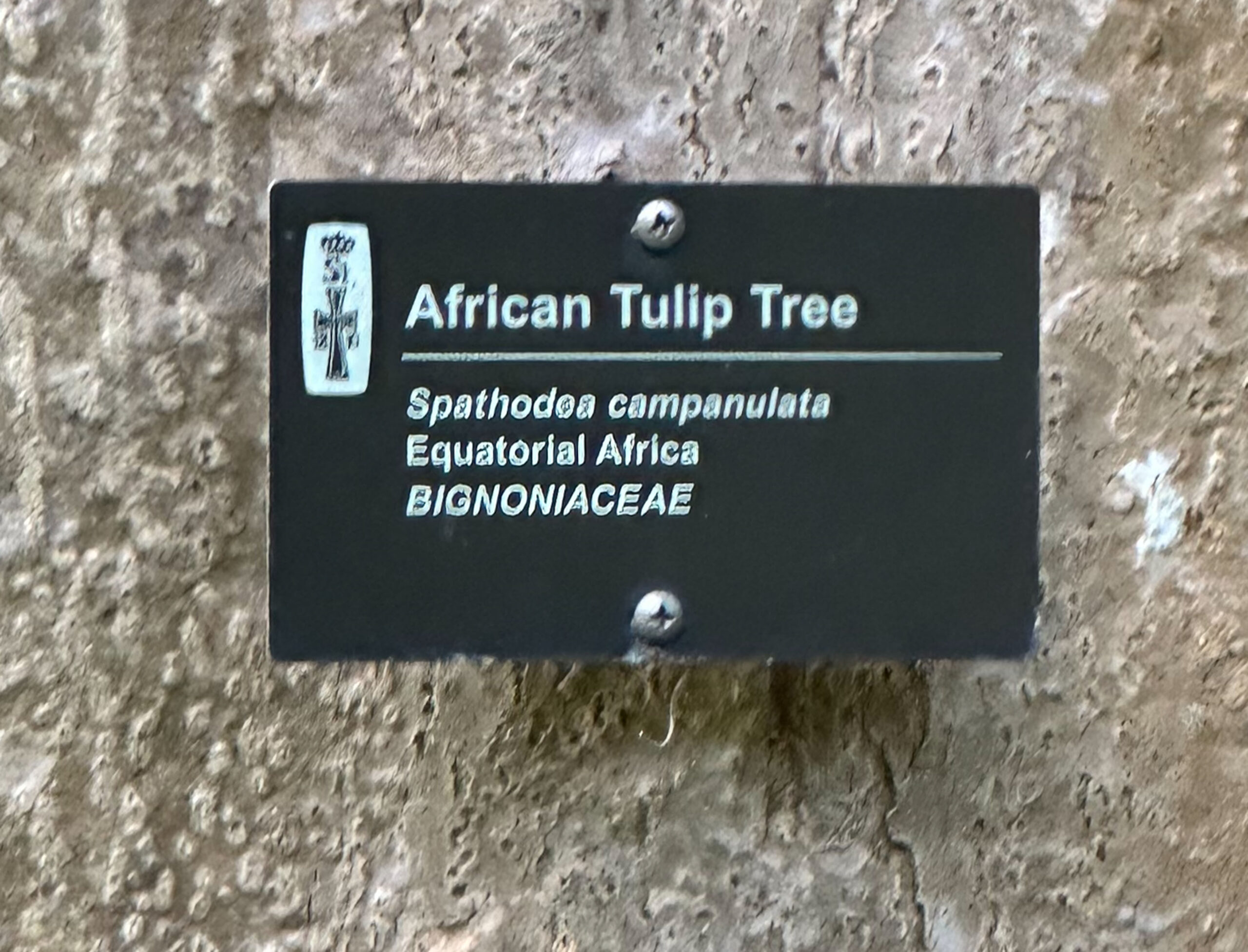
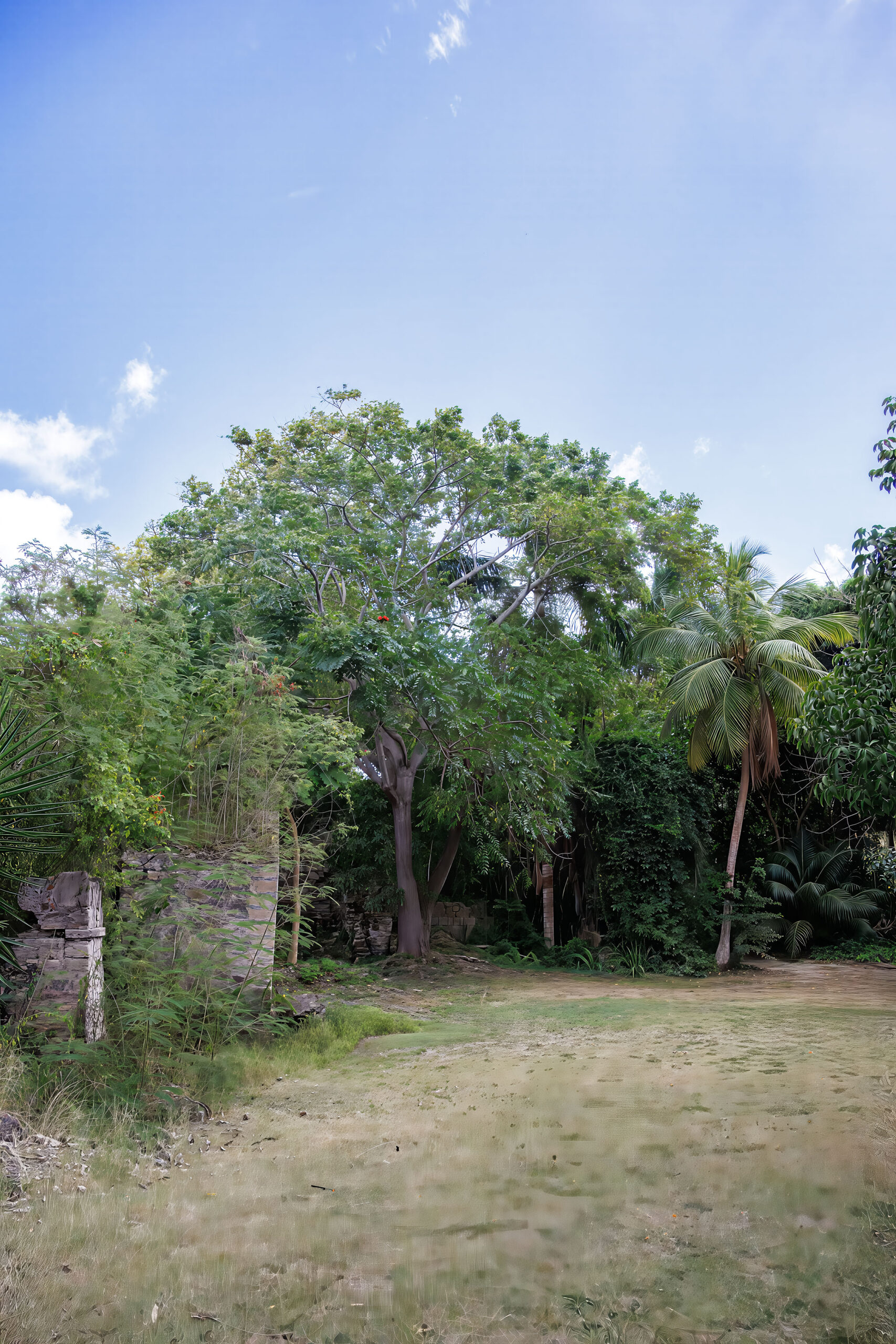
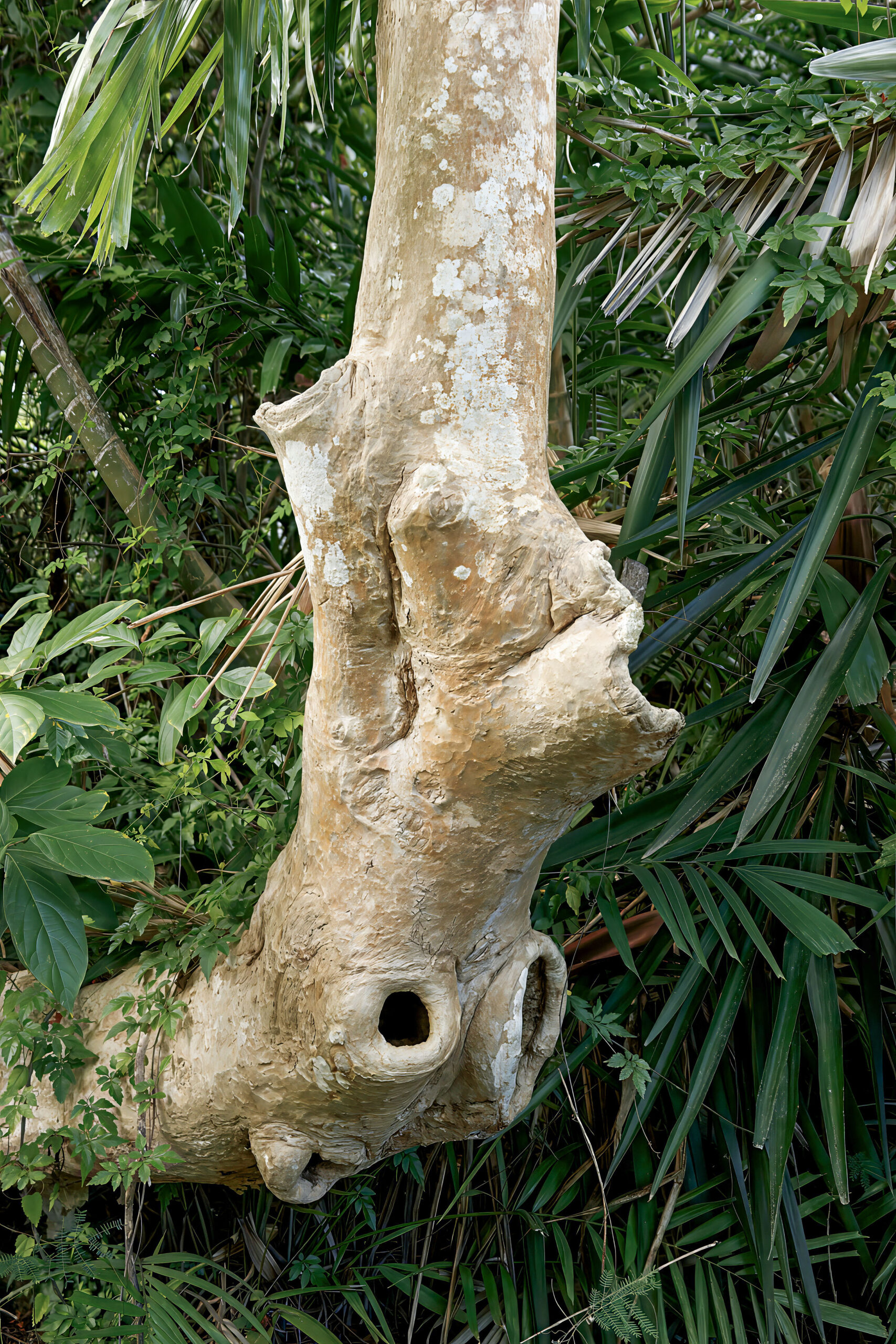
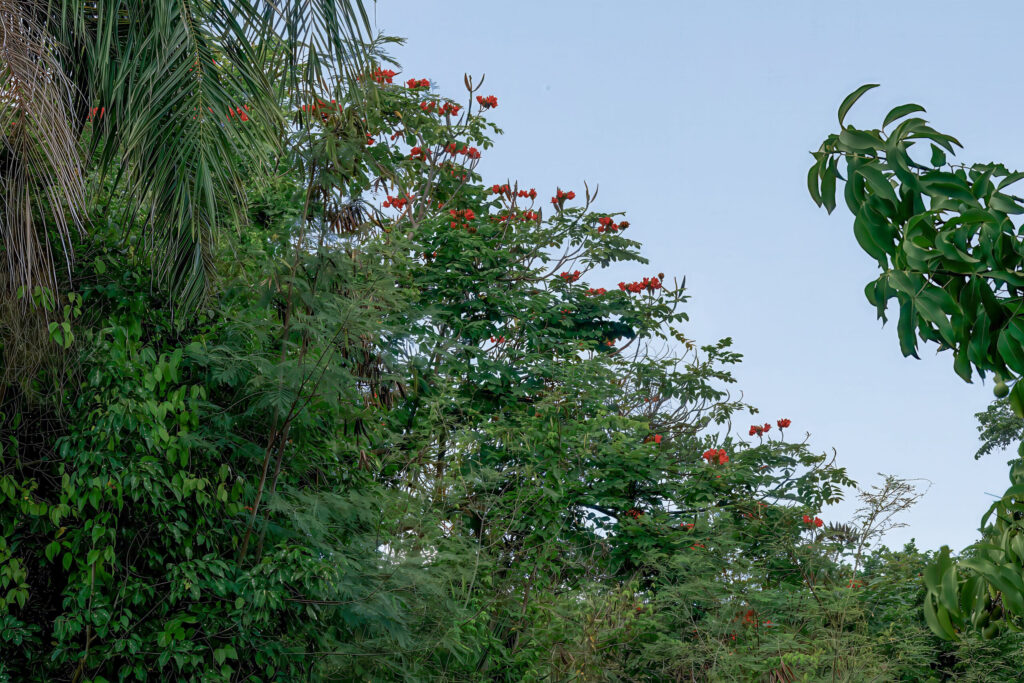
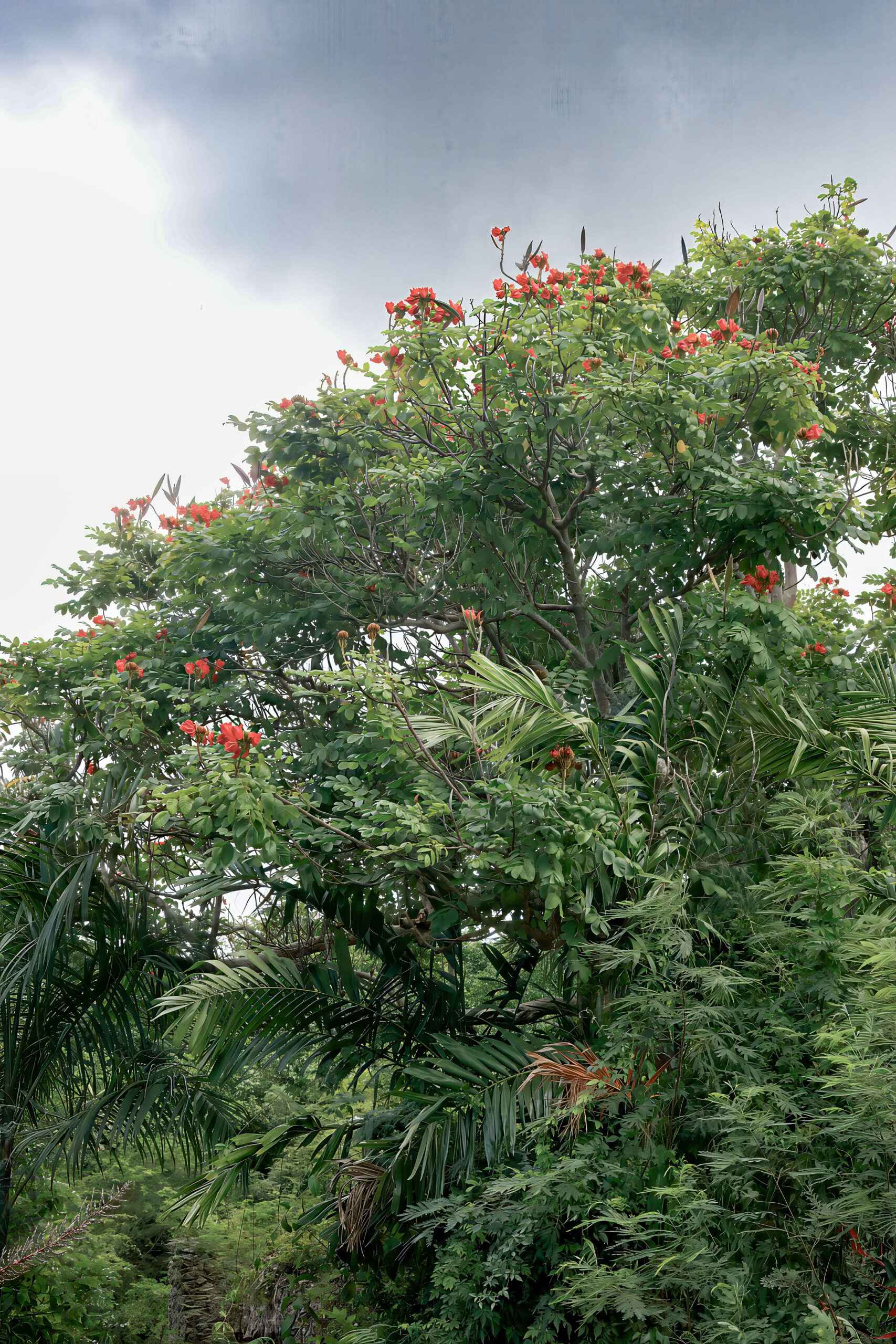
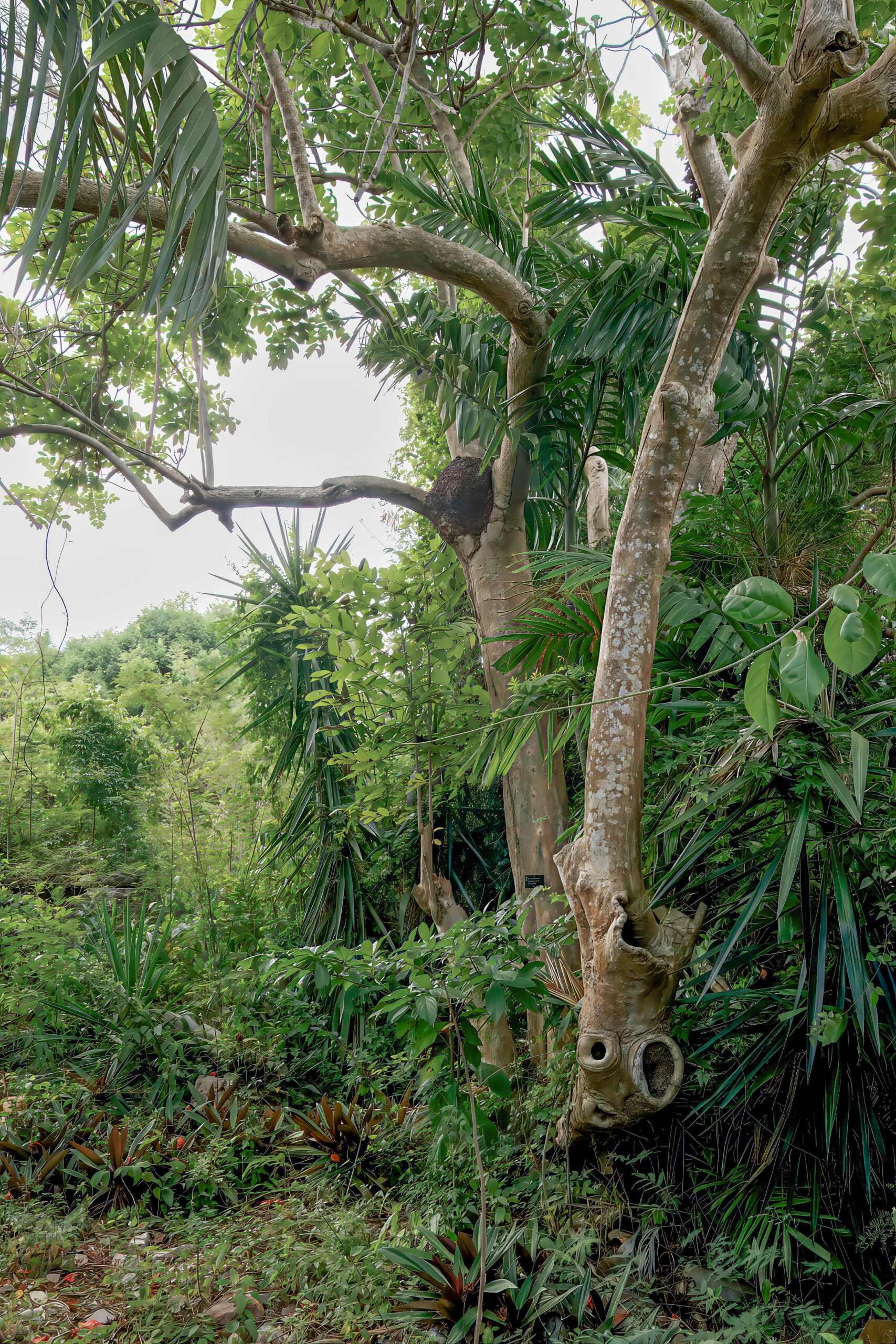
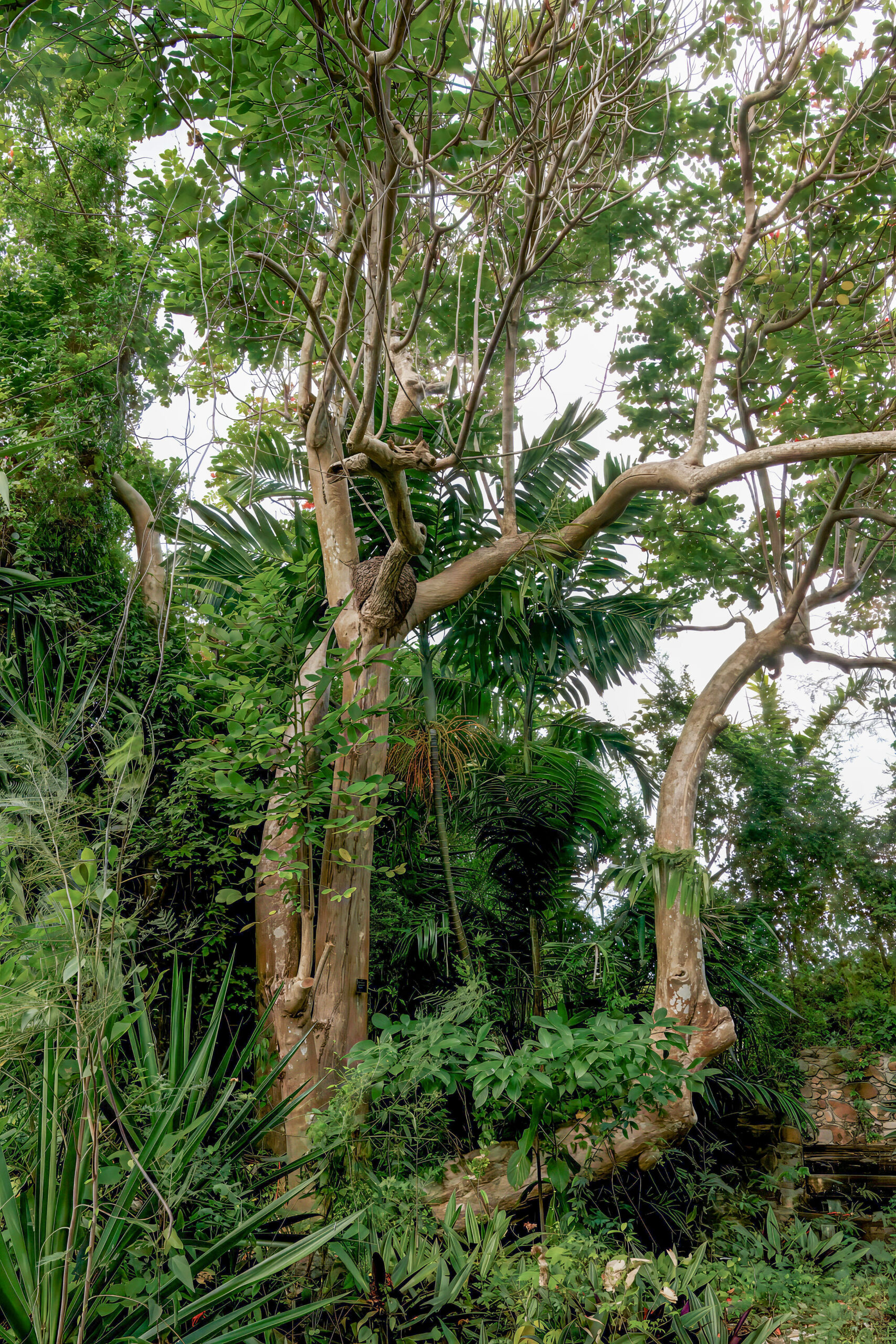
African Tulip

Scientific name: Spathodea campanulata

POWO Status: Tree

IUCN Red List threat level: Least Concern

GPS Location: 17° 42′ 57.67″ N, 64° 49′ 47.95″ W

Medicinal Uses

Spathodea campanulata (African Tulip Tree) is traditionally used for malaria, skin disorders, inflammation, gastrointestinal issues, diabetes, and wounds, with parts like the stem bark, leaves, and flowers used in remedies. Modern research supports its antimalarial, antimicrobial, antidiabetic, and anti-inflammatory potential, identifying compounds like kaempferol with activity against bacteria like H. pylori and antiviral properties, though more clinical trials are needed. 

Traditional Medicinal Uses by Plant Part 

  • Stem Bark: Malaria, stomach pain, dysentery, anemia, toothache, urethritis, and as an emetic.
  • Leaves: Skin diseases, epilepsy, liver disorders, asthma, measles, sore throat, and respiratory congestion.
  • Flowers/Buds: Tonic, cataracts, poison antidote, and skin ulcers.
  • Roots: Worm infections, stomach aches, headaches, migraines, dysmenorrhea, and as an appetite stimulant.
  • Seeds: Used medicinally. 

Scientific Findings & Potential

  • Antimicrobial: Extracts show activity against Helicobacter pylori (inhibiting urease and virulence) and some antiviral effects against HSV-1.
  • Antimalarial: Extracts have shown blood schizontocidal action in preclinical studies.
  • Anti-inflammatory & Antioxidant: Supports traditional use for inflammation, with extracts demonstrating antioxidant properties.
  • Antidiabetic: Shows hypoglycemic activity in animal models, but effects on insulin levels were unclear. 

Important Considerations

  • While research is promising, most evidence comes from preclinical studies; more clinical trials are needed.
  • Some traditional uses (like root decoctions in large doses) have shown negative effects in animal studies (liver/kidney damage, reduced sperm count), so caution is advised.
  • Always consult a healthcare professional before using Spathodea campanulata for medicinal purposes, especially if pregnant, breastfeeding, or managing chronic conditions. 

Observations:

Phenological Markers – African Tulip Tree (Spathodea campanulata)

1. Leaf Behavior
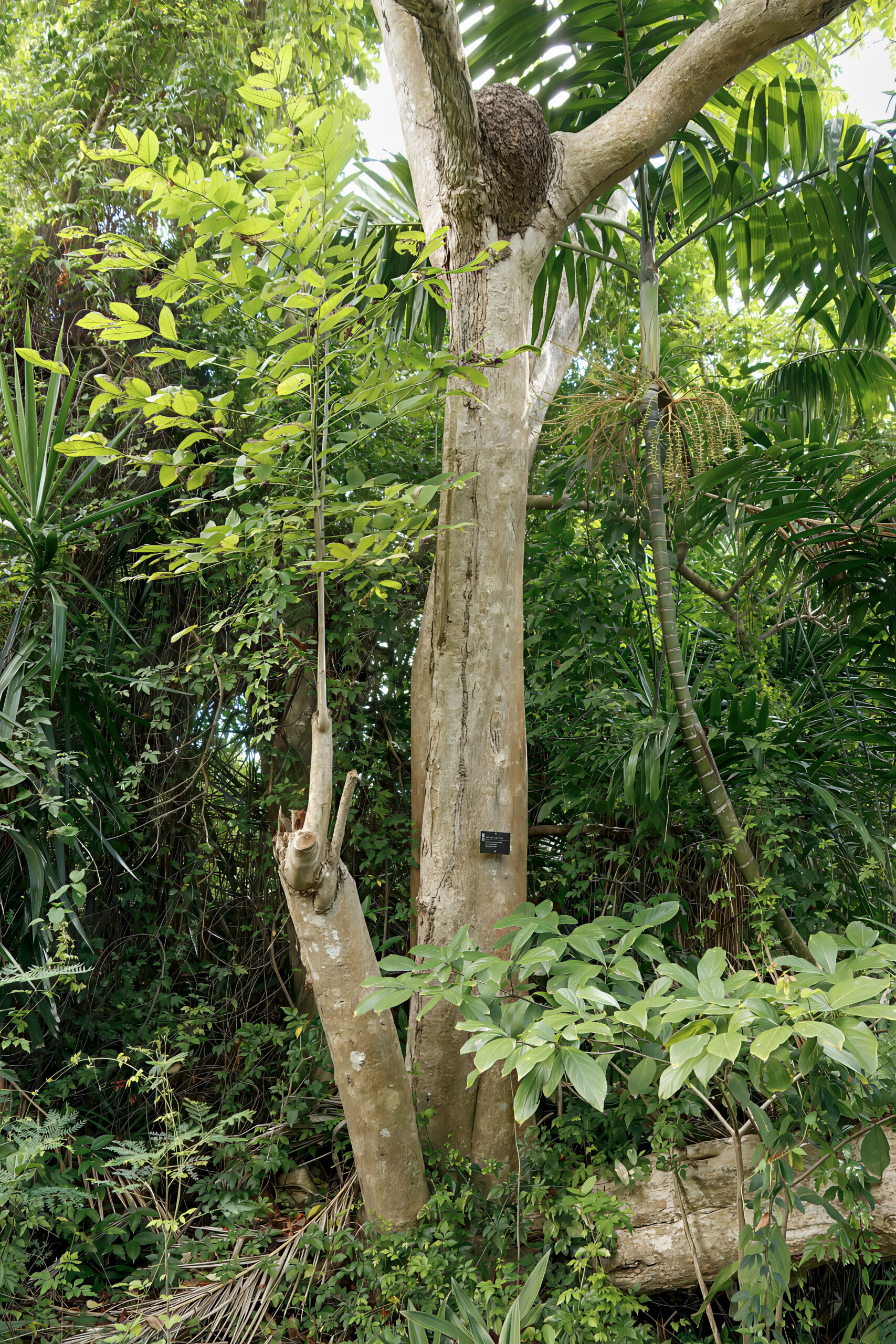
The African Tulip Tree is evergreen to semi-deciduous depending on local rainfall and soil conditions.

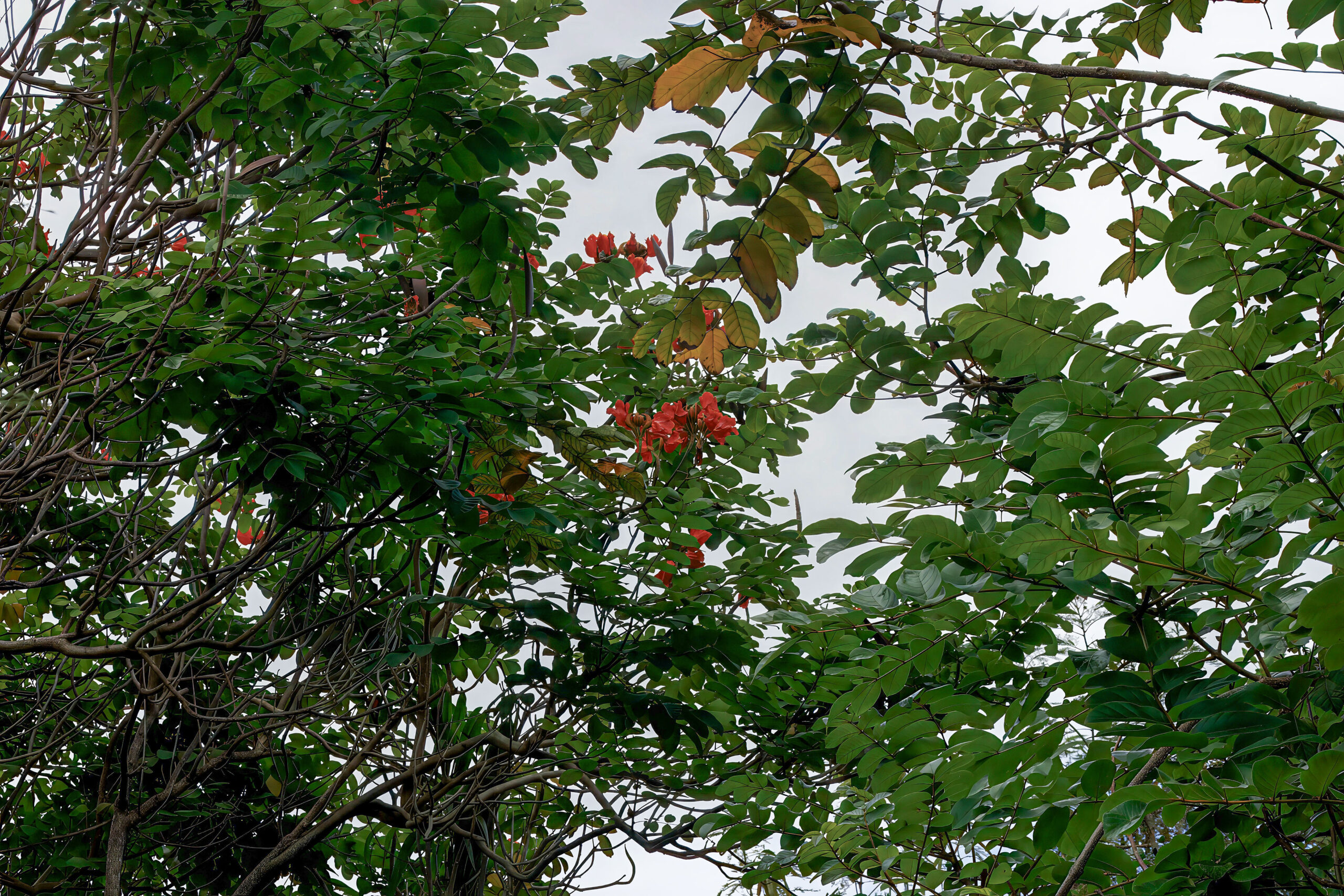
  • It may shed older leaves during dry spells or drought, particularly between January and March in St. Croix.
  • New leaf flush is common after flowering or at the start of the wet season.

Observation Tips:

  • Watch for leaf yellowing and partial drop during dry periods.
  • Young leaves appear bronze-tinted or reddish, maturing to glossy dark green.

2. Flowering
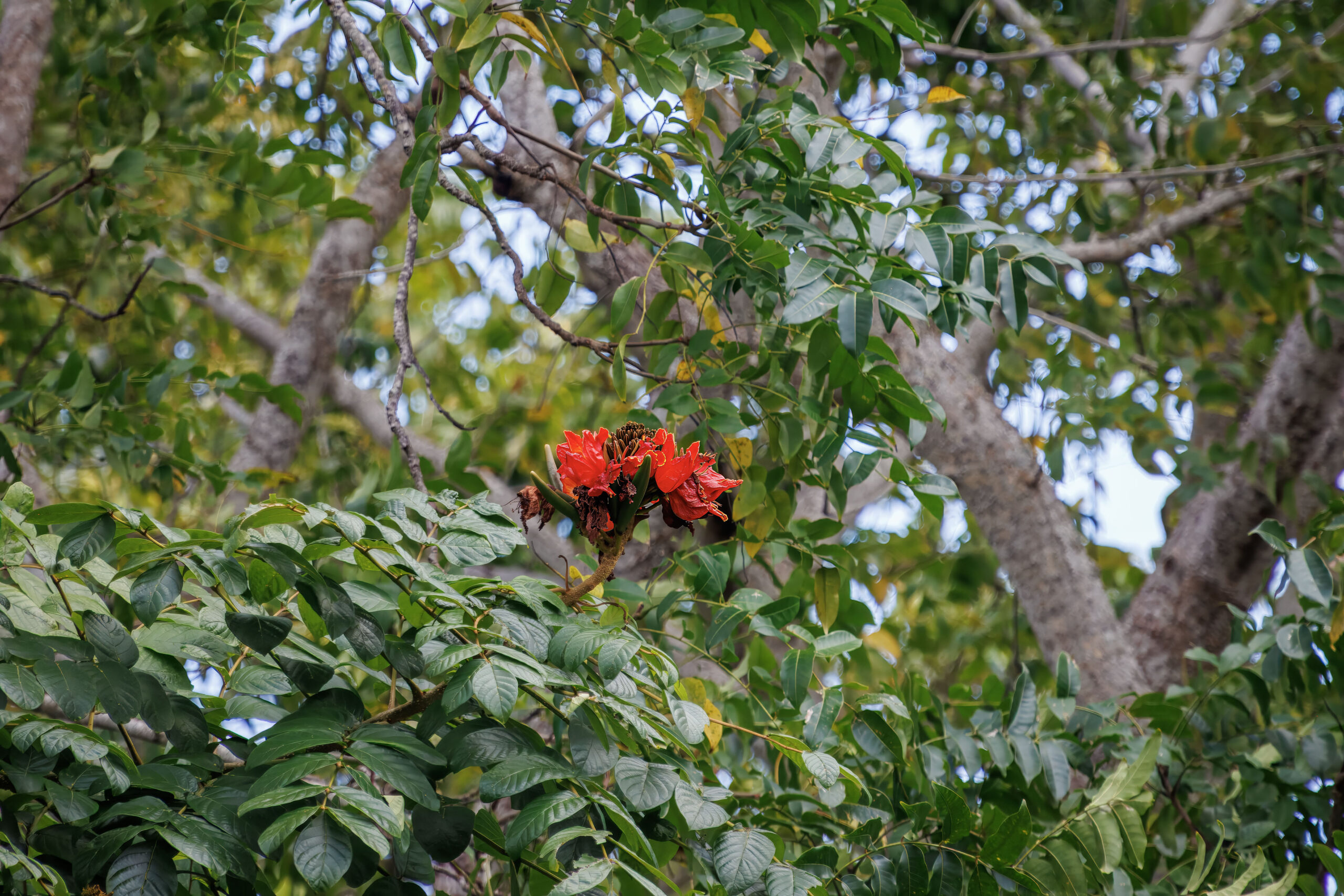
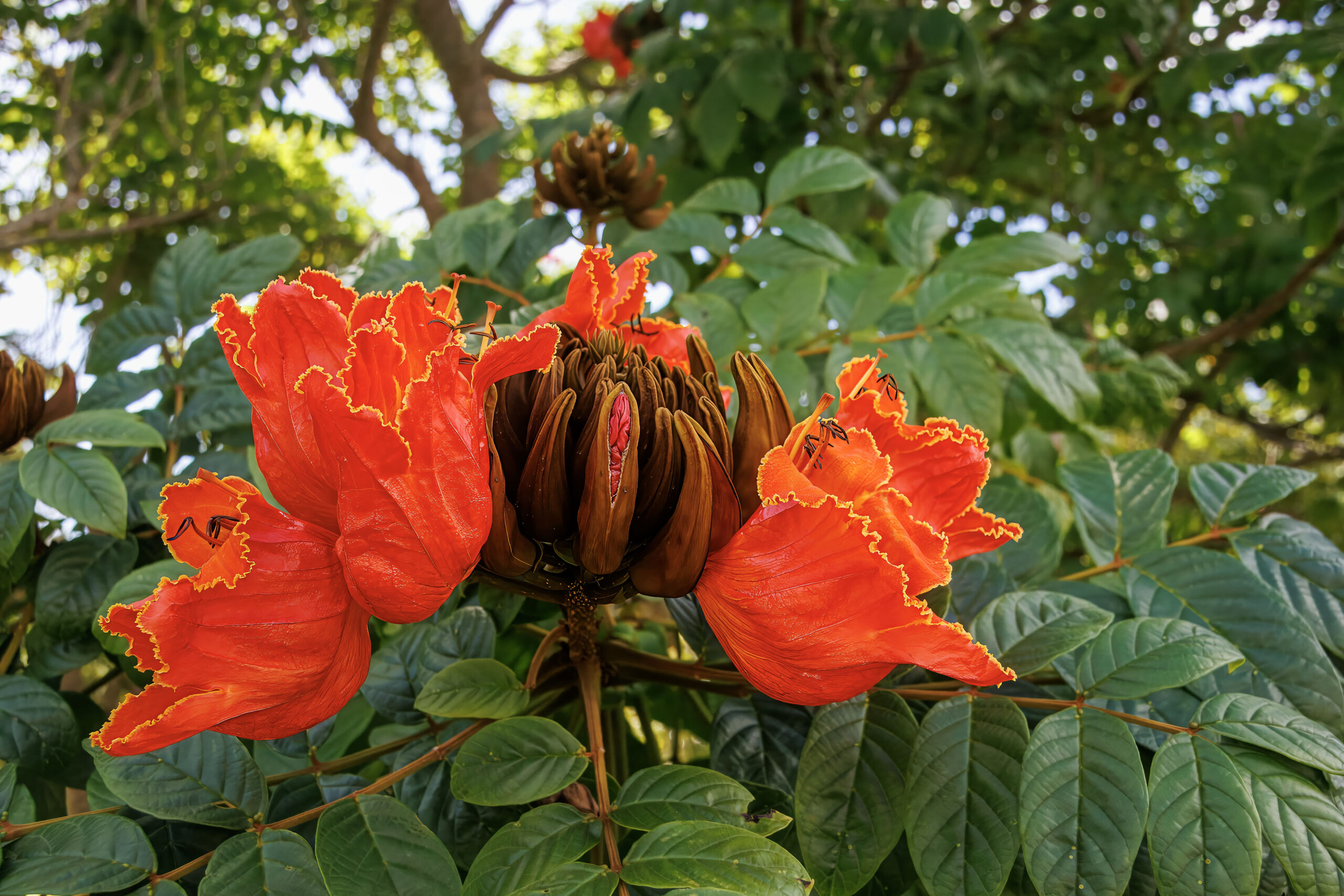
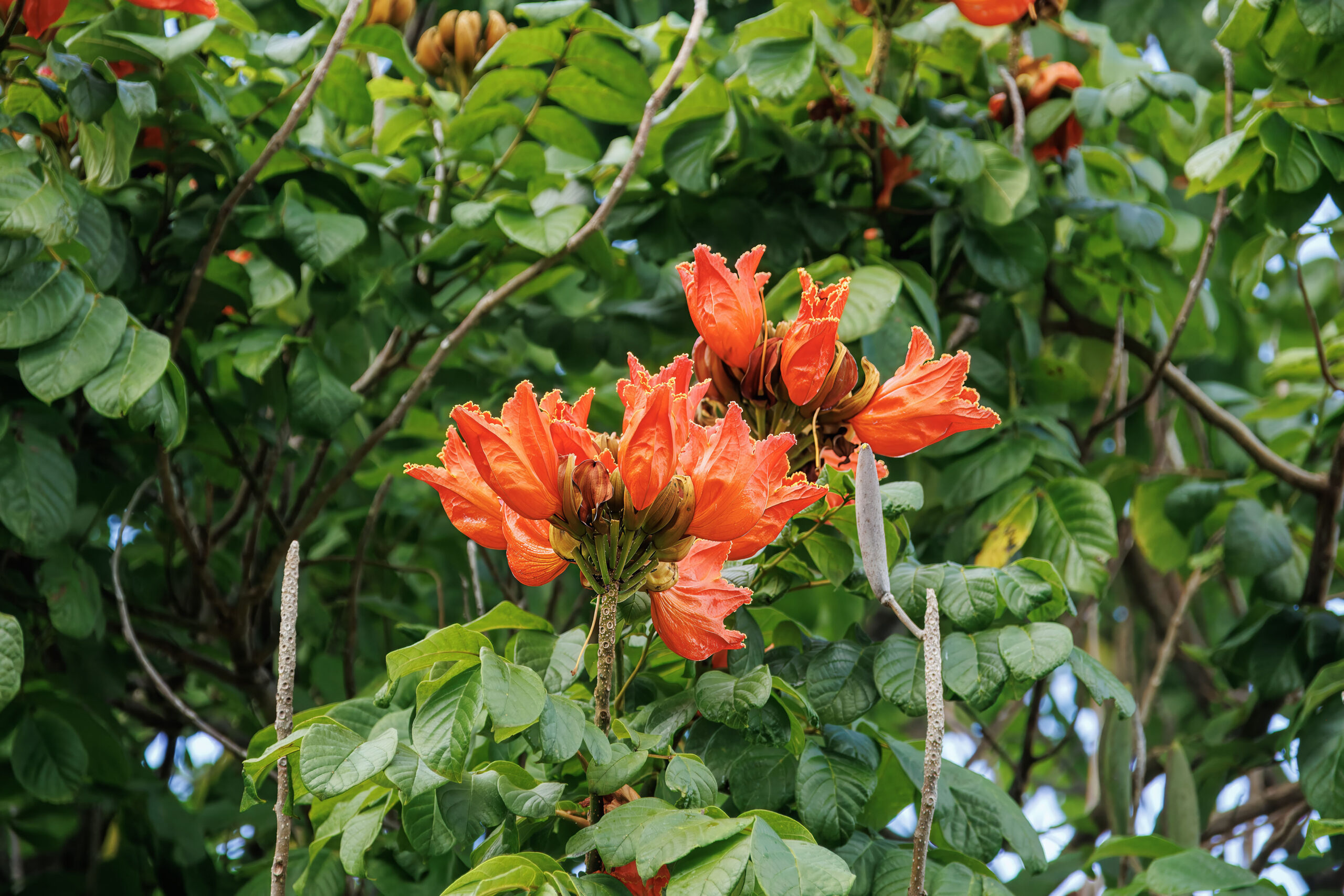
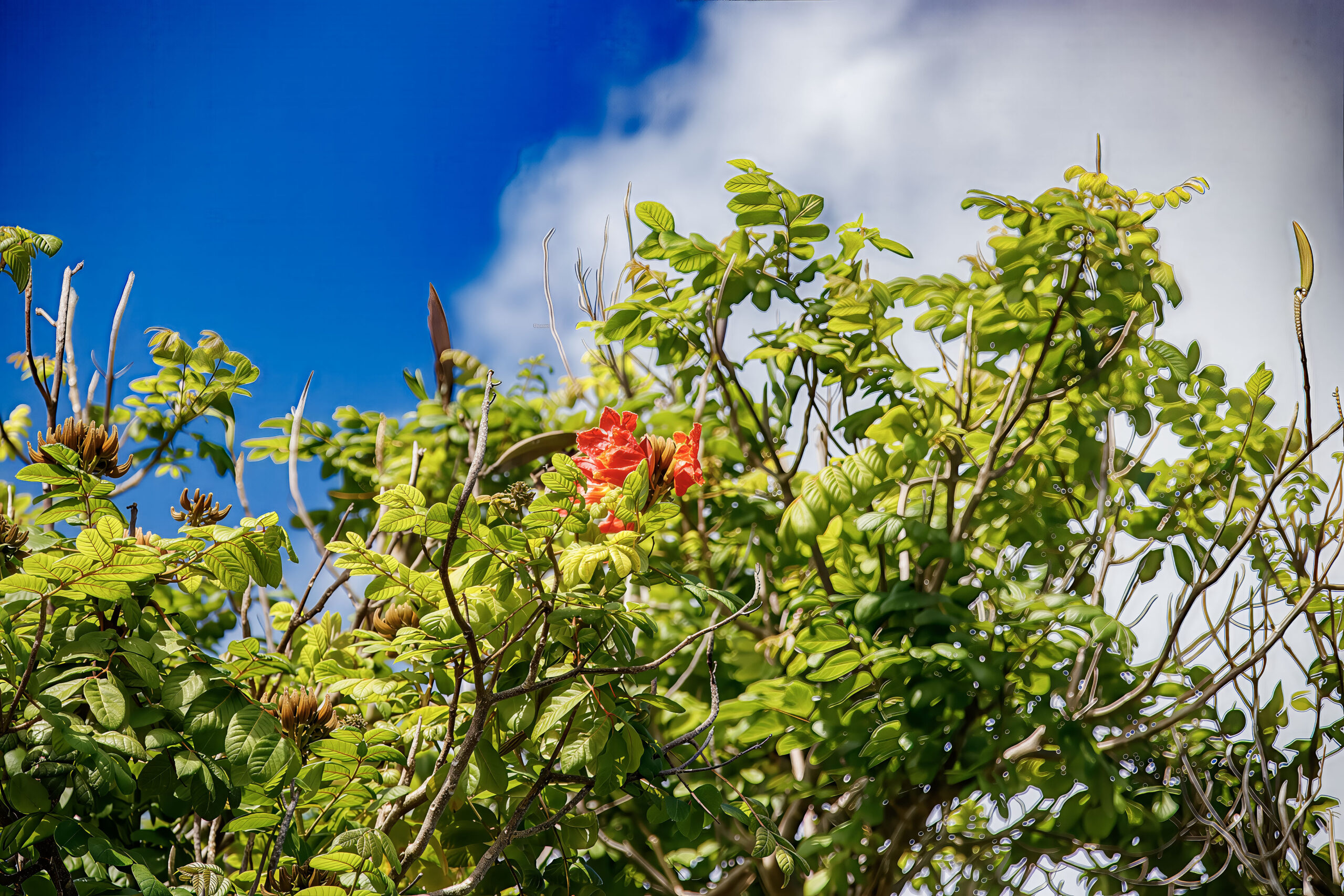
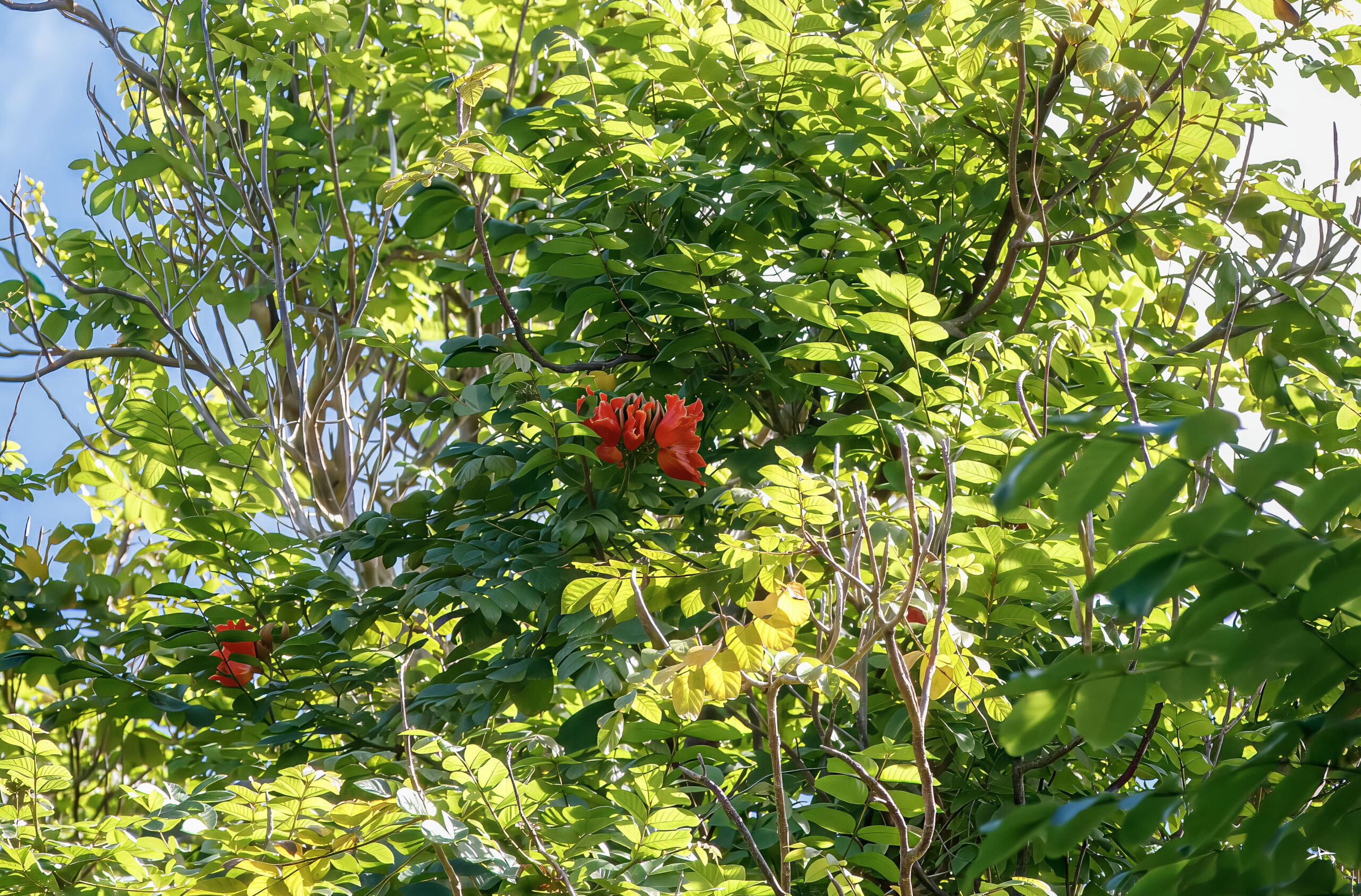
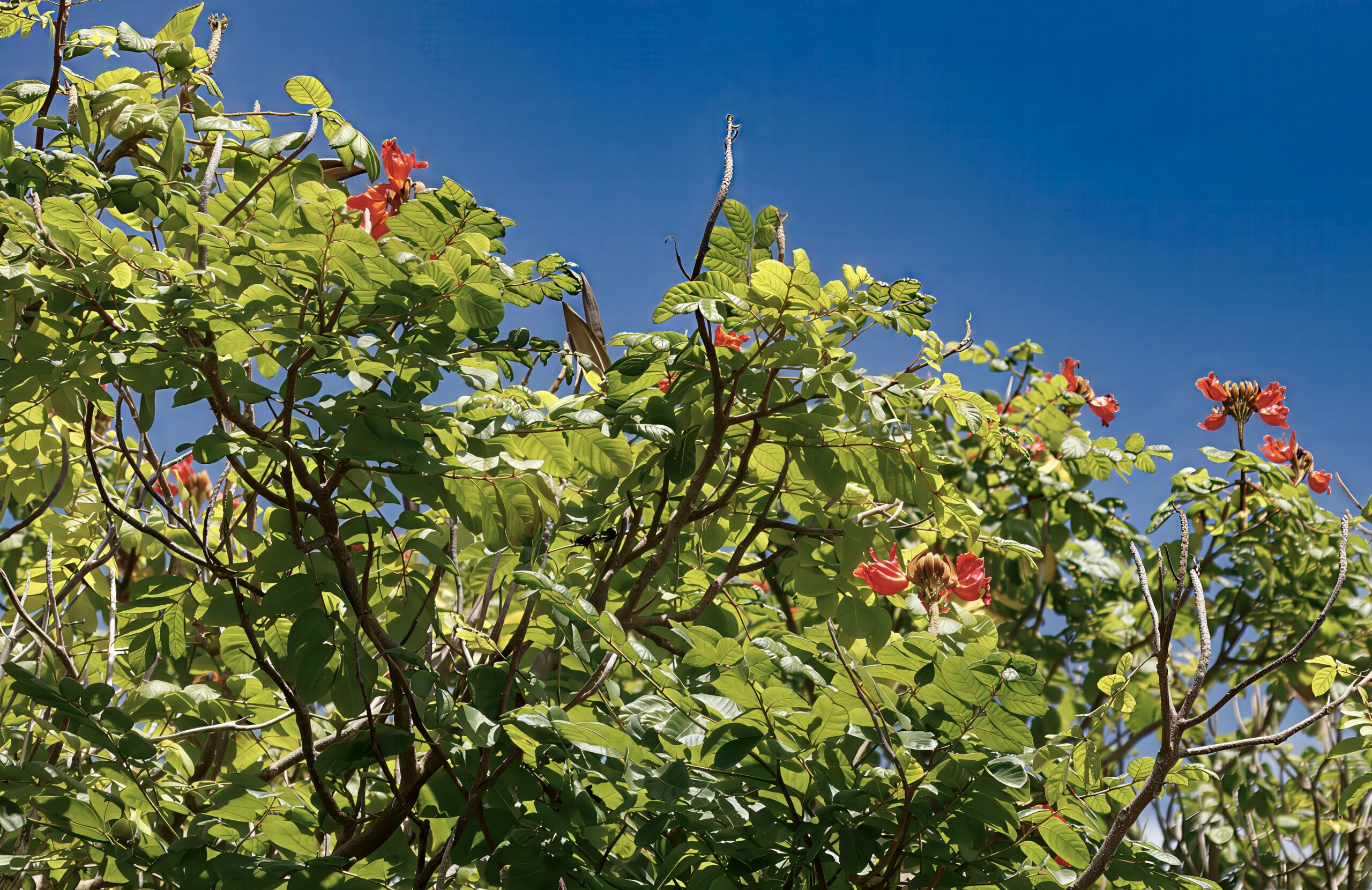
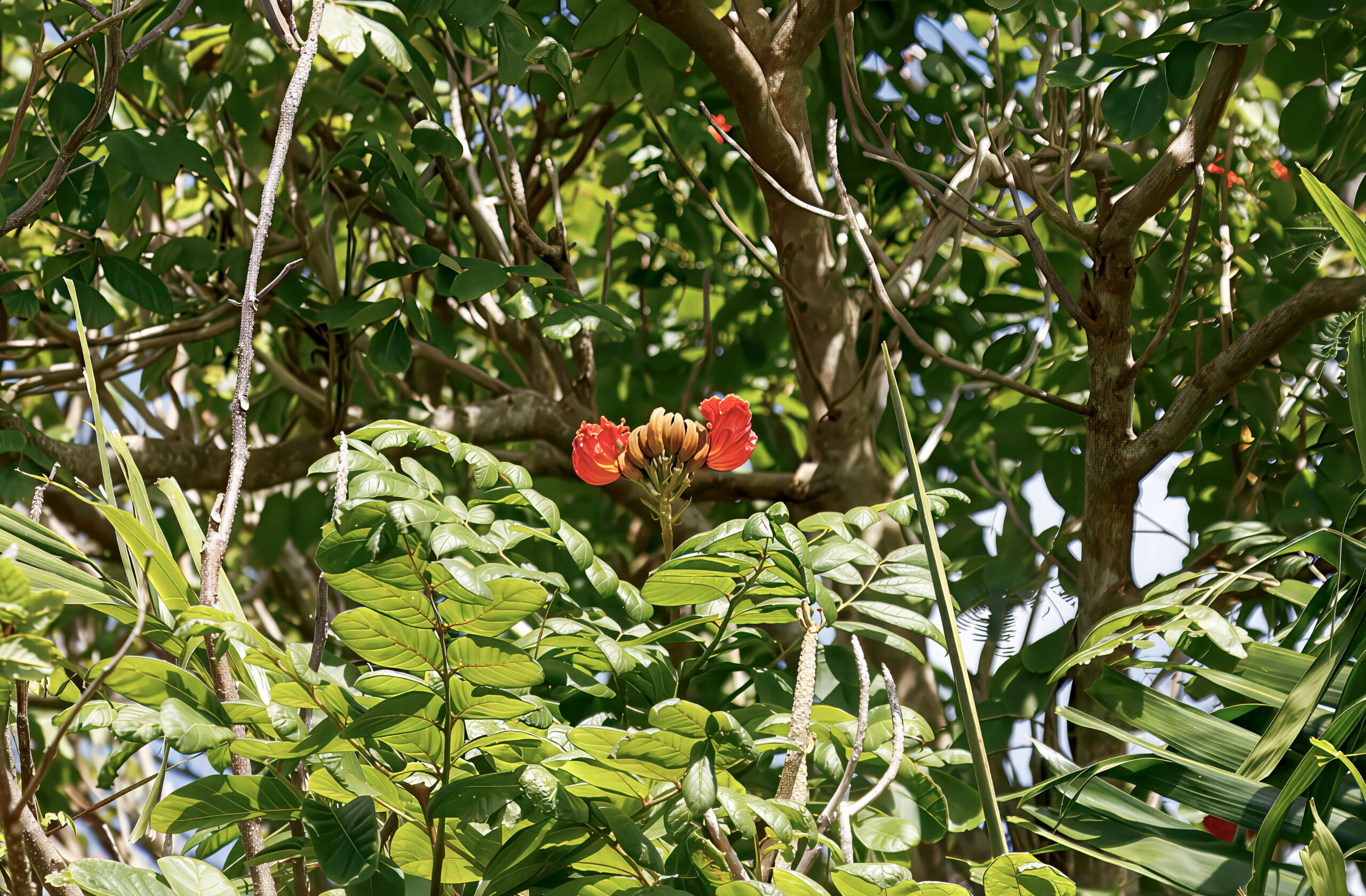
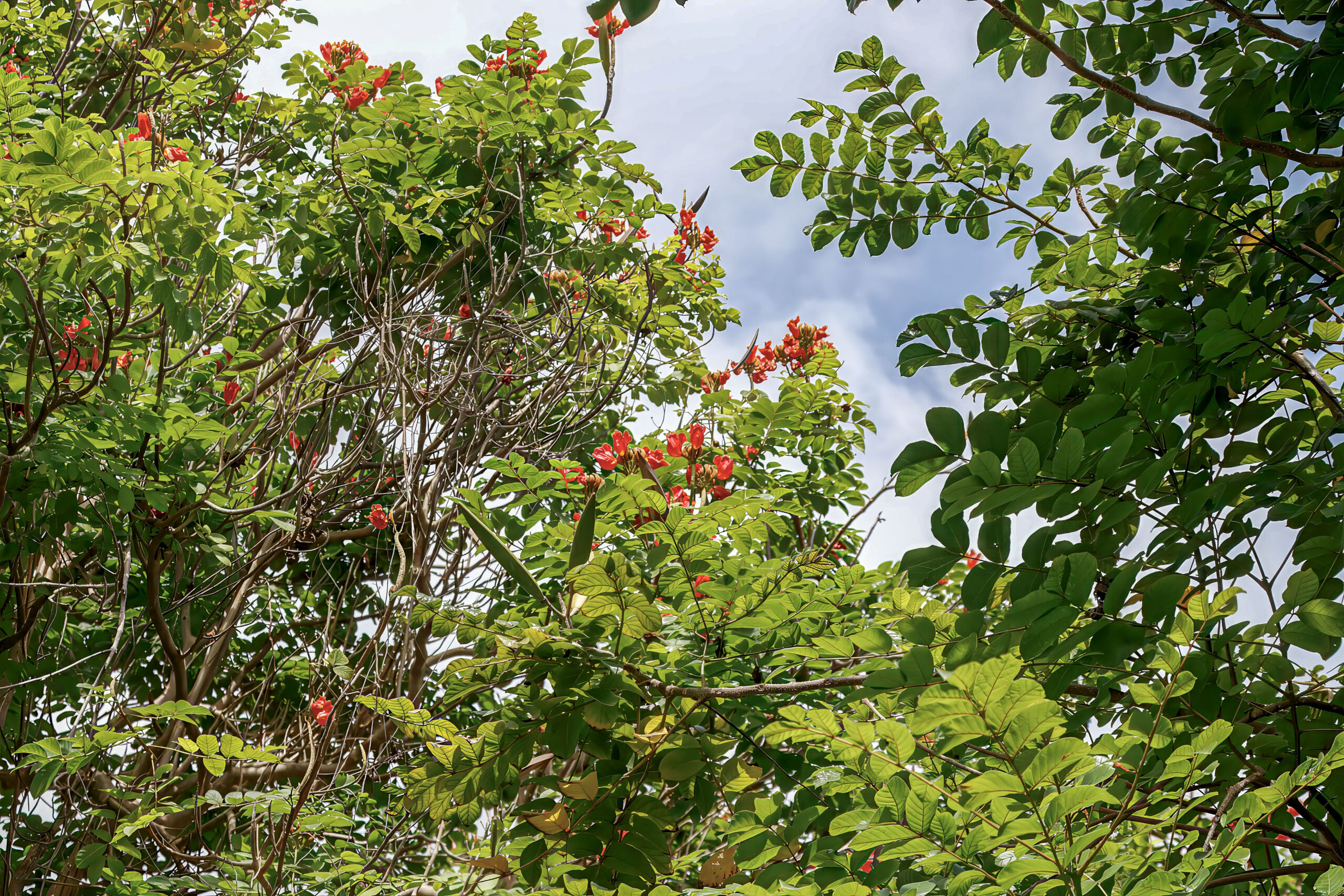
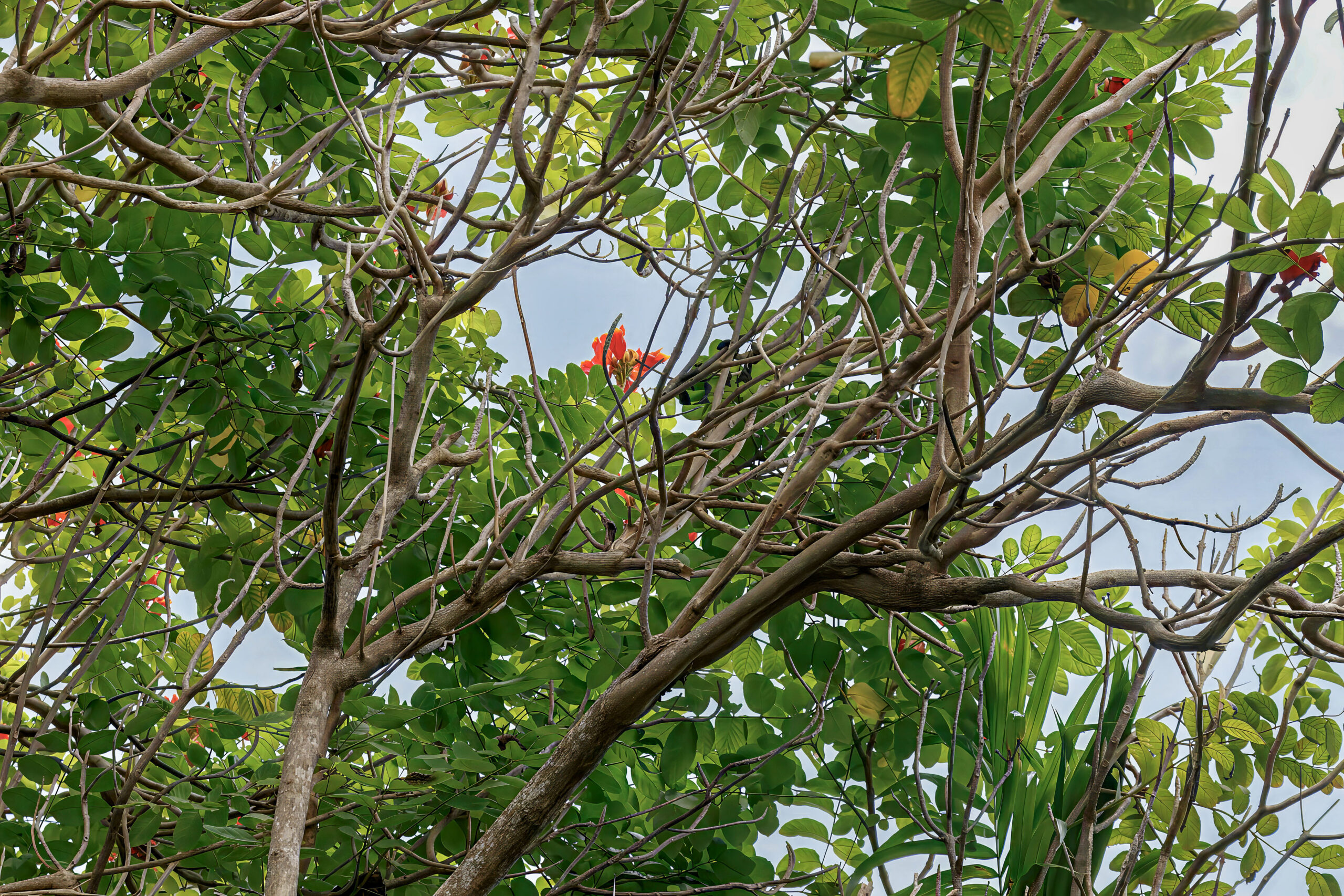
One of its most distinctive features, Spathodea produces large, bell-shaped flowers that range from deep orange to scarlet, with frilly yellow margins.

  • Flowers are held in dense terminal clusters, often resembling tulip bouquets.
  • Flowering peaks in late dry to early wet season—usually March through June in St. Croix.
  • The tree often flowers while retaining most of its foliage.

Observation Tips:

  • Record first bud formation, peak bloom, and flower fall.
  • Watch for early morning nectar pooling inside the flowers—often visited by birds and bees.
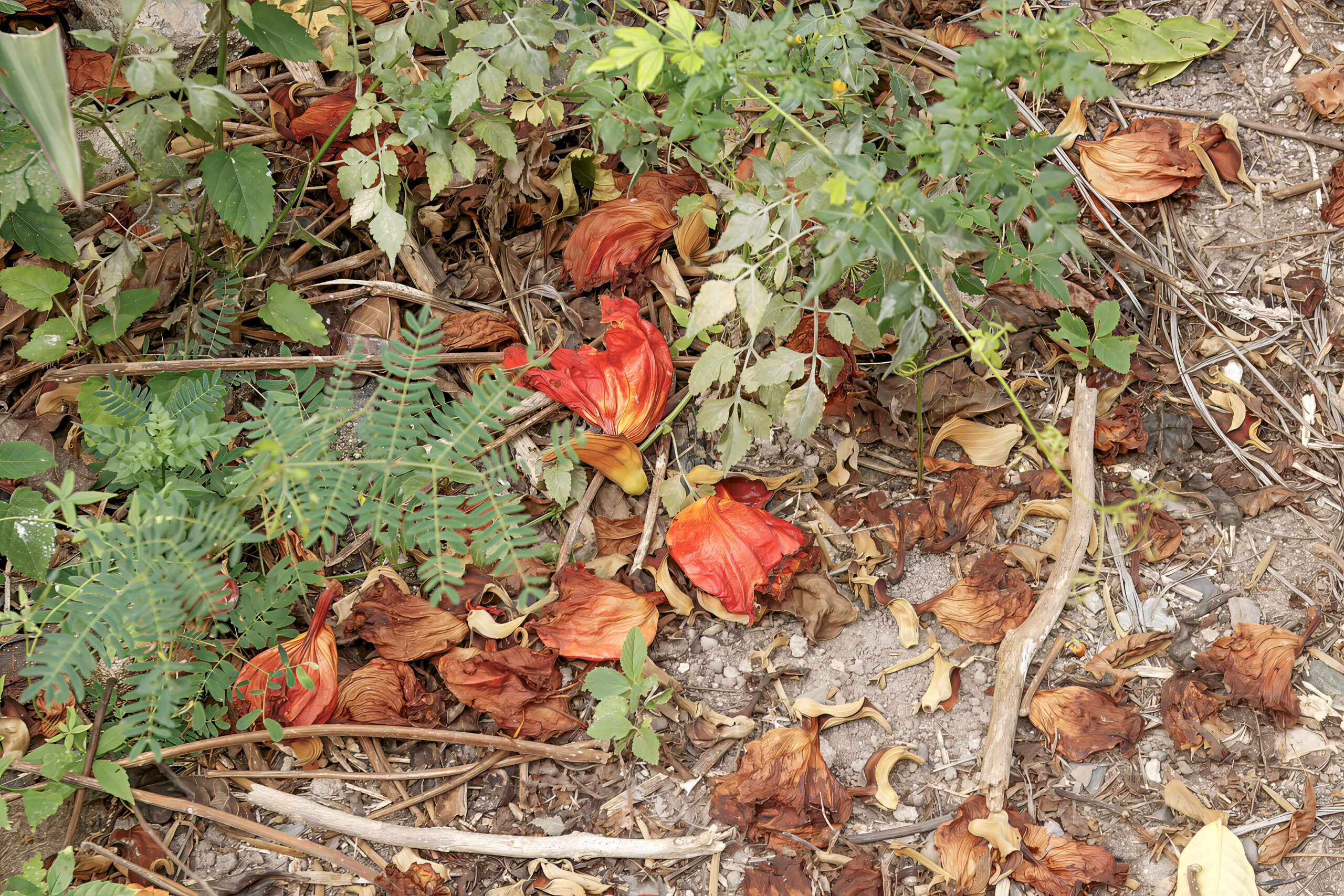
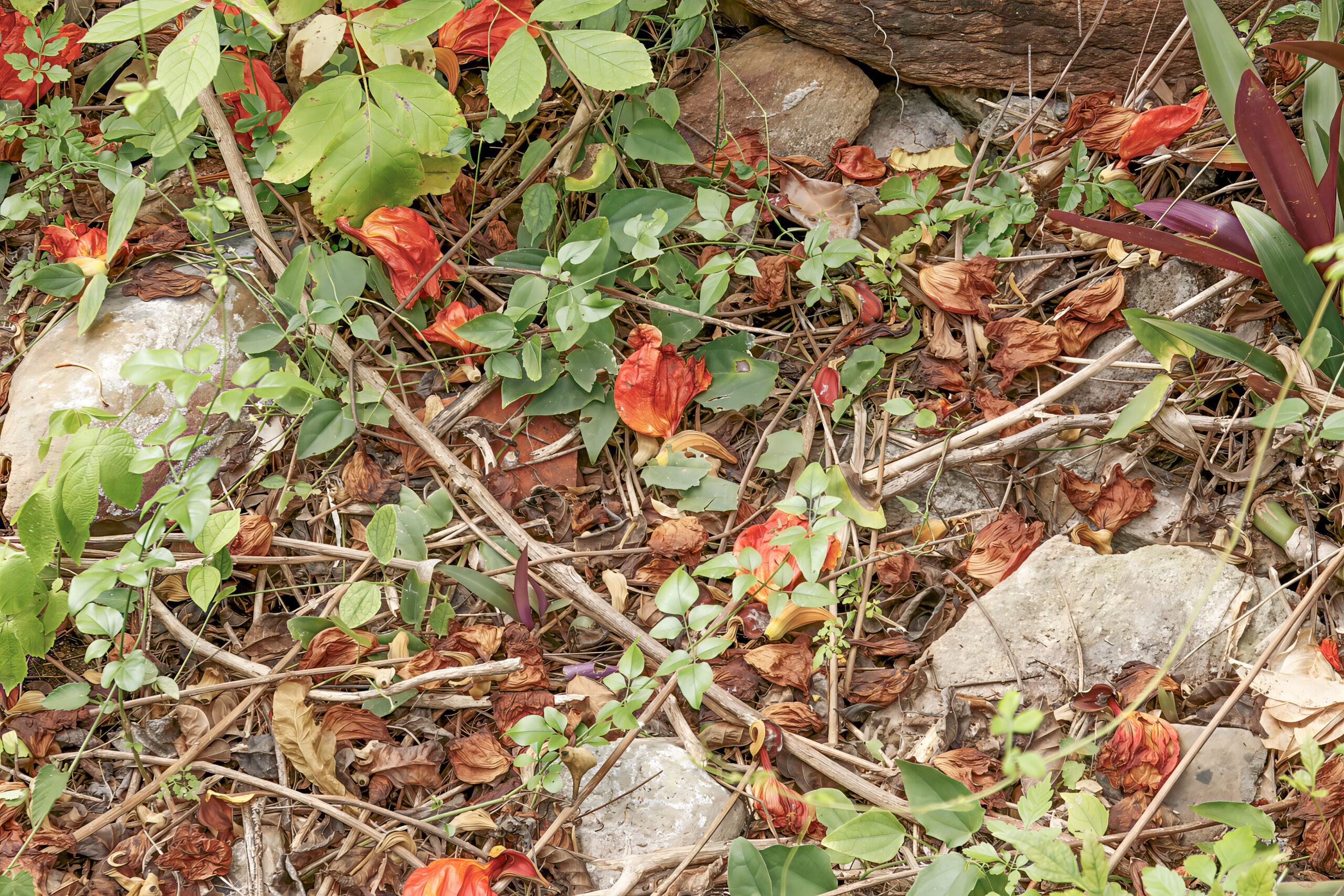
  • Flowers drop heavily, forming a colorful carpet under the canopy.

3. Fruiting
Fruits are long, curved seed pods, up to 20 inches long, which develop after flowering.

  • Pods are green when immature, ripening to brown and woody as they mature.
  • When dry, they split open, releasing flat, winged seeds that are wind-dispersed.
  • Fruiting typically begins in mid to late wet season and may continue through early dry season.

Observation Tips:

  • Note pod length, surface texture, and degree of splitting.
  • Check for seed fall zones under breezy conditions.

4. Seasonal Pattern (St. Croix)

  • Jan–Mar: Occasional leaf drop
  • Mar–Jun: Flowering peak
  • May–Sep: Pod formation and ripening
  • Oct–Dec: Seed dispersal, leaf flush renewal
Scroll to Top