Honduras mahogany
Scientific name: Swietenia humilis
POWO Status: Tree
IUCN Red List threat level: Endangered
GPS Location: 17° 42′ 58.84″ N, 64° 49′ 44.52″ W


Medicinal Uses
Swietenia humilis (Pacific Coast Mahogany) seeds are traditionally used in Mexican folk medicine for diabetes, hypertension, pain (chest pain, rheumatism), coughs, and amoebiasis, with research supporting antioxidant, hypoglycemic, and vasorelaxant effects, likely due to compounds like mexicanolides. Other uses include treating cancer and intestinal worms (anthelmintic properties).
Traditional Uses
- Diabetes & Hypertension: Chewed or made into infusions to help control blood sugar and blood pressure.
- Pain Relief: For chest pains, general pain, and rheumatic pain.
- Respiratory: To treat coughs.
- Infections: For amoebiasis and as an anthelmintic (worm expeller).
- Cancer: Used in traditional remedies for certain cancers.
- Wound Healing: Decoctions used for skin ailments and wounds.
Scientific Findings & Active Compounds
- Antidiabetic: Seeds contain mexicanolides that affect glucose metabolism in the pancreas, liver, and muscles, supporting their traditional use for type 2 diabetes.
- Antioxidant & Vasorelaxant: Extracts show antioxidant properties and can relax blood vessels, potentially helping with hypertension.
- Antihyperalgesic: Studies show extracts can reduce pain (hyperalgesia) in diabetic models.
- Active Compounds: Rich in tetranortriterpenoids (like humilinolides, mexicanolides), steroids, polyphenols, and fatty acids.
Other Uses
- Provides gum and seed oil (used in cosmetics/soap).
- Used in agroforestry for erosion control and soil improvement.
Observations:
Phenological Markers – Swietenia humilis (Pacific Mahogany)
Family: Meliaceae
Common Names: Pacific Mahogany, Honduras Mahogany (small-leaf), Caoba del Pacífico
Habitat: Native to the Pacific coastal regions of Central America, especially in seasonally dry tropical forests. Found at lower elevations from Mexico to Costa Rica.
Phenological Markers:
- Flowering Period:
Typically flowers from March to May, toward the end of the dry season. The small, greenish-white flowers are fragrant and borne in loose panicles. - Fruiting Period:
Fruits mature and split open to release winged seeds from October to December, coinciding with the latter part of the rainy season. - Leaf Fall:
Deciduous, shedding leaves at the beginning of the dry season (January to March) as an adaptation to drought conditions. - Budding Period:
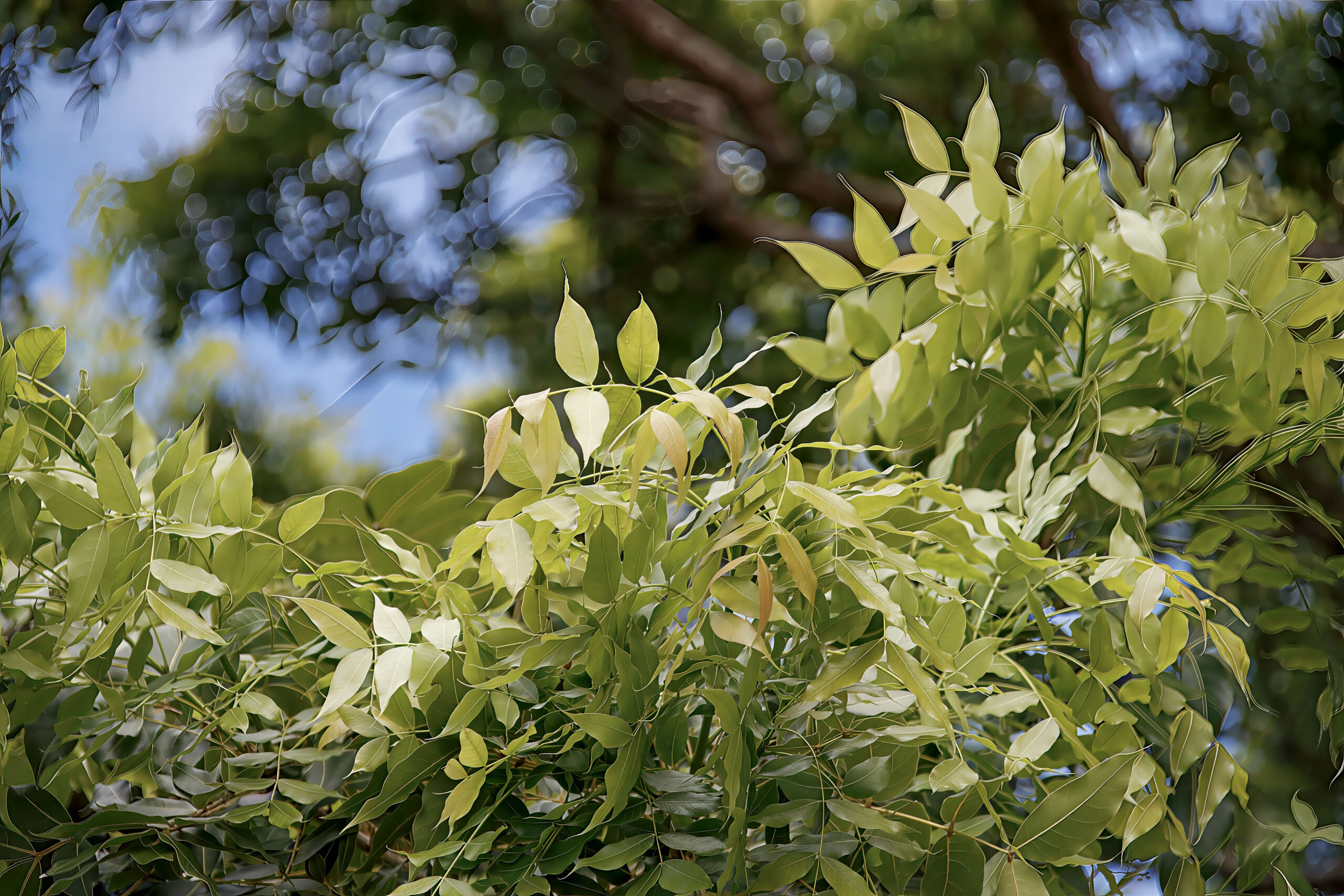
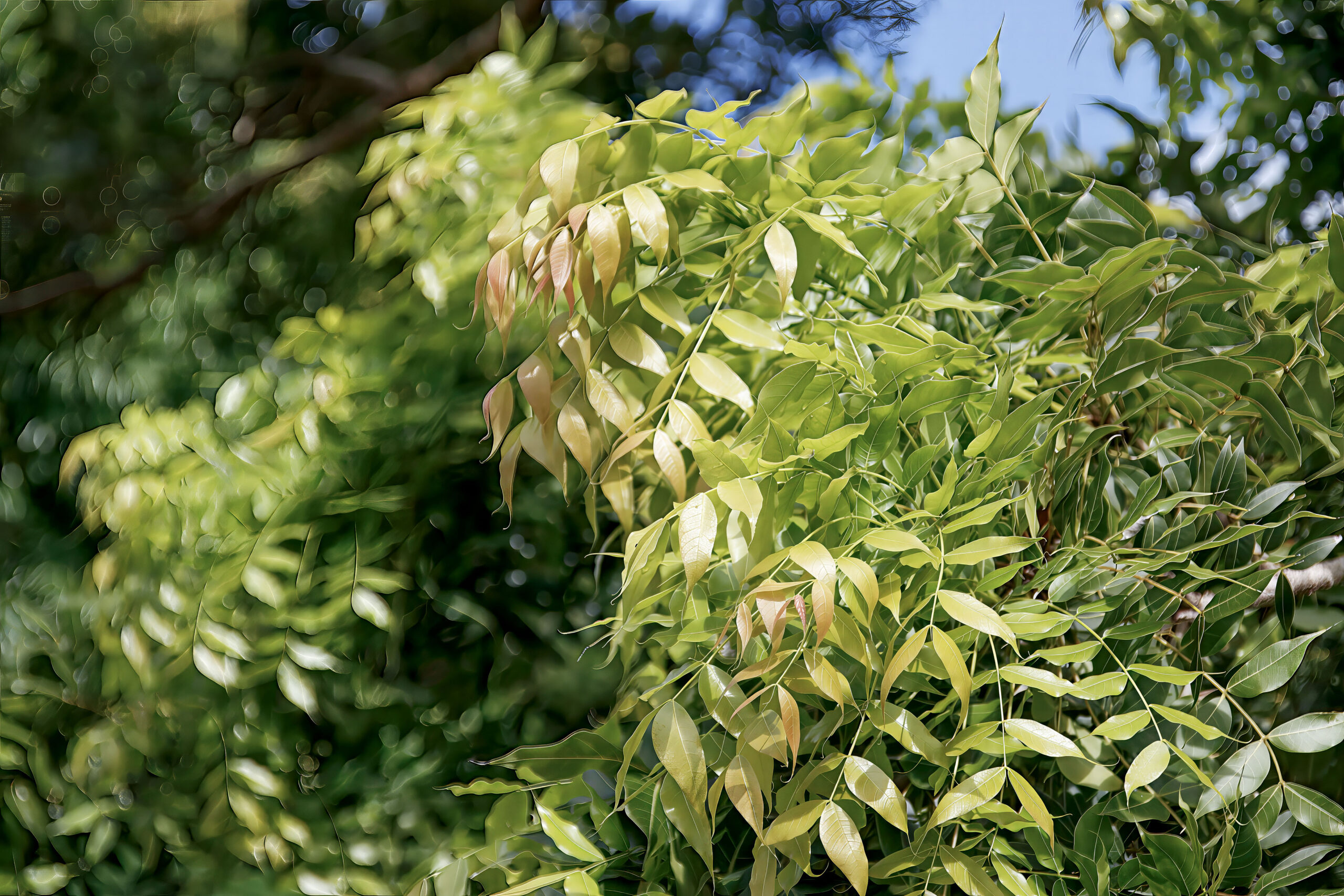
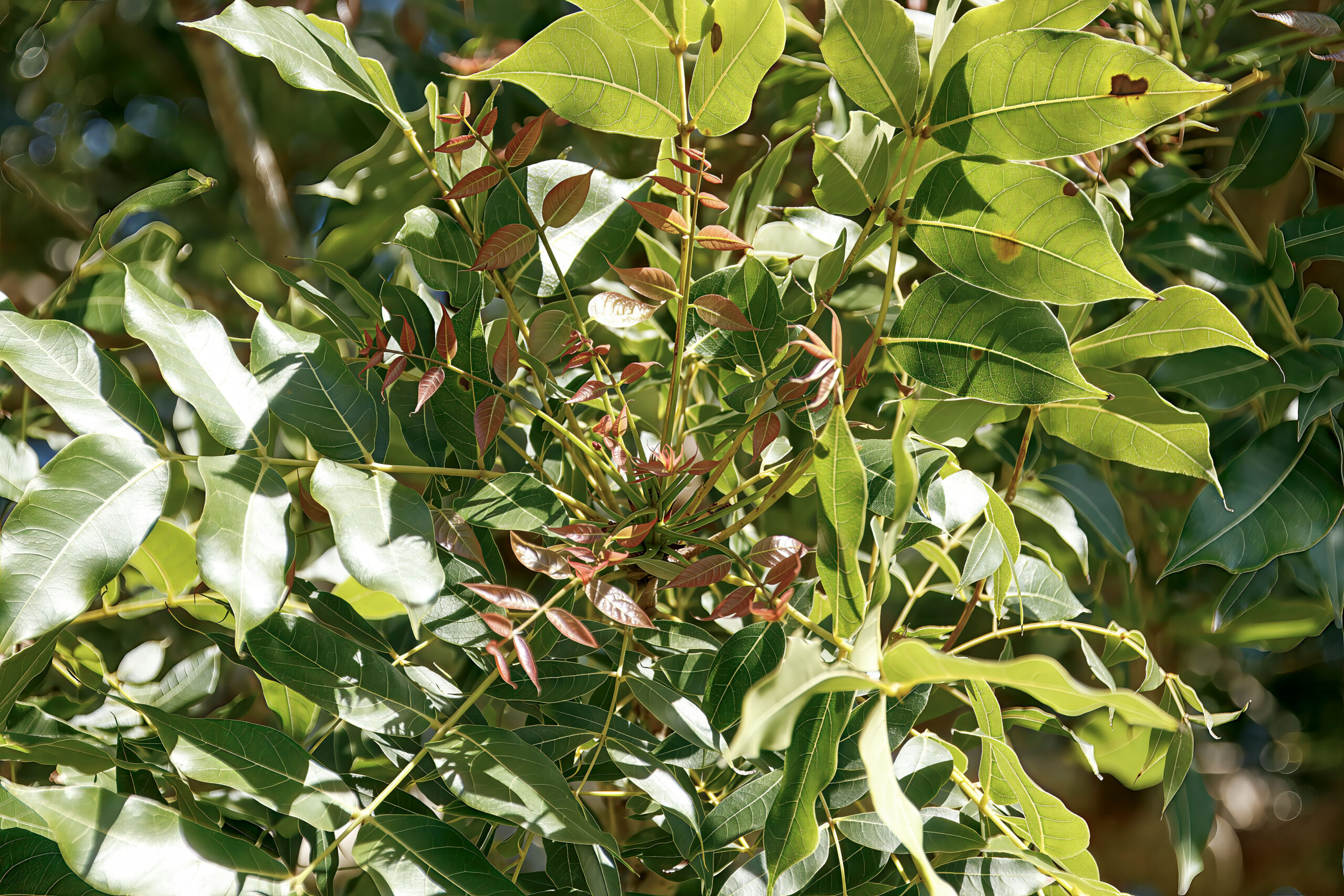
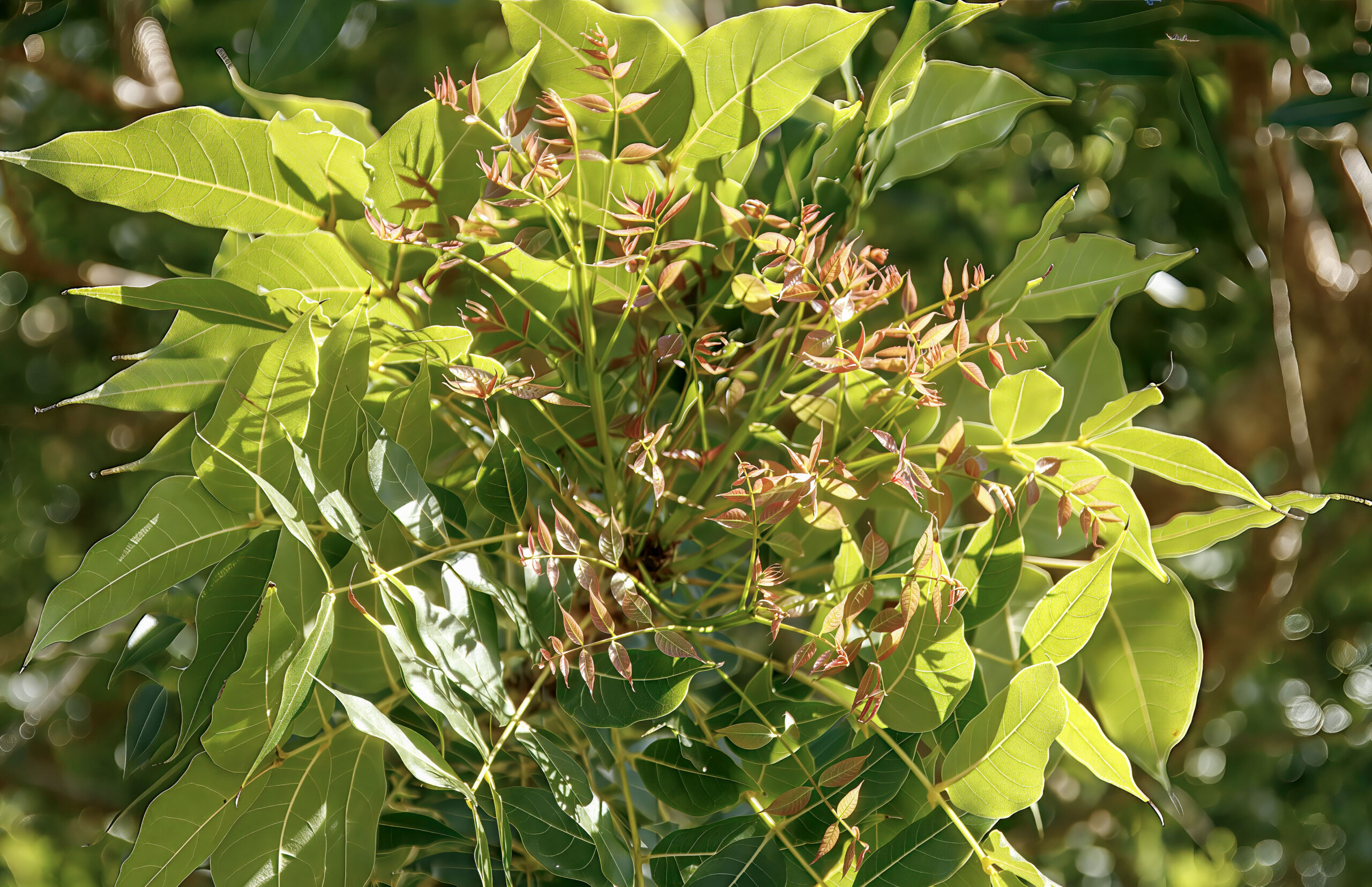
New foliage begins to emerge in late dry season to early rainy season (April to June), often in coordination with flowering.
Key Features:
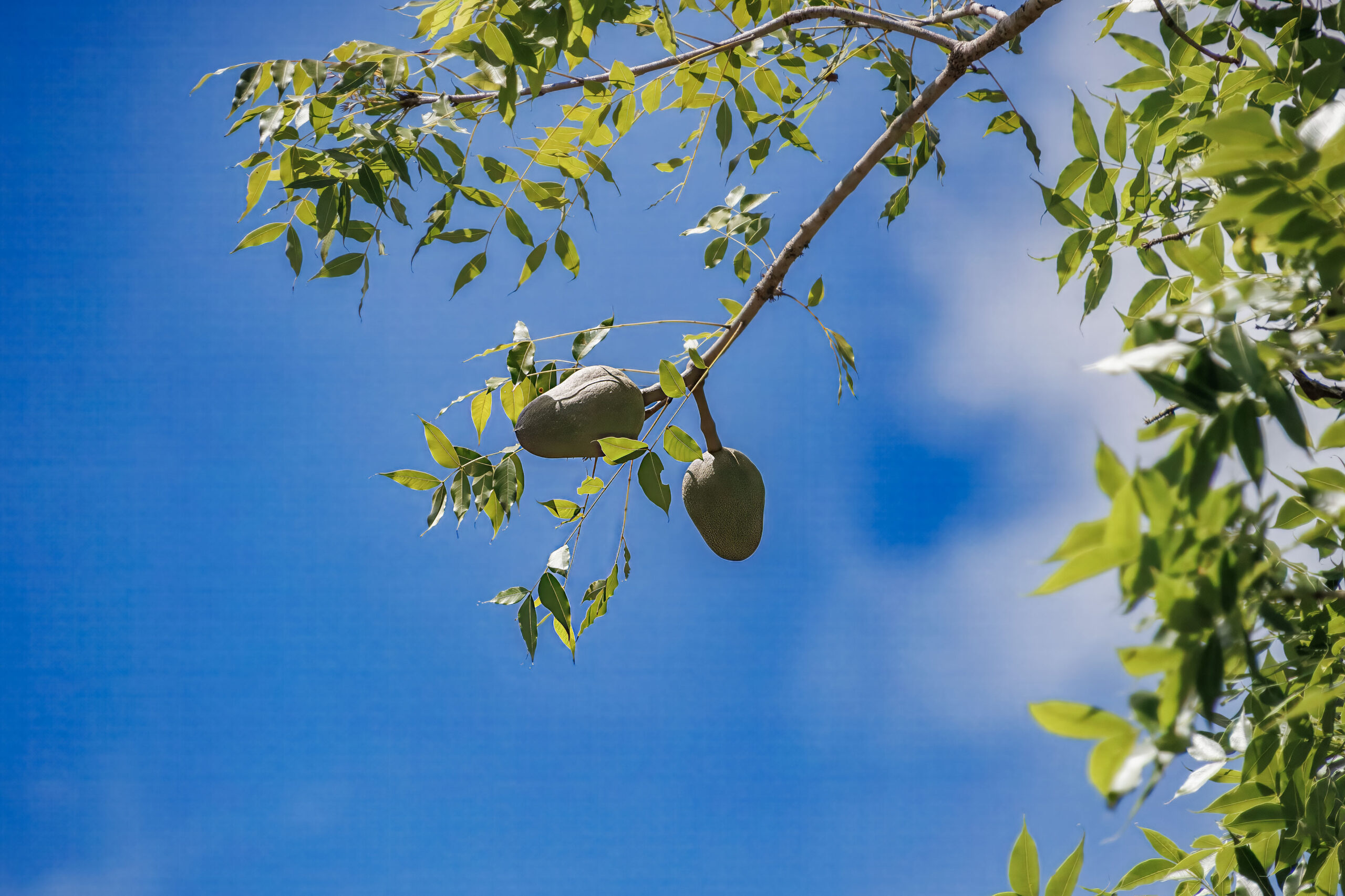
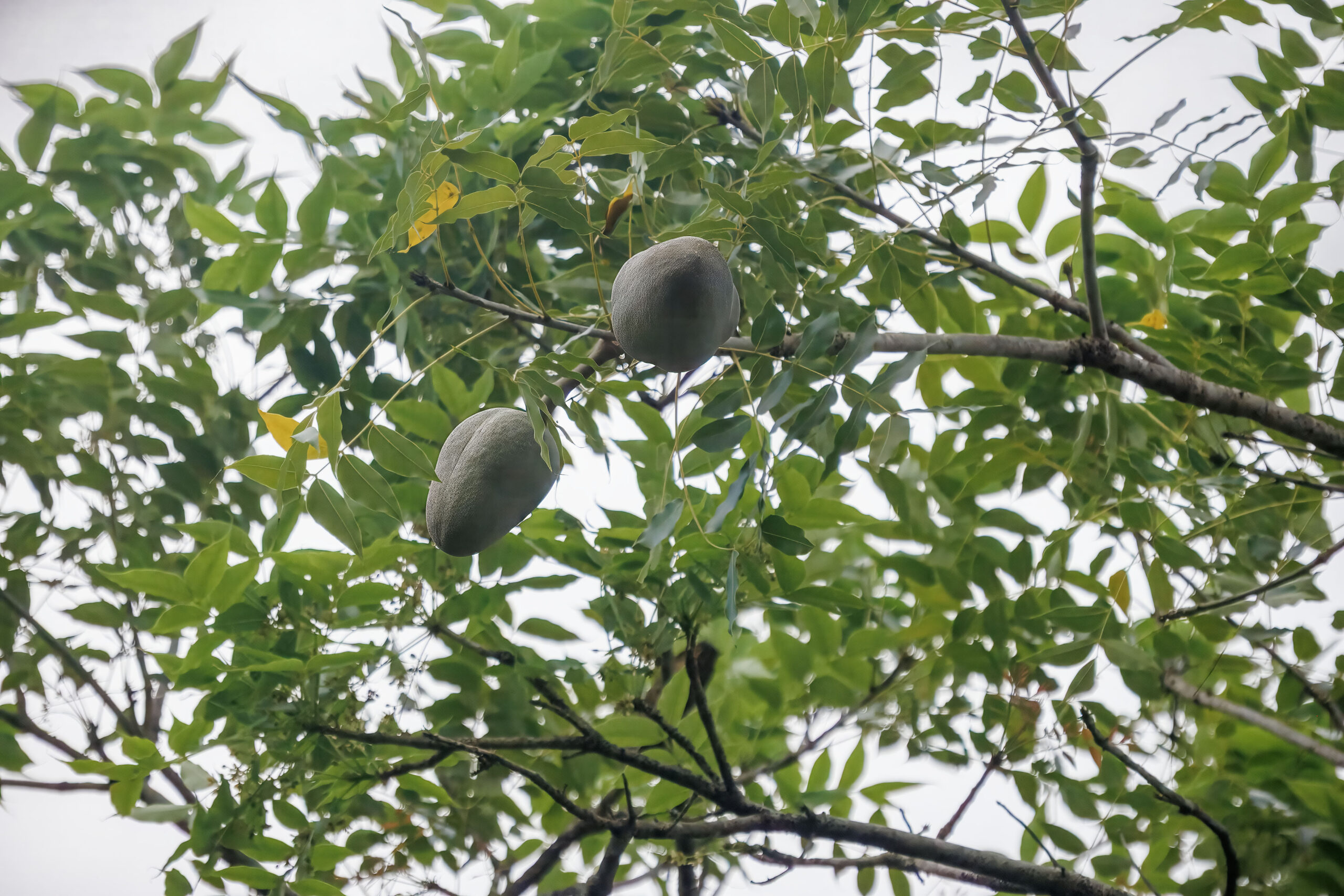
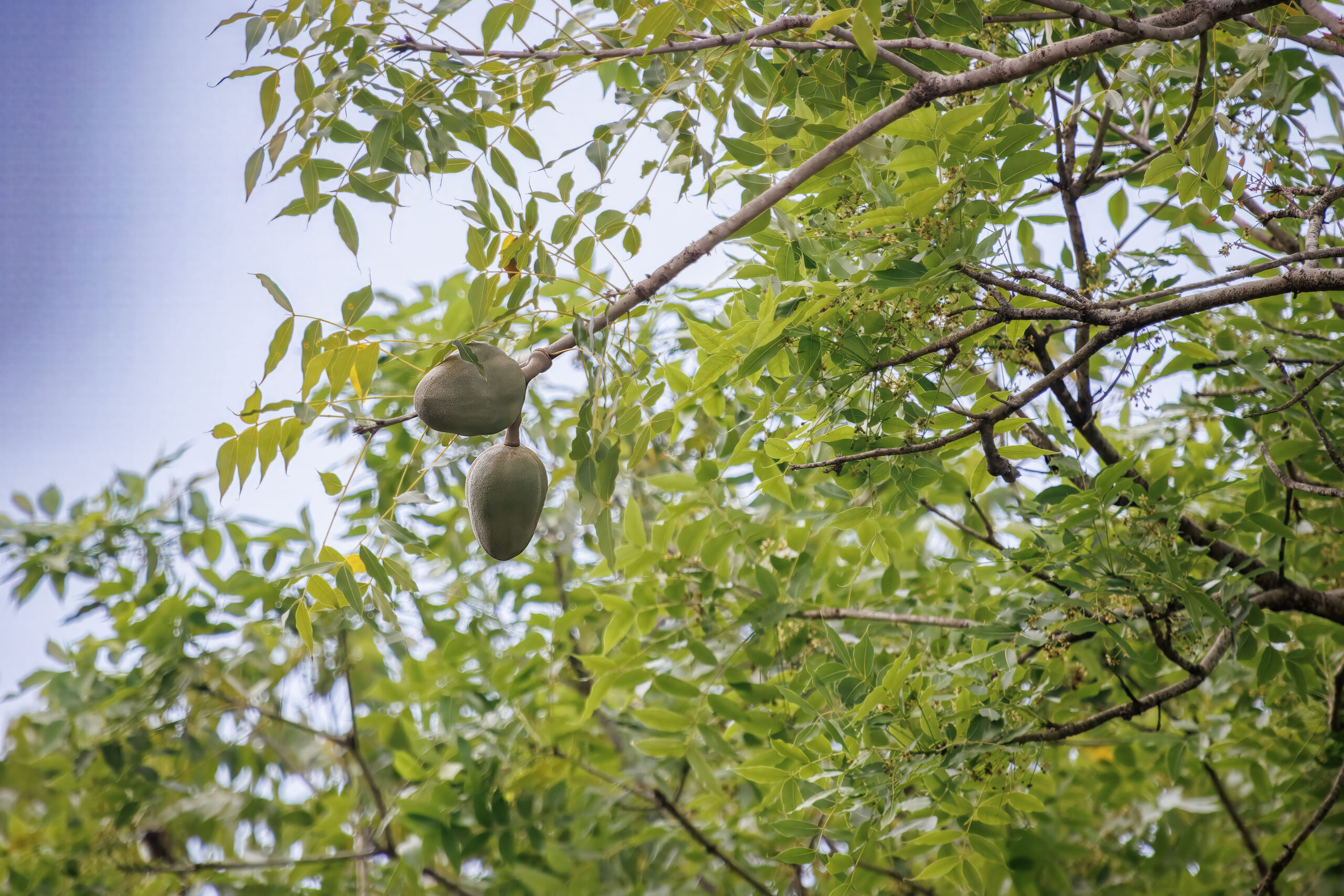
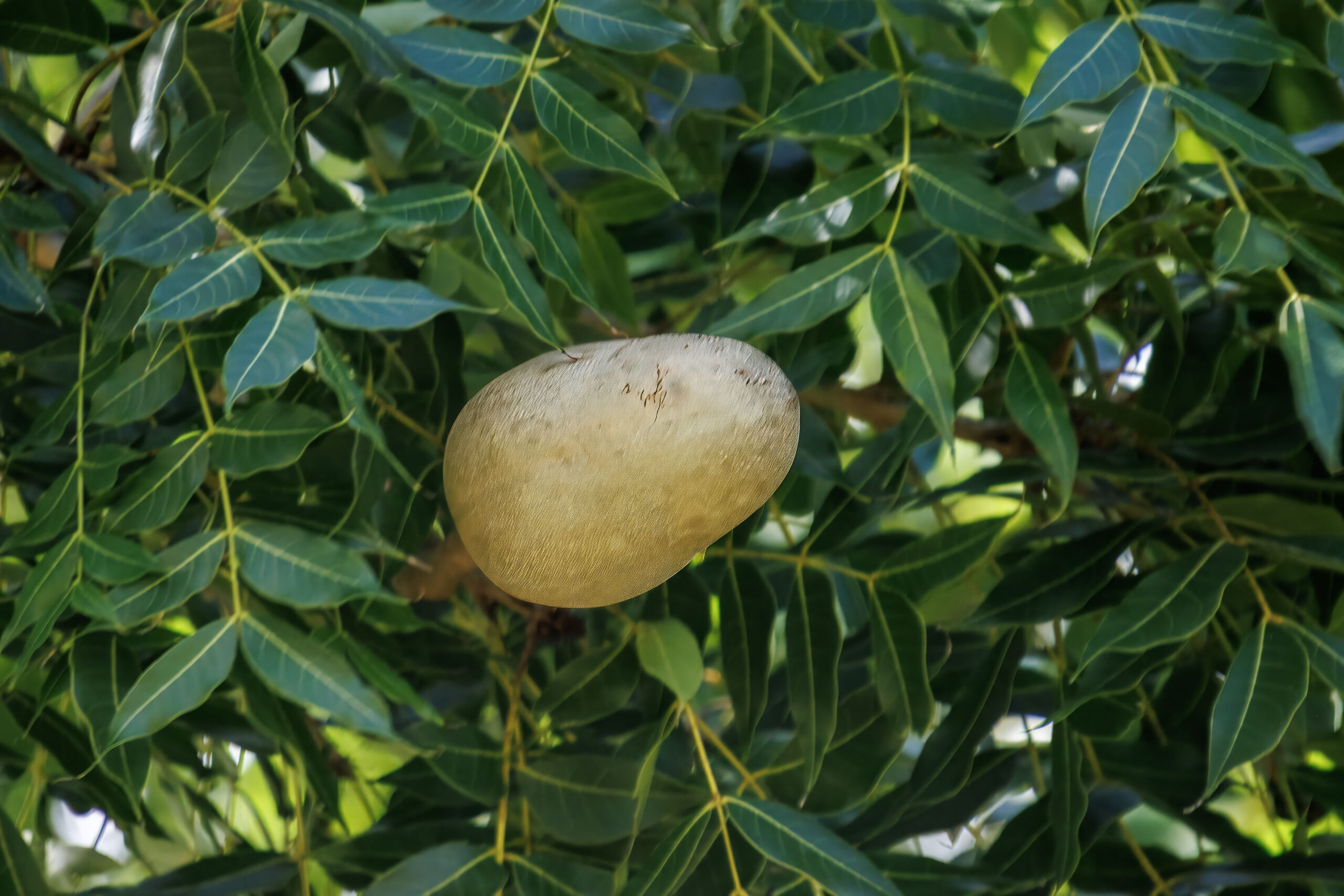
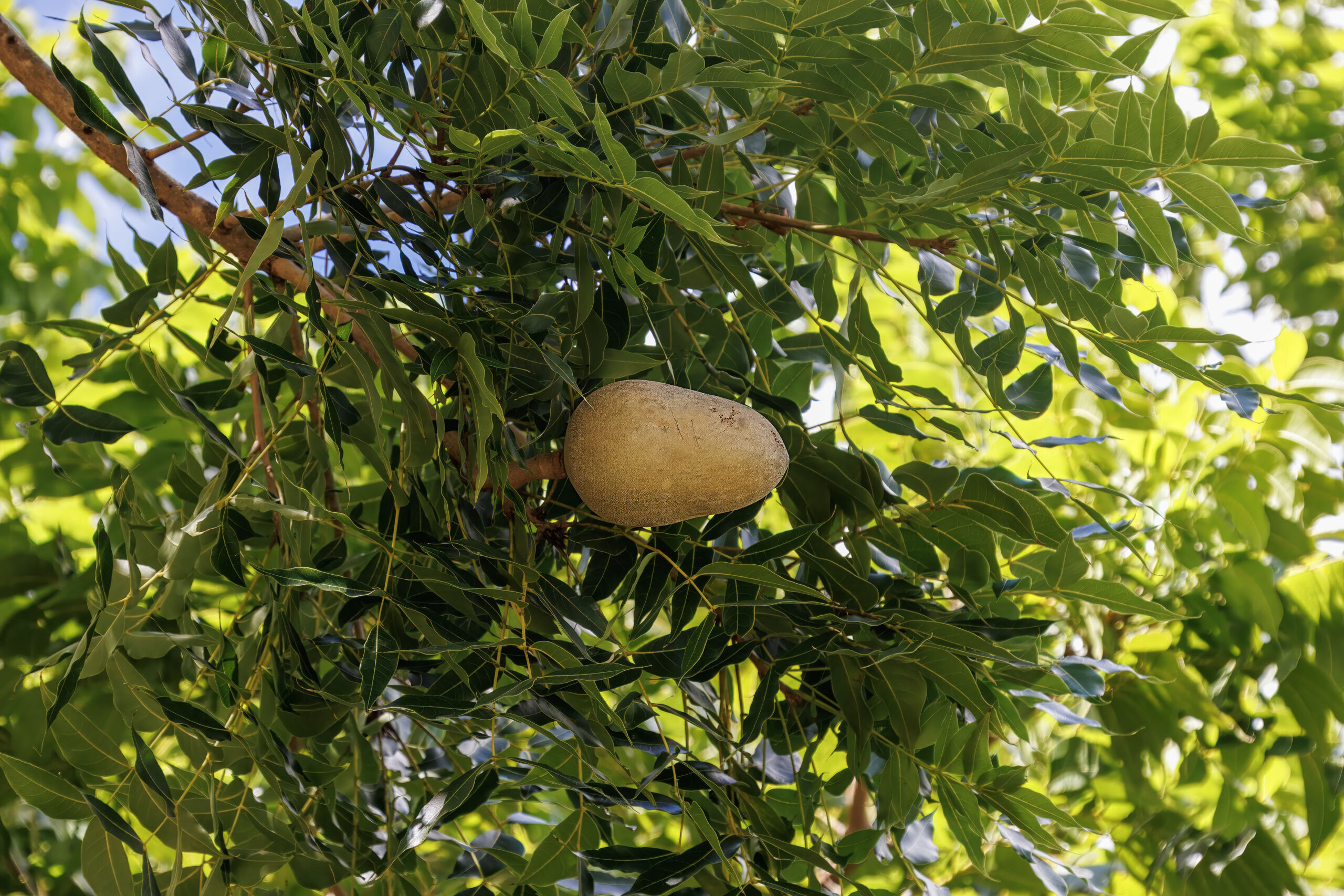
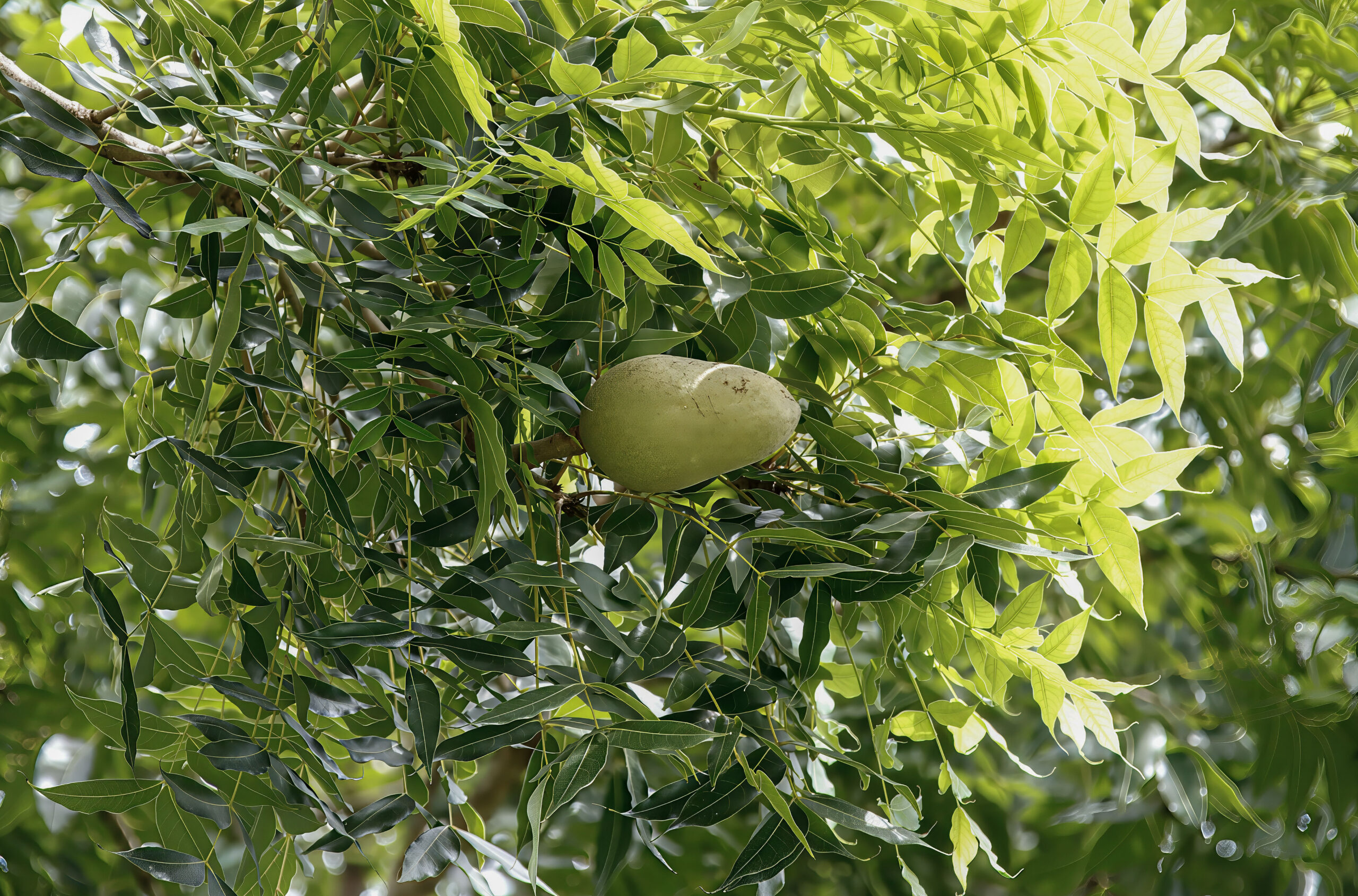
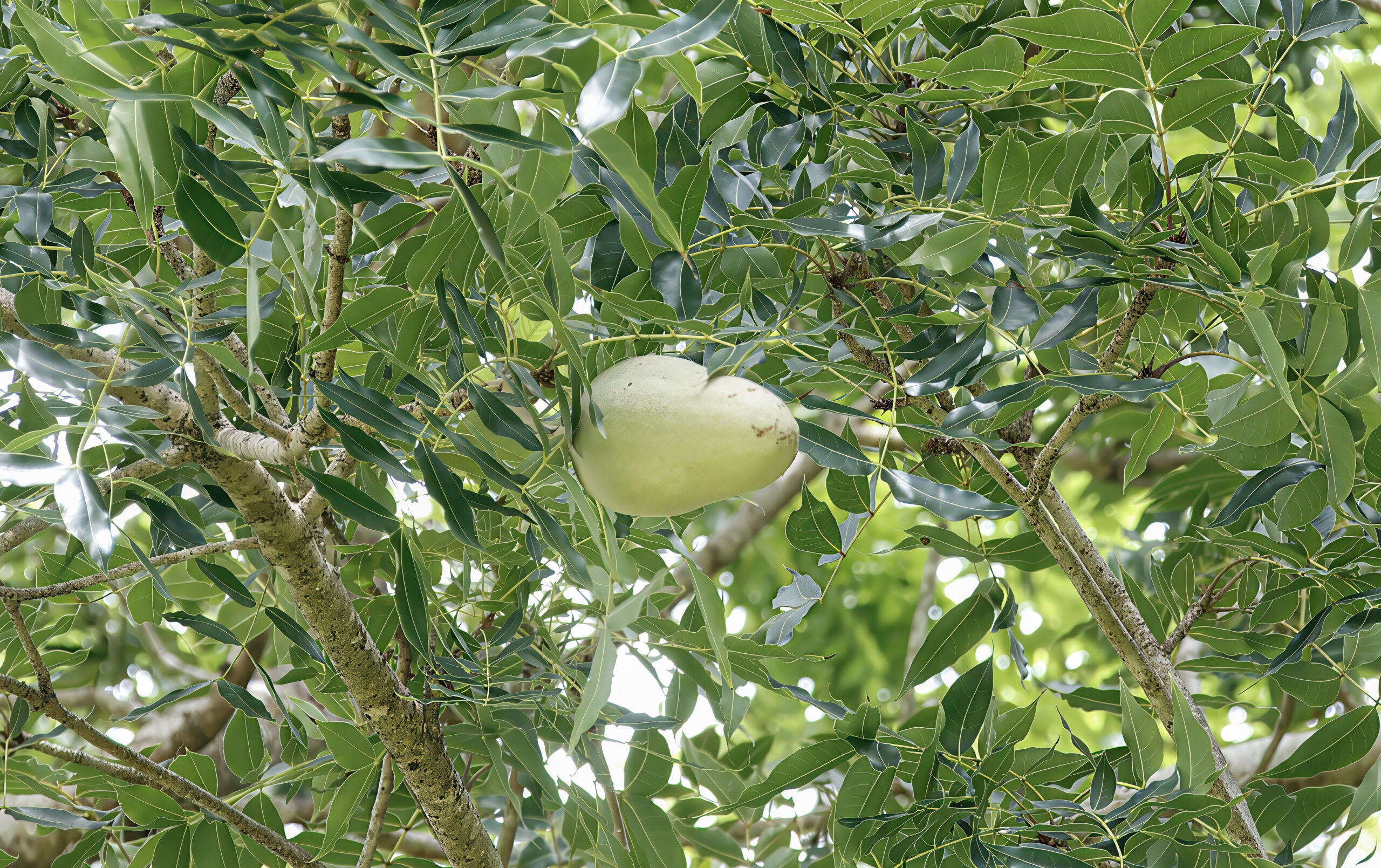
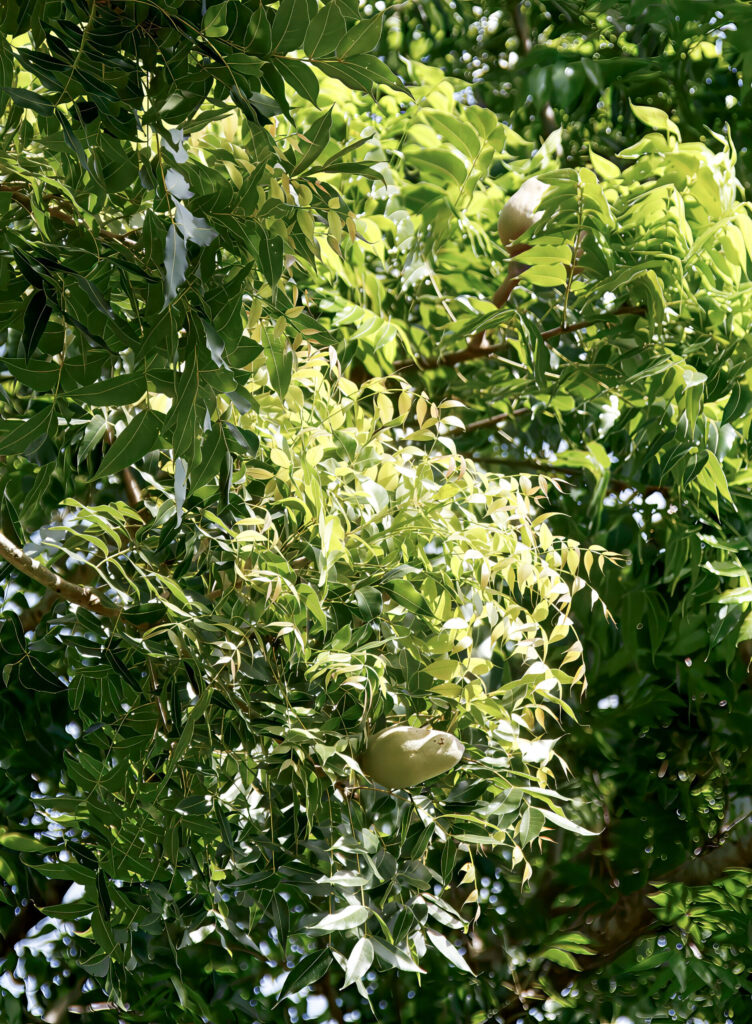
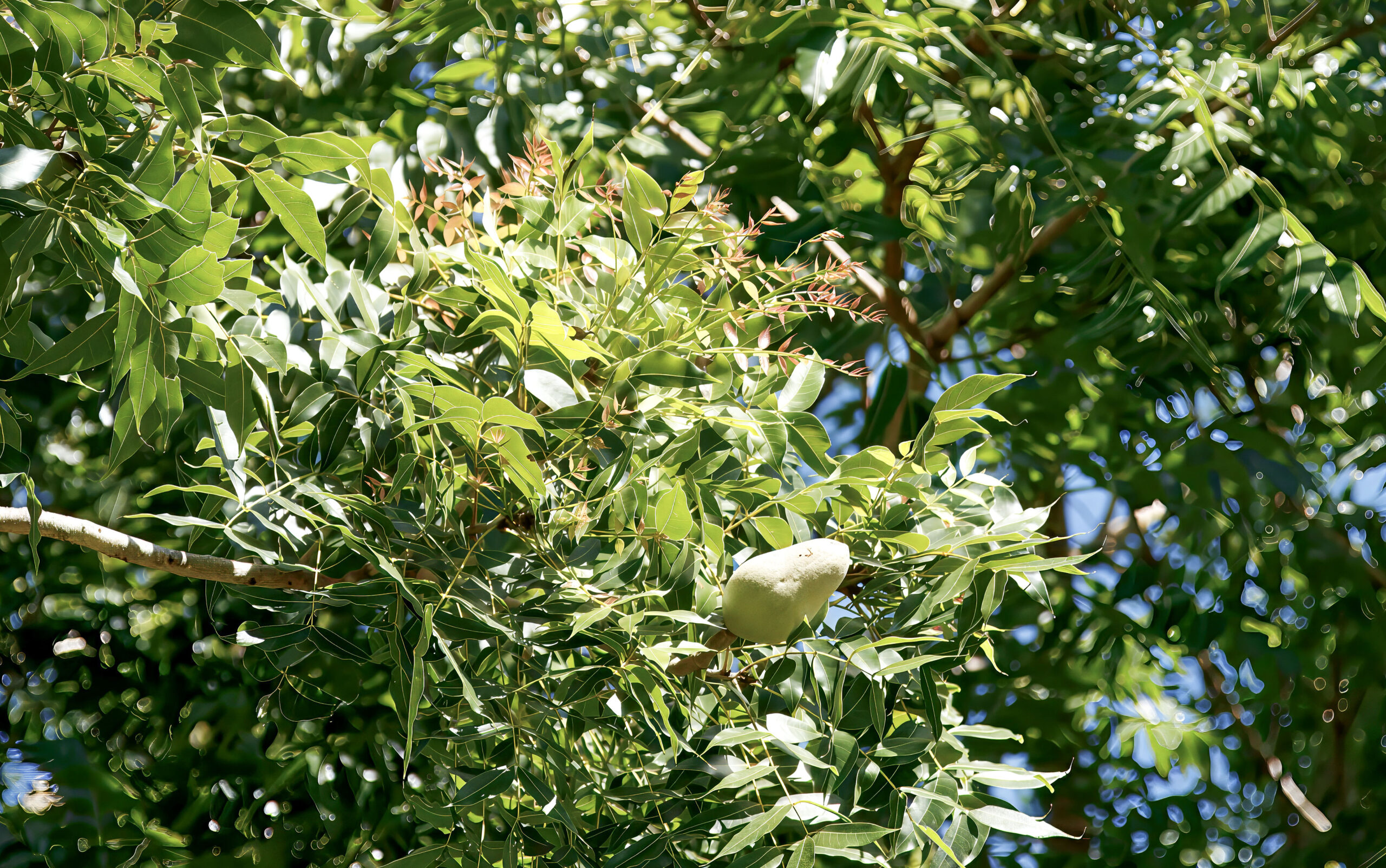
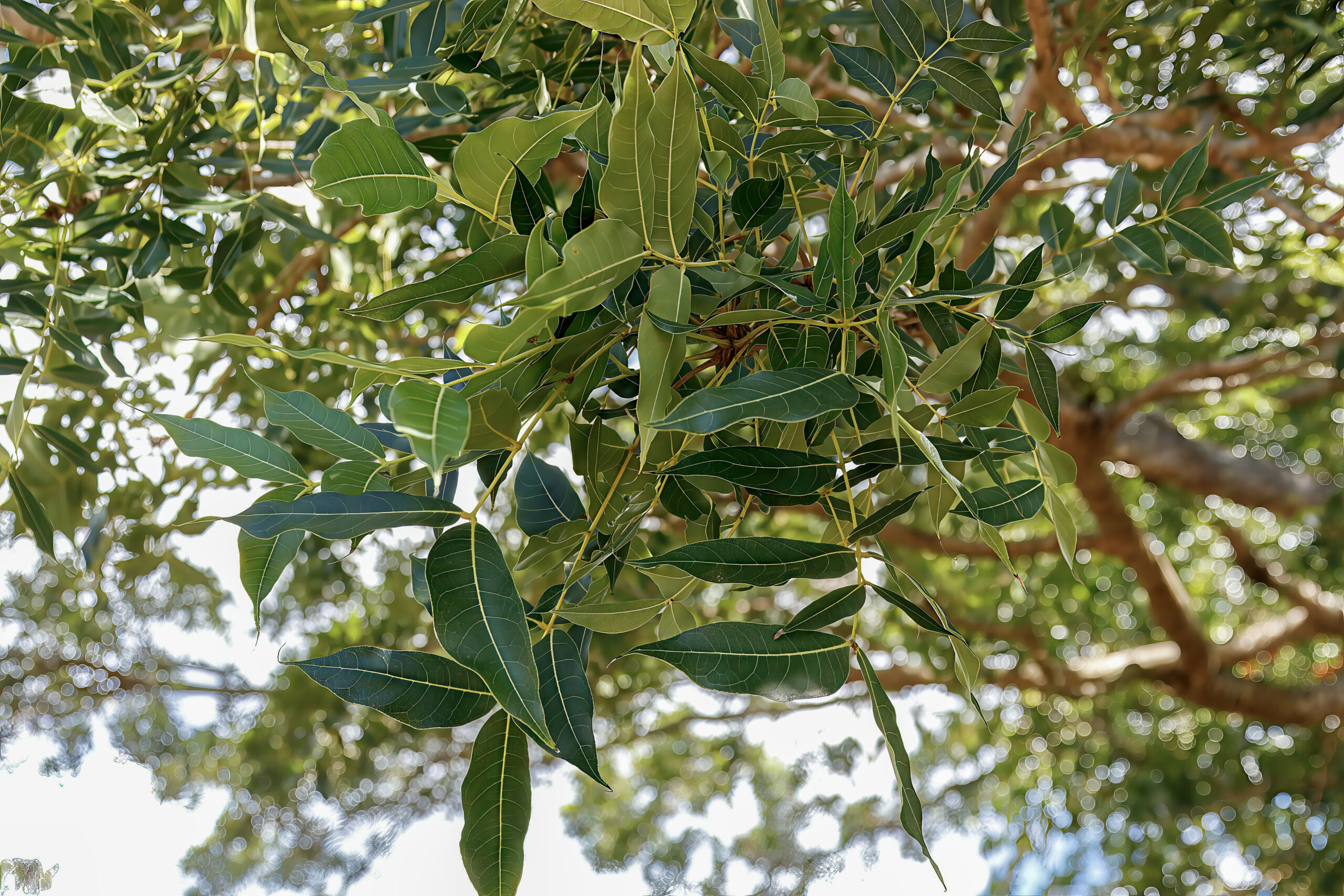
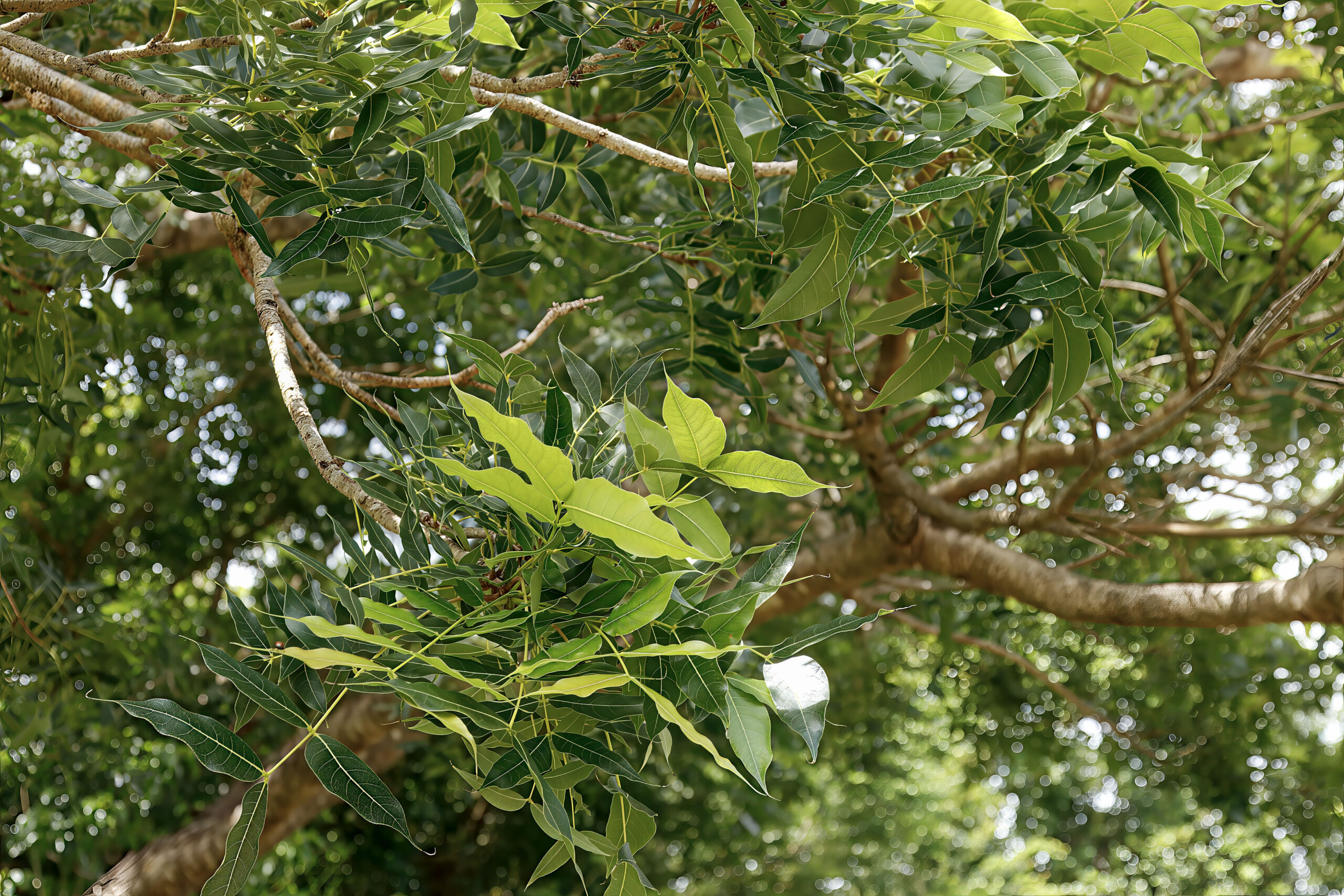
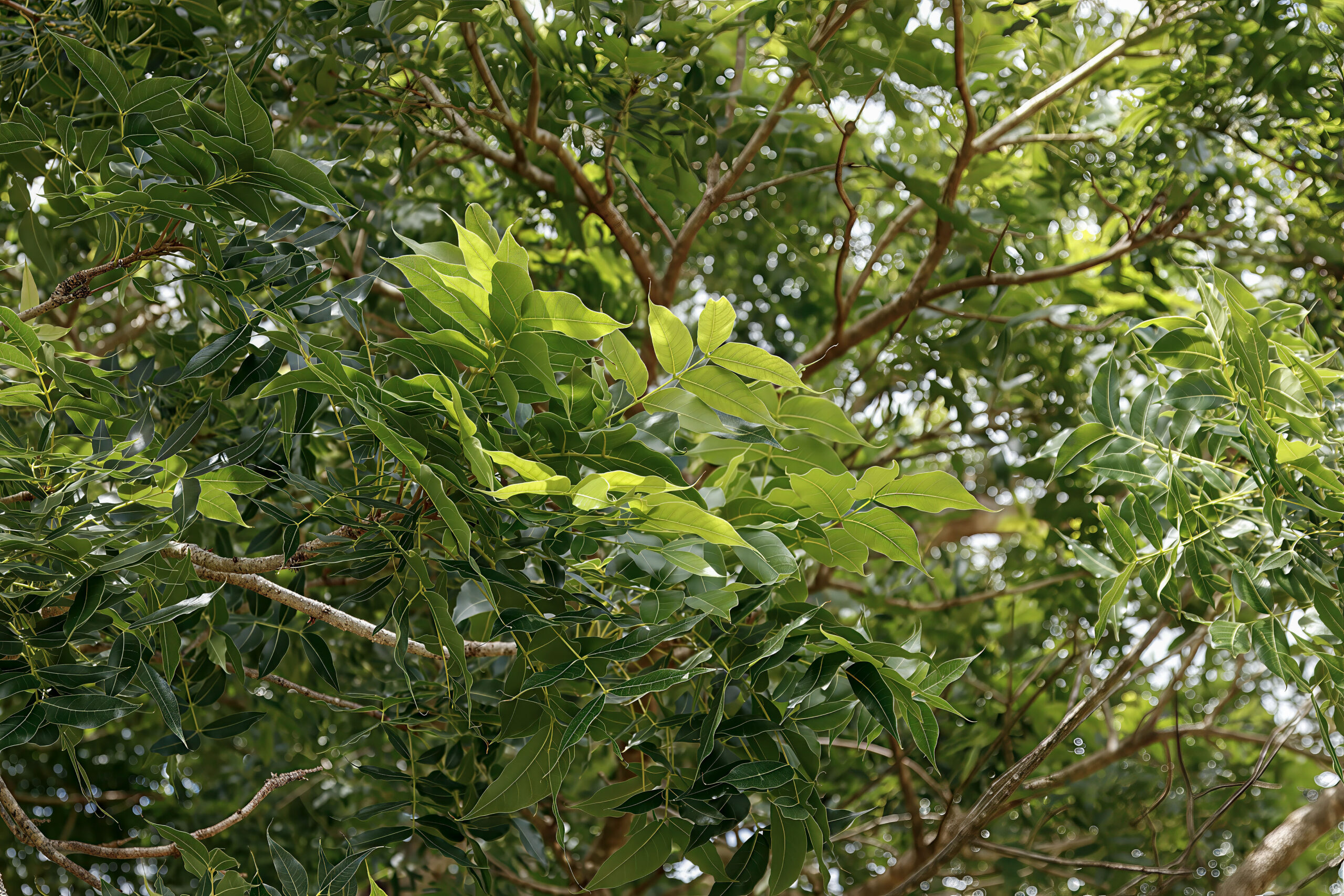
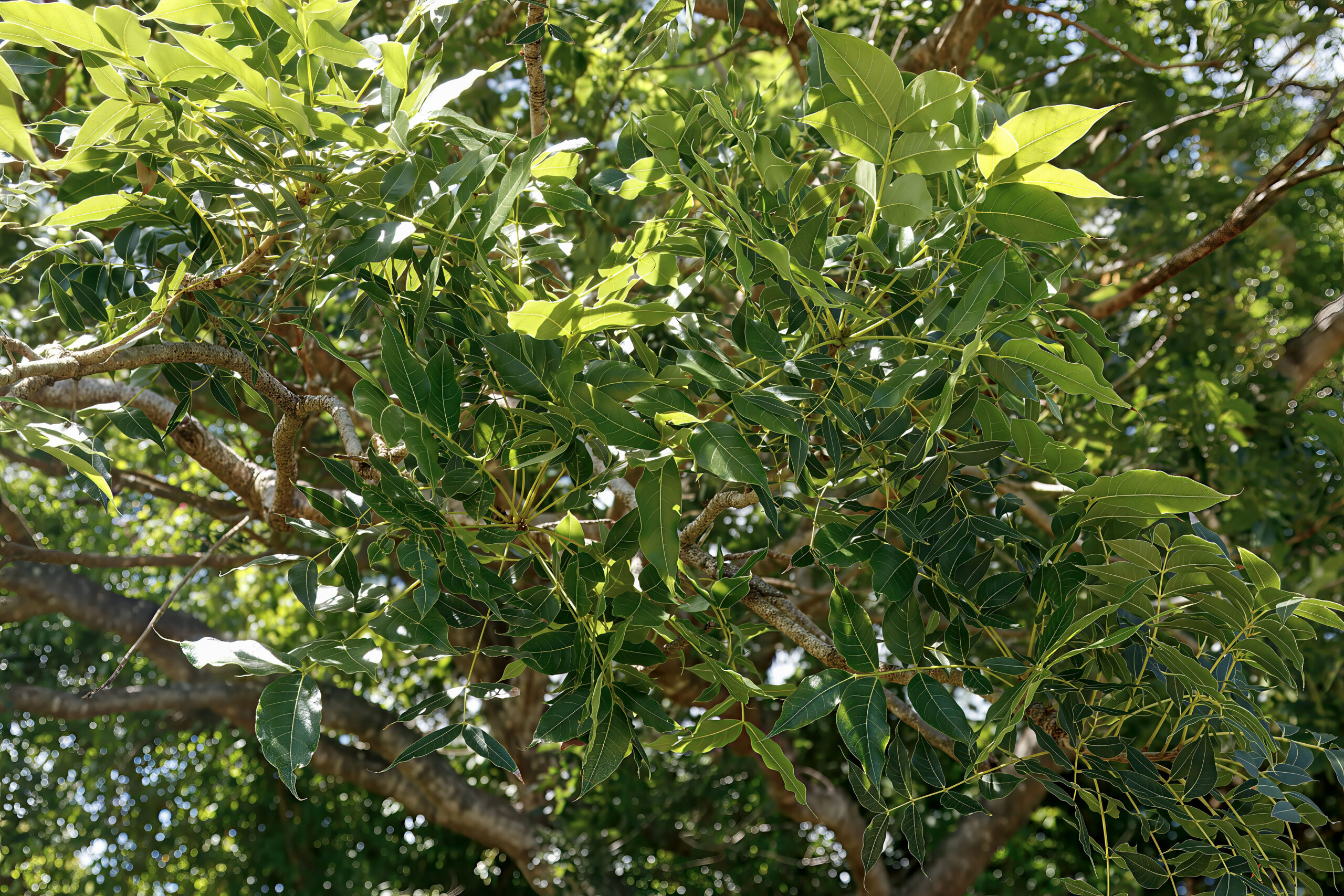
- Leaves: Pinnate with 4–8 leaflets, smaller and fewer than those of Swietenia macrophylla or Swietenia mahagoni.
- Flowers: Small, pale green to whitish, and sweet-scented.
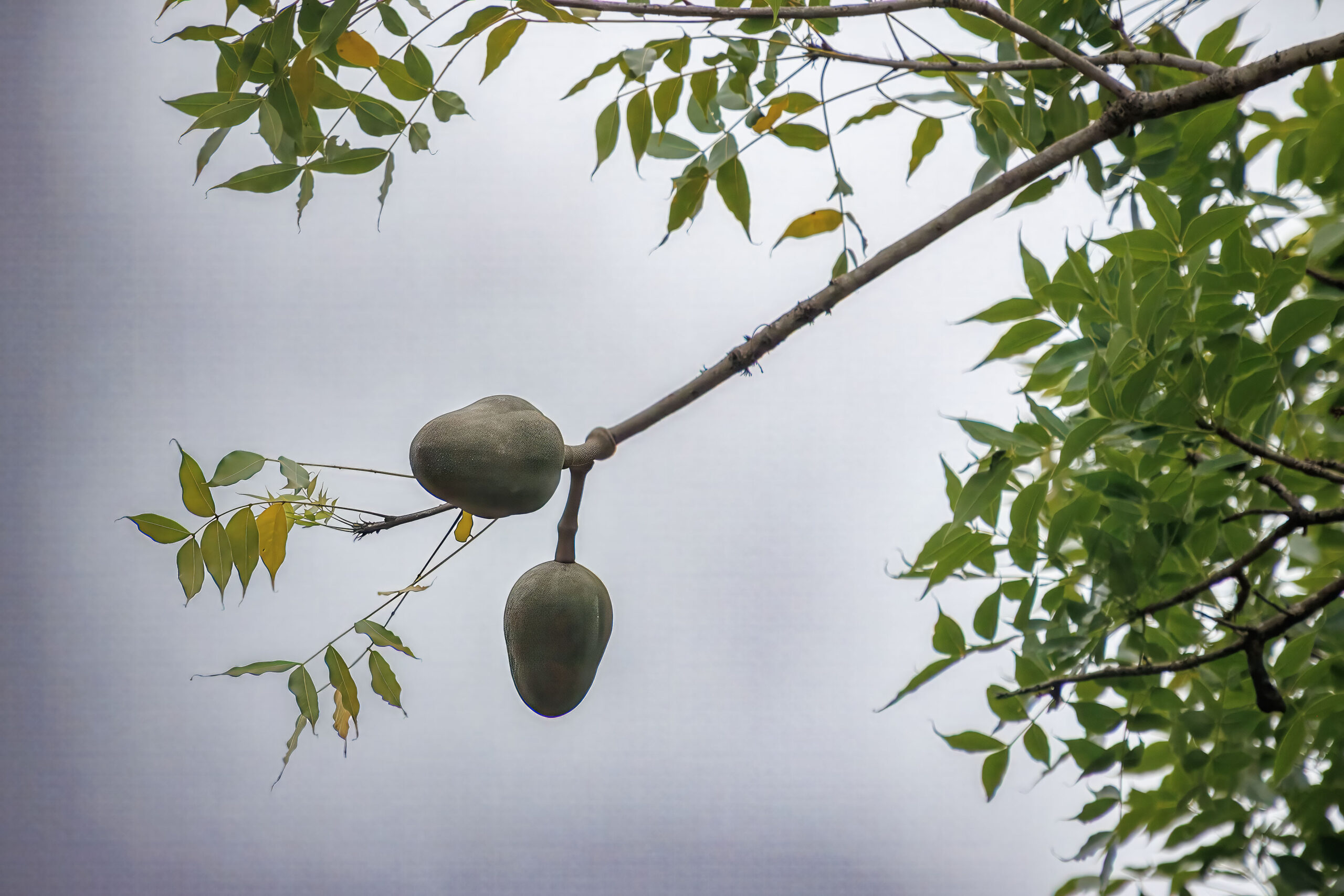
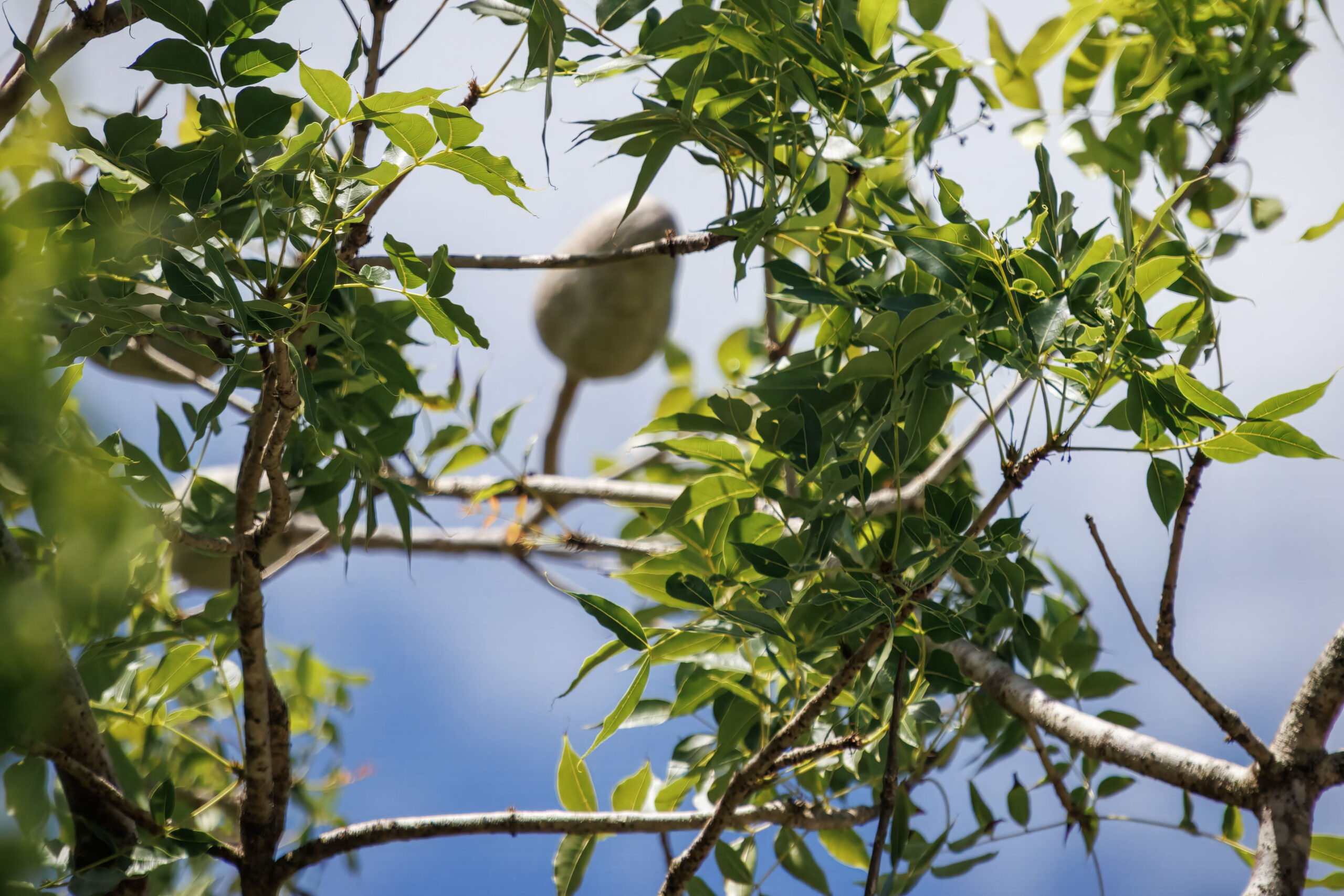
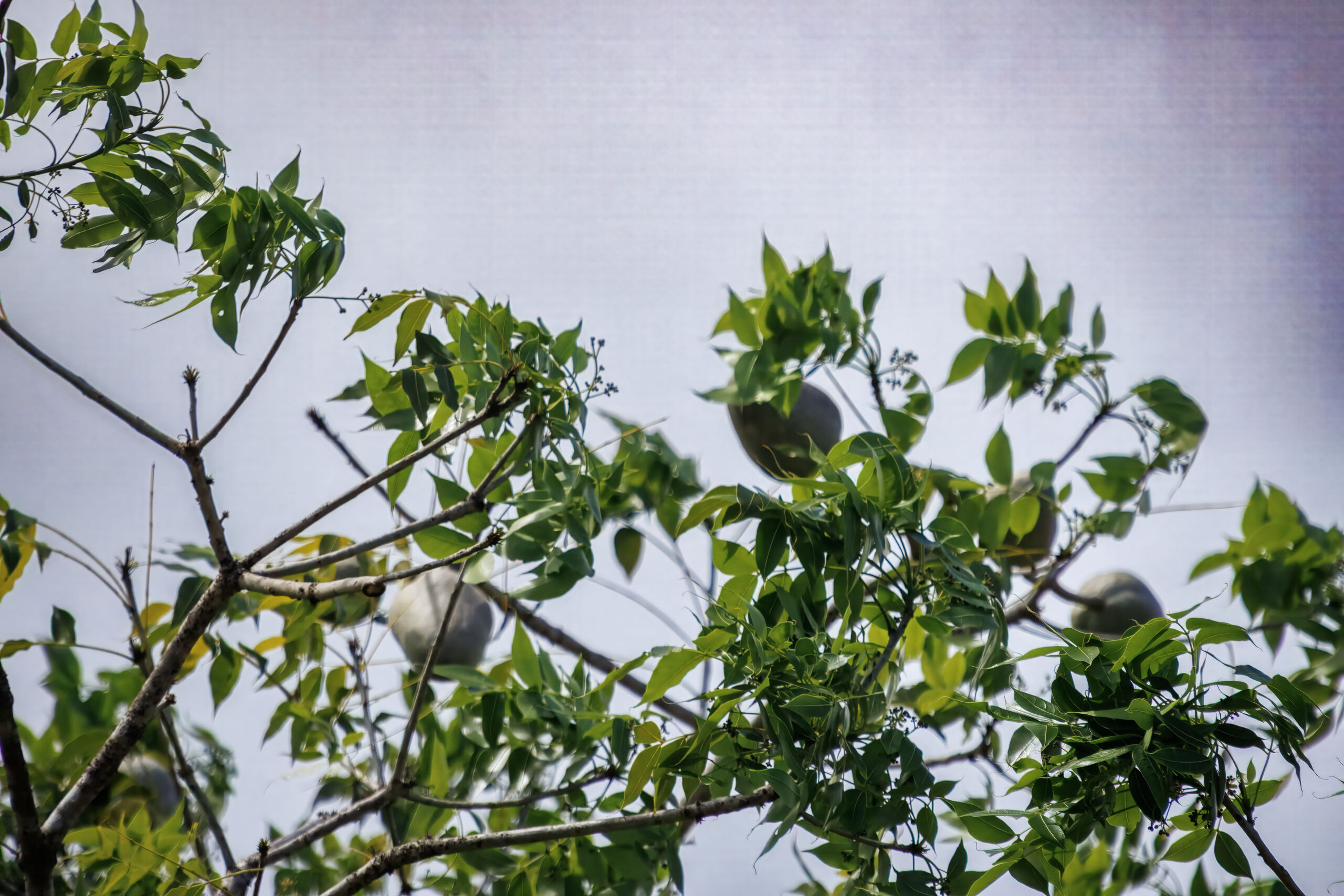
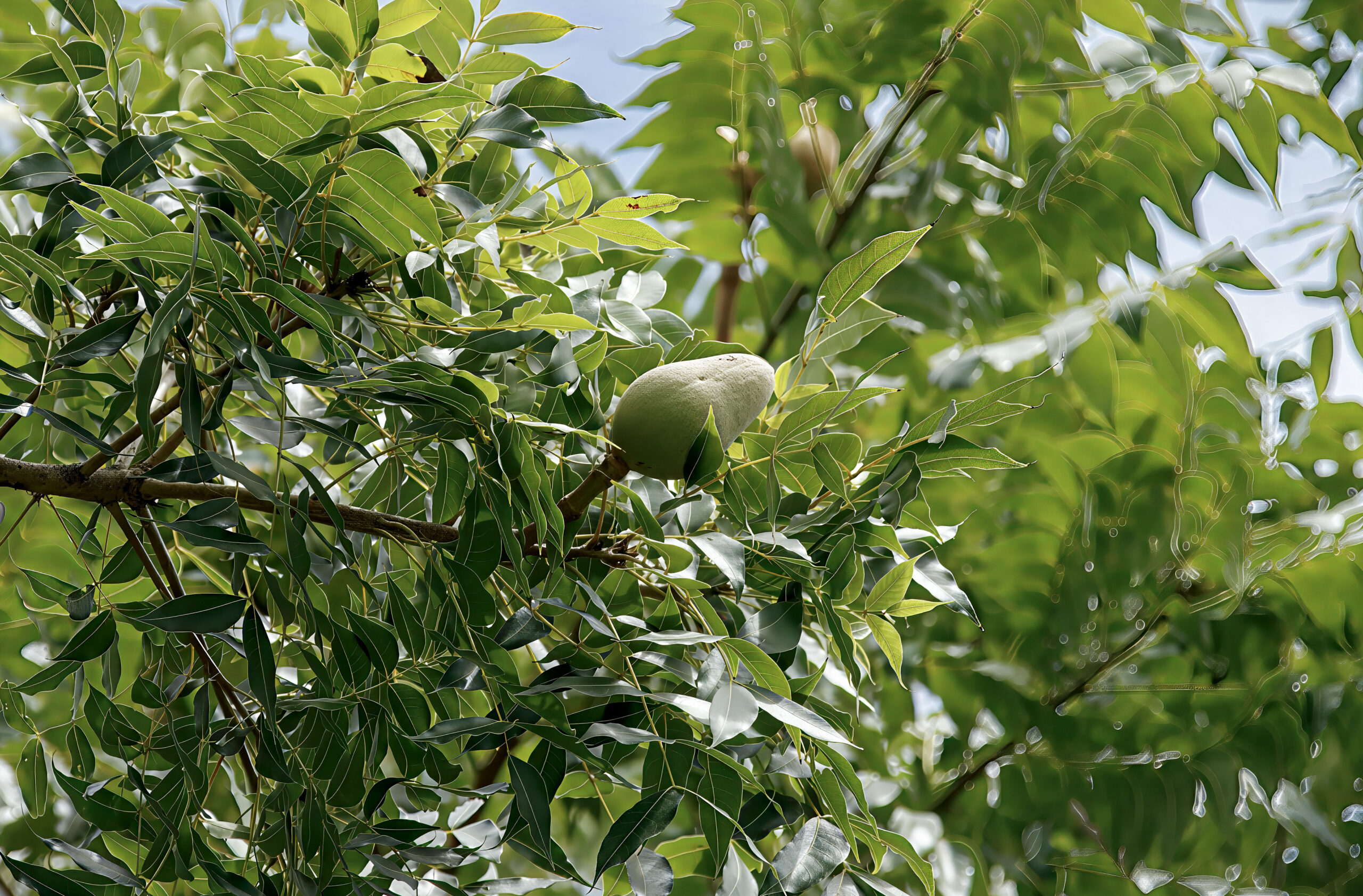
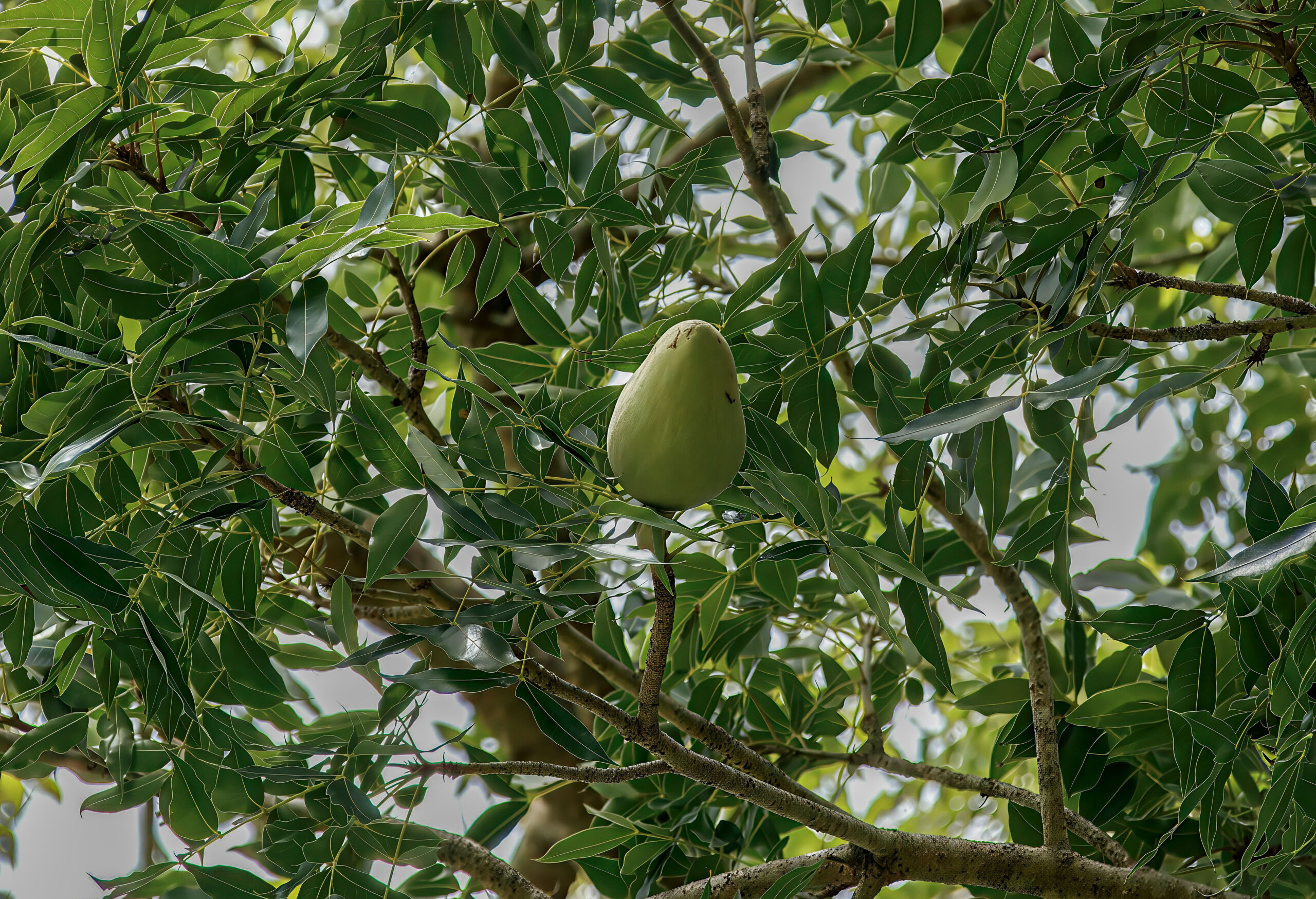
- Fruit: Woody, ovoid capsule (15–25 cm), splitting into 5 valves to release numerous flat, winged seeds.
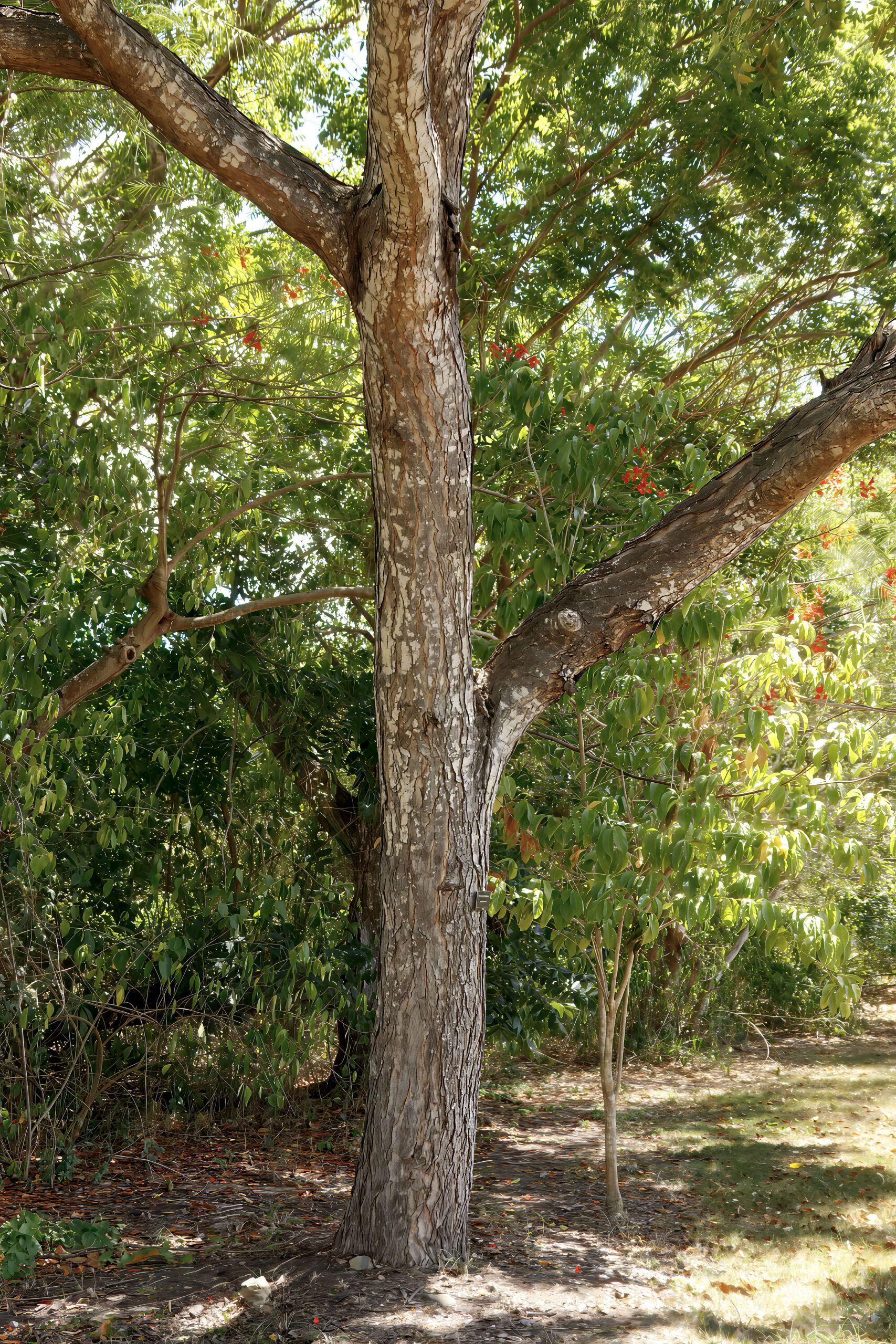
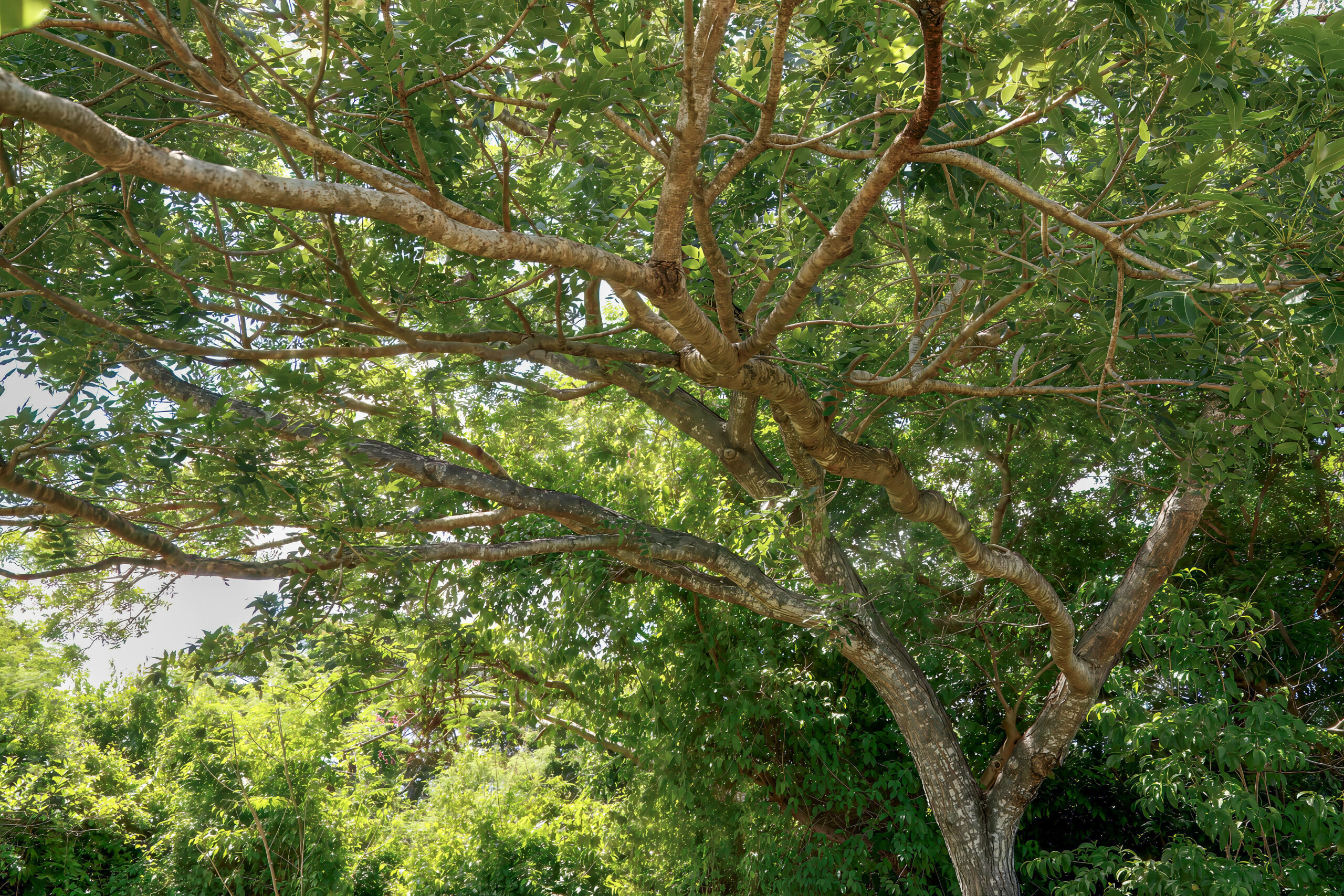
- Bark & Wood: Grayish bark with reddish undertones; the wood is dense, dark reddish-brown, and highly valued for fine furniture, although S. humilis is less commercially harvested than its relatives due to smaller size.
Additional Notes:
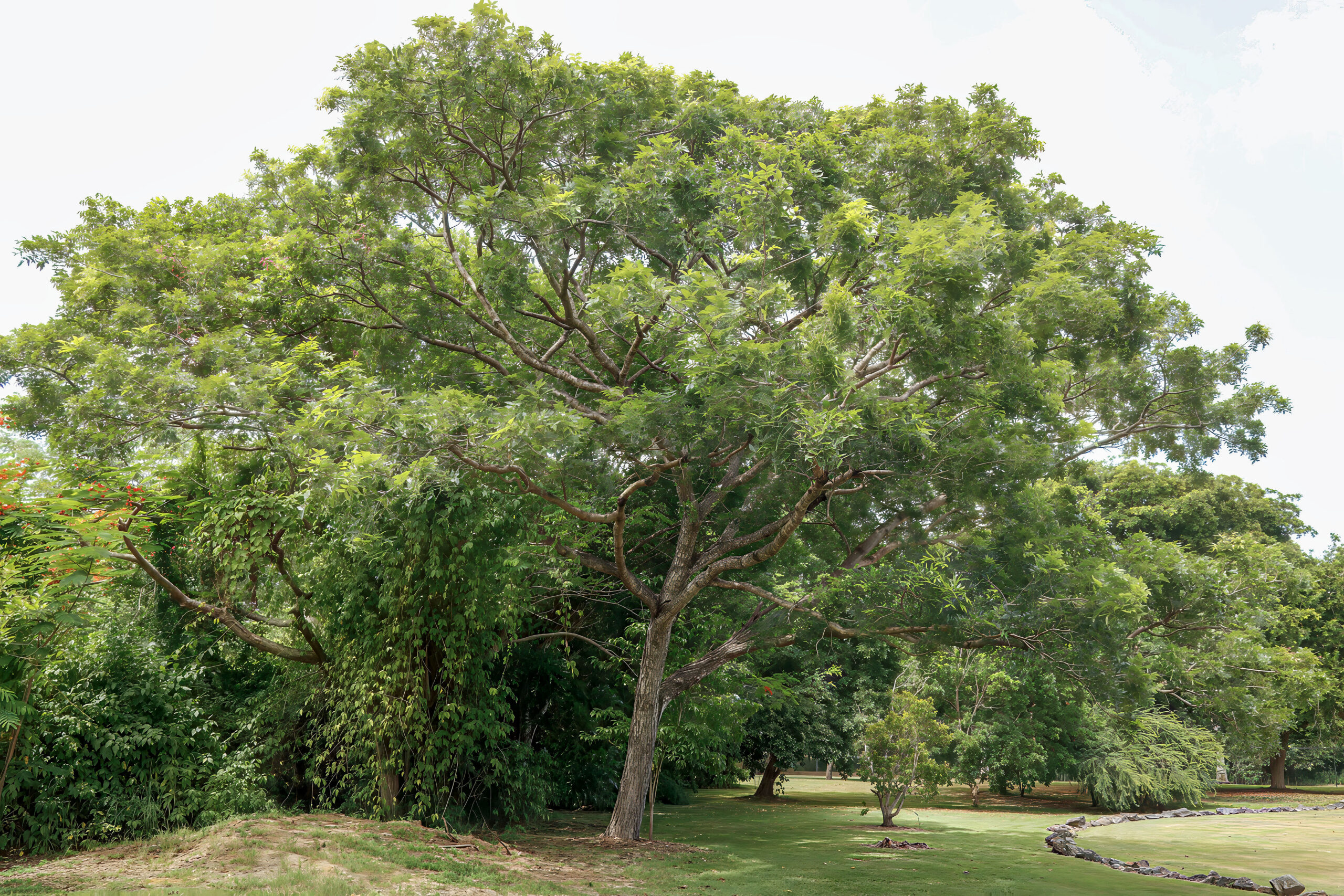
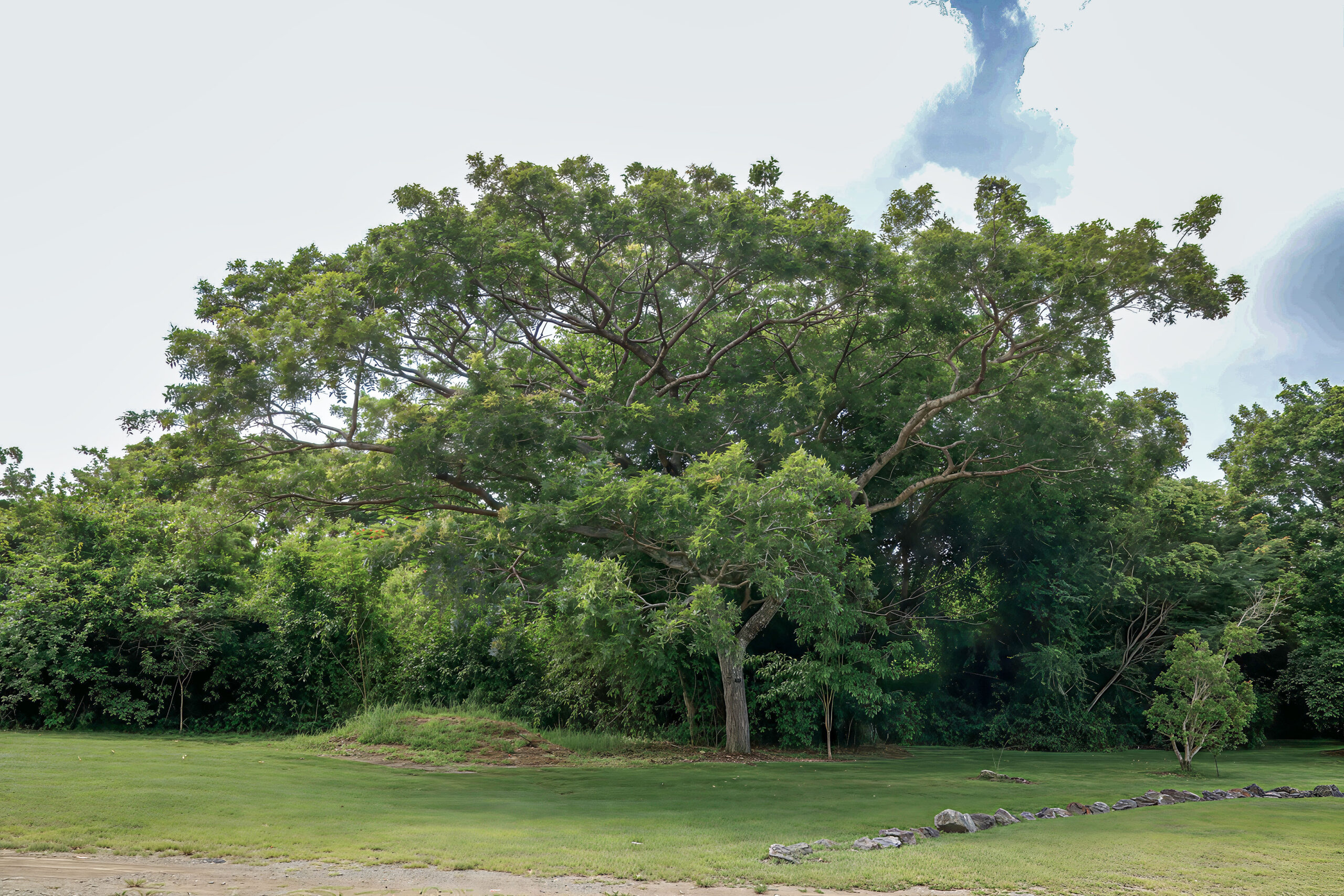
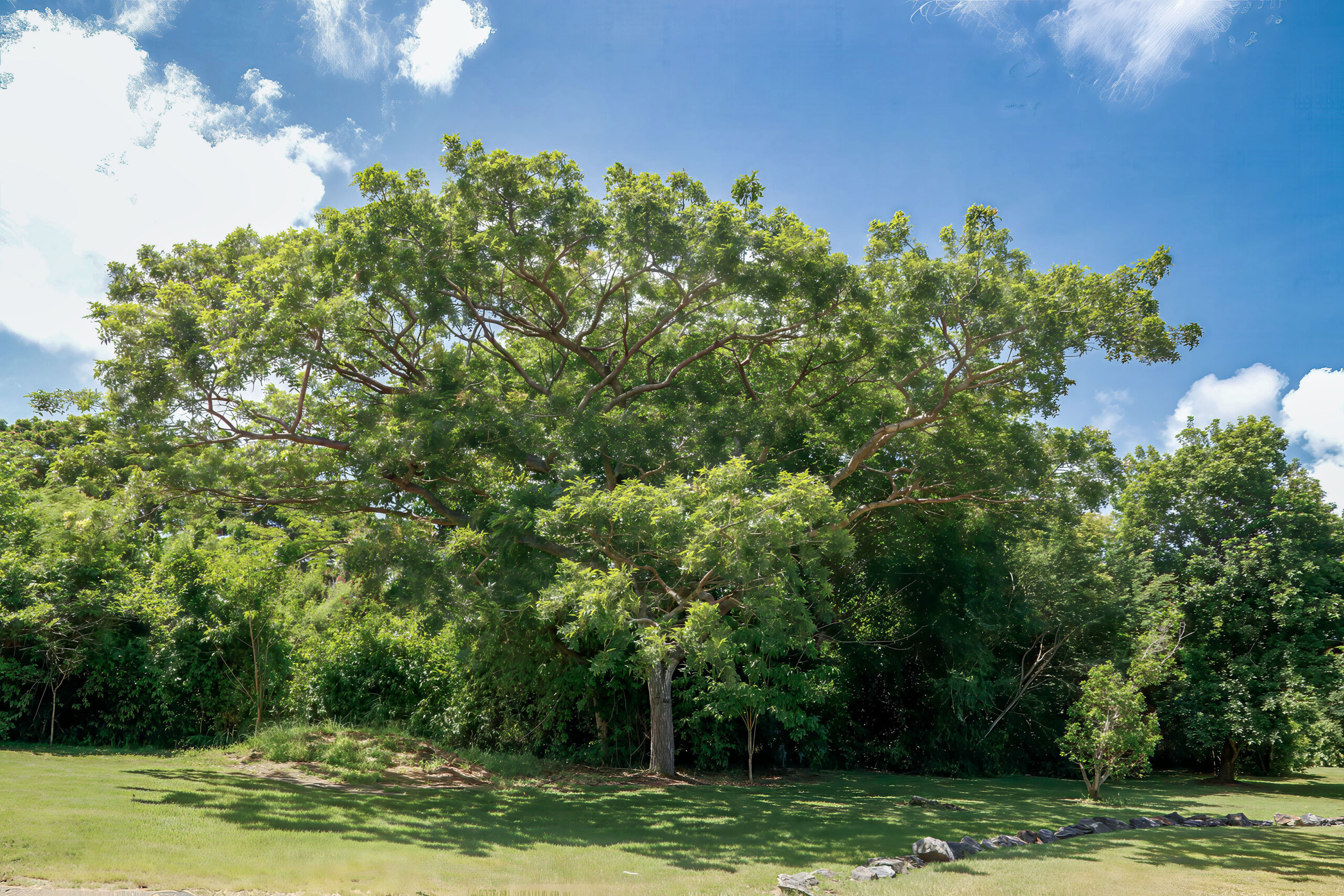
- Swietenia humilis is the most drought-tolerant of the mahogany species and typically grows smaller—often only 6–15 meters tall, unlike its towering cousins.
- It is classified as Vulnerable due to overharvesting and habitat loss.
- It plays a role in dry forest ecosystems and is increasingly important for conservation plantings and reforestation in arid zones.