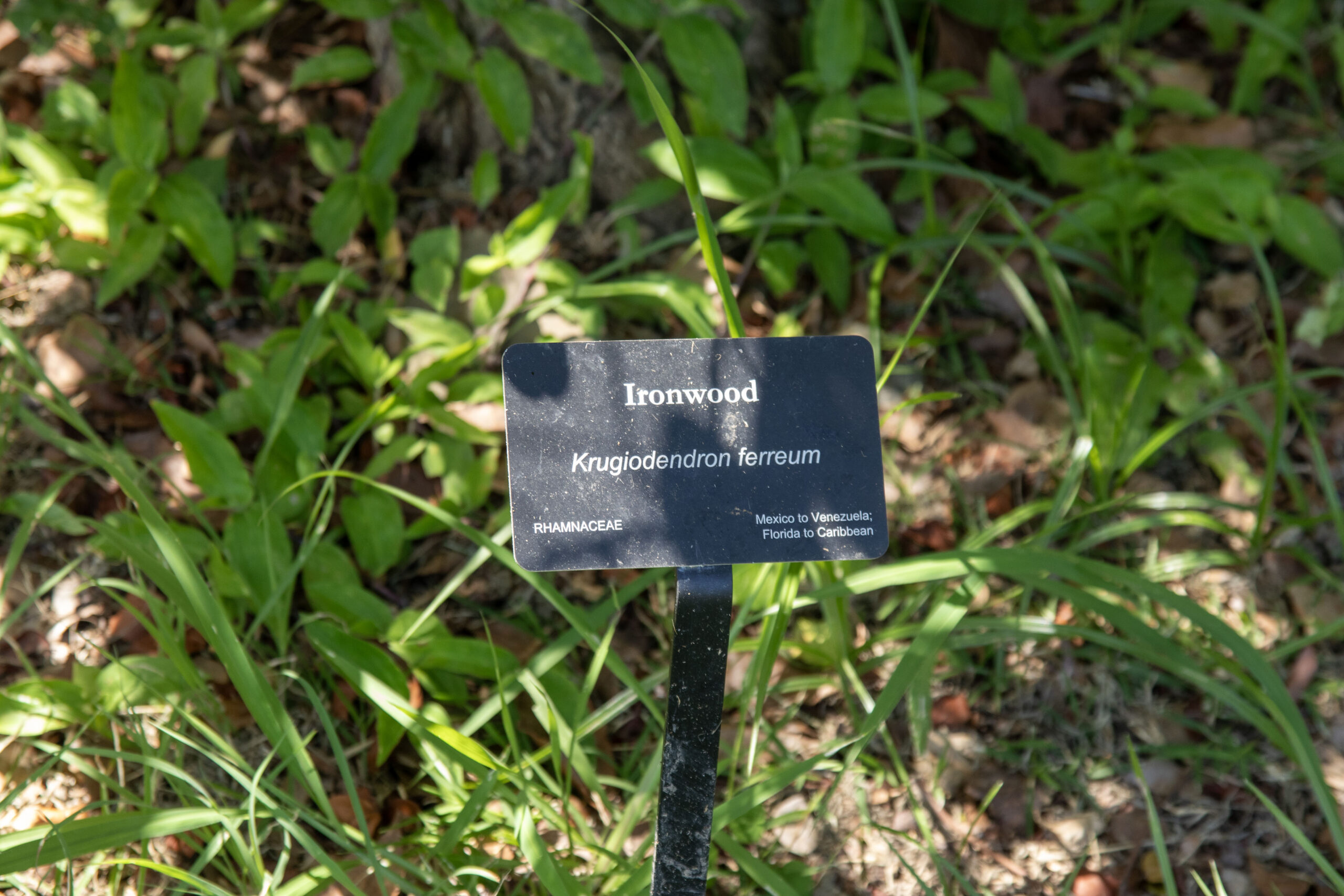
Ironwood
Scientific name: Krugiodendron ferreum
POWO Status: Tree
IUCN Red List threat level: Least Concern
GPS Location: 17° 42′ 58.75″ N, 64° 49′ 44.13″ W


Medicinal Uses
Krugiodendron ferreum, or Black Ironwood, has traditional uses in Mayan medicine for infections, with extracts showing strong antibacterial and antibiofilm activity against Staphylococcus aureus; it’s also noted for potential kidney stone relief (best in capsules to protect teeth), and generally for treating various ailments like digestive issues, skin problems, and heavy bleeding, though scientific validation is ongoing.
Traditional & Ethnopharmacological Uses:
- Infections: Mayan medicine uses it for skin, urinary, respiratory, and gastrointestinal infections, with extracts showing significant antibacterial power.
- Kidney Stones: Traditionally used for kidney stones, but caution advised to use in capsules to avoid tooth damage.
- Digestive Health: Used for improving “digestive fire,” treating worm infestations, diarrhea, dysentery, and gastric troubles (using unripe/ripe fruits).
- Hemorrhages: Beneficial for heavy menstrual bleeding (menorrhagia) and bleeding piles.
- Cardiac Tonic: Used for cardiac debility and as a general cardiac tonic.
- Skin Conditions: Applied for skin disorders and as a poultice for whitlow (in the Philippines).
- Other: Flowers used for coughs, thirst, perspiration, asthma, and as an antidote for snake bites.
Modern Research:
- Antibacterial Activity: Studies confirm strong antibacterial and antibiofilm (preventing bacterial communities) effects against Staphylococcus aureus.
Important Considerations:
- Scientific Support: While traditional use is extensive, more scientific studies are needed to fully support many of these bioactivities.
- Preparation: Specific parts (leaves, flowers, fruits, bark) are used for different ailments, and some preparations (like kidney stone remedies) require specific forms (capsules) to avoid harm.
Observations:
Phenological Markers – Ironwood (Krugiodendron ferreum)
1. Leaf Behavior
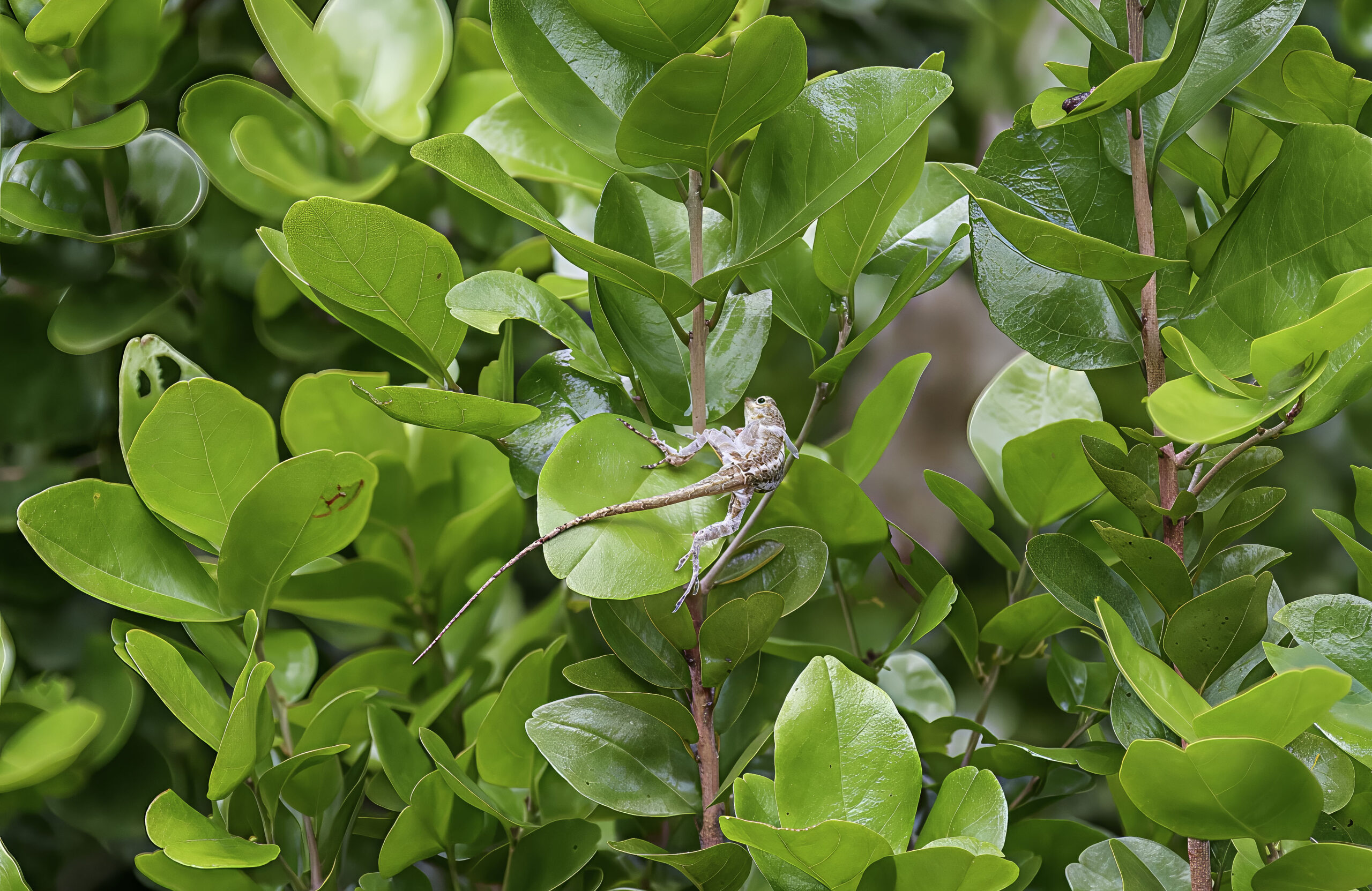
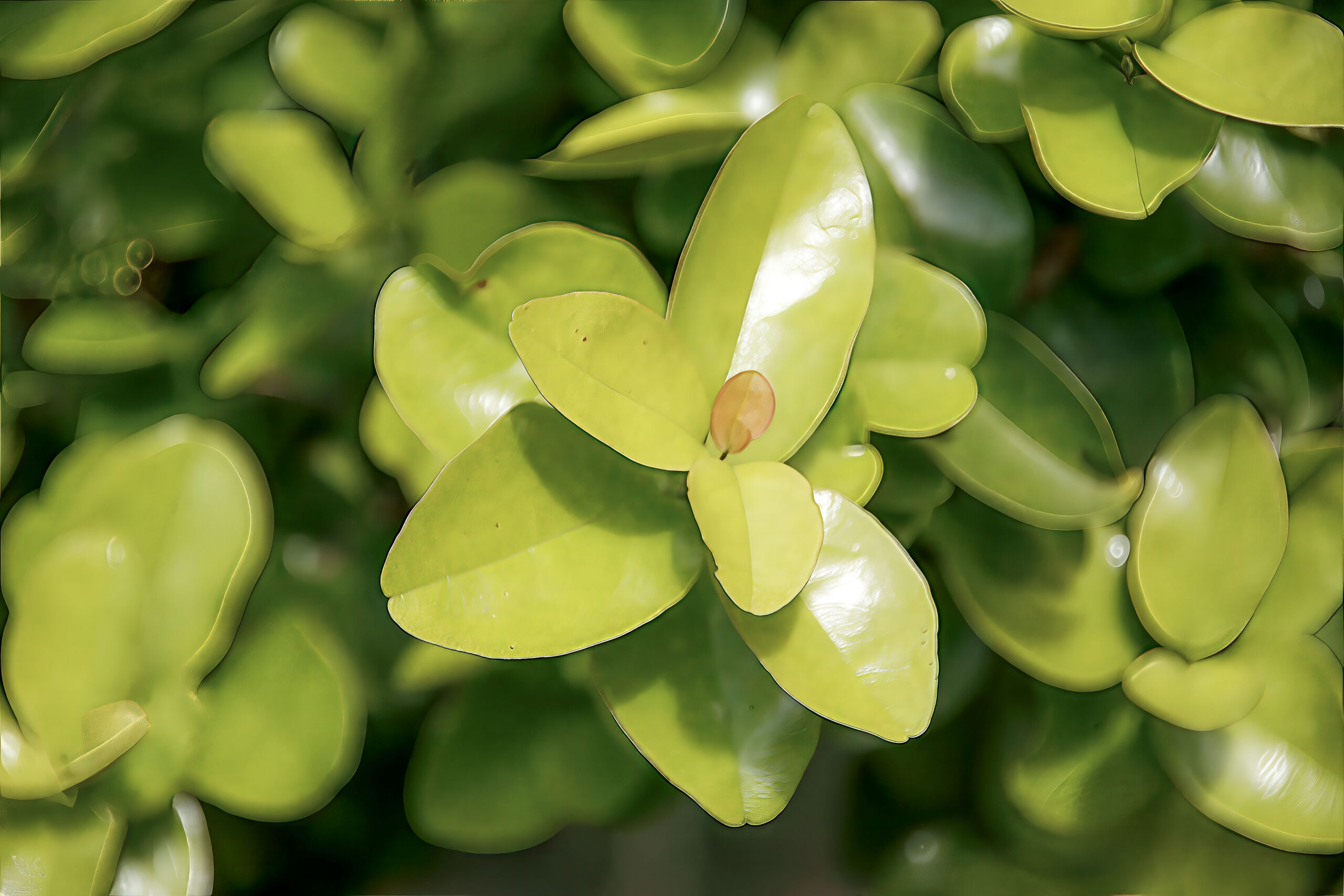
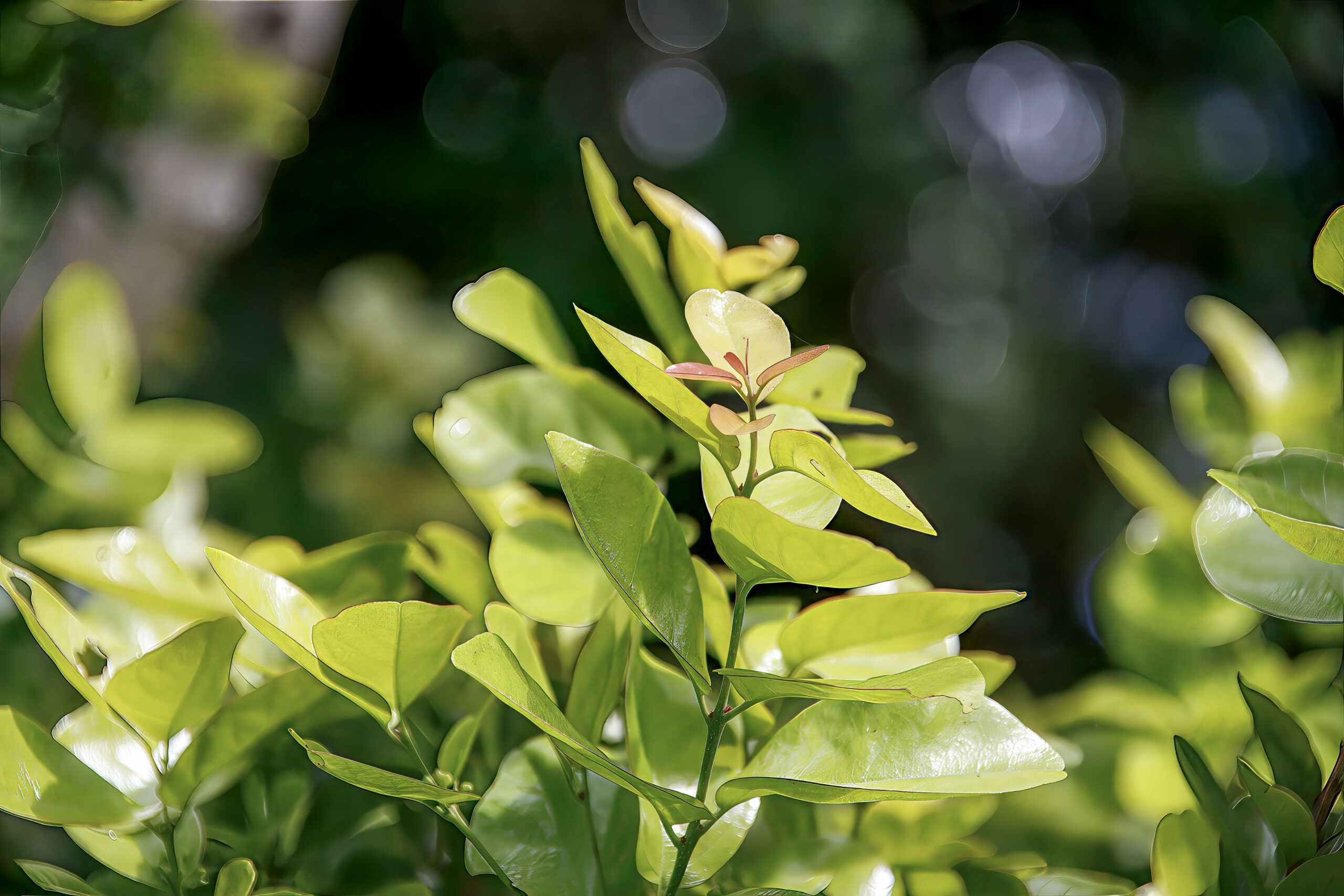
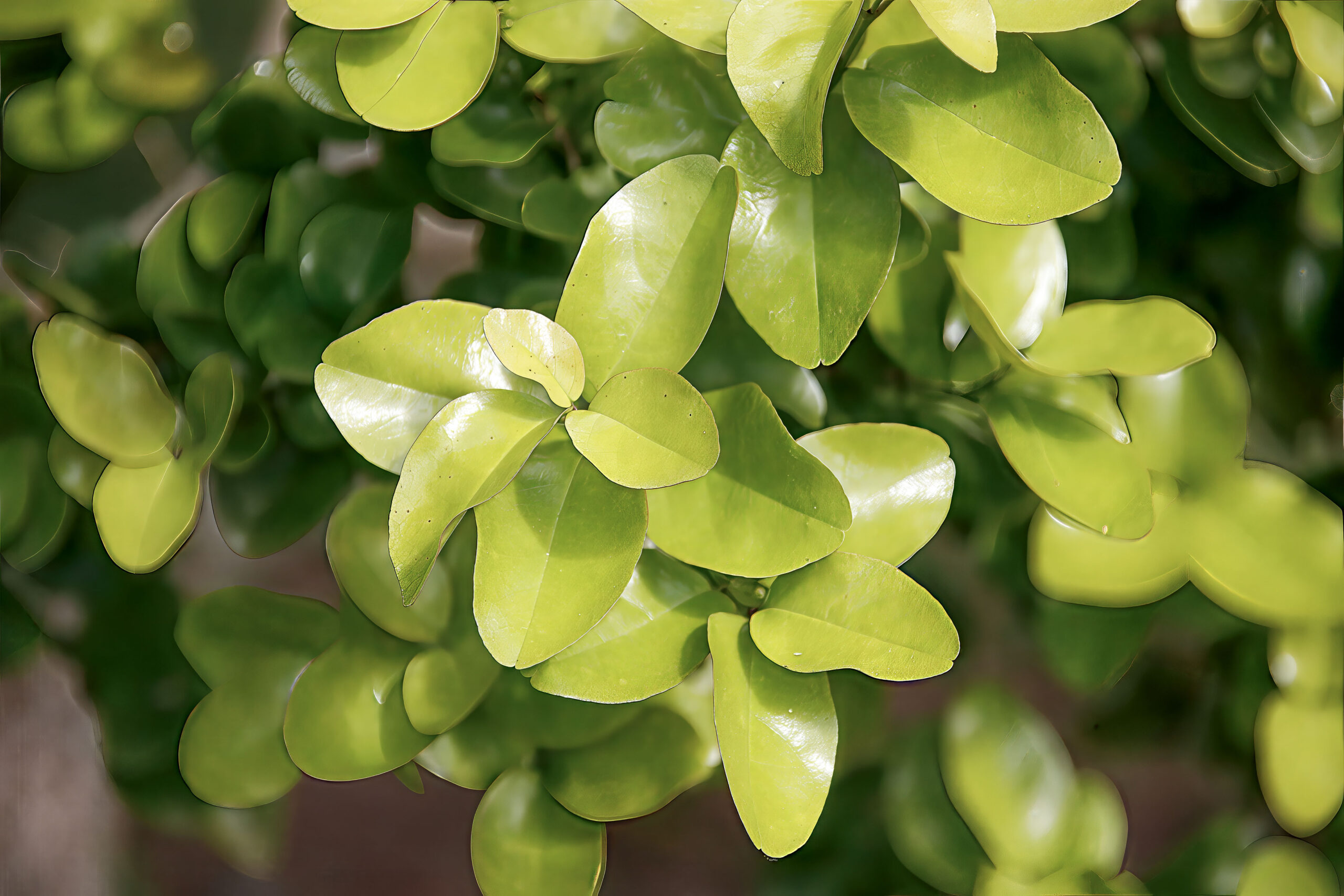
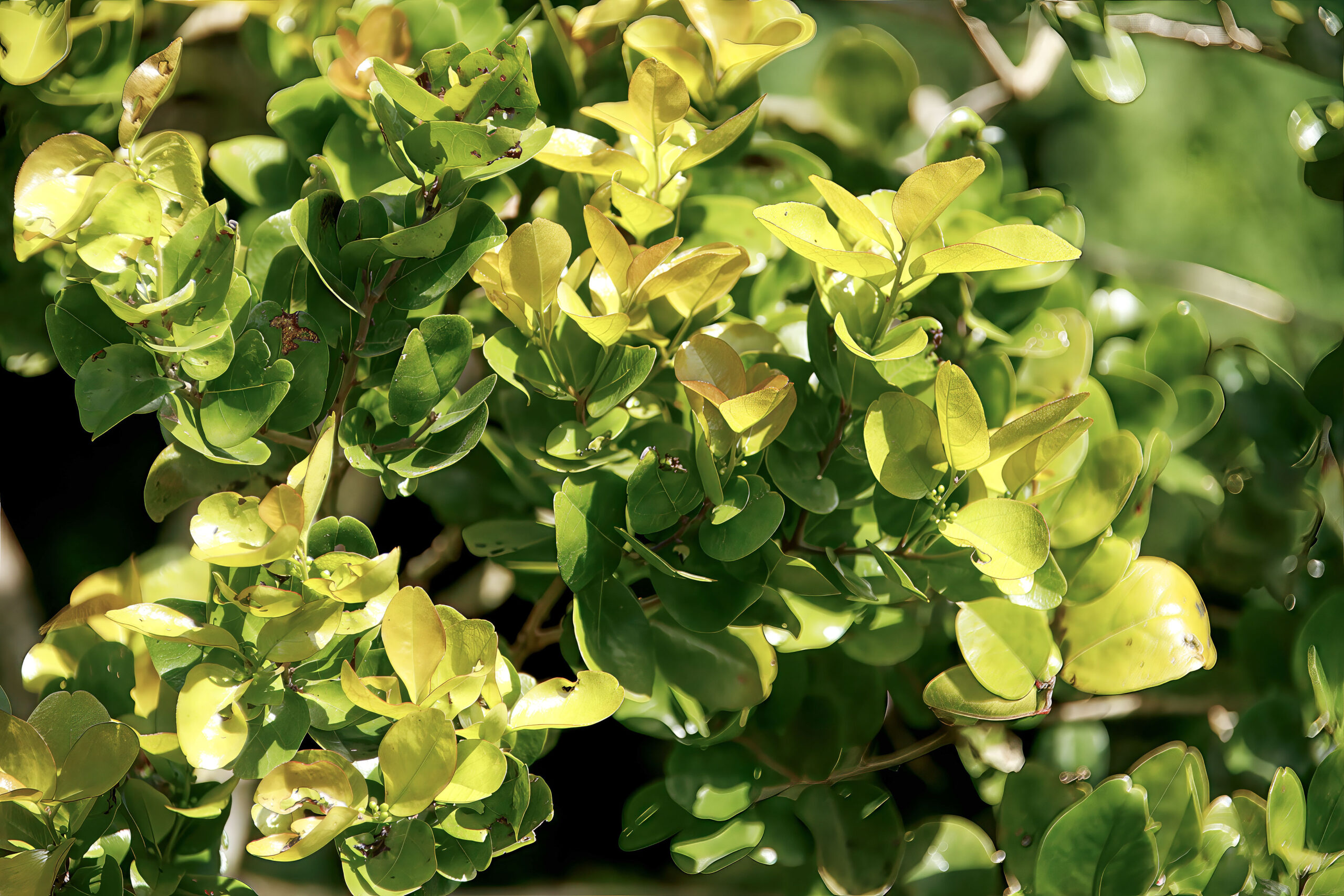
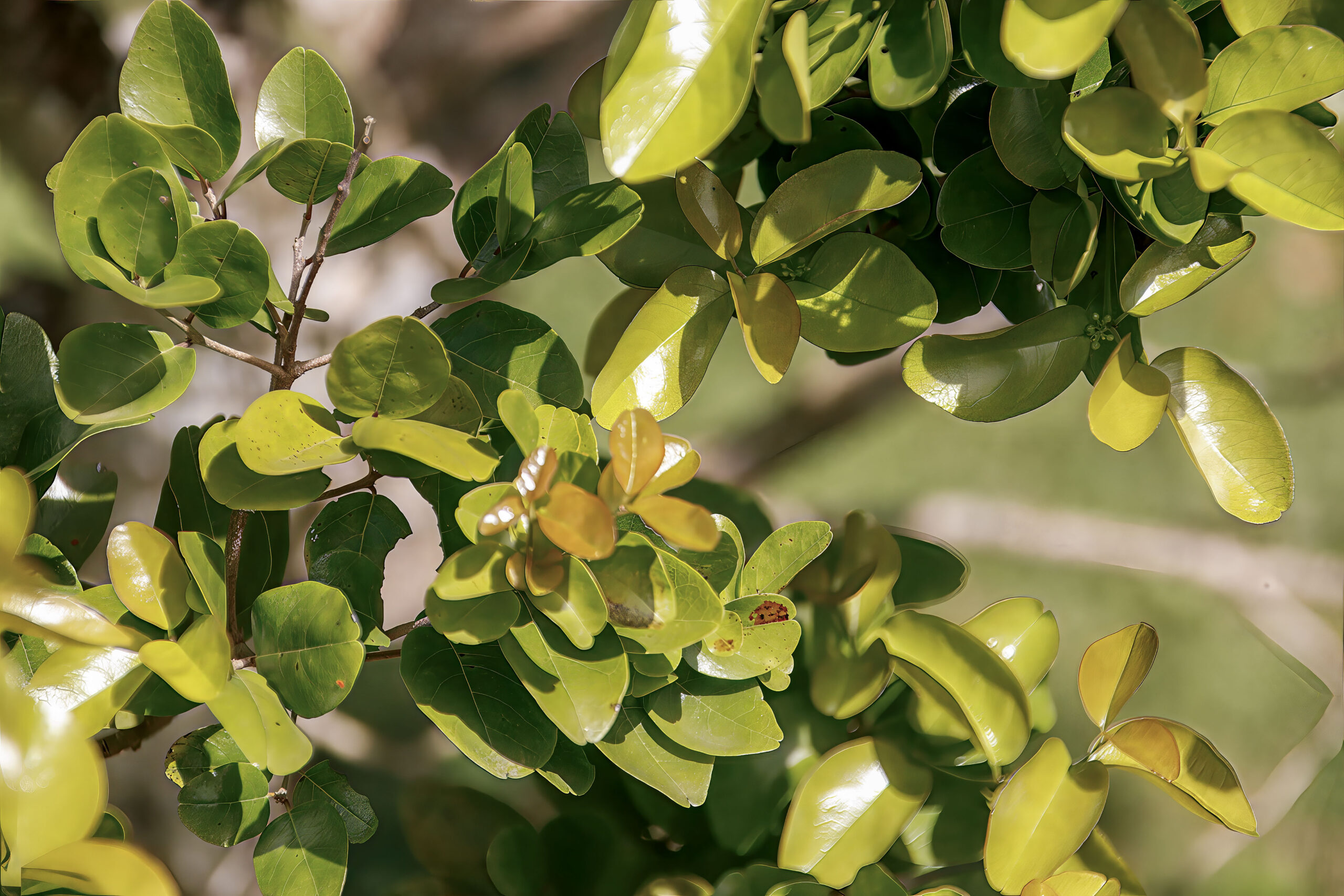
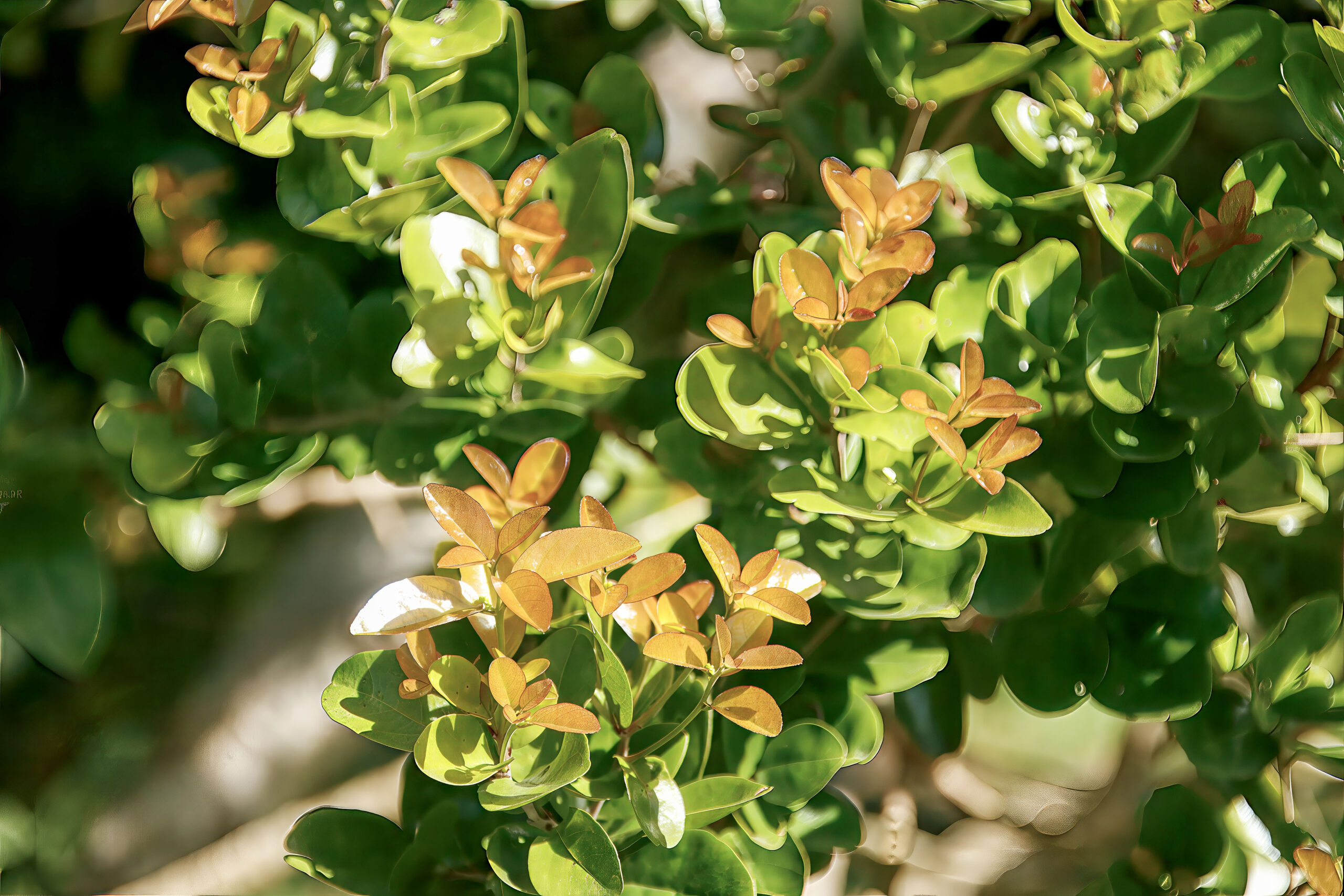
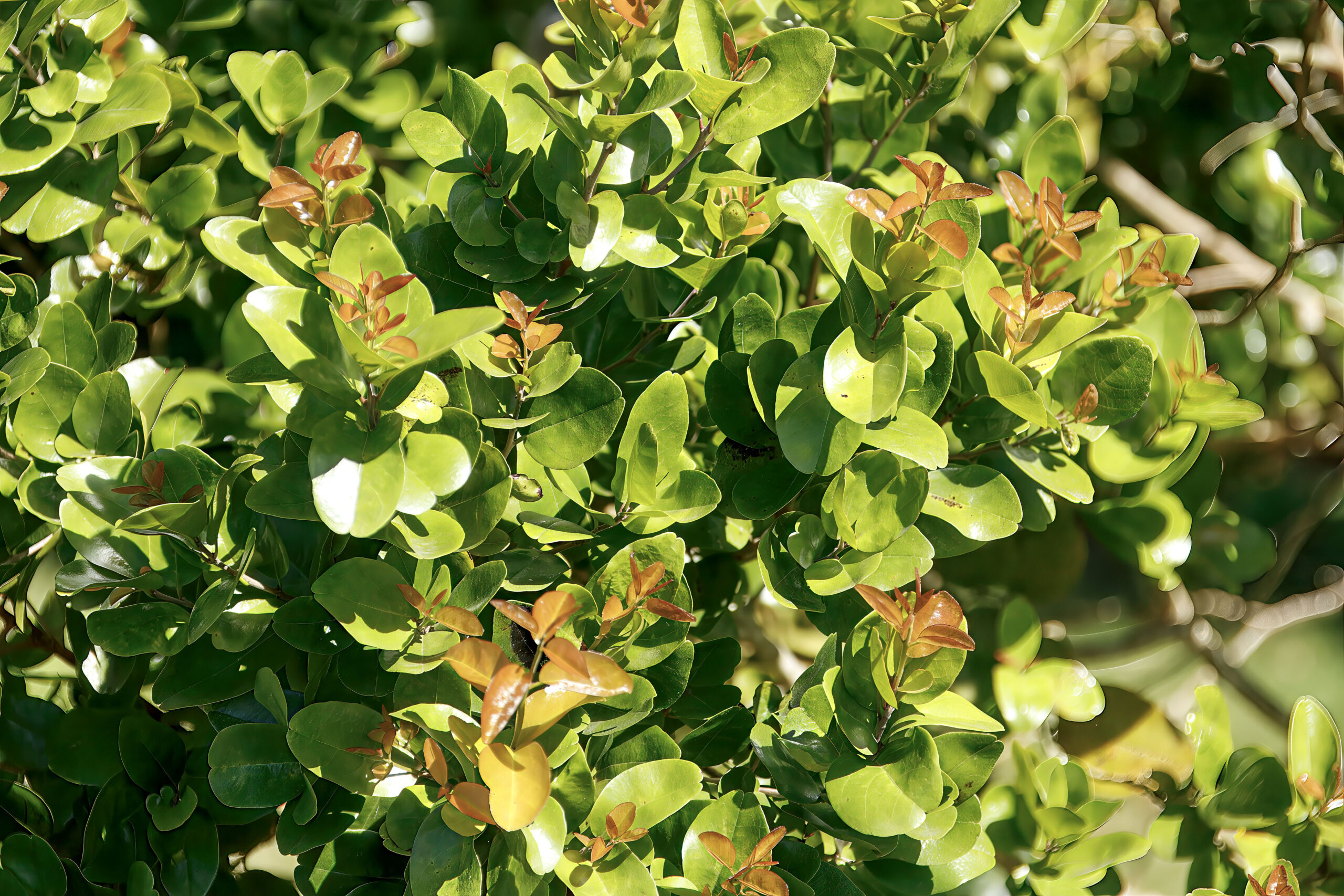
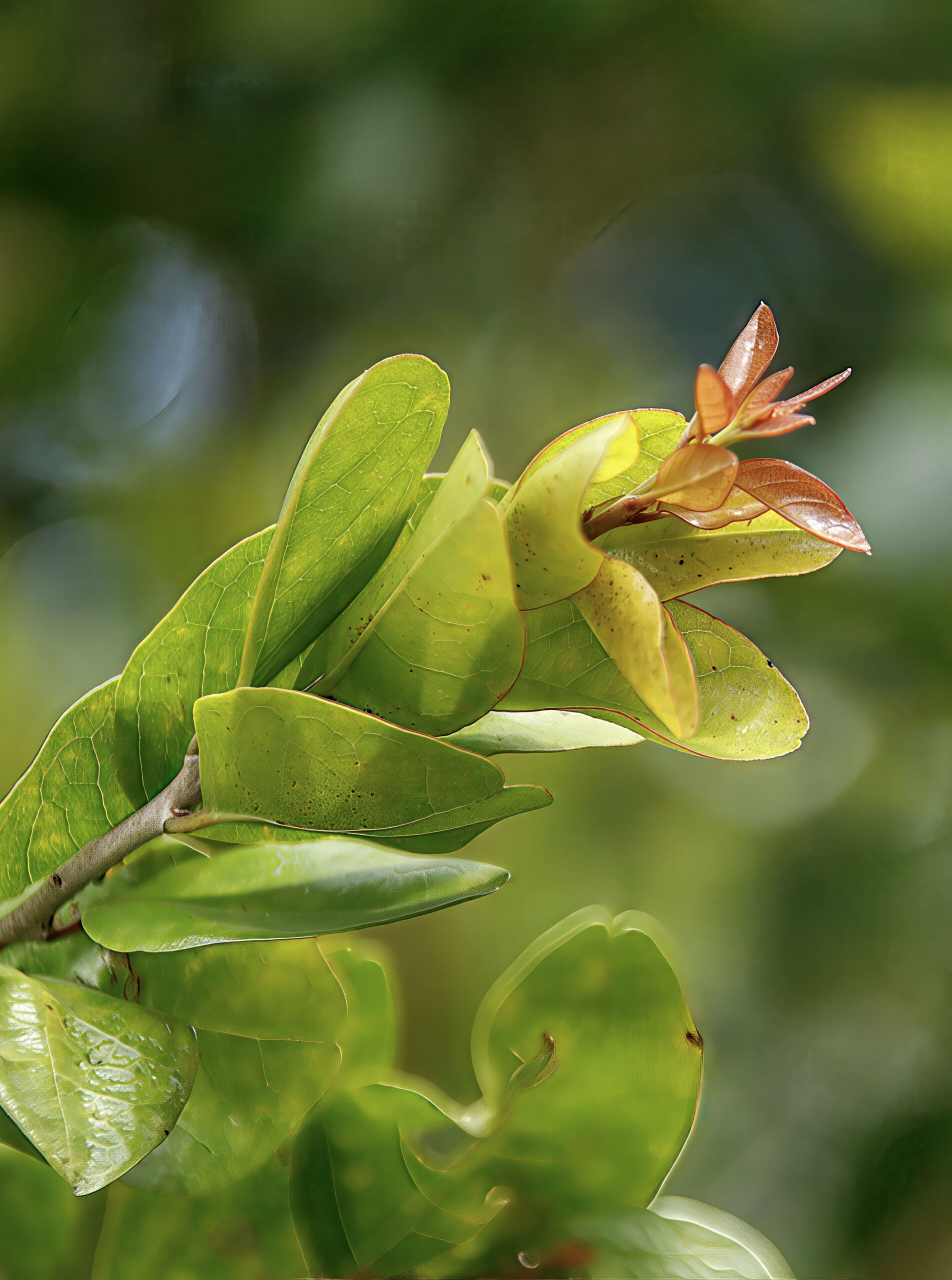
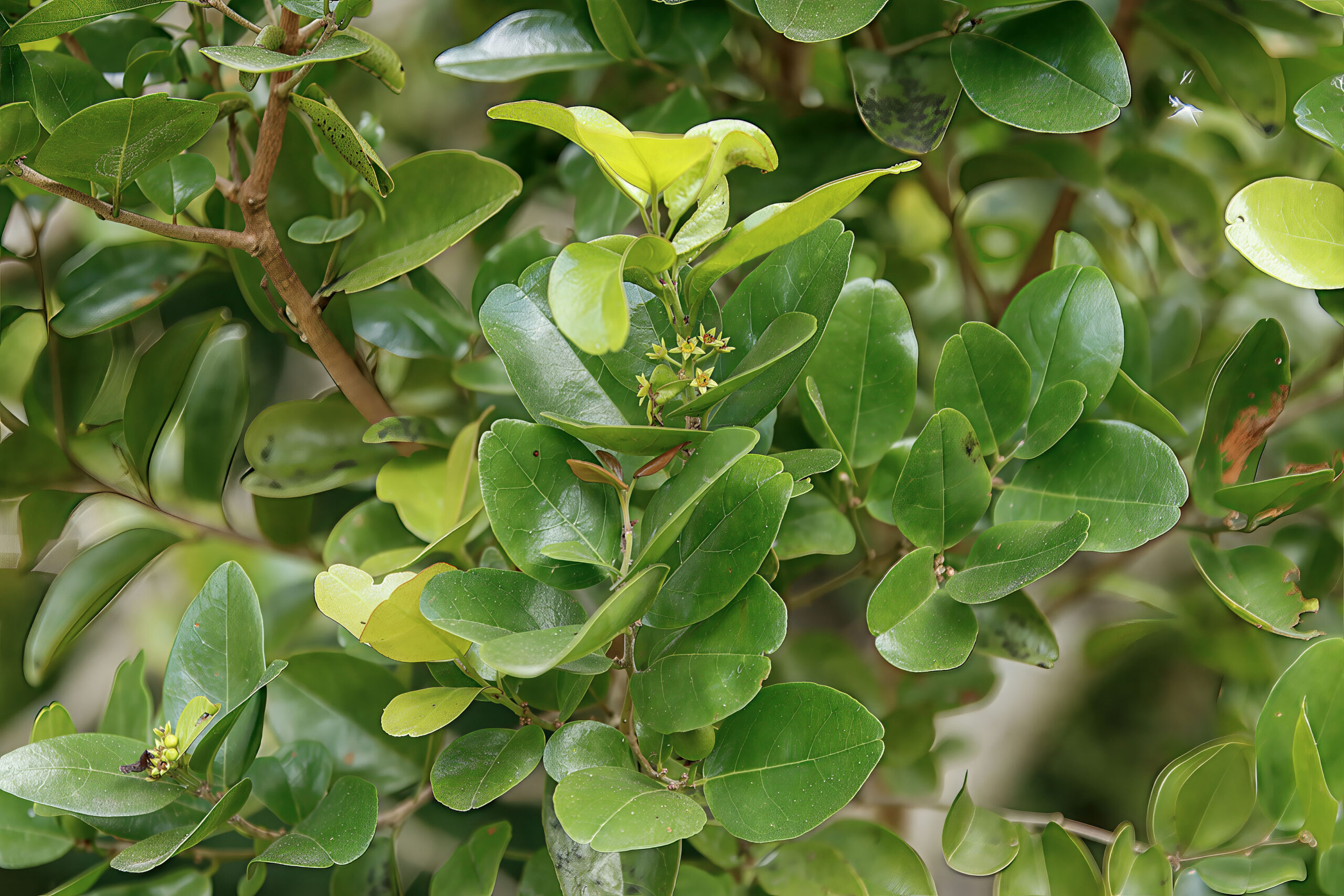
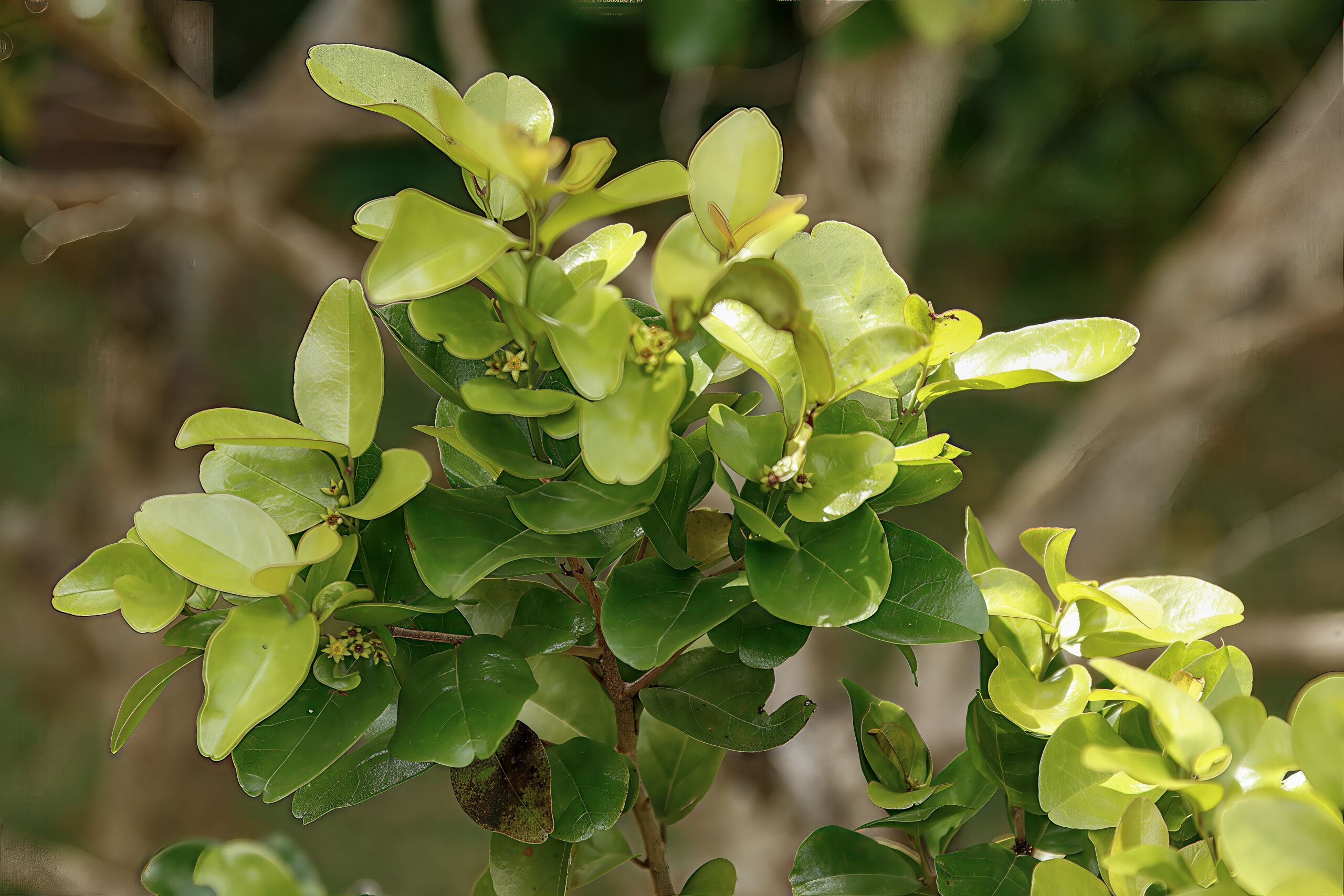
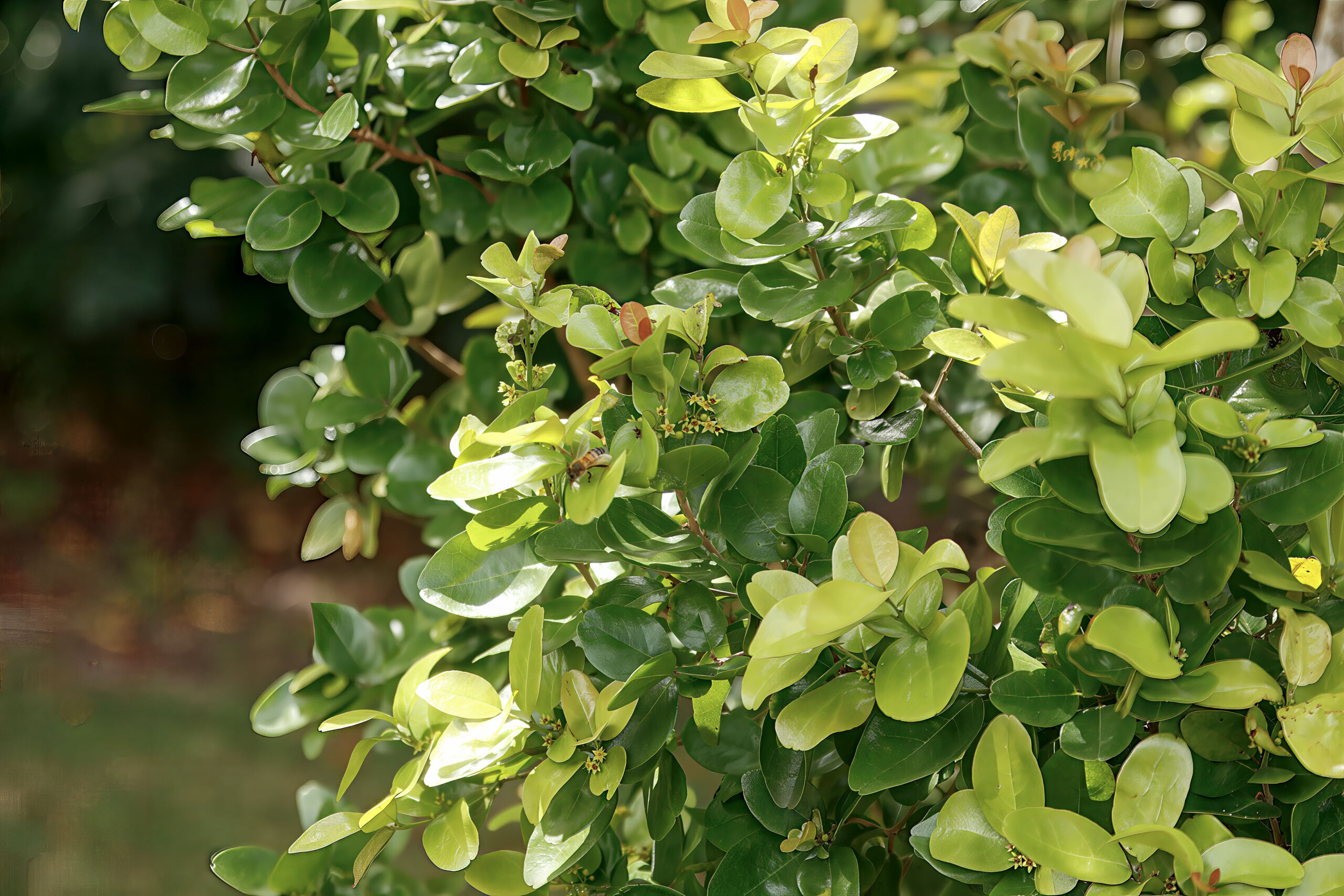
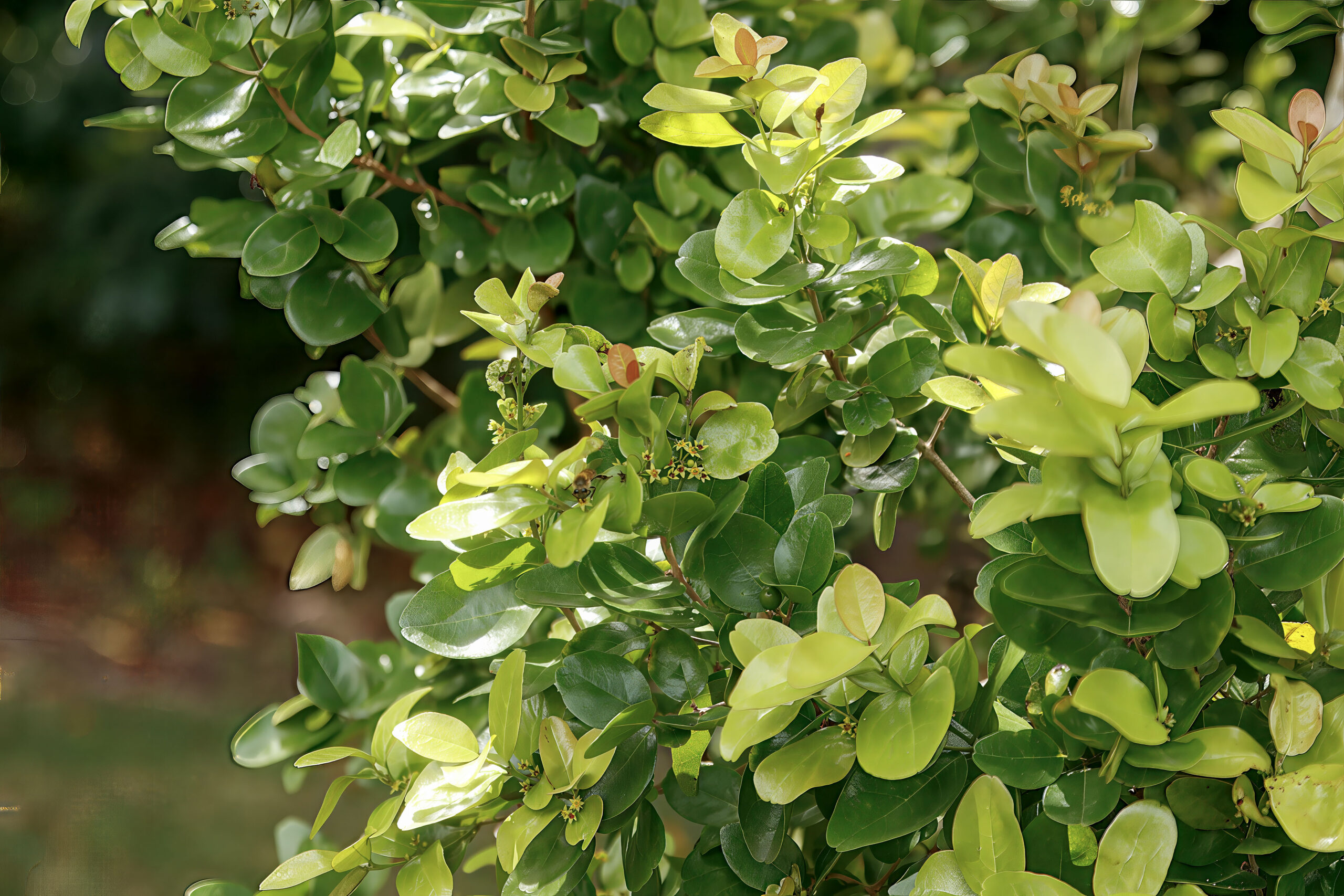
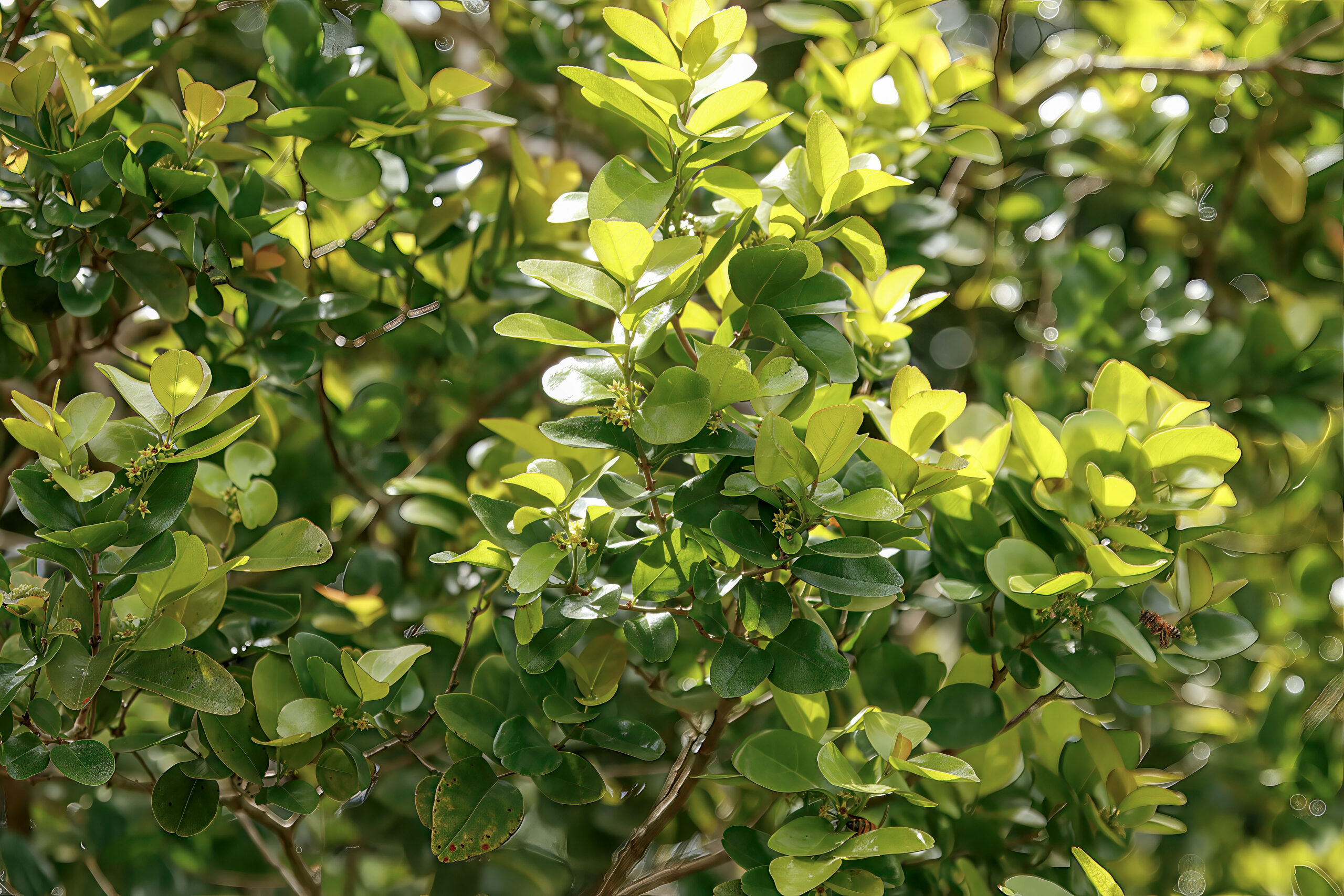
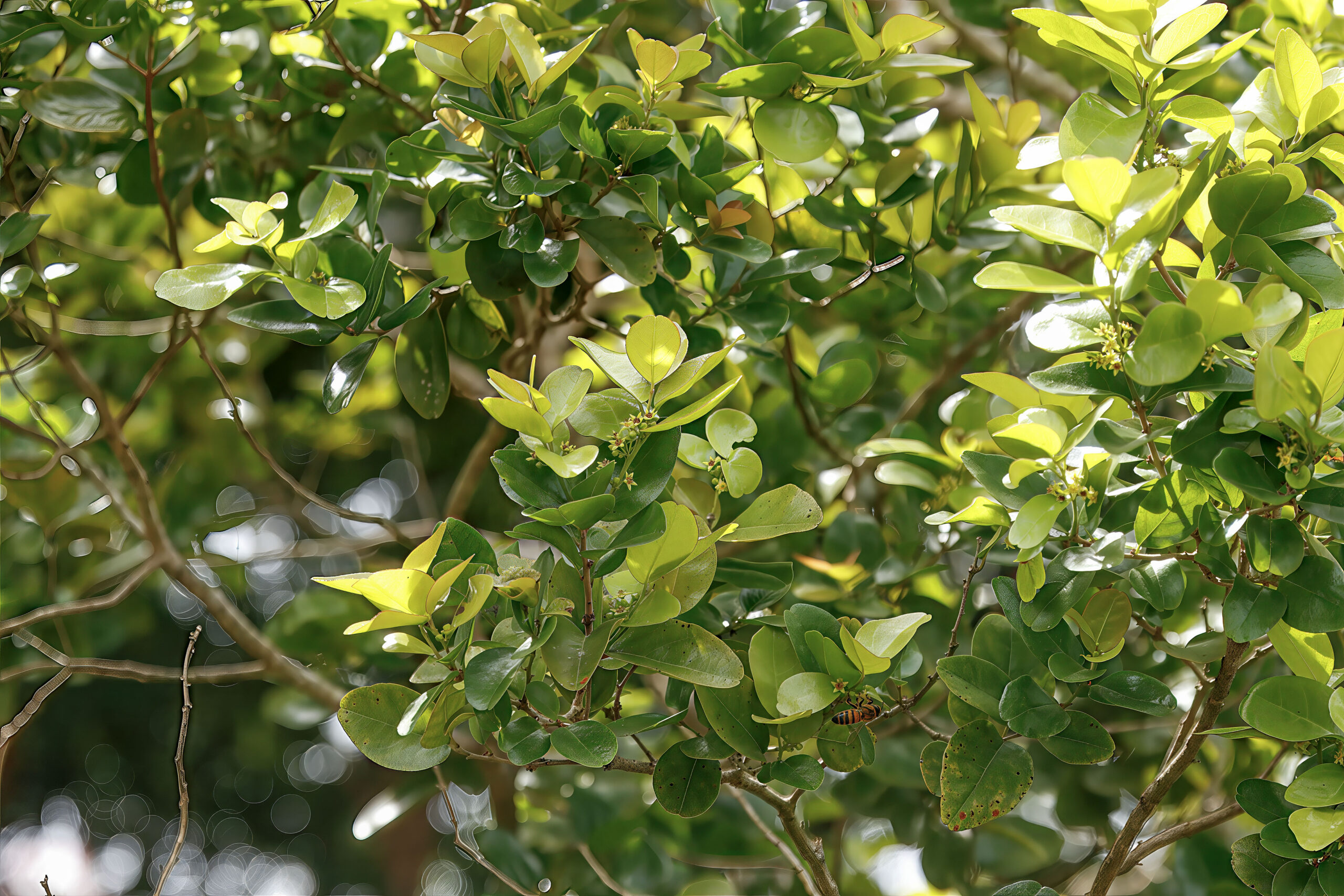
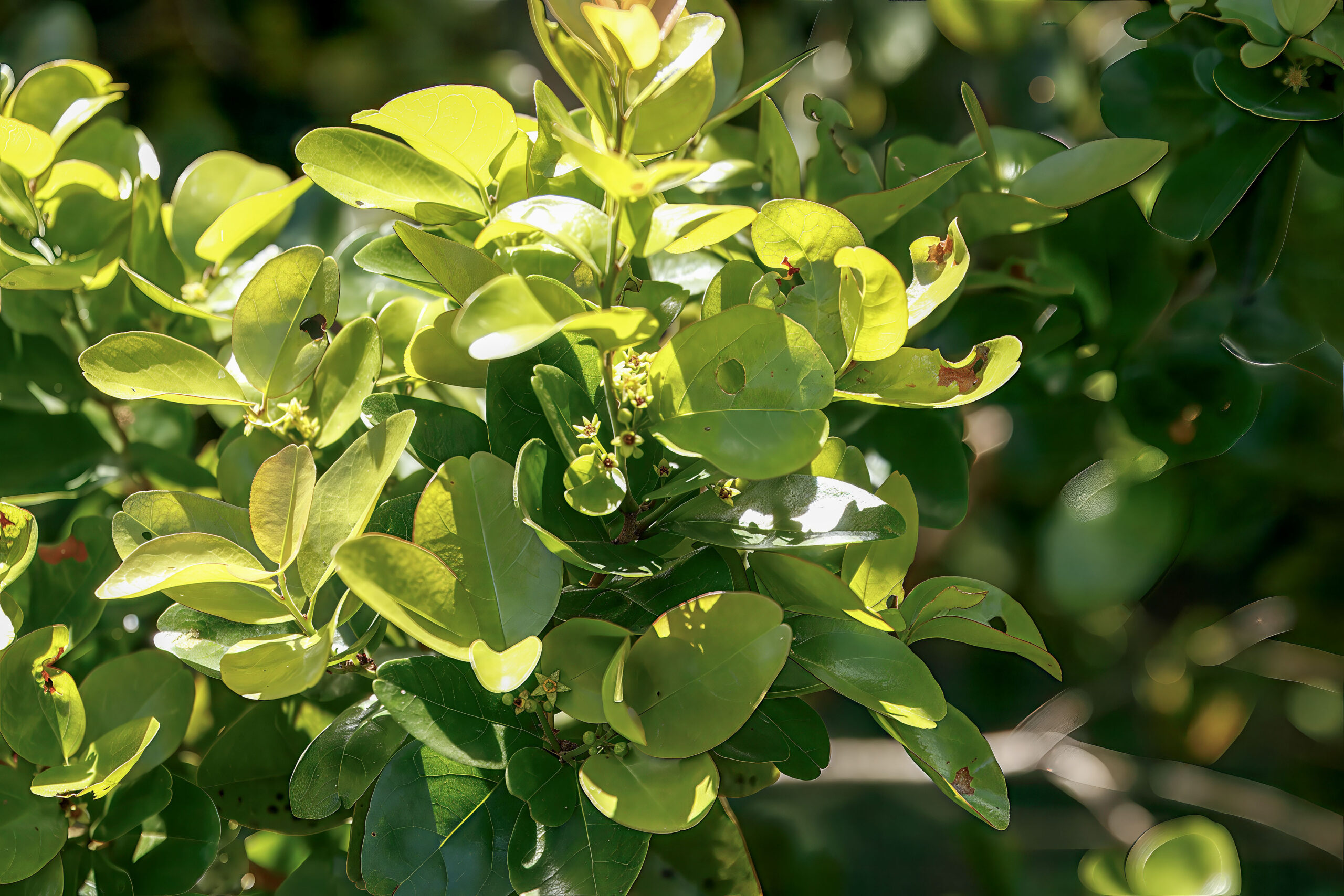
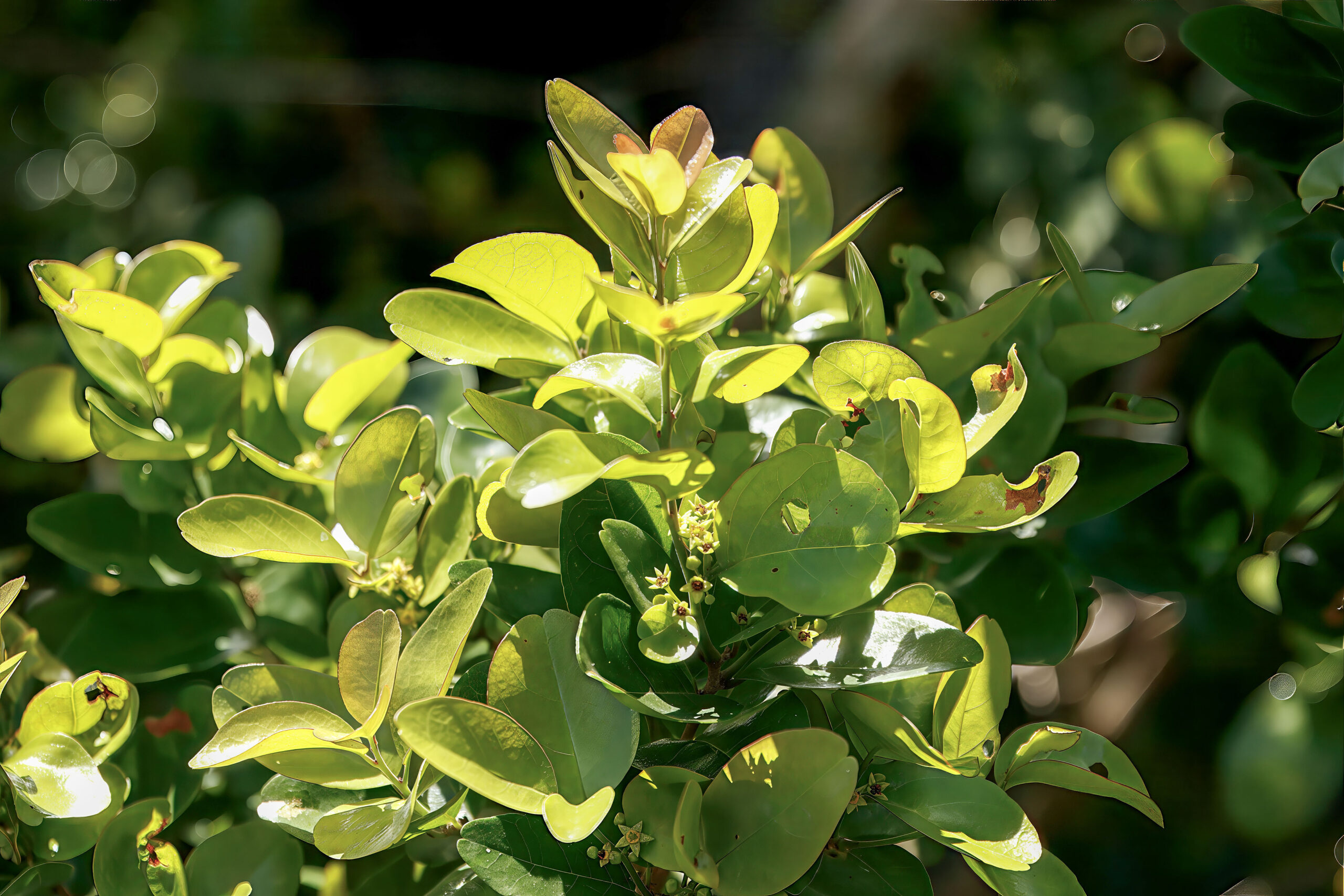
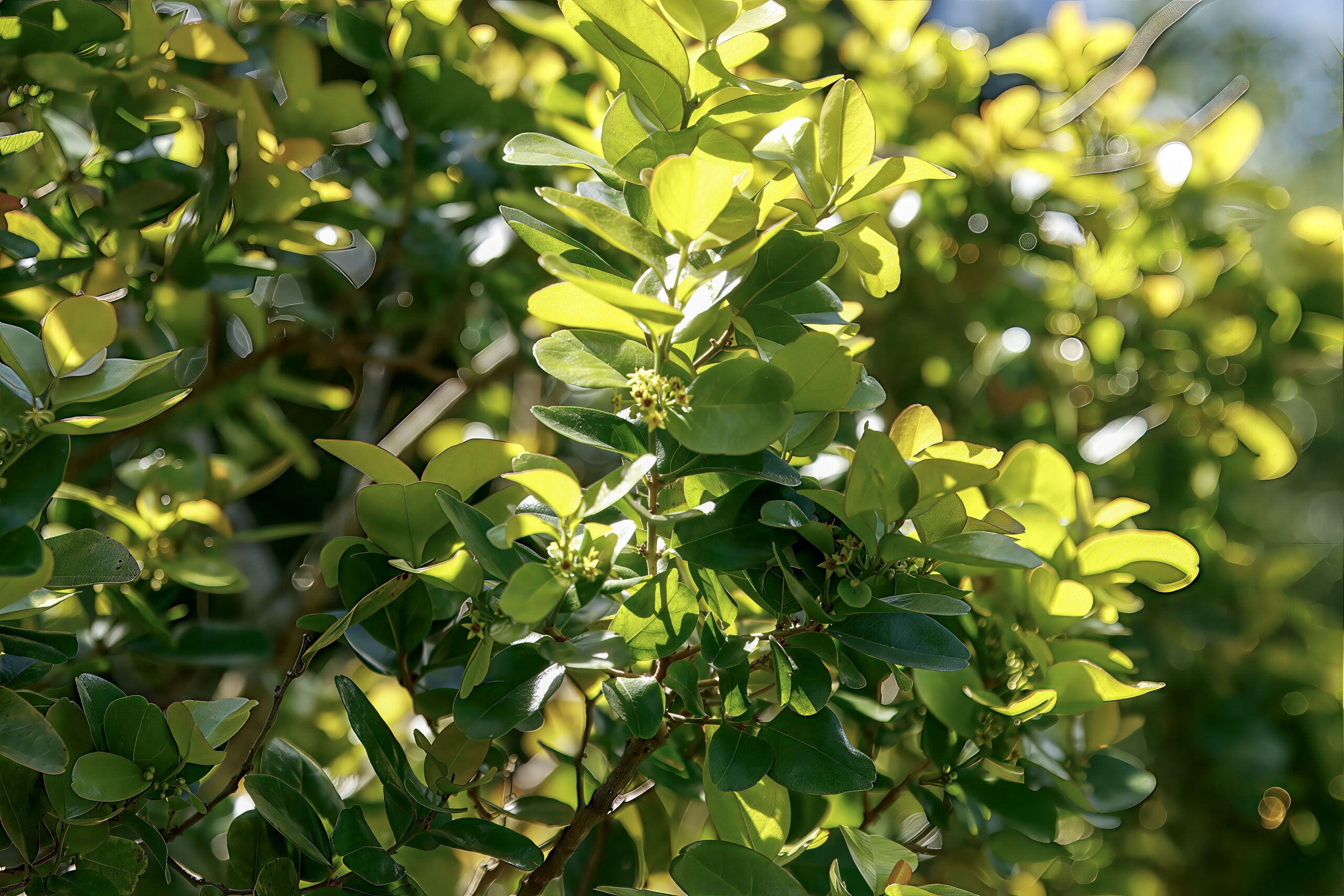
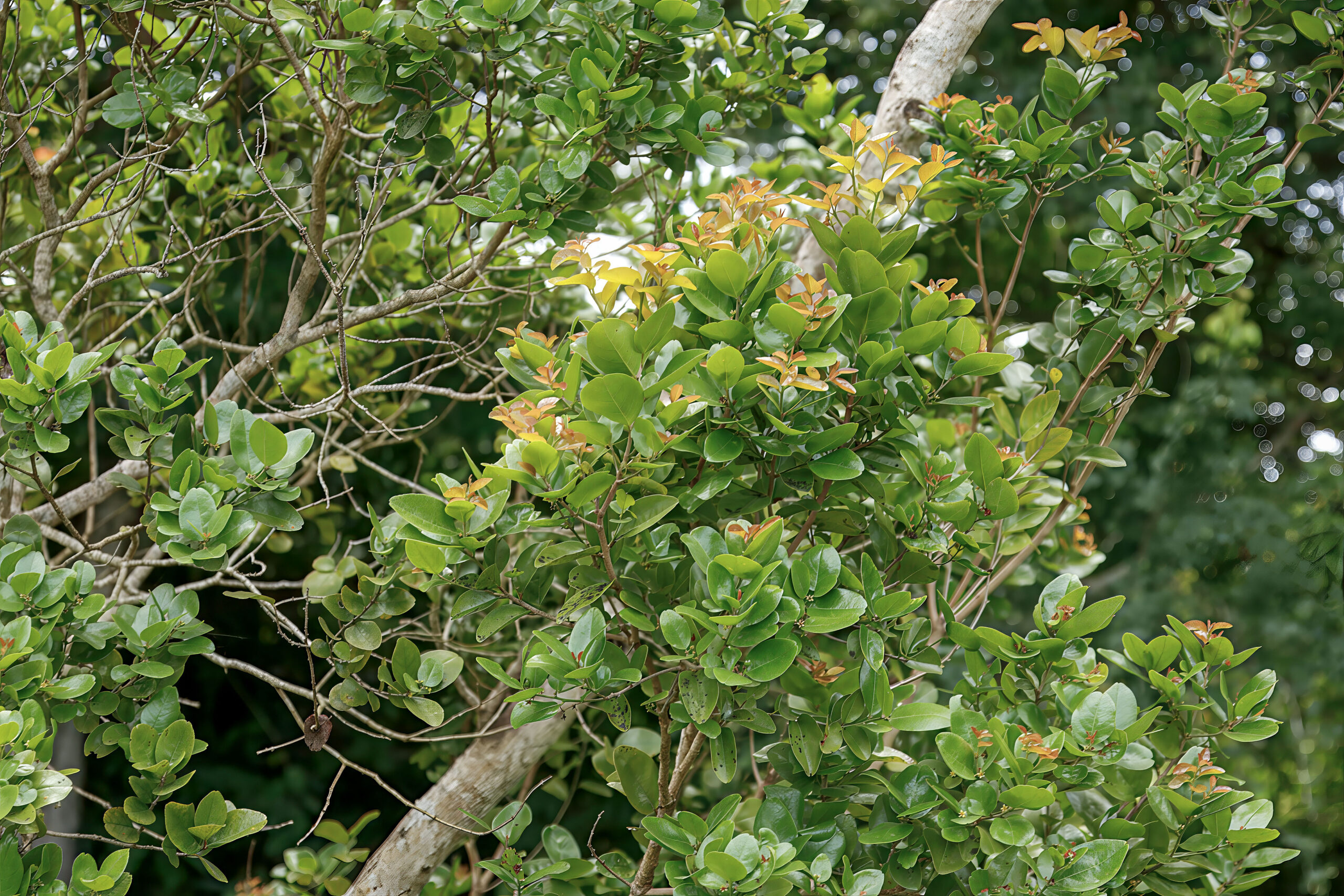
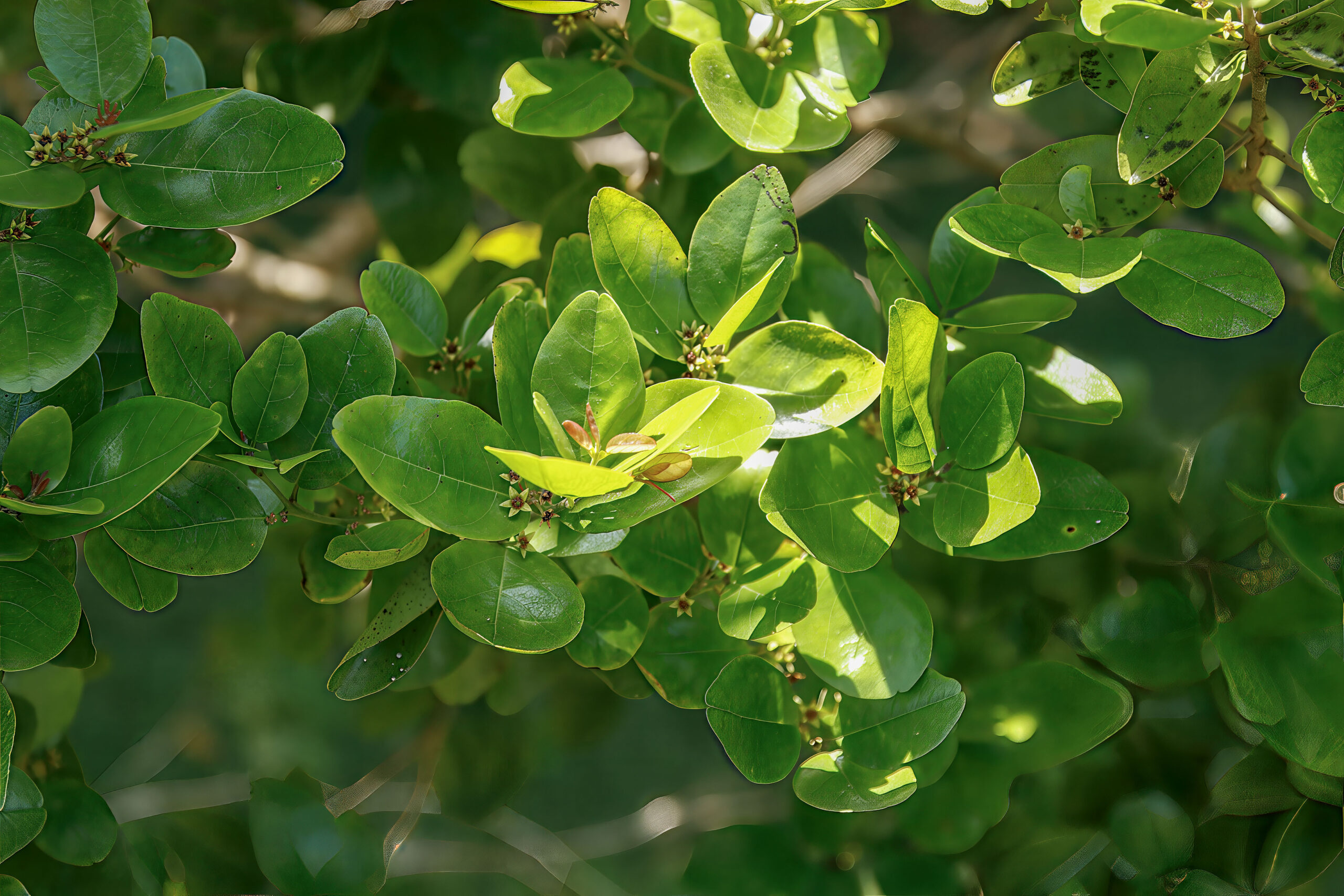
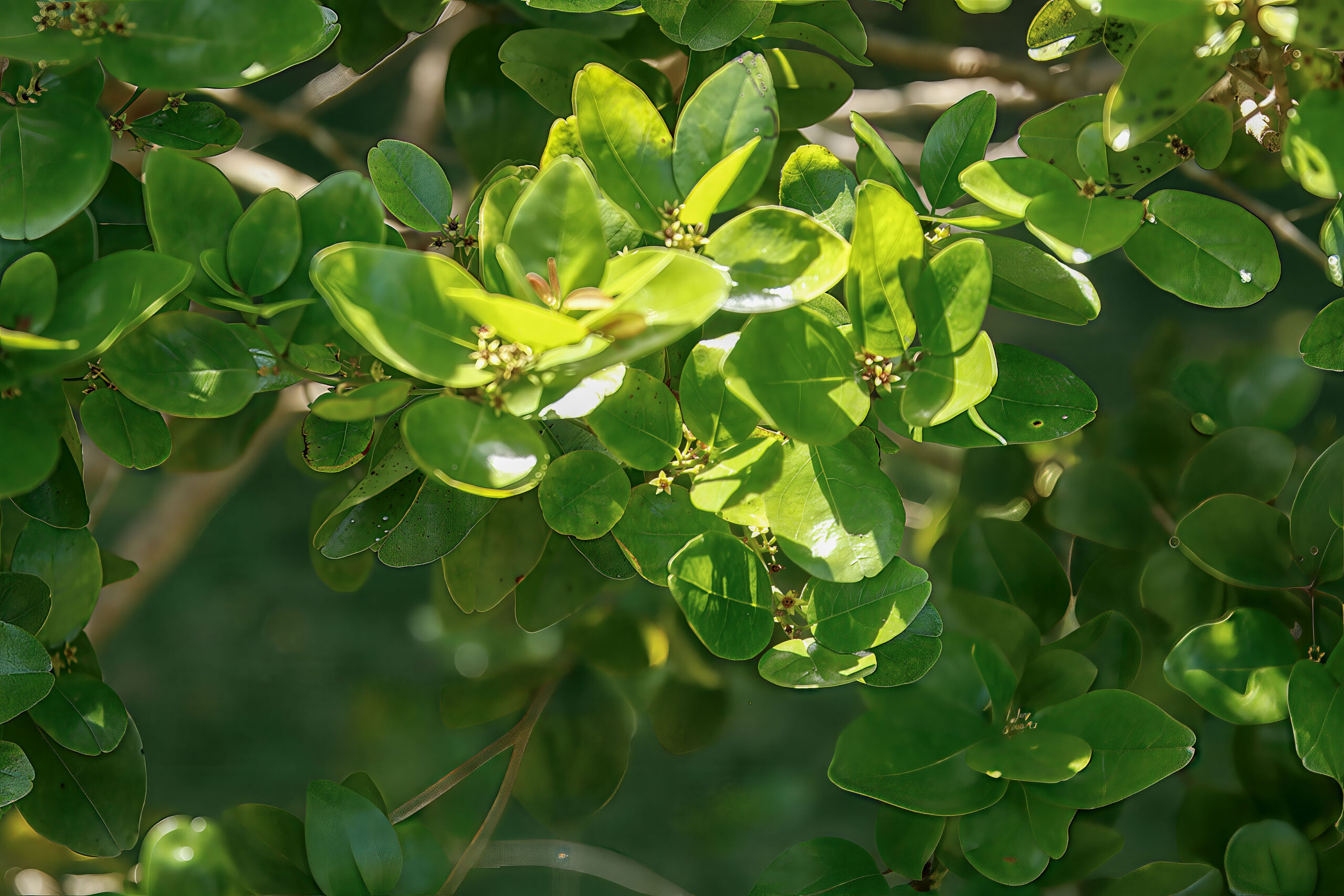
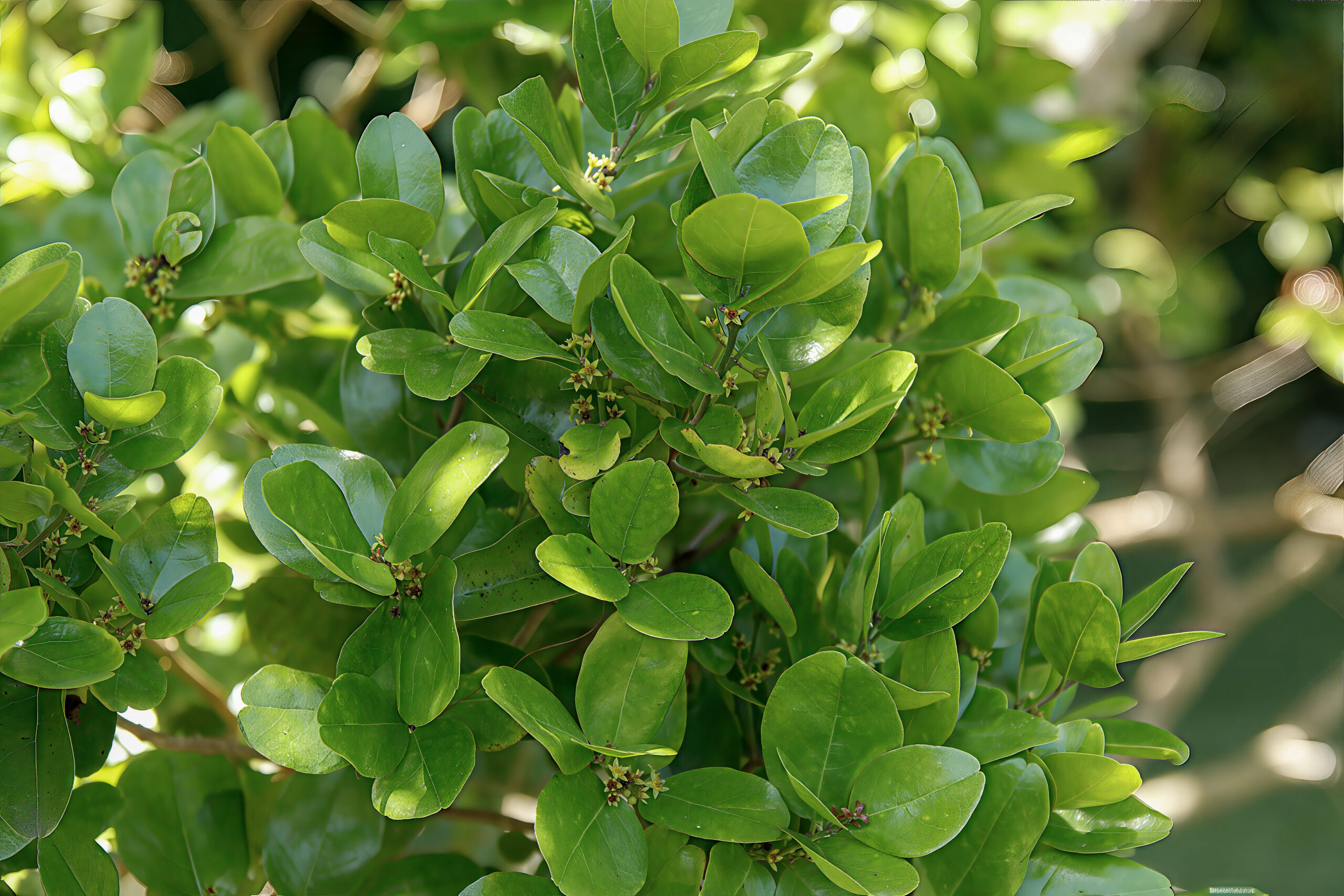
Ironwood is evergreen, with small, thick, leathery leaves that are dark green and shiny.
- Leaves are opposite and oval to oblong, with a tough texture.
- There is no distinct seasonal leaf drop, though older leaves fall intermittently year-round.
Observation Tips:
- Watch for subtle new leaf flushes—new leaves may be slightly lighter in color.
- Note that this species maintains a stable canopy, even during droughts.
2. Flowering
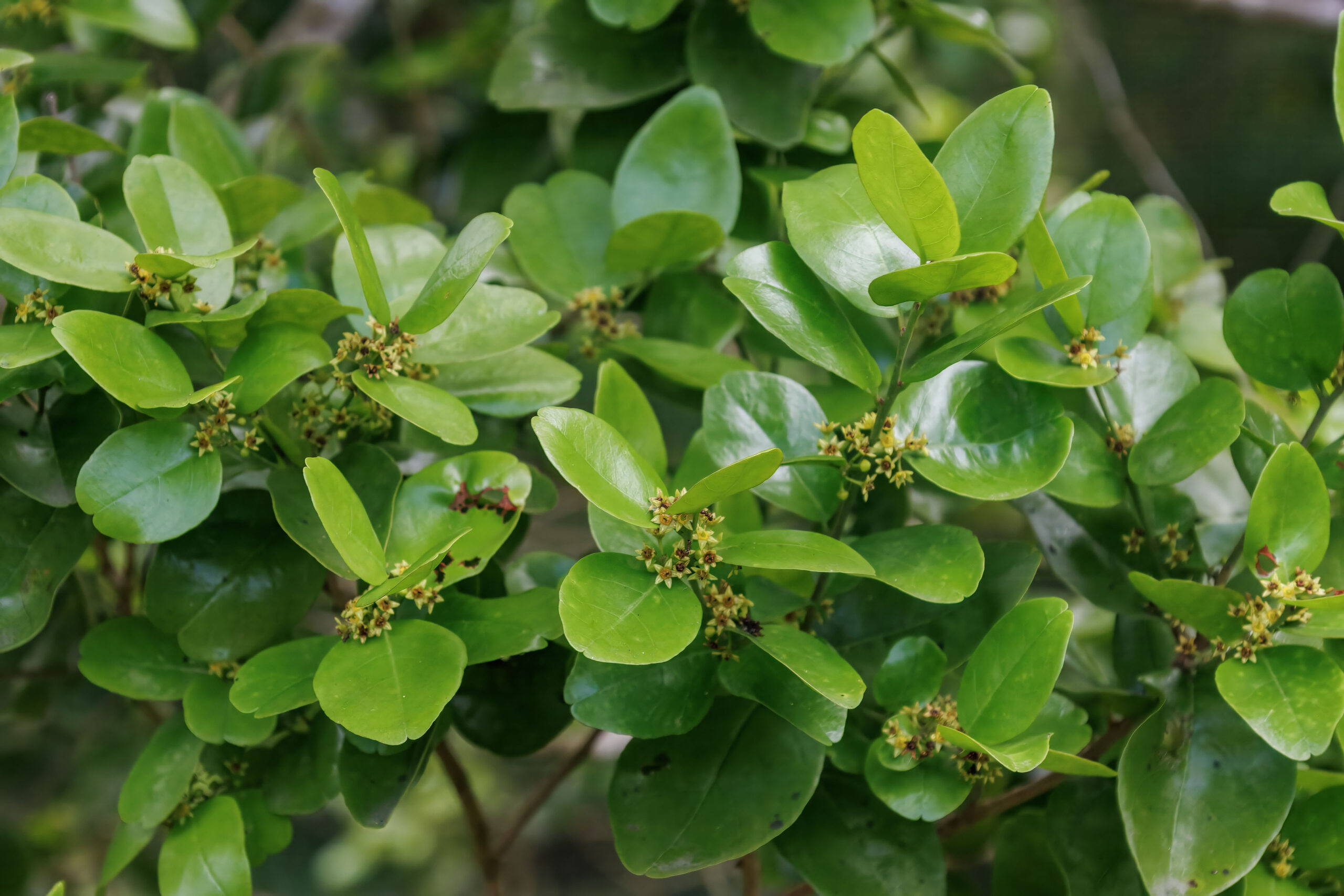
Flowers are small, greenish-white, and usually inconspicuous, borne in leaf axils.
- Flowering can occur multiple times a year, often triggered by rainfall events rather than fixed seasons.
- Individual flowers are not showy, but close inspection reveals their presence.
Observation Tips:
- Observe leaf axils for small clusters of flowers.
- Flowering may be sporadic or subtle, so check regularly during wetter months.
3. Fruiting
Fruits are small drupes, about the size of a pea, which turn dark purple to black when ripe.
- Fruiting follows flowering and may occur several times per year, with small crops.
- The fruit is eaten by birds, aiding seed dispersal.
Observation Tips:
- Track fruit color change, from green to dark purple/black.
- Monitor for bird activity and fruit drop under the tree.
4. Growth Habit
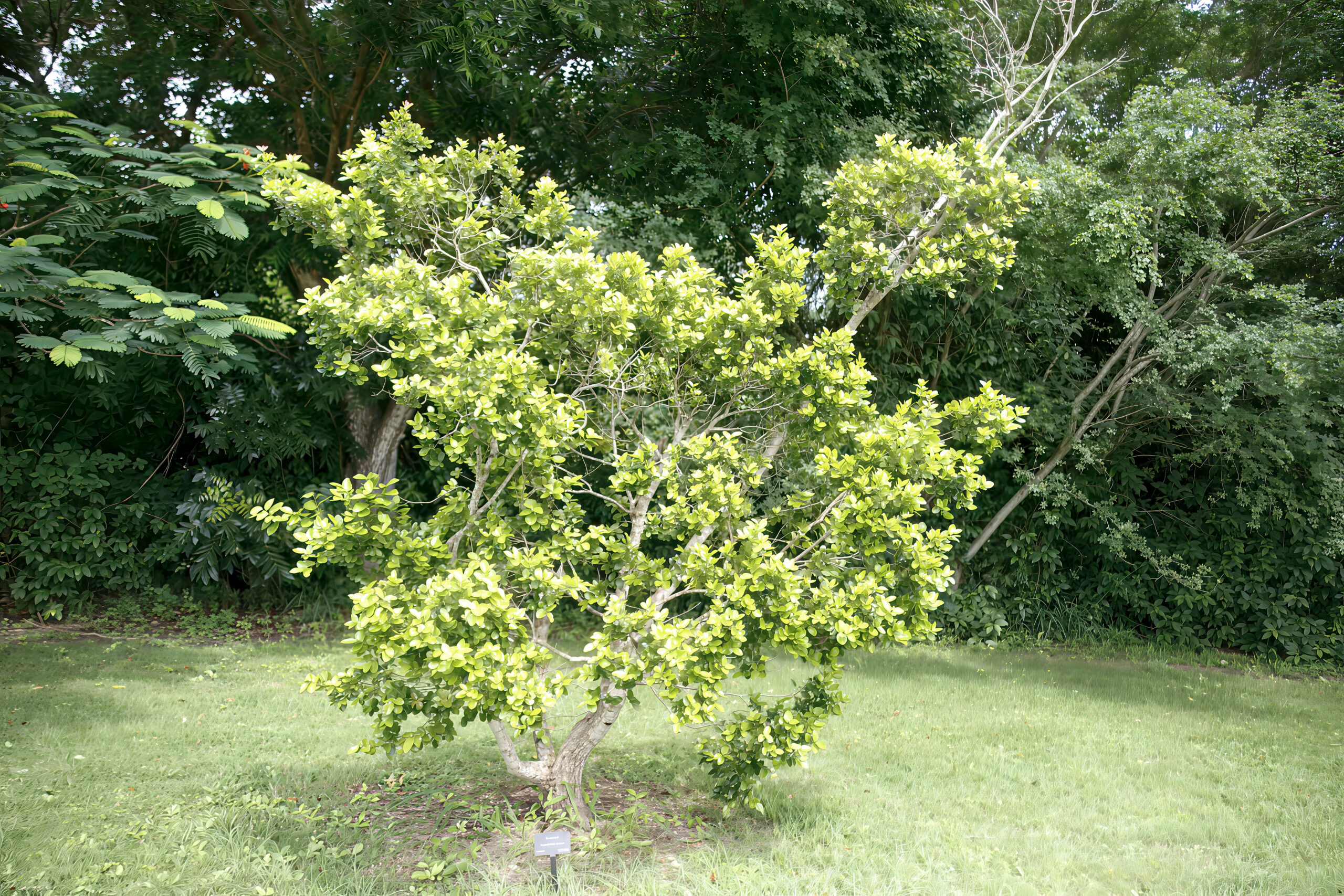
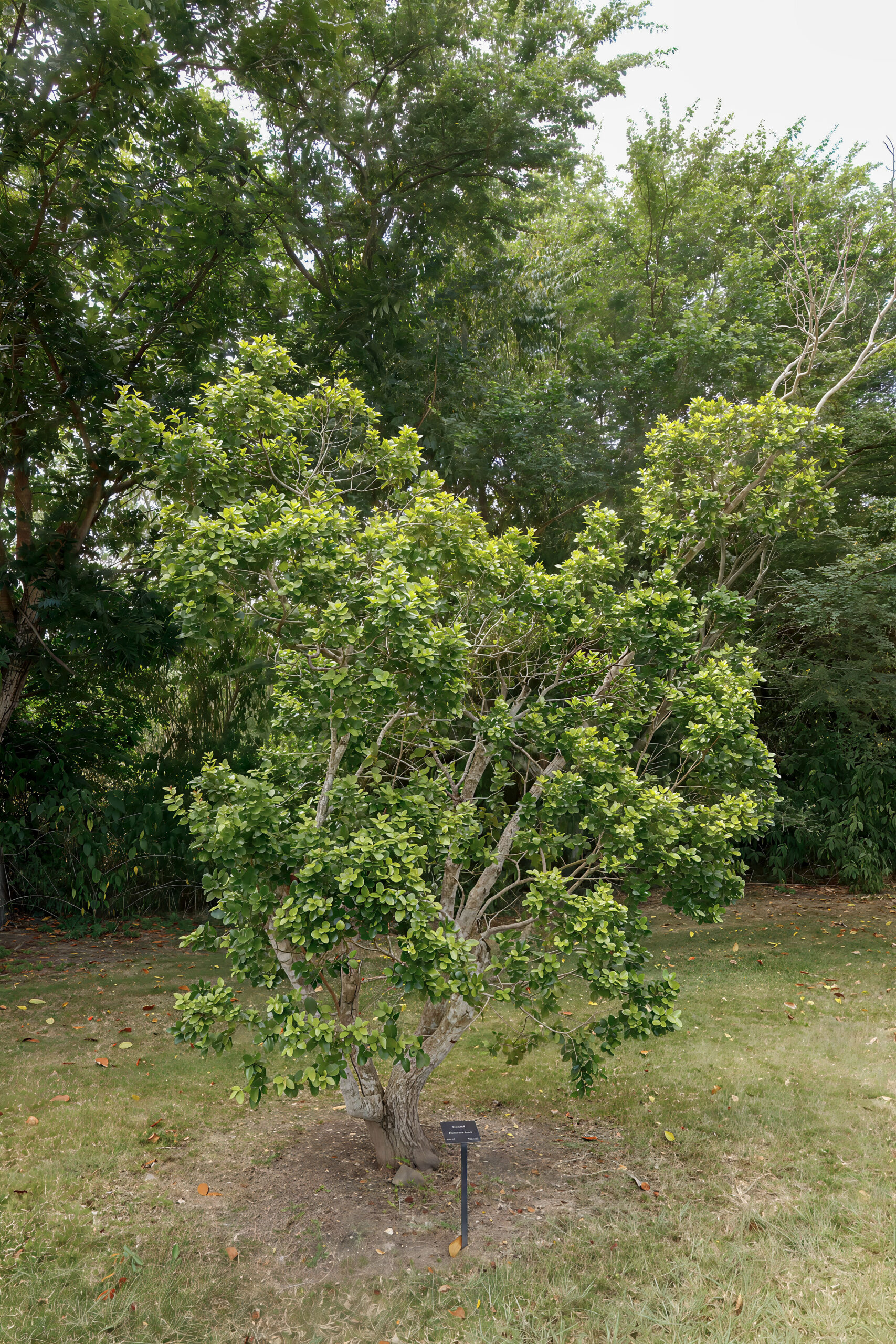
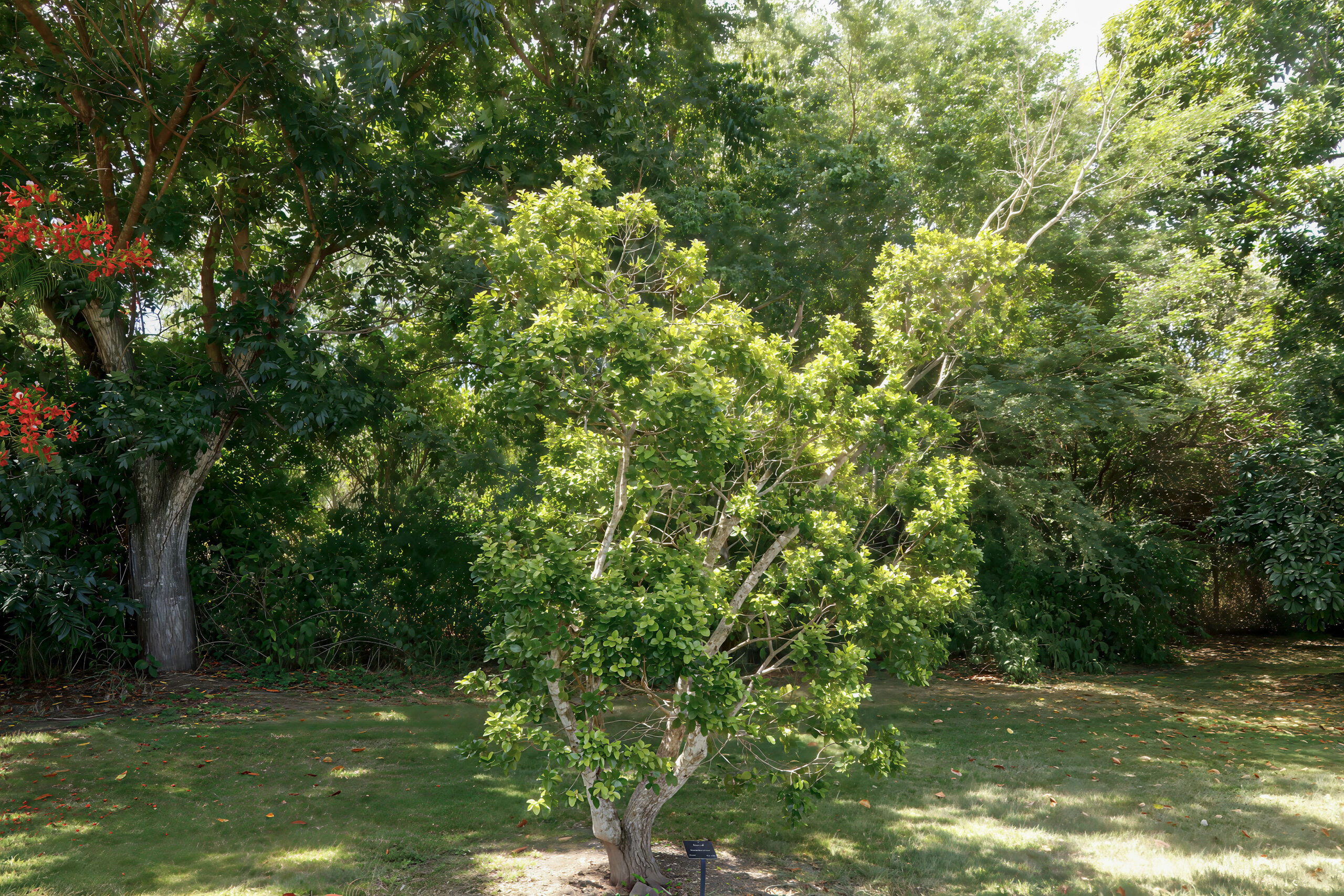
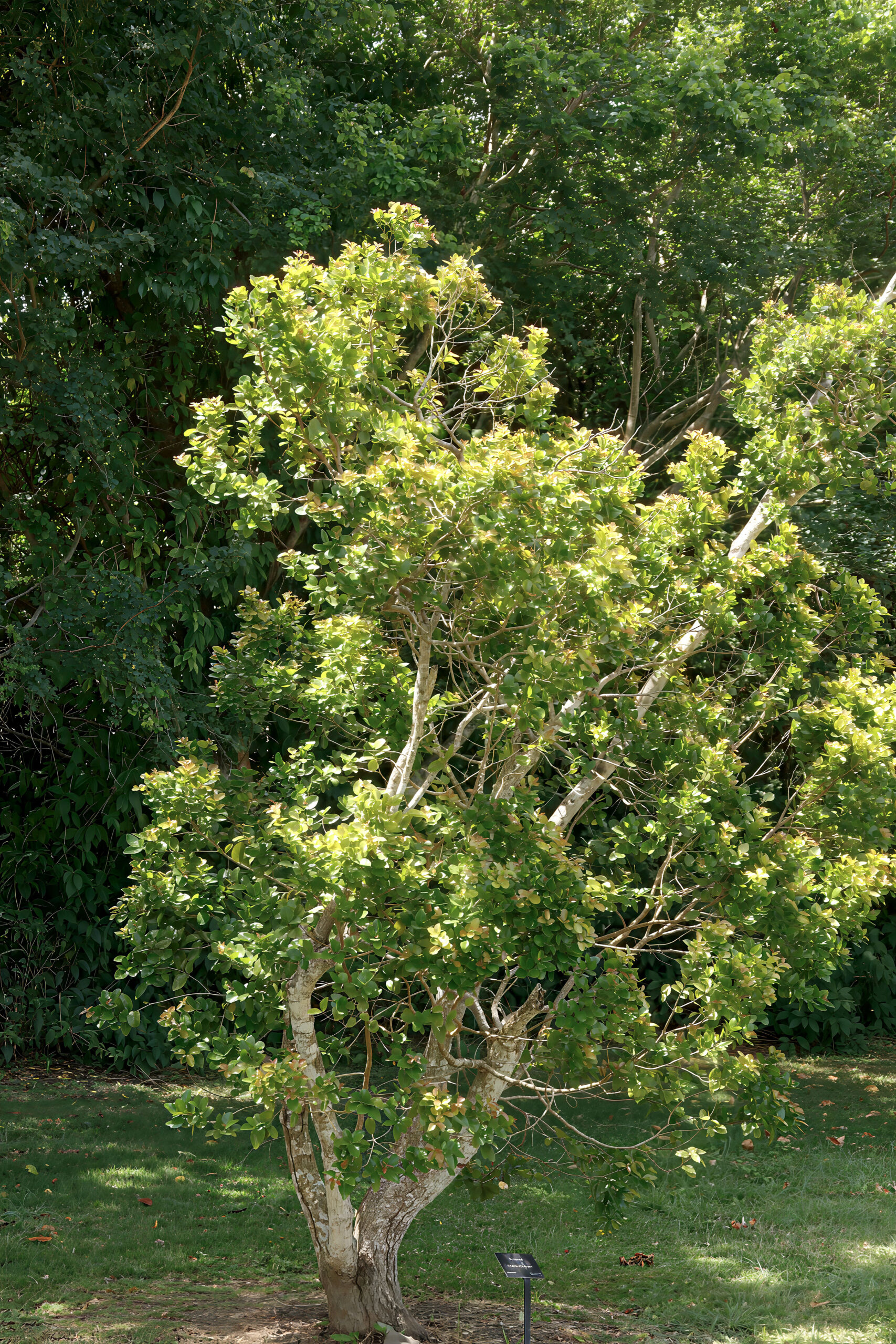
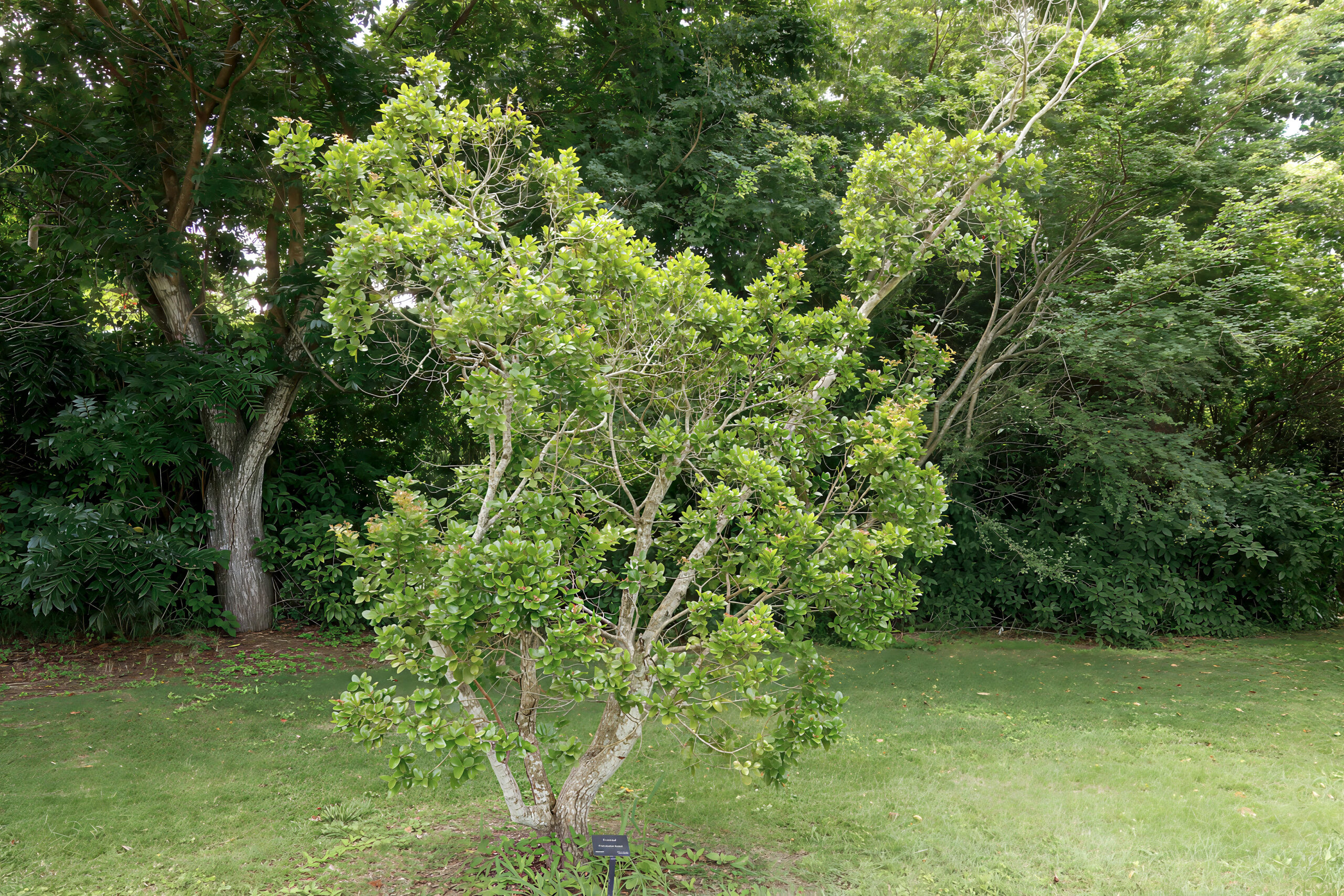
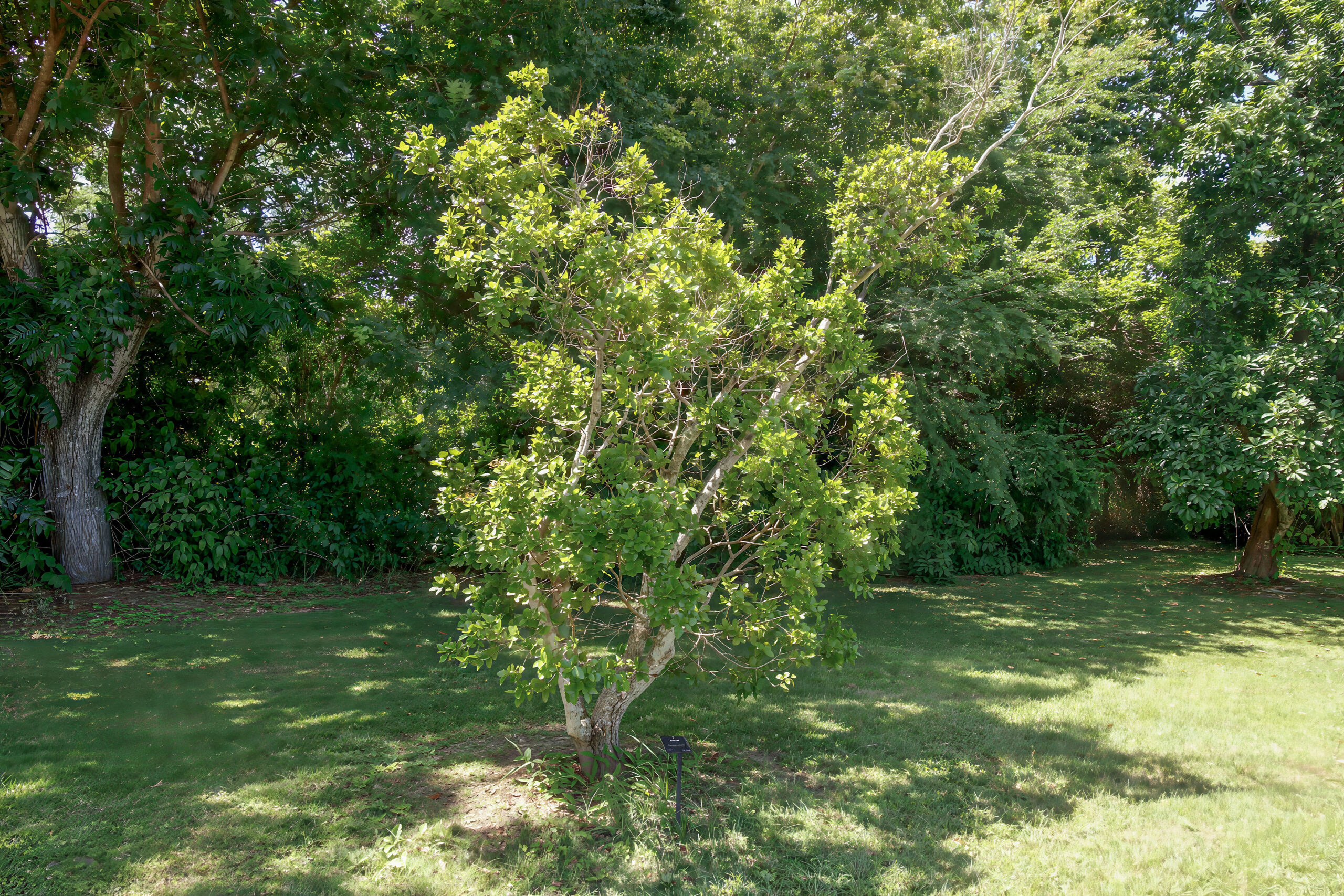
Ironwood grows as a small to medium-sized tree, typically 10–25 feet tall, with a dense, rounded crown.
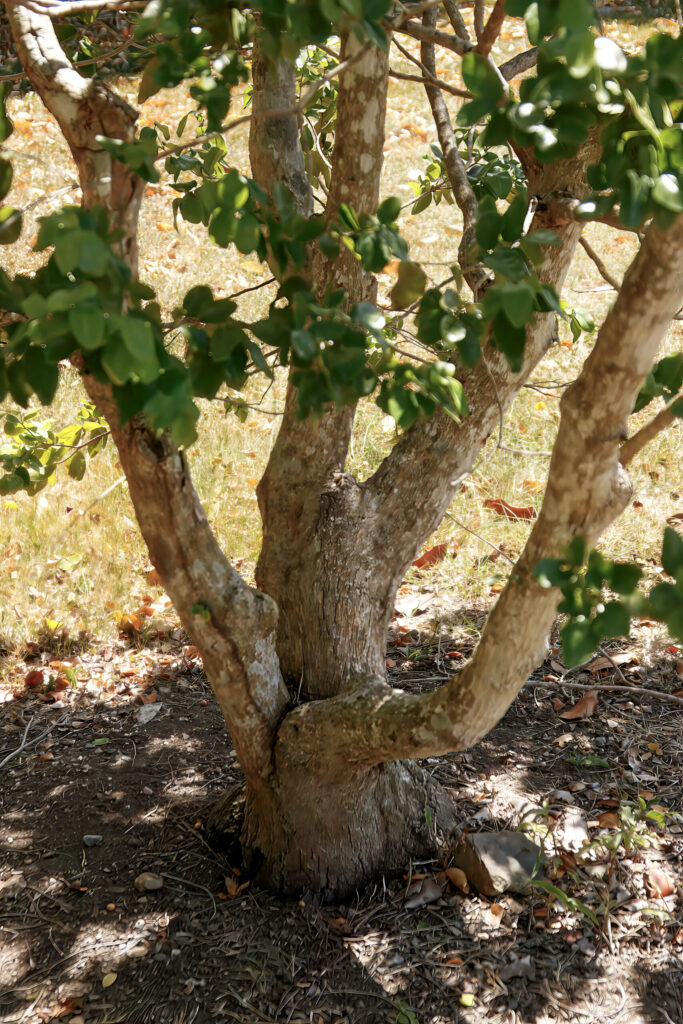
- Its name reflects the exceptionally hard and heavy wood, which resists decay.
- It is well suited to dry, rocky, or calcareous soils, making it ideal for native and drought-tolerant landscapes.
5. Seasonal Pattern (St. Croix)
- Year-round: Evergreen leaf cover with slow, steady growth
- Mar–Oct: Most likely periods for flowering and fruiting, especially after rains
- Nov–Feb: Minimal visible change; canopy remains stable