Coconut Palm
Scientific name: Cocos nucifera
POWO Status: Tree
IUCN Red List threat level: Not Evaluated
GPs Location: 17° 42′ 59.36″ N, 64° 49′ 48.28″ W


Medicinal Uses
Cocos nucifera (coconut) boasts extensive medicinal uses, leveraging its rich phytochemicals (like lauric acid, phenols) for properties including antimicrobial, anti-inflammatory, antioxidant, antidiabetic, and hepatoprotective (liver-protecting) effects, with different parts (oil, water, kernel, roots) used for issues from skin conditions, wounds, and infections to digestive problems, heart health, and hydration support. Traditional practices and modern research highlight its potential for blood sugar control, blood pressure, wound healing, and boosting immunity, though it’s important to use in moderation and as supportive, not replacement, for antibiotics.
Key Medicinal Properties & Uses:
- Antimicrobial/Antifungal: Coconut oil and extracts are used for skin infections like ringworm, psoriasis, and candidiasis, and have shown activity against bacteria and viruses.
- Anti-inflammatory & Antioxidant: Phenolic compounds help fight oxidative stress and inflammation, benefiting conditions like arthritis and protecting organs.
- Metabolic Health: Shows promise in managing blood sugar (antidiabetic) and improving lipid profiles (heart health).
- Skin & Hair Care: Oil moisturizes skin, aids wound healing, and treats dandruff.
- Digestive Health: Used traditionally for stomach acidity, colitis, and as an antidiarrheal.
- Hydration & Electrolytes: Coconut water is an excellent natural source for rehydration, similar to oral rehydration solutions.
- Cardio & Hepato Protection: Studies suggest benefits for kidney, heart, and liver function.
- Traditional Applications: Includes uses as a diuretic, against pesticide poisoning, and to boost libido.
Parts Used:
- Oil: Topical for skin/hair, internal for health.
- Water: Hydration, electrolytes.
- Kernel/Flesh: Nutritional, antimicrobial properties.
- Roots: Roasted for coffee substitute.
- Leaves/Flowers/Sap: Various traditional applications.
Important Considerations:
- Moderation: Coconut water contains sugar and calories; excessive intake isn’t ideal.
- Allergies: Be cautious with nut allergies; patch test for skin use.
- Supportive Care: While potent, coconut products aren’t a substitute for antibiotics in serious infections.
Observations:
Phenological Markers – Coconut Palm (Cocos nucifera)
Scientific Name: Cocos nucifera
Common Names: Coconut Palm
Family: Arecaceae
Leaf Phenology
- New Leaf Emergence: Continuous throughout the year in mature trees. New fronds emerge from the terminal bud at a rate of roughly one per month under optimal conditions.
- Leaf Senescence: Older fronds yellow and die regularly, typically lower leaves; dead fronds often remain hanging unless pruned.
- Seasonality: Minimal seasonal effect in tropical climates; leaf production is primarily driven by moisture availability and nutrient status.
Flowering Phenology
- Inflorescence Type: Branched spadix with both male and female flowers (monoecious); flowers emerge from axils of leaf bases.
- Flower Emergence: Continuous flowering, typically monthly cycles; male flowers appear first, followed by female flowers.
- Pollination Window: Primarily wind-pollinated, though insects (especially bees) assist in some regions.
- Seasonality: Flowering is year-round in tropical, equatorial climates, with occasional seasonal peaks during warm, wet periods.
Fruiting Phenology
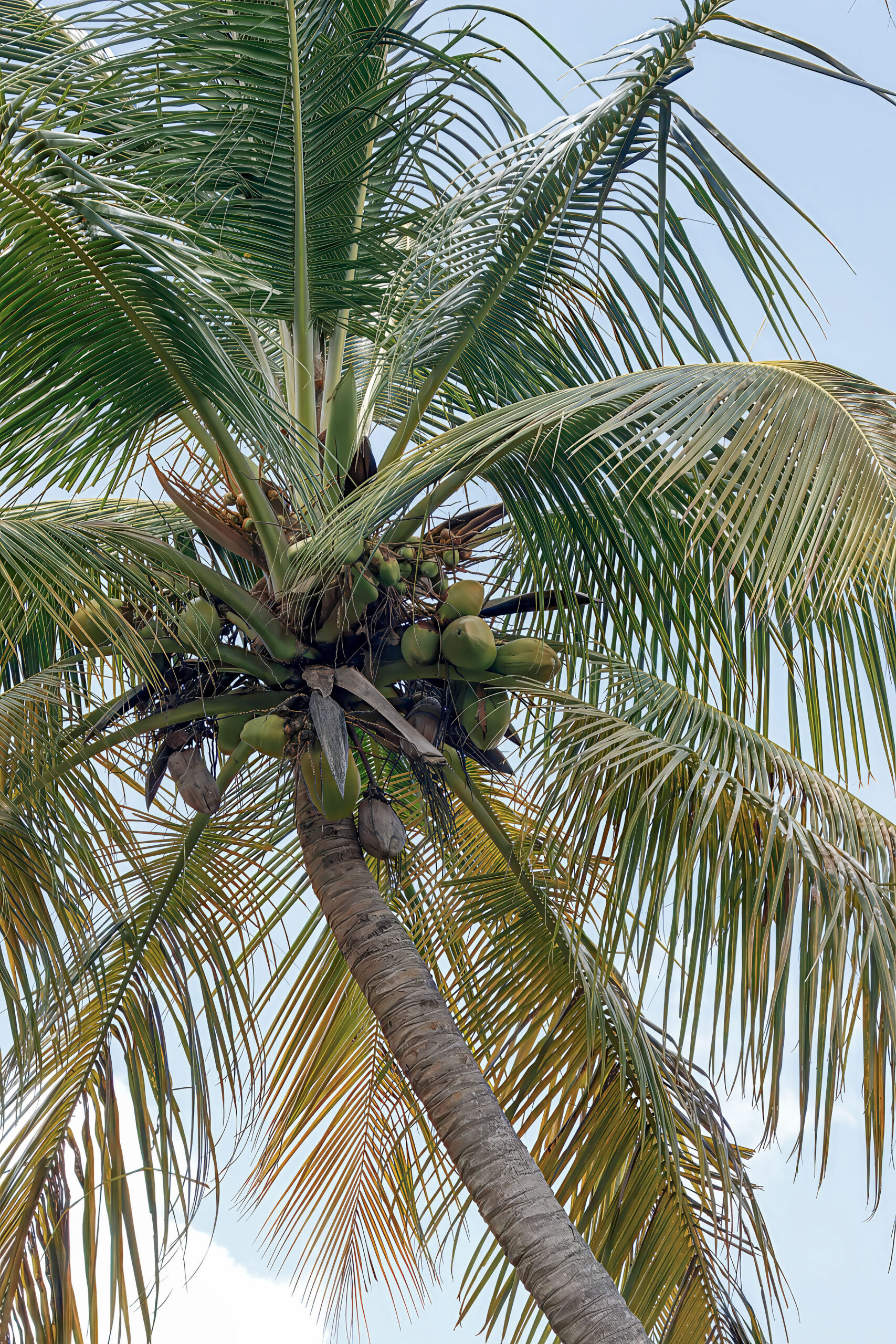
- Fruit Type: Fibrous drupe (commonly referred to as a “coconut”).
- Fruit Development: Takes 11–13 months from pollination to full maturity; immature green coconuts are harvested for water at ~6 months.
- Ripening Indicators: Browning of outer husk, natural fall of coconuts; inner shell hardens as fruit matures.
- Seasonality: Staggered fruiting due to continuous flowering; individual trees may bear fruit year-round, with higher yield during rainy seasons.
Observational Notes
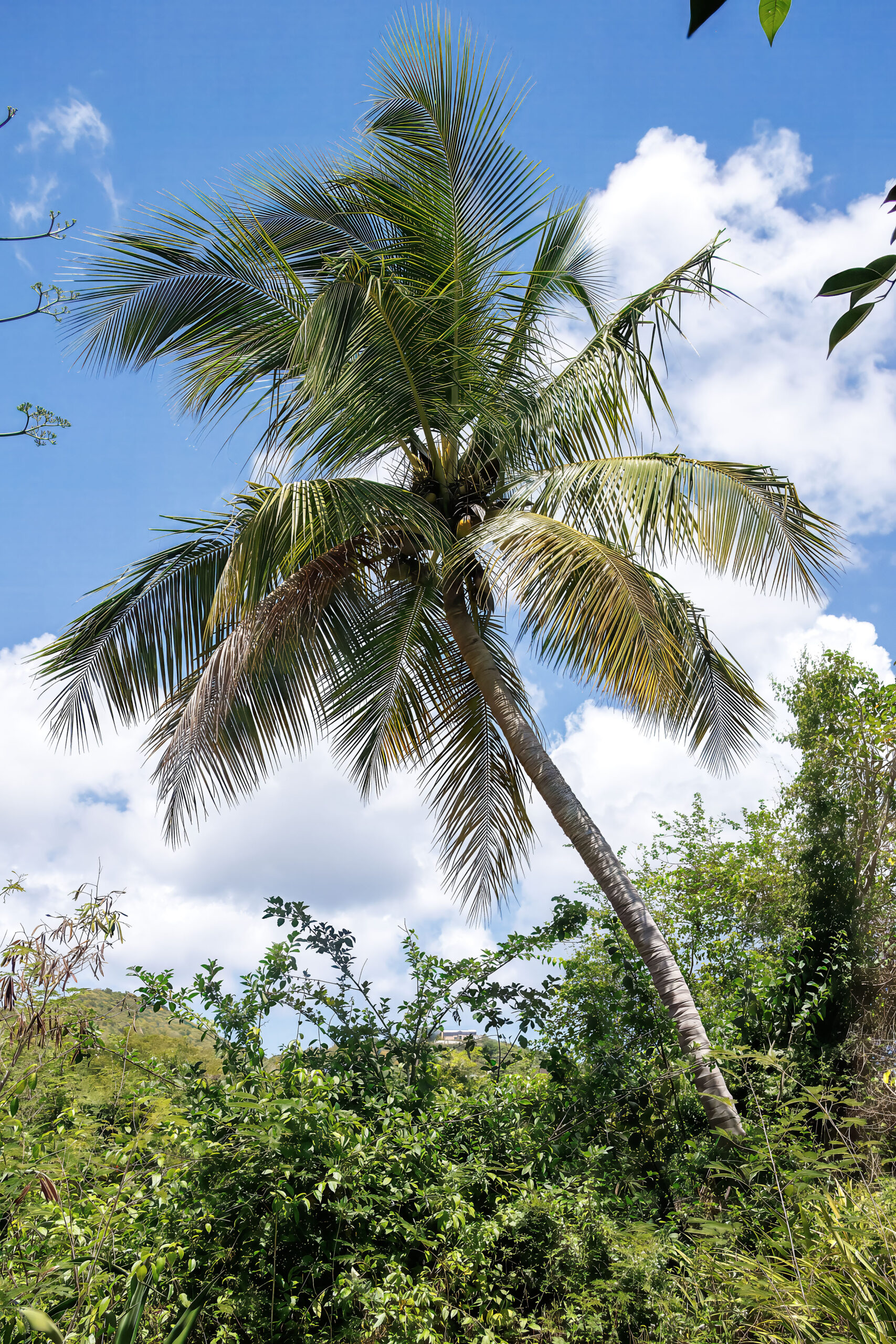
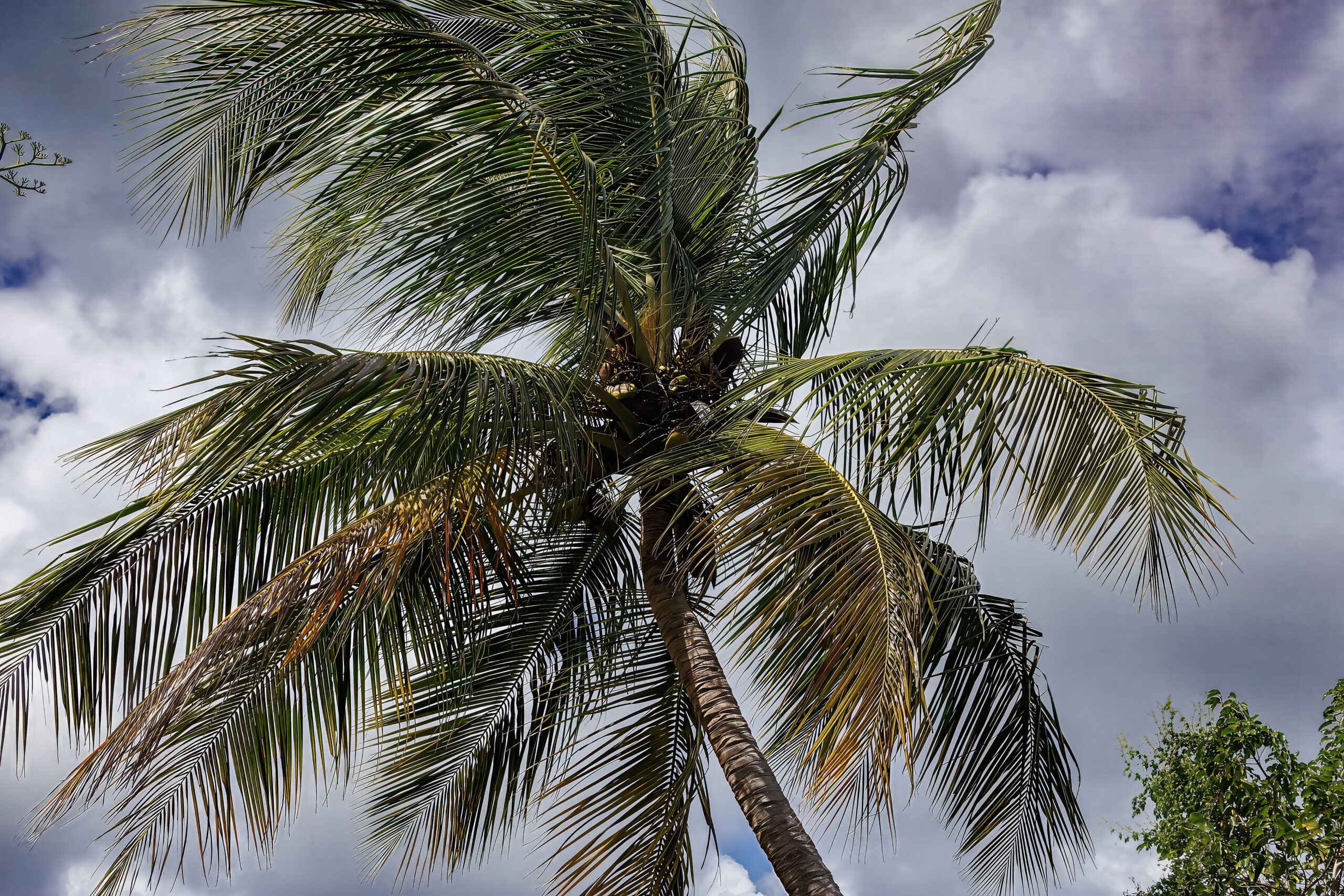
- Growth Habit: Tall, single-trunked palm reaching up to 30 m, with a crown of large pinnate leaves.
- Phenology Triggers: Environmental conditions (especially rainfall and nutrient availability) strongly affect flowering and fruiting intensity.
- Observation Tips: Track inflorescence initiation monthly; note maturity stages of coconuts for seasonal yield mapping. Frond replacement rate is also a good indicator of tree vigor.