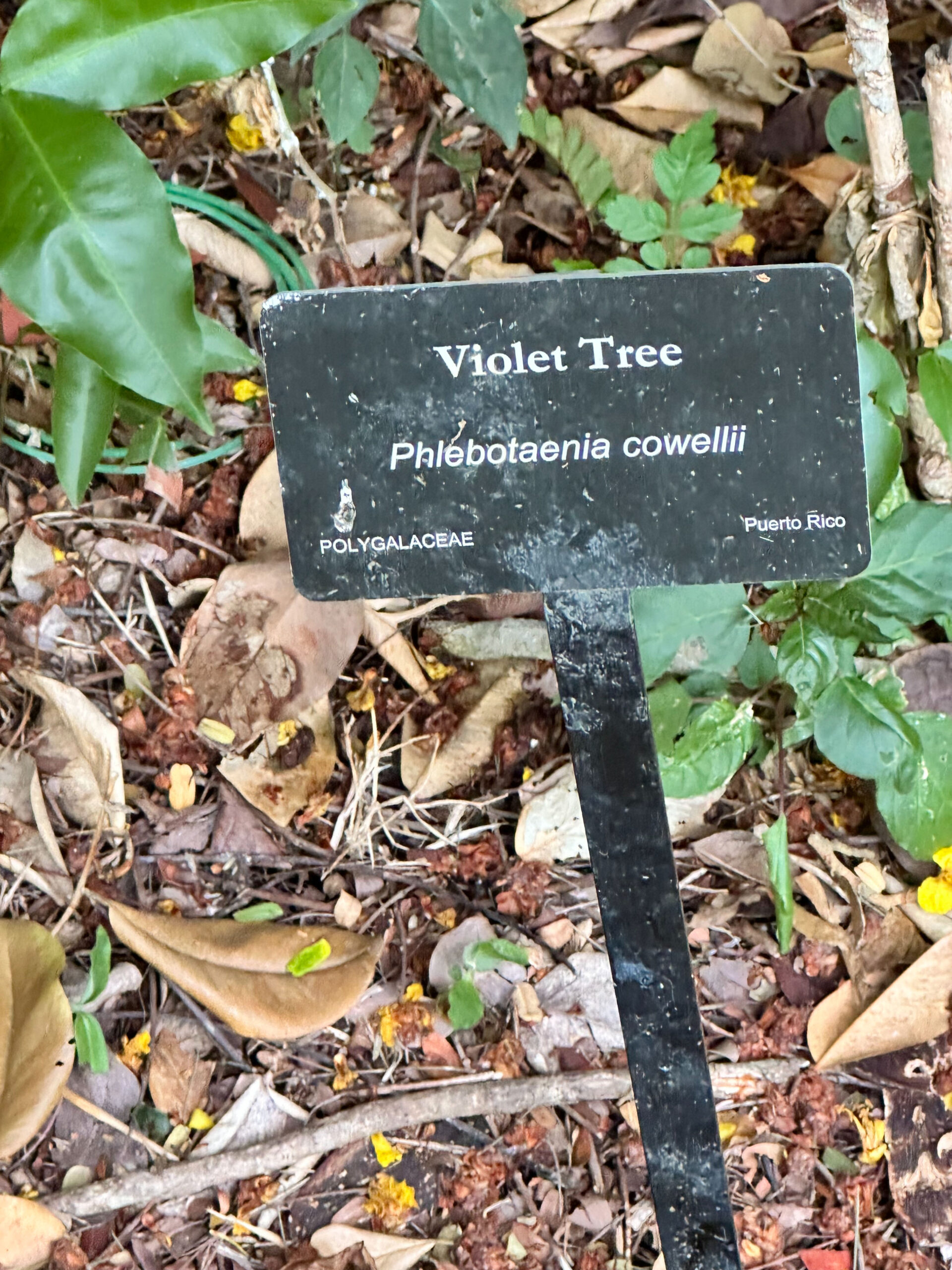
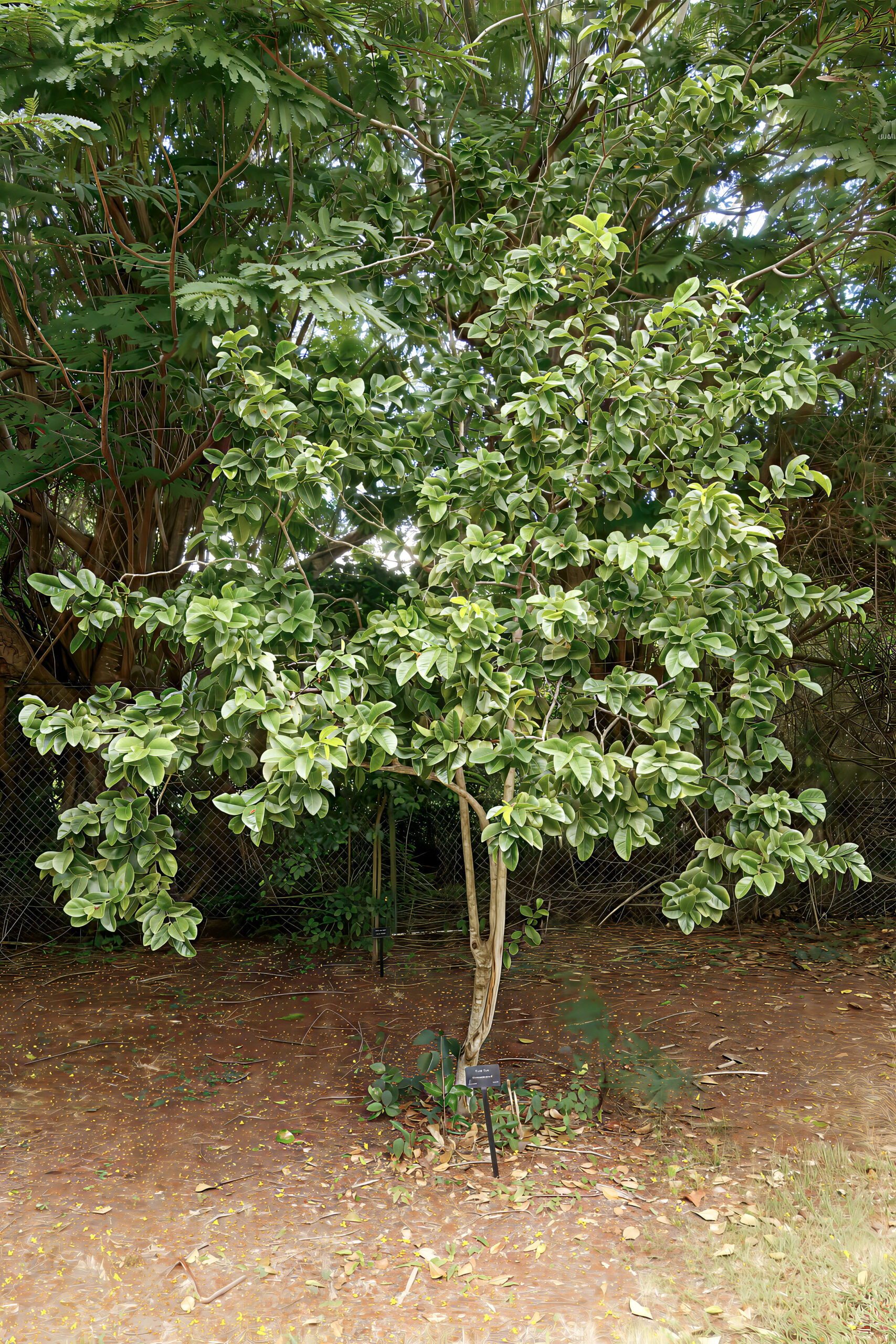
Violet Tree
Scientific name: Phlebotaenia cowellii
POWO Status: Not listed.
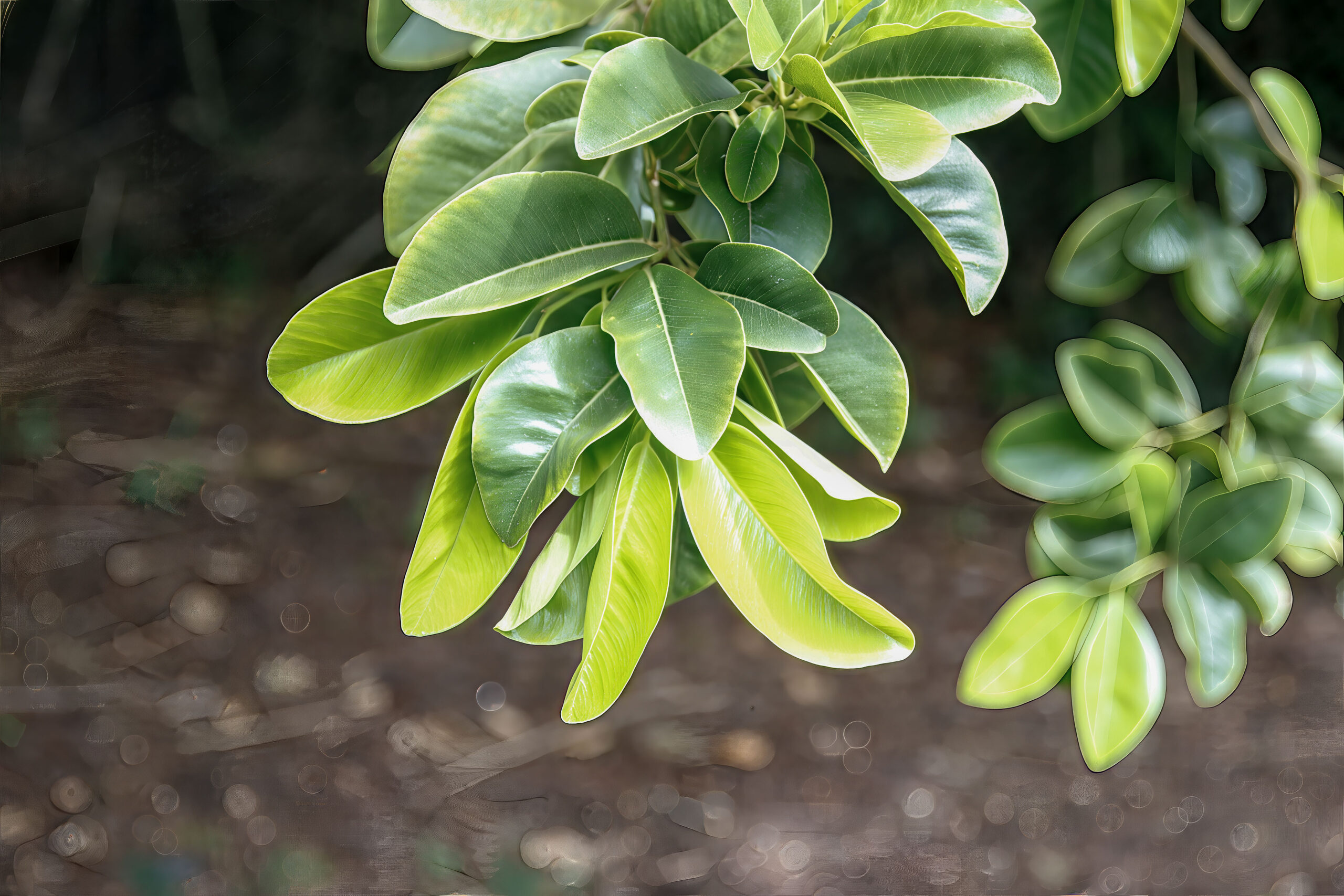
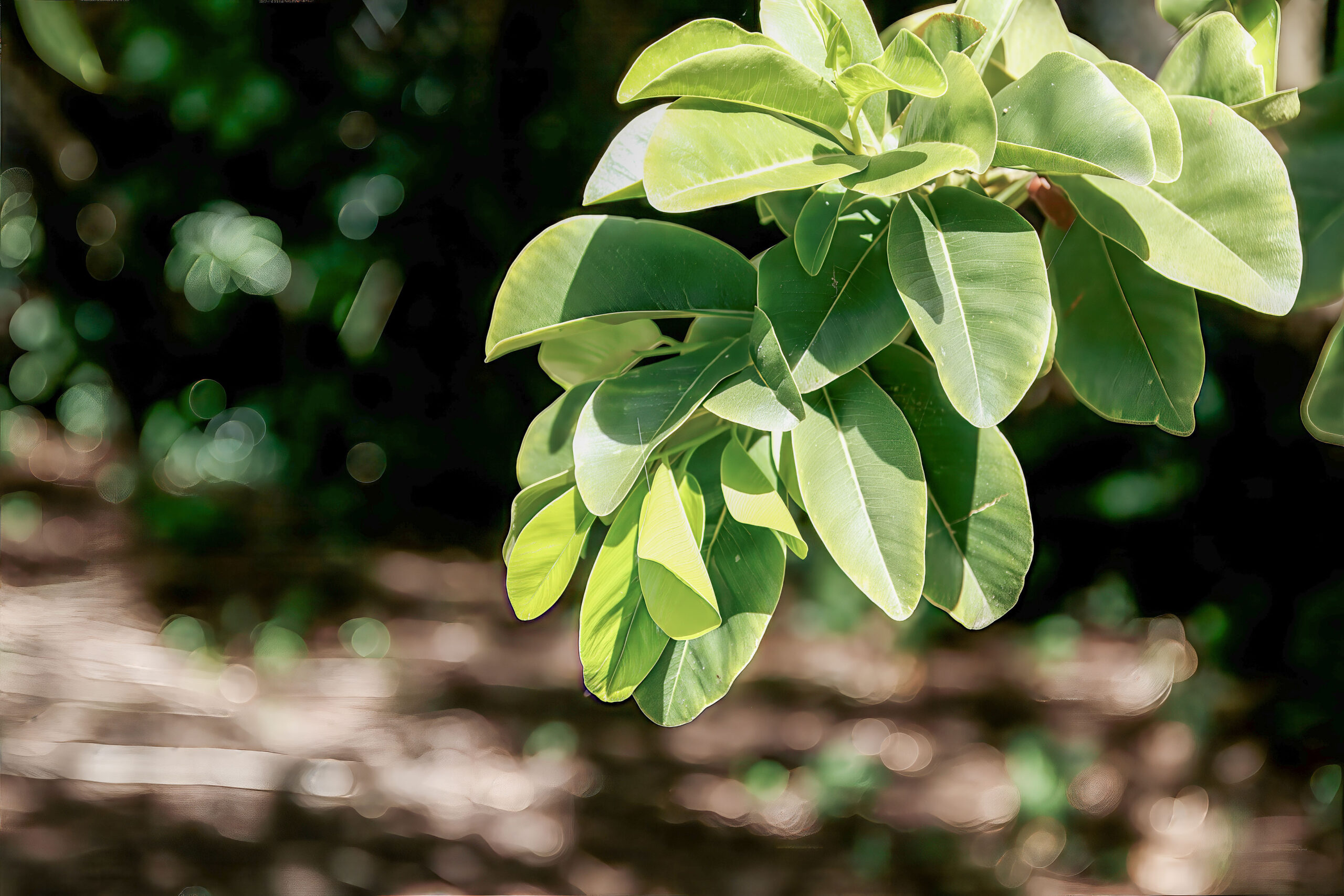
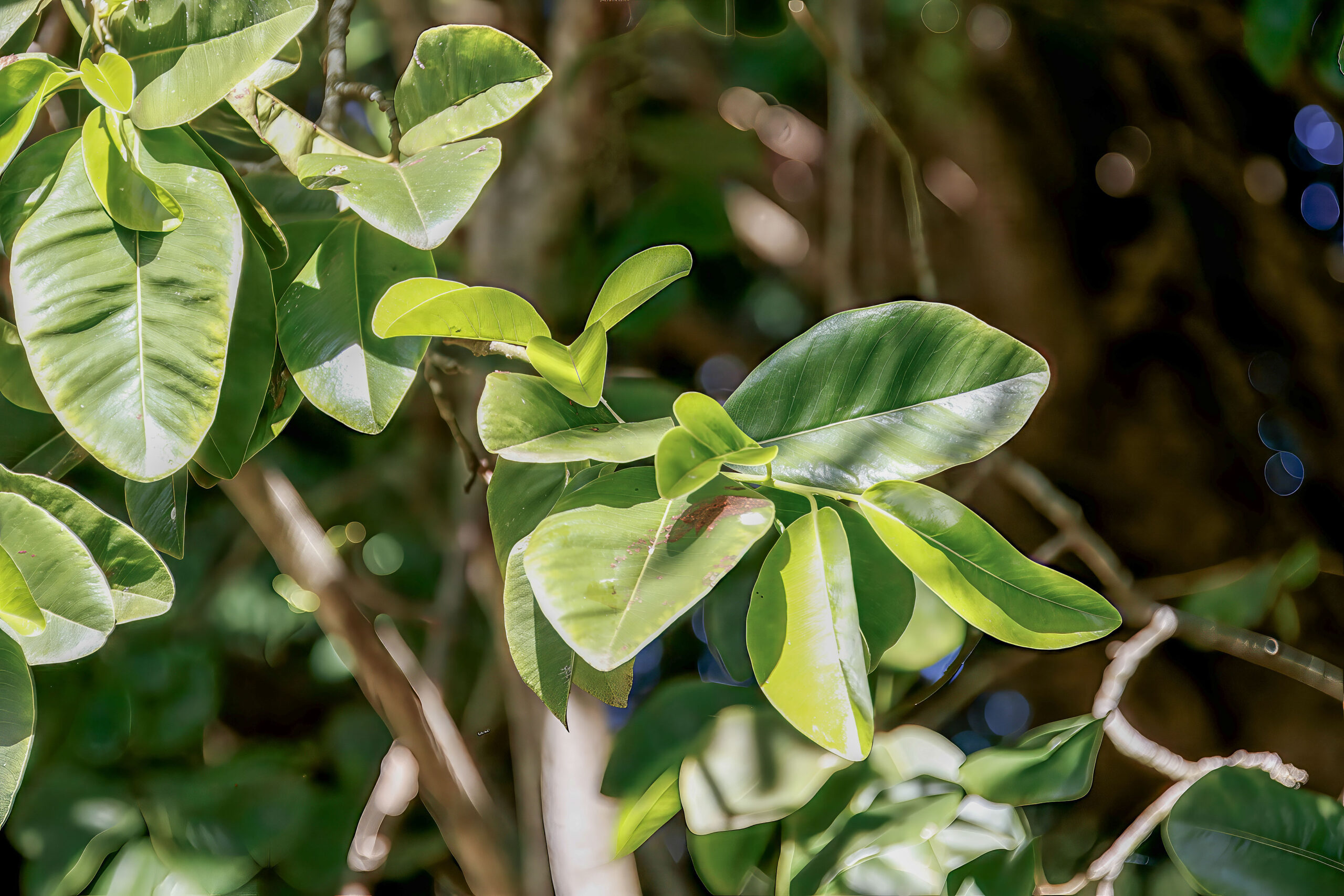
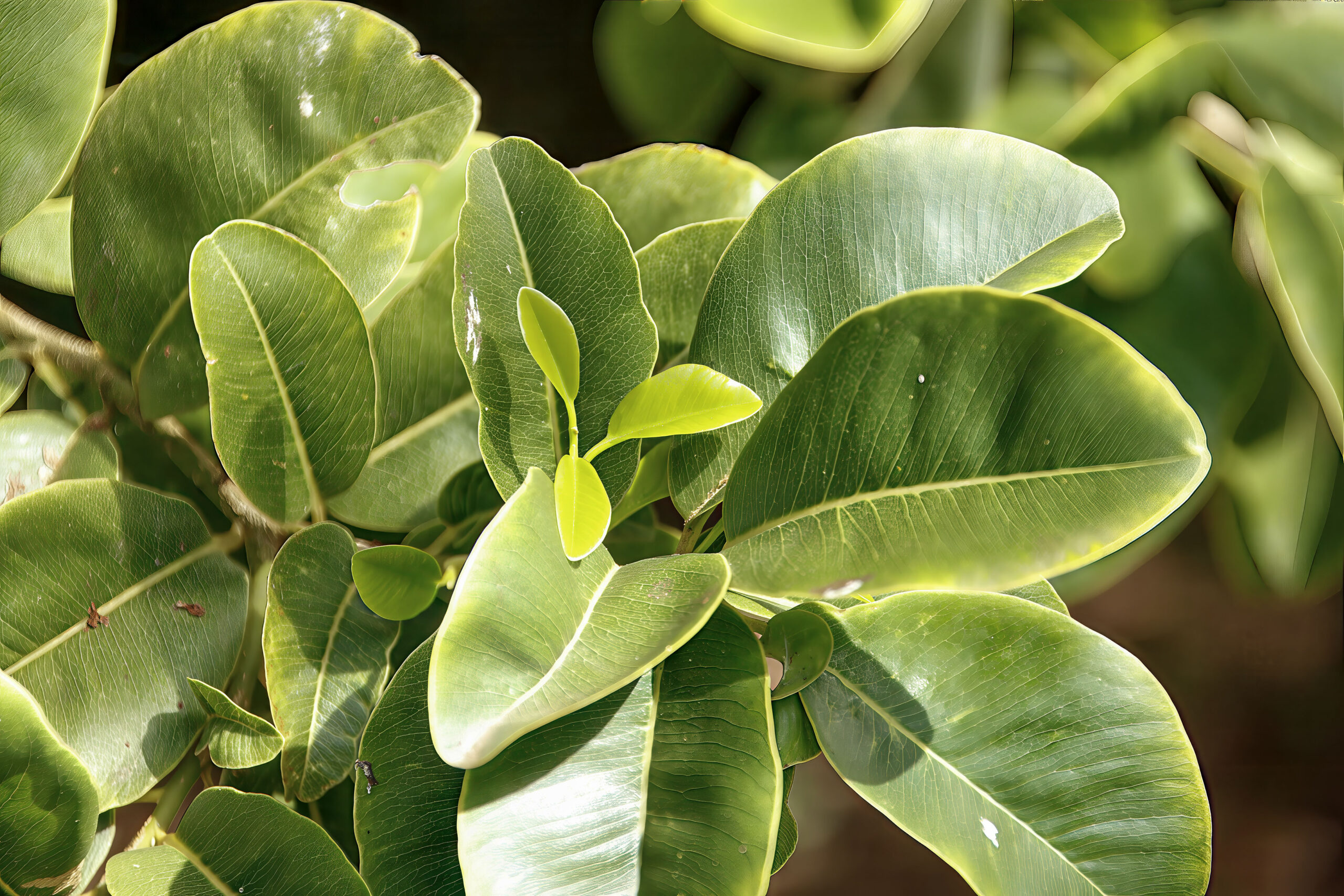
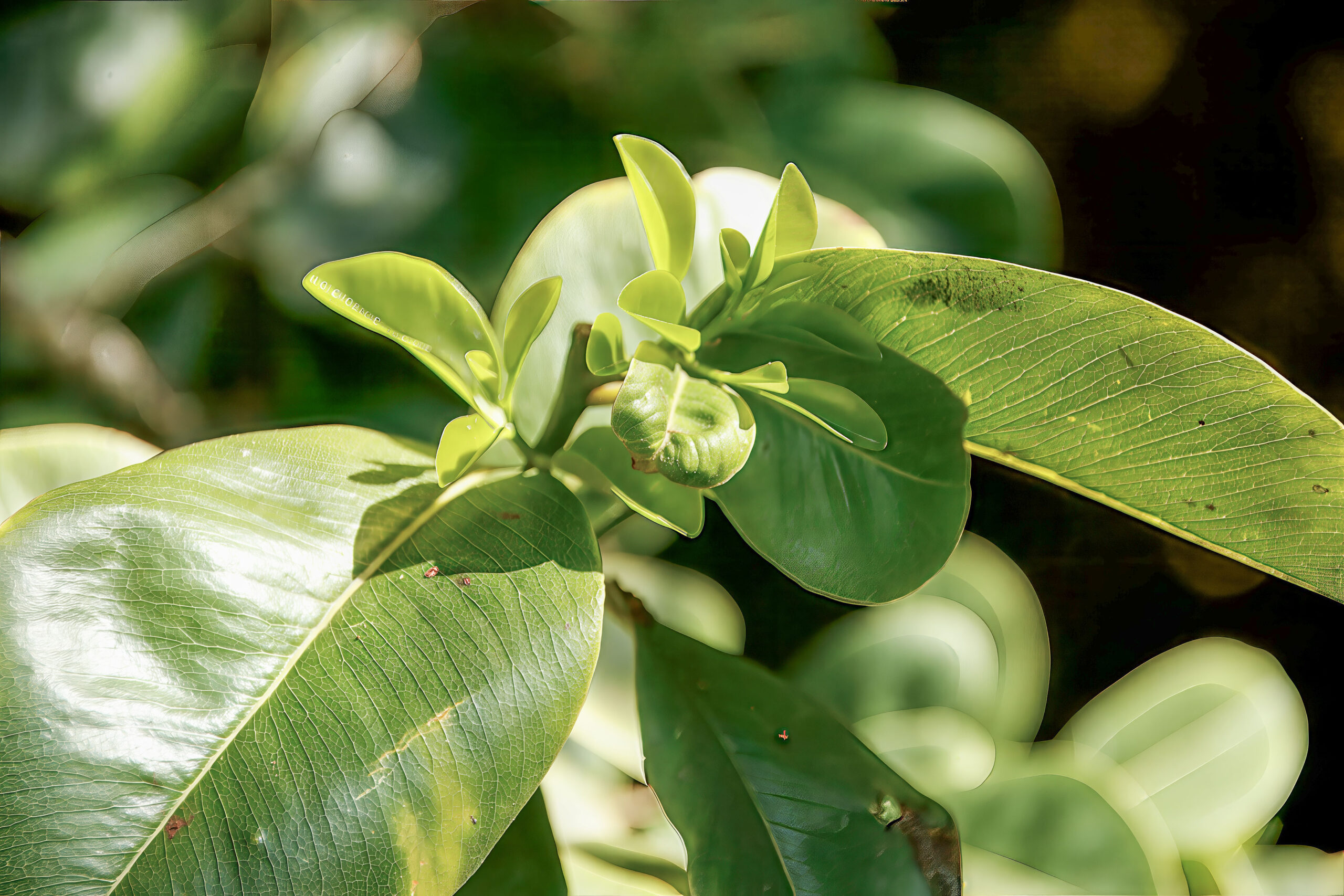
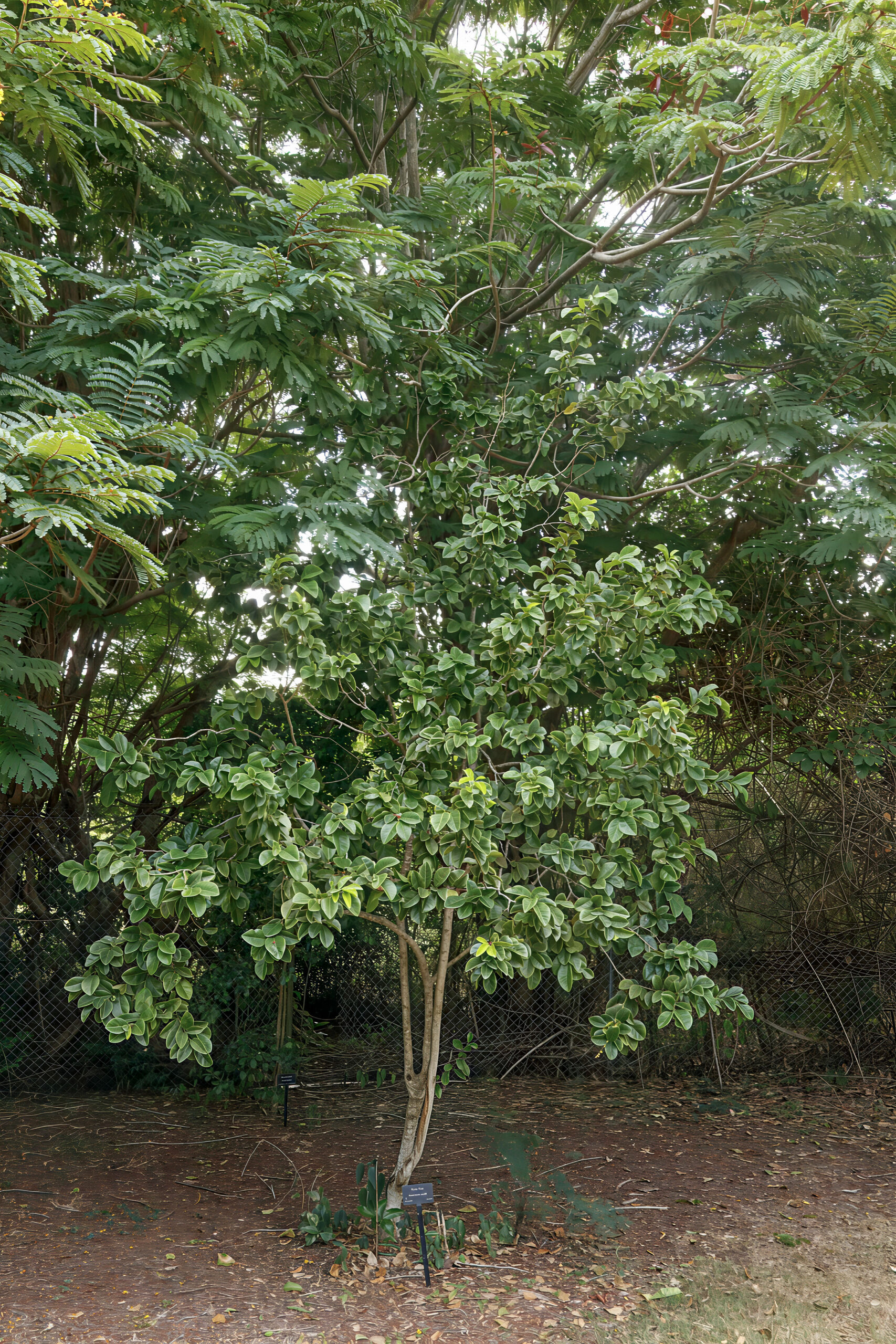
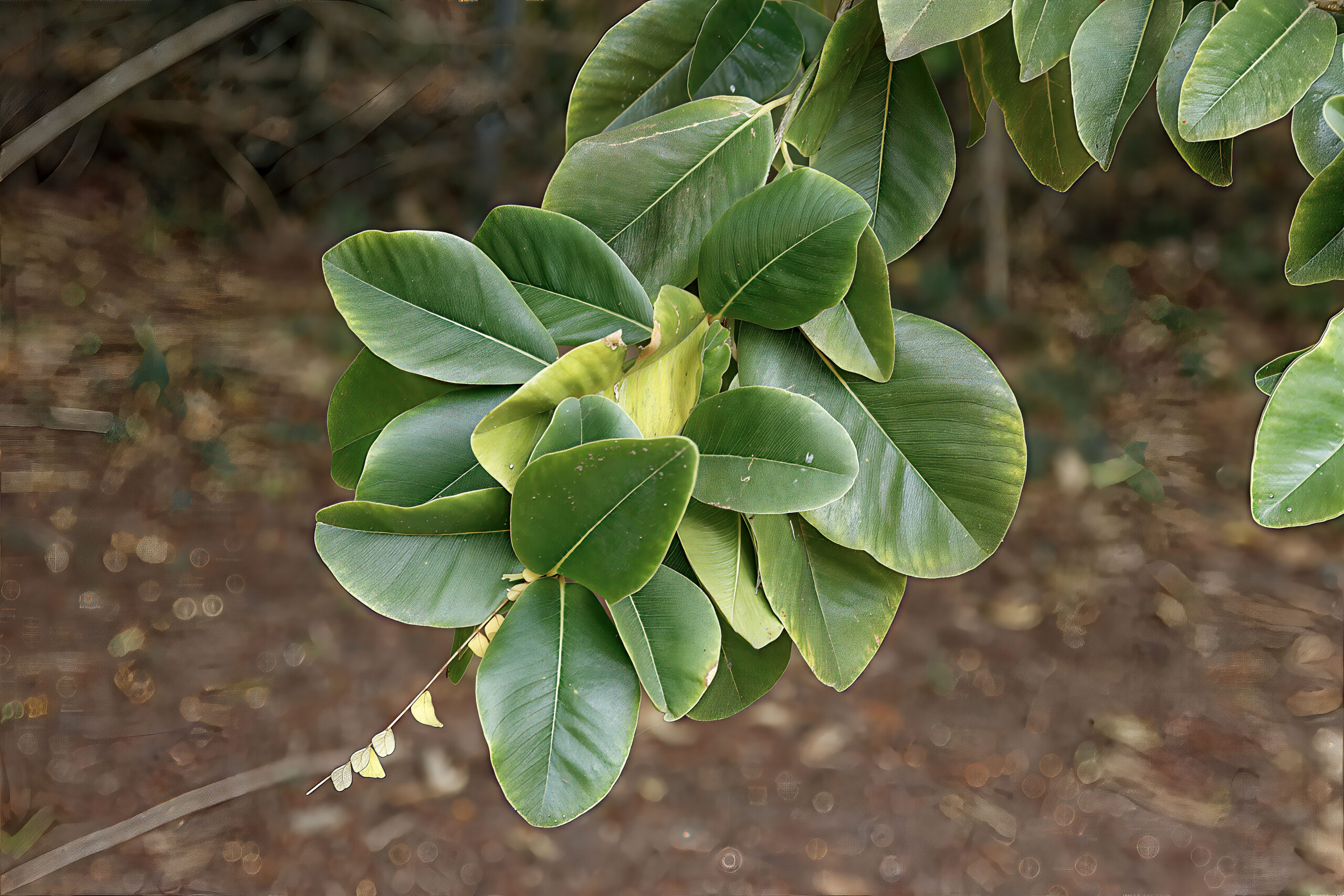
It is a rare tree found at low to middle elevations in the U.S. Virgin Islands. Specifically, it’s a tree that can grow to a height of 30 to 40 feet, according to the Center for Plant Conservation.
IUCN Red List threat level: Near Threatened
GPS Location: 17° 42′ 59.89″ N, 64° 49′ 49.60″ W


Medicinal Uses
In traditional medicine, a tea made from the flowering shrub Phlebotaenia cowellii (also known as Polygala cowellii or Cowell’s Phlebotaenia) has been used to treat various ailments.
Specific traditional medicinal uses include:
- Fever
- Headache
- Stomach problems
Phlebotaenia cowellii is native to Central and South America, including Puerto Rico, where it is known as “Palo de Violeta”. In addition to its traditional medicinal uses, it is also cultivated as an ornamental plant.
Observations:
Phenological Markers – Violet Tree (Phlebotaenia cowellii)
Common Name: Violet Tree
Scientific Name: Phlebotaenia cowellii
Family: Polygalaceae
Origin: Caribbean native (notably Puerto Rico and Hispaniola)
Form: Shrub or small tree, 1–3 meters in height, multi-stemmed habit
Annual Phenological Cycle
| Phenophase | Typical Timing (St. Croix – Lowland Tropical) | Field Notes |
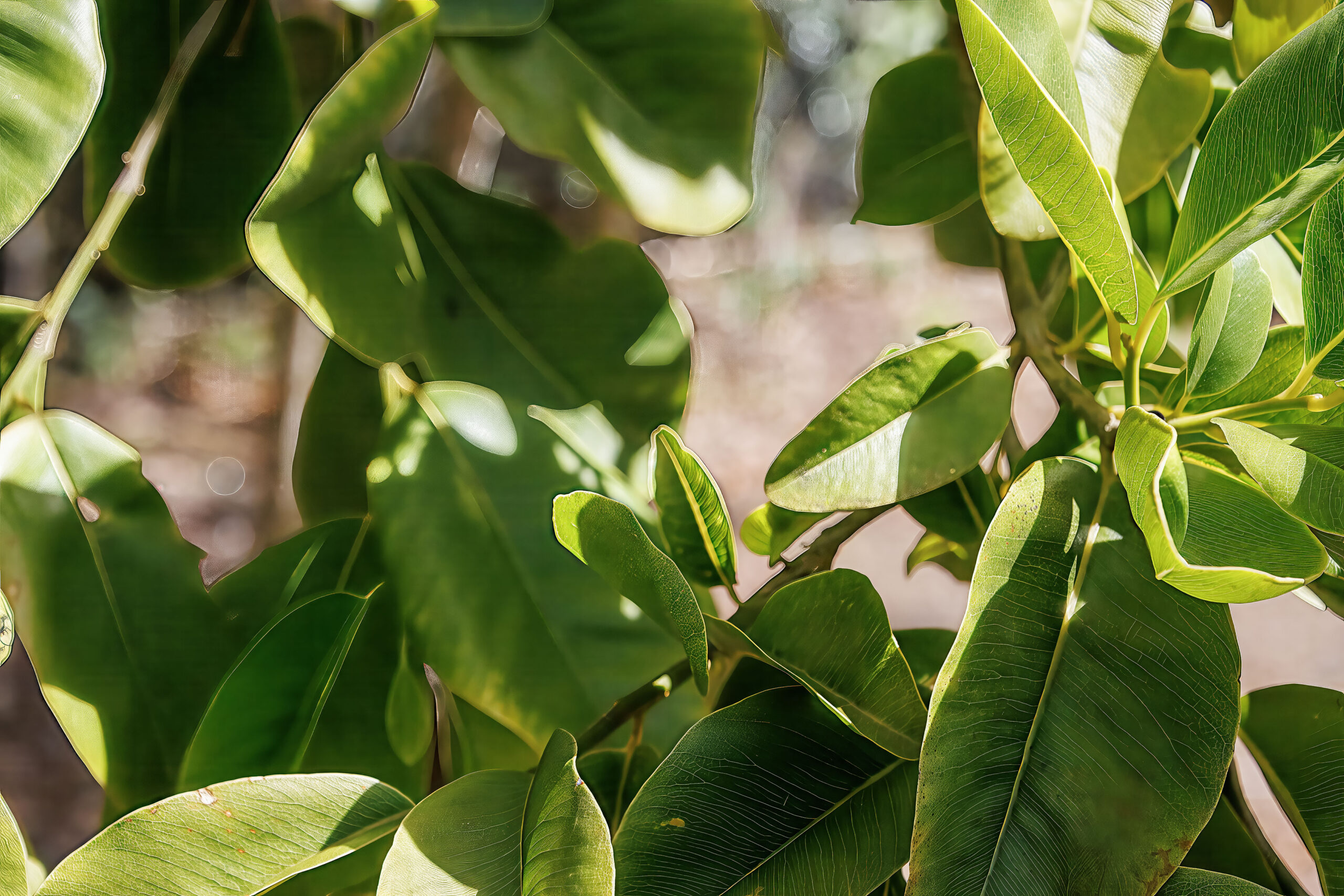
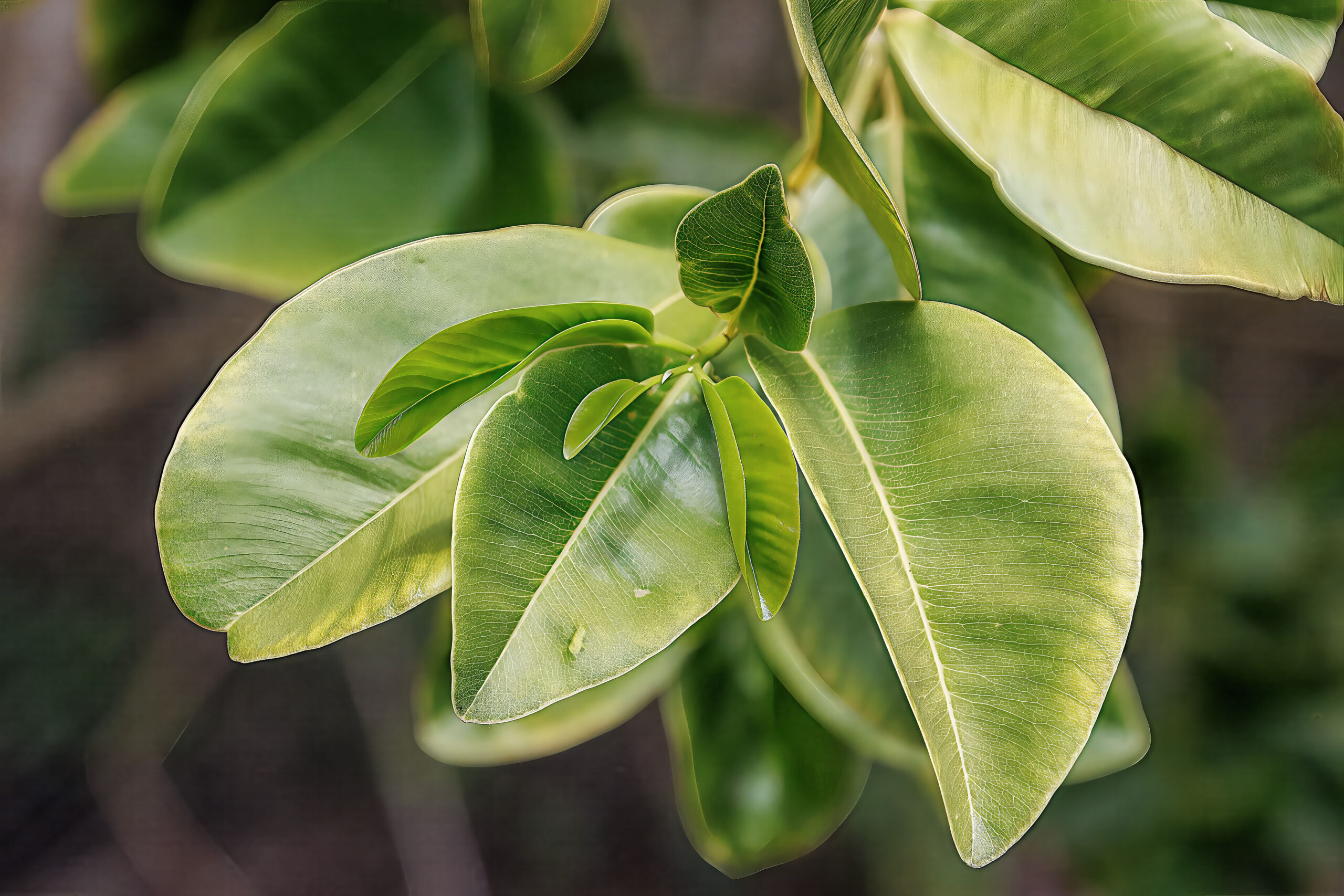
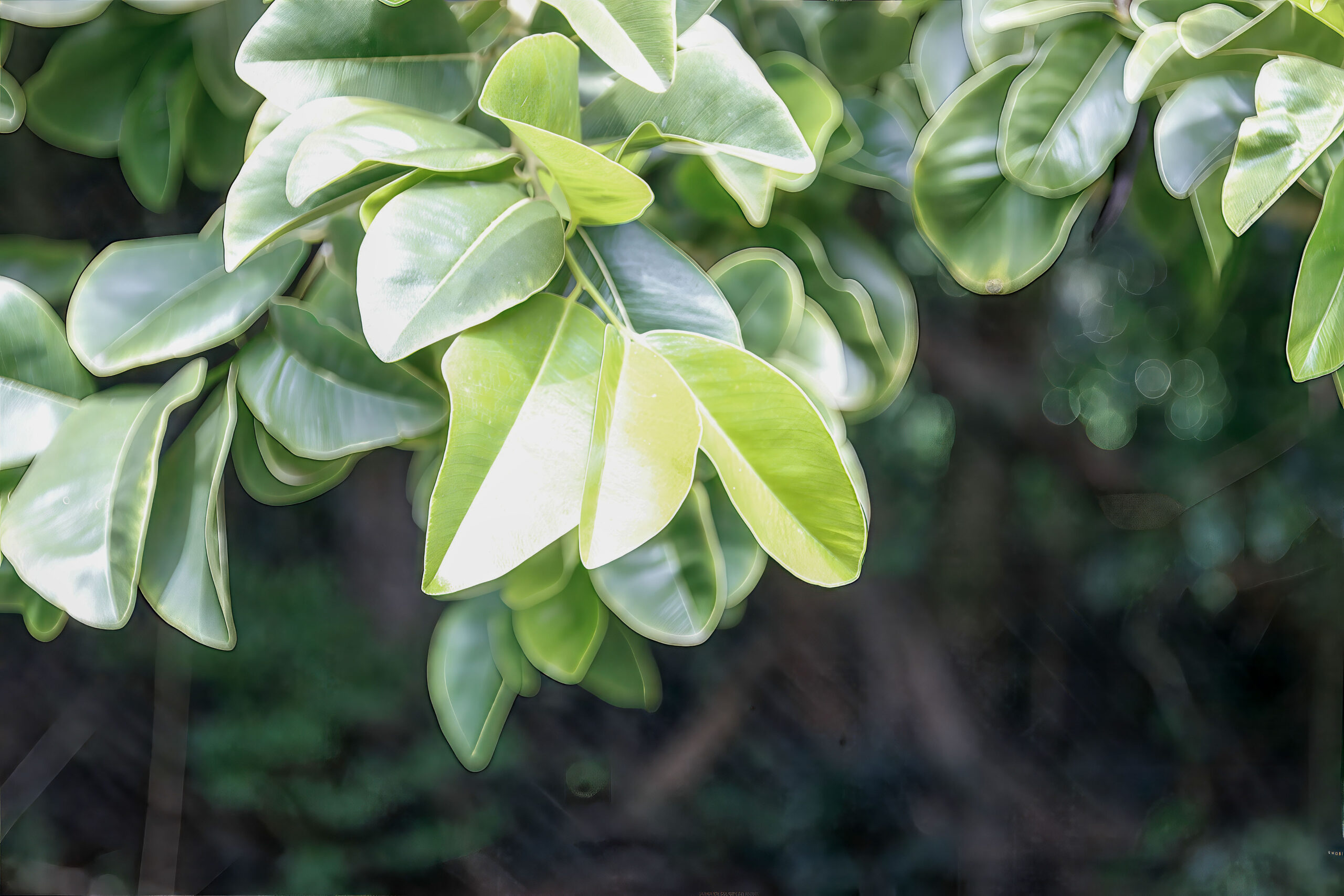
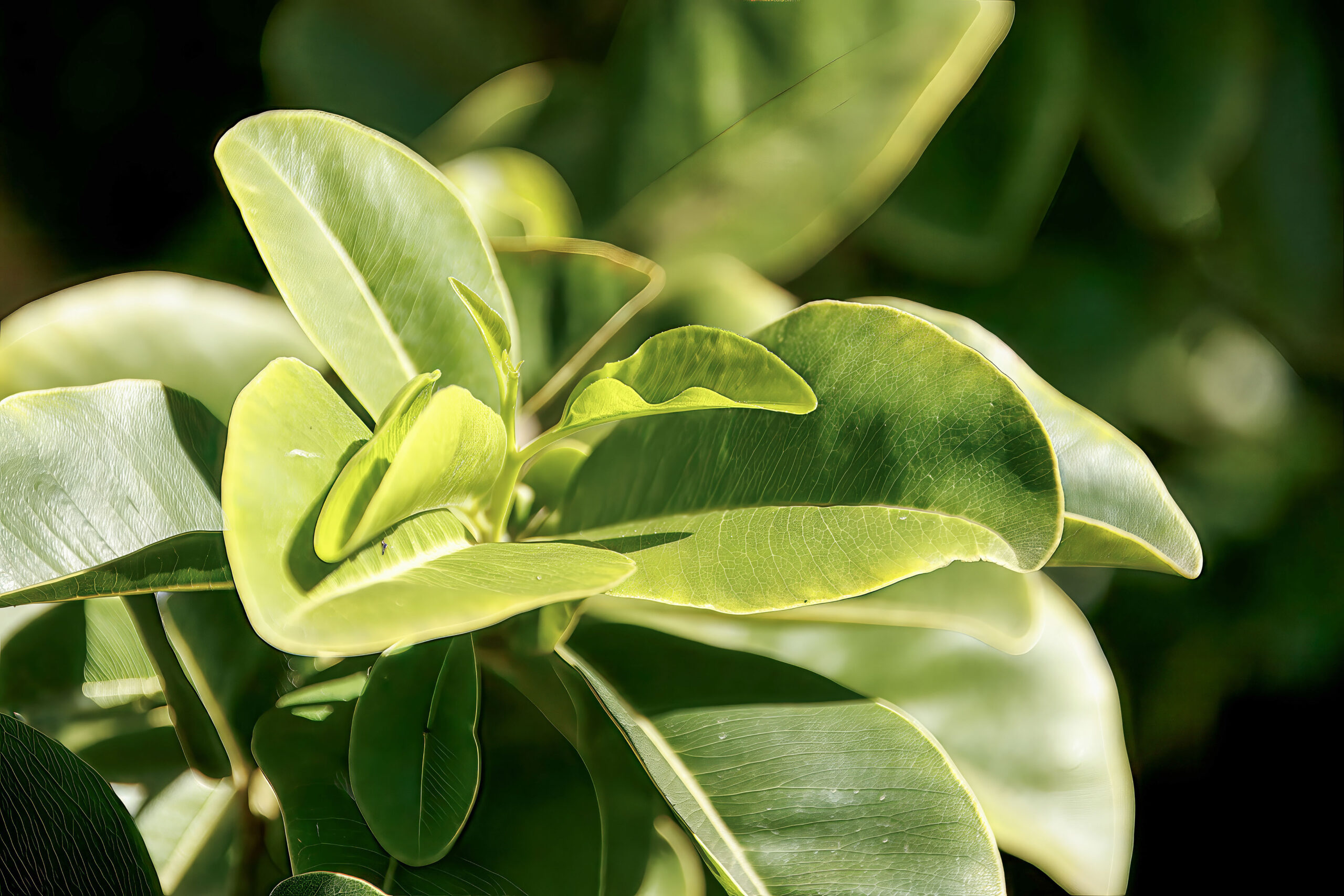
| Leaf Flush | April – June | Fresh foliage appears at the start of the rainy season. New leaves are light green and thin. |
| Flowering | July – October | Small, violet to reddish-purple flowers emerge in loose clusters. |
| Fruit Development | August – November | Flat, dry seed capsules follow flowering. May persist on branches into dry season. |
| Leaf Drop (Partial) | February – March (dry season) | Partial deciduousness observed during dry spells; may retain core canopy. |
| Dormancy | March – April (minimal growth) | Growth pauses briefly before wet season flush. |
Identification Notes
- Bark is smooth, grey-brown.
- Flowers have a distinct violet hue, giving rise to the common name.
- Typically found in disturbed habitats or limestone scrub.
- Rare in cultivation but of interest for conservation plantings.