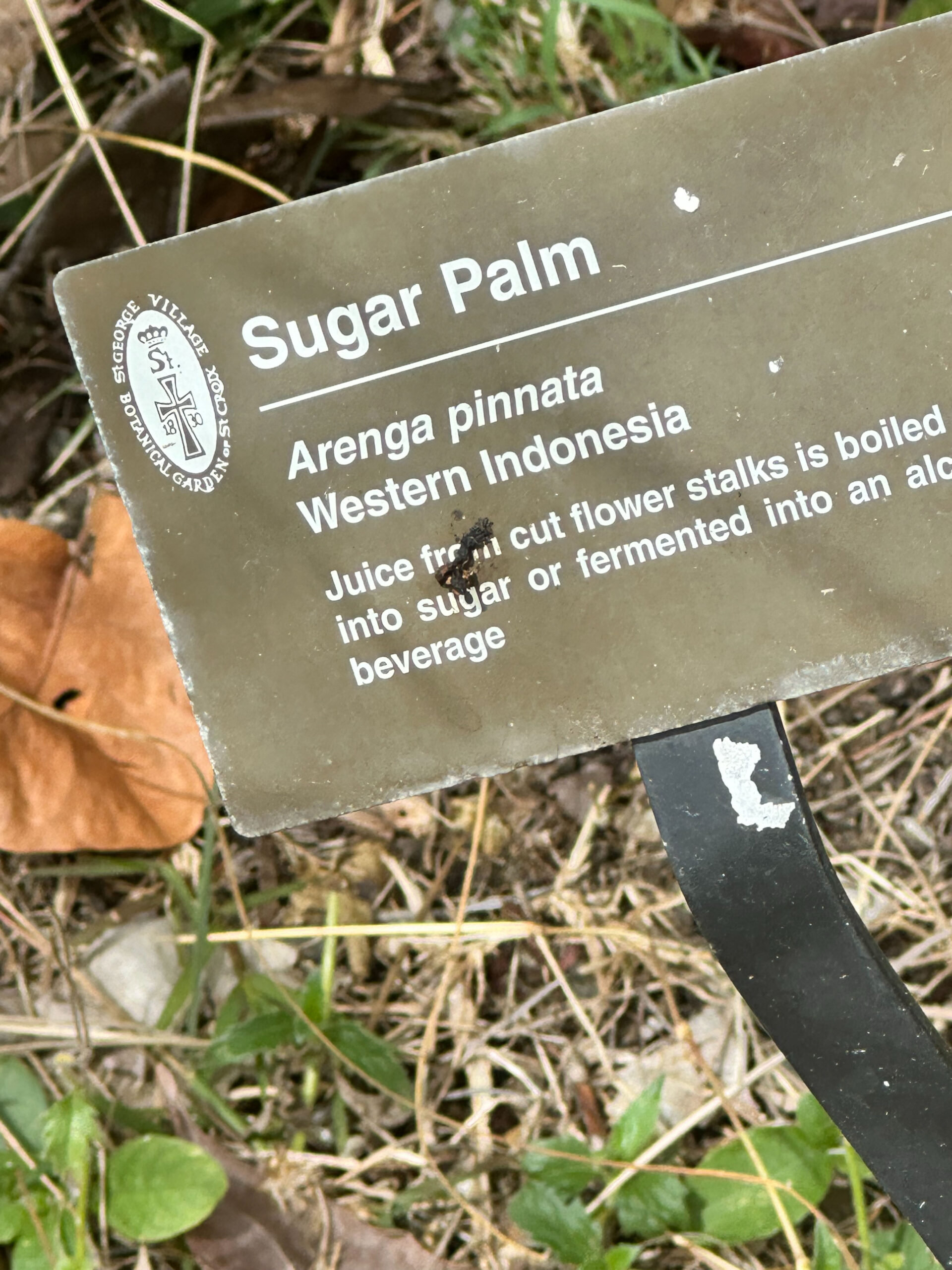
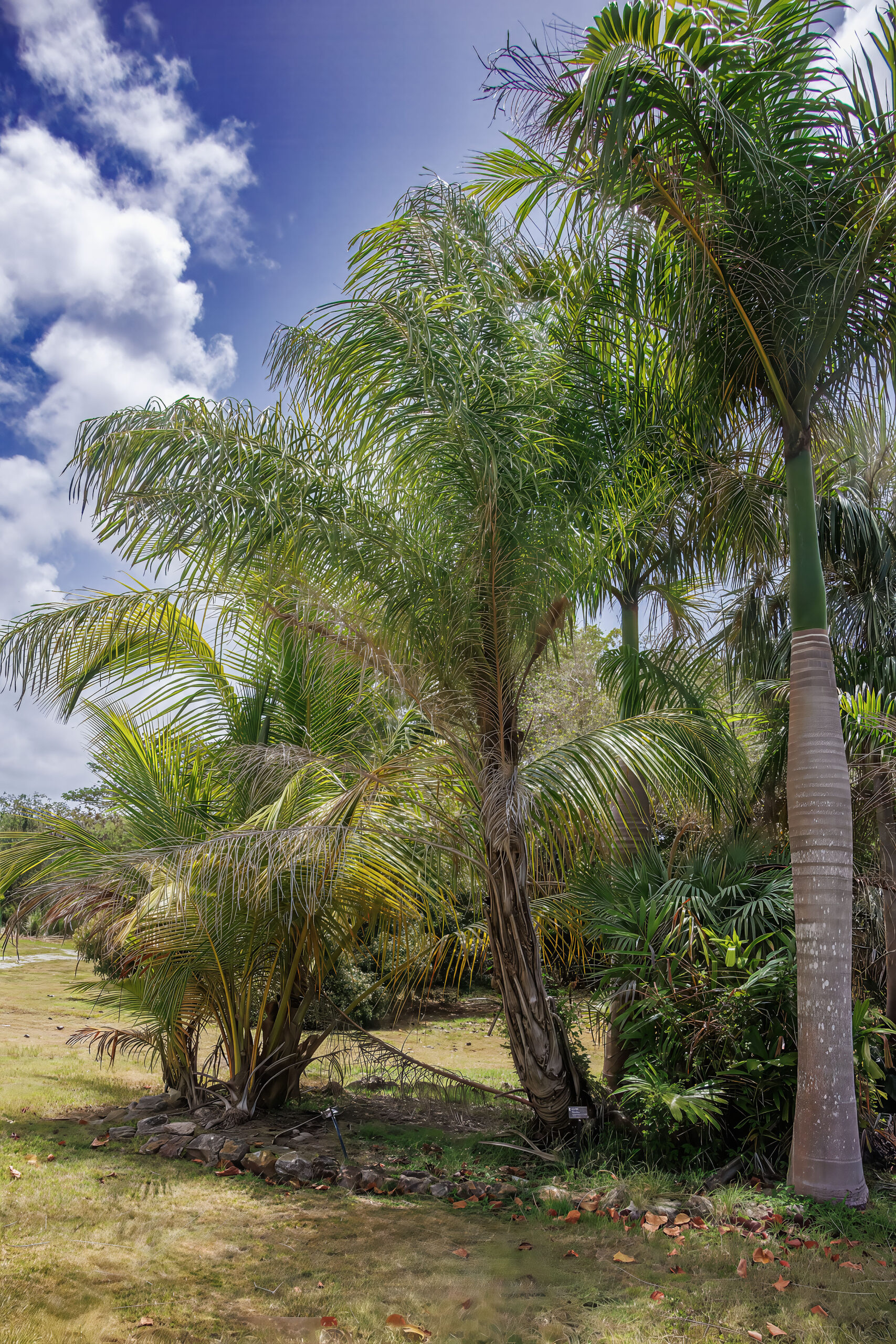
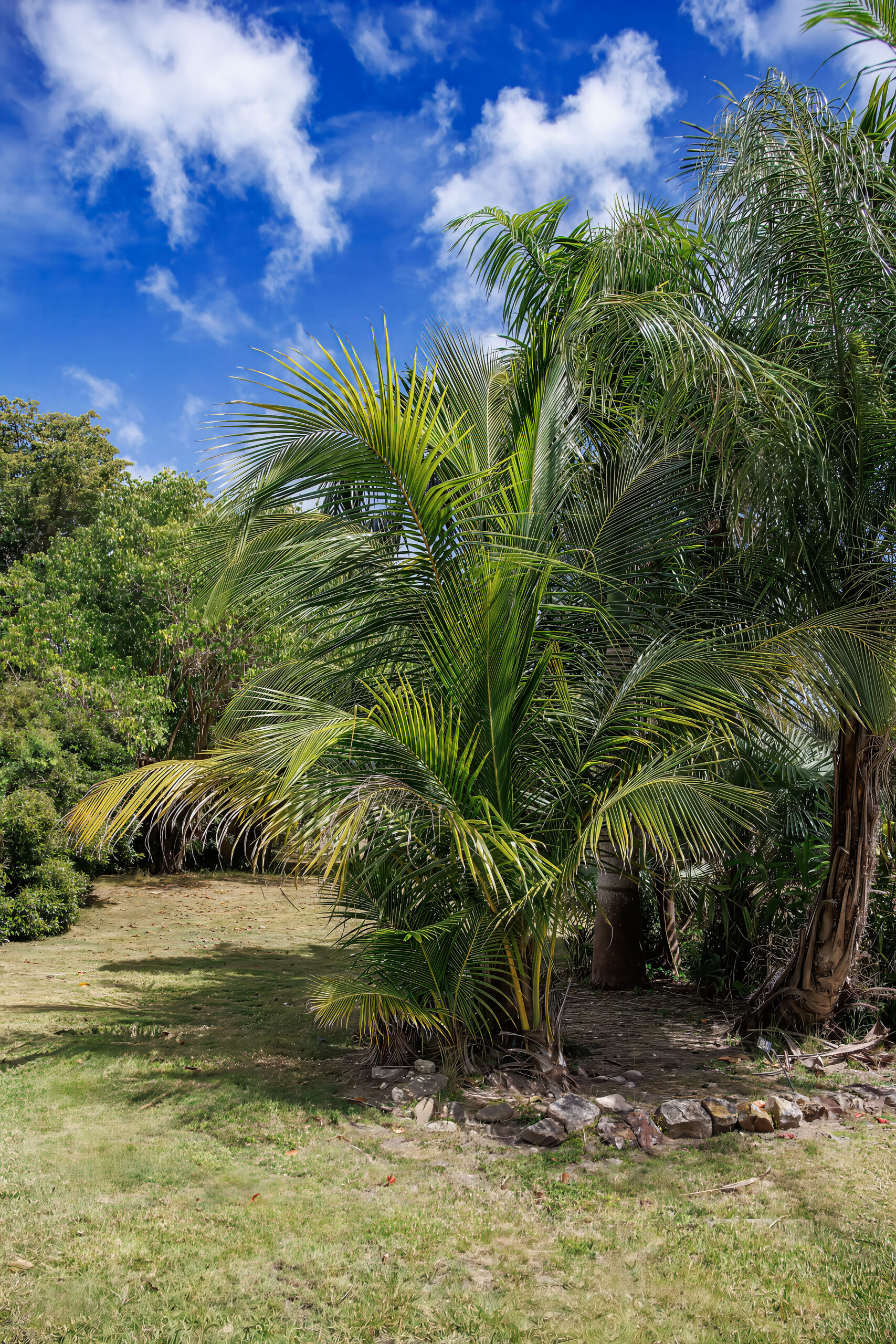
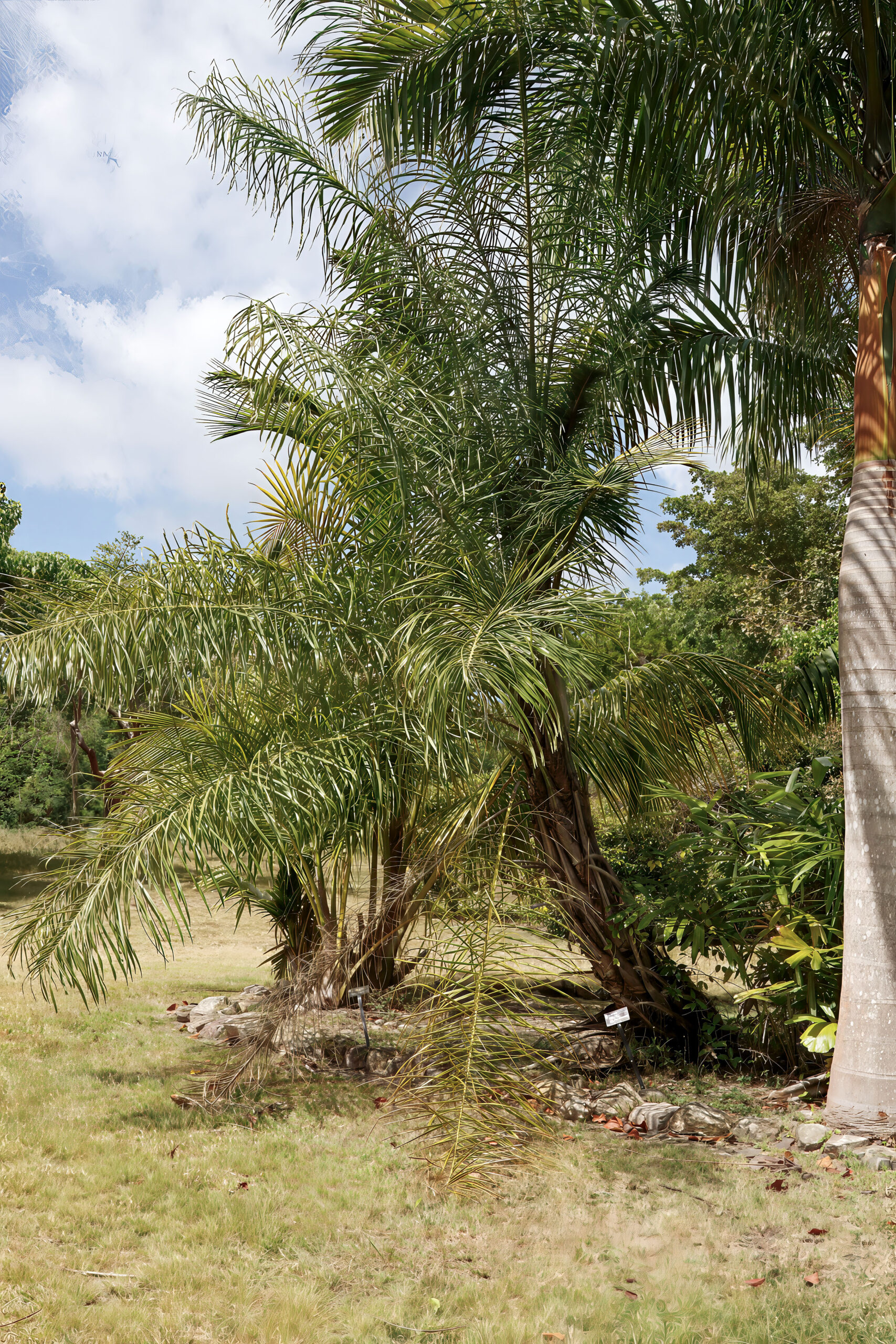
Sugar Palm
Scientific name: Arenga pinnata
POWO Status: Tree
IUCN Red List threat level: Least Concern
GPS Location: 17° 42′ 59.03″ N, 64° 49′ 46.44″ W


Medicinal Uses
Arenga pinnata (Sugar Palm) is used in traditional medicine for pain, inflammation (especially osteoarthritis), digestive issues (stomachic, appetite), fever, and as a diuretic, with various parts offering different remedies, like roots for kidney stones/toothache, fruit for pain, and sap for general vitality. Its polysaccharides, particularly galactomannan, show promise as analgesics, anti-inflammatories, and even for skin health (anti-photoaging).
Medicinal Uses by Plant Part:
- Roots (Young): Used for kidney stones in Malaysia; a decoction benefits lungs, digestion, and appetite.
- Roots (Old): Applied for toothaches.
- Stems/Petioles: Used as diuretics and fever reducers (antithermic) in the Philippines.
- Petiole Fuzz (Fibers): Applied as styptics (stops bleeding) and cicatrizants (promotes healing) on wounds.
- Fruit: Eaten for revitalization; extracts show significant anti-inflammatory and analgesic effects, helping with osteoarthritis pain.
- Sap (Fermented): Distilled into tuak (palm wine) and mixed with other herbs for general medicinal purposes.
- Pith (from leaf rachis): Used for wounds and as cups.
Scientific Findings:
- Analgesic & Anti-inflammatory: Extracts from the fruit (like SFEE) contain flavonoids, alkaloids, and quinones, demonstrating effectiveness against pain and inflammation, similar to conventional drugs like diclofenac.
- Galactomannan: This key polysaccharide in the fruit provides the pain-relieving and anti-inflammatory properties.
- Skin Health: Galactomannan fractions show potential in combating skin aging caused by UV (photoaging).
- Digestive Health: An edible fungus powder from A. pinnata is used to nourish the spleen and stomach.
Traditional Beliefs:
- Consuming arenga sugar is thought to revitalize the body.
Arenga pinnata is a versatile plant, offering natural remedies for various ailments, with modern science validating some of its traditional applications, particularly in pain management and inflammation.
Observations:
Phenological Markers – Sugar Palm (Arenga pinnata)
Common Name: Arenga Palm, Sugar Palm
Scientific Name: Arenga pinnata (Wurmb) Merr.
Family: Arecaceae (Palm family)
Origin: Native to Southeast Asia; cultivated and occasionally naturalized in tropical regions
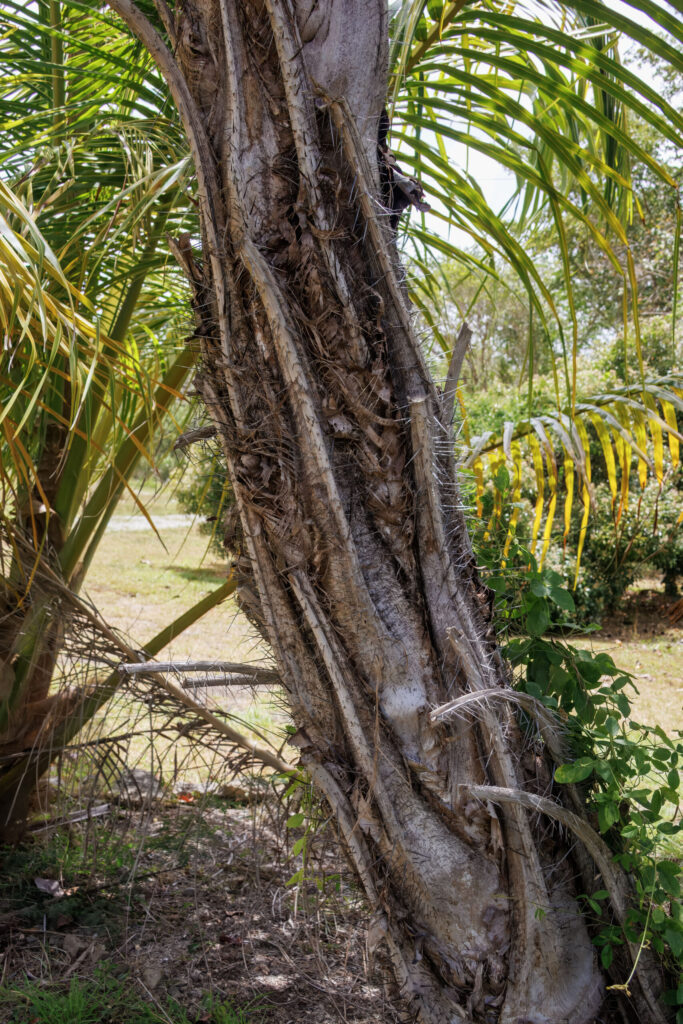
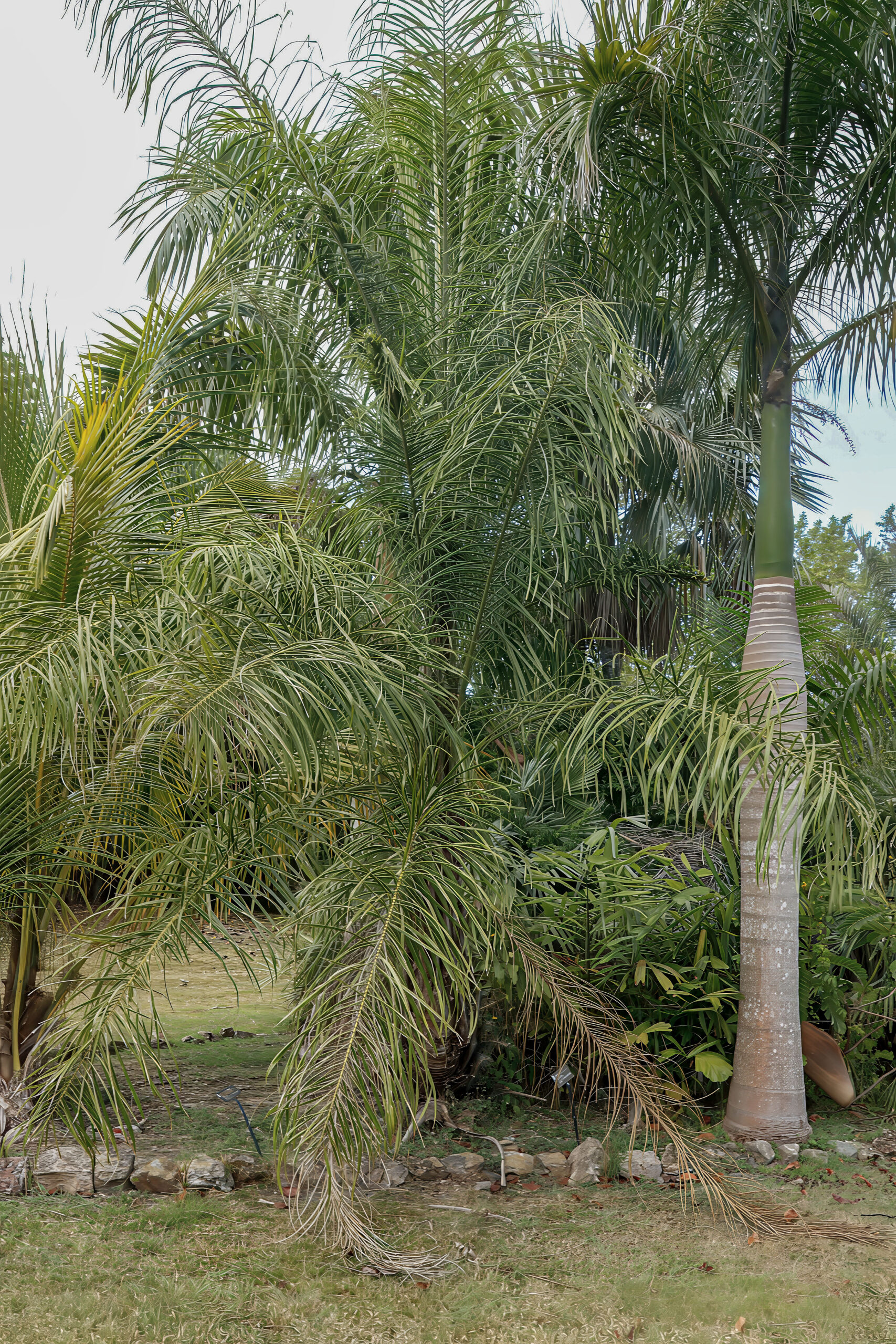
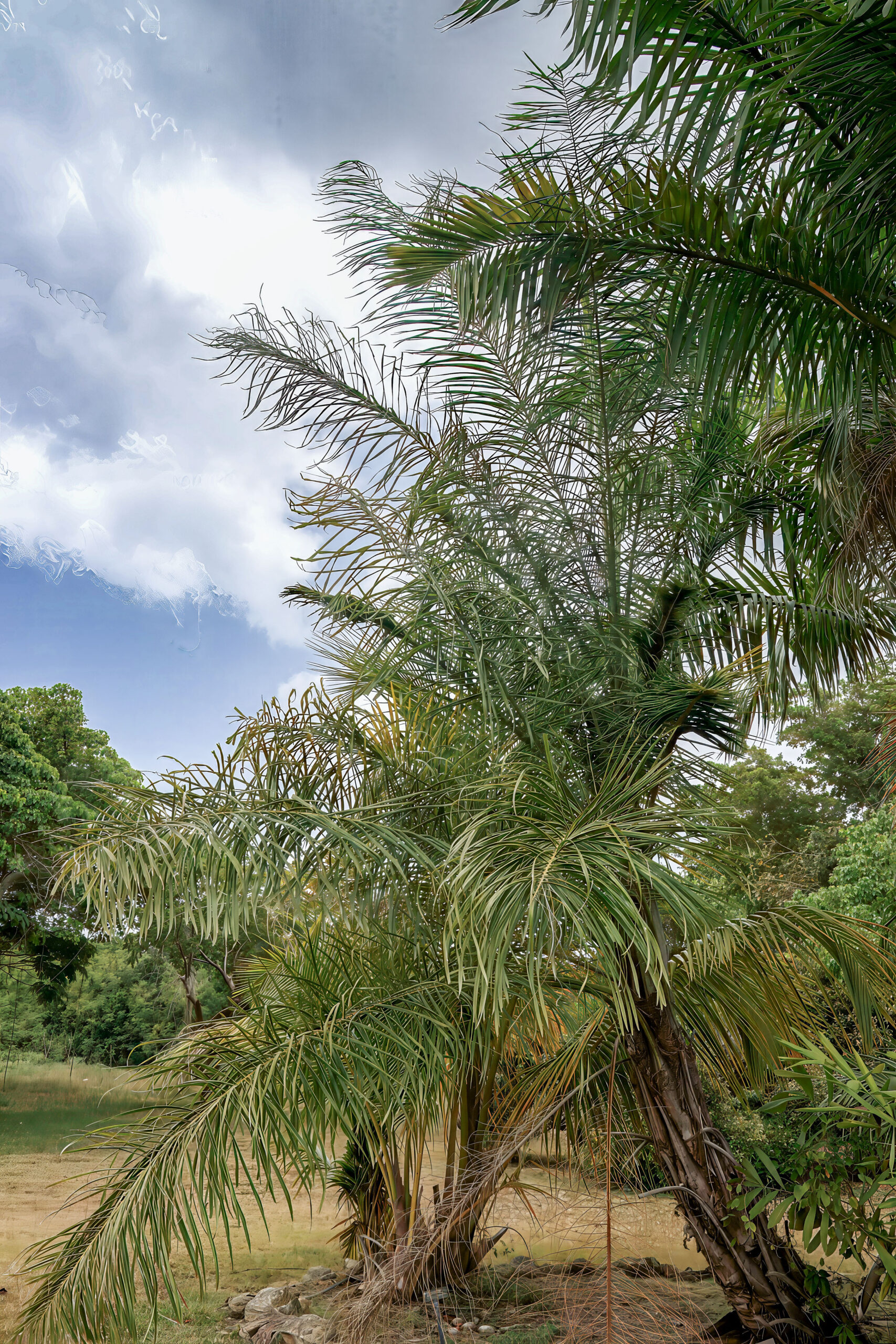
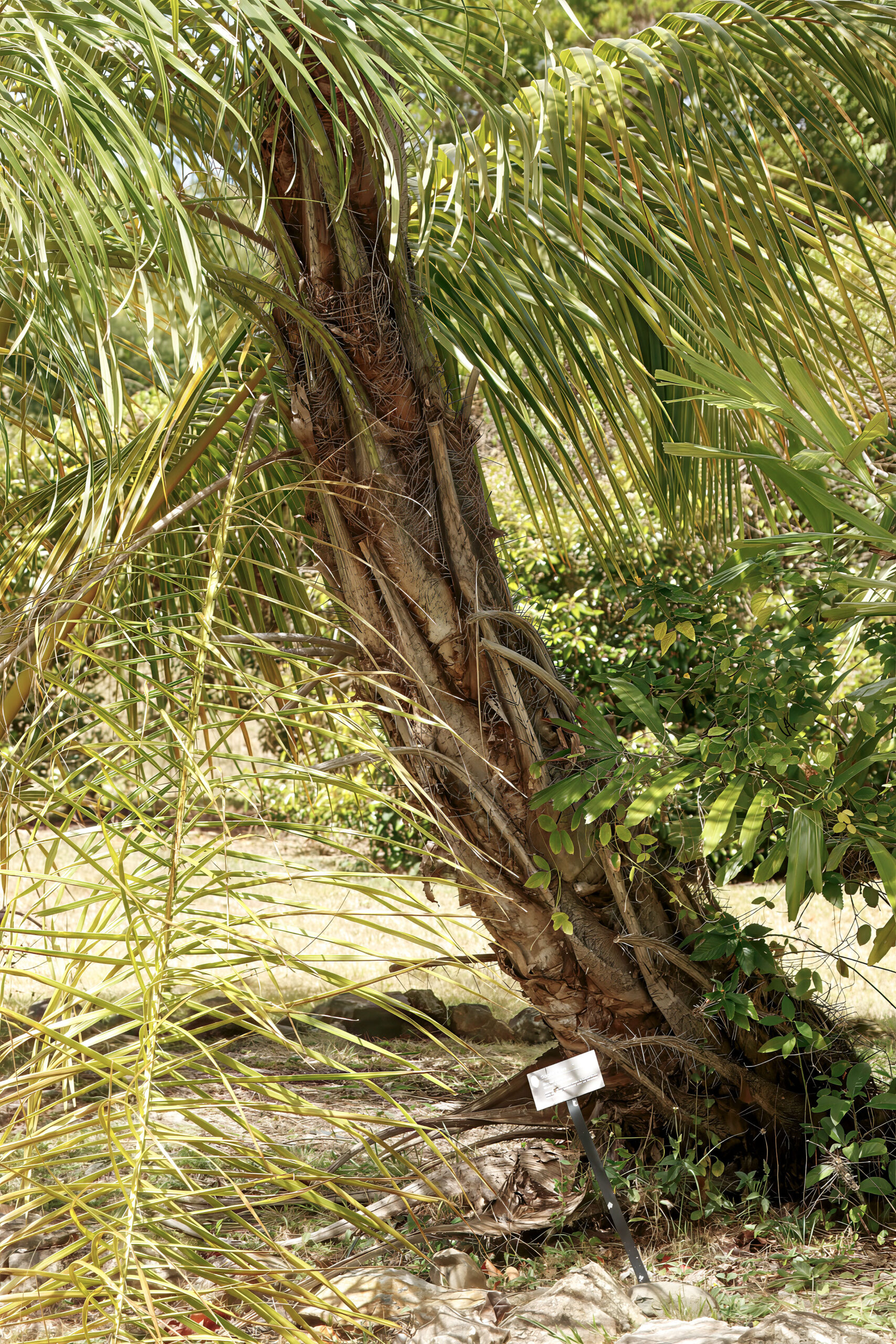
Form: Tall, solitary-trunked palm, up to 20 meters in height; trunk covered with old leaf bases and fibers
Annual Phenological Cycle
| Phenophase | Typical Timing (St. Croix – Lowland Tropical) | Field Notes |
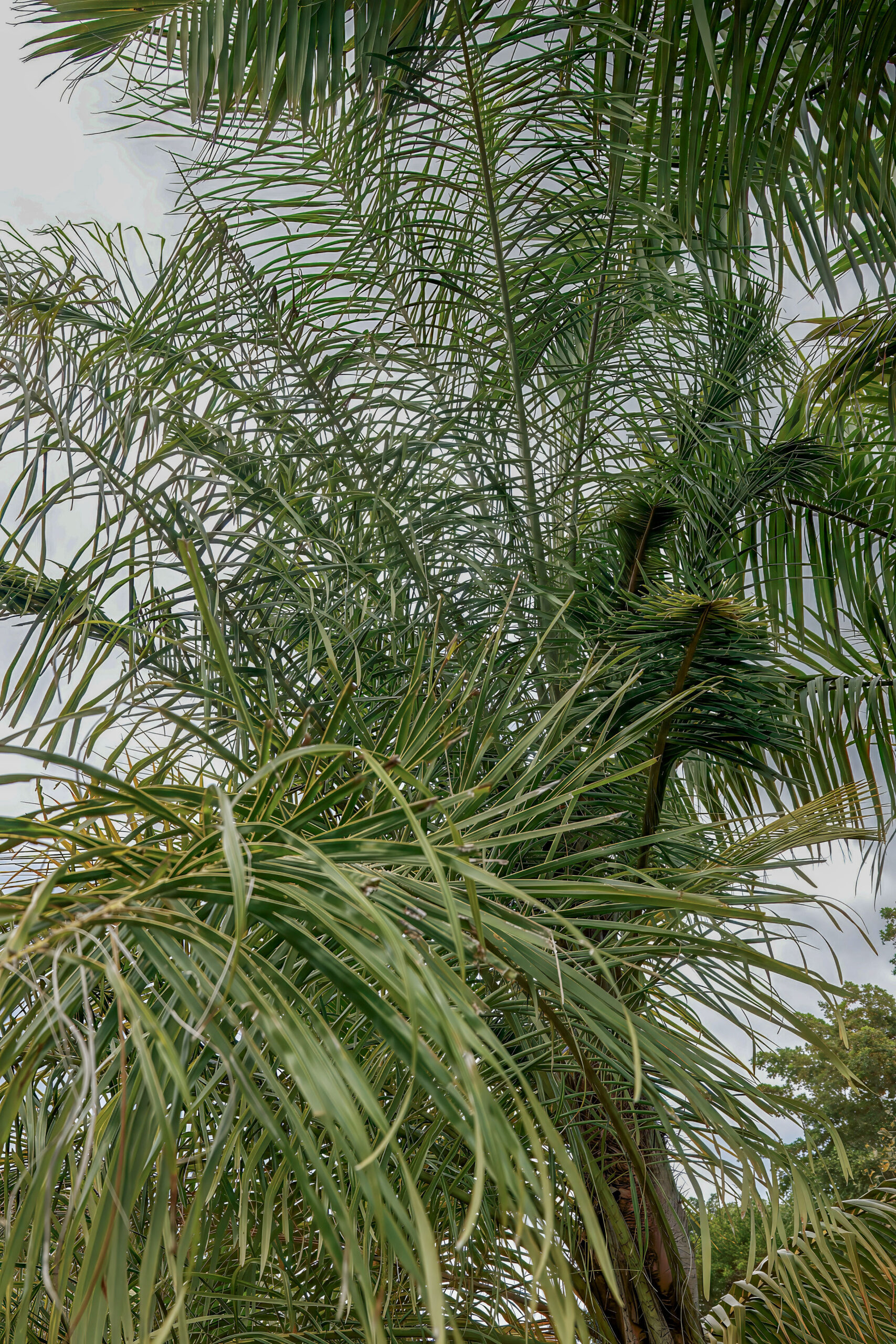
| Leaf Emergence | Year-round | Long, pinnate fronds (6–8 meters) emerge from the crown; leaves are dark green above, silvery below. |
| Flowering | Occurs once late in life (after ~12–20 years) | Massive inflorescences emerge from the trunk in descending order; flowering is monocarpic (plant dies after fruiting). |
| Fruit Development | 1–2 years following flowering | Round to oval fruits, up to 7 cm, in large hanging clusters. Fruits contain irritating oxalate crystals. |
| Leaf Drop | Continuous slow shedding | Older fronds die and hang before detaching naturally. |
| Dormancy | None | Continuous slow growth in tropical climates. |
Identification Notes
- Notable for silvery undersides of fronds and shaggy trunk fibers.
- Sap can be harvested from the inflorescence for palm sugar or fermented to produce toddy.
- The plant is monocarpic—once it completes flowering and fruiting, the entire palm dies.
- Fruits are not edible raw due to caustic sap but are processed in some cultures.
- Tolerant of poor soils but prefers moist, well-drained locations.