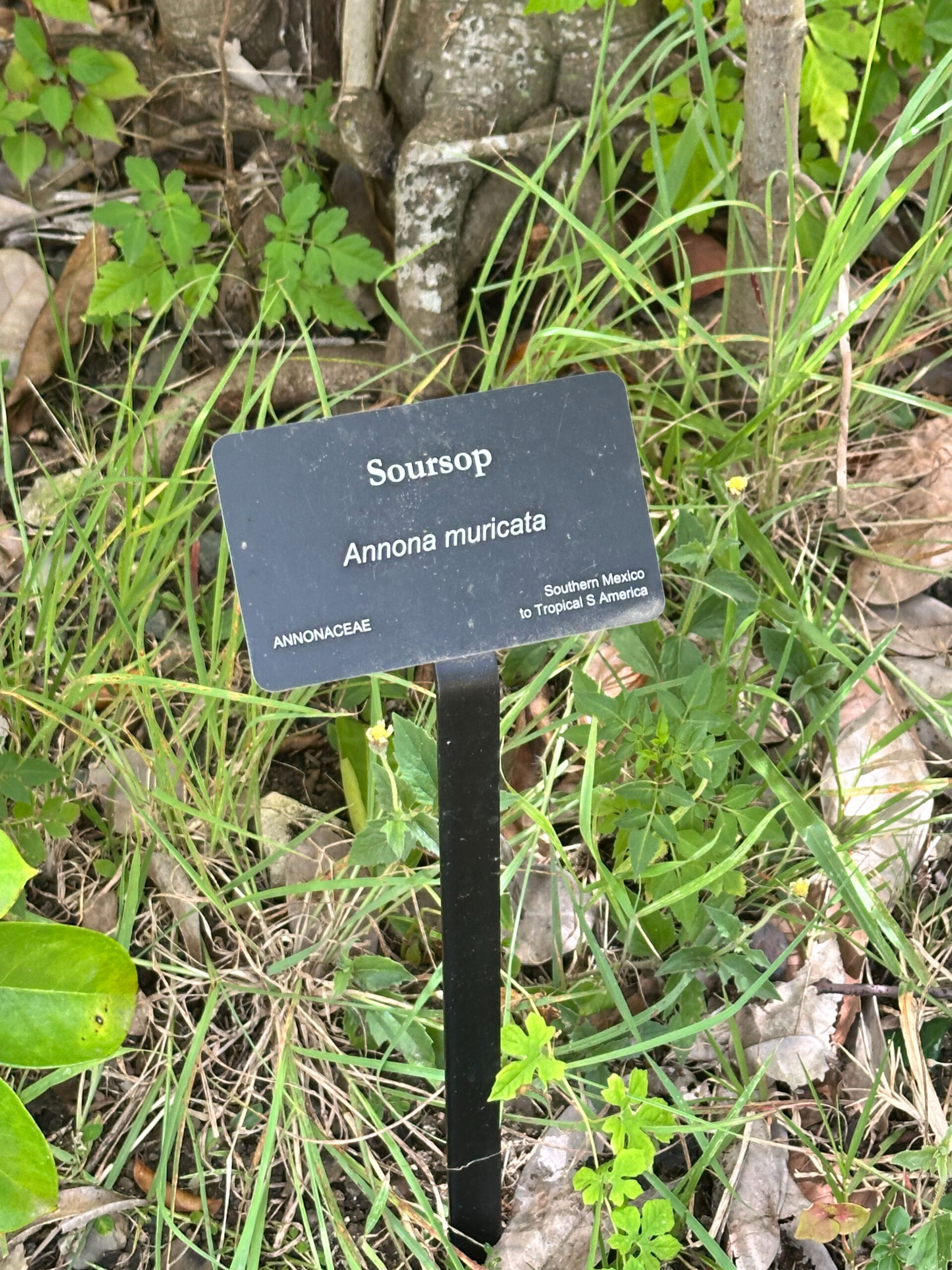
Soursop
Scientific name: Annona muricata
POWO Status: Tree
IUCN Red List threat level: Least Concern
GPS Location: 17° 42′ 58.44″ N, 64° 49′ 45.62″ W


Medicinal Uses
Annona muricata (Soursop/Graviola) is used in traditional medicine for inflammation, parasitic infections, diabetes, hypertension, and cancer, with leaves, bark, roots, seeds, and fruit all having traditional applications, primarily for fever, pain, diarrhea, and as insect repellents, though scientific backing varies, and some compounds require further study for safety and efficacy.
Traditional Uses by Plant Part:
- Leaves: Brewed into teas for headaches, insomnia, cystitis, diabetes, hypertension, coughs, fever, inflammation, and as a sedative; also used topically for abscesses and skin issues.
- Fruit (Ripe & Unripe): Eaten for diarrhea, dysentery, fever, and to increase breast milk; unripe fruit mixed with oil for neuralgia and arthritis.
- Seeds (Crushed): Applied to treat internal and external worms and parasites.
- Bark & Roots: Used for hypertension, diabetes, inflammation, and as astringents and insecticides.
Pharmacological Activities (Research Findings):
- Anticancer: Contains annonaceous acetogenins with potential against cancer cells, but human trials are limited.
- Anti-inflammatory & Analgesic: Extracts show promise in reducing pain and inflammation.
- Antimicrobial: Active against bacteria like Staphylococcus aureus and E. coli.
- Antidiabetic & Antihypertensive: Studies suggest potential for managing blood sugar and blood pressure.
- Antioxidant: Fruit pulp is rich in antioxidants, supporting immune health.
Important Considerations:
- Neurotoxicity: Some compounds in Annona muricata have shown potential neurotoxicity in studies, necessitating further research on dosage and long-term safety.
- Not a Cancer Cure: While promising in labs, it’s not a replacement for conventional cancer treatments.
Always consult a healthcare professional before using Annona muricata for medicinal purposes, as research is ongoing, and potential risks exist.
Observations:
Phenological Markers – Soursop (Annona muricata)
Common Name: Soursop
Scientific Name: Annona muricata L.
Family: Annonaceae
Origin: Native to tropical regions of the Americas and the Caribbean
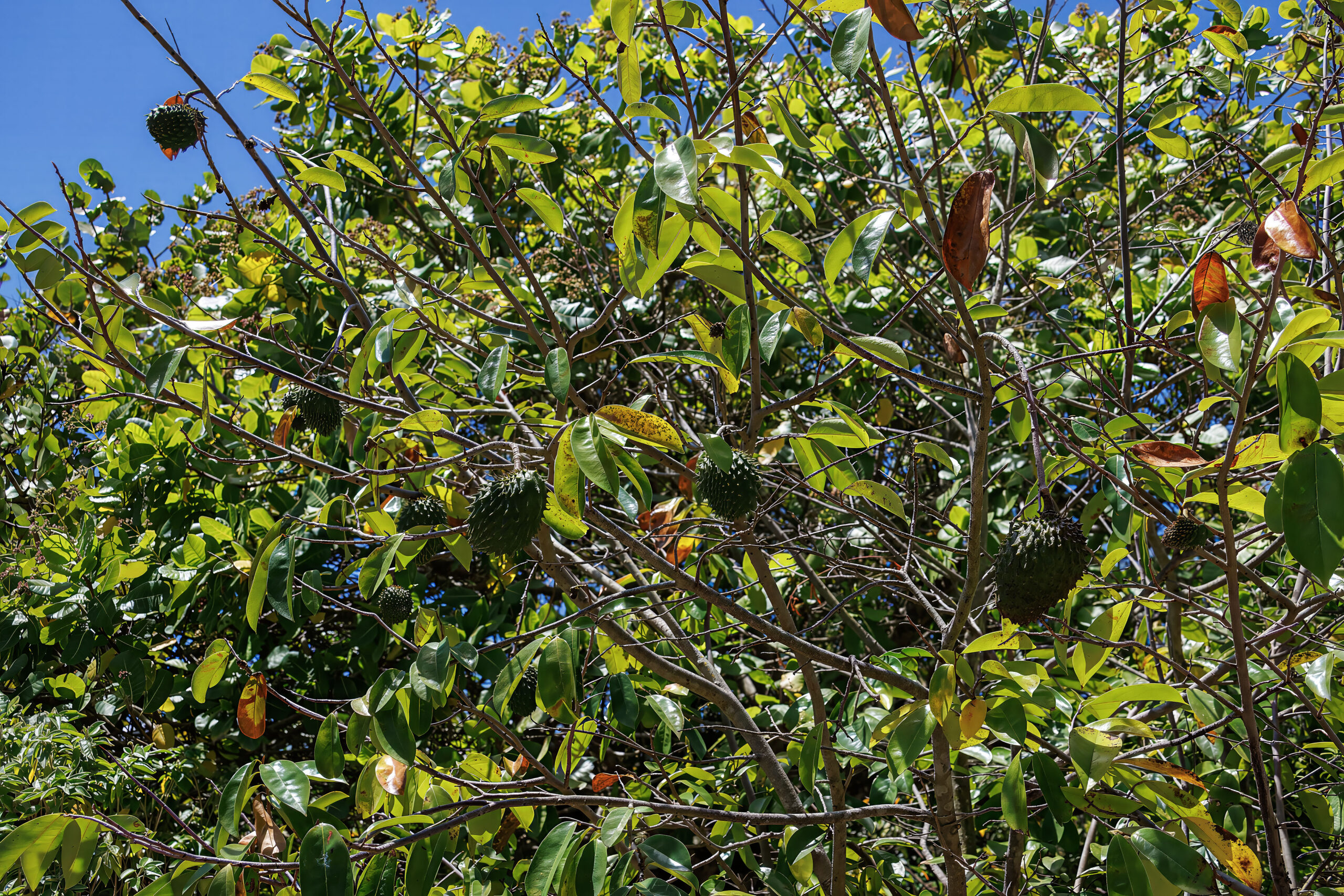
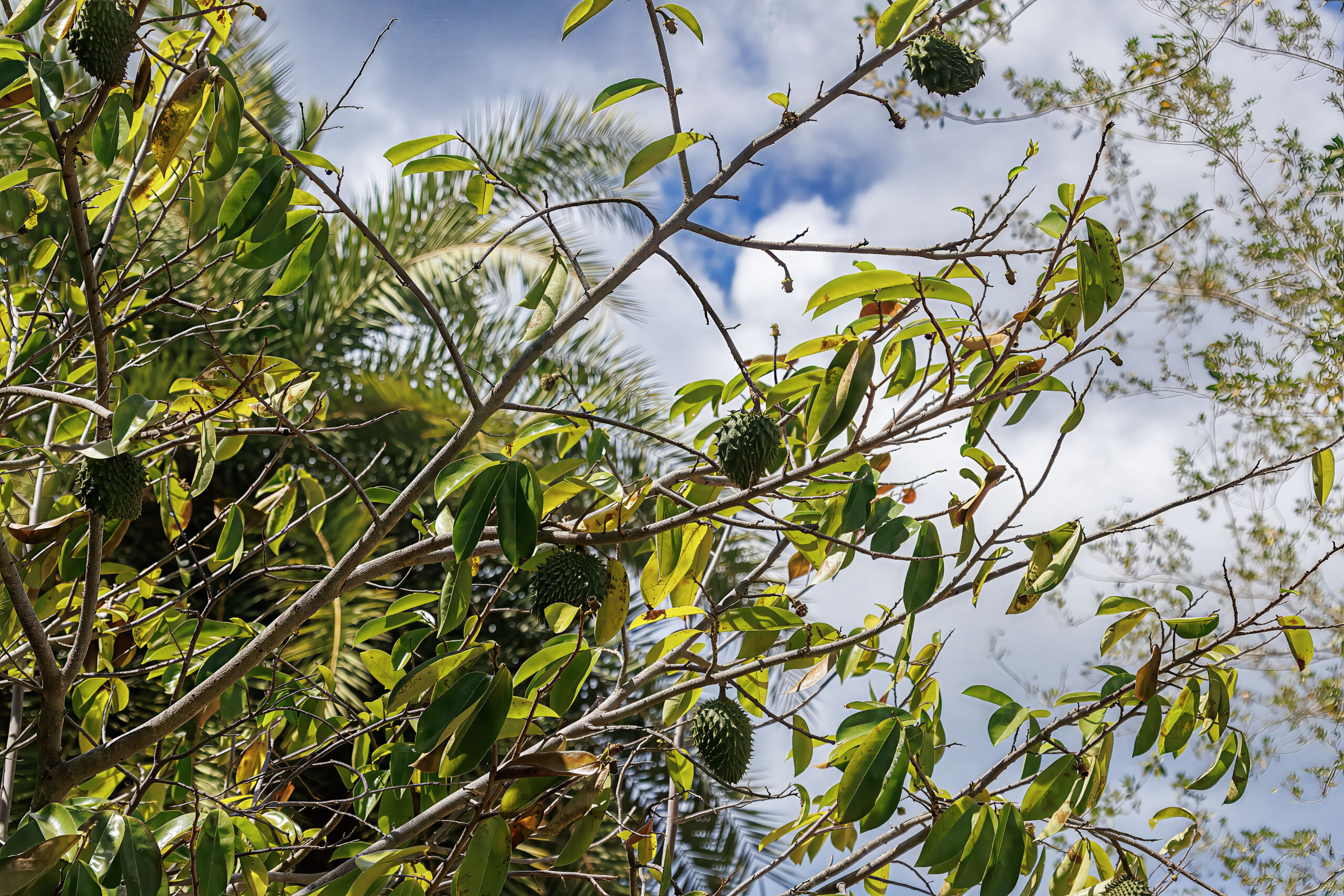
Form: Small to medium-sized evergreen tree, typically 4–8 meters in height with spreading branches
Annual Phenological Cycle
| Phenophase | Typical Timing (St. Croix – Lowland Tropical) | Field Notes |
| Leaf Flush | March – June | New leaves are soft, bright green, and slightly glossy; often coincide with early rains. |
| Flowering | April – September (intermittent) | Large, waxy, pale yellow-green flowers appear singly or in pairs on branches or trunk. |
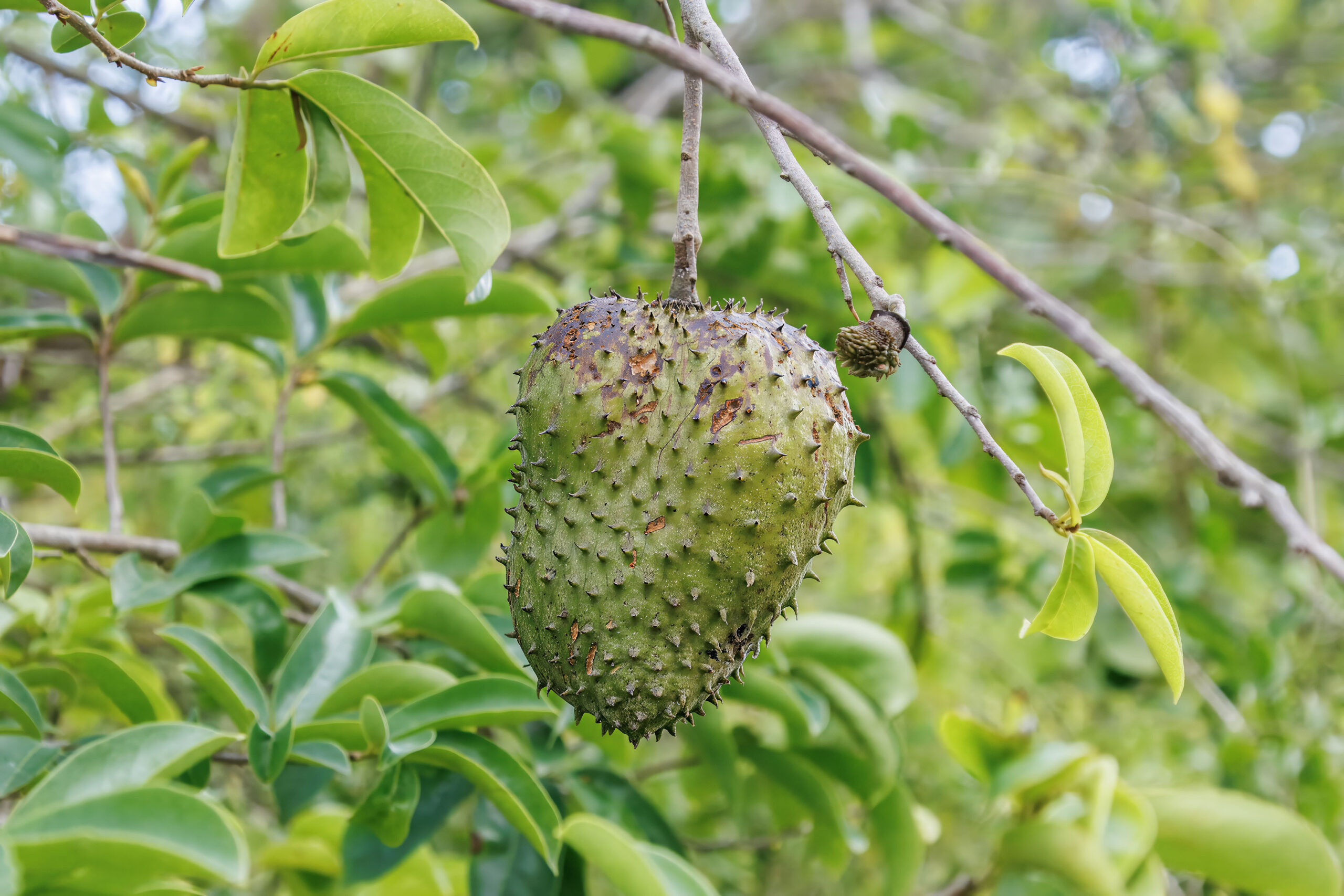
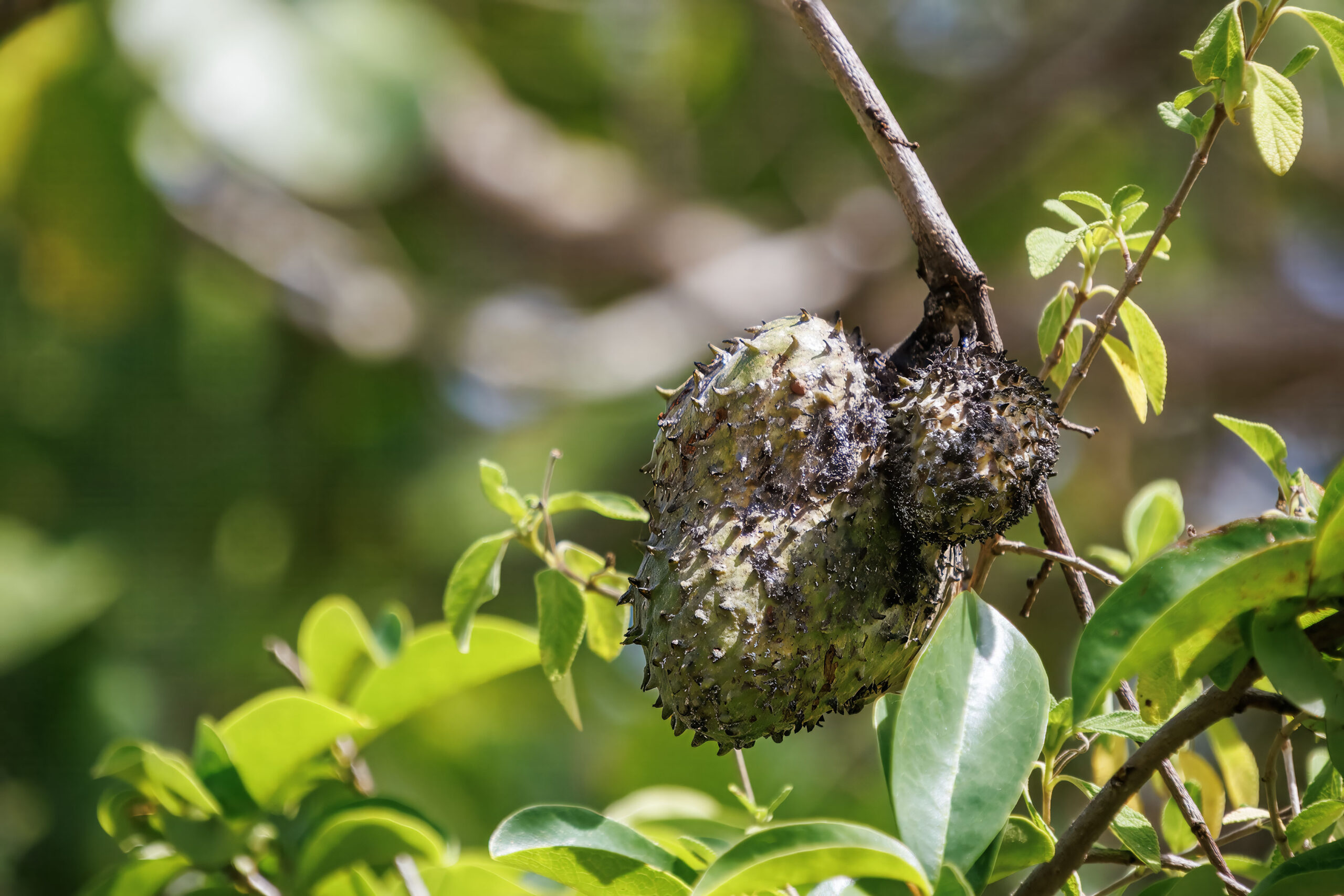
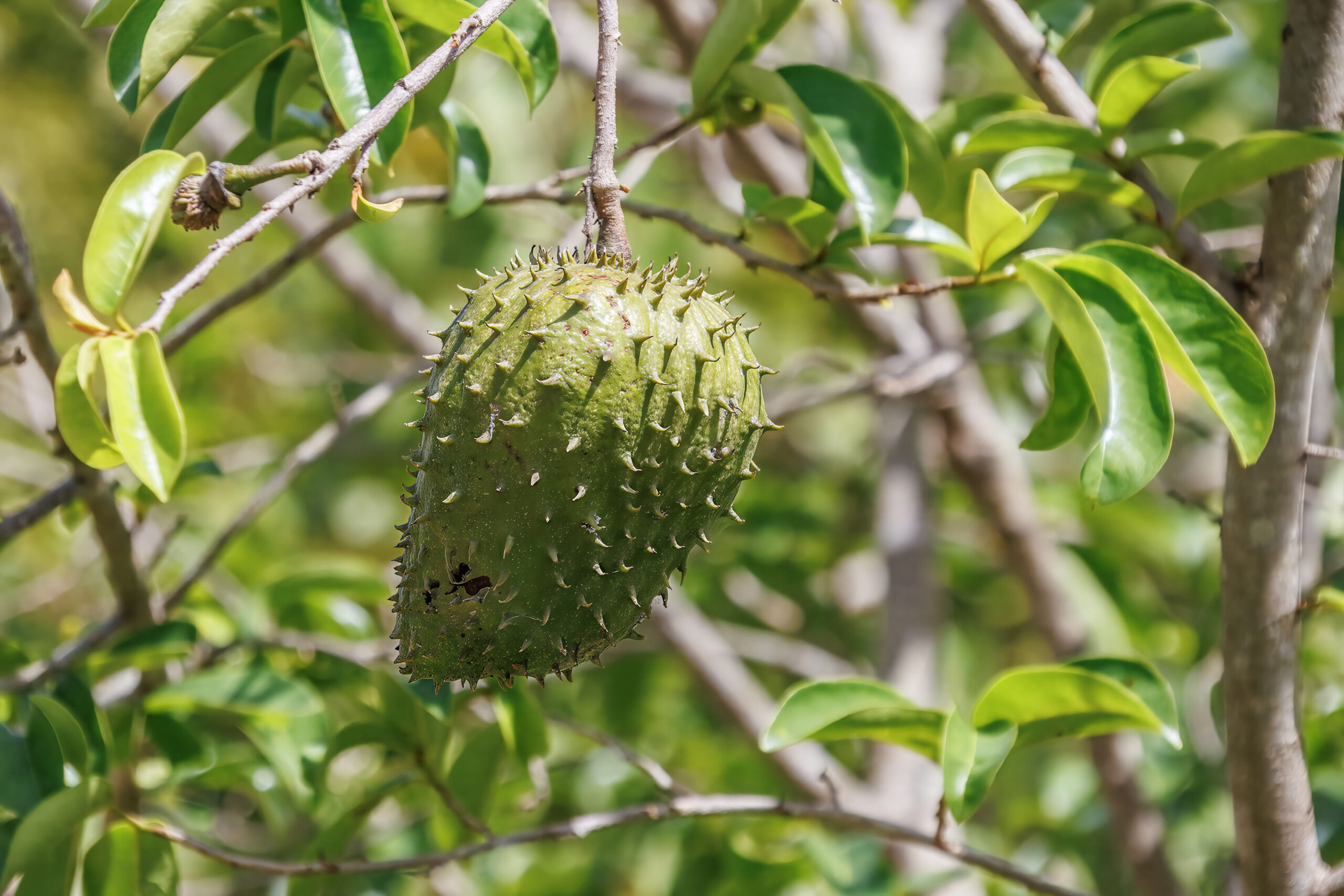
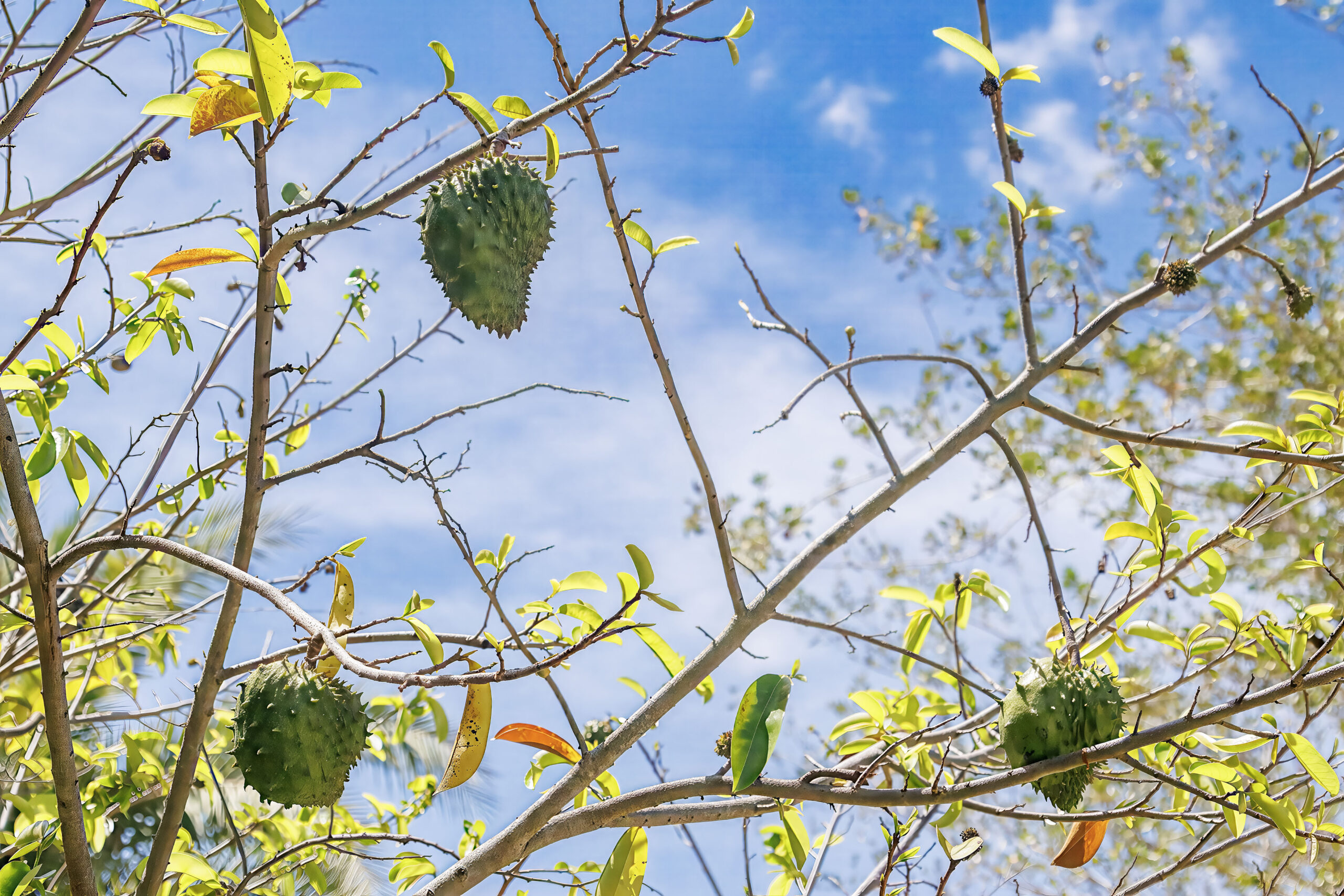
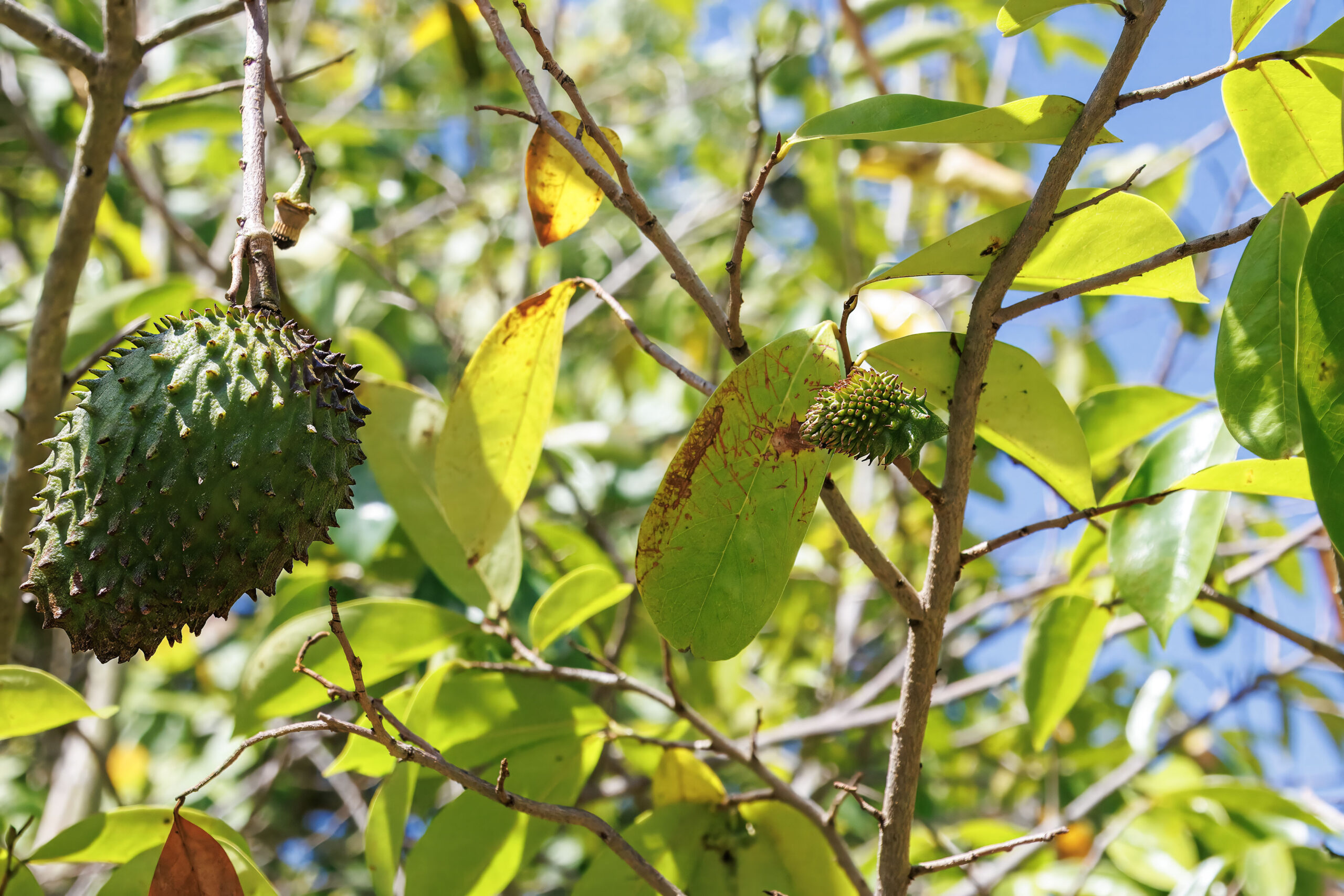
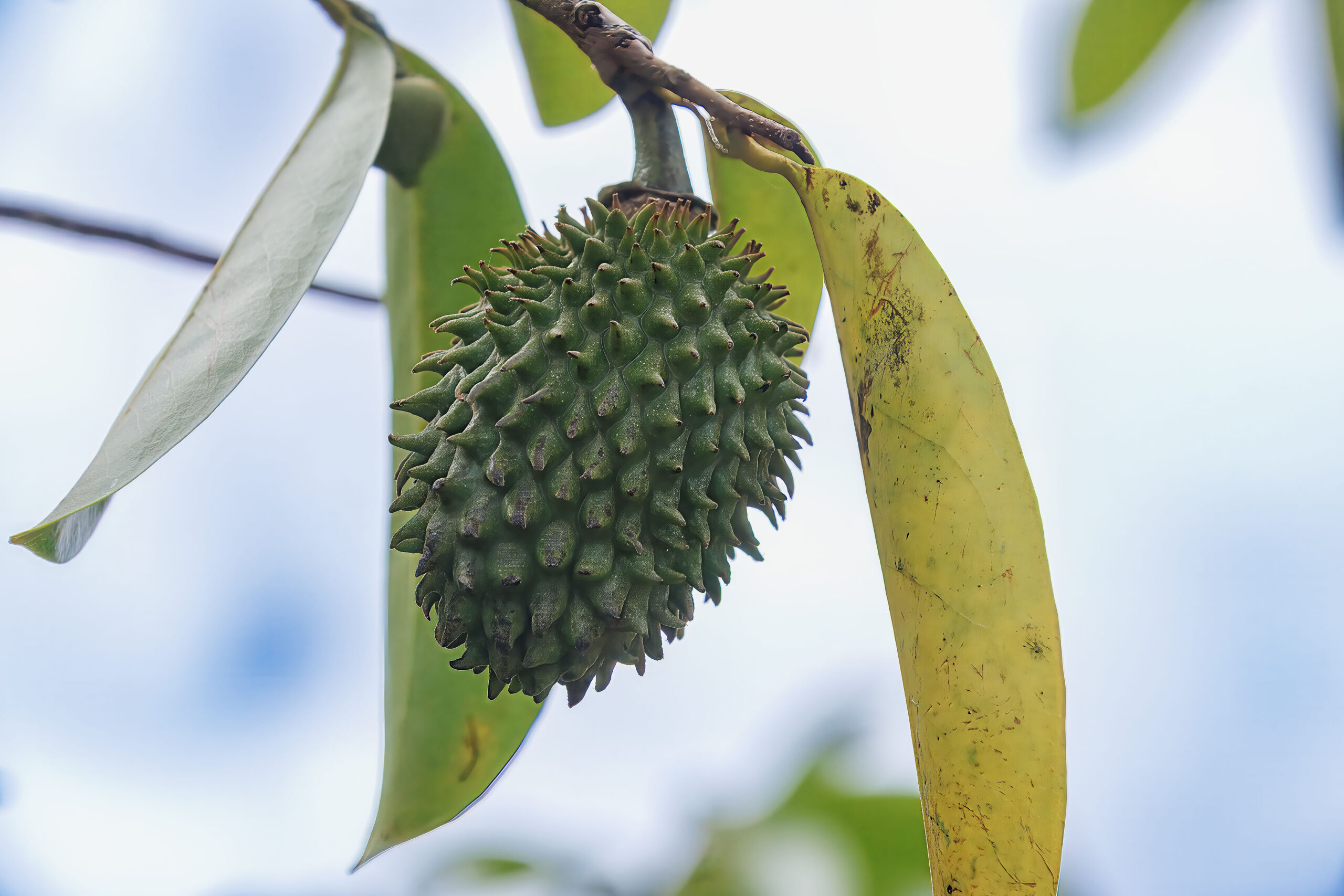
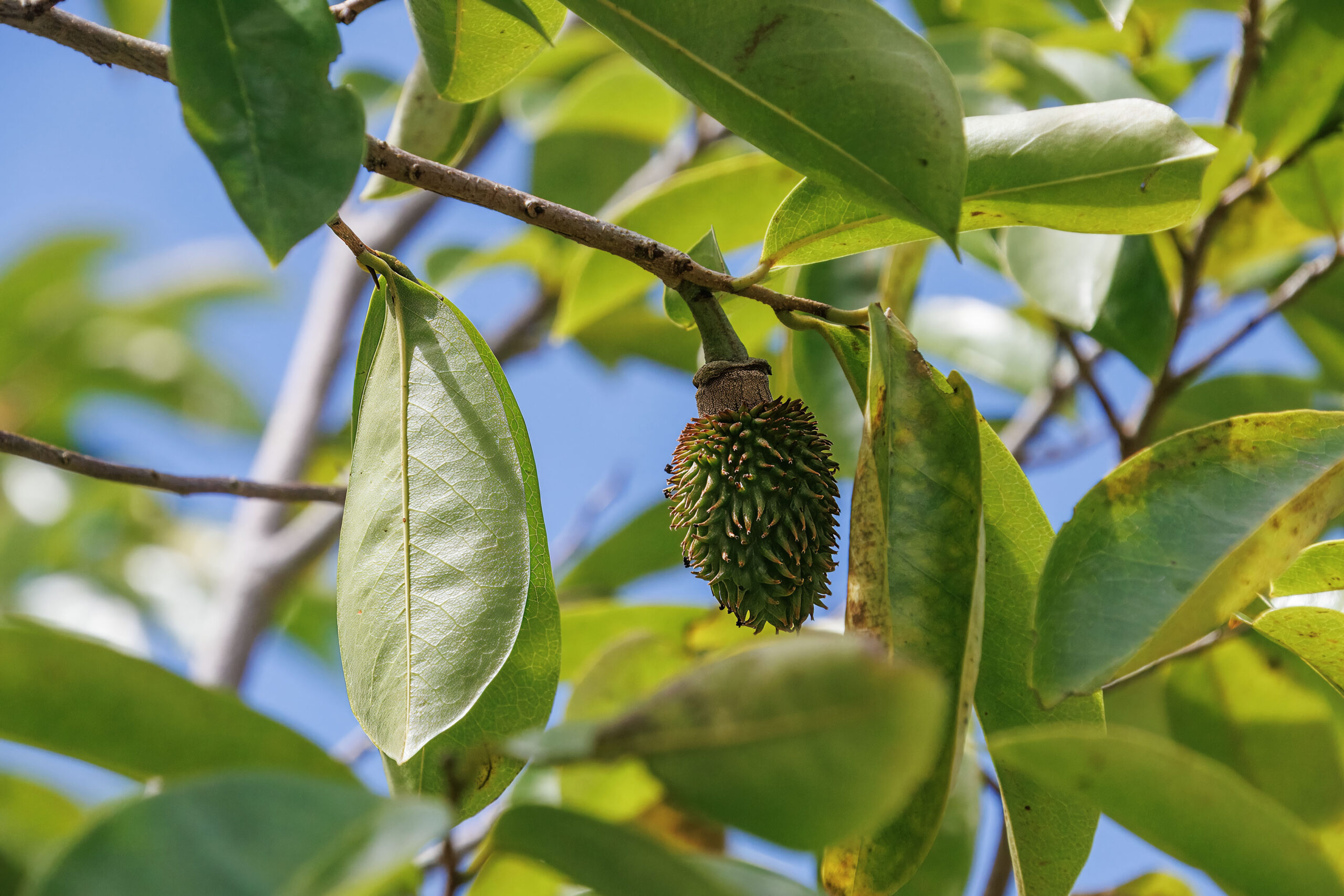
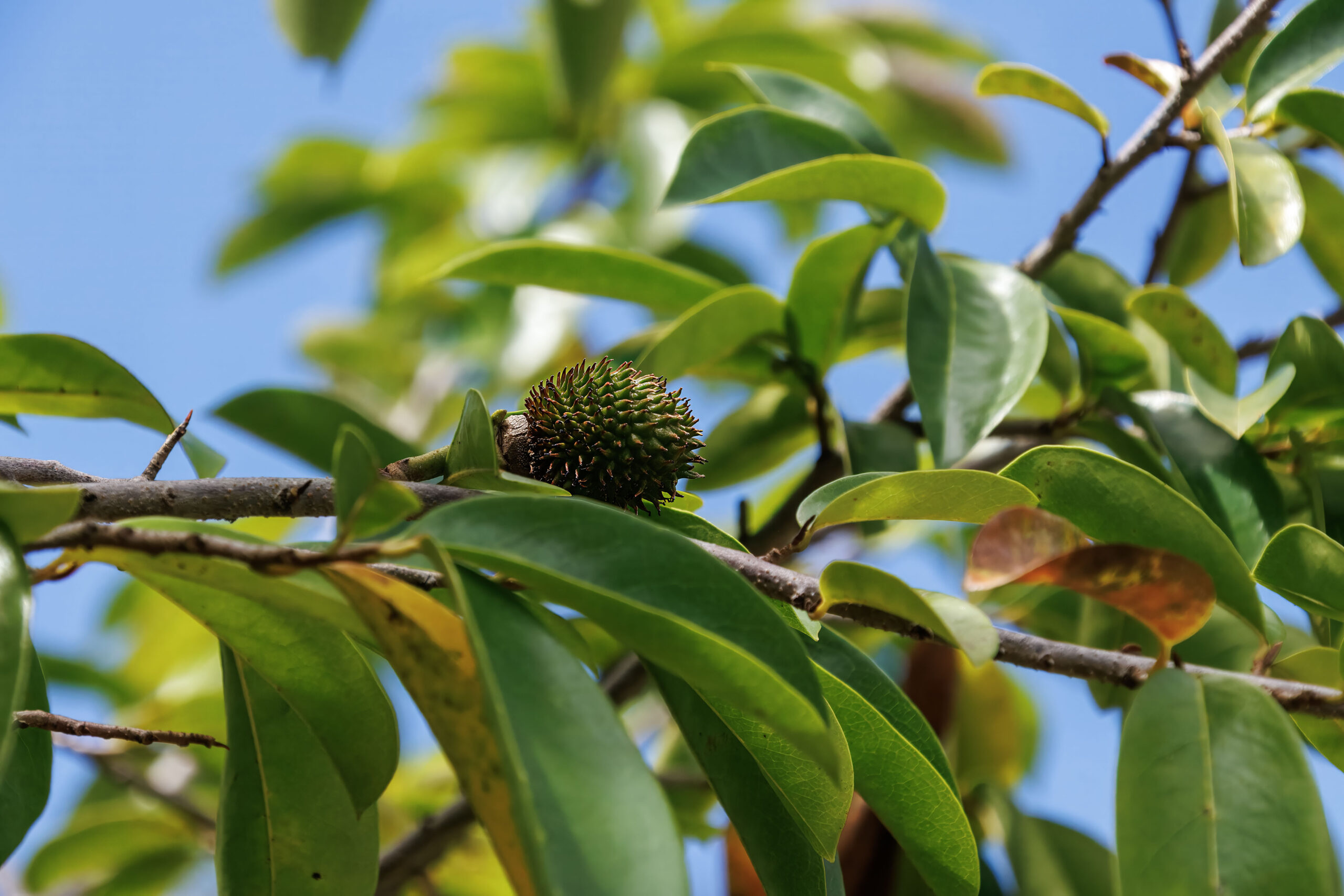
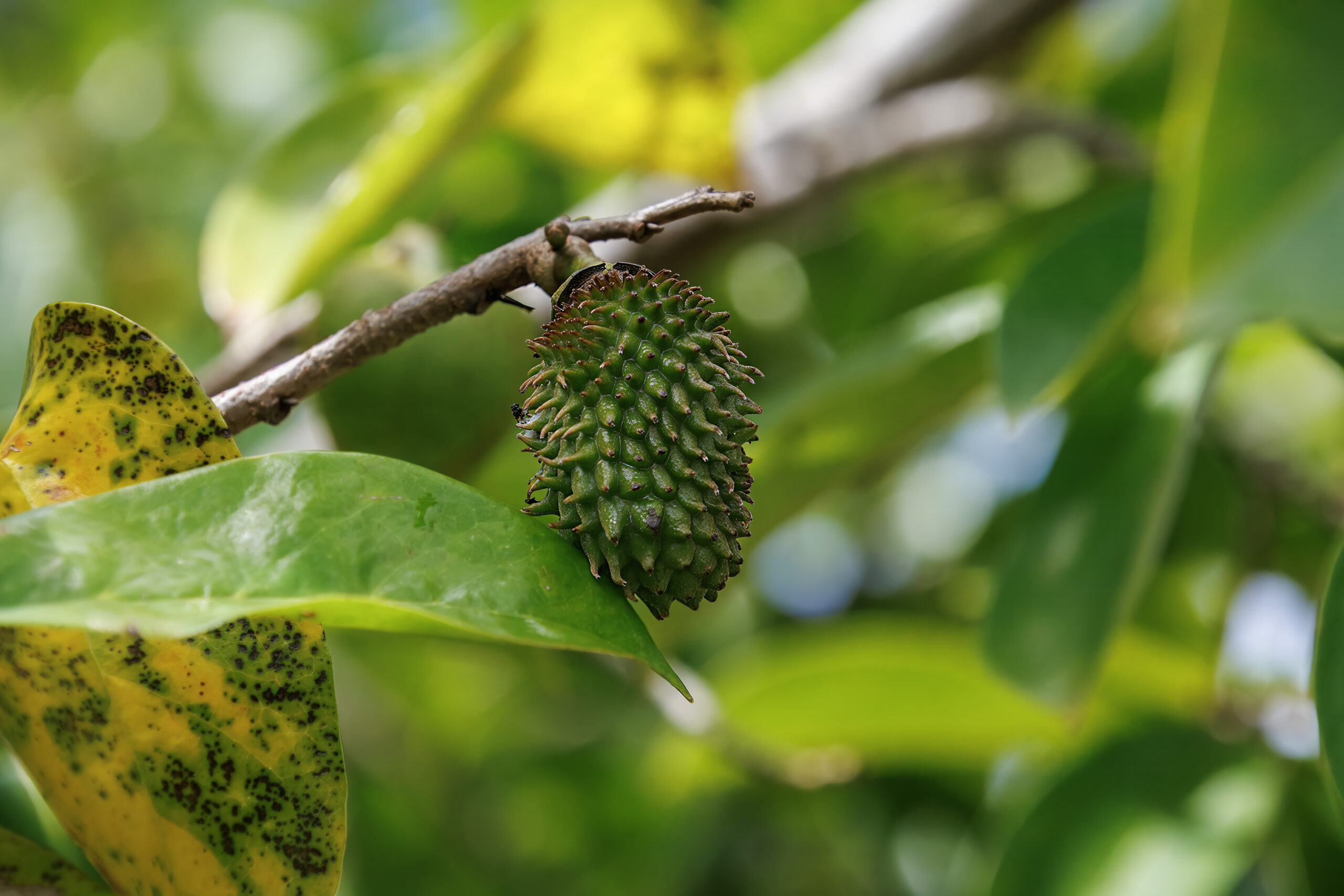
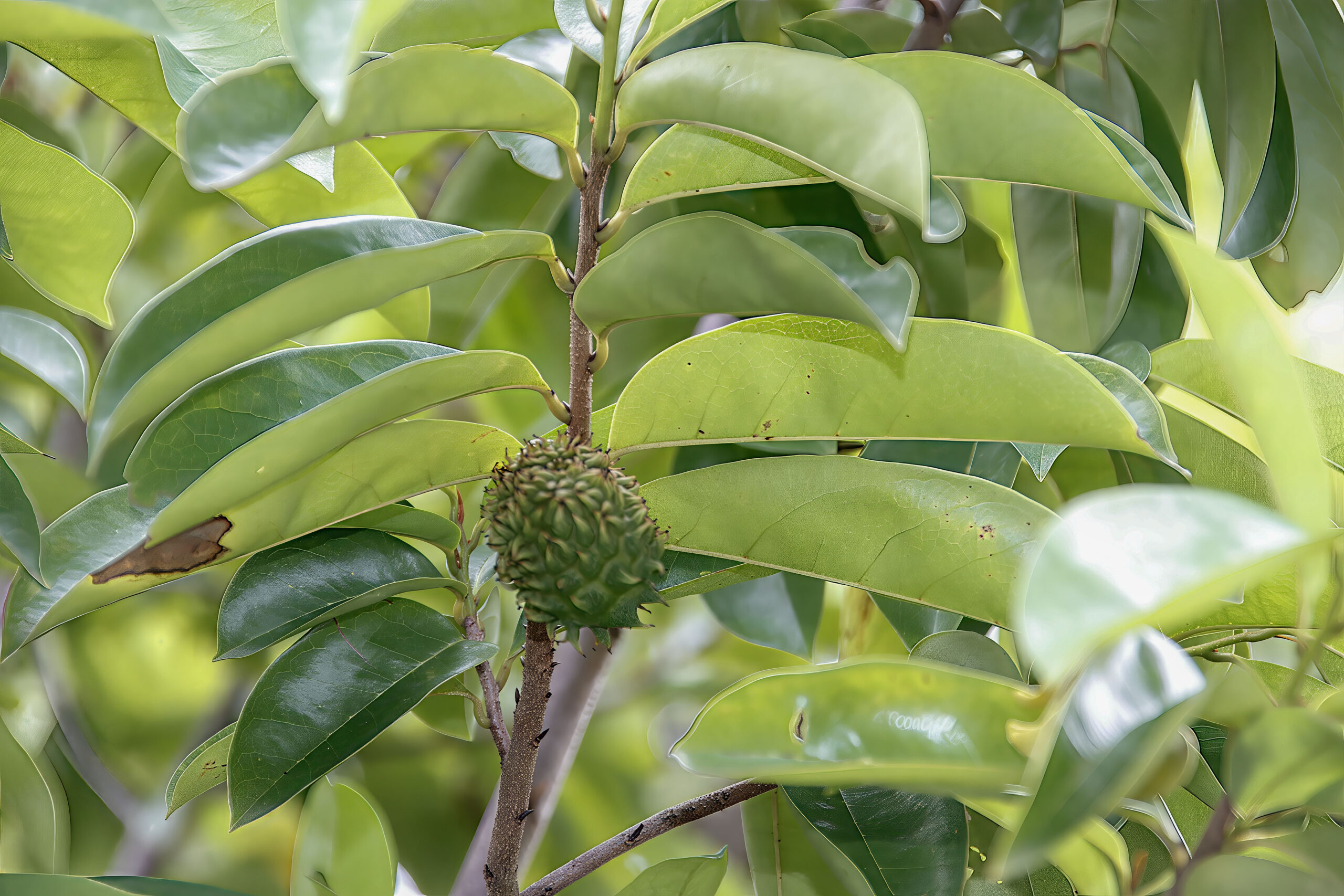
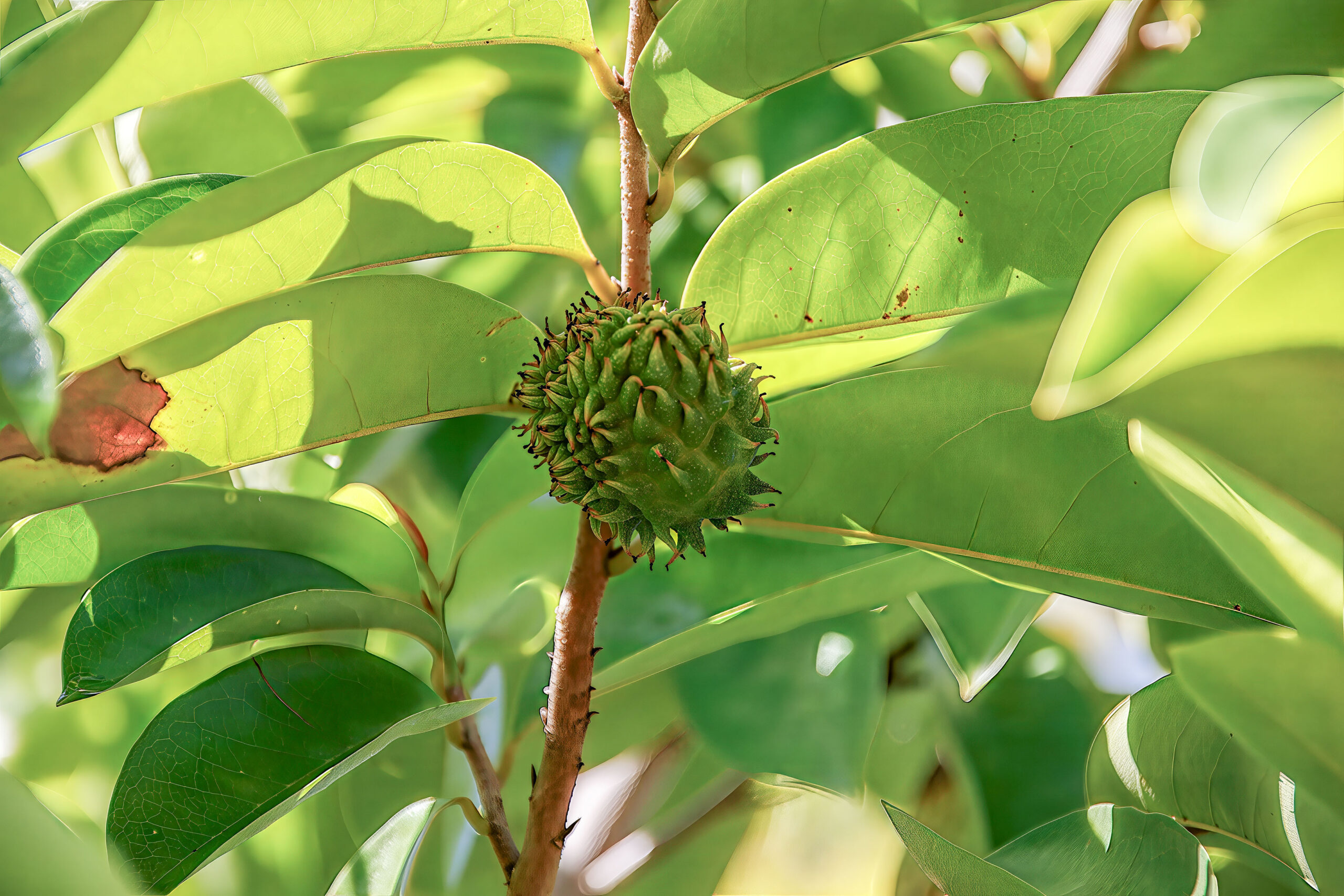
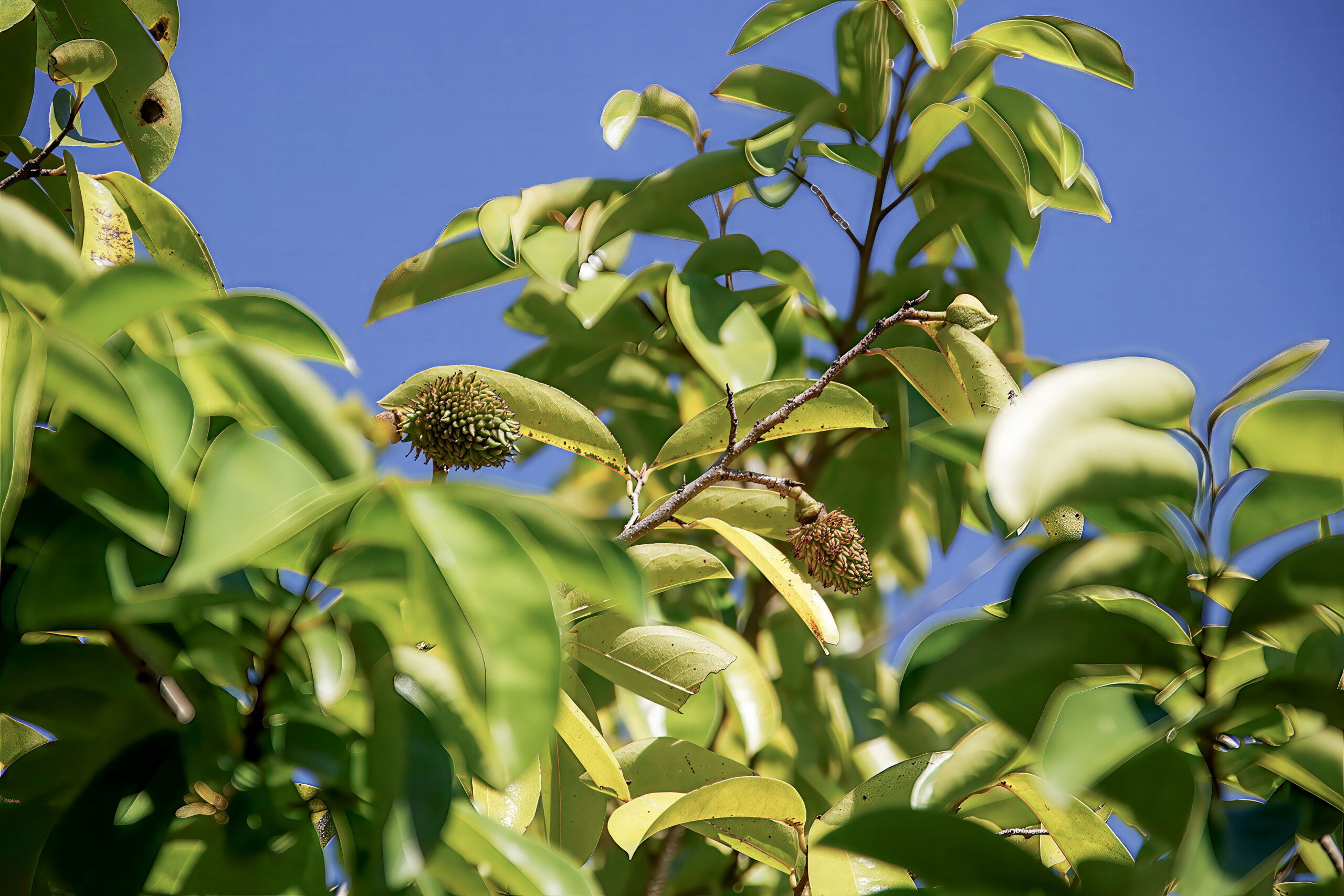
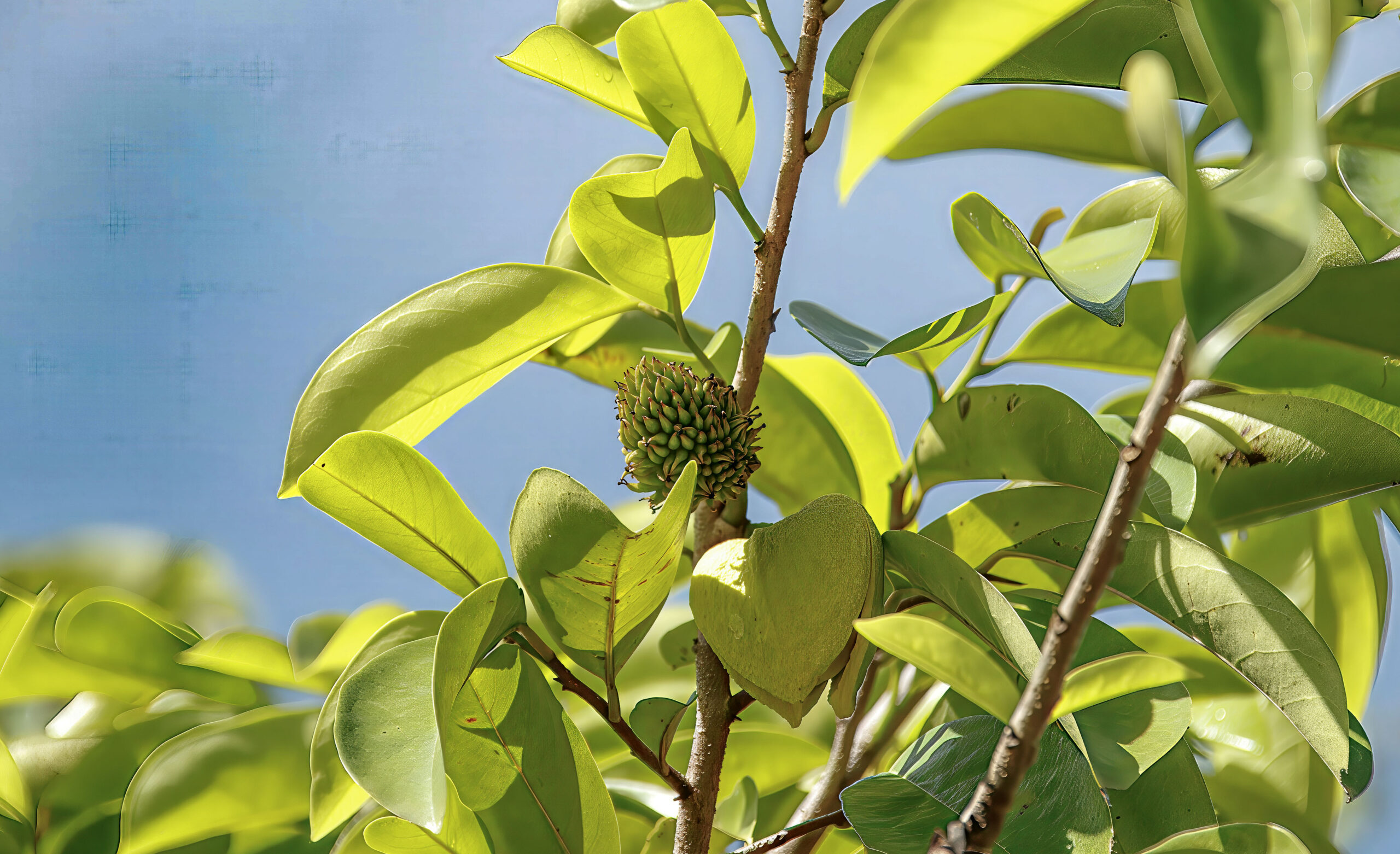
| Fruit Development | June – December (sometimes year-round) | Large, spiny, heart-shaped fruits mature over 3–5 months; yield may occur 1–2 times per year. |
| Fruit Harvest | August – January | Fruits are ready when slightly soft to the touch; highly perishable when ripe. |
| Leaf Drop (Partial) | January – March | Some leaf thinning in dry season, but generally evergreen. |
| Dormancy | None | Growth may slow slightly during dry spells but remains active year-round. |
Identification Notes
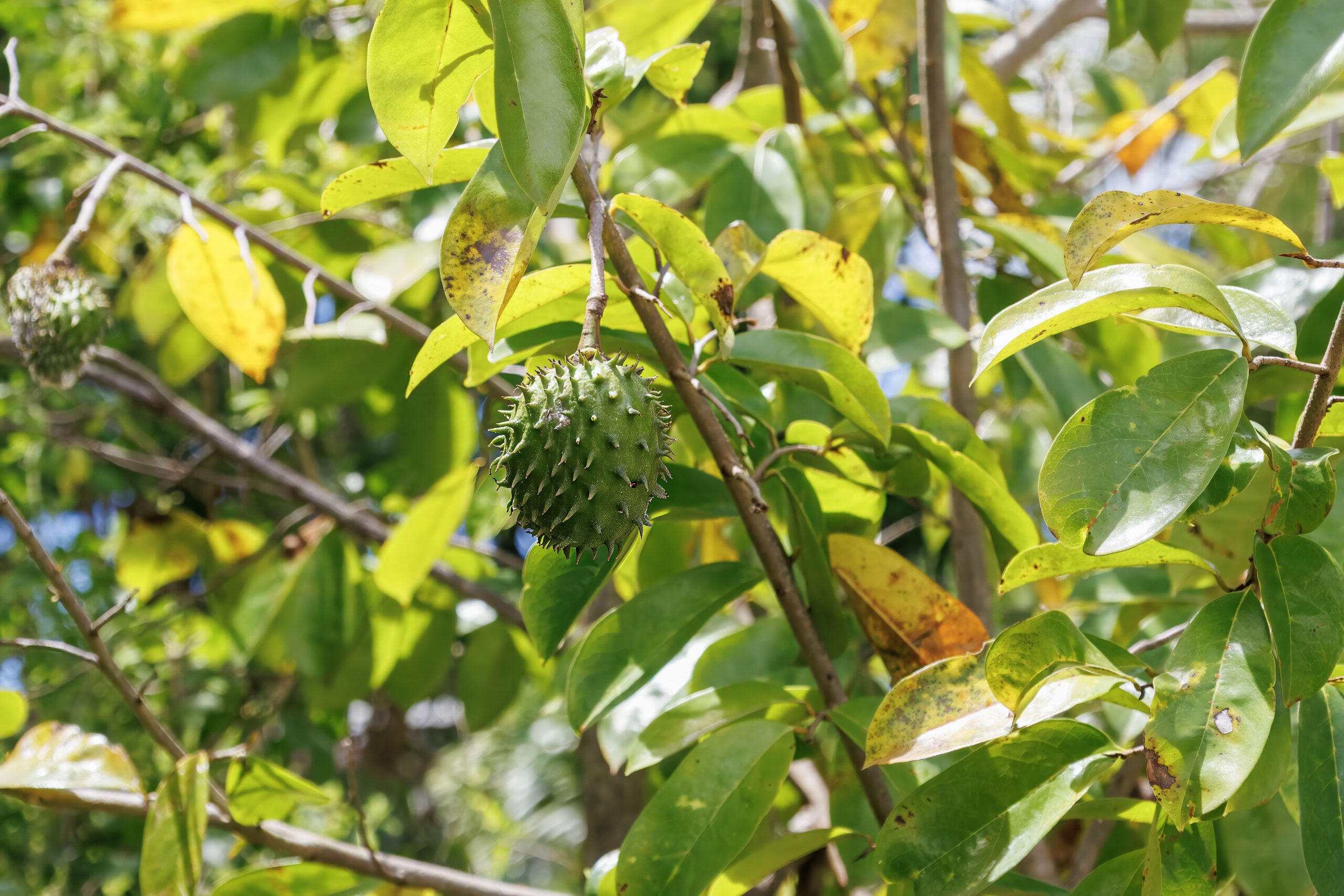
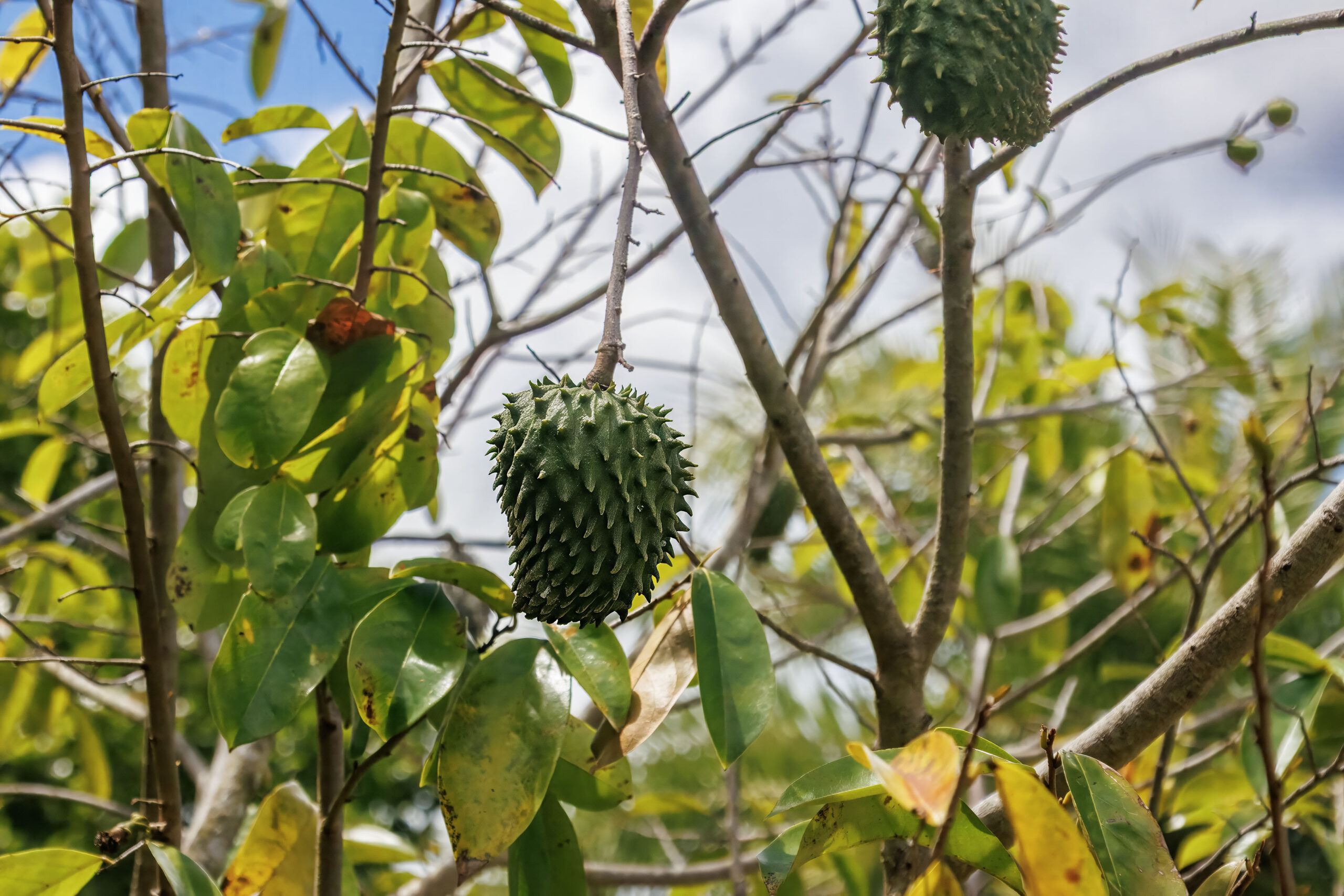
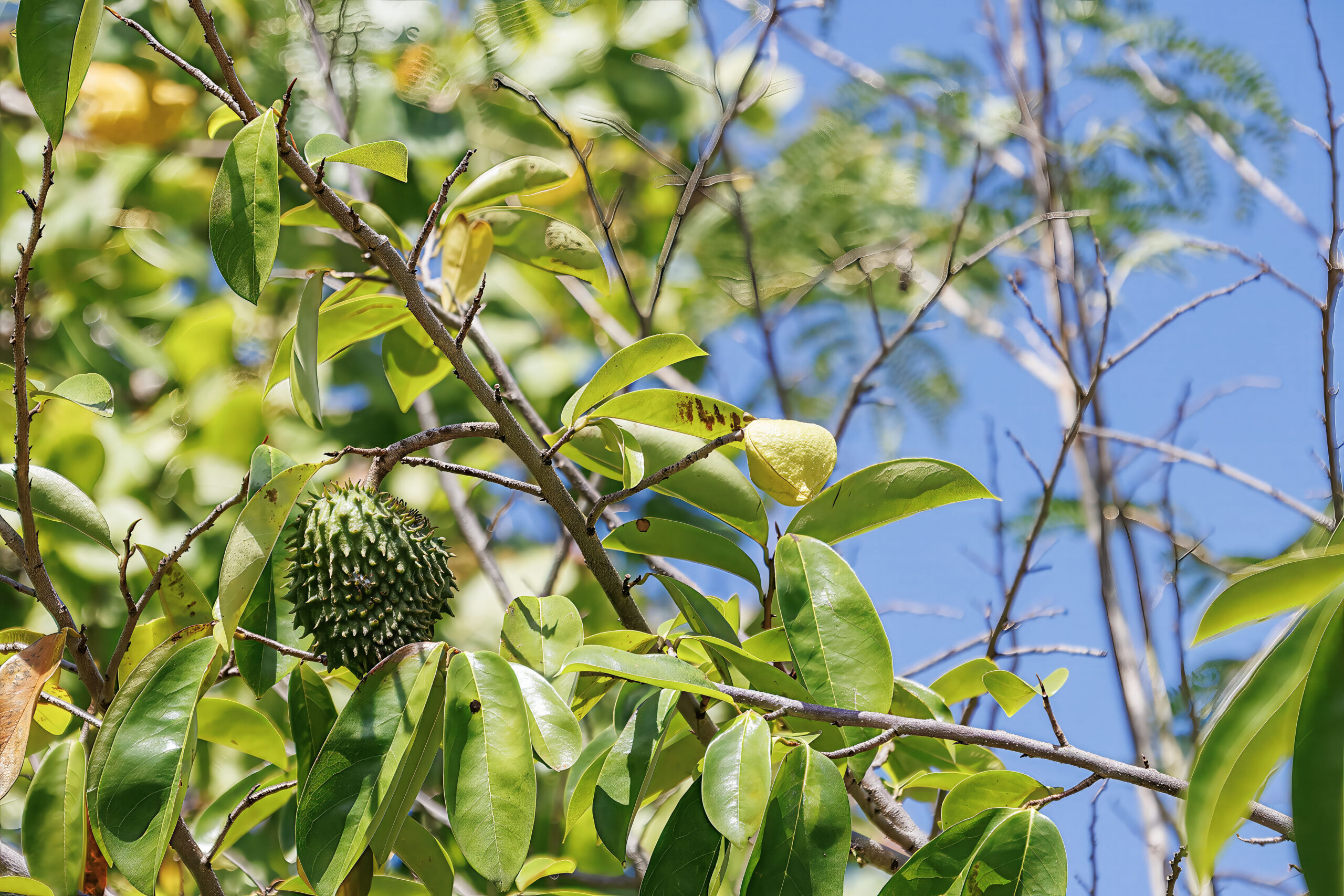
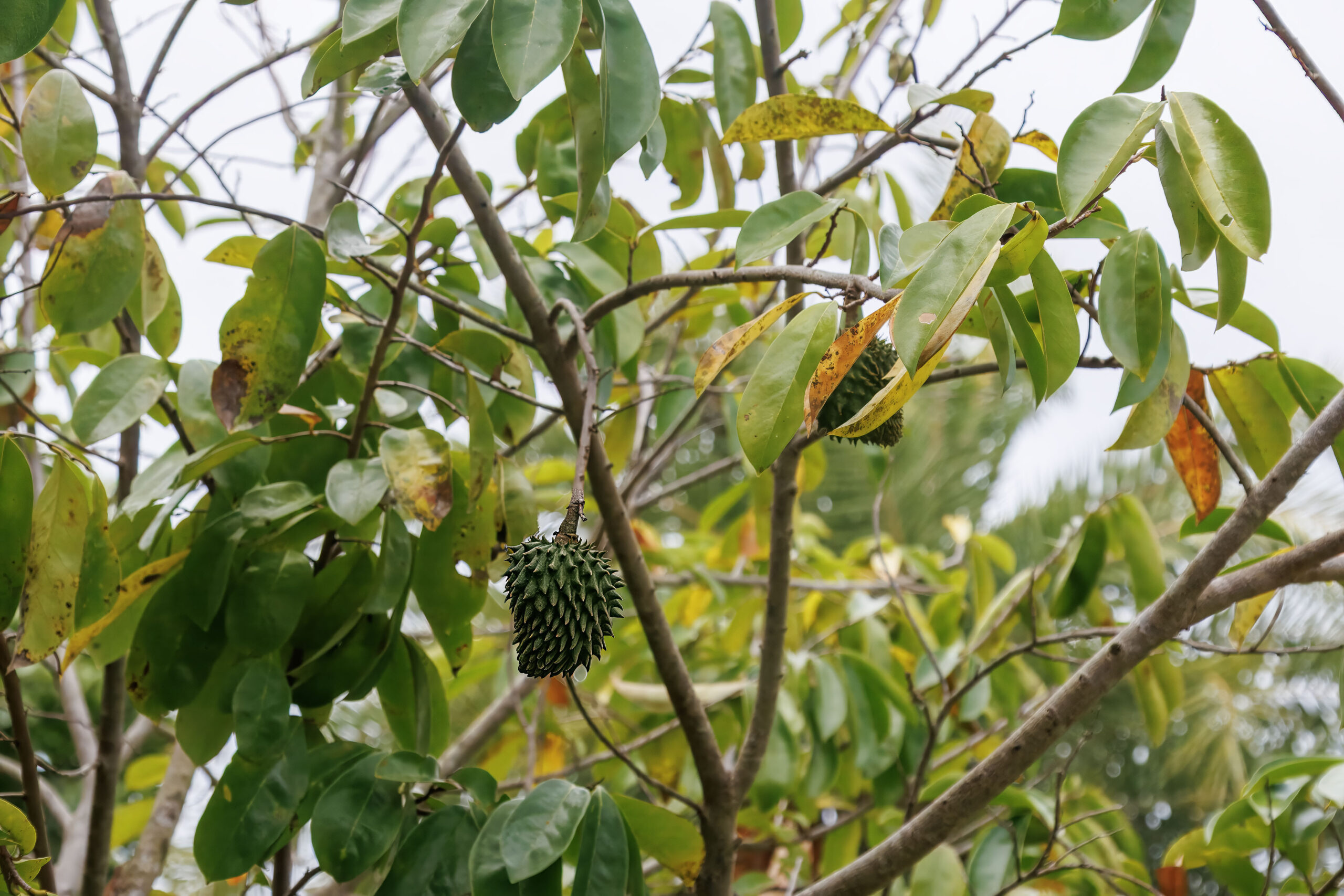
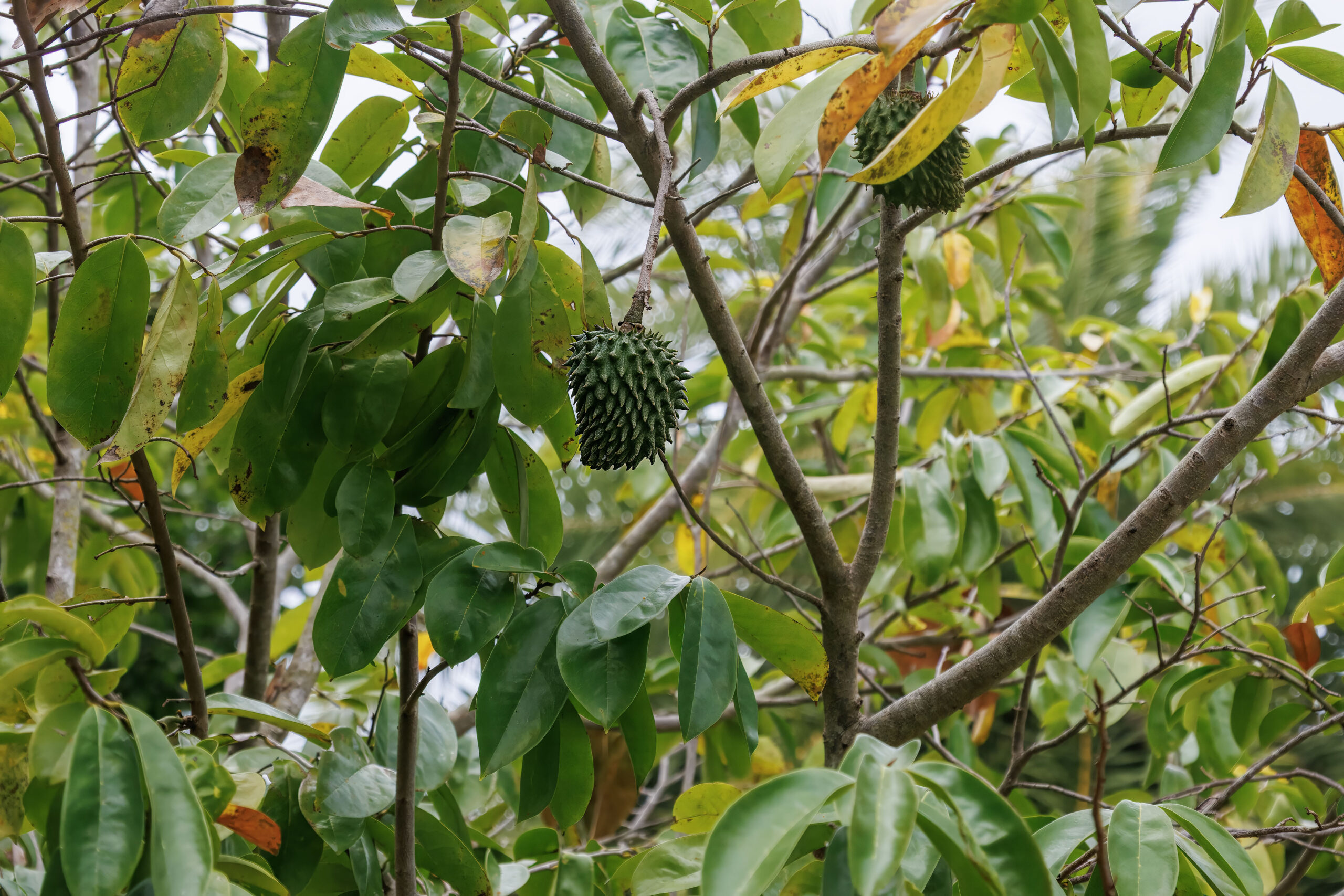
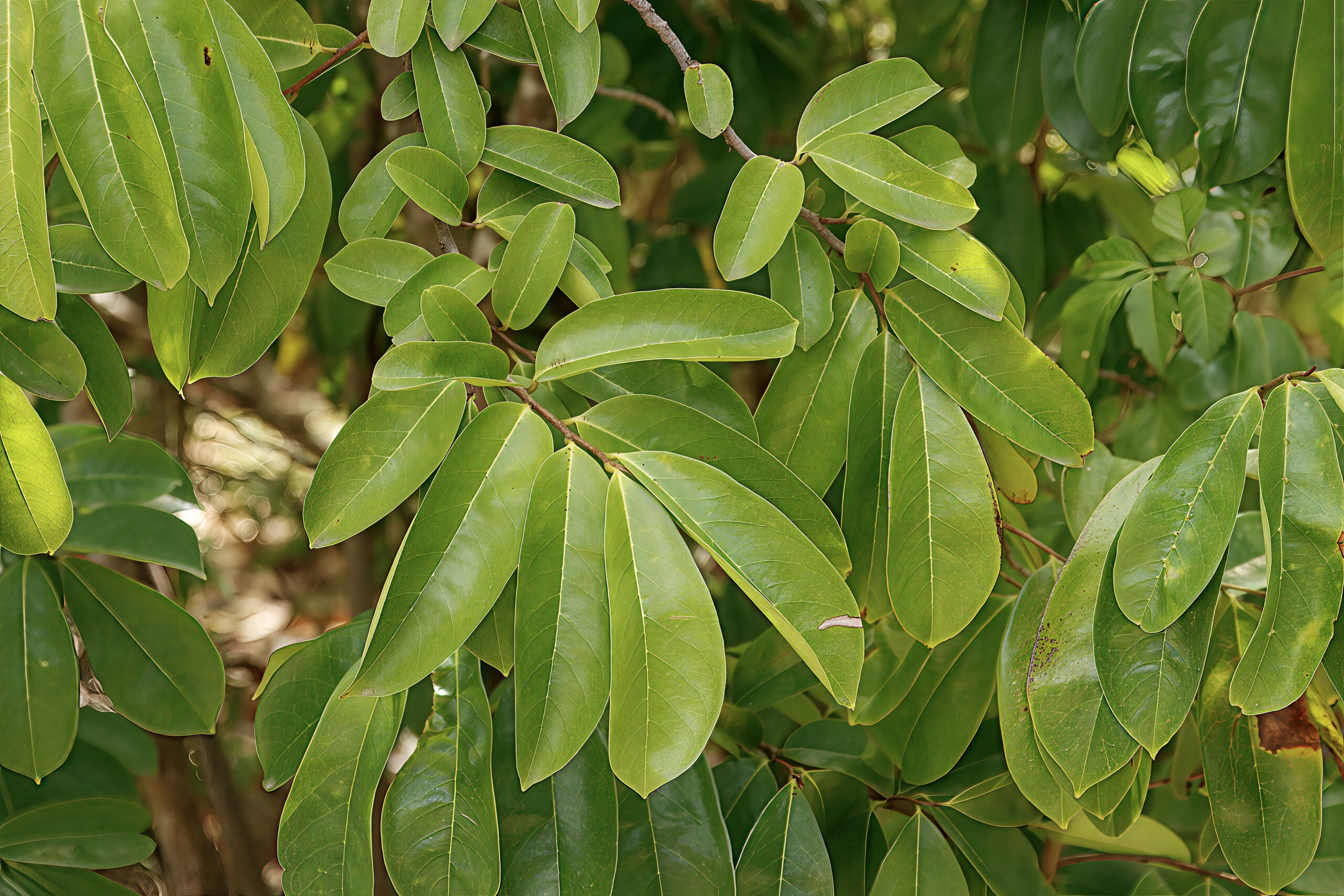
- Leaves are alternate, oblong, and aromatic when crushed.
- Flowers can emerge directly from old wood (cauliflorous habit).
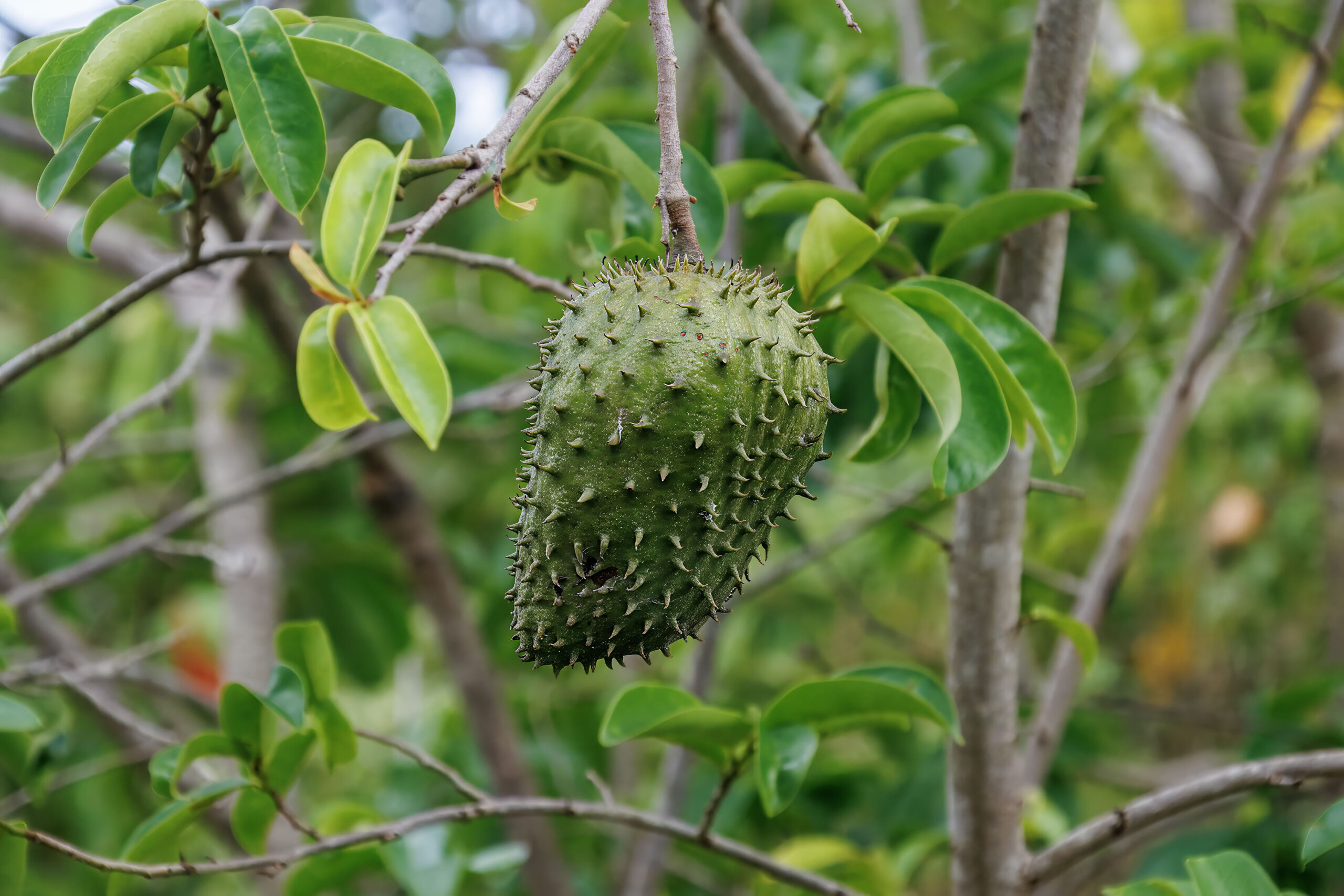
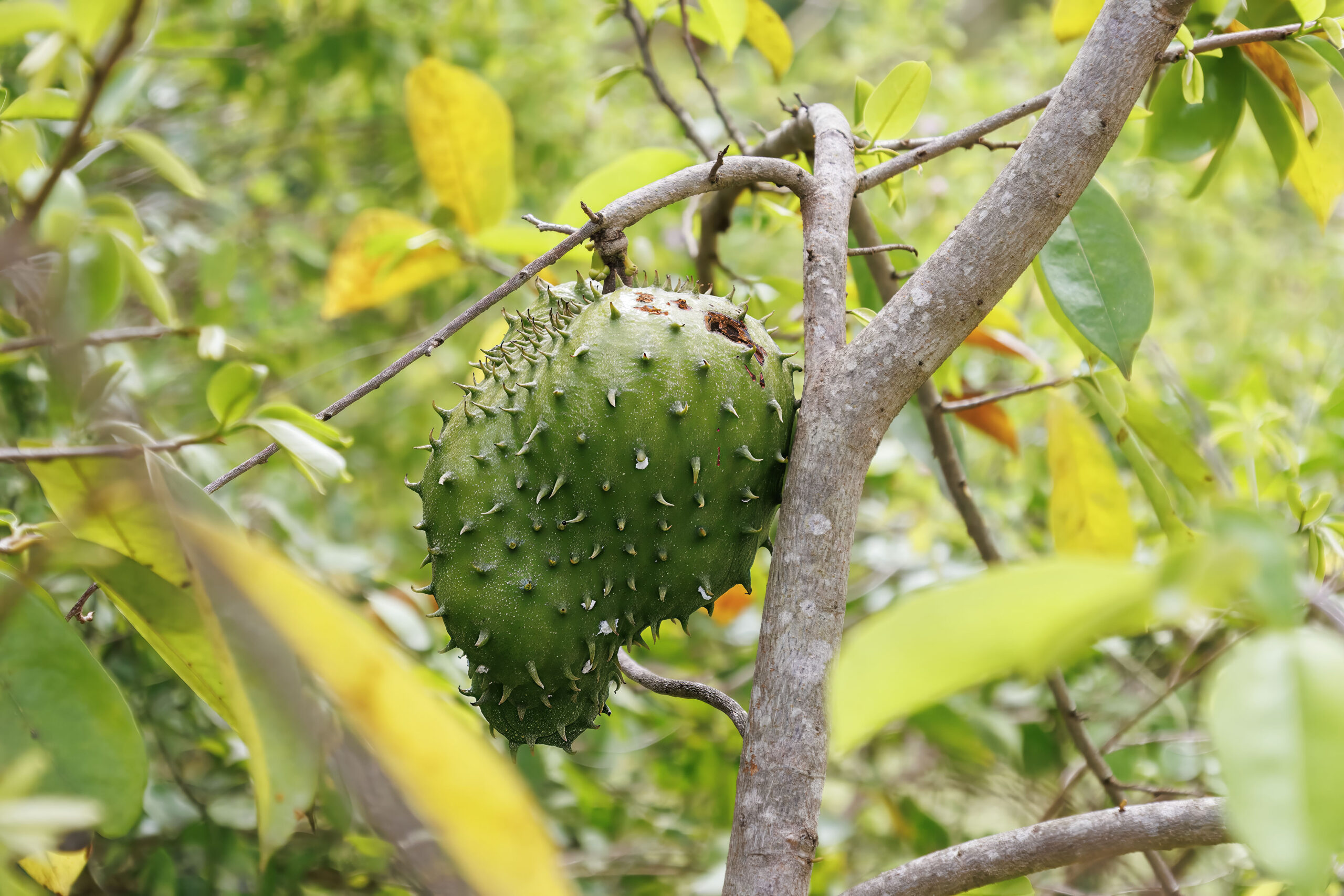
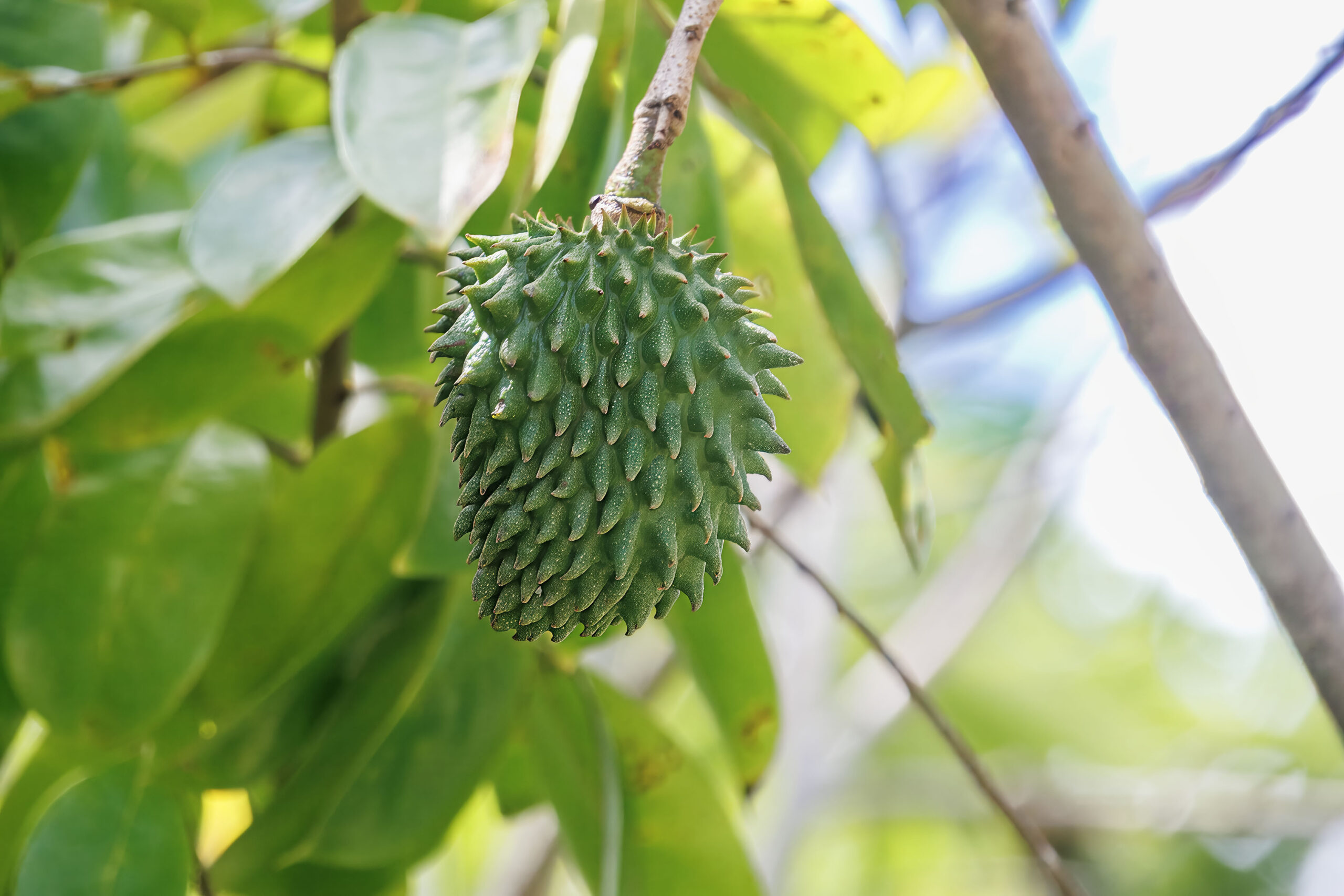
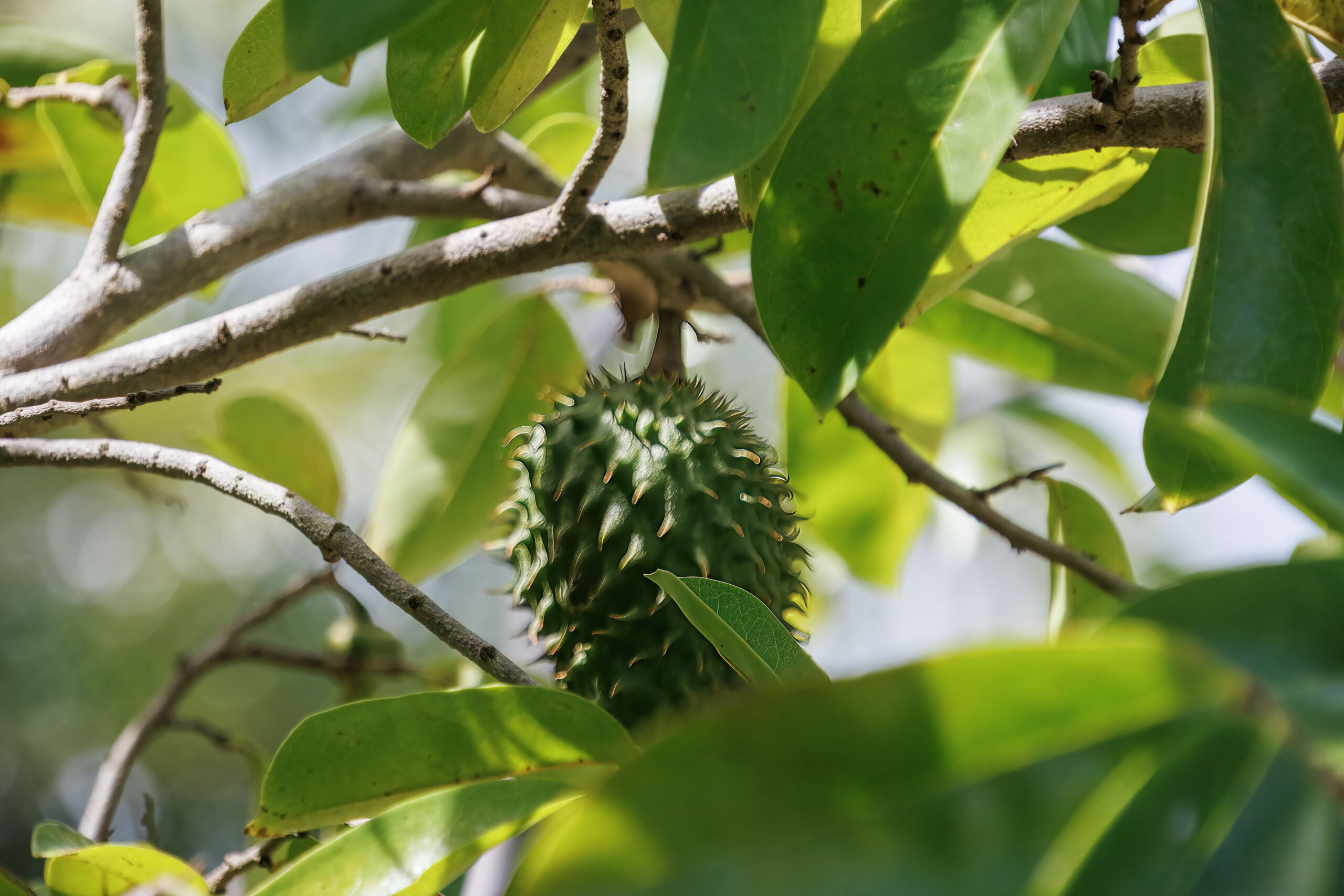
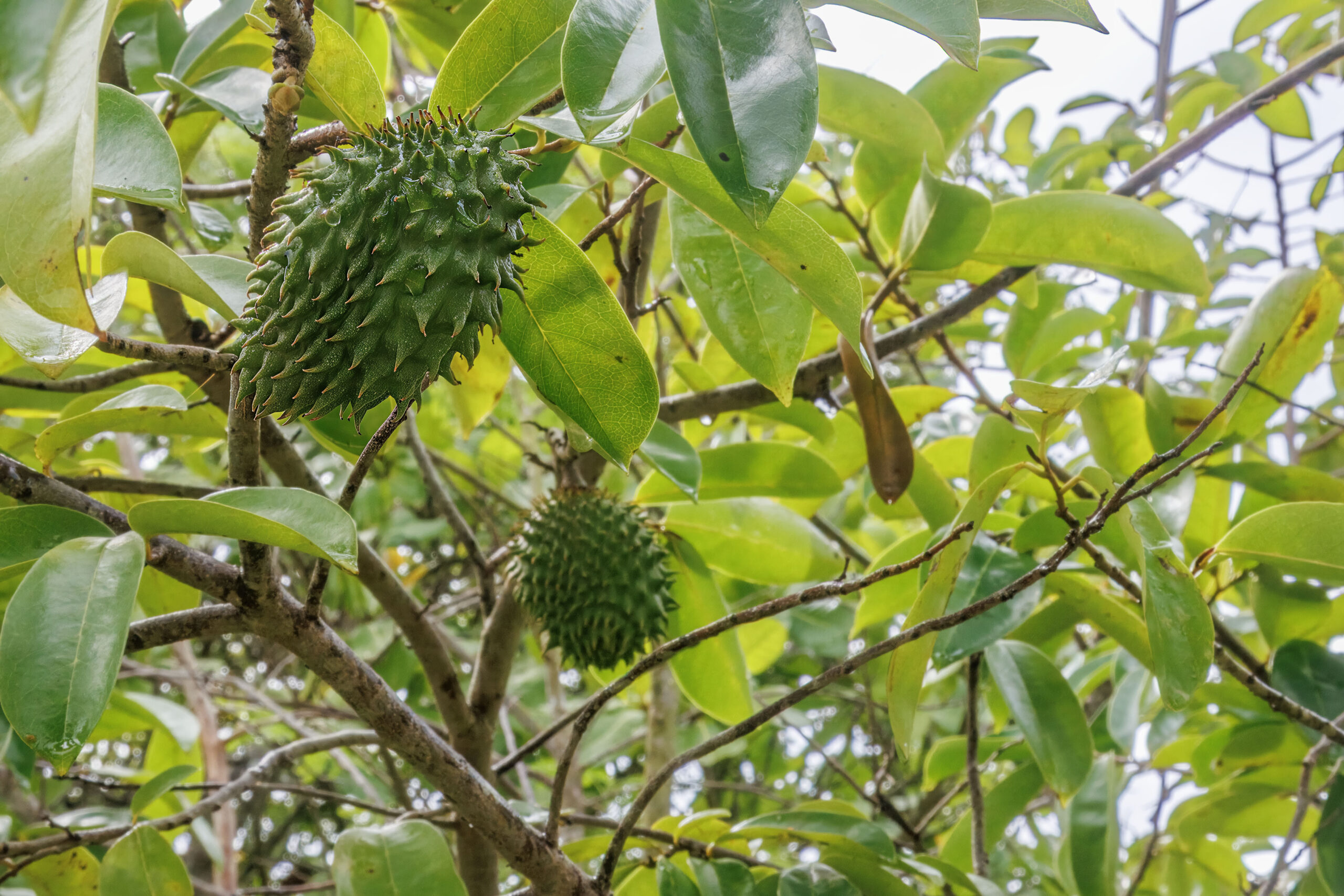
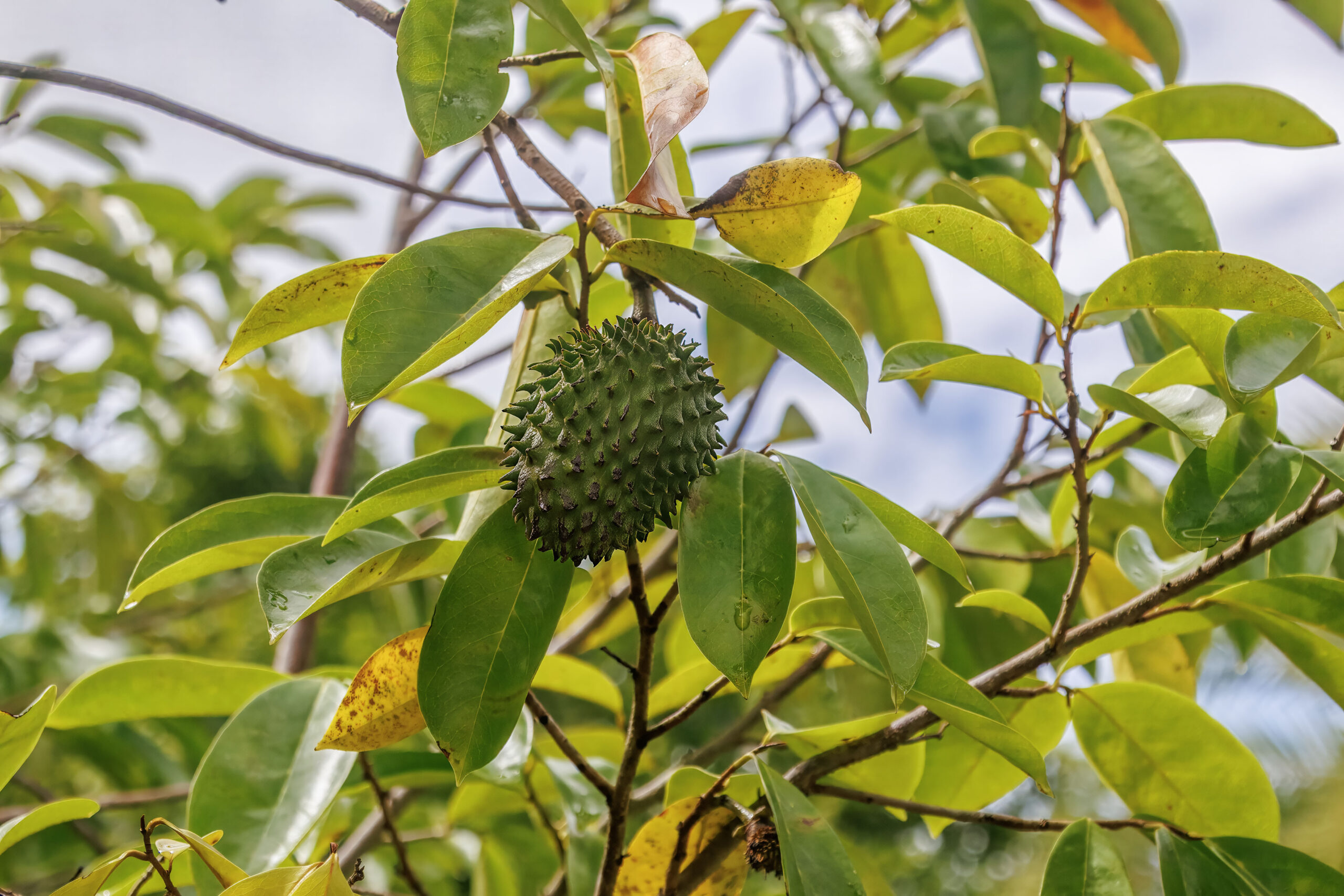
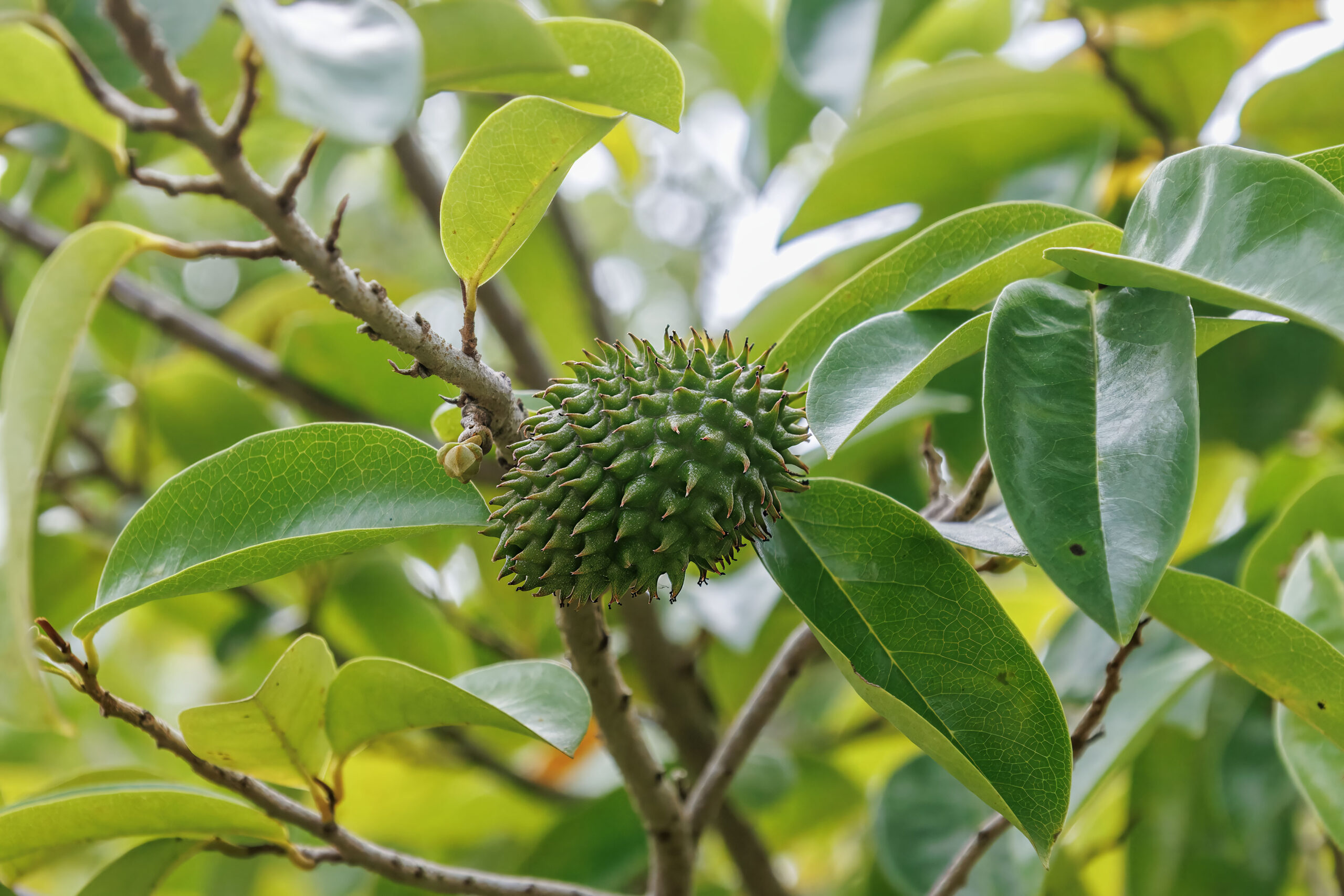
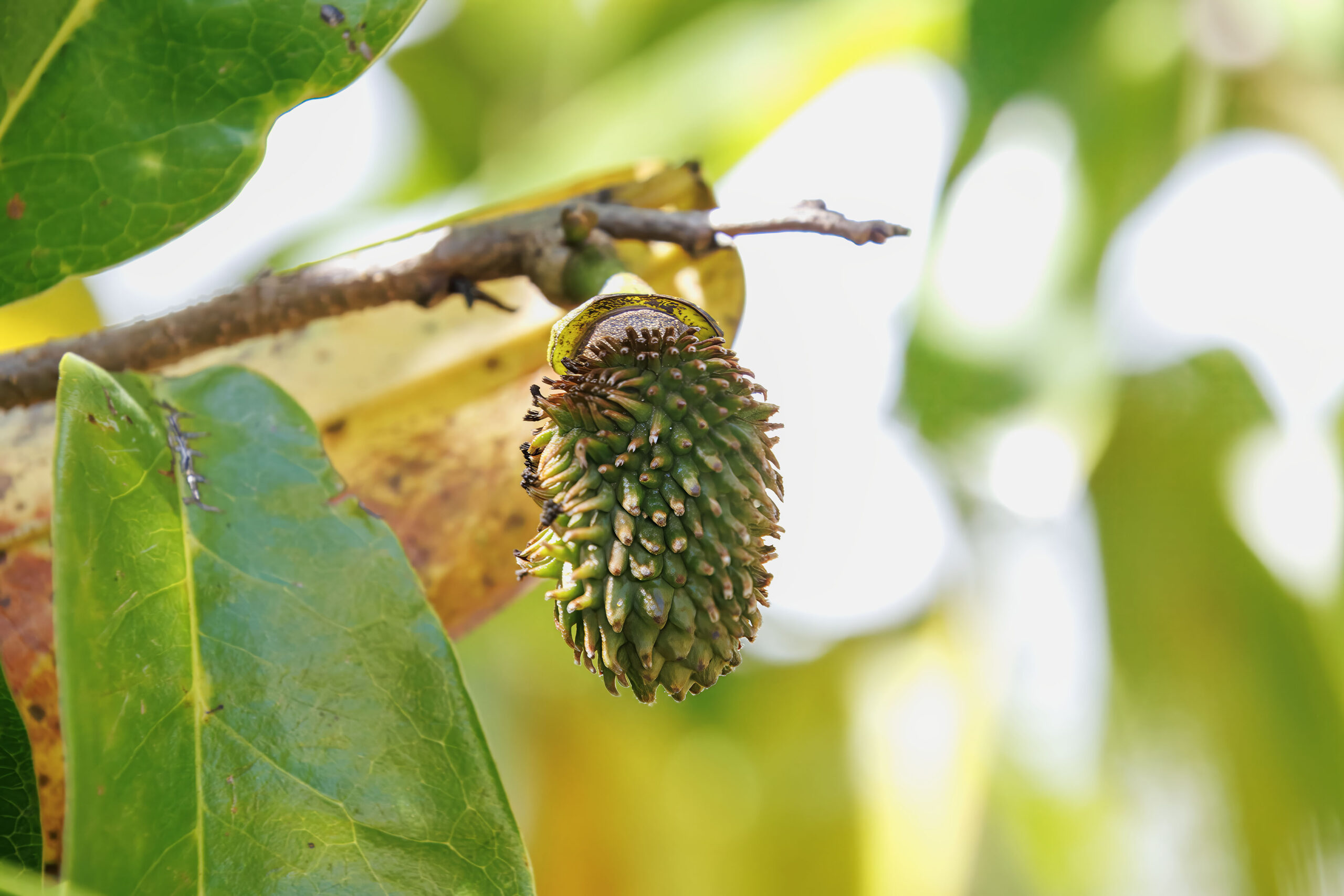
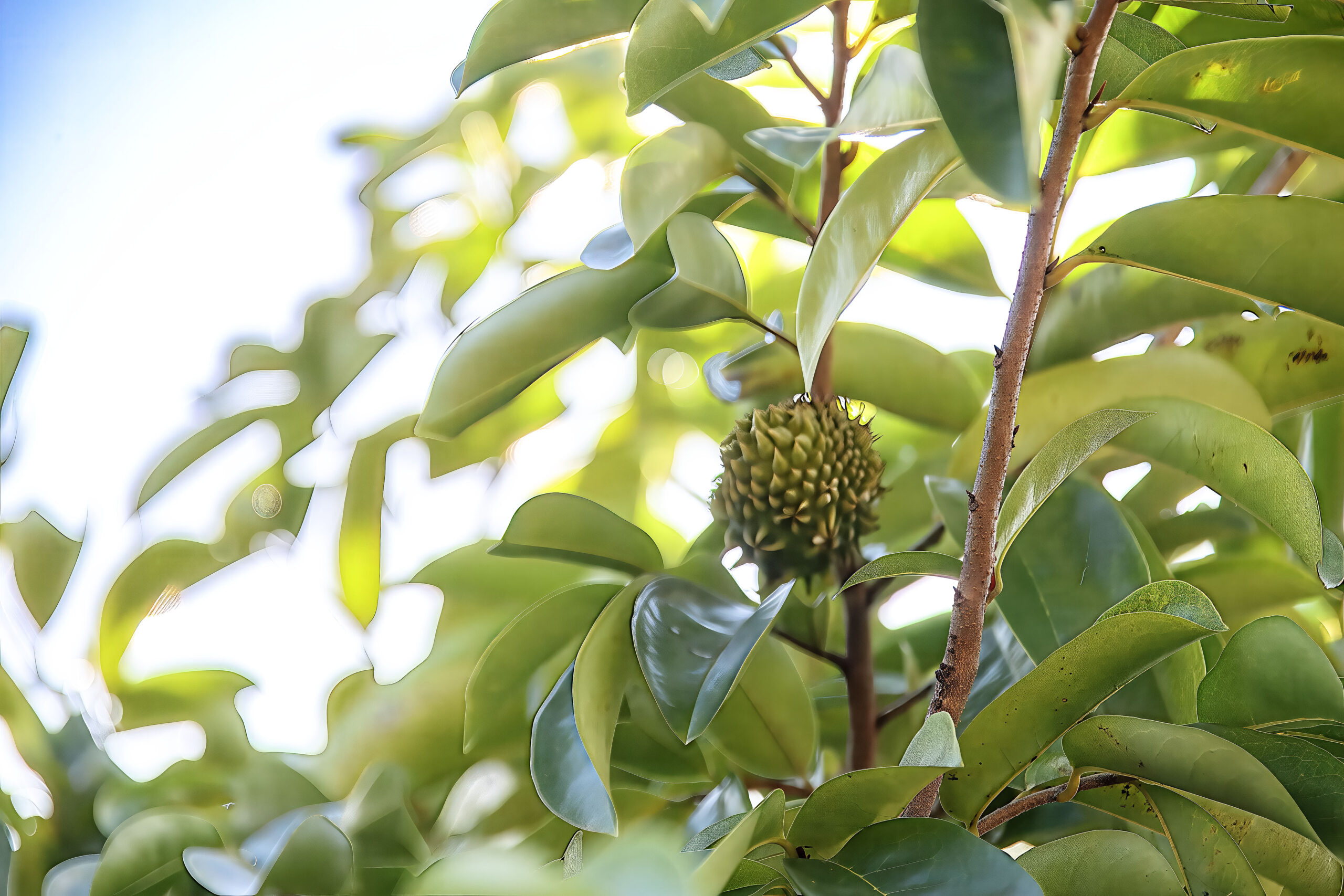
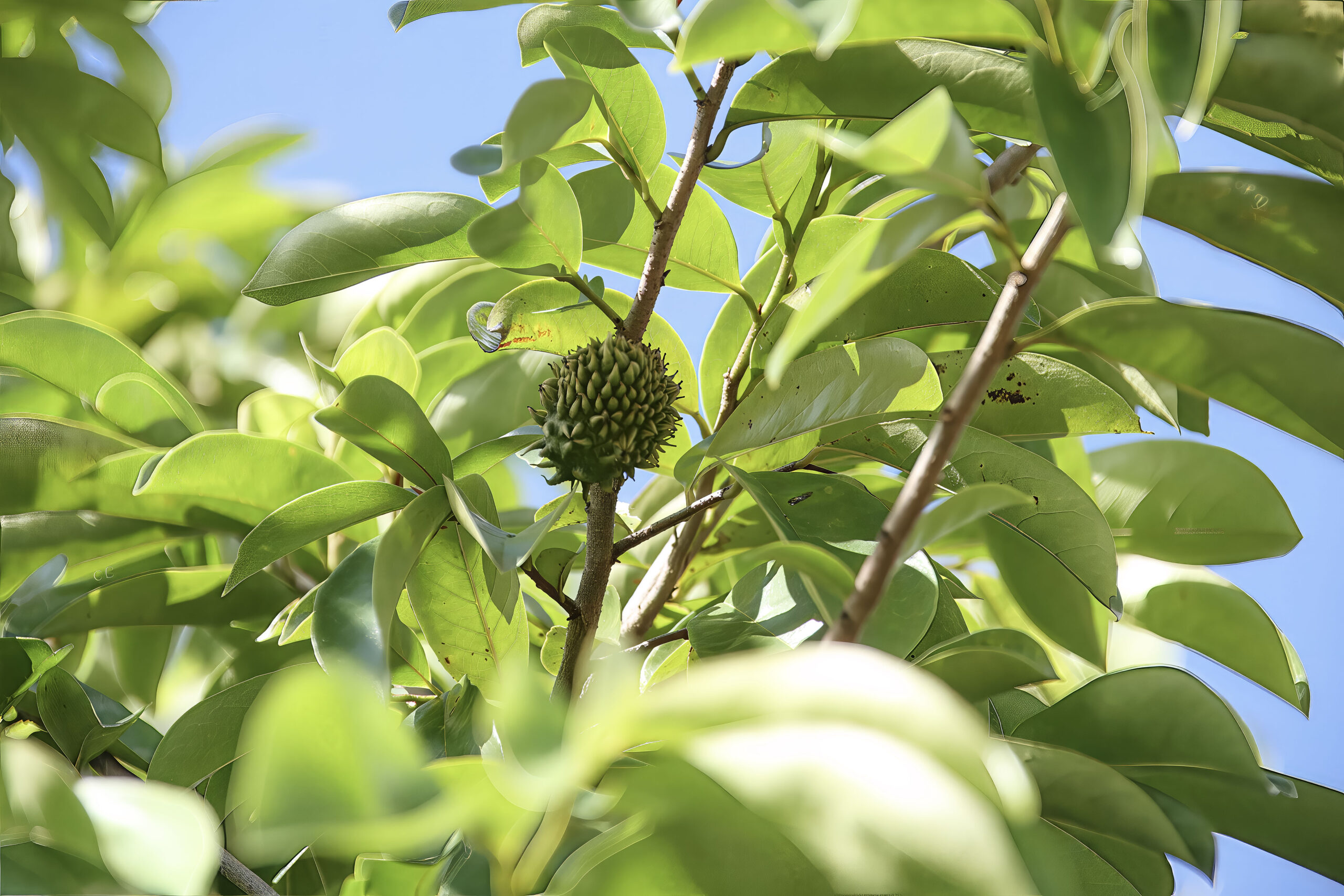
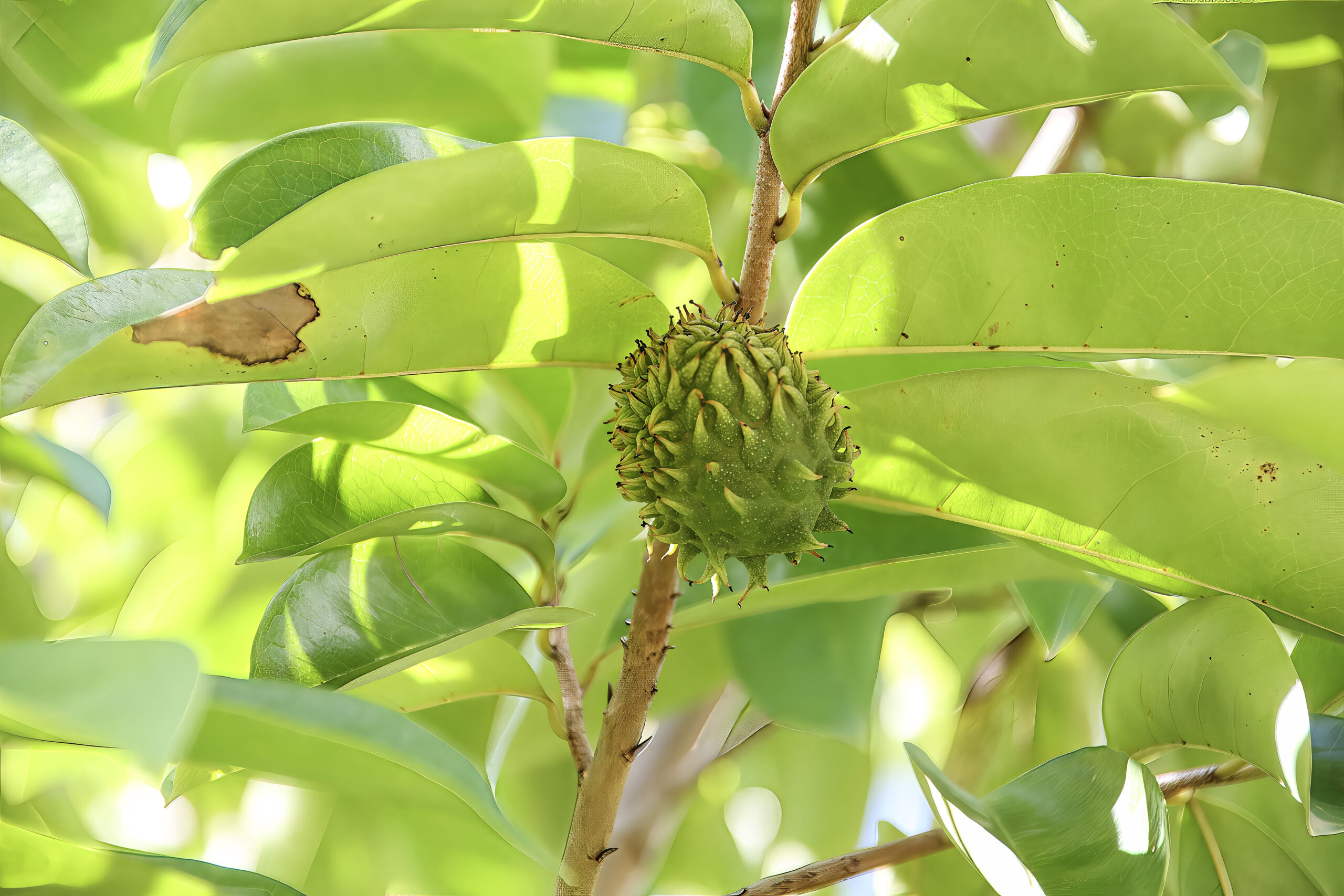
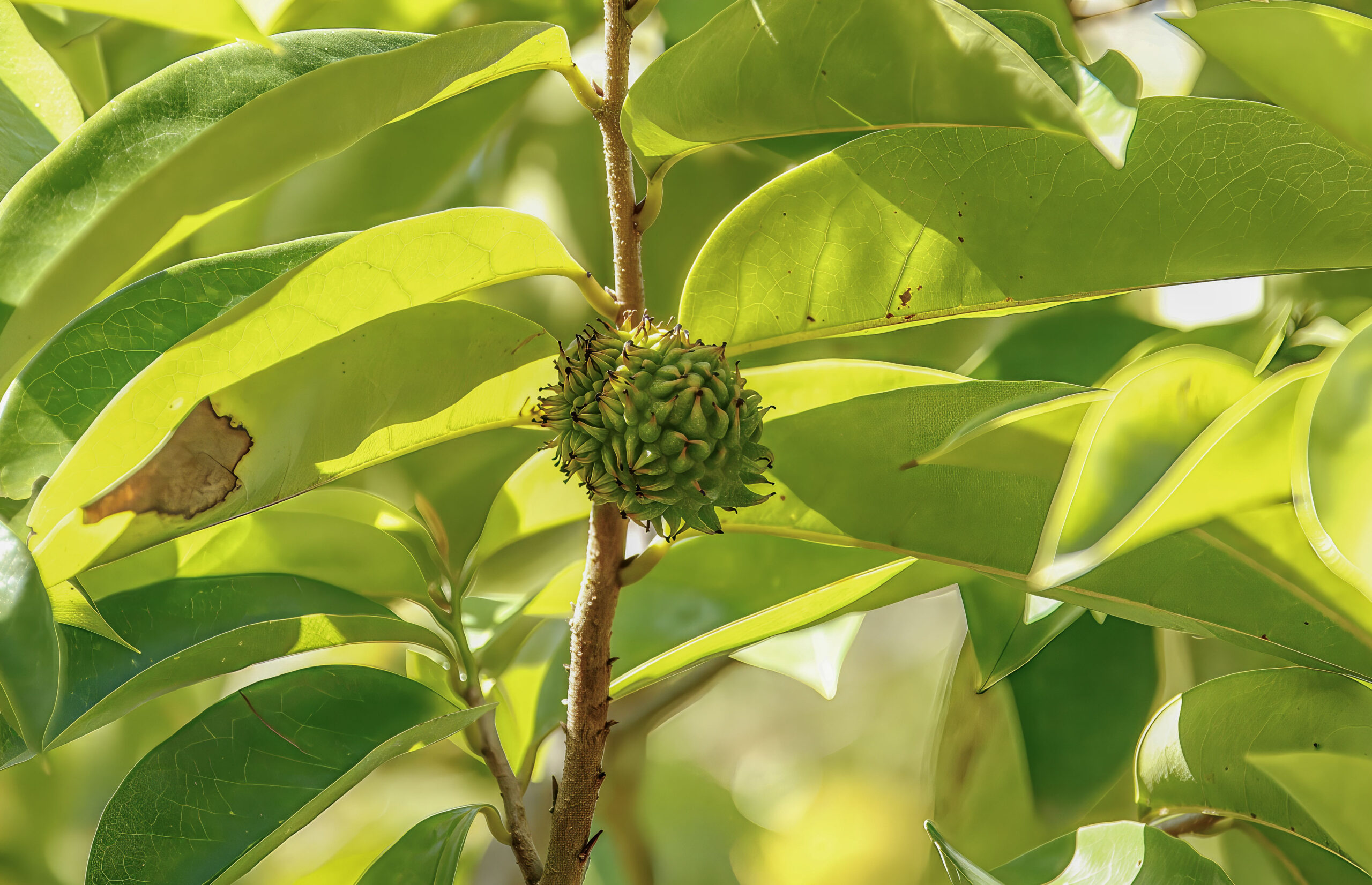
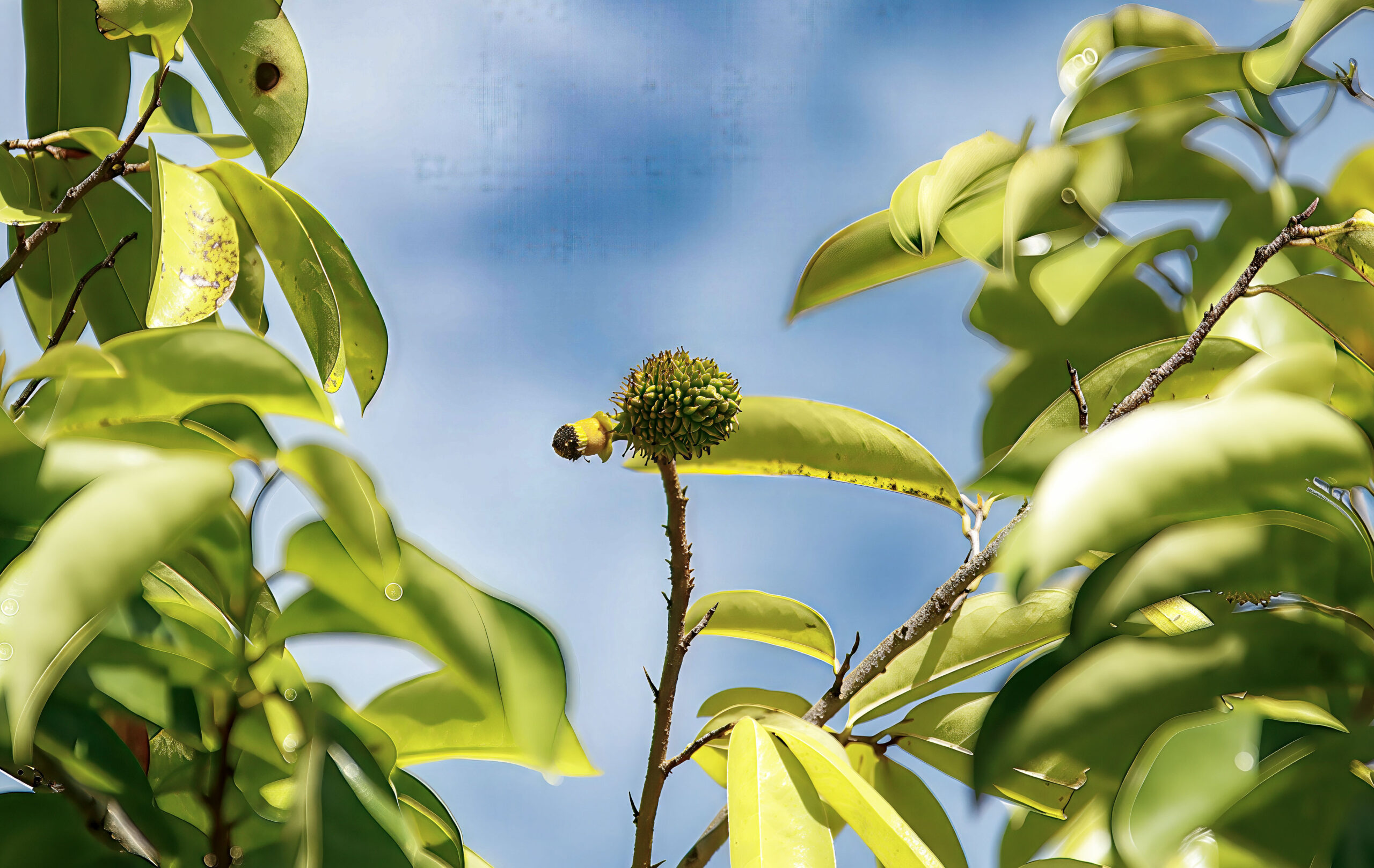
- Fruits are green, spiny, and weigh up to 5 kg; pulp is white, fibrous, and aromatic with black seeds.
- Valued for both culinary and traditional medicinal uses.
- Grows best in warm, humid climates with good rainfall and well-drained soils.