
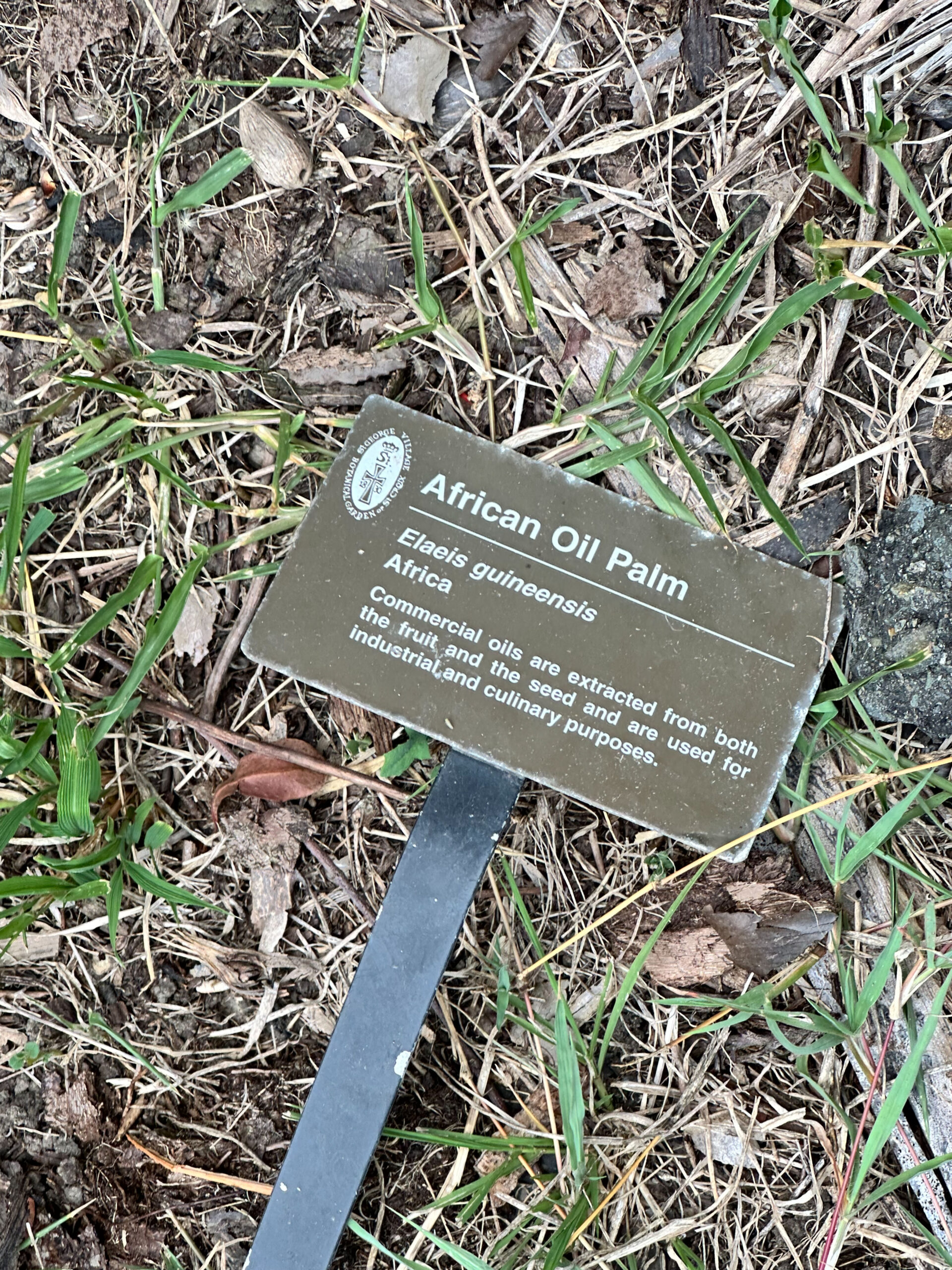
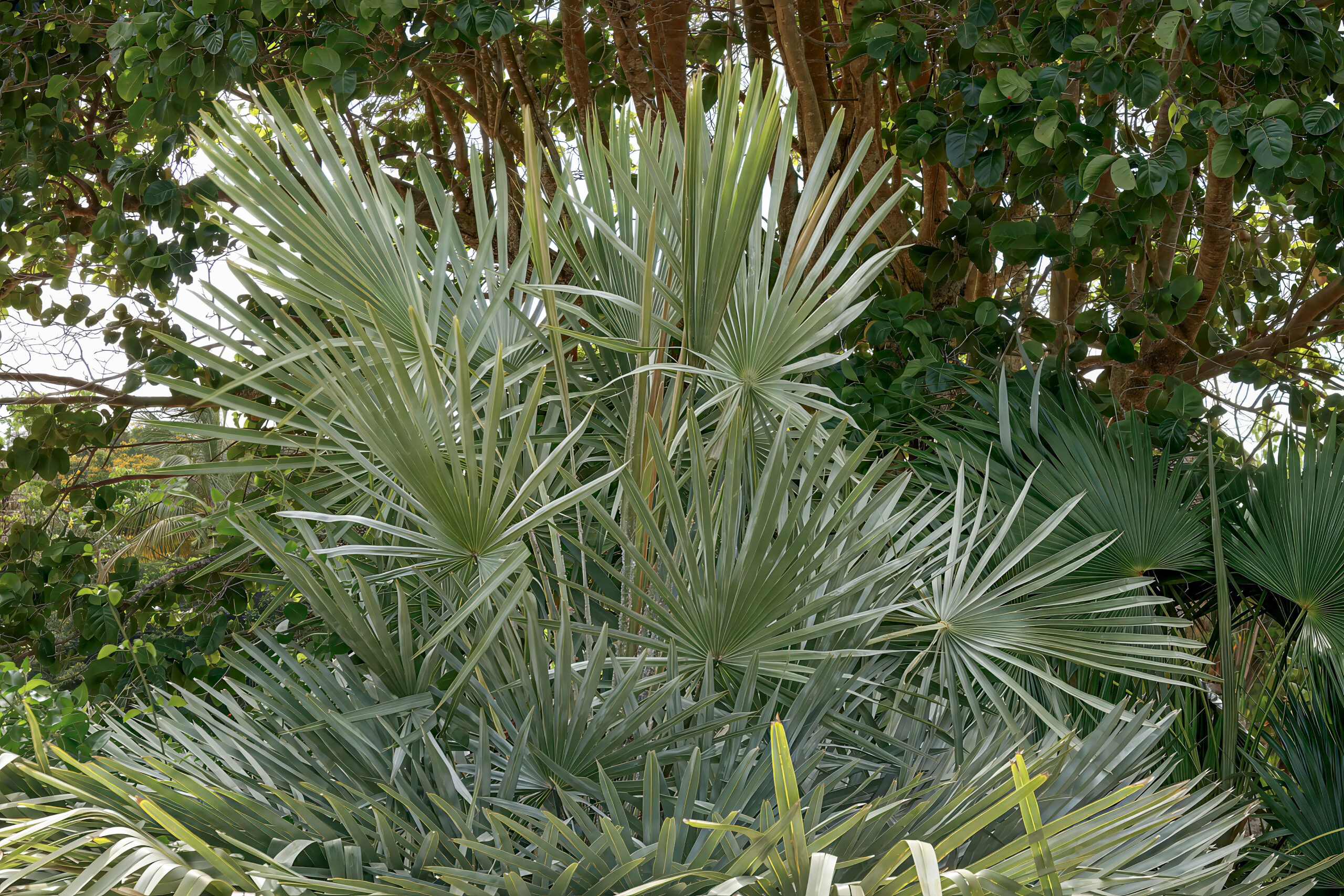
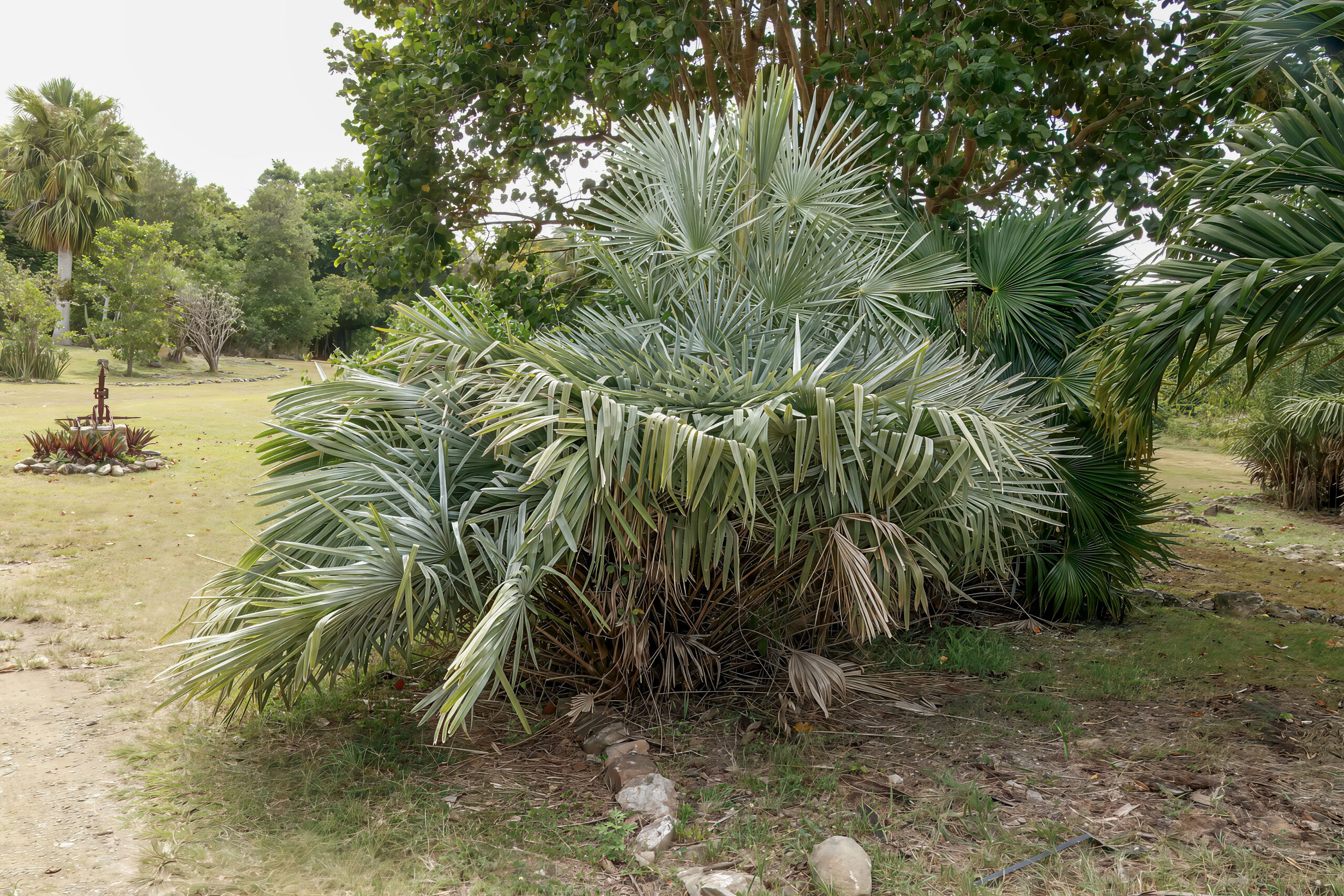
African Oil Palm
Scientific name: Elaeis guineensis
POWO Status: Tree
IUCN Red List threat level: Least Concern
GPS Location: 17° 42′ 58.73″ N, 64° 49′ 46.17″ W
Medicinal Uses
Elaeis guineensis (oil palm) is used in traditional medicine for wound healing, skin issues, pain relief (headaches, rheumatism), and ailments like malaria, diabetes, and cancer, with scientific studies backing its antioxidant, anti-inflammatory, antimicrobial, antihypertensive, antidiabetic, neuroprotective, and wound-healing properties, primarily from its rich phytonutrients in the oil, leaves, and sap, though research is ongoing.
Traditional Uses
- Wound Healing & Skin: Applied to cuts, boils, skin infections, and ulcers.
- Pain & Inflammation: For headaches, rheumatism, lumbago, and general body pain.
- Infections: Used for malaria, gonorrhea, bronchitis, and candidiasis.
- Cardiovascular: For atherosclerosis, arterial thrombosis, and heart troubles.
- Metabolic: To treat diabetes, regulate blood sugar, and help with easy delivery in childbirth.
- Other: Antidote for poisons, remedy for menstrual issues (amenorrhea, menorrhagia), and to treat mental fatigue.
Scientific Findings & Properties
- Antioxidant Power: Extracts are rich in carotenoids and tocotrienols (Vitamin E), effectively fighting free radicals.
- Anti-inflammatory: Leaf extracts show anti-inflammatory effects.
- Antimicrobial: Extracts demonstrate activity against bacteria (like Bacillus subtilis, Salmonella typhi) and fungi (like Candida albicans, Aspergillus niger).
- Cardiovascular Support: Leaf extracts show potential antihypertensive effects and can help with hyperlipidemia.
- Antidiabetic Potential: Tocotrienols may improve glucose metabolism, and extracts show hypoglycemic effects.
- Wound Healing: Proven to accelerate wound closure and tissue regeneration in studies.
Parts Used
- Fruit Oil (Palm Oil): Rich in antioxidants, used for general health, vitamin A deficiency, and cardiovascular support.
- Leaves: Used for cancer, kidney disease, wound healing, and have broad pharmacological activities.
- Sap: Contains phytonutrients for treating various diseases.
- Roots, Kernels, Flowers: Also utilized in traditional remedies.
Observations:
Phenological Markers – Elaeis guineensis (African Oil Palm)
Family: Arecaceae (Palm family)
Common Name: African Oil Palm
Habitat: Native to West and Central Africa, typically found in tropical rainforests and coastal areas. It is now widely cultivated in tropical regions for commercial production of palm oil.
Phenological Markers:
- Flowering Period: Flowering occurs year-round but is most abundant in early to mid-year (March to June) in cultivated plantations. The palm produces small, unisexual flowers that are arranged in large inflorescences.
- Fruiting Period: The fruiting period follows flowering and usually occurs about 5-6 months after pollination. Fruit ripening typically happens from late summer to early fall (August to October). The fruit is a drupe, typically reddish-orange in color when ripe.
- Leaf Fall: Evergreen, with older leaves dying off as new leaves emerge. The plant continuously produces new leaves throughout the year.
- Budding Period: New fronds begin to form at the growing tip of the palm throughout the year, but early spring (March-April) tends to see a peak in growth.
Key Features:
- Leaves: Large, pinnate, dark green leaves that grow in a spiral pattern from the top of the trunk. Older leaves tend to be shed as new ones grow.
- Flowers: Small, cream-colored flowers, with separate male and female flowers on the same inflorescence.
- Fruits: The fruit is a fleshy, oblong drupe, with a hard seed inside, covered by an oily pulp. The fruit is harvested when ripe, with a characteristic reddish-orange color.
Additional Notes:
The palm thrives in humid tropical climates, requiring consistent rainfall and warm temperatures to grow successfully.
The African Oil Palm is one of the most economically important plants globally due to its oil-rich fruit. Palm oil is used in a wide range of products, from food to cosmetics, and its cultivation is widespread in countries such as Indonesia and Malaysia.