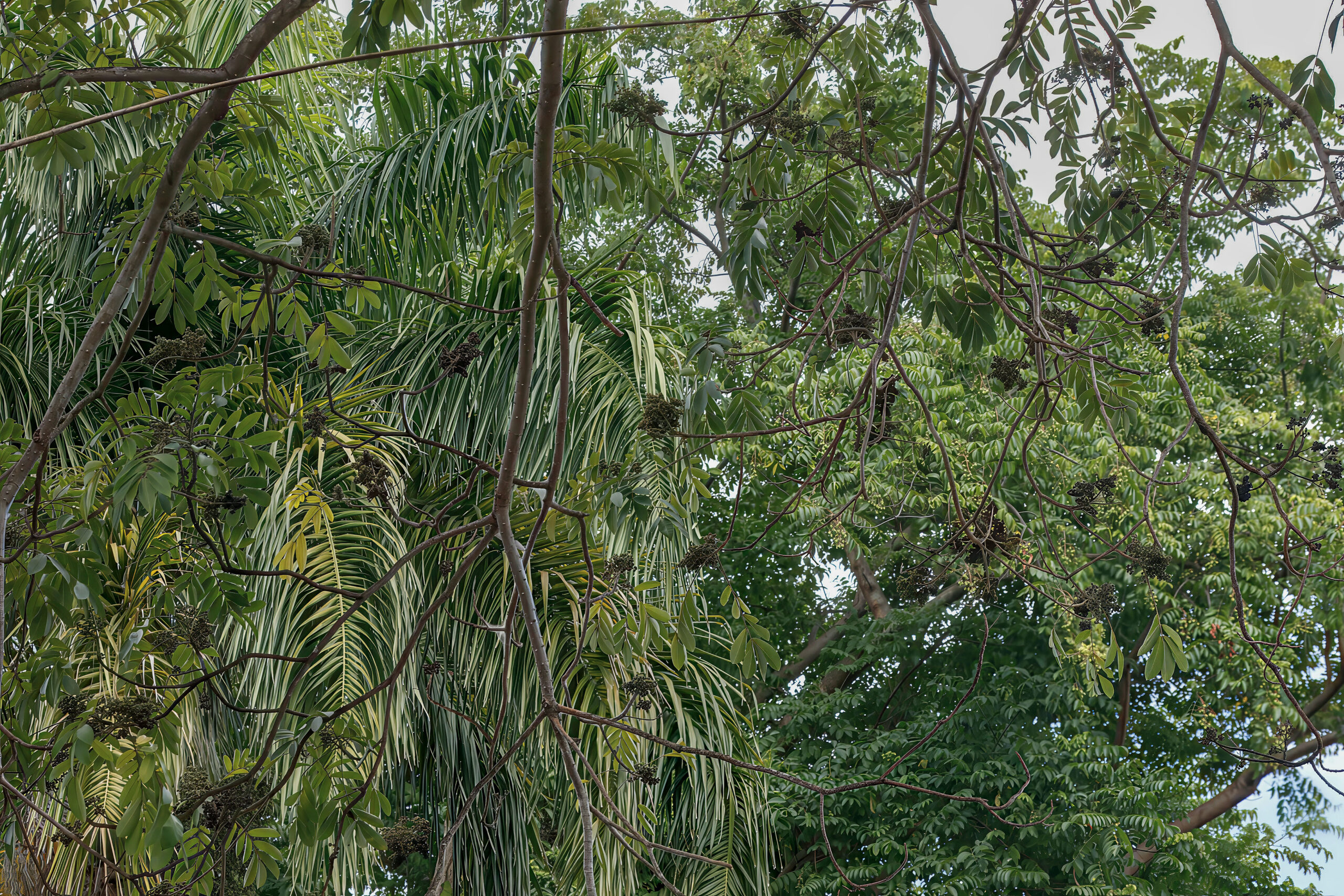
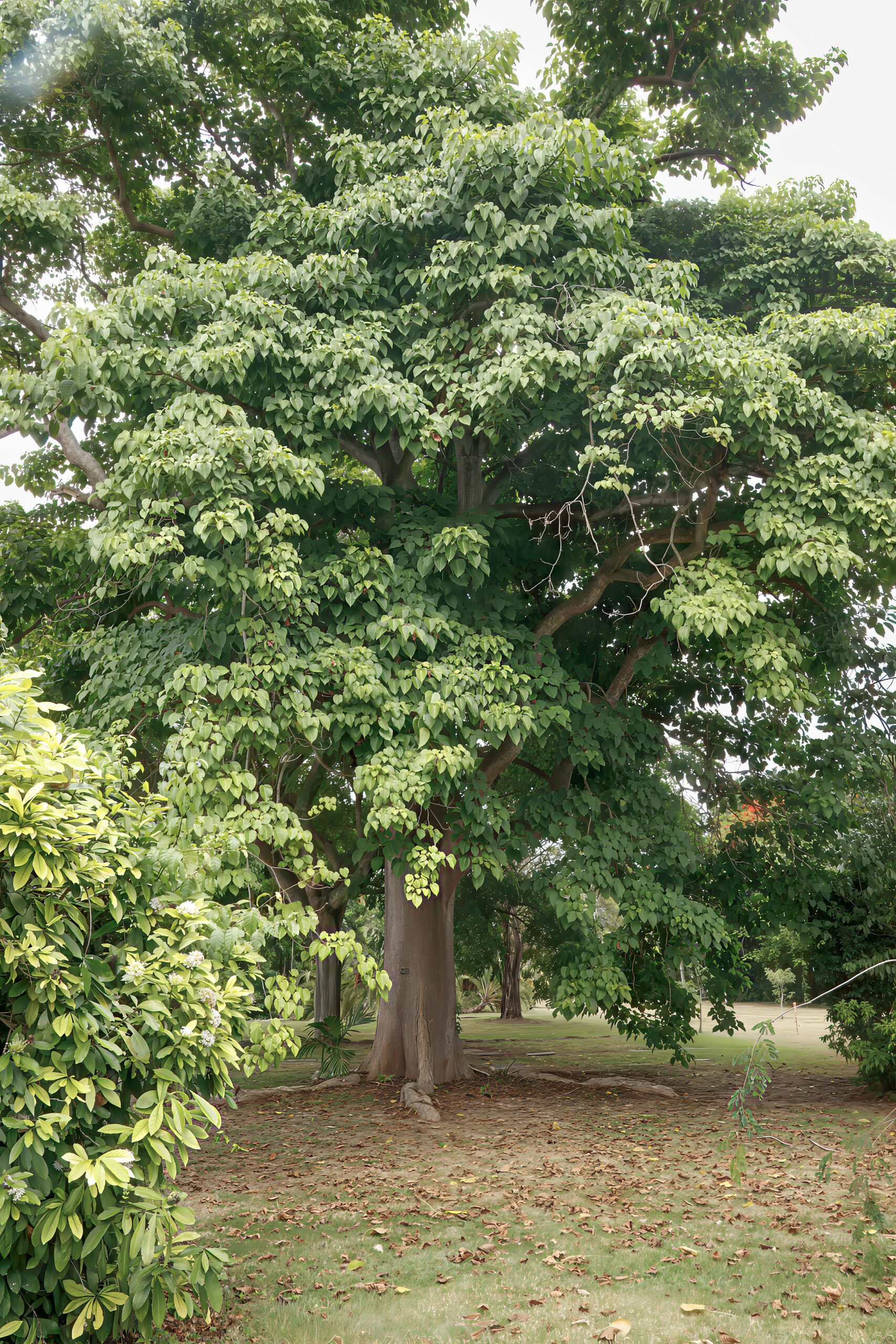
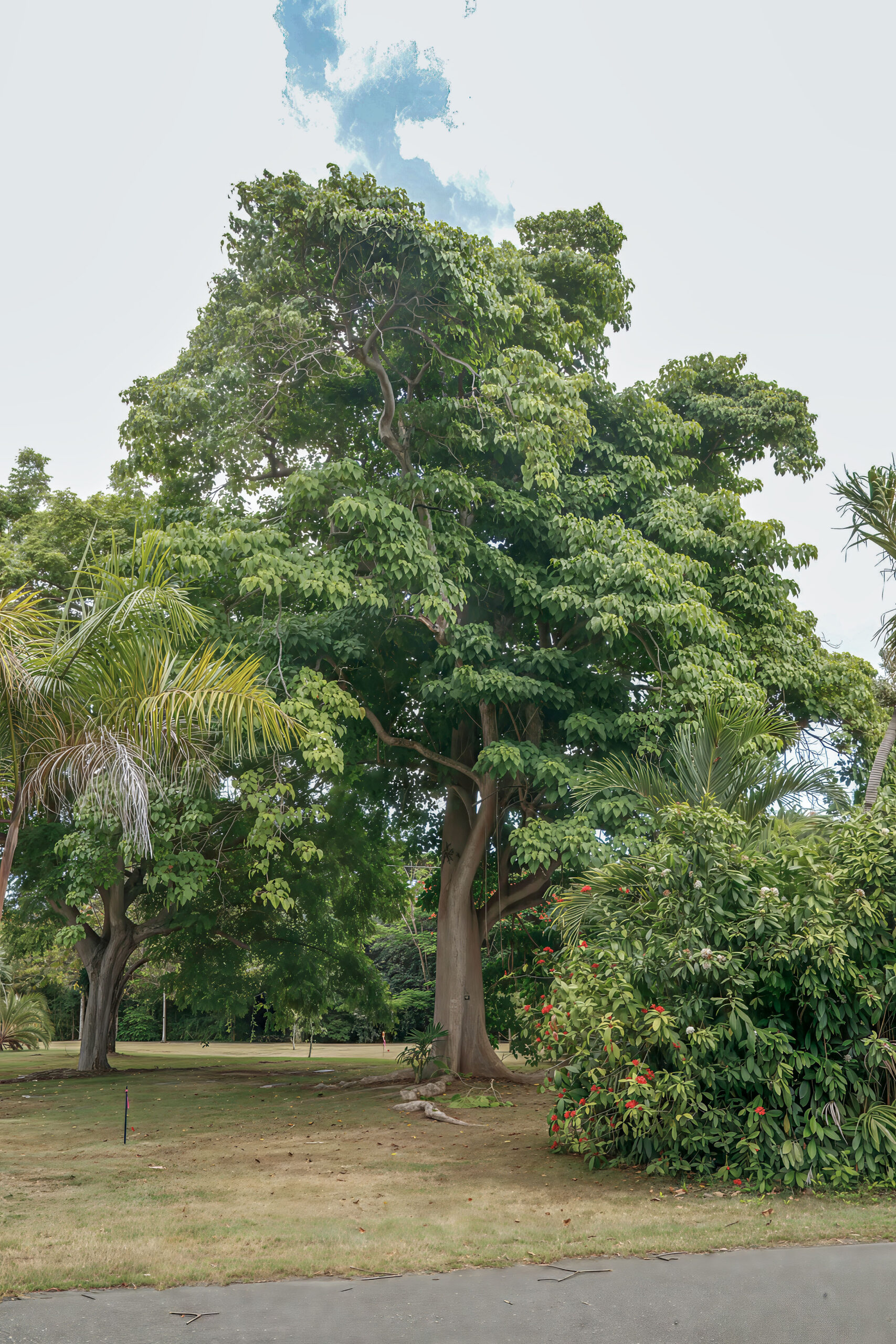
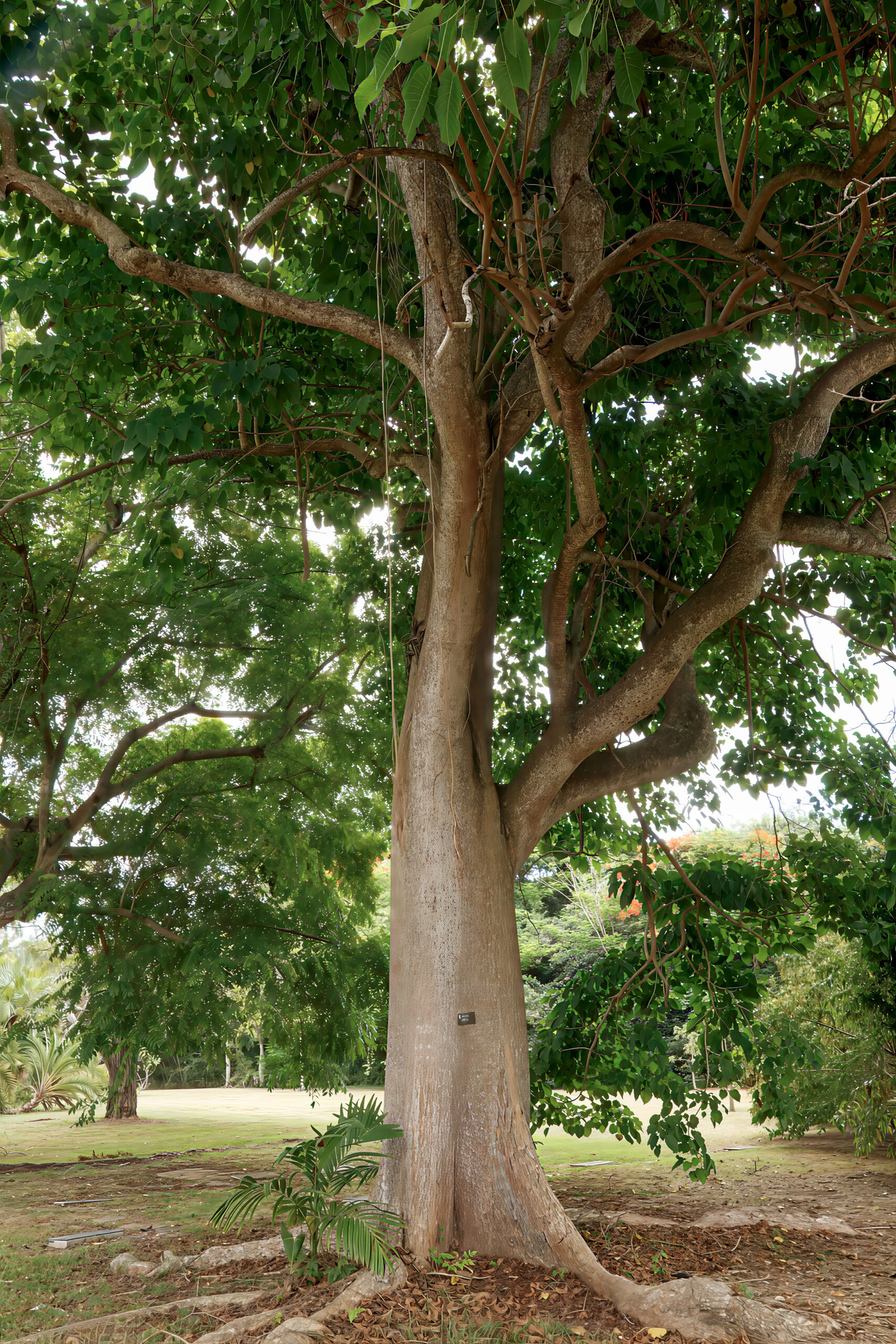
Sandbox tree
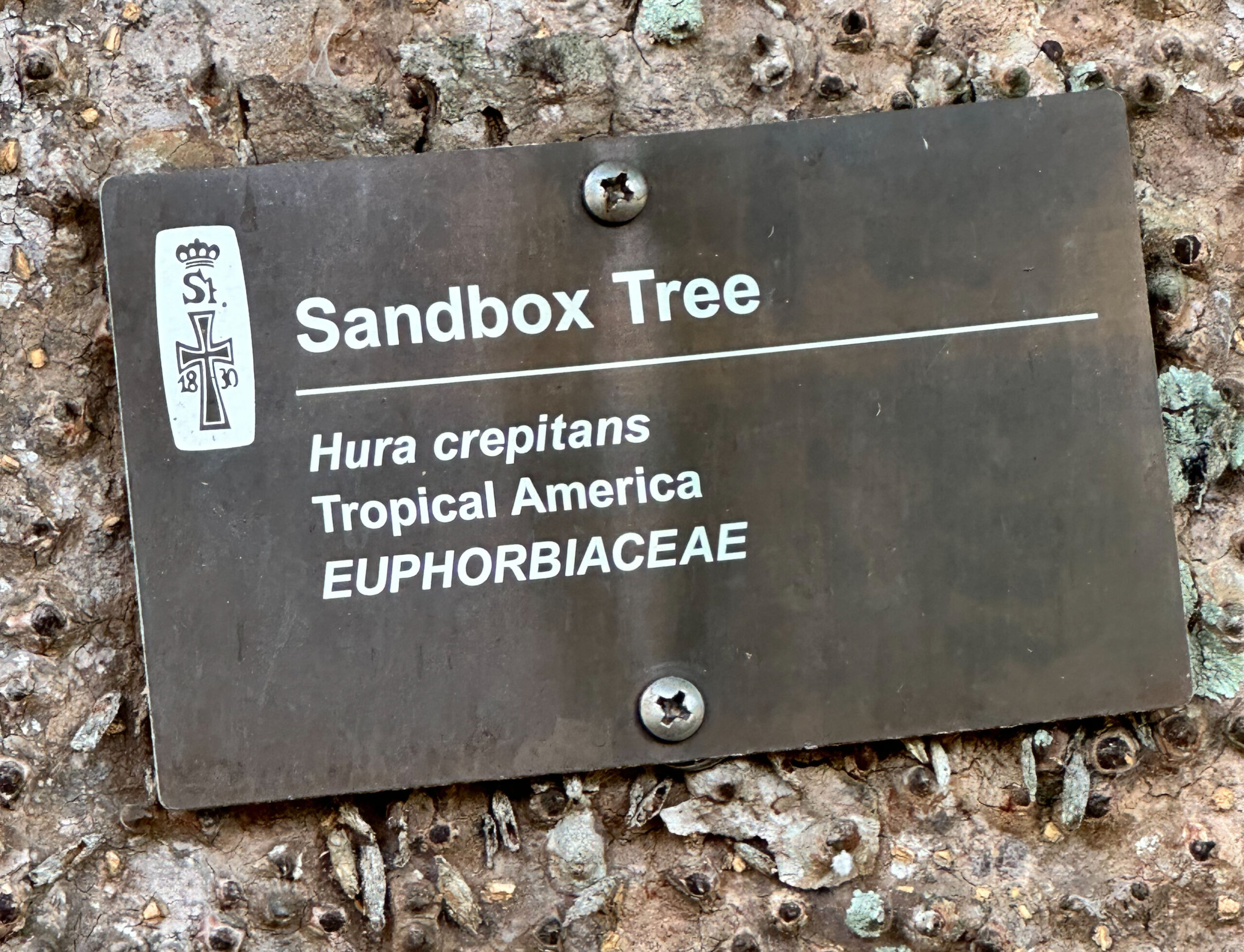
Scientific name: Hura crepitans
POWO Status: Tree
IUCN Red List threat level: Least Concern
GPS Location: 17° 42′ 54.39″ N, 64° 49′ 48.61″ W


Medicinal Uses
Hura crepitans (Sandbox Tree) has diverse traditional medicinal uses, leveraging its potent compounds for treating skin diseases (leprosy, sores, ringworm), inflammation, rheumatism, intestinal parasites (worms), and as purgatives/emetics, with scientific studies exploring its antioxidant, antimicrobial, anti-inflammatory, and hepatoprotective (liver-protective) properties, though its toxic latex requires extreme caution and specific preparation.
Traditional & Ethnomedicinal Uses
- Skin Conditions: Latex and bark extracts are used for skin diseases, leprosy, fungal infections (ringworm), sores, and wounds.
- Parasites: Seeds and latex act as intestinal antiparasitics against worms.
- Digestive System: Used as a purgative (laxative) and emetic (induces vomiting).
- Inflammation & Pain: Applied topically for rheumatism, pain, and inflammation.
- Liver Health: Traditional use for liver issues, with studies supporting its hepatoprotective effects.
- Other: Dental problems (Madagascar), fevers, gynecological disorders, and even as a component in tear gas (historically).
Scientific Basis (Phytochemicals)
- Contains tannins, flavonoids, triterpenoids, saponins, and lectins, which contribute to its biological activities.
- Studies show potential antioxidant, antimicrobial (antibacterial/antifungal), anti-inflammatory, and antiproliferative effects.
Important Cautions
- Highly Toxic: The milky sap (latex) and seeds are poisonous and can be harmful if misused.
- Careful Preparation: Traditional use often involves mixing with other substances (like honey) or specific preparations (diluted extracts) to mitigate toxicity.
- Not for Self-Treatment: Its potency means it should only be used under expert guidance, as scientific research is still ongoing.
Observations:
Phenological Markers for Sandbox Tree (Hura crepitans)
1. Flowering
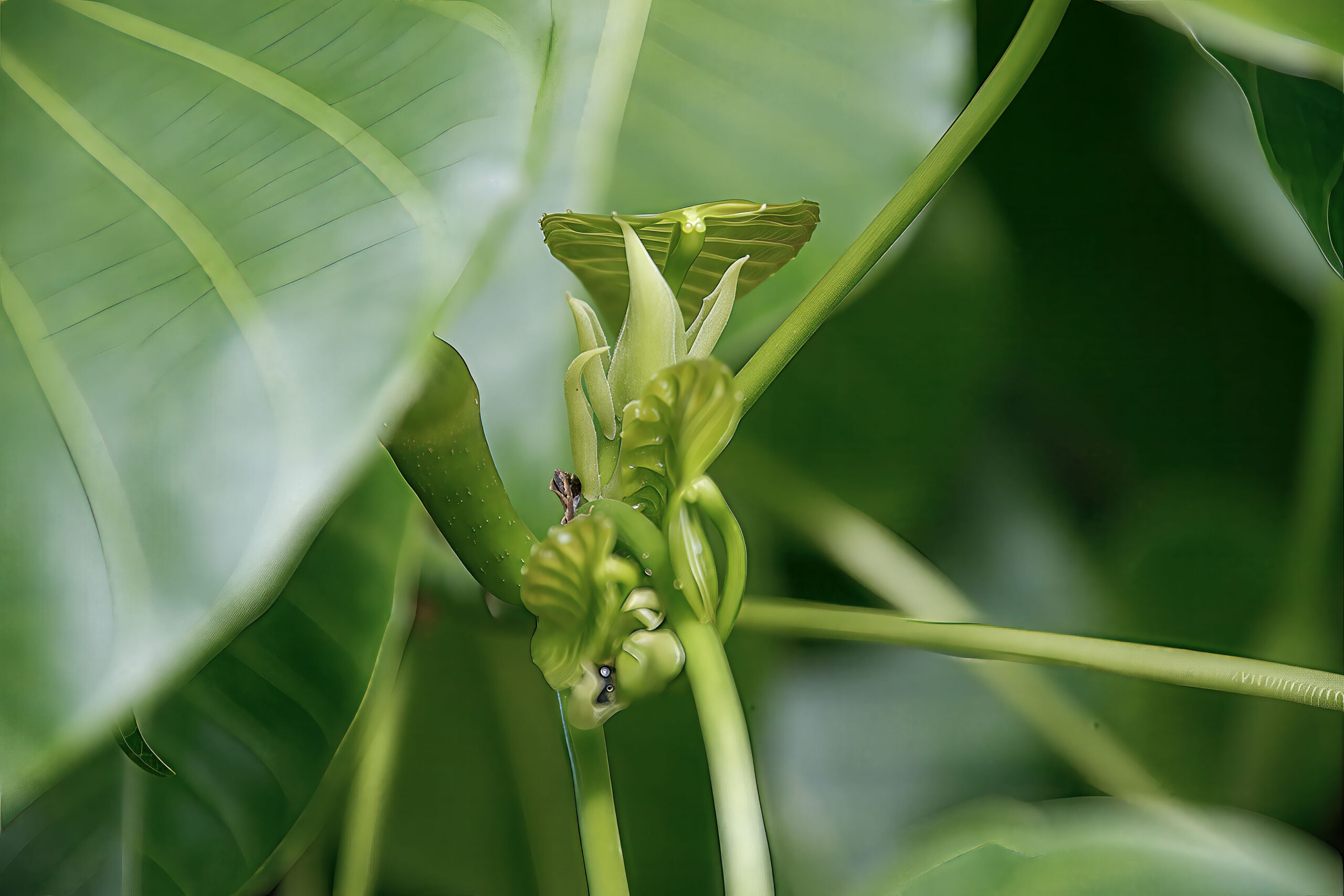
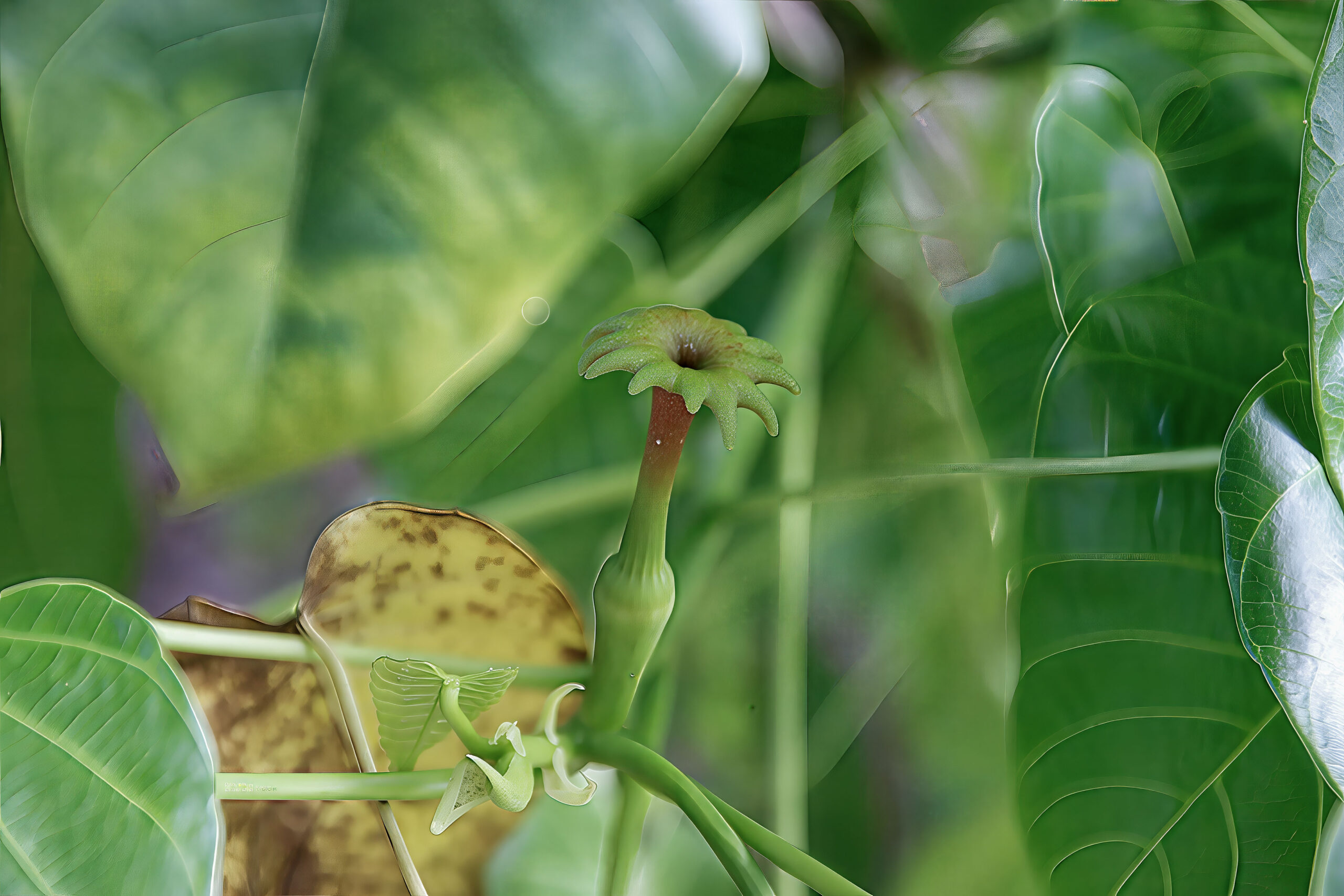
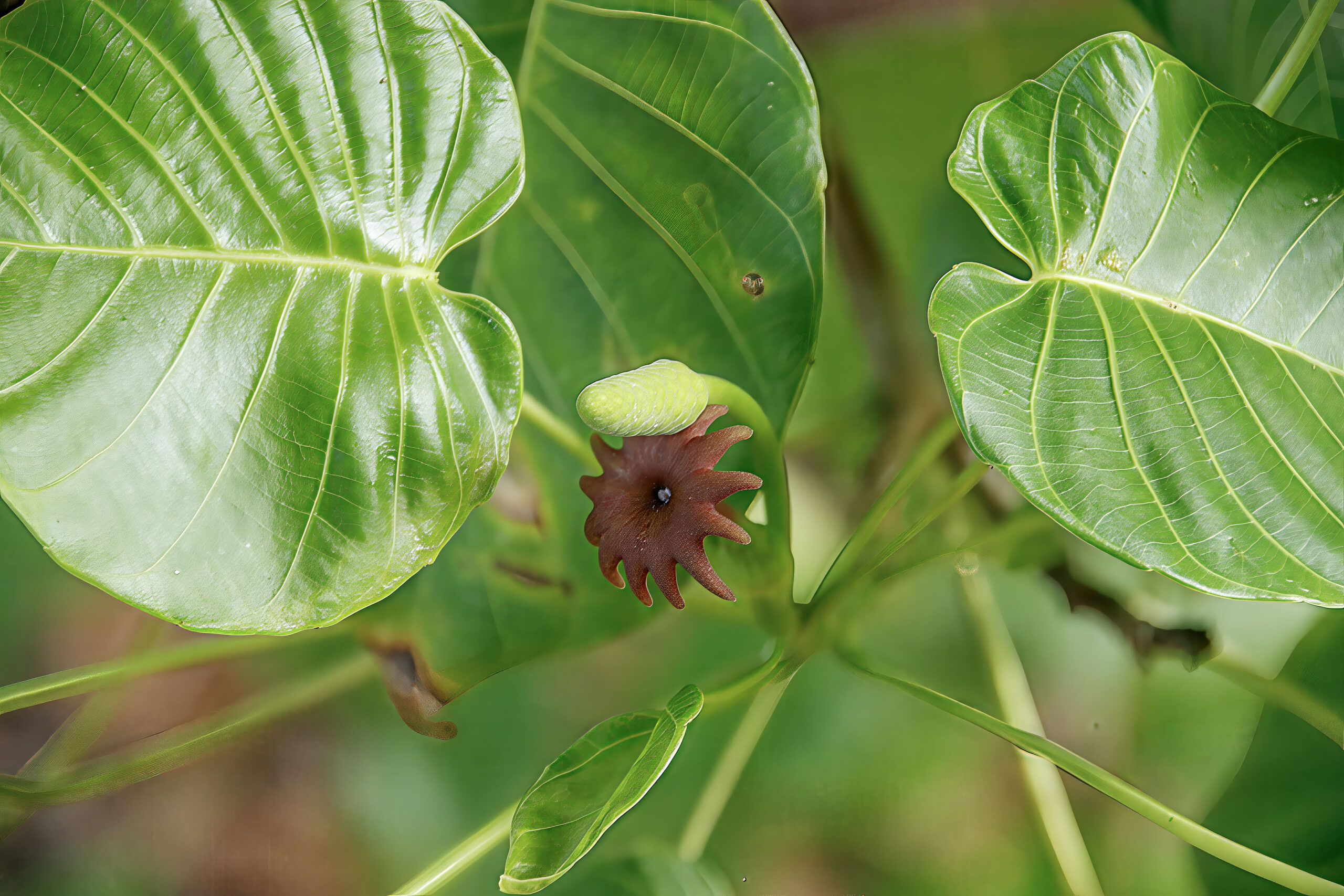
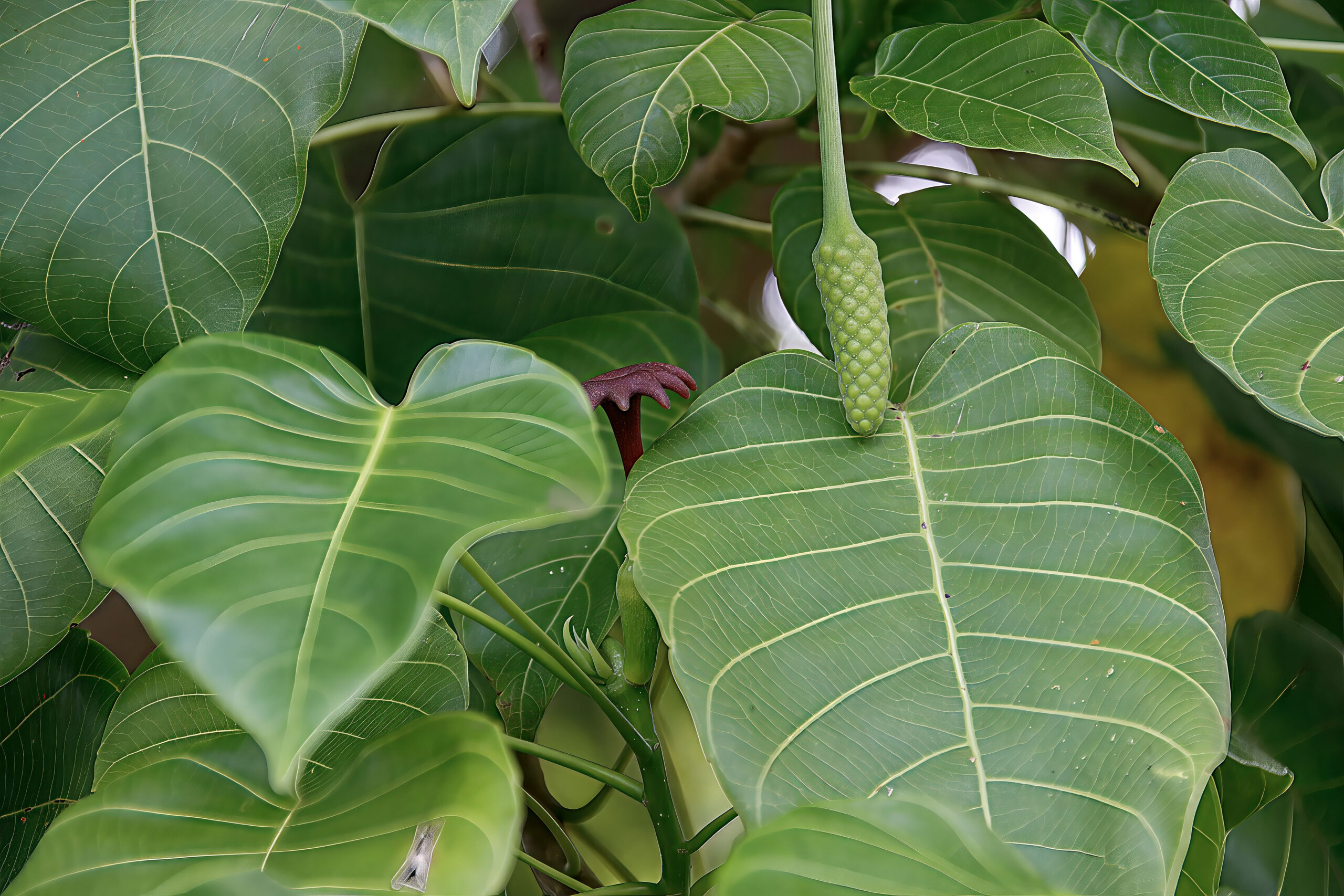
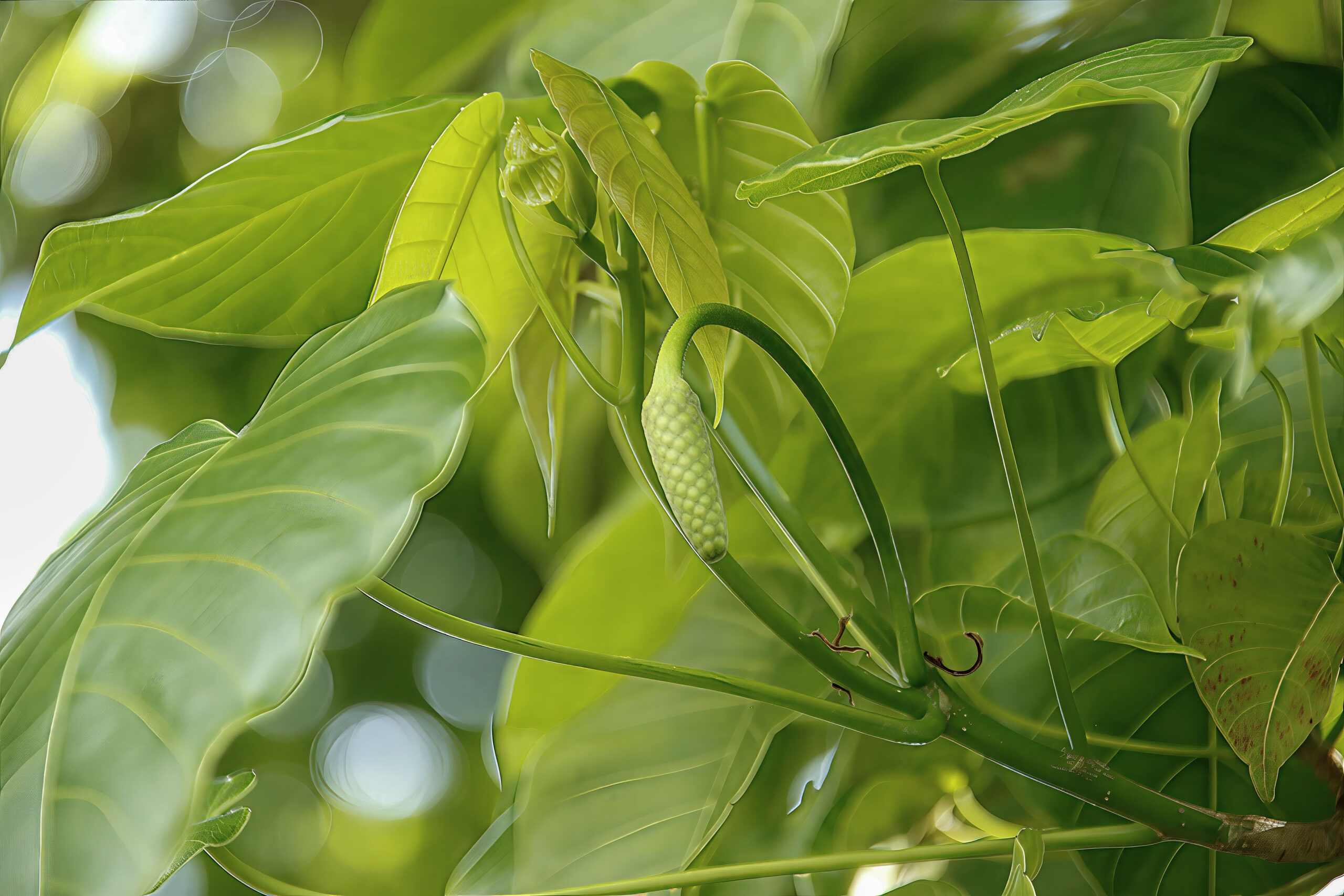
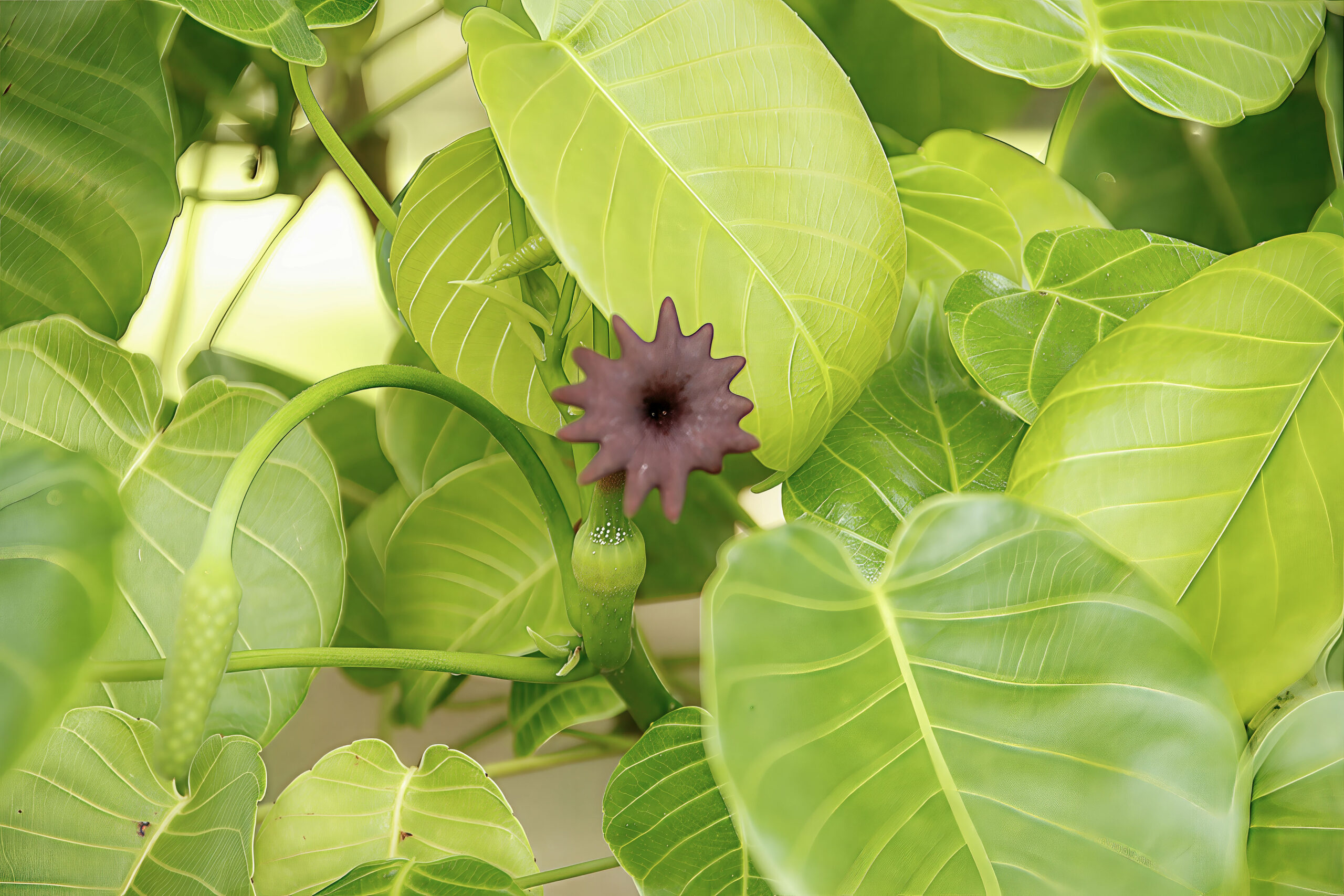
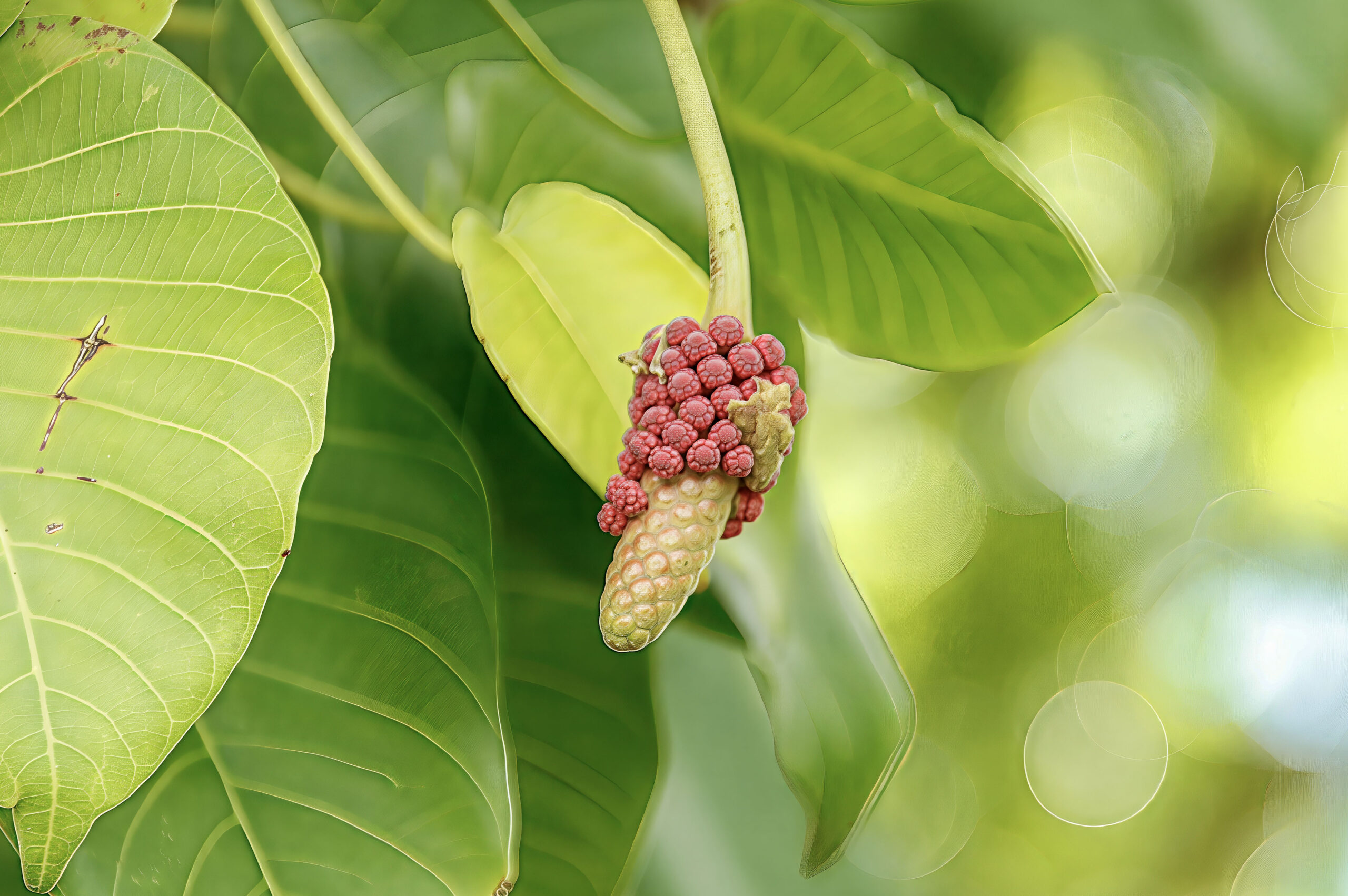
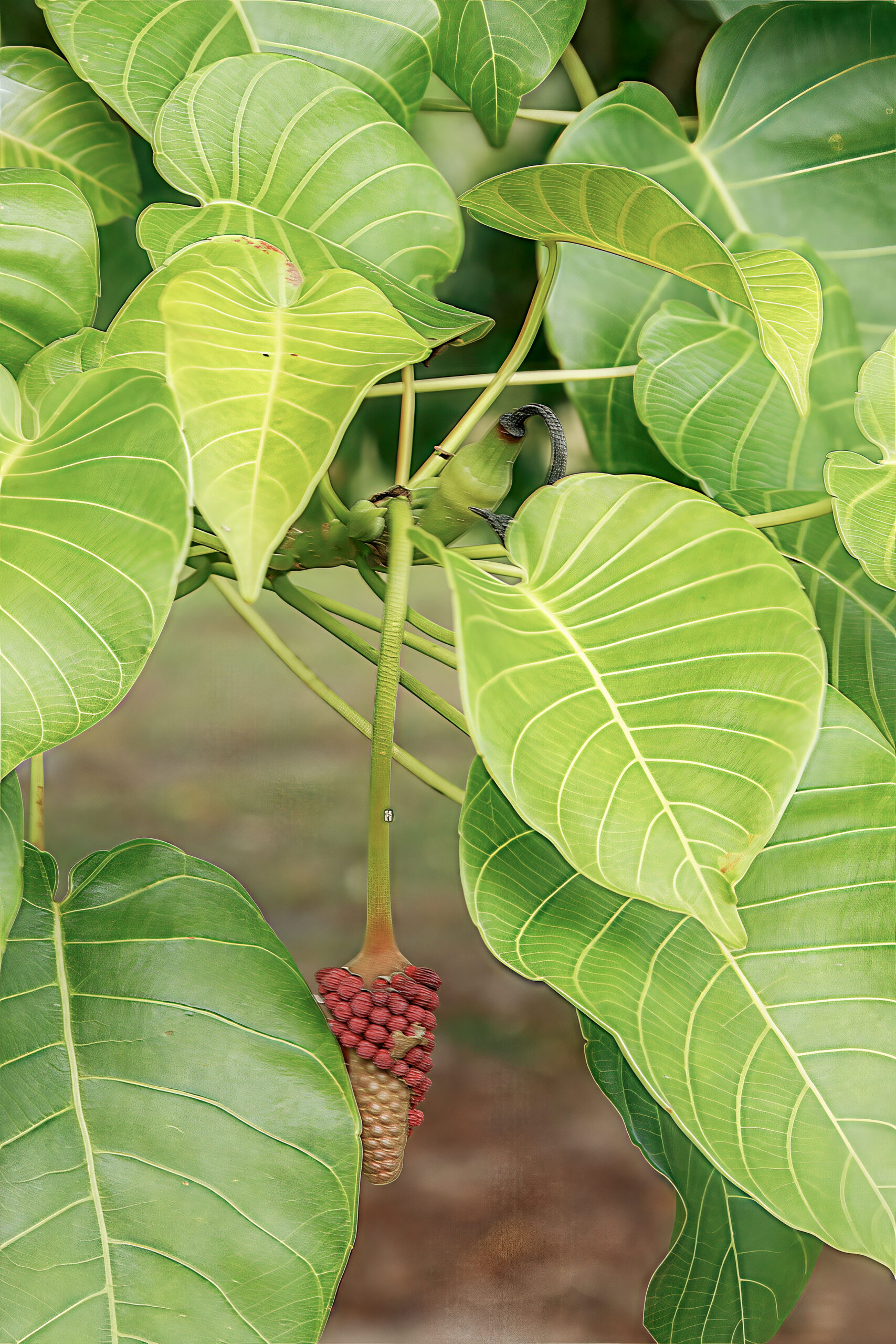
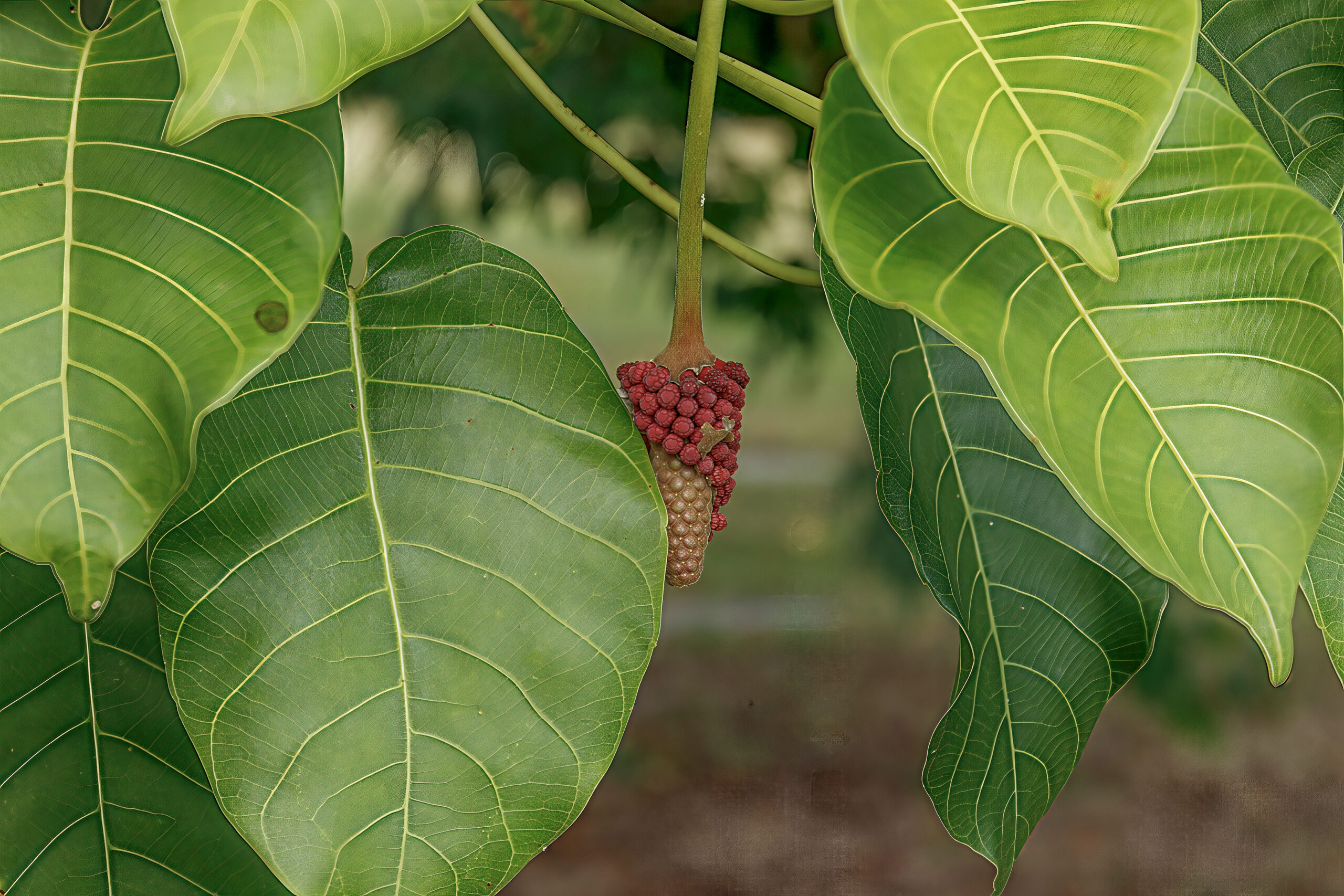
The Sandbox Tree is monoecious (having separate male and female flowers on the same tree), and its flowering is quite distinct.
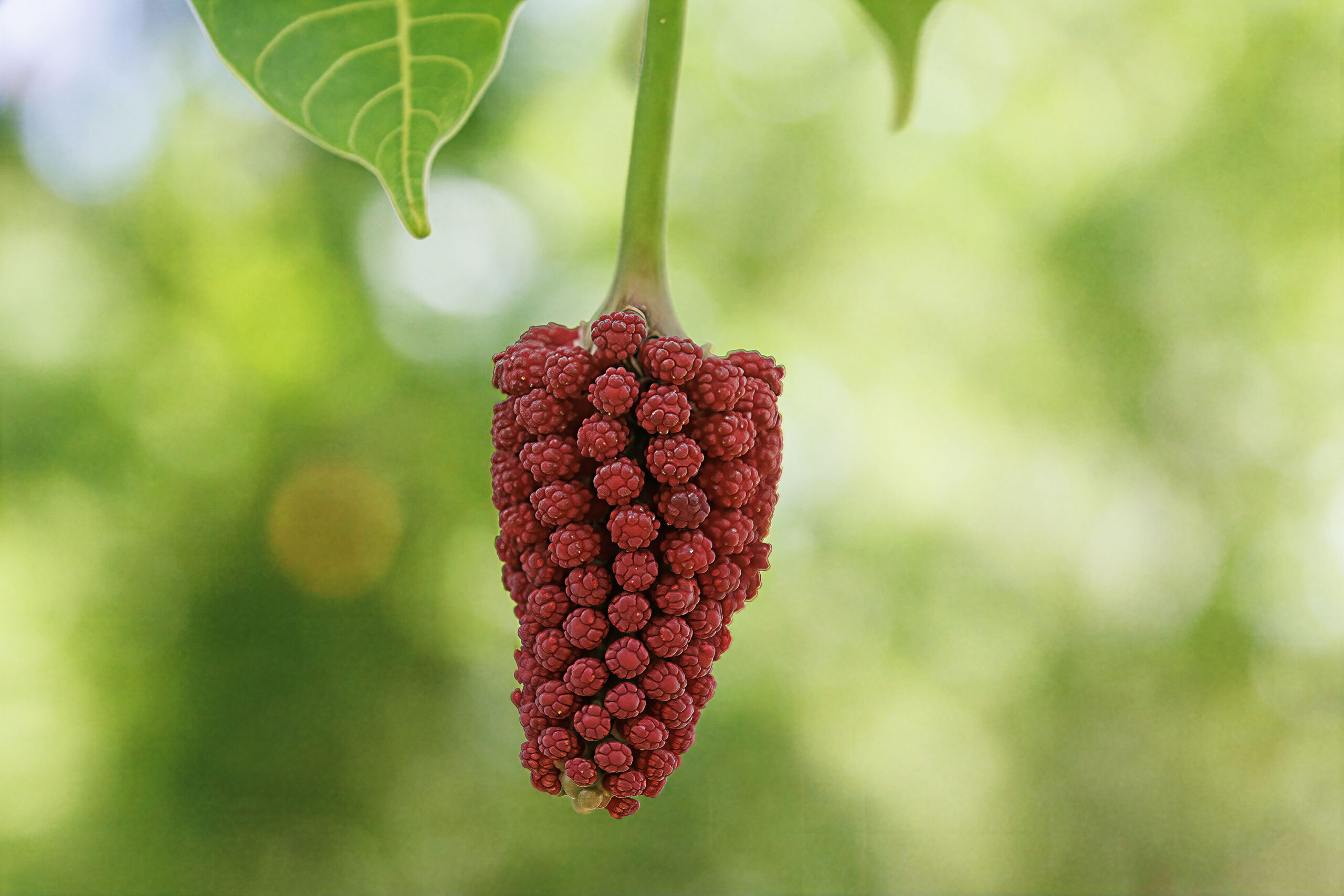
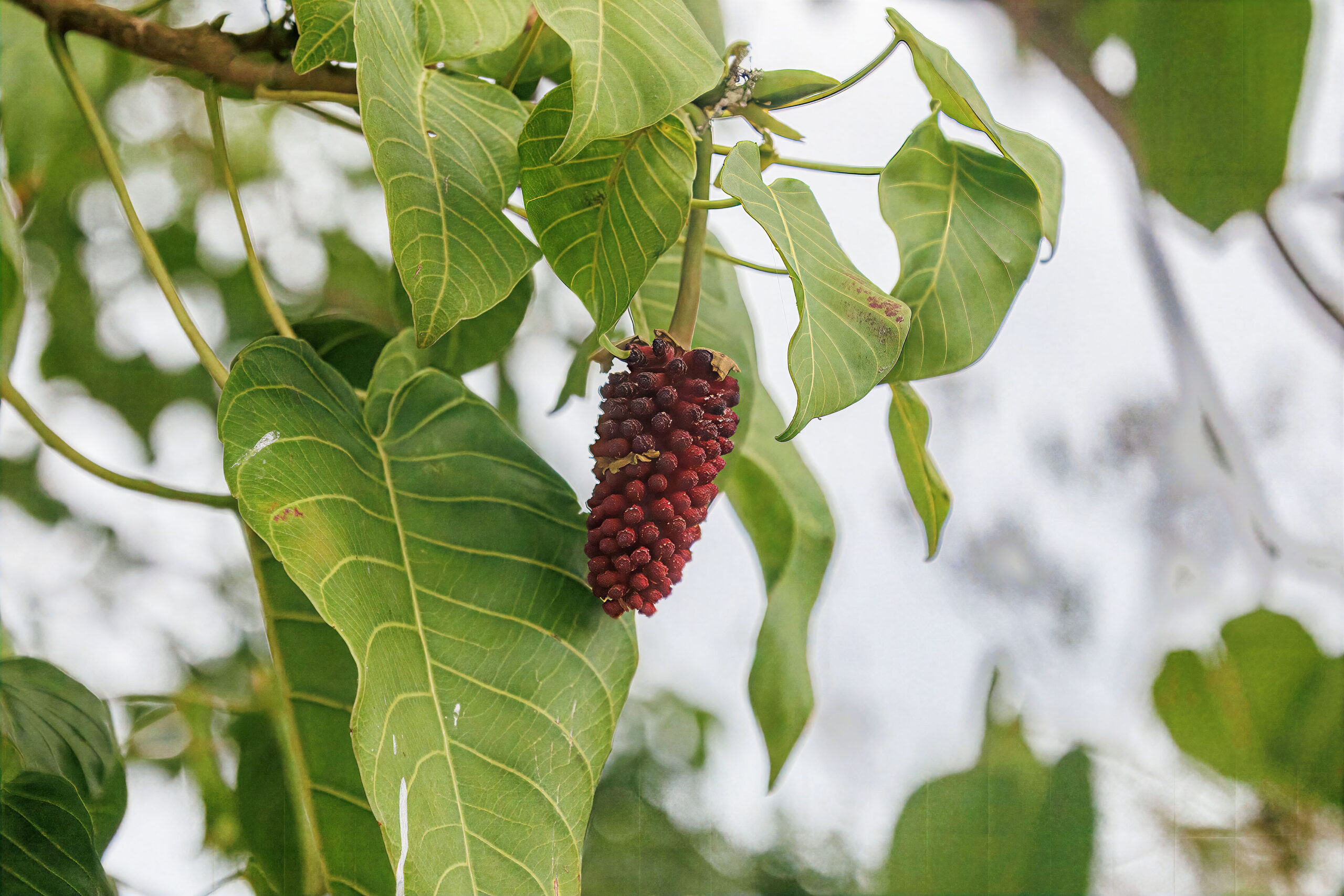
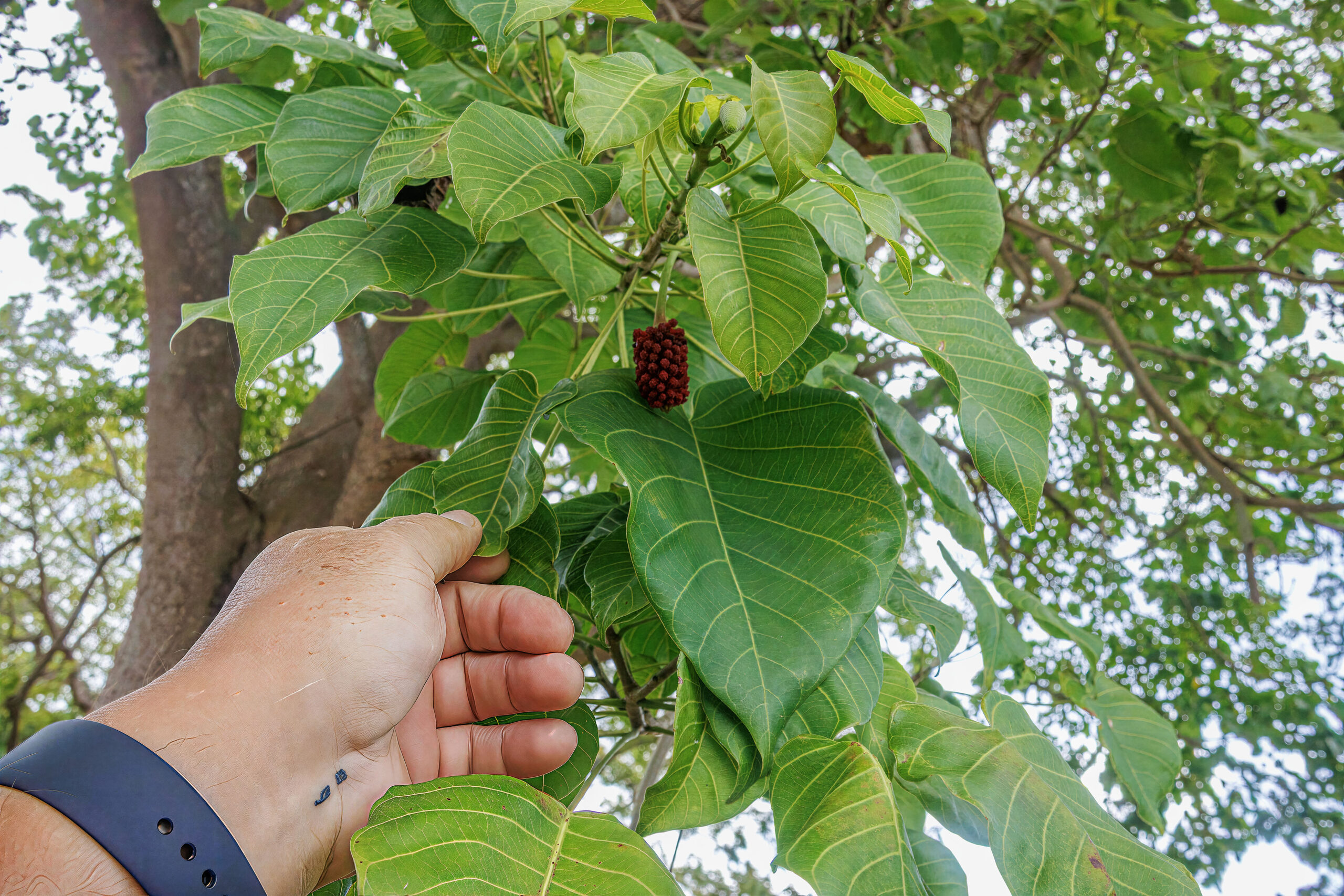
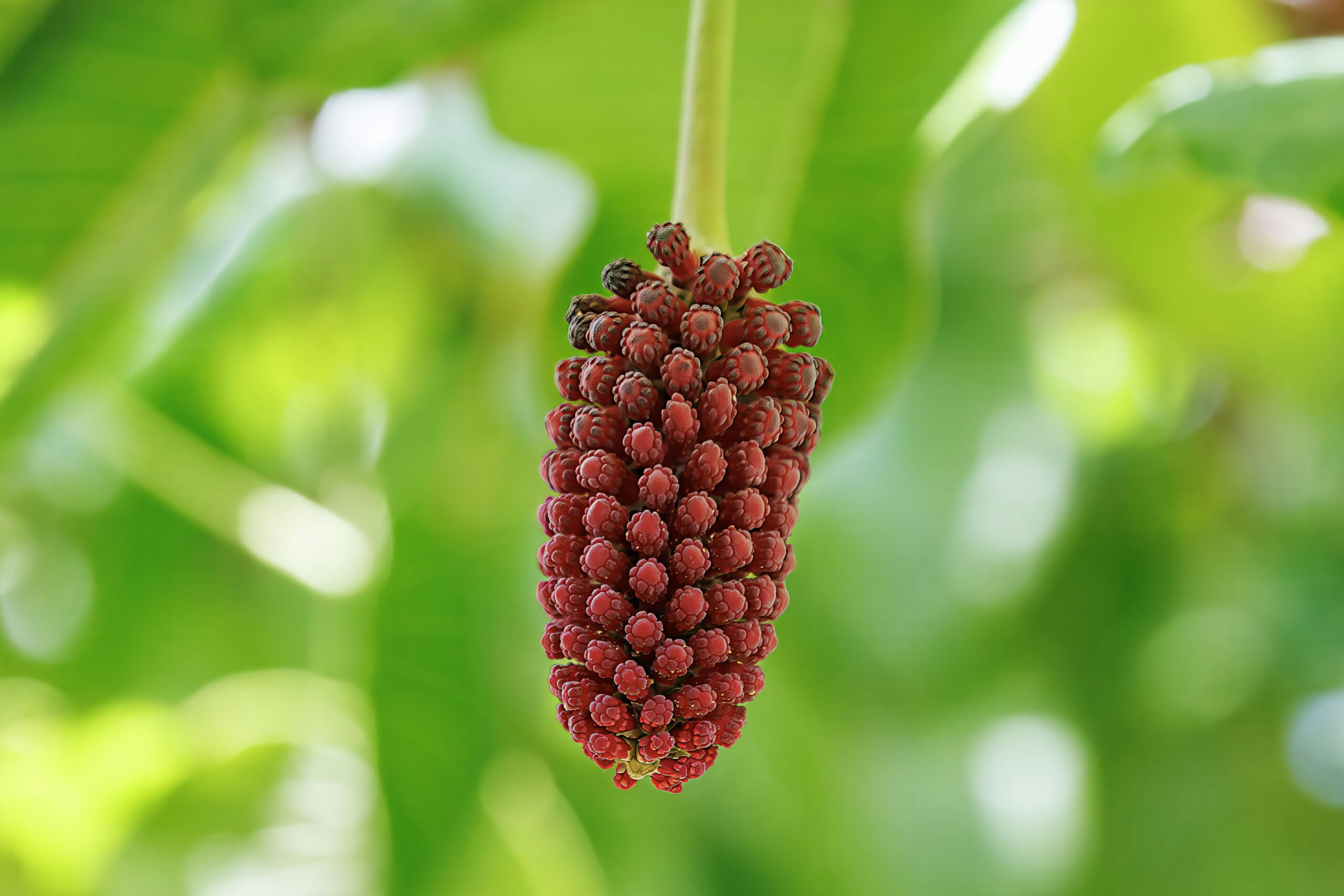
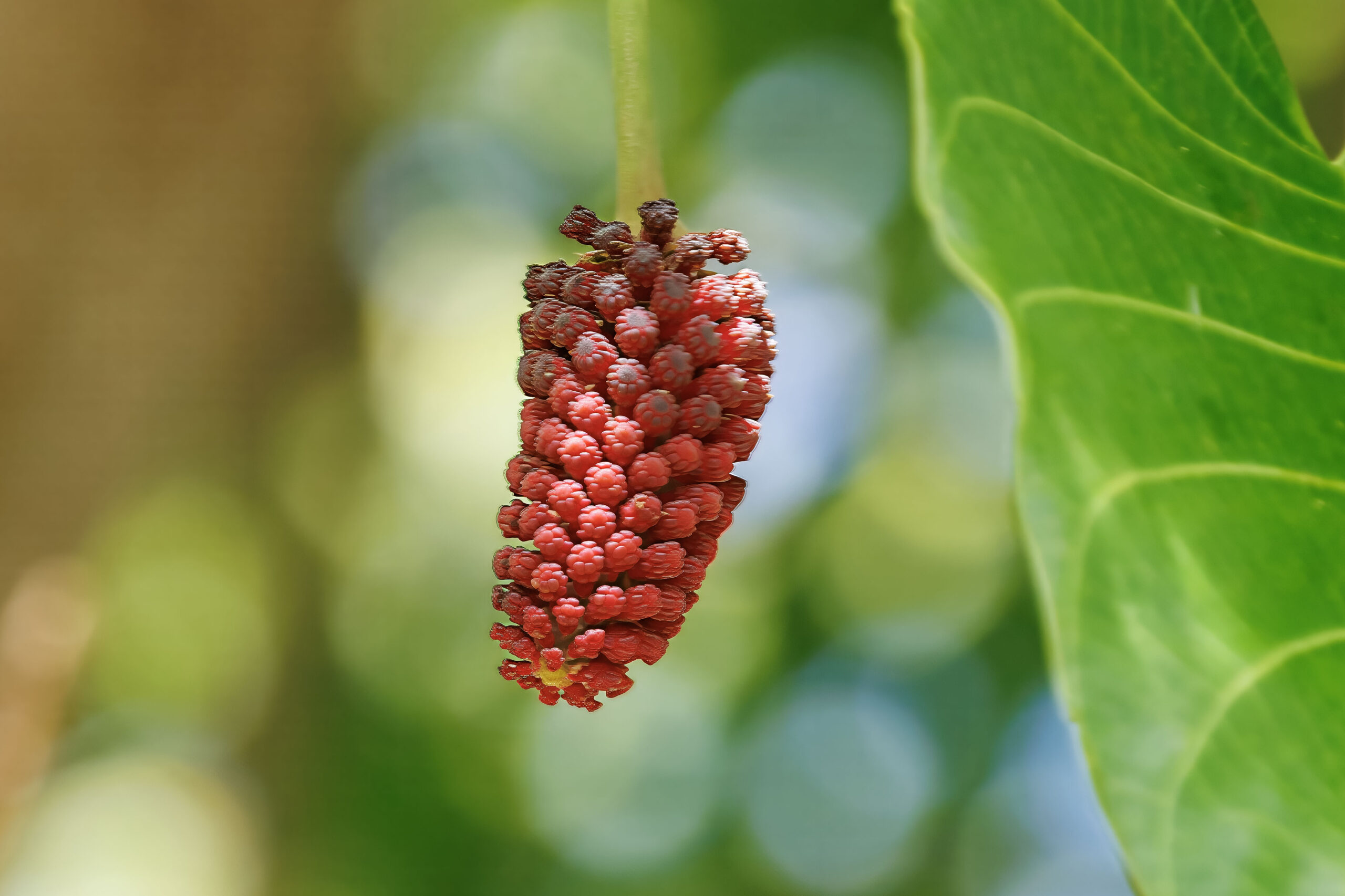
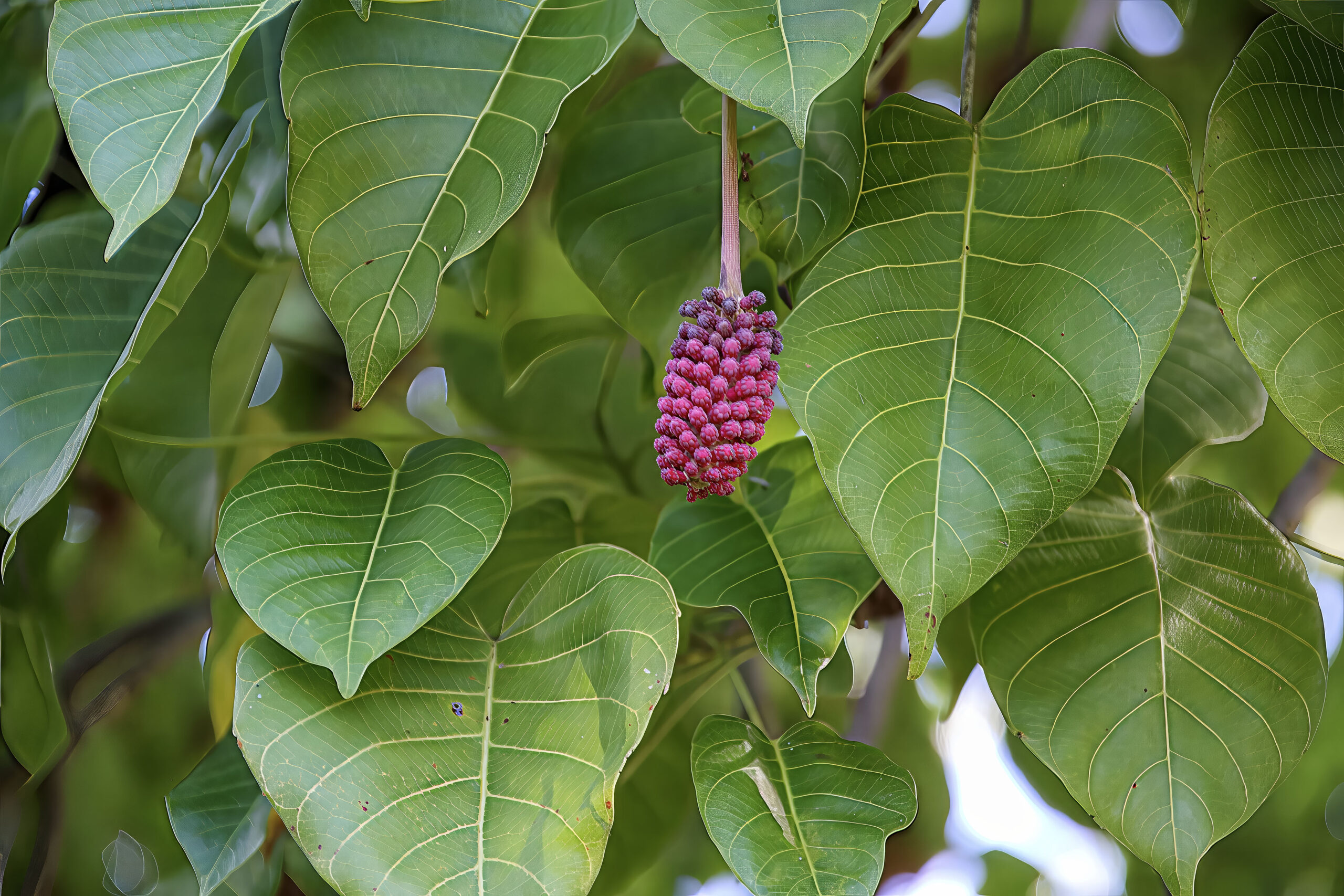
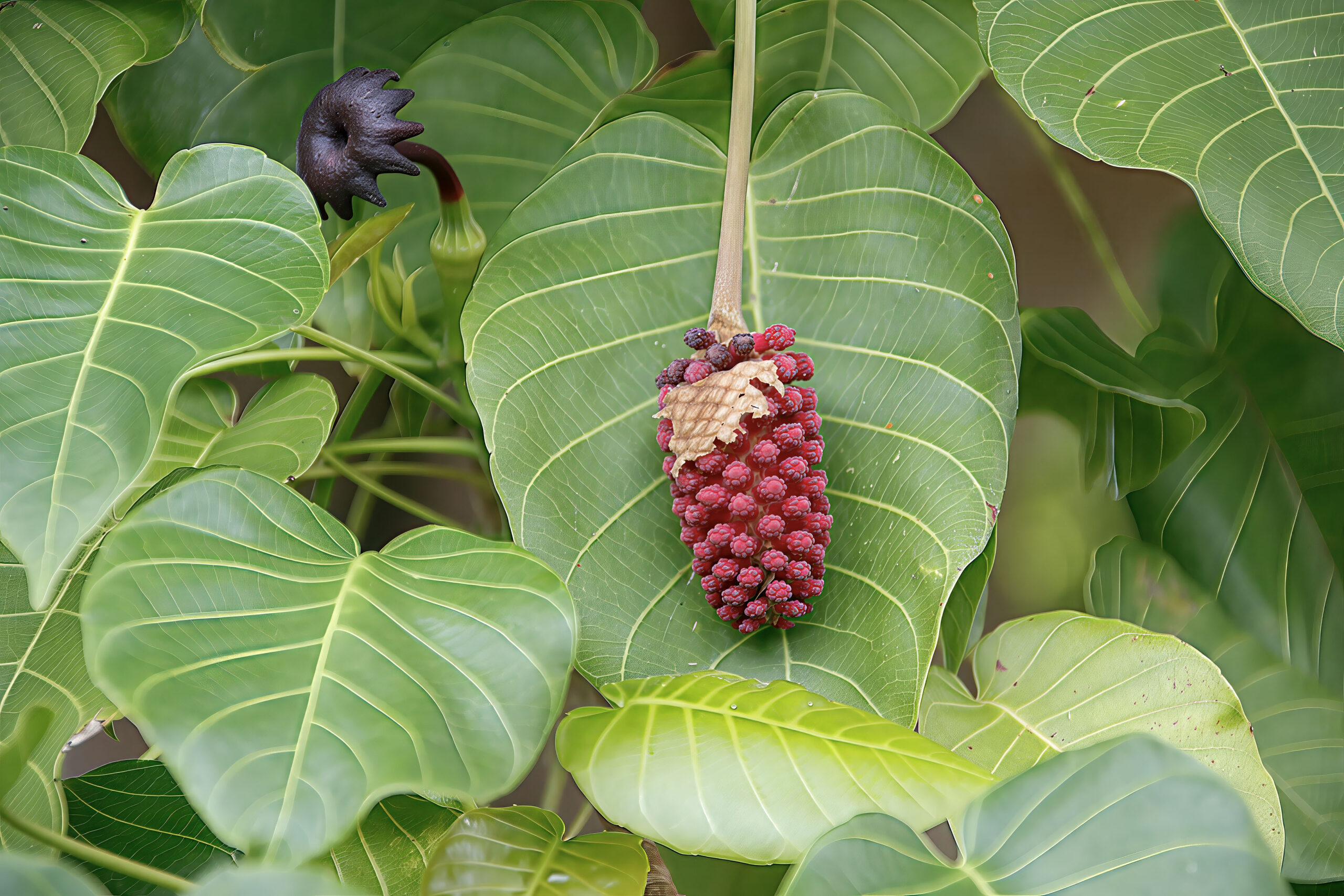
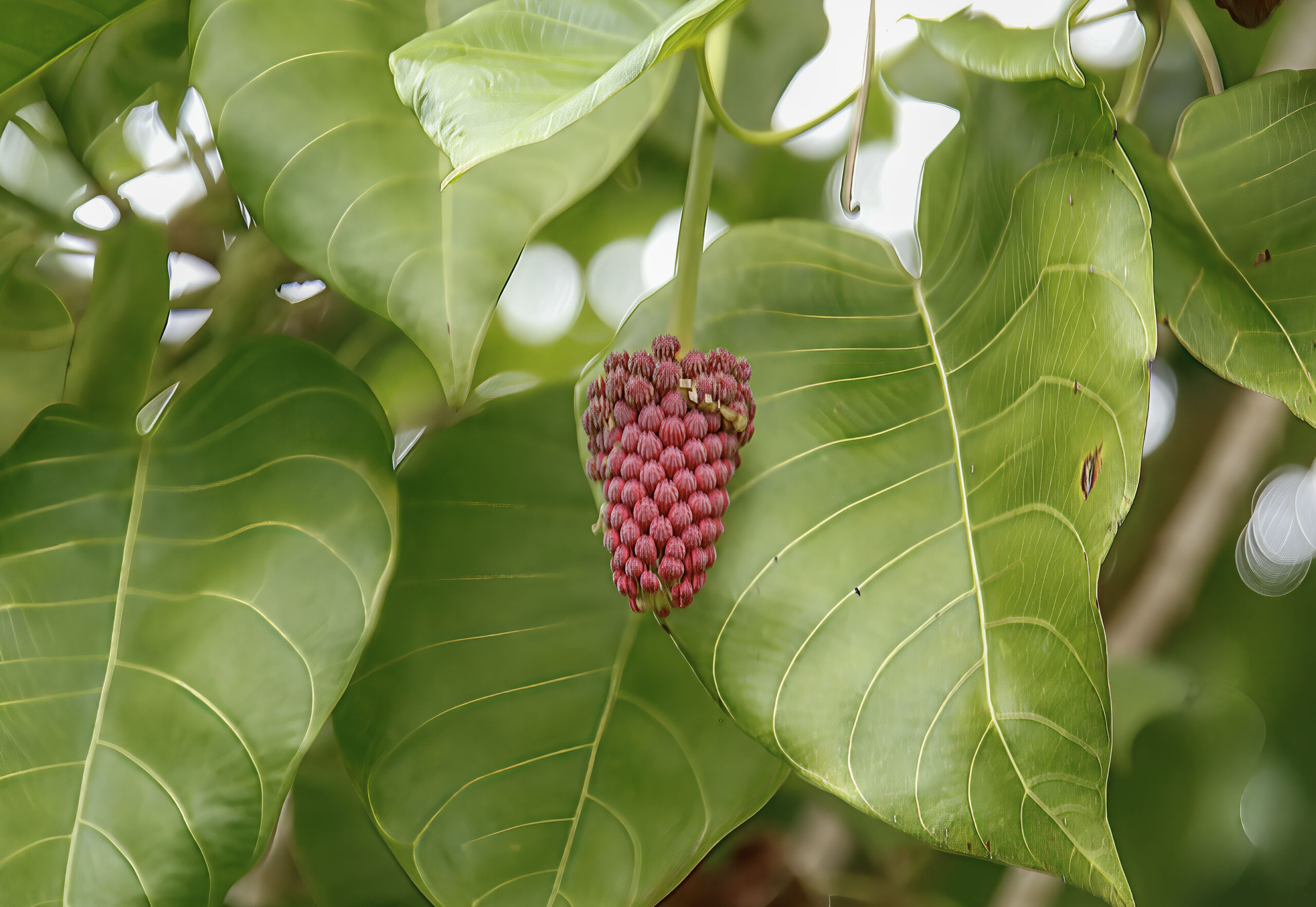
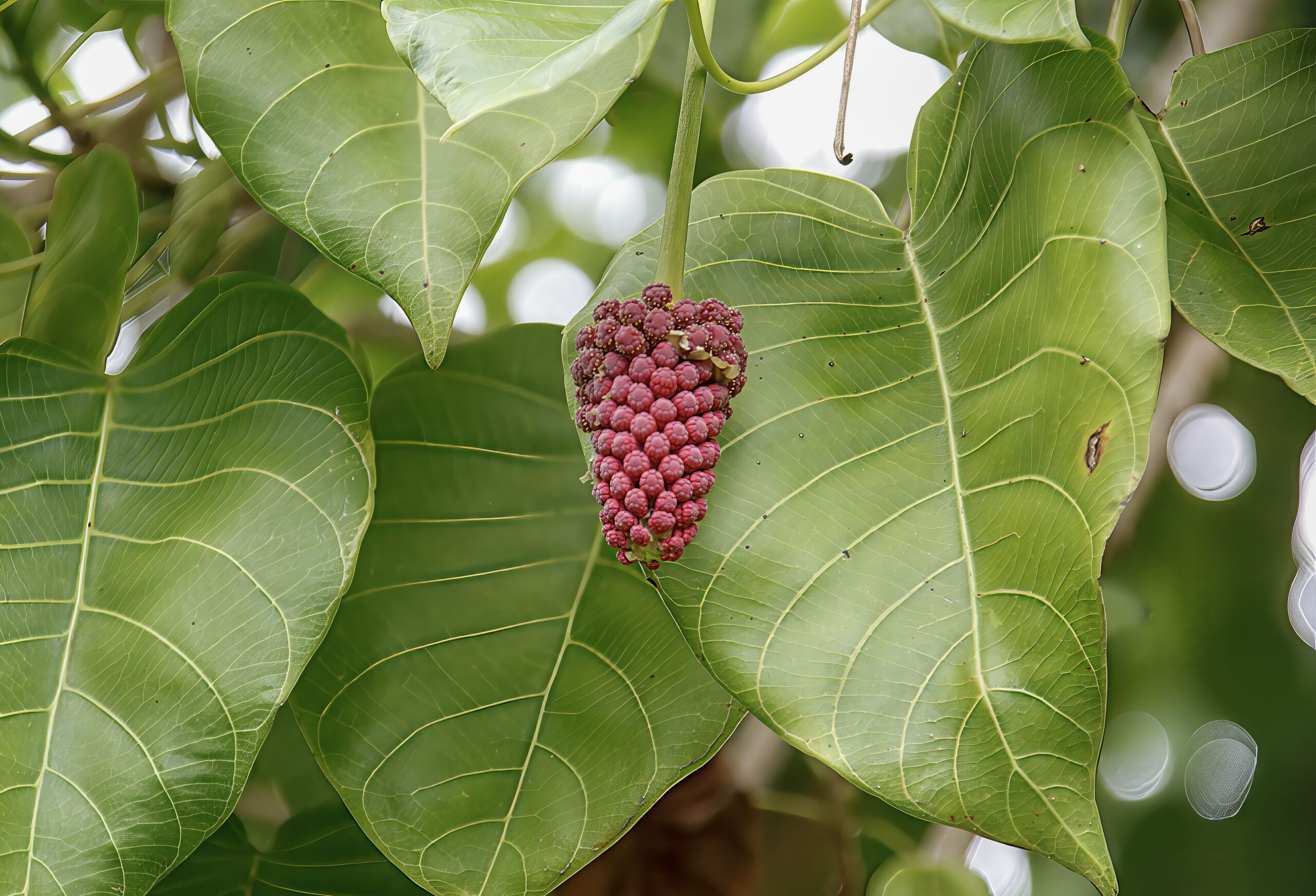
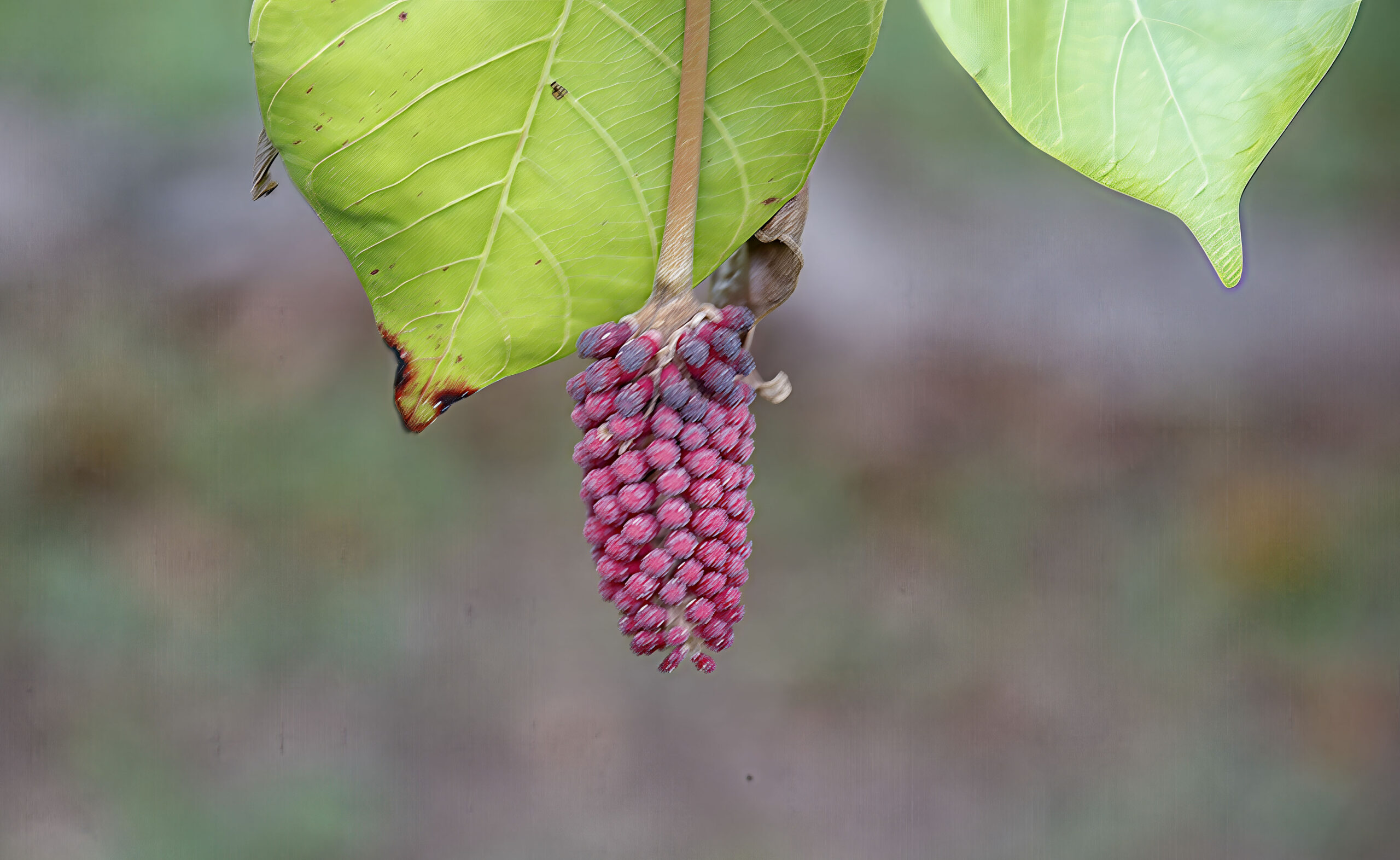
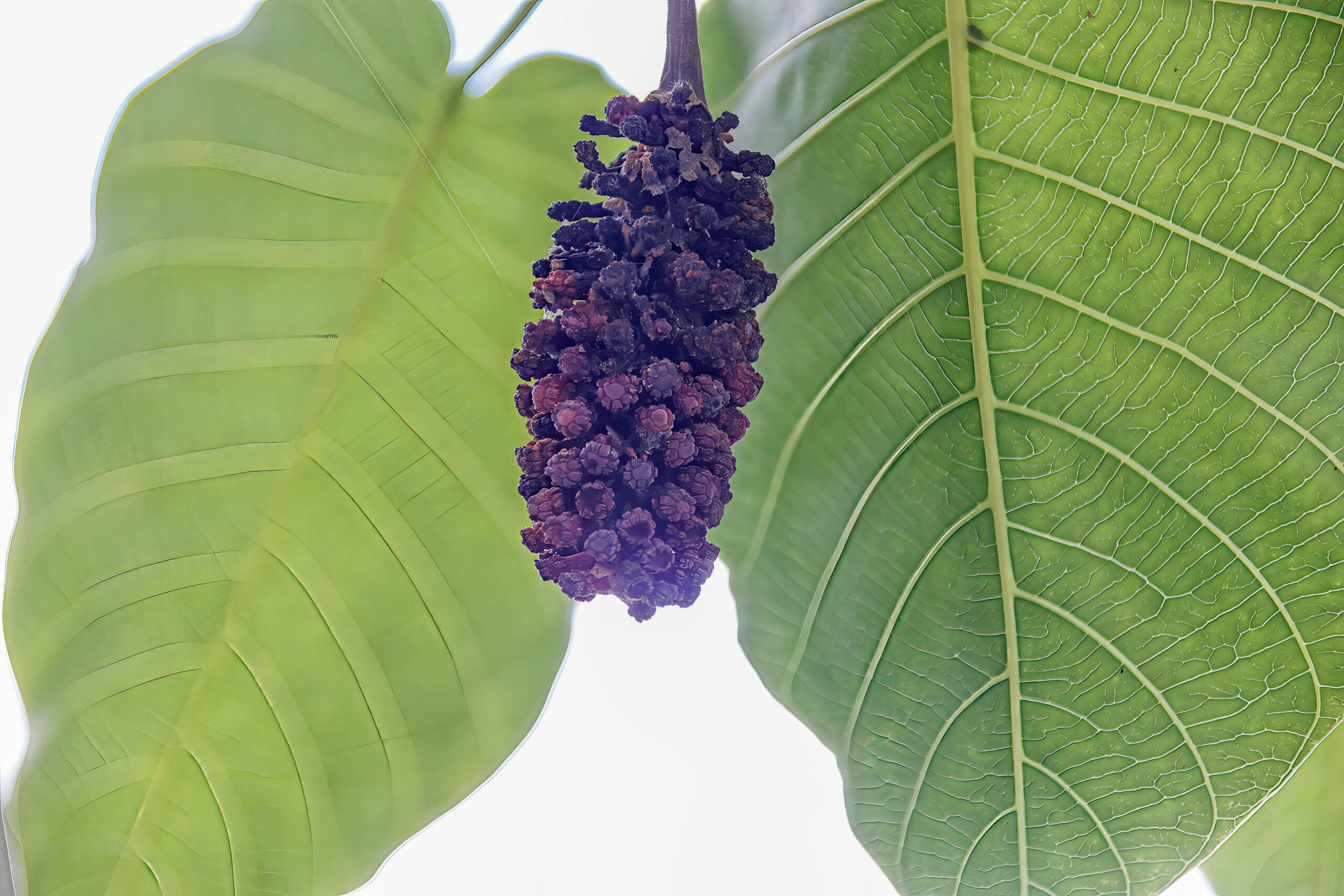
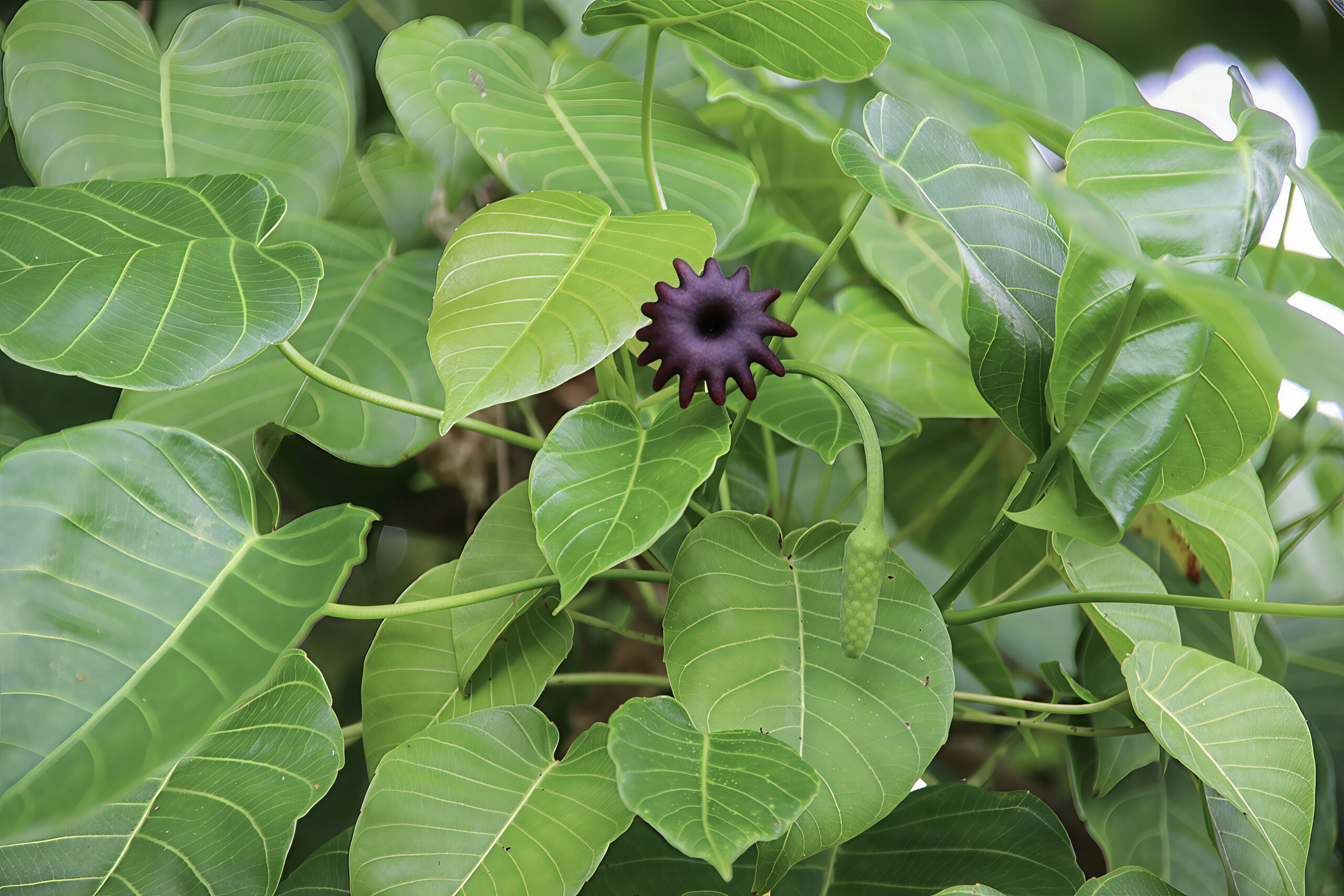
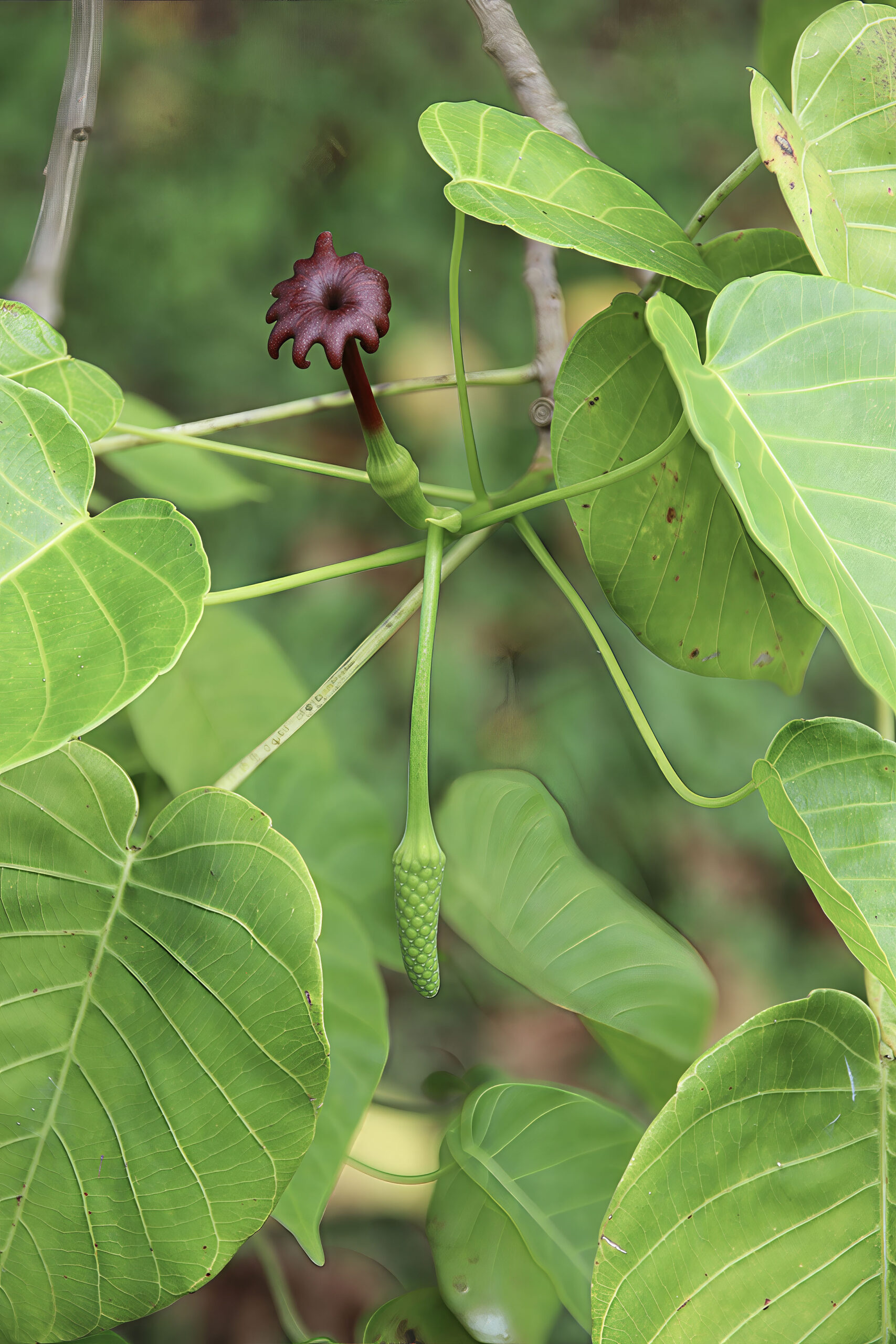
- Male flowers: Tiny, red, and borne on long spikes; often appear in clusters.
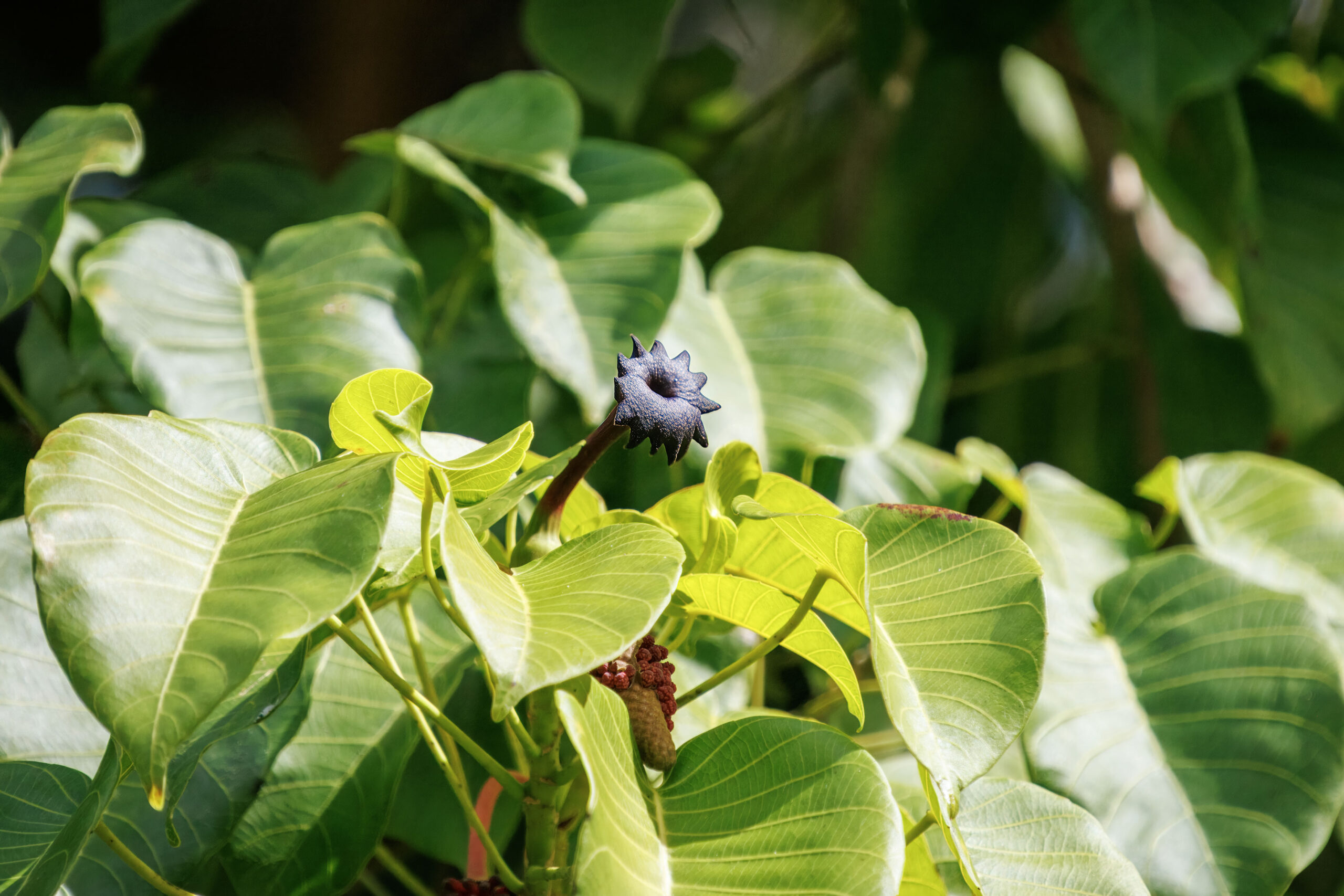
- Female flowers: Larger, solitary, and found near the ends of branches.
- Flowering is often seasonal, triggered by changes in rainfall or dry-to-wet transitions.
Observation tips:
- Record the first appearance of male and female flowers—they are visually quite different.
- Track peak flowering and note if male and female flowering periods overlap.
- Observe and photograph insect or bird activity, which may aid in pollination.
2. Fruit Development (and Explosive Dispersal)
This is perhaps the most striking feature of the Sandbox Tree:
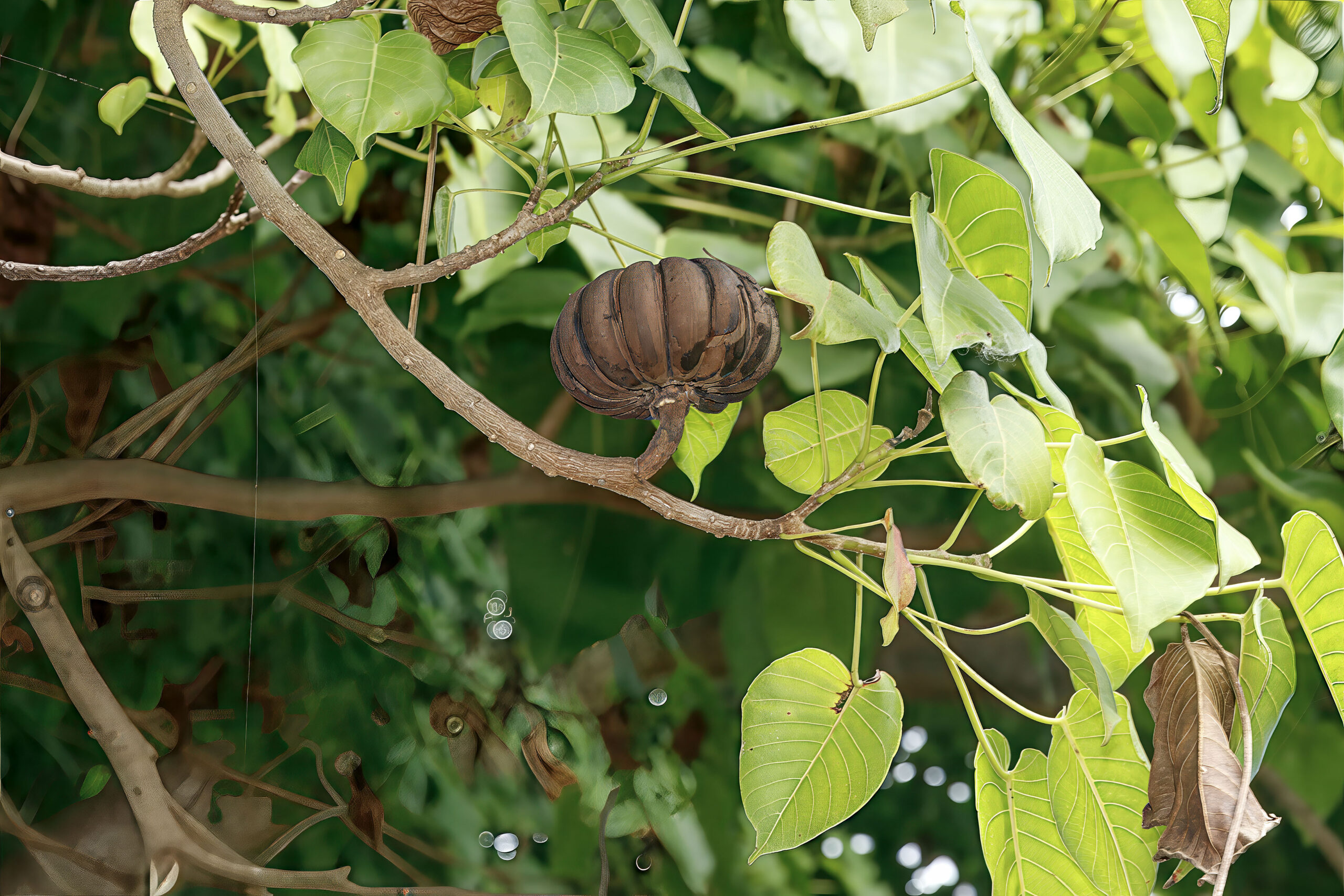
- After successful pollination, large, ridged capsules (fruit) begin to form.
- These fruits mature over several weeks to months, becoming hard and woody.
- When dry, they explode with a loud crack, dispersing seeds at high speed—sometimes up to 100 feet away.
Observation tips:
- Record fruit set after flowering—how many capsules form and their size.
- Track maturation: green → brown/dry.
- Note and (if safe) photograph exploded fruit husks on the ground to track dispersal timing.
⚠️ Caution: Mature fruits can explode with considerable force. Avoid close handling during late stages of drying.
3. Leaf Flush and Drop
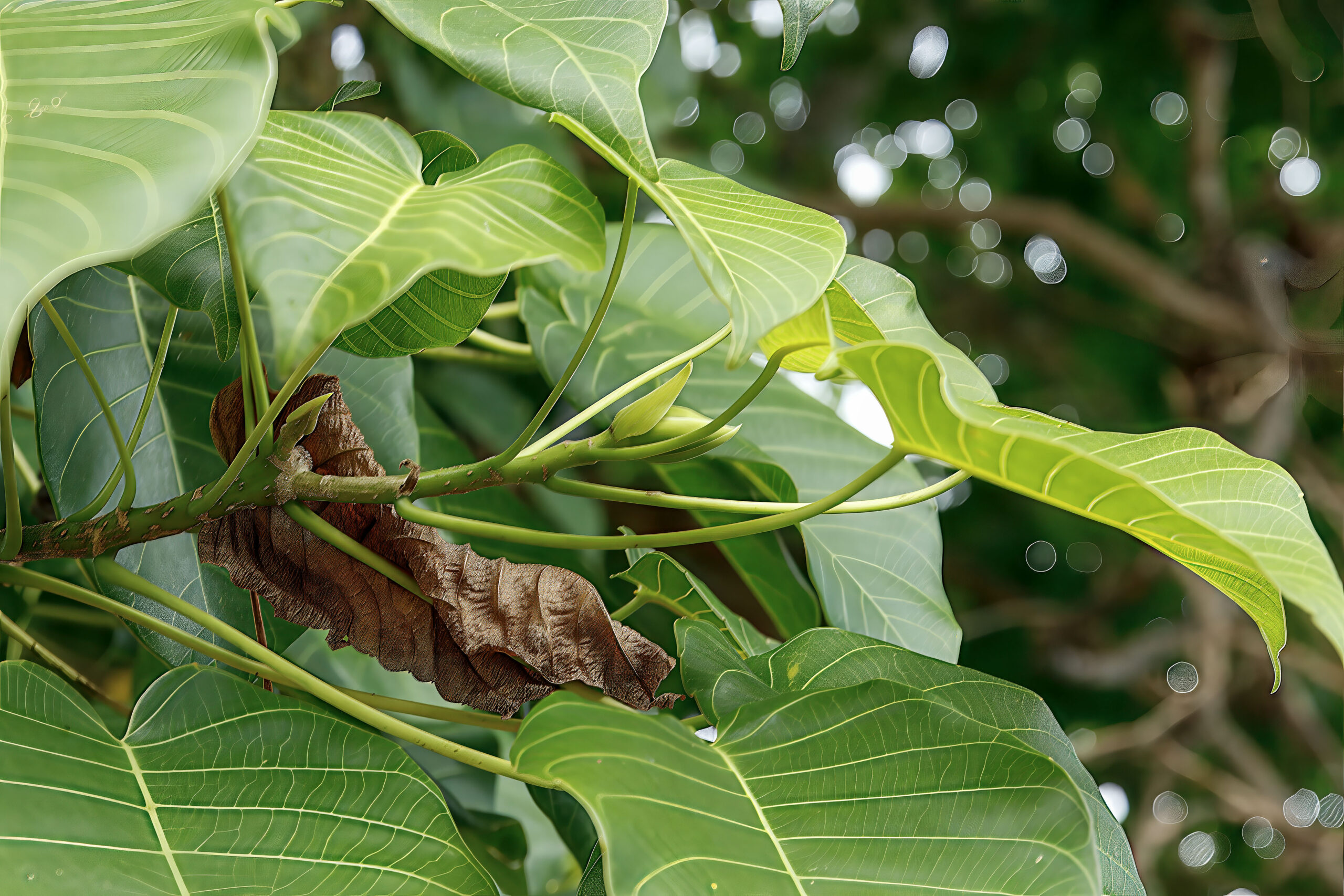
Though it’s generally deciduous or semi-deciduous depending on rainfall, the Sandbox Tree often shows leaf drop prior to flowering or in dry seasons.
- Leaf drop may be partial or complete.
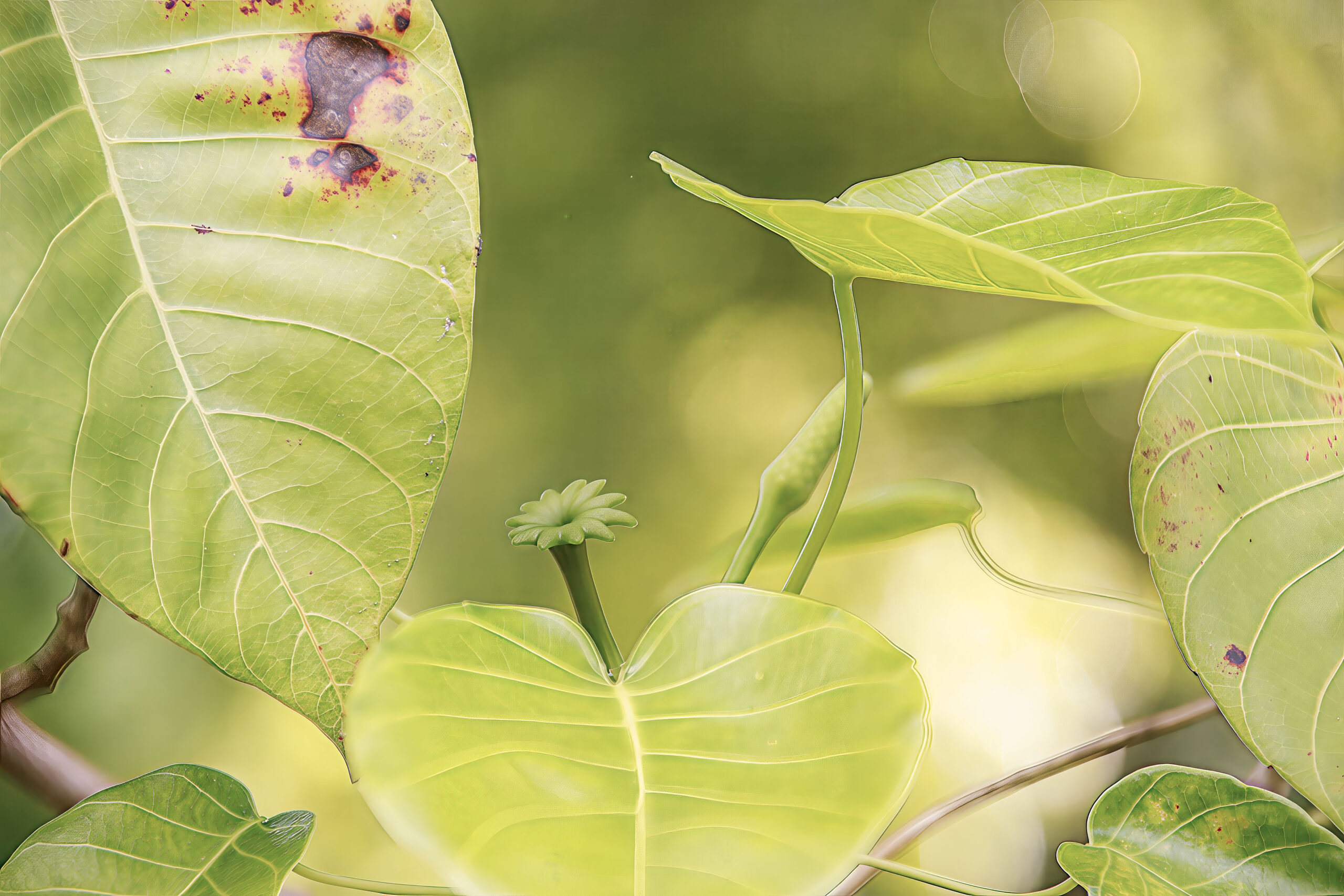
- New leaf flush typically follows shortly after flowering or rain.
Observation tips:
- Track leaf yellowing and fall (partial or full).
- Record timing of new leaf emergence—new leaves are bright green and often shiny.
- Compare foliage density at monthly intervals.
4. Bark and Defensive Features
While not a phenophase, the thorn-covered bark is a year-round feature that may show variation in epiphyte or lichen coverage with seasonal moisture.
Observation tips:
- Photograph bark regularly to track lichen growth or moss coverage as environmental indicators.
Field Notes Strategy
Given its dramatic traits, the Sandbox Tree offers strong phenological stages to document:
| Phenophase | Description | Timeframe (approx.) |
|---|---|---|
| Flowering | Male/female flower emergence | After dry season or rainfall |
| Fruiting | Capsules form, mature, explode | 1–2 months post-flowering |
| Leaf drop | Prior to flowering or dry season | Dry months |
| Leaf flush | Post-flowering or after rains | Early wet season |