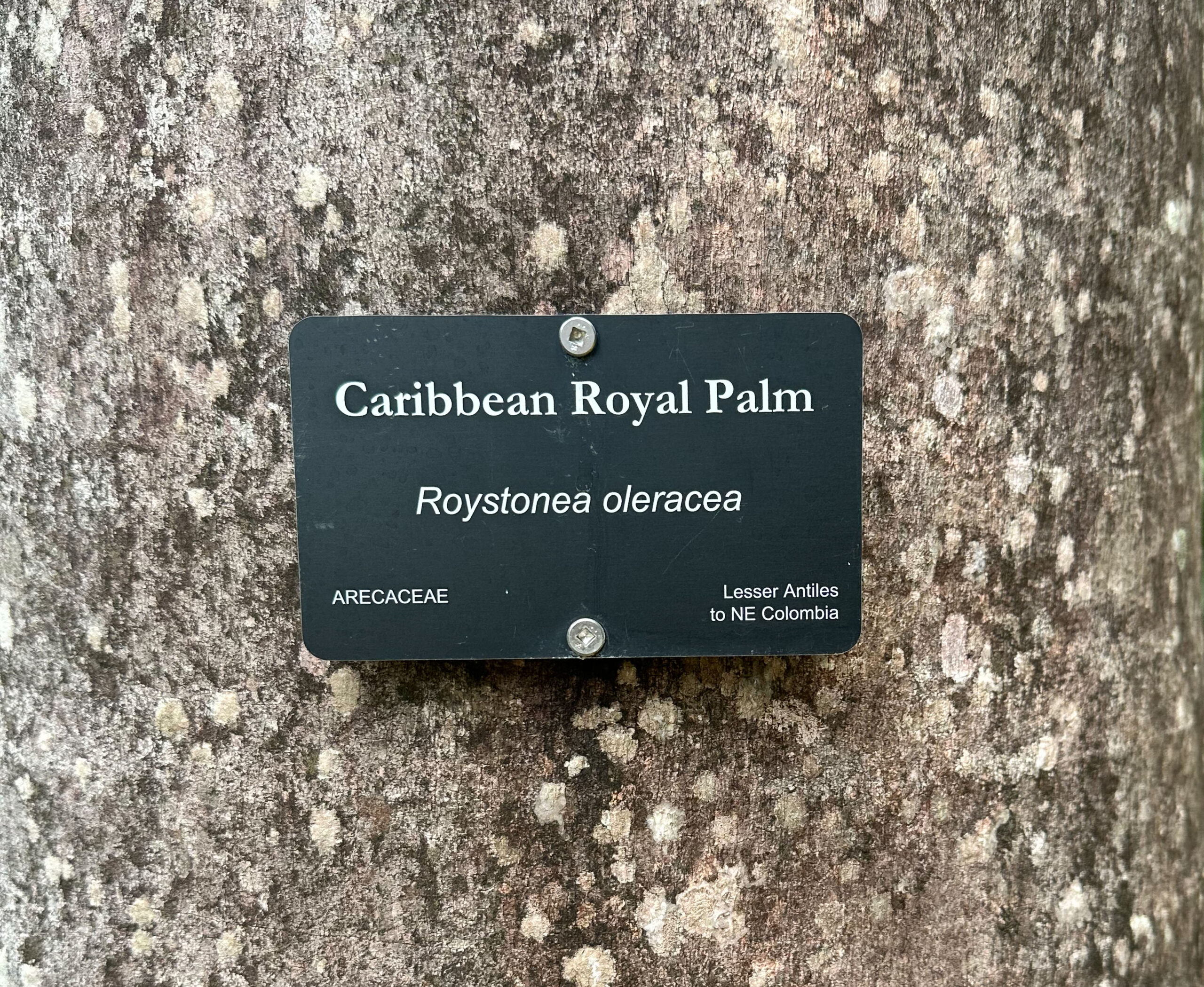
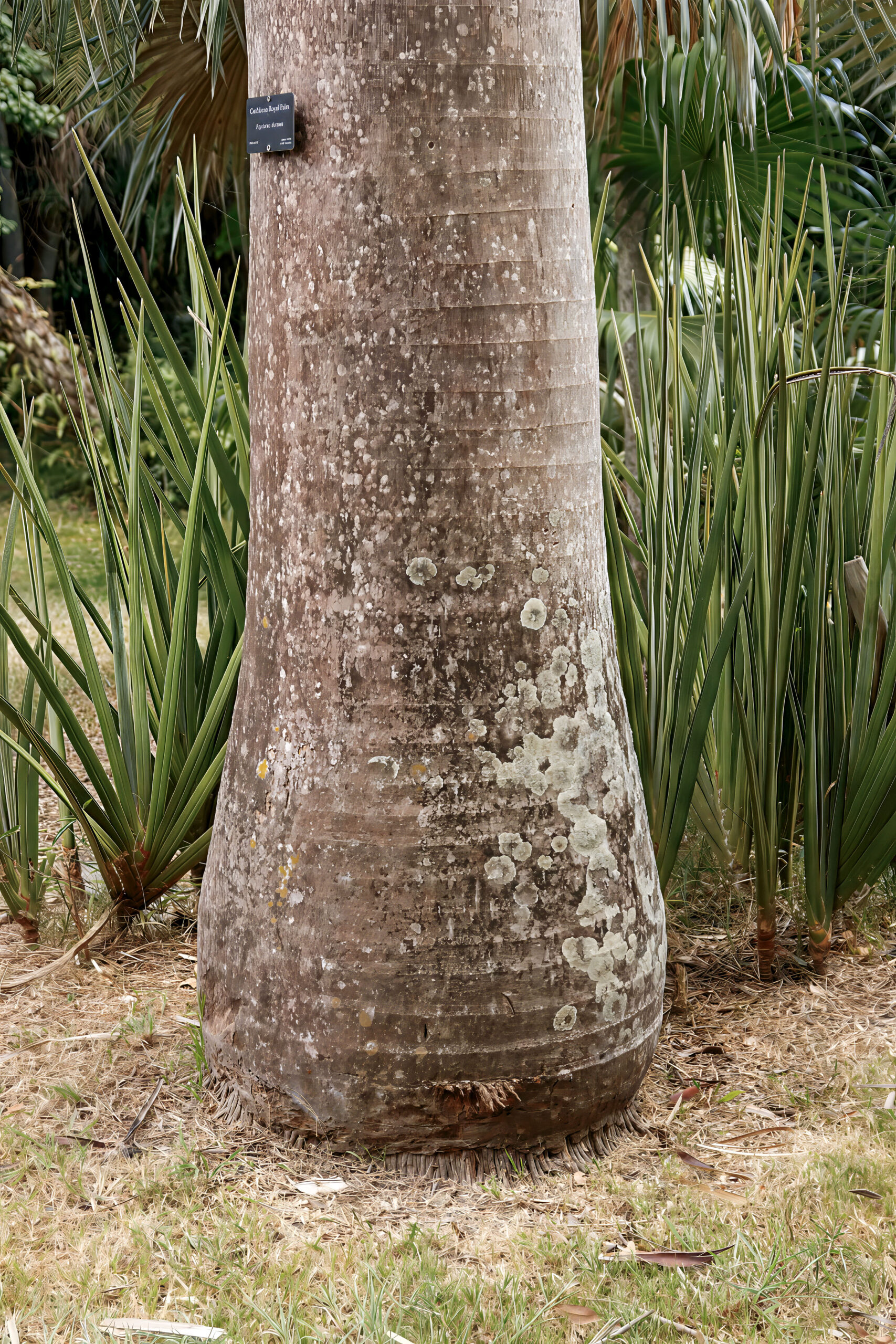
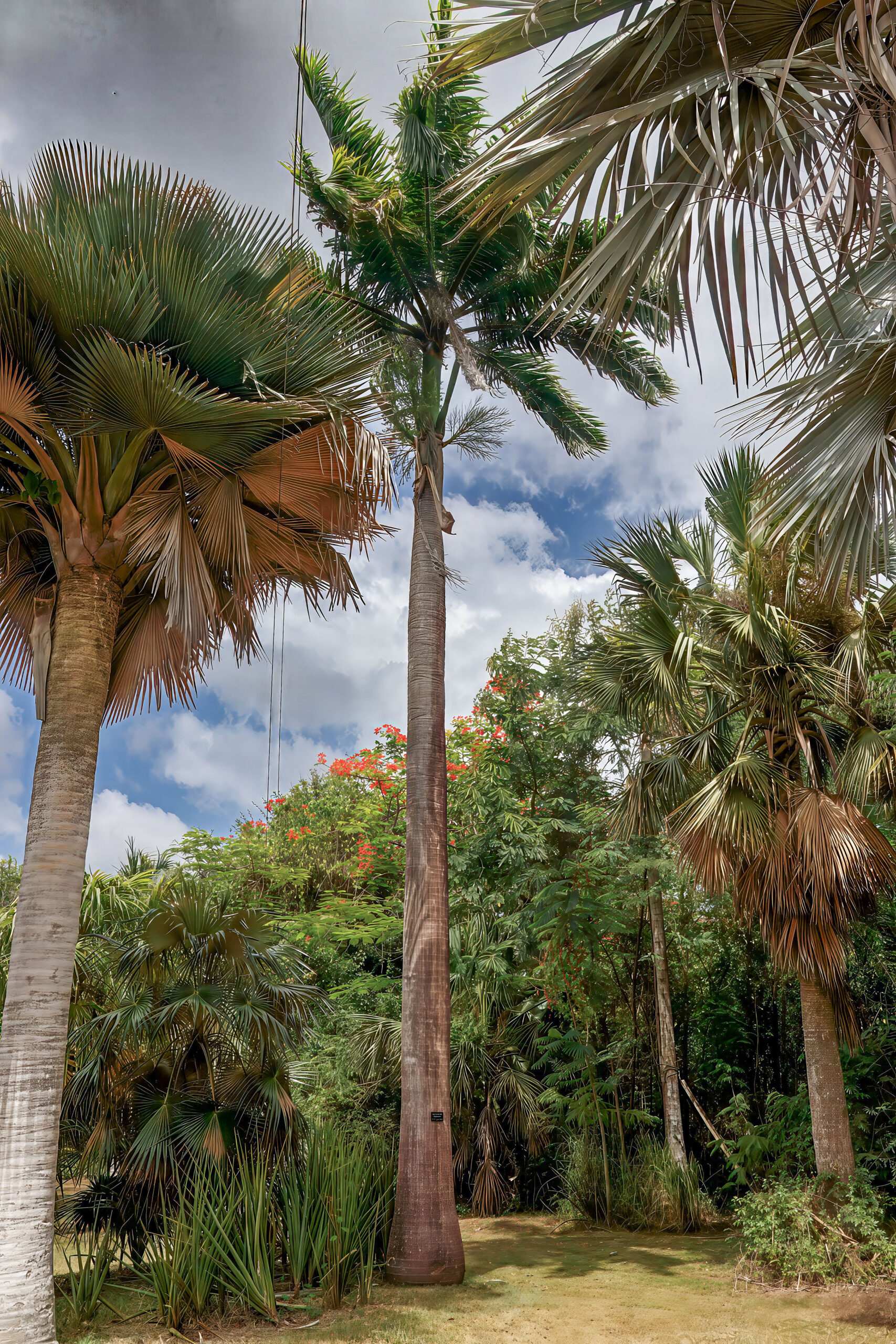
Caribbean Royal Palm

Scientific name: Roystonea oleracea

POWO Status: Tree

IUCN Red List threat level: Least Concern

GPS Location: 17° 42′ 53.82″ N, 64° 49′ 47.40″ W

Medicinal Uses

Roystonea oleracea, the Caribbean Royal Palm, shares medicinal uses with its close relative R. regia, primarily involving root extracts for diuretic effects, treating diabetes, and potentially prostate issues (BPH) due to beneficial fatty acids, while palm sap and buds offer nutritional or fermented drinks, reflecting traditional uses for general vitality and injury care in Caribbean ethnomedicine. 

Traditional Medicinal Uses (Mainly R. regia, but applicable to R. oleracea due to close relation):

  • Diuretic & Diabetes: The roots are traditionally used as a diuretic and for managing diabetes, a use linked to fatty acids found in the fruits.
  • Prostate Health: Extracts from the fruits (like fatty acids) show promise in treating and preventing benign prostatic hypertrophy (BPH) and prostatitis.
  • General Health: The terminal bud (palm heart) is edible and nutritious, while the sap can be fermented into alcoholic drinks, suggesting traditional uses for vitality or as a tonic.
  • Anti-inflammatory: Some palms, including Roystonea species, show potential for anti-inflammatory effects, though research is ongoing. 

Pharmacological Basis:

  • Fruit Extracts: Contain valuable fatty acids (caprylic, capric, lauric, oleic) that support prostate health and have antioxidant properties.
  • Antioxidants: The high antioxidant content, particularly anthocyanins in related palms, contributes to health benefits and potential cosmeceutical applications. 

How it’s Used:

  • Root Decoctions: Roots are steeped to create drinks for diuretic and diabetic purposes.
  • Fruit/Oil Extracts: Processed for use in supplements targeting prostate health.
  • Edible Parts: The terminal bud (palm heart) provides nutritional value, and sap is fermented. 

Note: While Roystonea oleracea and R. regia are distinct species, they are closely related royal palms, and their traditional uses often overlap in ethnobotanical literature, with R. regia having more documented pharmacological research.

Observations:

Phenological Markers –

Common Name: Caribbean Royal Palm
Scientific Name: Roystonea oleracea (Jacq.) O.F. Cook
Family: Arecaceae


Leaf Phenology

  • Evergreen: Yes
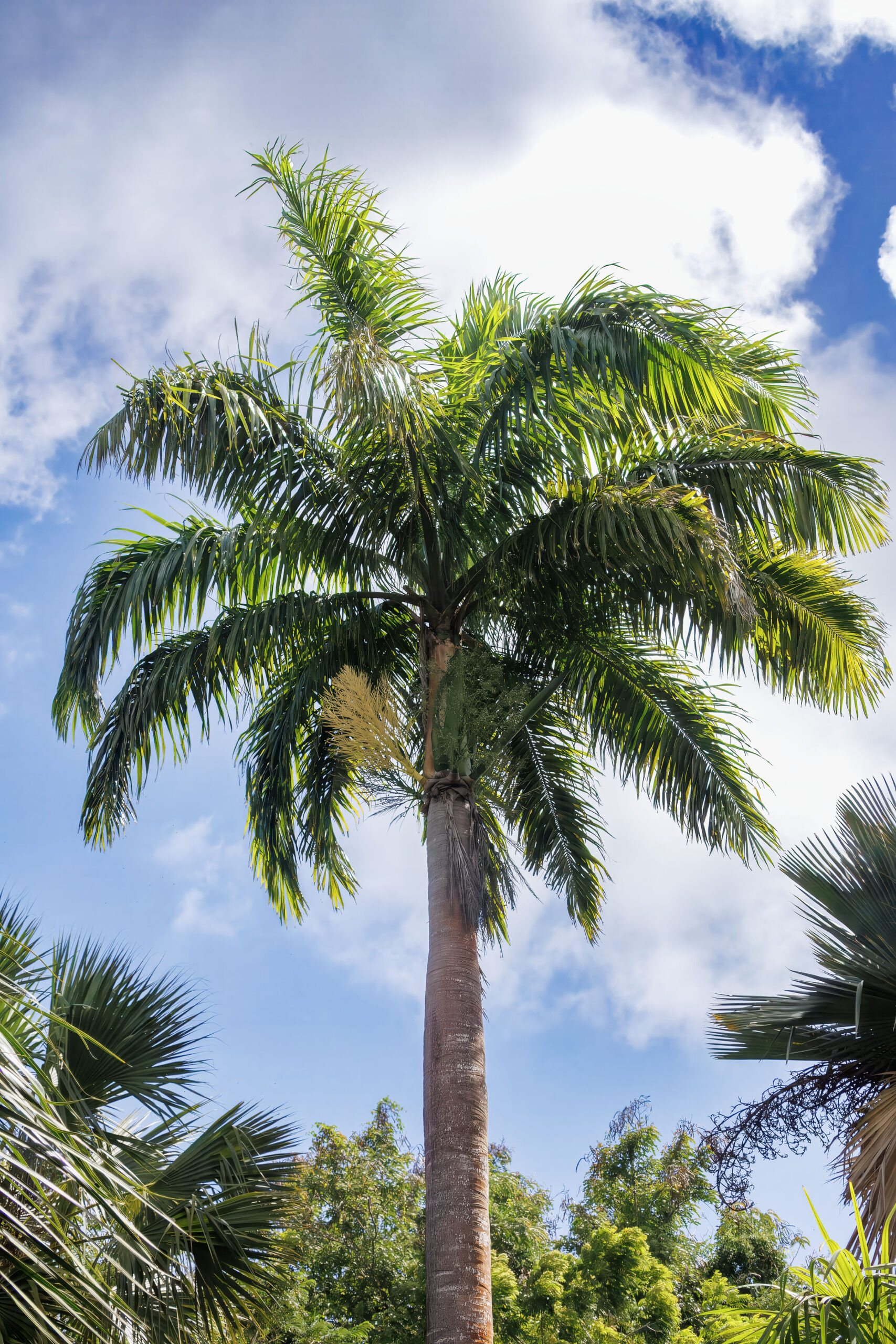
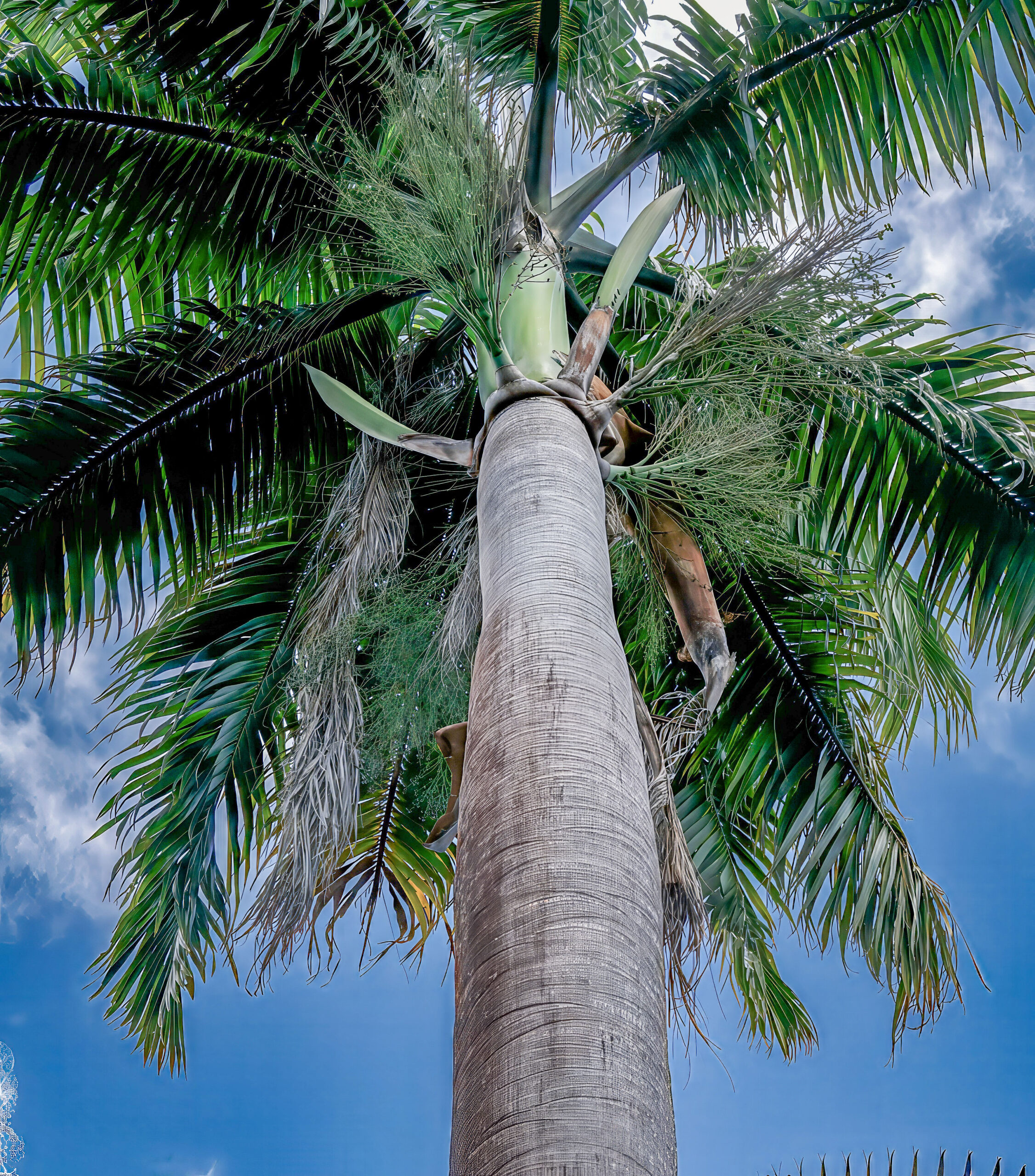
  • Leaf Emergence: Continuous throughout the year; new fronds unfurl from the crownshaft in a spiral pattern.
  • Senescence: Older fronds droop downward and eventually die, turning brown before detaching.
  • Observation Note: The number of green vs. brown fronds visible can indicate general vitality. Browning fronds are more common during drought stress.

Flowering

  • Type: Monoecious (male and female flowers on the same plant)
  • Inflorescence Location: Arises just below the crownshaft; large, branched and spreading
  • Blooming Period (Caribbean): Primarily March–August, but can flower year-round under optimal conditions
  • Phenological Indicator: Open creamy-white to pale-yellow flowers, with heavy pollinator activity (bees, flies)

Fruiting

  • Fruit Type: Single-seeded drupe
  • Fruit Development: Begins green and turns purple to black when mature
  • Maturation Period: Typically 3–4 months after flowering
  • Phenological Indicator: Dropping or visible ripe black fruits around base of palm or in crown

Suggested Photo Angles

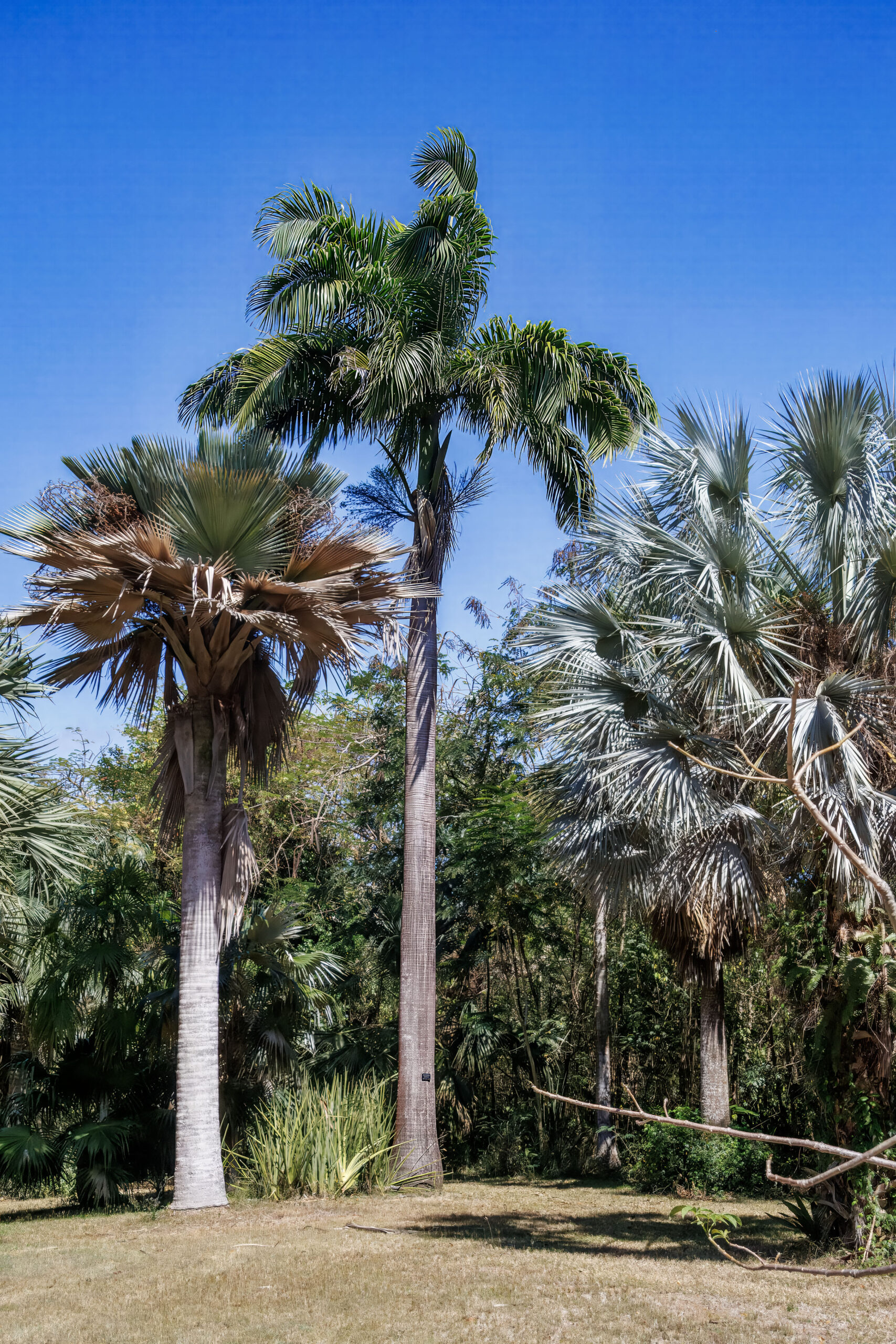
  • Full view showing crownshaft and overall stature
  • Close-up of inflorescence during bloom
  • Mature fruits in crown or fallen
  • Browning fronds (seasonal or stress-related)
  • Crownshaft showing leaf emergence

Notes for Monitoring

Fruit drop and frond browning may be more seasonal depending on rainfall or storm impact.

Because Roystonea oleracea can flower and fruit throughout the year in tropical conditions, it’s helpful to track peak periods of flowering and fruiting for local calibration.

Scroll to Top