Skyflower

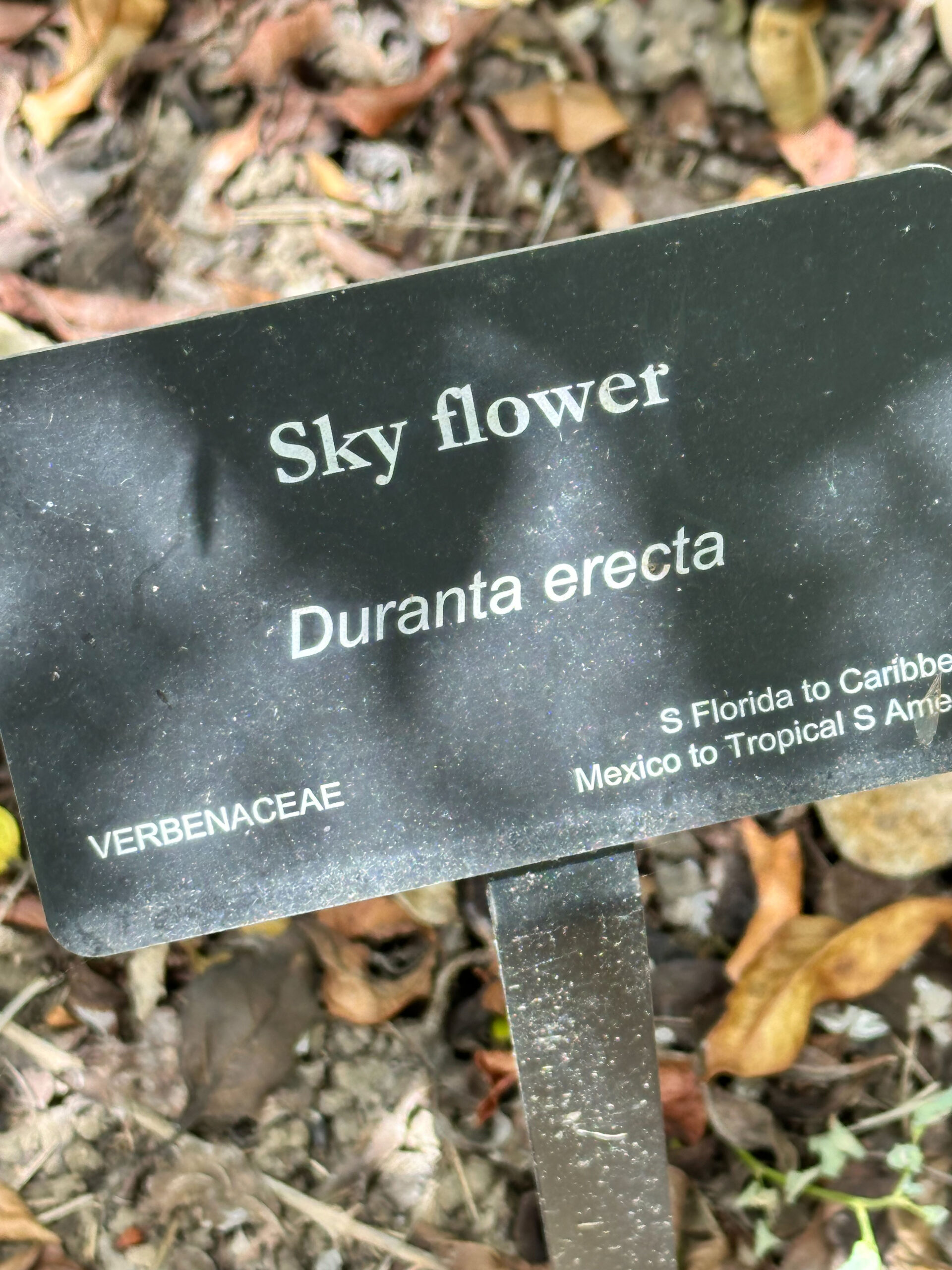
Scientific name: Duranta erecta

POWO Status: Shrub or Tree

IUCN Red List threat level: Least Concern

GPS Location: 17° 42′ 53.90″ N, 64° 49′ 48.64″ W

Medicinal Uses

Duranta erecta (Golden Dewdrop) is used in traditional medicine for malaria, intestinal worms, fevers, abscesses, and as a diuretic, possessing antioxidant, antimicrobial, antiviral (Hepatitis A), and anti-inflammatory properties, with bioactive compounds like flavonoids and glycosides supporting its uses, though fruits can be toxic if ingested in large amounts. 

Traditional & Folklore Uses

  • Fever & Malaria: Used as a febrifuge (fever reducer) and for treating malaria.
  • Parasites: Applied for intestinal worms (vermifuge).
  • Skin Issues: An antidote for itches and used for abscesses.
  • Respiratory: Applied for pneumonia.
  • Diuretic: Used to help expel kidney stones.
  • Stimulant: Flowers used as a stimulant.
  • Neurological: Used for neuralgic disorders. 

Scientific Properties & Actions

  • Antimicrobial/Antifungal: Shows activity against various bacteria and fungi.
  • Antiviral: Demonstrated effectiveness against Hepatitis A virus.
  • Antioxidant: Contains compounds that act as antioxidants.
  • Anti-inflammatory: Leaf extracts show antipyretic (fever-reducing) effects.
  • Insecticidal/Larvicidal: Effective against mosquito larvae and insects.
  • Antimalarial: Shows promise against malaria parasites.
  • Enzyme Inhibition: Inhibits thrombin and prolyl endopeptidase. 

Key Phytochemicals

  • Flavonoids & Glycosides: (e.g., rutin, scutellarein, lamiide, durantol).
  • Terpenoids & Steroids: (e.g., β-sitosterol).
  • Alkaloids & Saponins

Safety Note

  • While used medicinally, the fruits are considered slightly poisonous, and ingesting large amounts of the plant can cause adverse effects; toxicity has been noted in studies.

Observations:

Phenological Markers – Duranta erecta

Common Name: Golden Dewdrop, Skyflower, Pigeon Berry
Scientific Name: Duranta erecta L.
Family: Verbenaceae


Leaf Phenology

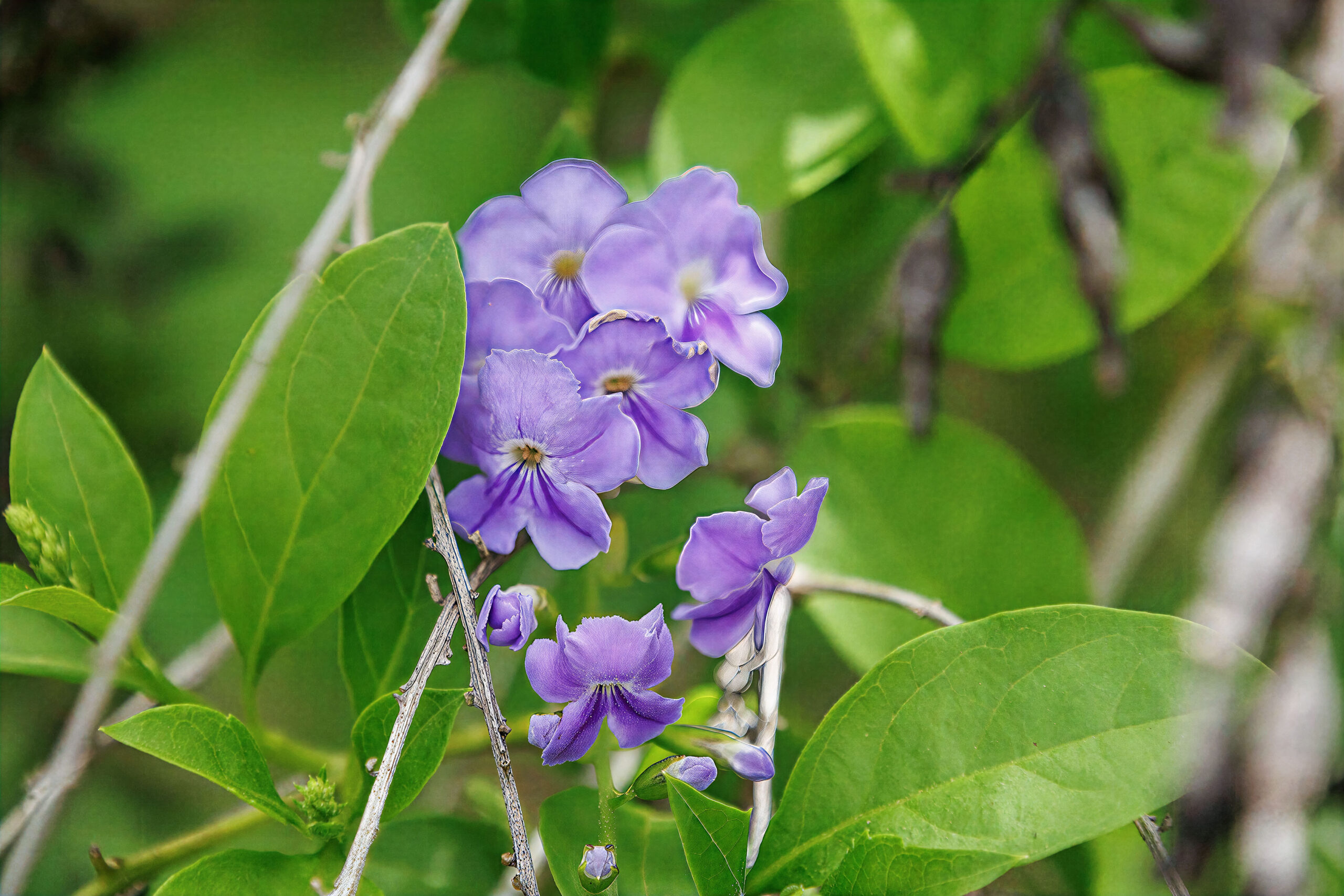
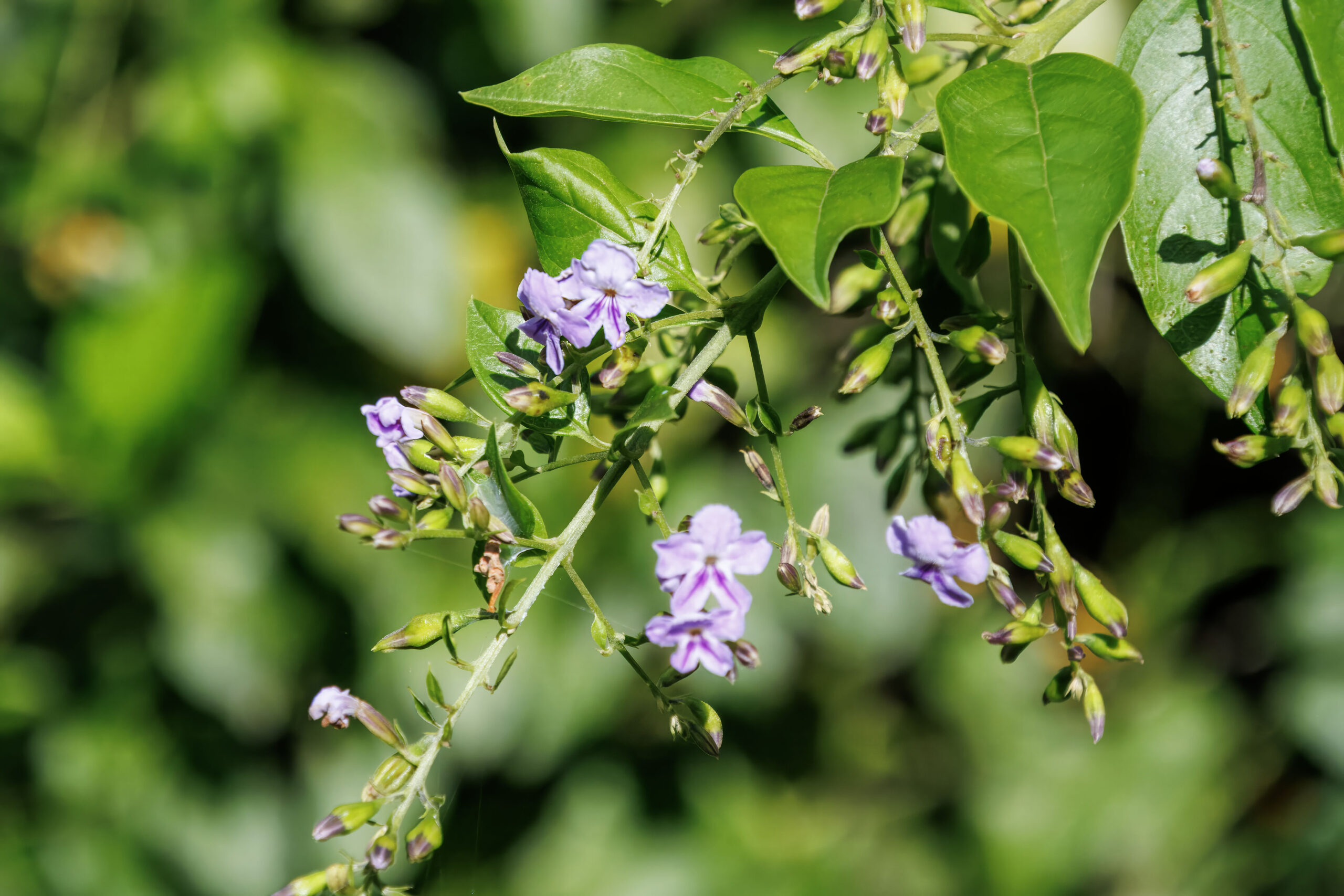
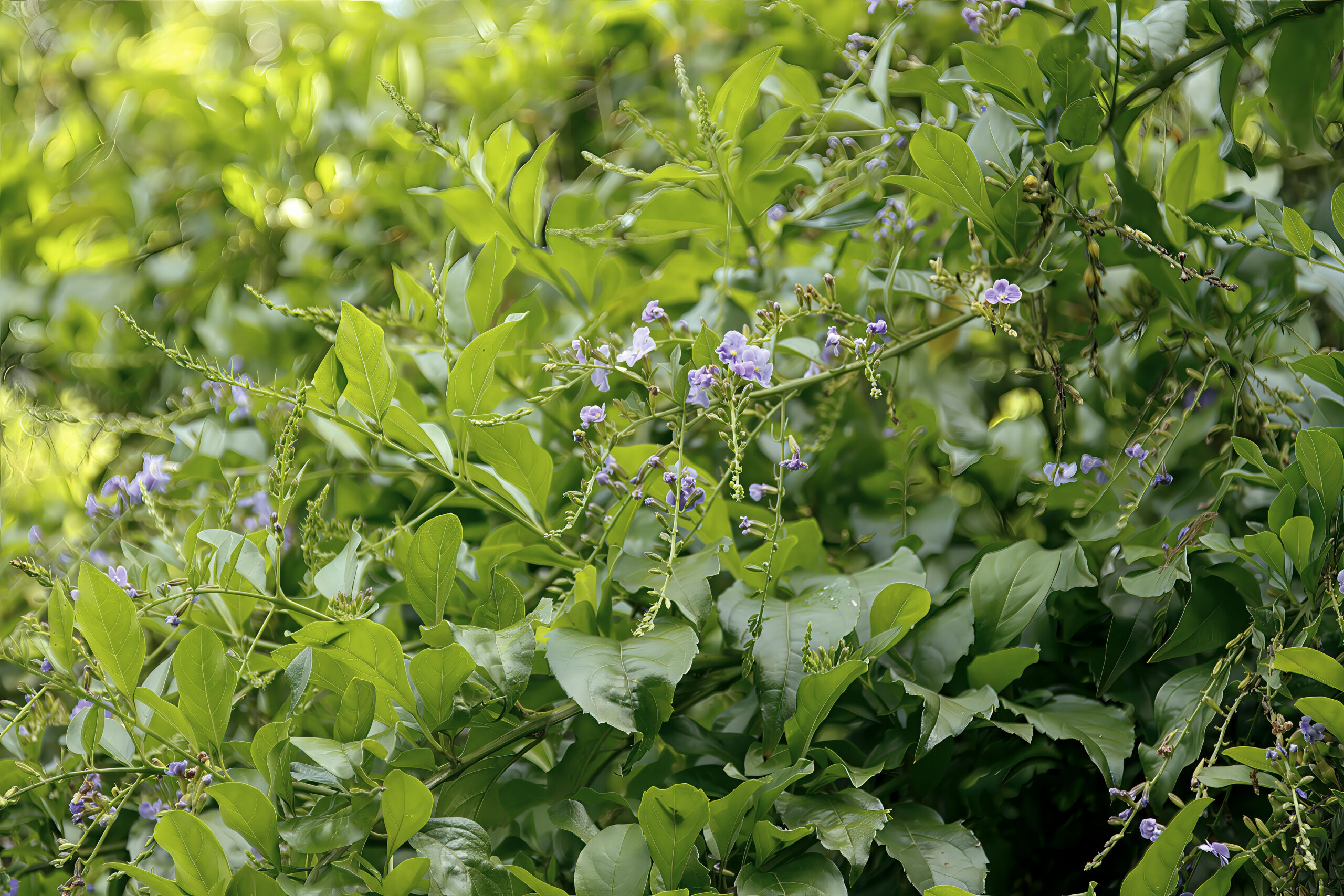
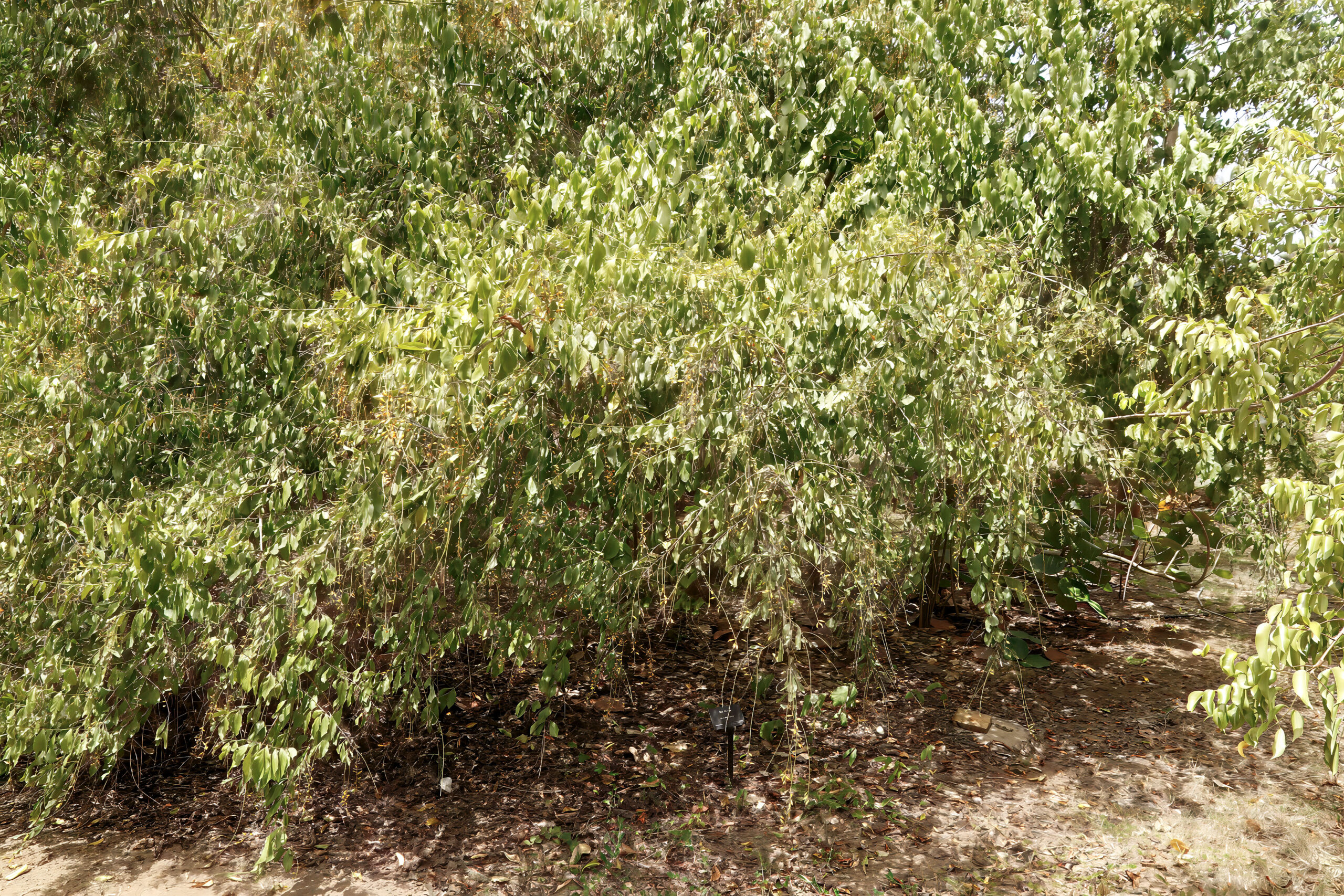
  • Leaf Type: Simple, opposite or whorled, ovate to elliptic, with serrated or entire margins; bright to dark green
  • Evergreen/Semi-deciduous: Evergreen in tropical climates; may drop some leaves in cooler or dry periods
  • Leaf Flush: New growth appears year-round, often more vigorous after pruning or rainfall
  • Senescence: Occasional yellowing and drop of older leaves; partial defoliation may occur under drought or cold stress

Flowering

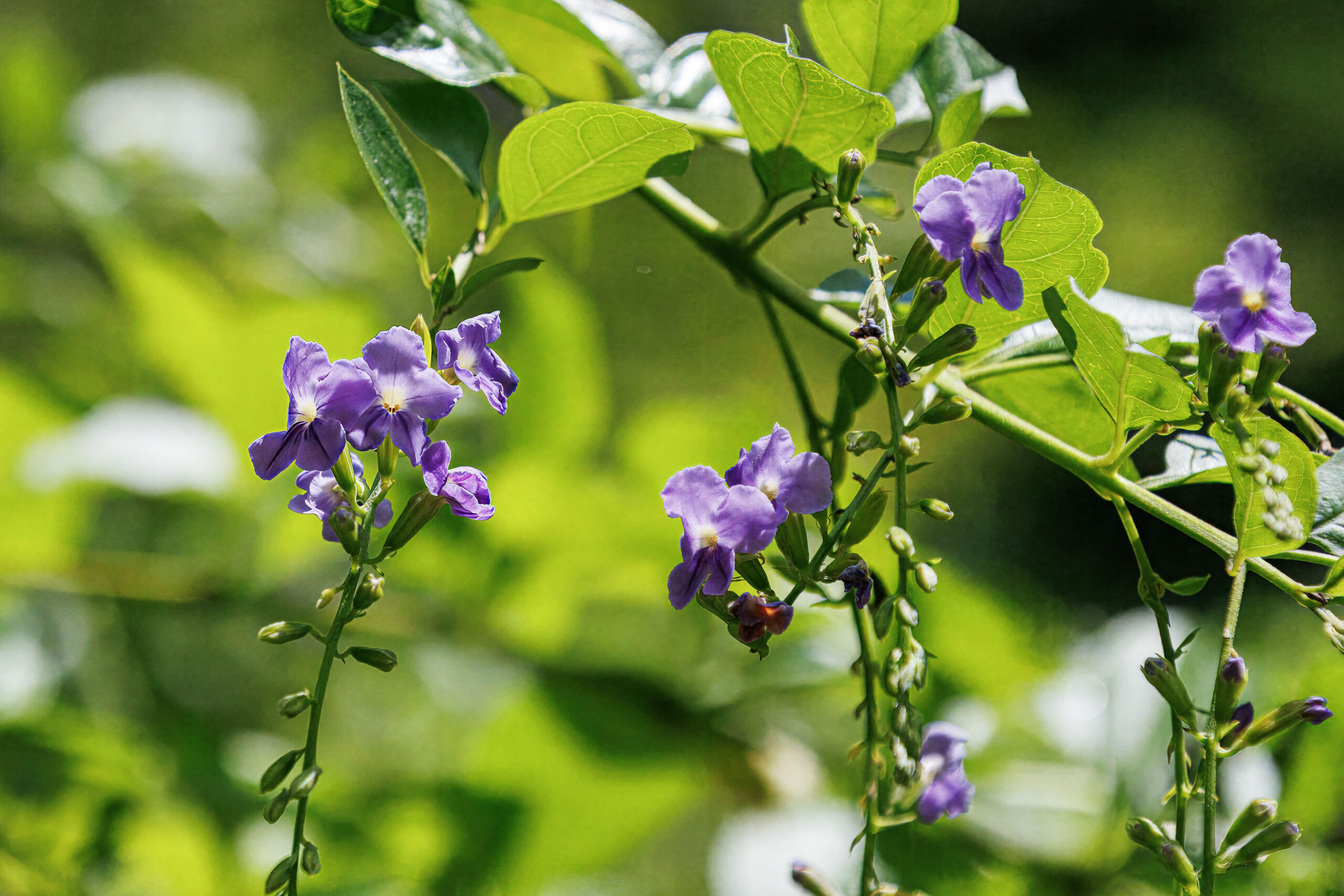
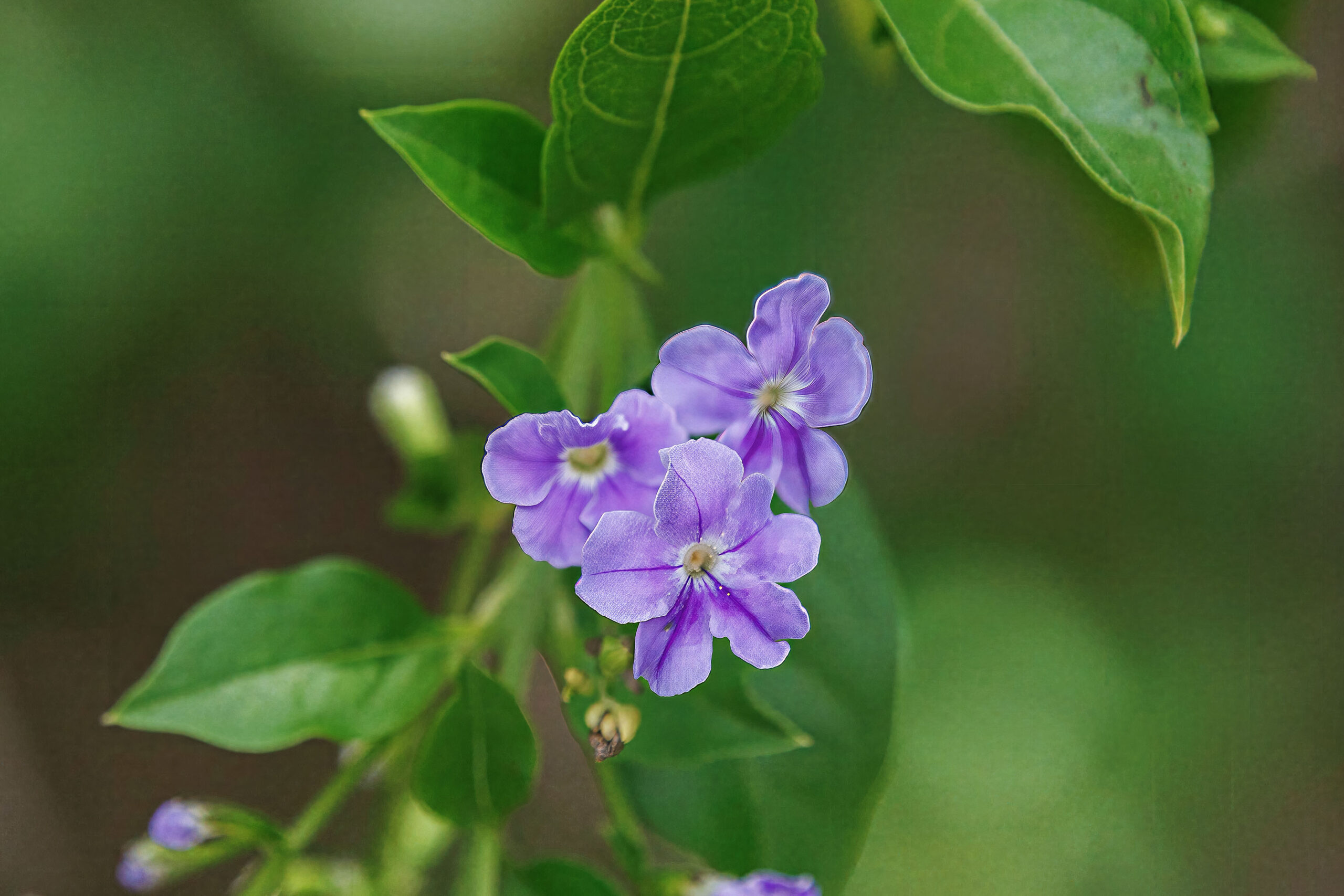
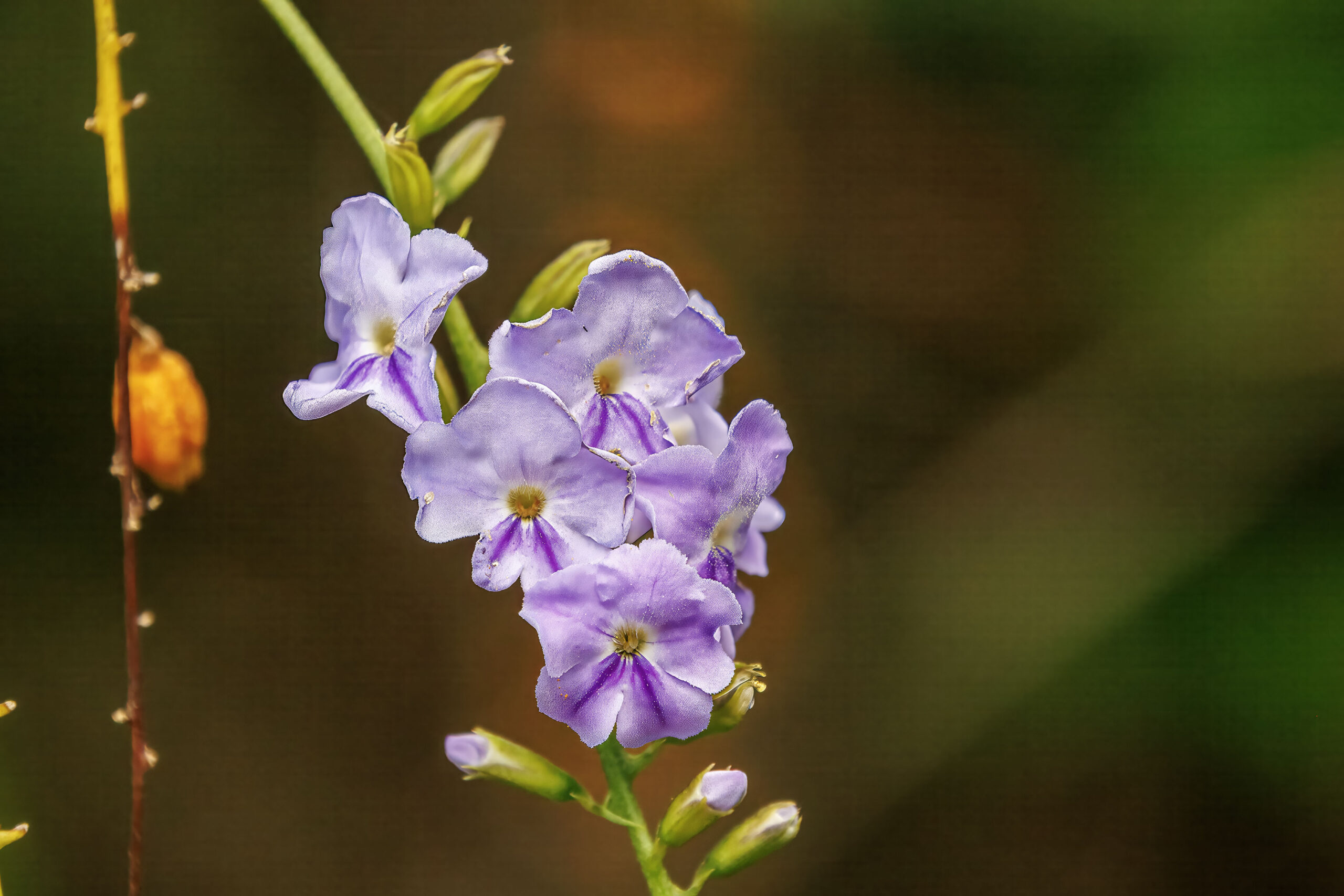
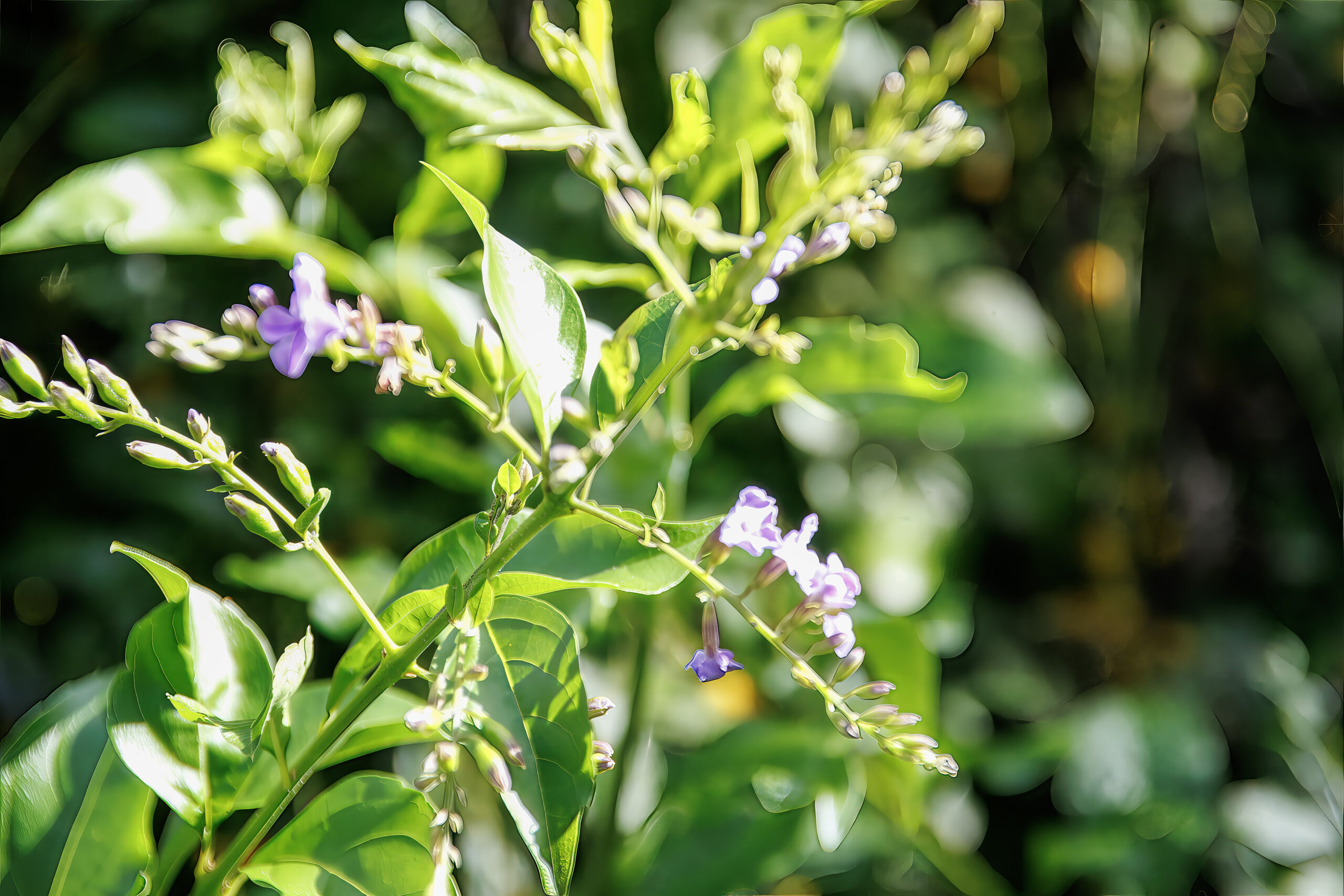
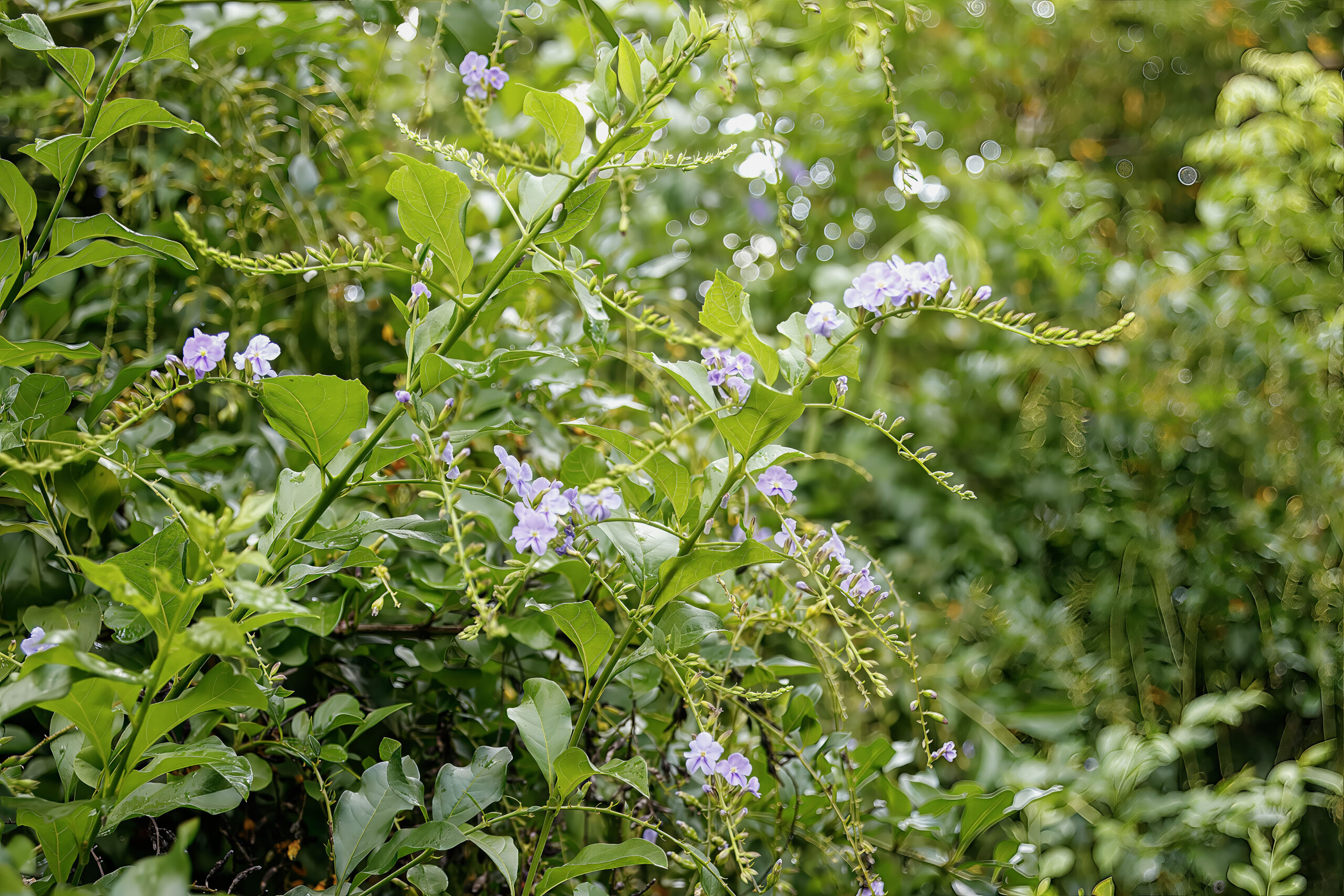
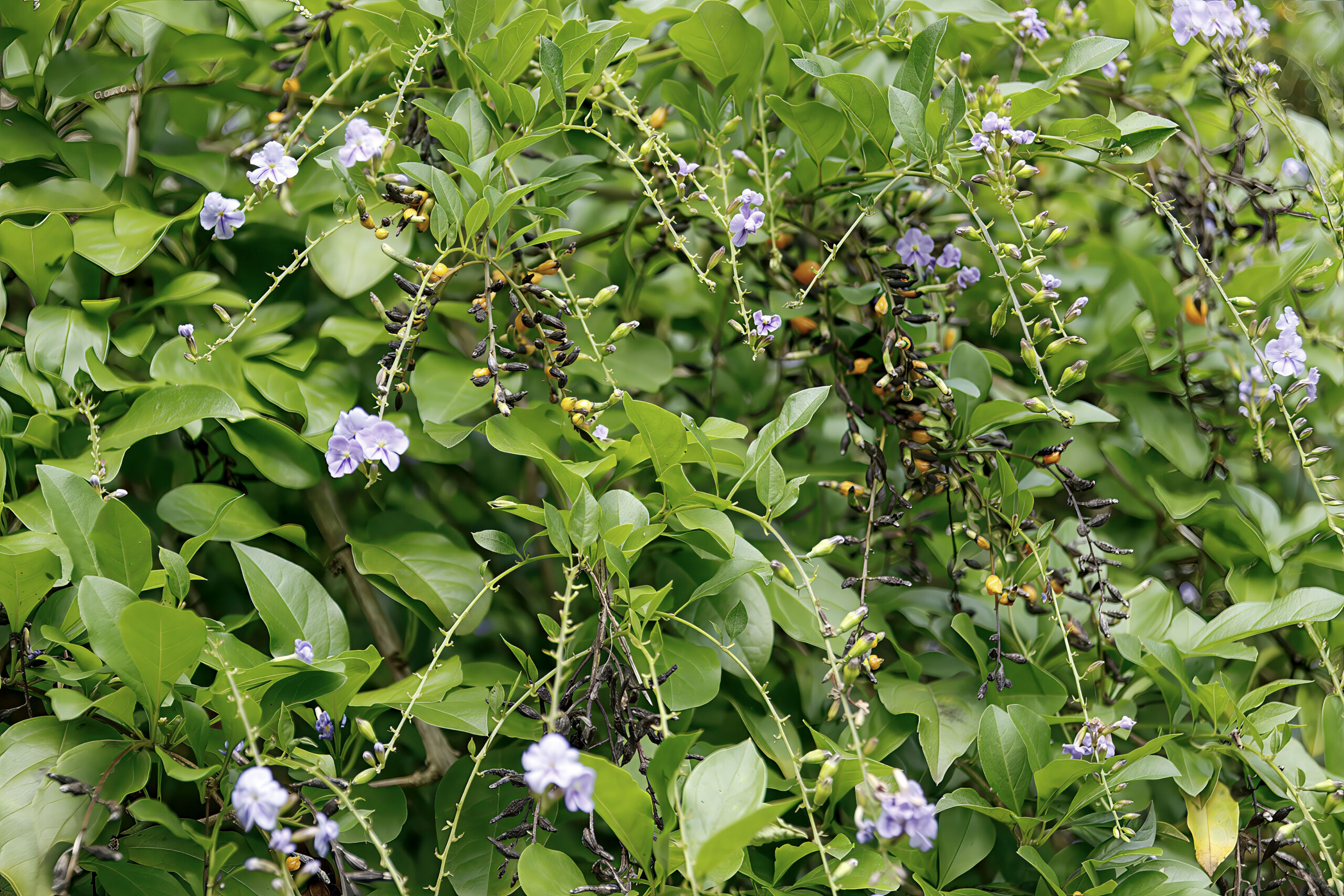
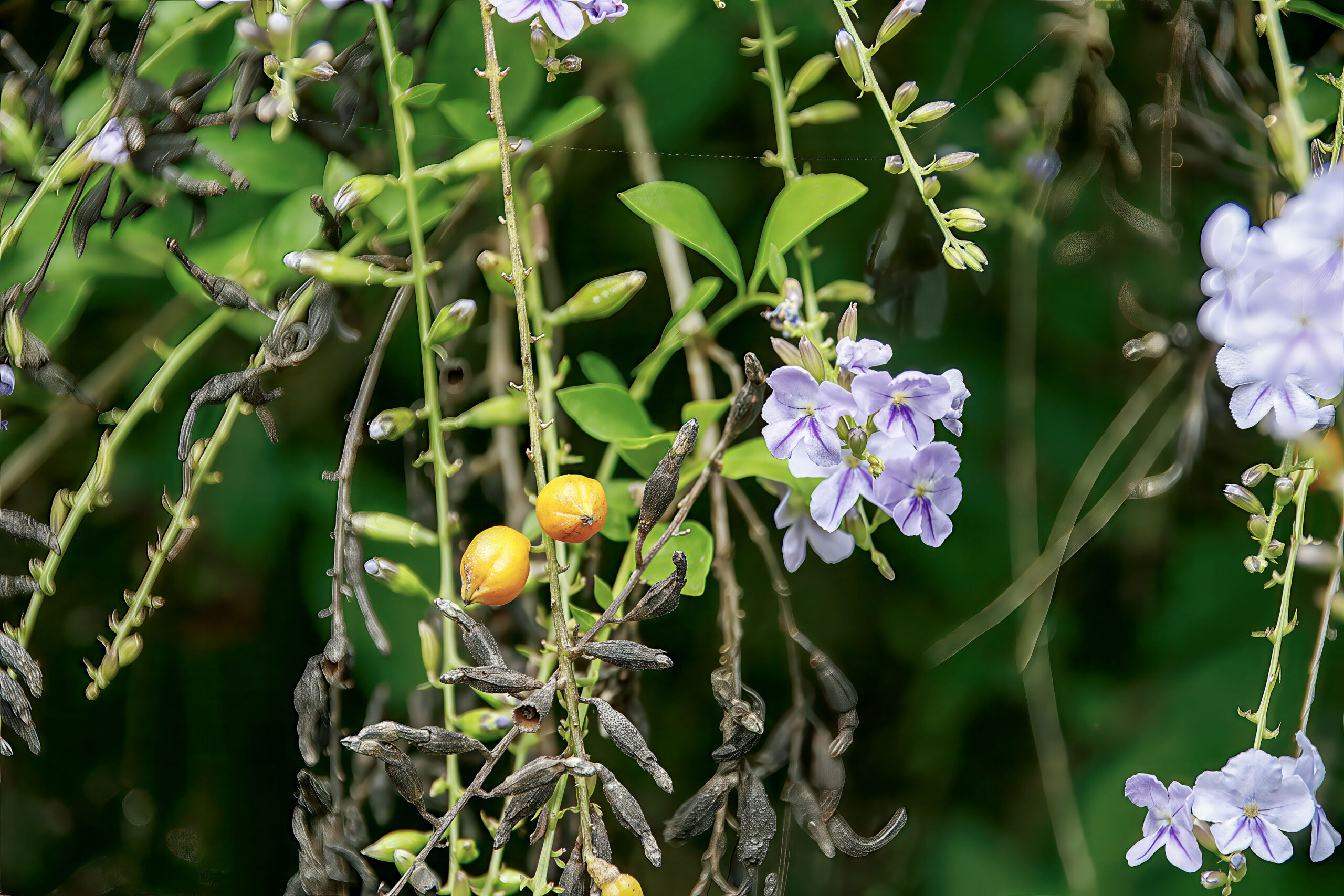
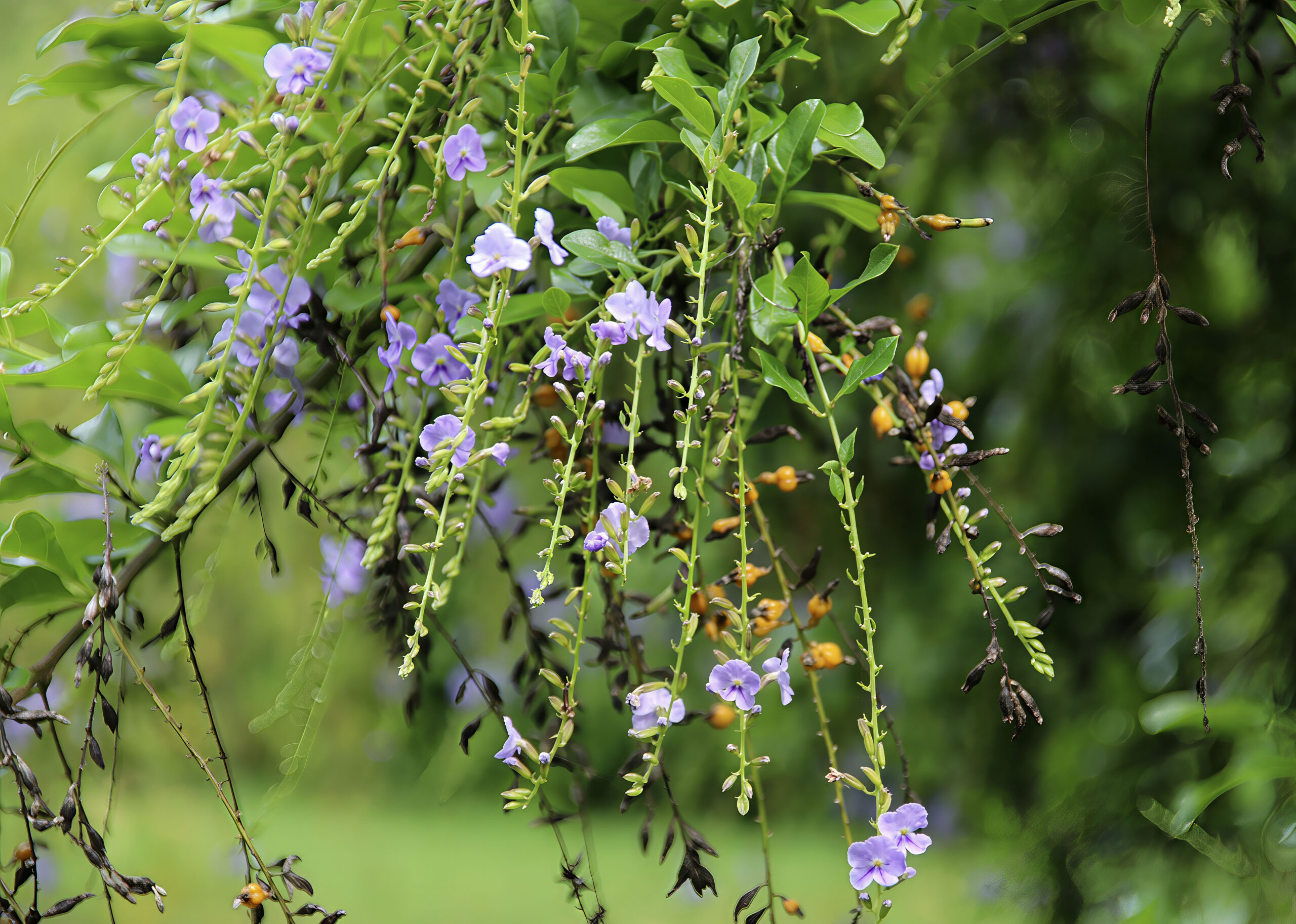
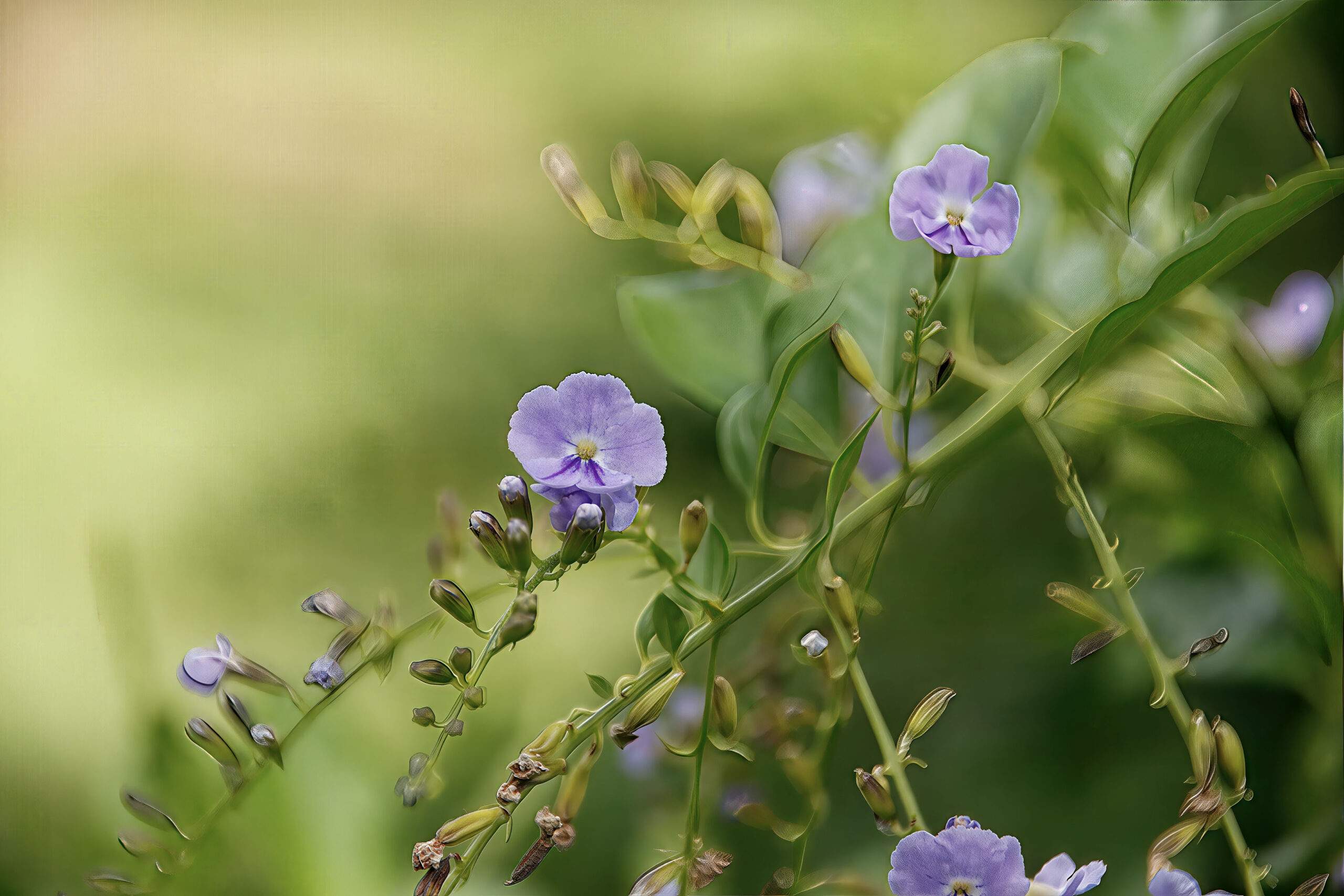
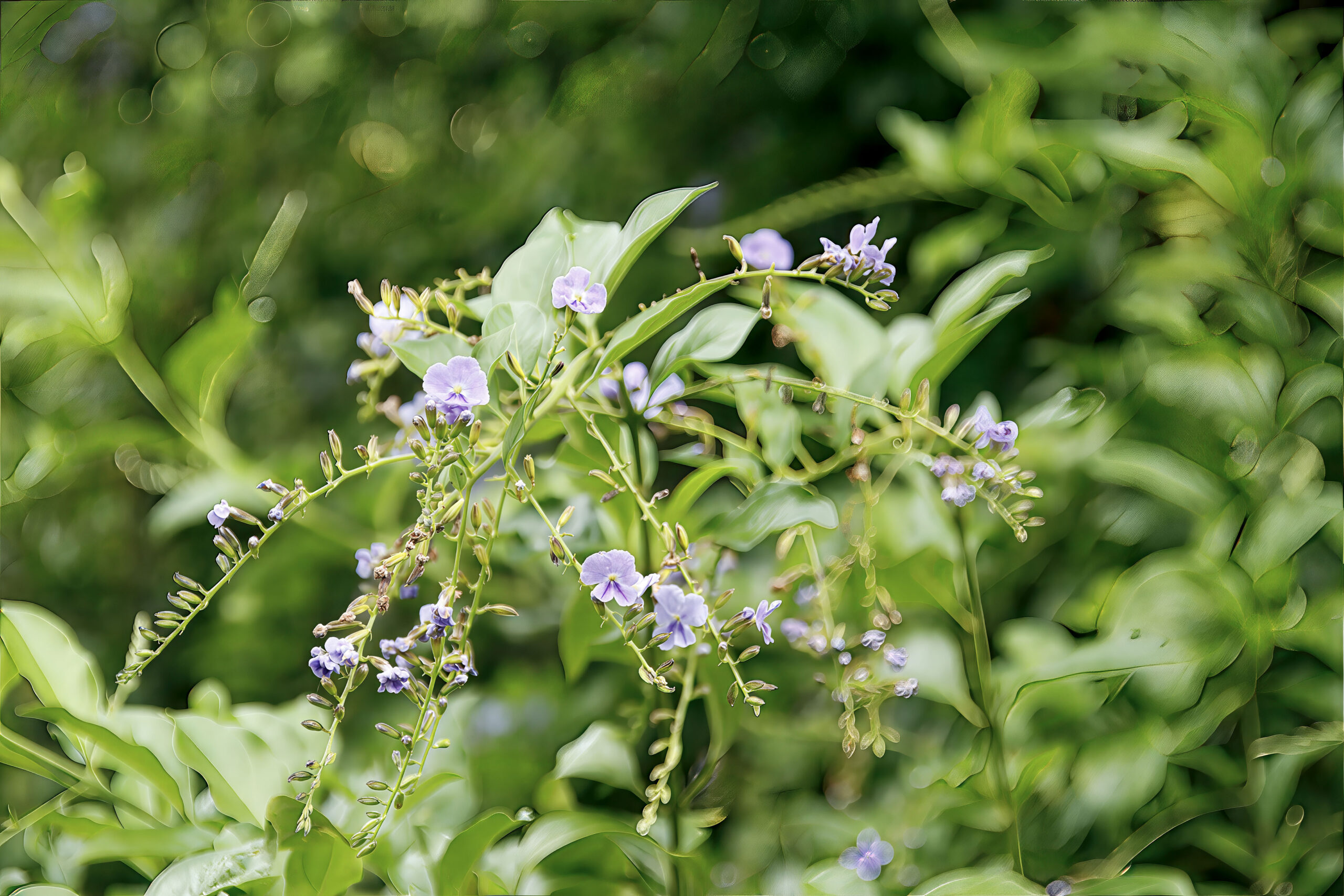
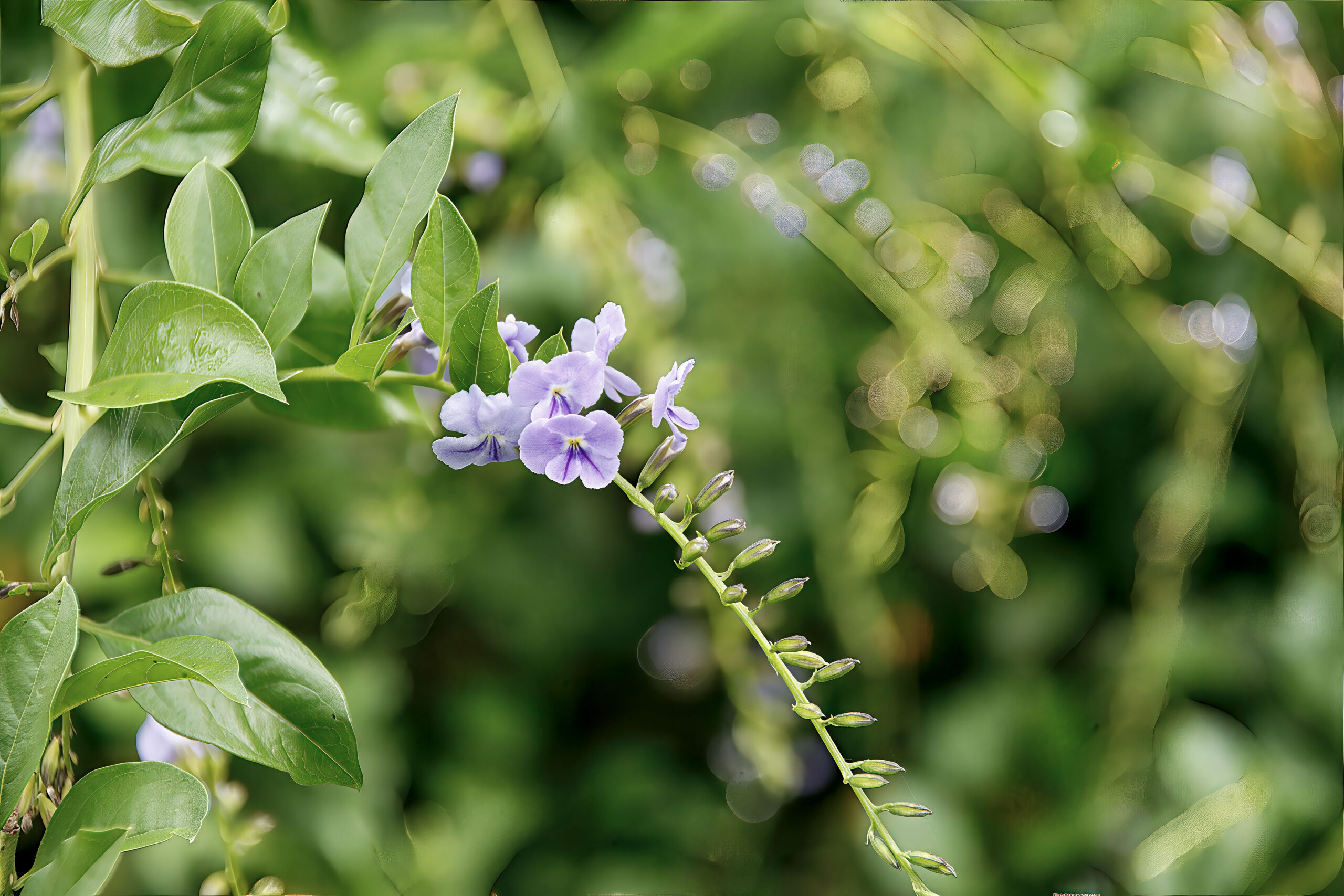
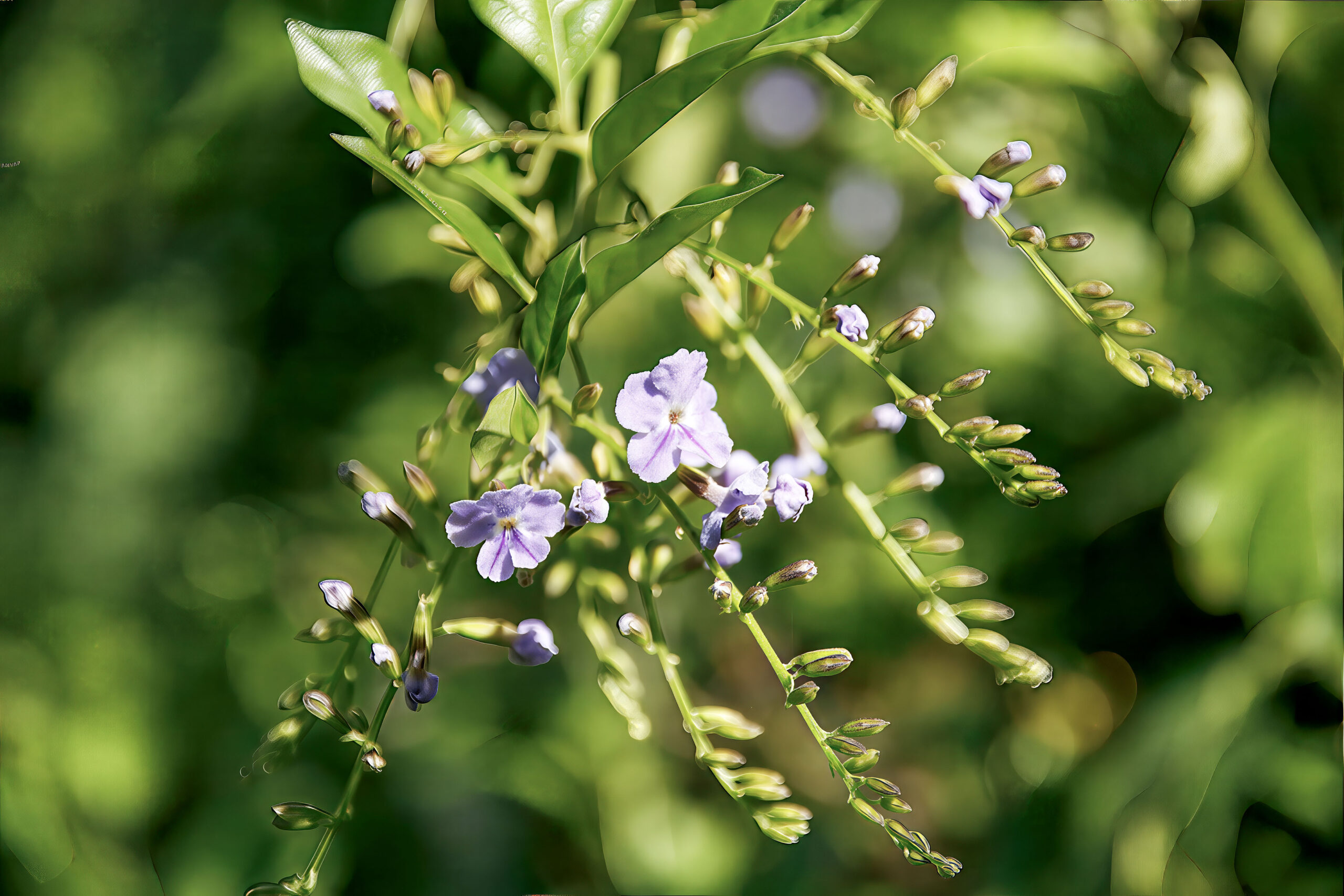
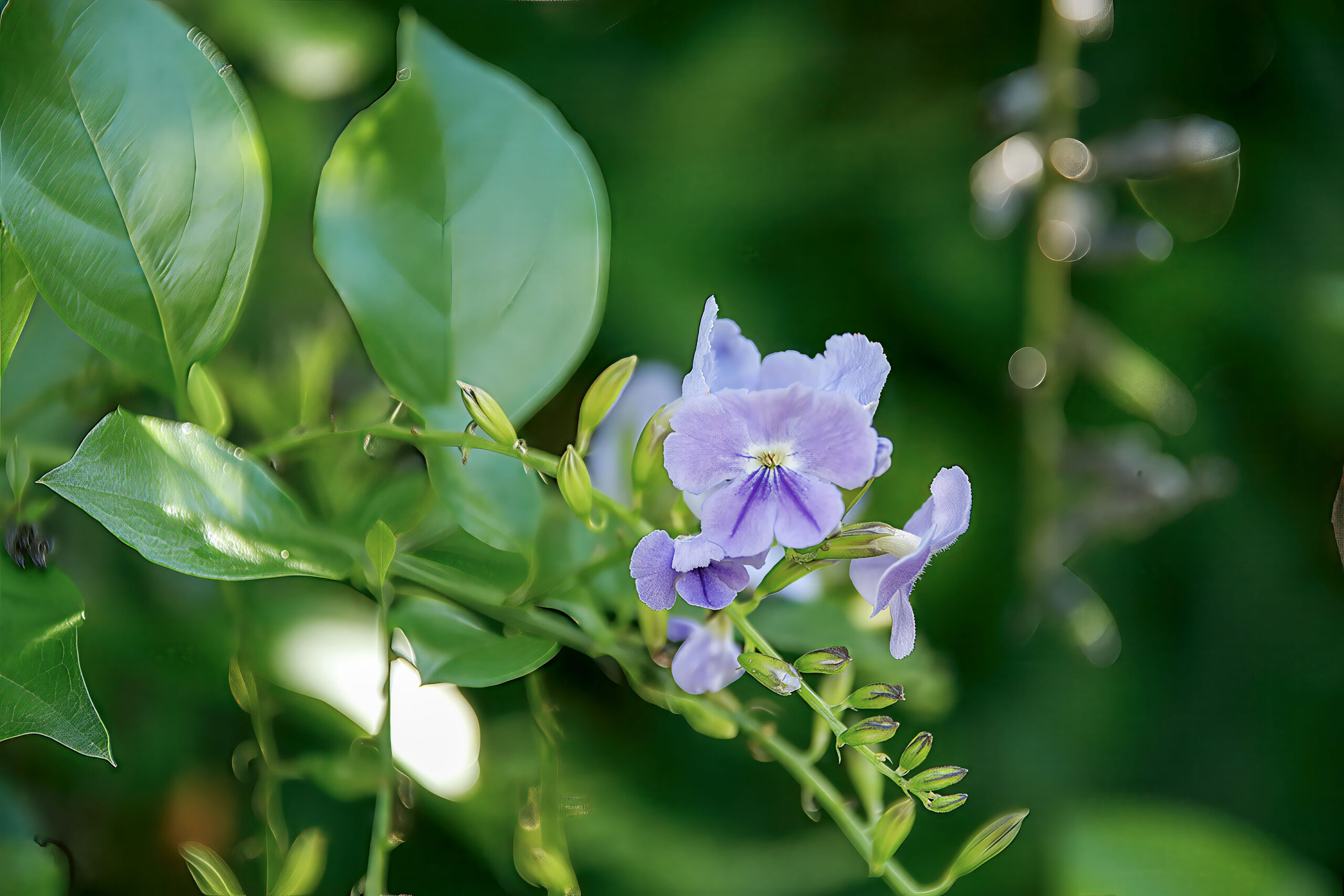
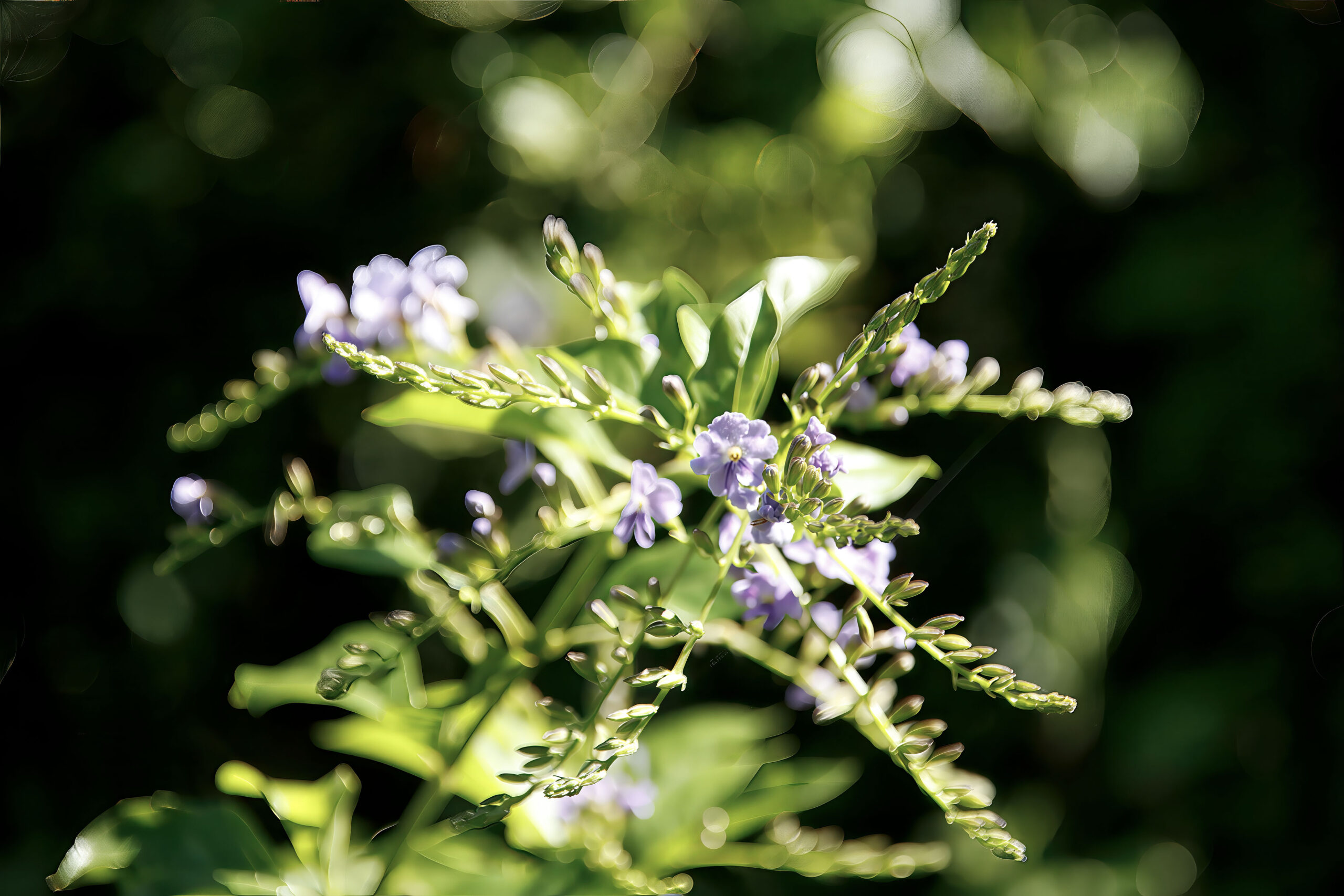
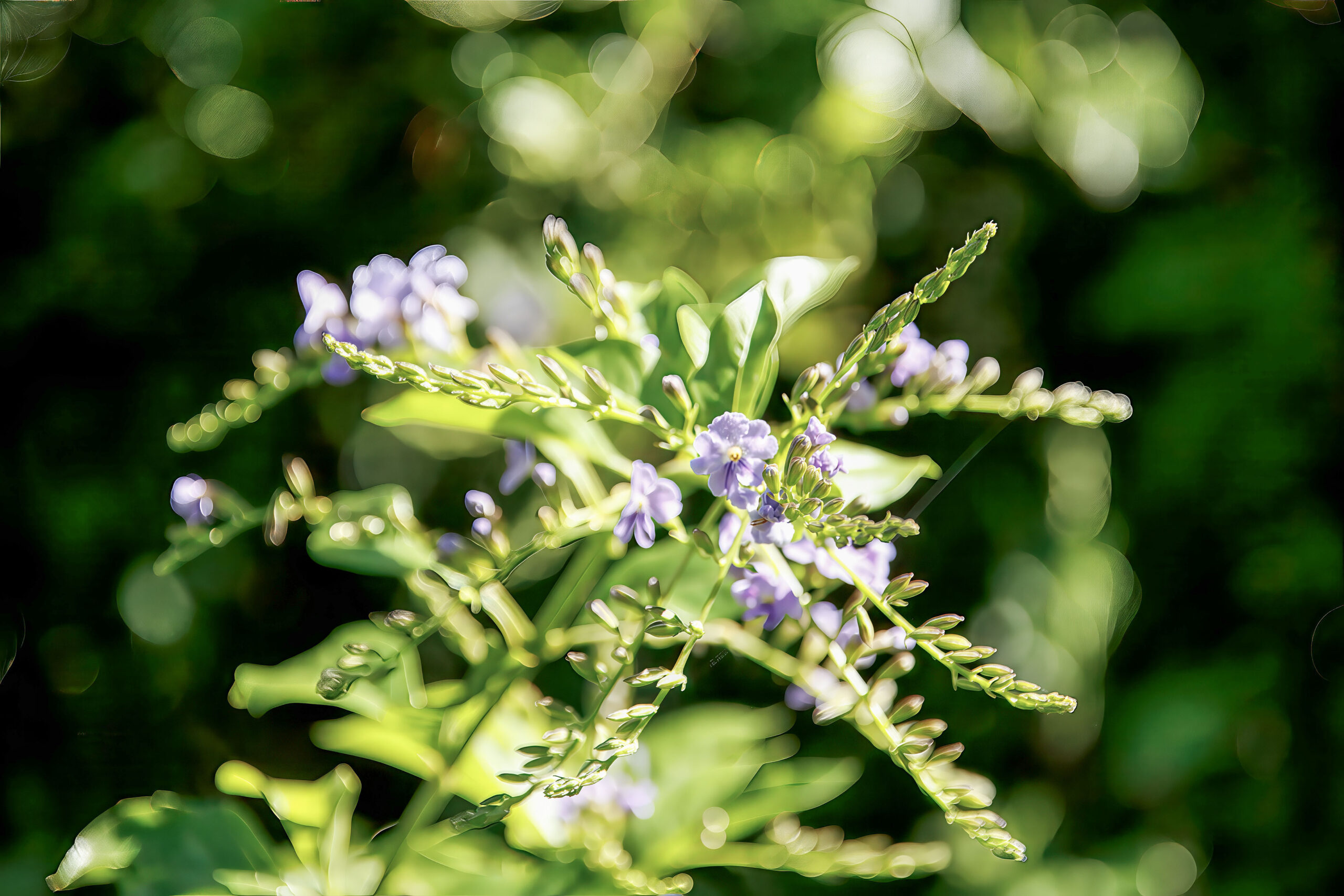
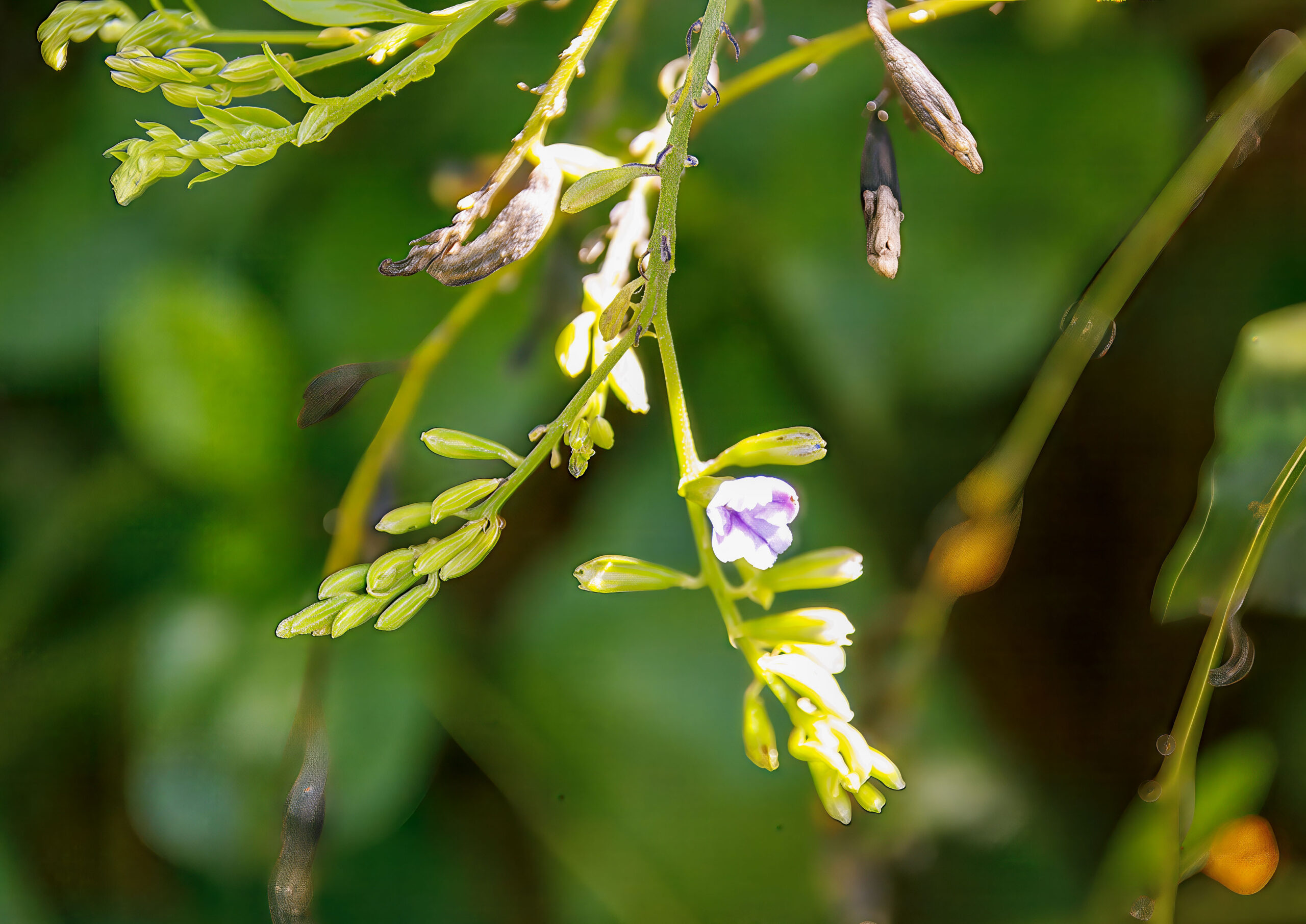
  • Inflorescence: Long, drooping or upright racemes of small, violet-blue to lavender (sometimes white) tubular flowers with five lobes
  • Blooming Period: Year-round in warm climates, with peak blooming in late spring through fall
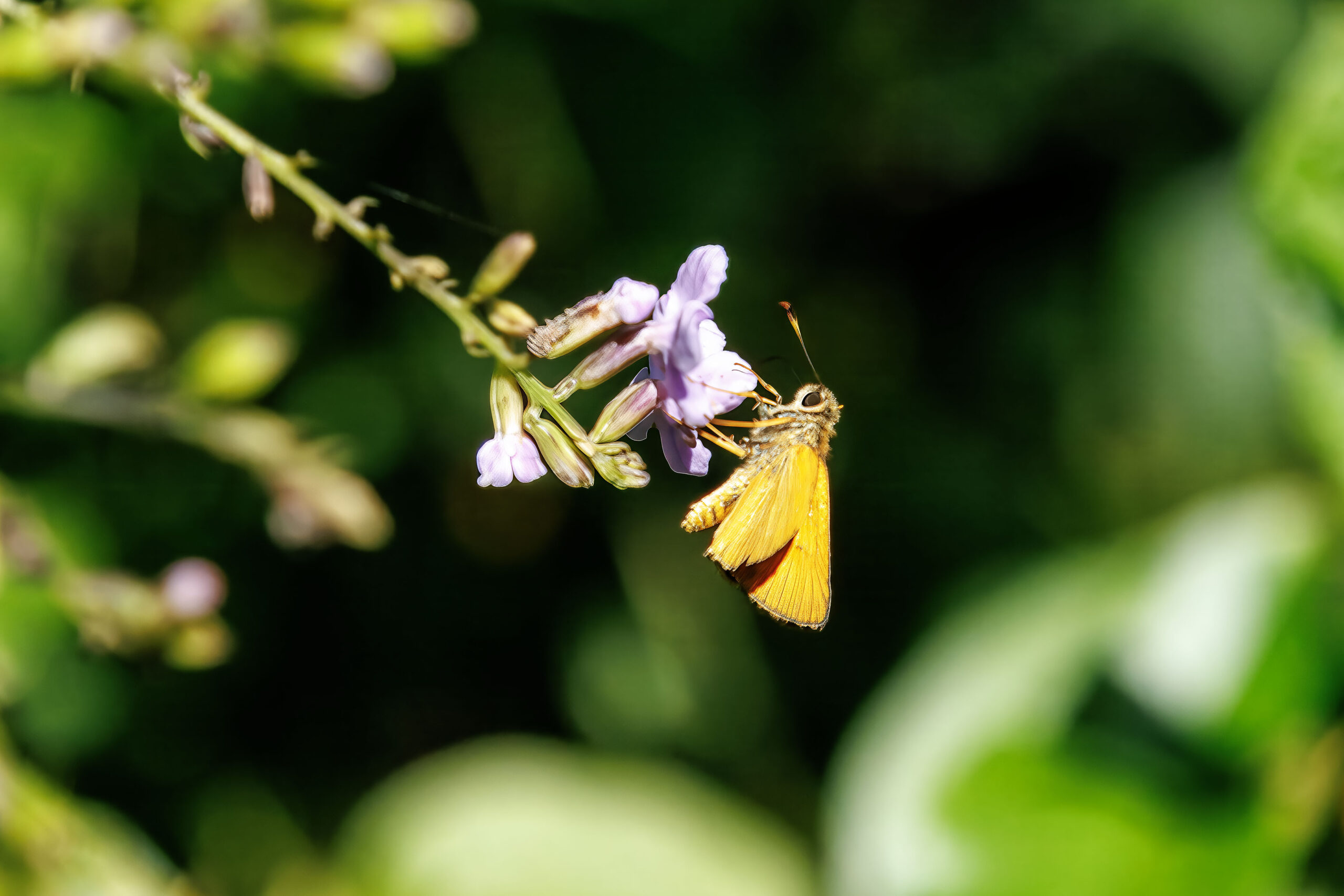
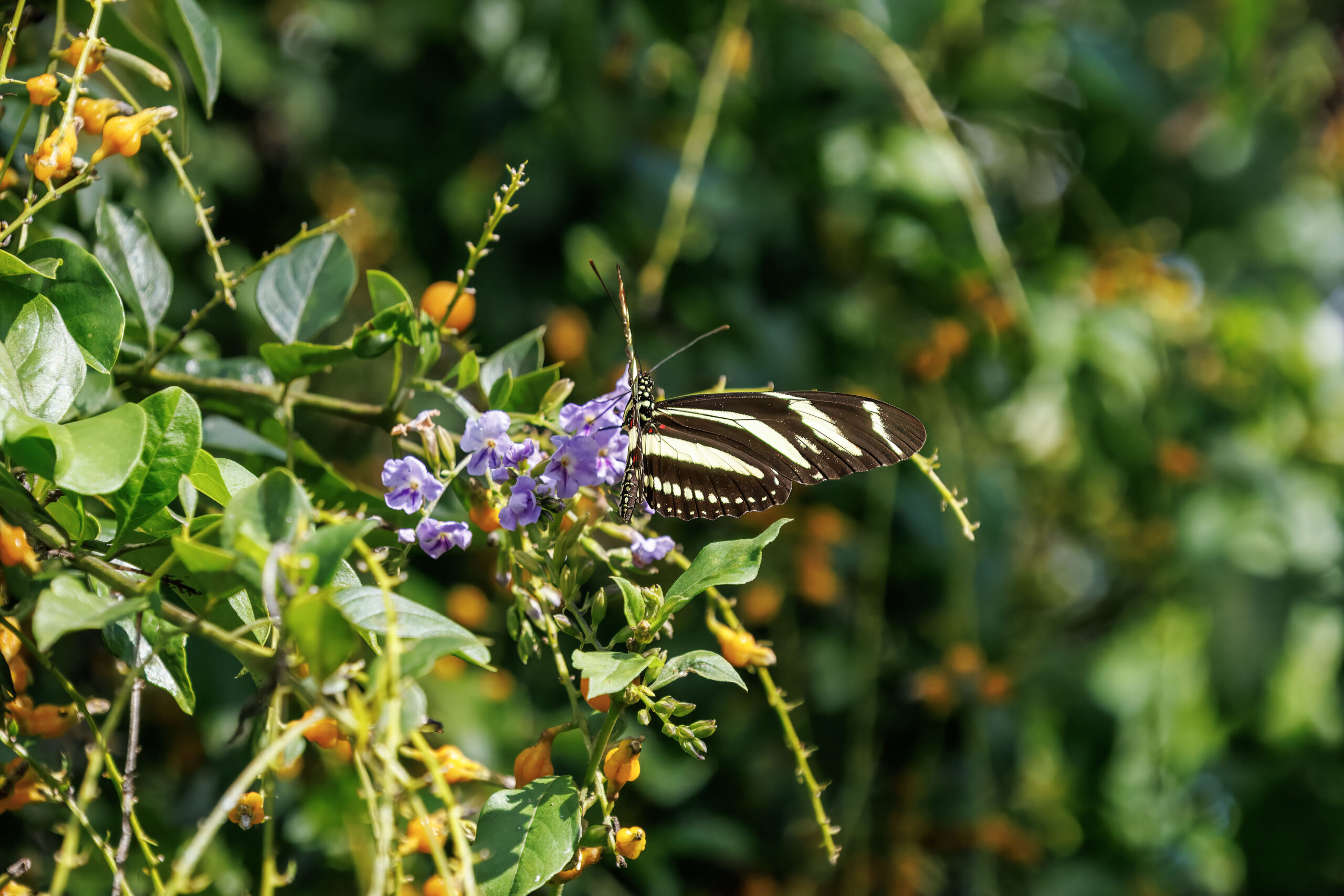
  • Pollinators: Bees, butterflies, and hummingbirds
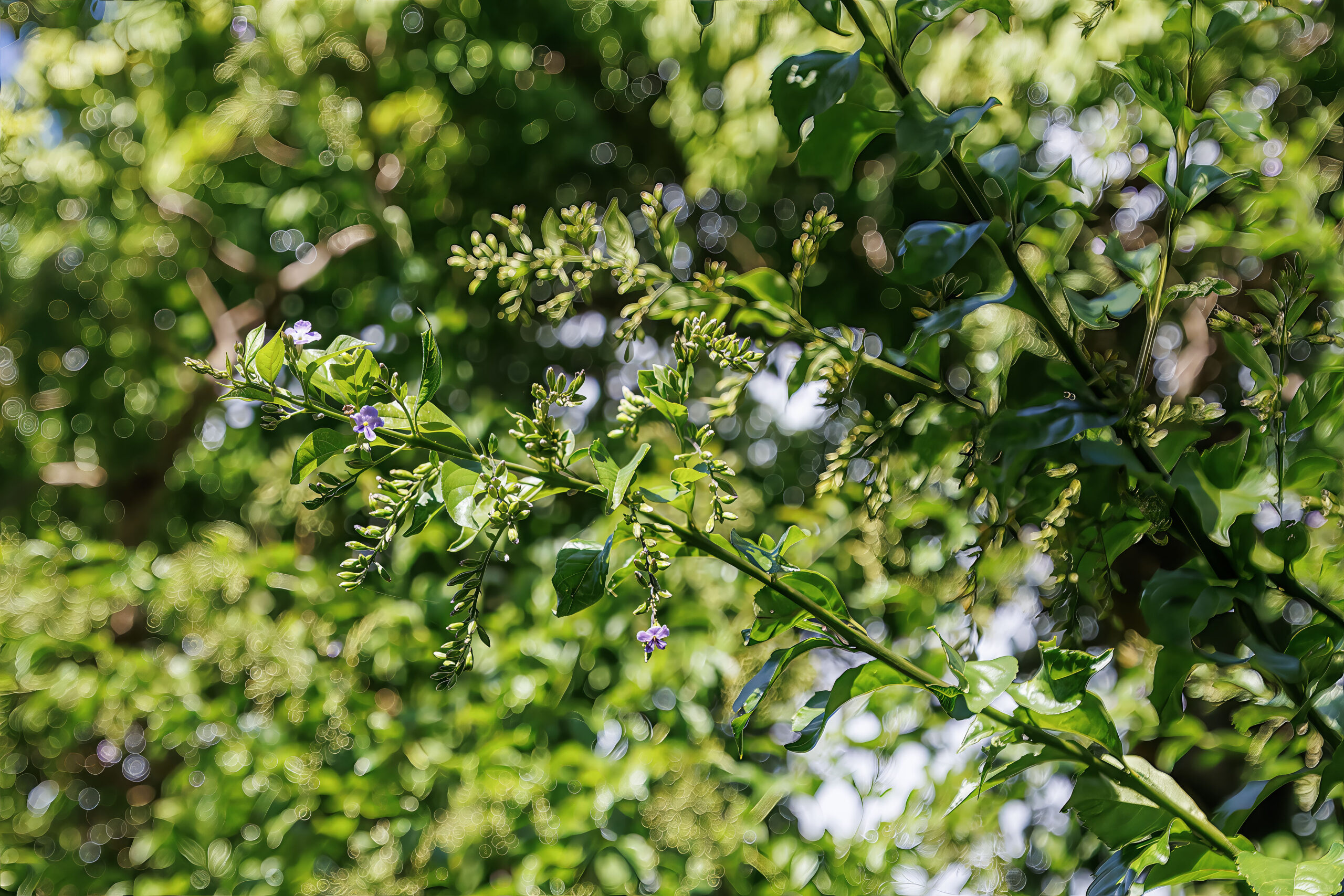
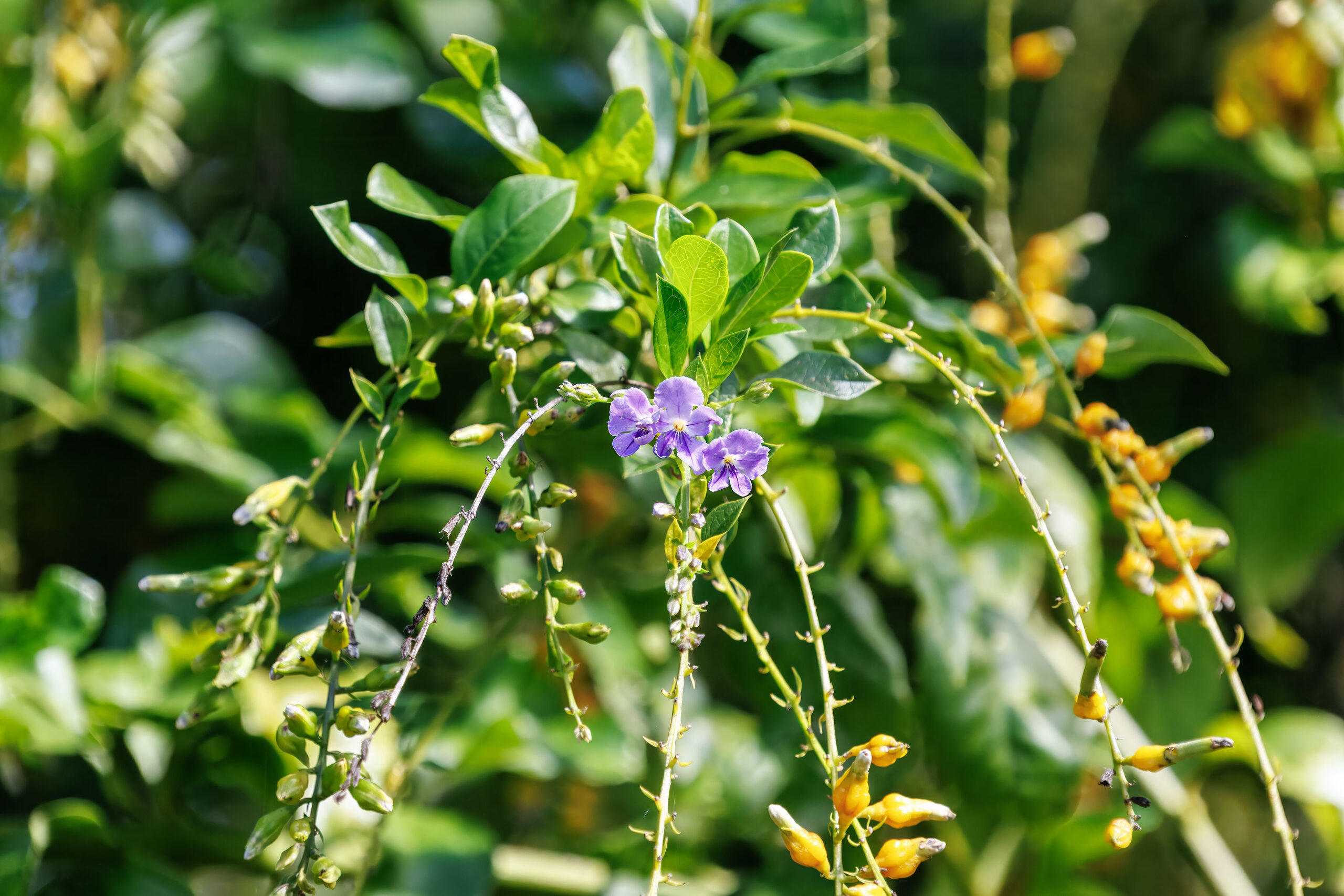
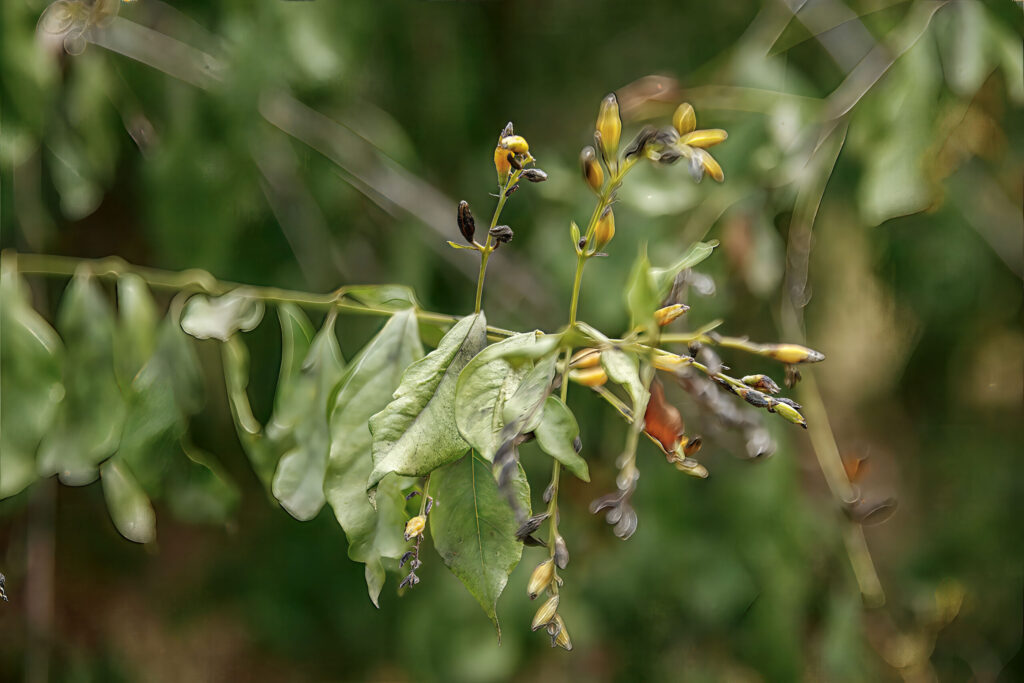
  • Phenological Indicator: Abundant flower spikes on branch tips; often present alongside developing fruits

Fruiting

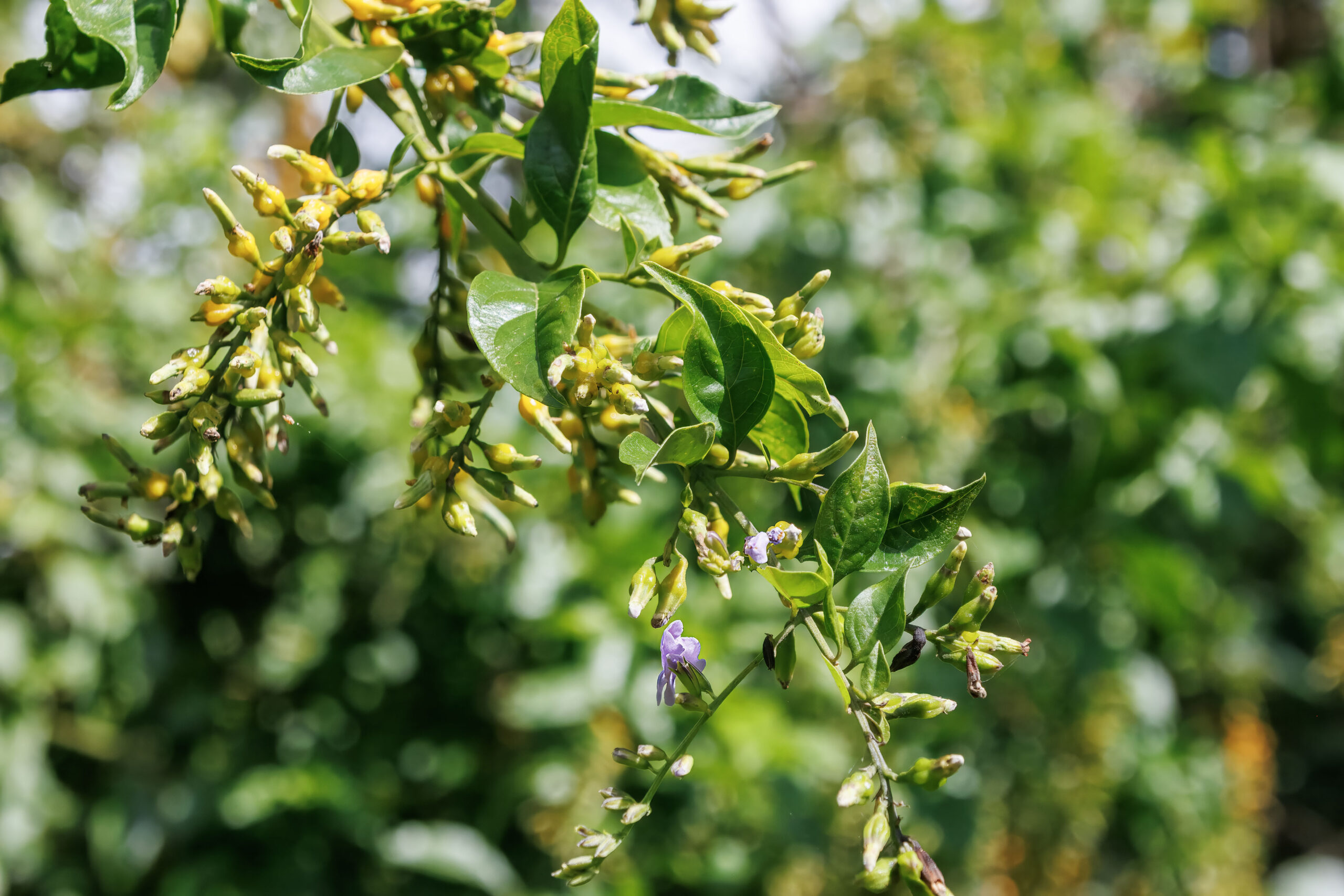
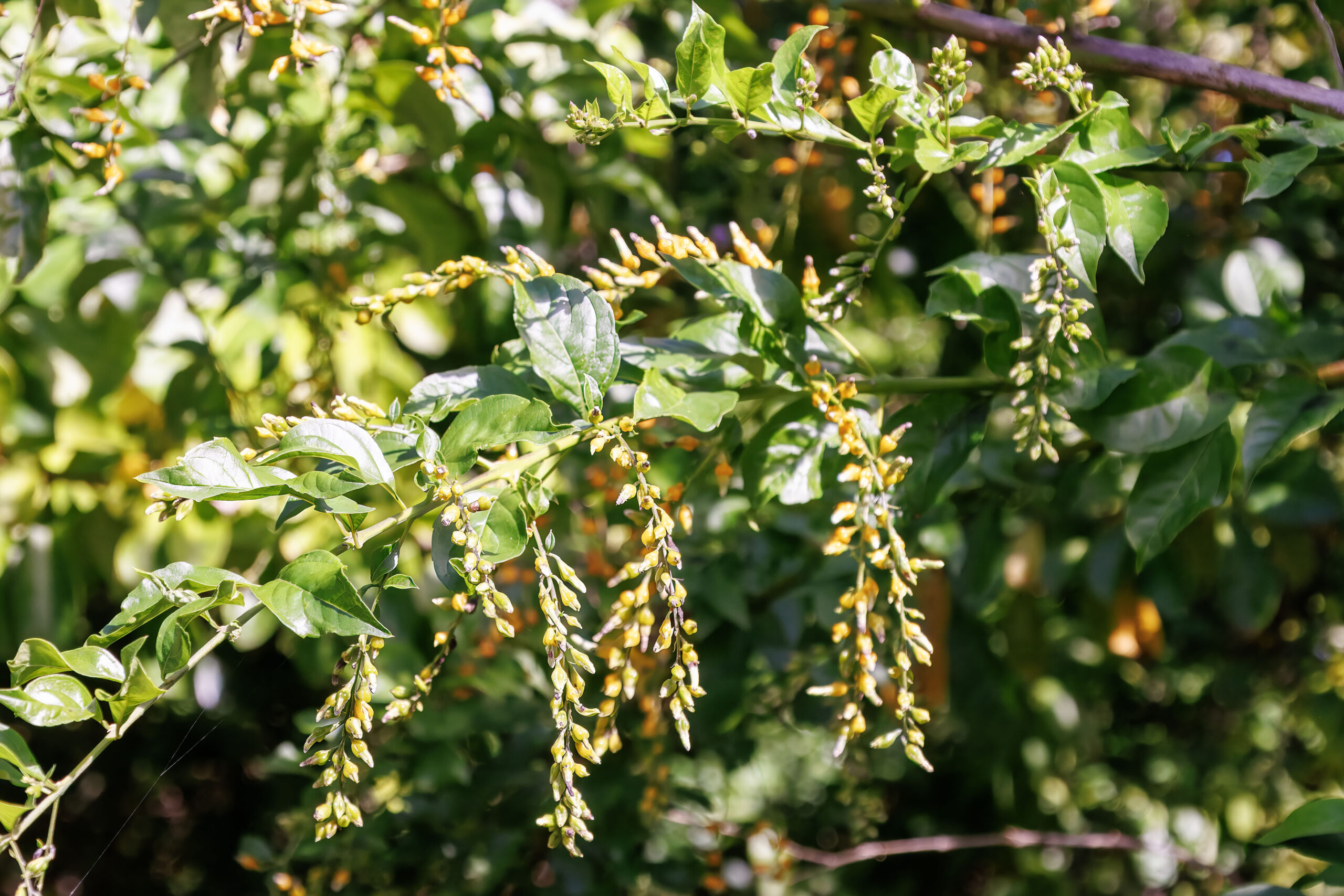
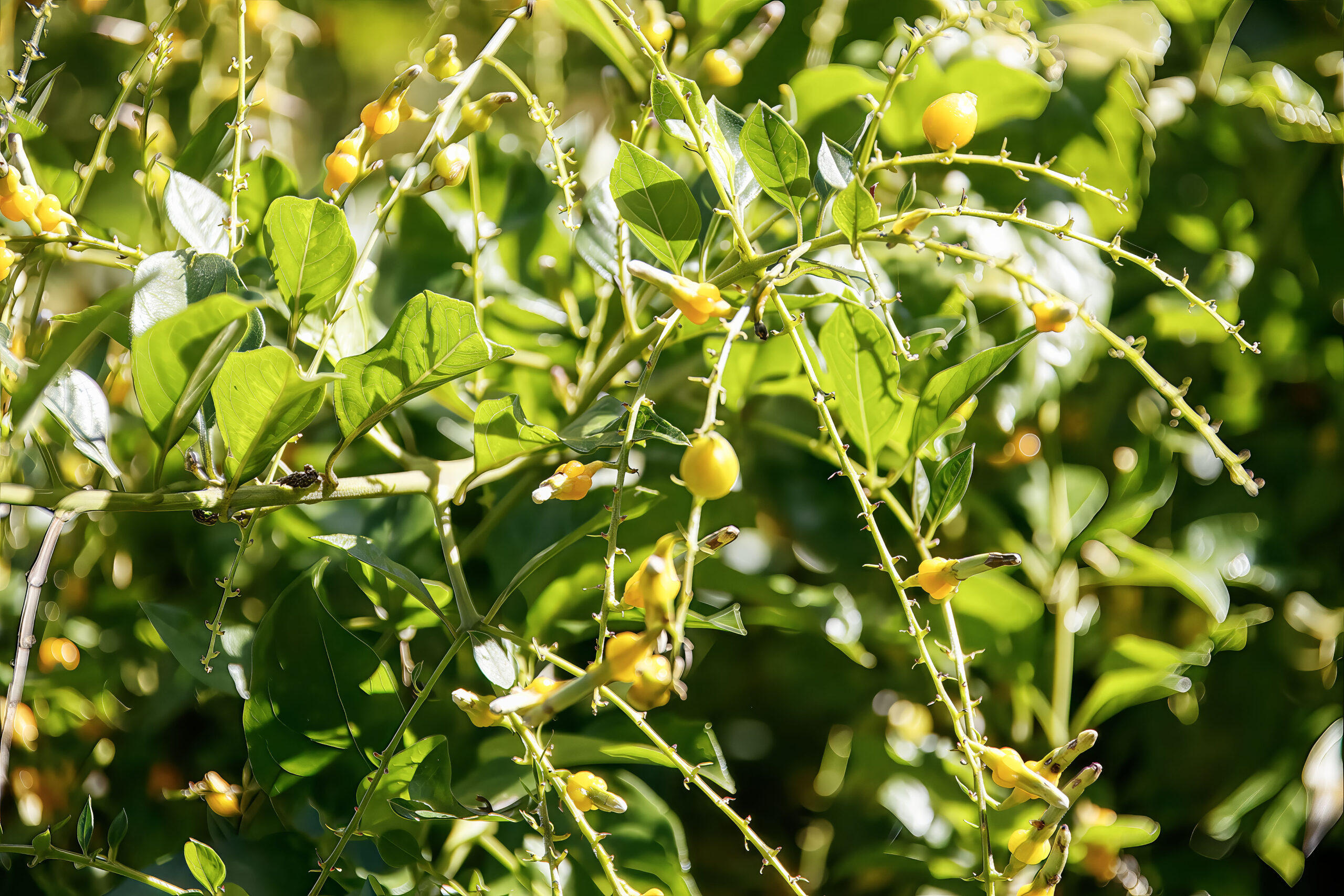
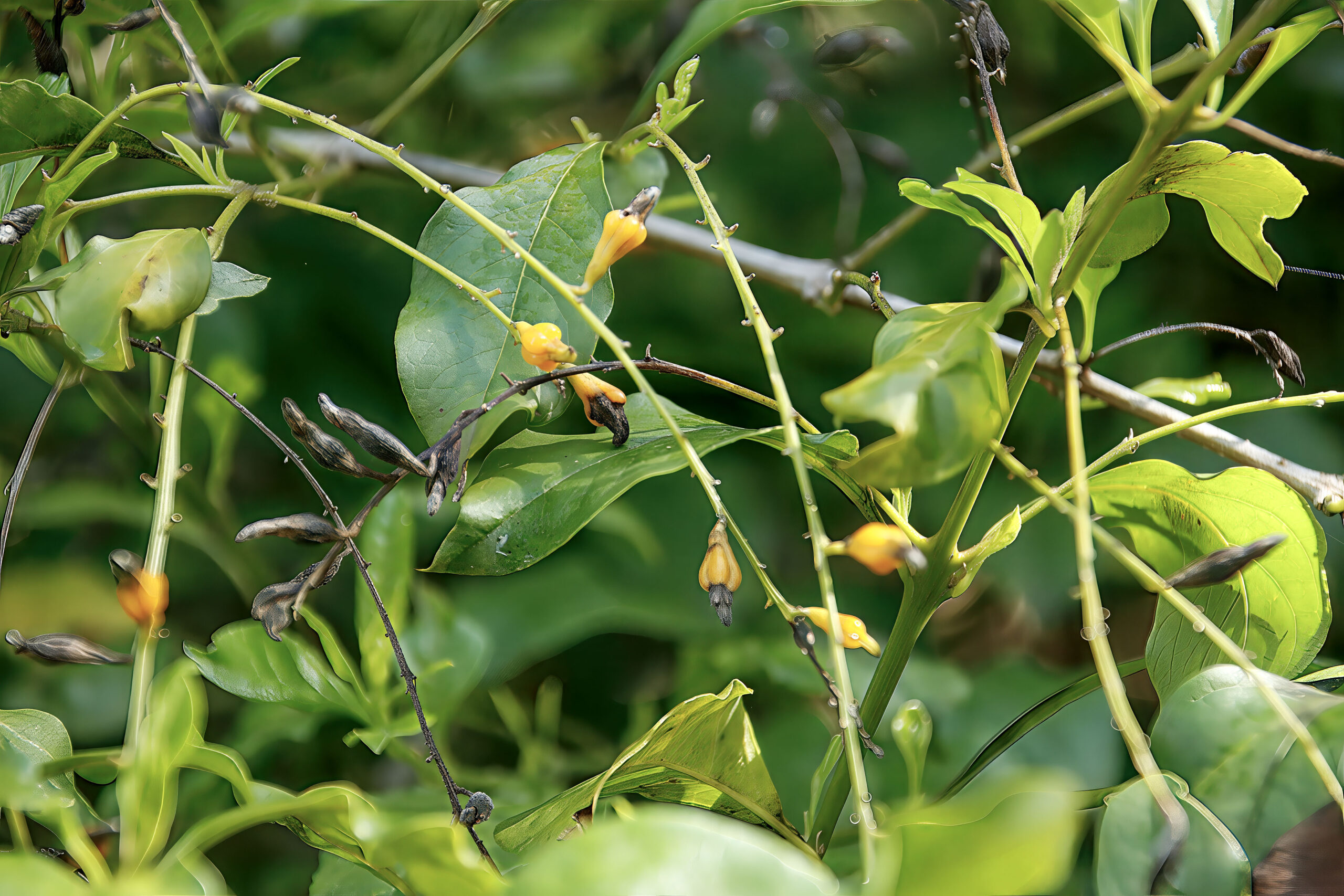
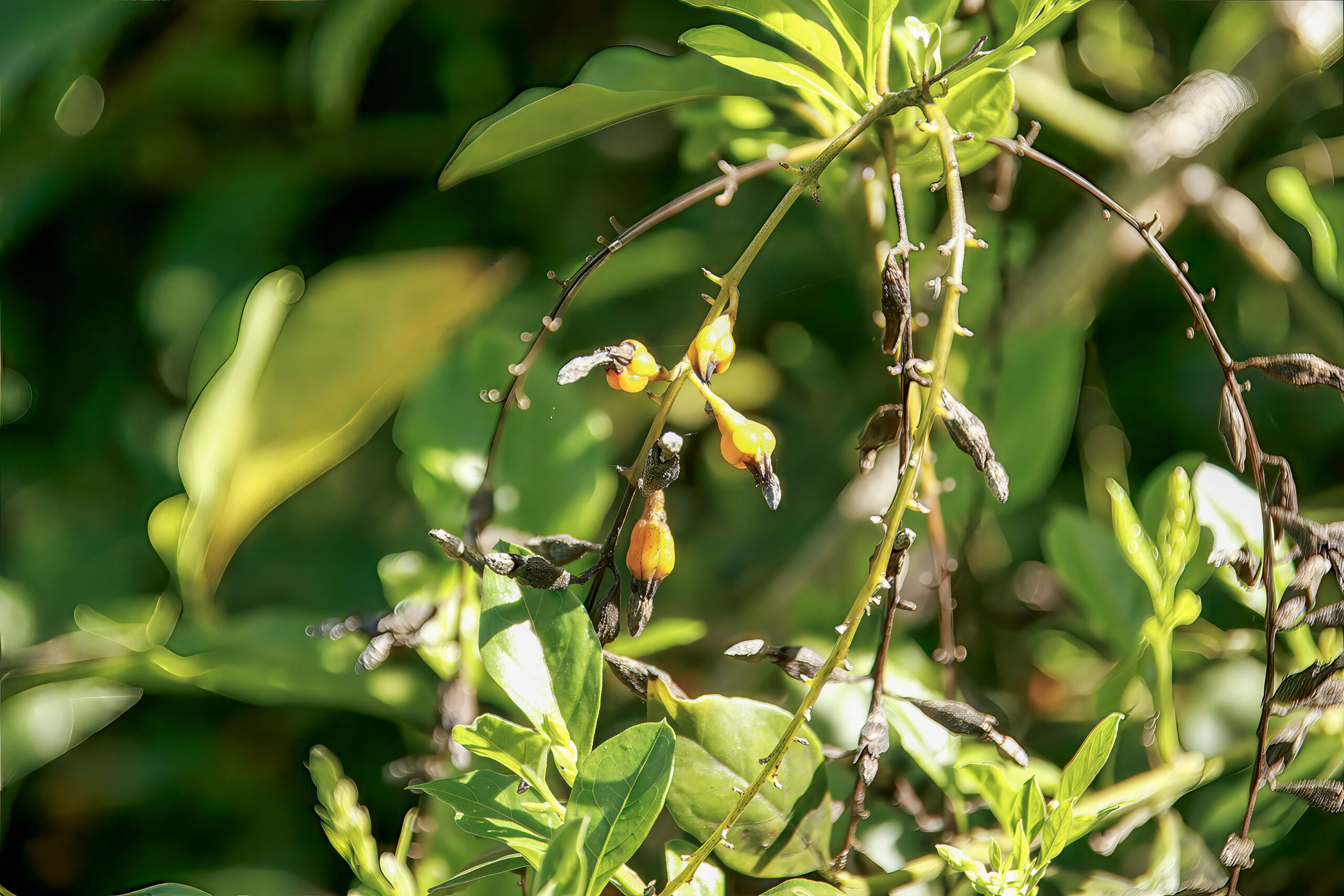
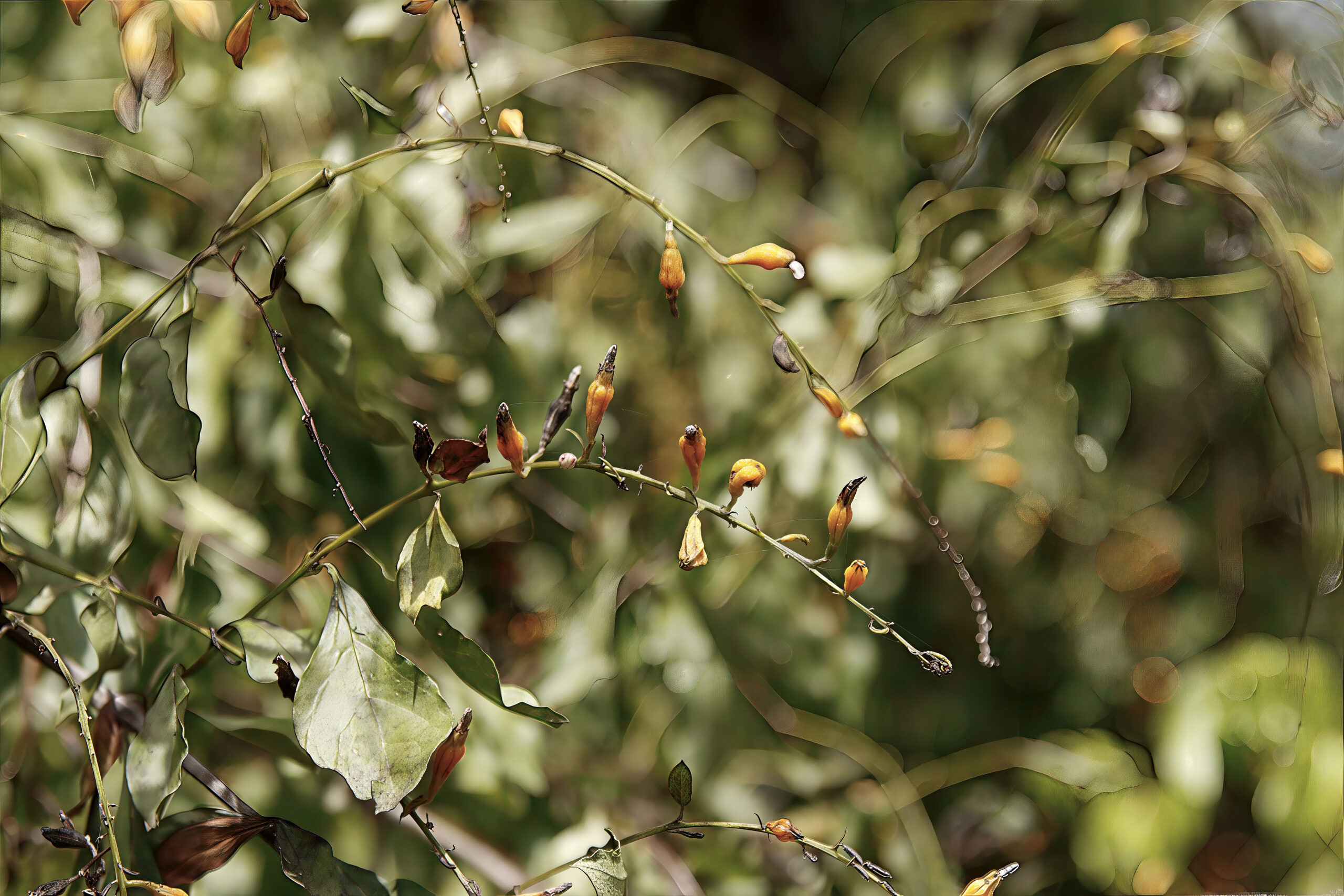
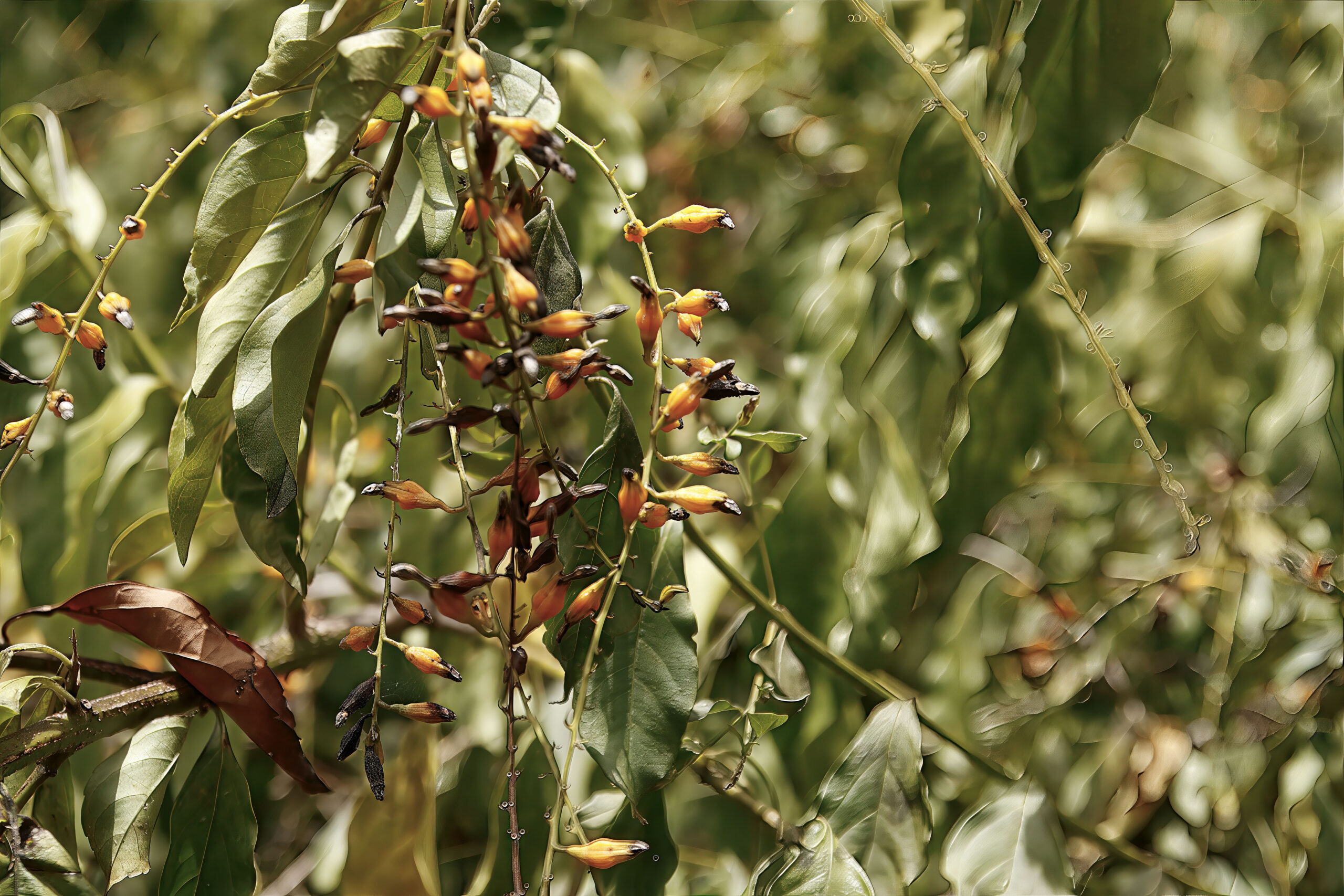
  • Fruit Type: Small, round, yellow to orange berries borne in hanging clusters
  • Fruit Development: Begins after flowering; fruit ripens over several weeks
  • Dispersal: Primarily birds; fruit is mildly toxic to humans
  • Phenological Indicator: Visible yellow/orange fruit clusters often hanging below or alongside flowers

Suggested Photo Angles

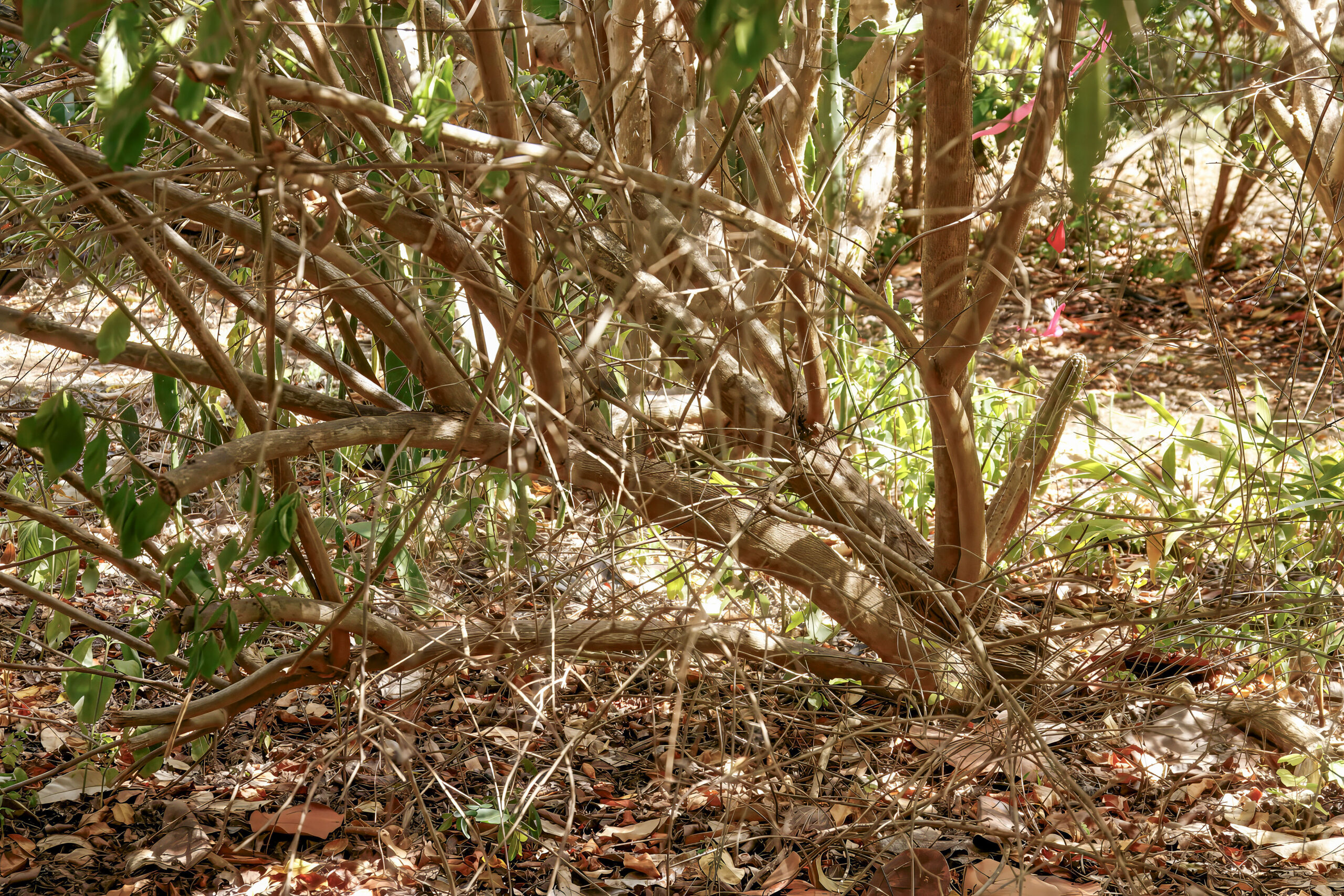
  • Full shrub or small tree form (can be sprawling or upright)
  • Close-up of flower racemes
  • Fruit clusters hanging from branches
  • Leaf detail, including new flush and seasonal yellowing
  • Mixed-stage view showing flowers and fruit together

Notes for Monitoring

  • Duranta erecta is commonly planted as an ornamental but can be invasive in some tropical areas
  • Responds strongly to rainfall and pruning, often blooming shortly after
  • Can be monitored for pollinator activity, flower-fruit overlap, and seasonal responses to stress
  • Best phenological markers: abundant violet flower racemes, yellow fruit clusters, and vigorous new growth

Scroll to Top