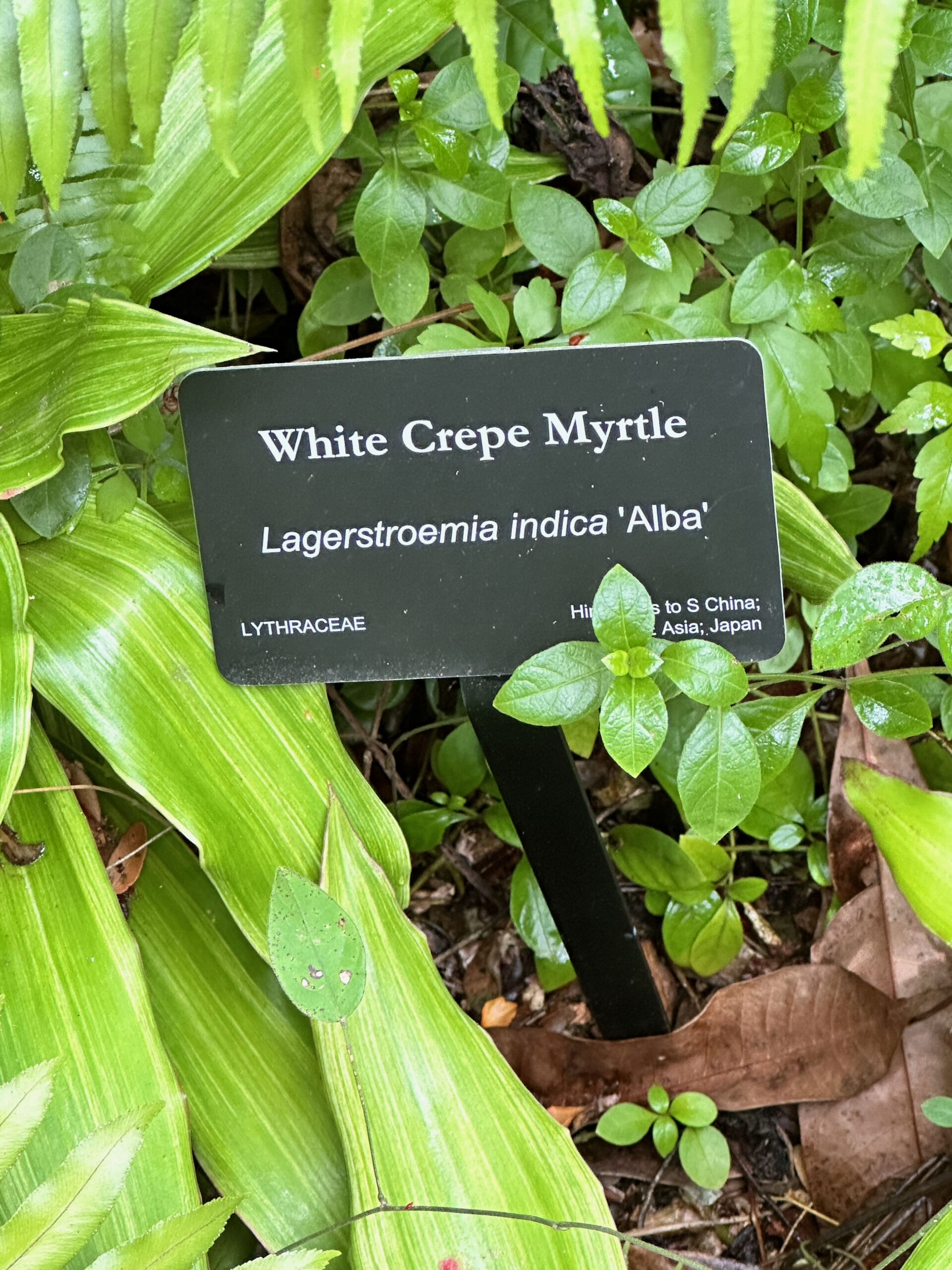
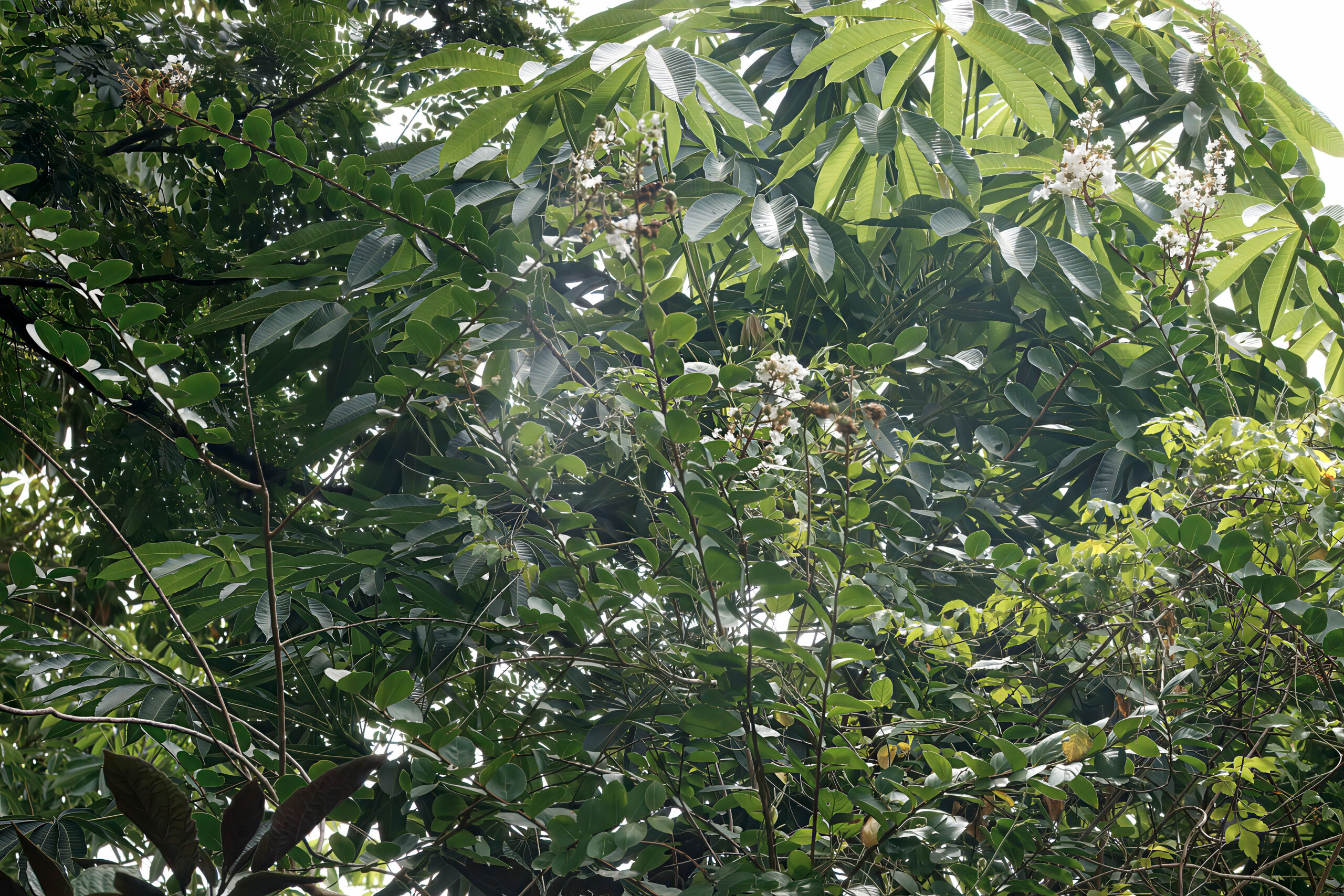
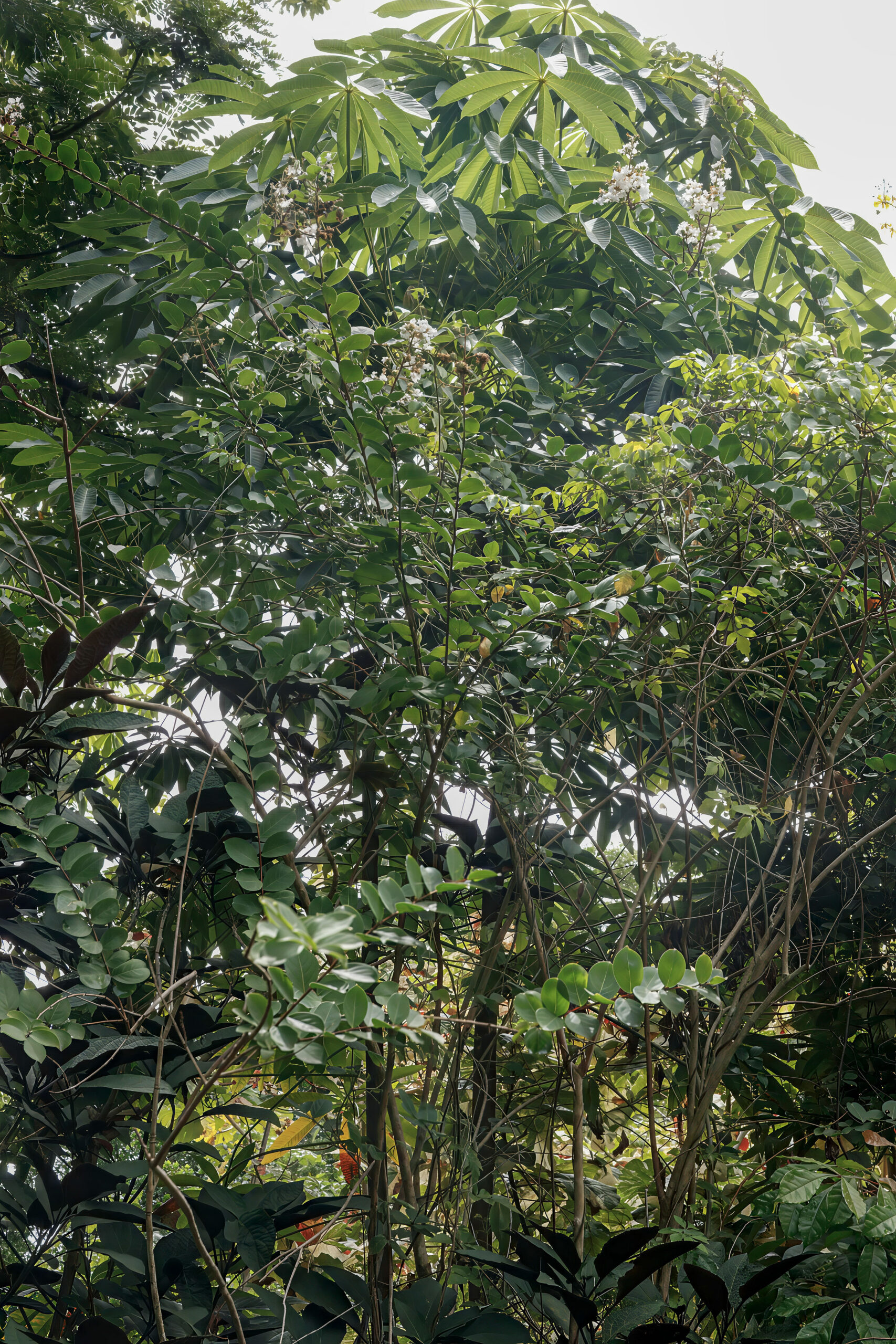
White Crepe Myrtle

Scientific name: Lagerstroemia indica ‘Alba’

POWO Status: Shrub or Tree

IUCN Red List threat level: Least Concern

GPS Location: 17° 42′ 56.53″ N, 64° 49′ 45.86″ W

Medicinal Uses

Lagerstroemia indica (Crape Myrtle), including white-flowered varieties like ‘Alba’, is used in traditional medicine for diabetes, inflammation, pain, diarrhea, and fever, with leaves for teas and roots/bark for tonics, leveraging compounds like tannins, flavonoids, and antioxidants, though modern scientific validation for specific ‘Alba’ uses is limited, focusing more on the general species. 

Traditional Uses & Applications

  • Diabetes Management: Leaves are brewed into tea to help control blood sugar levels, with studies showing hypoglycemic (blood sugar lowering) effects in animal models.
  • Anti-inflammatory & Pain Relief: Extracts from leaves and flowers are used for reducing inflammation, treating coughs, colds, sore throats, and headaches.
  • Digestive Health: Used as a mild laxative or to treat diarrhea; bark can act as a stimulant.
  • Fever & Stimulant: Bark traditionally used as a febrifuge (fever reducer) and stimulant; roots as a tonic.
  • Antioxidant & Antimicrobial: Contains flavonoids and phenolic compounds that show antioxidant and antimicrobial properties.
  • Other Uses: Roots for urinary issues, bark for wounds, seeds as a sedative. 

Key Components

  • Tannins: Help with diarrhea and inflammation.
  • Flavonoids & Phenolic Acids: Contribute to antioxidant and anti-inflammatory actions.
  • Alkaloids: Found in seeds, used as a sedative. 

Important Note

  • While traditional uses are widespread, research focuses on the species (Lagerstroemia indica), not specifically ‘Alba’. Always consult a healthcare professional before using plants for medicinal purposes, as this information is for general knowledge.

Observations:

Phenological Markers – Lagerstroemia indica ‘Alba’

Common Name: White Crape Myrtle
Scientific Name: Lagerstroemia indica L. ‘Alba’
Family: Lythraceae


Leaf Phenology

  • Leaf Type: Simple, opposite or whorled, oval to oblong with smooth edges; bright green turning yellow, orange, or red in autumn (in cooler climates)
  • Deciduous: Yes — sheds leaves during dry or cool seasons
  • Leaf Flush: New leaves emerge in early spring to early rainy season, often just before or alongside flowering
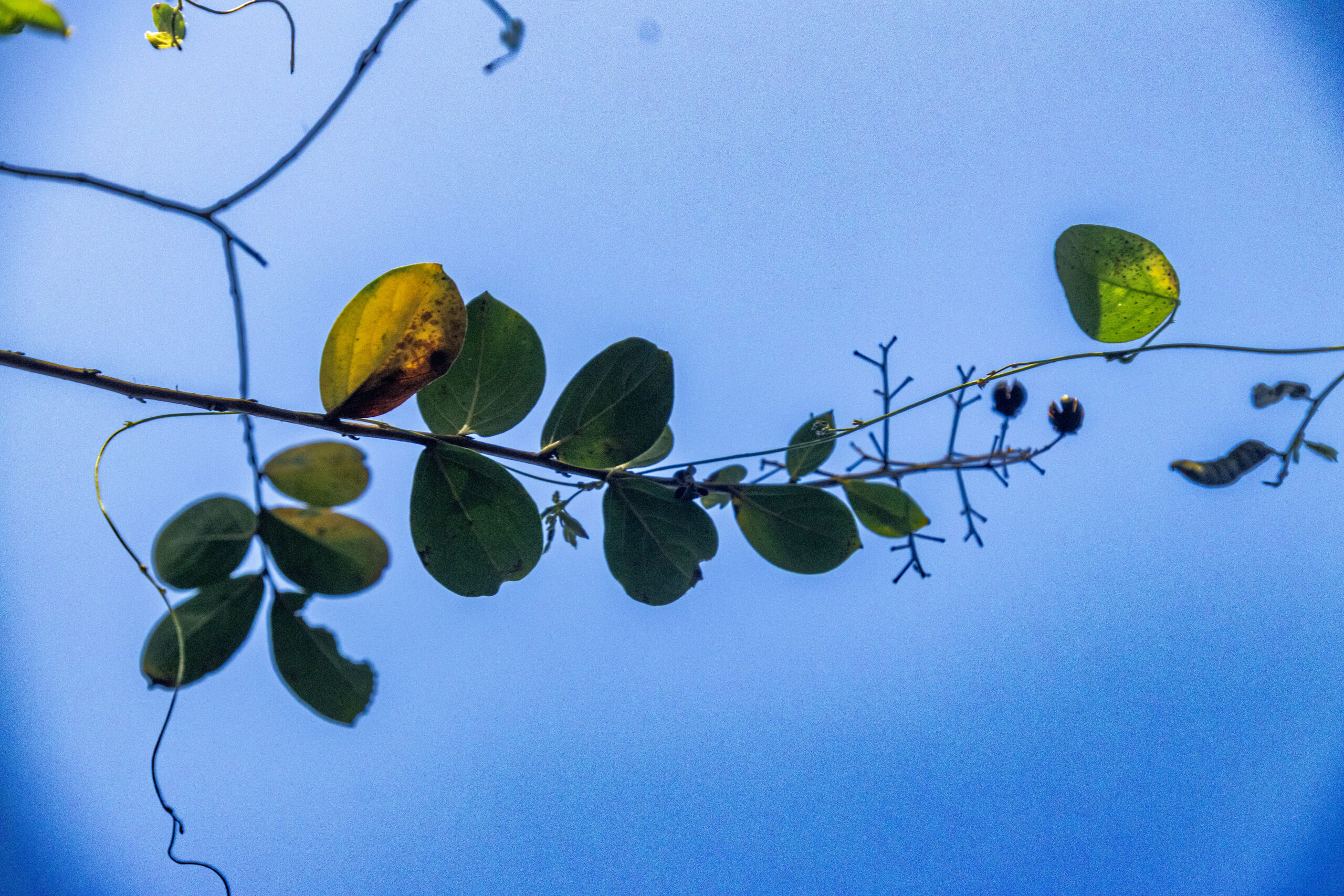
  • Senescence: Leaves yellow and drop after flowering or in response to seasonal change or drought

Flowering

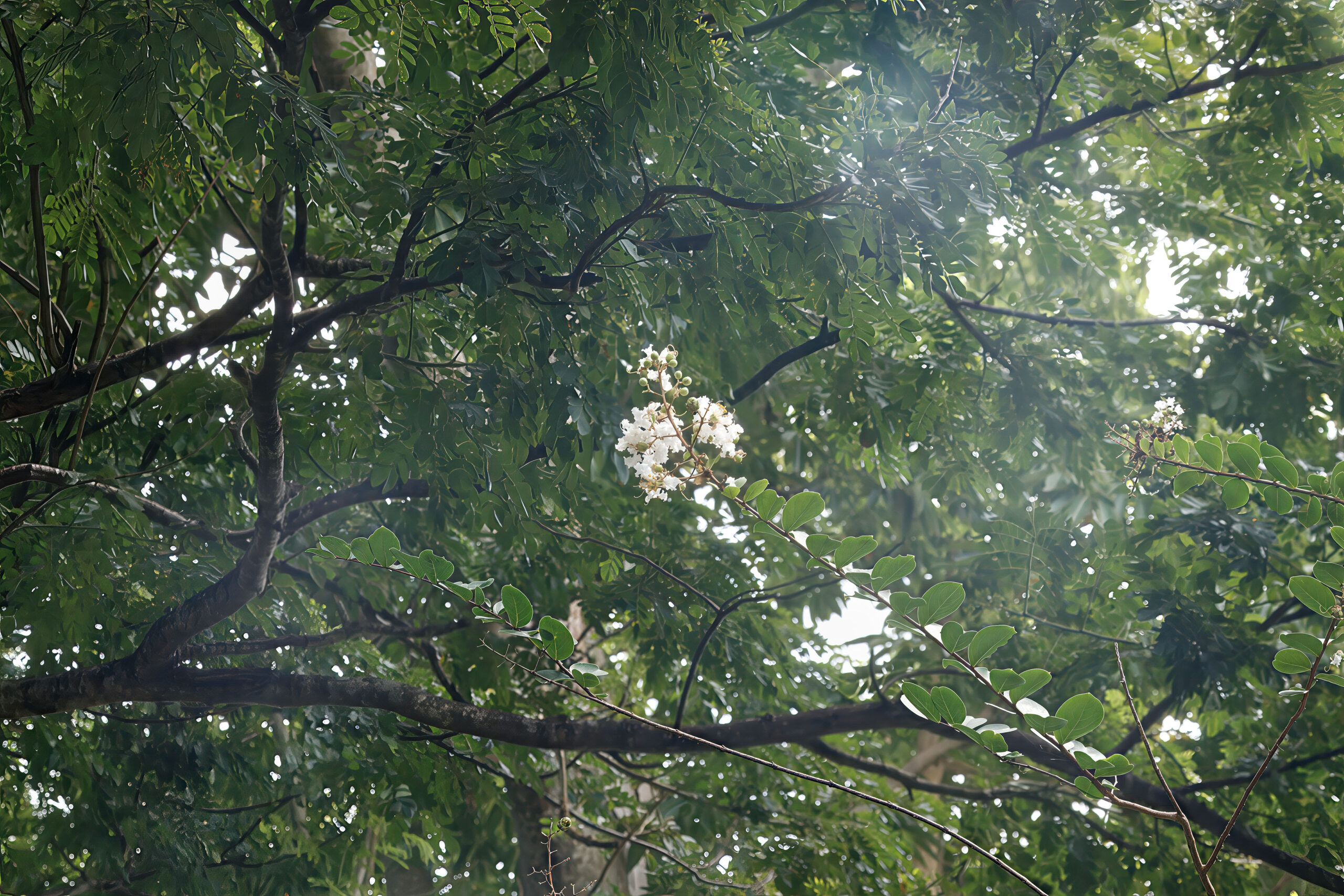
  • Inflorescence: Terminal panicles of showy, frilly white flowers with crinkled petals
  • Blooming Period: Late spring through summer; may rebloom intermittently through early fall in warm climates
  • Pollinators: Bees, butterflies, and other insects
  • Phenological Indicator: Prominent clusters of white flowers at branch tips, often with new leaf flush

Fruiting

  • Fruit Type: Brown, woody capsule that splits to release winged seeds
  • Fruit Development: Begins after flowering; capsules mature in late summer to fall
  • Dispersal: Wind and gravity
  • Phenological Indicator: Clusters of dry seed capsules remaining on bare or leafy twigs; often visible into the dormant season

Suggested Photo Angles

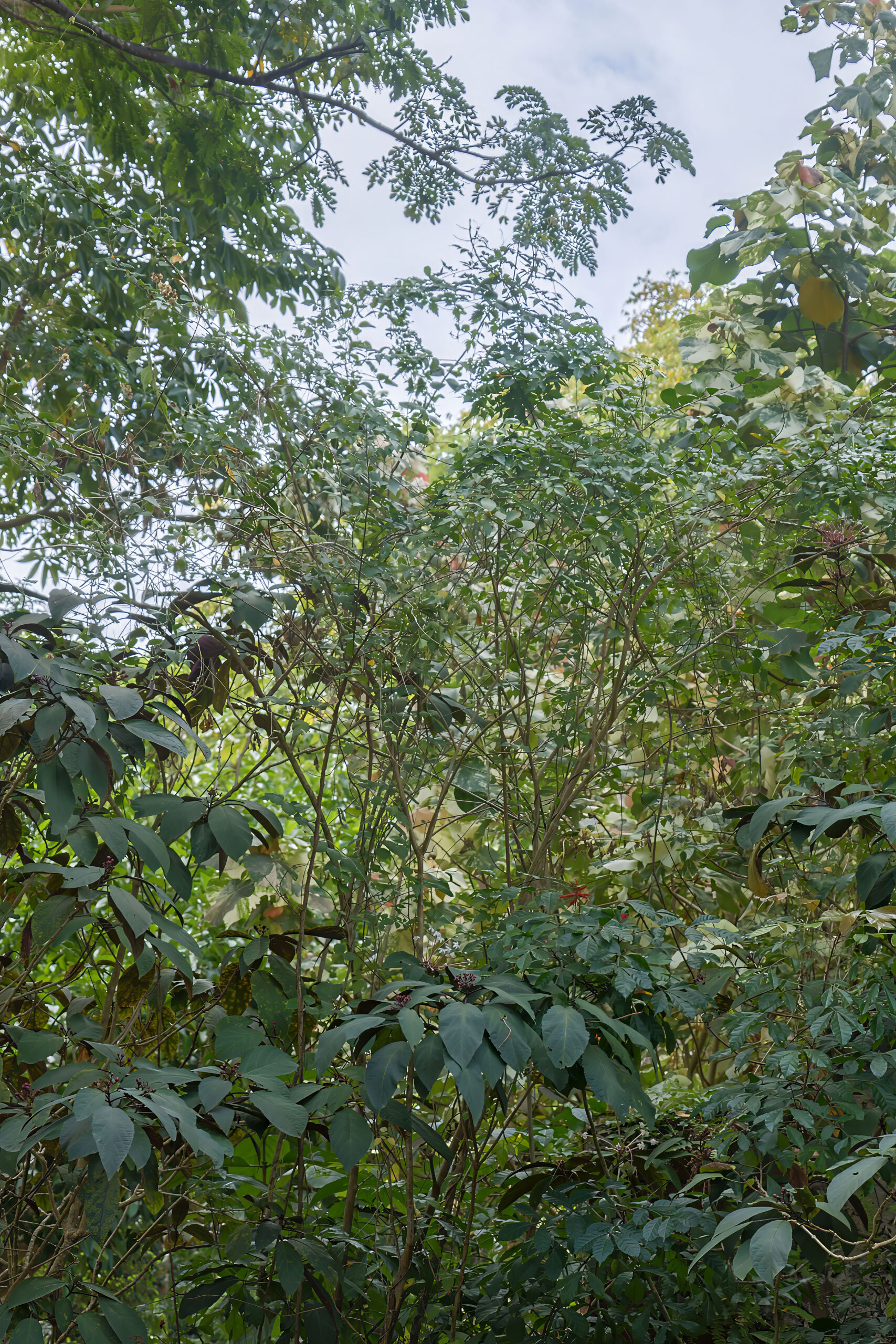
  • Full tree or shrub form, especially in bloom
  • Close-up of white flower clusters
  • New leaf flush and flowering tips
  • Seed capsules (green to brown, open or closed)
  • Seasonal color change or leaf drop (if applicable)

Notes for Monitoring

May exhibit some leaf color change before drop, depending on environmental conditions

Lagerstroemia indica ‘Alba’ is a cultivar of the common crape myrtle, valued for its long blooming period and bright white flowers

Flowering is strongly linked to warm temperatures and rainfall, with pruning often encouraging additional blooming

Best phenological markers: flowering panicles, leaf flush timing, and seed capsule development

Scroll to Top