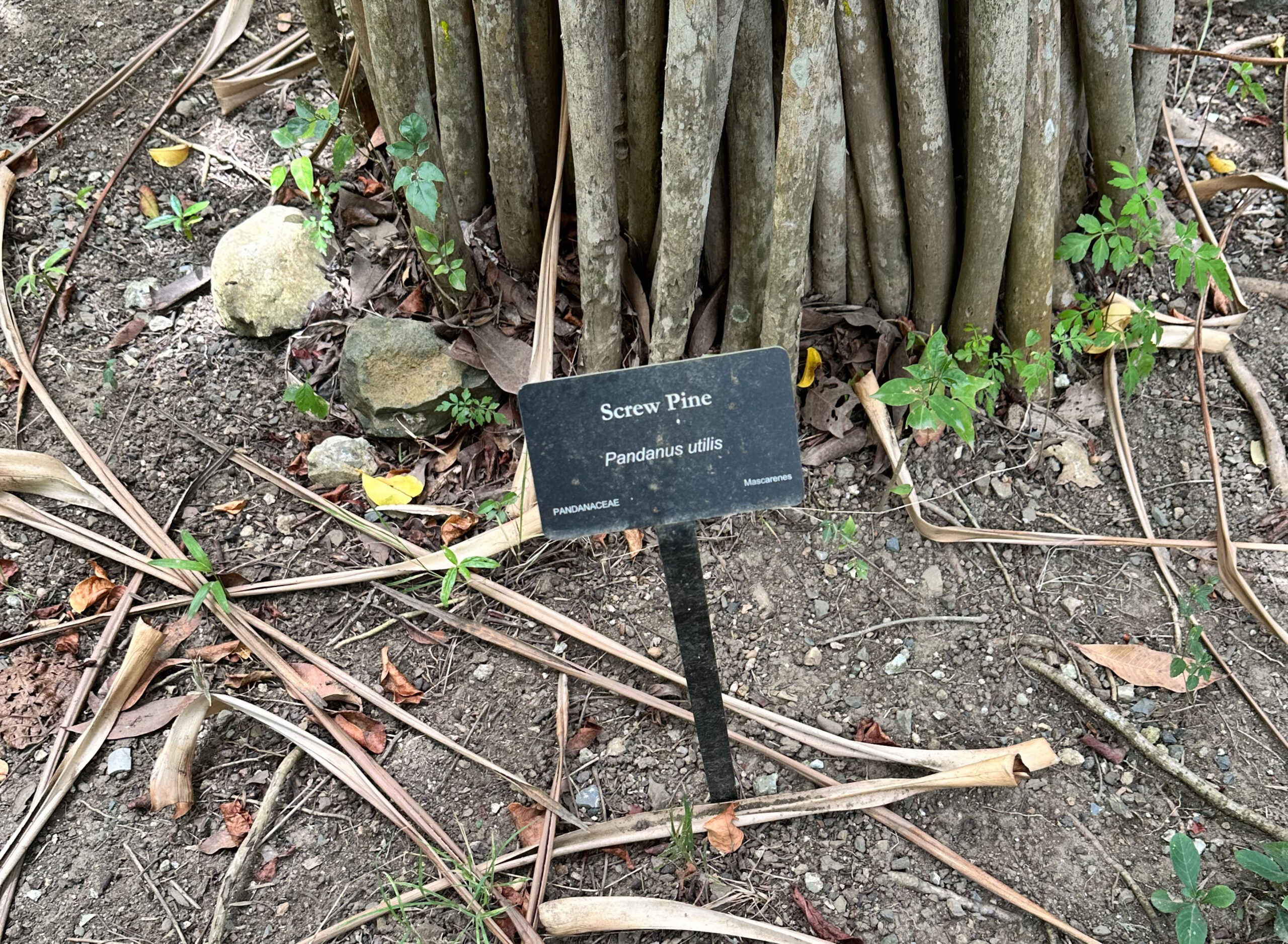
Screw Pine

Scientific name: Pandanus utilis

POWO Status: Tree

IUCN Red List threat level: Not Evaluated

GPS Location: 17° 42′ 56.29″ N, 64° 49′ 47.10″ W

Medicinal Uses

Pandanus utilis (Screwpine) is used in traditional medicine for skin/hair issues (dandruff, acne), pain relief (arthritis, headaches, rheumatism), inflammation, and as a mild sedative, with applications including topical pastes, oil infusions, and decoctions for various ailments like urinary discomfort, though human clinical research is still developing. Its leaves offer antioxidant and antibacterial properties, supporting general wellness, but people with kidney issues should be cautious. 

Traditional Medicinal Uses

  • Skin & Hair Care: Leaf juice applied topically for acne; mixed with aloe for dandruff; used in oils for hair loss.
  • Pain & Inflammation: Leaf extracts help with arthritis, joint pain, headaches, and rheumatism; infusions act as a sedative for restlessness.
  • Digestive & Internal: Infusions used for weak nerves, lack of appetite, urinary discomfort, and internal inflammation.
  • Other Uses: Root decoctions for venereal diseases; male inflorescences used as an aphrodisiac. 

Potential Benefits (Supported by Limited Research)

  • Antioxidant: Rich in flavonoids, offering free radical scavenging.
  • Anti-inflammatory: Shows promise in reducing swelling, comparable to ibuprofen in animal studies.
  • Cardiometabolic: Some fractions suggest potential for lowering LDL cholesterol. 

How It’s Used

  • Topical: Leaf juice pastes, infused oils (with coconut oil).
  • Internal: Infusions (teas) or mild decoctions. 

Important Considerations

  • Research Needed: Many traditional uses lack robust human clinical trials.
  • Kidney Issues: Avoid regular consumption if you have kidney problems.

Observations:

Phenological Markers – Pandanus utilis

Common Name: Common Screw Pine, Red Mangin, Vacoa
Scientific Name: Pandanus utilis Bory
Family: Pandanaceae


Leaf Phenology

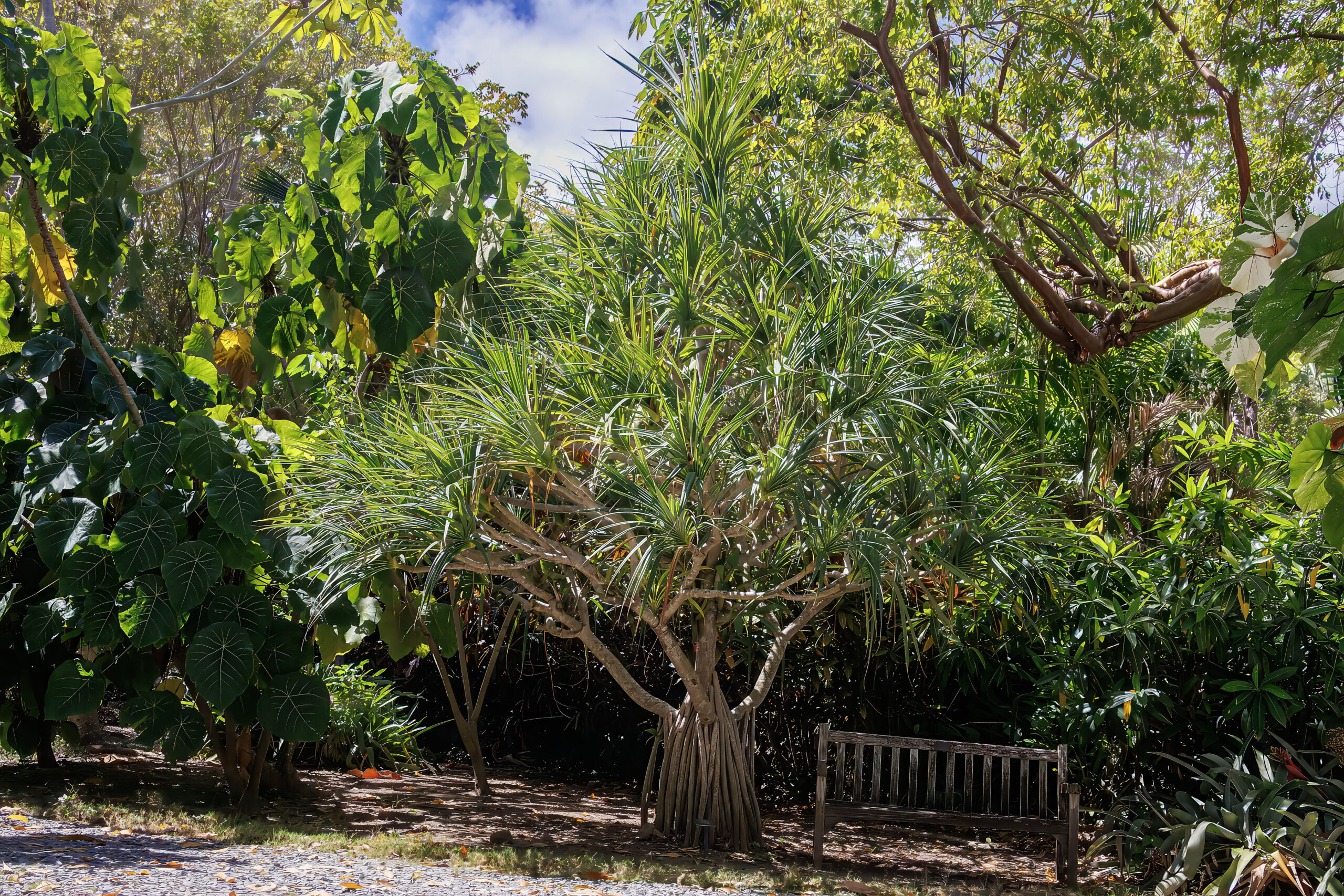
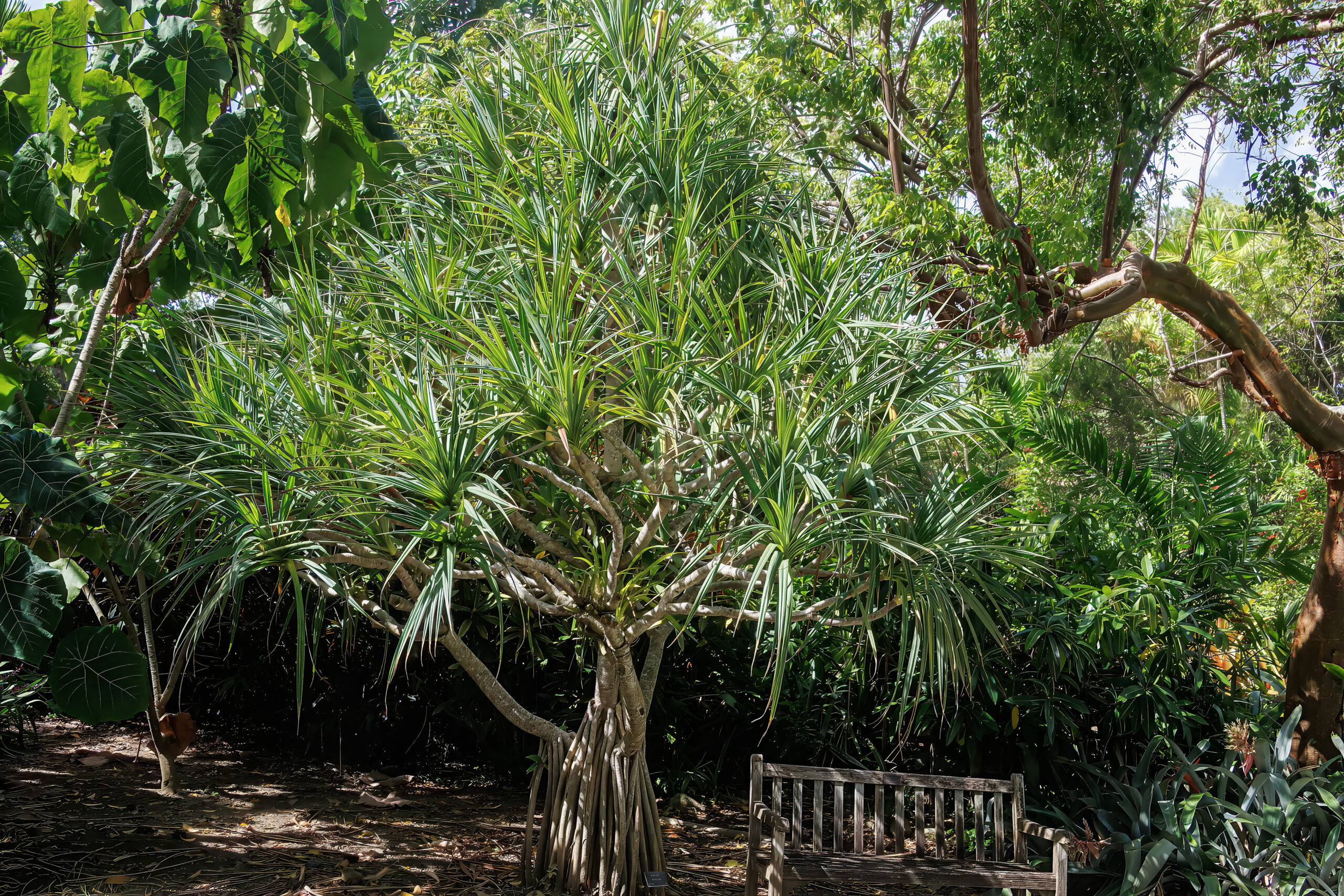
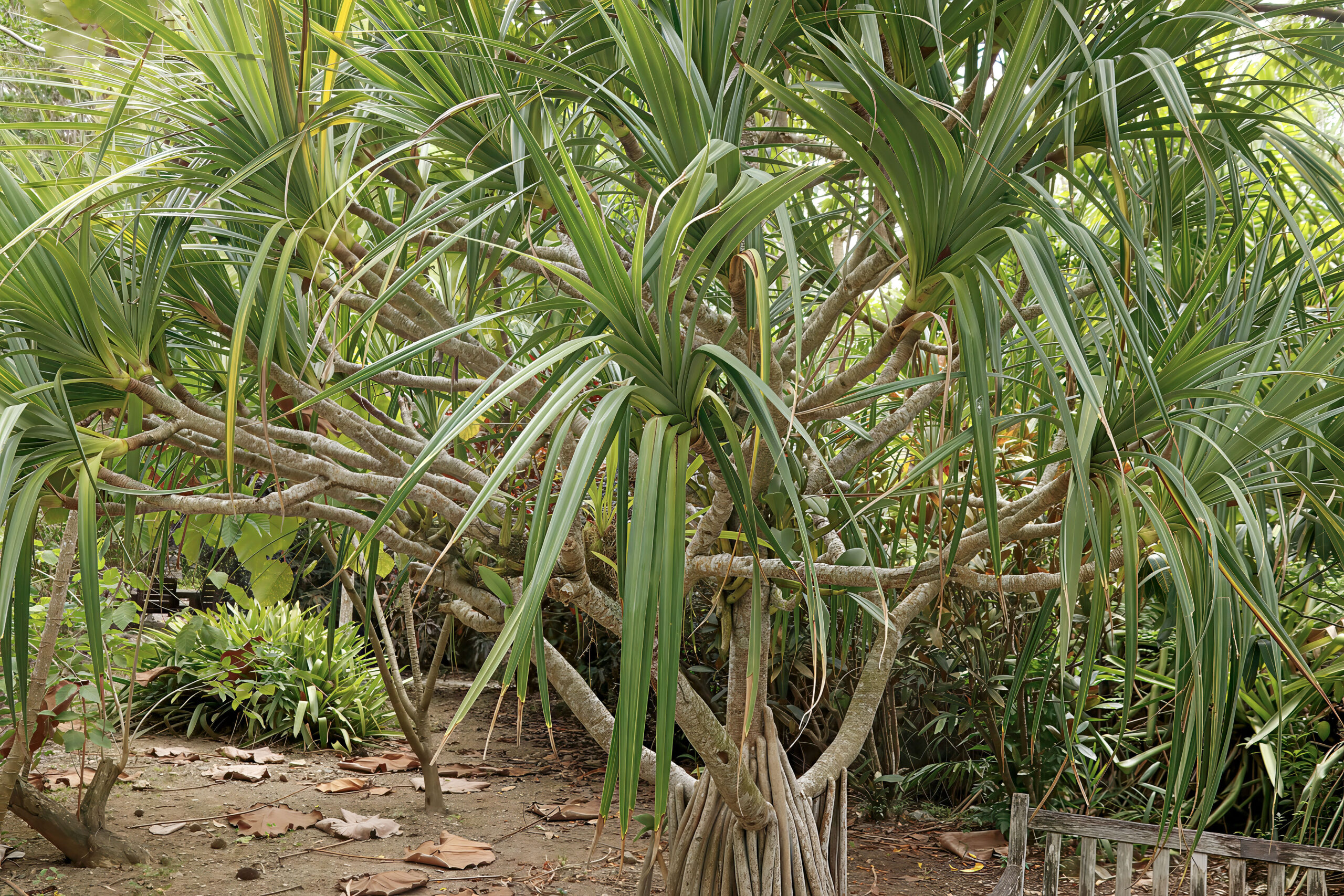
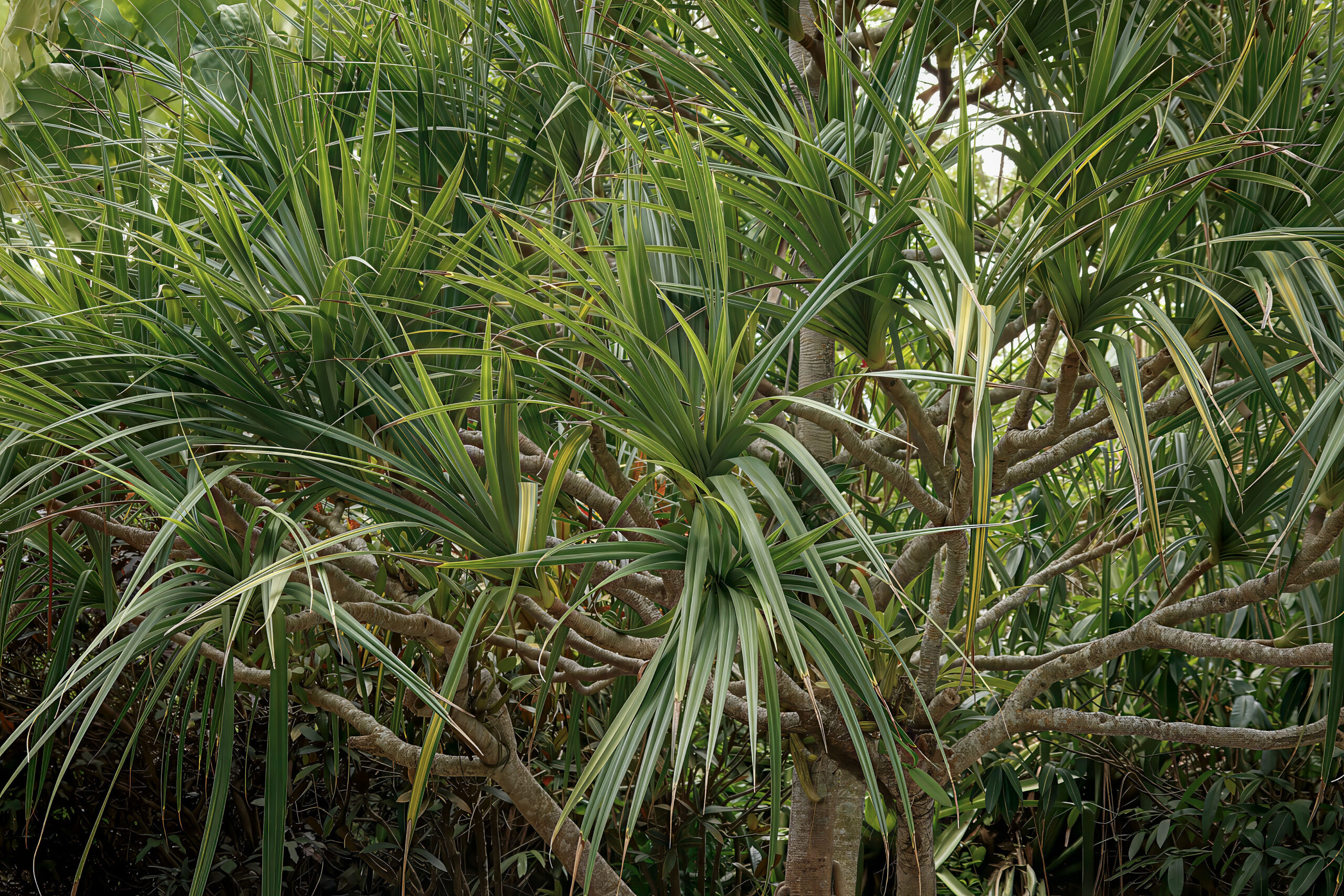
  • Leaf Type: Long, linear, sword-shaped leaves arranged in spirals around branches; margins and midrib lined with small spines
  • Evergreen: Yes — retains leaves year-round in tropical and subtropical climates
  • Leaf Flush: New leaves emerge continuously from the center of the spiral whorl; older leaves are shed gradually
  • Senescence: Lower leaves age, yellow, dry out, and eventually detach, often forming a skirt around the trunk before dropping

Flowering

  • Inflorescence: Dioecious species — male and female flowers on separate plants
    • Male Flowers: Small, fragrant, in drooping catkin-like clusters with showy white bracts
    • Female Flowers: Cone-like, globular head composed of multiple fused carpels (phalangia)
  • Blooming Period: Typically irregular or seasonal, with flowering more likely during warm, wet periods
  • Pollinators: Likely wind and insects (especially for male flowers)
  • Phenological Indicator: Appearance of male flower clusters or developing female cones at branch tips

Fruiting

  • Fruit Type: Large, round to oval multiple fruit (syncarp) resembling a pineapple or breadfruit; starts green, ripens to orange-red
  • Fruit Development: Matures slowly over several months after flowering
  • Dispersal: Gravity and water (fruit can float and is water-dispersed in coastal regions)
  • Phenological Indicator: Presence of developing or ripening fruit (orange-red segmented ball) at branch ends

Suggested Photo Angles

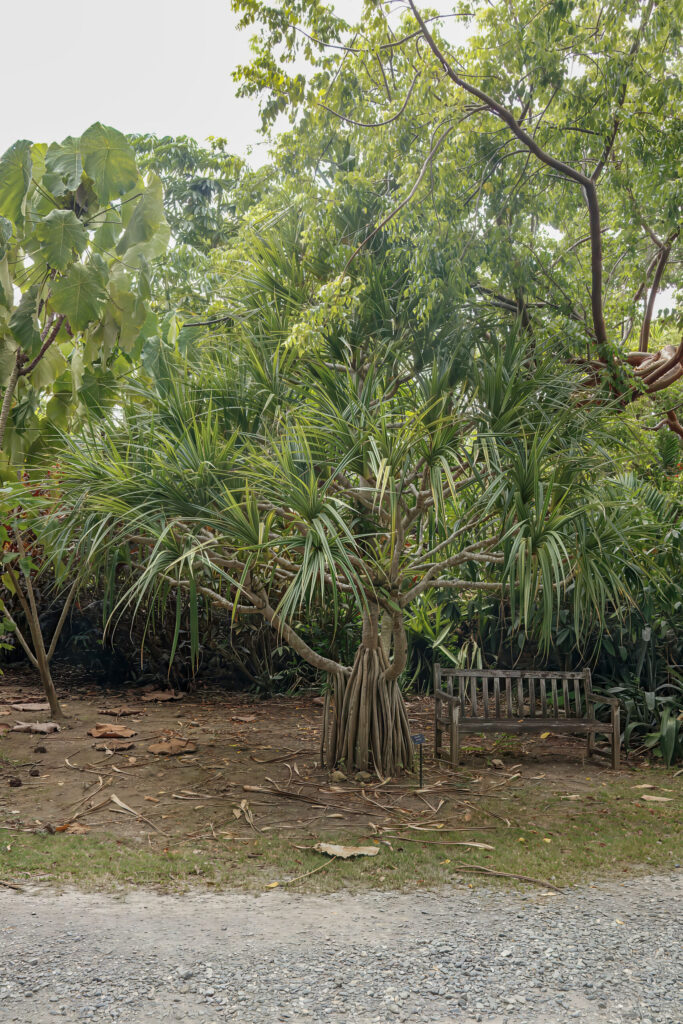
  • Full tree form (noting prop roots and spiral leaf arrangement)
  • Close-up of leaf whorl and new flush
  • Male and/or female inflorescences (if present)
  • Developing and mature fruit (syncarp)
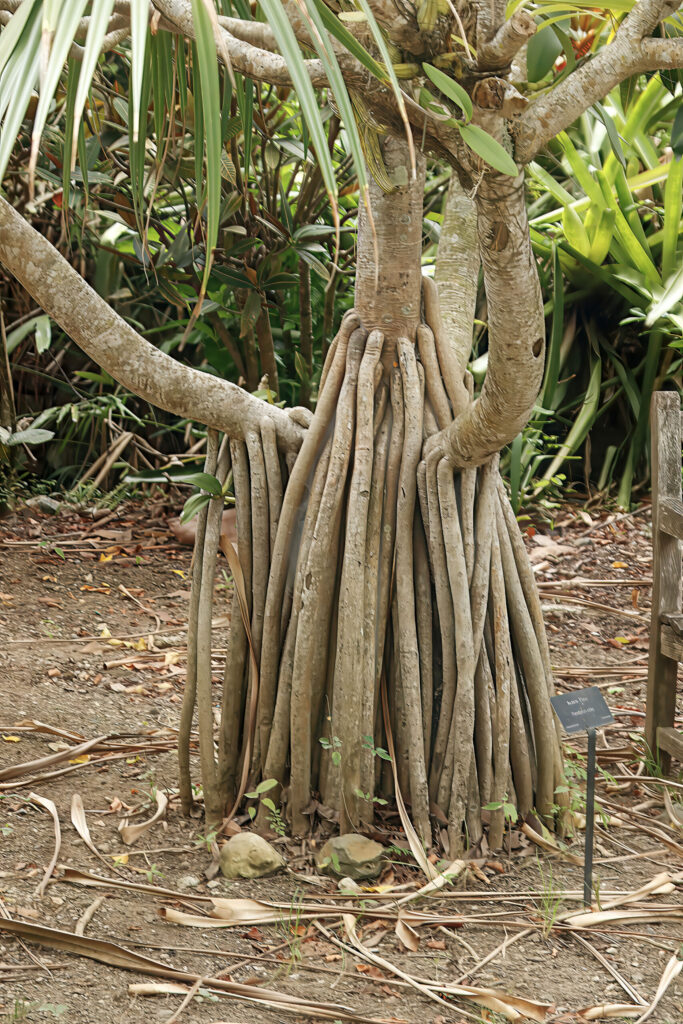
  • Prop roots at base and trunk features

Notes for Monitoring

Fruit presence and ripening stage are particularly reliable seasonal indicators

Pandanus utilis is native to Madagascar but widely planted across tropical regions as an ornamental or for coastal stabilization

Dioecious nature means not all individuals fruit — be sure to note whether a specimen is male or female for phenology tracking

Distinct visual stages: leaf flush, flower emergence, fruit ripening, and leaf senescence all offer excellent phenological cues

Scroll to Top