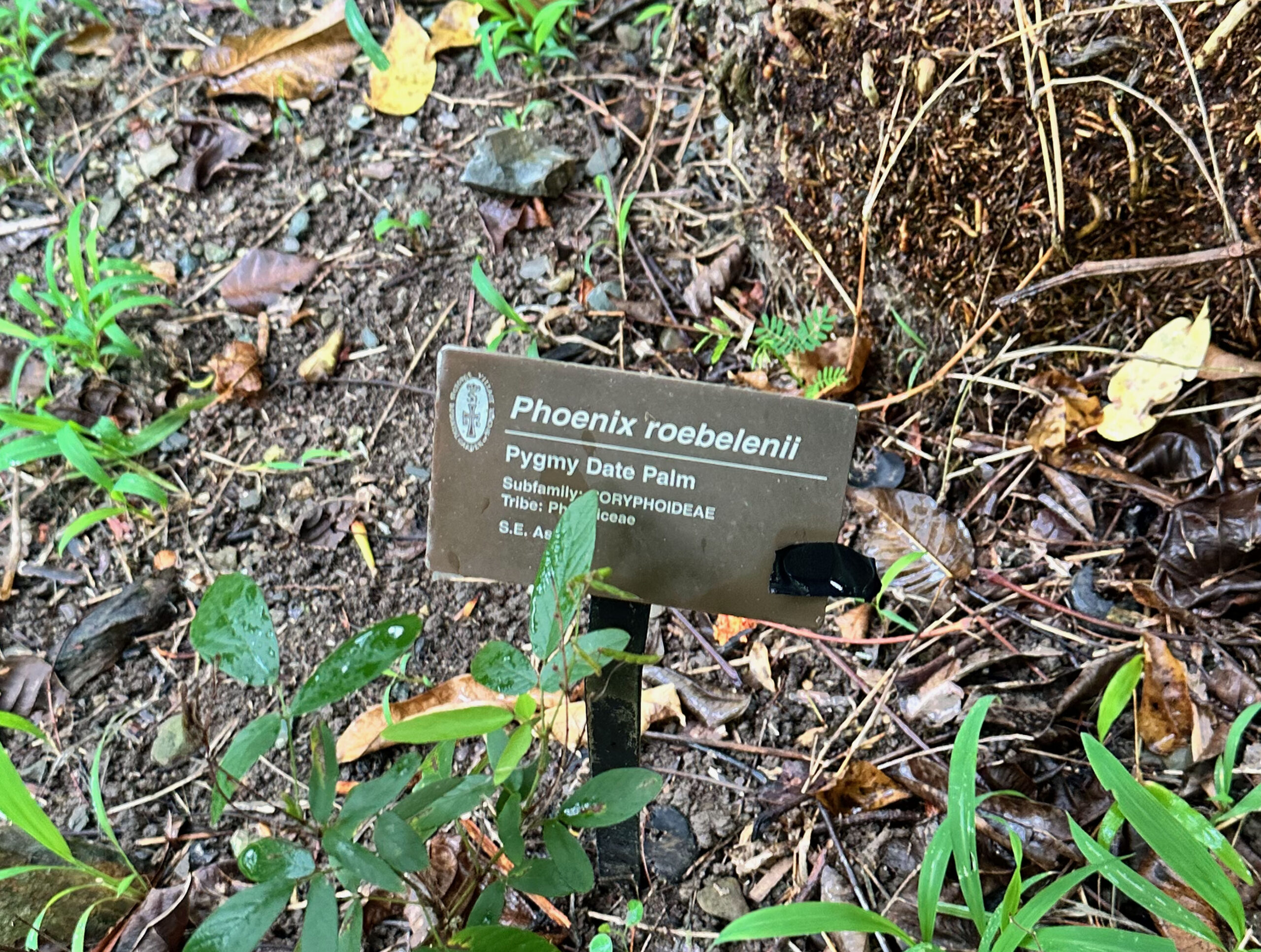
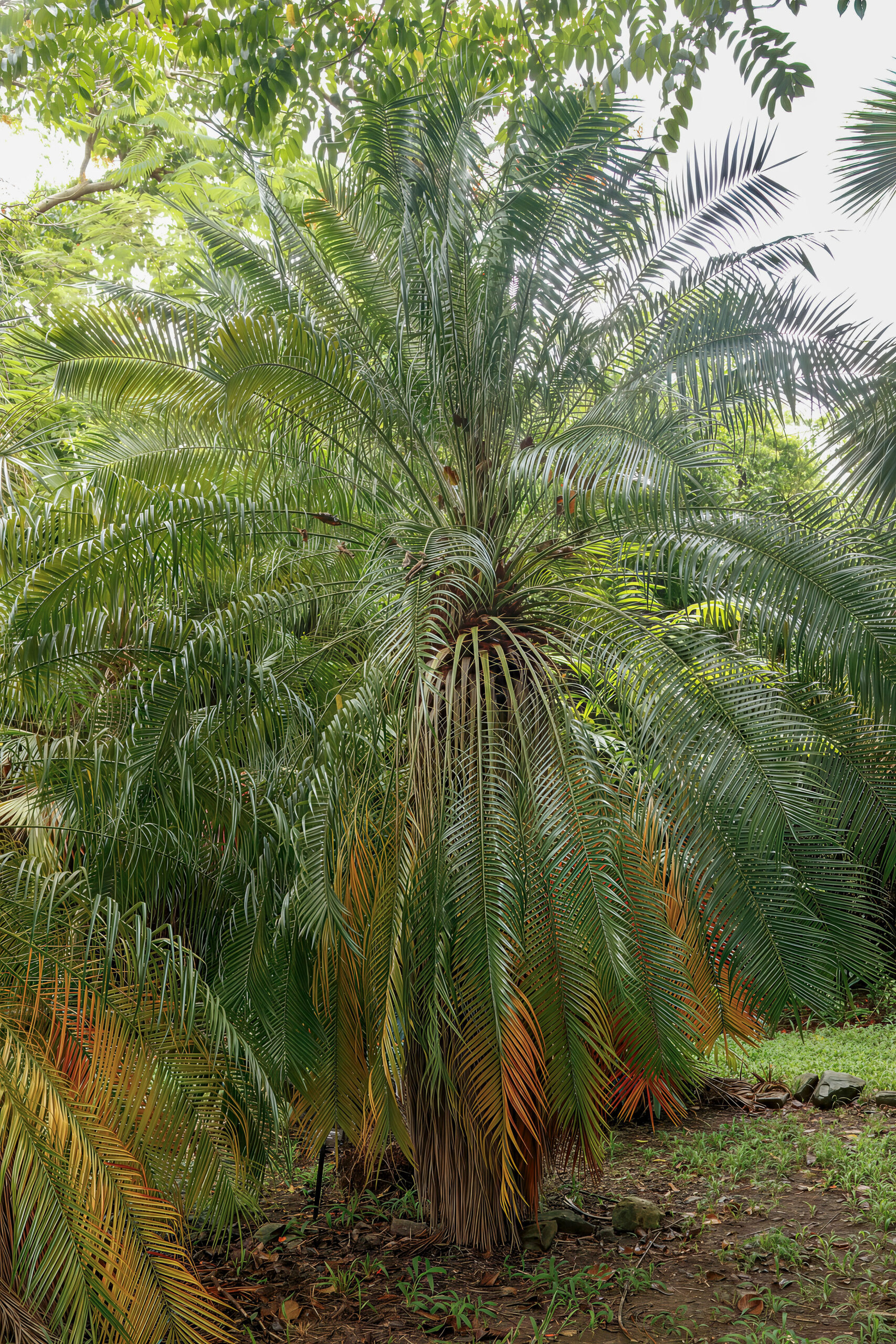
Pygmy Date Palm

Scientific name: Phoenix roebelenii

POWO Status: Shrub

IUCN Red List threat level: Not Evaluated

GPS Location: 17° 42′ 52.28″ N, 64° 49′ 44.33″ W

Medicinal Uses

Phoenix roebelenii (Pygmy Date Palm) shows promise in preliminary research for various medicinal benefits, including potent antioxidant, anti-inflammatory, hepatoprotective (liver-protective), and potential antihypertensive effects, largely due to its rich phytochemicals like flavonoids and polyphenols, with studies exploring its leaf and root extracts for controlling blood sugar and protecting against oxidative stress, though it’s less known traditionally than other date palms. 

Potential Medicinal Properties (Primarily from Research):

  • Antioxidant & Anti-inflammatory: Extracts possess strong antioxidant activity, helping neutralize free radicals and reduce inflammation, potentially protecting against chronic diseases.
  • Hepatoprotective (Liver): Studies suggest extracts can protect the liver from damage, making it a potential source for liver-protective pharmaceuticals.
  • Antidiabetic Activity: Leaf extracts show inhibition of enzymes (α-amylase, α-glucosidase) that break down carbohydrates, suggesting potential for blood sugar control.
  • Antihypertensive (Blood Pressure): Research indicates extracts can inhibit Angiotensin-Converting Enzyme (ACE), a mechanism for lowering blood pressure.
  • Neuroprotective: Extracts show promise in protecting neurons and improving mood-related markers, indicating neuroprotective potential.
  • Antimicrobial: Extracts demonstrate antibacterial and antifungal properties. 

Key Active Compounds:

  • Flavonoids (like rutin, quercetin)
  • Polyphenols
  • Tannins
  • Carotenoids
  • Steroids 

Important Considerations:

  • Ornamental vs. Medicinal: P. roebelenii is mainly grown as an ornamental plant, and while research is promising, it’s not a widely established traditional medicine like Phoenix dactylifera (the common date palm).
  • Research Stage: Most findings are from in vitro (lab) and in vivo (animal) studies; more clinical trials are needed to confirm benefits and safe dosages for humans.

Observations:

Phenological Markers – Phoenix roebelenii

Common Name: Pygmy Date Palm, Robellini Palm
Scientific Name: Phoenix roebelenii O’Brien
Family: Arecaceae (Palm family)

Leaf Phenology

Leaf Type: Pinnate, feathery leaves with a graceful arch
Evergreen/Semi-deciduous: Evergreen
Leaf Flush: New leaves emerge primarily during warmer months or after rainfall
Senescence: Occasional leaf shedding, particularly of older fronds, which may turn yellow before dropping
Phenological Indicator: Fresh, green fronds emerging at the top of the trunk, especially after a period of increased rainfall or in warmer temperatures

Flowering

Inflorescence: Small, yellowish flowers arranged in branched panicles
Blooming Period (Tropics): Primarily in late spring to summer, though it can flower intermittently year-round in tropical climates
Pollinators: Attracts bees, beetles, and other small pollinators
Phenological Indicator: Long, drooping inflorescences emerging from the crown, with flowers gradually opening along the spike

Fruiting

Fruit Type: Small, oval-shaped, orange to red fruits
Fruit Development: Fruits develop after flowering and typically mature in late summer to early fall
Dispersal: Fruits are dispersed by birds, animals, and gravity
Phenological Indicator: Clusters of orange to red fruits, often appearing at the base of the flower spikes as the flowers fade

Suggested Photo Angles

  • Full palm in context to show the graceful, arching fronds and compact size of the plant
  • Close-up of individual fronds to highlight their feathery texture and pinnate structure
  • Flowering spikes emerging from the crown, particularly with visible flower buds or open flowers
  • Developing and mature fruits, focusing on the color shift from green to orange/red
  • Leaf flush or seasonal yellowing of older fronds during periods of growth or drought stress

Notes for Monitoring

  • Flowering and fruiting may be influenced by seasonal rainfall patterns in tropical climates
  • Commonly found in tropical and subtropical gardens and landscapes, especially as an ornamental plant for small spaces due to its compact size
  • Can be grown in containers or as a landscape plant, and may flower earlier if regularly pruned or cared for

Scroll to Top