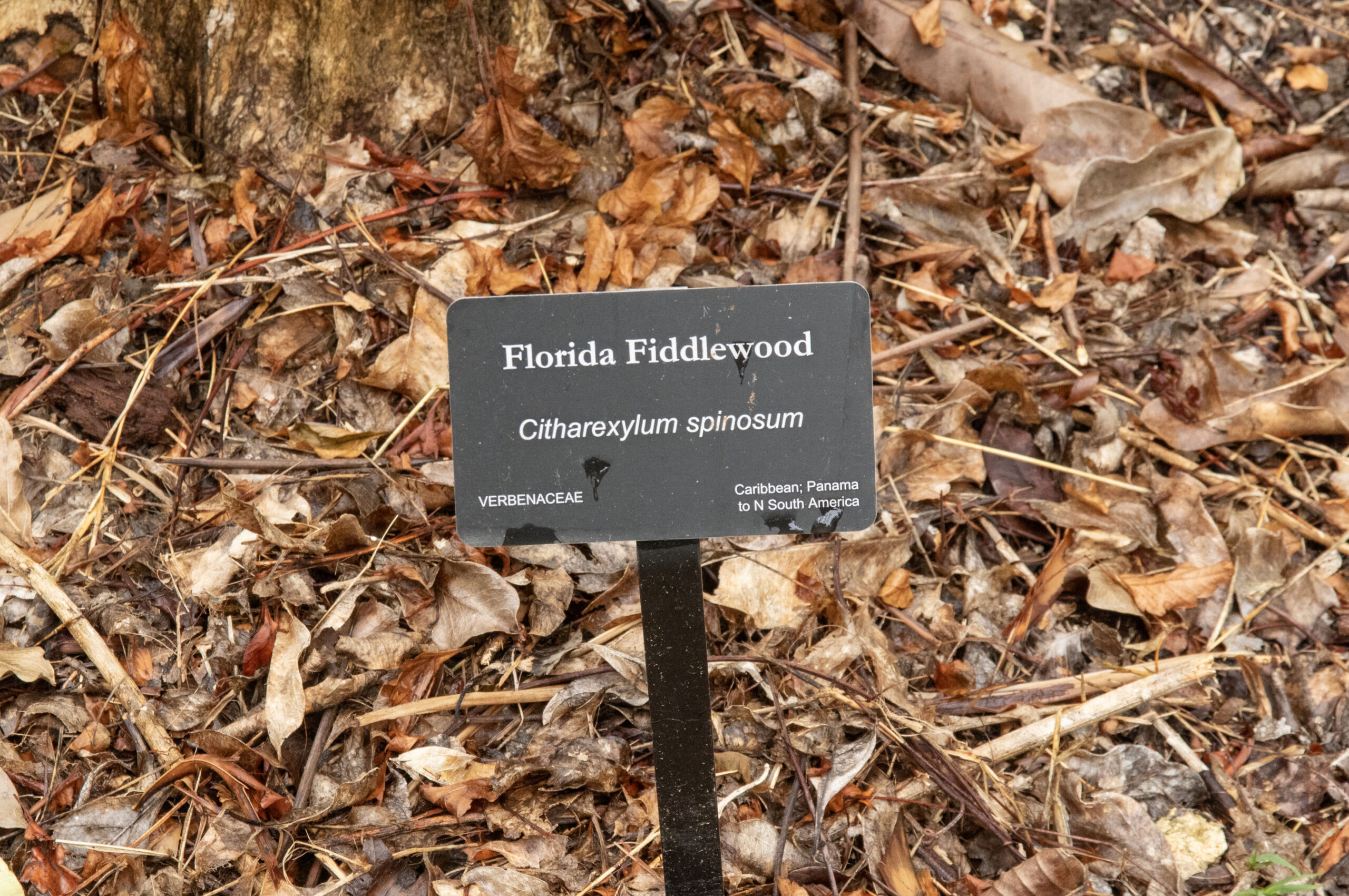
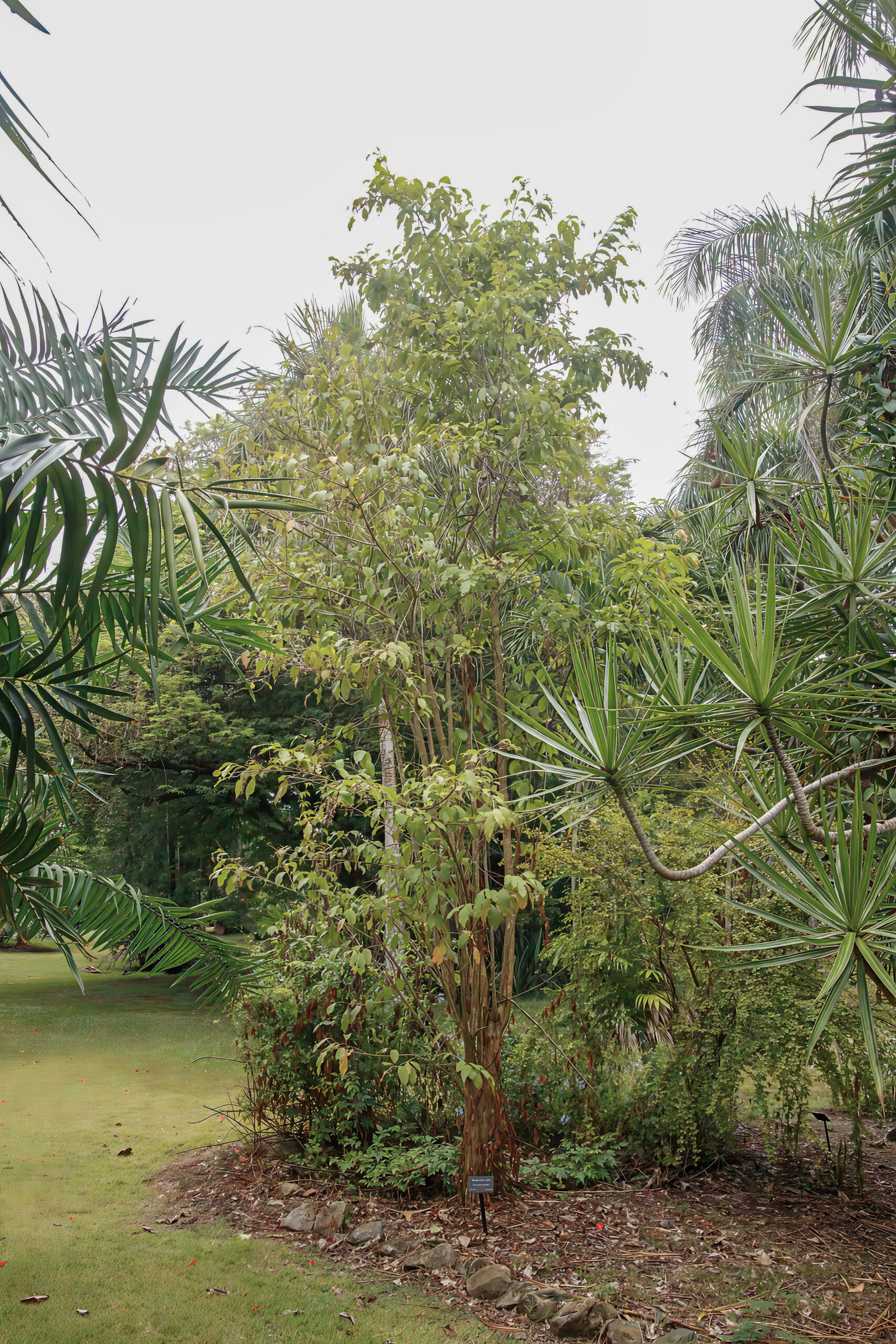
Florida Fiddlewood

Scientific name: Citharexylum spinosum

POWO Status: Shrub or Tree

IUCN Red List threat level: Least Concern

GPS Location: 17° 42′ 55.02″ N, 64° 49′ 45.37″ W

Medicinal Uses

Citharexylum spinosum, or Fiddlewood, is used in traditional Caribbean and folk medicine for fevers, pain (arthritis, rheumatism), digestive issues (diarrhea, indigestion, dysentery), respiratory problems (coughs), menstrual issues (dysmenorrhea), wound healing, and as a diuretic, with its bark and leaves containing compounds like flavonoids and iridoids showing potential antimicrobial, antioxidant, anti-inflammatory, and antidiabetic properties in scientific studies, though more research is needed for validation. 

Traditional Uses

  • Fever & Pain: Bark and leaves used as antipyretic (fever reducer) and for headaches, muscle aches, and inflammation (arthritis, rheumatism).
  • Digestive Health: Bark/leaf infusions for diarrhea, indigestion, dysentery, and constipation.
  • Respiratory: For coughs and other respiratory conditions.
  • Wound Care: To promote healing and prevent infection.
  • Women’s Health: To treat dysmenorrhea (painful periods) and menstrual irregularities.
  • Other: Diuretic, treatment for liver disorders, and in poultices with other plants for sores. 

Scientific Findings (Potential Properties)

  • Antioxidant: Extracts show significant antioxidant activity, potentially protecting kidneys (nephroprotective).
  • Antimicrobial: Extracts exhibit antibacterial and antifungal activity against various bacteria (like E. coli) and fungi.
  • Anti-inflammatory: Shows anti-inflammatory effects, suggesting benefits for conditions like arthritis.
  • Antidiabetic: Compounds found in the plant show promise for inhibiting enzymes related to diabetes.
  • Cytotoxic: Extracts have shown potential against cancer cell lines in vitro. 

Important Note

While traditional use and preliminary scientific studies suggest potential benefits, more rigorous clinical research is necessary to confirm the safety and effectiveness of Citharexylum spinosum for medicinal use.

Observations:

Phenological Markers – Citharexylum spinosum

Common Name: Fiddlewood
Scientific Name: Citharexylum spinosum L.
Family: Verbenaceae (Verbena family)

Leaf Phenology

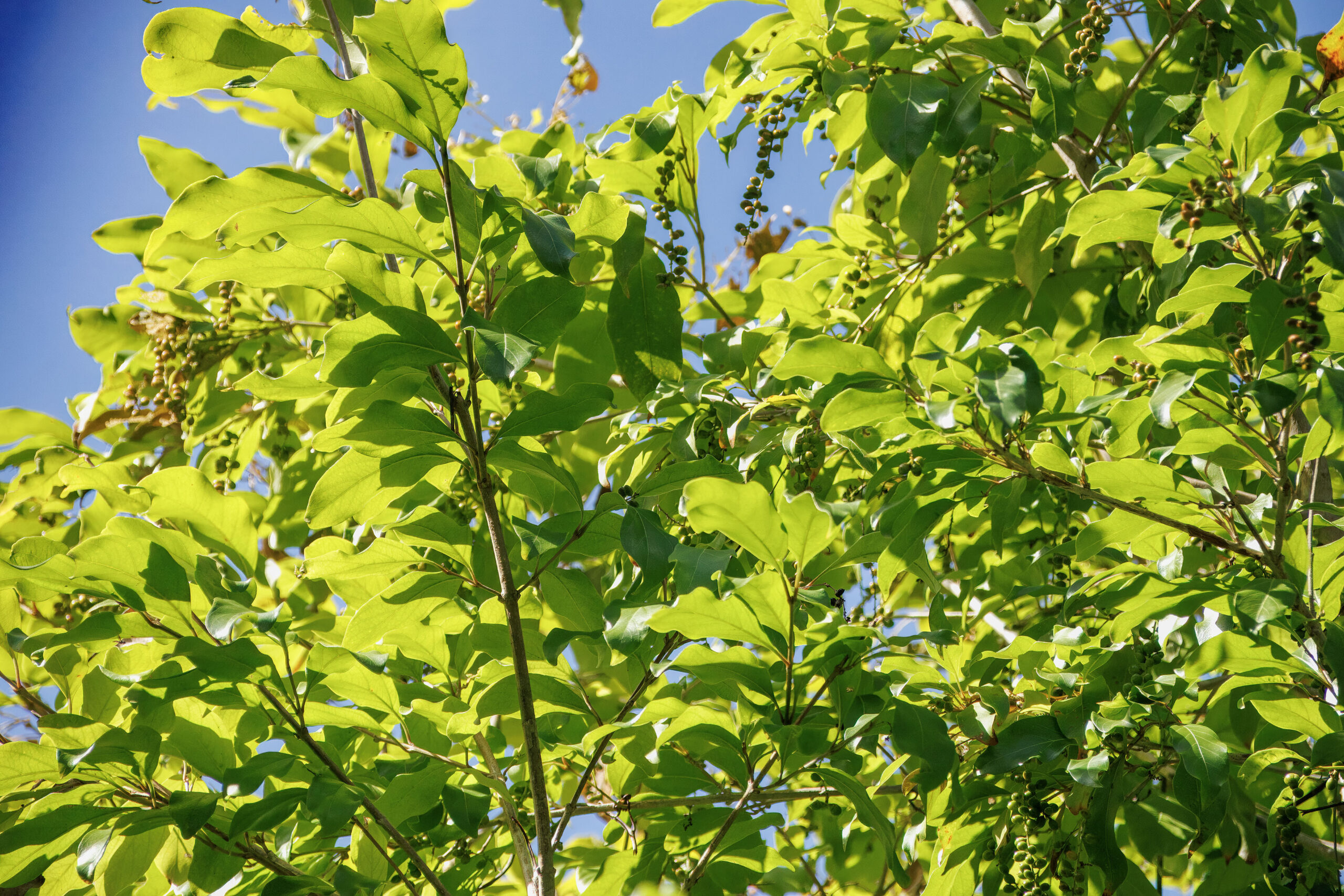
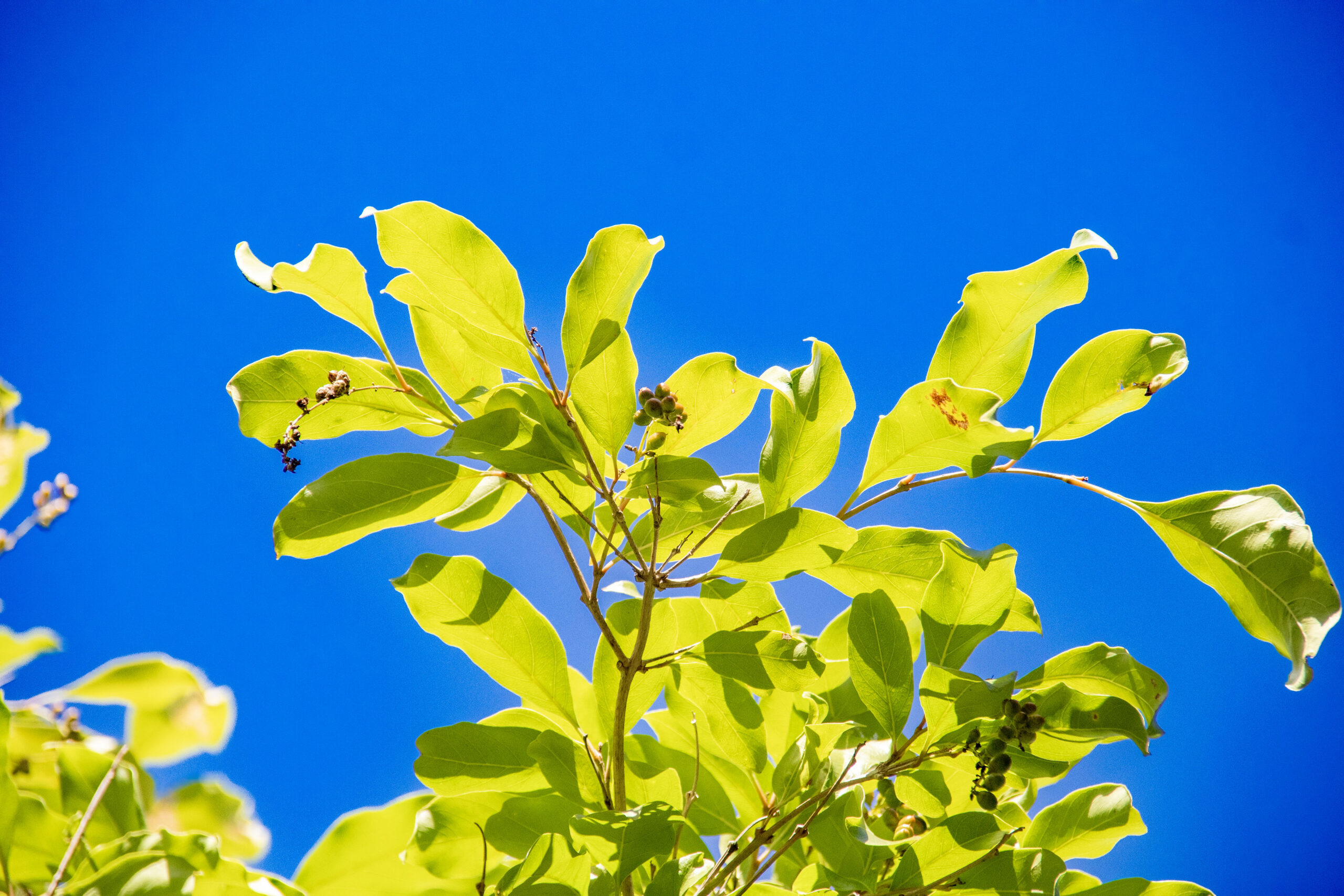
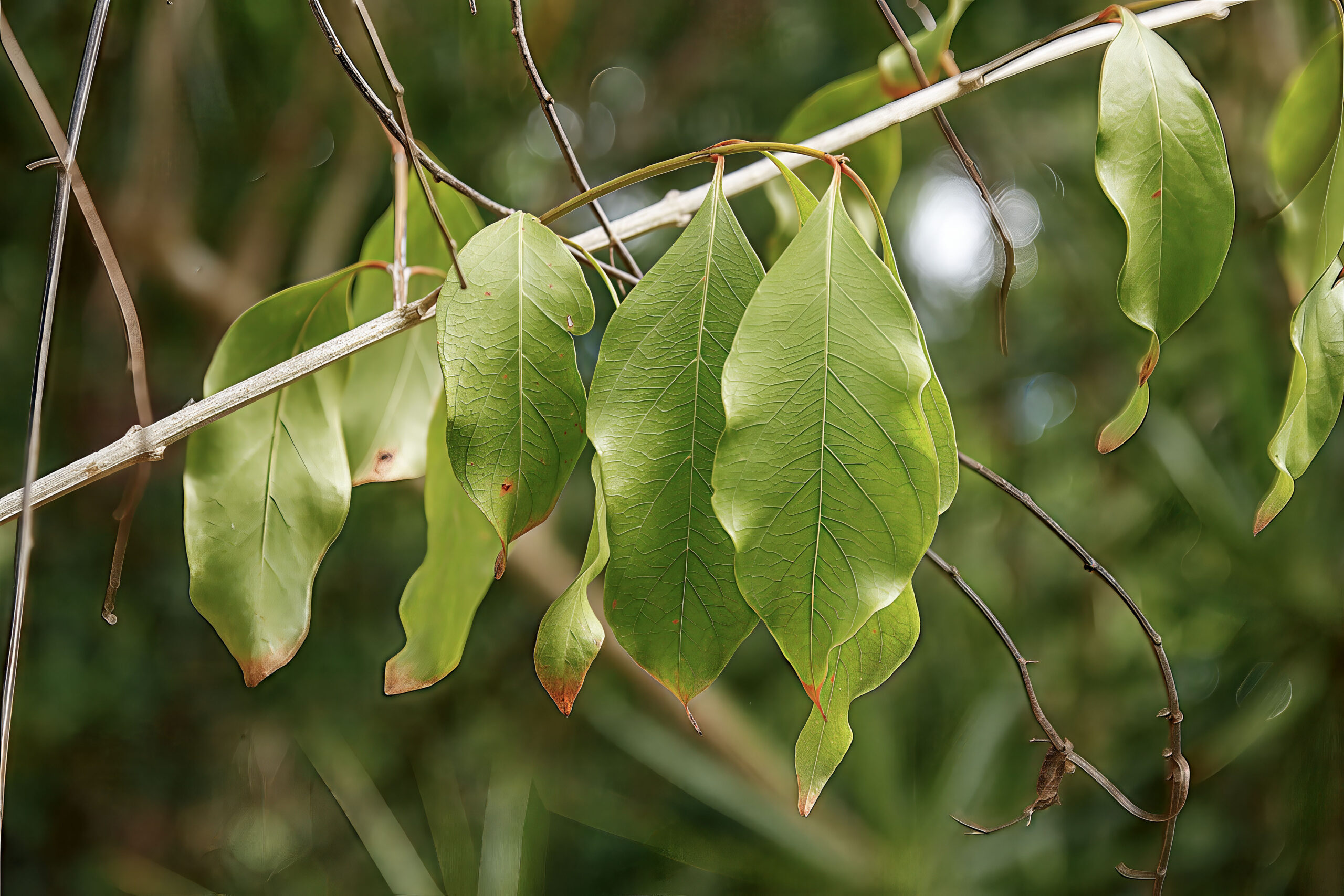
Leaf Type: Simple, ovate to lanceolate leaves with a slightly serrated margin
Evergreen/Semi-deciduous: Evergreen to semi-deciduous, depending on the climate
Leaf Flush: New leaves typically emerge in late spring to early summer, especially following rainfall or increased humidity
Senescence: Leaves may yellow and drop during periods of drought or in cooler months
Phenological Indicator: Emergence of fresh, light green leaves after rainfall or during the warmer, wetter months

Flowering

Inflorescence: Panicles of small, tubular, white to cream-colored flowers
Blooming Period (Tropics): Flowers primarily bloom in late spring to summer, but may bloom intermittently year-round in tropical climates
Pollinators: Attracts bees, butterflies, and hummingbirds
Phenological Indicator: Appearance of flower clusters, with flowers opening progressively along the panicle, starting from the base upwards

Fruiting

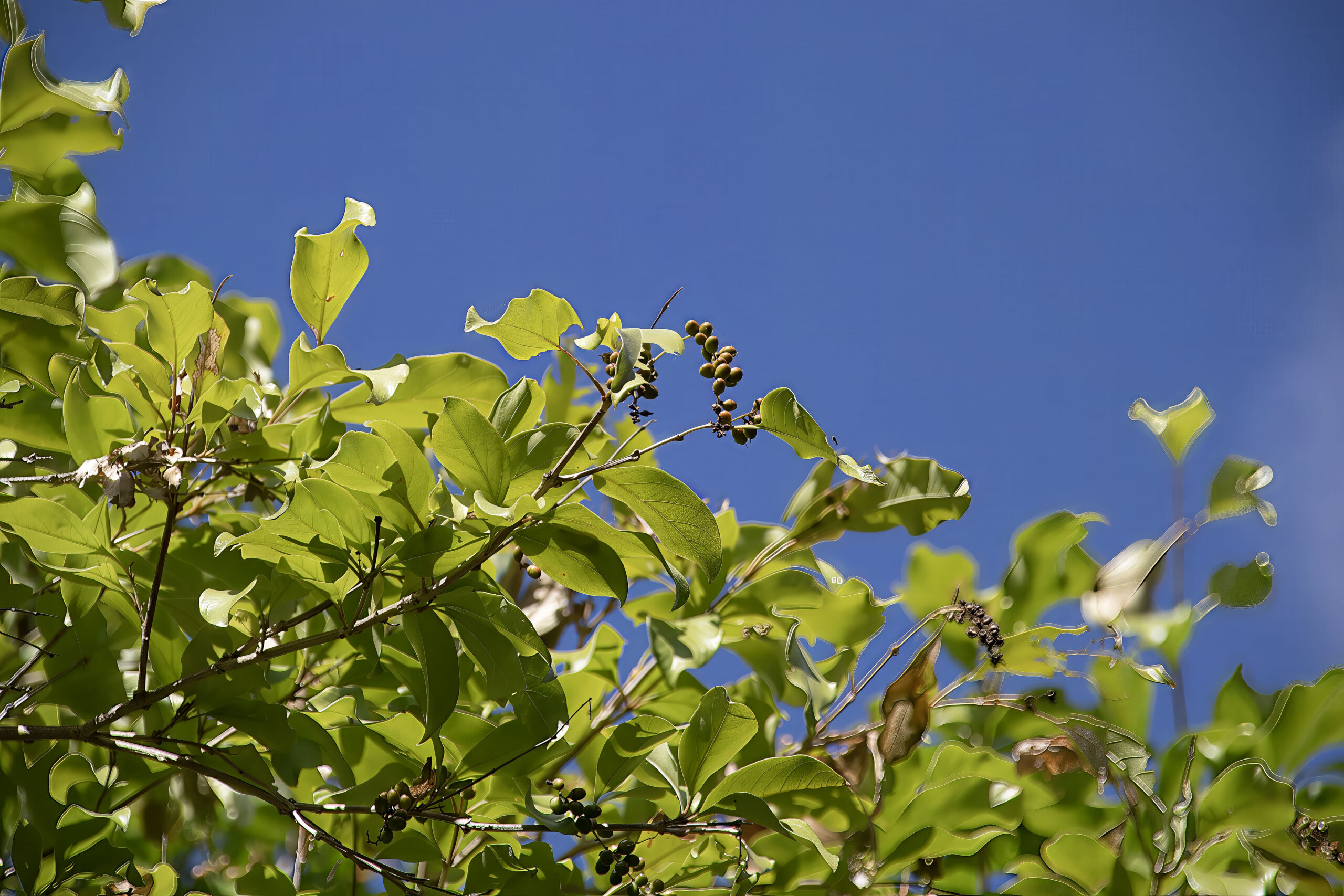
Fruit Type: Small, oval, greenish to black drupes
Fruit Development: Fruits develop shortly after flowering and typically ripen in late summer to fall
Dispersal: Fruits are dispersed by birds and other animals
Phenological Indicator: Clusters of small, dark fruits visible after flowering, typically appearing in the late summer or early fall

Suggested Photo Angles

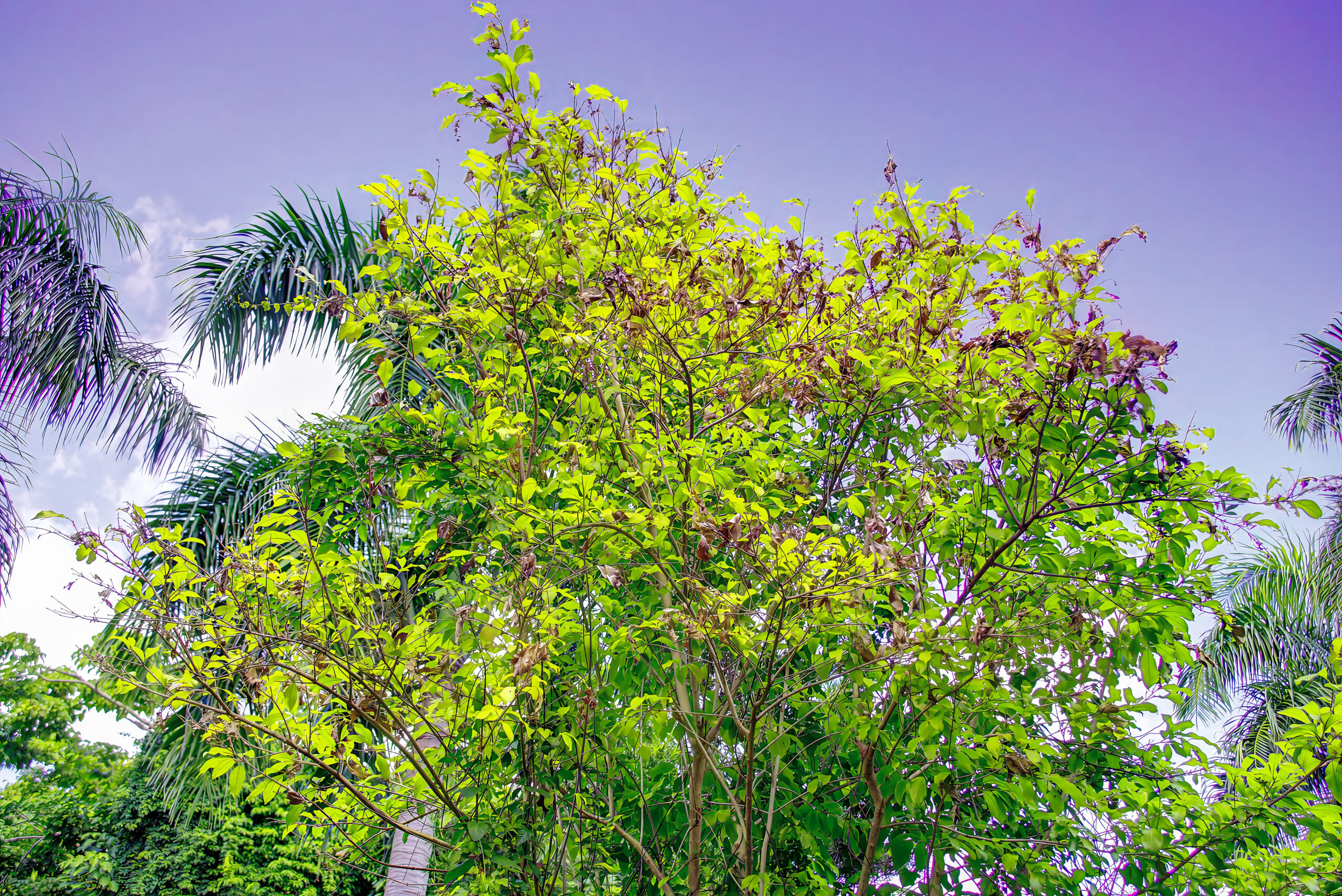
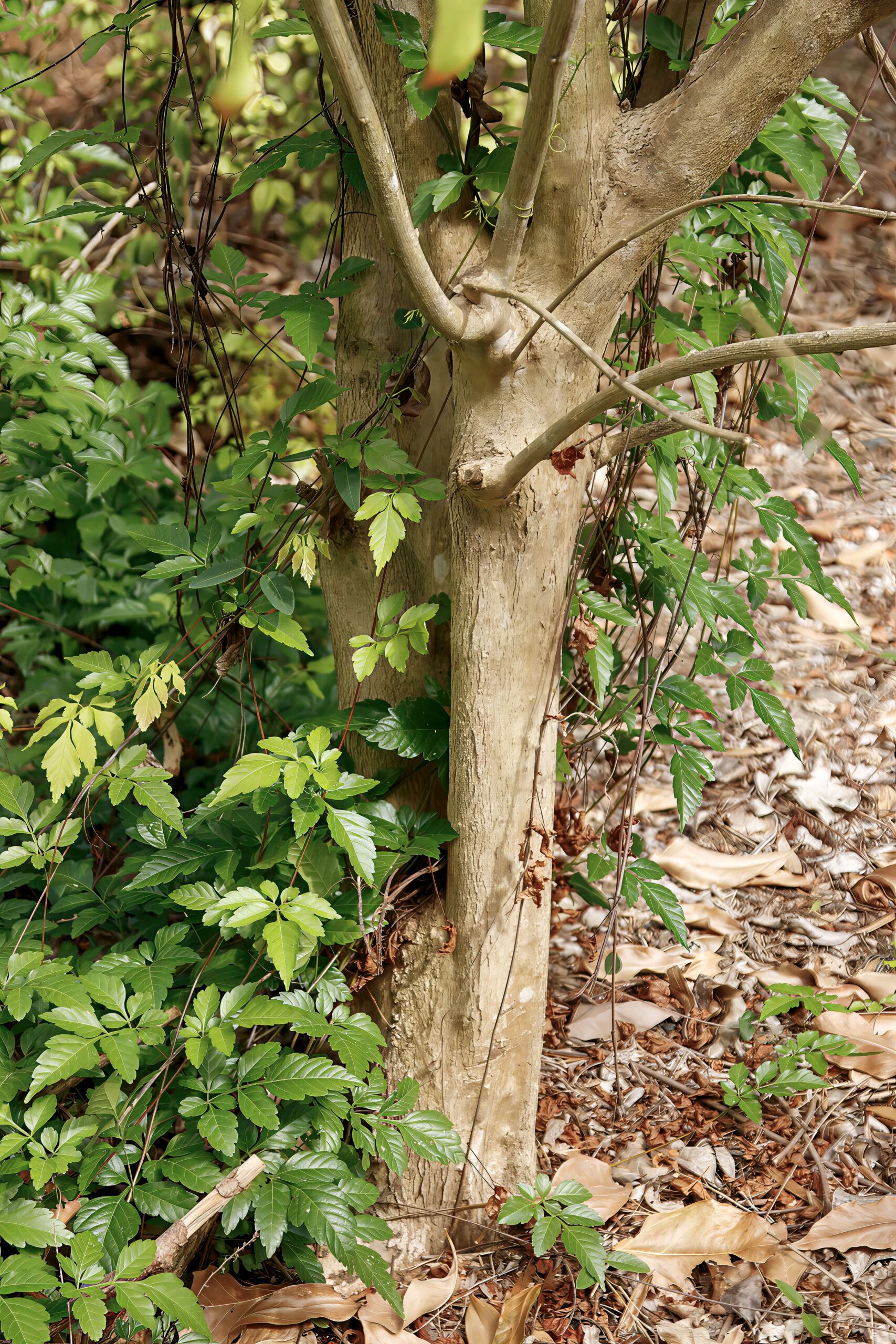
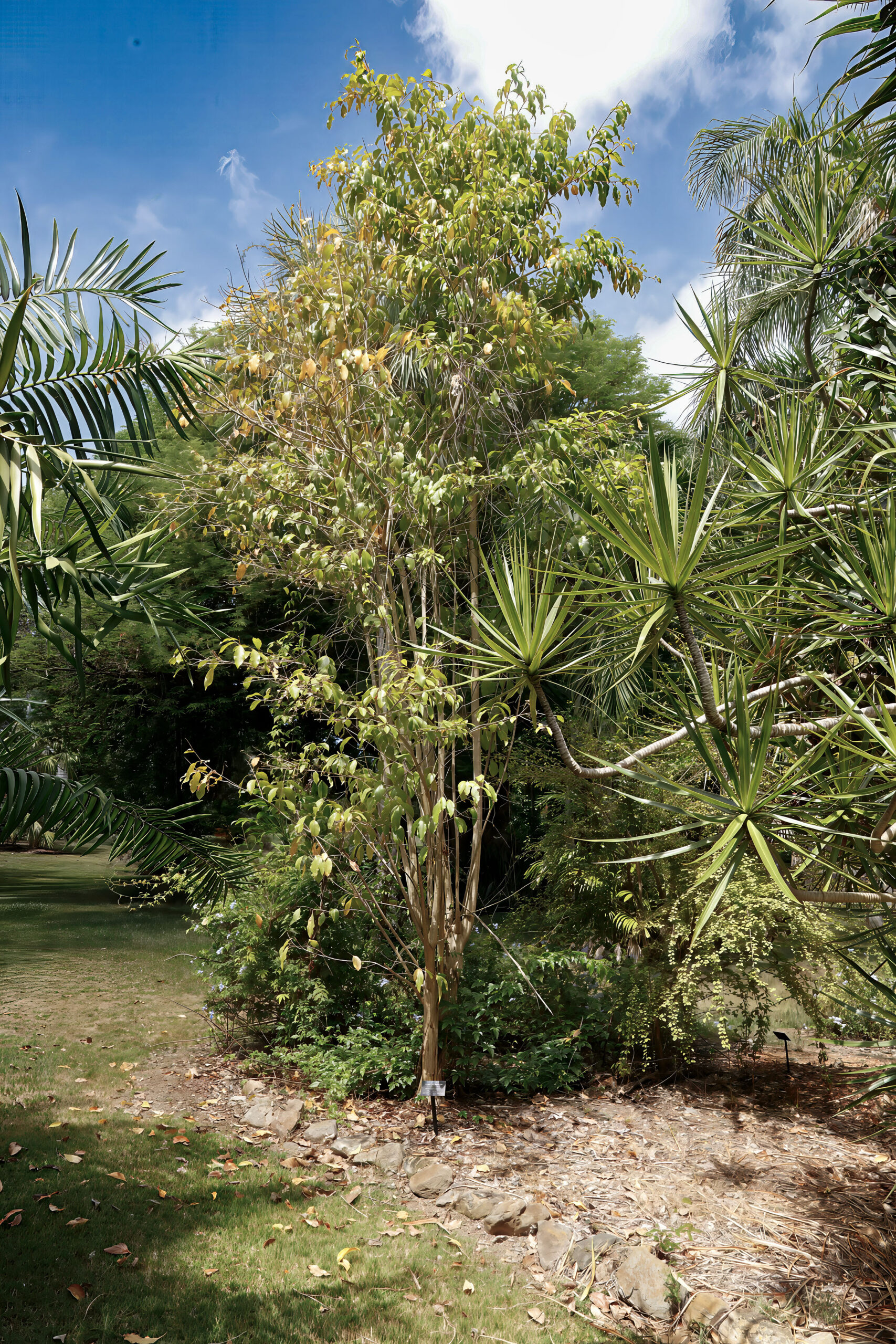
  • Full shrub/tree in context, showing its height and branching structure
  • Close-up of individual leaves, highlighting their shape and edge serrations
  • Flowering panicles with open blooms or developing buds
  • Developing and mature fruits, particularly as they transition from green to black
  • Leaf flush during new growth periods or the senescence of older leaves

Notes for Monitoring

  • Flowering and fruiting may be seasonally synchronized with rainfall and temperature fluctuations in tropical environments
  • Citharexylum spinosum is commonly found in coastal and disturbed areas, as well as in tropical and subtropical habitats
  • The plant can be pruned and shaped in gardens or landscaping, which can influence flowering and growth cycles

Scroll to Top