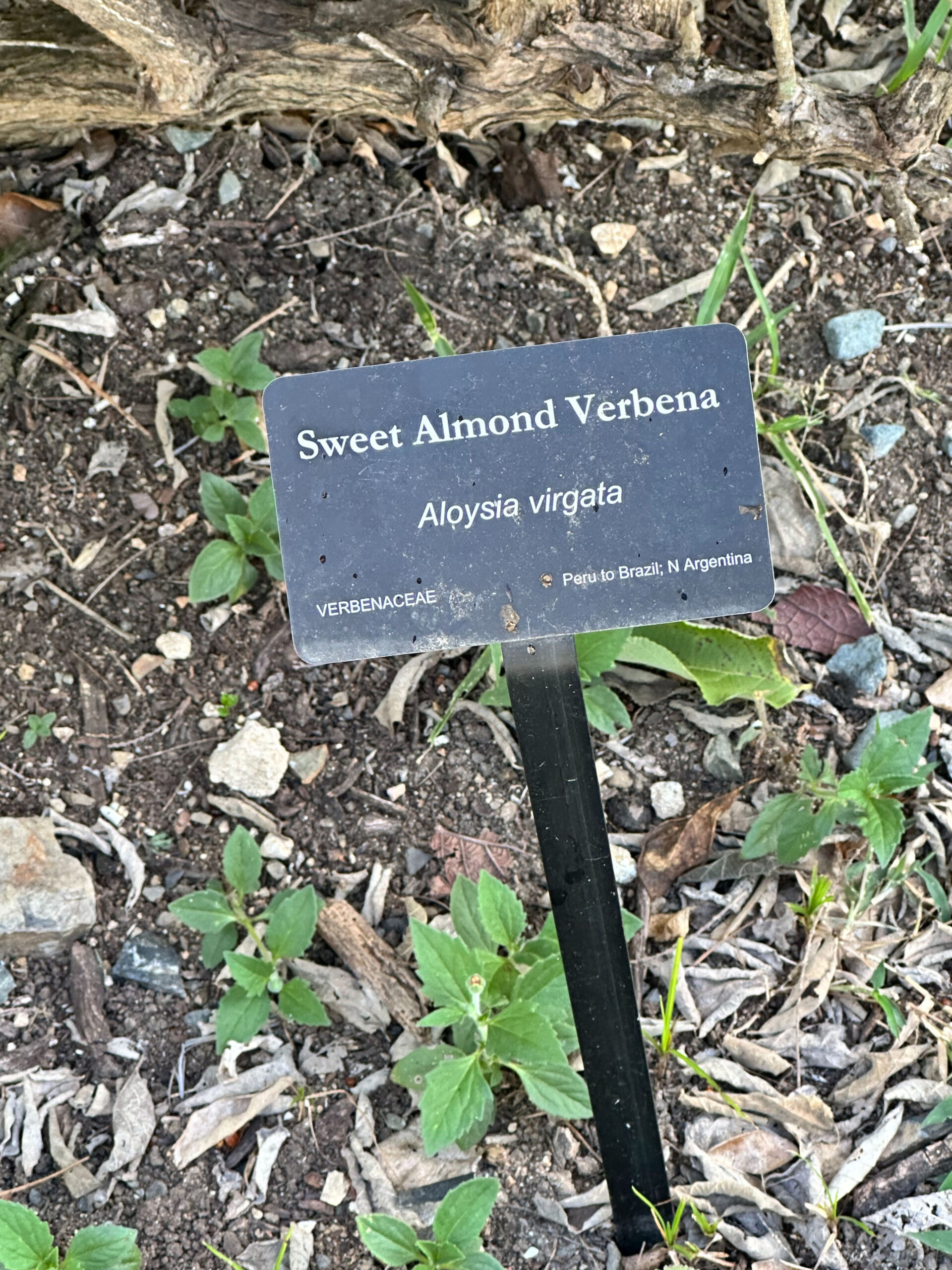
Sweet Almond Verbena
Scientific name: Aloysia virgata
POWO Status: Shrub
IUCN Red List threat level: Least Concern
GPS Location: 17° 42′ 57.18″ N, 64° 49′ 44.60″ W


Medicinal Uses
Aloysia virgata, or sweet almond verbena, is used in traditional medicine for digestive issues (stomach pain, nausea, diarrhea), respiratory problems (colds, bronchitis), anxiety, insomnia, fever, and as a stimulant, with infusions of its leaves and flowers being common for ailments like headaches, inflammation, and heart palpitations, while its essential oils show antibacterial and antifungal potential, though more scientific research is needed.
Common Traditional Uses:
- Digestive Aid: Alleviates stomach pain, nausea, vomiting, and diarrhea; used as a carminative (reduces gas).
- Respiratory Relief: Helps with colds, bronchitis, and catarrh (mucus buildup).
- Nervous System: Acts as a sedative for anxiety, insomnia, and nervousness; also used for “nerve problems” and depression.
- Fever & Inflammation: Traditionally used to reduce fever and inflammation.
- Stimulant: Used as a general stimulant and tonic.
- Skin Issues: Leaf juice applied externally for skin diseases.
- Other: Can induce abortion (use with caution) and is used in perfumes and as a liquor flavoring.
Scientific Support:
- Anxiolytic (Anxiety-Reducing): Studies suggest extracts have antidepressant and anti-anxiety effects in mice, potentially acting similarly to some anxiety medications.
- Antimicrobial: Essential oils show antibacterial activity against bacteria like E. coli and S. aureus, and antifungal activity against Candida albicans.
- Chemical Compounds: Contains compounds like verbascoside and flavonoids that contribute to its biological activity.
How It’s Used:
- Infusions/Teas: Leaves and flowers steeped in hot water.
- Tinctures/Essential Oils: Used for topical application or aromatherapy.
- Added to Yerba Mate: Blended with the traditional South American caffeinated drink.
Note: While traditional uses are widespread, more scientific research is required to fully understand and validate these medicinal properties for modern applications.
Observations:
Phenological Markers – Aloysia virgata
Common Name: Sweet Almond Verbena
Scientific Name: Aloysia virgata (Ruiz & Pav.) Juss.
Family: Verbenaceae
🌿 Leaf Phenology
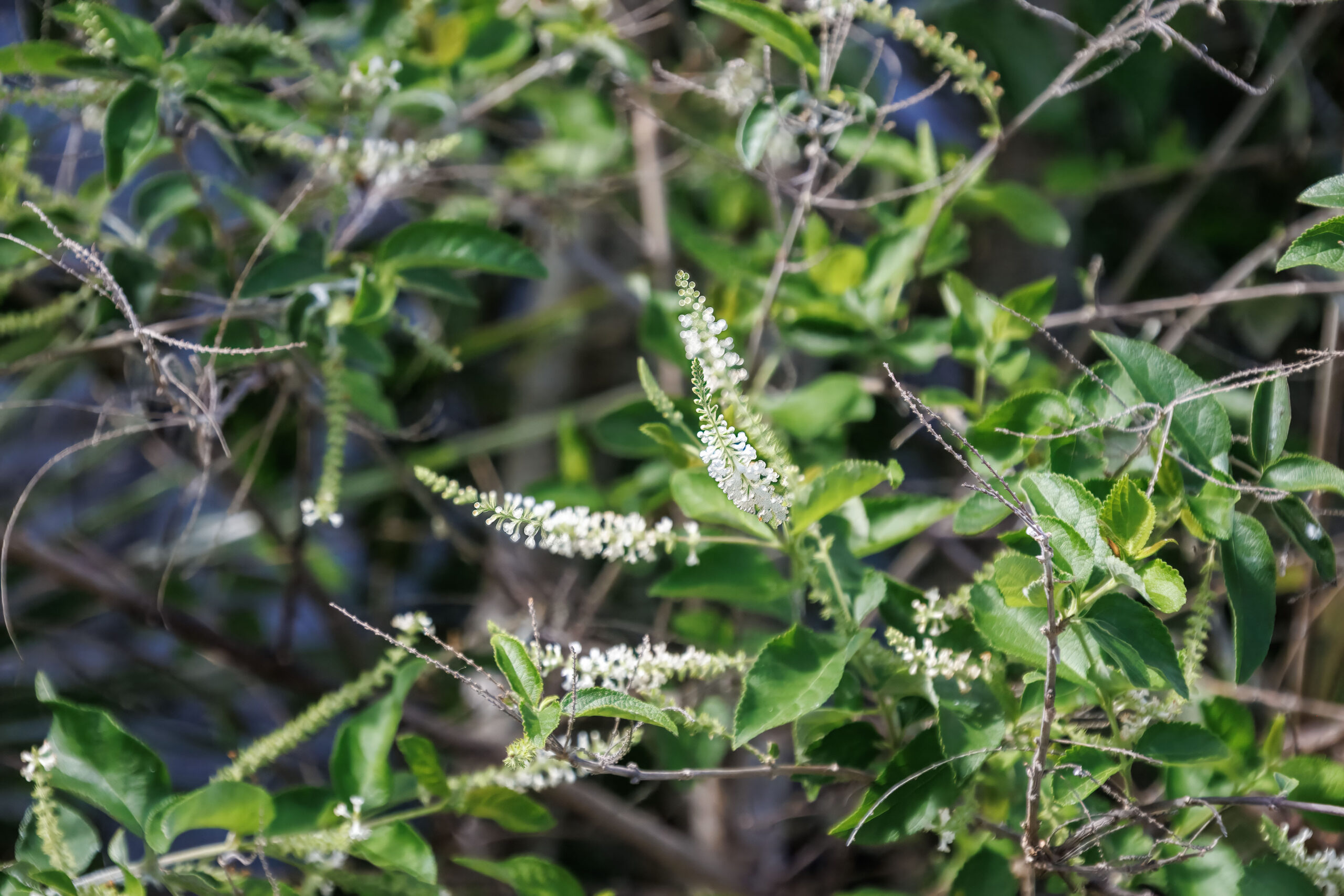
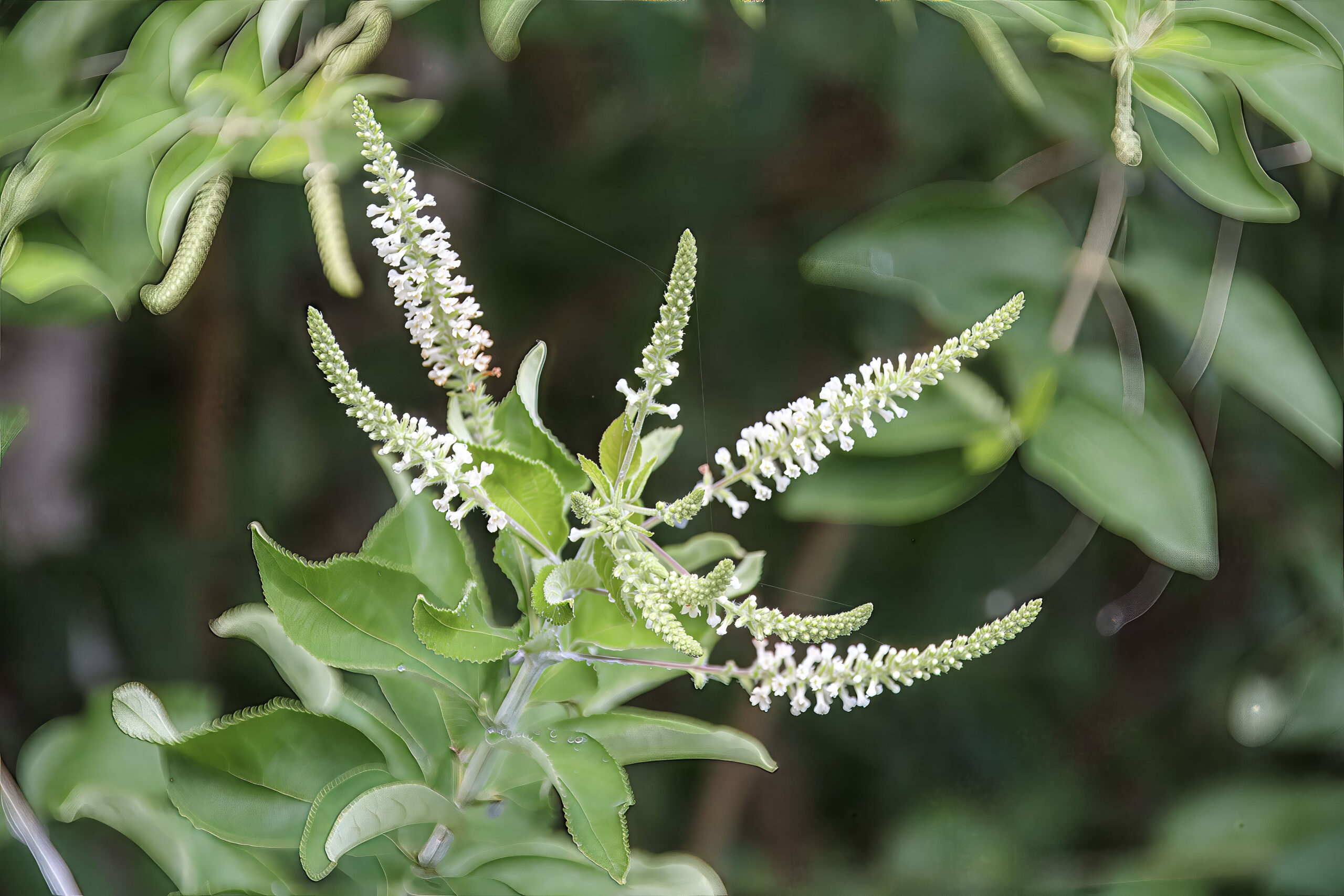
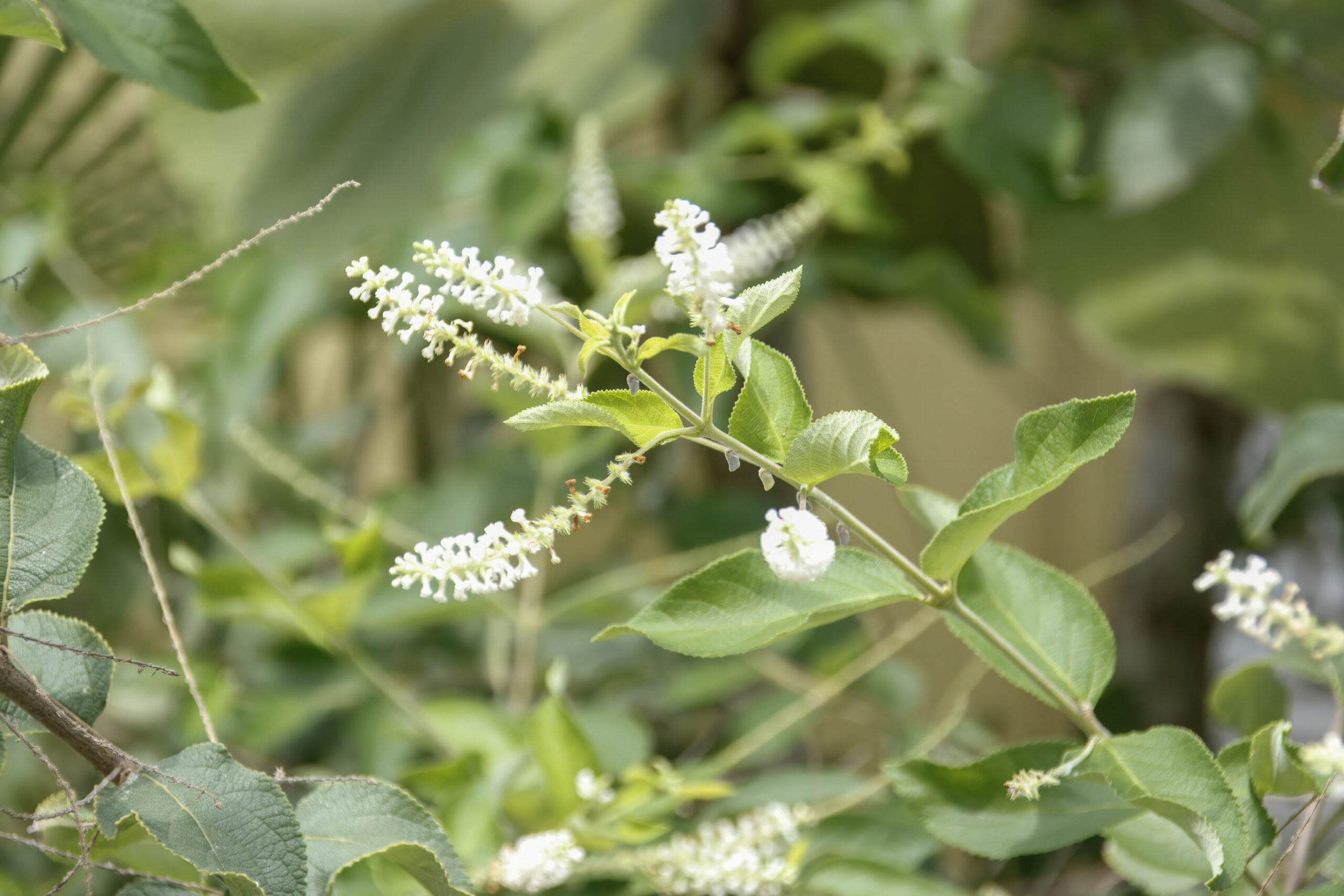
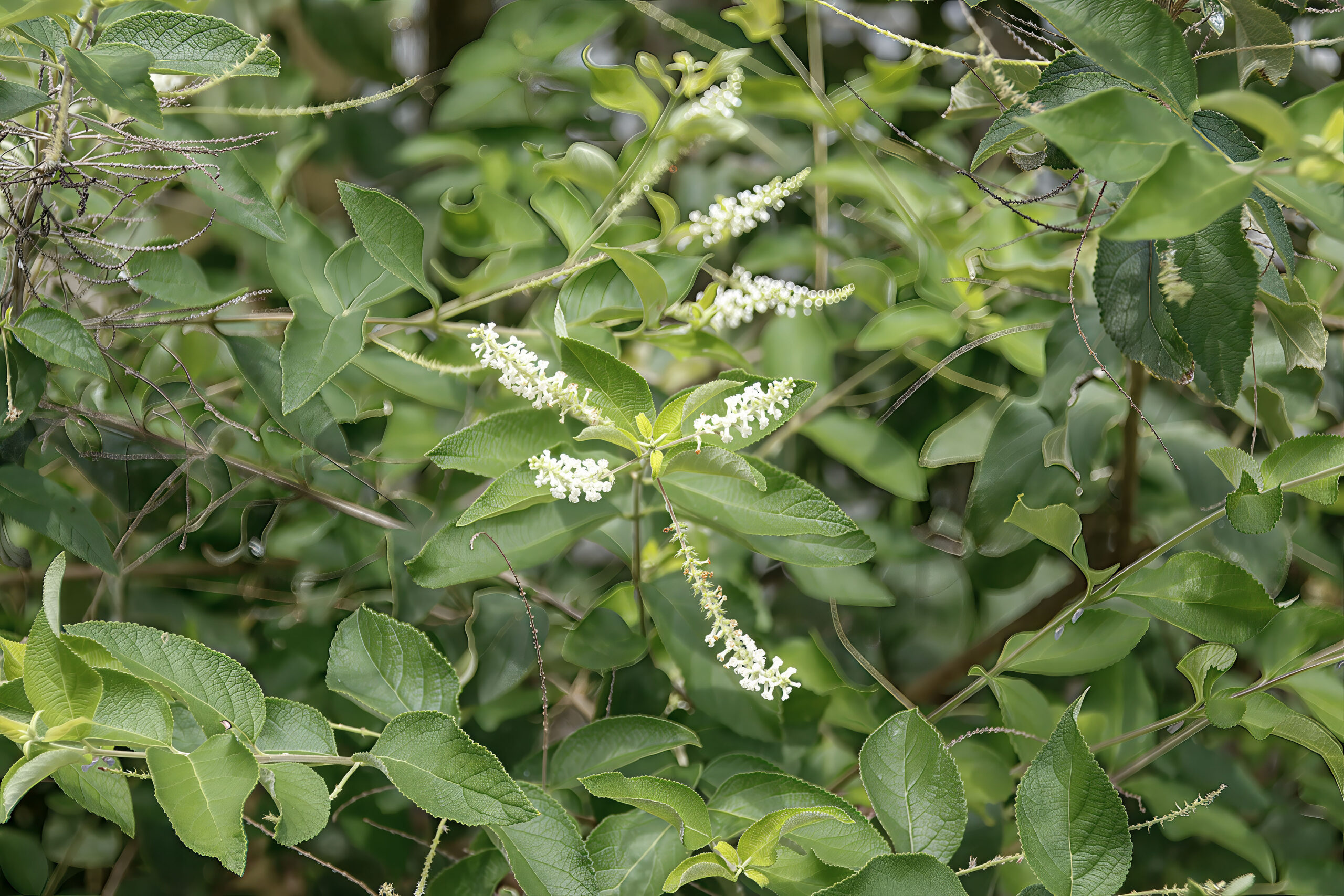
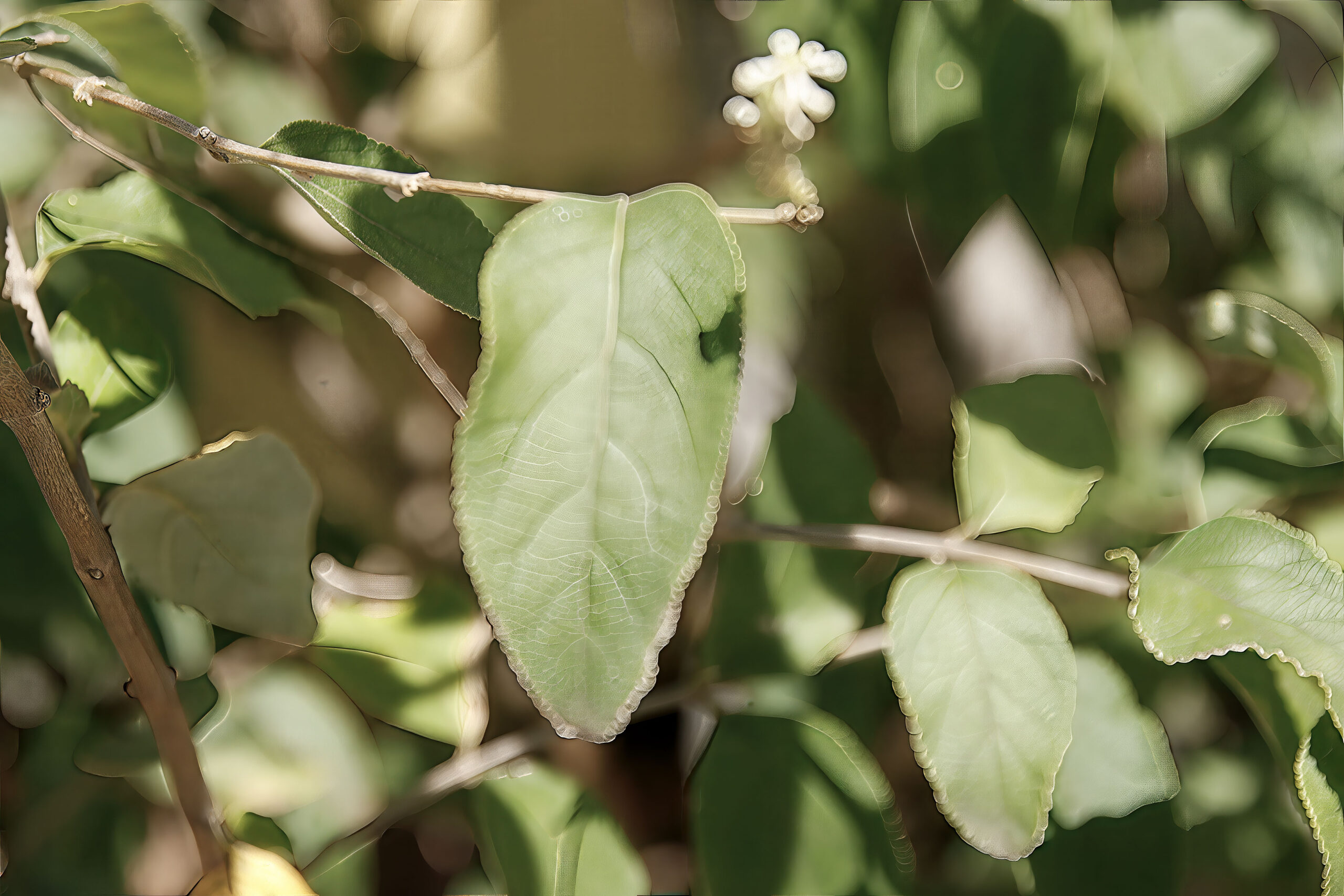
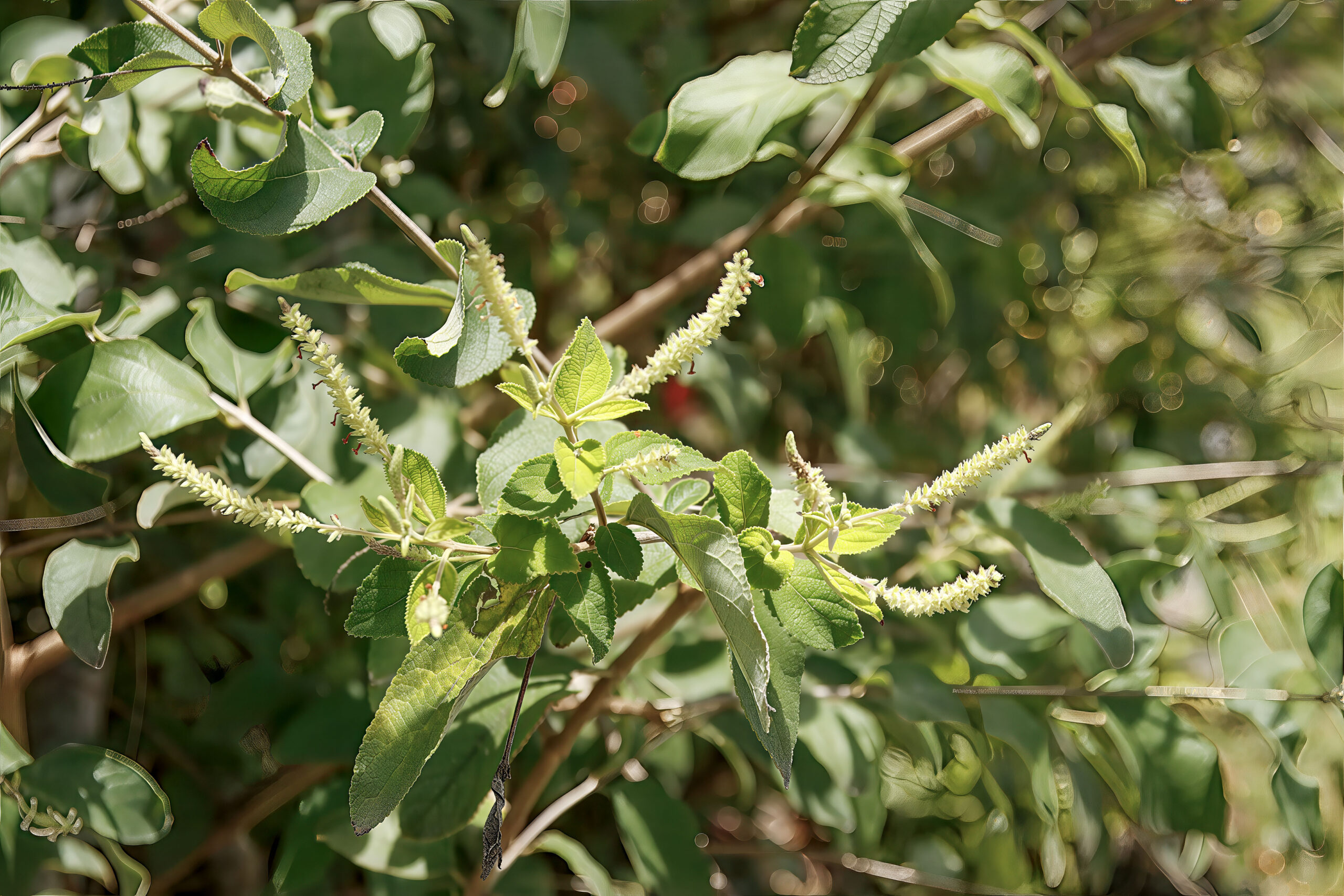
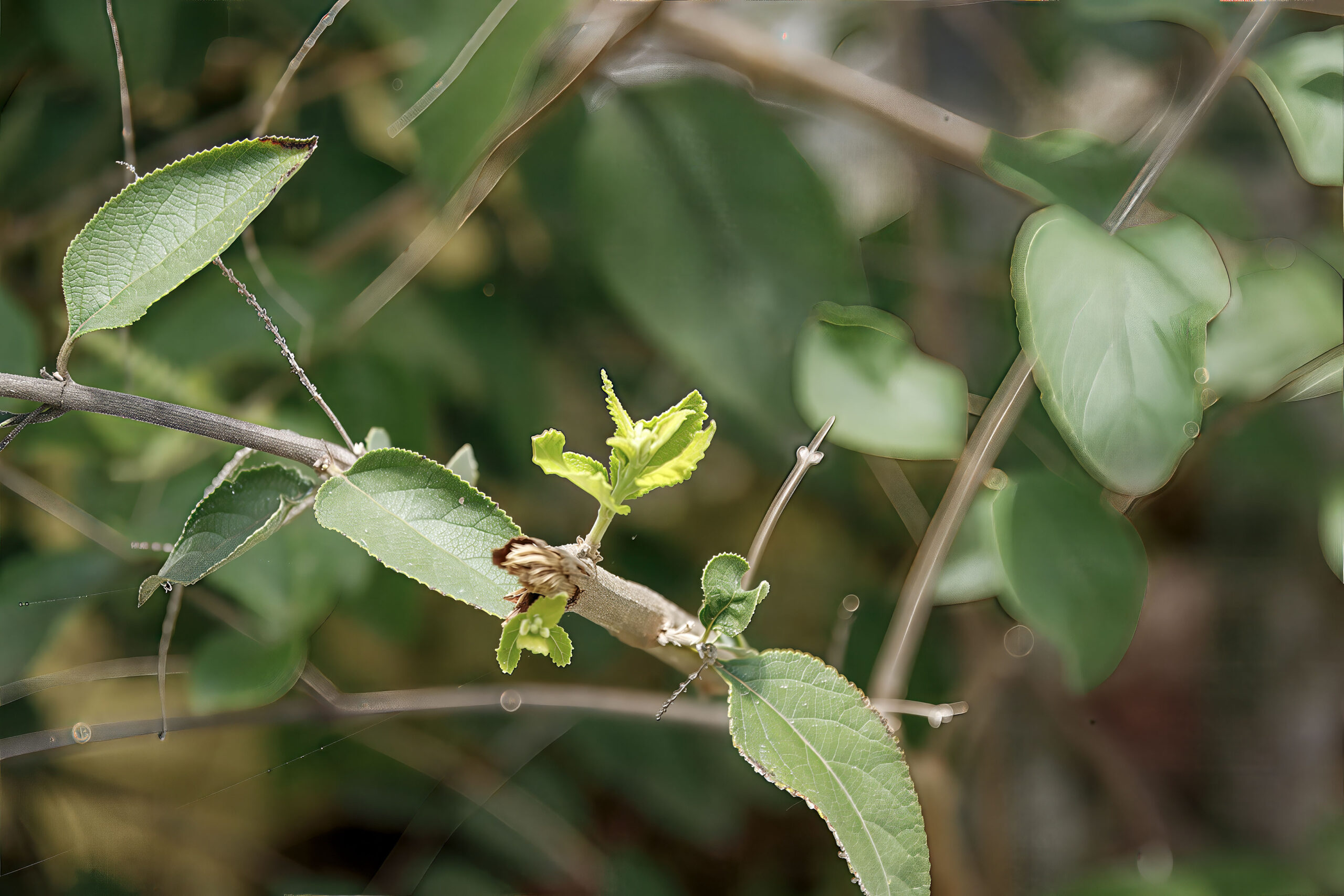
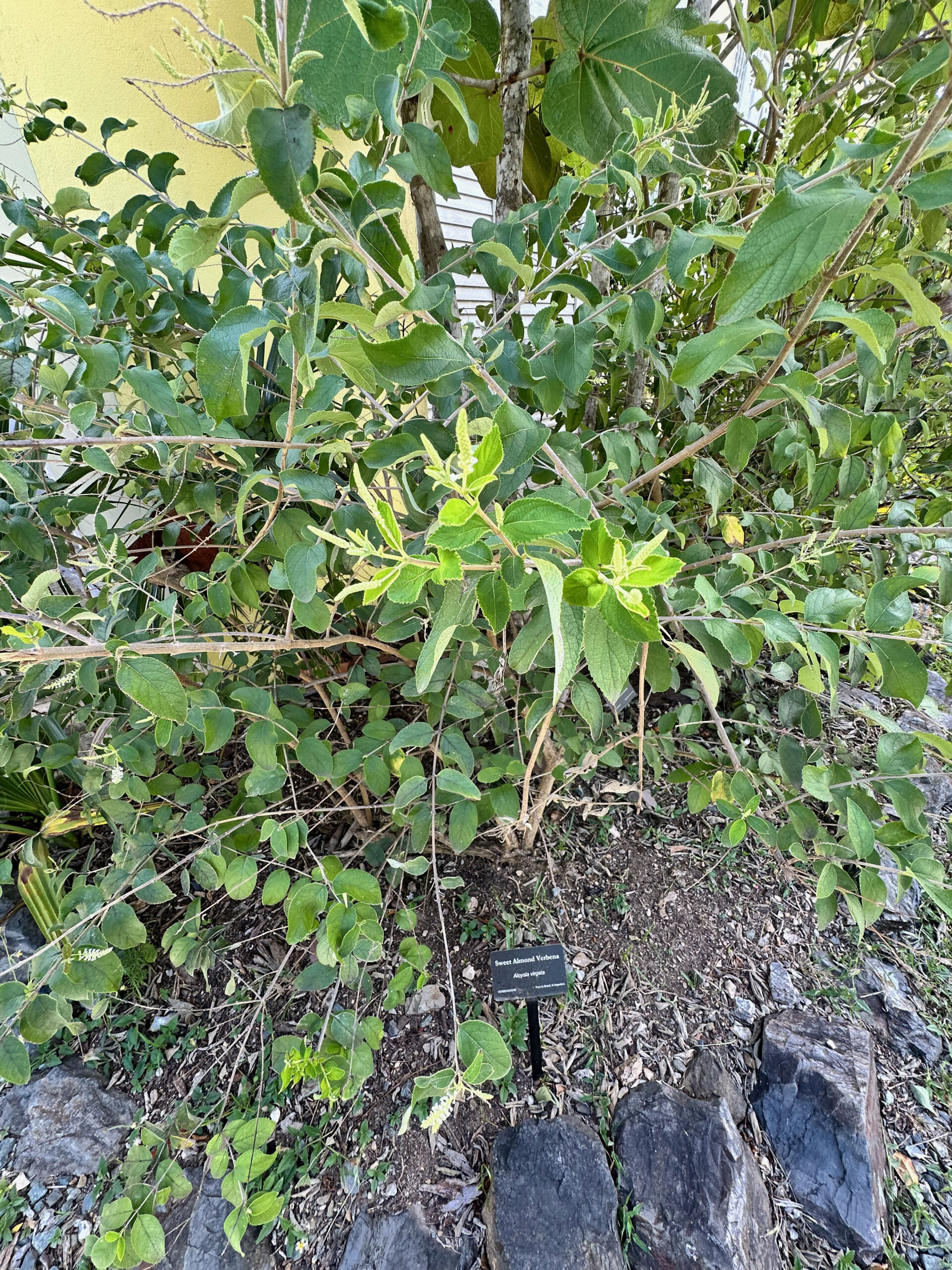
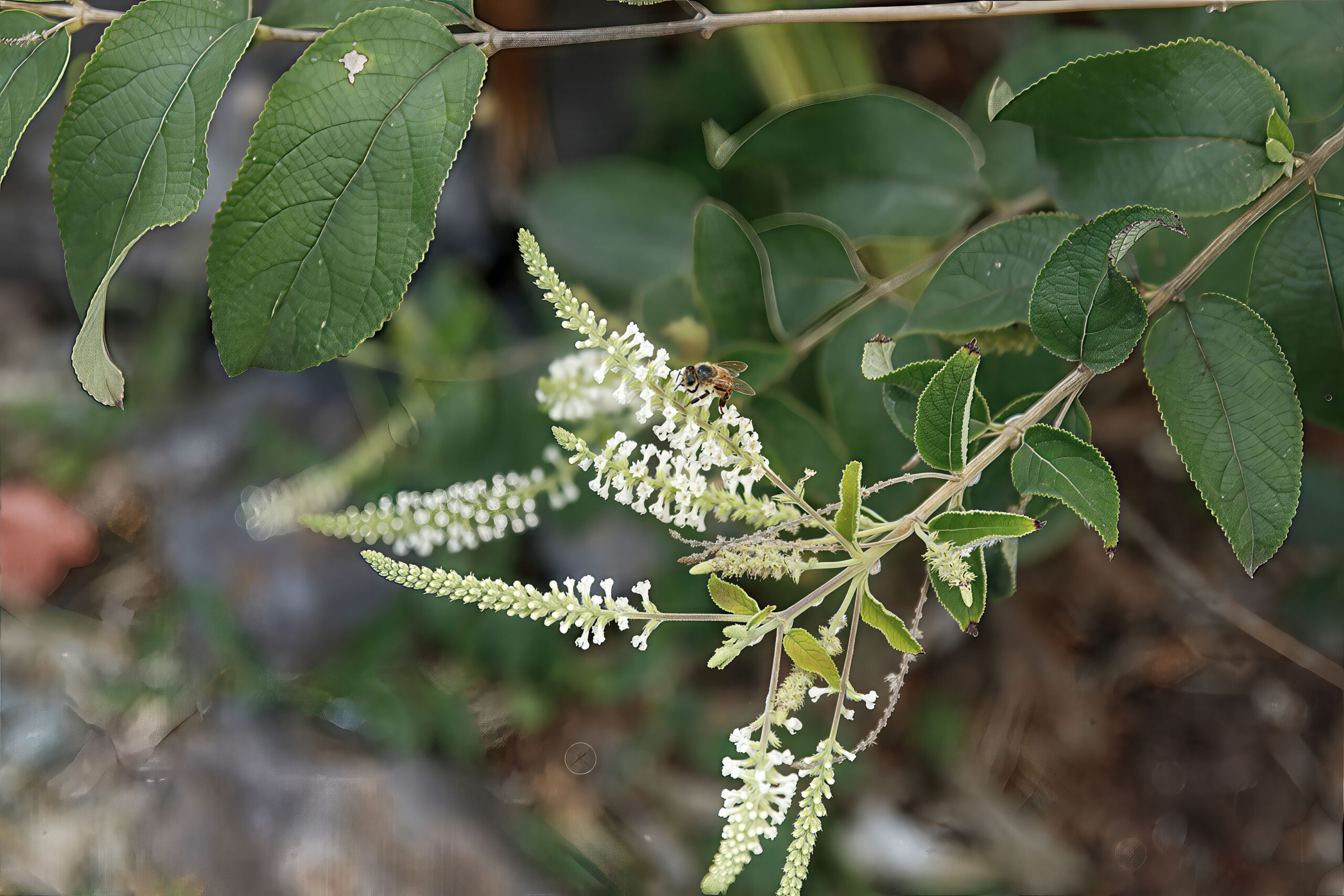
- Leaf Type: Simple, lanceolate leaves with a slightly rough texture and prominent veins
- Arrangement: Opposite or whorled
- Evergreen/Semi-deciduous: Evergreen in tropical climates; semi-deciduous in cooler or dry conditions
- Leaf Flush: Continuous throughout the growing season, with new leaves appearing regularly in warm weather
- Leaf Drop: Minimal in stable climates, though older leaves are shed intermittently
🌸 Flowering Phenology
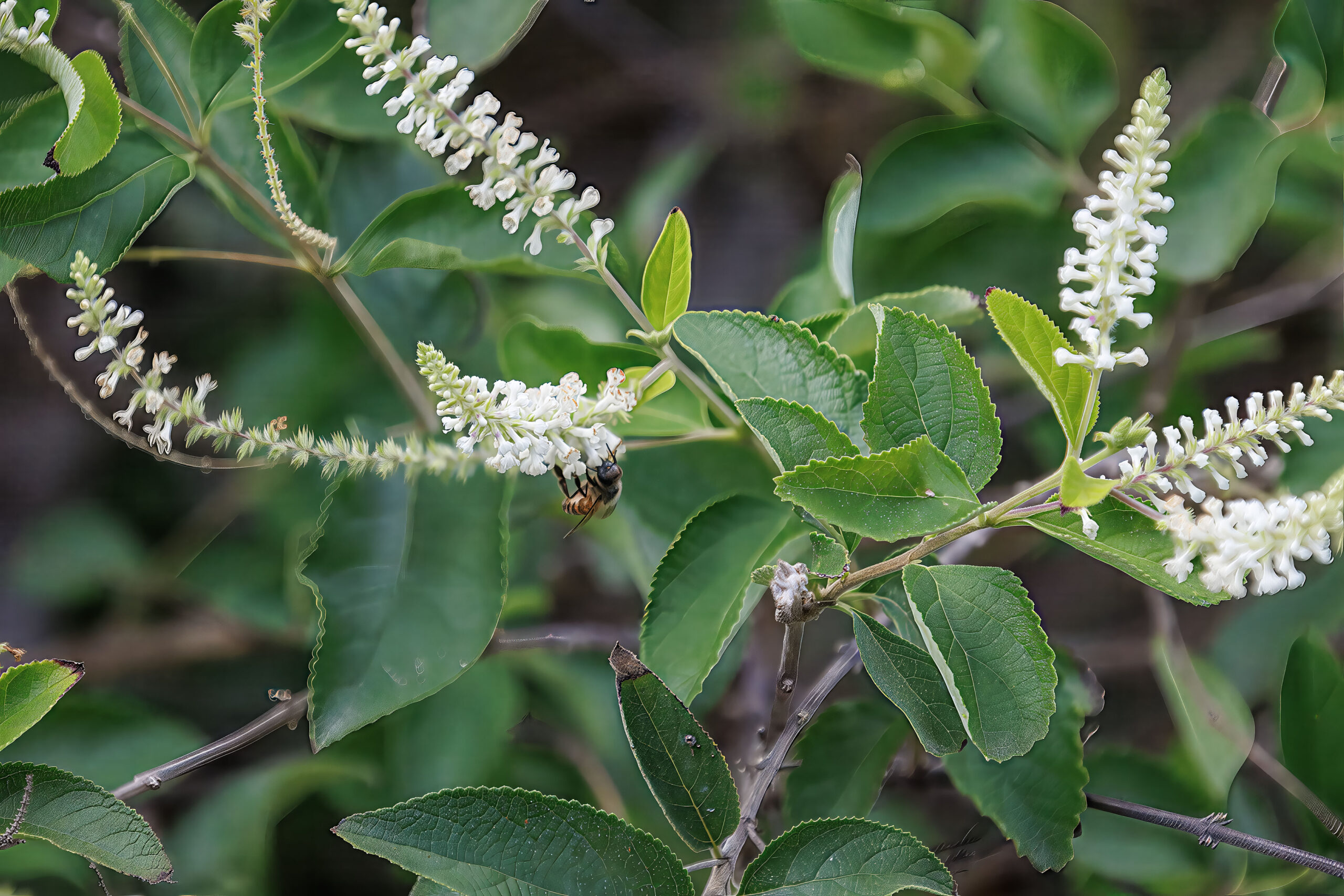
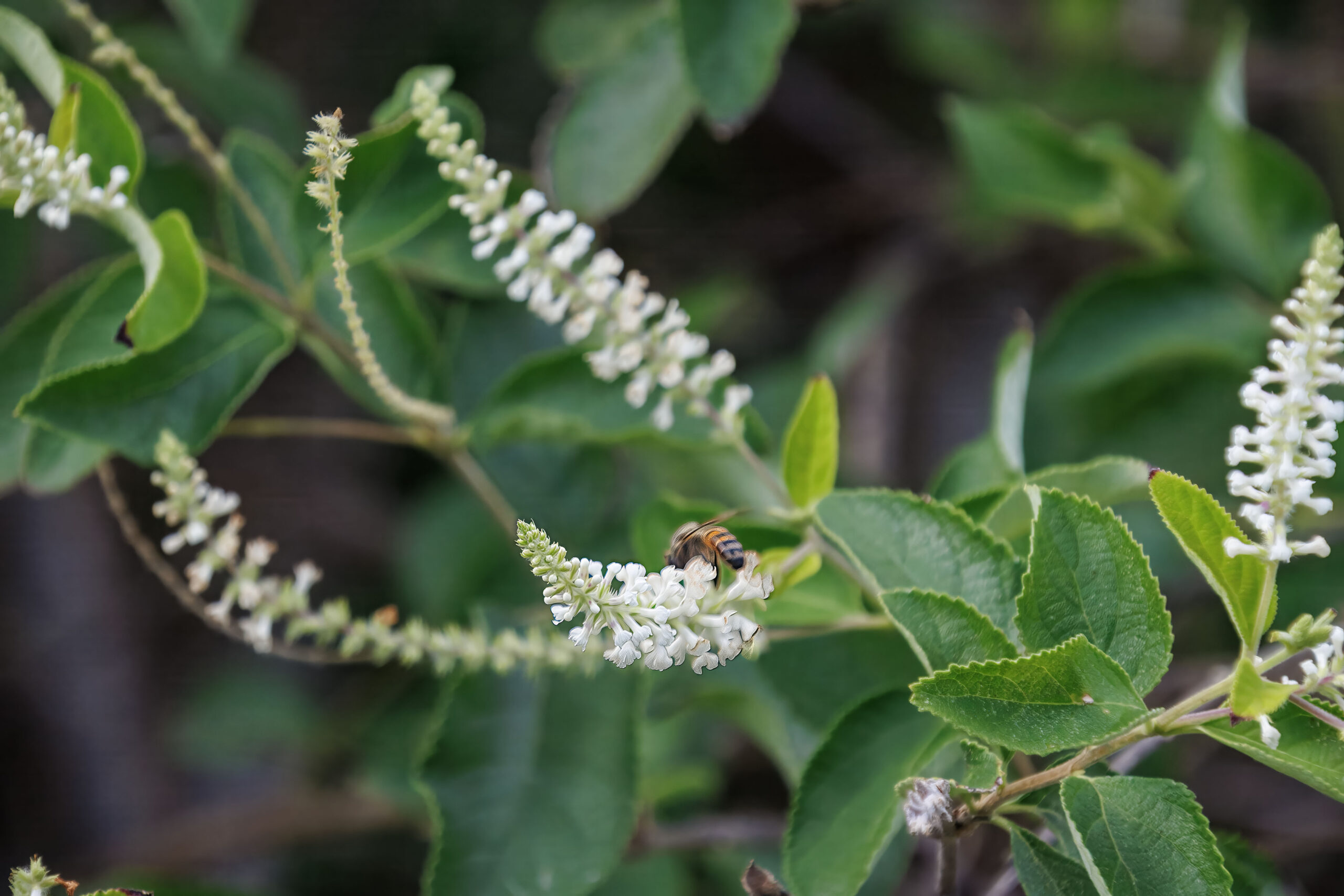
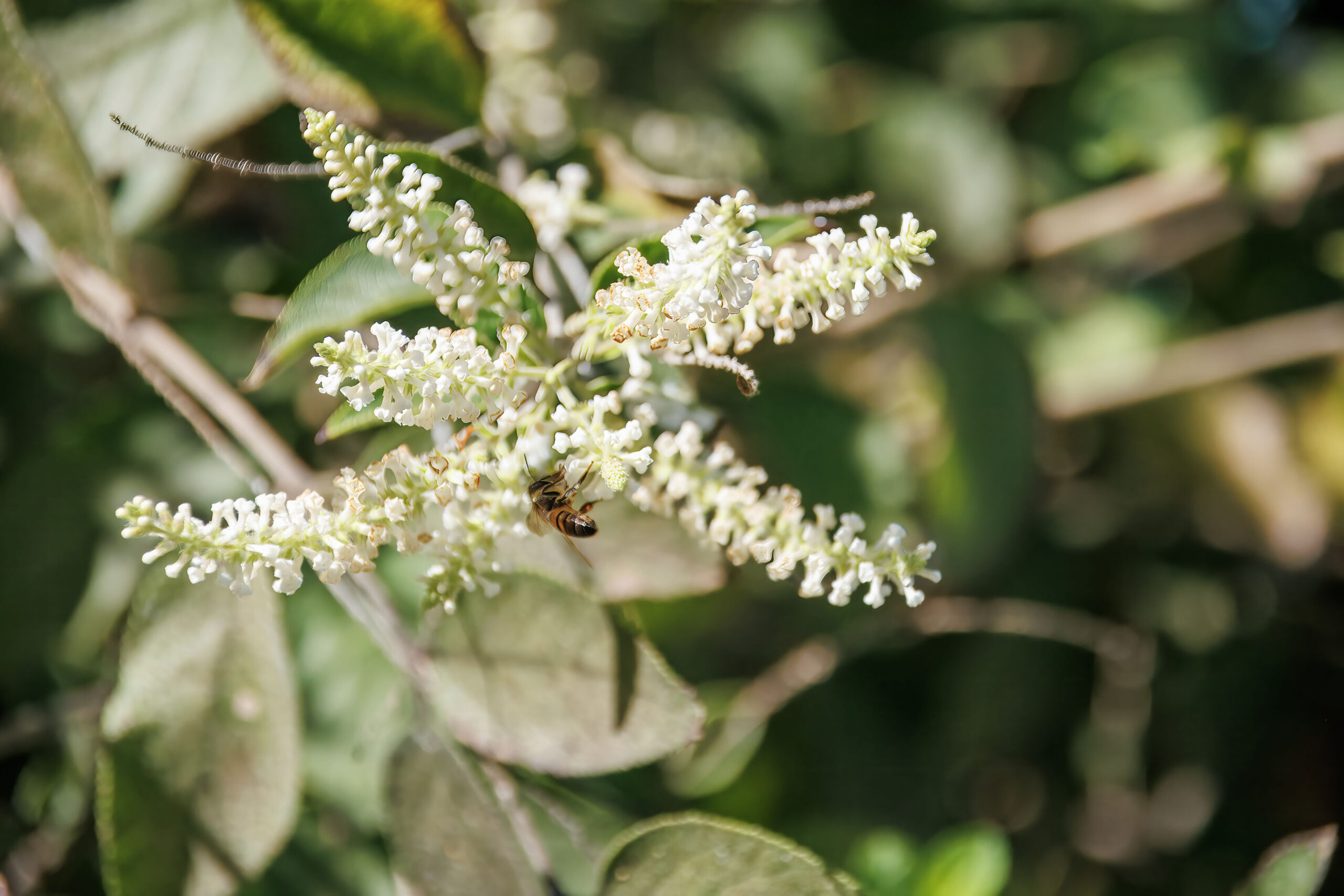
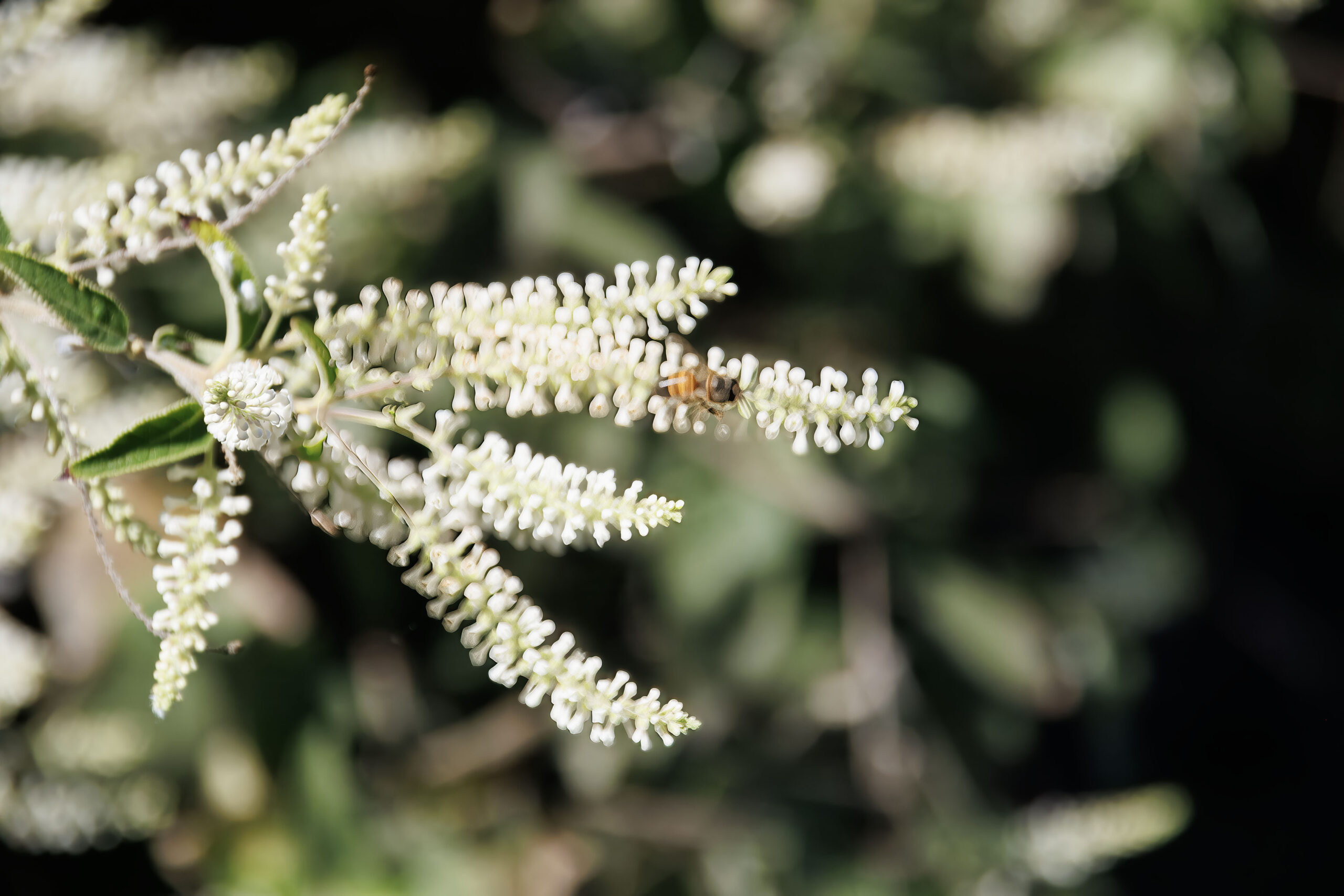
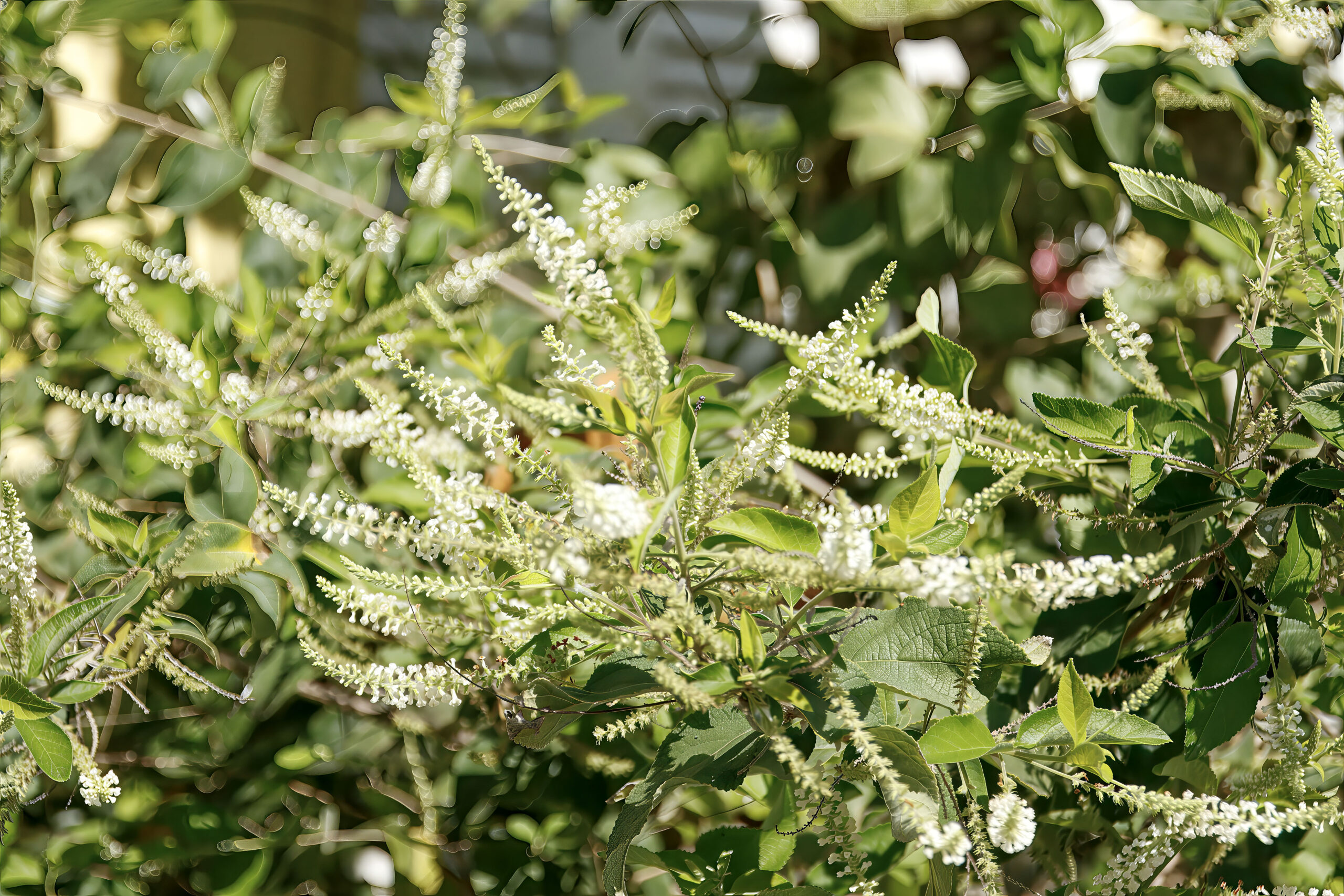
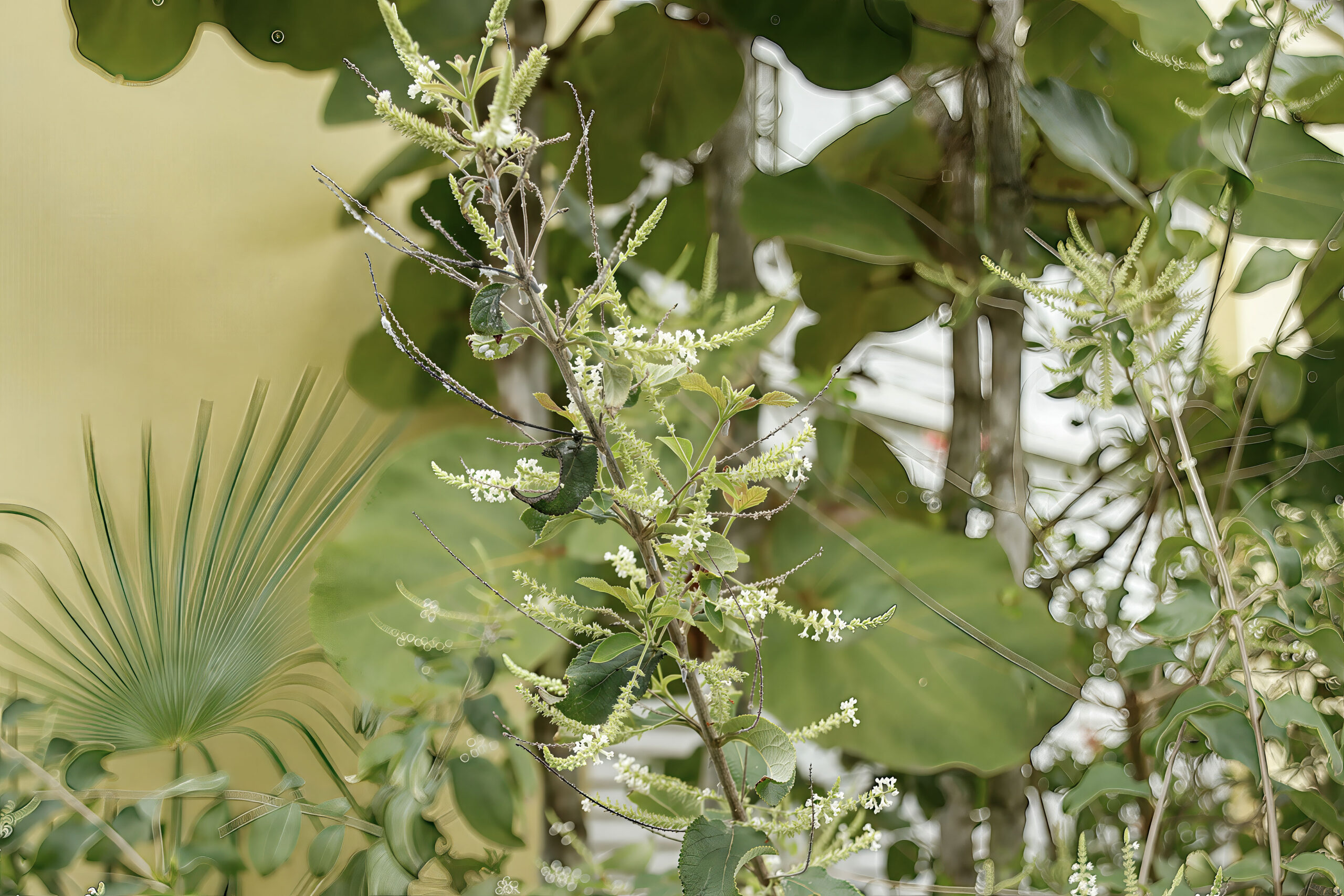
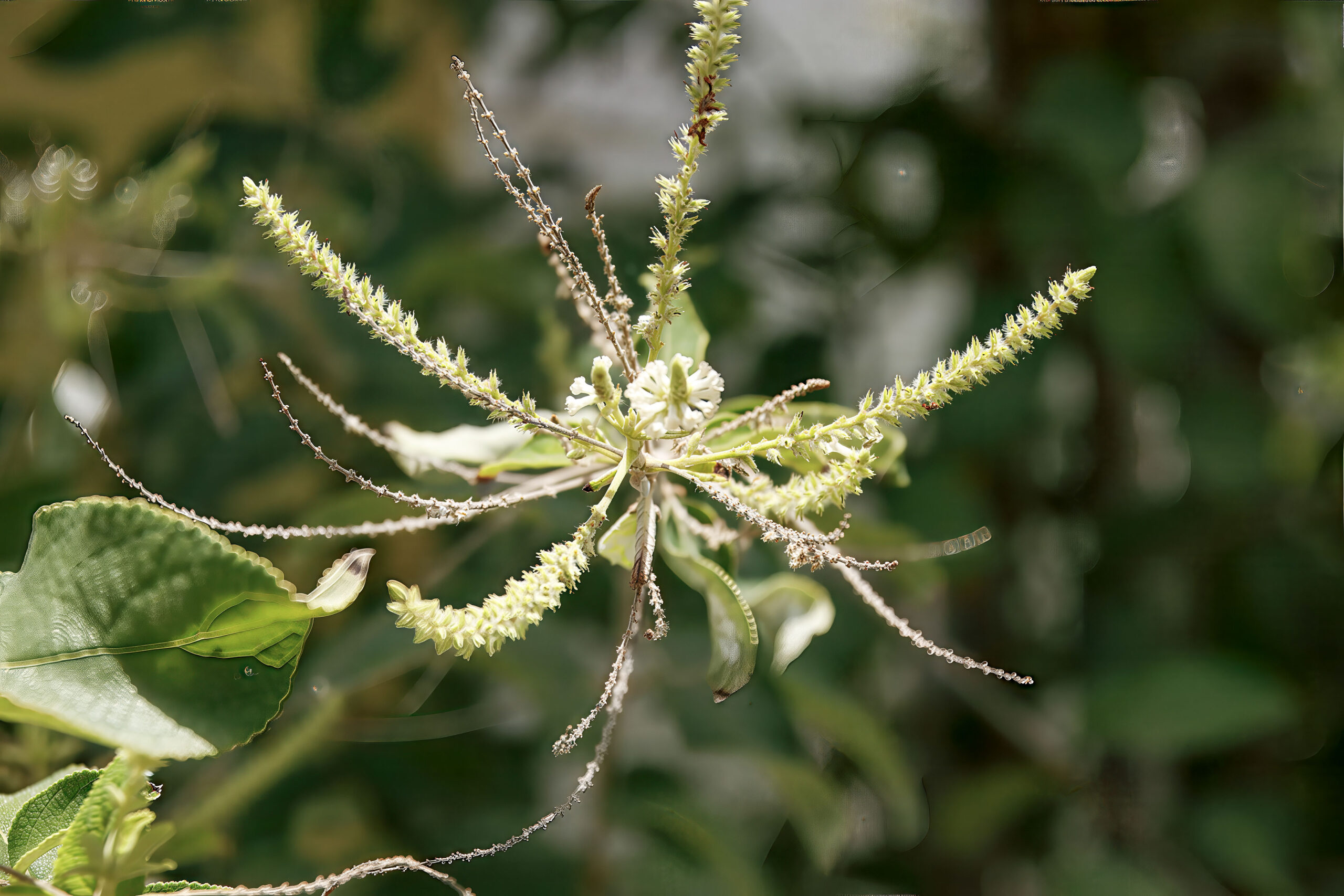
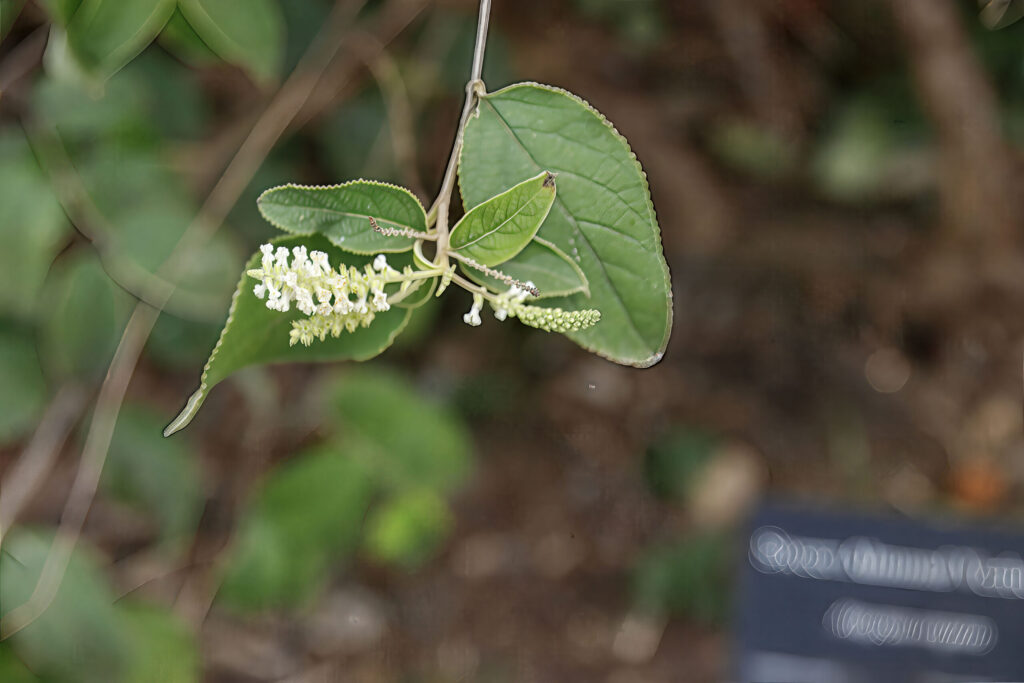
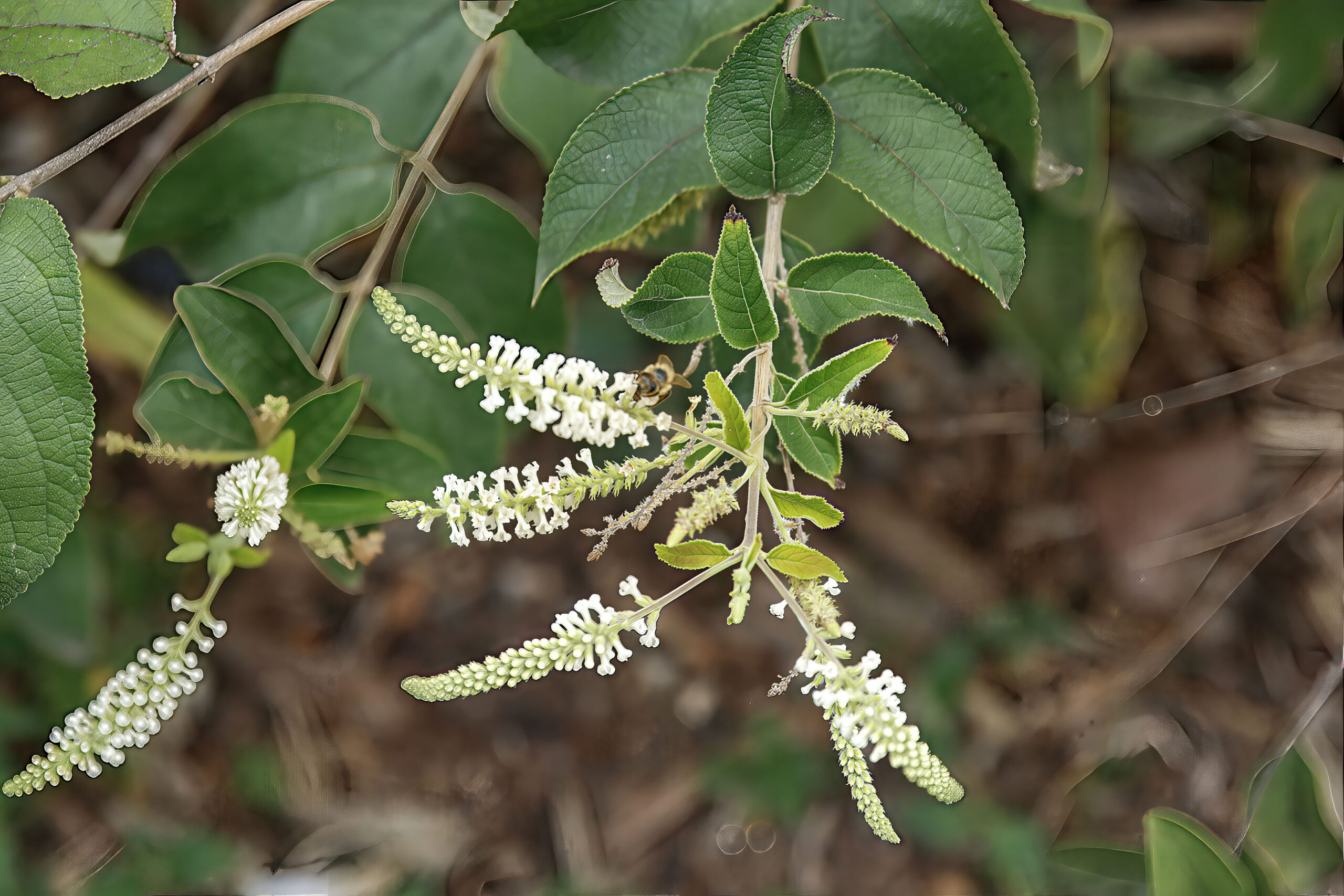
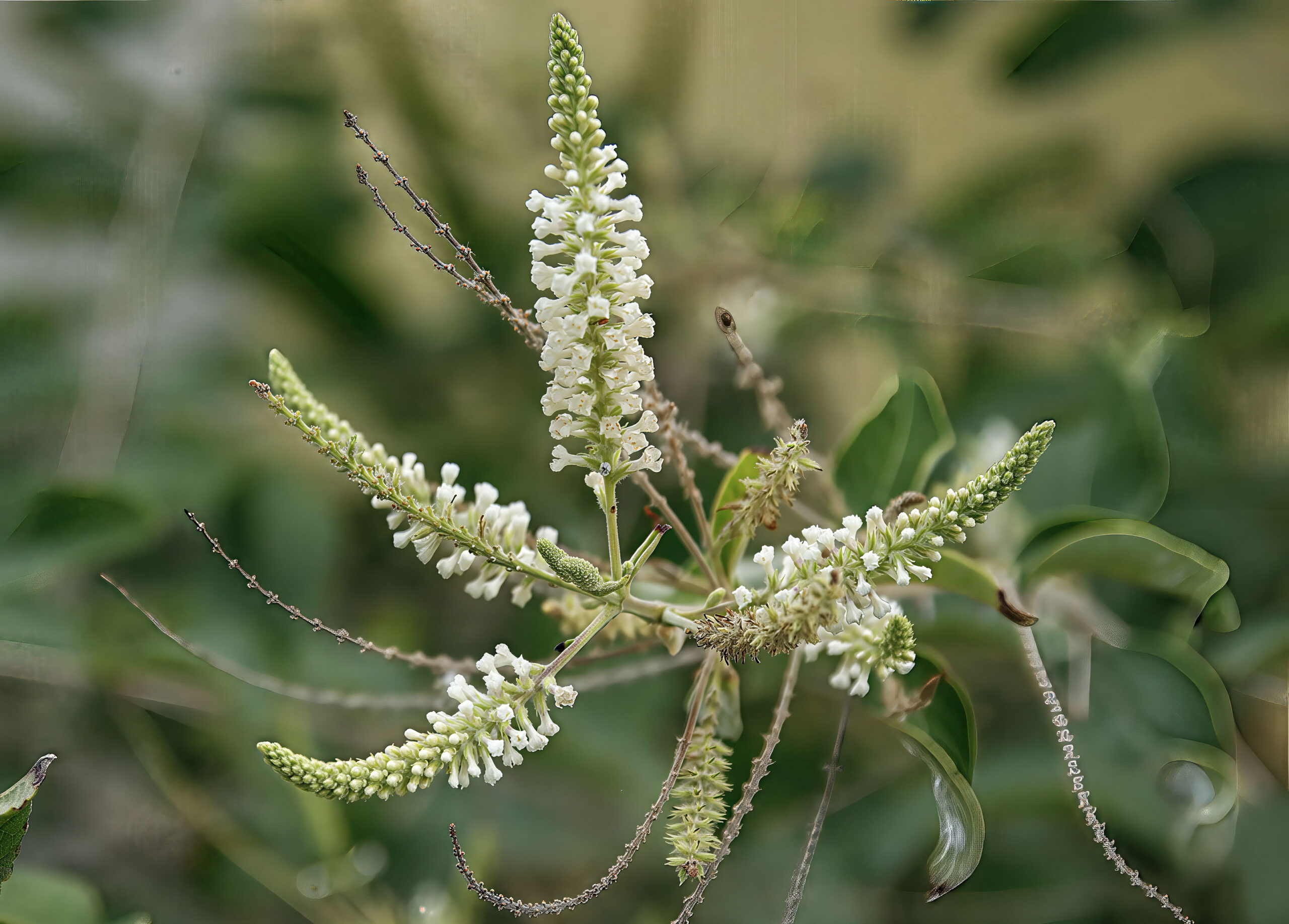
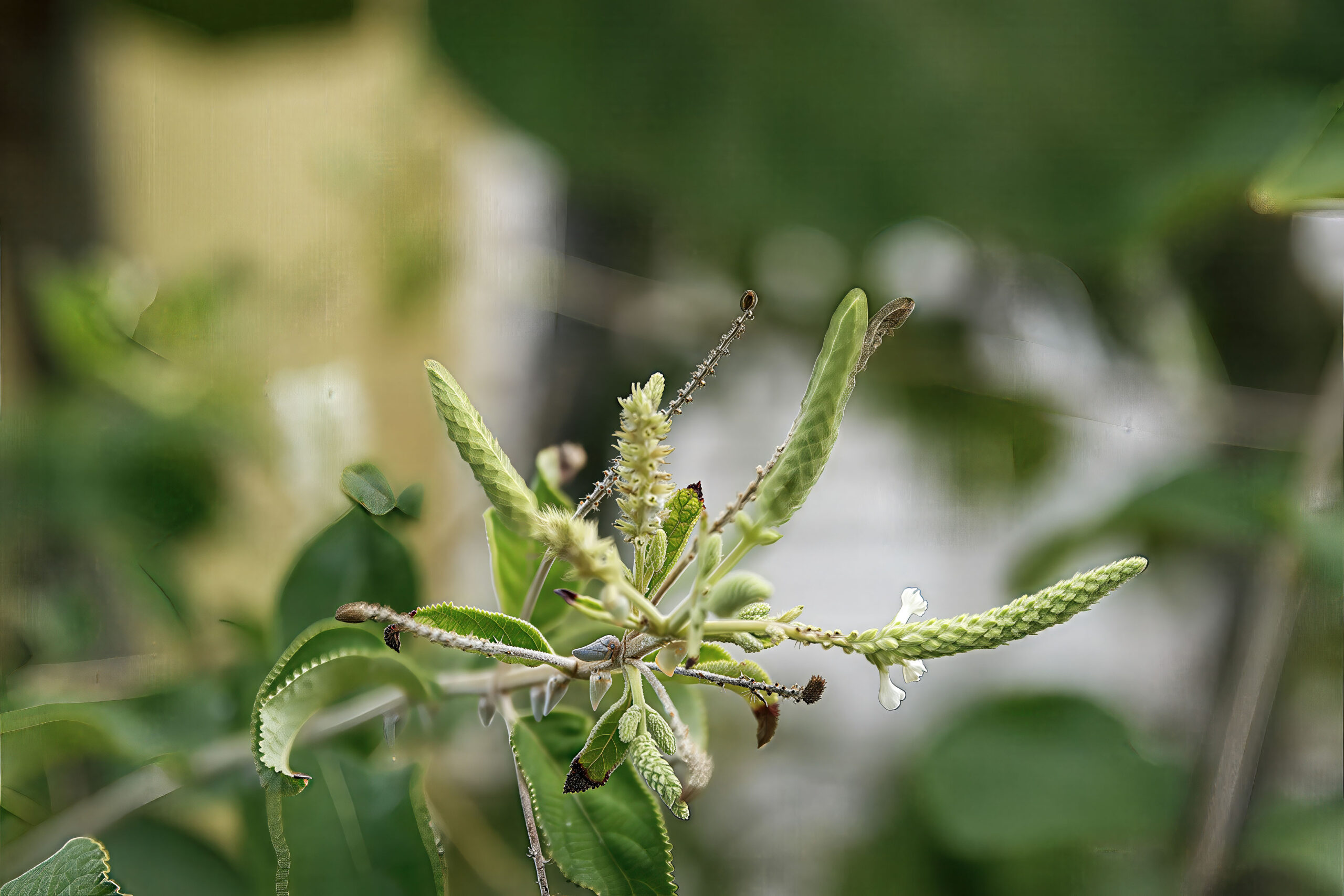
- Flower Type: Small, white, tubular flowers clustered in long terminal spikes
- Fragrance: Strong, sweet, almond-vanilla scent—attracts bees, butterflies, and hummingbirds
- Flowering Season: Almost year-round in tropical and subtropical climates; strongest bloom from late spring through fall
- Flower Duration: Individual spikes may bloom for several weeks; new spikes emerge continuously
🌰 Fruit/Seed Phenology
- Fruit Type: Tiny, dry nutlets—rarely produced in cultivated settings
- Fruiting Season: Infrequent; seed set is uncommon under garden or arboretum conditions
- Seed Dispersal: Wind or mechanical fall, though propagation is usually via cuttings
🌱 Other Observations
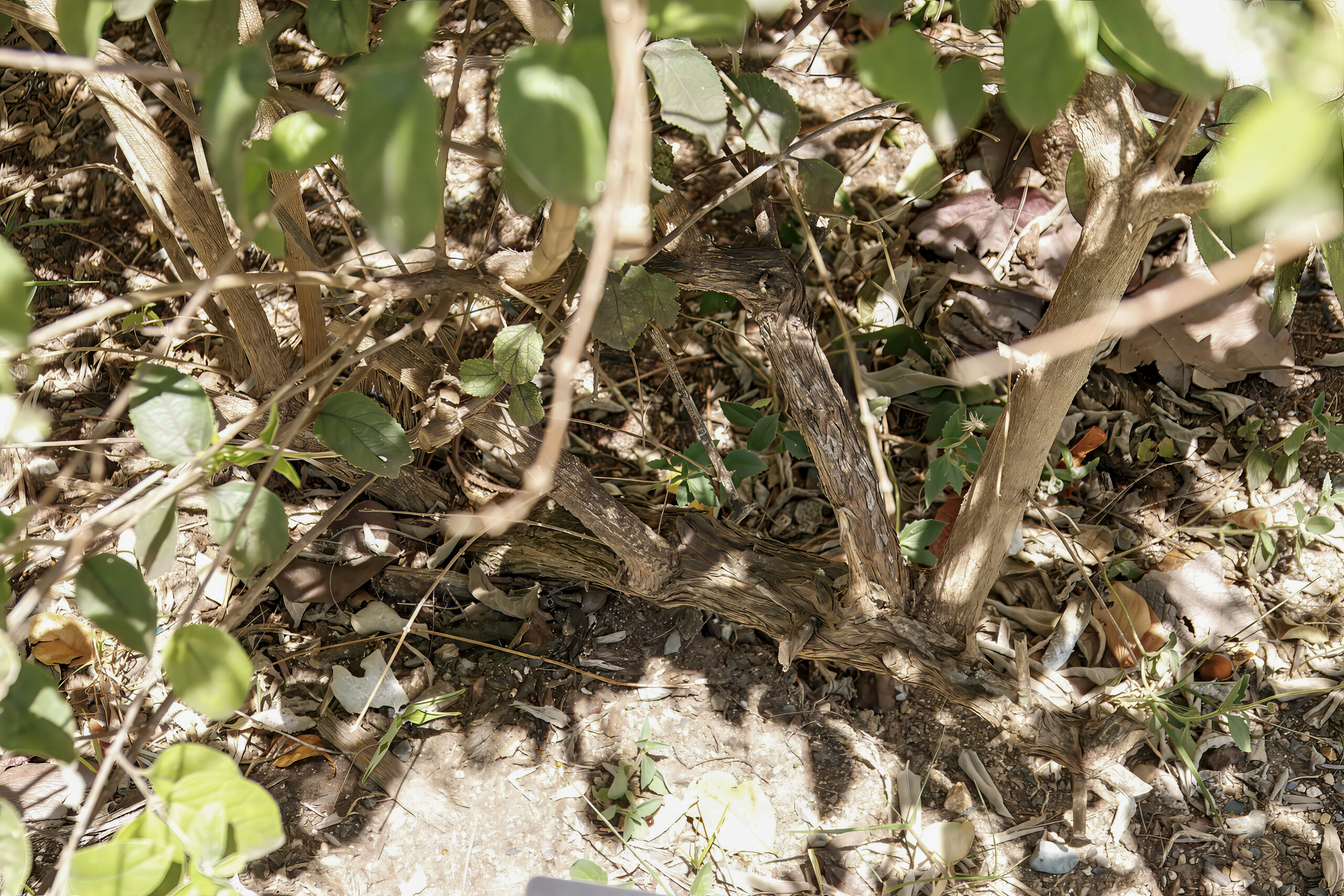
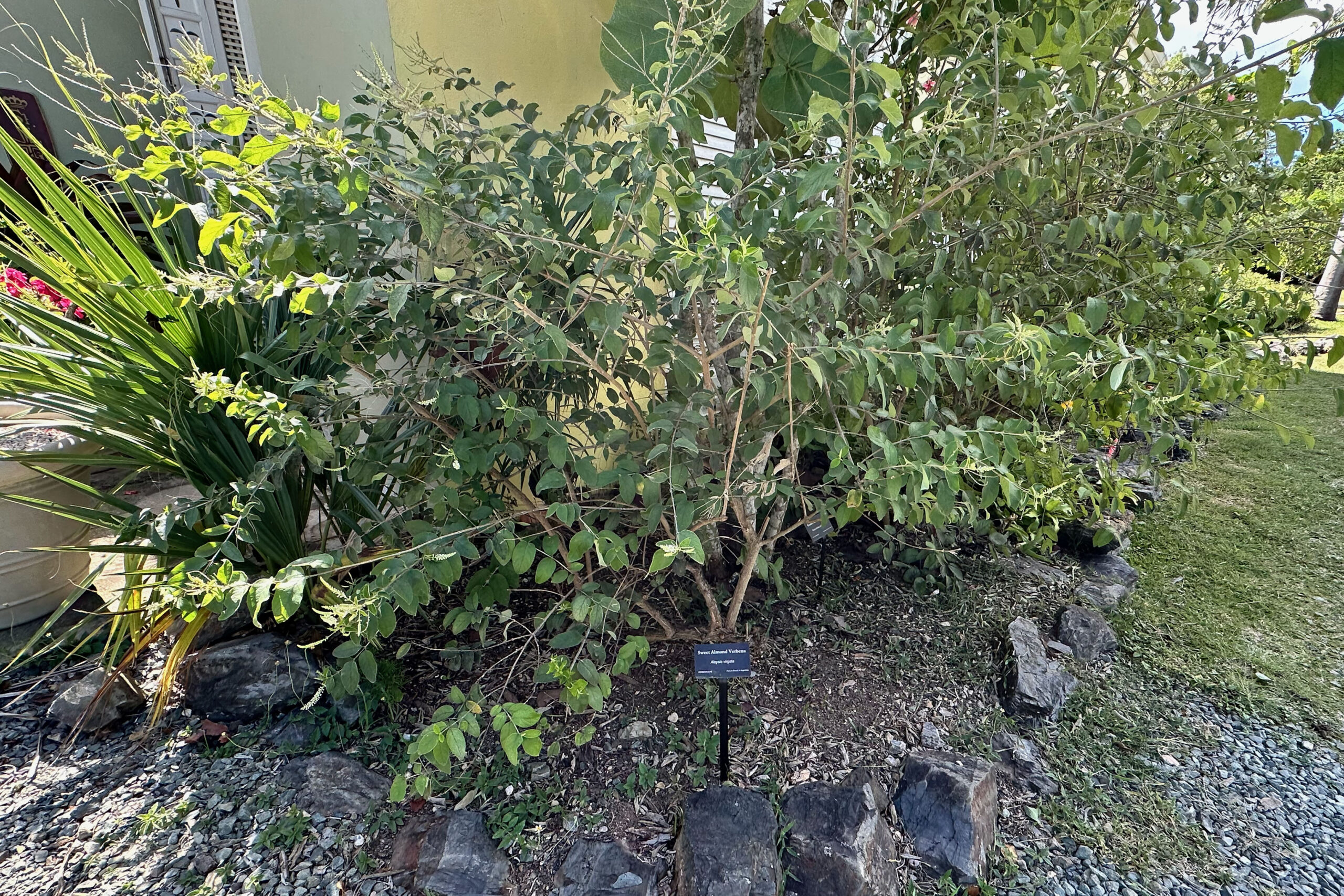
- Growth Habit: Upright, woody shrub; can reach 2–5 meters (6–15 feet) in height with a spreading form if unpruned
- Pruning: Responds well to pruning; frequent trimming encourages bushiness and repeat flowering
- Sun/Soil Requirements: Full sun; well-drained soil
- Drought Tolerance: Moderate once established
📸 Phenological Monitoring Notes
| Marker | Observation Guidance |
|---|---|
| First Leaf Flush | Document emergence of fresh green leaves after pruning or stress period |
| First Flower Spike | Record first visible terminal inflorescence spike |
| Full Bloom | Multiple spikes flowering across the plant with strong fragrance |
| Leaf Drop | Monitor and note any leaf yellowing or loss during drought or cool periods |
| Regrowth After Cutback | Useful for tracking plant response to seasonal pruning |