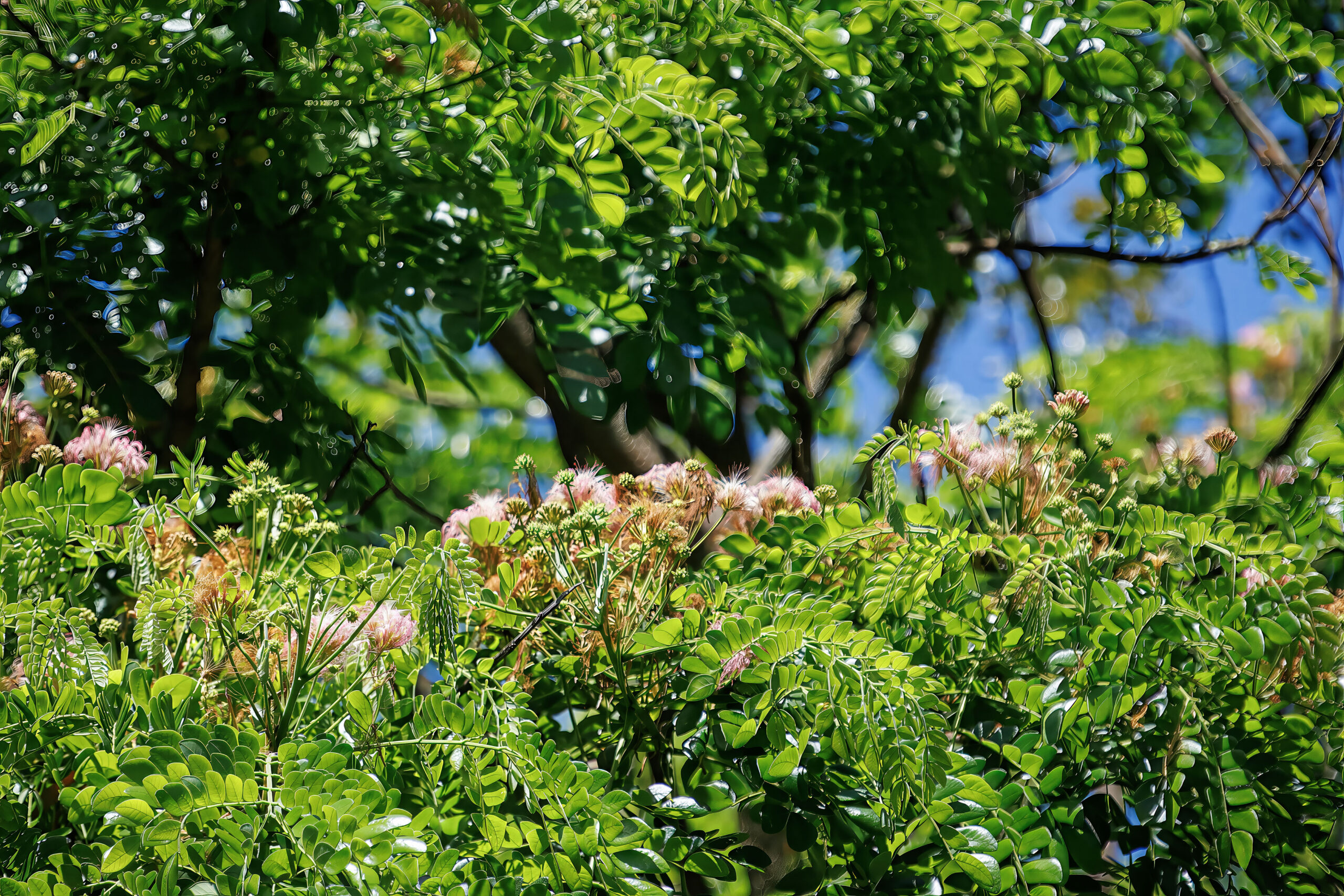
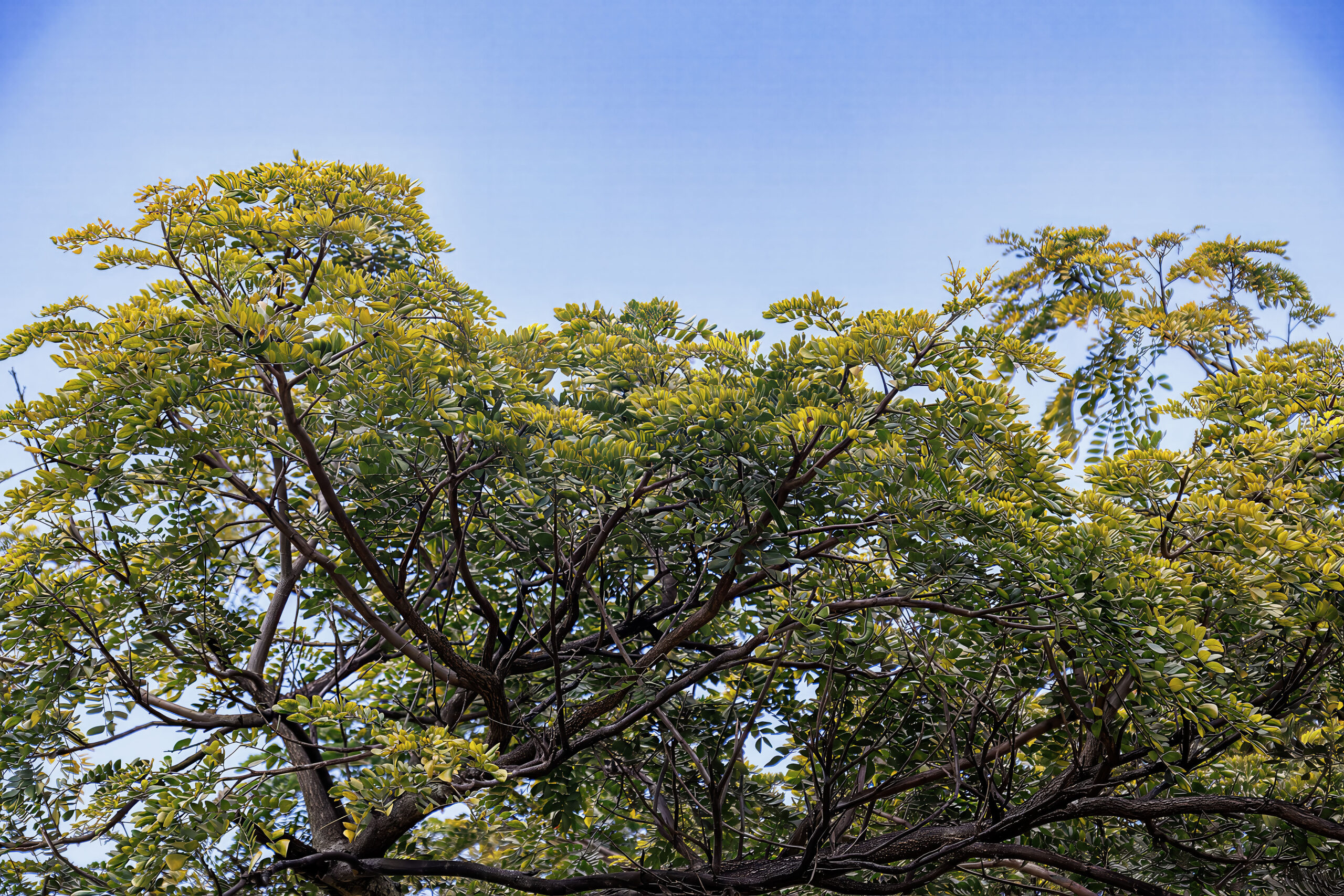
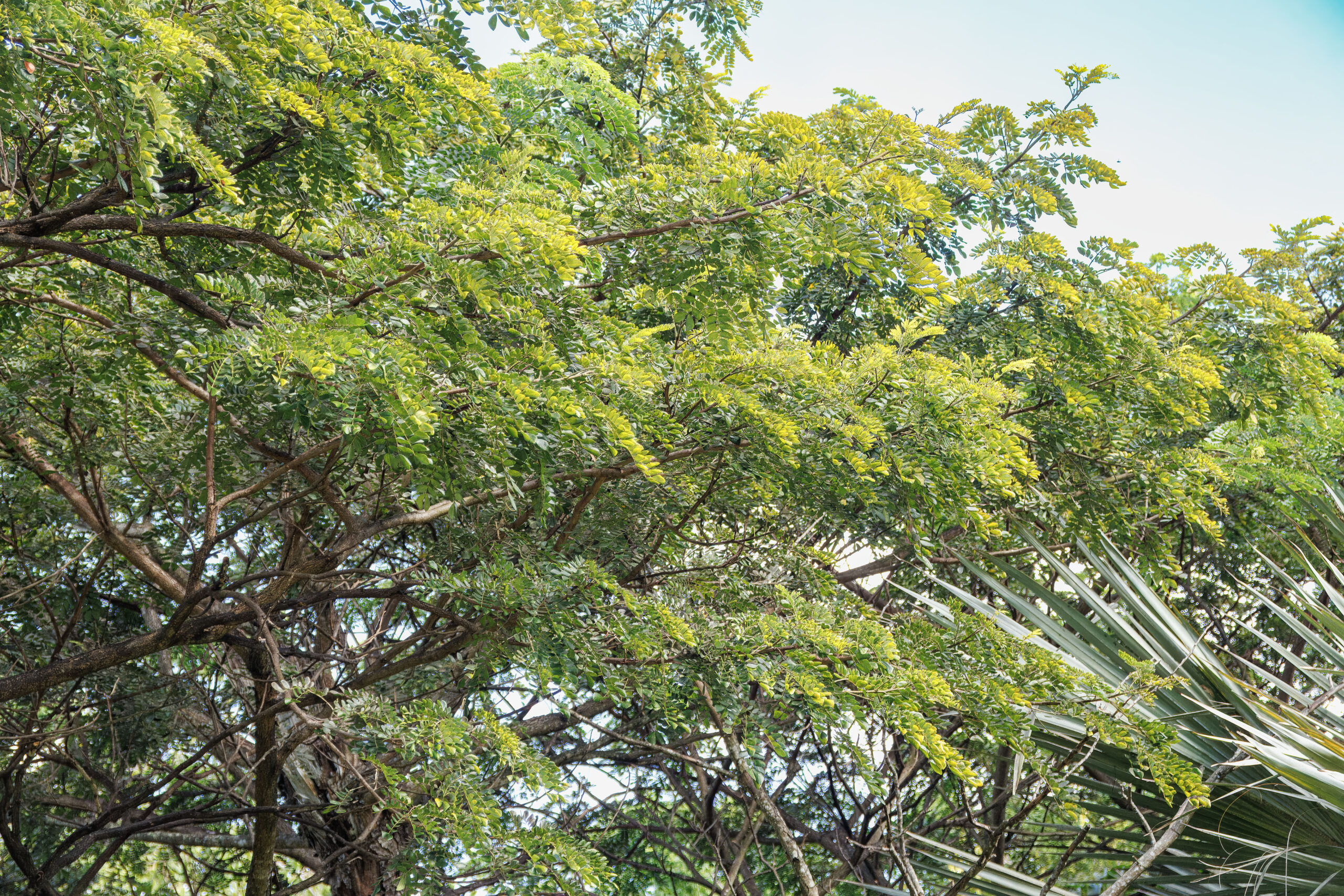
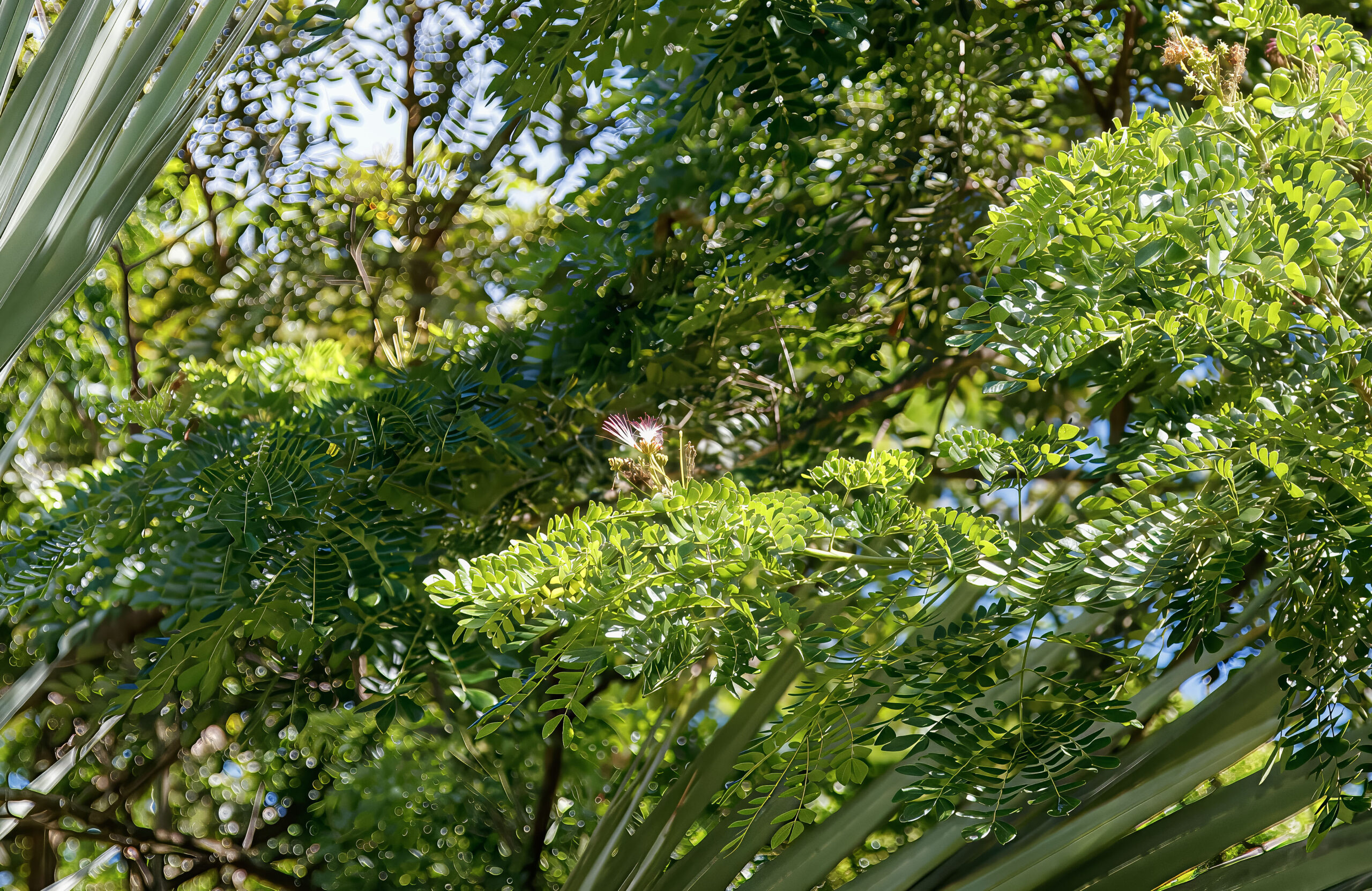
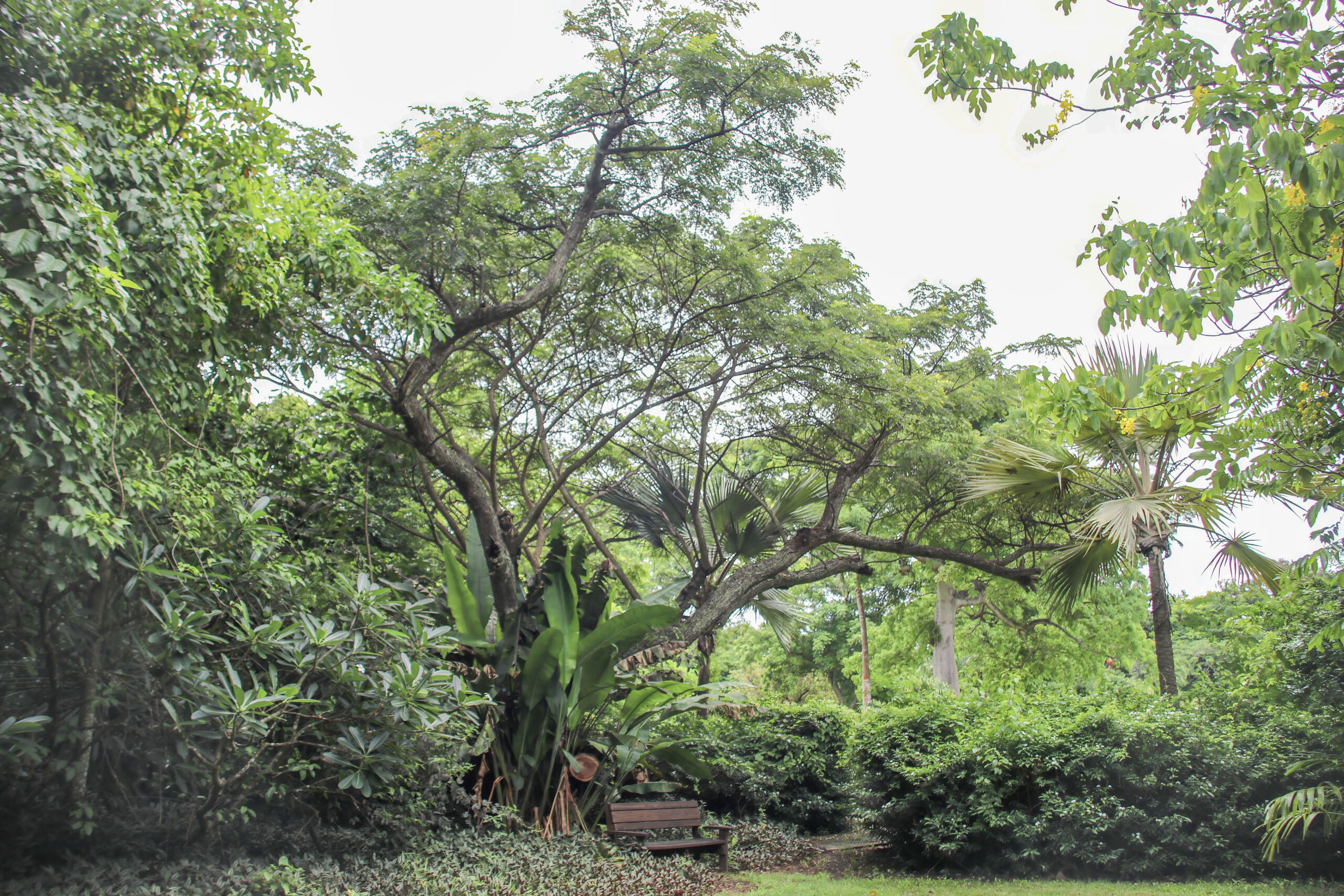
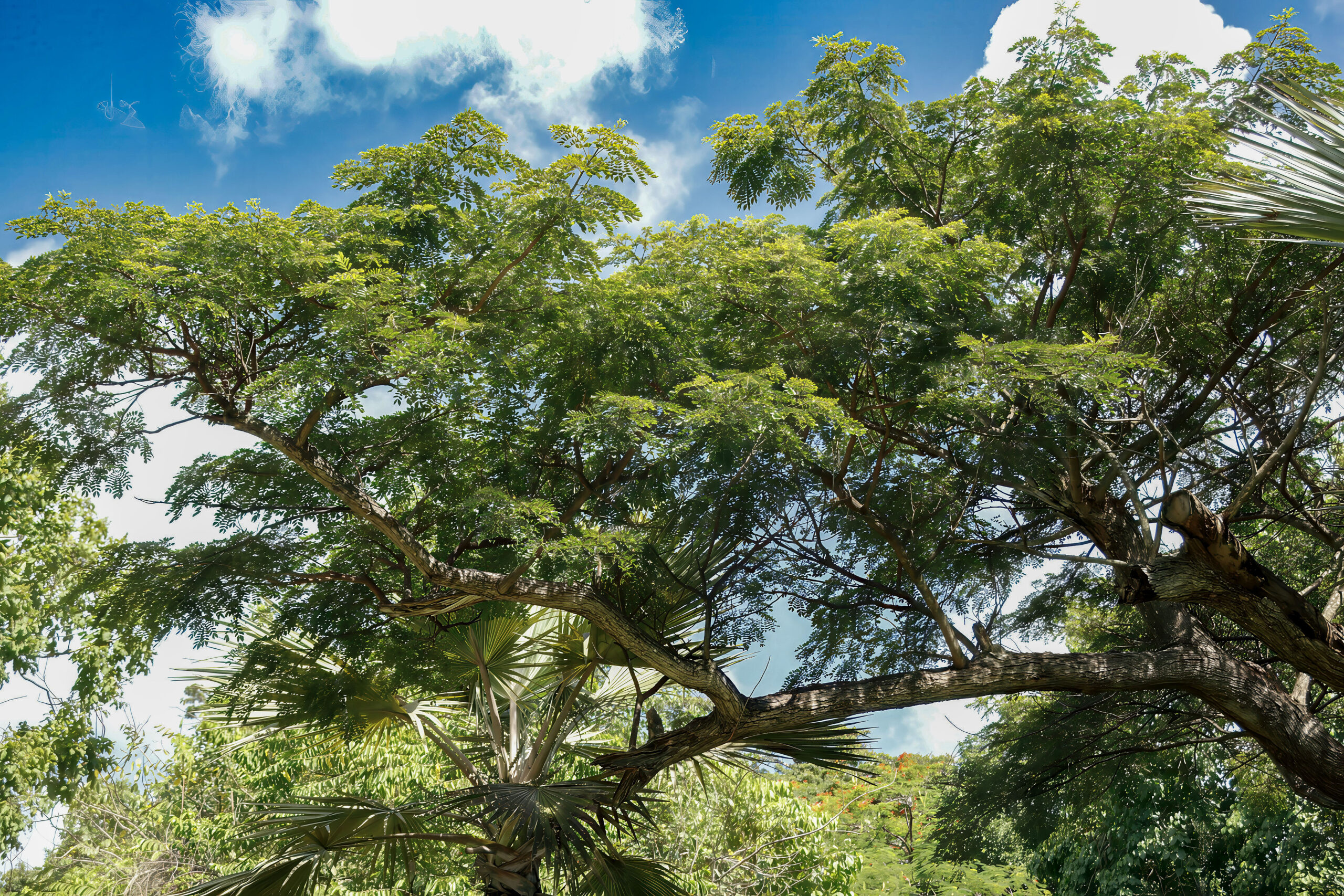
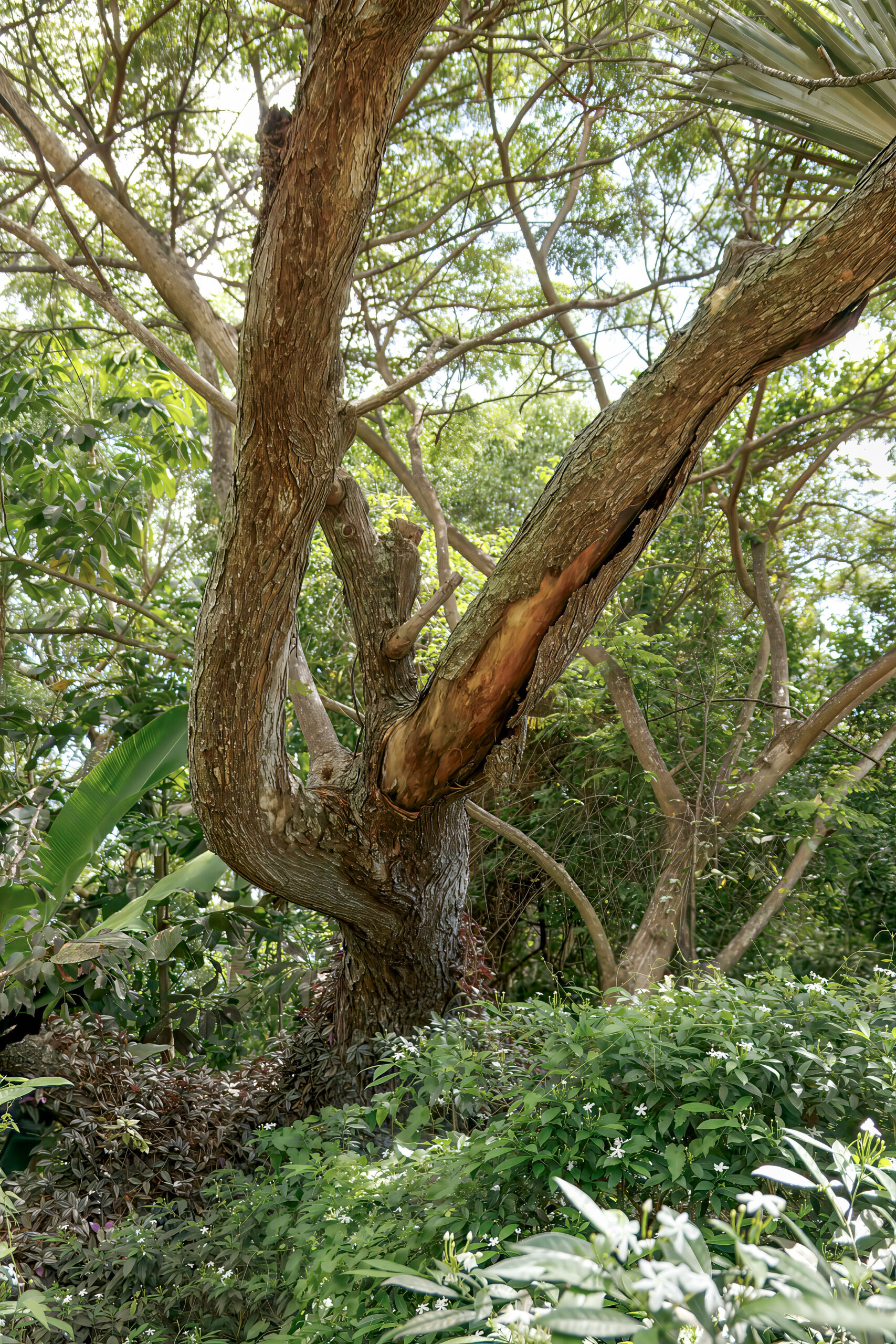
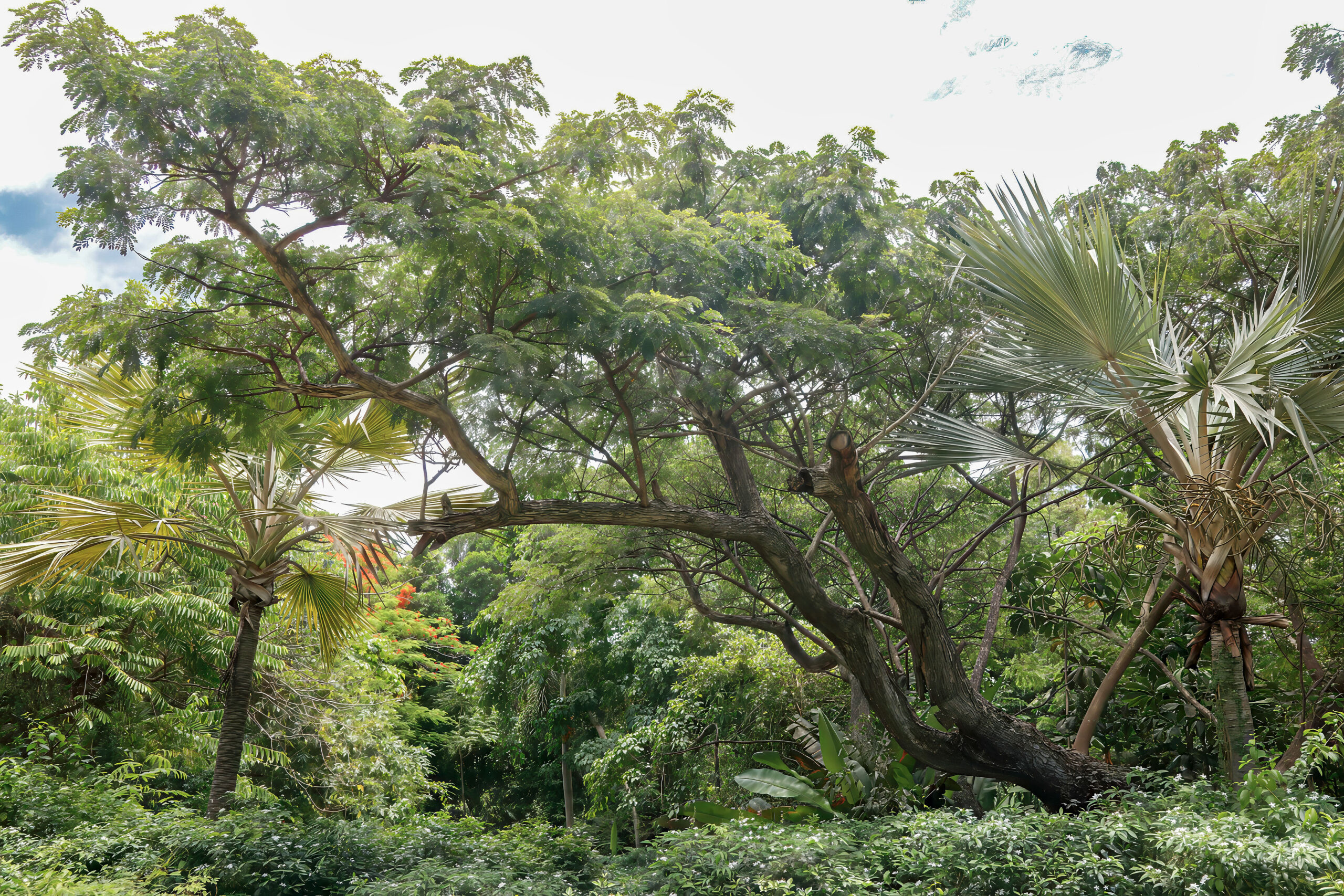
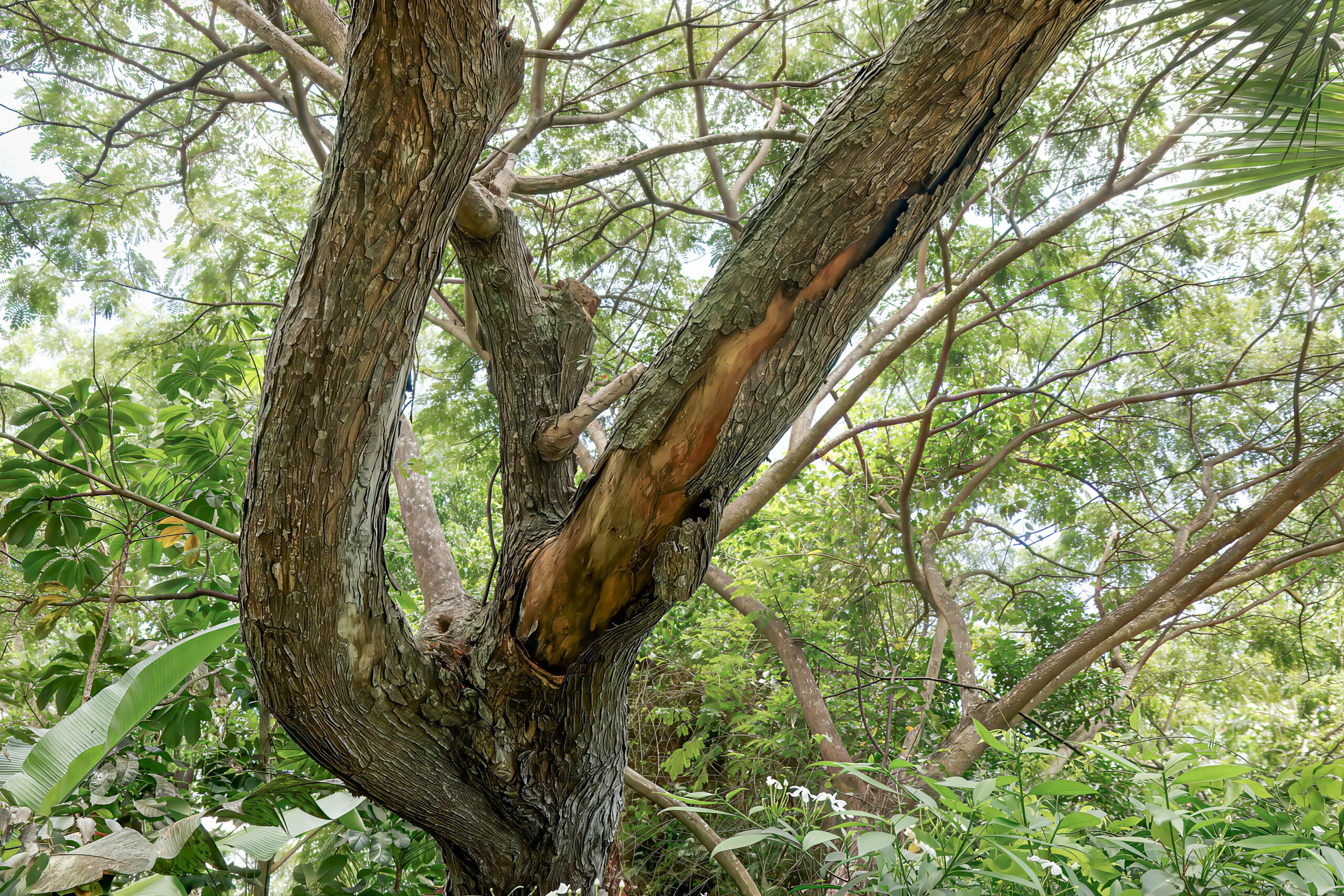
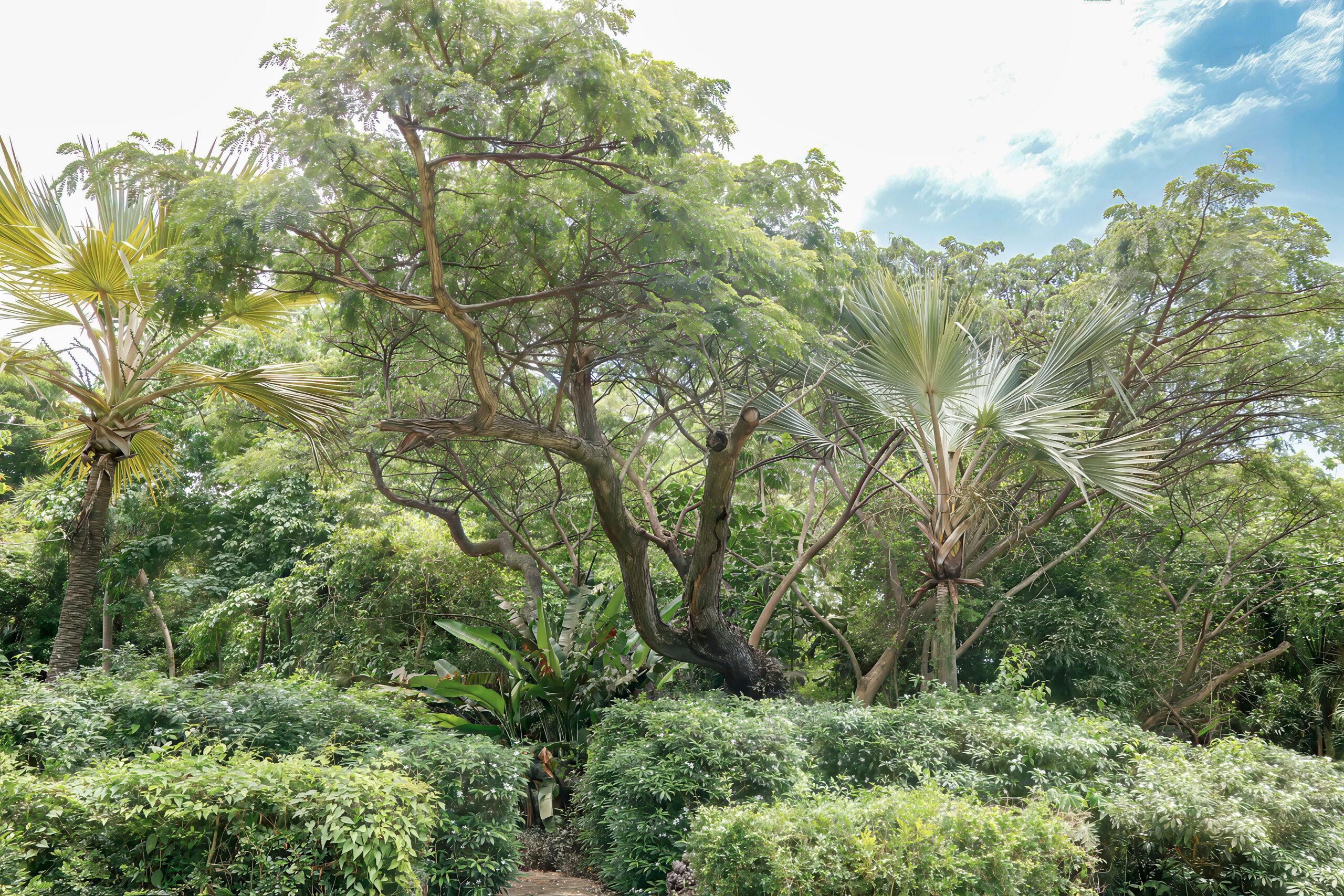
Saman tree
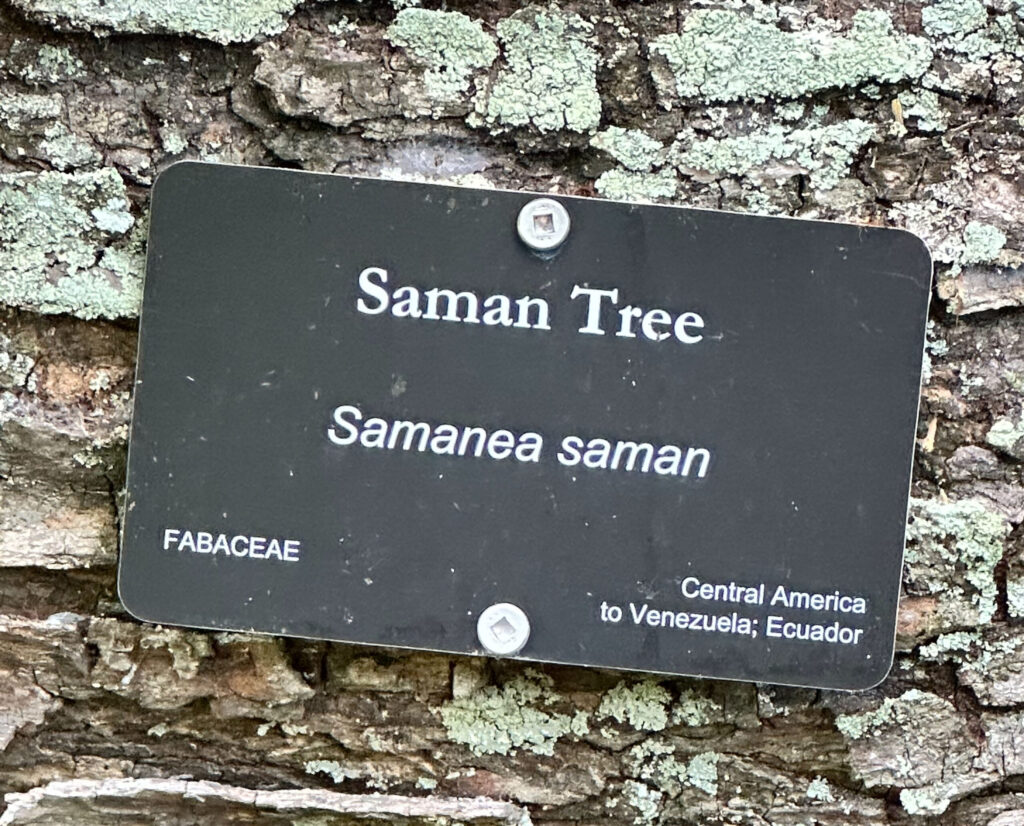
cientific name: Samanea saman
Common names: Rain Tree, Monkey Pod, Saman
IUCN Red List threat level: Least Concern
GPS Location: 17° 42′ 56.84″ N, 64° 49′ 49.54″ W


Medicinal Uses
Samanea saman (Rain Tree) is used in traditional medicine for digestive issues like diarrhea, stomach aches, and ulcers (bark/leaves); respiratory ailments like colds and coughs (leaves/seeds); skin problems (bark); and as a sedative (fruit decoction), with seeds also chewed for sore throats, while scientific studies explore its antibacterial, anti-ulcer, and antioxidant potential.
Traditional Medicinal Uses
- Digestive System:
- Diarrhea/Dysentery: Decoctions of fresh leaves and inner bark are used.
- Stomach Ache/Ulcers (Gastritis): Brews from the bark and leaves are applied for pain and gastric lesions.
- Constipation: Boiled bark poultices are used.
- Laxative: Leaf infusions act as a laxative in some regions.
- Respiratory & Pain Relief:
- Colds/Headaches: Decoctions of leaves and fruits are used for these symptoms.
- Sore Throat: Chewing the seeds helps relieve soreness.
- Skin Conditions:
- Eczema/Dermatitis: Decoctions of inner bark and leaves treat skin itching and inflammation.
- Wounds: Used as an antibacterial for injuries.
- Other Uses:
- Sedative: Fruit decoctions can have a sedative effect.
- Tuberculosis: Alcoholic leaf extracts are used traditionally.
Scientific Insights
- Phytochemicals: Contains beneficial compounds like alkaloids (pithecolobin), saponins, tannins, and steroids, which contribute to its medicinal properties.
- Pharmacological Activity: Research suggests potential antibacterial, anti-ulcerogenic (ulcer-healing), antioxidant, anti-diabetic, antifungal, and insecticidal activities, with studies focusing on bark and leaf extracts.
Important Considerations
- Safety: Use with caution; high doses of tannins/saponins may cause GI discomfort, and it’s contraindicated in pregnancy due to lack of data.
- Plant Parts: Bark, leaves, seeds, and fruits are all utilized in various remedies.
Observations:
Phenological Markers – Rain Tree (Samanea saman)
1. Leaf Behavior
Rain Tree is semi-deciduous, shedding part of its foliage during the dry season (January to March) or in response to prolonged drought.
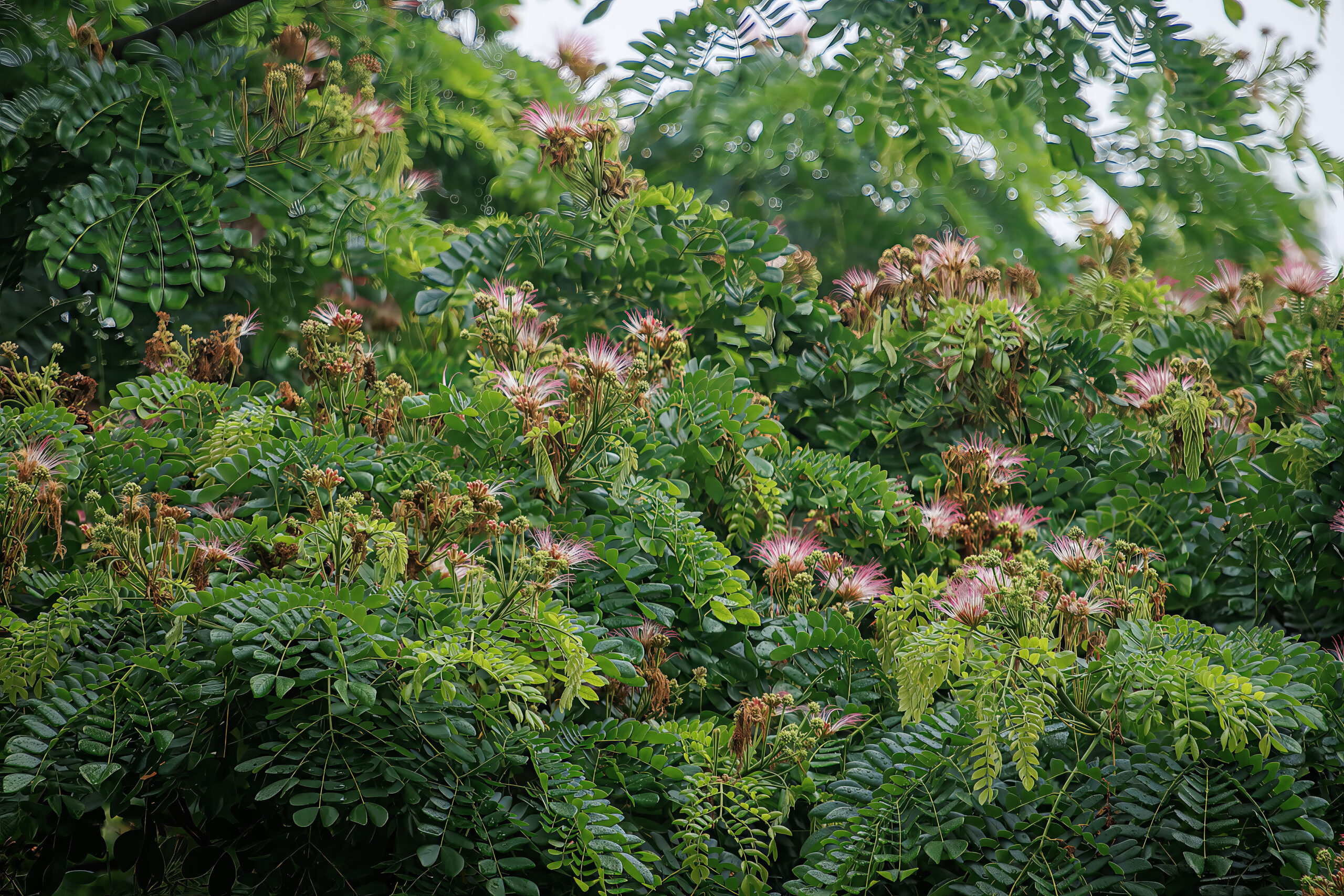
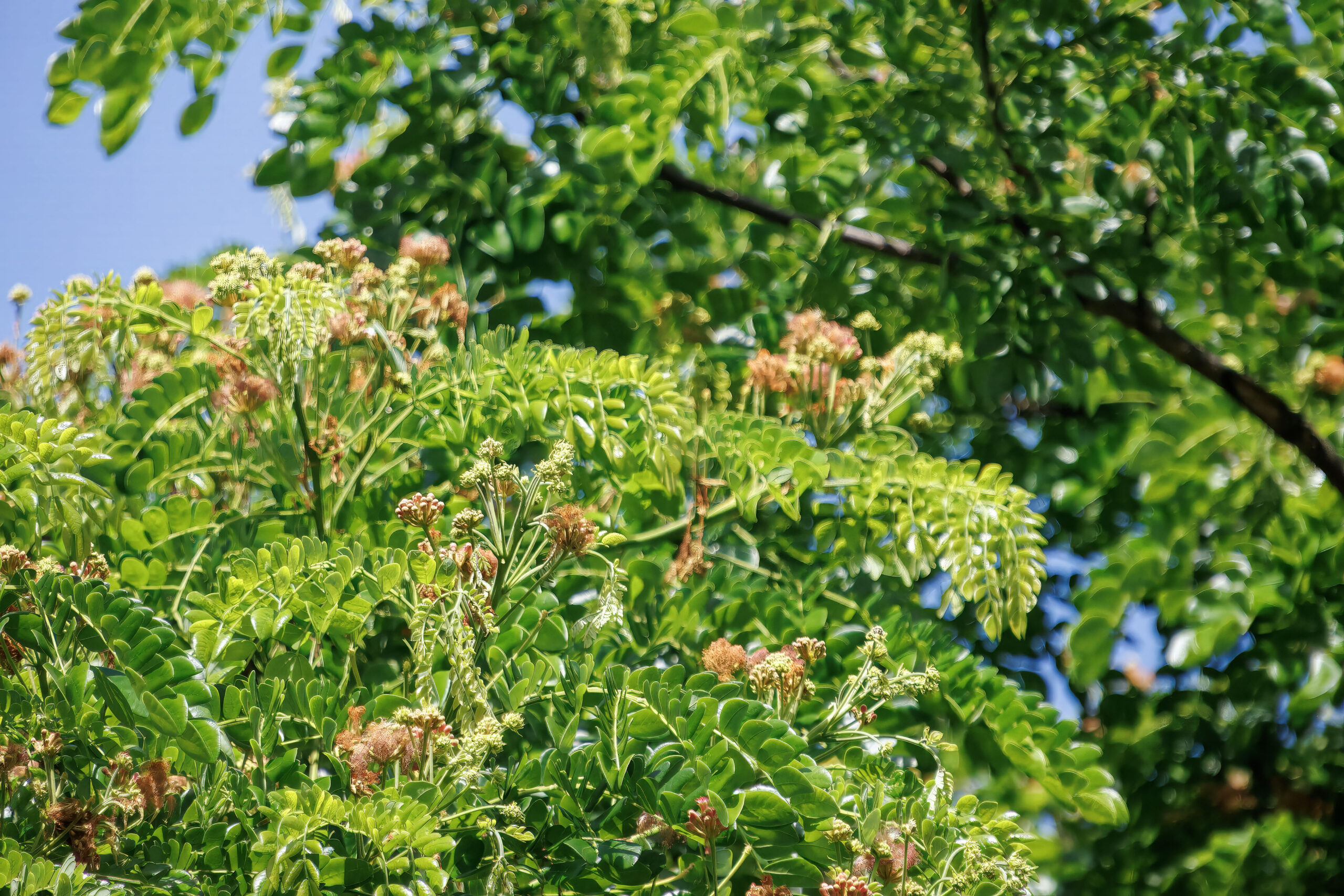
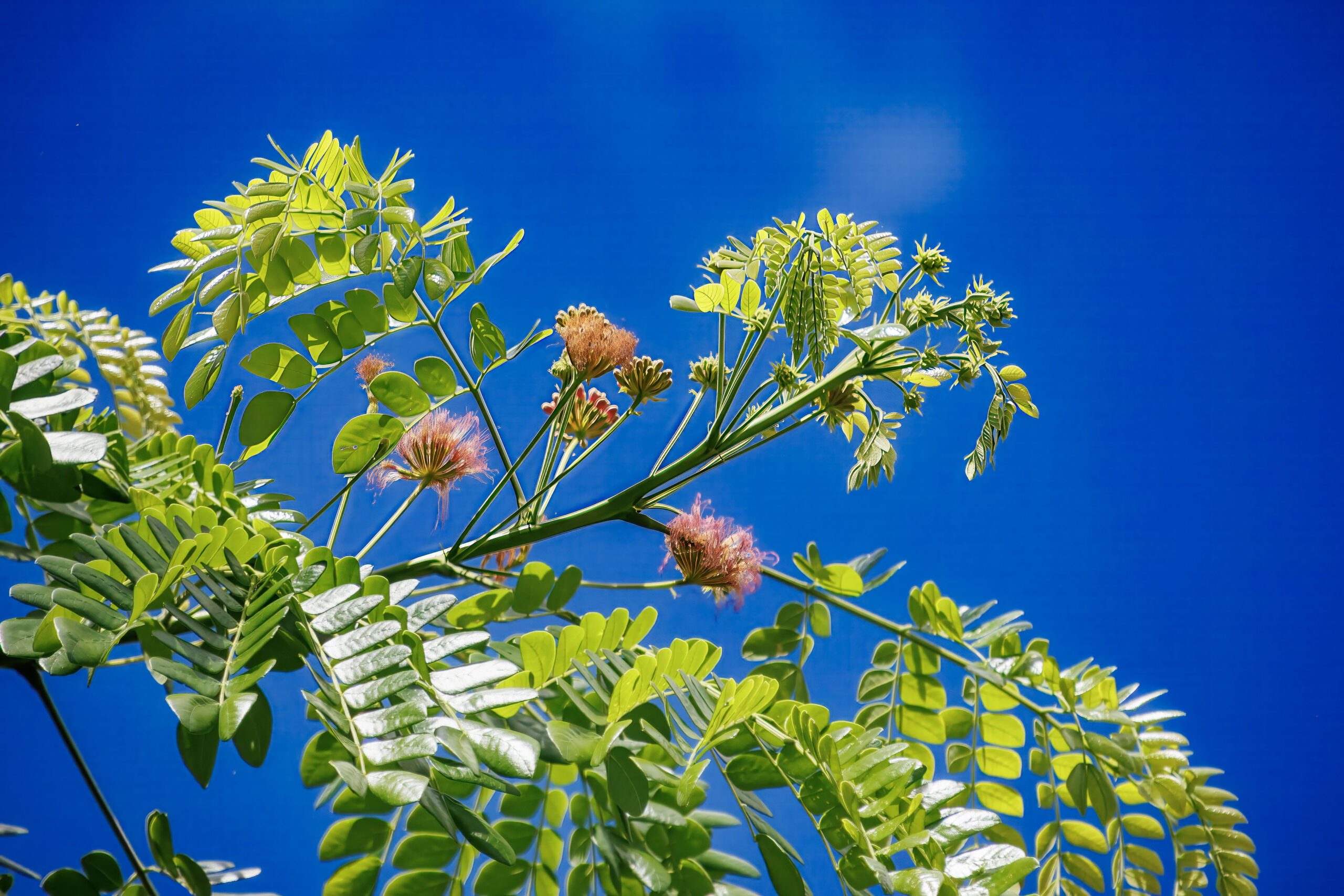
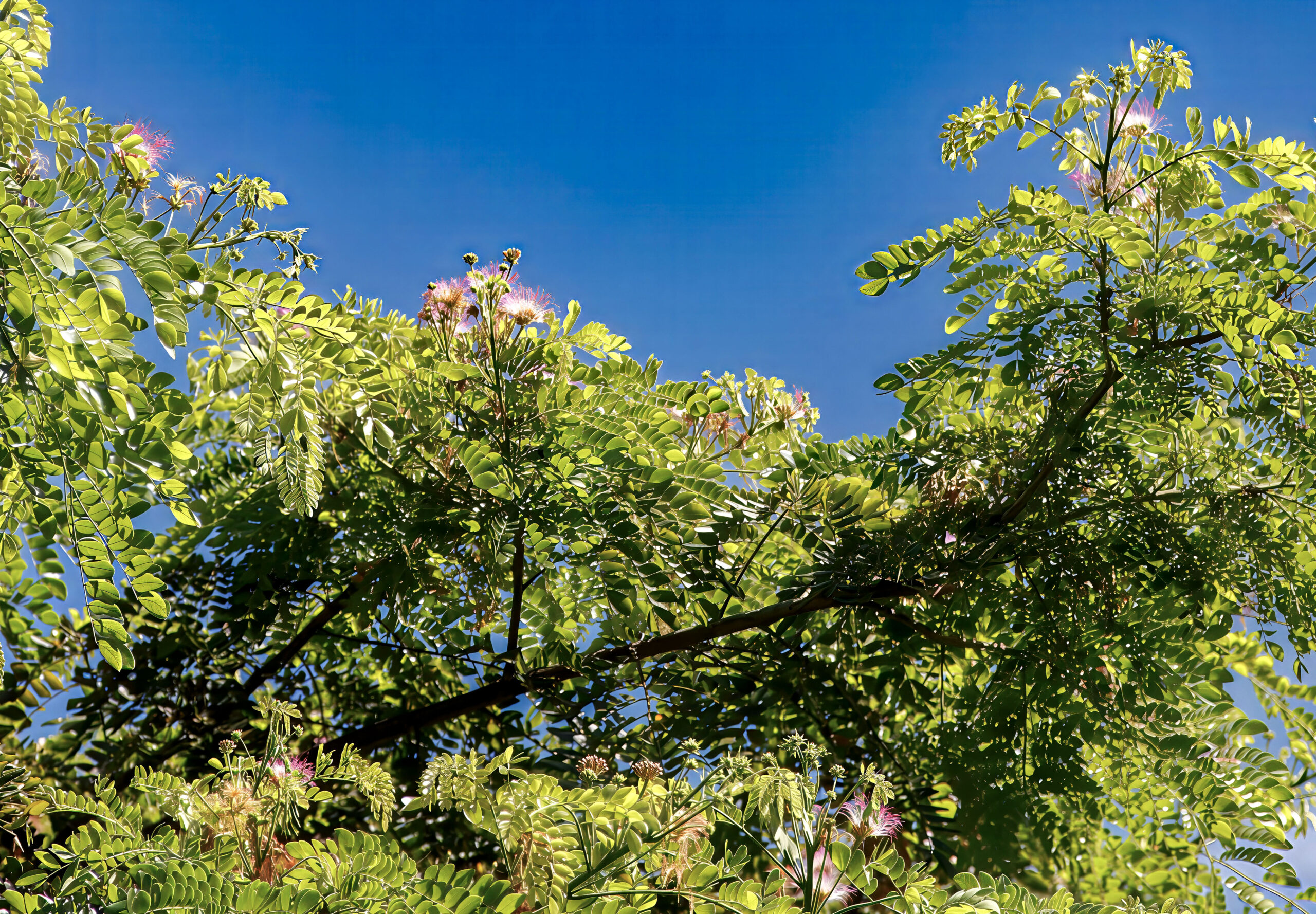
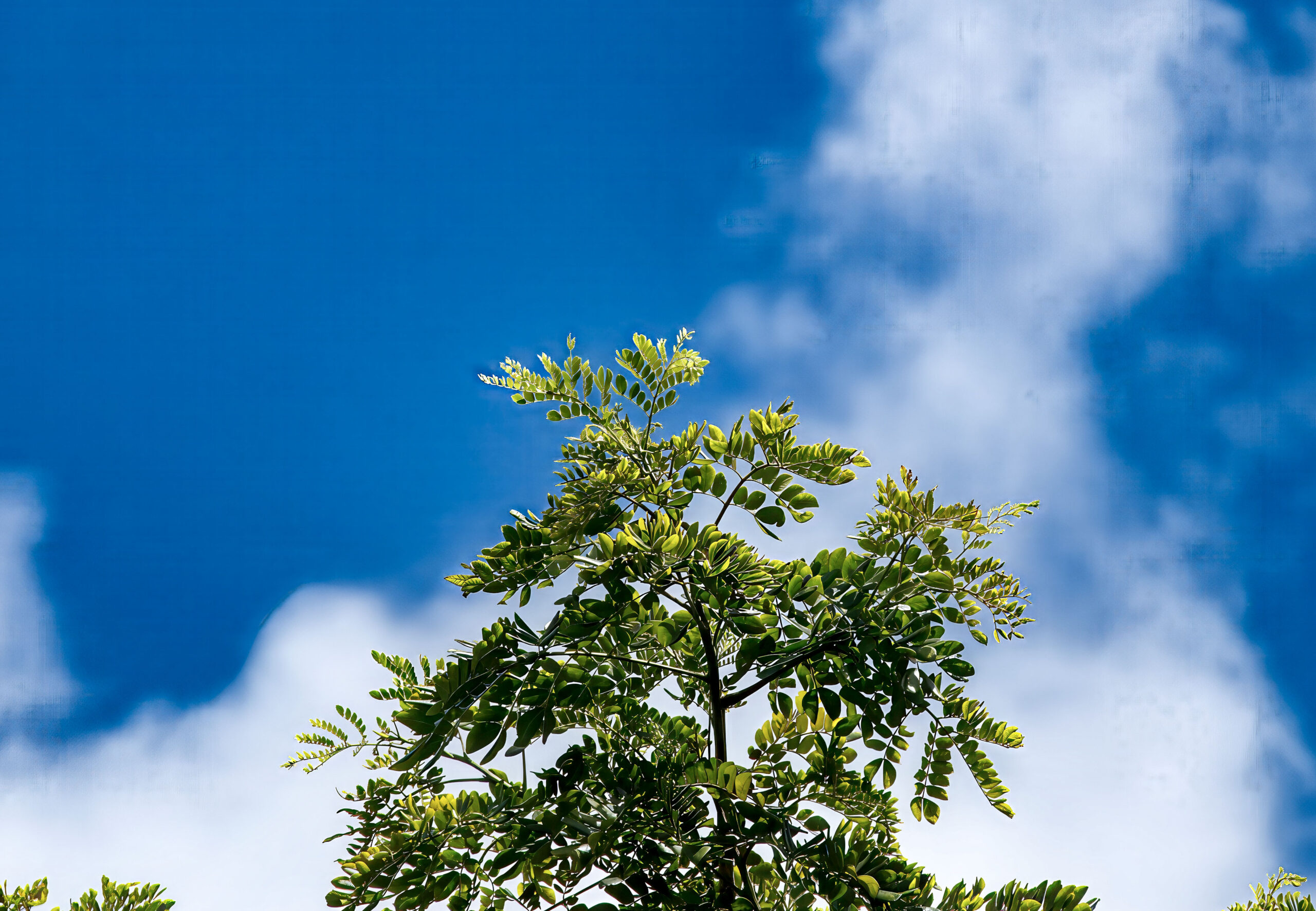
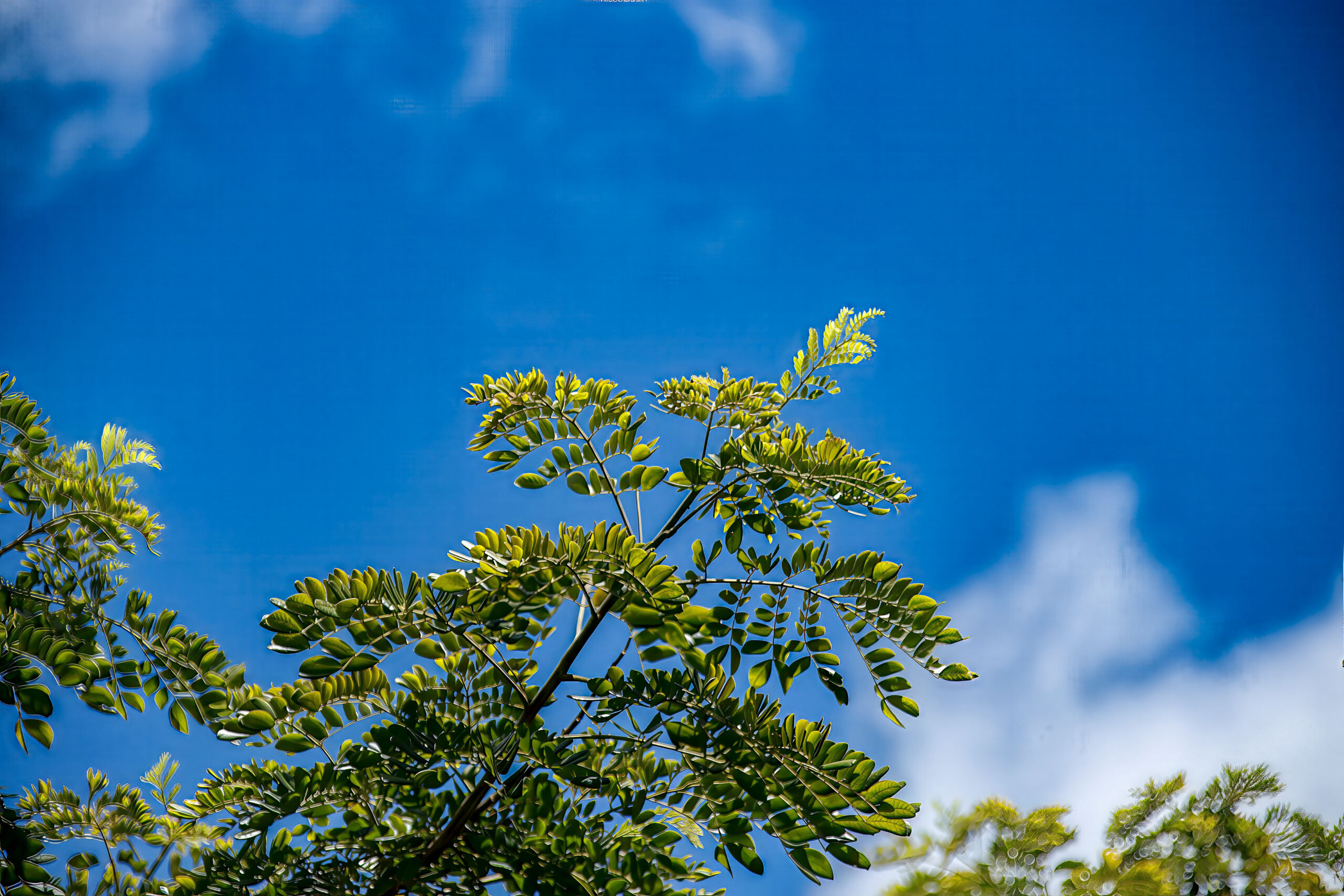
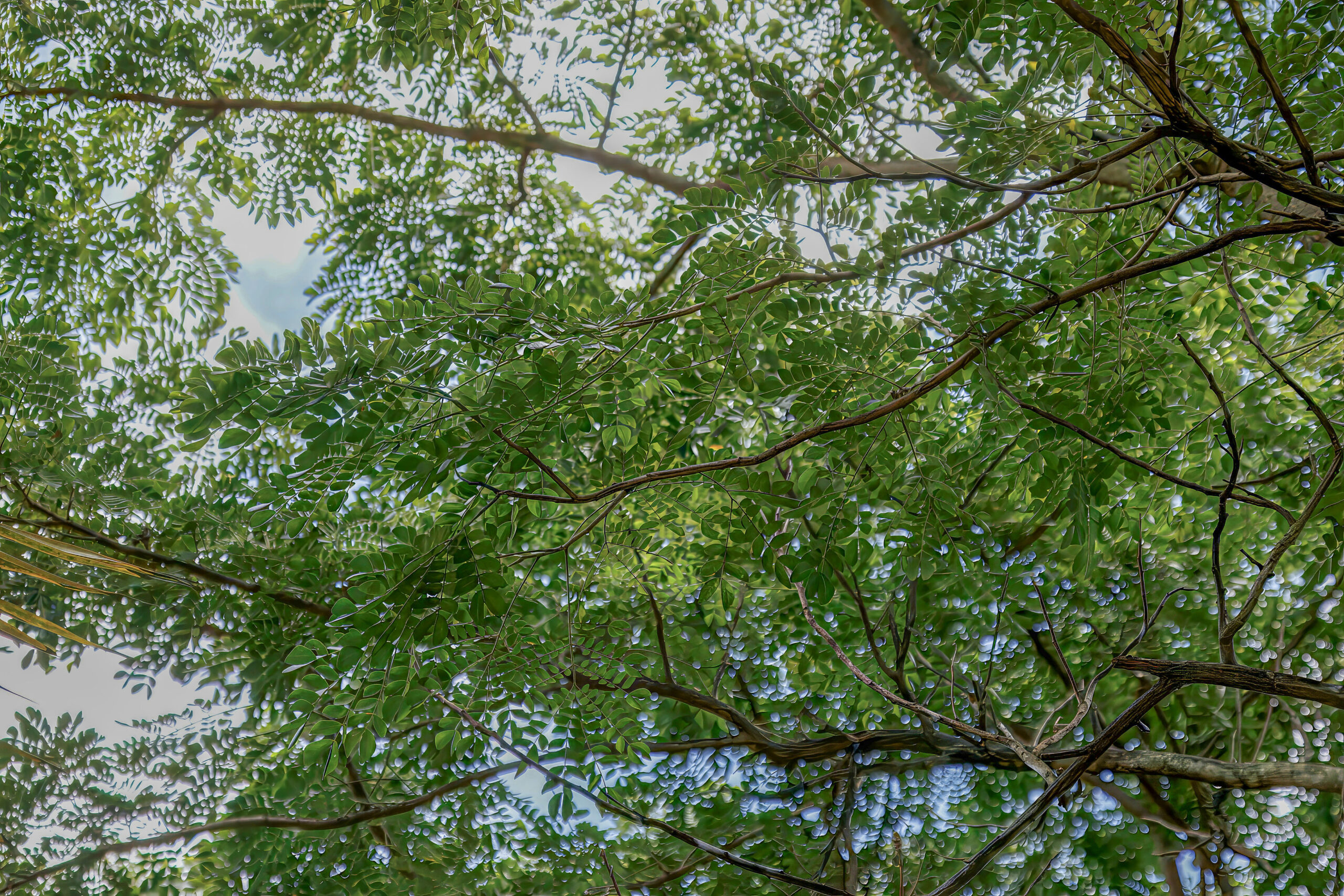
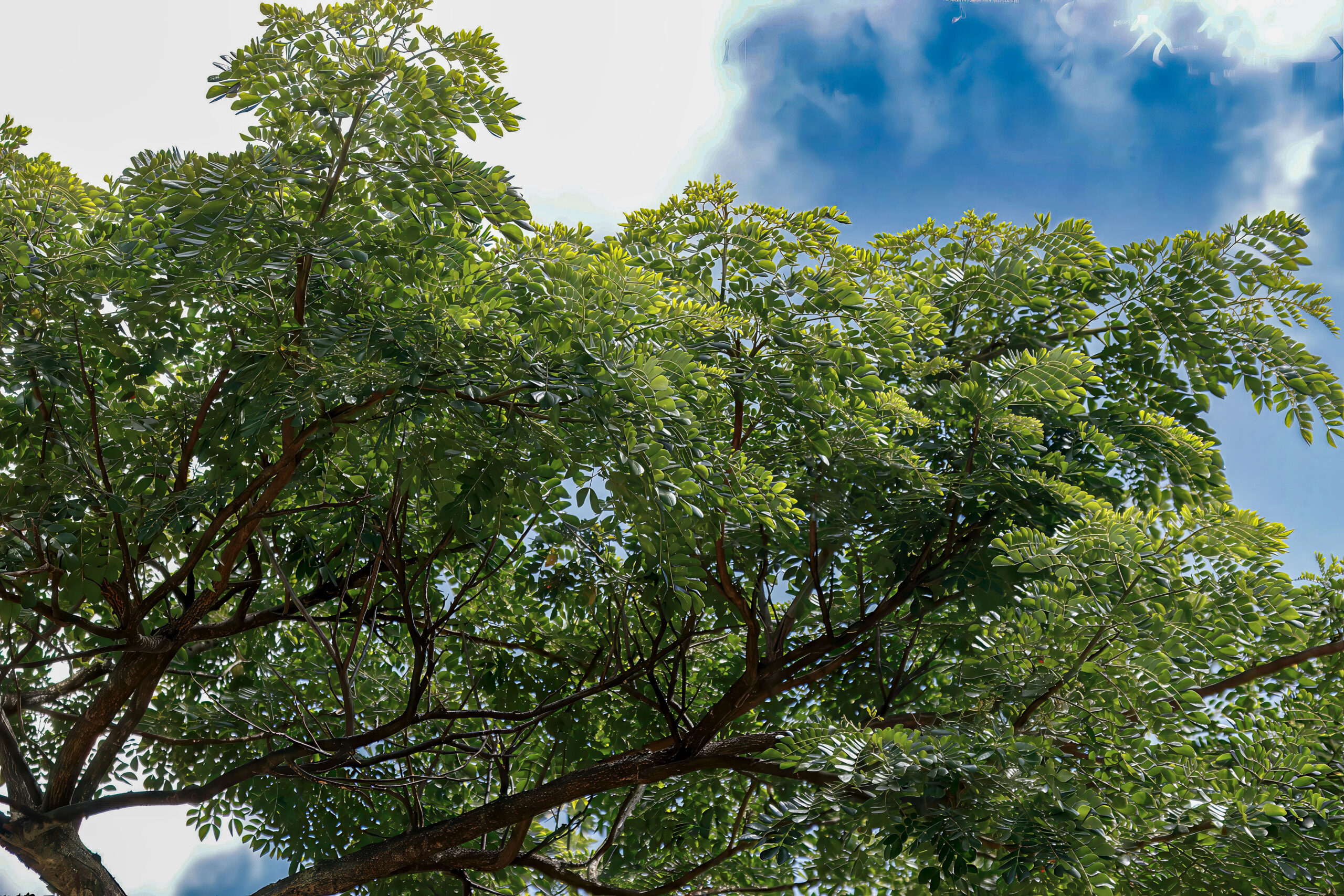
- Leaves are bipinnately compound, with numerous small leaflets that are sensitive to light and moisture.
- Leaflets fold at night or on overcast/rainy days, giving rise to the name “Rain Tree.”
Observation Tips:
- Track canopy density throughout dry season.
- Record leaflet folding behavior at different times of day or during weather changes.
- Note timing of new leaf flush—typically March to May.
2. Flowering
Flowers are pale pink to rose-colored with numerous stamens, forming small powderpuff clusters on short stalks.
- Flowering generally occurs from March to June in St. Croix, often shortly after or overlapping with new leaf growth.
- Flowers are lightly fragrant and attractive to bees and butterflies.
Observation Tips:
- Look for clusters of small buds and powderpuff blooms near branch tips.
- Document bloom density, peak, and decline.
- Record pollinator visits, especially in early morning and late afternoon.
3. Fruiting
Fruits are long, dark brown, flattened pods, often slightly curved and sticky inside.
- Pods form soon after flowering and ripen over several months, typically by late summer (August–October).
- They contain multiple small seeds embedded in a sweet, edible pulp that attracts animals and livestock.
Observation Tips:
- Monitor pod development, color change, and seed release.
- Fallen pods may accumulate heavily beneath the tree.
4. Seasonal Pattern (St. Croix)
- Jan–Mar: Leaf thinning or partial drop
- Mar–Jun: Flowering and new leaf flush
- Jul–Oct: Pod maturation and seed dispersal
- Nov–Dec: Dense canopy, occasional leaf turnover