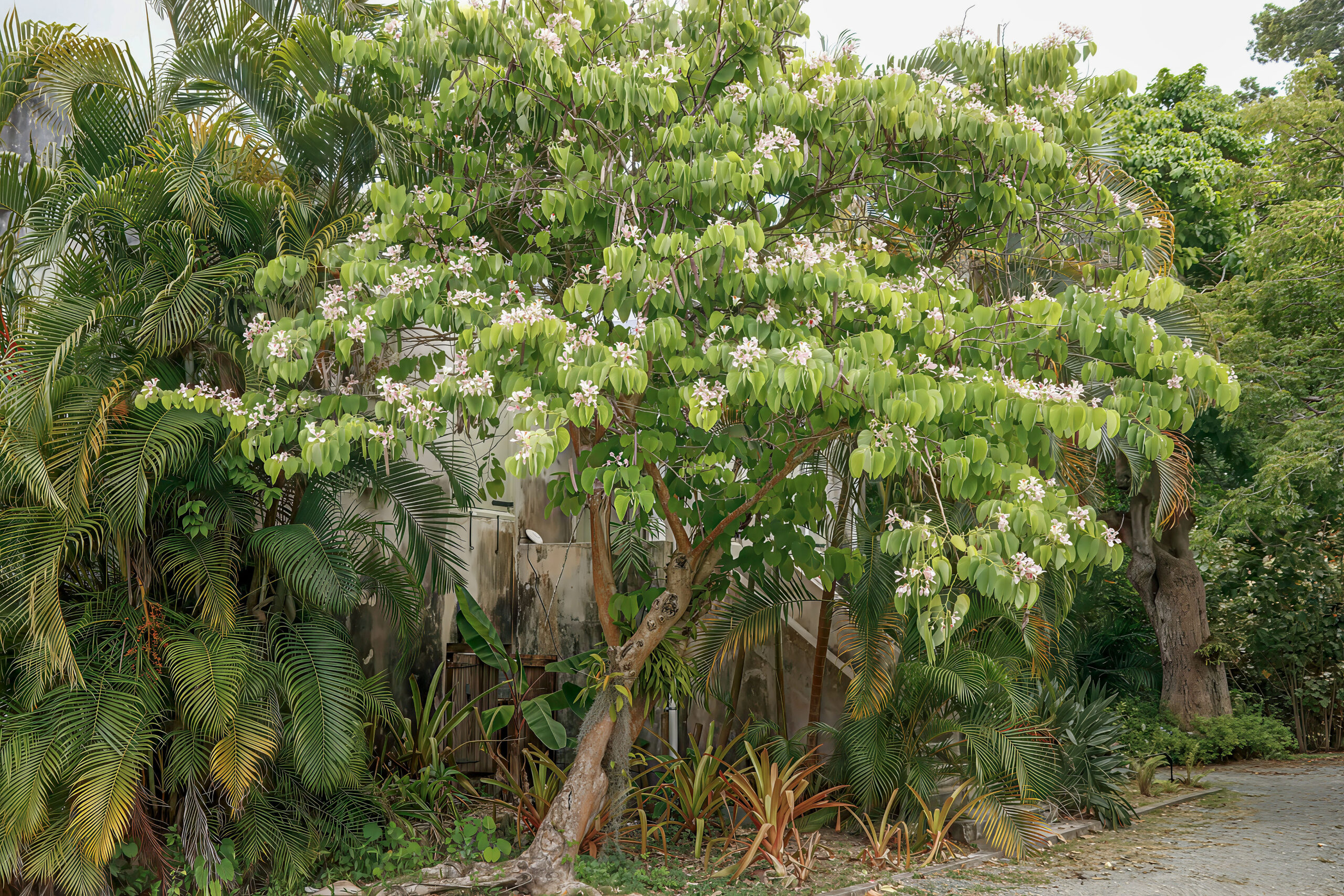
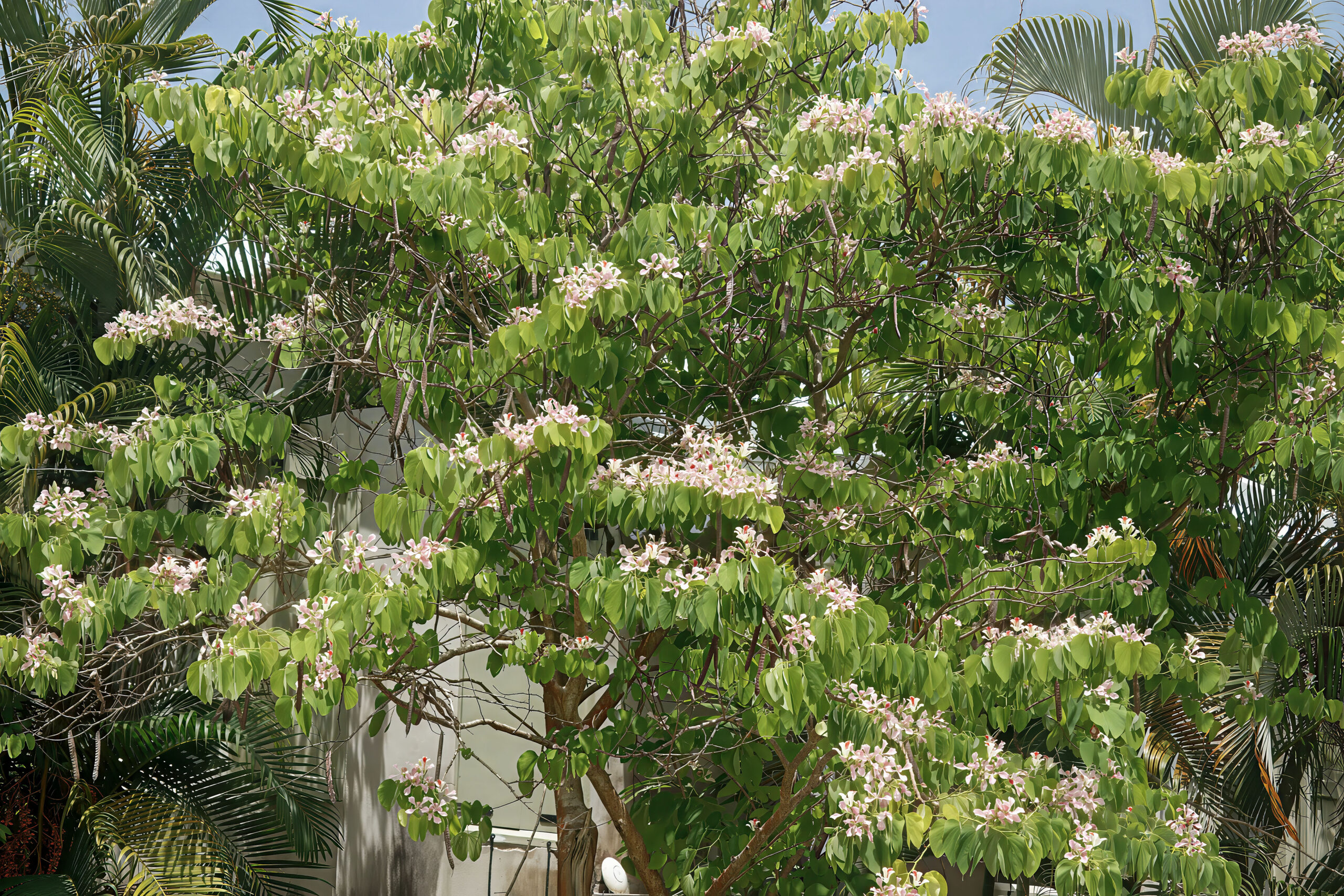
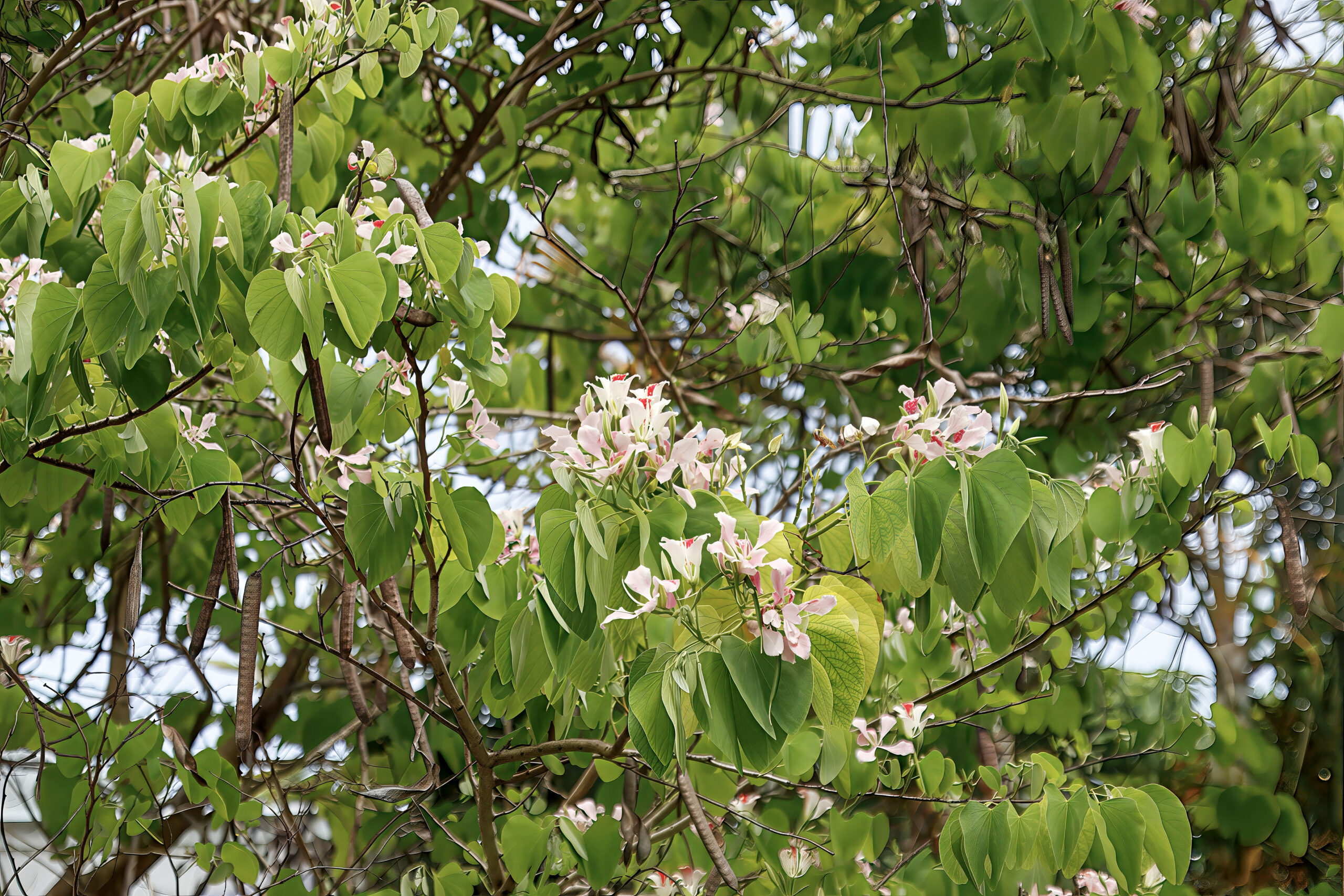
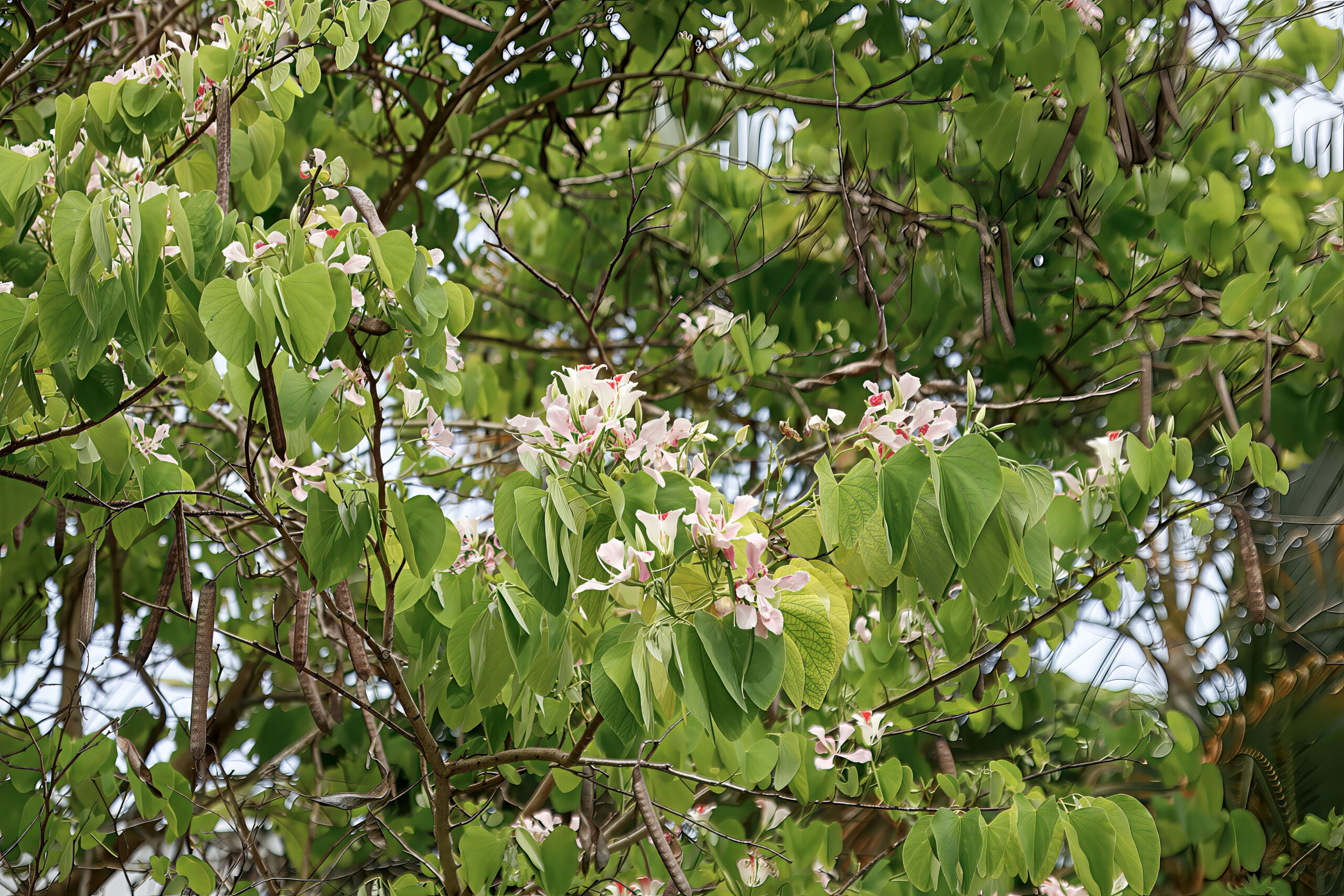
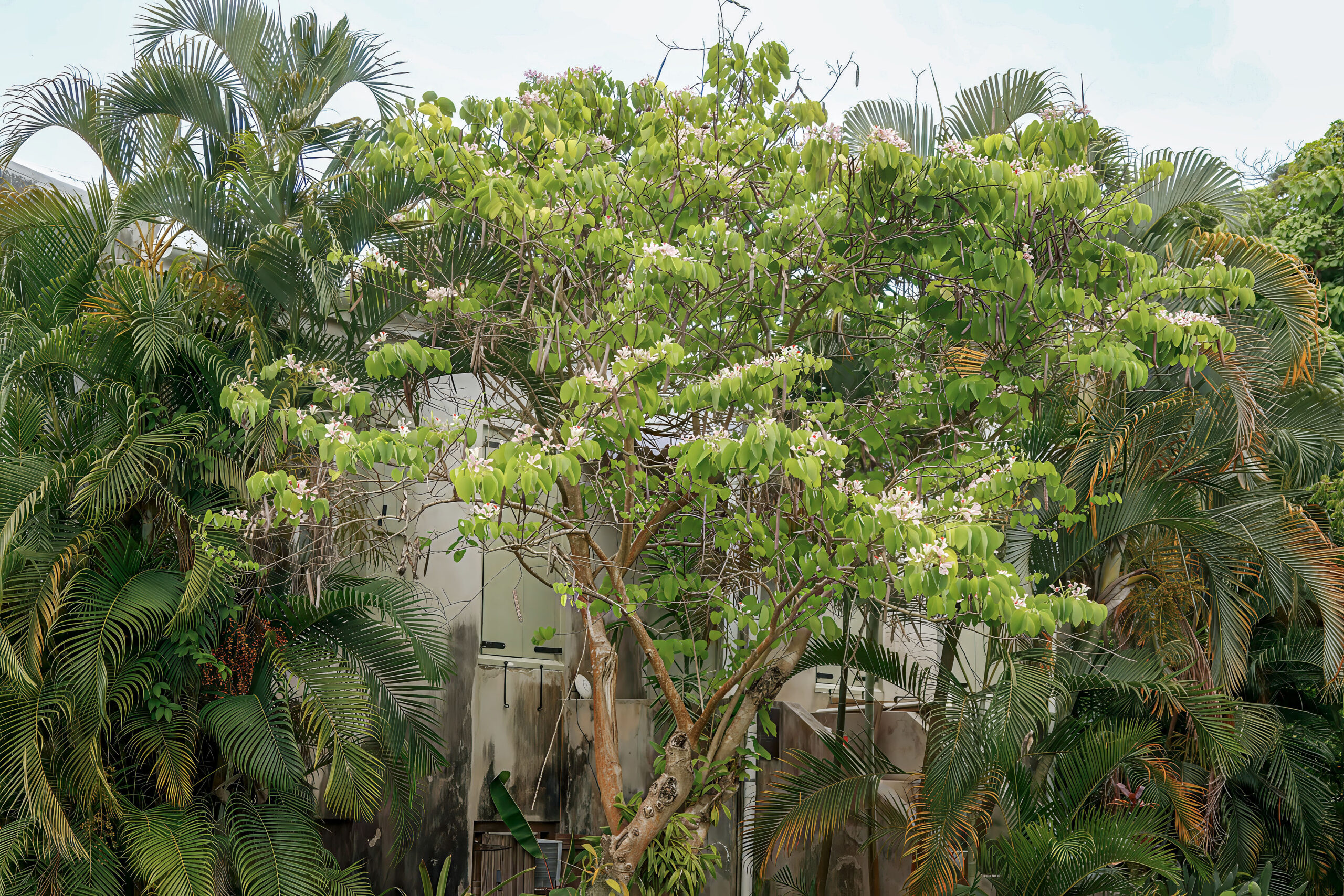
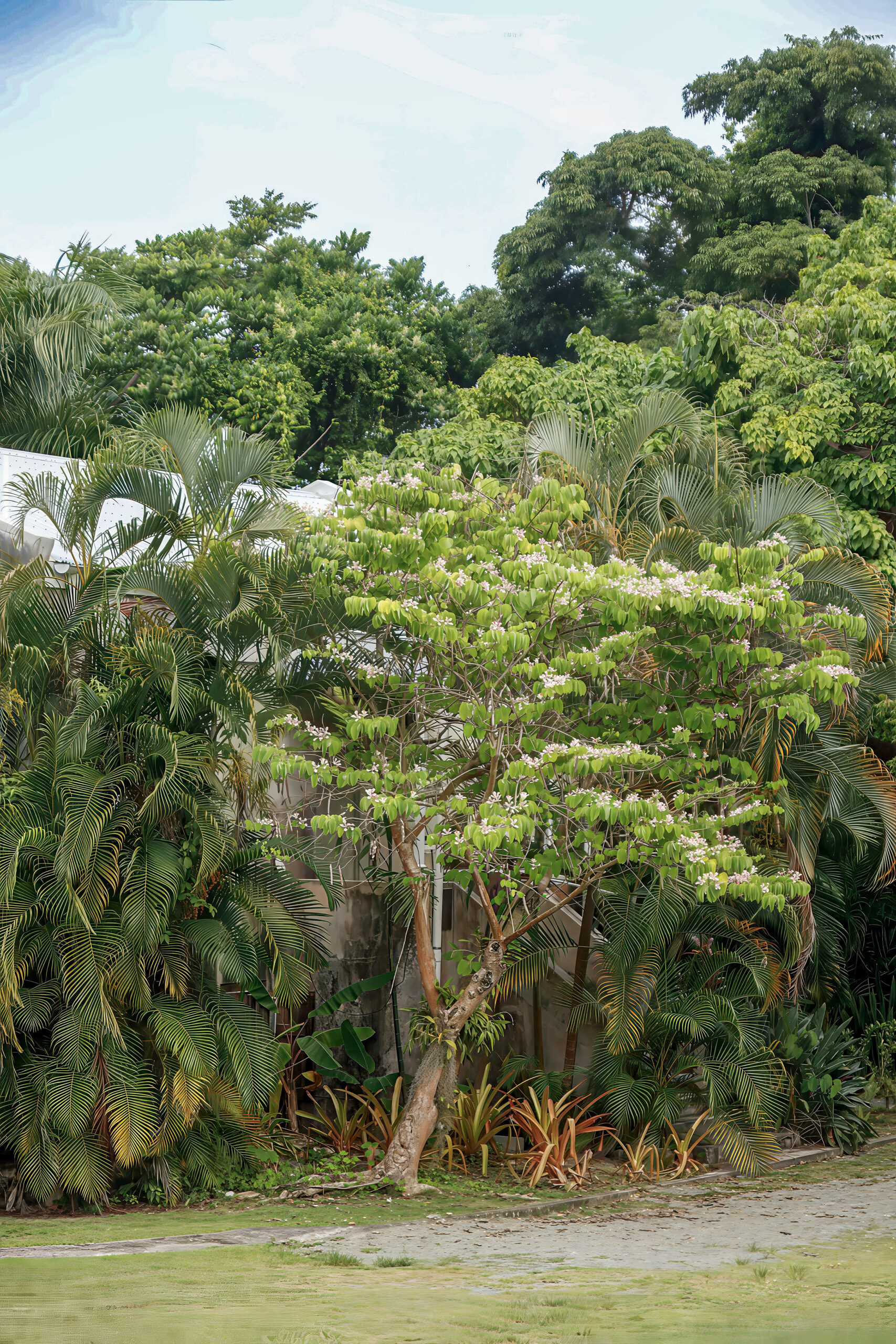
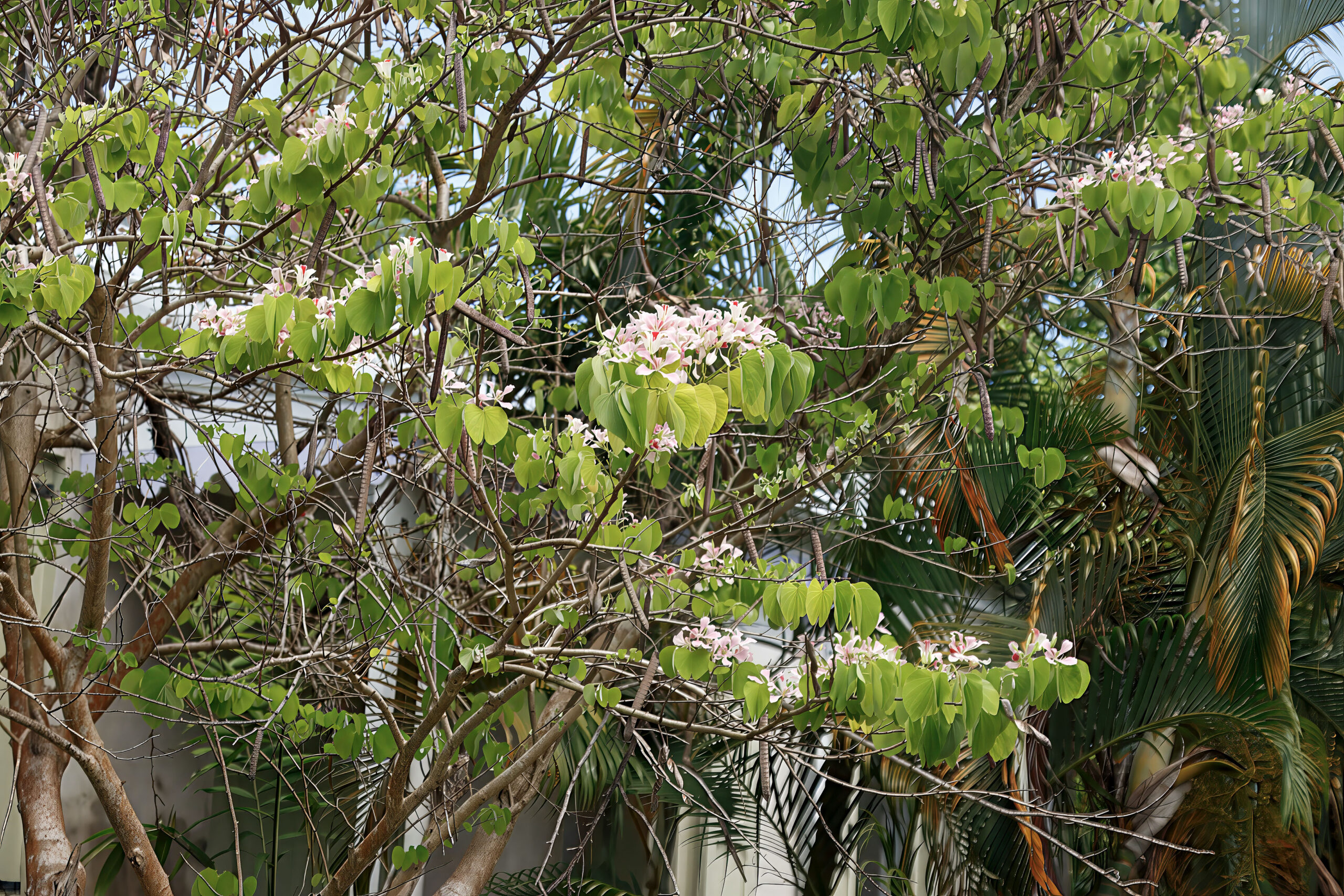
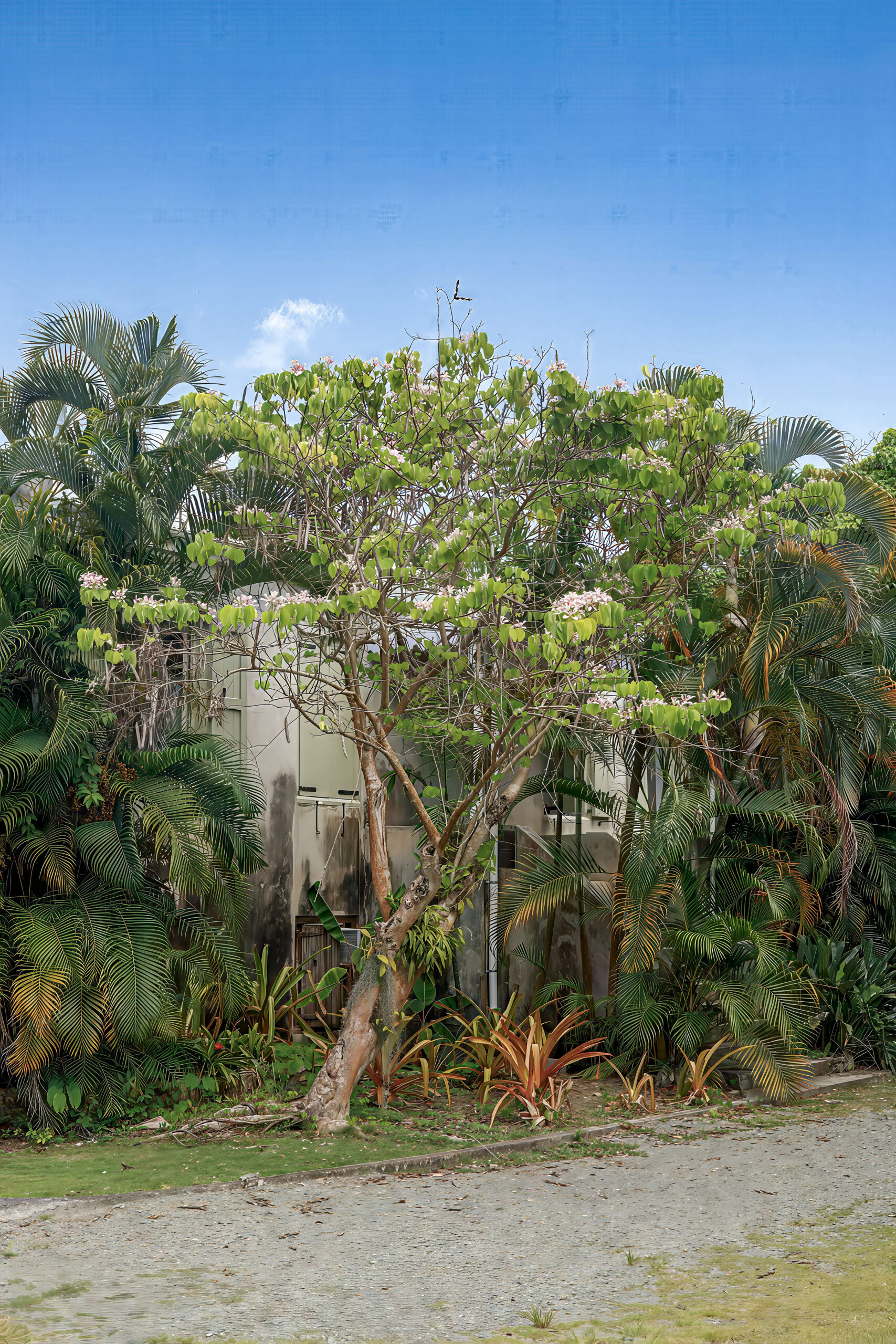
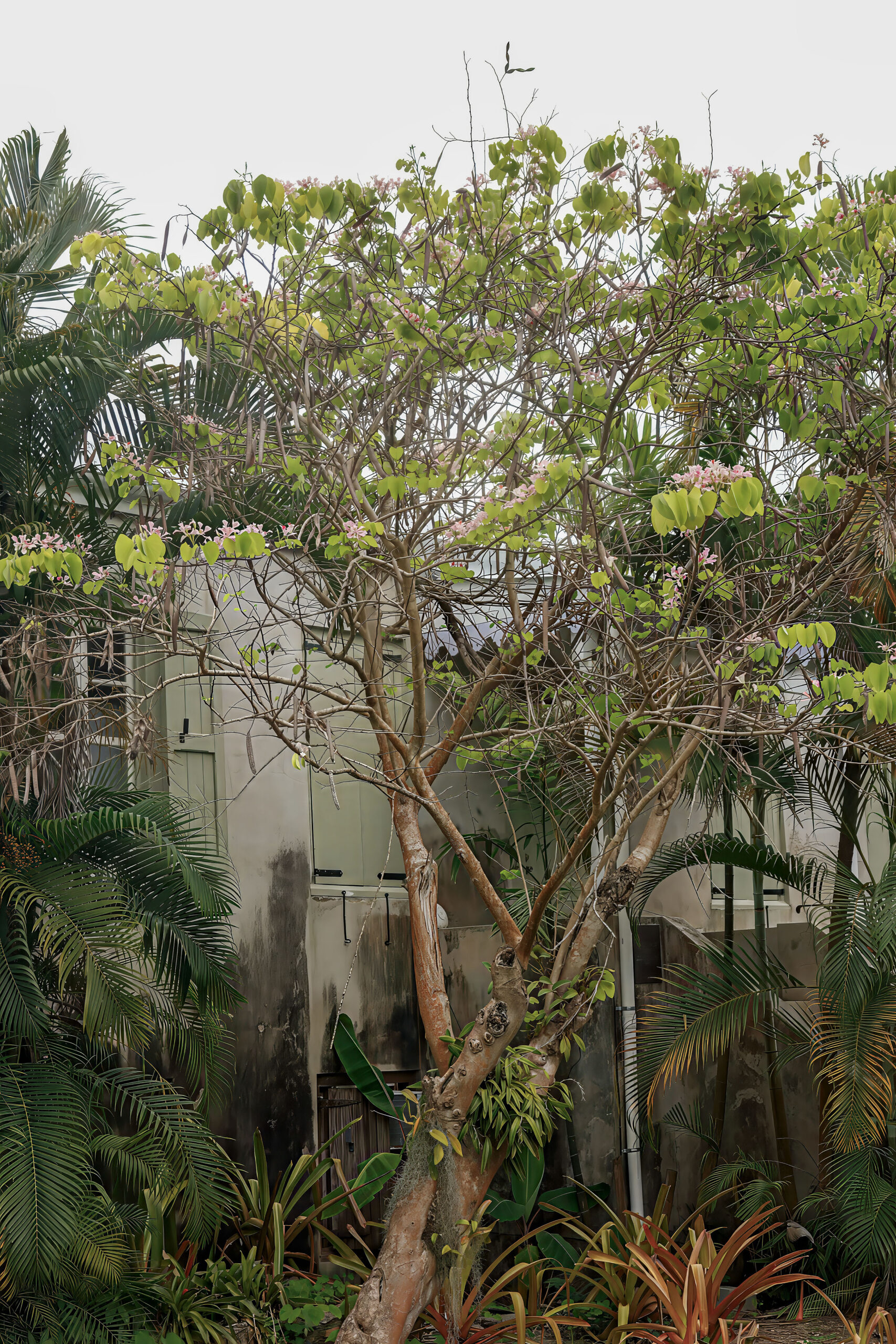
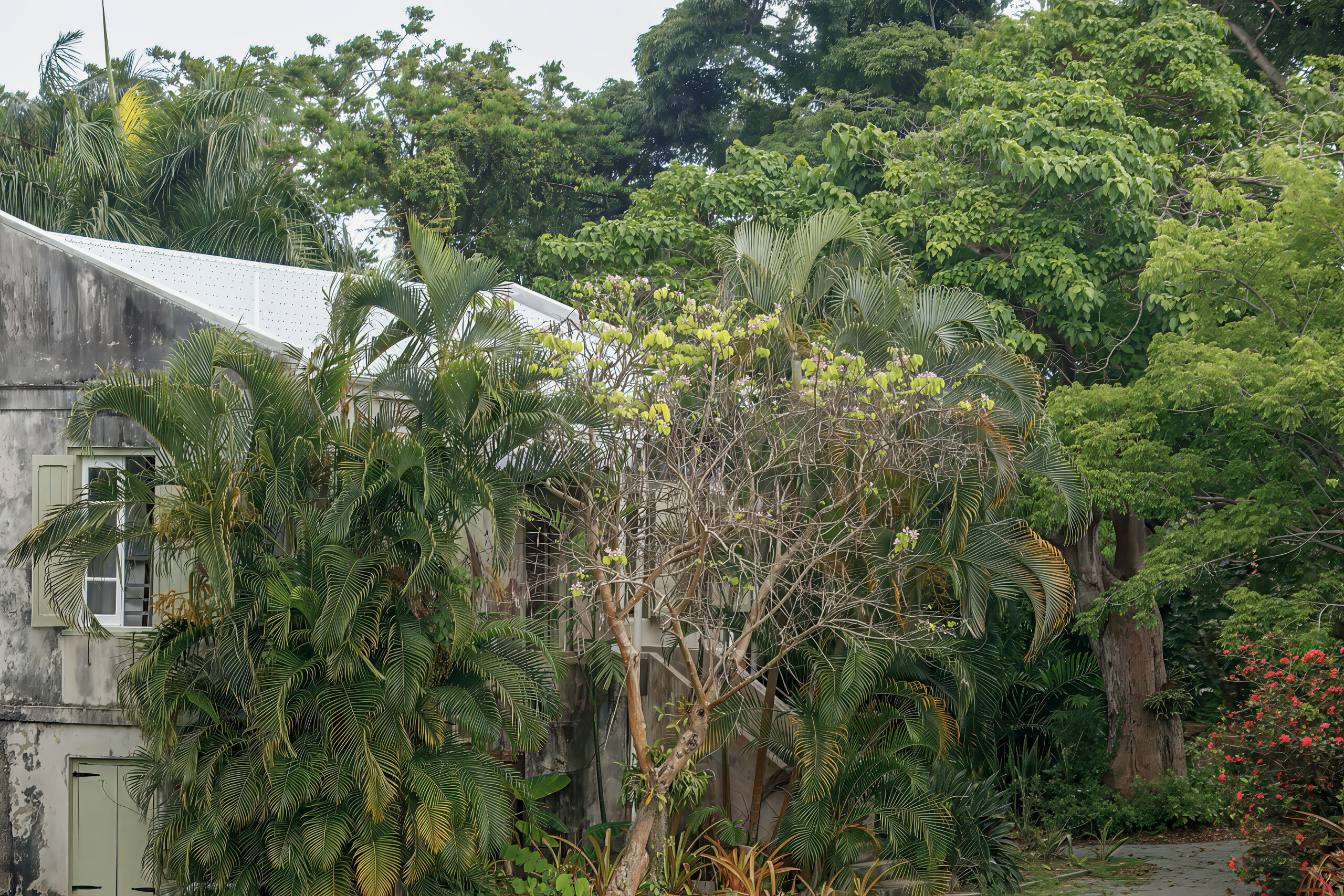
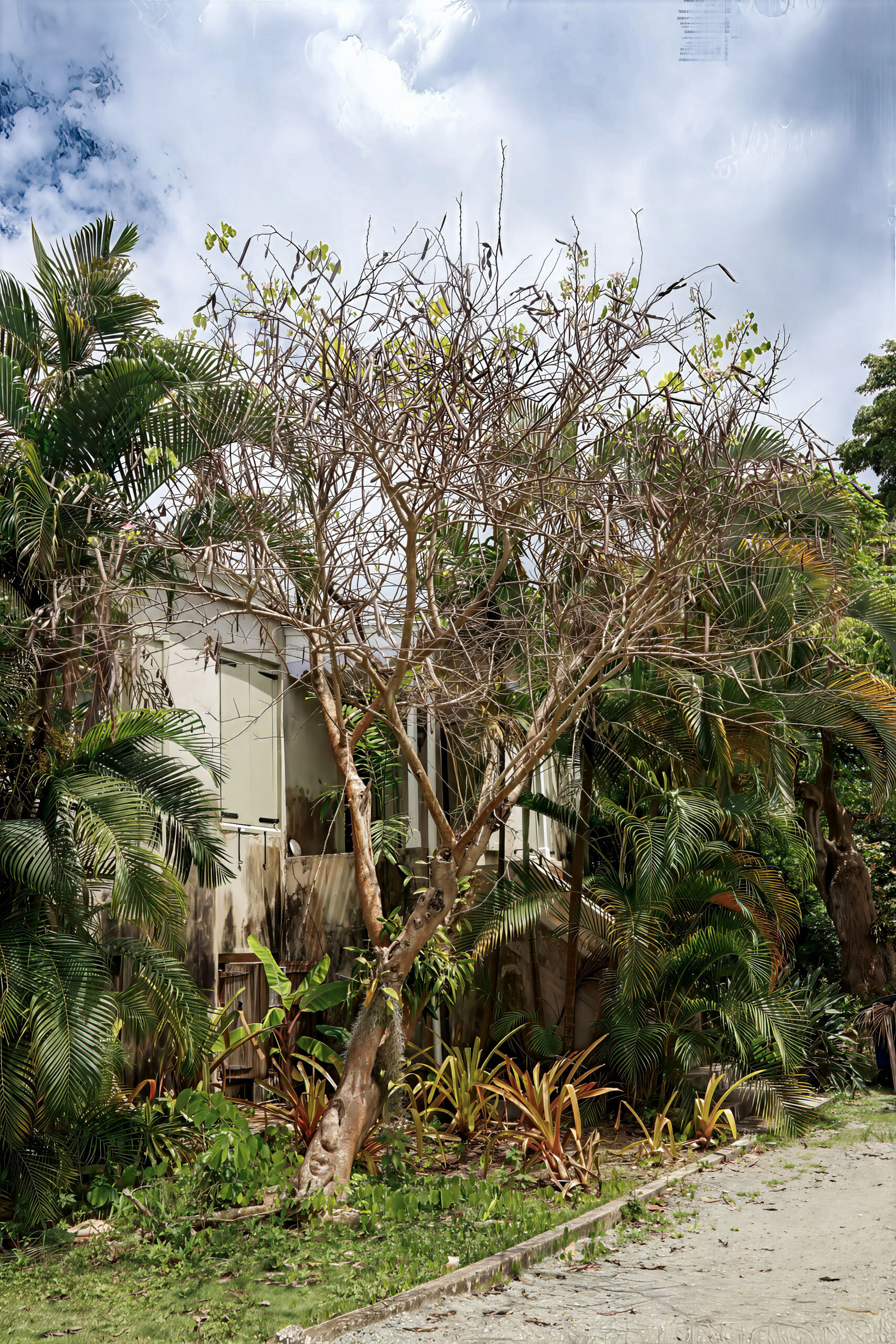
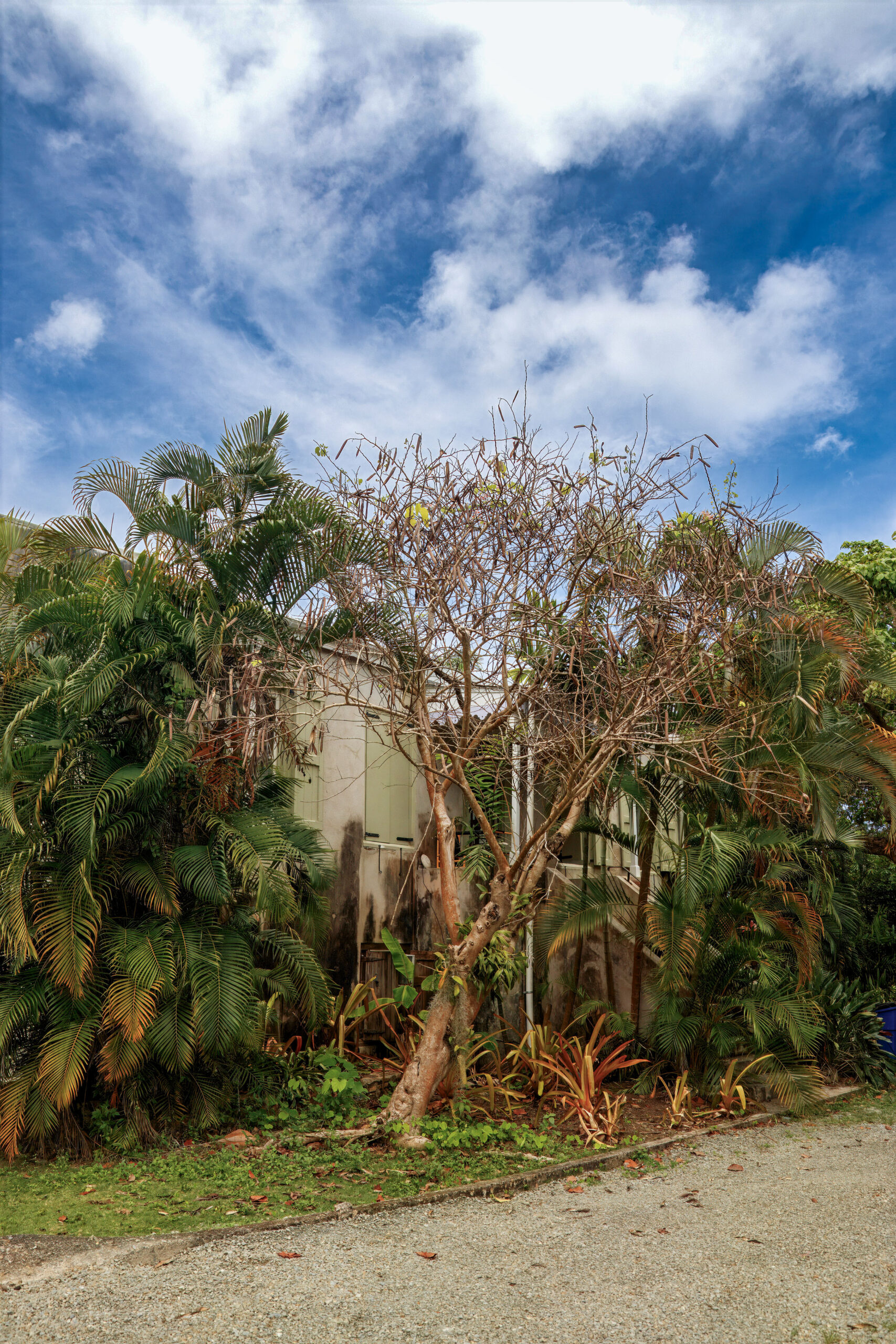
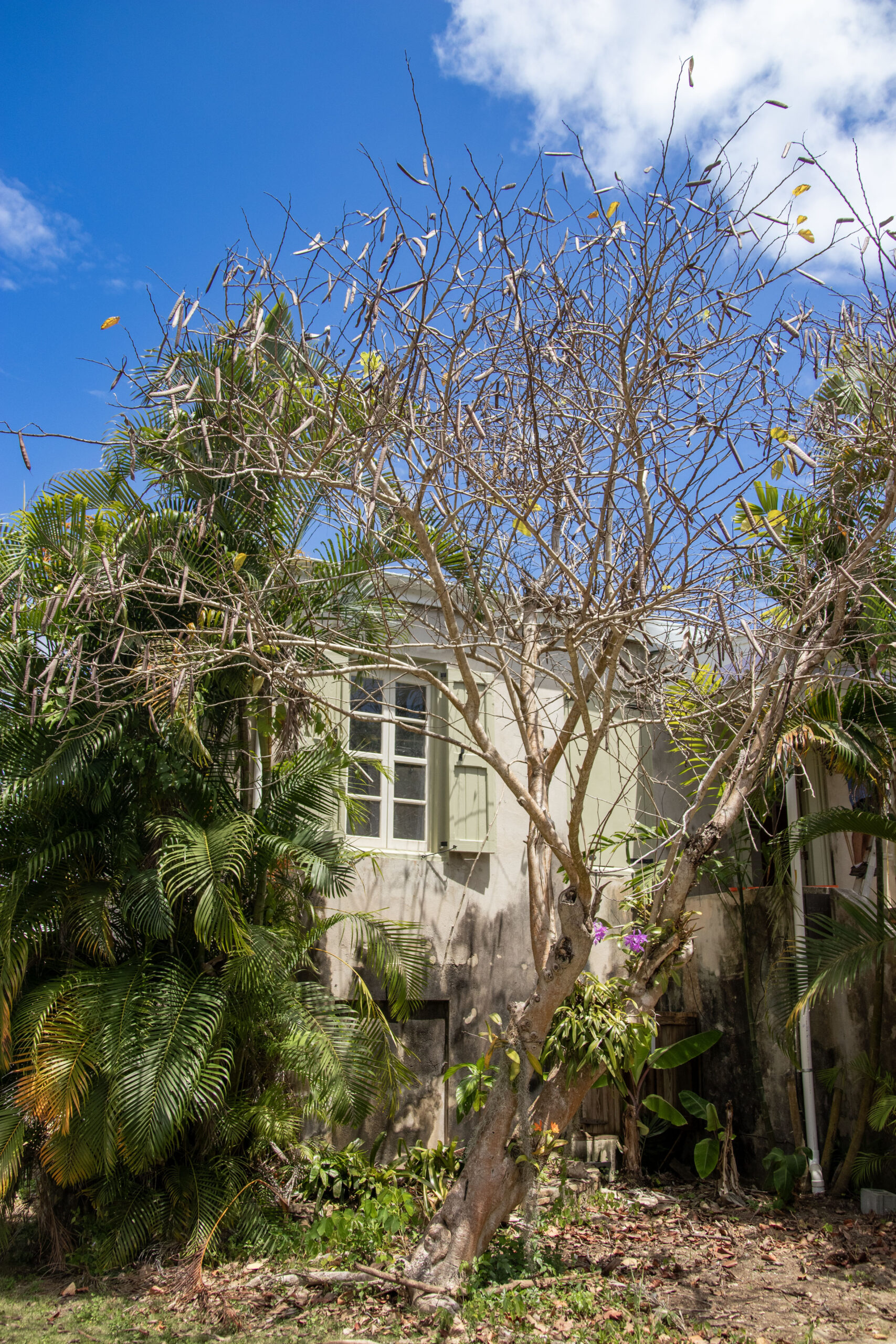
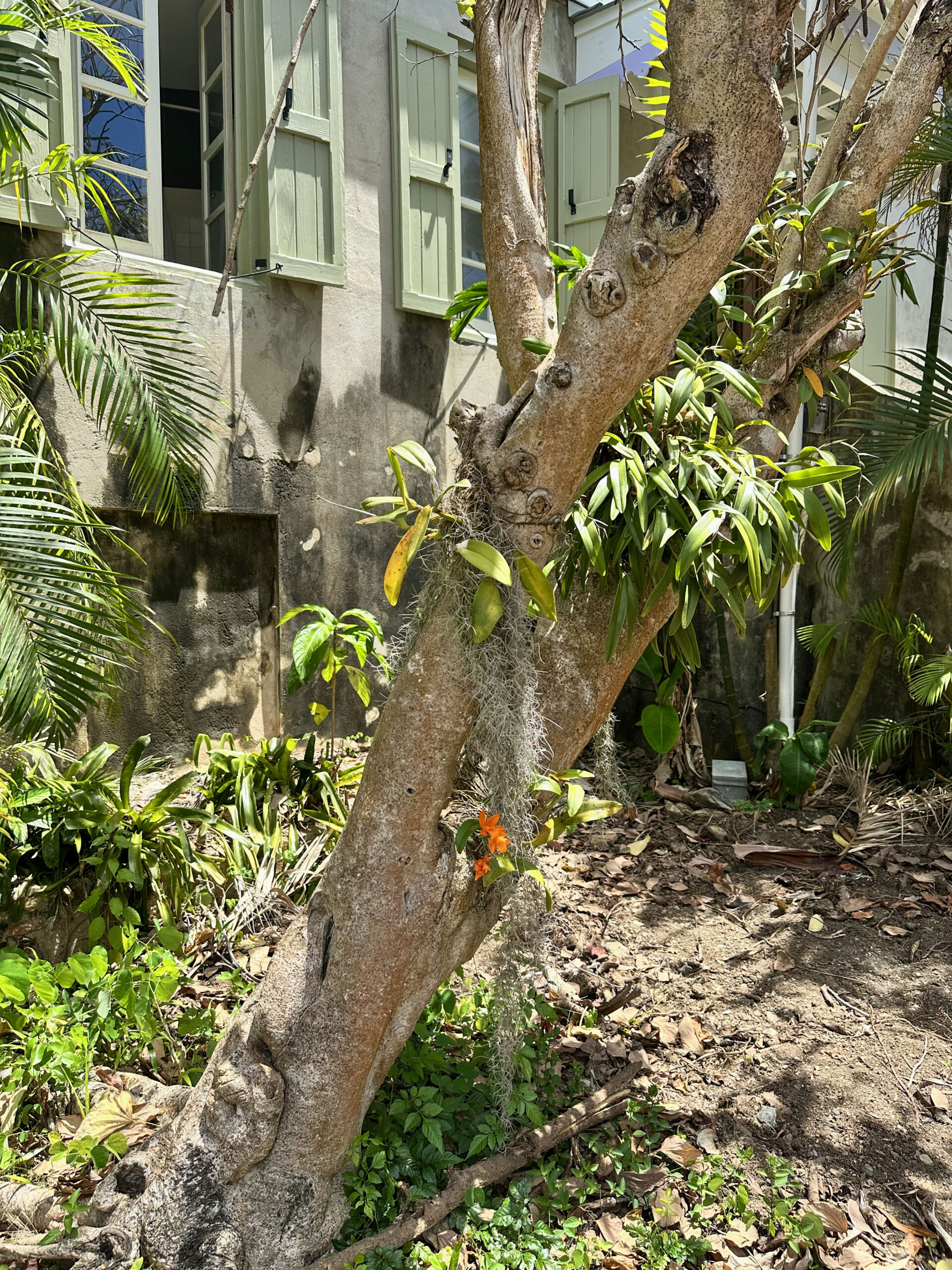
Bauhinia tree

Scientific name: Bauhinia variegata

POWO Status: Shrub or Tree

IUCN Red List threat level: Least Concern

Common names: Orchid Tree, Butterfly Tree

GPS Location: 17° 42′ 57.67″ N, 64° 49′ 46.30″ W

Medicinal Uses

Bauhinia variegata is a versatile medicinal plant used in traditional systems (Ayurveda, Unani, Chinese) for diabetes, skin diseases, inflammation, digestive issues (diarrhea, dysentery, hemorrhoids), liver health (hepatoprotective), tumors, respiratory problems (cough, asthma), and lymphatic disorders (goiter, swollen glands), with research confirming antioxidant, anti-inflammatory, antidiabetic, and anticancer properties, though clinical trials are still needed to fully validate these uses. 

Key Medicinal Uses & Properties:

  • Metabolic Disorders: Helps manage diabetes by controlling blood sugar; also shows potential for cholesterol (hypolipidemic) issues.
  • Anti-inflammatory & Analgesic: Treats inflammation, pain, edema, and rheumatism.
  • Digestive Health: Used for diarrhea, dysentery, hemorrhoids, piles, worms, and stomachaches.
  • Skin & Lymphatic System: Treats skin diseases, wounds, burns, goiter, swollen glands (lymphadenopathy).
  • Respiratory: Indicated for coughs, asthma, and tuberculosis.
  • Antioxidant: Rich in flavonoids, provides significant antioxidant effects.
  • Liver Health (Hepatoprotective): Protects the liver and helps with conditions like jaundice.
  • Other Uses: Acts as a tonic, antidote for snake poison, and has potential anticancer and antibacterial properties. 

How it’s Used:

  • Decoctions/Infusions: Bark, roots, leaves, and flowers are boiled to make teas or liquid remedies.
  • Paste: Fresh plant juice or paste applied topically for skin issues or gargling.
  • Whole Plant: Used in decoctions for systemic issues like malaria or hepatitis. 

Important Note:

While scientifically supported for many properties, more clinical research is needed to confirm safety and efficacy, and users should consult a healthcare professional before using it medicinally.

Observations:

Phenological Markers – Bauhinia Tree (Bauhinia variegata)

1. Flowering
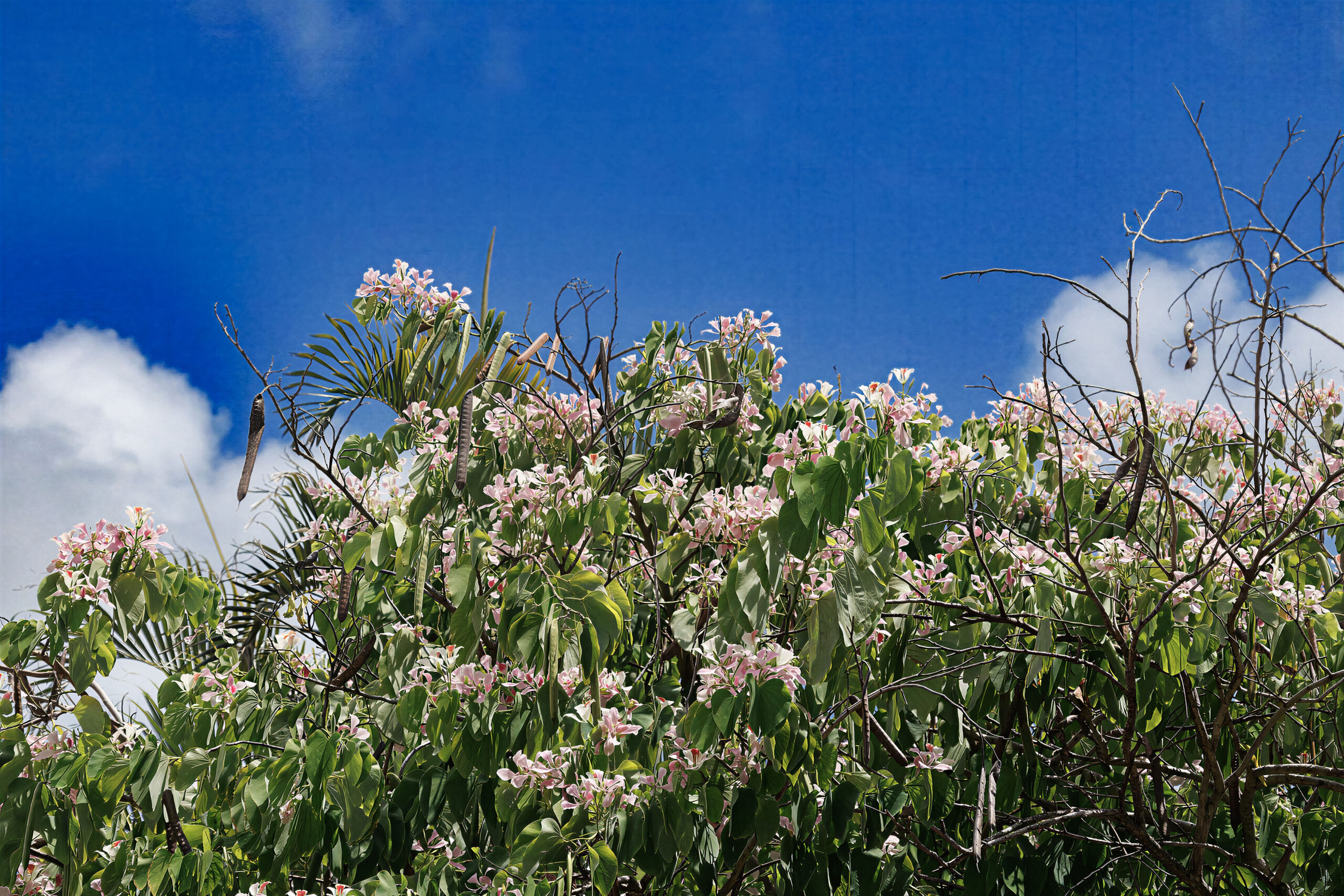
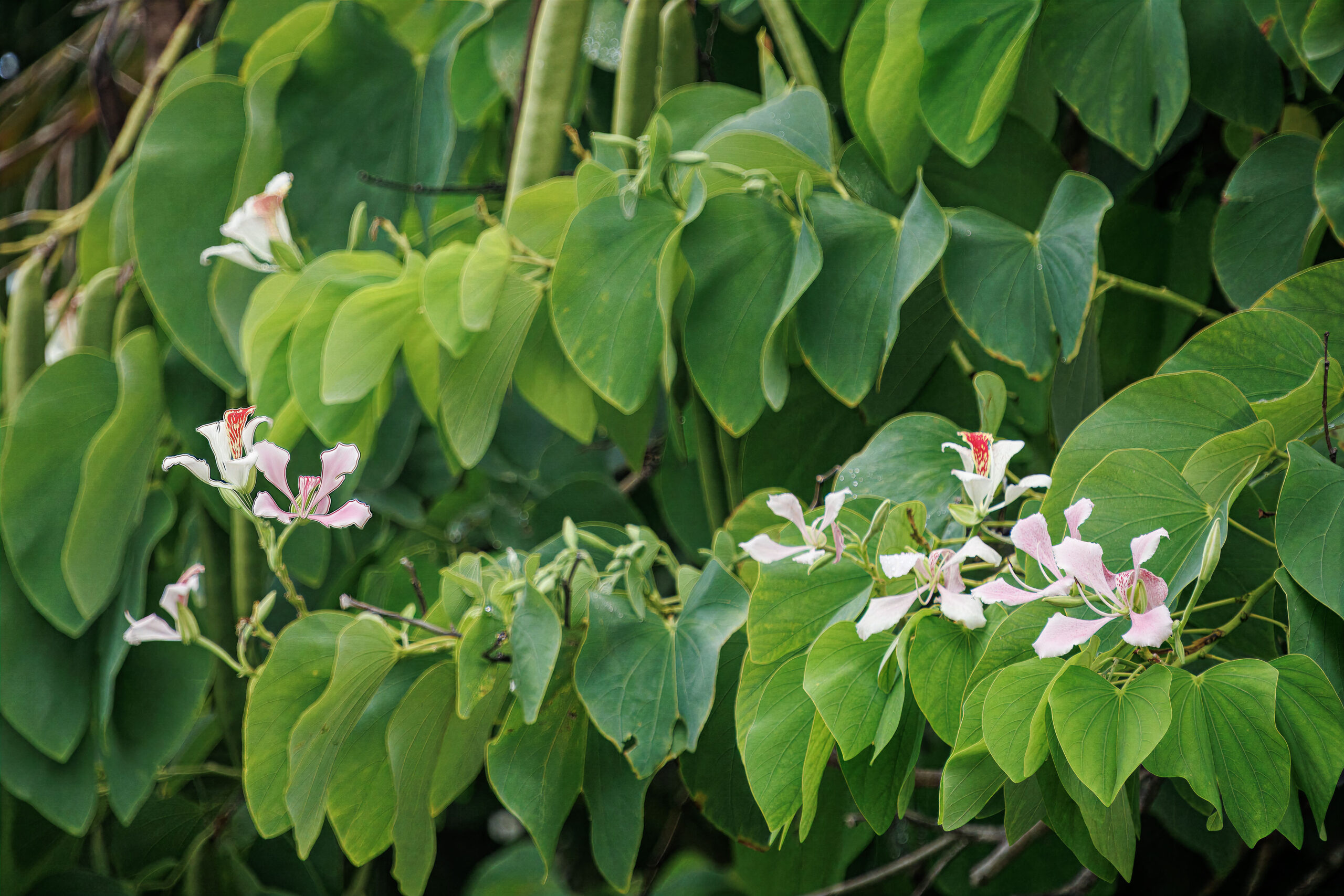
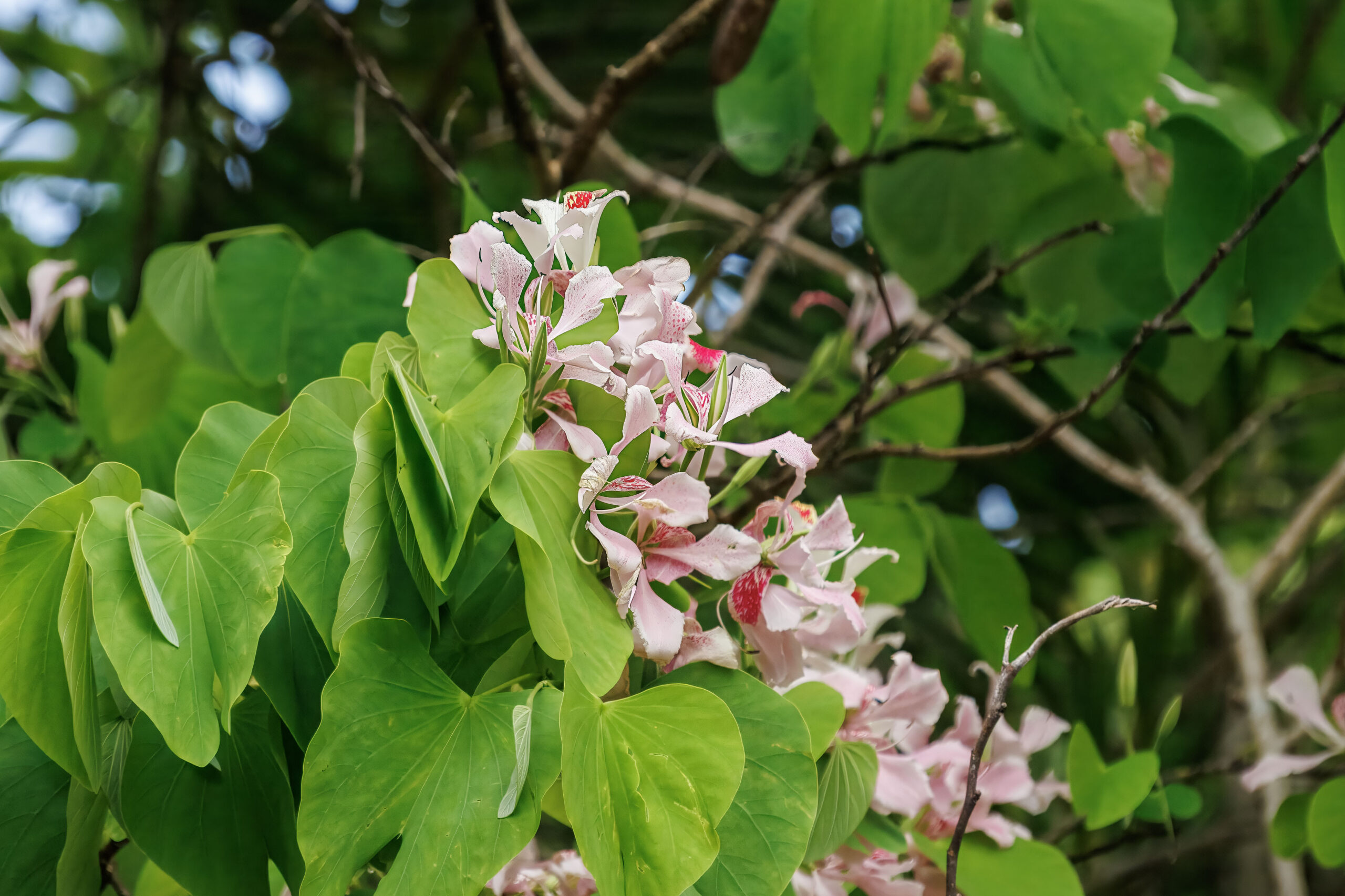
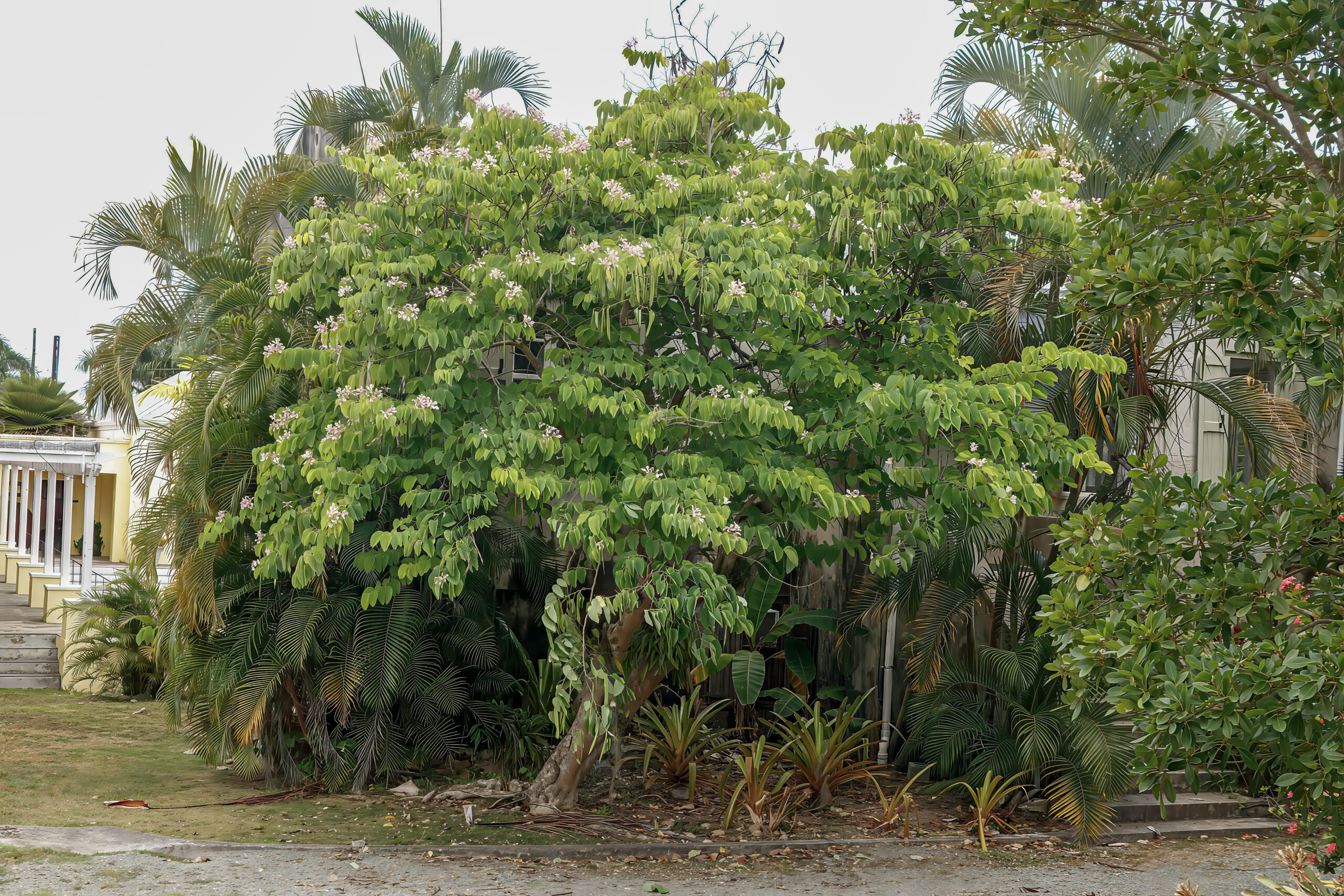
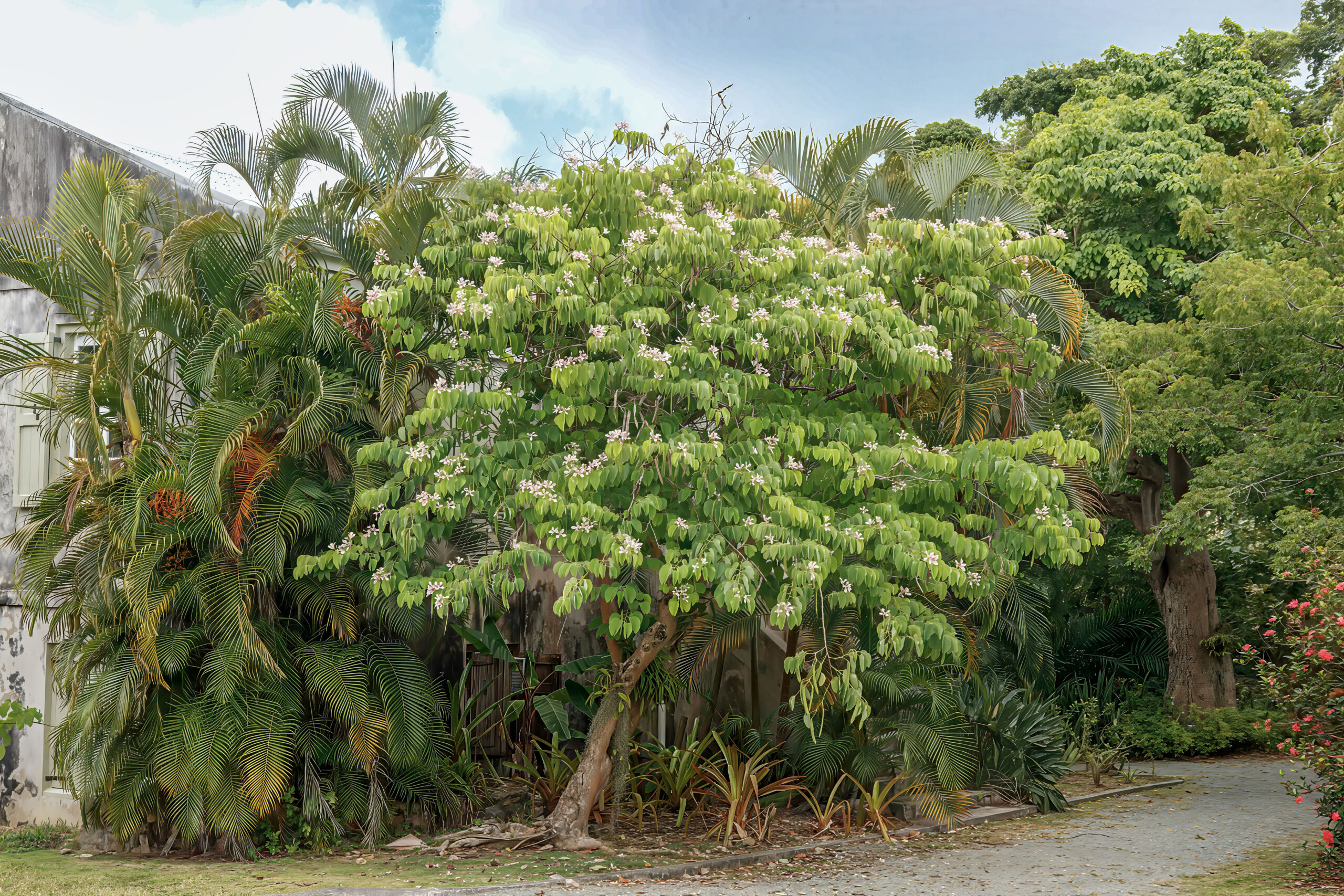
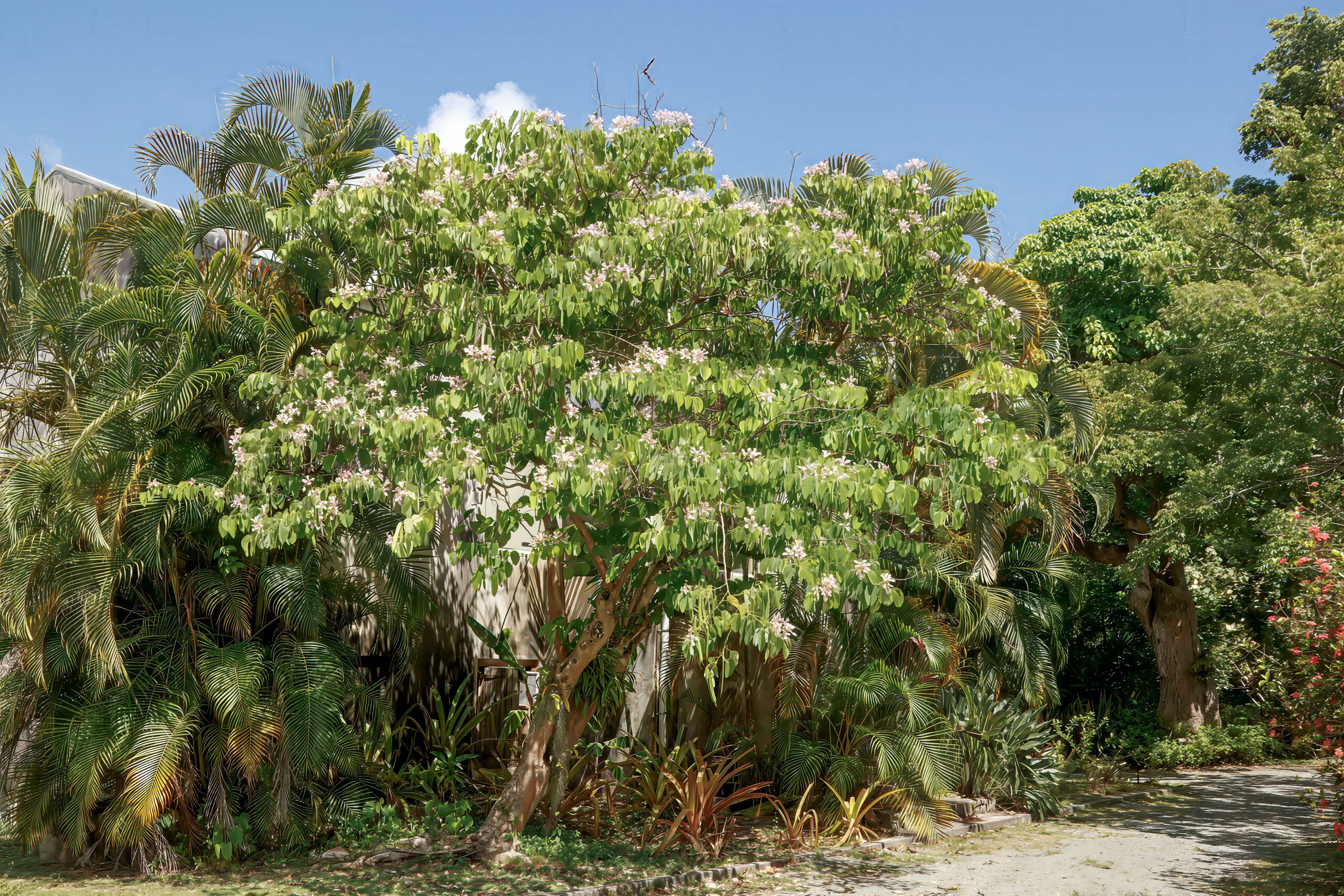
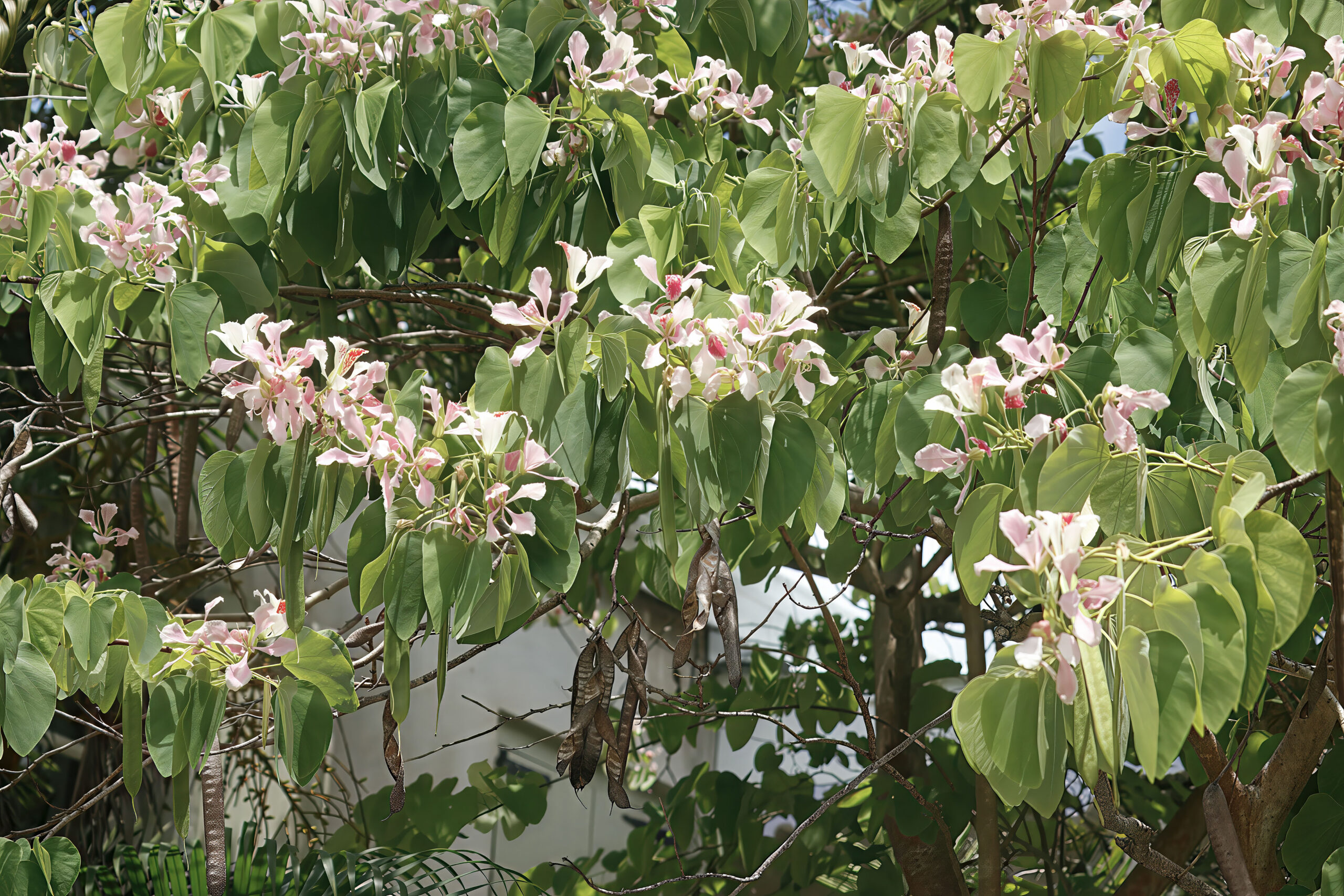
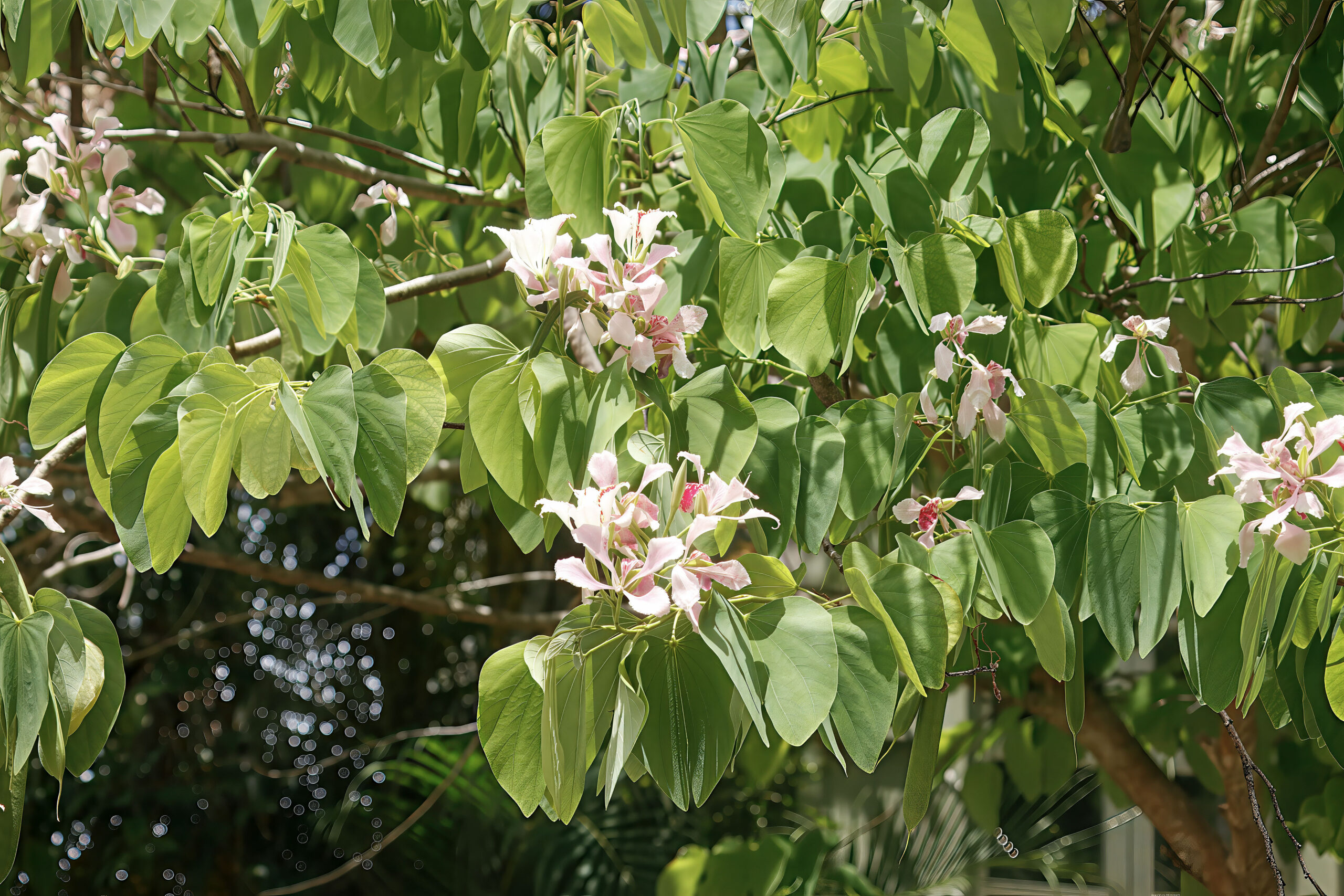
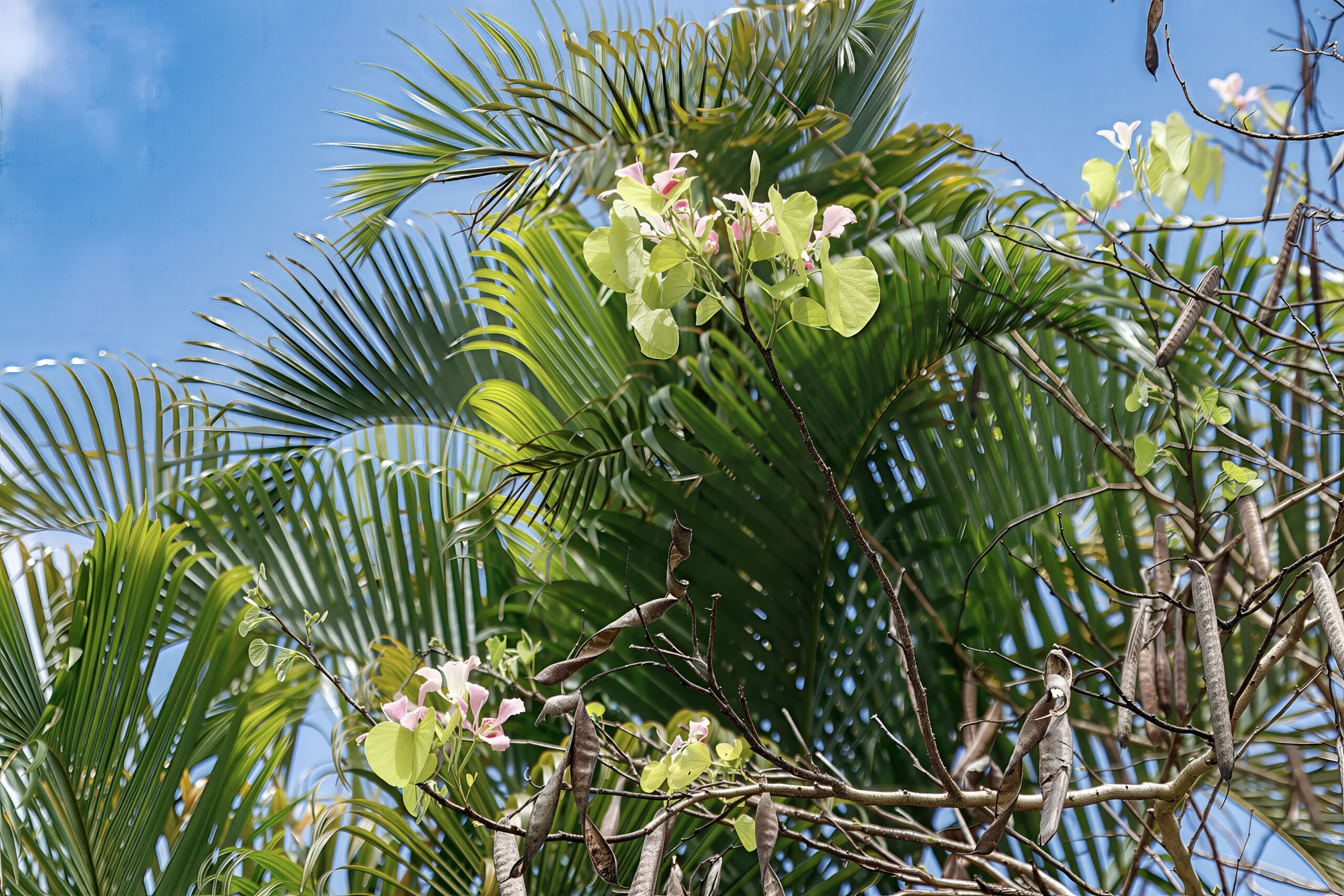
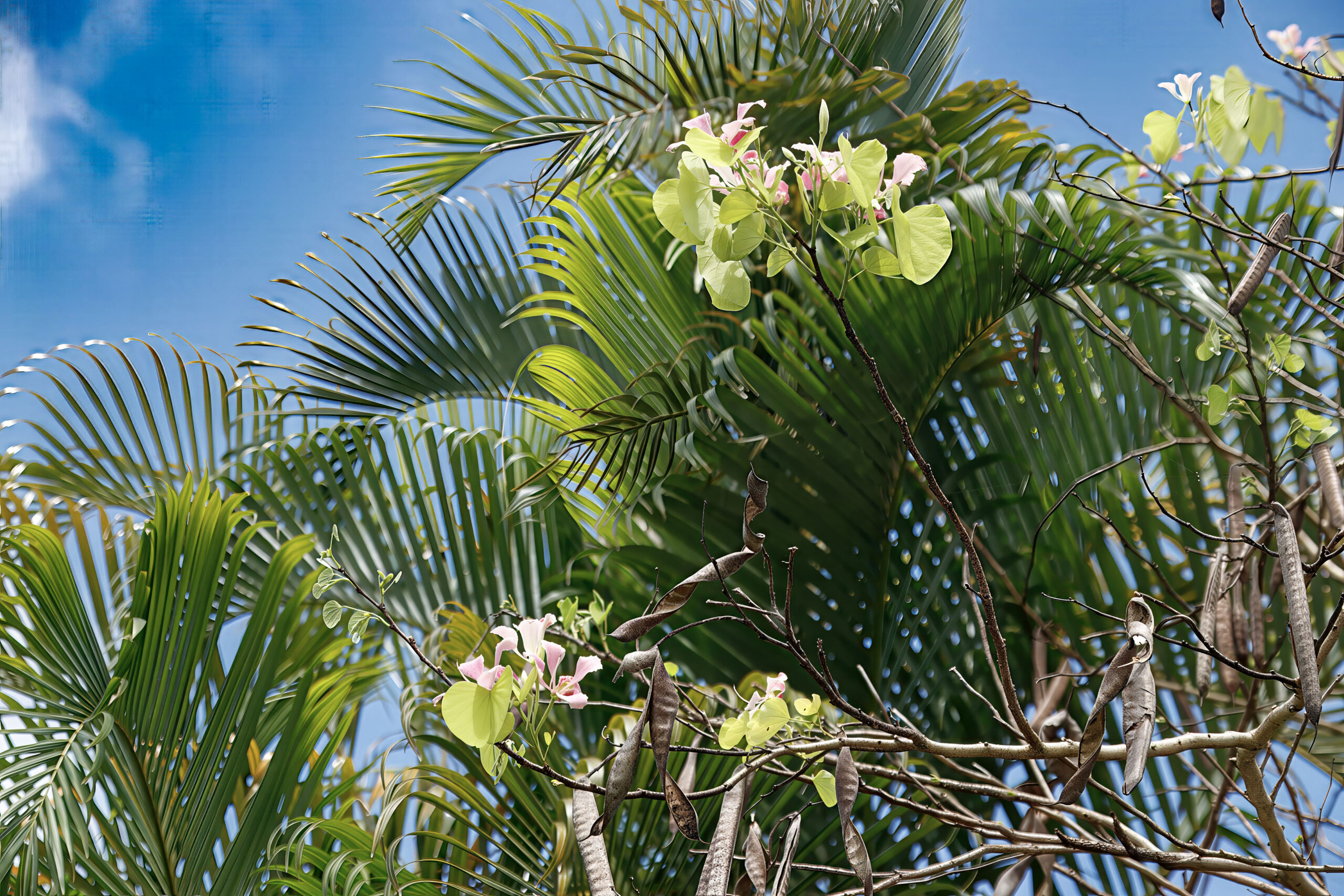
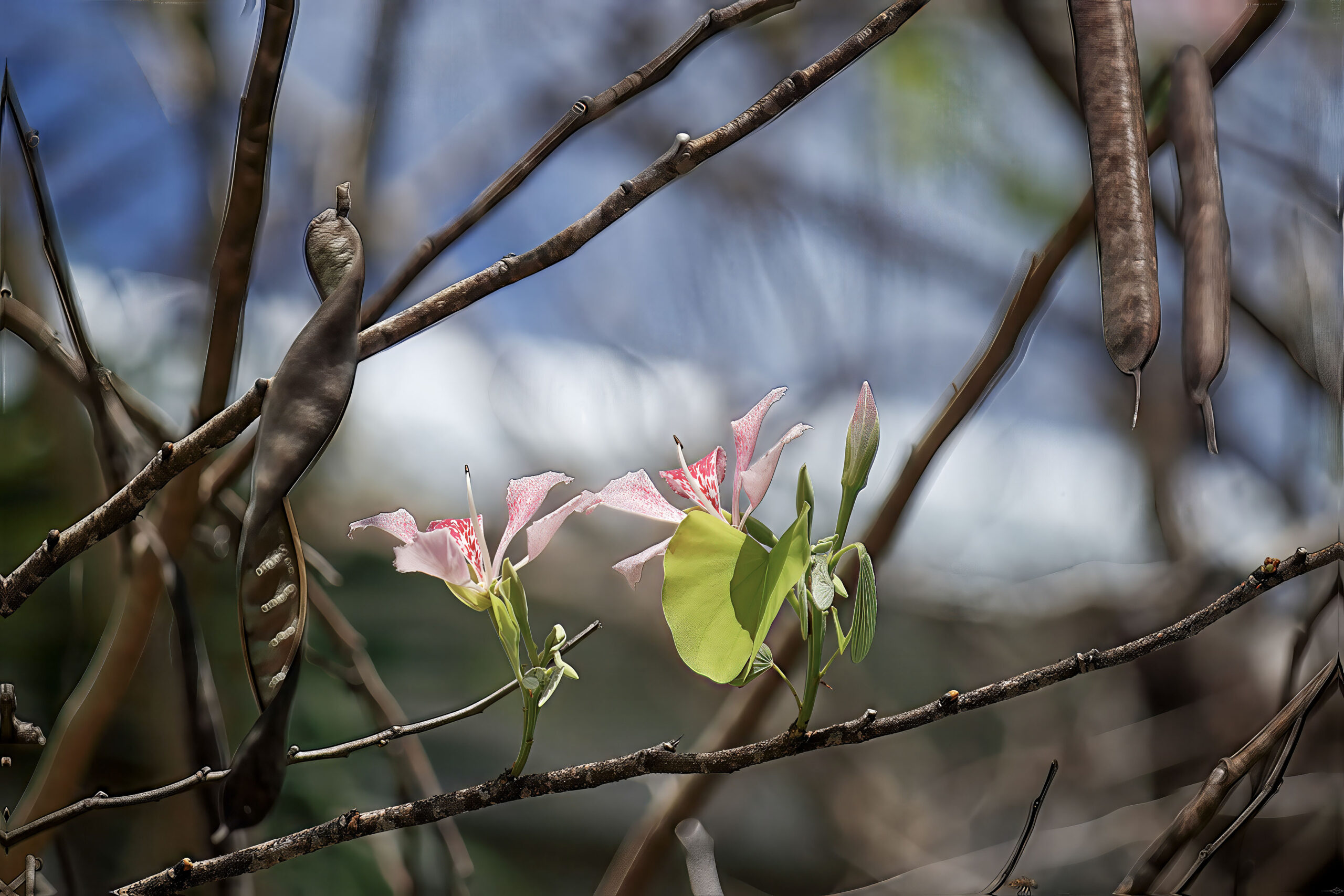
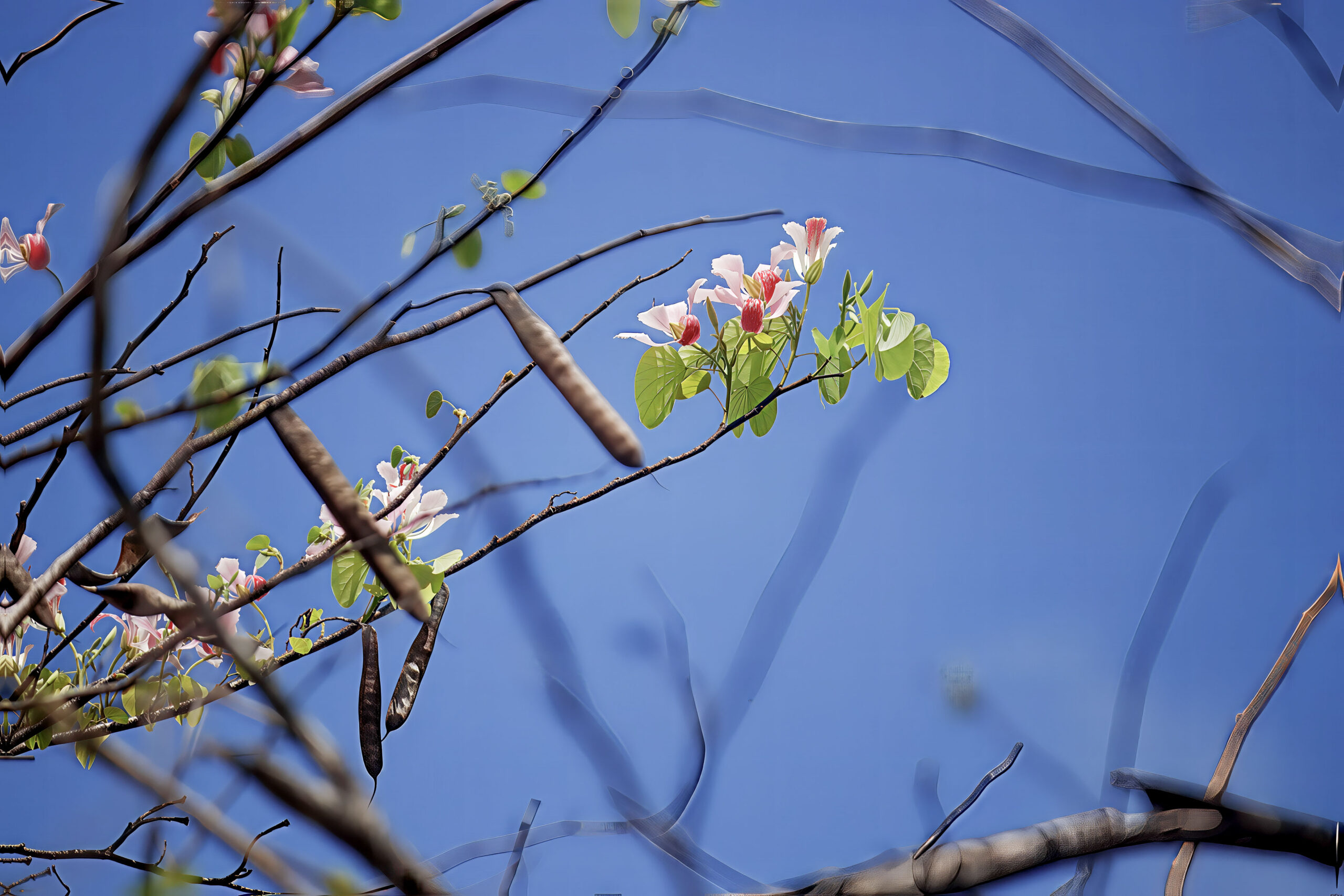
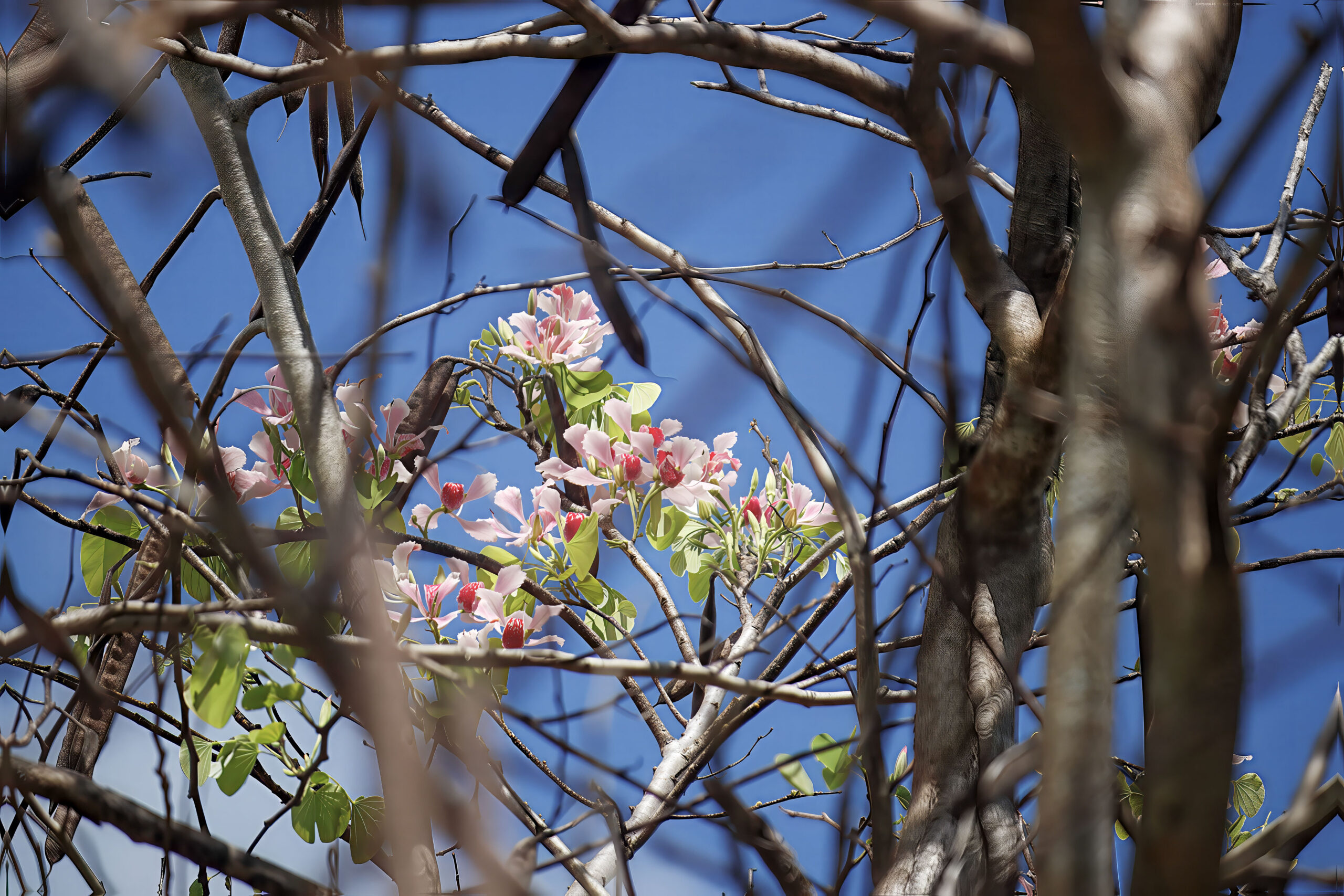
The Bauhinia tree is best known for its showy, orchid-like flowers in shades of pink, purple, or white (depending on cultivar).

  • Peak flowering typically occurs in the dry season, from January through March in St. Croix.
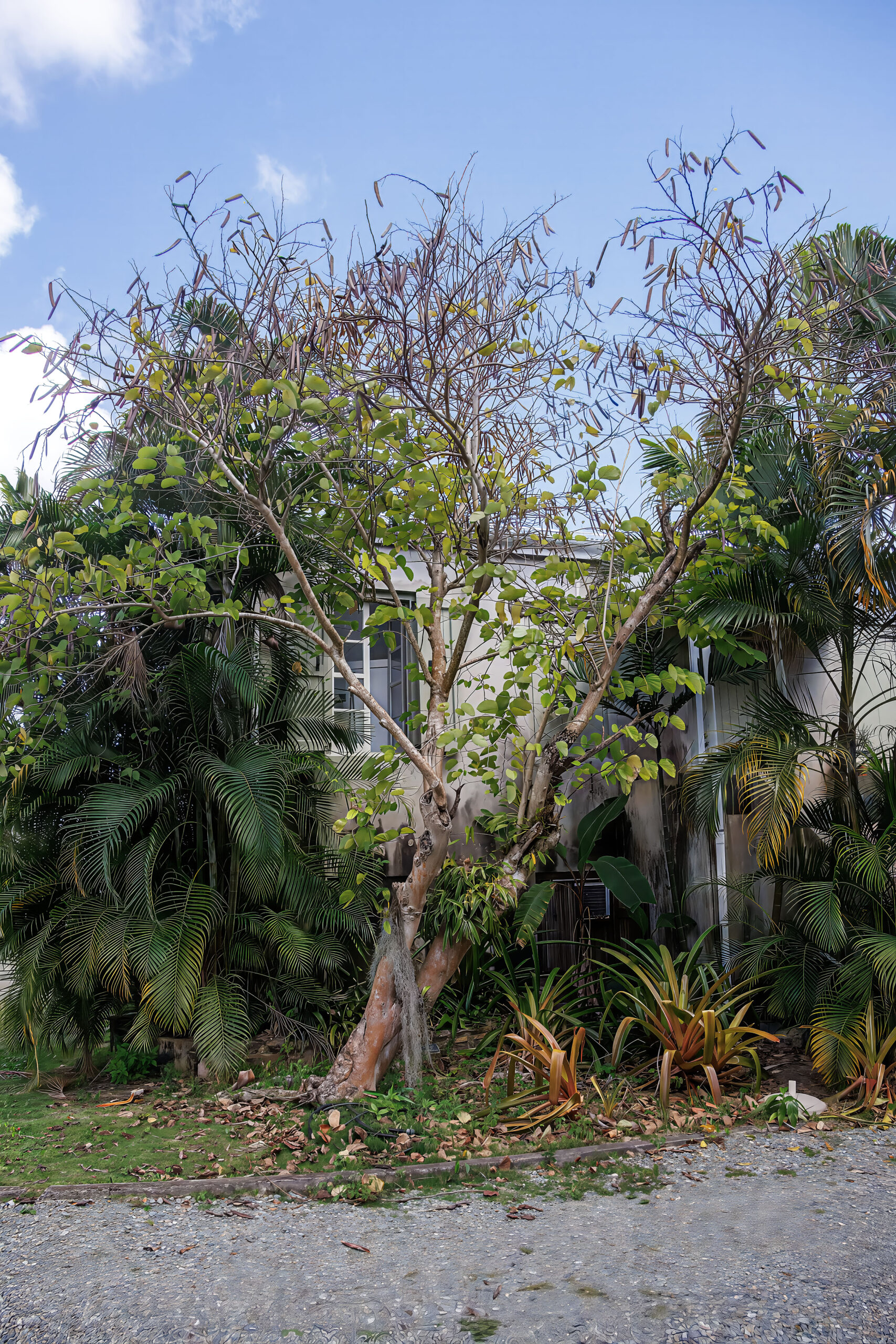
  • Flowers are produced on bare or nearly leafless branches, making them especially prominent.
  • Flowering often begins before full leaf flush, creating a striking floral display against the branch structure.

2. Leaf Drop (Deciduous Behavior)
Bauhinia is semi-deciduous to fully deciduous depending on climate and rainfall.

  • Trees often shed most of their leaves during the late dry season, especially preceding the main flowering period.
  • Leaf drop enhances flower visibility and signals the start of a new phenological cycle.

3. Leaf Flush (New Growth)
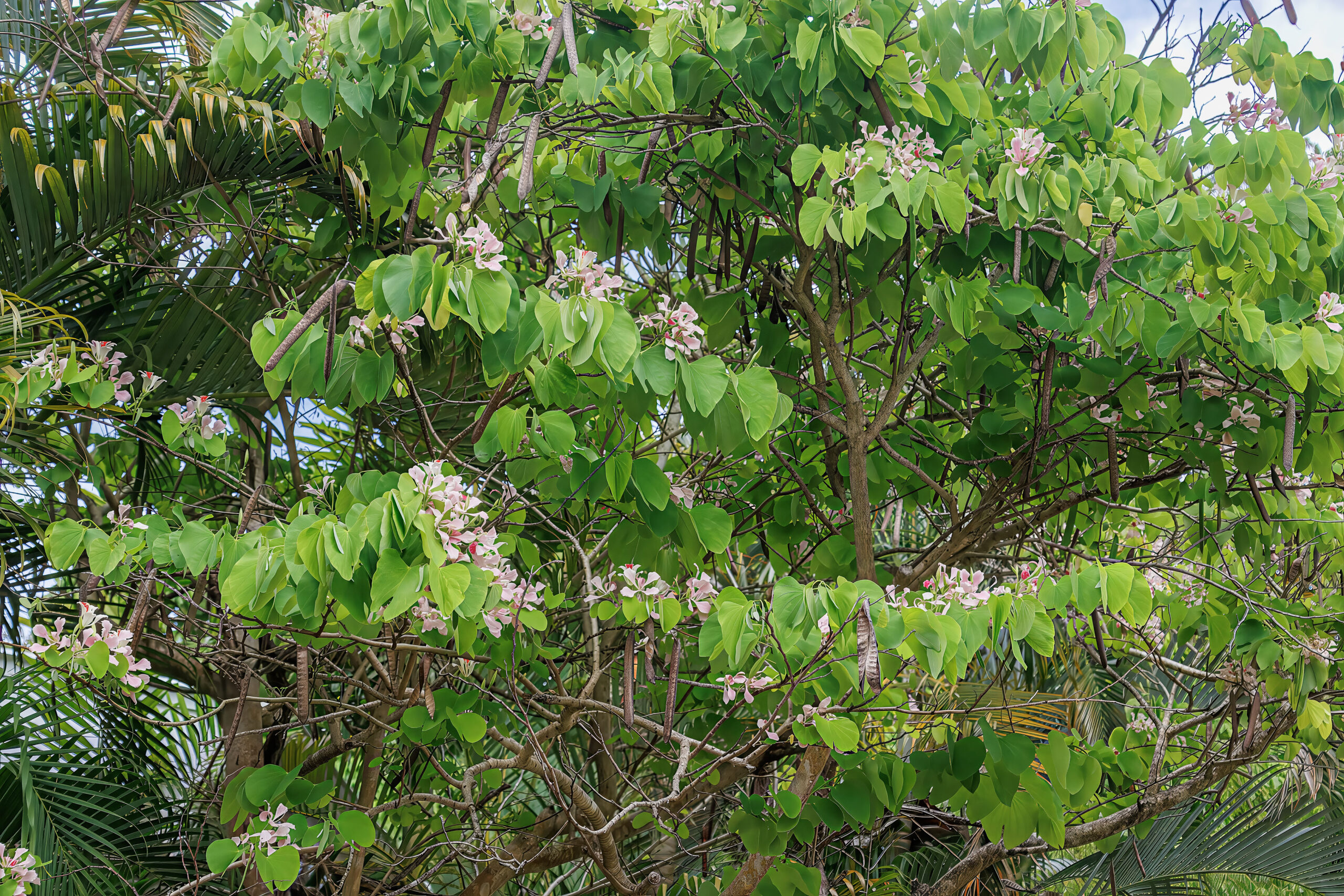
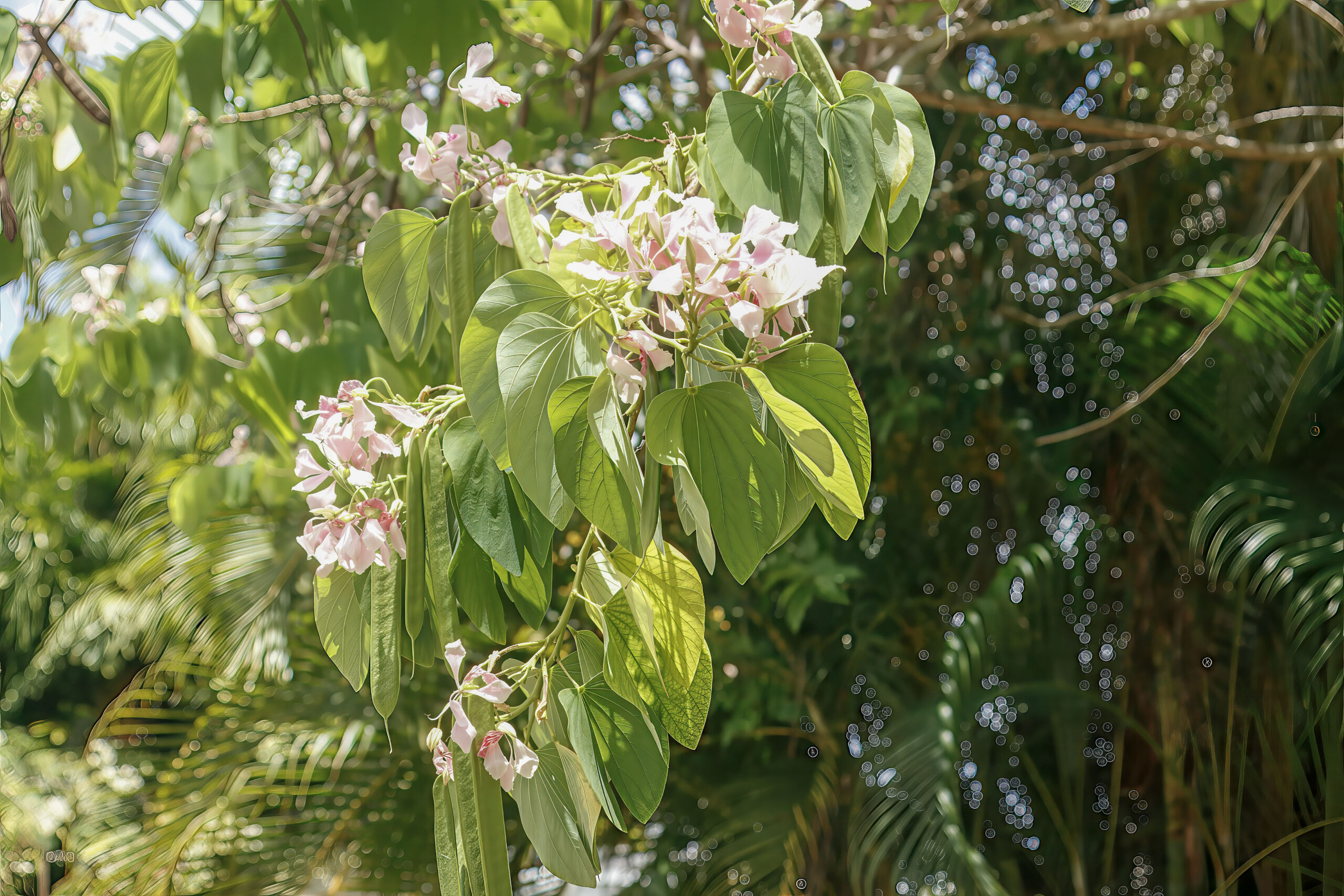
After flowering, the tree undergoes a leaf flush with new, bilobed leaves—shaped like butterfly wings or hearts.

  • New leaves emerge shortly after flowering ends, usually by mid to late spring.
  • Leaf flush is often synchronized and visually lush.

4. Fruiting
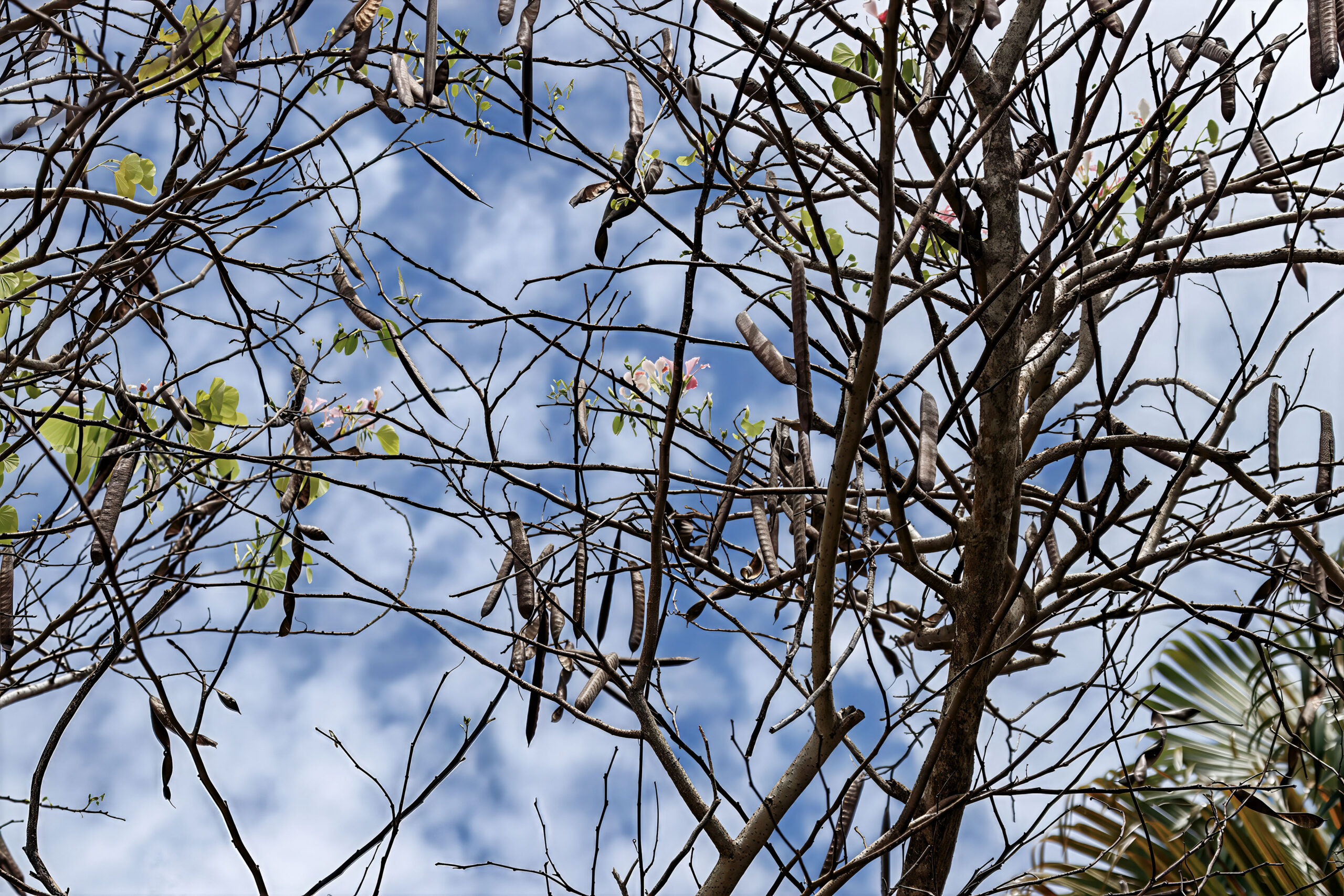
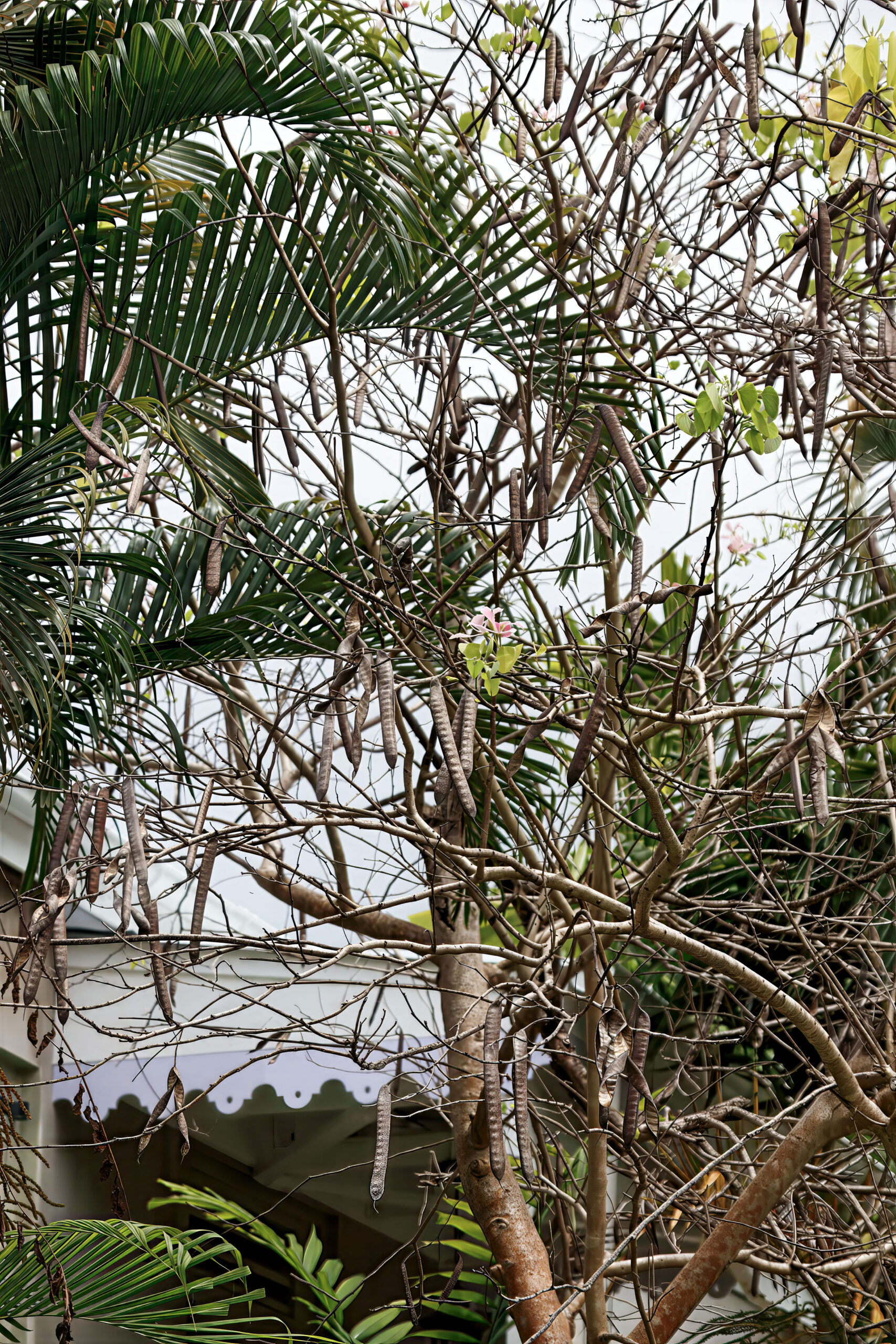
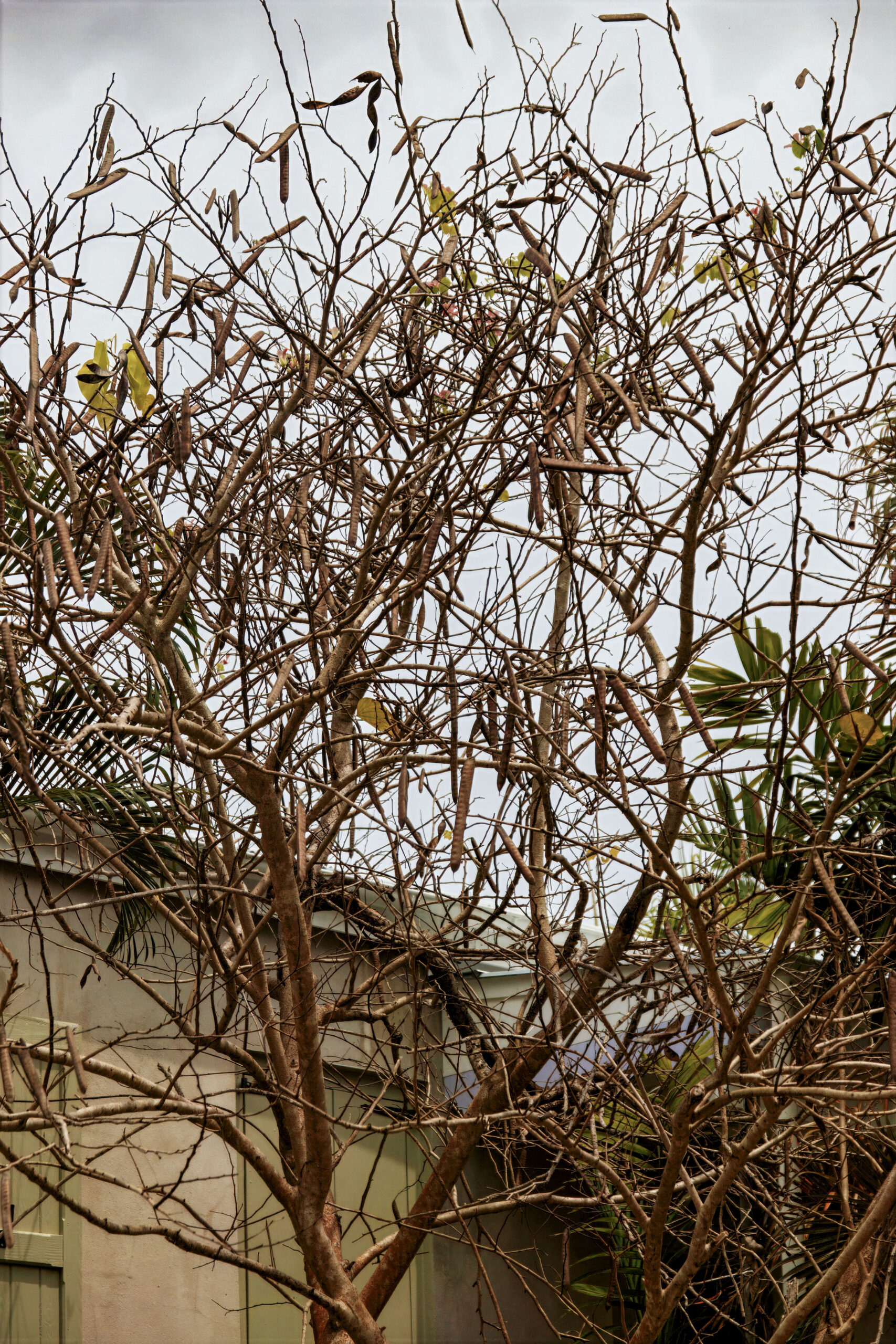
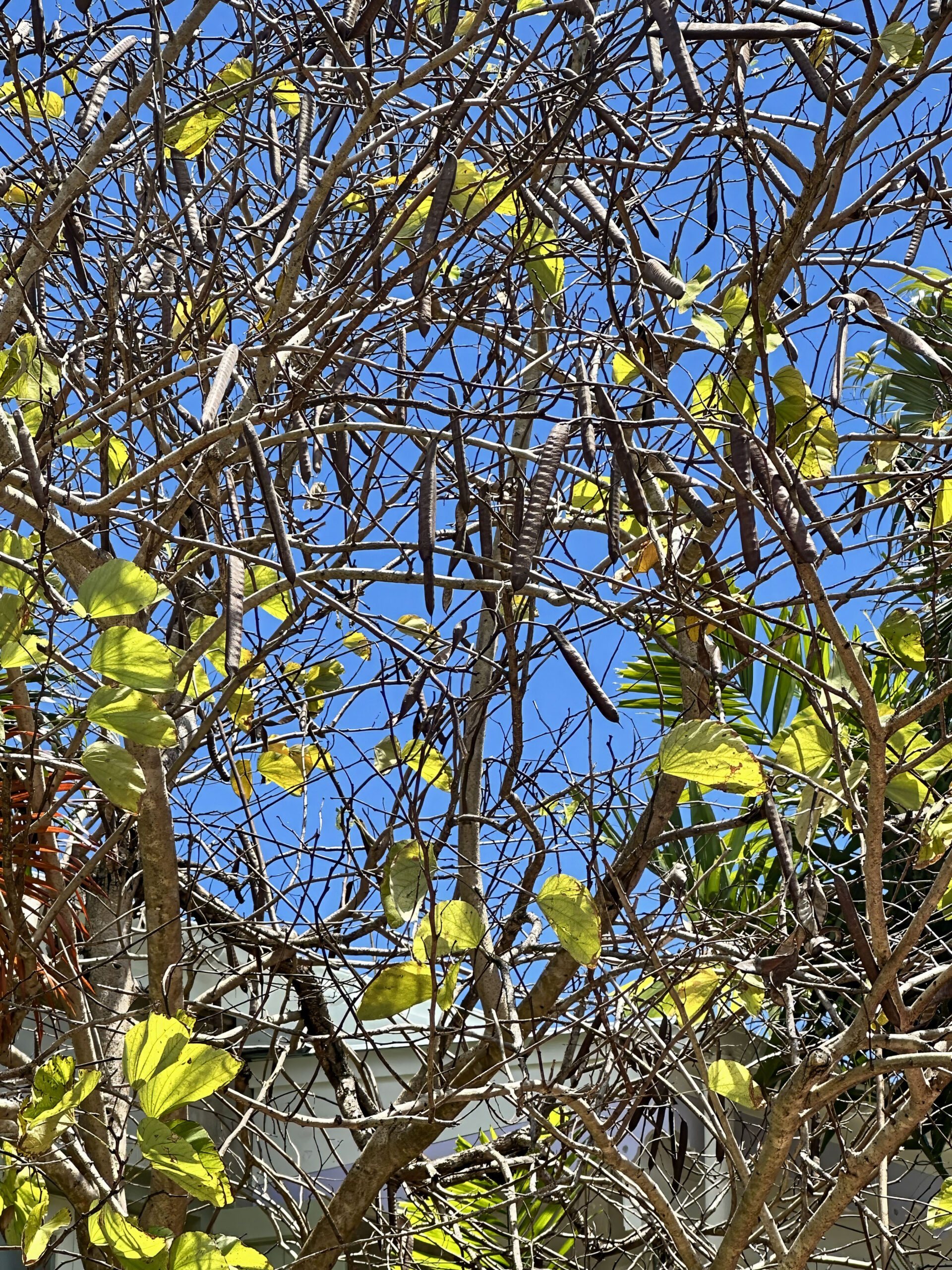
Following flowering, long, flat seed pods develop.

  • These brown, woody pods mature over several weeks and contain multiple seeds.
  • Pod formation begins in the late flowering phase and continues through the early wet season.
  • Mature pods may split open and drop seeds in early summer.

5. Seasonal Color or Phenological Cues
While not known for striking color change, the sudden appearance of flowers on bare branches, followed by rapid leaf flush, serves as a strong seasonal indicator.

  • The absence of leaves + presence of flowers = mid-dry season.
  • The reappearance of leaves + pod formation = early wet season.
Scroll to Top