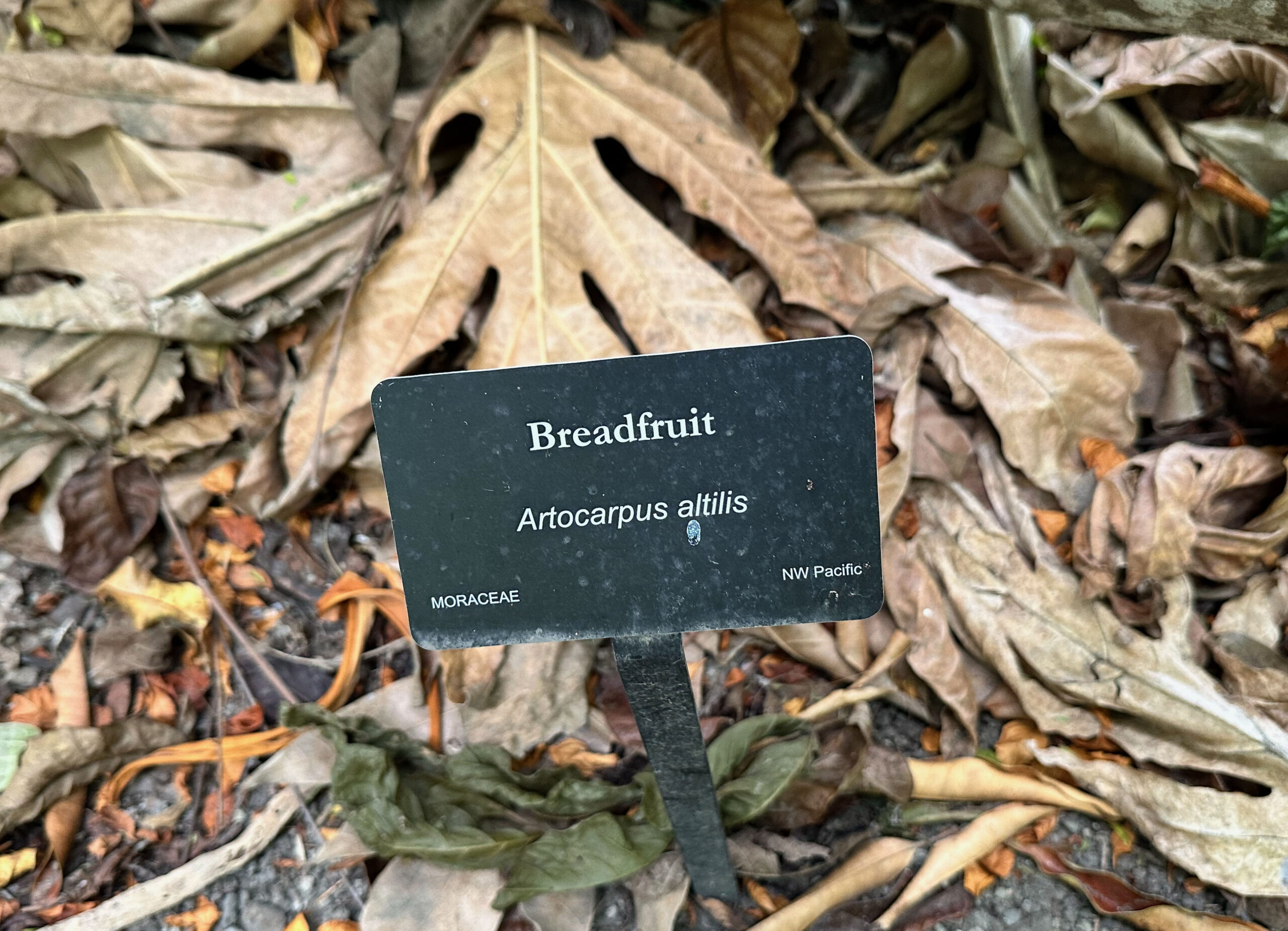
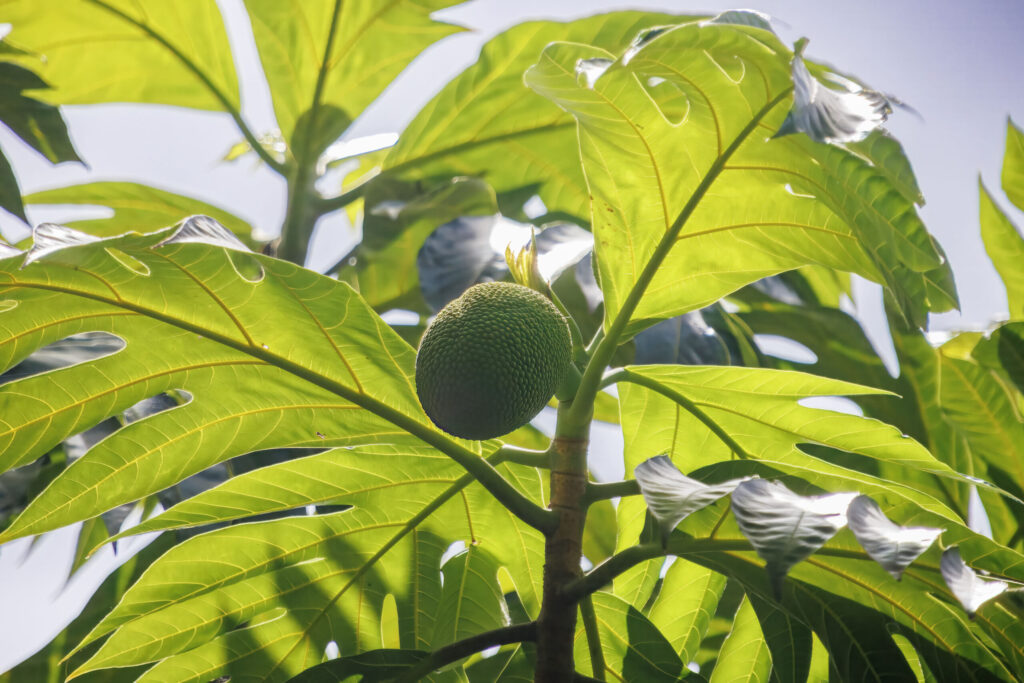
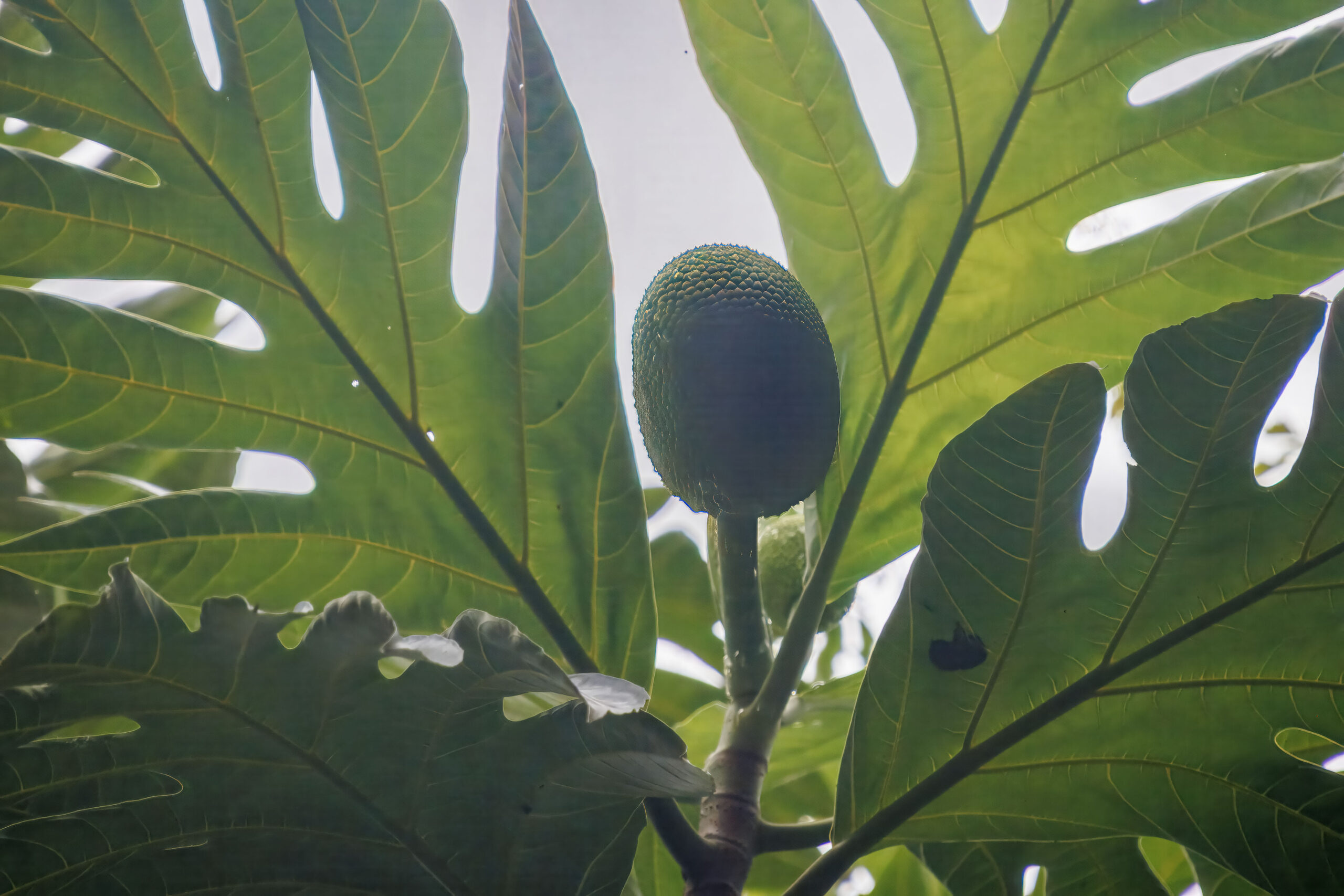
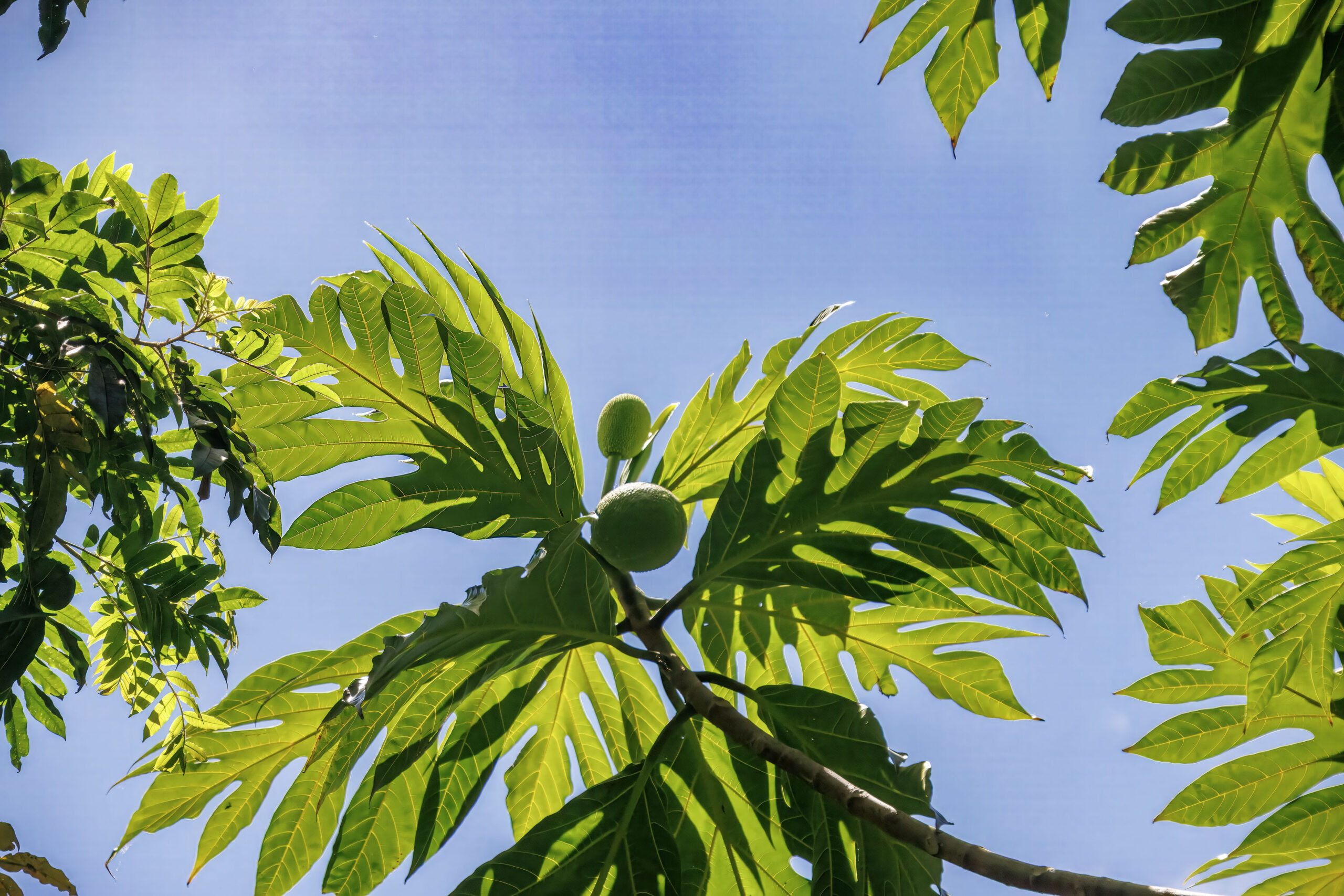
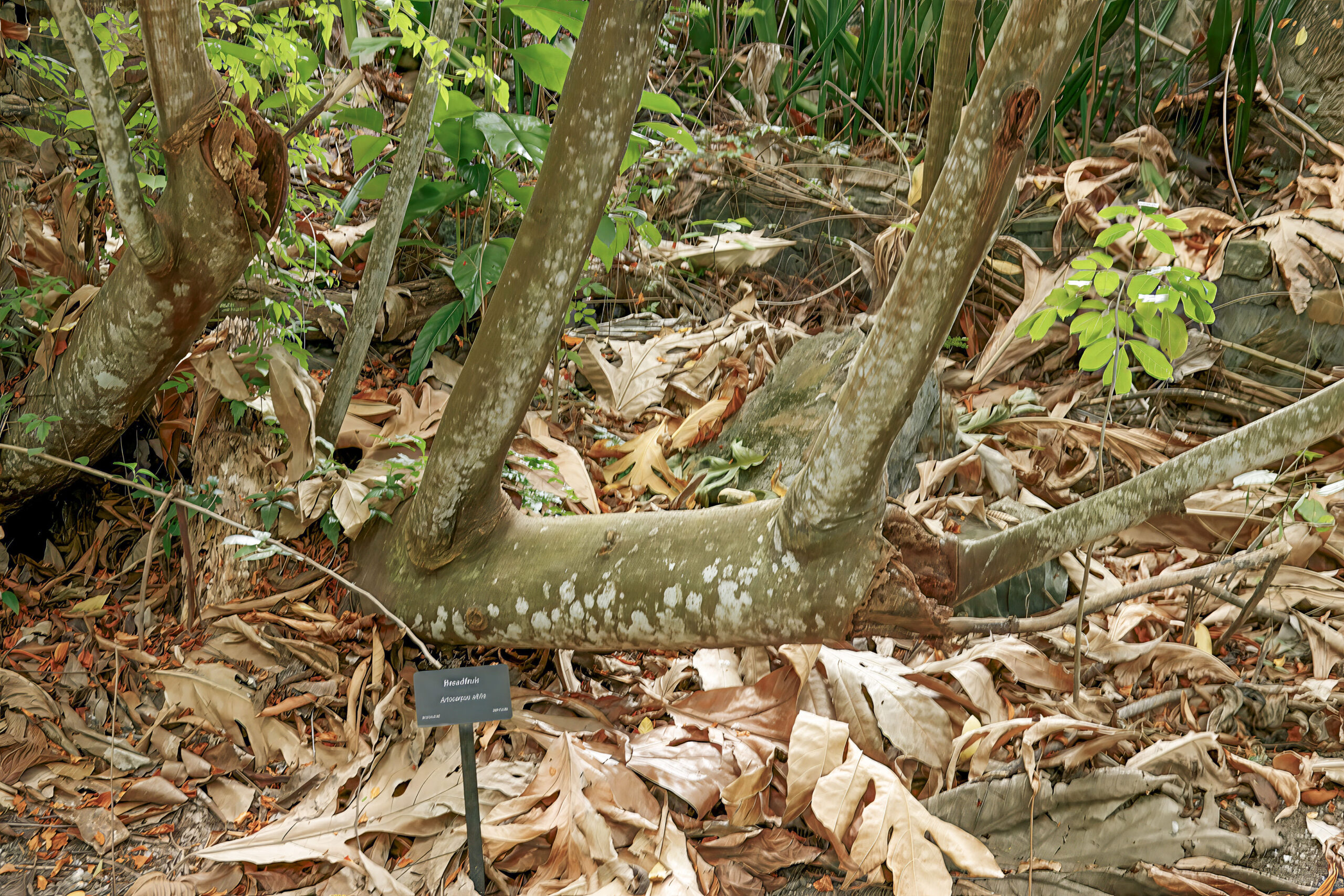
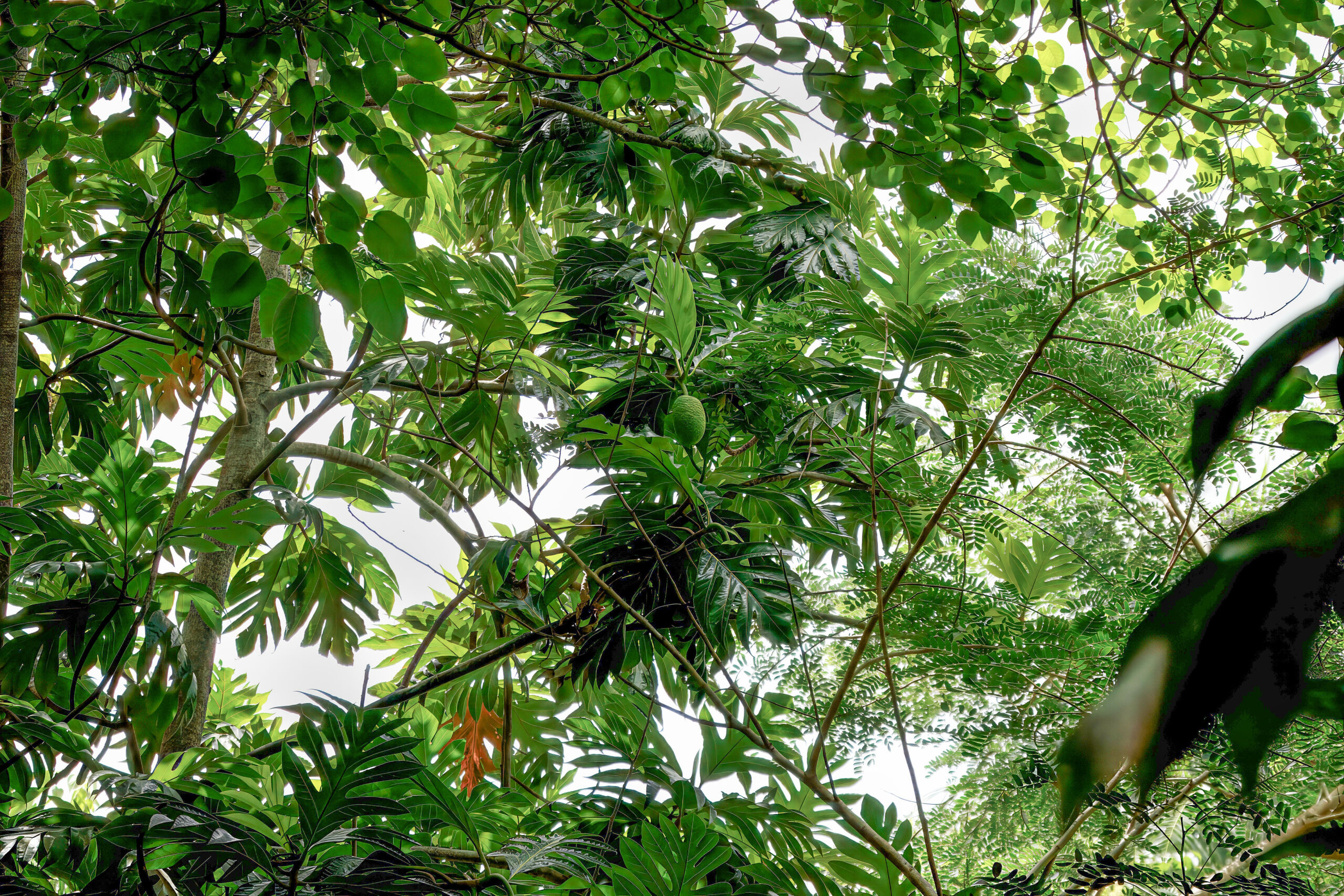
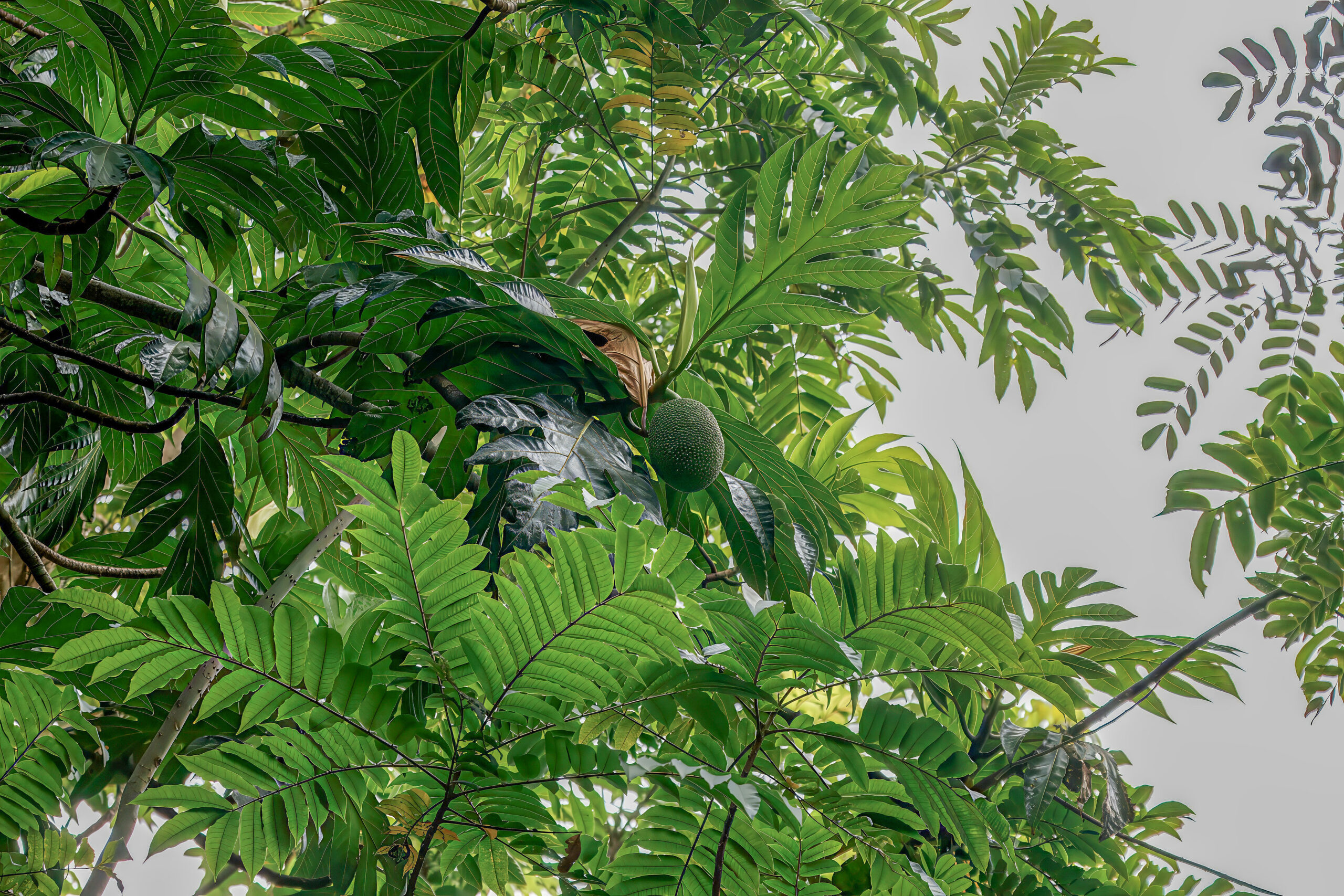
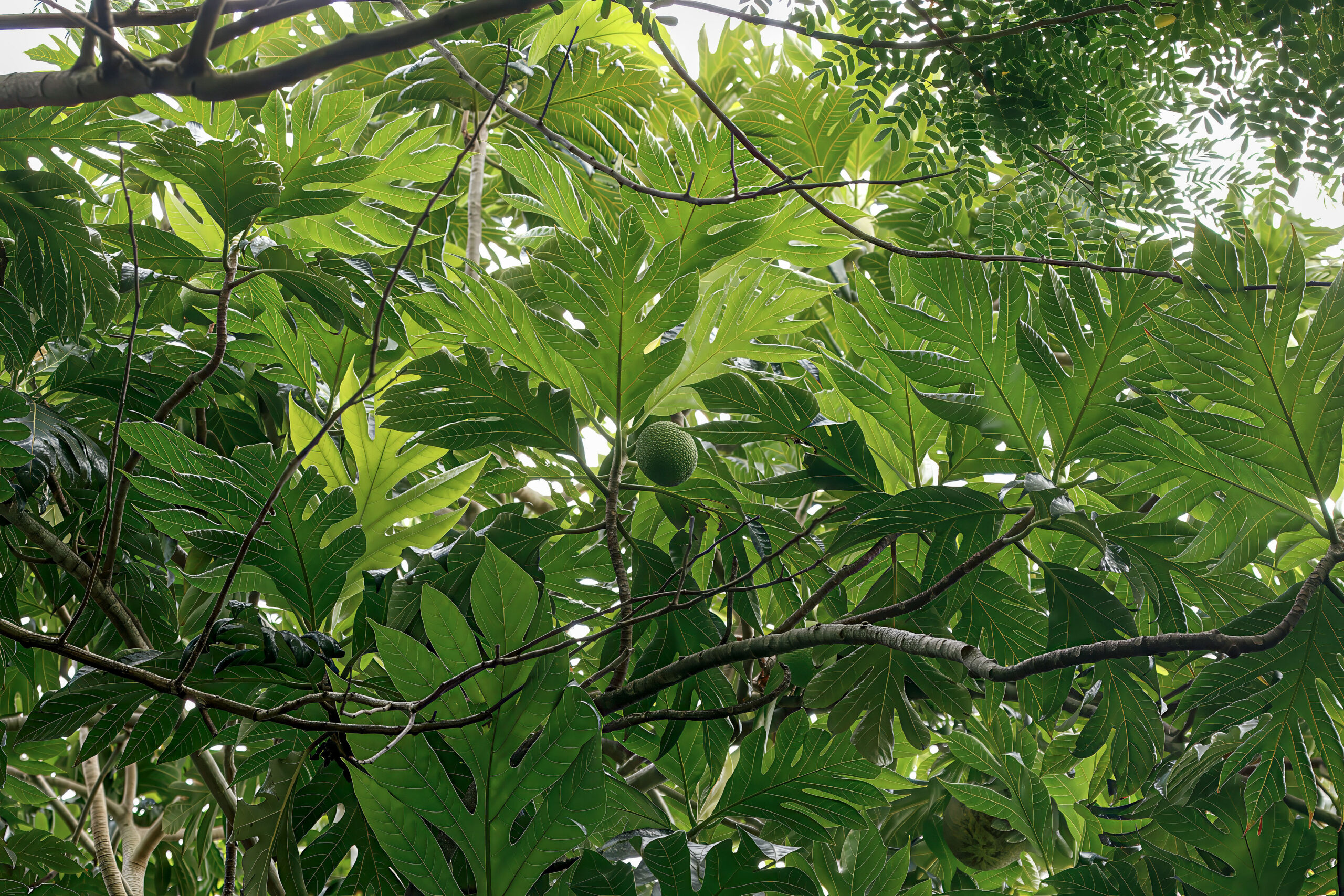
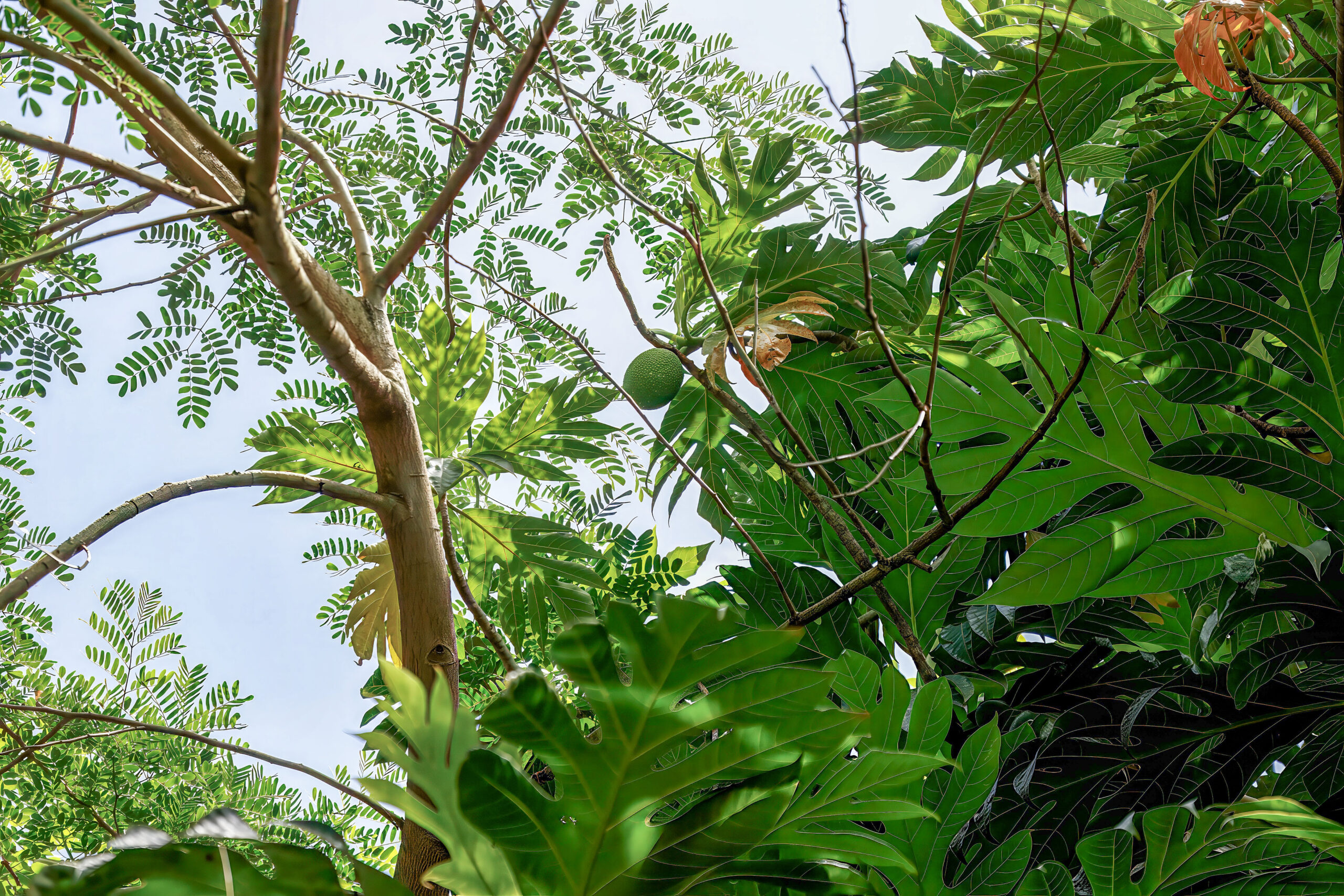
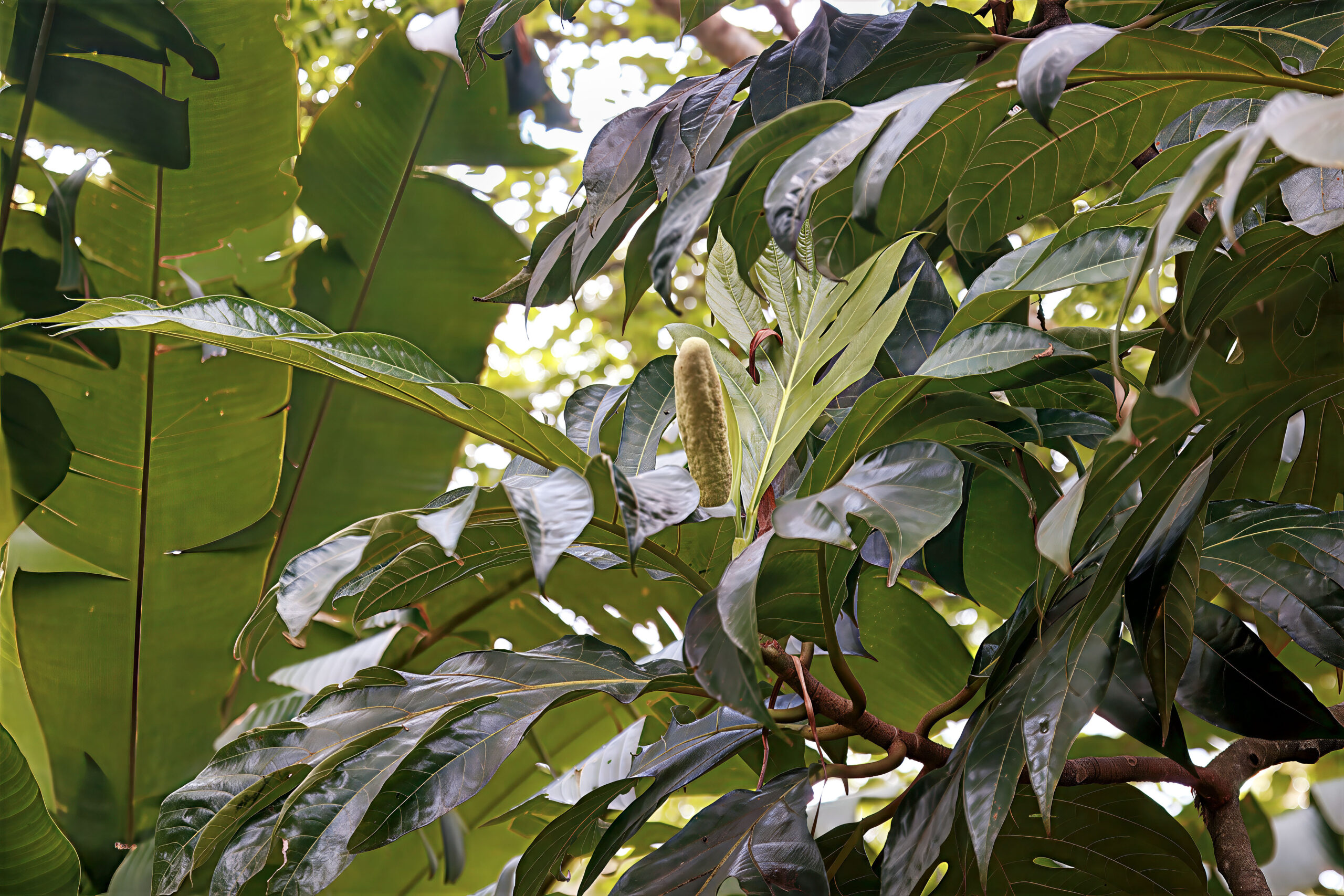
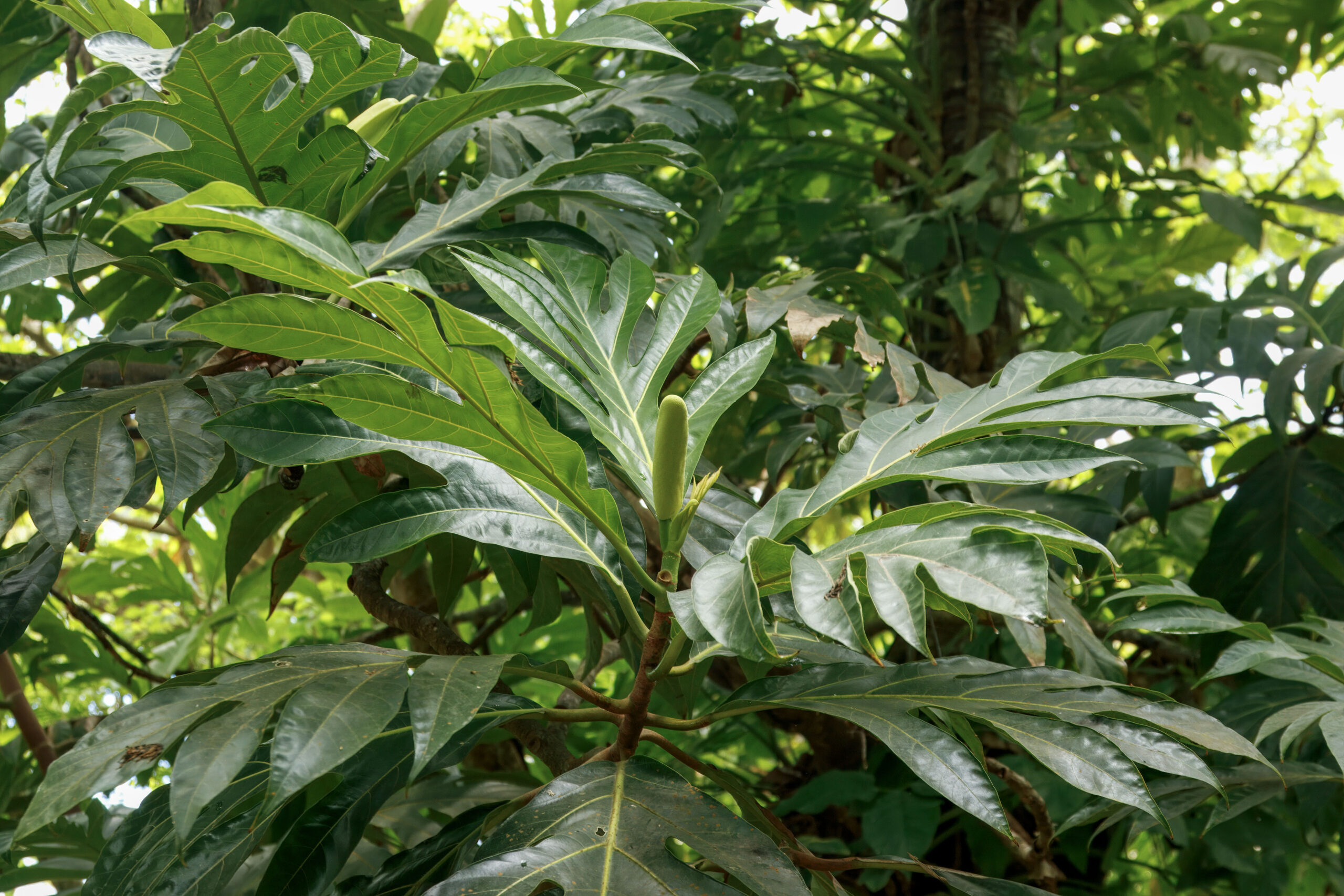
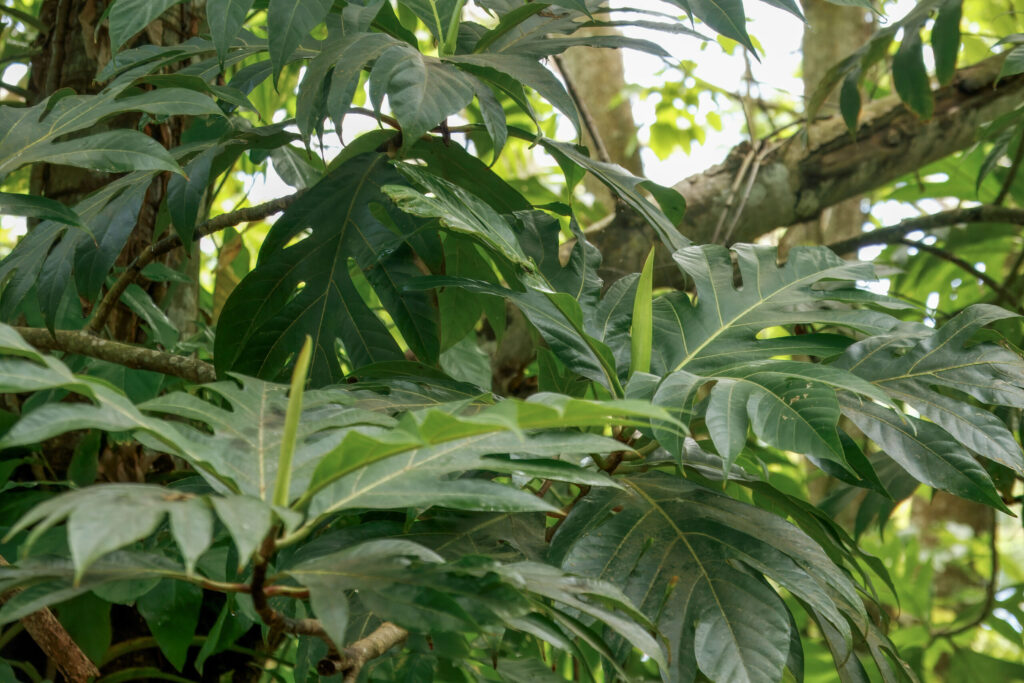
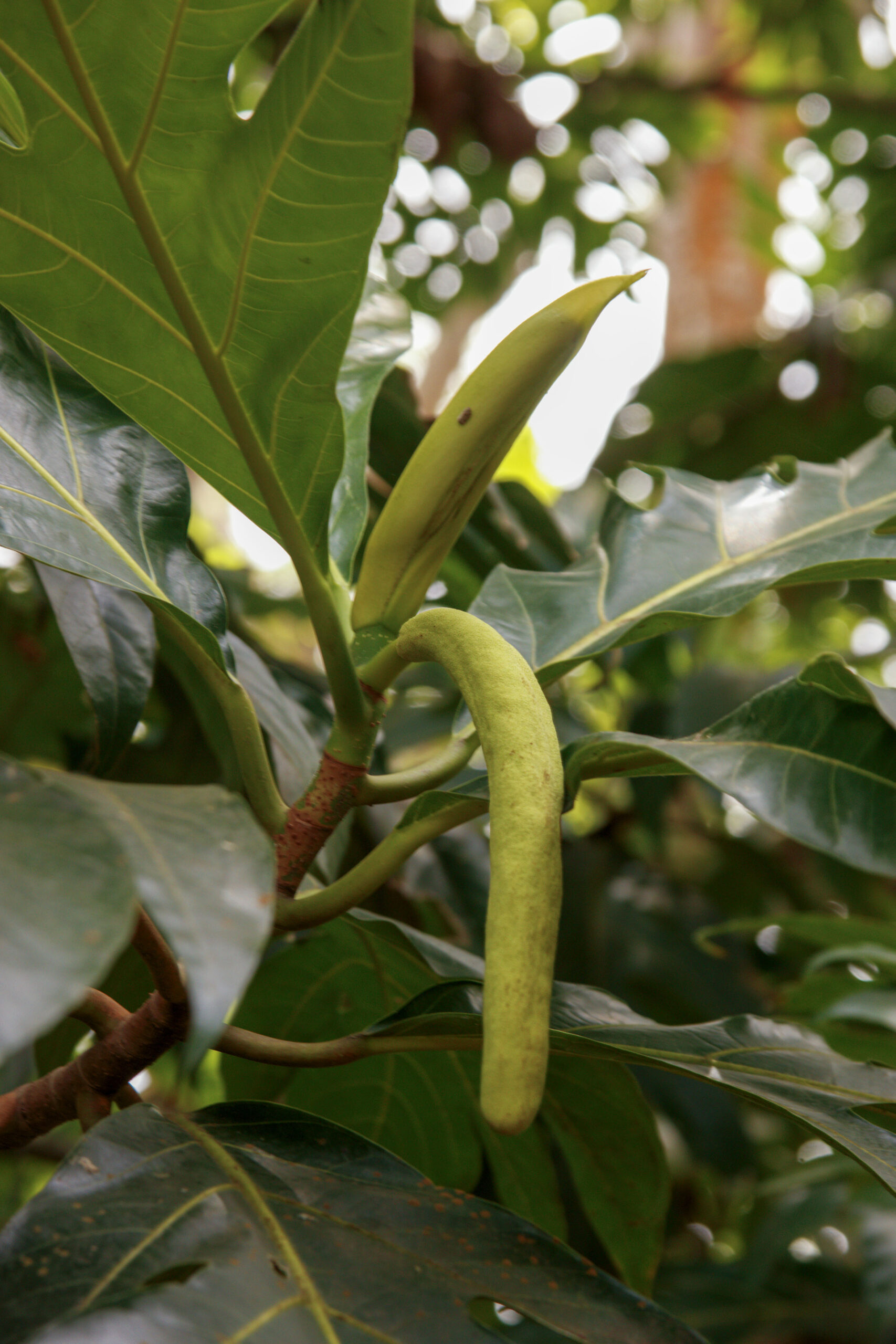
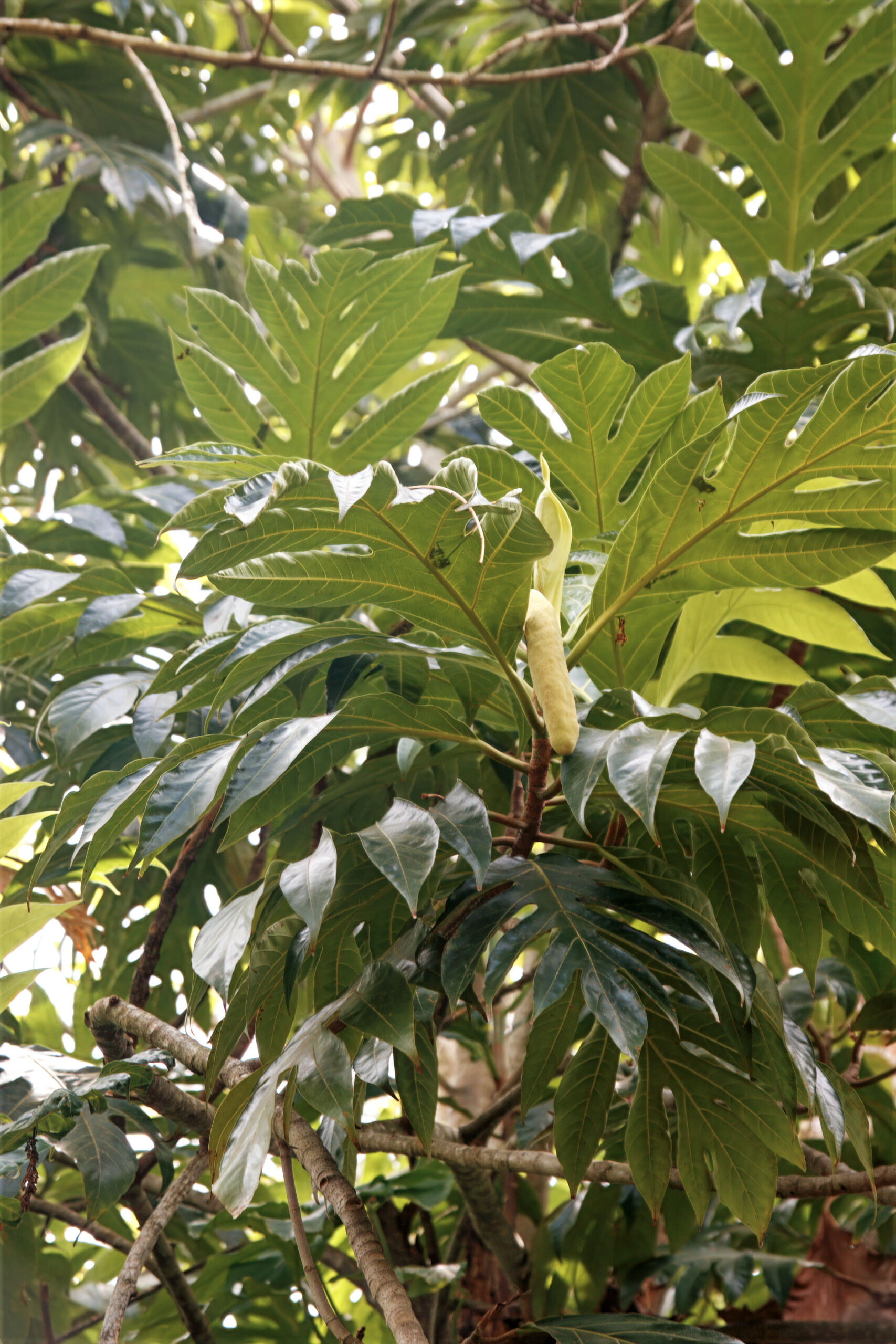
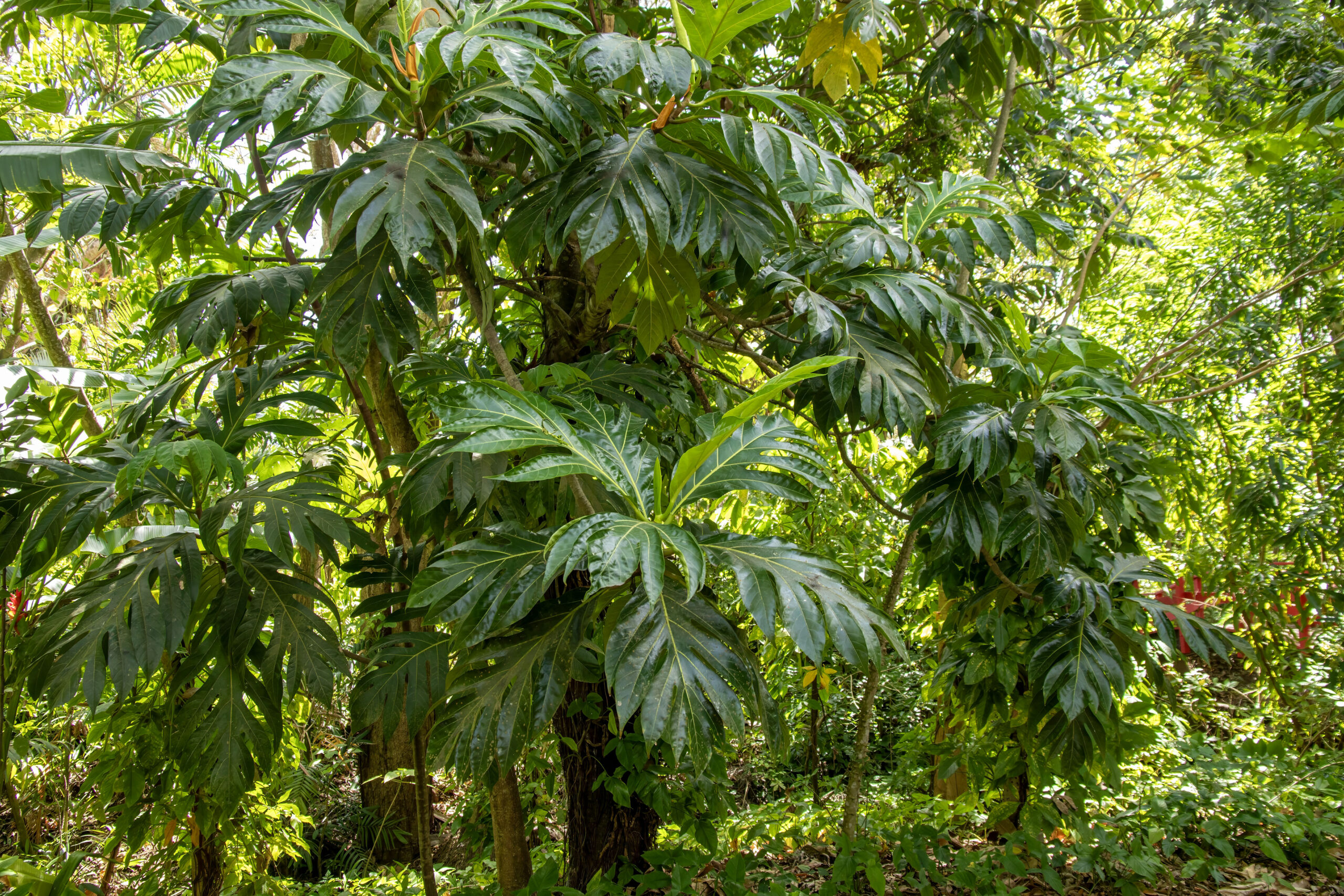
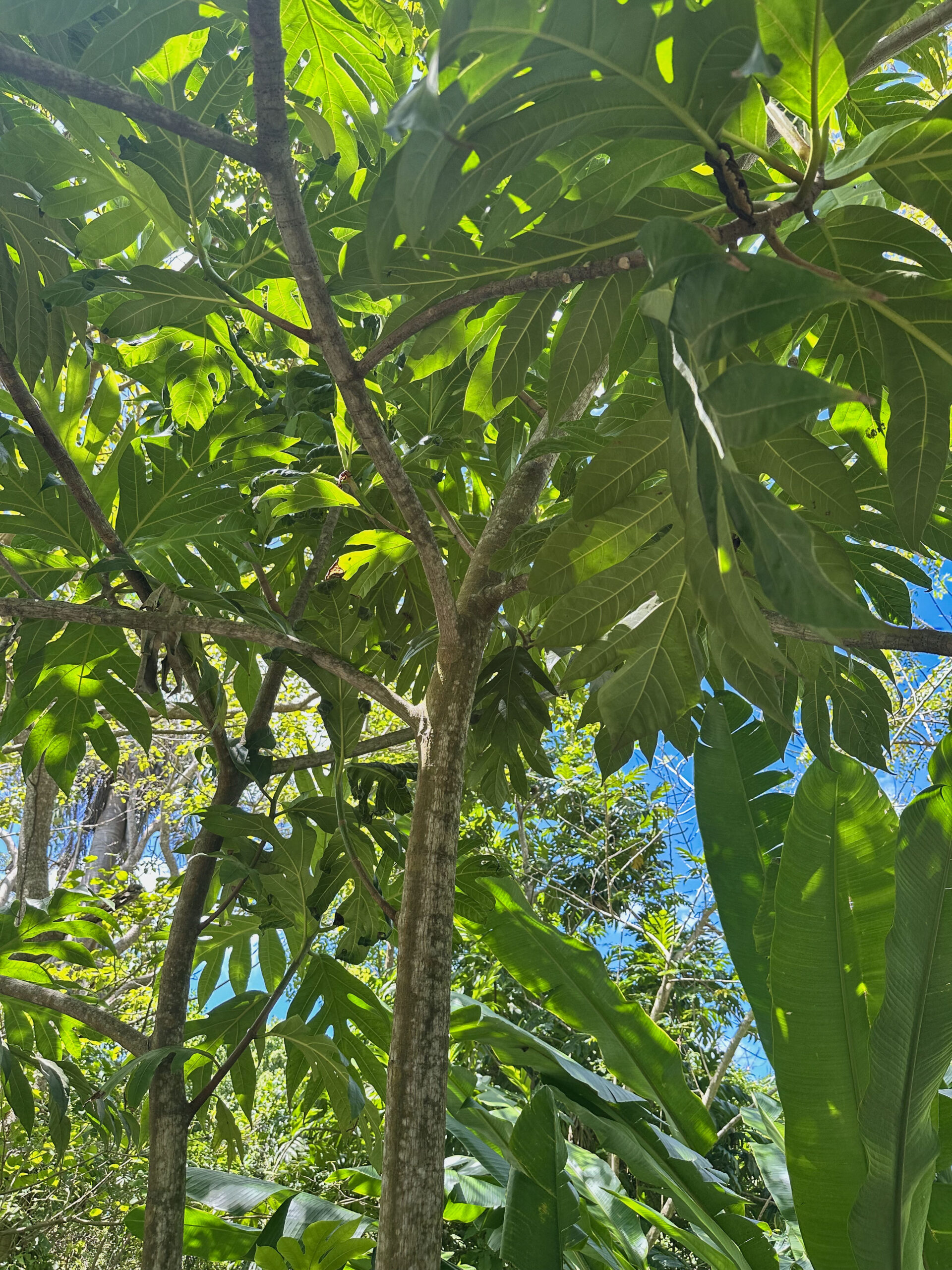
Breadfruit tree
Scientific name: Artocarpus altilis
POWO Status: Tree
IUCN Red List threat level: Not Evaluated
GPS Location: 17° 42′ 56.76″ N, 64° 49′ 43.01″ W


Medicinal Uses
Artocarpus altilis (Breadfruit) is used in traditional medicine across the Pacific and Caribbean for various ailments, with leaves brewed into teas for high blood pressure, diabetes, and asthma, while latex and poultices treat skin issues, wounds, sprains, and digestive problems like diarrhea, and bark/root extracts are used for inflammation, fever, and infections, though scientific validation for many uses is ongoing.
Uses by Plant Part
- Leaves:
- Tea: Brewed for high blood pressure, asthma, diabetes, and to lower cholesterol.
- Poultice/Infusion: Applied for skin conditions (rashes, eczema, thrush), wounds, burns, and sore eyes.
- Other: Used for fever, coughs, and stomach issues.
- Latex (Sap):
- Topical: Massaged for sprains, broken bones, sciatica, and applied to skin infections.
- Internal: Taken diluted for diarrhea, dysentery, and stomach aches.
- Eardrops: Used for ear infections.
- Bark & Root:
- Decoctions: Used for inflammation, headaches, and gastrointestinal infections.
- Root: Astringent, used as a purgative and poultice for skin problems.
- Heartwood: Contains antioxidants and compounds with potential anti-cancer and skin-lightening (melanogenesis inhibition) properties, studied for cosmetic use.
Potential Benefits (Under Research)
- Antimicrobial/Antifungal: Extracts show activity against various bacteria, fungi, and viruses.
- Anti-inflammatory: Compounds found in breadfruit may help with arthritis and general inflammation.
- Antioxidant: Rich in antioxidants that fight oxidative stress.
- Antidiabetic: Polyphenols in leaves may help regulate blood sugar and insulin.
Important Note
While traditional uses are widespread, many claims lack rigorous human clinical trials, and caution is advised, especially for pregnant women, children, or serious conditions like hypertension.
Observations:
Phenological Markers – Breadfruit Tree (Artocarpus altilis)
1. Leaf Behavior
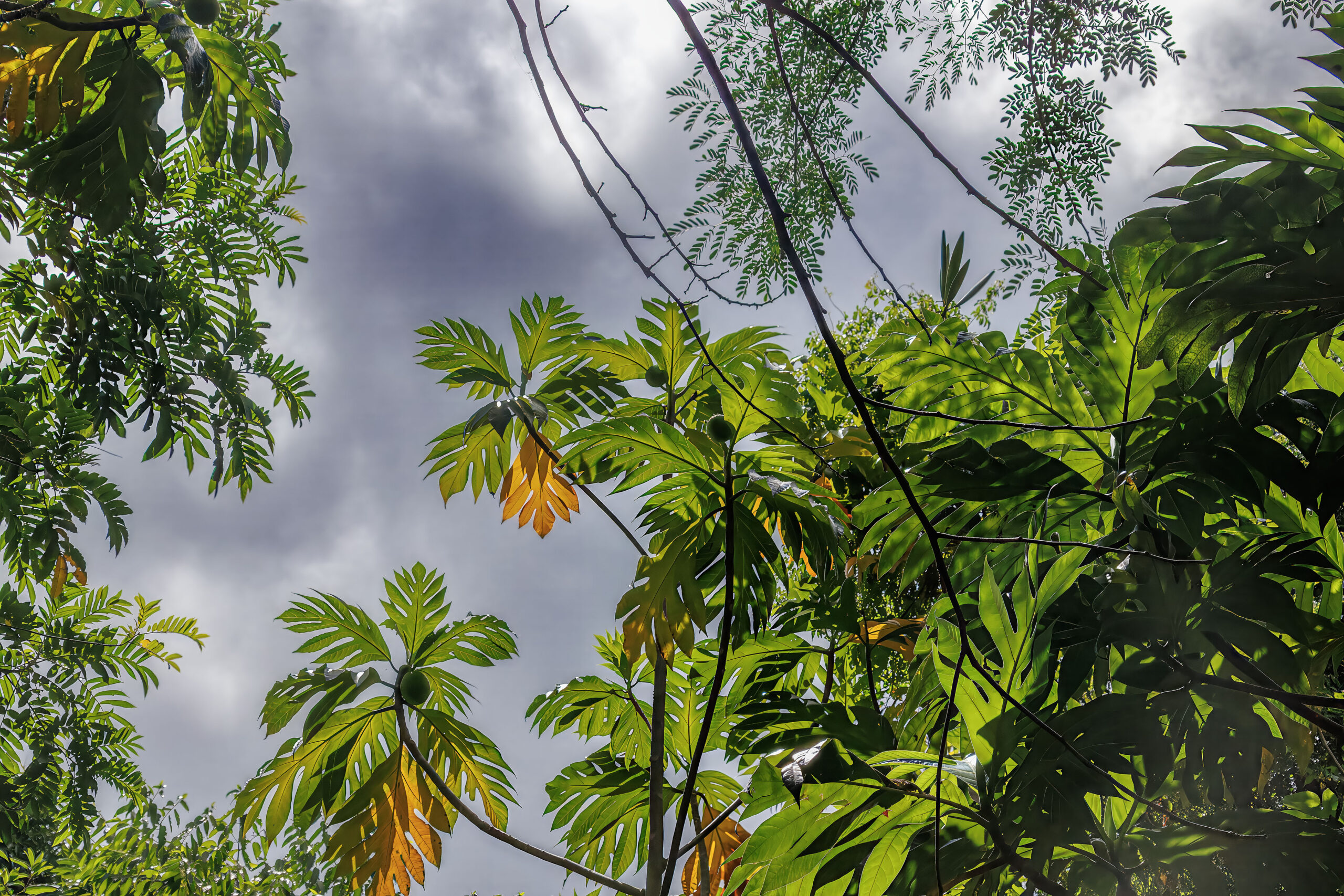
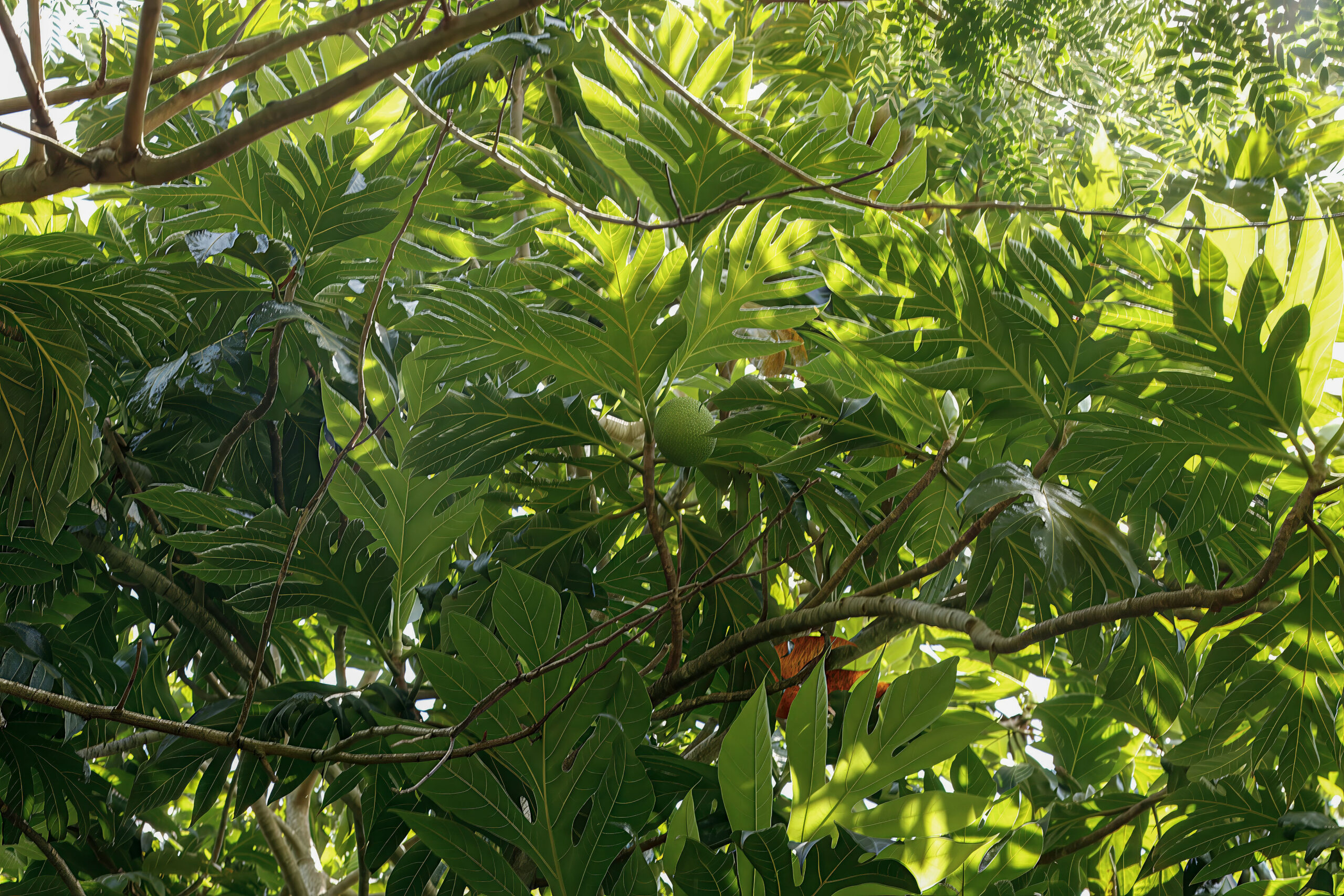
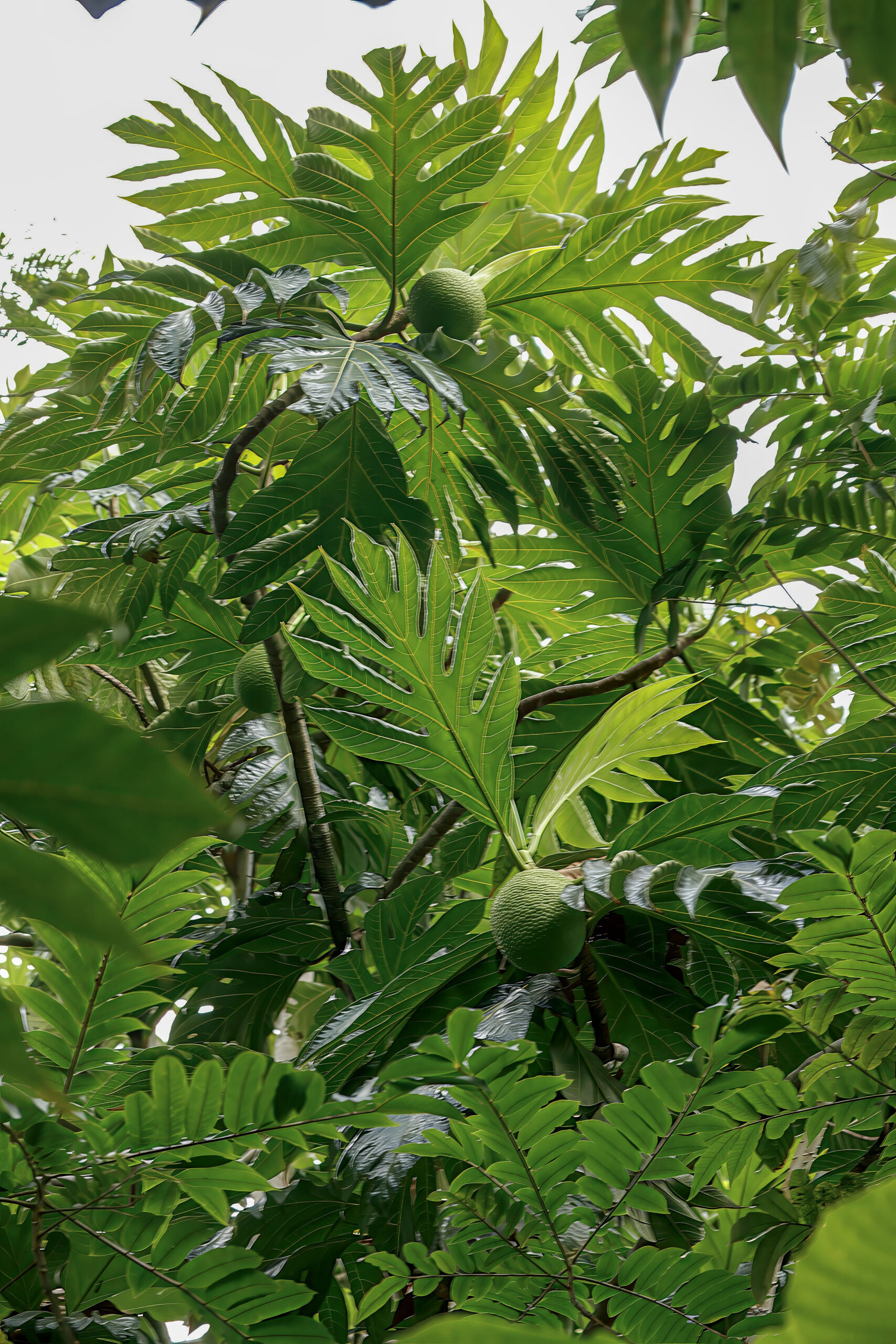
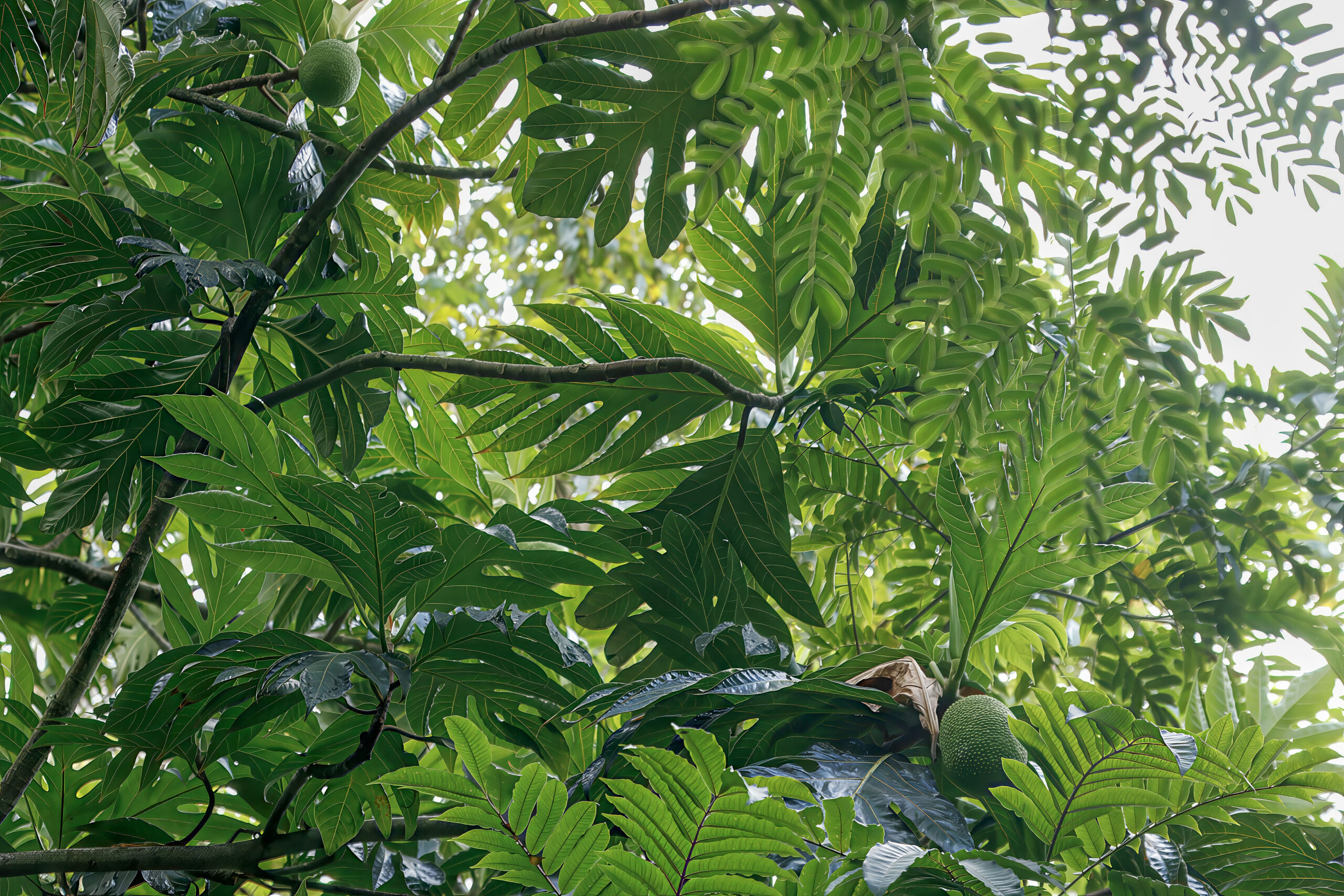
Breadfruit is an evergreen or semi-deciduous tree, depending on rainfall and soil moisture.
- Leaf drop may occur in short bursts, especially during dry periods, but is not usually complete.
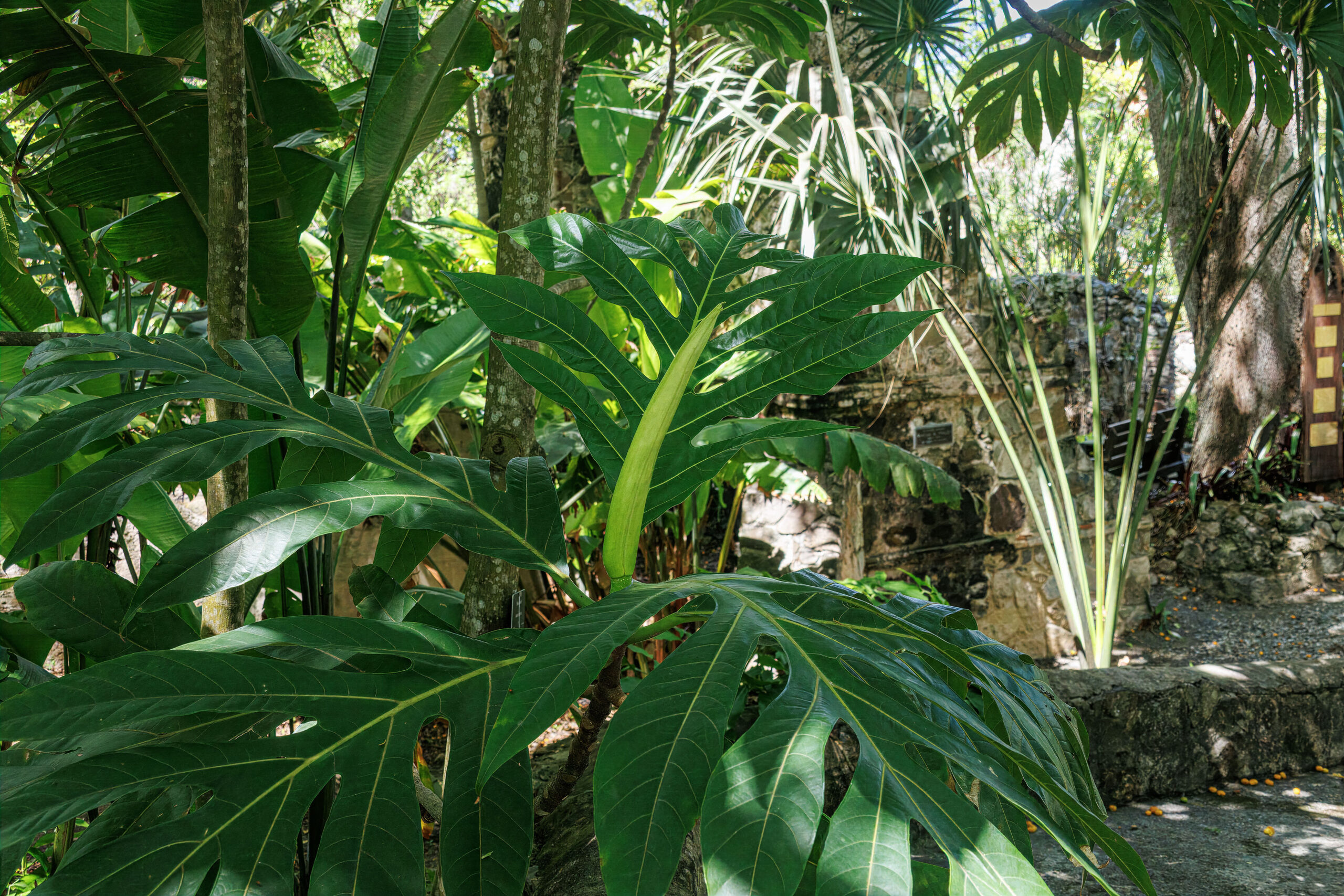
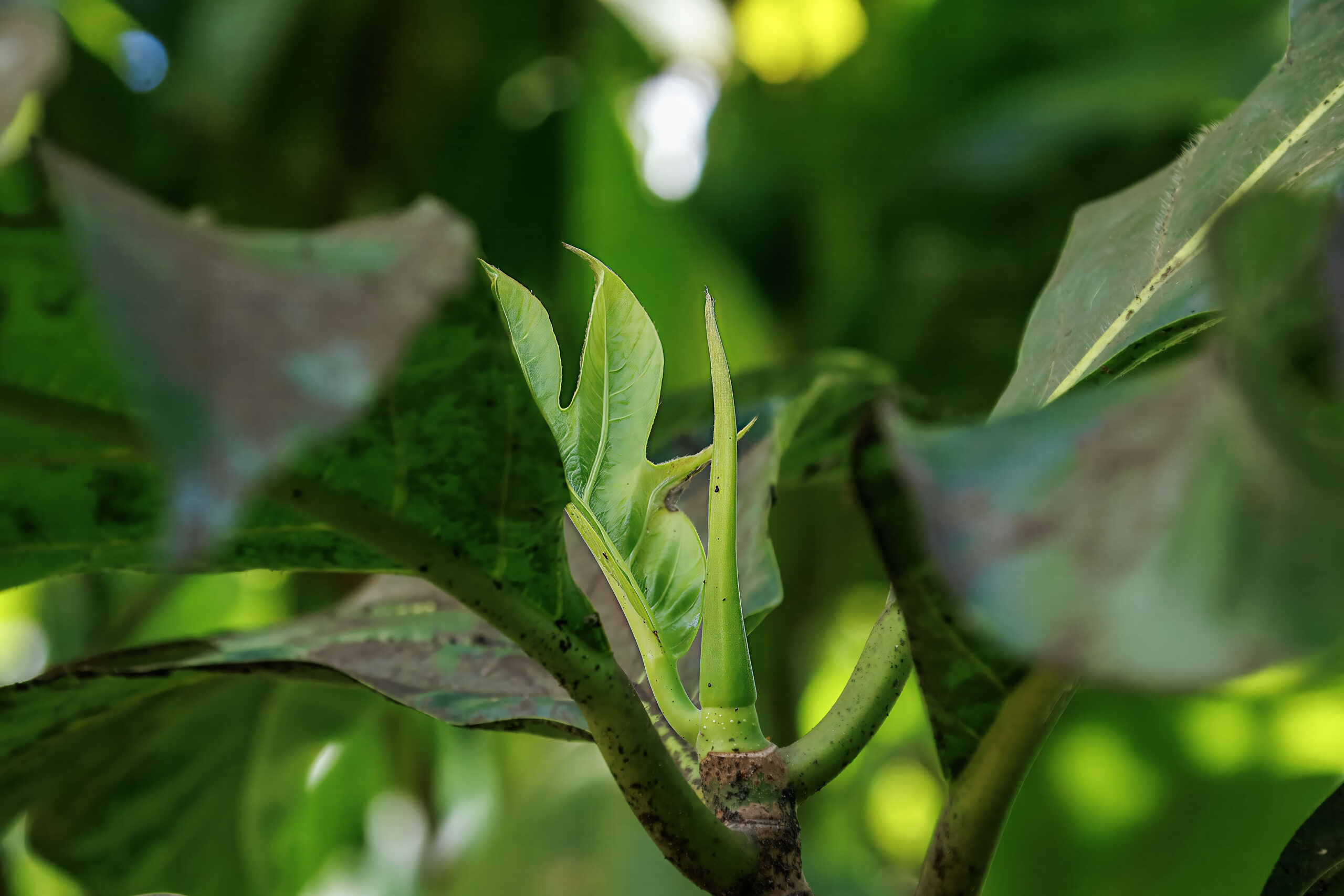
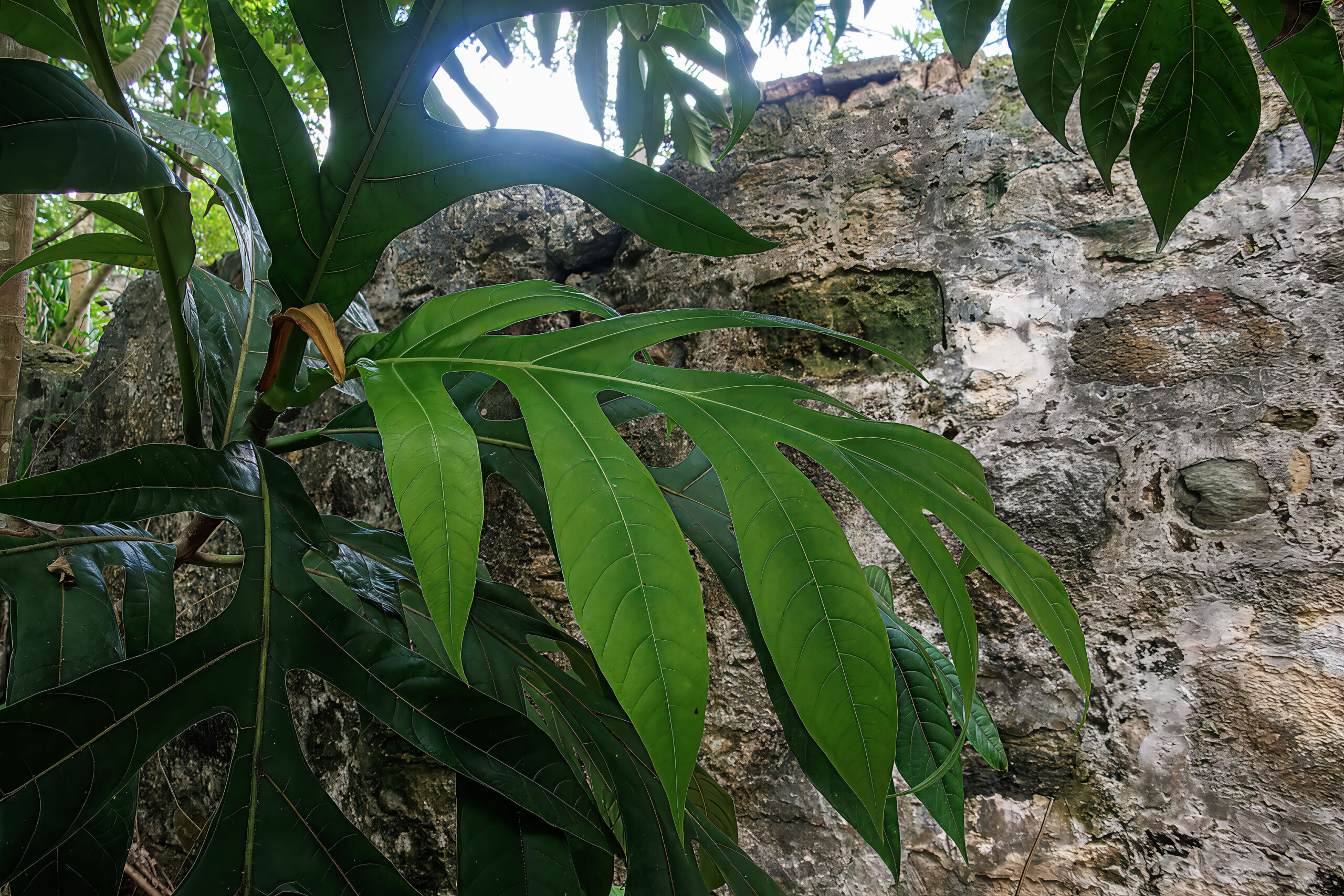
- New leaf flushes occur frequently and are characterized by large, deeply lobed leaves that are light green and slightly hairy when young.
Observation Tips:
- Track leaf color, size, and surface texture to distinguish new flushes.
- Observe if partial defoliation precedes flowering in your local microclimate.
2. Flowering
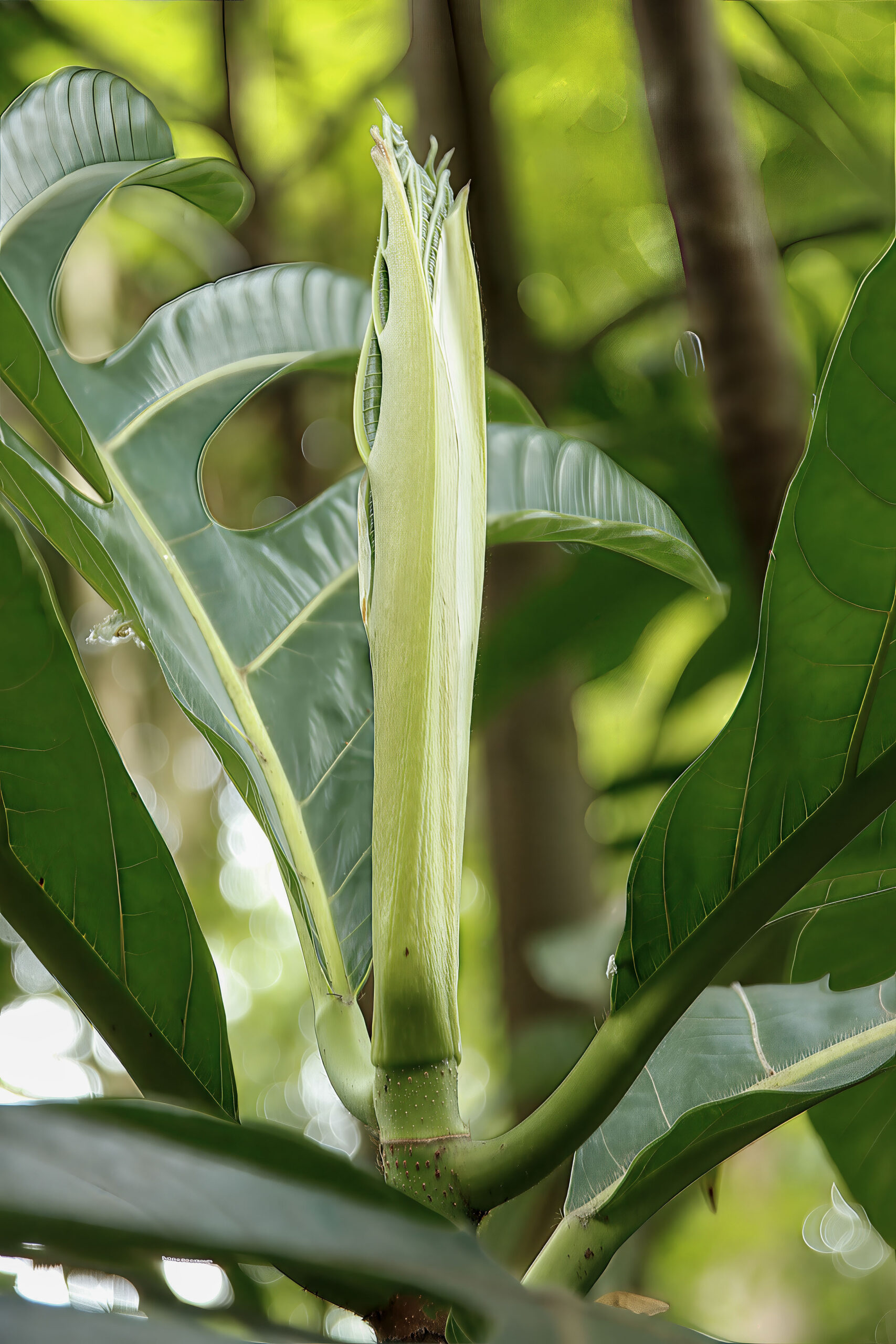
The tree is monoecious, producing male and female inflorescences separately on the same tree.
- Male flowers are slender, club-shaped spikes that emerge first.
- Female flowers are round, green, and appear shortly after the males on the same branches.
- Flowering may occur year-round in St. Croix, but often peaks during the early wet season (May–July).
Observation Tips:
- Document first emergence of male and female flowers.
- Note whether male flowering precedes female and by how many days/weeks.
- Look for insect activity, as bees may visit both flower types.
3. Fruiting
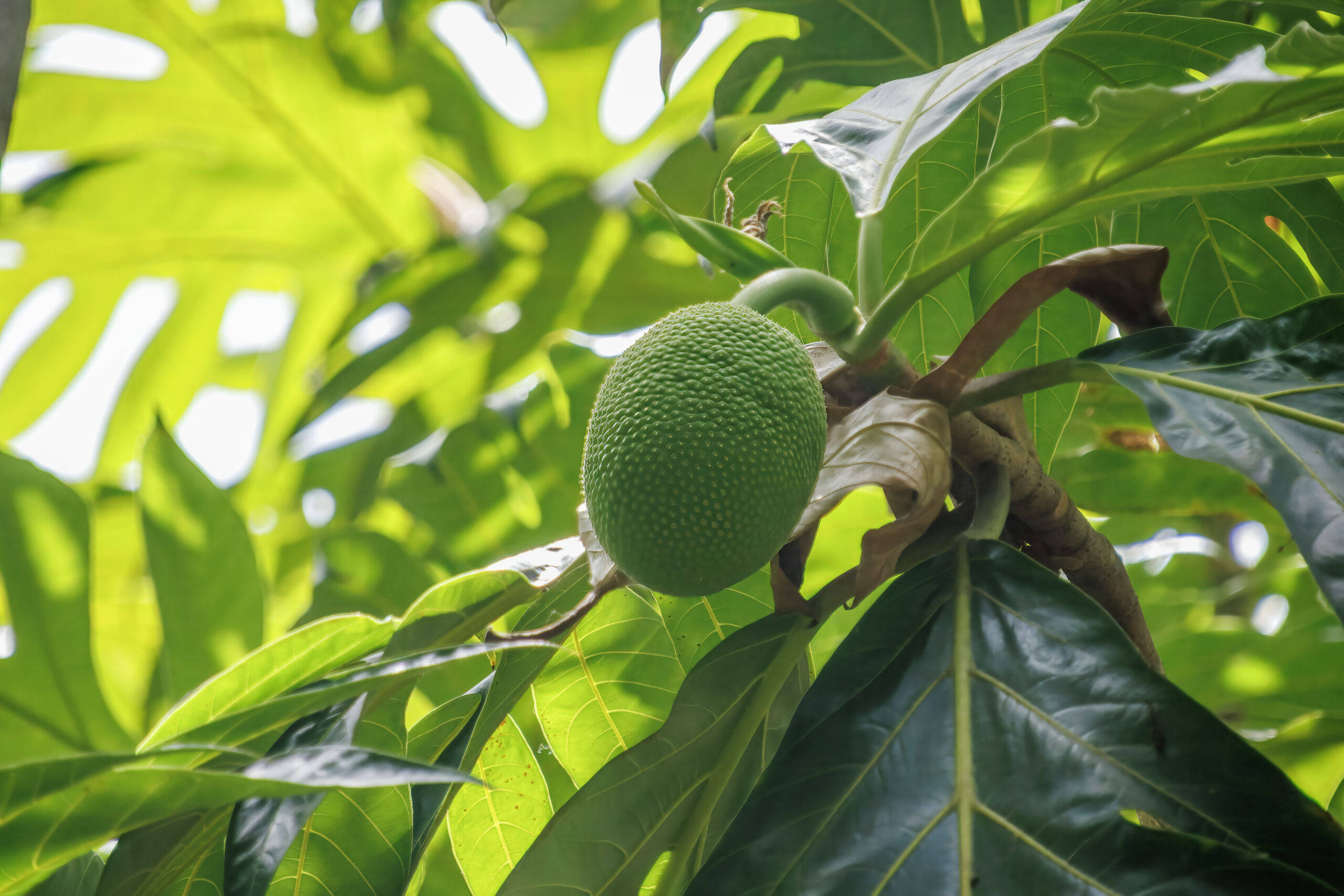
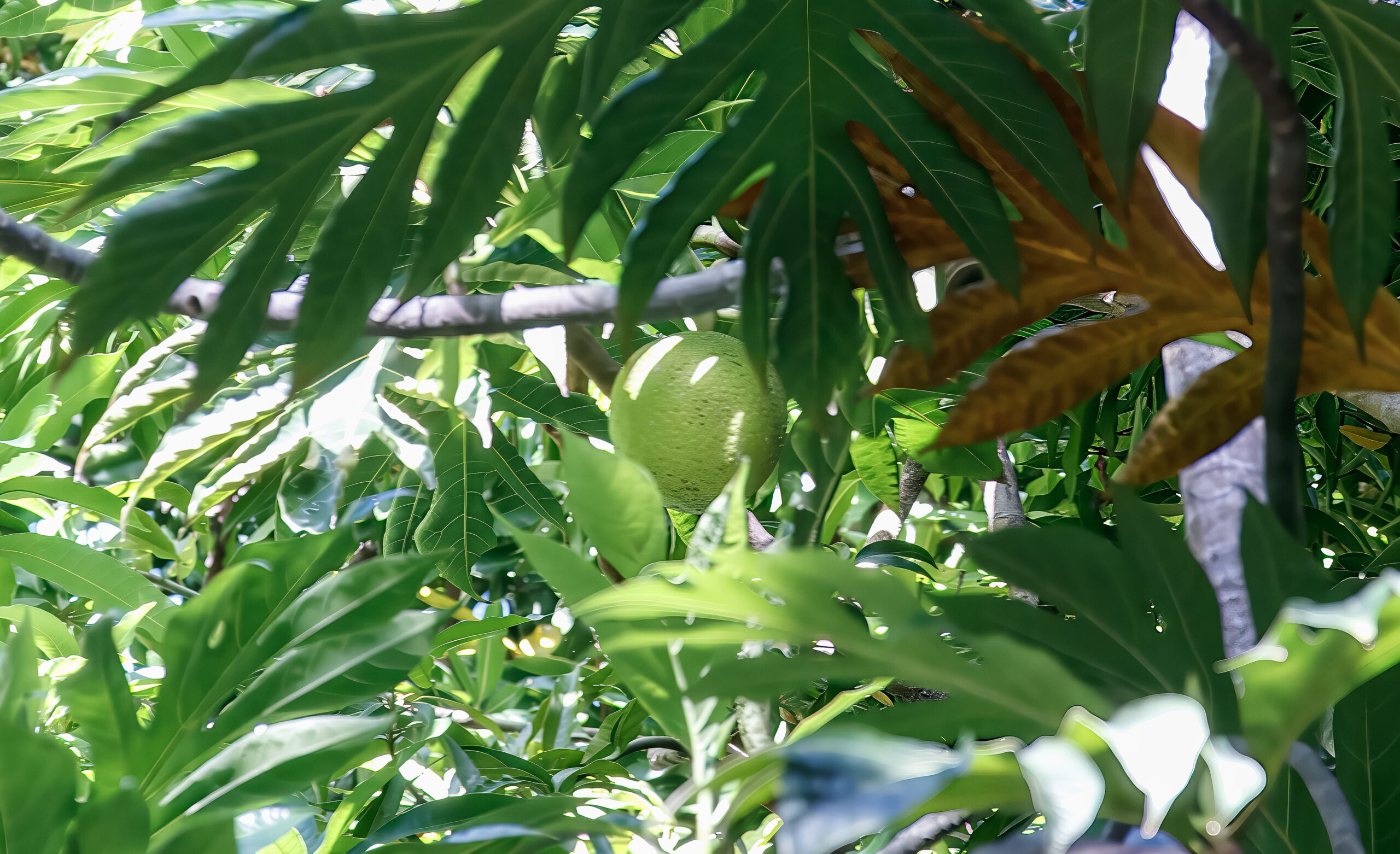
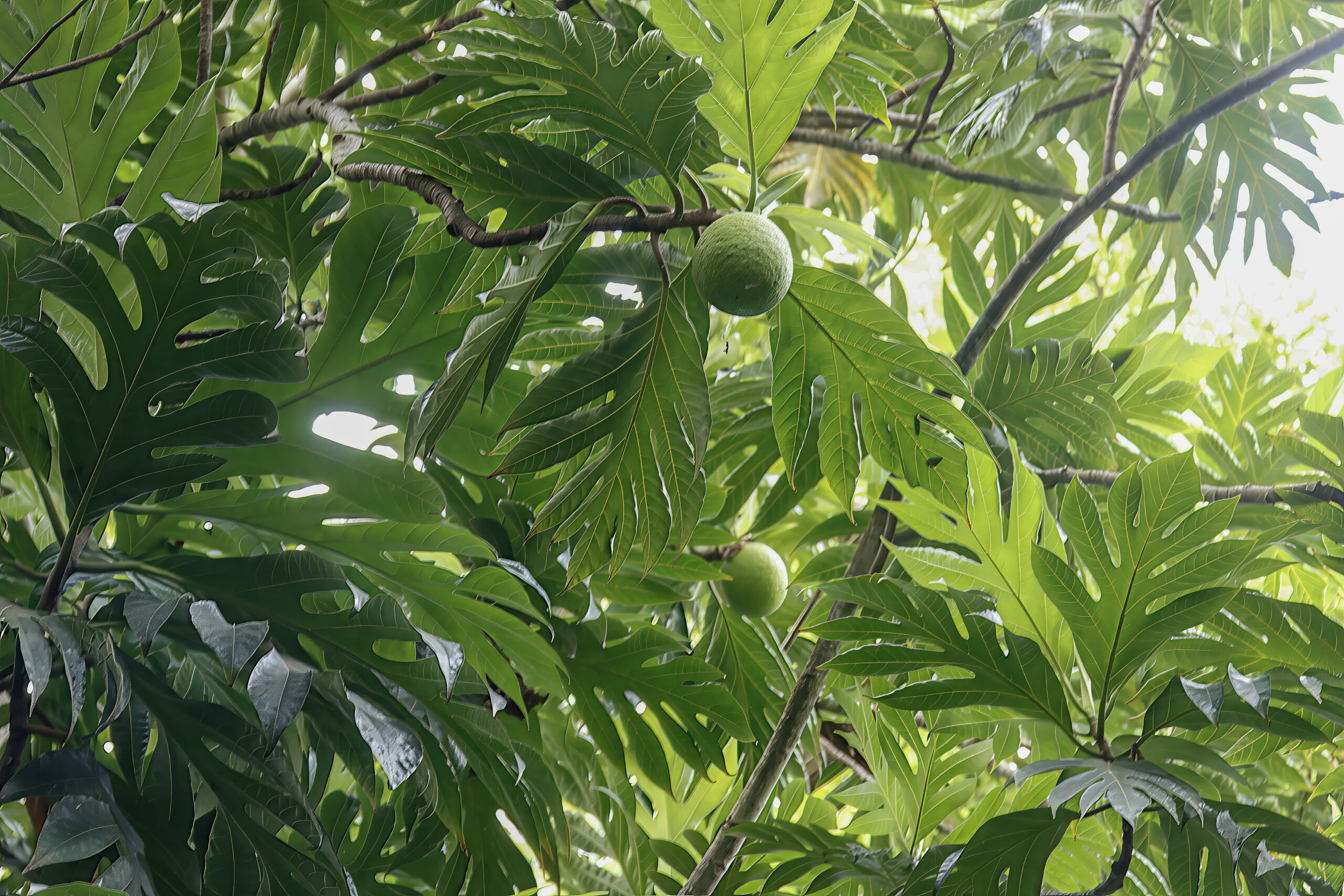
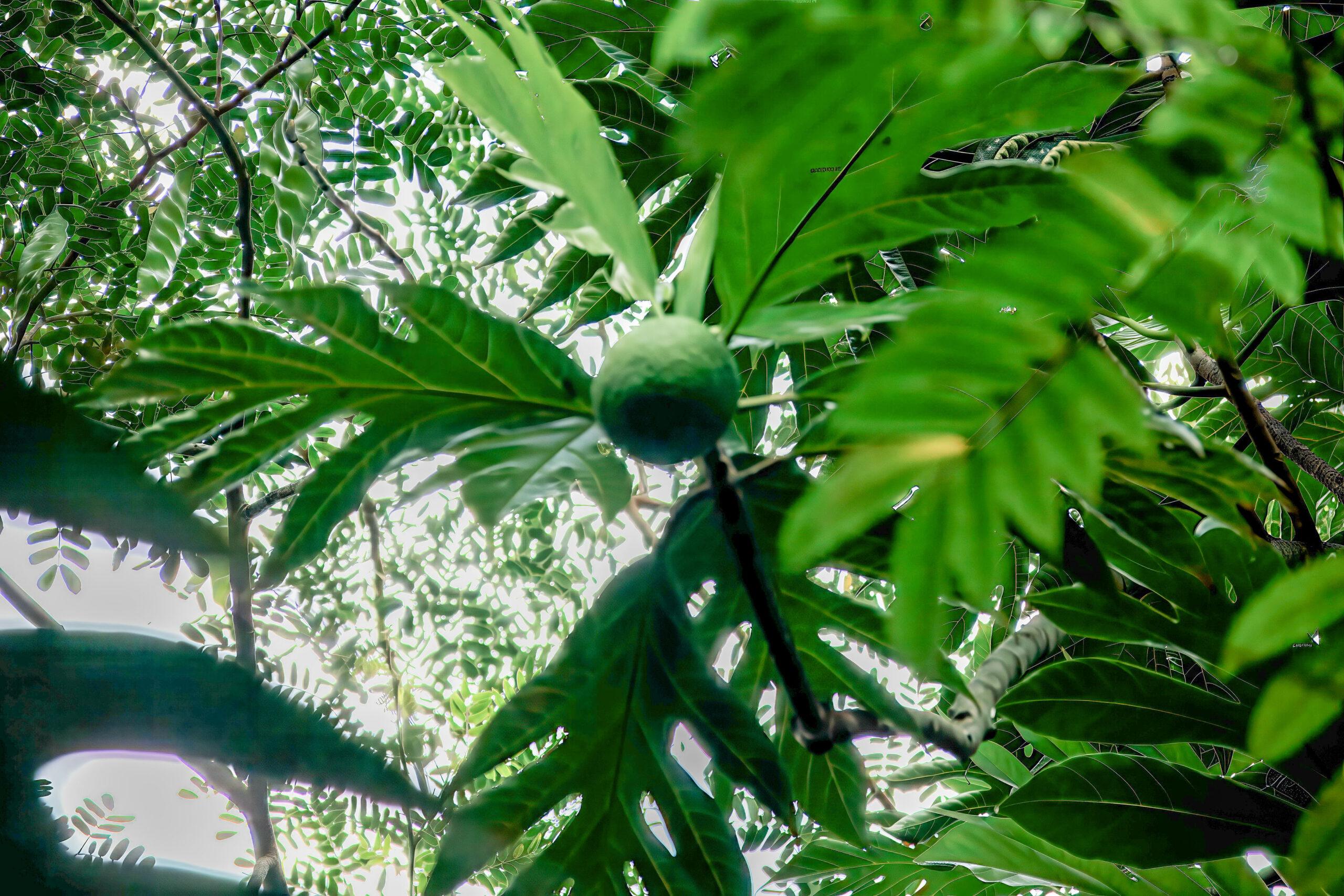
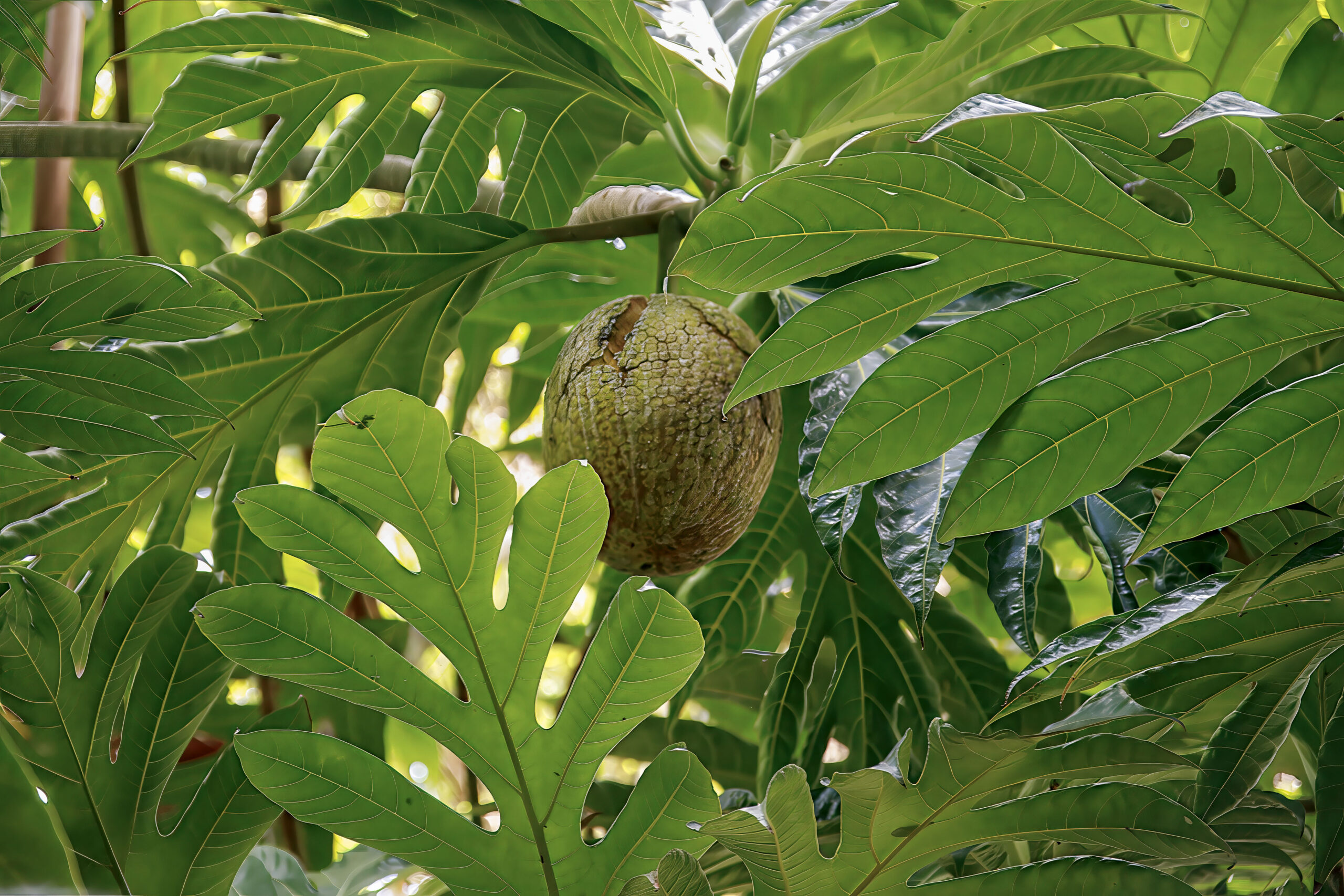
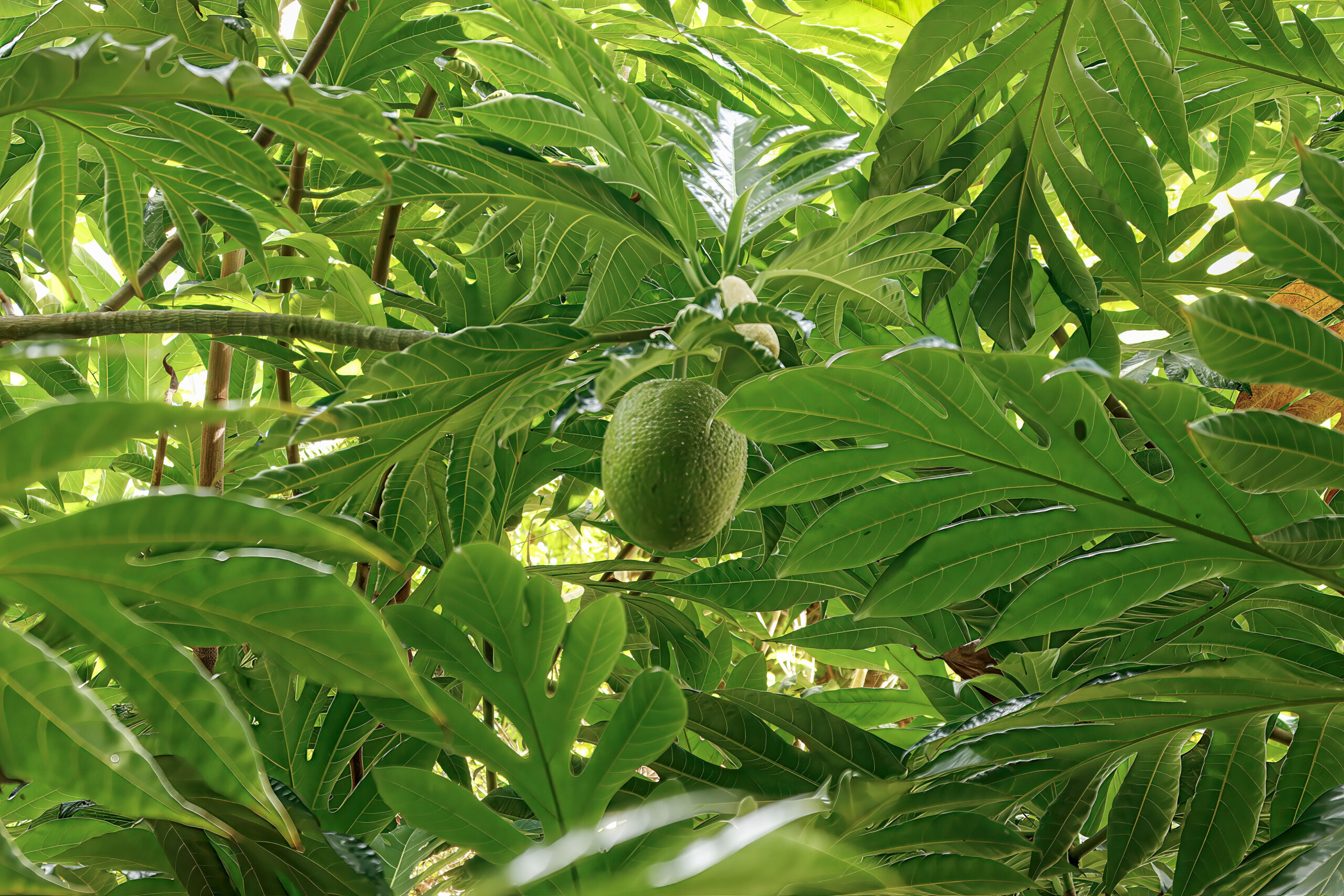
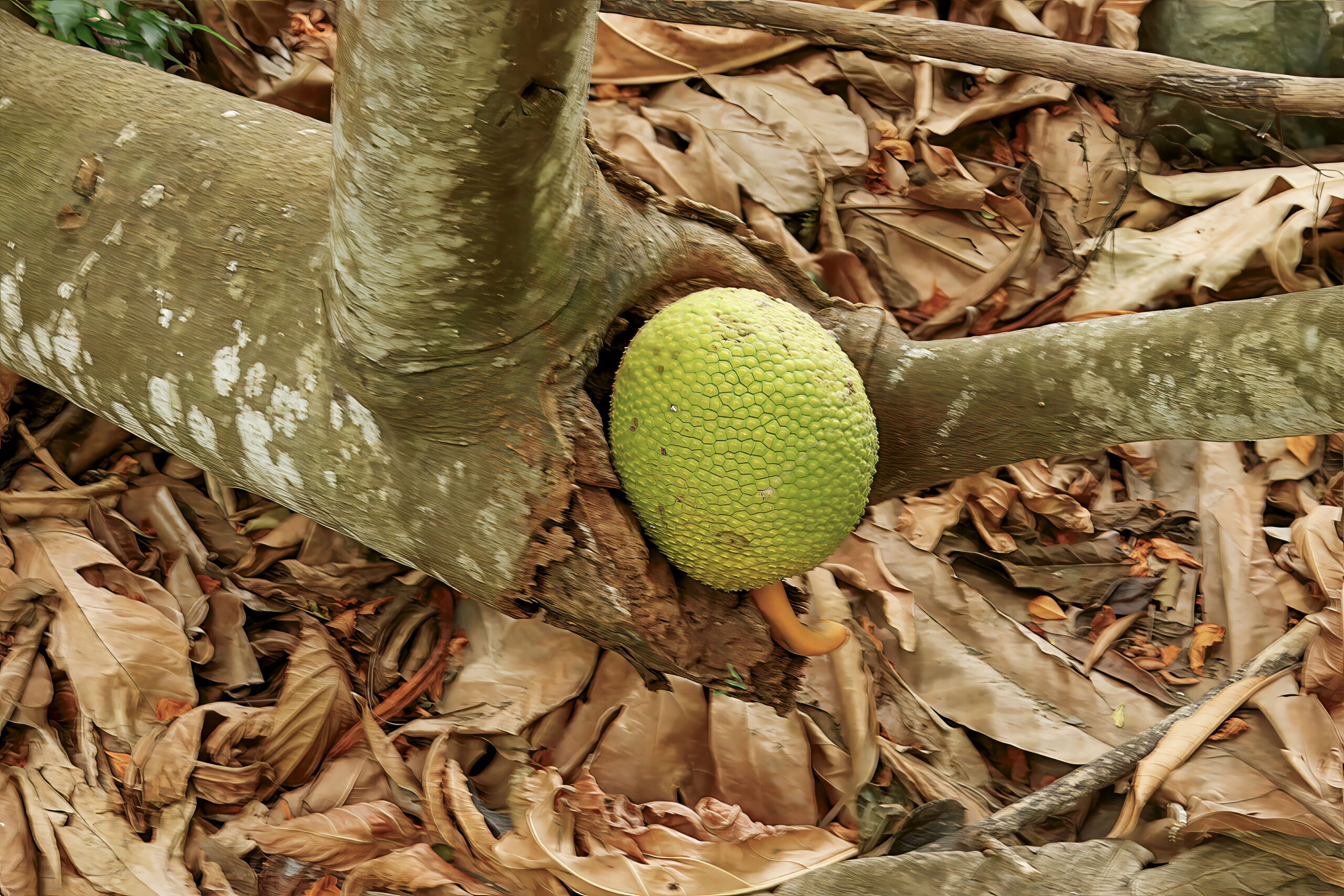
Female flowers mature into large, round or oblong fruit, which can weigh several pounds.
- Fruits take 2–4 months to mature, ripening to a greenish-yellow or light brown surface.
- Fruiting is typically cyclical and may peak once or twice a year, often aligning with rainfall patterns.
- Ripe fruits may drop to the ground if not harvested.
Observation Tips:
- Record fruit set following flowering and track growth stage over weeks.
- Photograph color and texture changes as the fruit ripens.
- Observe signs of fruit drop or animal activity near fallen fruits.
4. Seasonal Rhythms
While capable of year-round fruiting, many breadfruit trees display semi-seasonal peaks in fruit production.
- In St. Croix, this may occur after the first major rains and again toward the end of the wet season, depending on tree maturity and health.