Java Plum tree

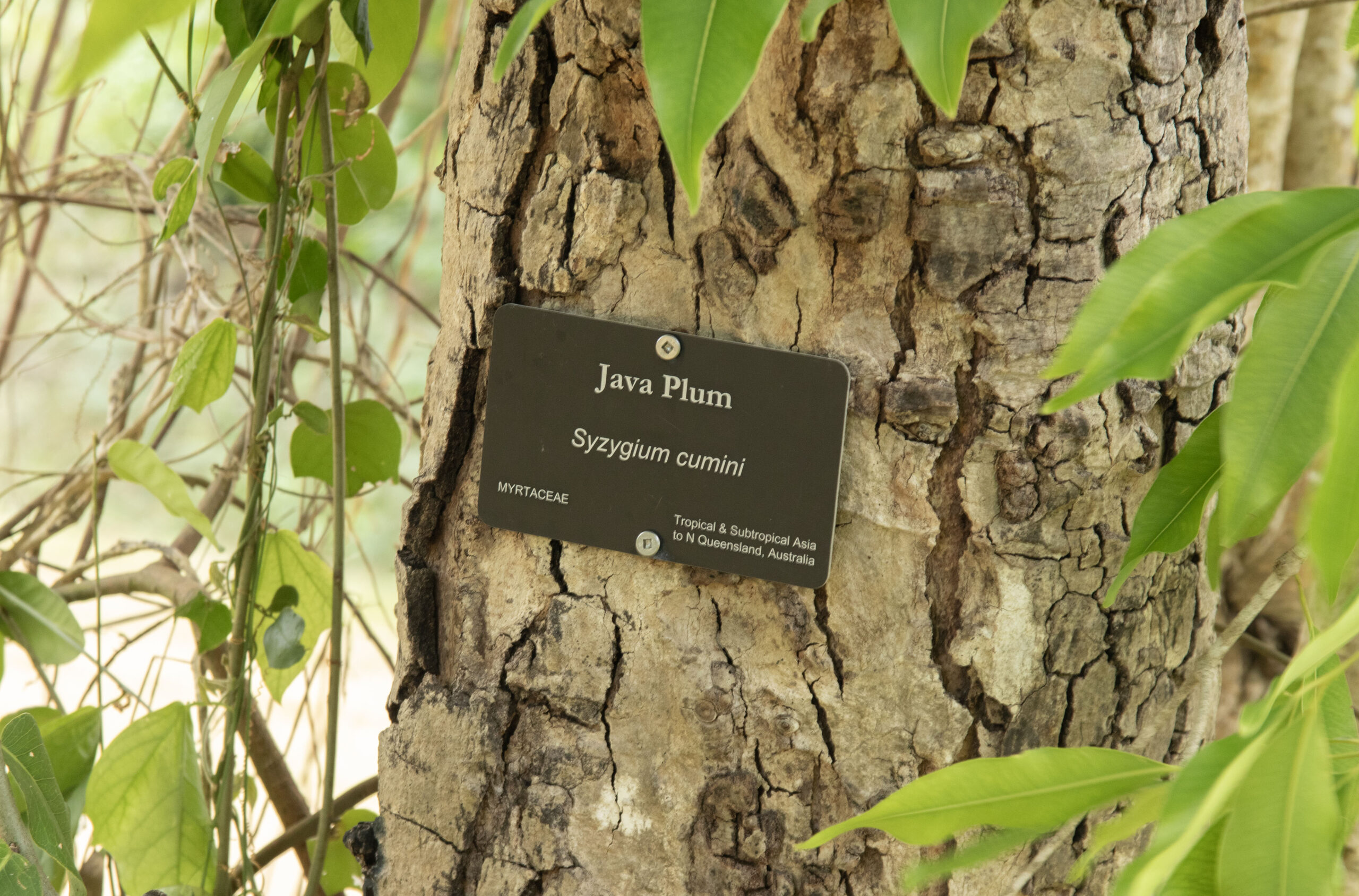
Scientific name: Syzygium cumini

POWO Status: Tree

IUCN Red List threat level: Least Concern

GPS Location: 17° 42′ 56.76″ N, 64° 49′ 43.01″ W

Medicinal Uses

Syzygium cumini (Jamun/Java Plum) is a traditional medicinal plant known for its rich antioxidants, used primarily for managing diabetes, improving digestion (diarrhea, dysentery), and addressing respiratory issues (asthma, cough). Its bioactive compounds (flavonoids, polyphenols) offer benefits for heart health, reducing inflammation, fighting microbes, and potentially improving cognitive and hormonal balance, with seeds, leaves, bark, and fruit all holding therapeutic value. 

Key Medicinal Uses:

  • Diabetes Management: Seeds and fruit are traditionally used to control blood sugar, with seed powder helping to halt starch conversion to sugar.
  • Digestive Health: Effective for diarrhea, dysentery, gas, and stomach problems due to astringent properties.
  • Respiratory Health: Used for asthma, bronchitis, coughs, and colds.
  • Cardiovascular Health: Antioxidants protect against cell damage, supporting heart health and reducing risks of metabolic syndrome.
  • Anti-inflammatory & Antioxidant: Fights free radicals, reduces inflammation, and has potential against chronic diseases.
  • Other Uses:
    • Blood Purifier: Rich in iron, aiding oxygenation.
    • Oral Health: Leaf ash strengthens teeth and gums.
    • Hormonal Balance & Women’s Health: Traditionally used for hormonal regulation and conditions like leucorrhea.
    • Kidney Health: Diuretic properties may help prevent kidney stones. 

Plant Parts Used:

  • Seeds: Most potent for diabetes; also for diarrhea.
  • Fruit: Rich in nutrients, antioxidants, and beneficial for digestion.
  • Leaves: Used for cough, cold, nausea, and bleeding disorders.
  • Bark: Beneficial for women’s issues like leucorrhea. 

Bioactive Compounds:

Observations:

Phenological Markers – Java Plum (Syzygium cumini)

1. Leaf Behavior
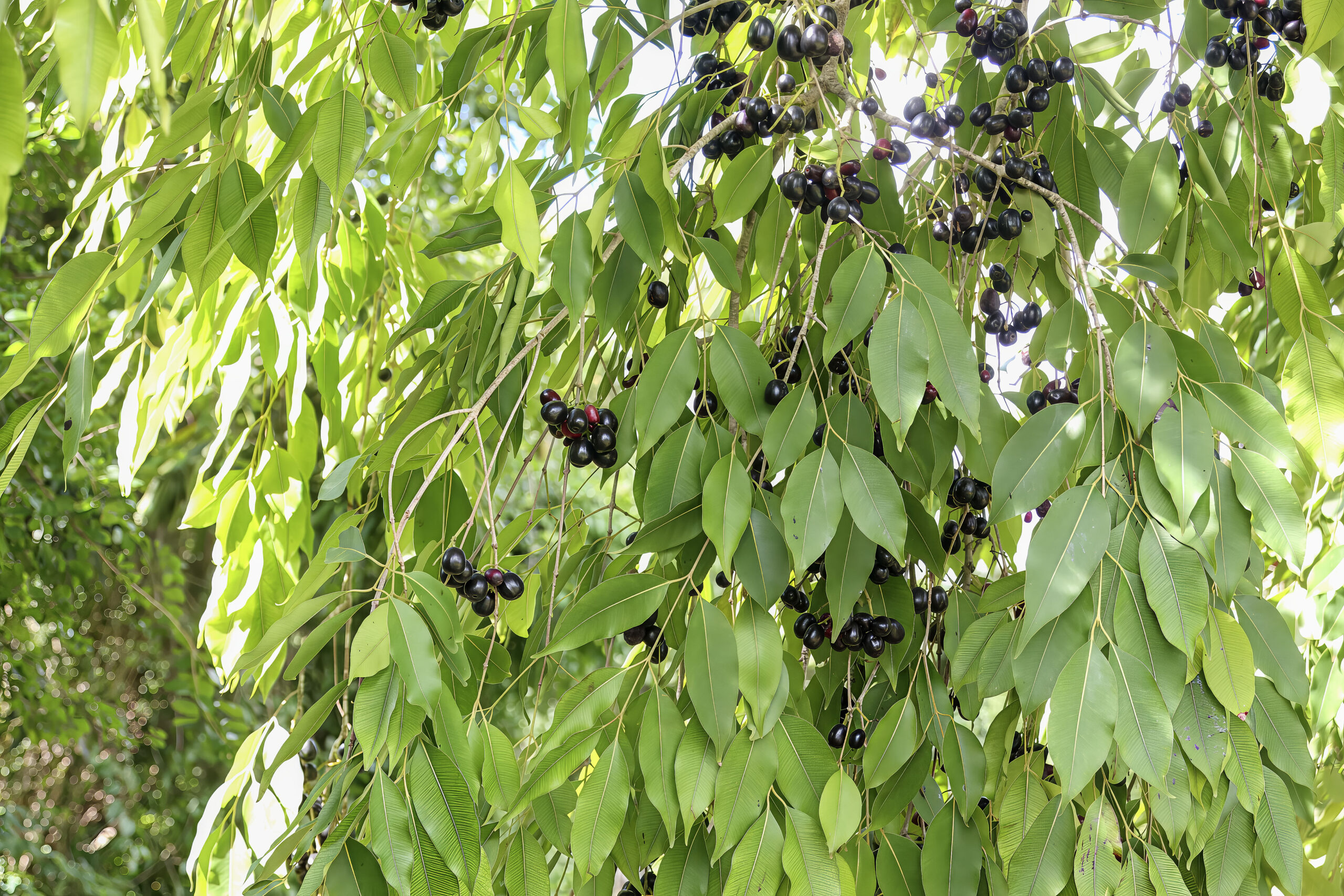
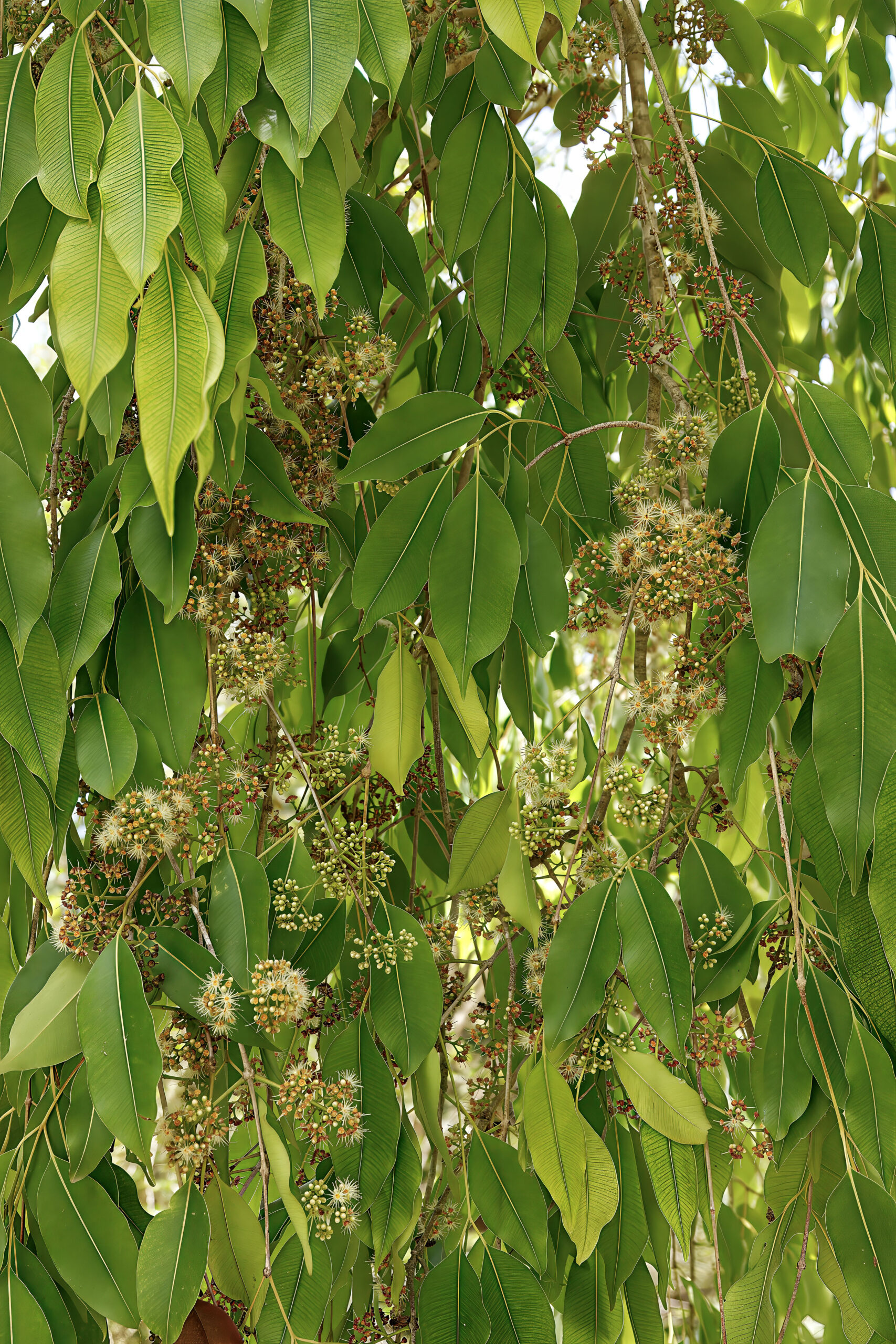
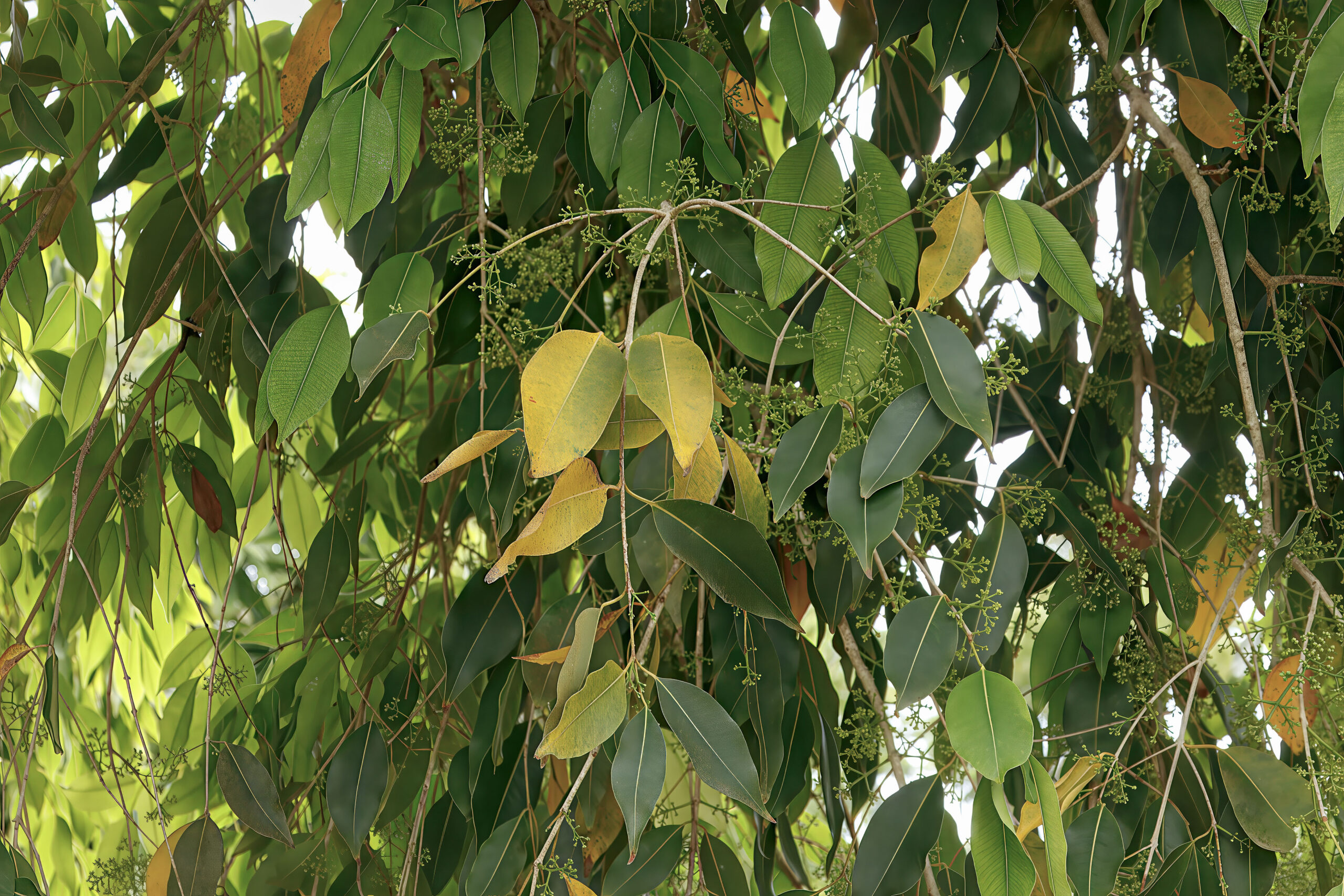
Java Plum is typically evergreen in tropical climates like St. Croix.

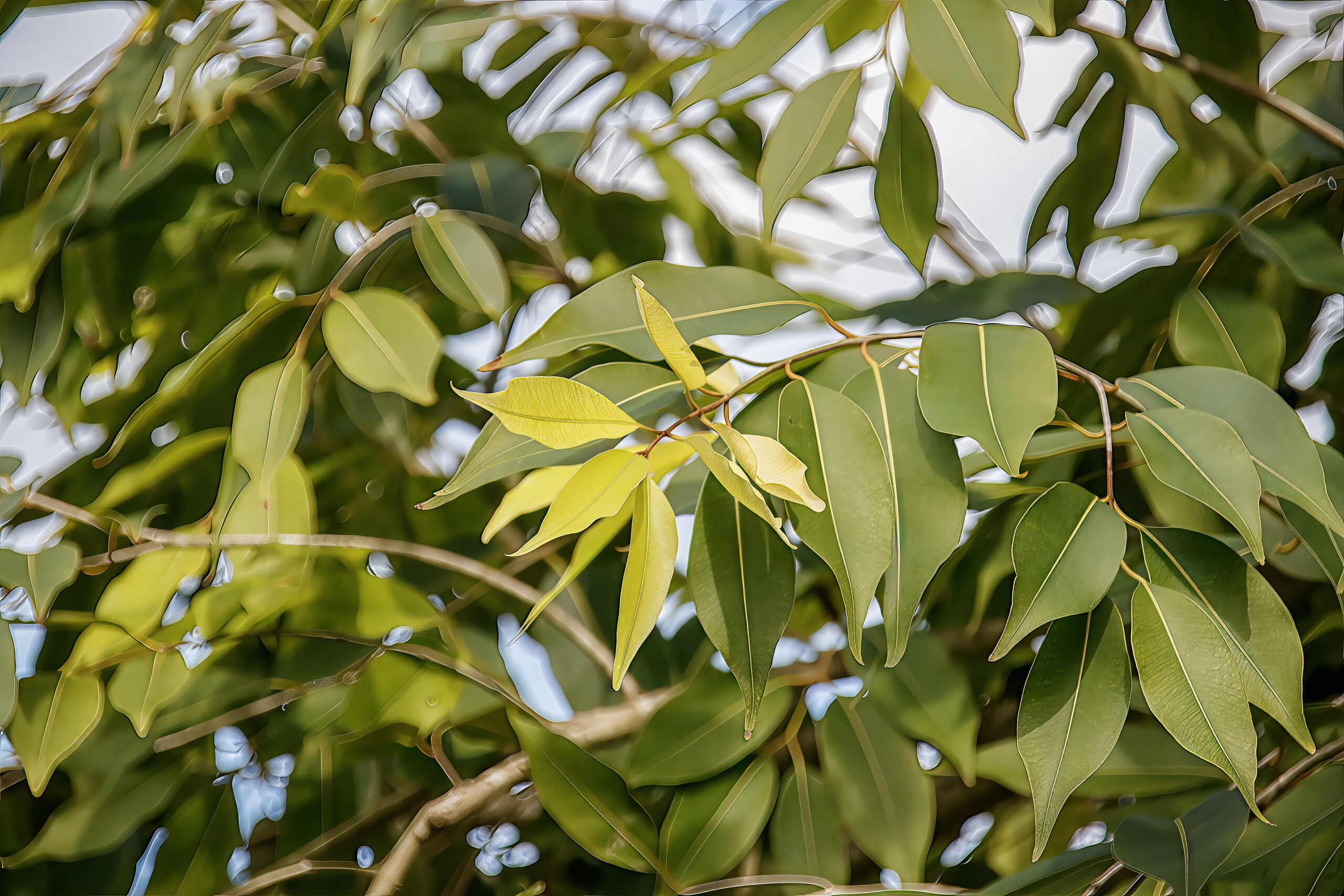
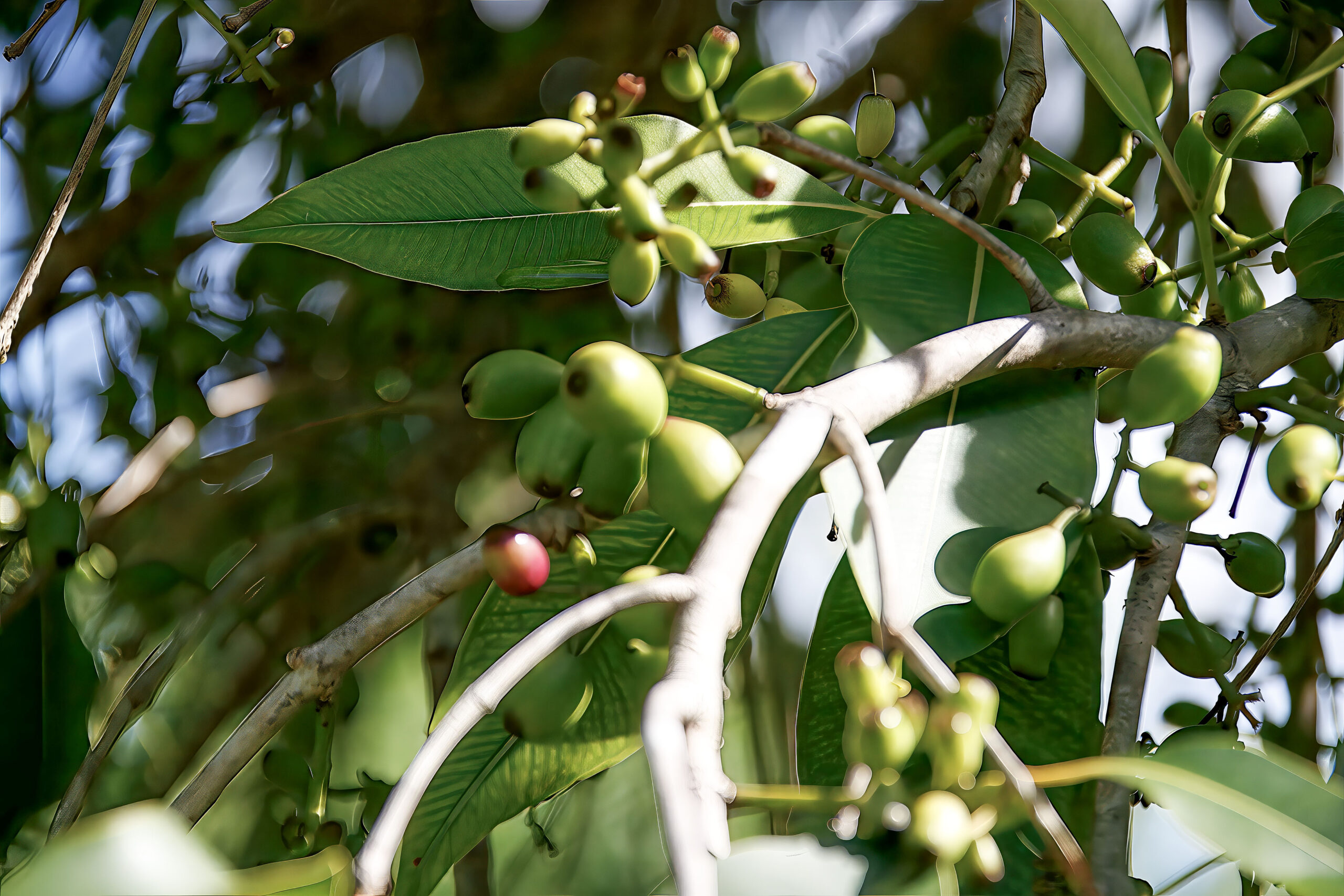
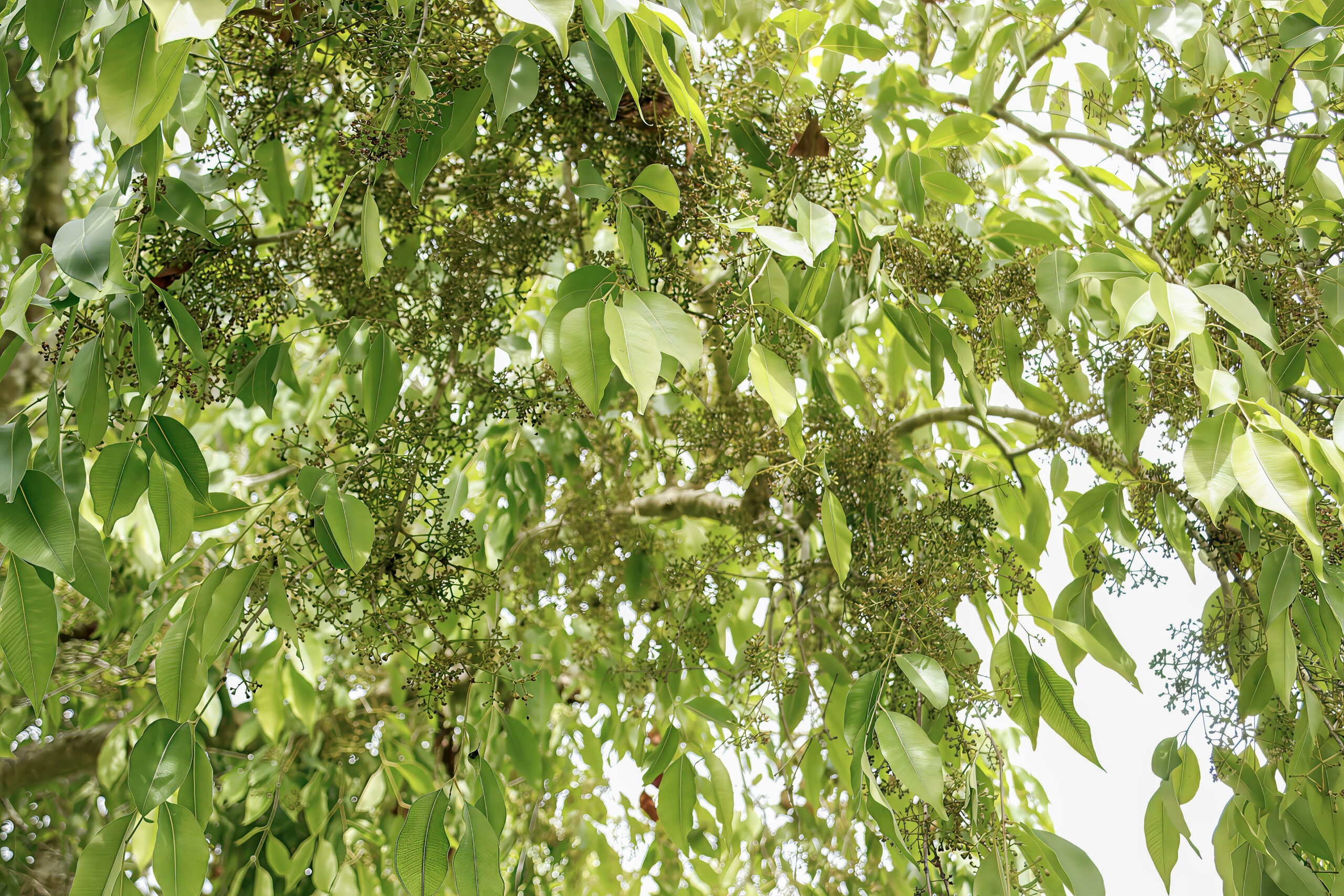
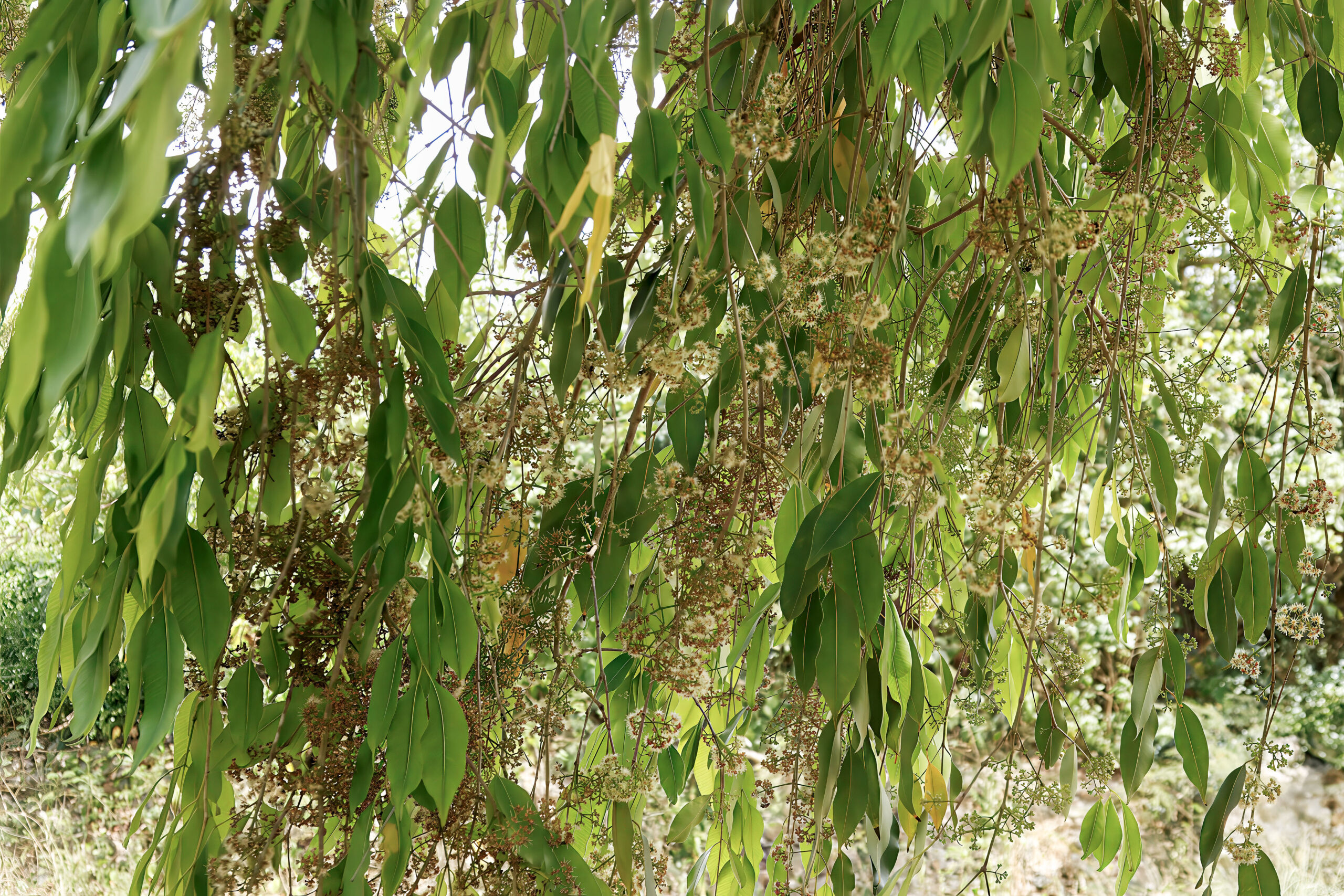
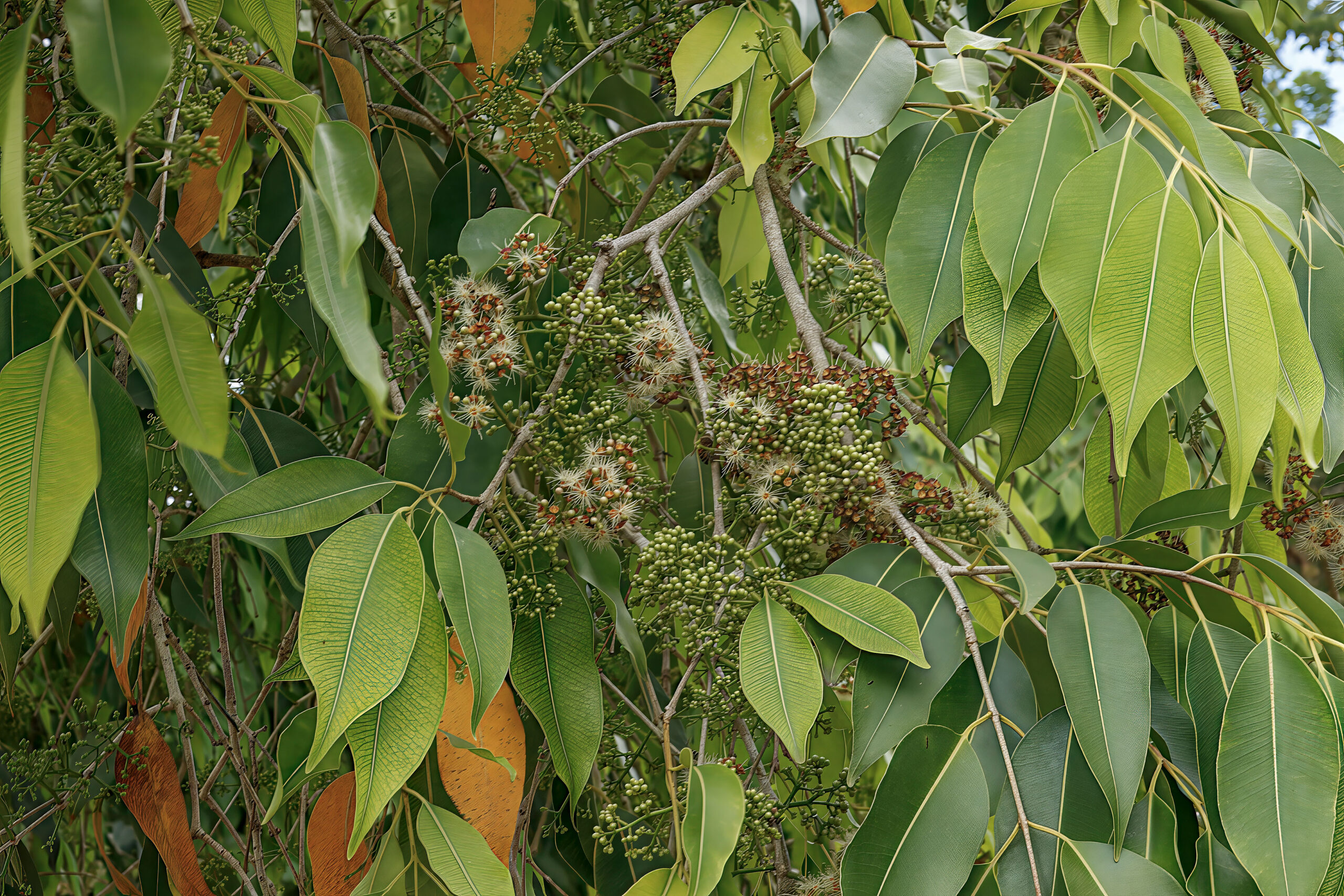
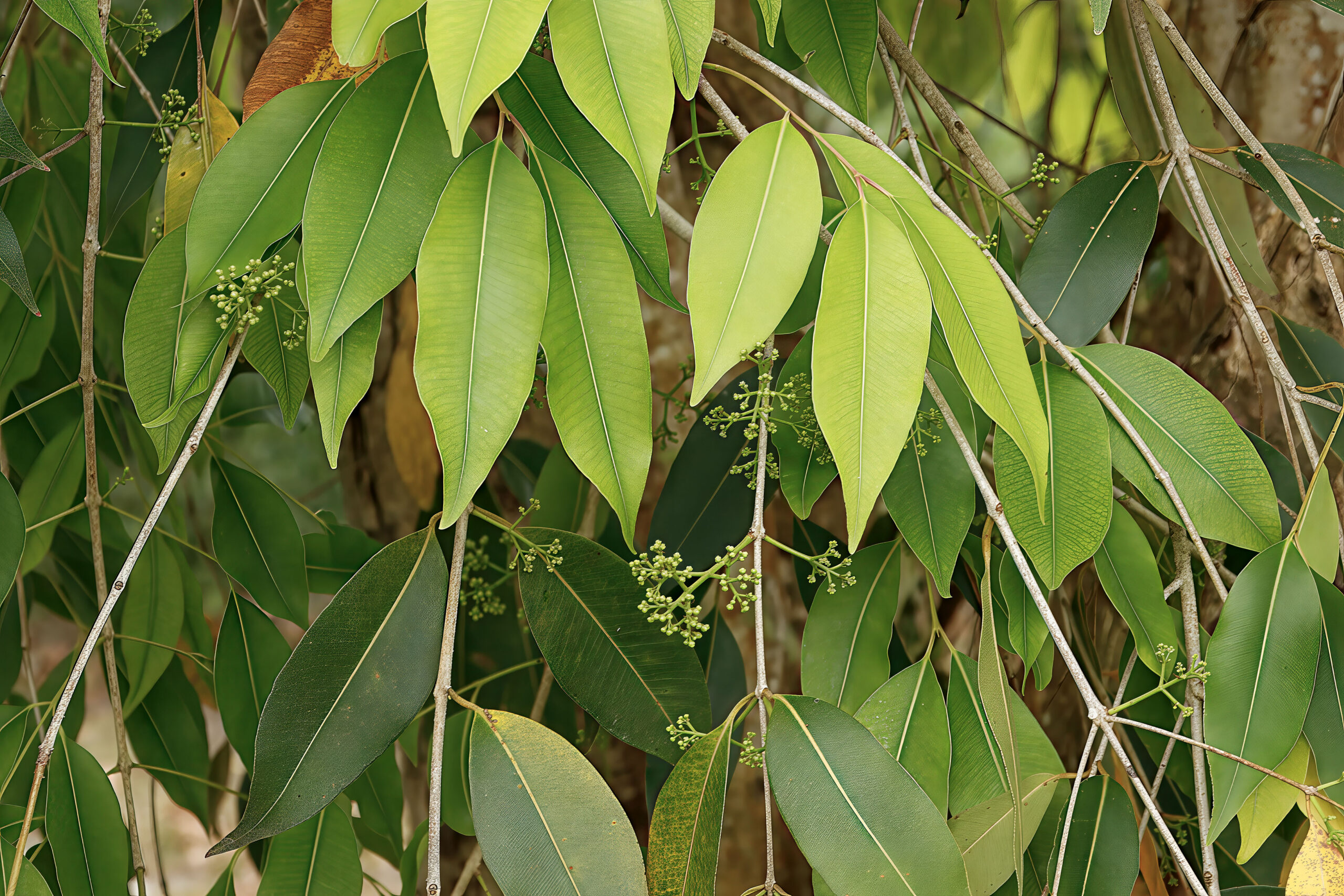
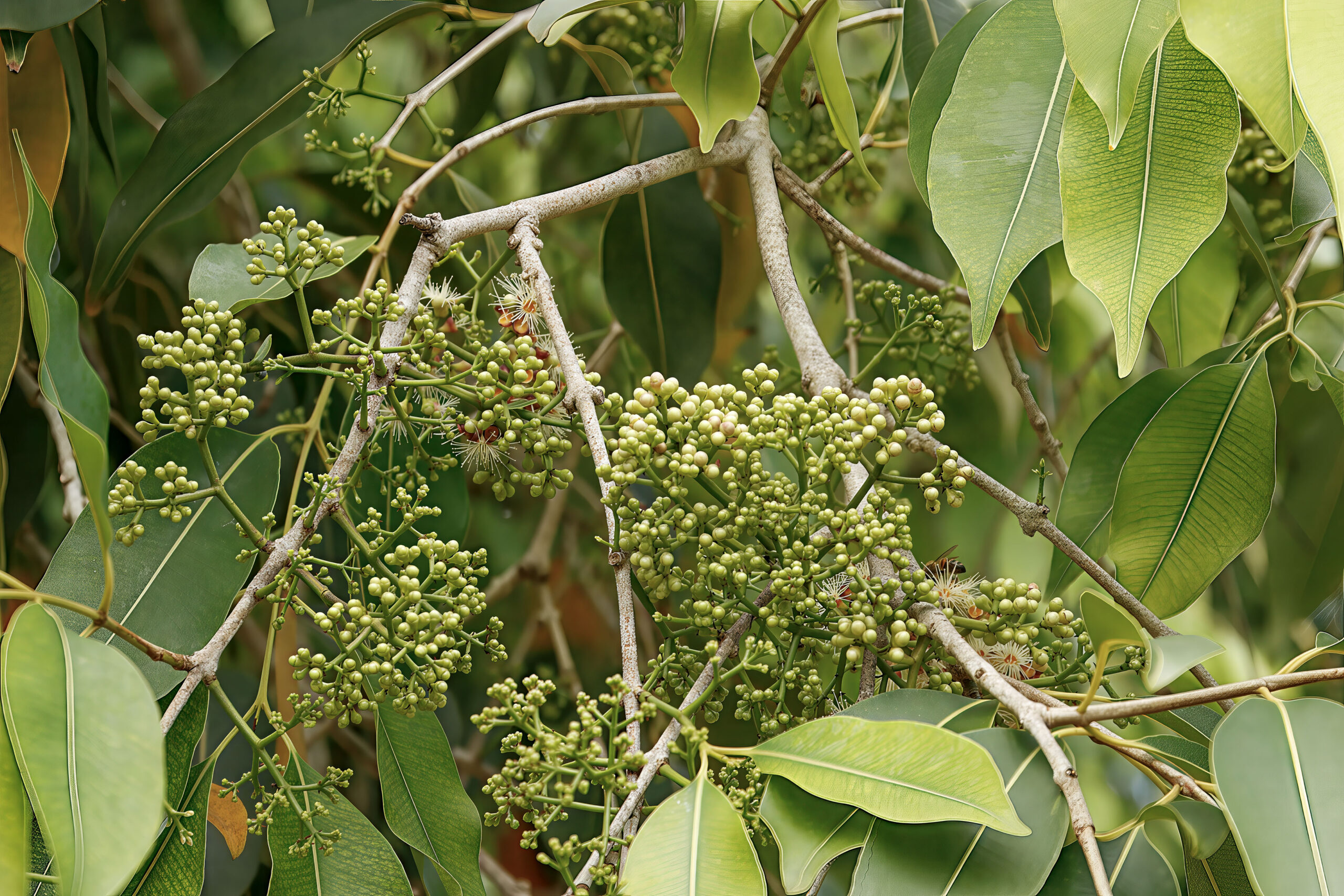
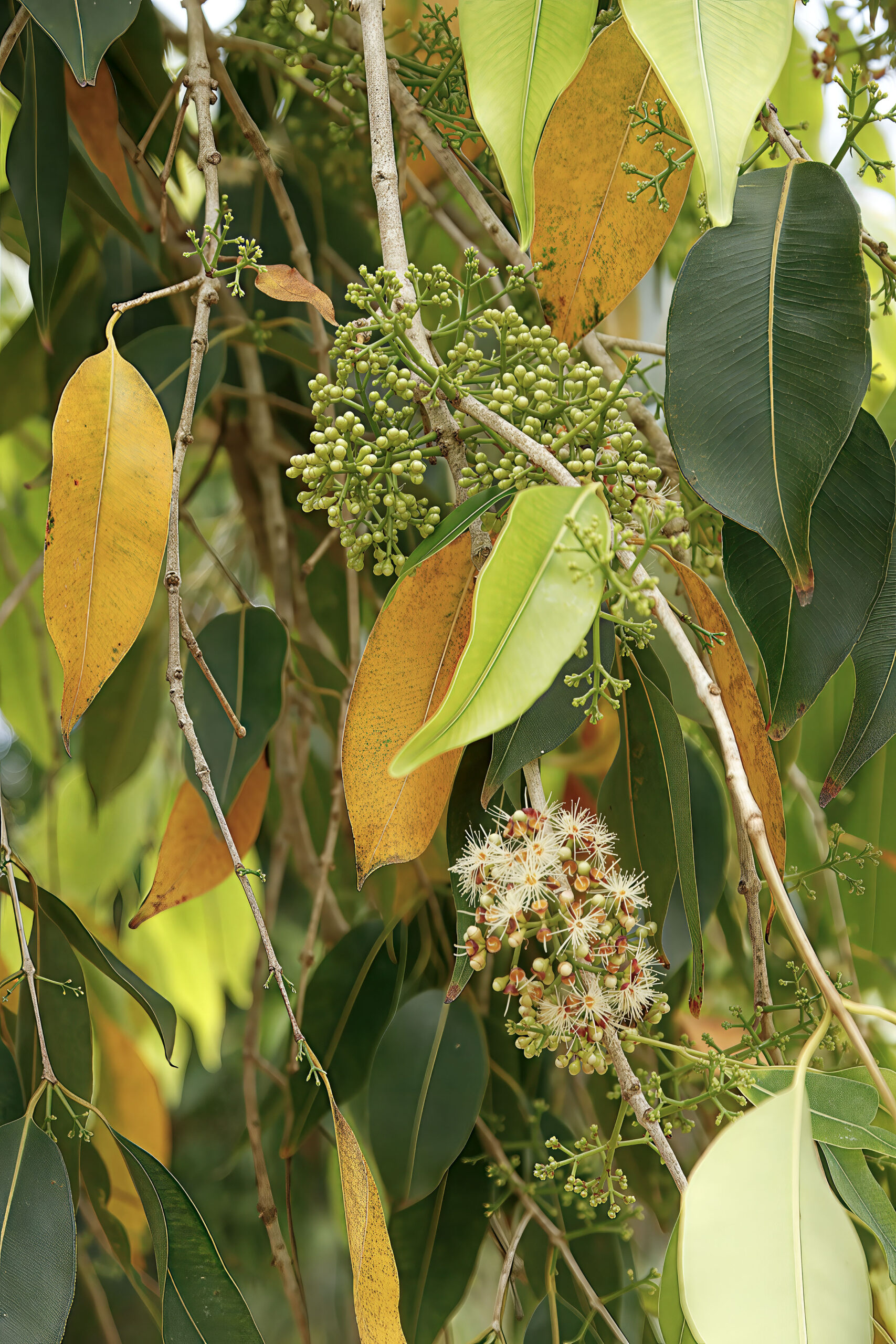
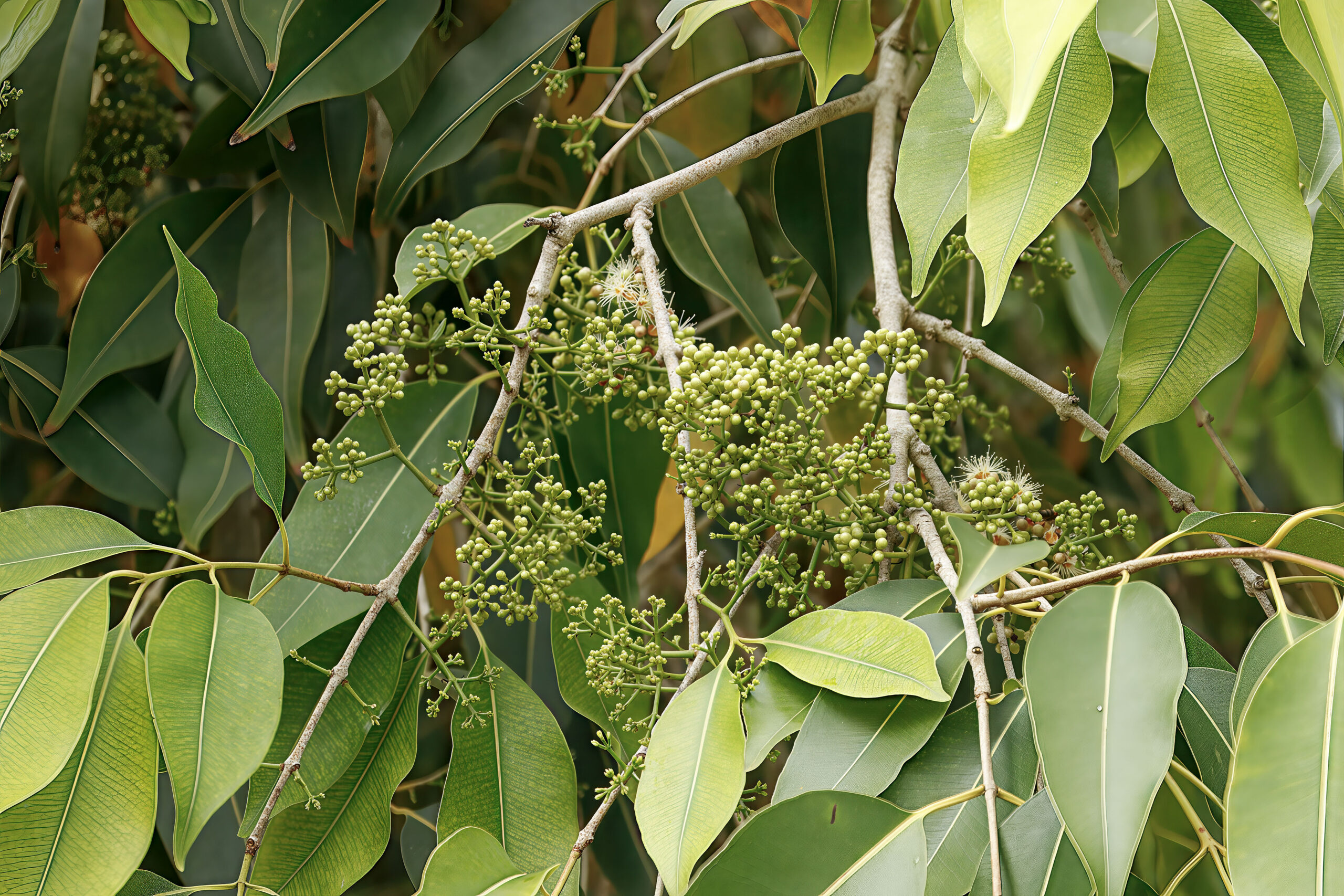
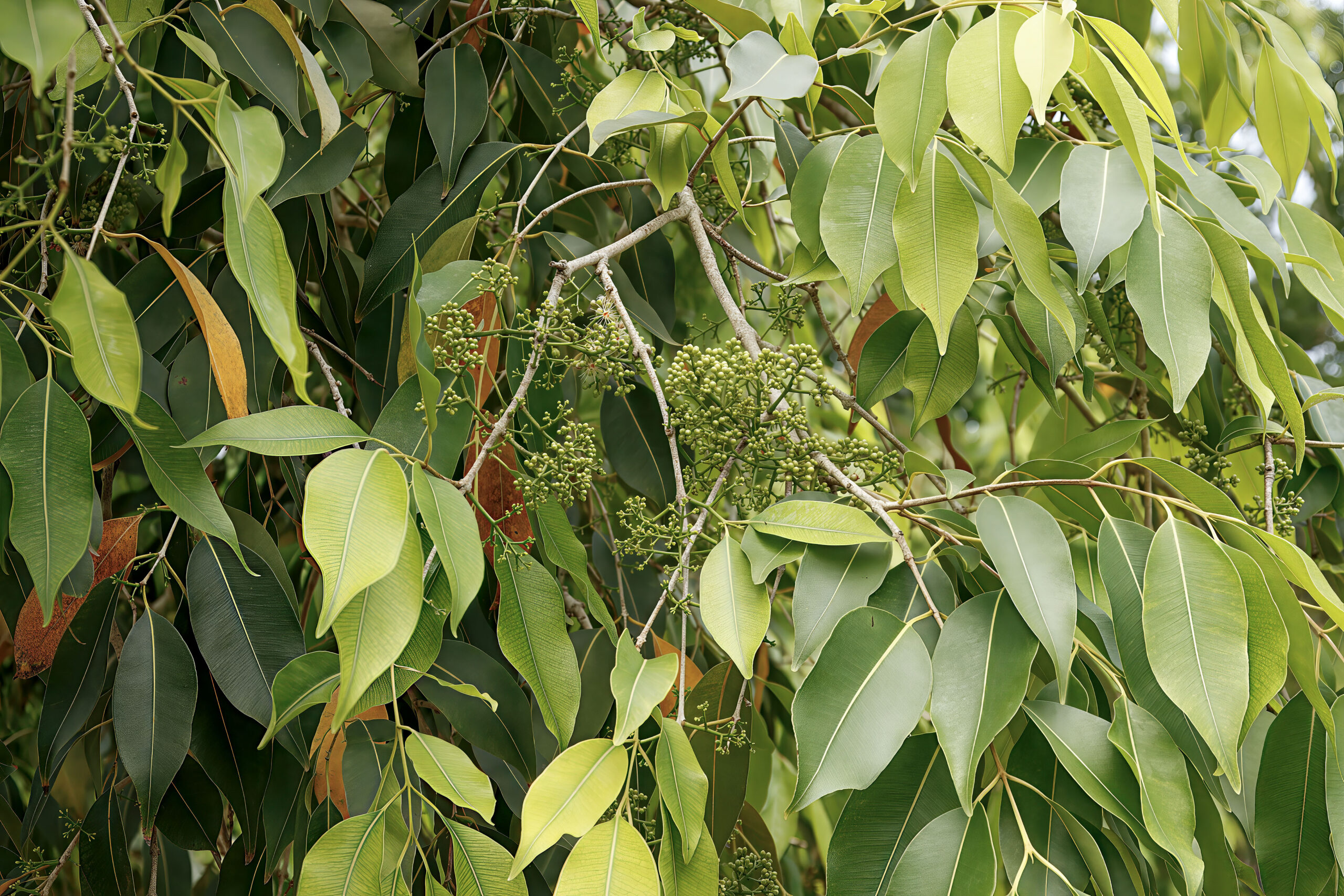
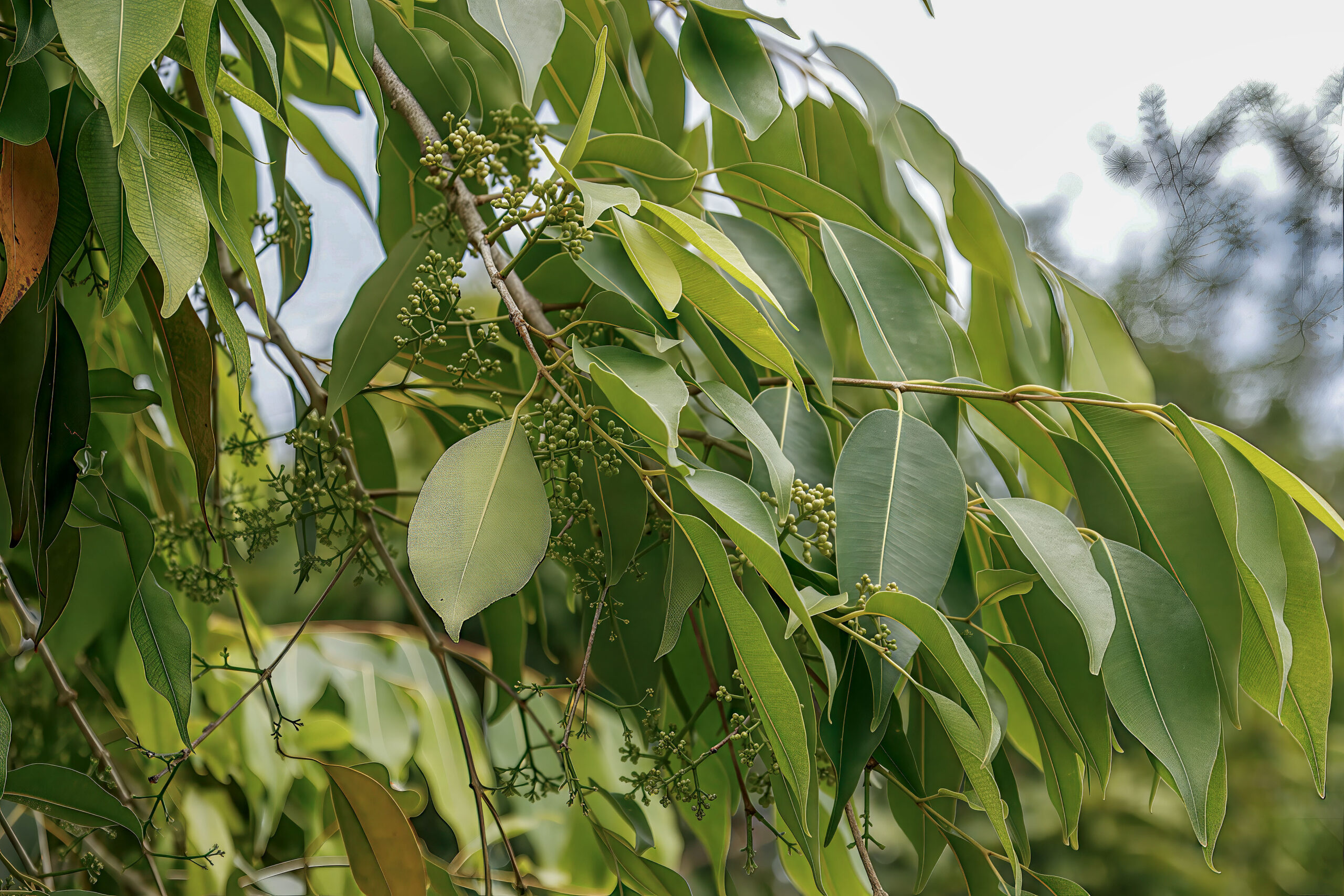
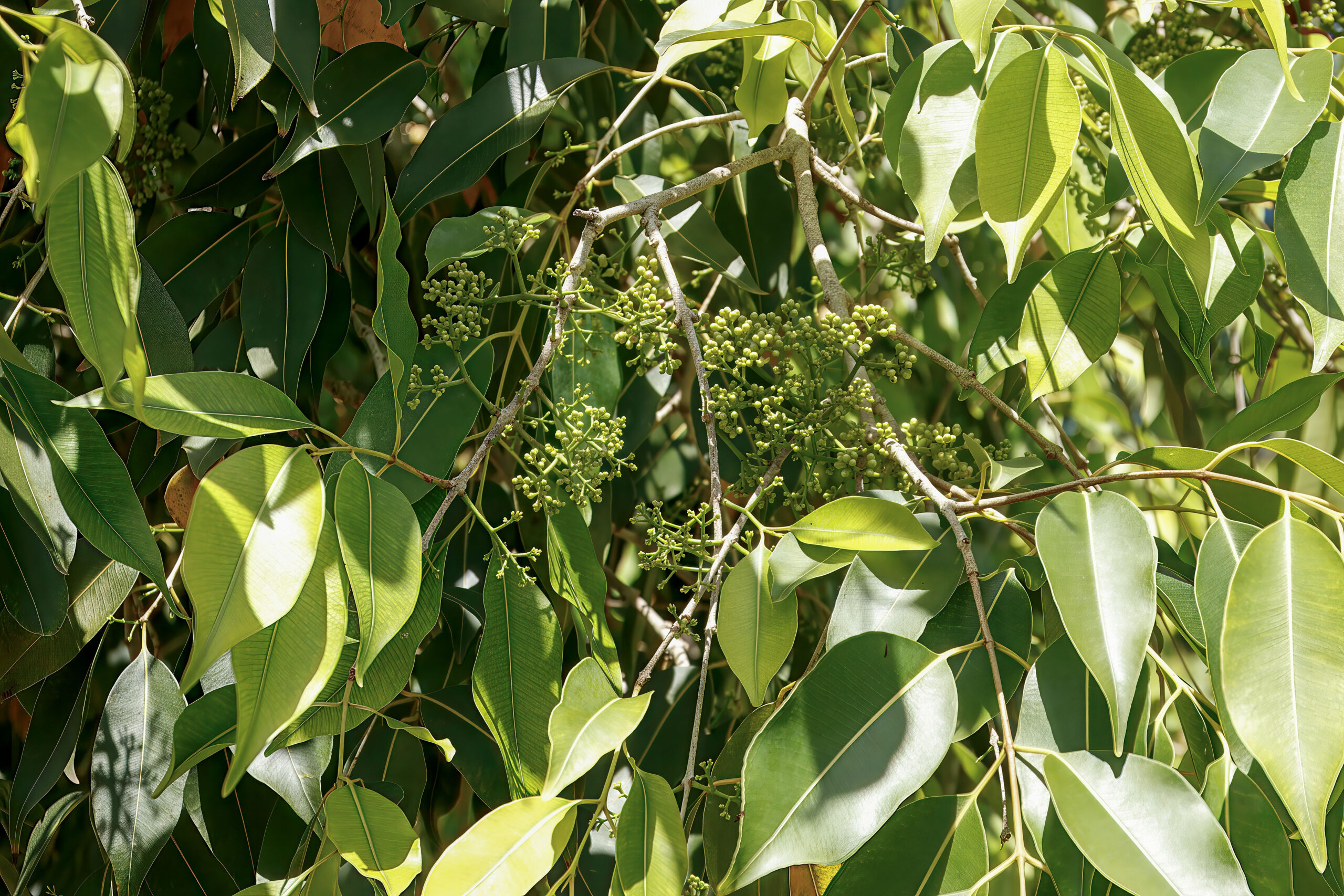
  • Leaves are opposite, leathery, and oblong, with a strong spicy scent when crushed.
  • Occasional leaf drop may occur during the dry season (January–March), especially in older trees, but the canopy is quickly replenished.

Observation Tips:

  • Track young leaf flushes, which emerge pinkish to light green and darken with age.
  • Note any seasonal canopy thinning in response to drought or pruning.

2. Flowering
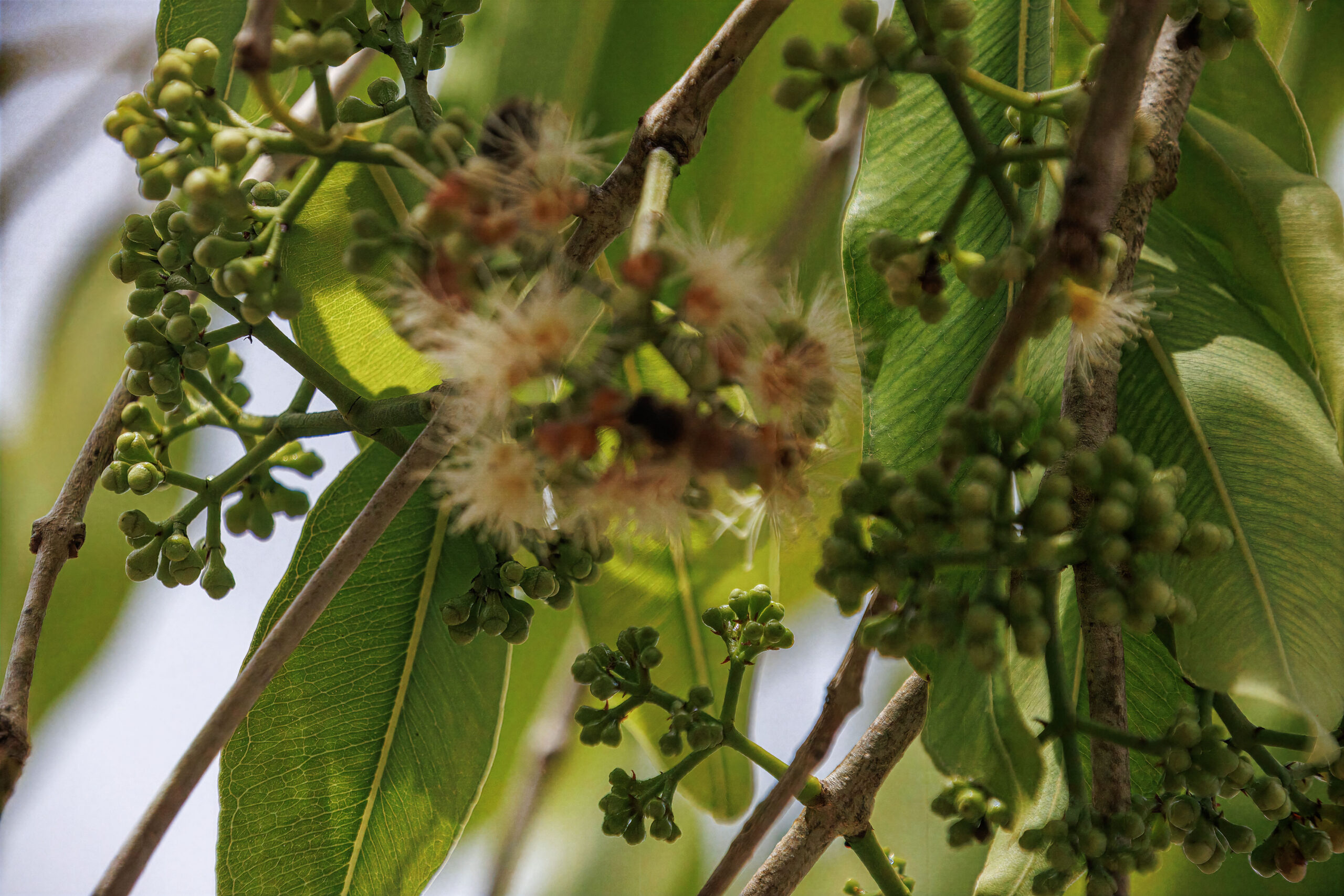
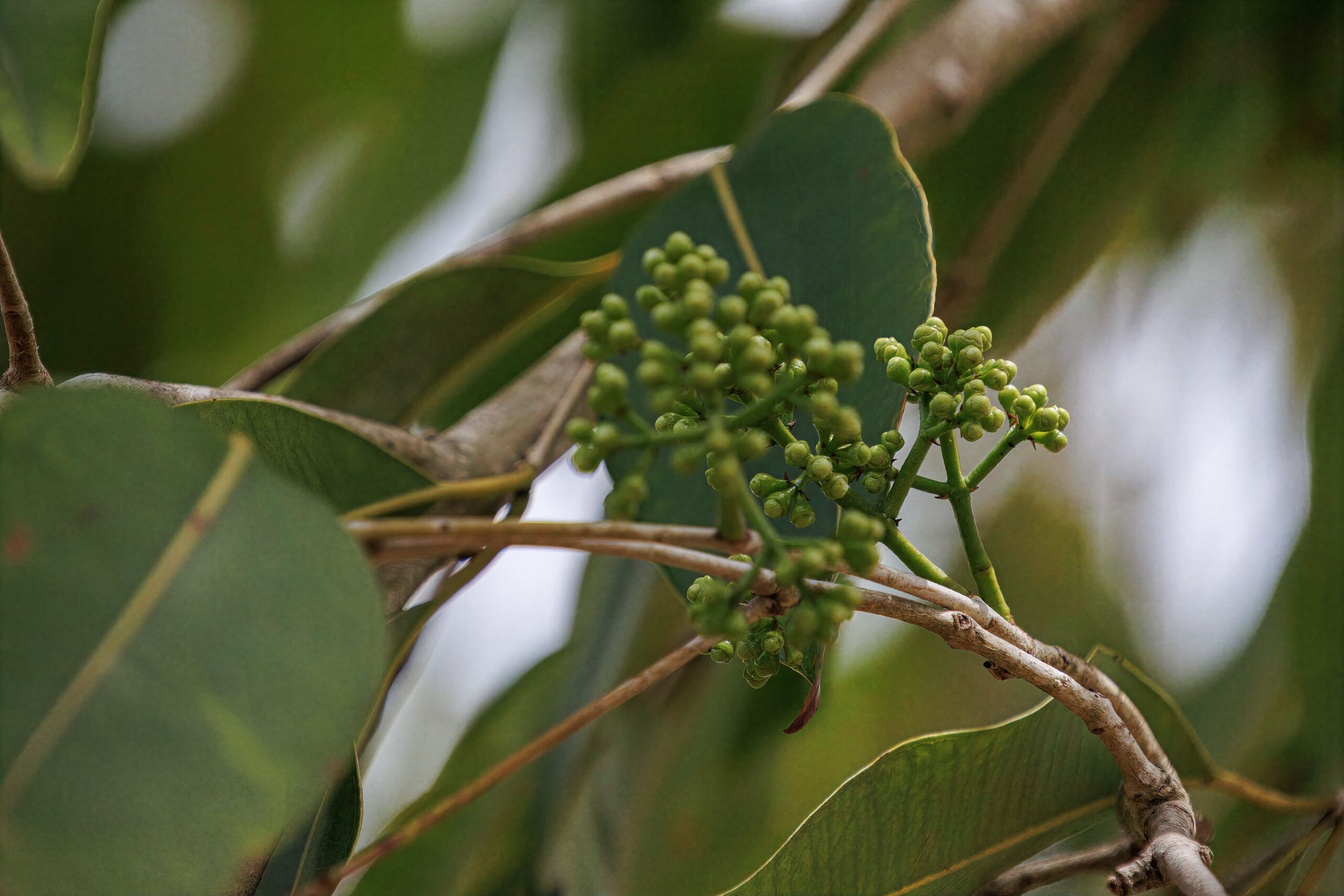
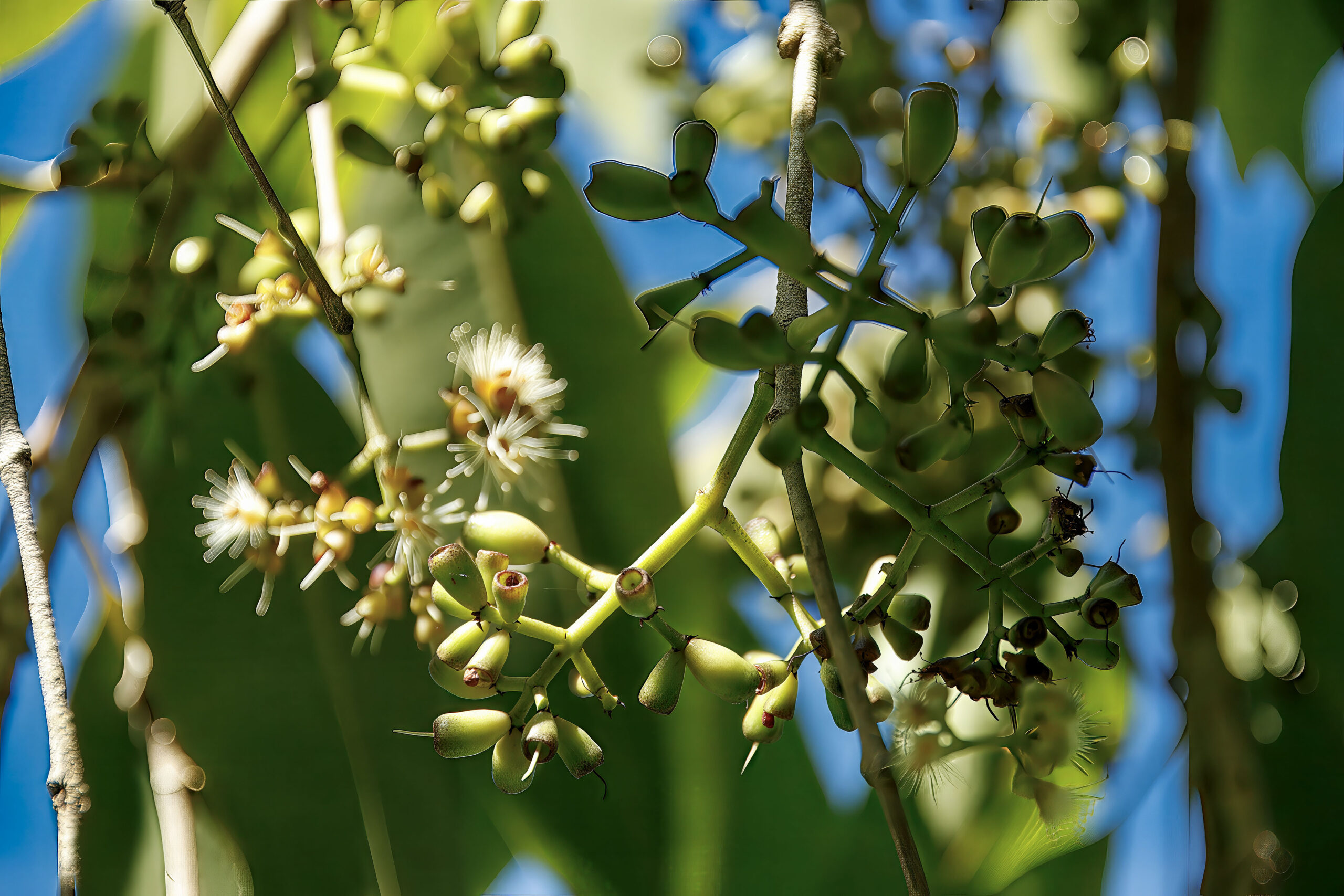
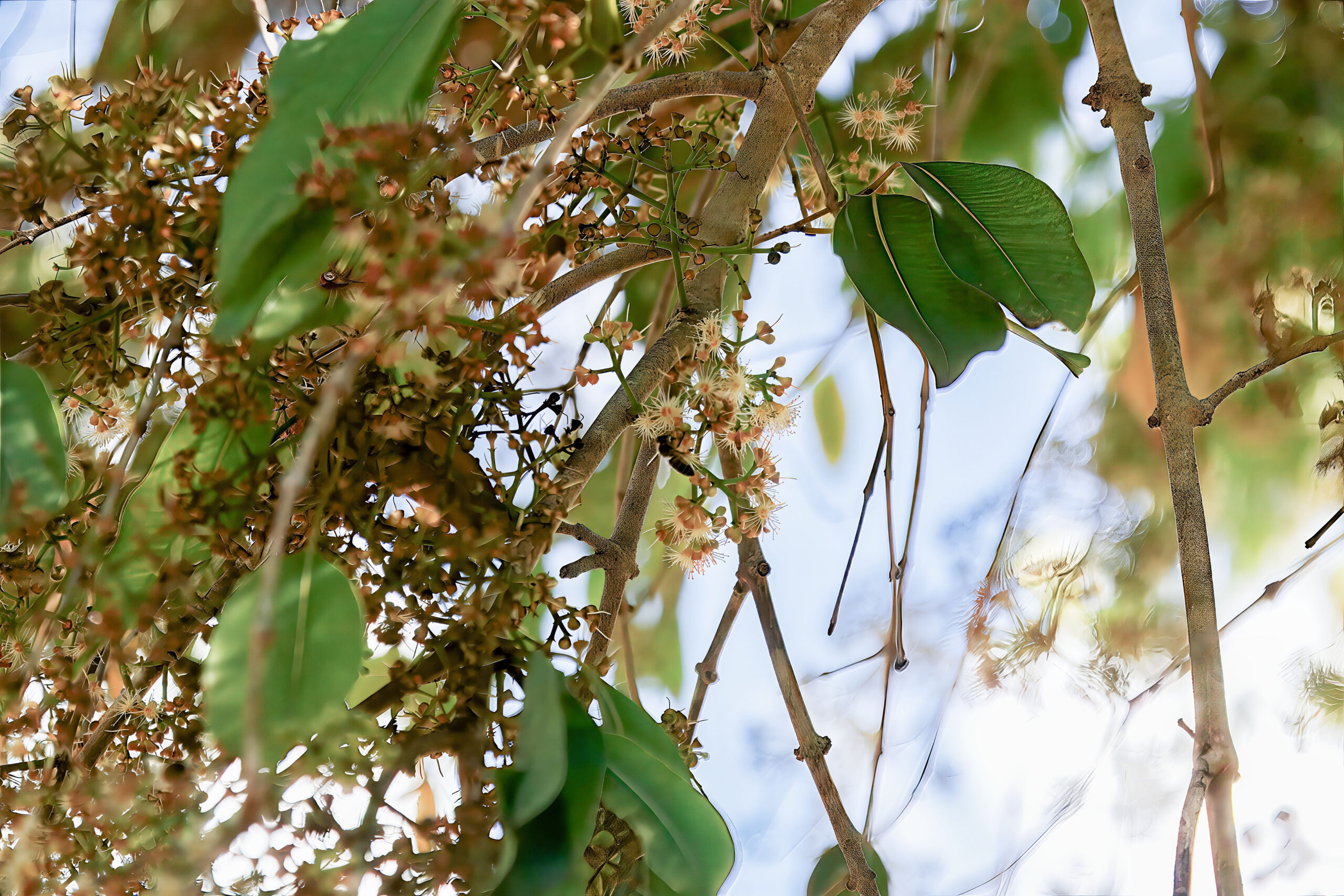
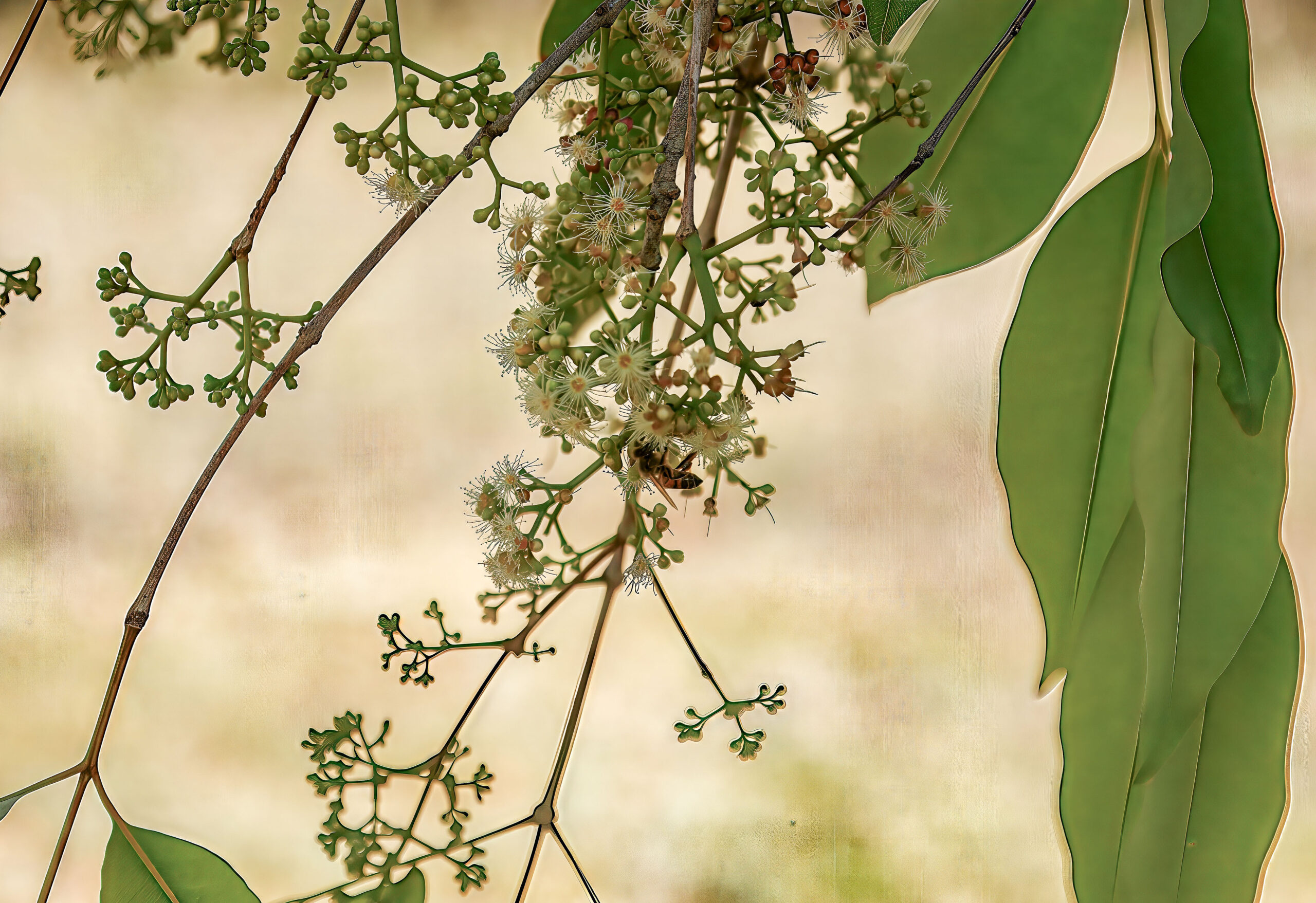
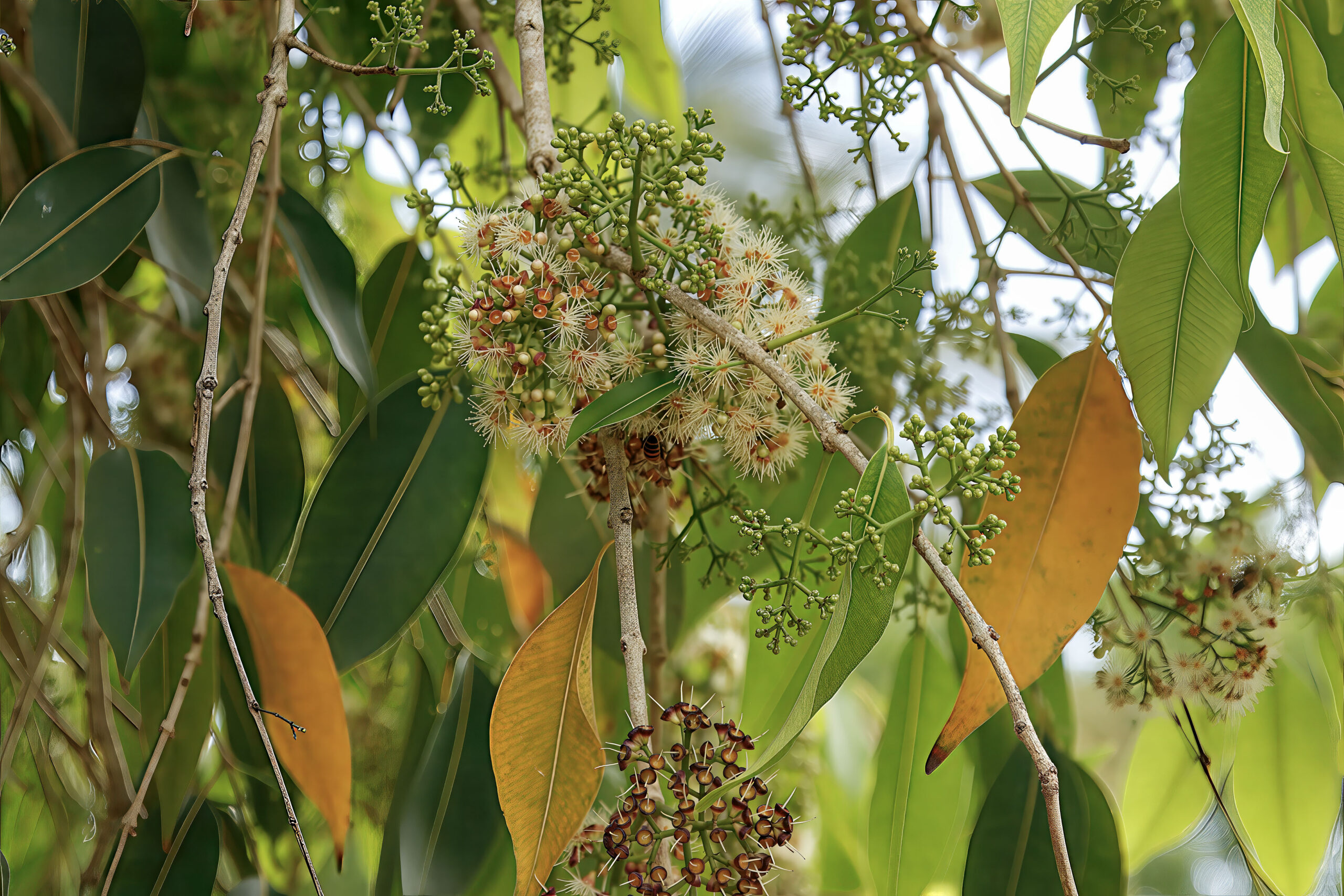
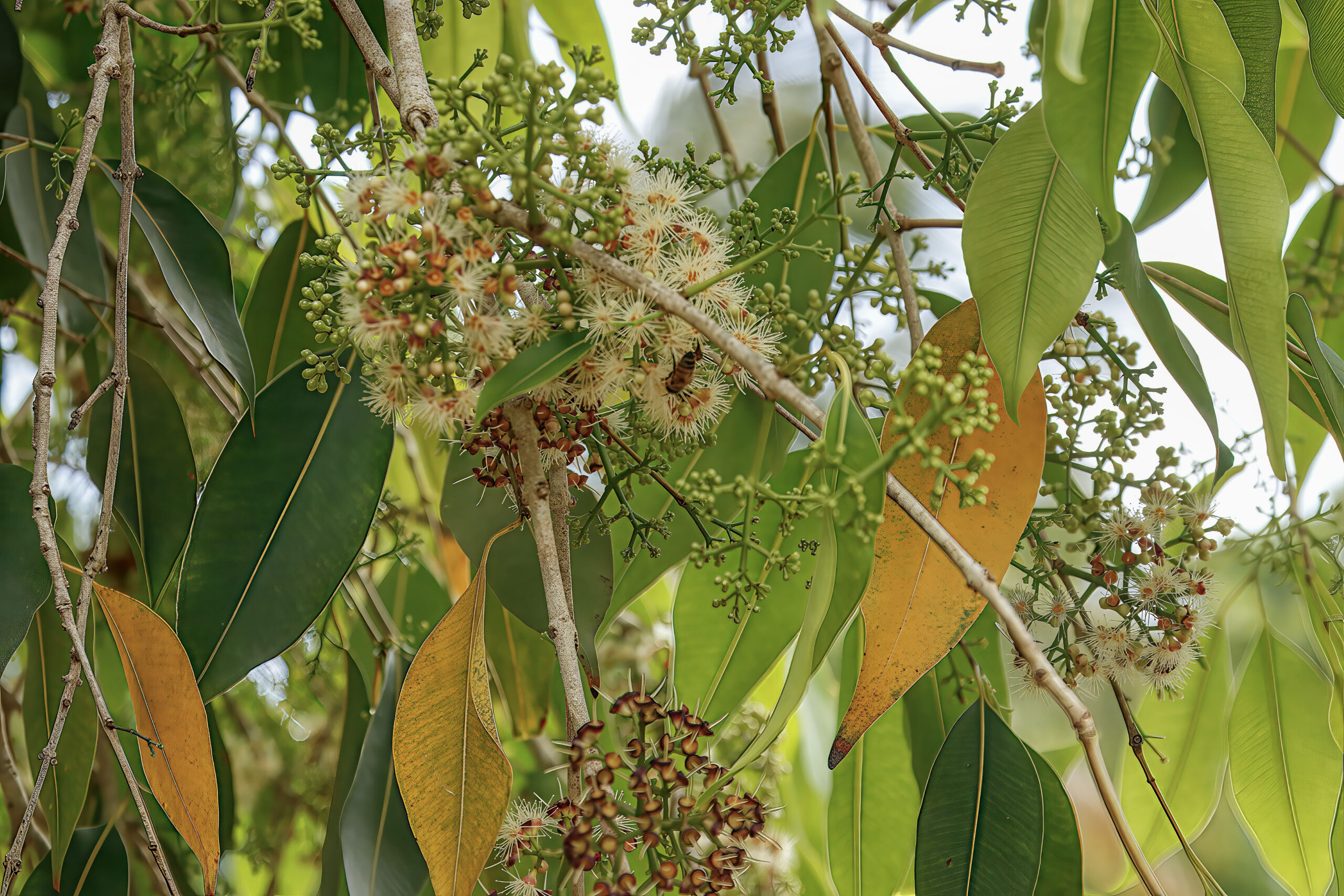
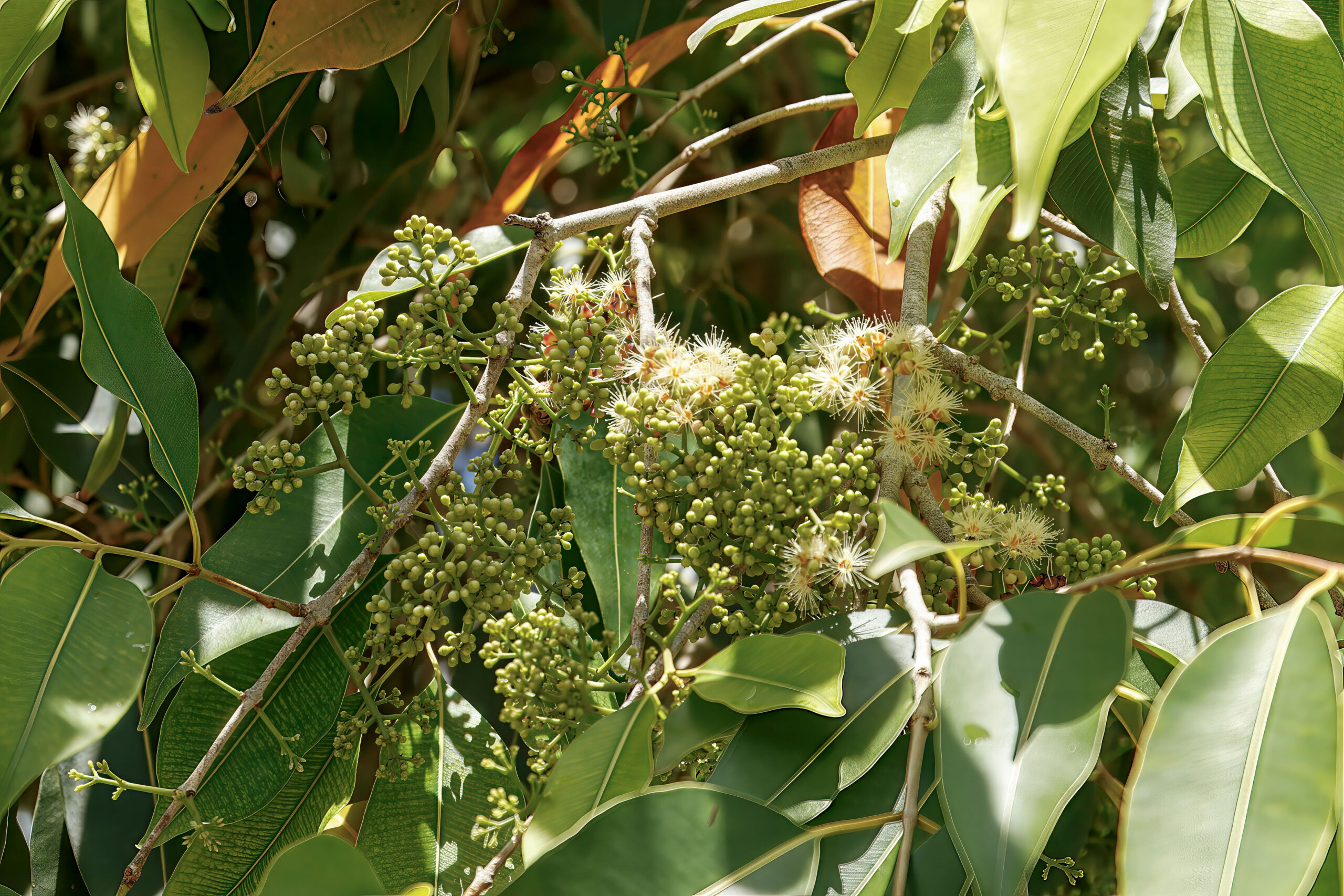
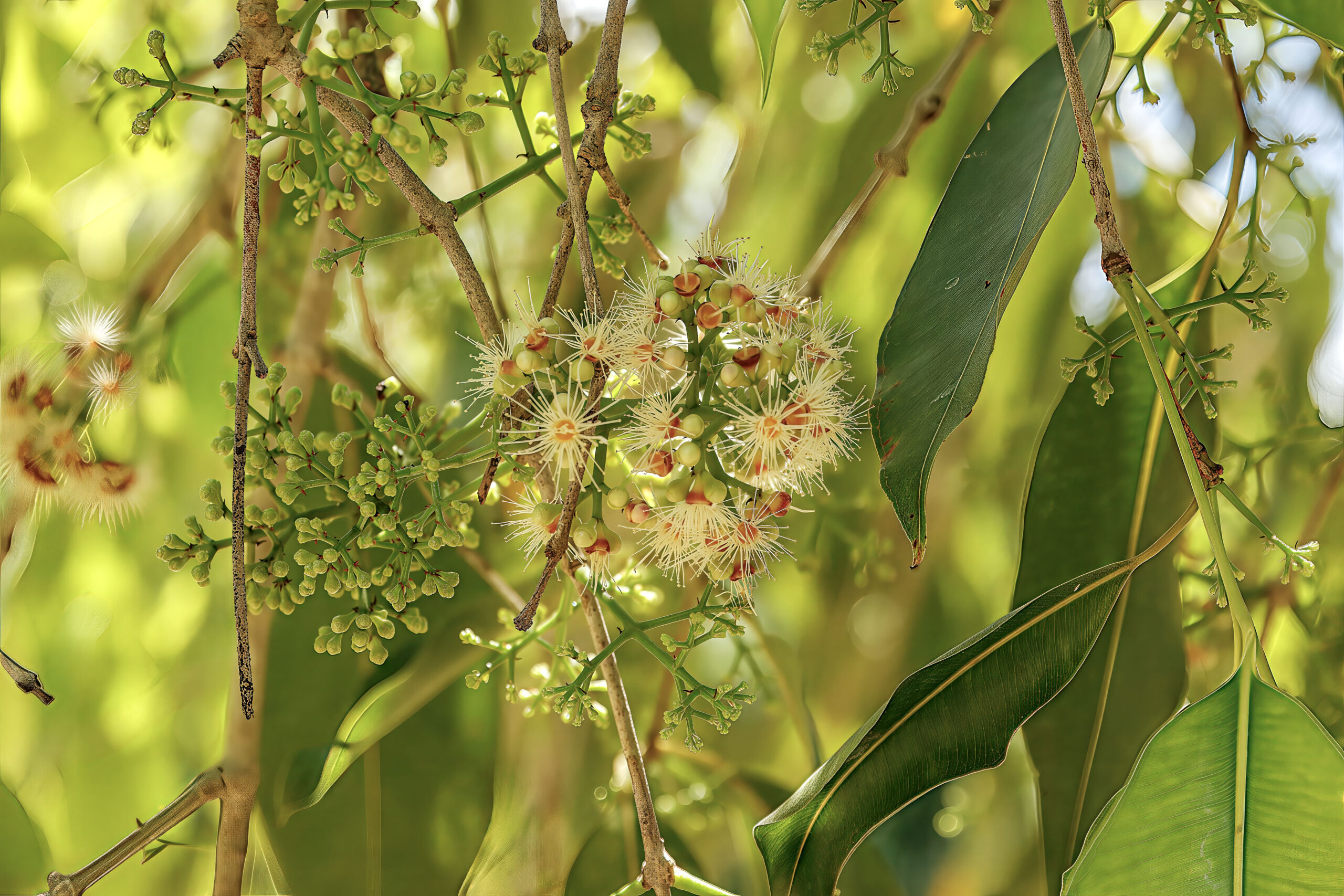
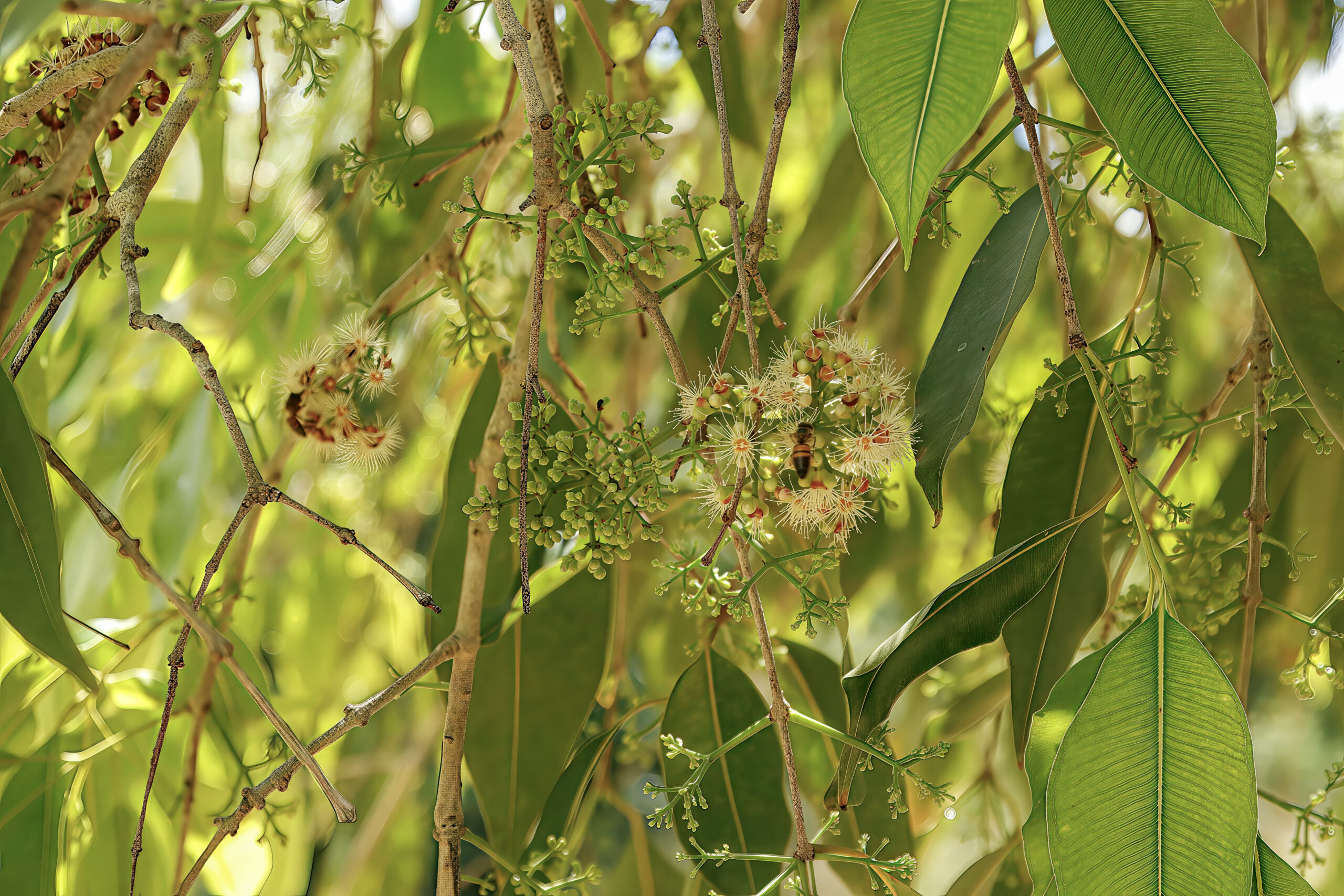
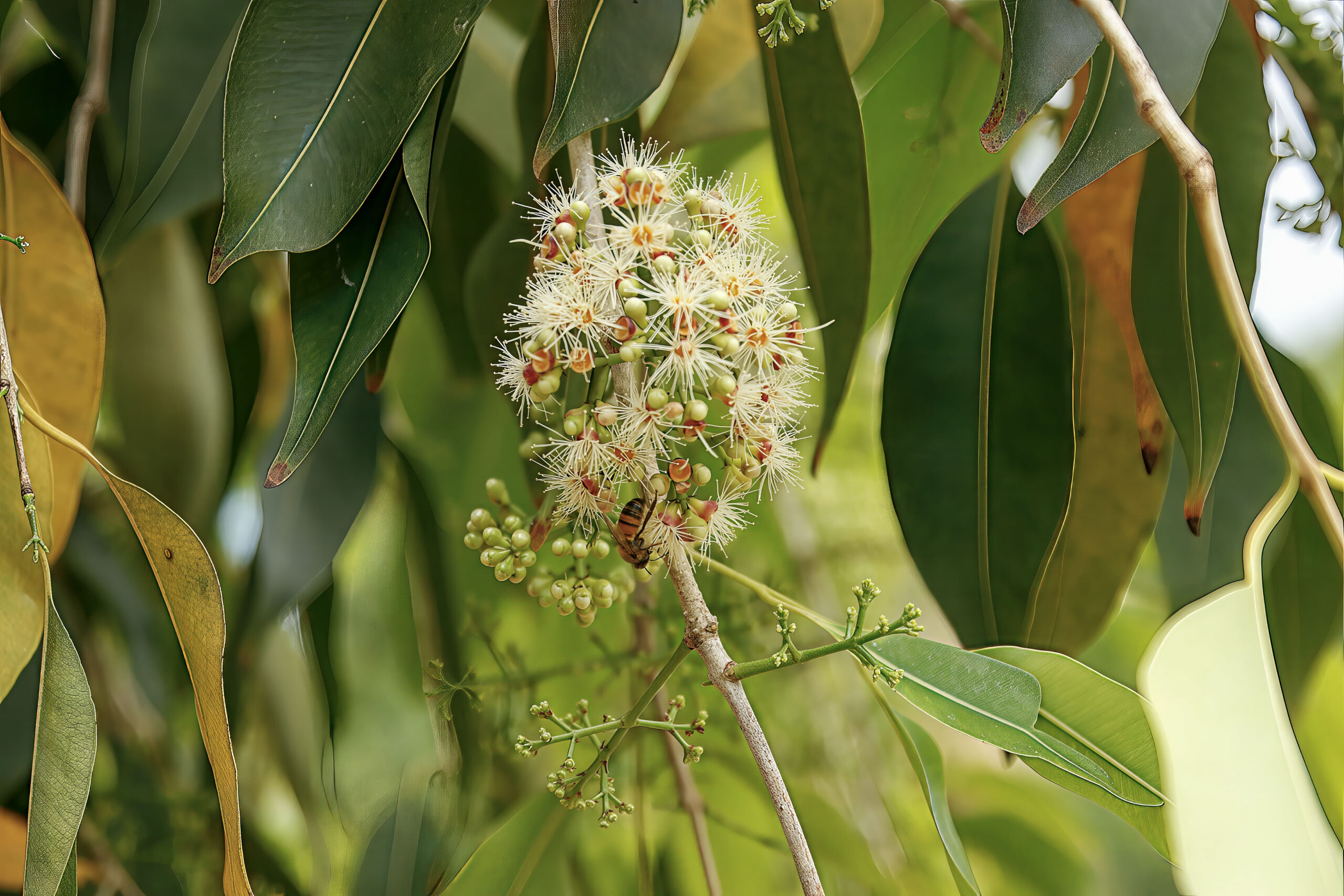
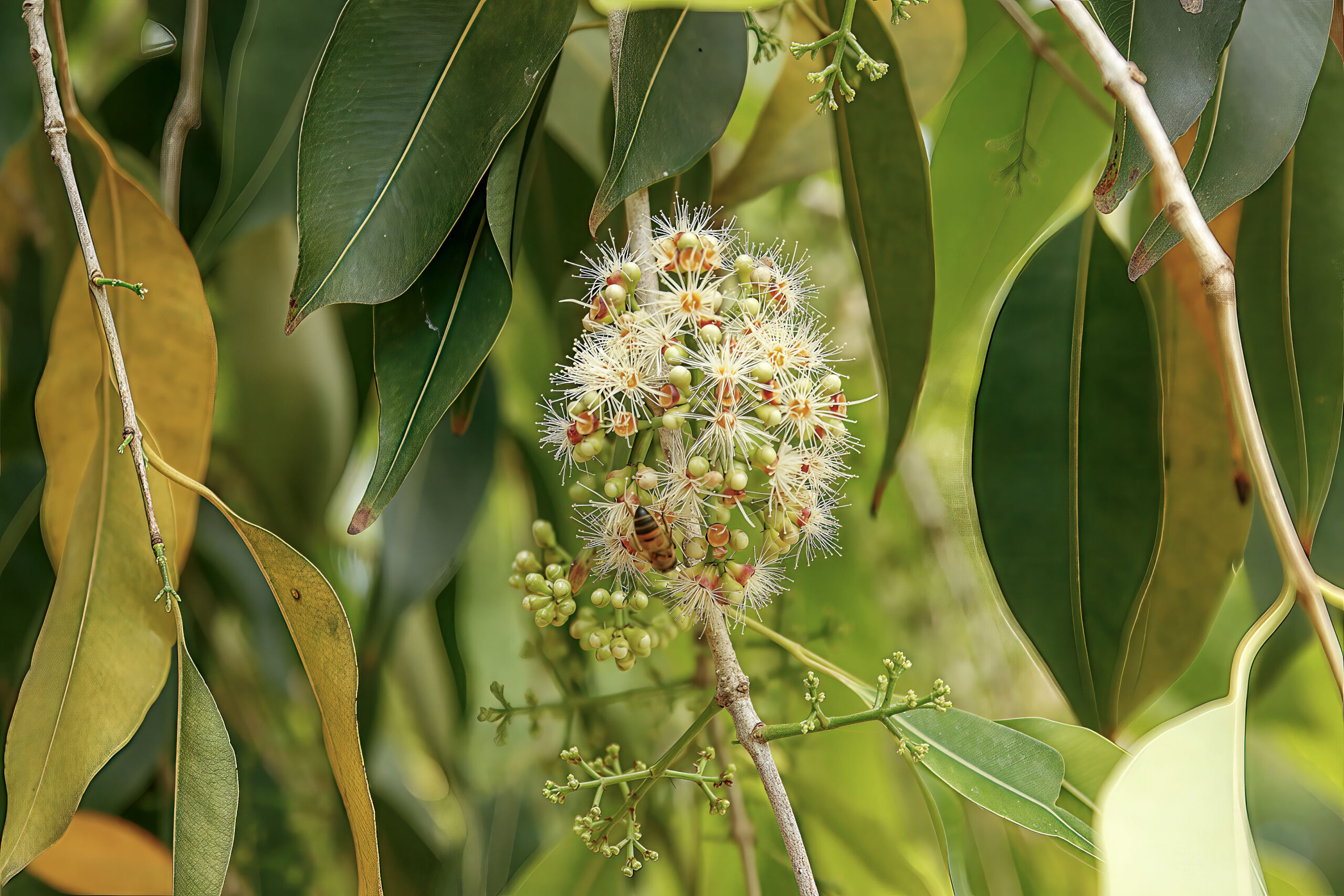
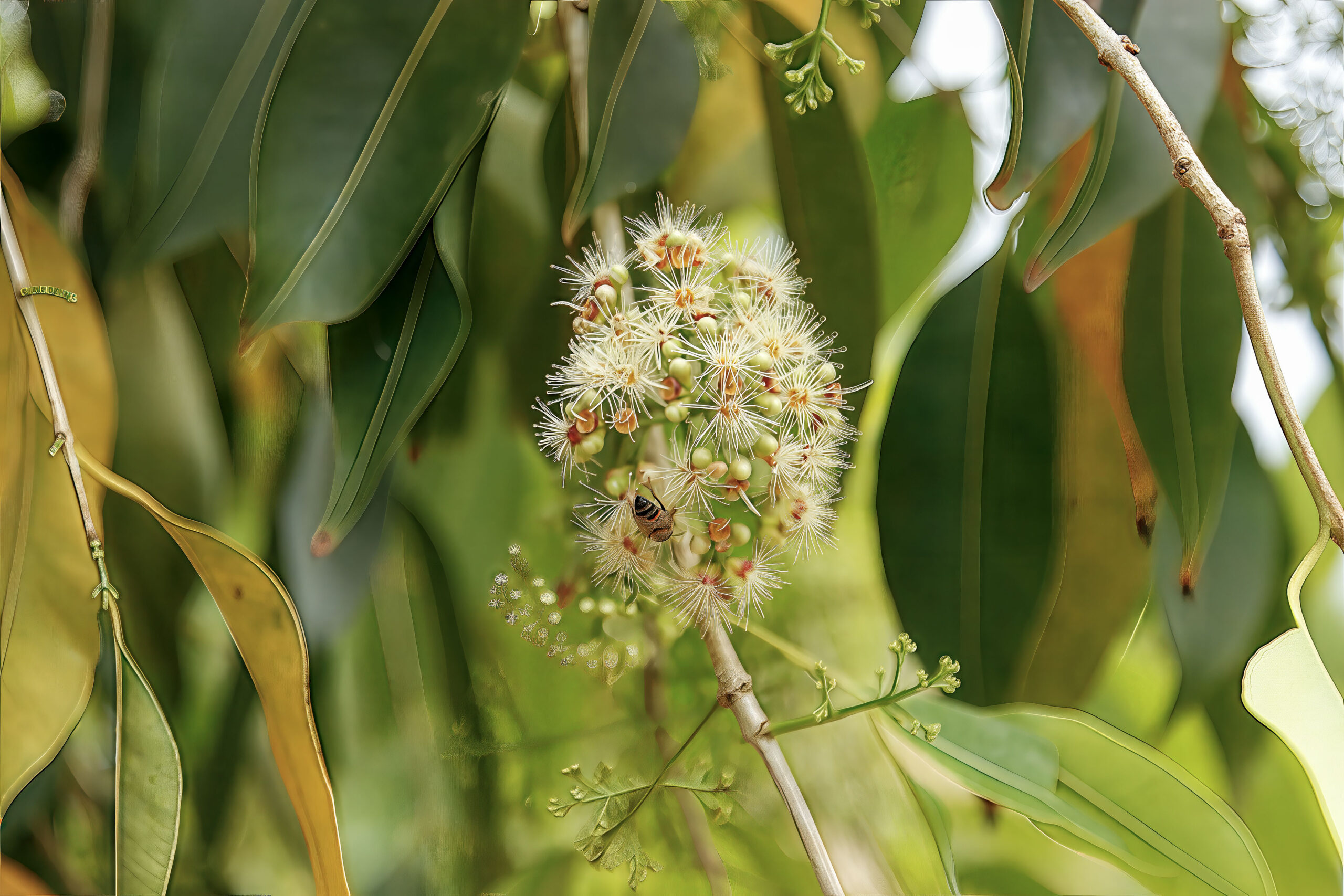
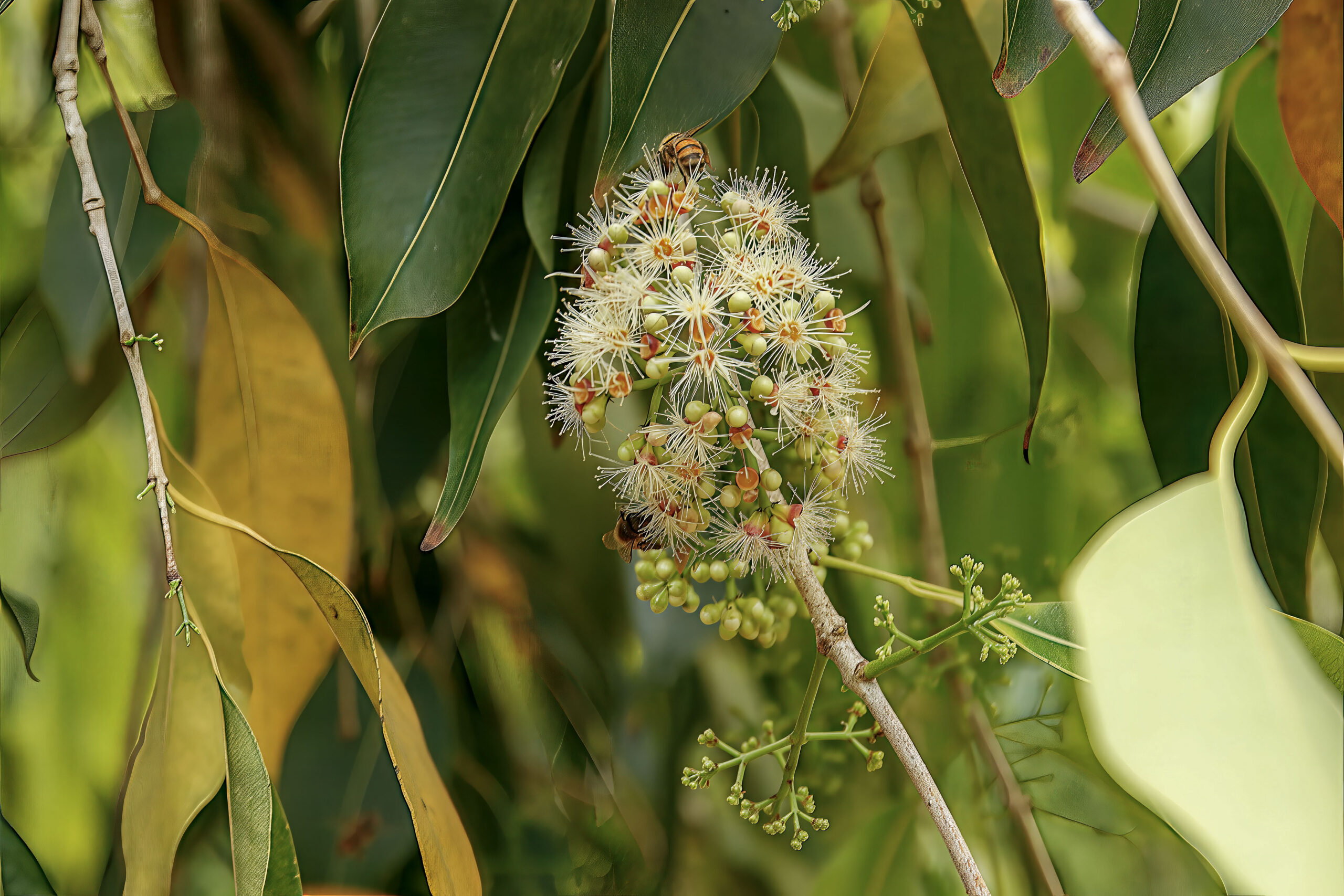
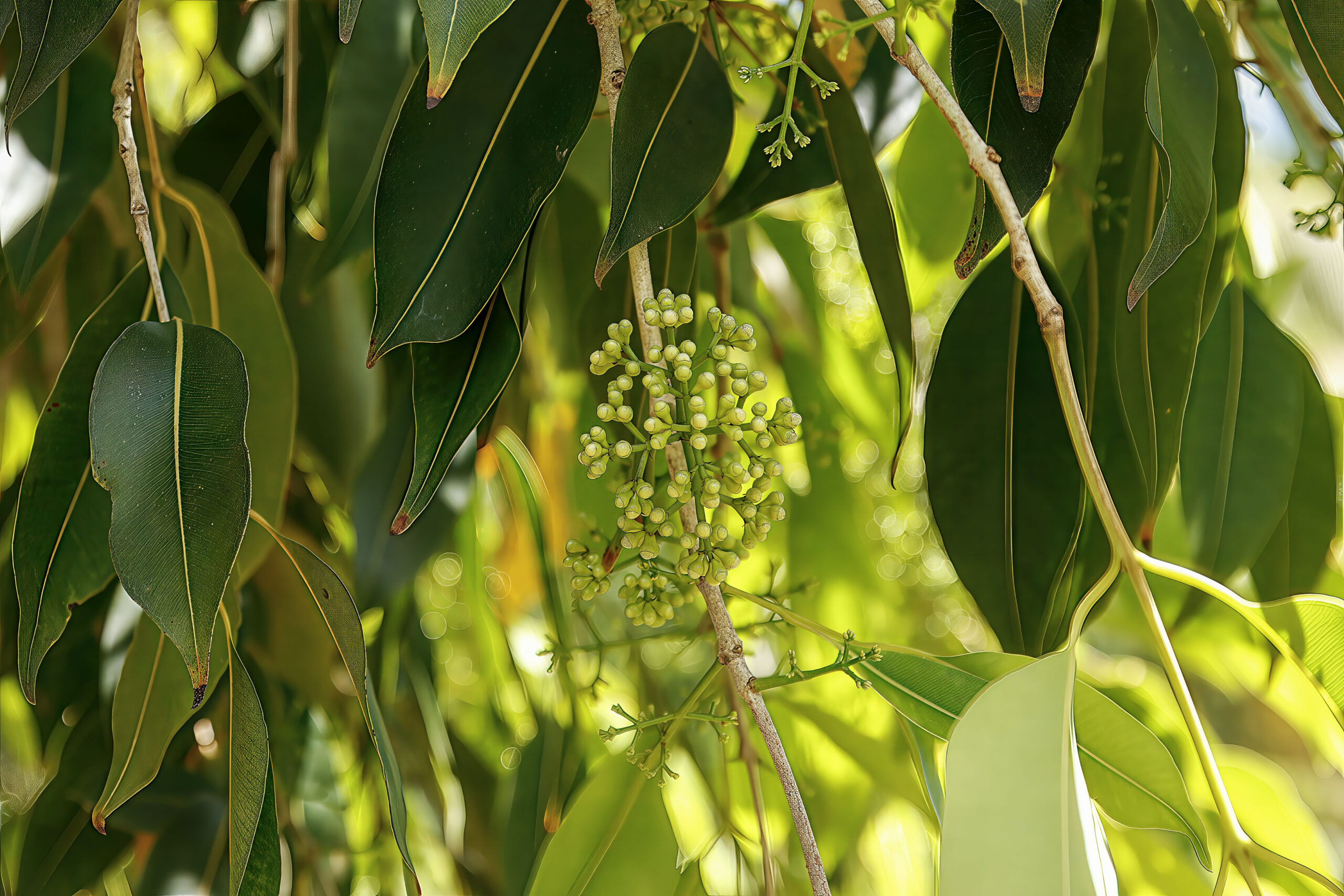
Produces clusters of small, creamy-white flowers on older branches, not just at the tips.

  • Flowering typically occurs late dry to early wet season—around March to May.
  • Flowers are fragrant, rich in nectar, and attract bees and other pollinators.

Observation Tips:

  • Look for clusters of short flower spikes (panicles) along woody limbs.
  • Document bloom density, pollinator activity, and duration of flowering.

3. Fruiting
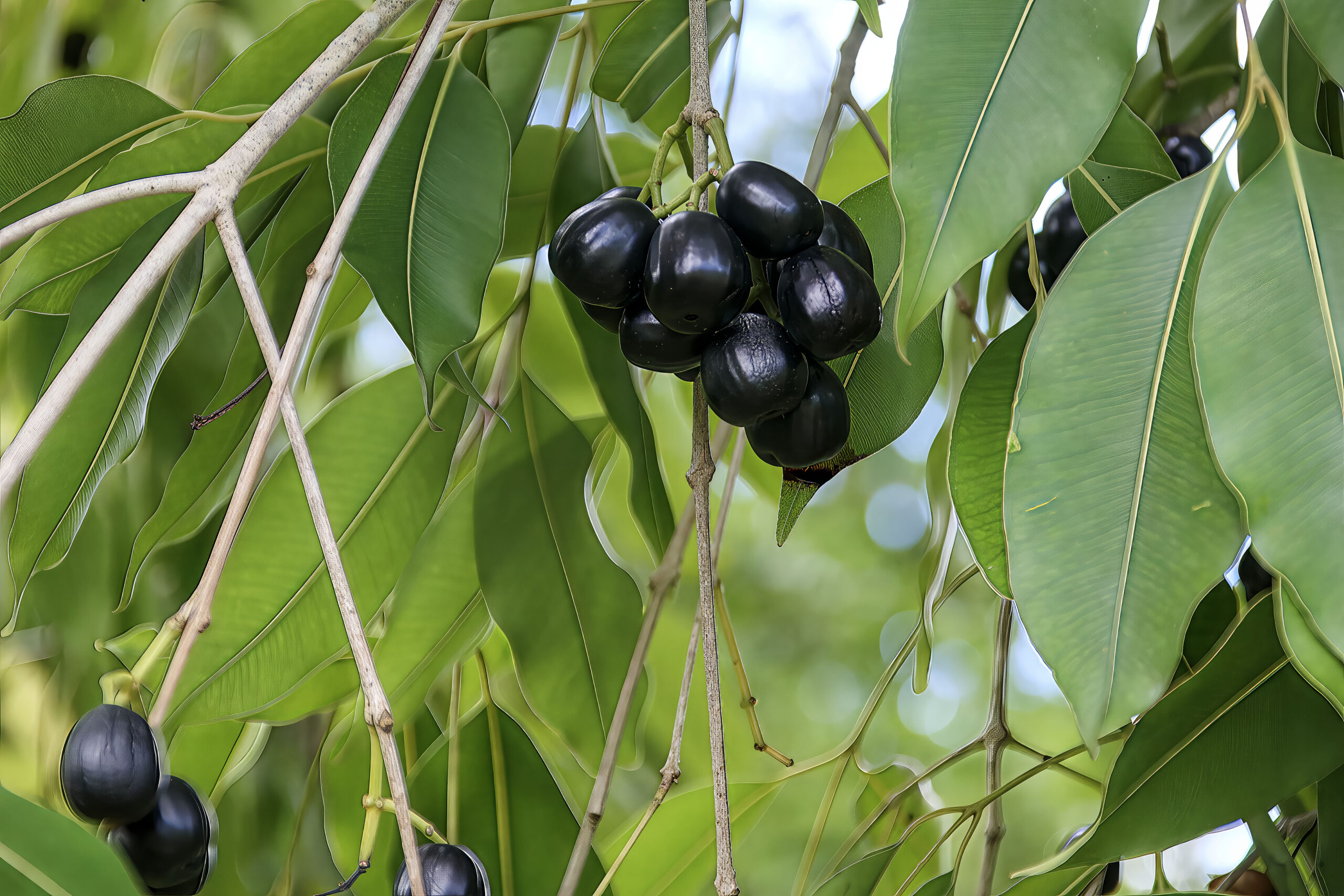
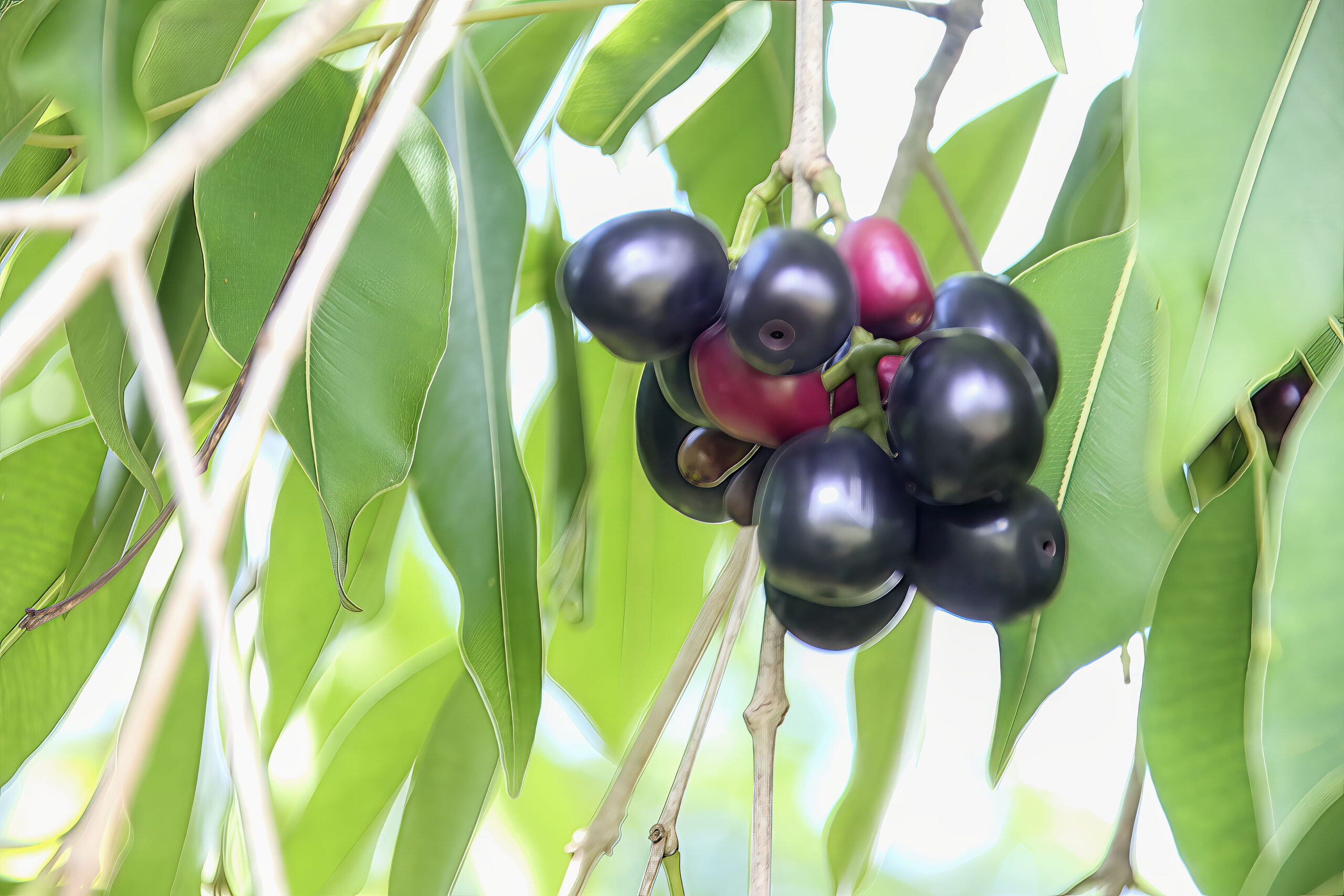
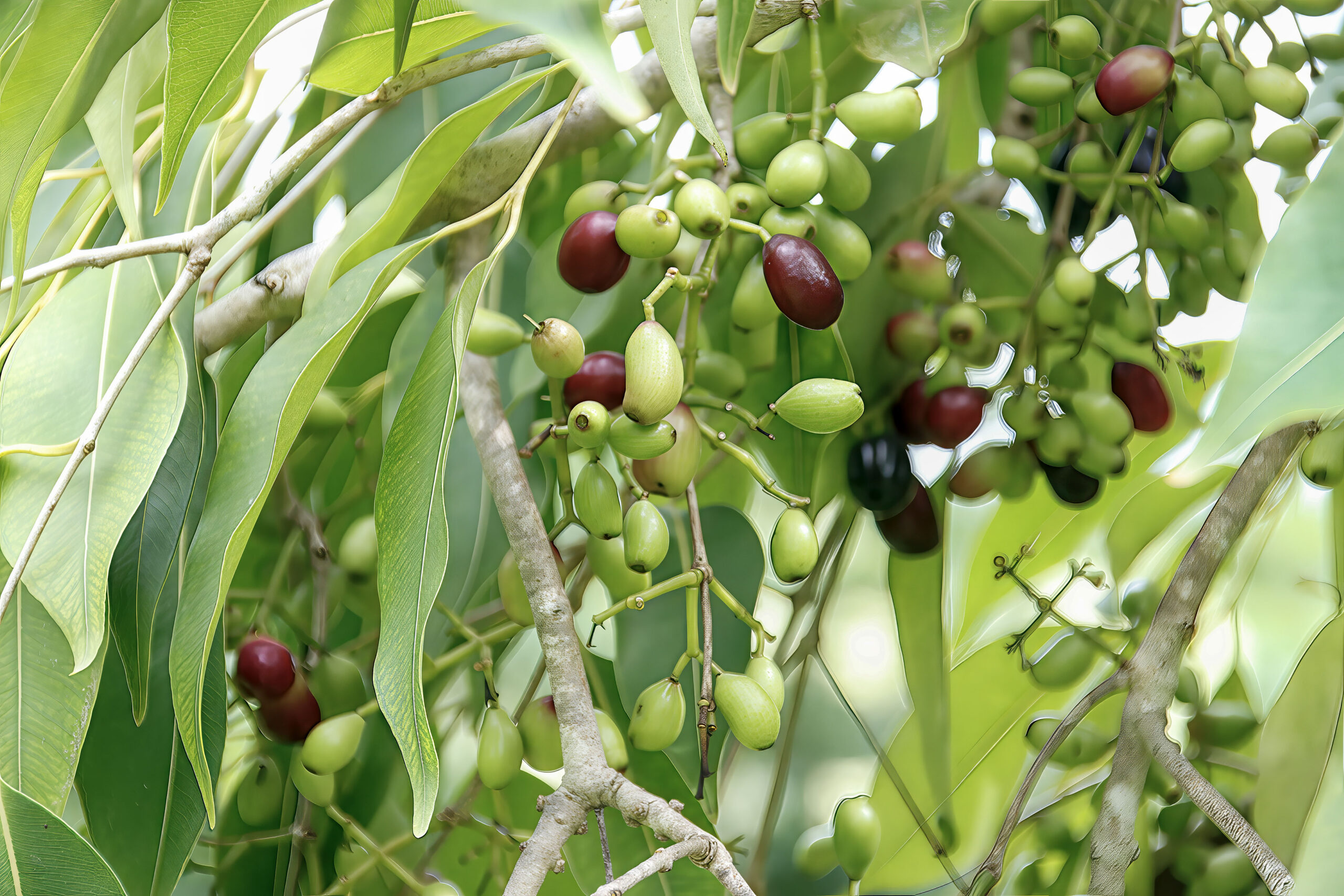
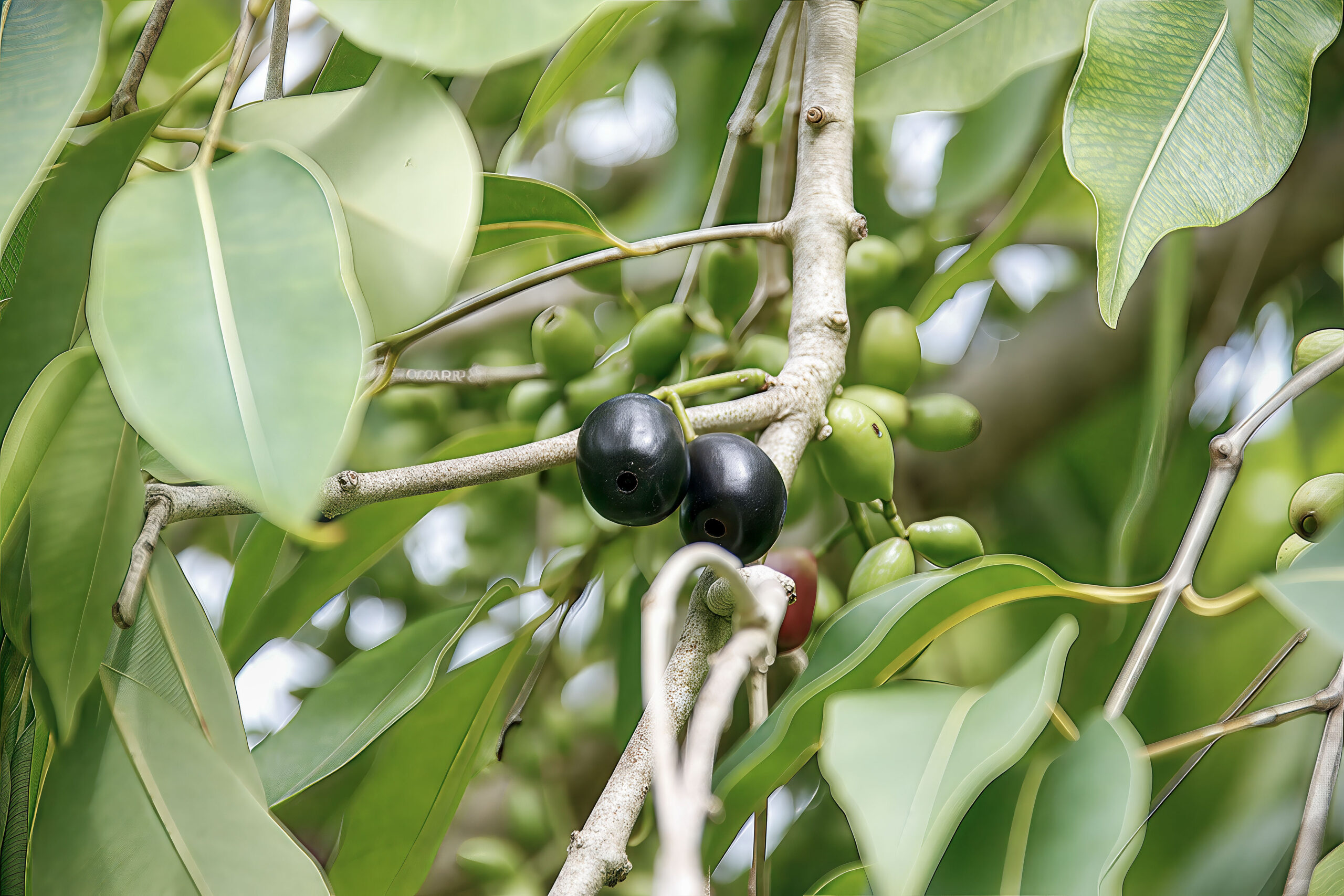
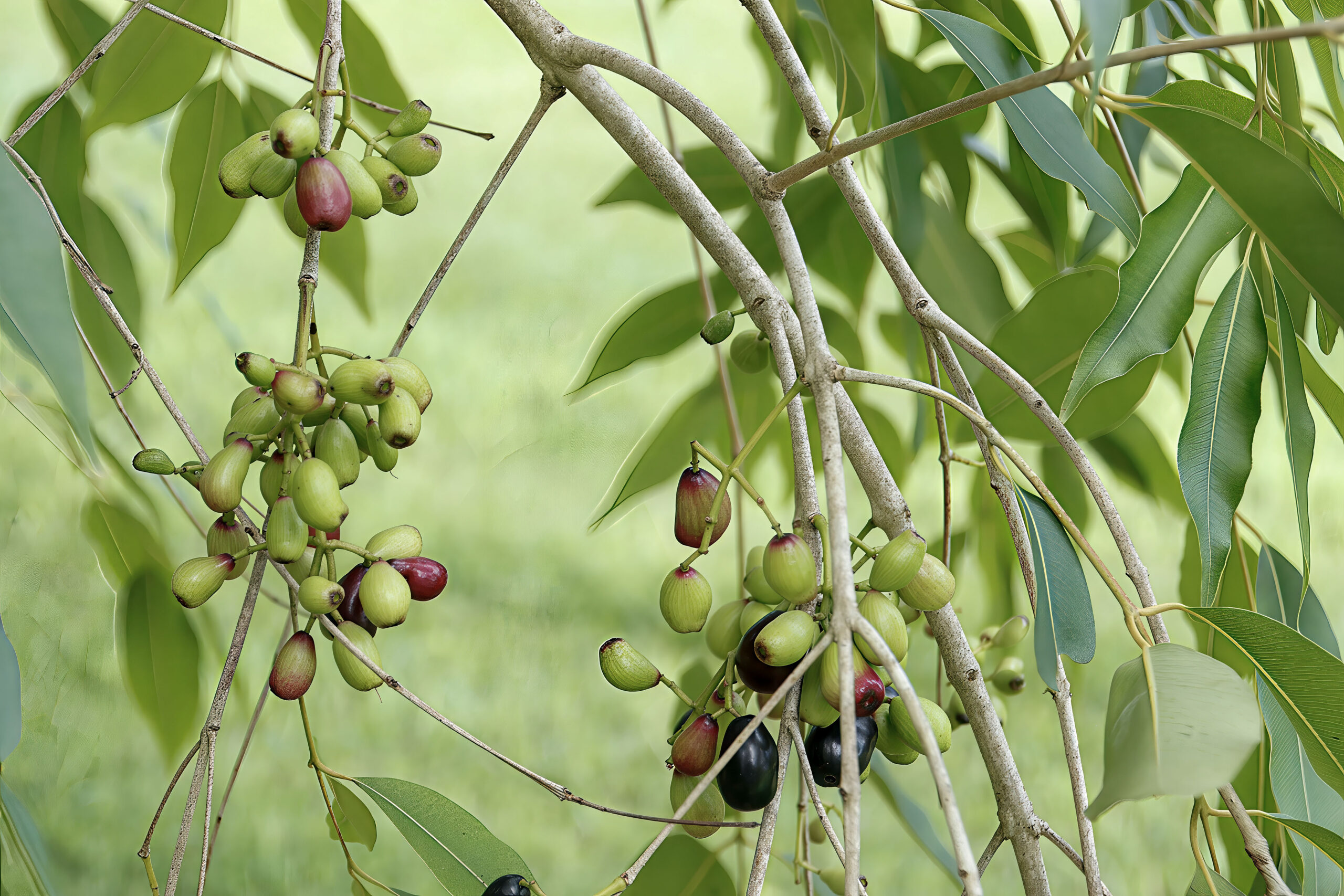
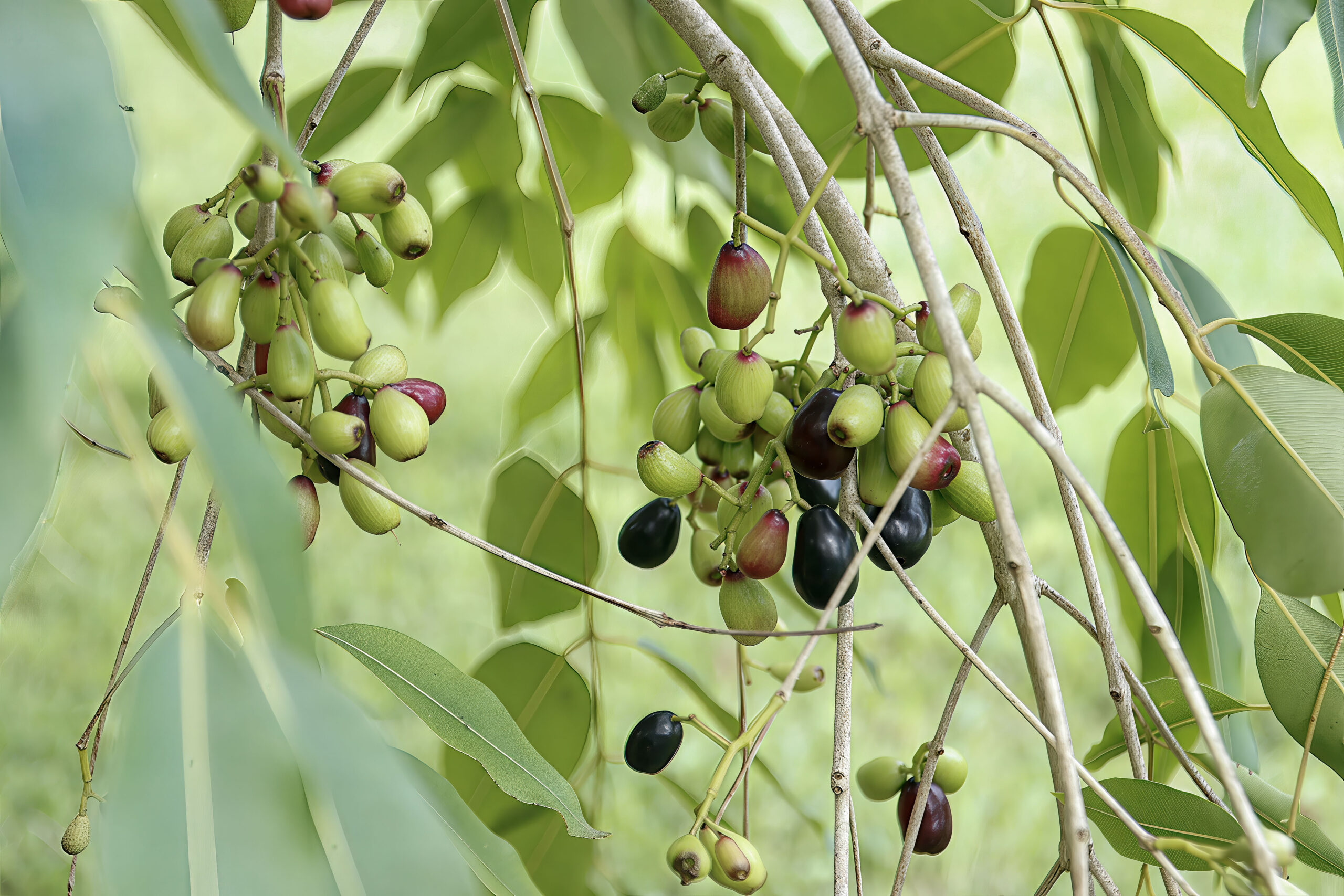
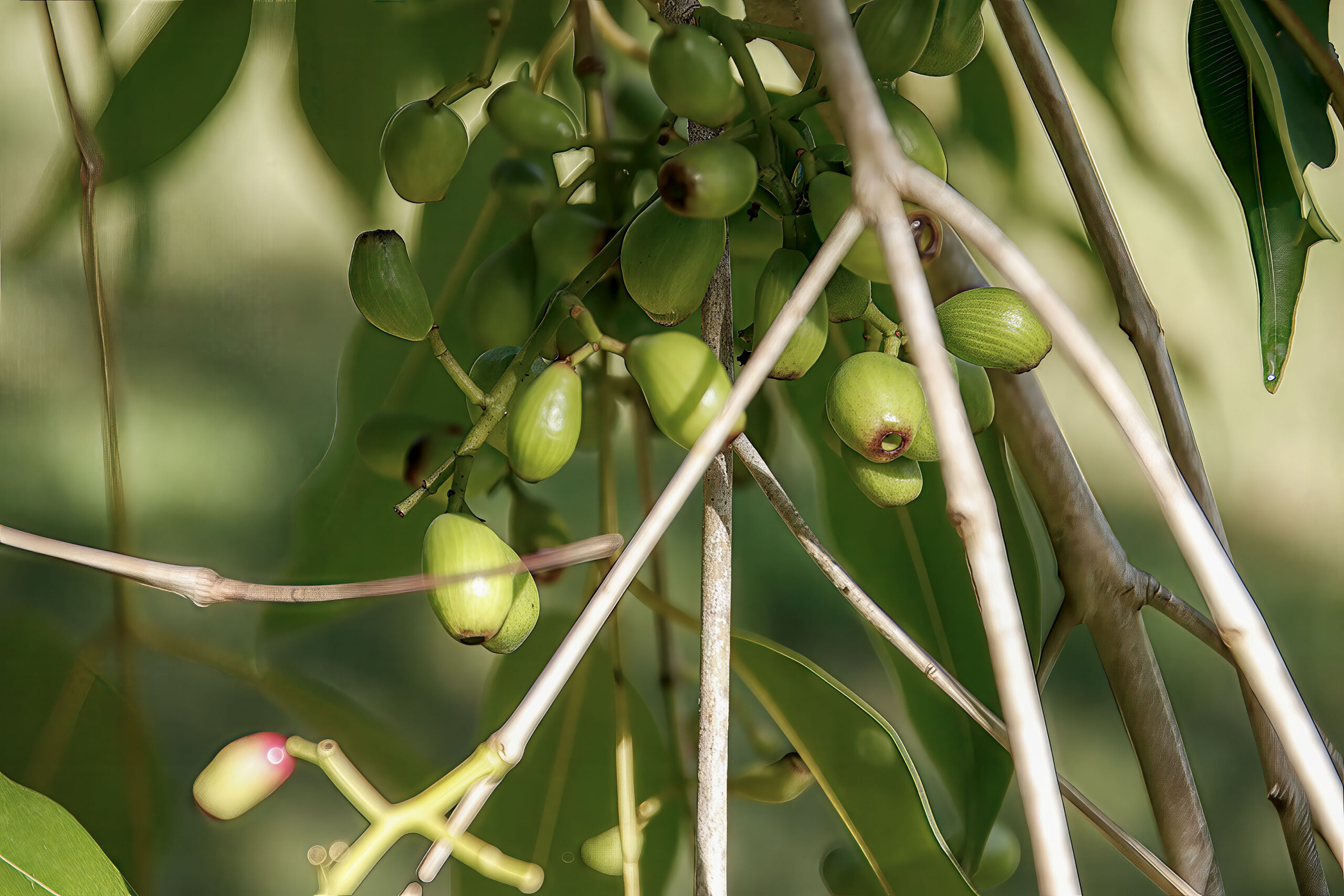
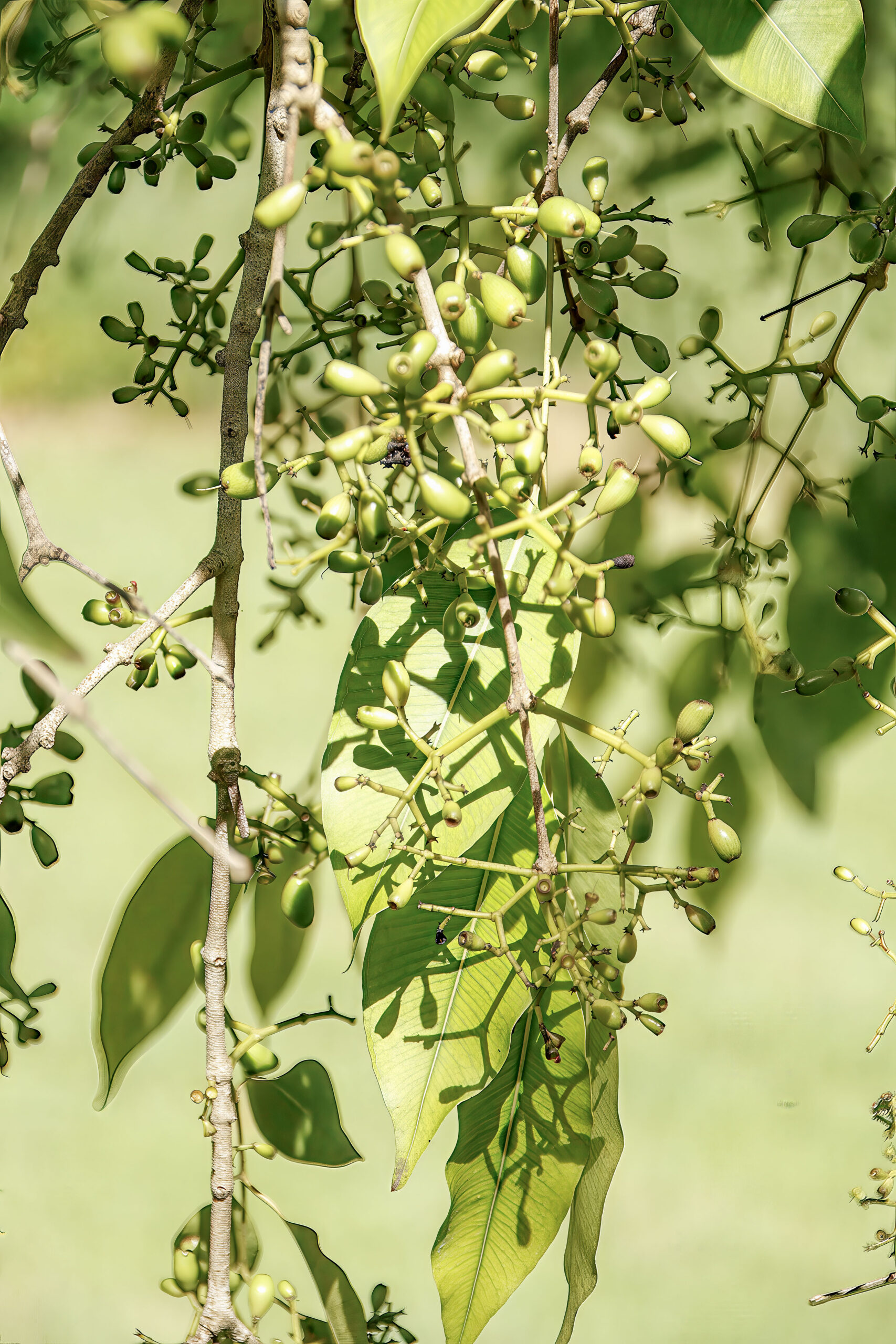
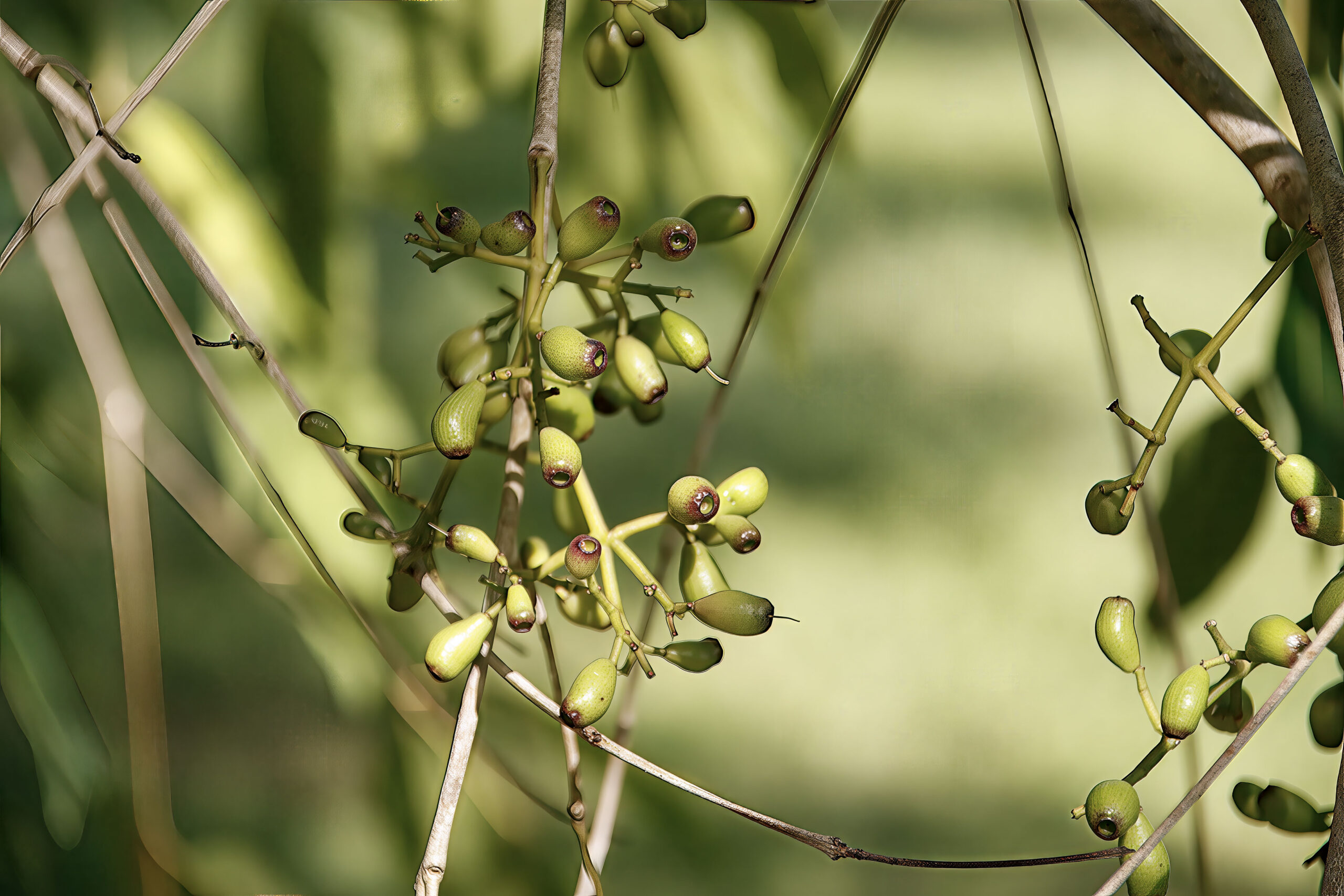
Fruits are oval berries, starting green, turning pink, then deep purple-black when ripe.

  • Fruiting usually follows flowering by a few months, peaking from June to August.
  • The fruit is juicy, astringent when unripe, and sweet-tart when fully ripe.
  • Seeds are dispersed by birds, bats, and humans.

Observation Tips:

  • Monitor fruit color transitions, from green → red → purple-black.
  • Track fruit drop and foraging activity by wildlife.
  • Note fermentation odor under mature trees with heavy fruit fall.

4. Growth Habit
Java Plum can grow into a large, dense-canopied tree with a twisted trunk and smooth gray bark that flakes with age.

  • Ideal for shade, but can become invasive if not managed—monitor for suckering or seedling spread nearby.

5. Seasonal Pattern (St. Croix)

  • Jan–Mar: Occasional leaf turnover
  • Mar–May: Flowering
  • Jun–Aug: Fruiting
  • Sep–Dec: Canopy maintenance; occasional leaf flush or stress response
Scroll to Top