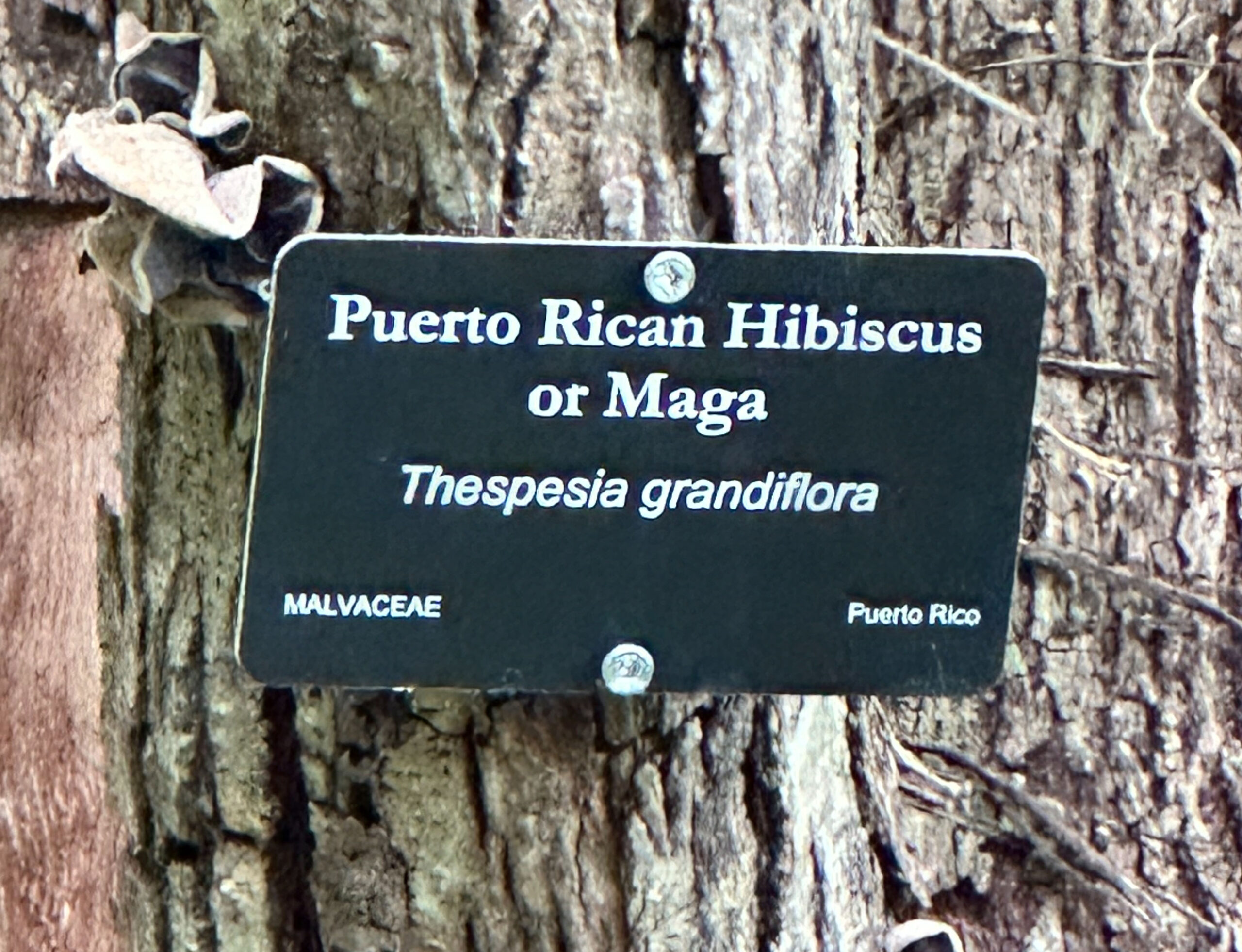
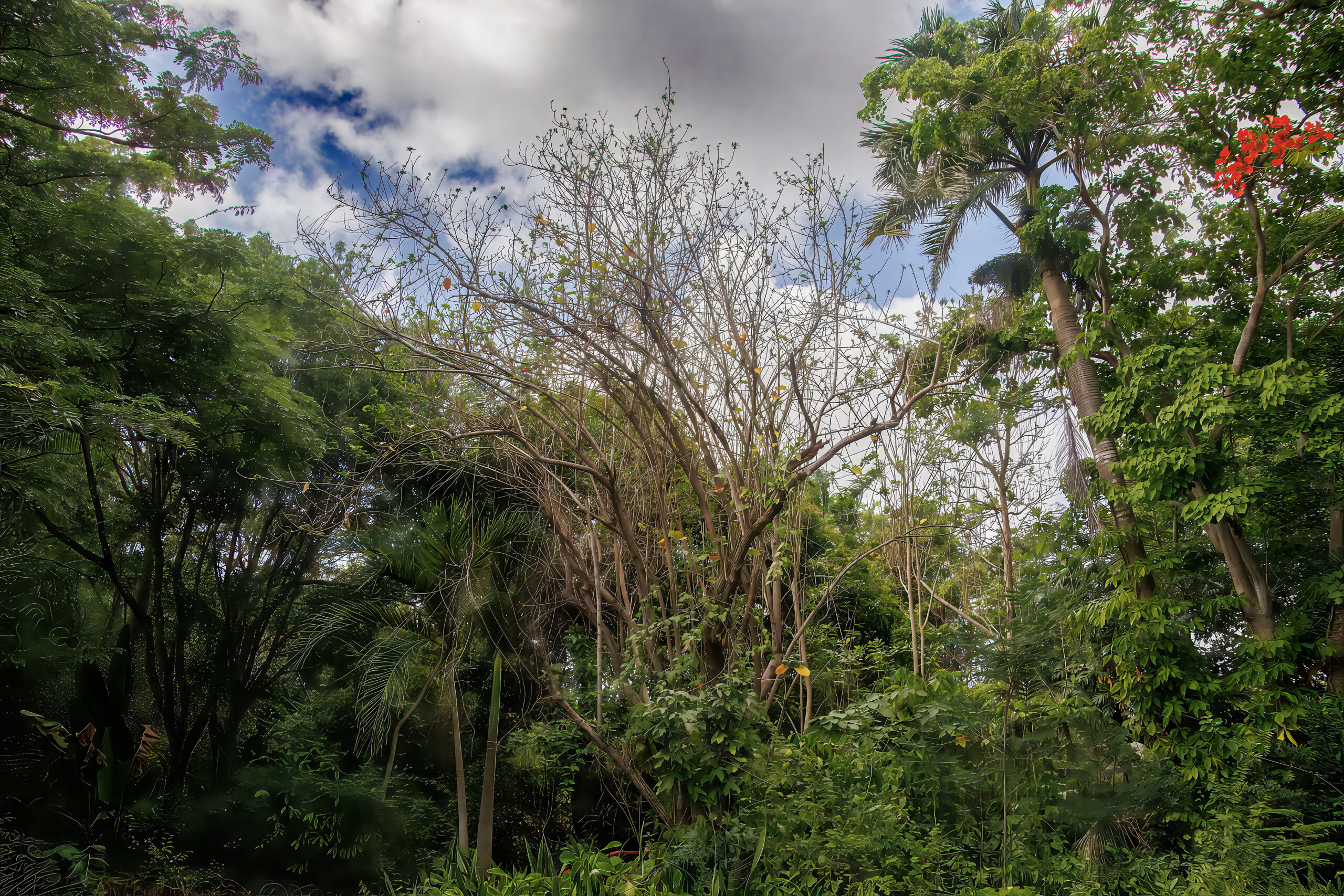
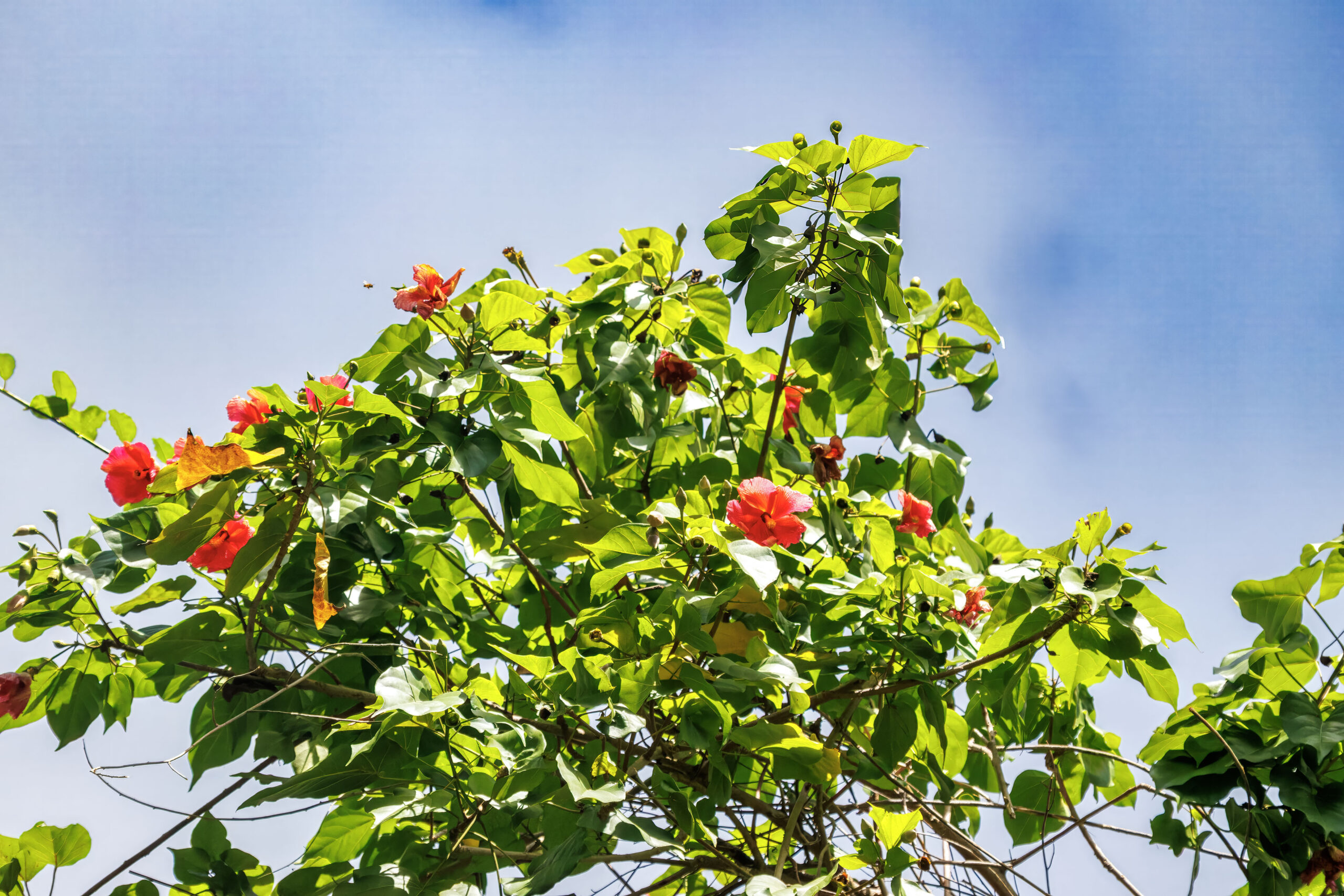
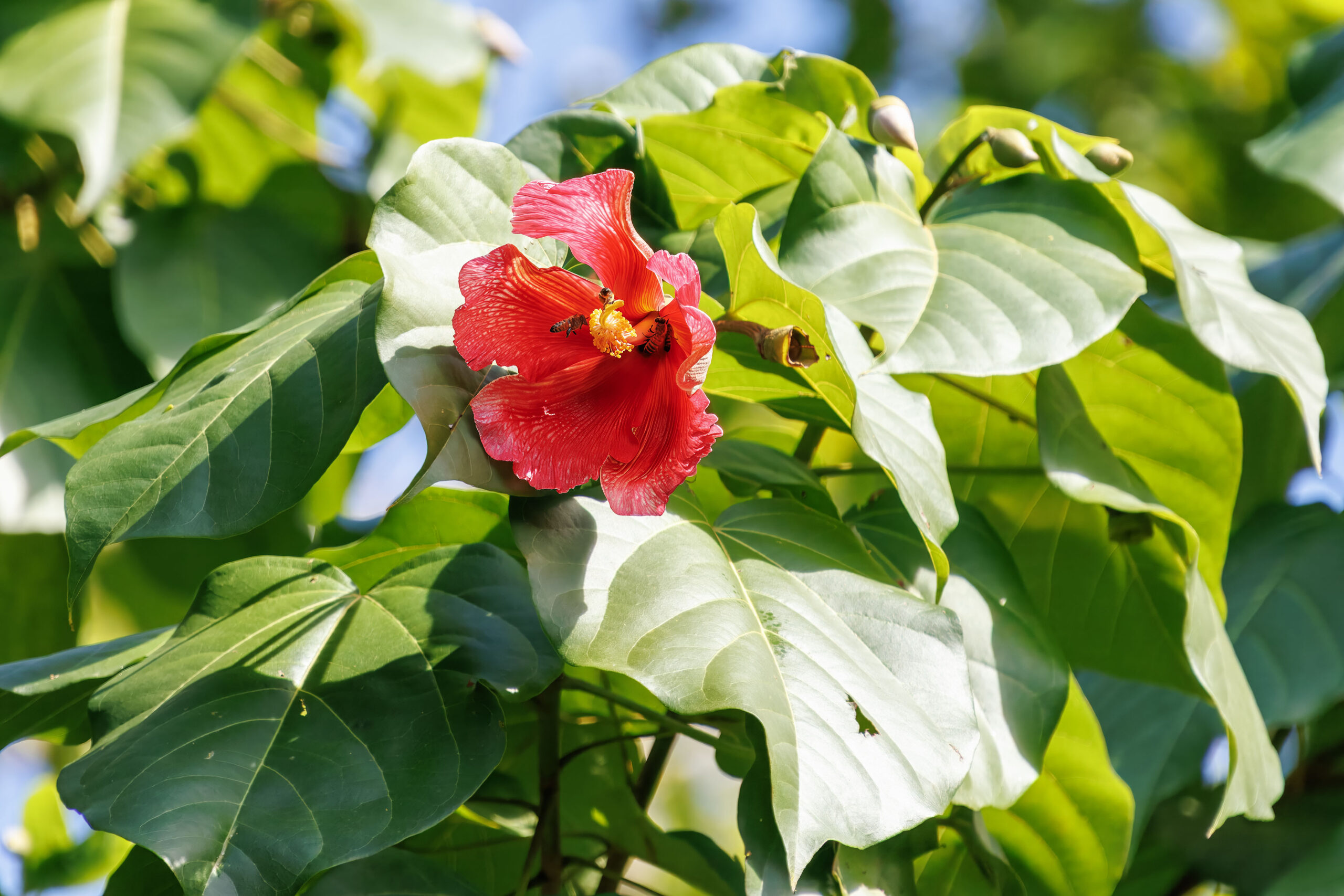
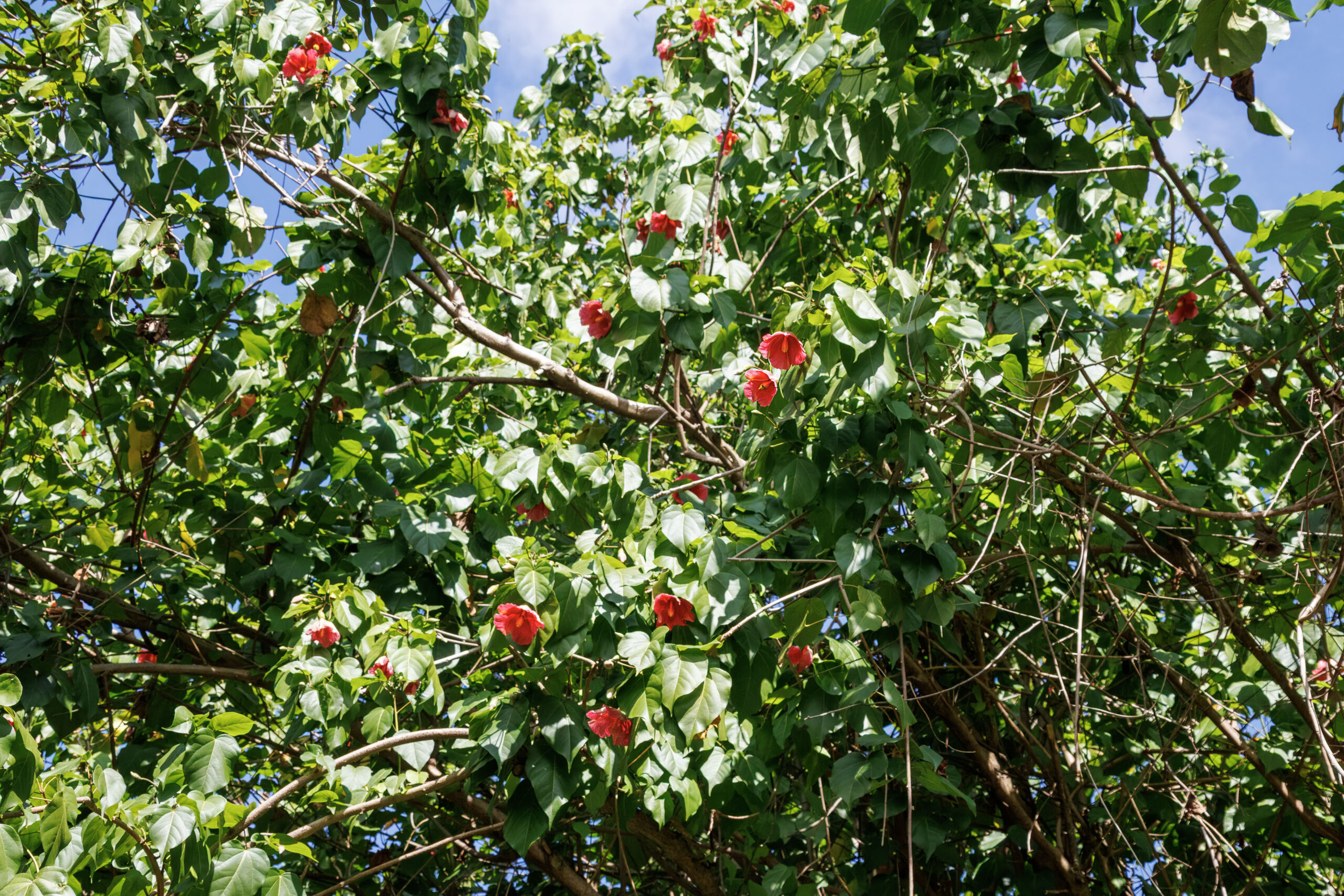
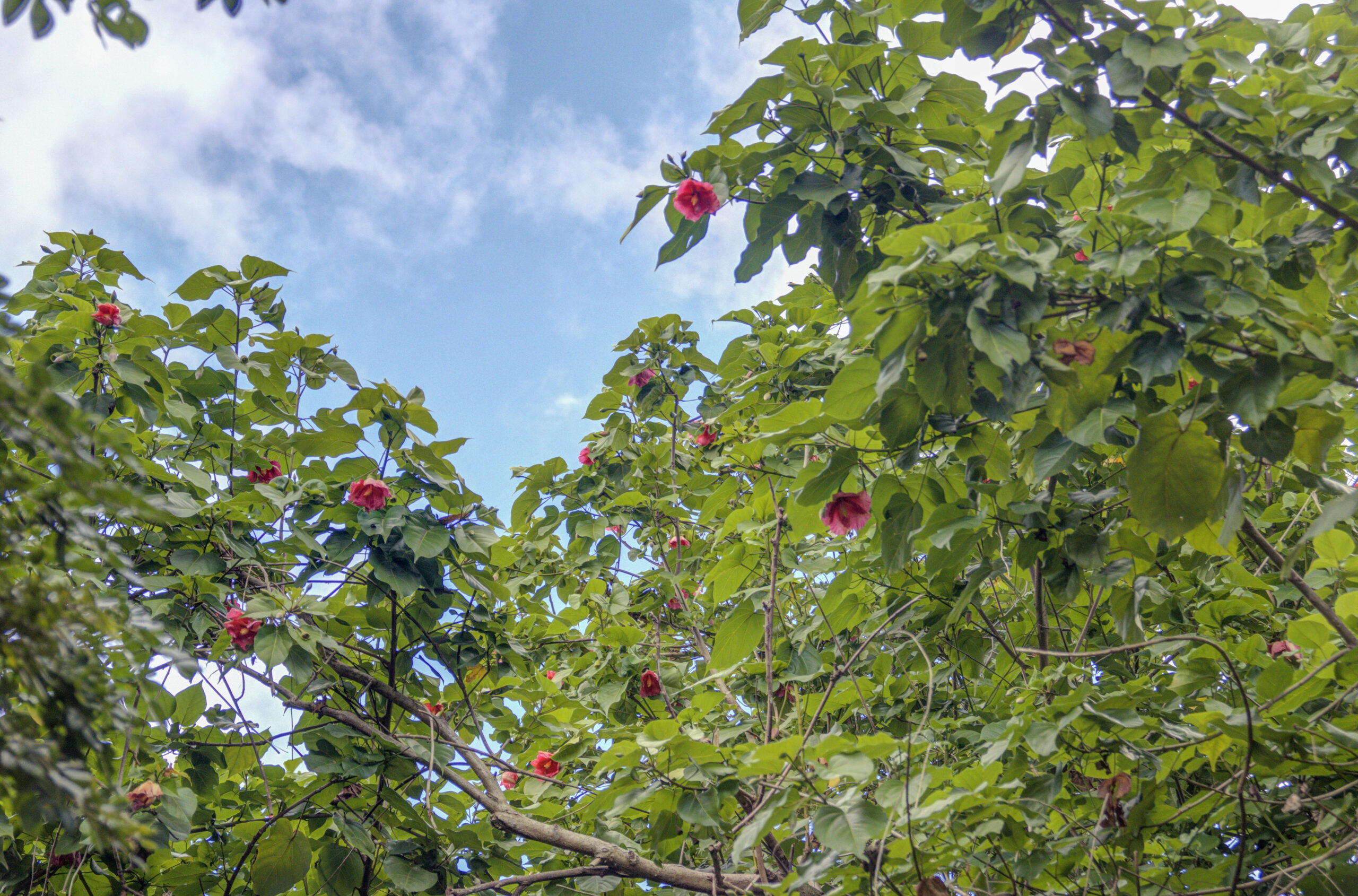
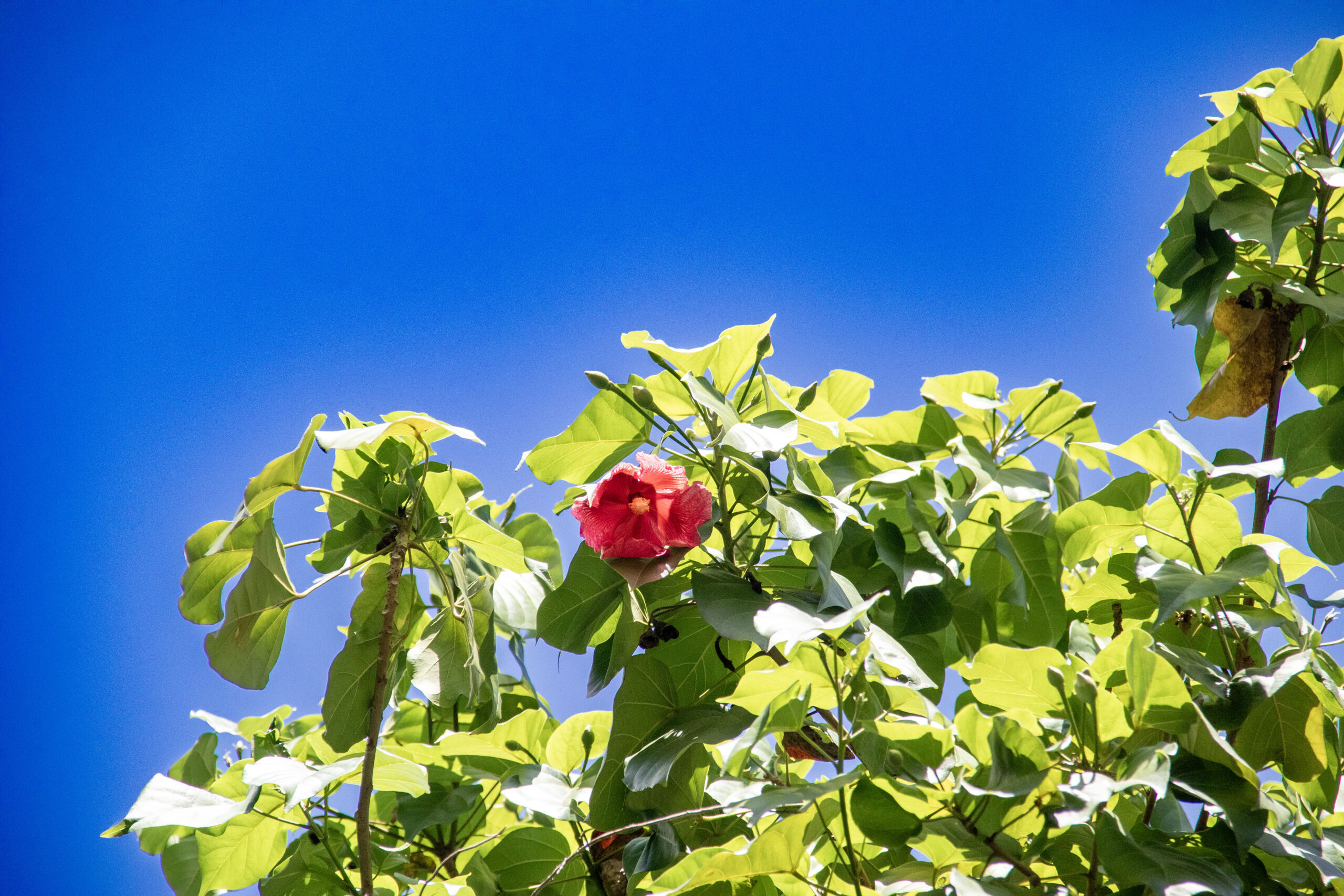
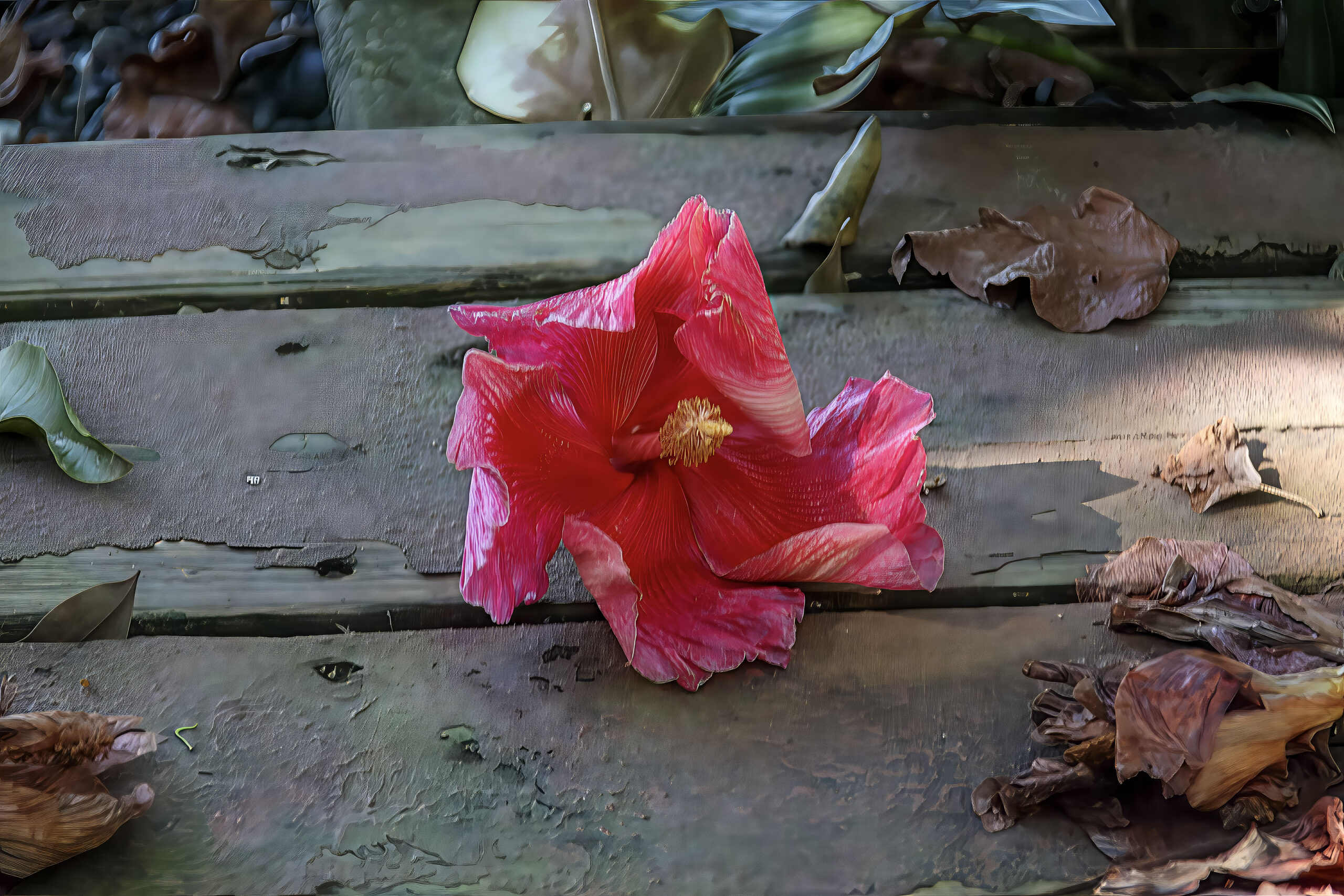
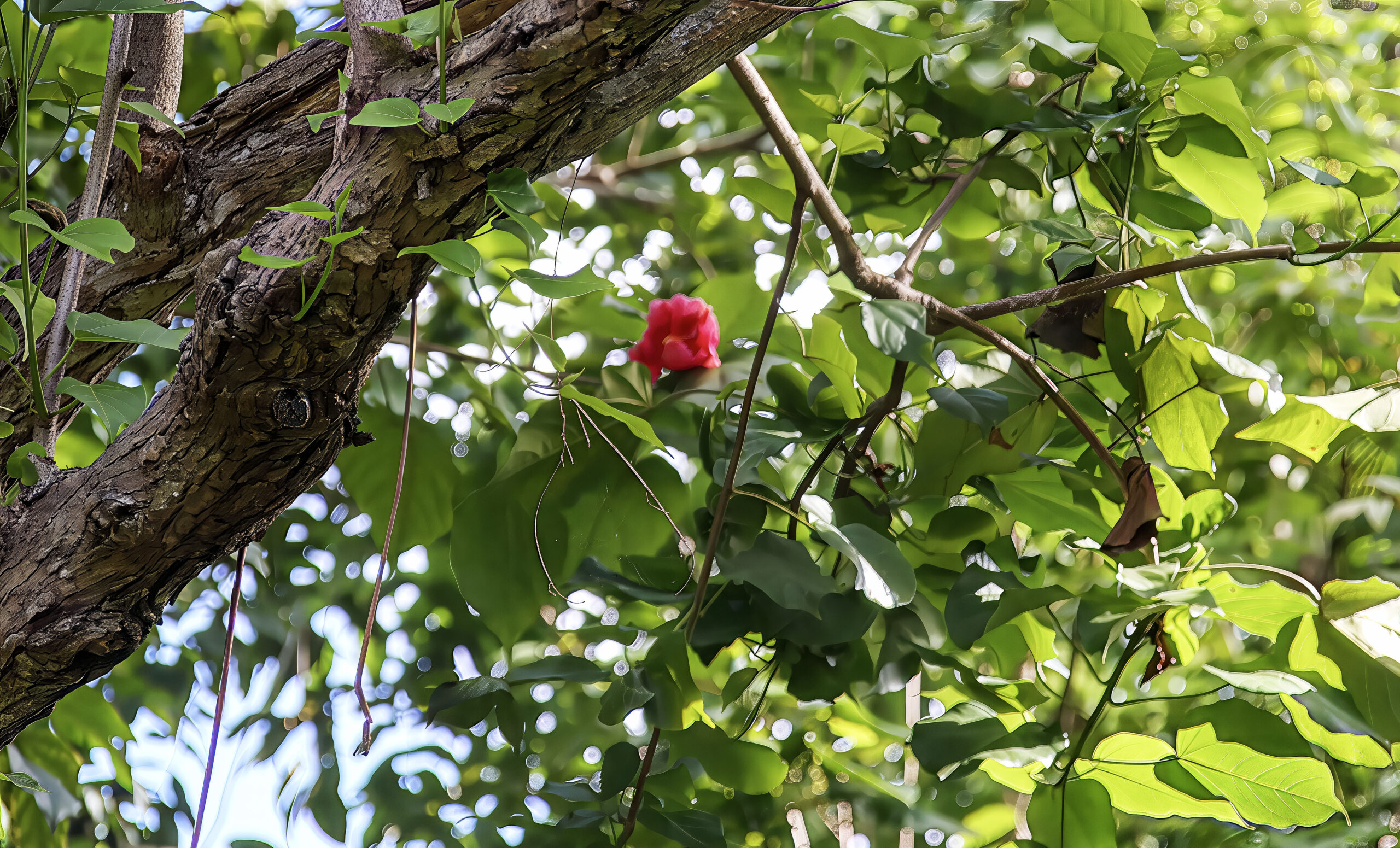
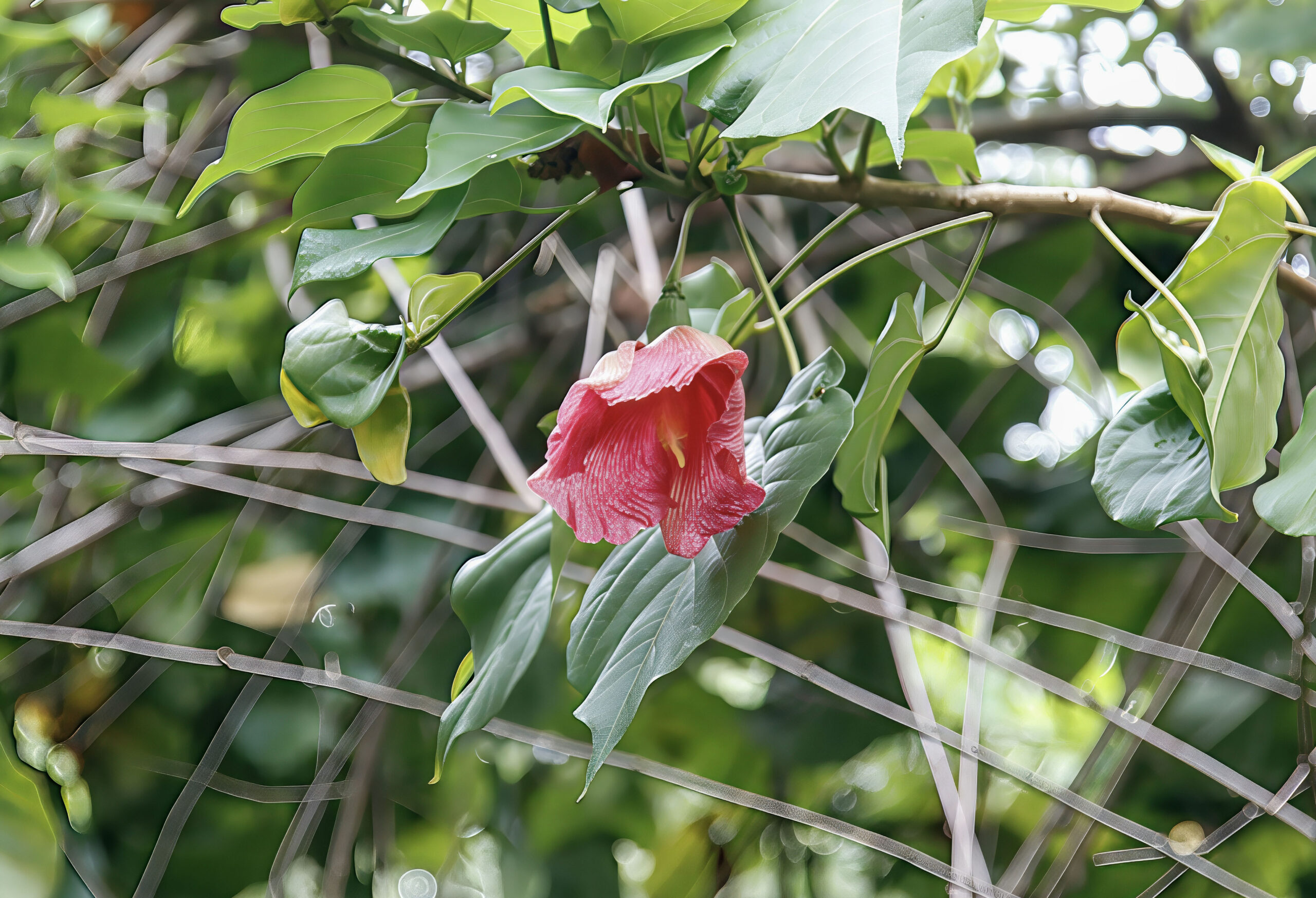
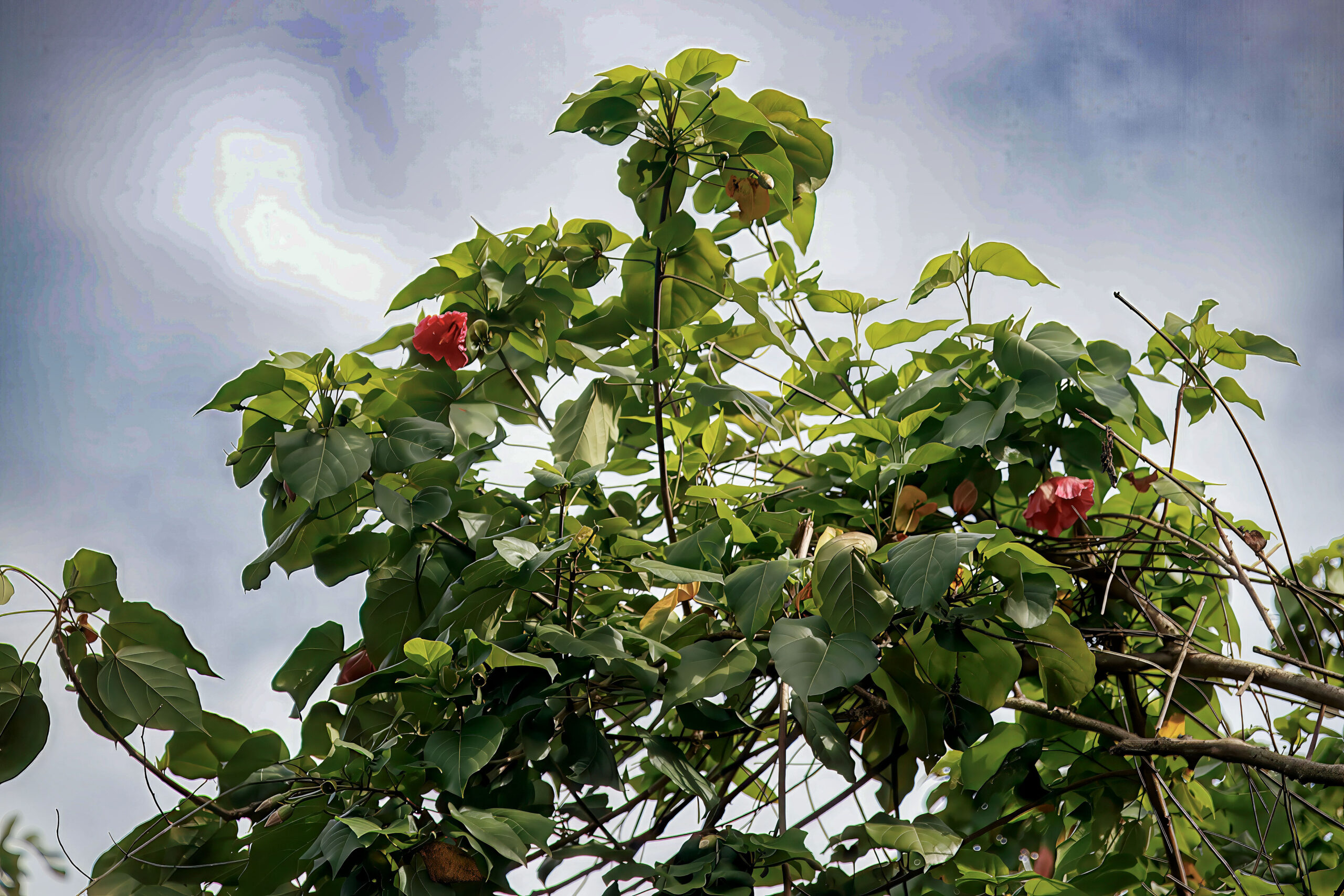
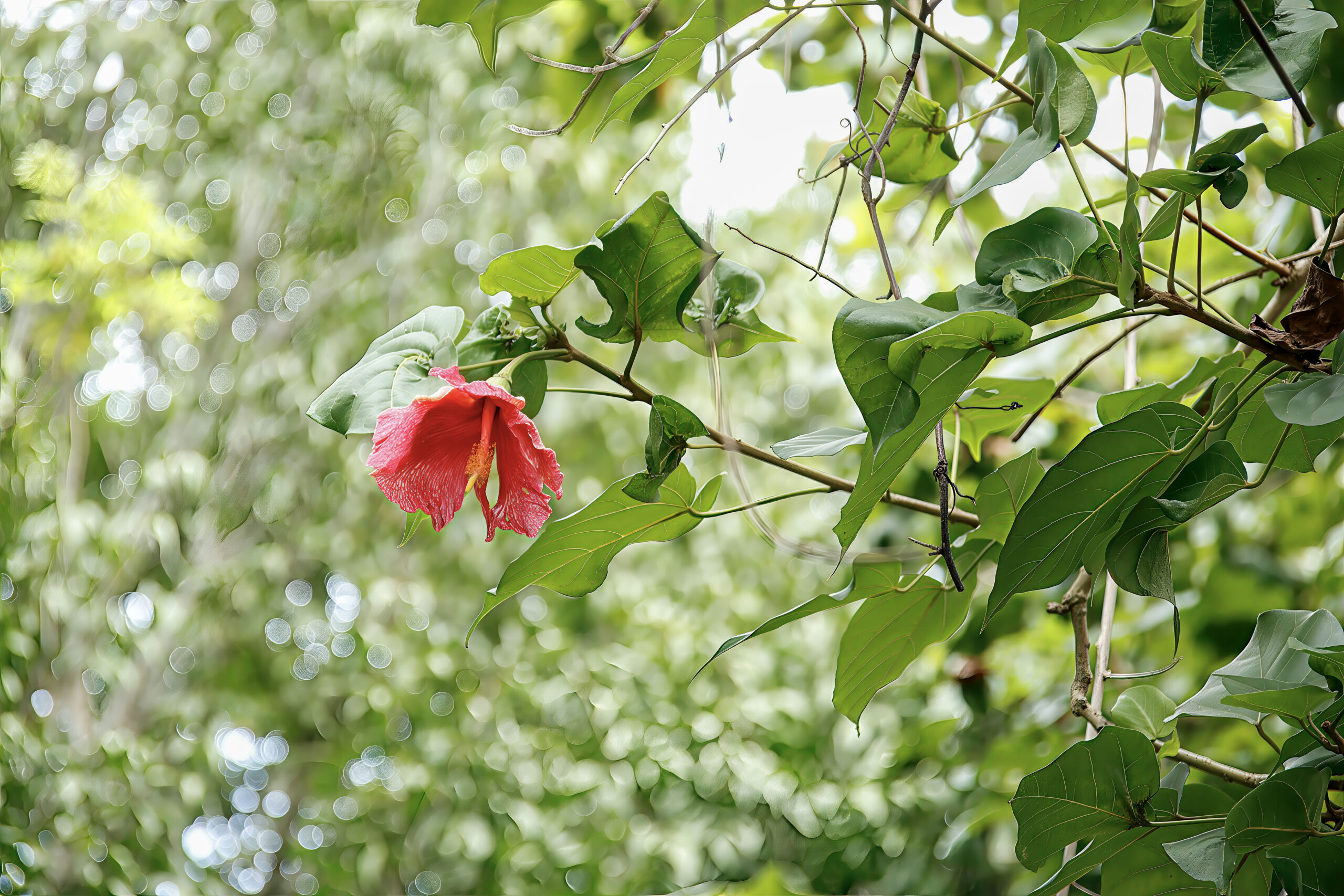
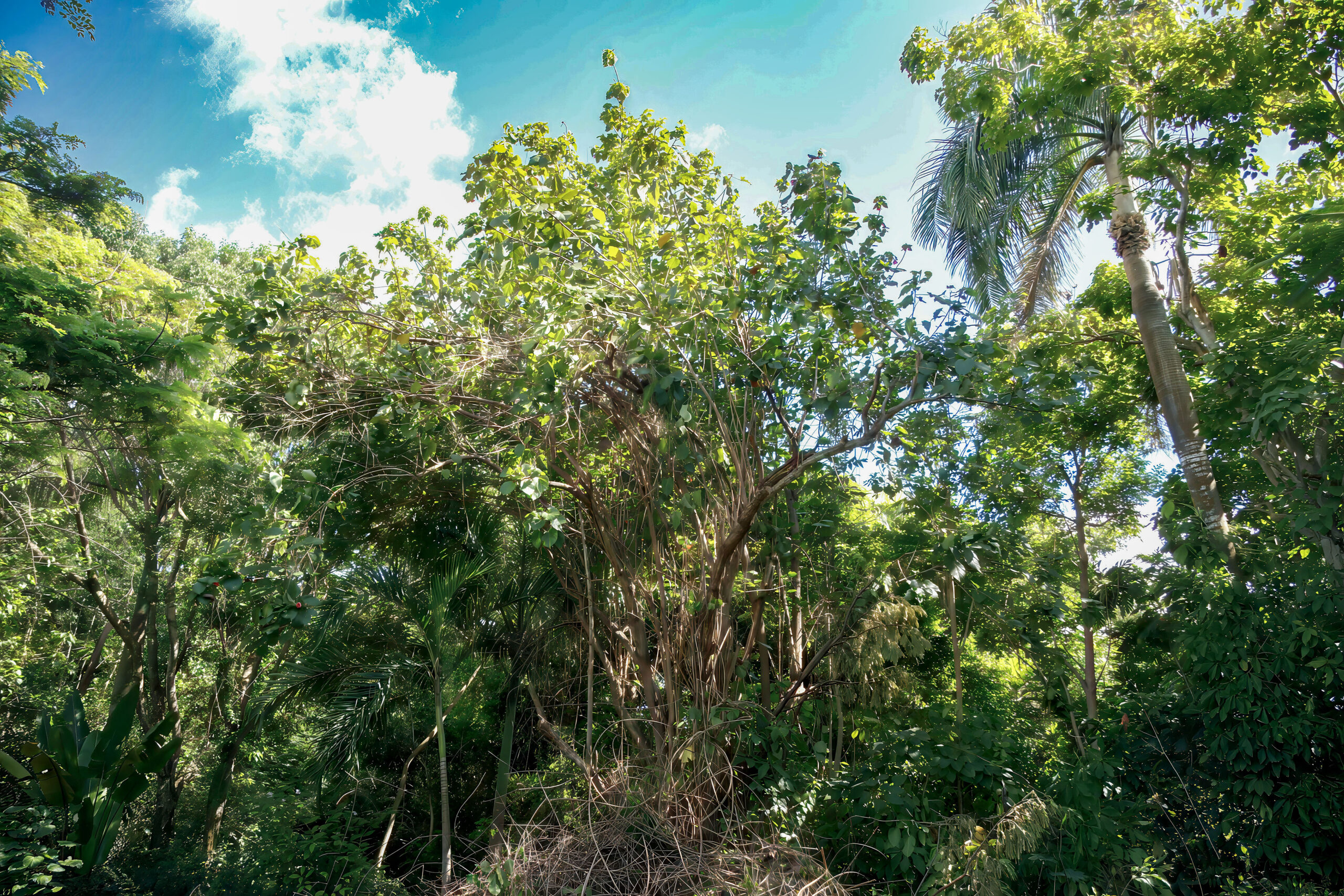
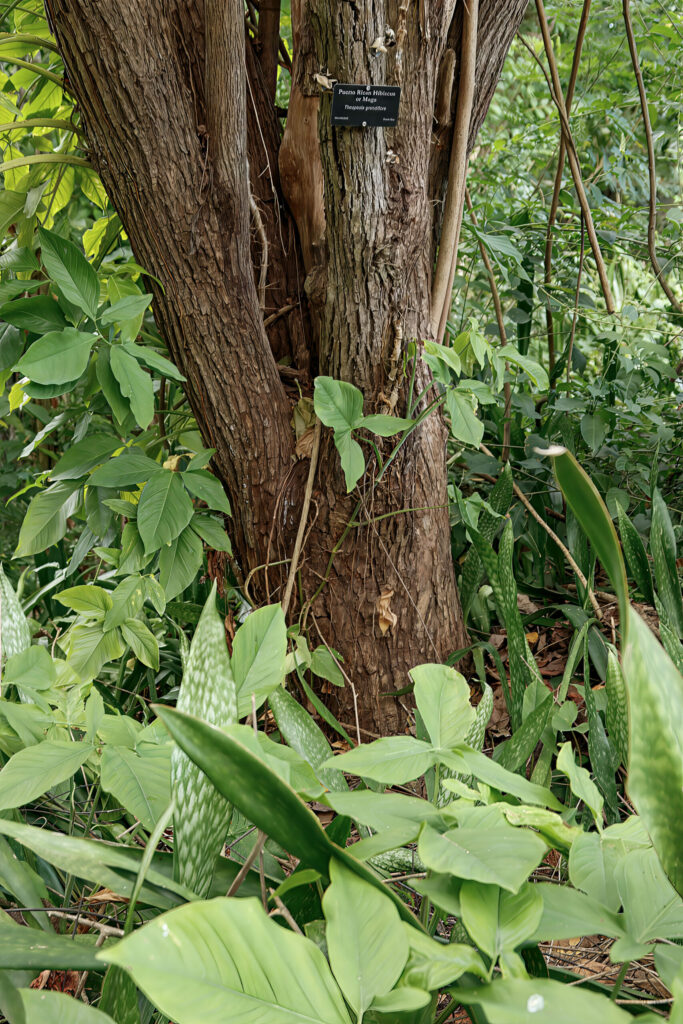
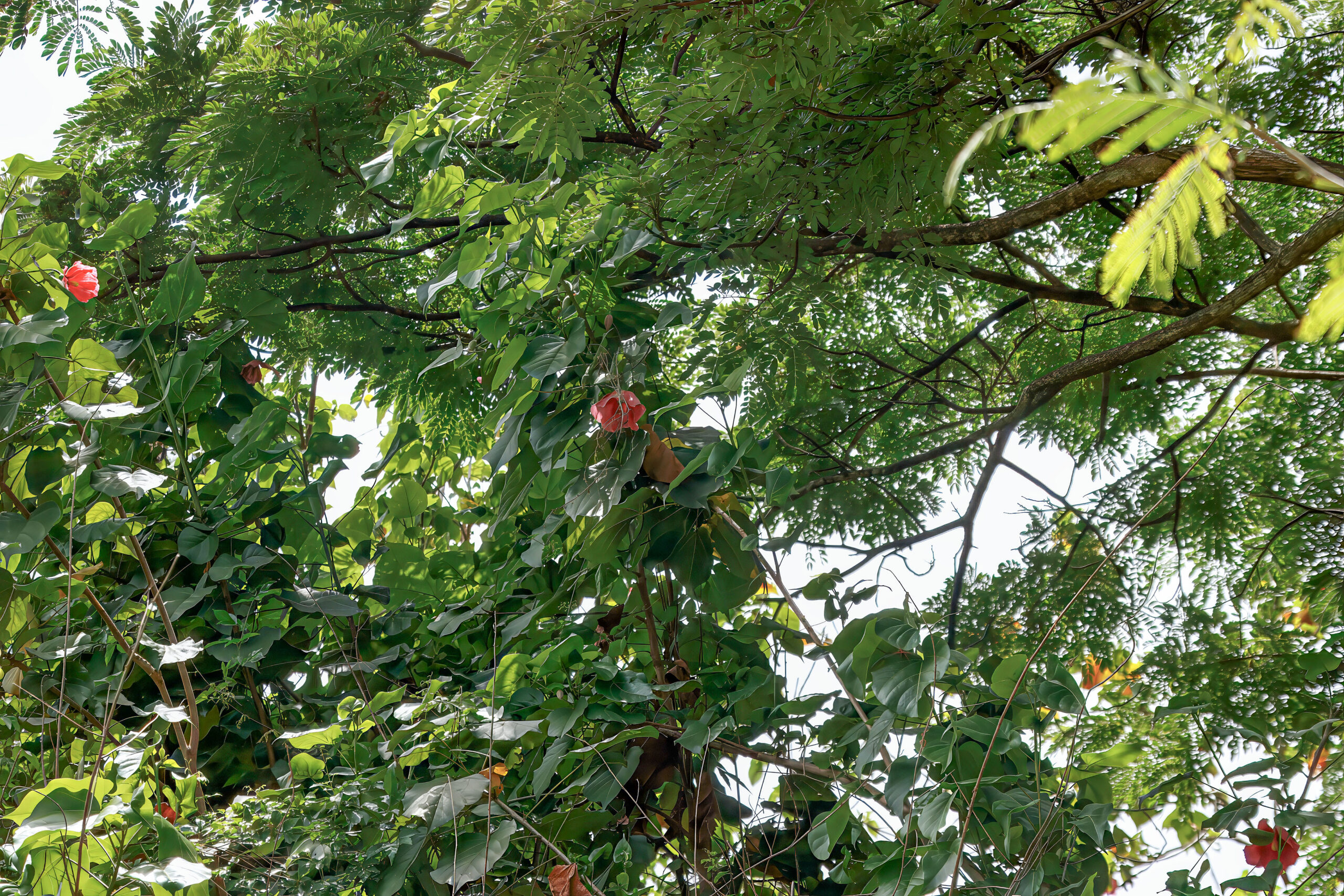
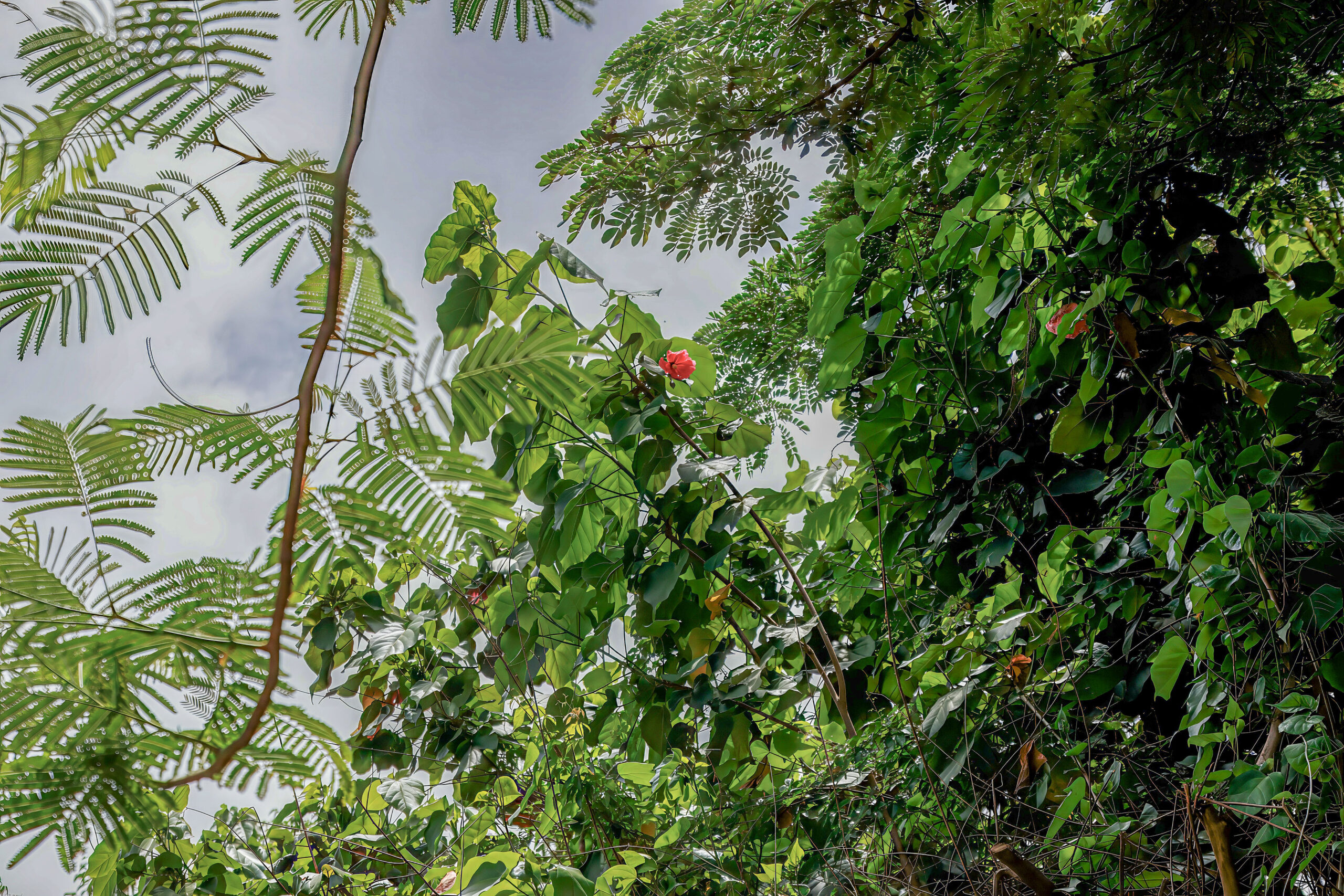
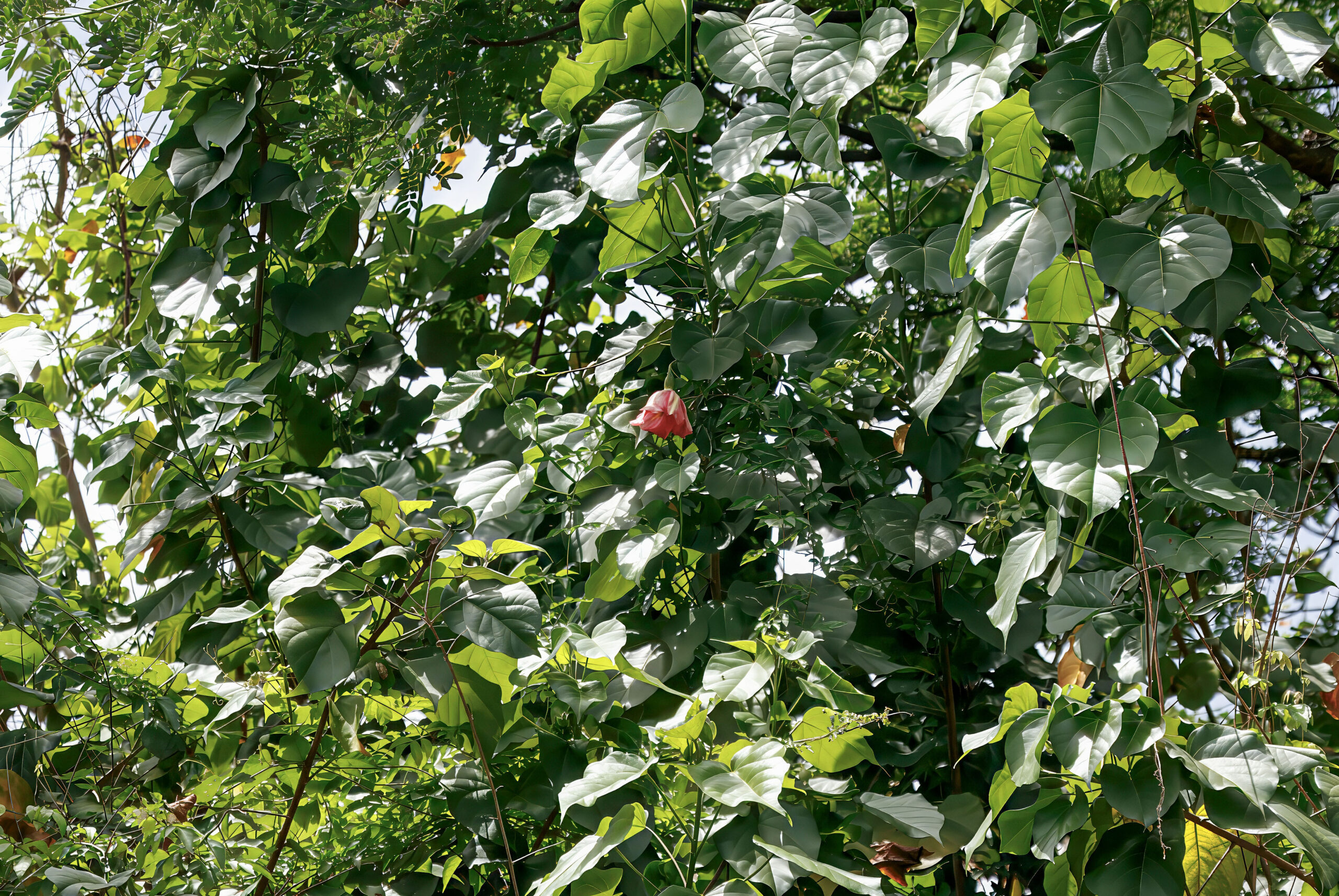
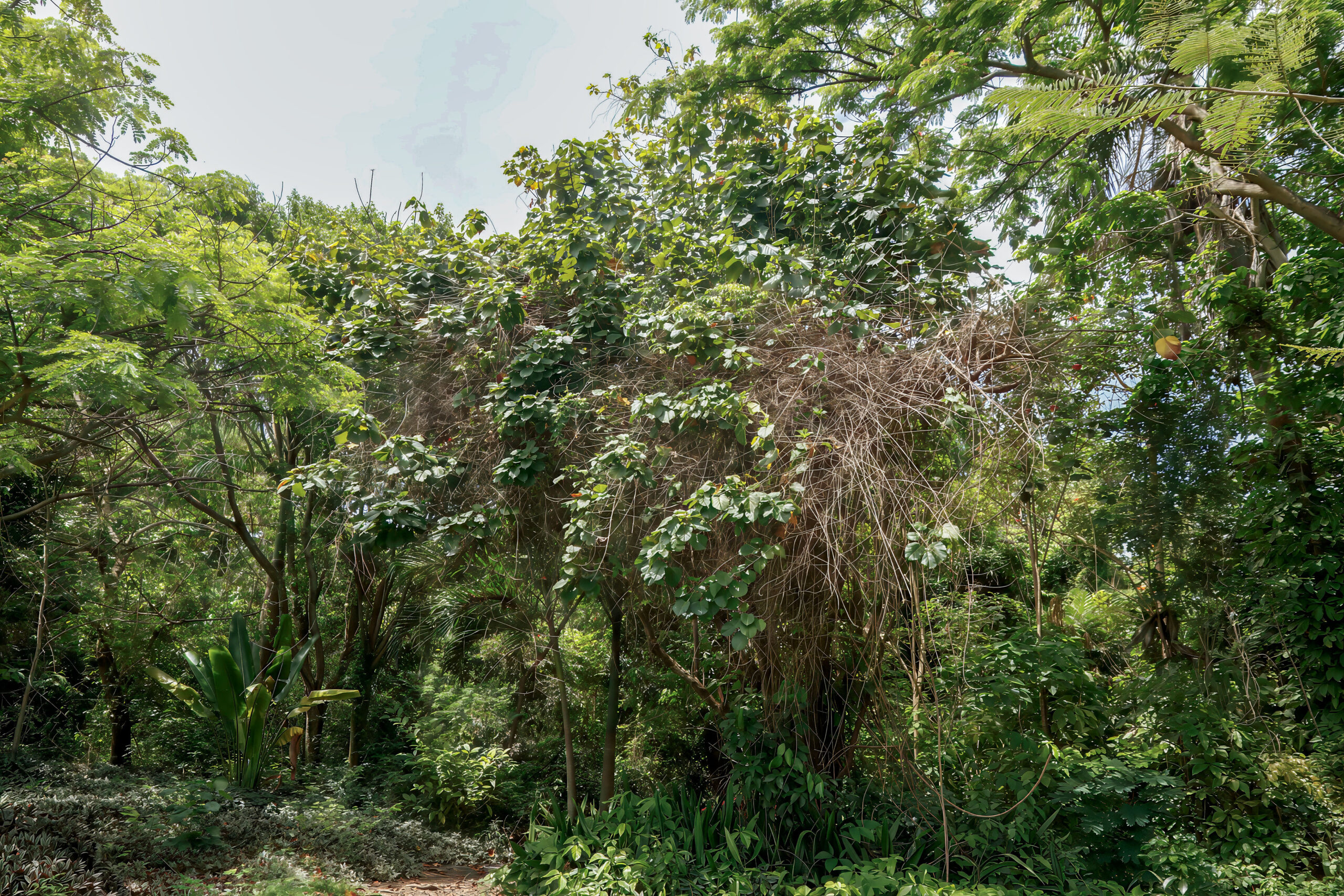
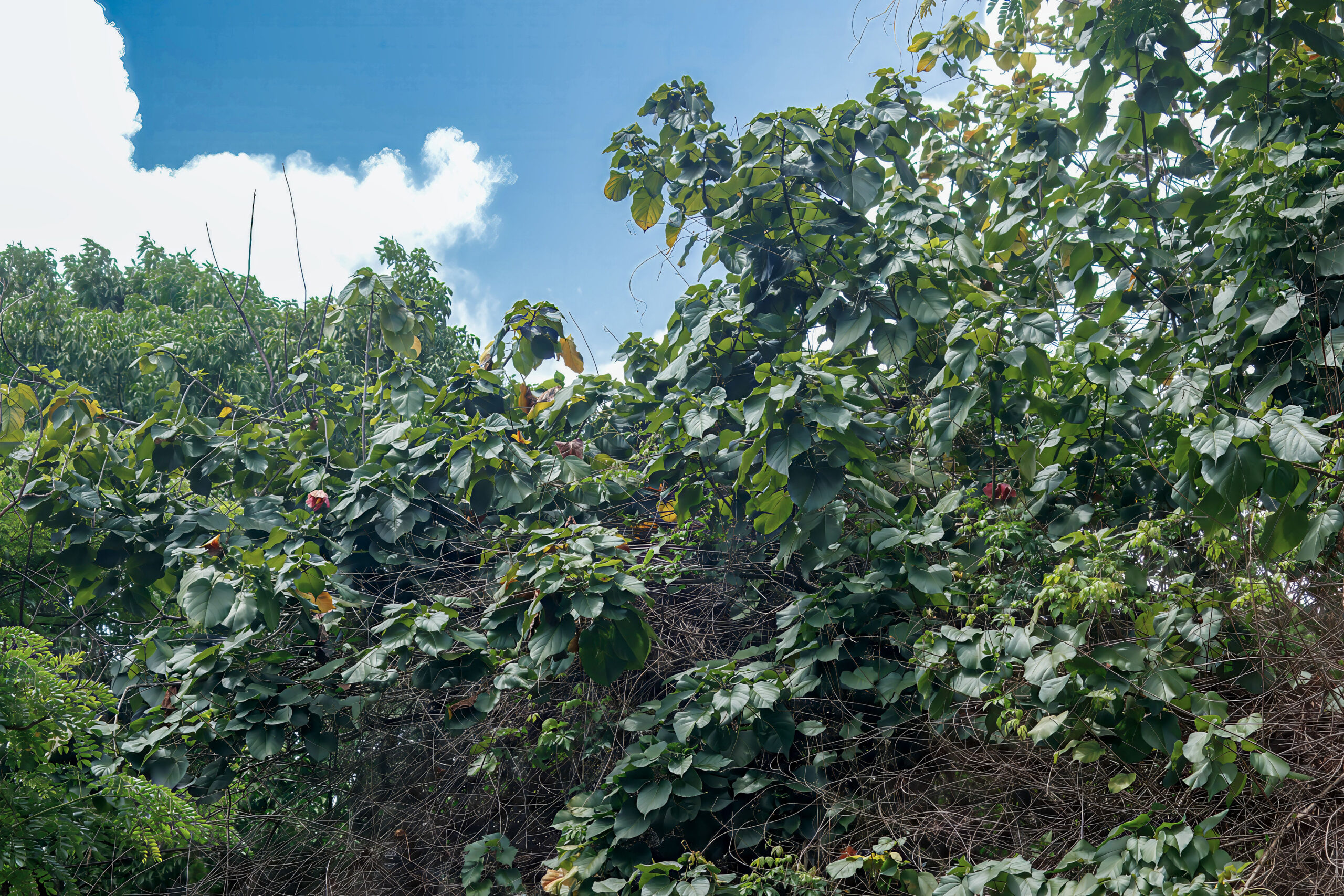
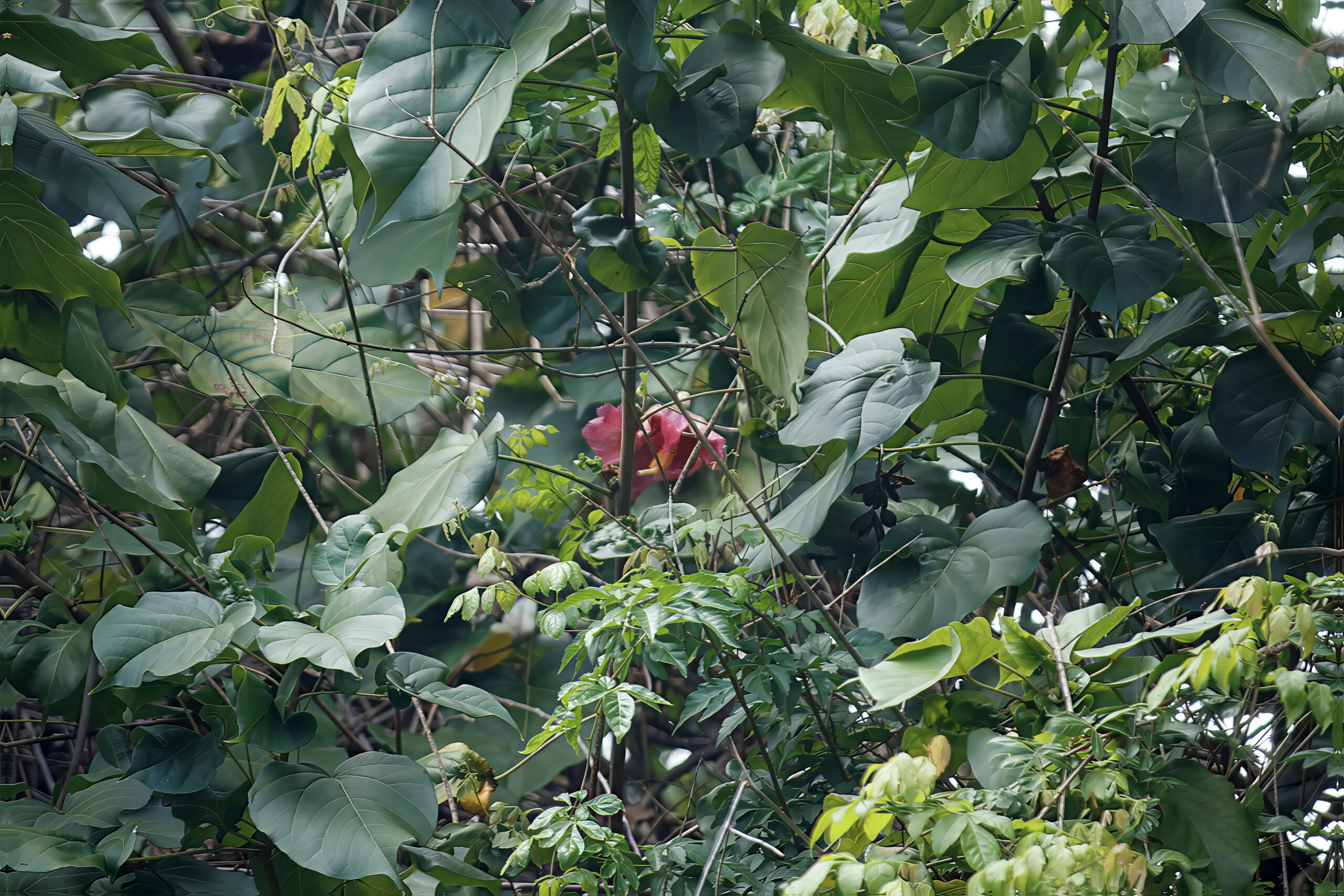
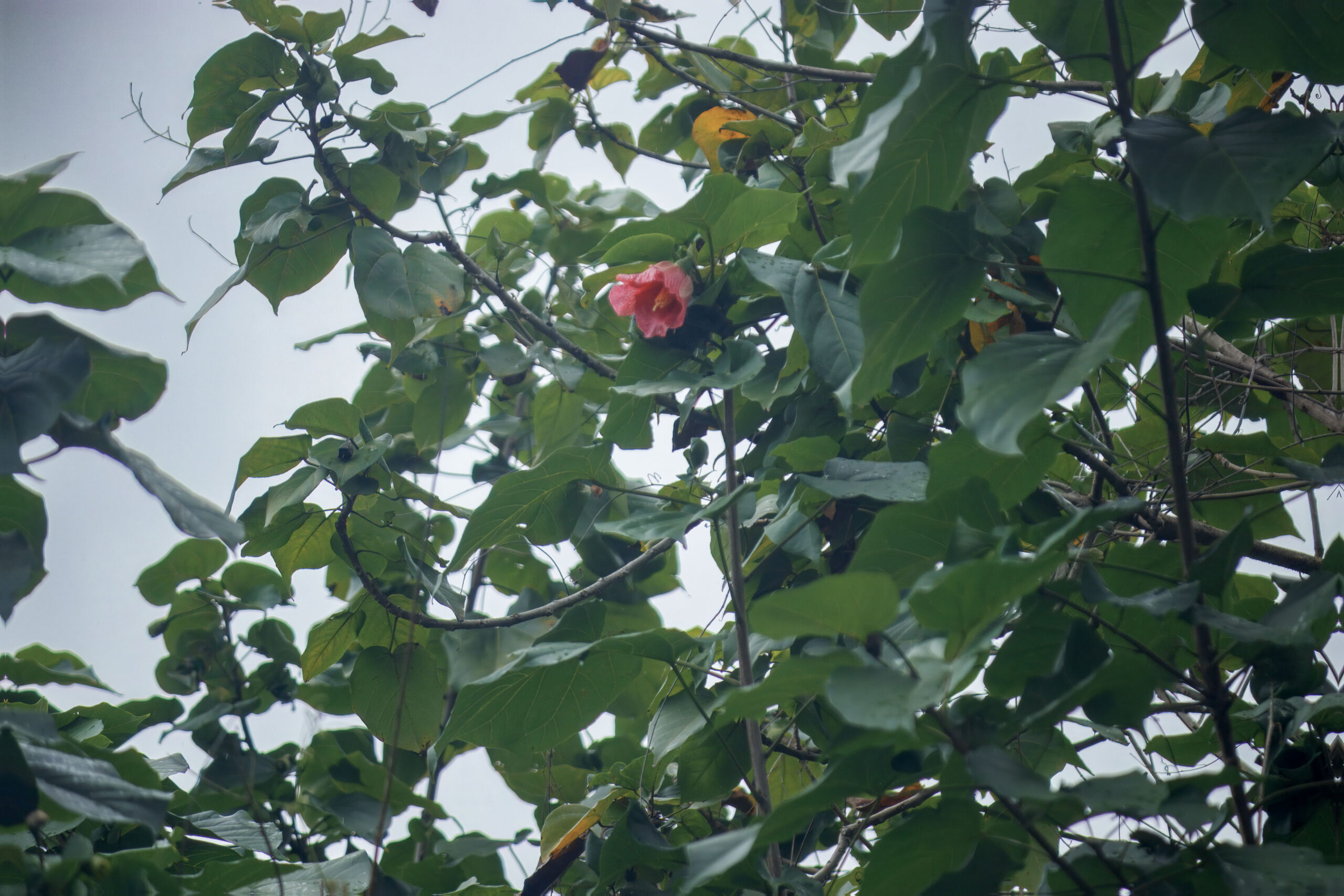
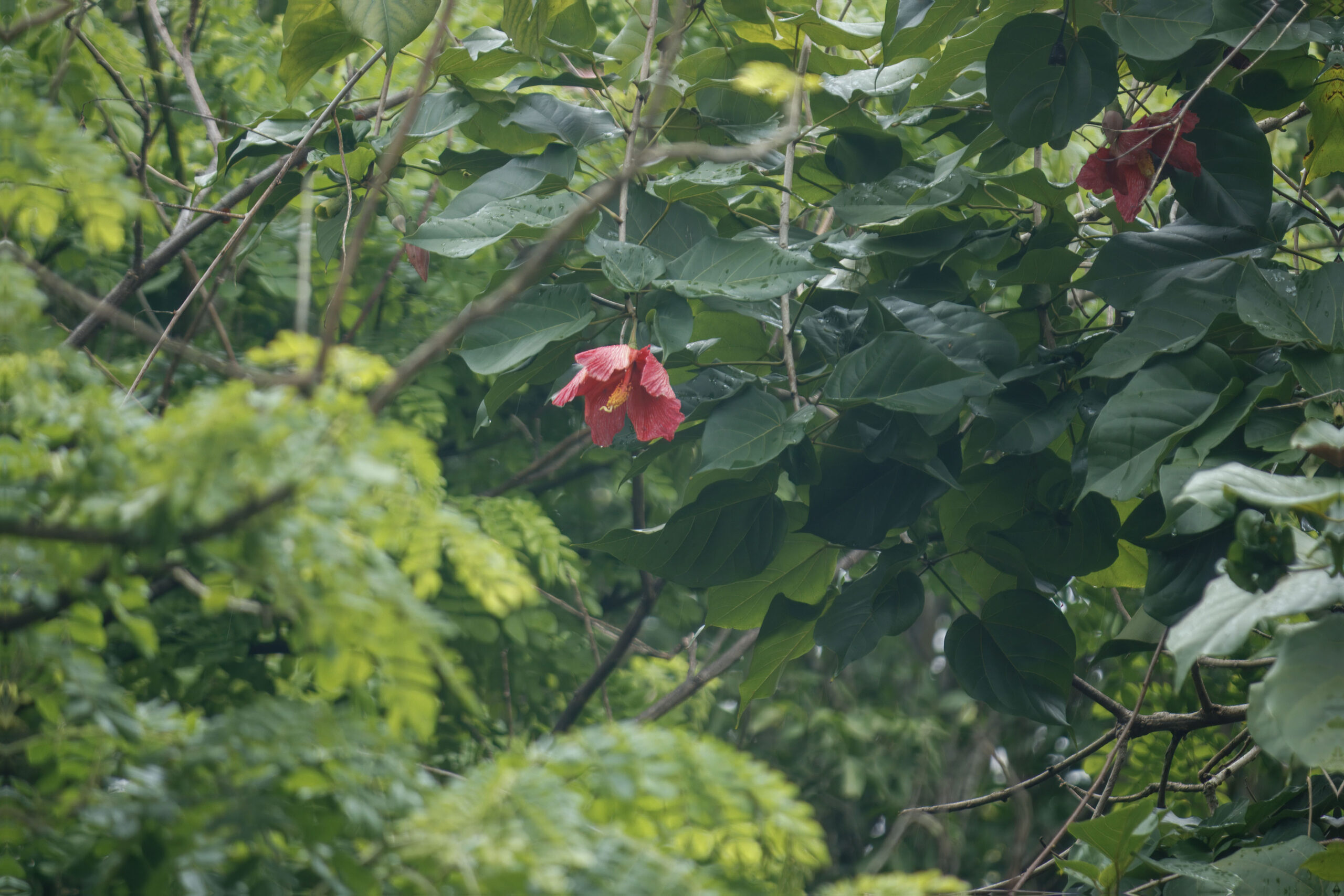
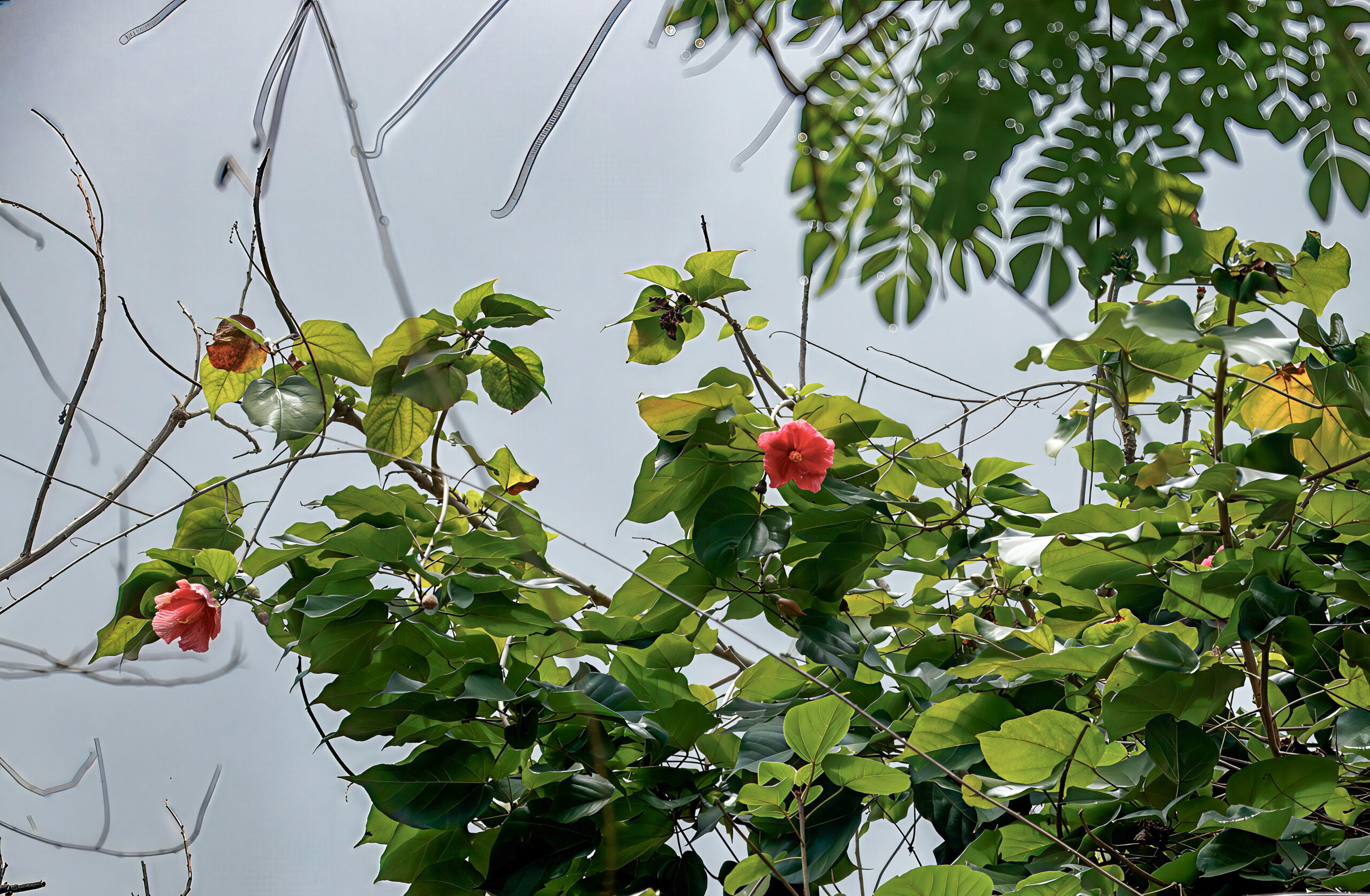
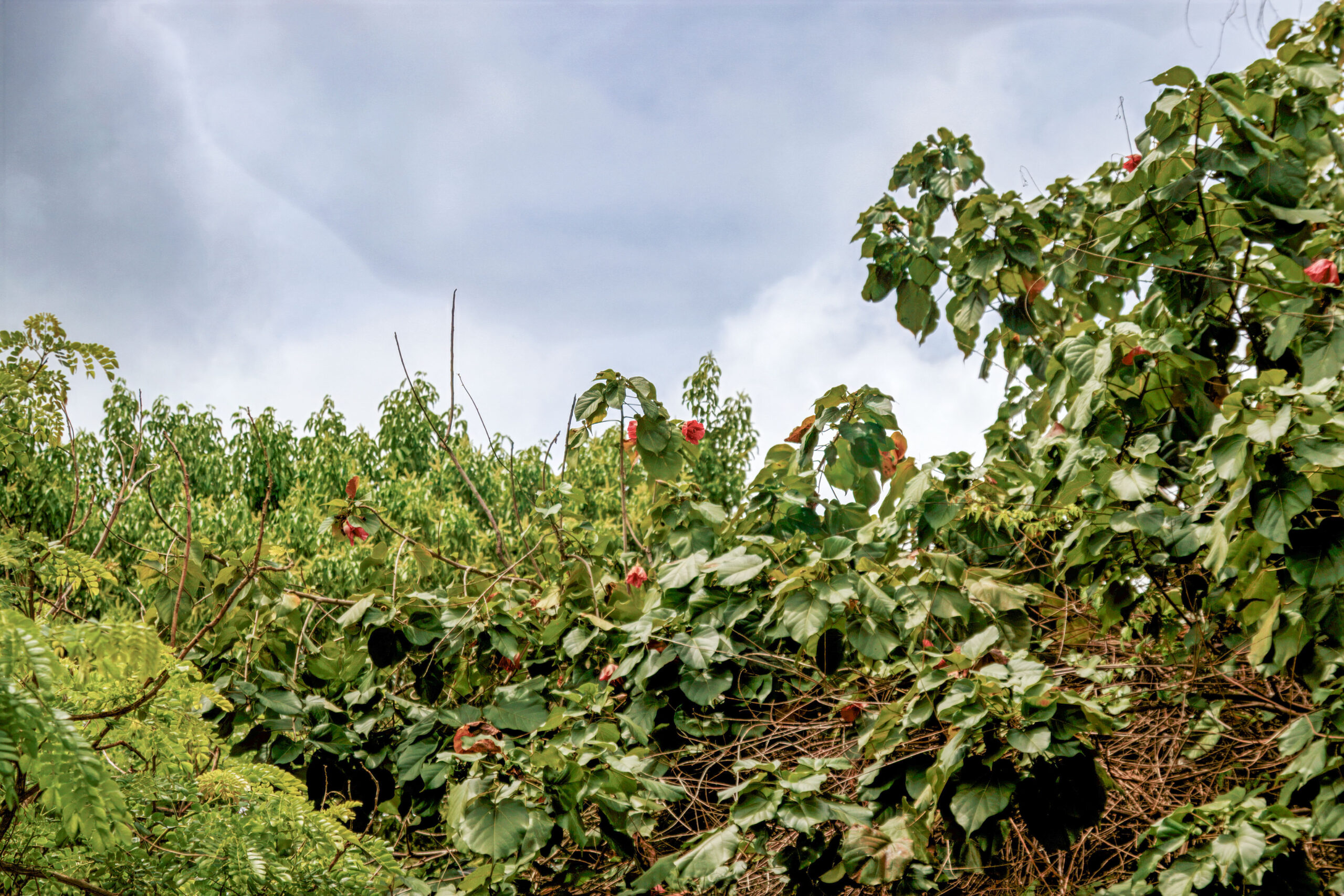
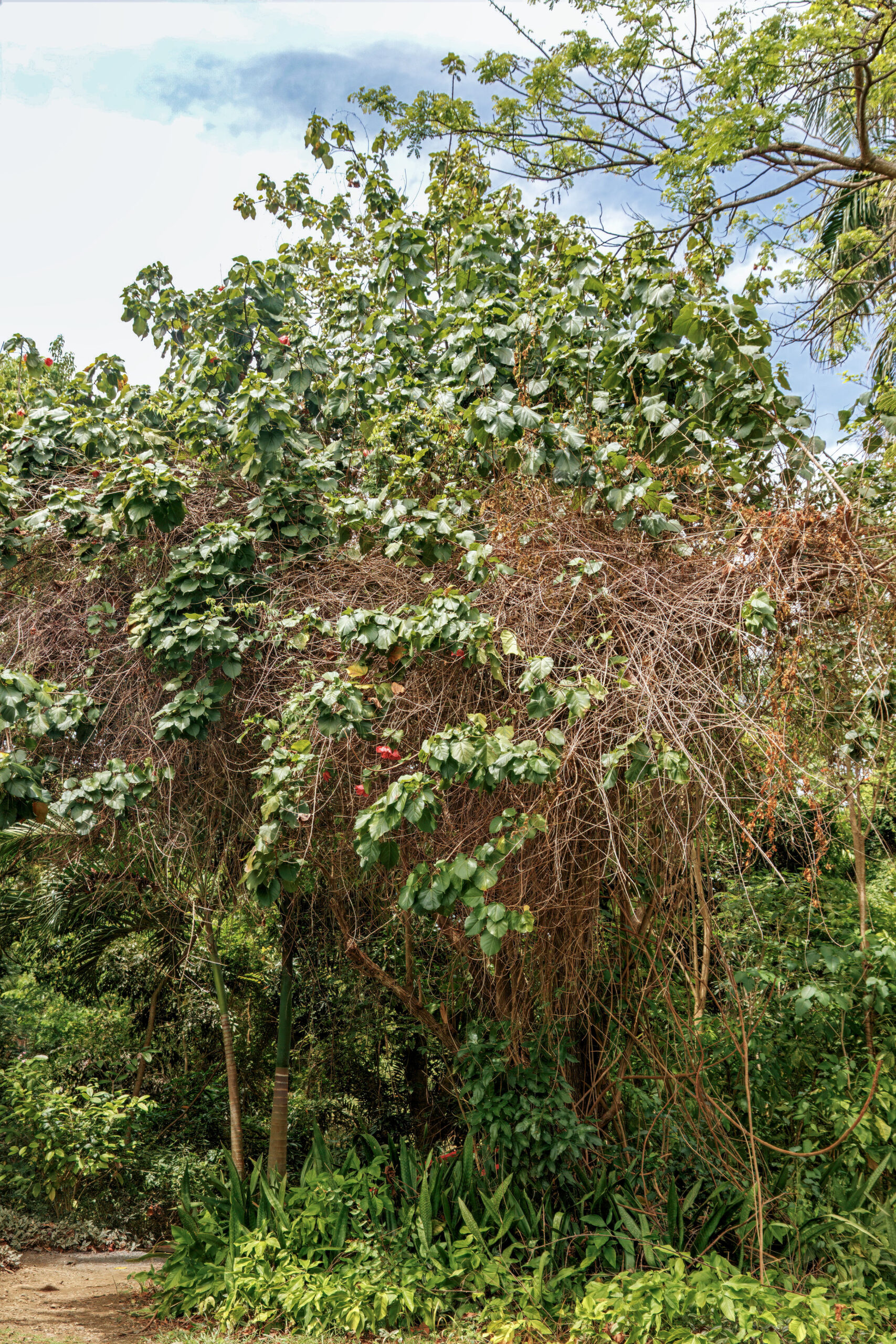
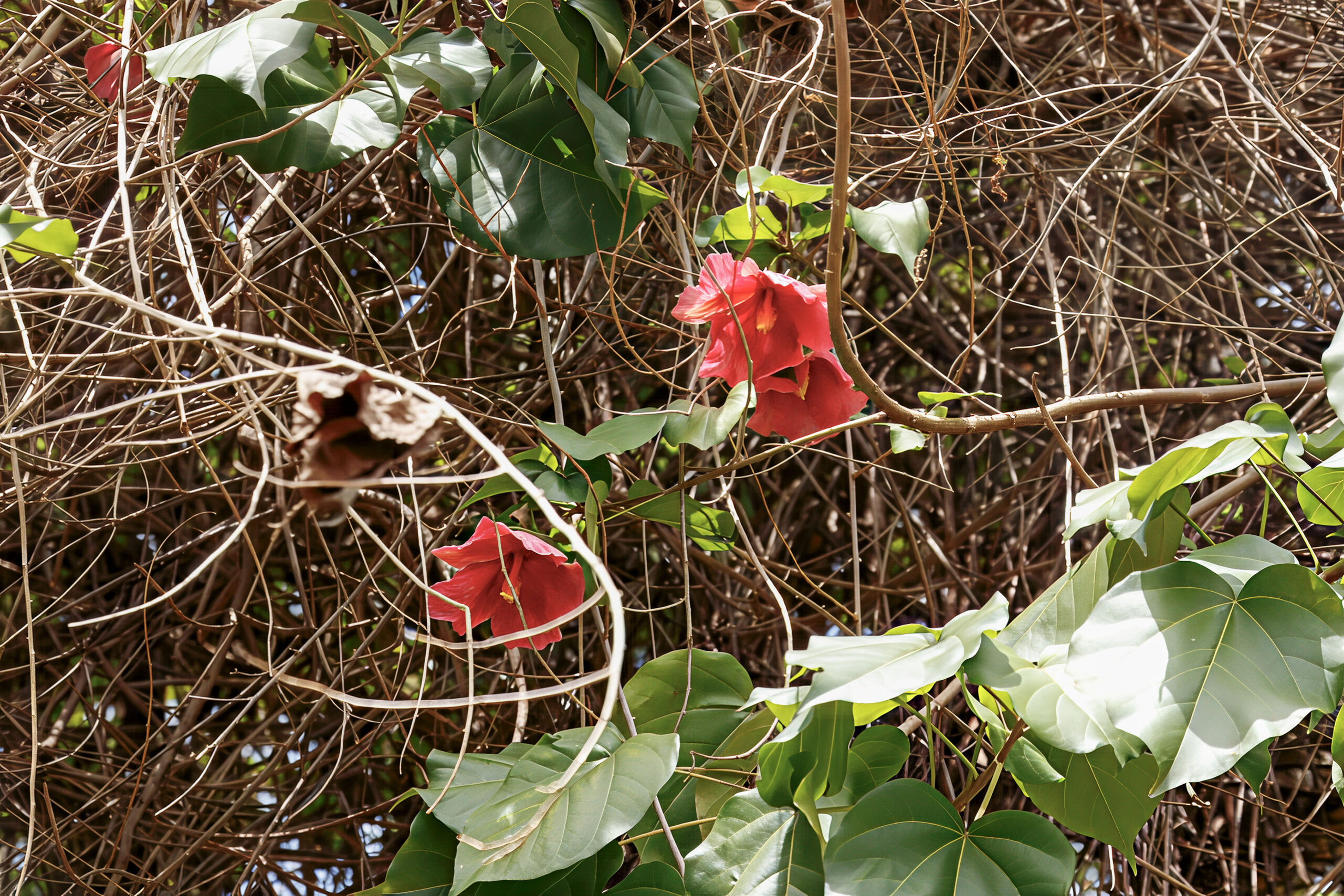
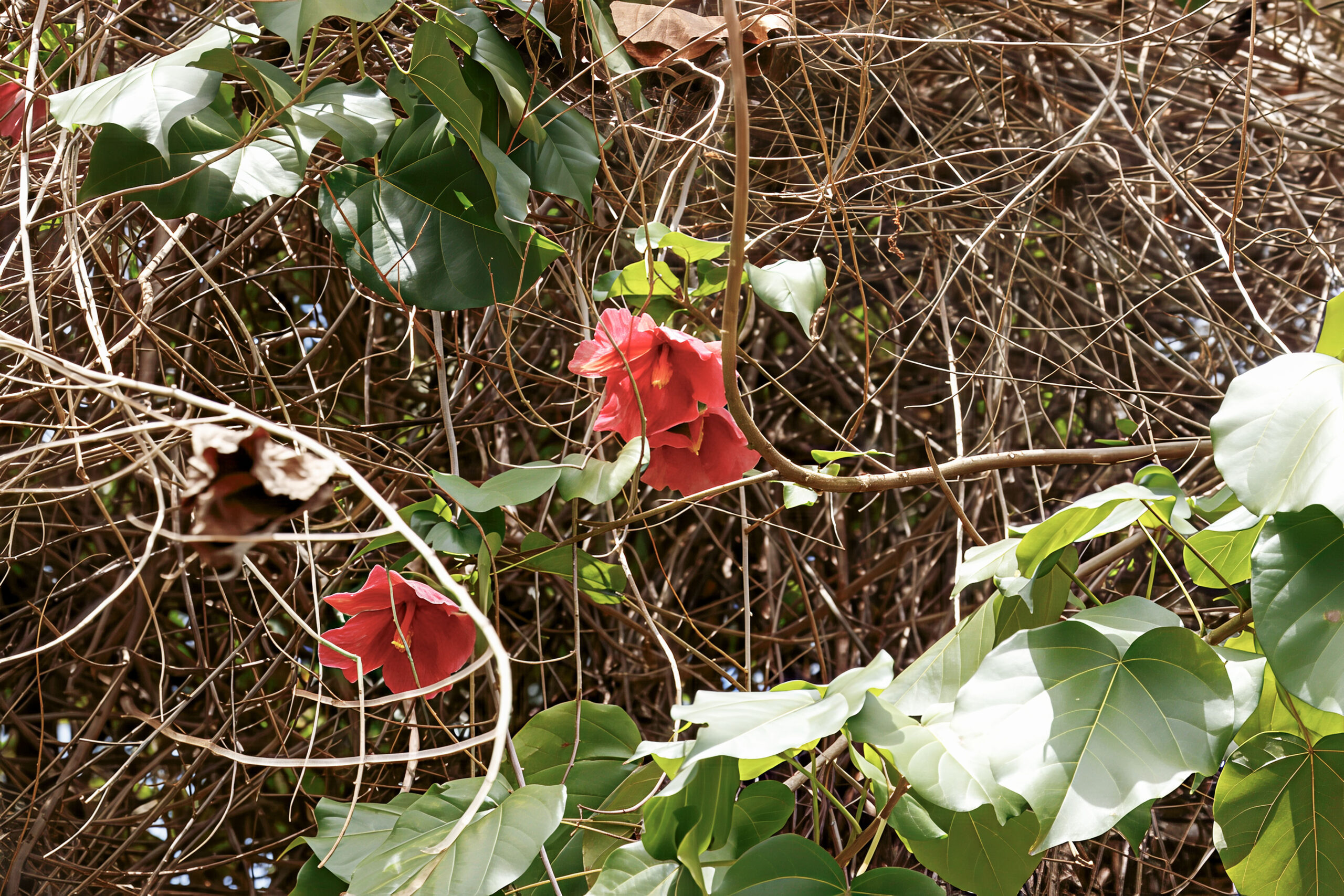
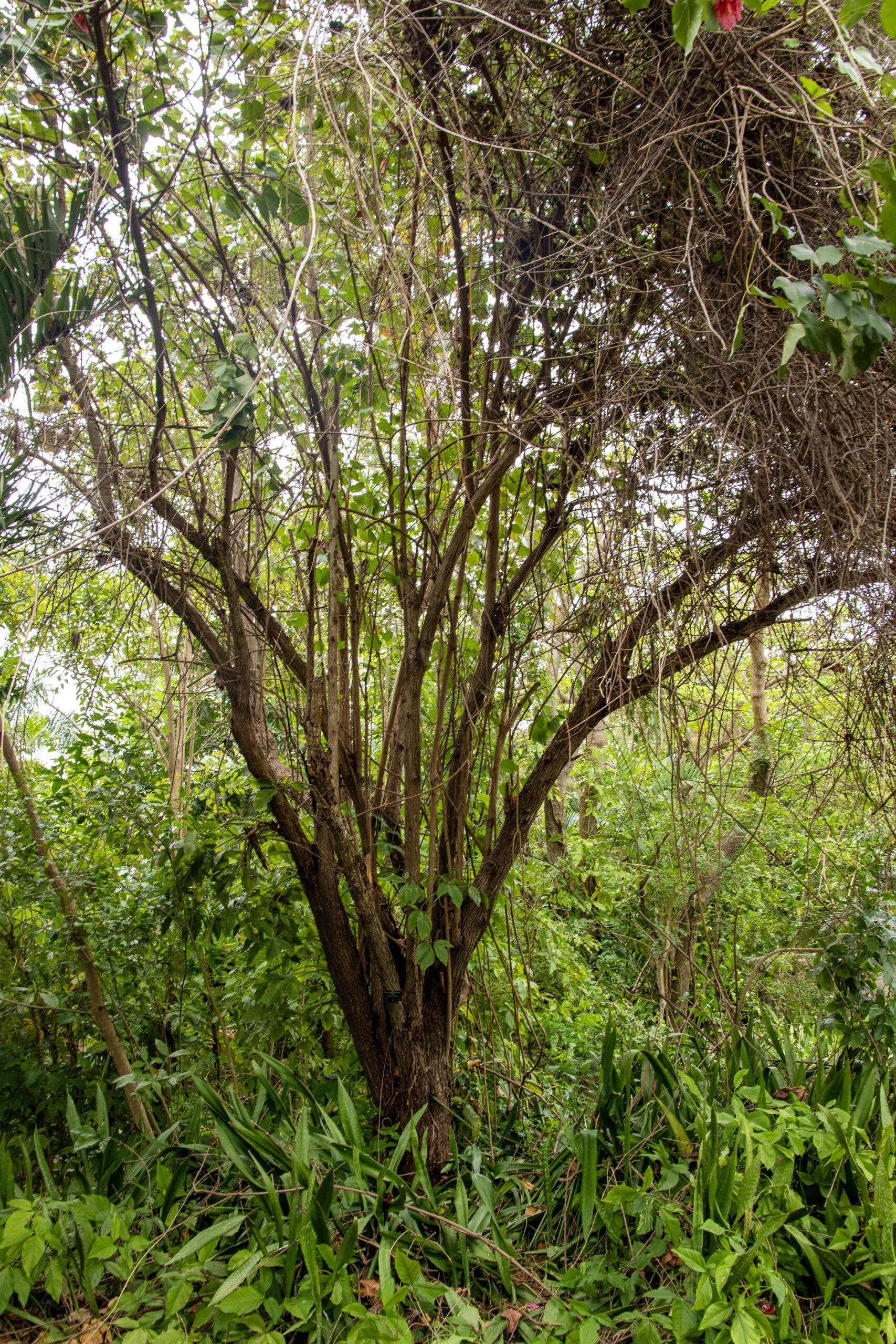
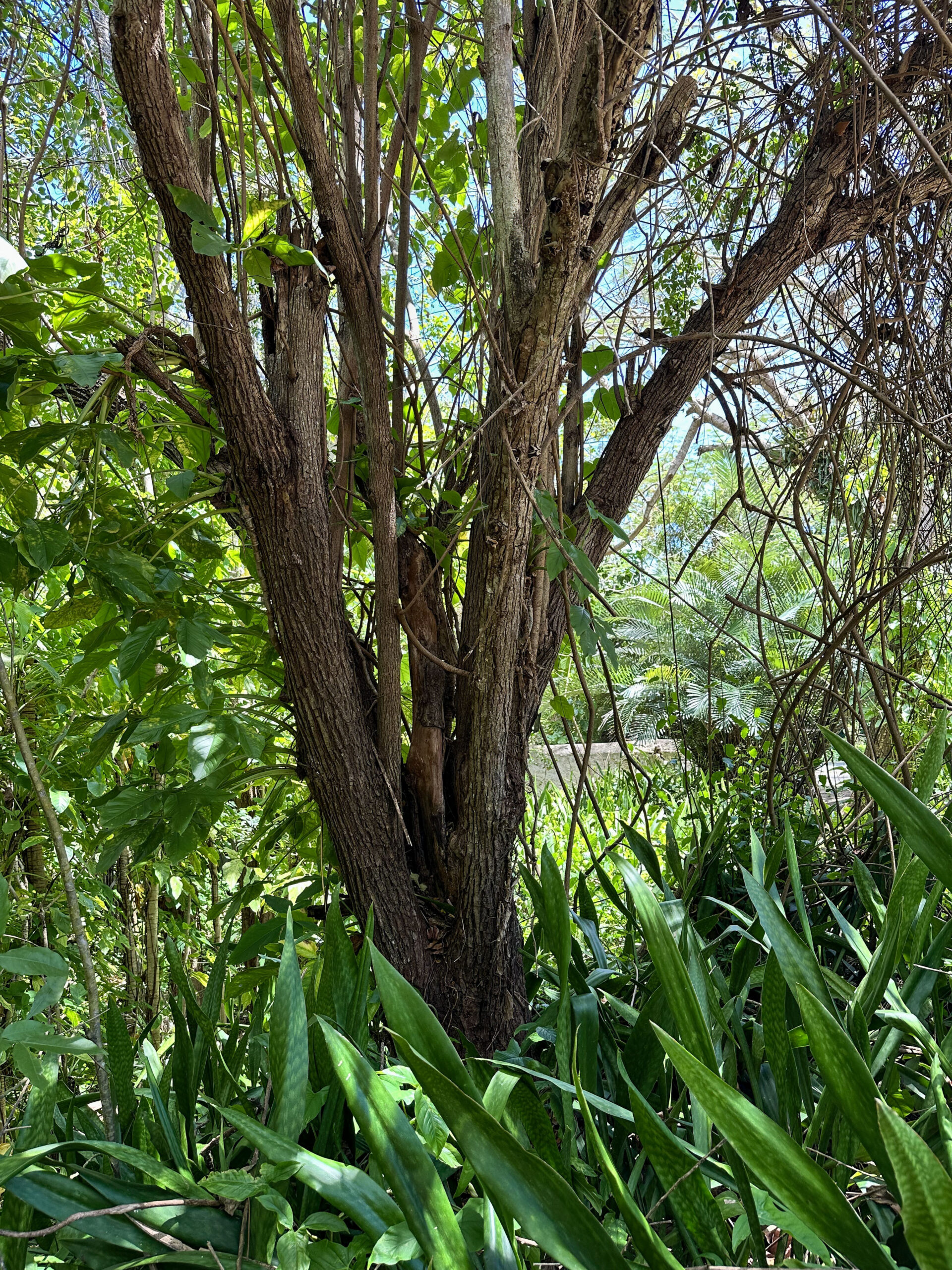
Puerto Rican Hibiscus tree
Scientific name: Thespesia grandiflora
IUCN Red List threat level: Least Concern
GPS Location: 17° 42′ 56.76″ N, 64° 49′ 43.01″ W


Medicinal Uses
Thespesia grandiflora, the “magical” flower of Puerto Rico, is used in traditional medicine for fevers, headaches, arthritis, and skin issues, with leaves, roots, bark, and fruit offering anti-inflammatory, astringent, and antiseptic properties, though scientific validation for all uses is ongoing, with research also exploring its potential in liver and microbial health.
Traditional Medicinal Uses
- Fever & Pain: Leaves, roots, and fruits used for fever, headache, and inflammatory conditions like arthritis and gout.
- Skin Conditions: Bark, fruit juice, and leaves applied for skin diseases, scabies, psoriasis, eczema, ringworm, and sores.
- Digestive Issues: Fruit pulp for dysentery, seeds as anthelmintics (worms), and bark for diarrhea.
- Respiratory: Root decoctions for asthma; seeds as expectorants.
- Other Uses: Bark decoctions for malaria; root infusions for venereal diseases; fruit juice as an antidote for poisoning.
Key Plant Parts & Applications
- Leaves: Poultices for inflammation, disinfectant for mouth/throat, for sinusitis.
- Bark: Decoctions for skin diseases, eruptive fevers, smallpox, malaria.
- Fruits: Laxative, treatment for fever/headache, yellow juice for hepatic issues.
- Roots: Tonics, treatment for liver issues, arthritis.
- Seeds: Anthelmintic, expectorant.
Scientific Findings
- Research supports anti-inflammatory, antibacterial, and antioxidant properties.
- Studies suggest potential in liver protection and combating microbial infections.
Observations:
Phenological Markers – Puerto Rican Hibiscus Tree (Thespesia grandiflora)
1. Flowering
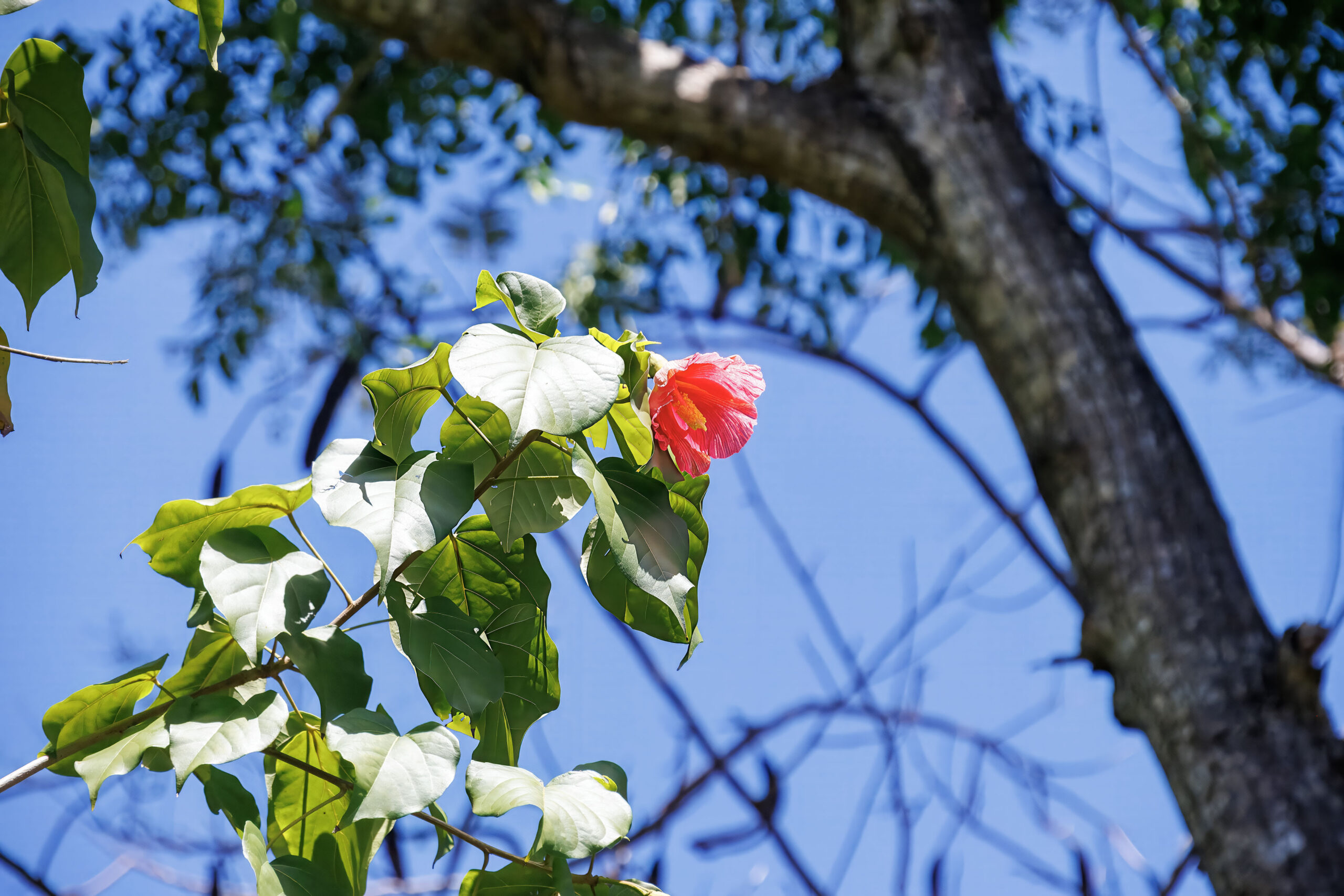
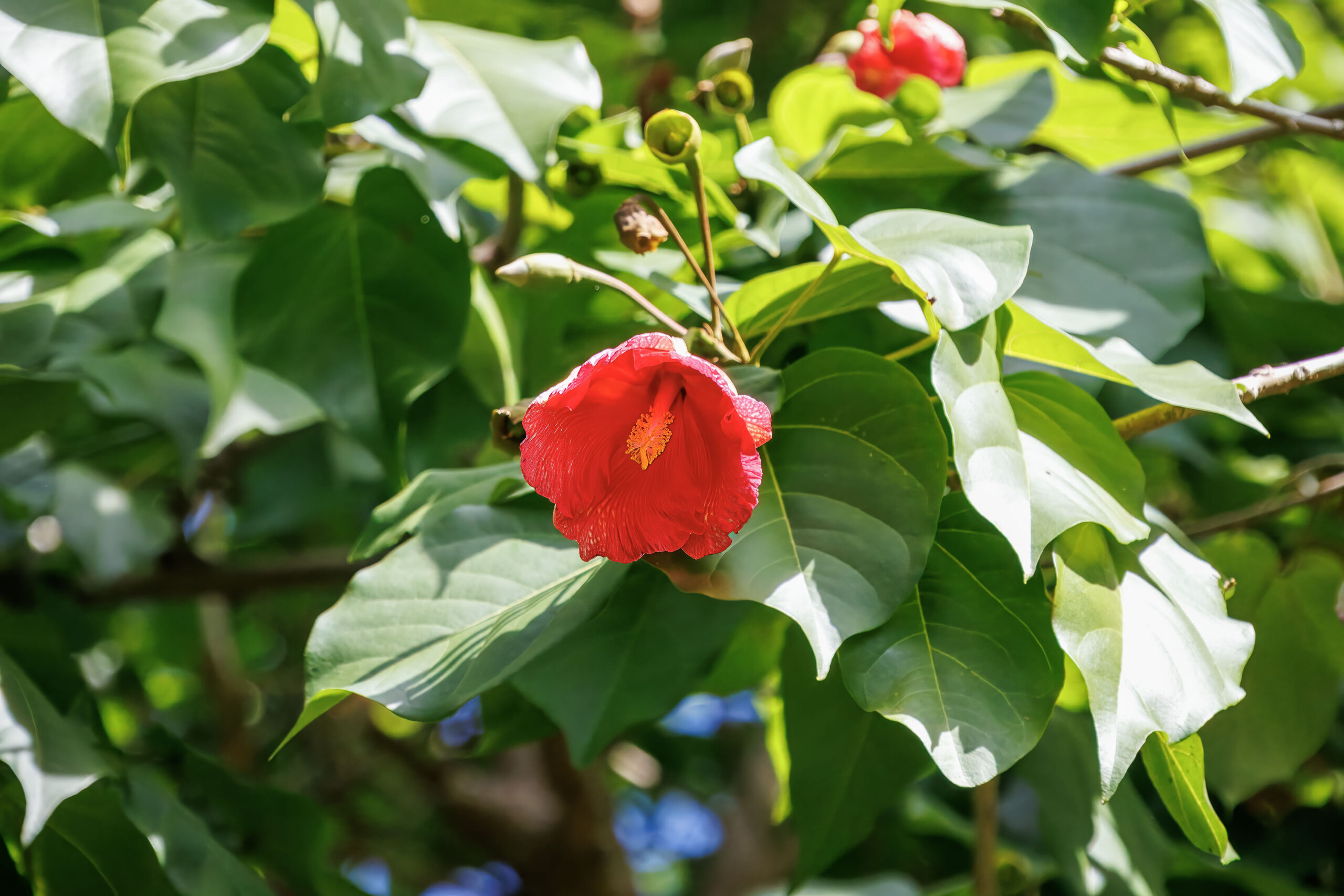
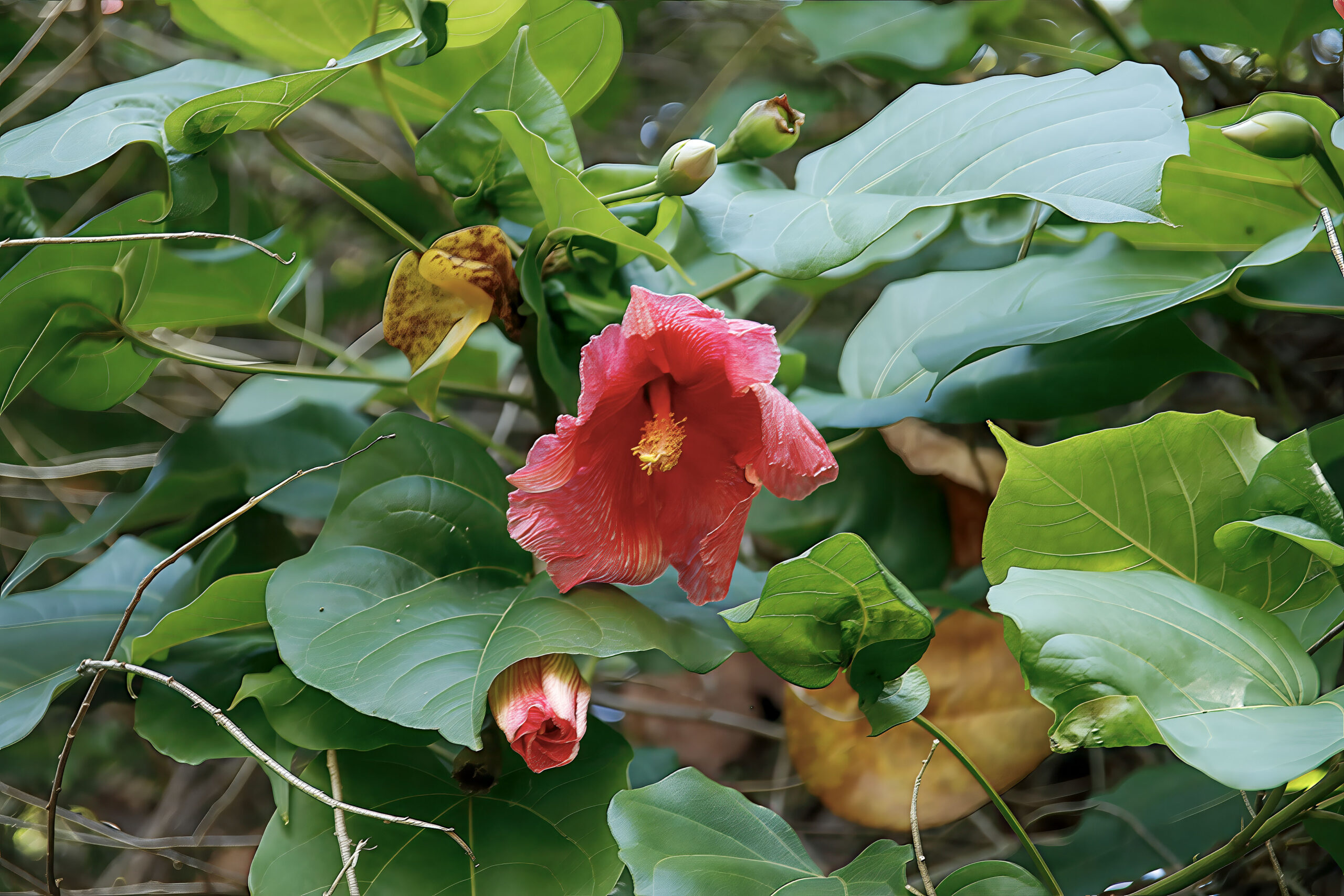
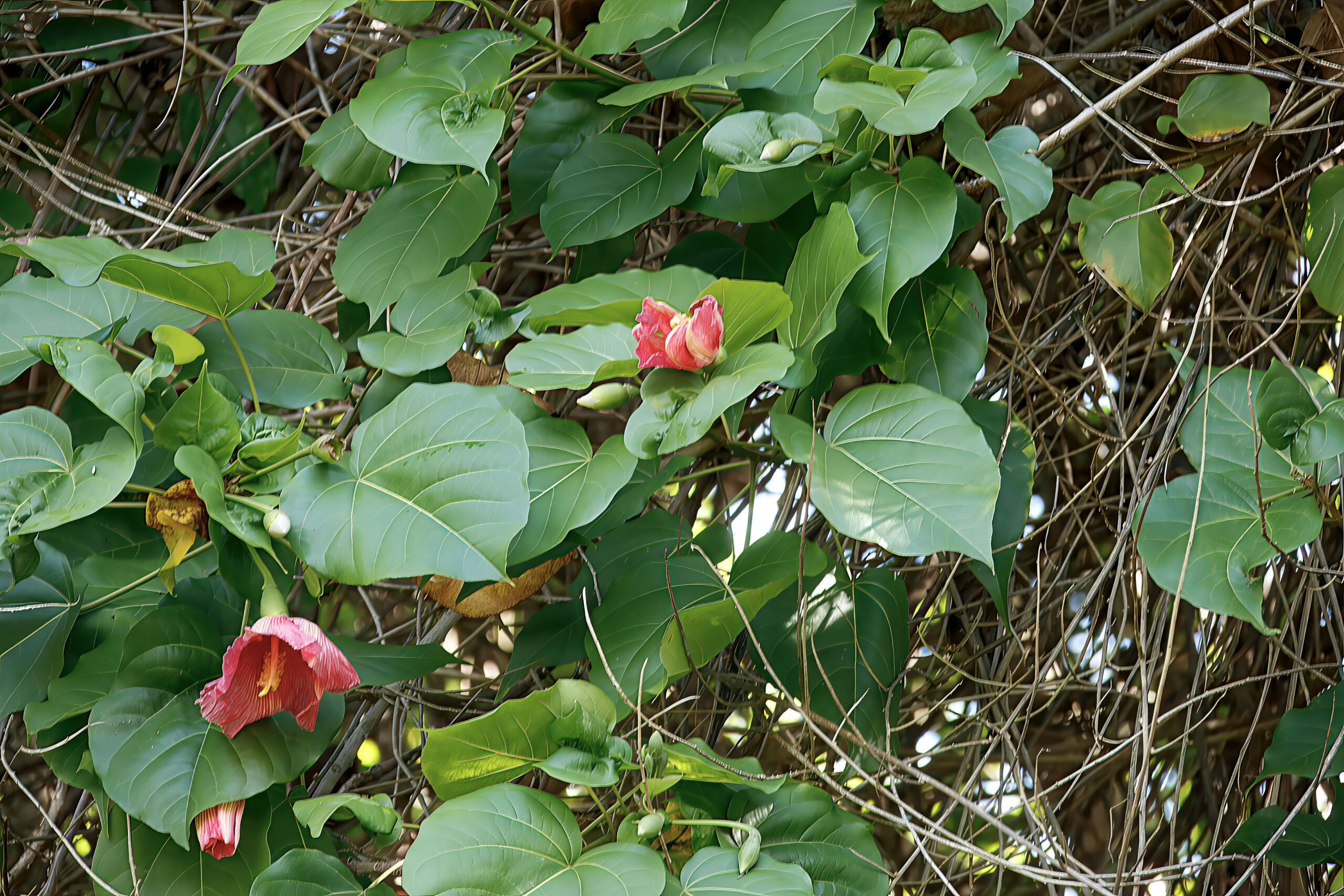
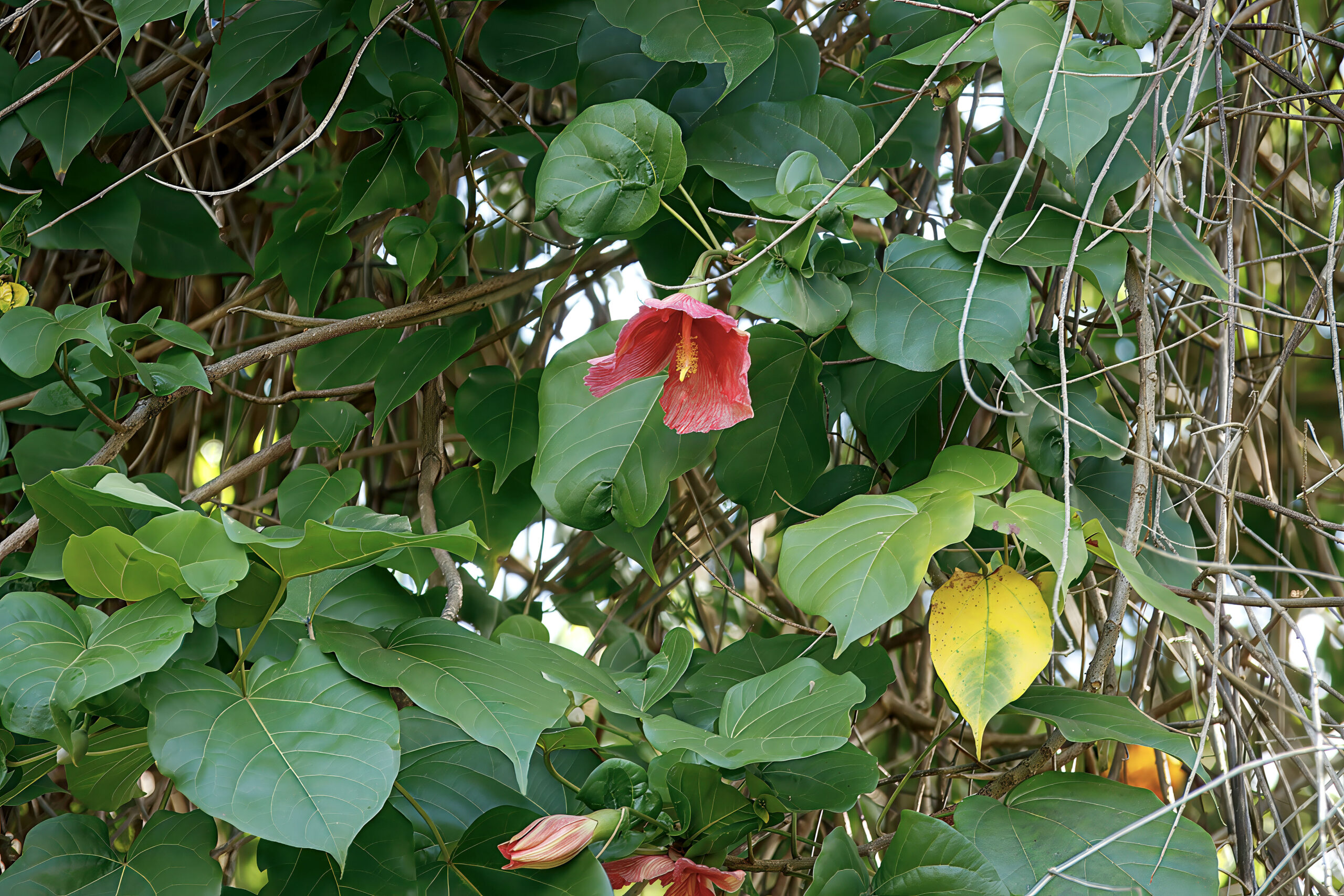
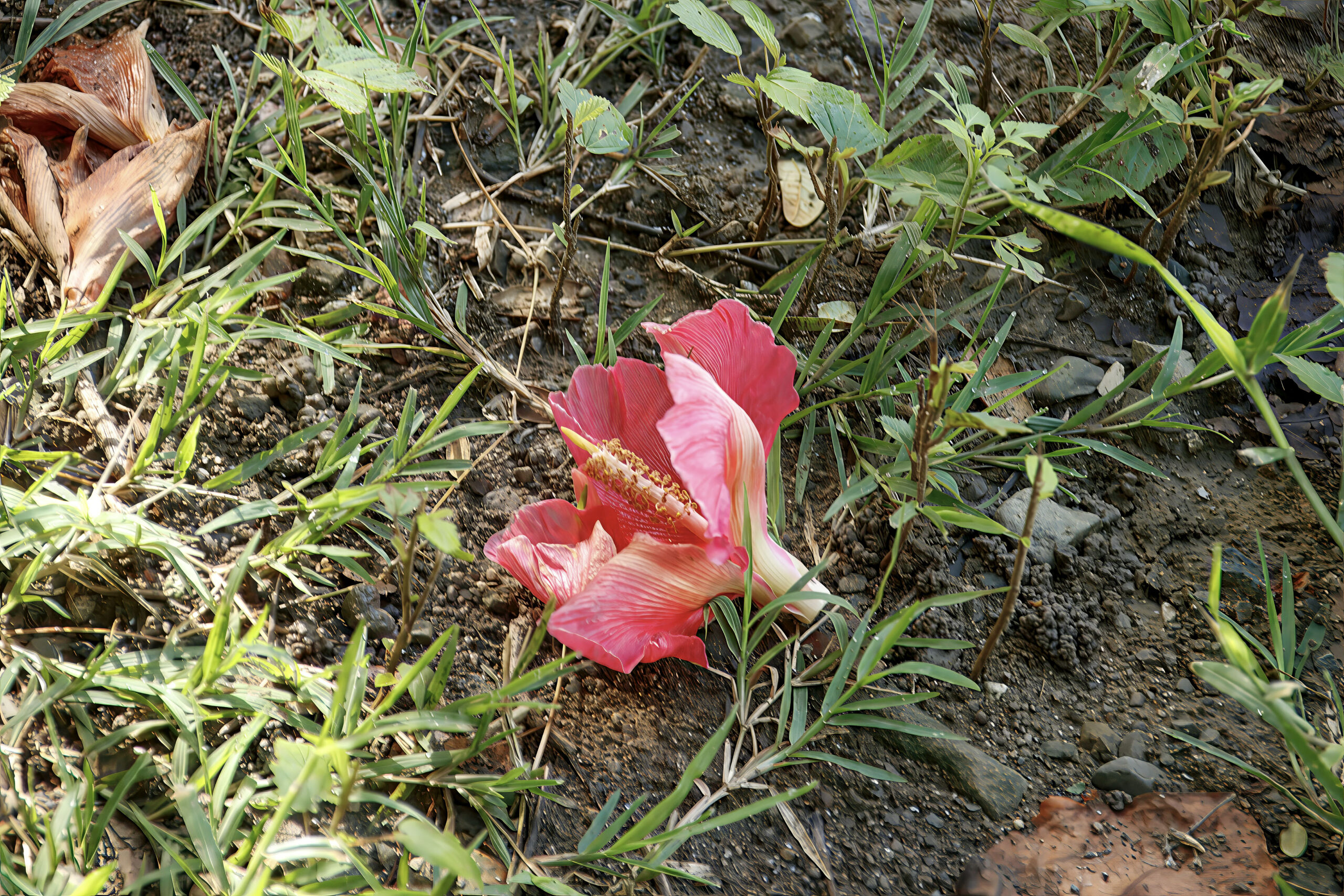
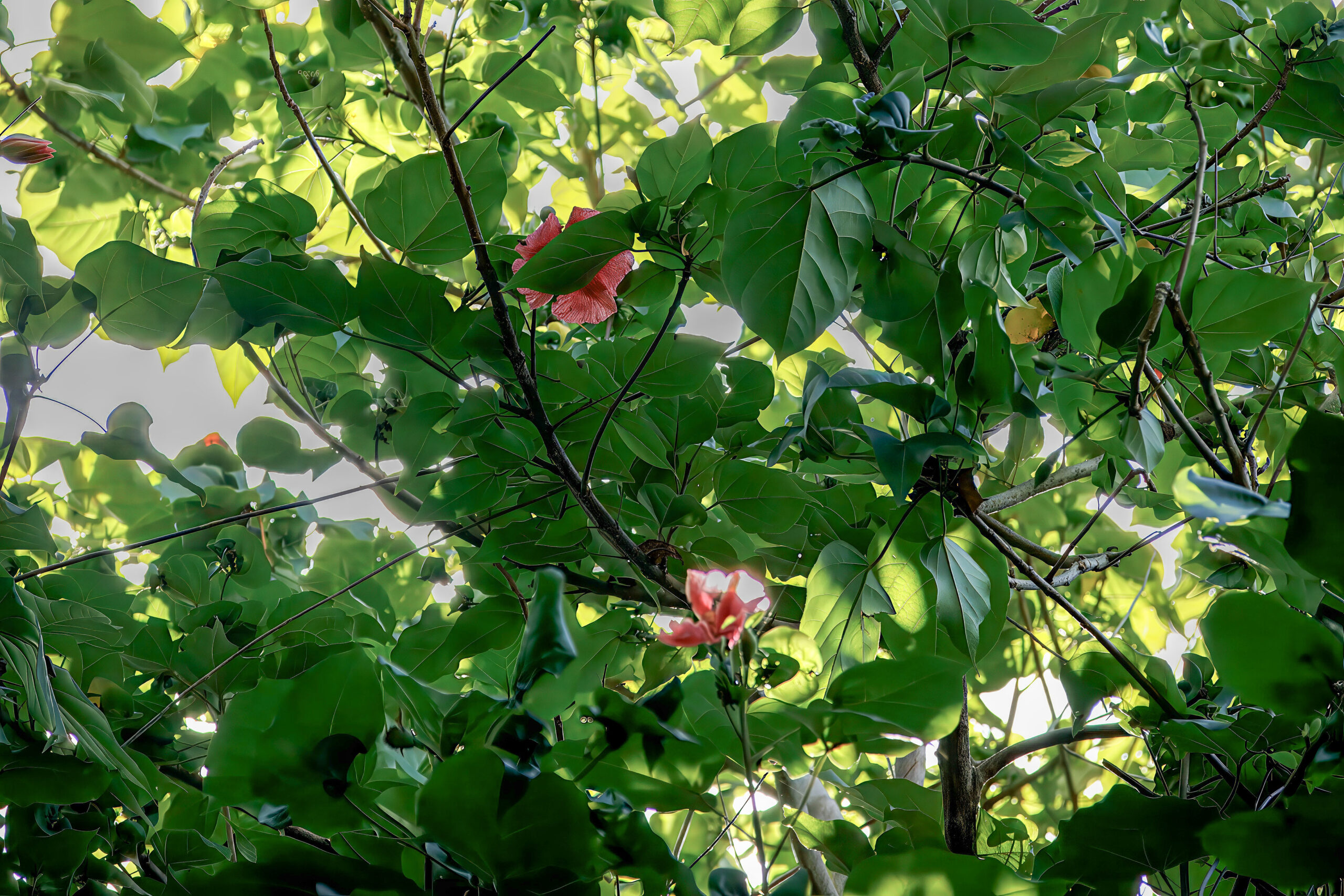
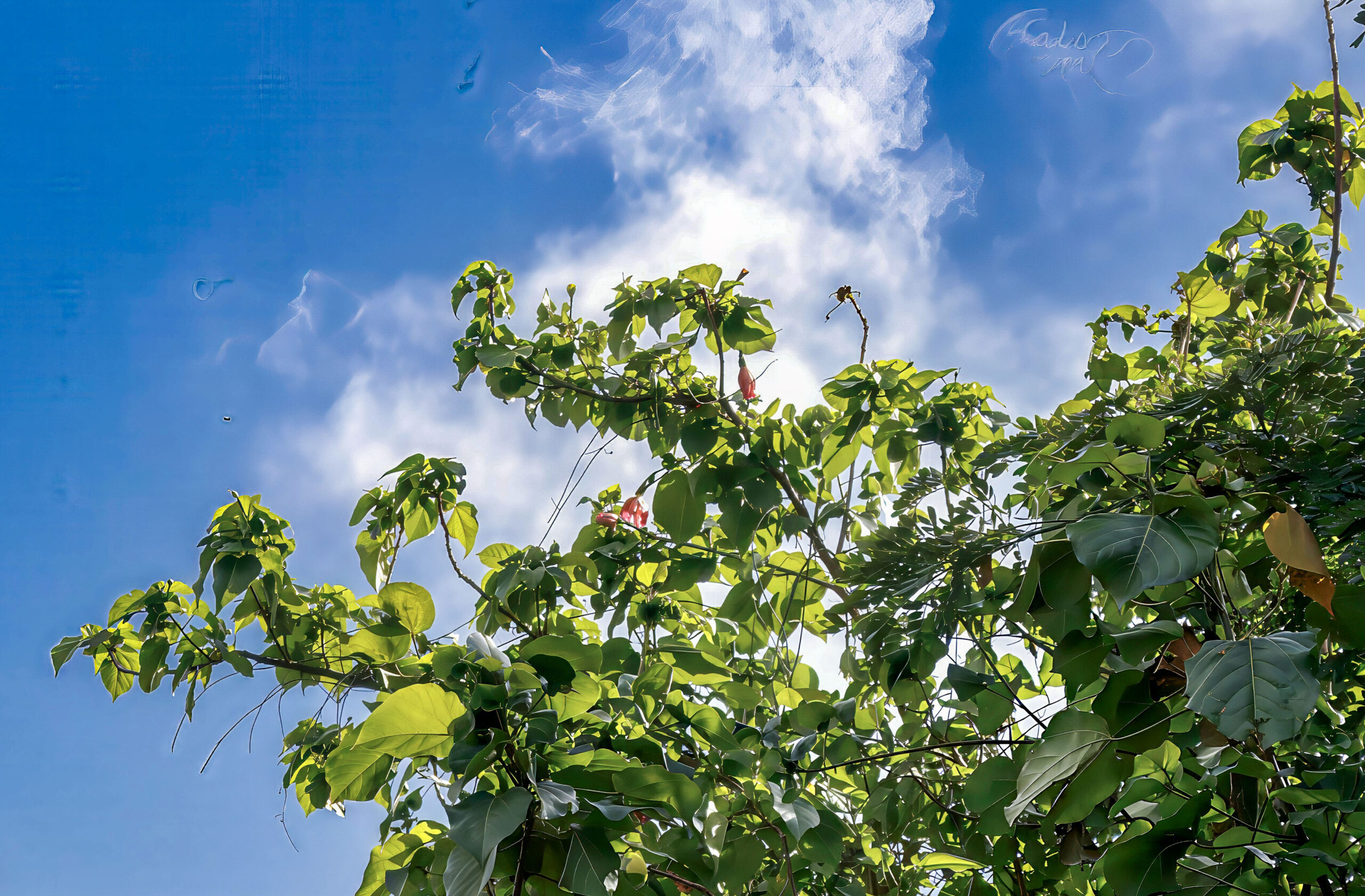
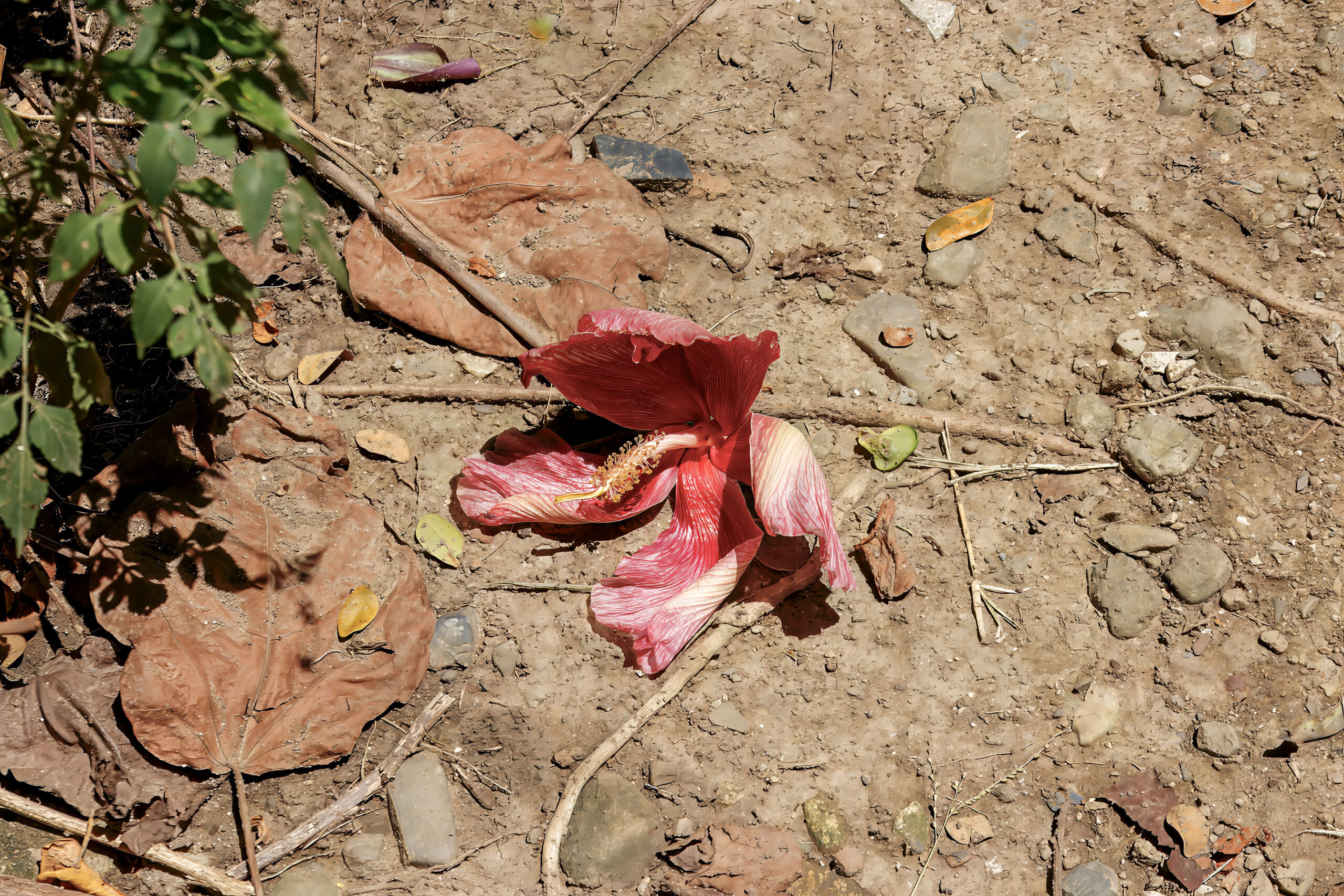
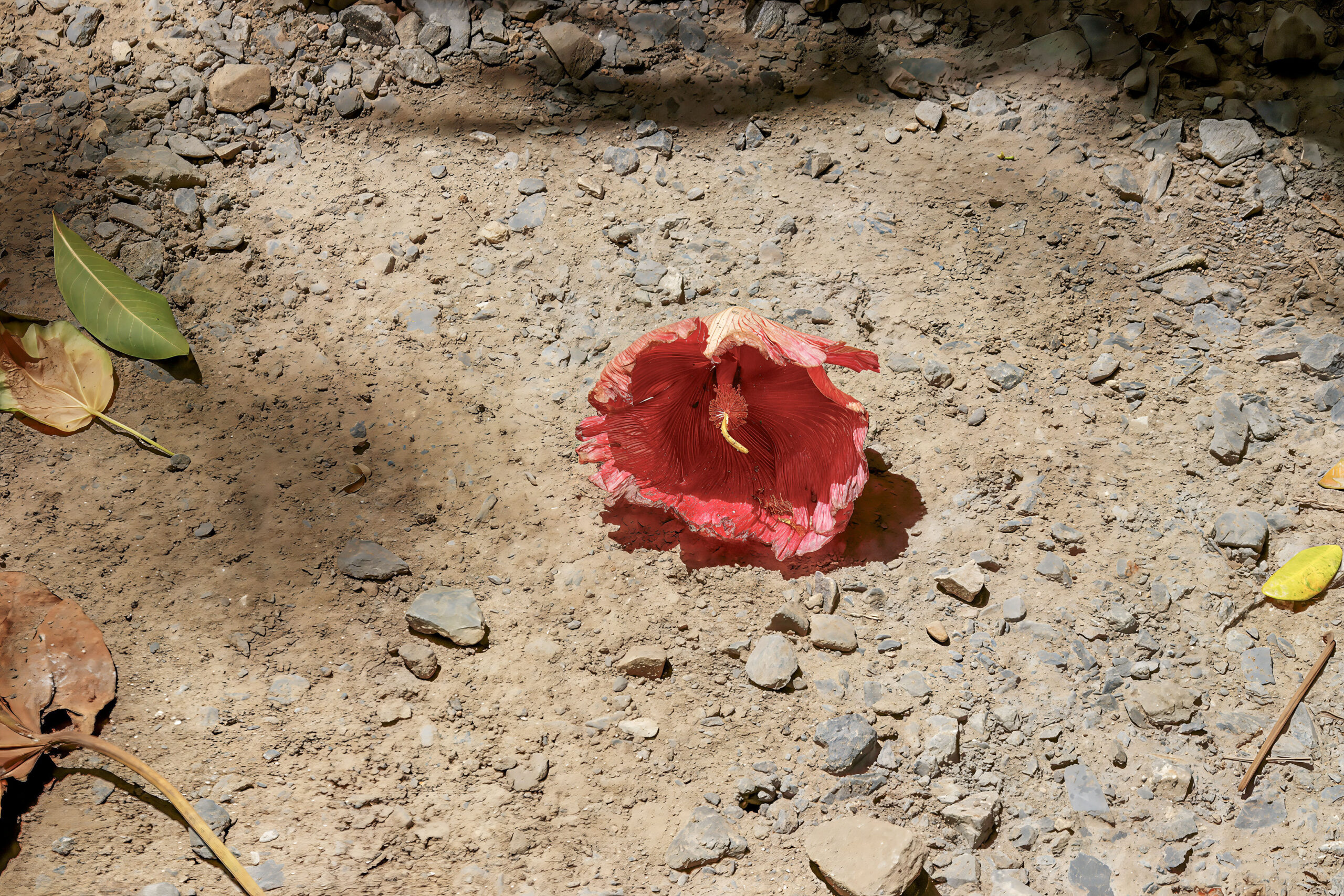
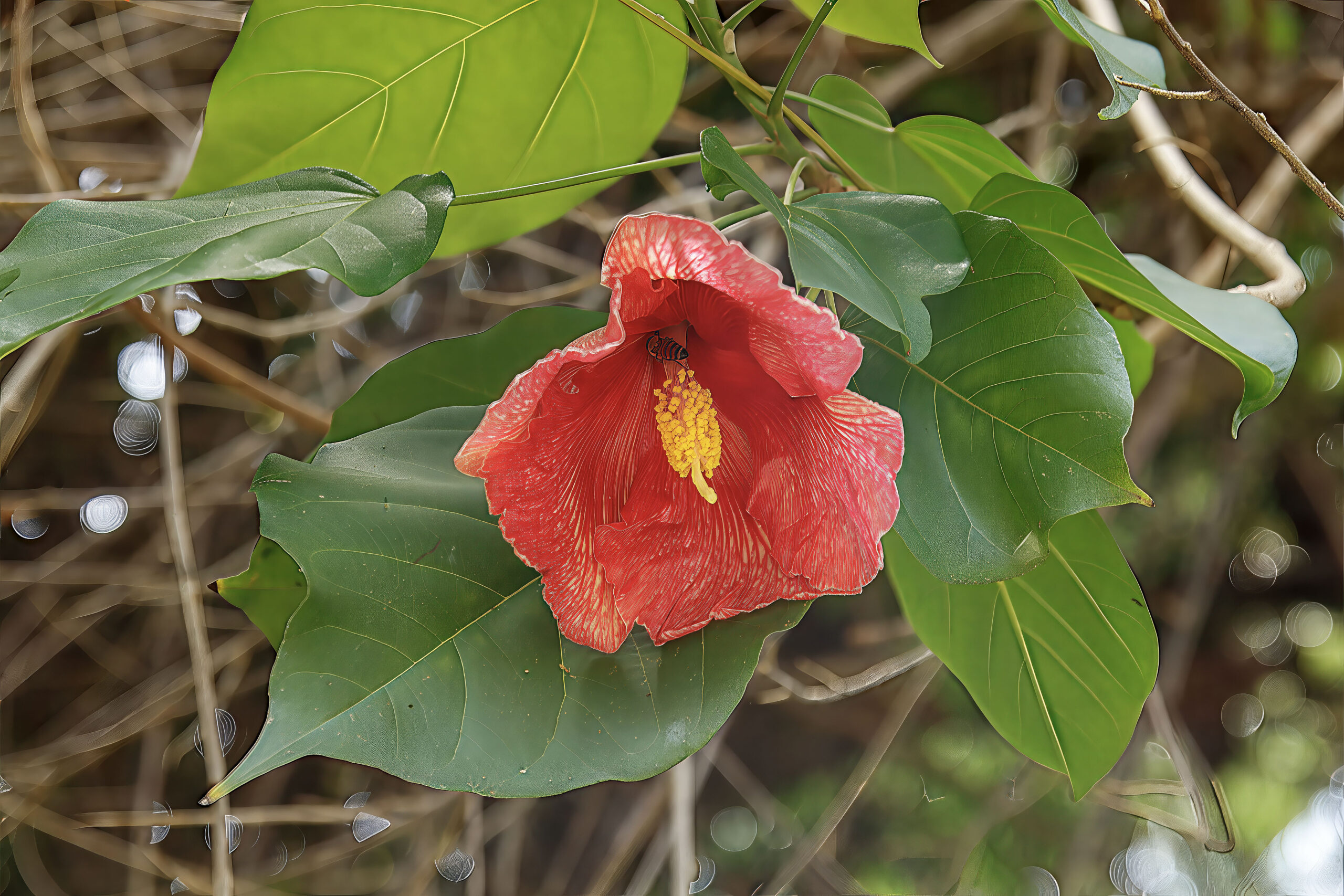
The Puerto Rican Hibiscus produces large, showy flowers—typically pink to purplish-lavender, with a dark maroon throat.
- In St. Croix’s tropical climate, Thespesia grandiflora may flower intermittently year-round, with increased flowering during the early wet season (April to July).
- Flowers open in the morning and may fade slightly by late afternoon, but usually last for a full day.
- Flowering tends to be heaviest following leaf flush, especially after rainfall or pruning.
Observation Tips:
- Record first bud appearance, flower opening, and duration.
- Monitor pollinator activity, especially bees and butterflies.
- Note whether flowering occurs solitarily or in bursts.
2. Fruiting
Fruits develop as rounded, five-lobed capsules, each containing multiple seeds.
- Capsules mature over several weeks, drying to a brownish, woody texture before splitting open.
- Fruiting is sporadic but may follow a major flowering period in mid to late wet season (June–September).
Observation Tips:
- Track capsule formation and ripening stage.
- Watch for seed release and accumulation beneath the canopy.
- Photograph opened vs. unopened capsules to show maturity progression.
3. Leaf Behavior
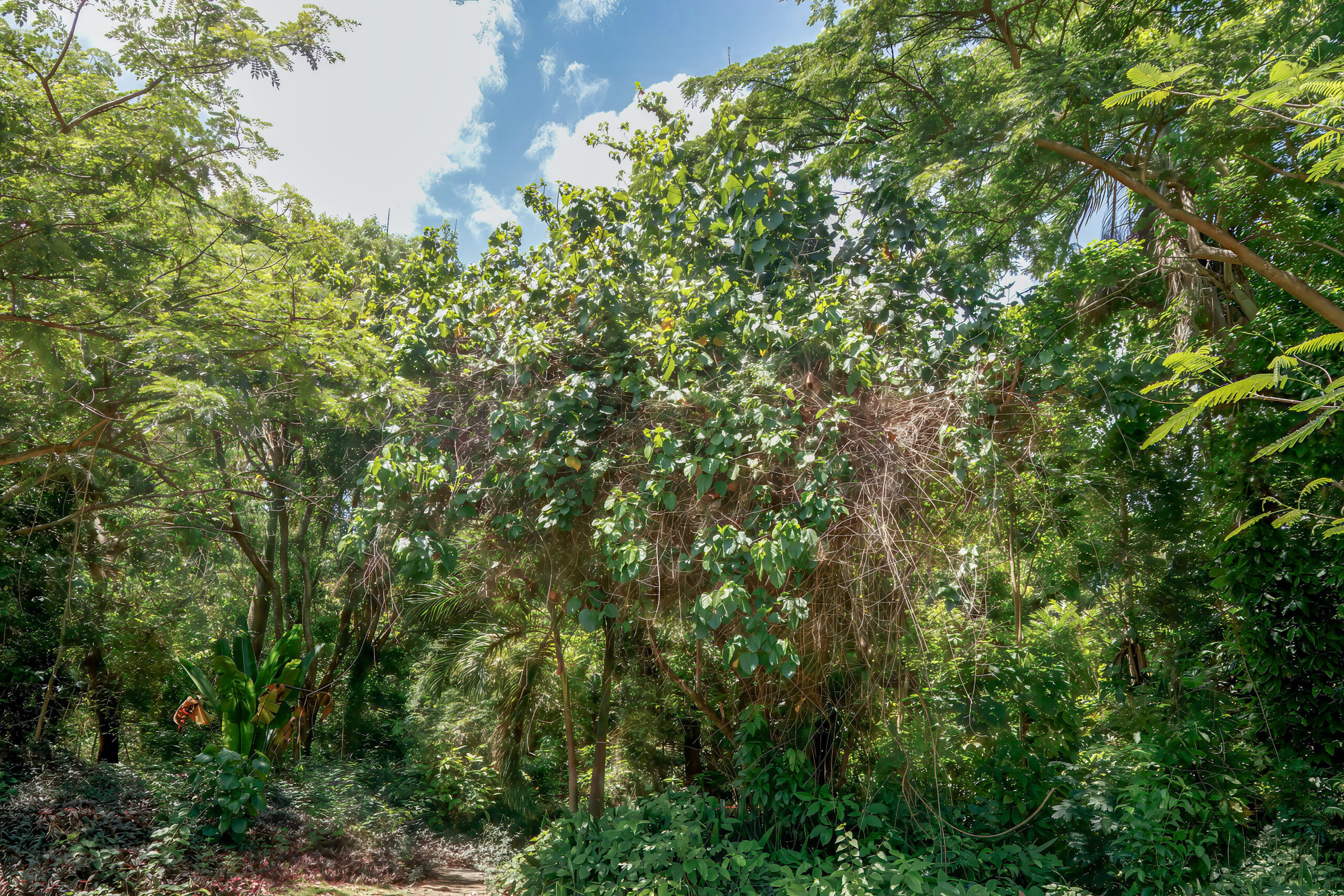
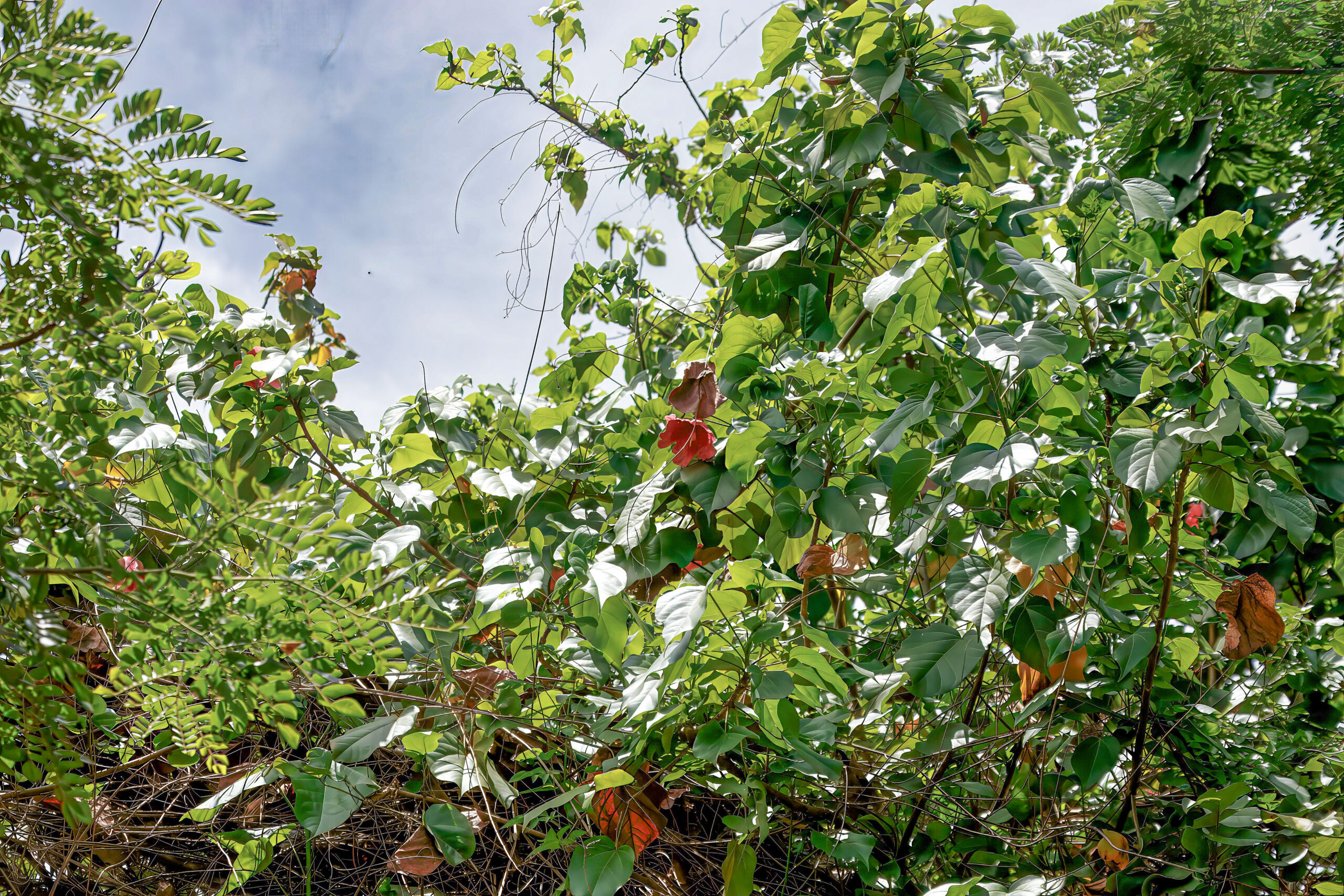
The tree is evergreen in tropical conditions, with only minor leaf turnover year-round.
- New leaf flushes are typically triggered by flowering or pruning.
- Leaves are oval to heart-shaped, glossy, and medium green when mature.
Observation Tips:
- Look for lighter green flushes near flowering zones.
- Minimal seasonal leaf drop means leaf behavior may be a weak phenological indicator, but flush after rains or stress recovery is notable.
4. Seasonal Pattern (St. Croix)
- Dry to early wet season (Mar–Jun): Peak flowering
- Mid wet season (Jul–Sep): Fruiting, capsule maturity
- Late wet season (Oct–Nov): Minor leaf flush or regrowth if pruned