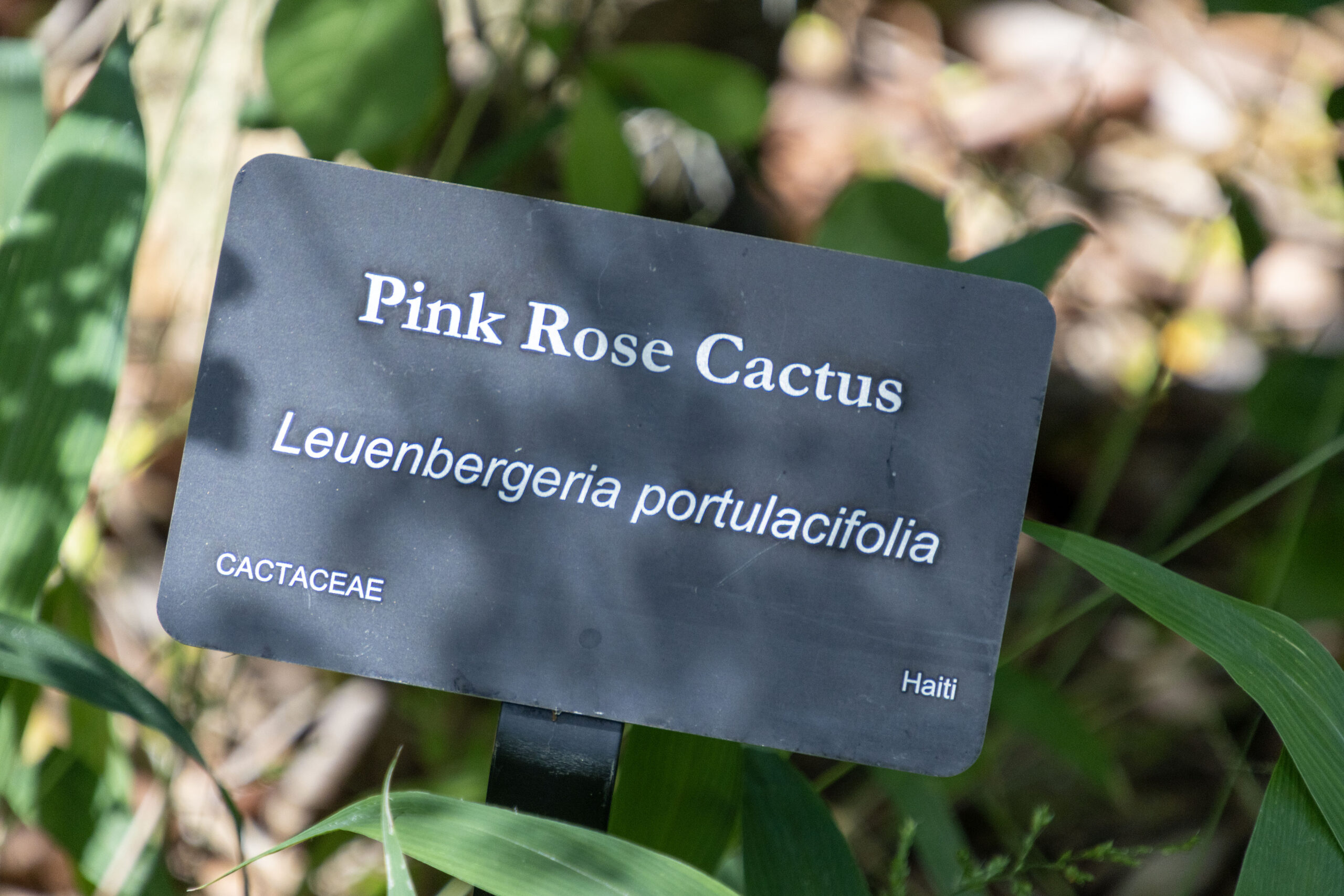
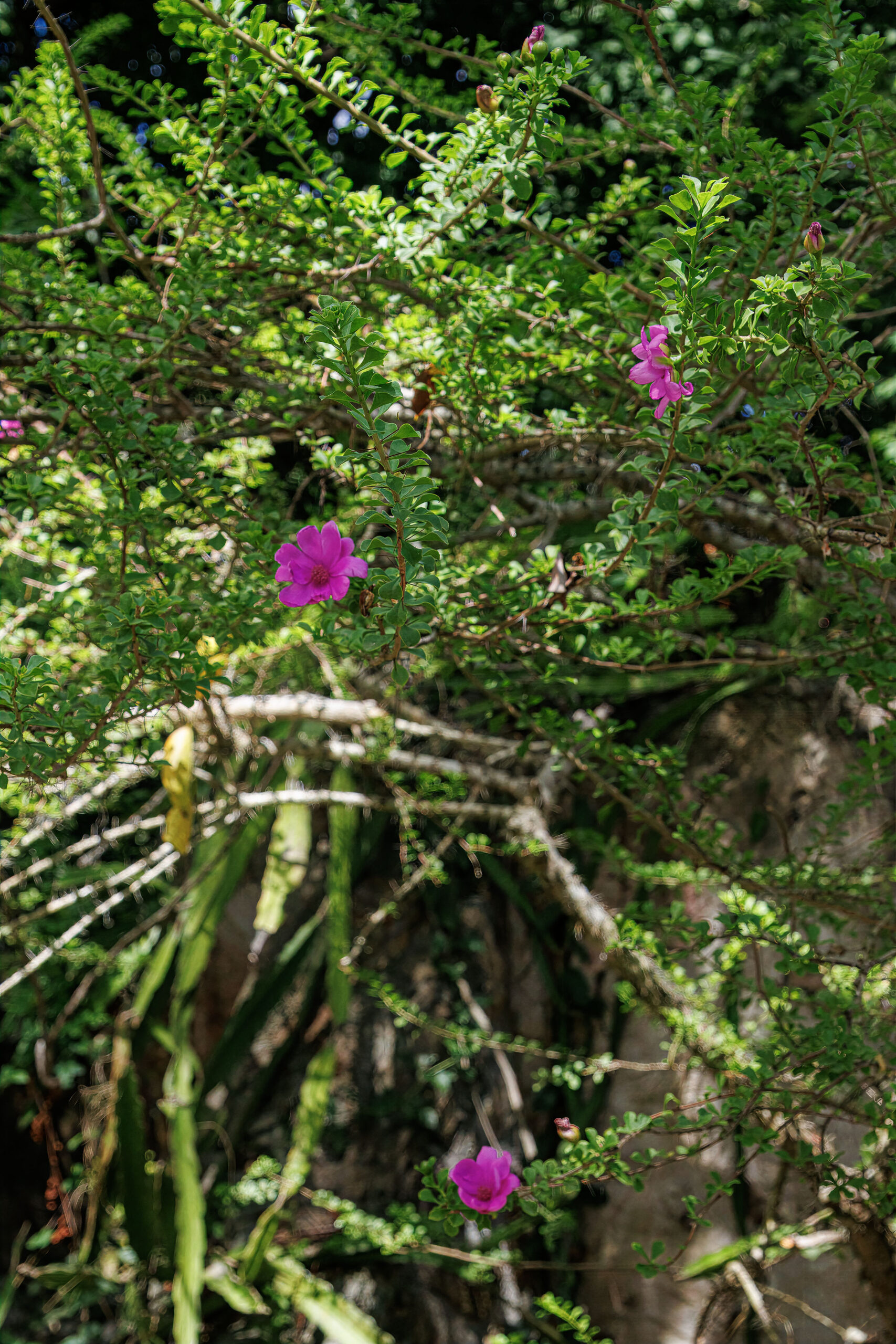
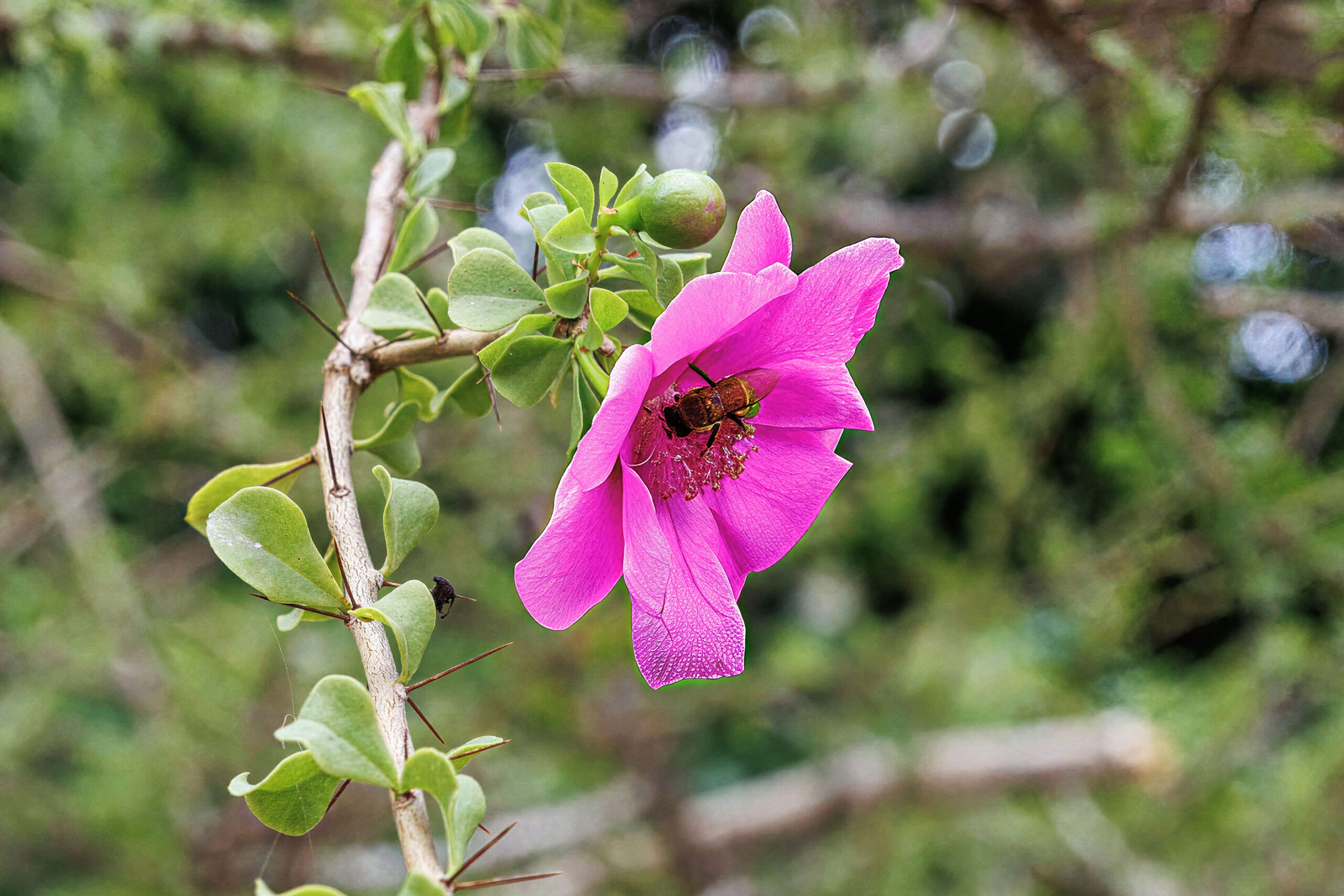
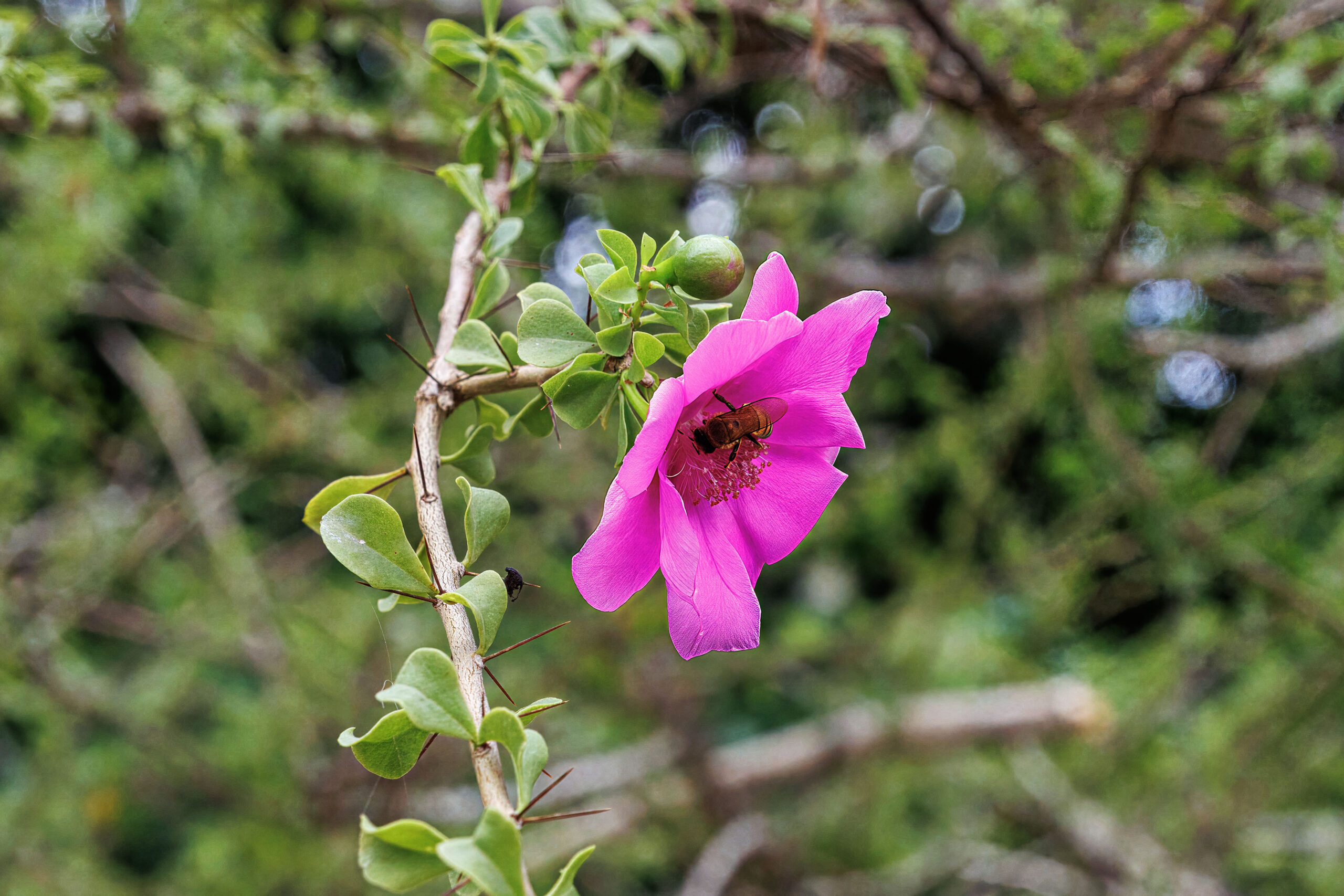
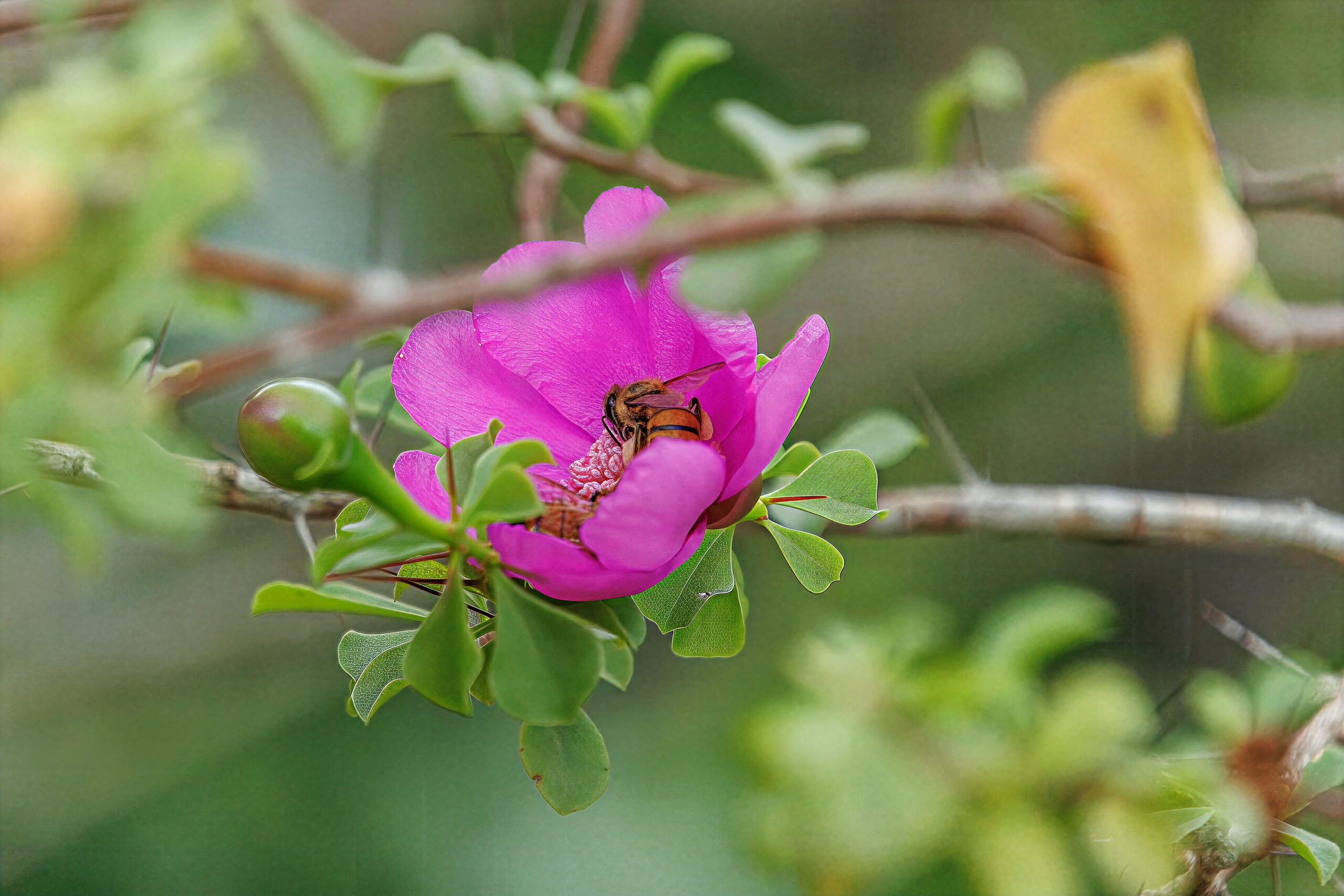
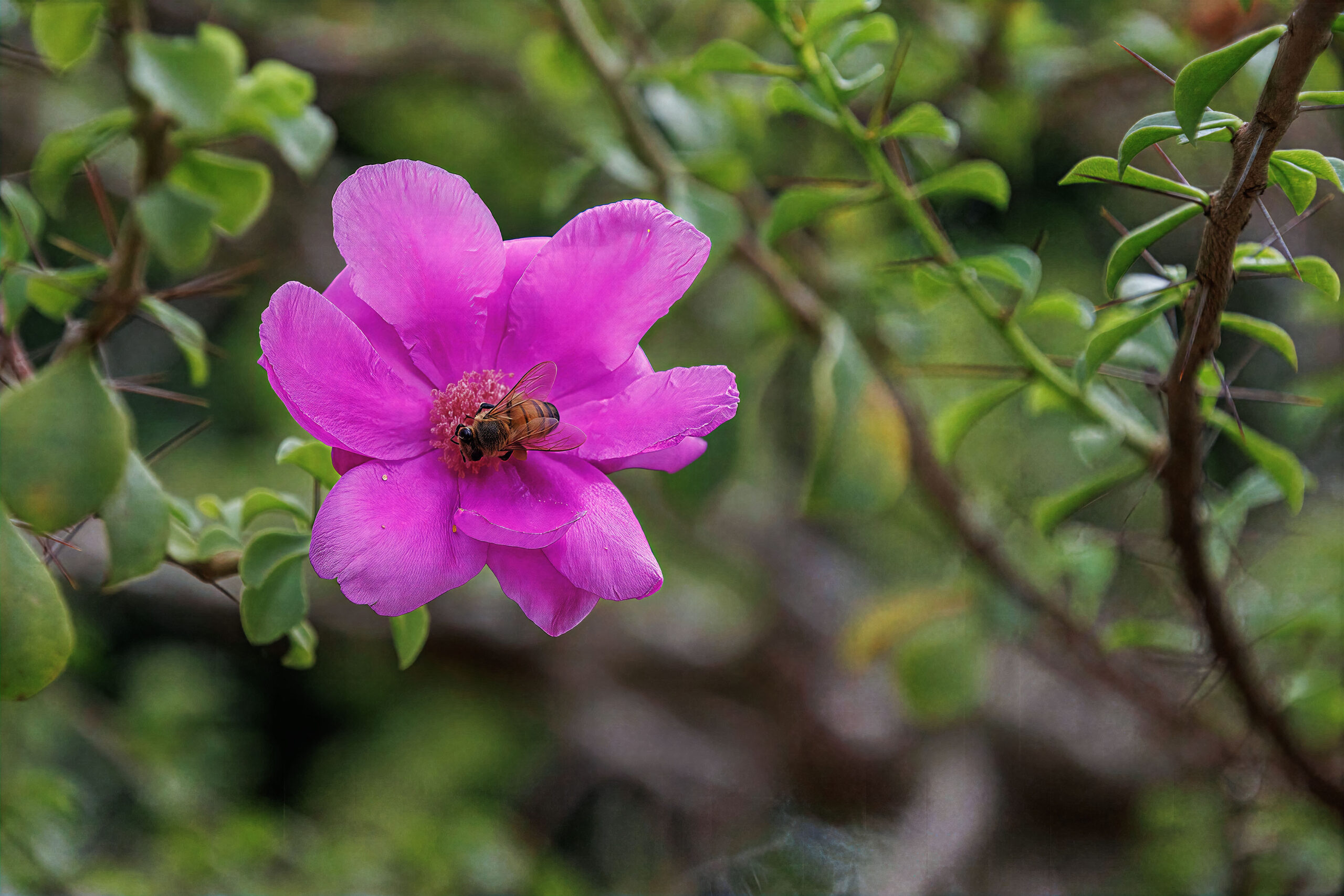
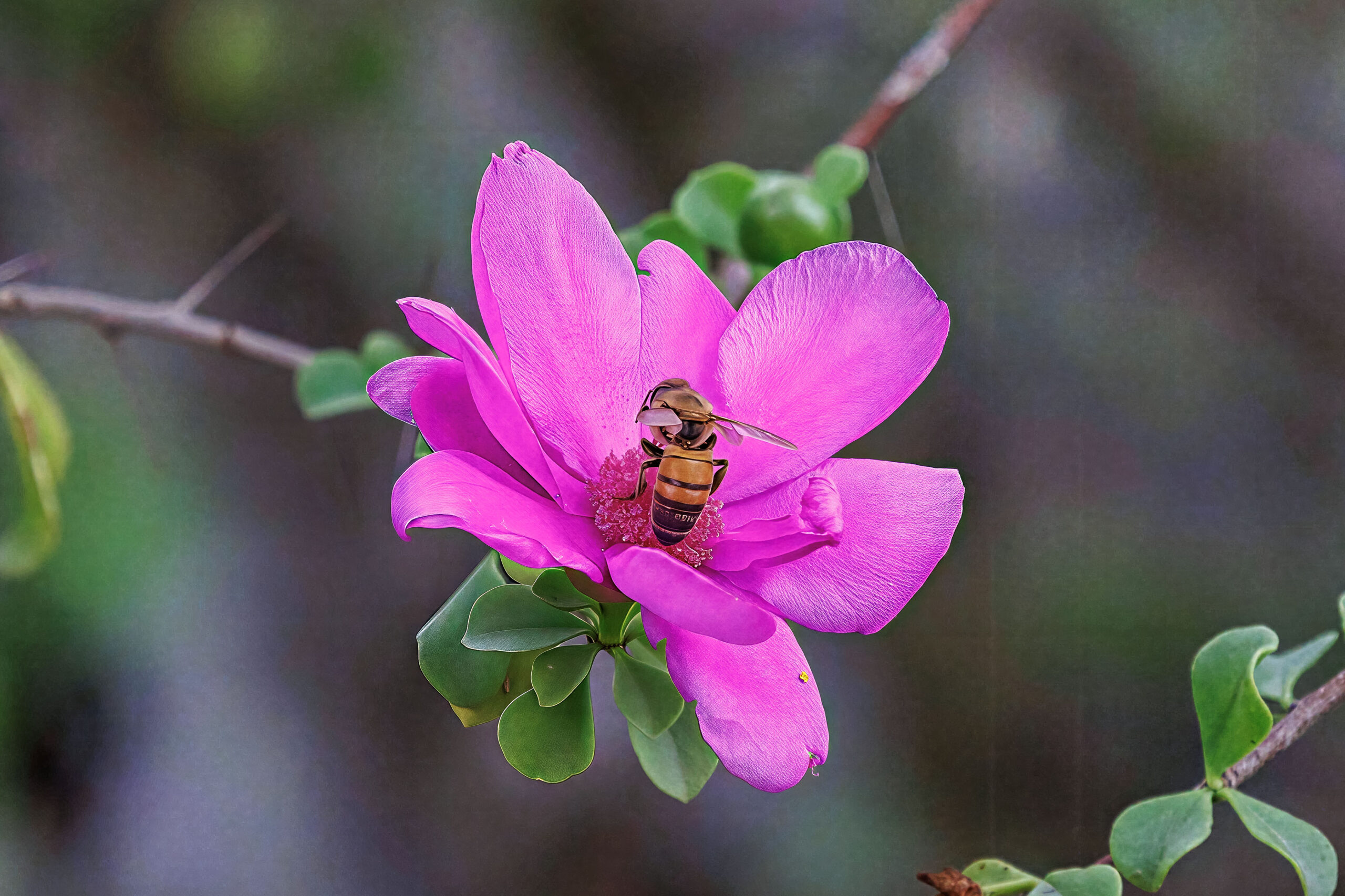
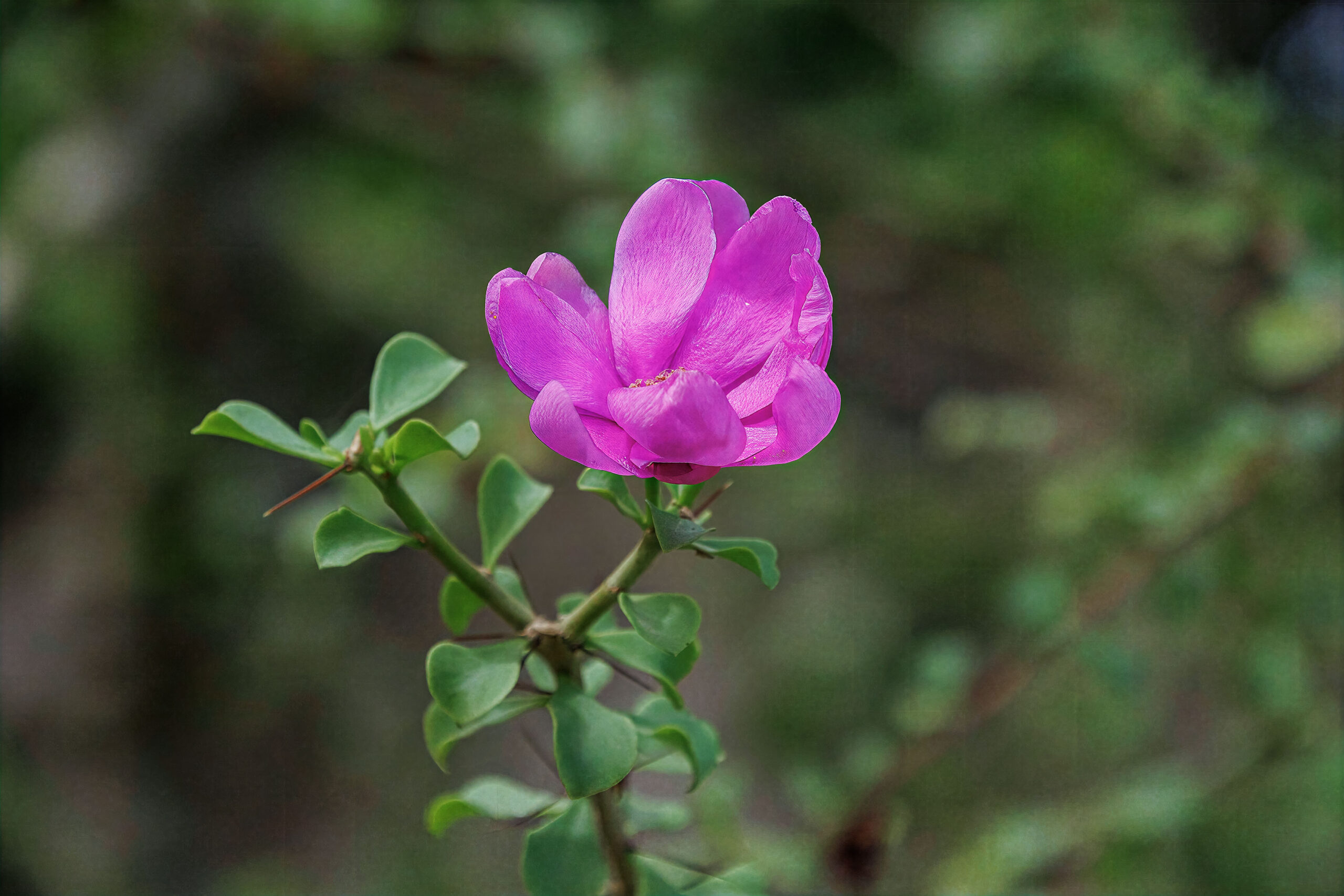
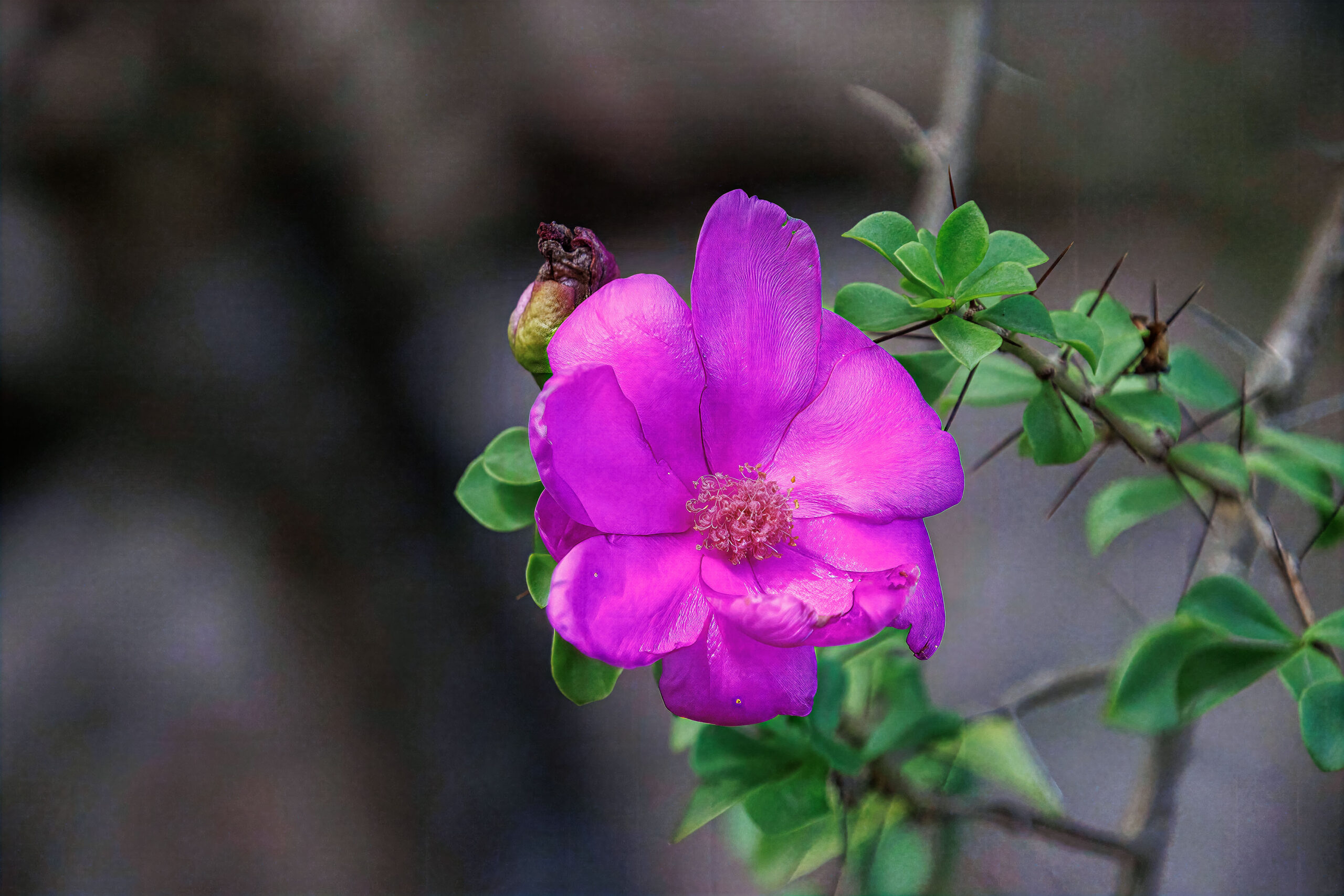
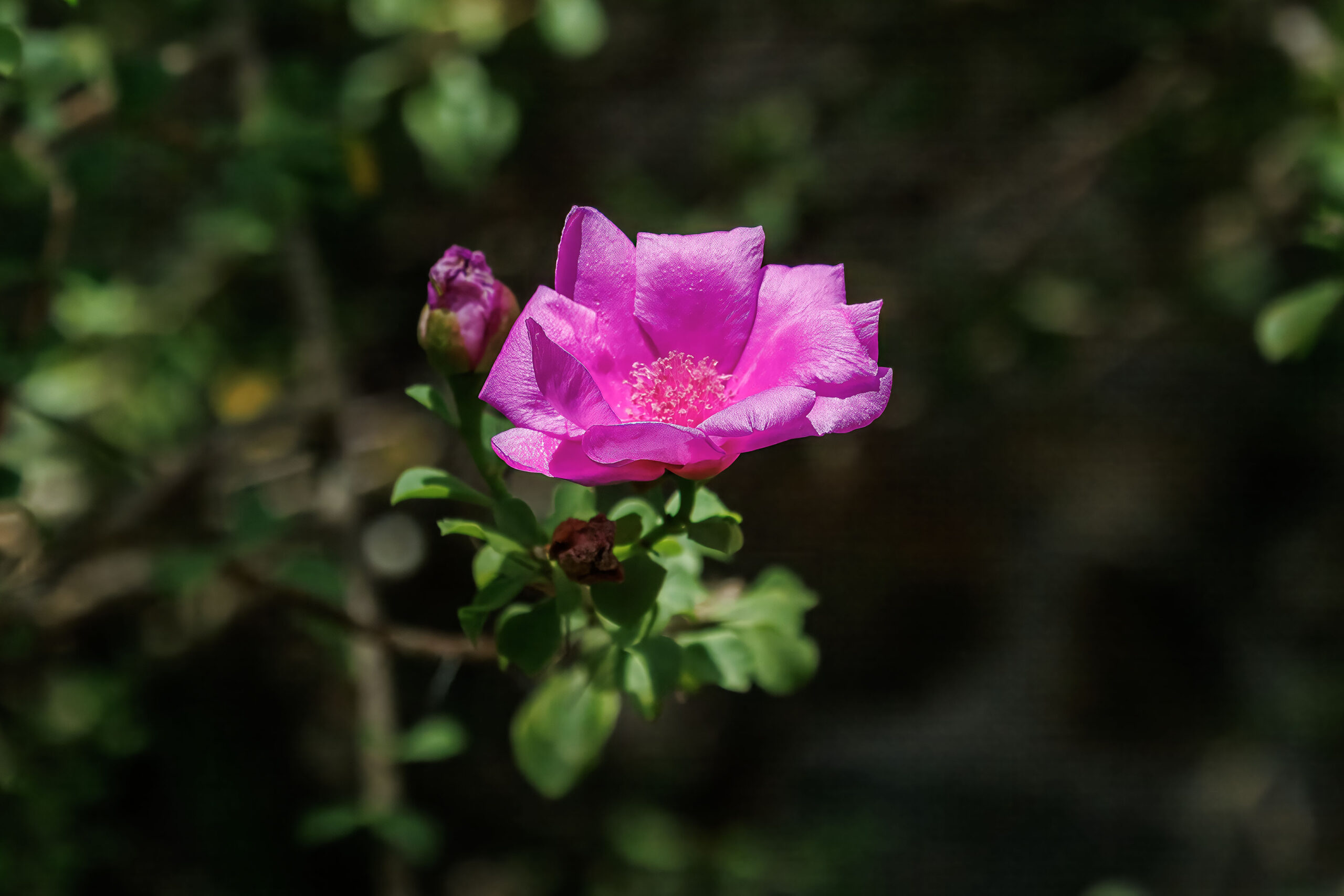
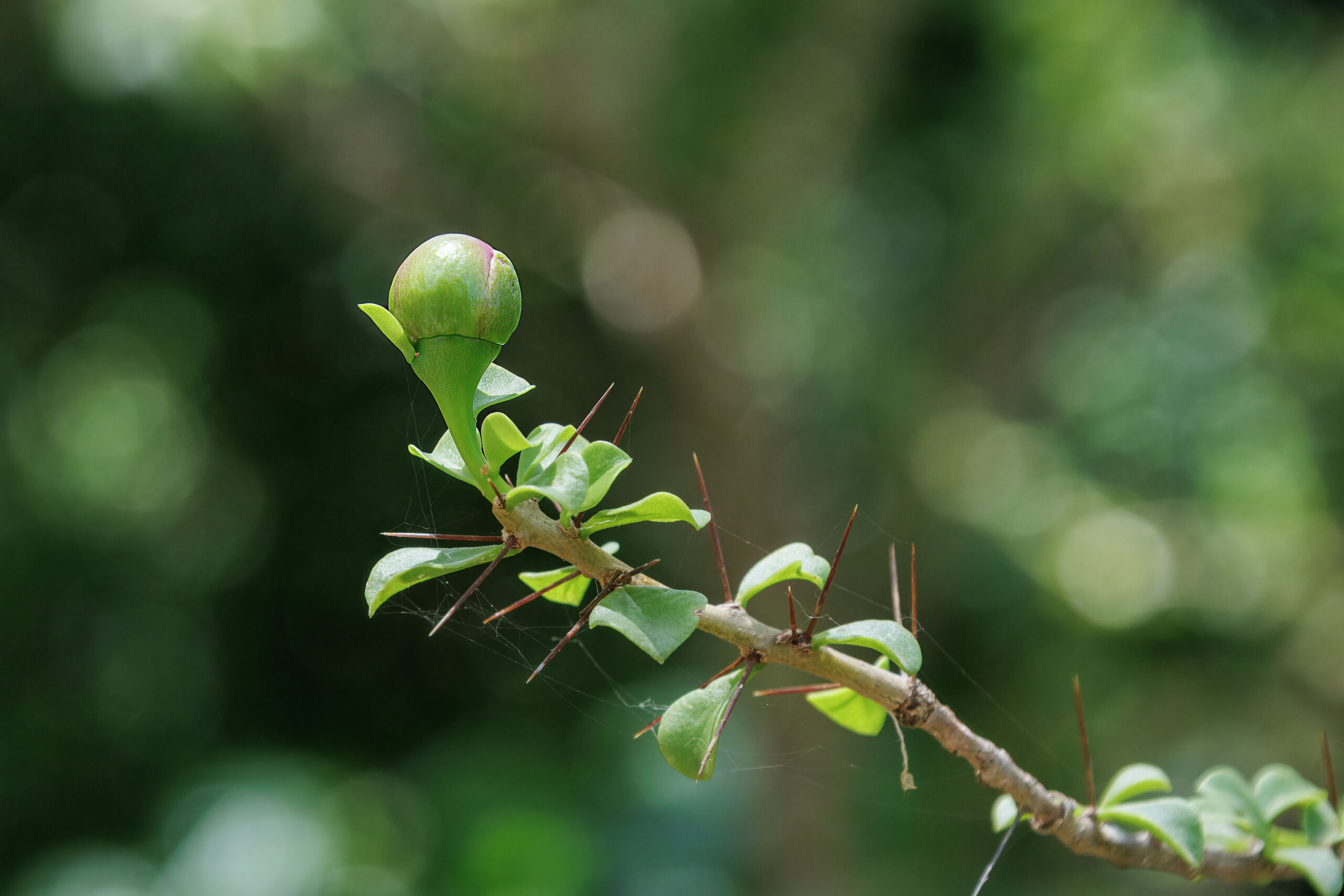
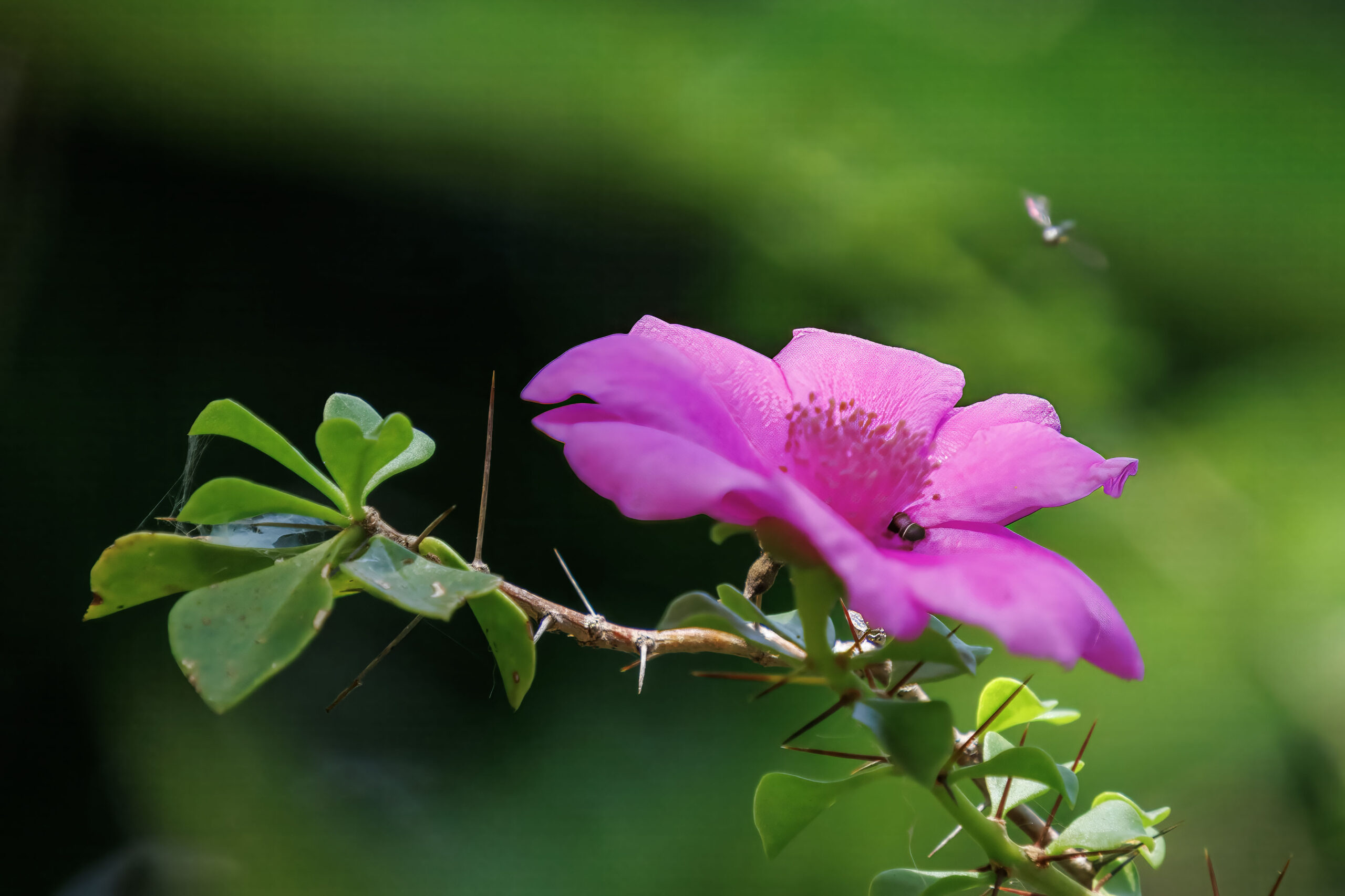
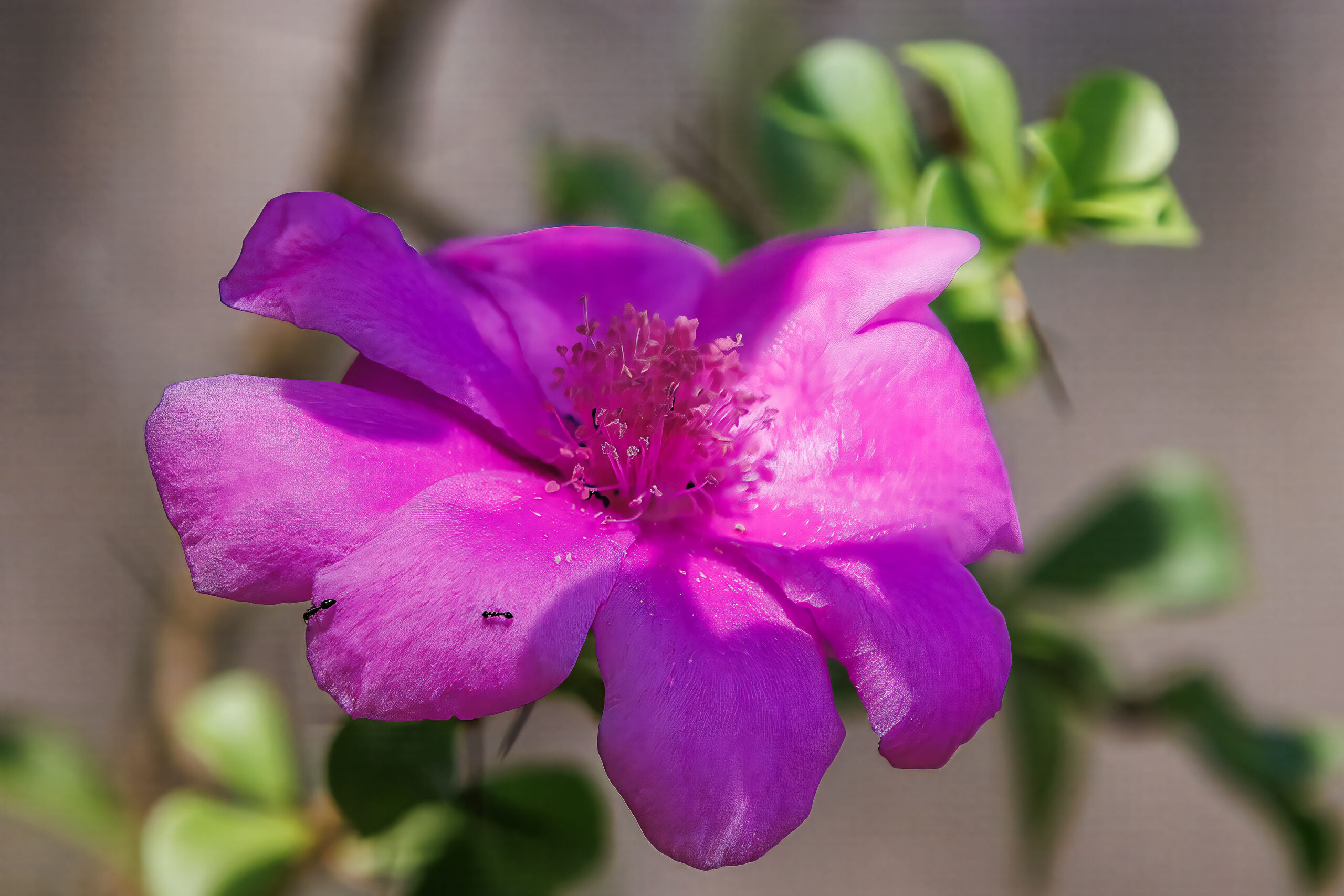
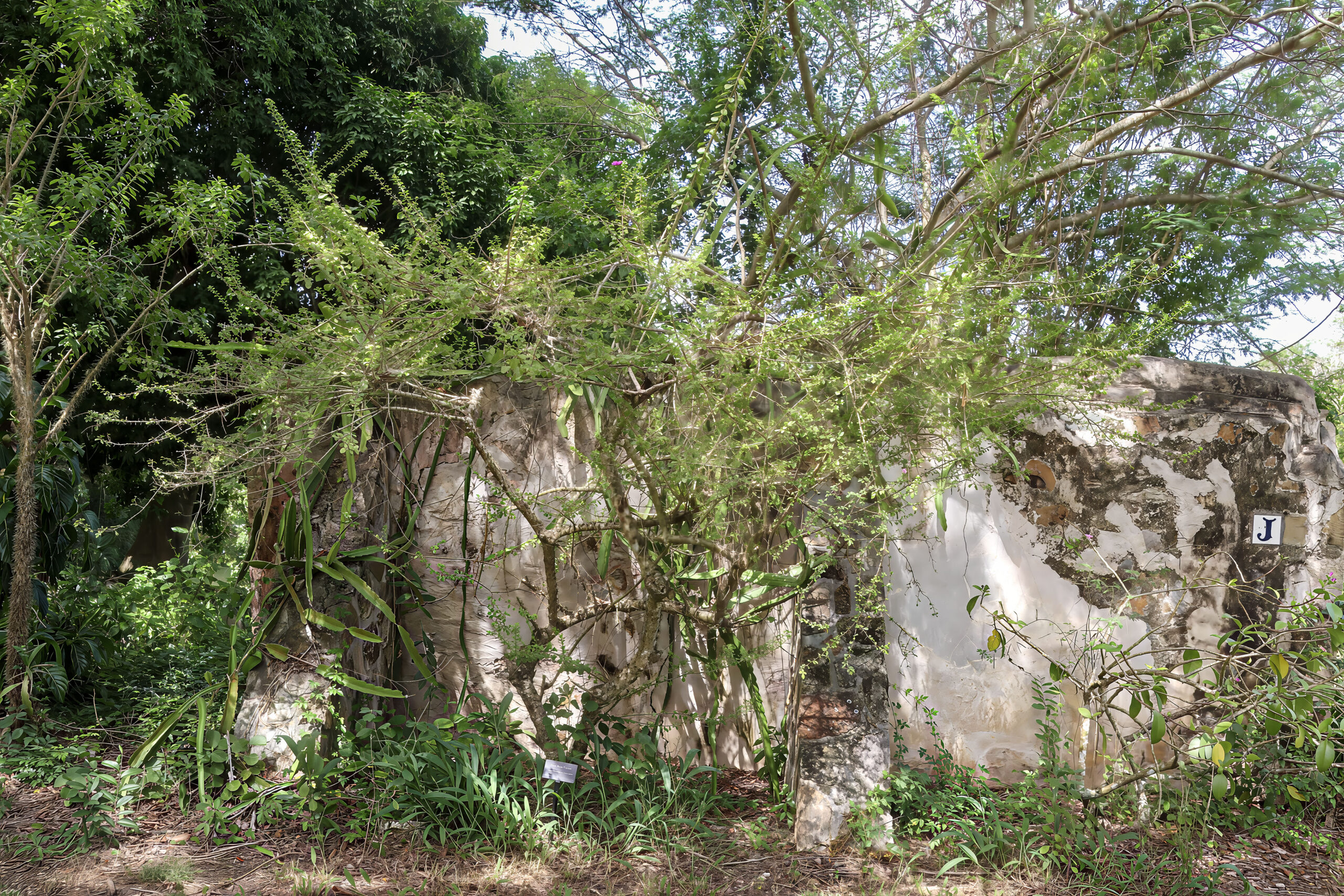
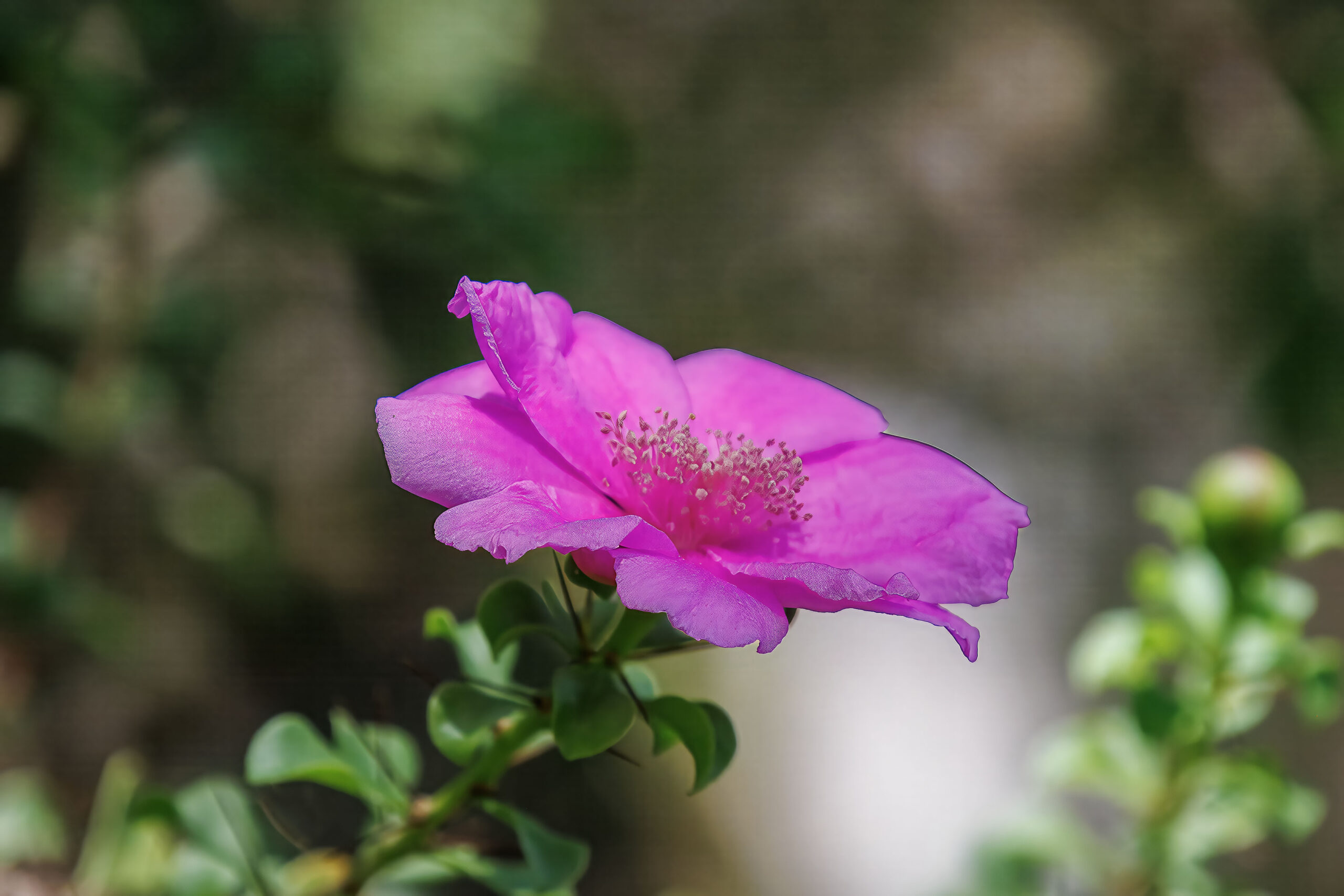
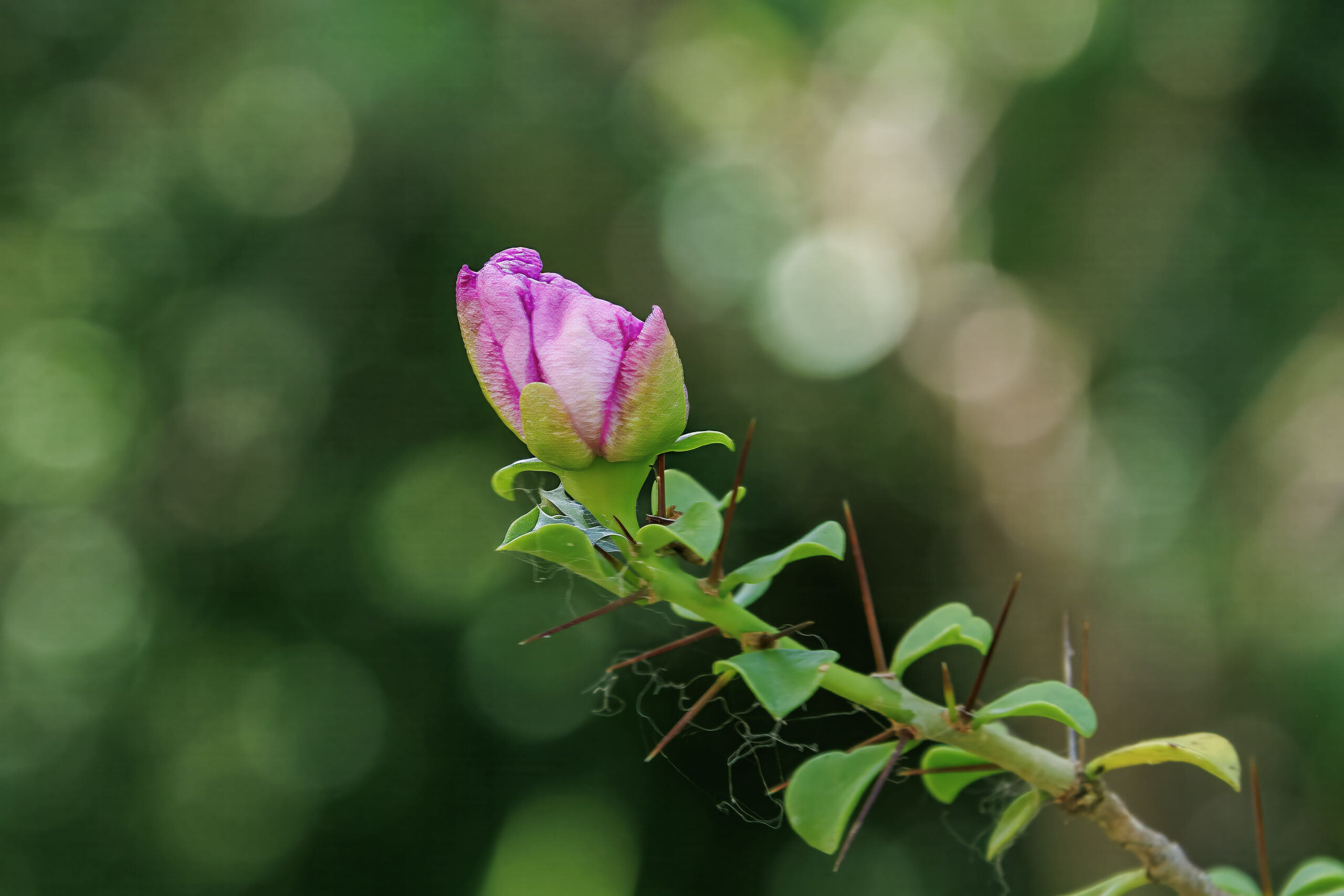
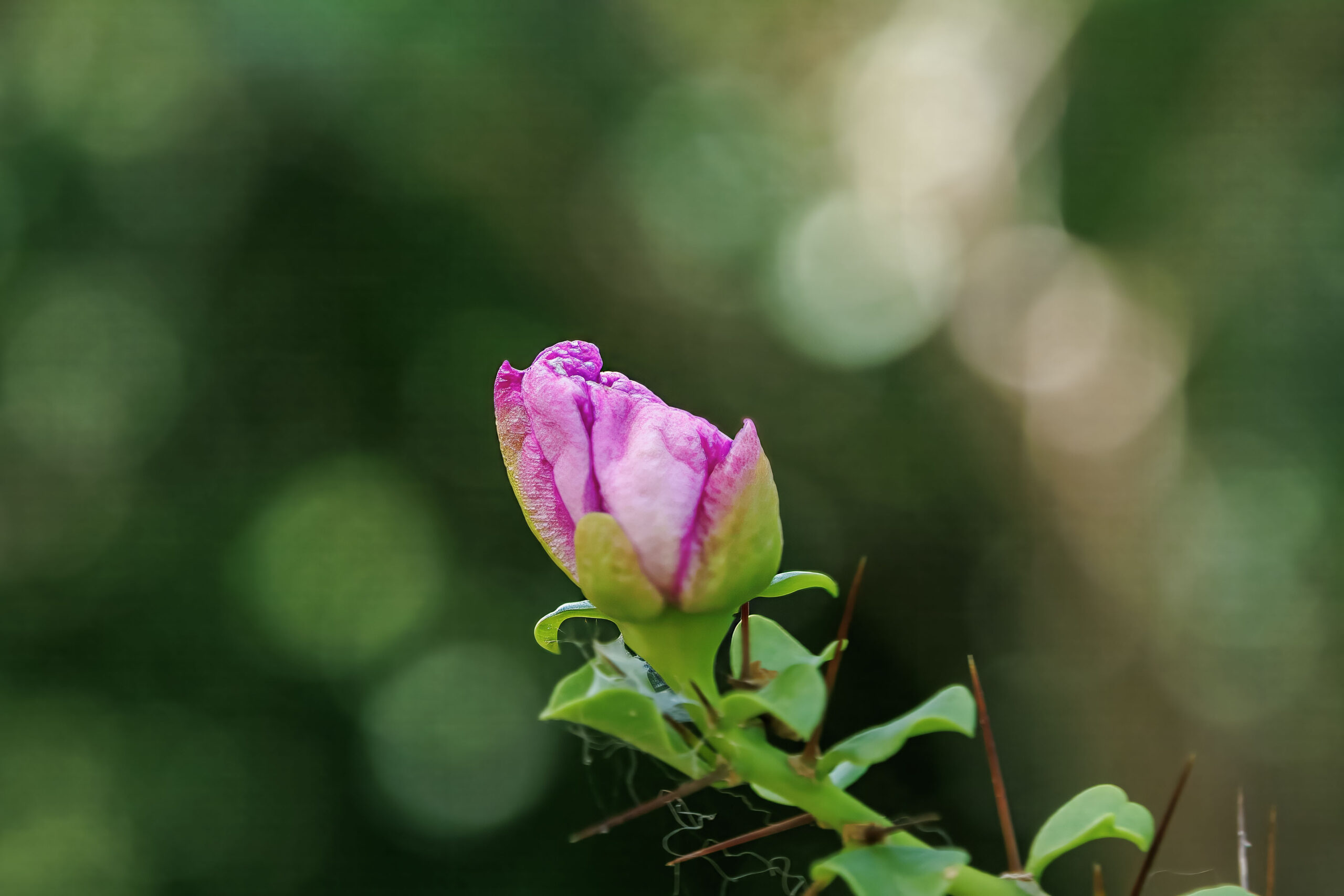
Scientific name: Leuenbergeria portulacifolia (syn. Pereskia portulacifolia)

GPS Location: 17° 42′ ″ N, 64° 49′ ″ W

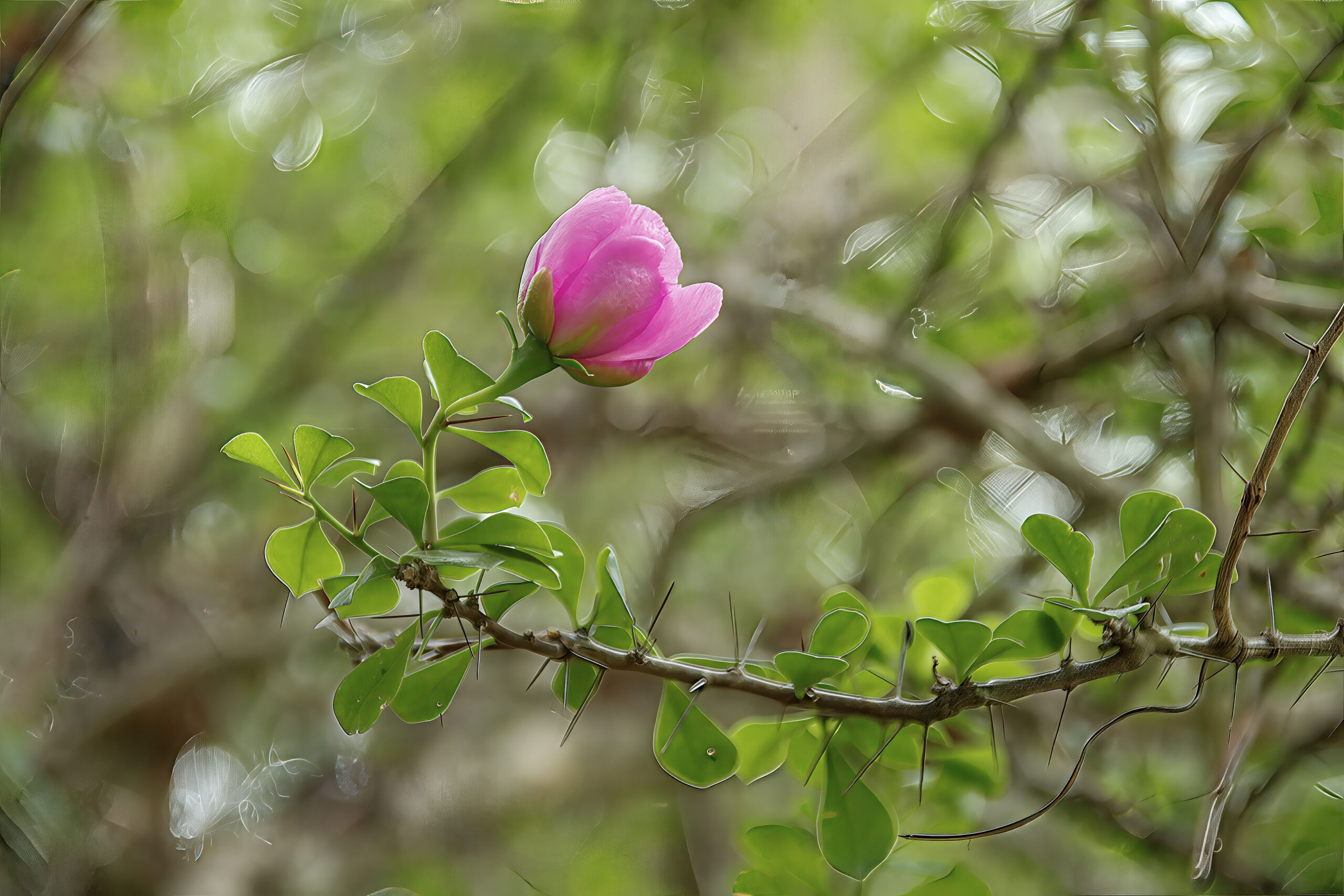
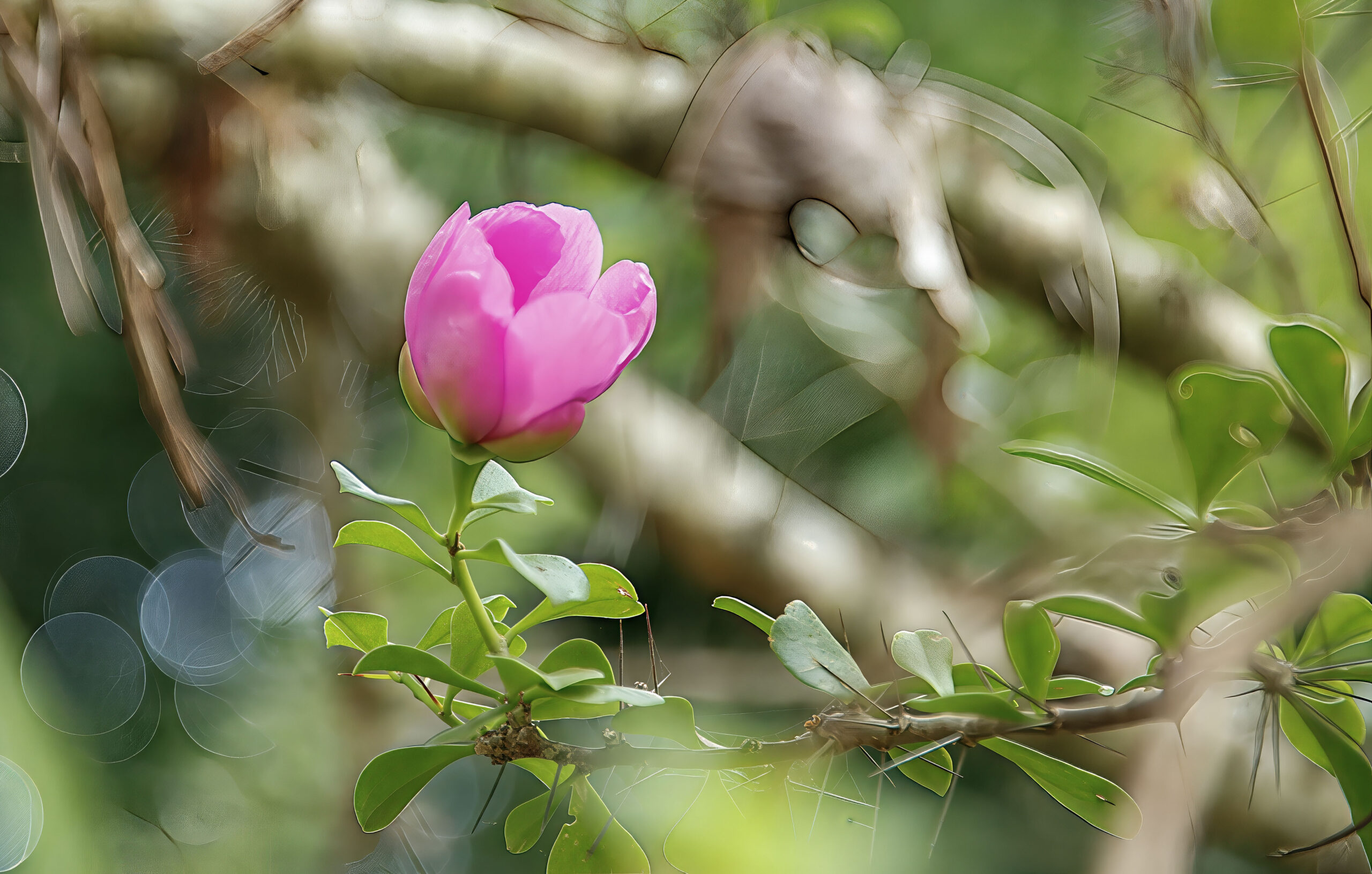
Pink Rose

Medicinal Uses

Leuenbergeria portulacifolia (Rose Cactus) is used in traditional medicine across the Caribbean and Asia for various ailments, including treating fevers, hypertension, diabetes, inflammation, stomachaches, and as a detoxifier, often by consuming raw leaves or brewing them into teas, though scientific evidence supporting these claims needs further research. It’s valued for potential anticancer, antioxidant, and pain-relieving properties, with uses ranging from eating fresh leaves for cancer to using decoctions for muscle aches. 

Traditional Medicinal Uses

  • Detoxification & Health Maintenance: Consuming raw leaves or juicing them daily.
  • Fever & Inflammation: Leaves are boiled for teas or used in warm baths for muscle aches and general fever.
  • Hypertension & Diabetes: Raw leaves are eaten, or flowers are brewed, to help control blood sugar and blood pressure.
  • Cancer & Tumors: Leaves are eaten raw, or fruits are applied topically, for potential cancer treatment.
  • Digestive Issues: Used for constipation, gastritis, and stomachaches.
  • Other Uses: Headaches, rheumatism, asthma, infections, and snakebites. 

Preparation Methods

  • Tea: Boiling leaves, flowers, or inflorescences in water.
  • Raw Consumption: Eating fresh leaves or fruits.
  • Topical Application: Using fruit on tumors or warm baths with leaf decoctions. 

Scientific Support & Caveats

  • Pre-clinical studies show potential pain-relieving, anti-diabetic, and cholesterol-lowering effects.
  • It contains antioxidants and minerals, supporting its use as a health food.
  • Important: While traditional uses are widespread, scientific evidence is still developing, and users should consult a physician before using plants for medicinal purposes.

Observations:

Phenological Markers – Leuenbergeria portulacifolia

Common Name: Pink Rose Cactus, Leaf Cactus, or Rose Pereskia
Family: Cactaceae
Form: Shrub or small tree, often 2–5 m tall, with green, woody stems bearing both leaves and short spines
Native Range: Caribbean (notably Hispaniola and Puerto Rico) and adjacent northern South America


Leaf Phenology

Unlike most cacti, Leuenbergeria portulacifolia possesses persistent, fleshy leaves, typically obovate to elliptic, about 4–8 cm long. It is seasonally deciduous to semi-evergreen, depending on moisture availability.
During the dry season, leaf shedding is common, especially on exposed stems, with new growth initiated promptly after rainfall. Leaves may display a reddish or bronze tint when young, caused by anthocyanin pigments that protect against high light intensity and UV exposure.

Observation: On St. Croix, mature leaves persist in shaded microsites through the dry months; new leaf flush appears within two weeks of early rains, often preceding flowering.


Flowering

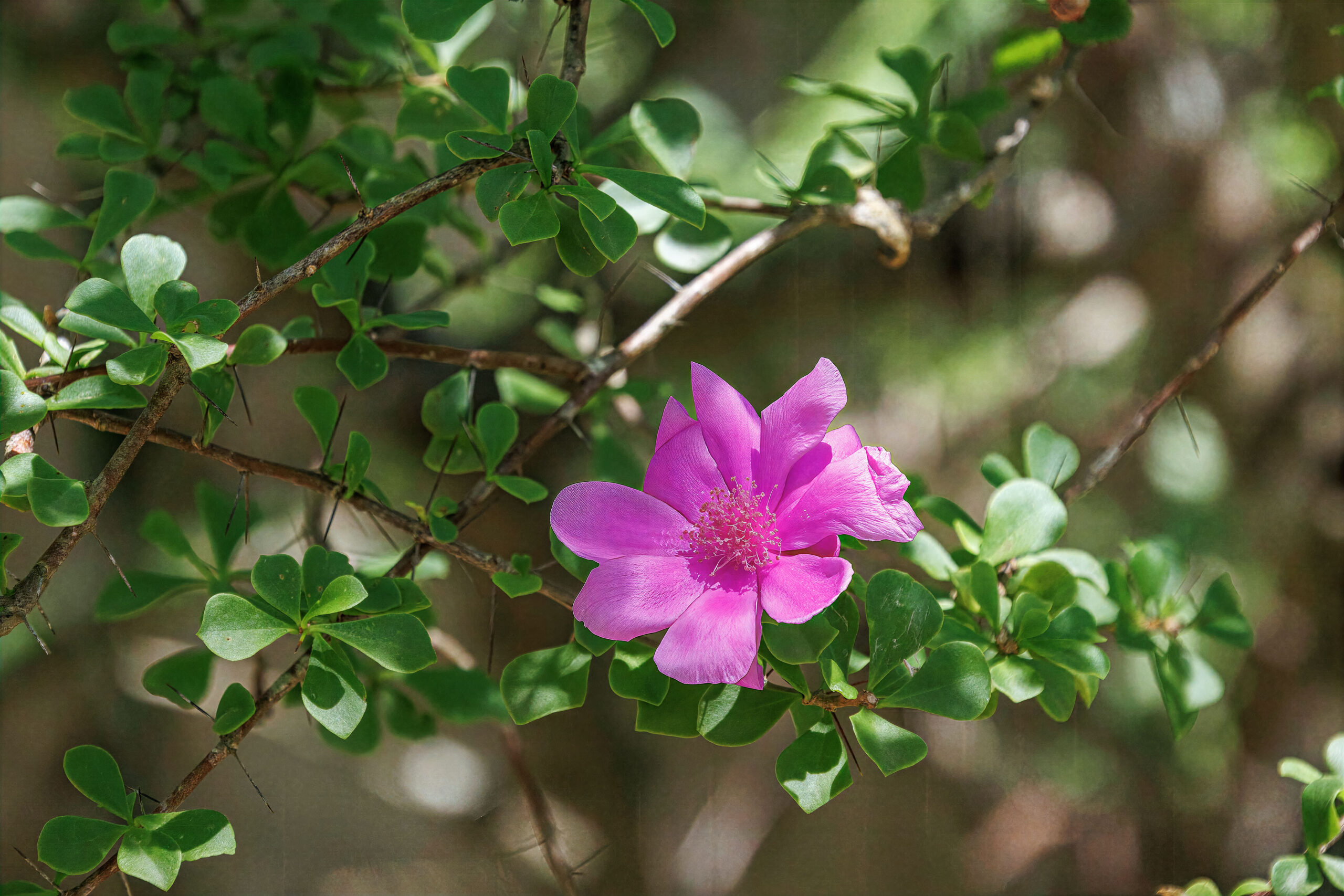
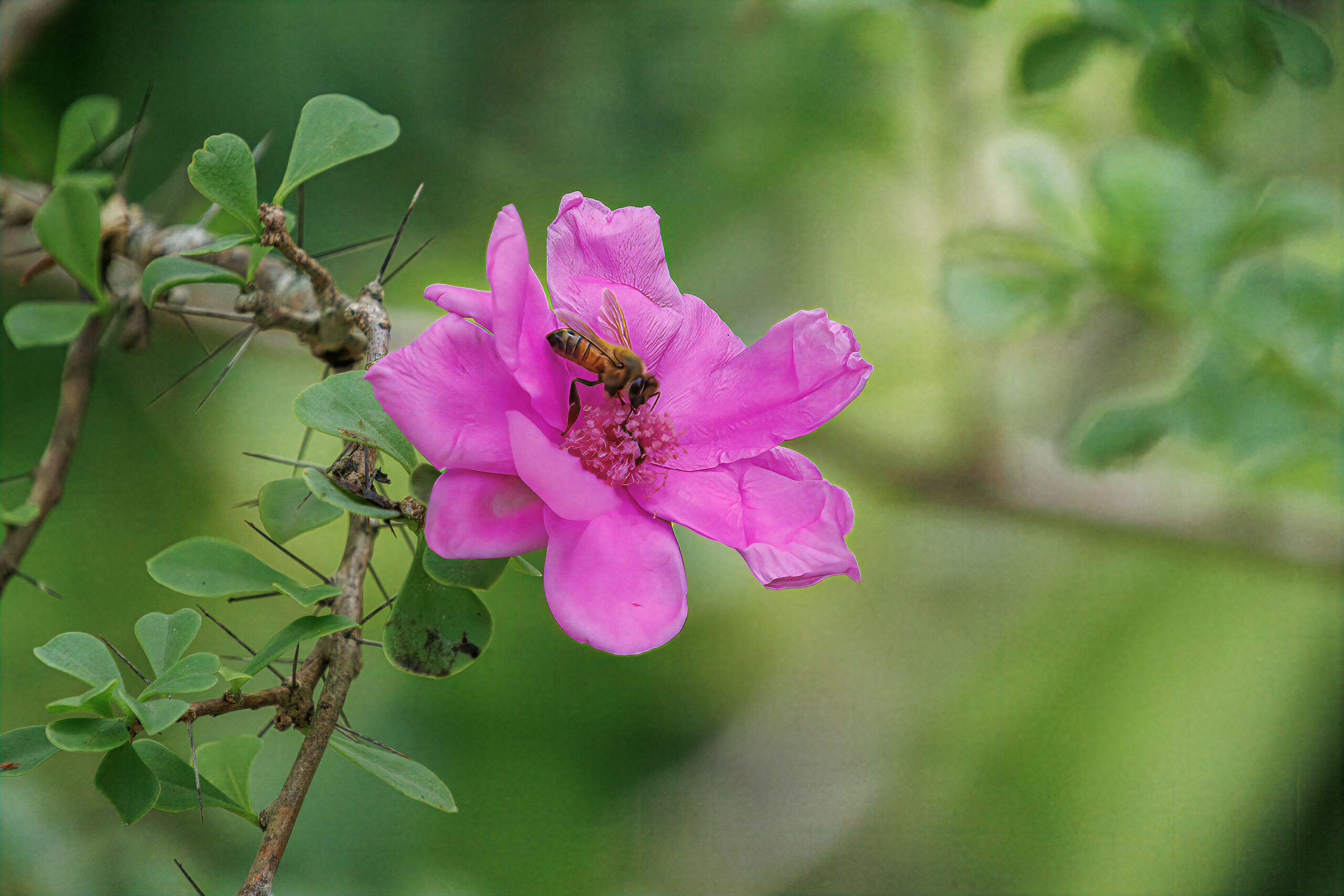
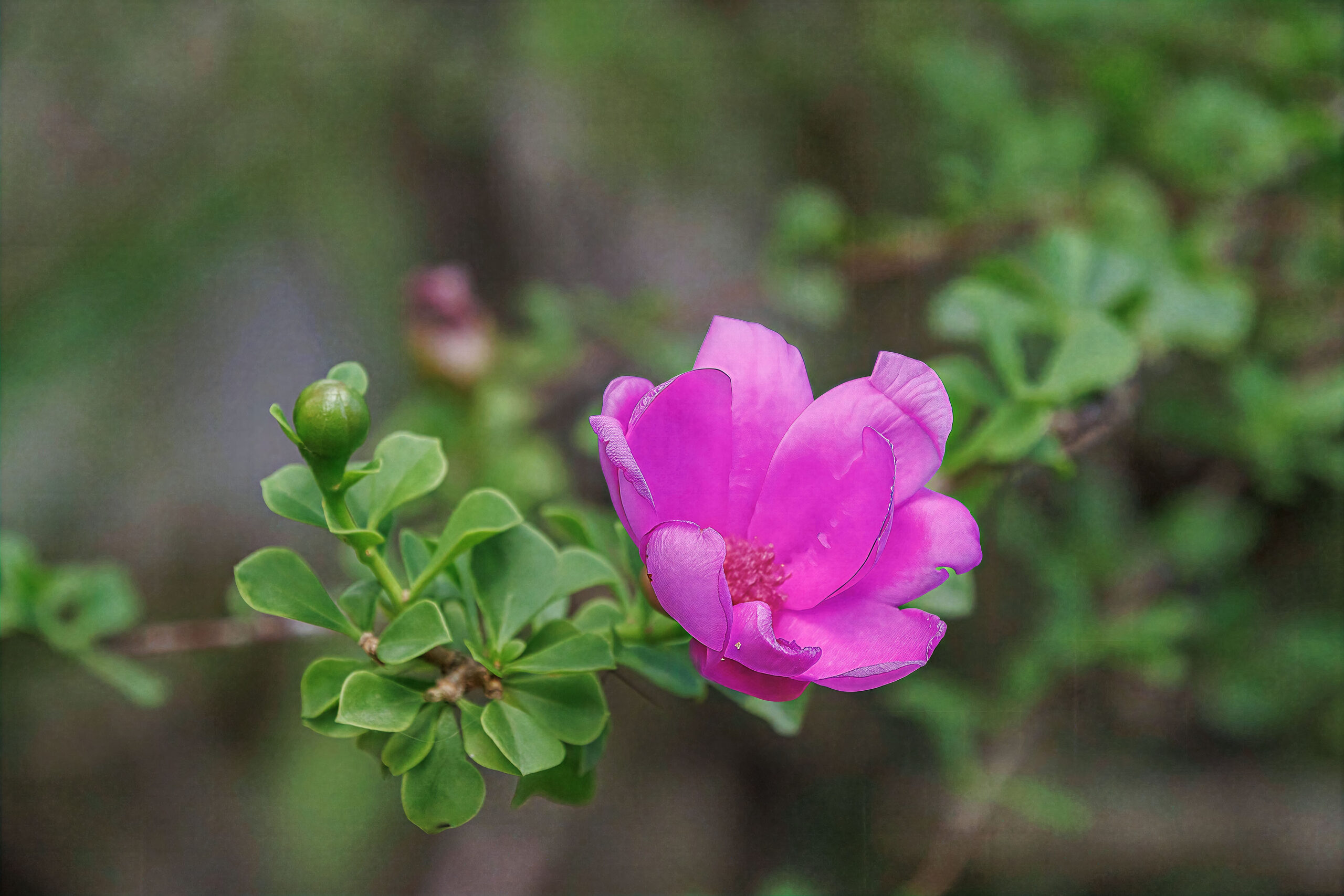
Flowering is conspicuous and often profuse, producing bright pink to magenta, rose-like flowers 3–5 cm in diameter. Blooms occur mainly on young terminal shoots, either solitary or in small clusters.
Flowering is typically triggered by the transition from dry to wet season (April–June), with occasional off-season flowering after irregular rain events. Each flower opens during the day and closes by nightfall, lasting 1–2 days.

Observation: Flower buds form while the plant still carries some older leaves; heavy bloom usually follows the first sustained rains.


Fruiting

Fruits are globose to ellipsoid berries, initially green, ripening to yellow-orange or reddish-pink, containing numerous small black seeds embedded in a gelatinous pulp. Fruiting follows about 6–8 weeks after peak flowering, extending into the mid-wet season.
The fruits are edible but mildly mucilaginous, and attract birds which aid seed dispersal.

Observation: Ripe fruits often persist on the plant well into late summer; birds frequently remove seeds, promoting local naturalization.


Seasonal Changes

SeasonCharacteristicsPhenological Response
Dry Season (Dec–Apr)High light, reduced soil moisturePartial defoliation, dormant buds visible
Early Wet Season (May–Jul)Rising humidity, first rainsNew leaf flush; peak flowering
Late Wet Season (Aug–Nov)Sustained moistureFruiting and secondary growth flush

Observation: The cycle of defoliation and re-leafing is tightly synchronized with rainfall; plants under irrigation may retain leaves year-round.


Field Notes

  • This species is a basal cactus retaining ancestral traits: true leaves, woody stems, and visible spines emerging from areoles.
  • The bark becomes smooth and gray-green with age, photosynthetic in the absence of leaves.
  • L. portulacifolia is native to the Caribbean and occurs in dry coastal thickets, limestone hills, and rocky scrub, tolerating both drought and salt exposure.
  • Its floral display and persistent green bark often lead to misidentification as a non-cactus shrub.
  • The plant is ecologically valuable, providing nectar for native pollinators and fruit for birds.
Scroll to Top