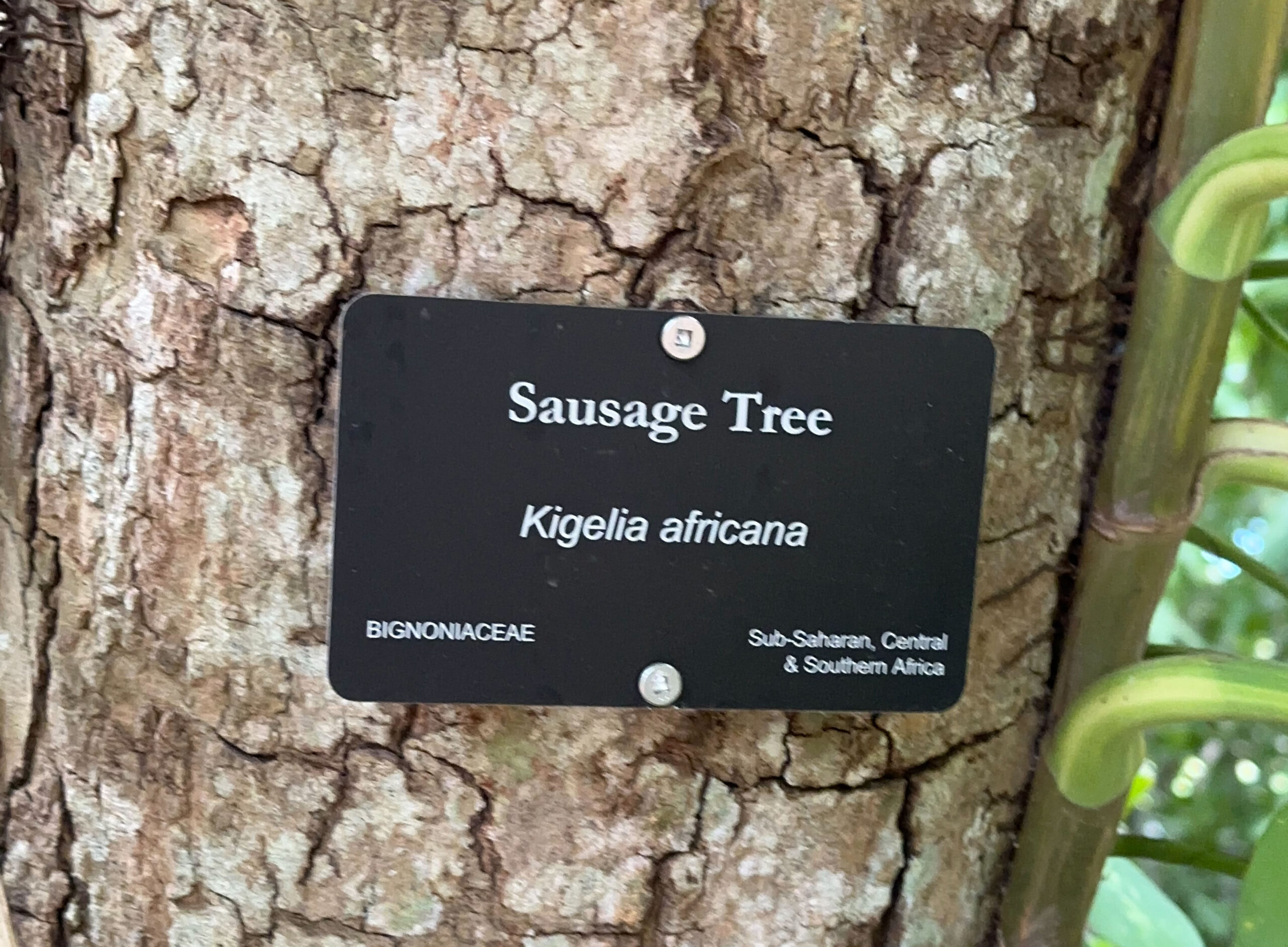
Sausage tree

Scientific name: Kigelia africana

IUCN Red List threat level: Least Concern

GPS Location: 17° 42′ 56.31″ N, 64° 49′ 46.99″ W

Medicinal Uses

Kigelia africana (Sausage Tree) is a widely used African medicinal plant for skin conditions (eczema, psoriasis, wounds, cancer), infections (malaria, syphilis), digestive issues (diarrhea, constipation, ulcers), gynecological problems (infertility, breast health), and as an aphrodisiac, thanks to its potent antioxidants, anti-inflammatory, and antimicrobial compounds, with various plant parts used topically and internally for diverse ailments. 

Common Medicinal Uses

  • Skin Care: Treats eczema, psoriasis, boils, fungal infections, wounds, acne, and even skin cancer; promotes wound healing and reduces sunspots.
  • Infections: Used for malaria, syphilis, impetigo, worm infestations, and respiratory infections.
  • Digestive Health: Remedies diarrhea, dysentery, stomach ailments, constipation, and ulcers; acts as a laxative and emetic.
  • Reproductive Health: Used for infertility, poor libido, impotence, and to promote breast development or reduce breast swelling (mastitis).
  • Pain & Inflammation: Applied for rheumatism, arthritis, and general pain relief due to anti-inflammatory properties. 

Other Traditional Applications

  • Neurological: Treats epilepsy and central nervous system depression.
  • Metabolic: Used for diabetes and hepatic (liver) disorders.
  • Aphrodisiac: Stimulates sexual desire and improves sperm health (density, motility). 

Plant Parts Used & Preparations

  • Fruits & Bark: Most common for skin issues, gynecological problems, and as aphrodisiacs; often made into topical applications or oral concoctions.
  • Leaves & Roots: Used for digestive issues, malaria, wounds, and as general tonics. 

Key Compounds (Phytochemicals)

  • Flavonoids, Iridoids, Naphthoquinones, Terpenoids, & Coumarins: These compounds contribute to its antioxidant, anti-inflammatory, and antimicrobial effects.

Observations:

Phenological Markers – Sausage Tree (Kigelia africana)

1. Flowering
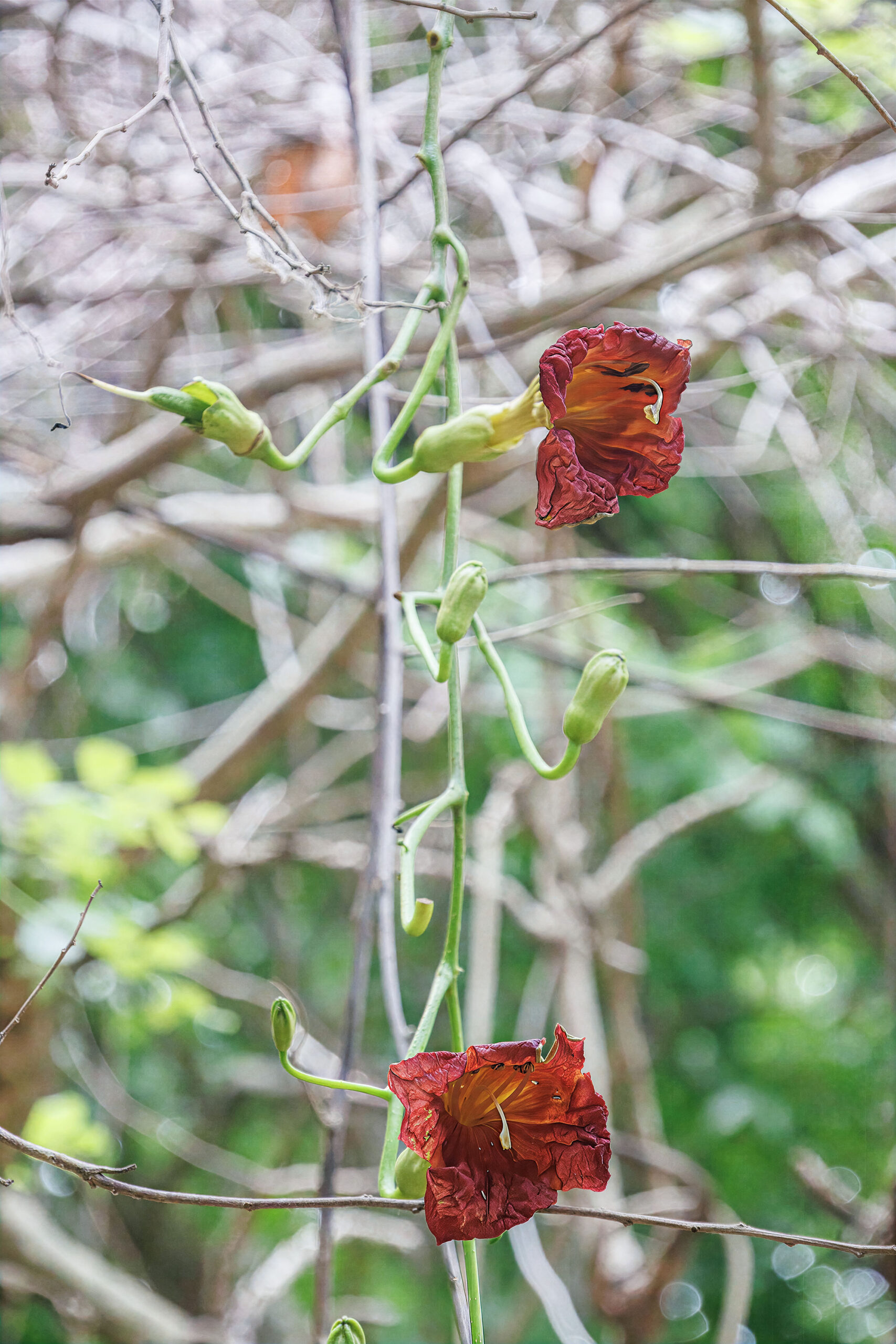
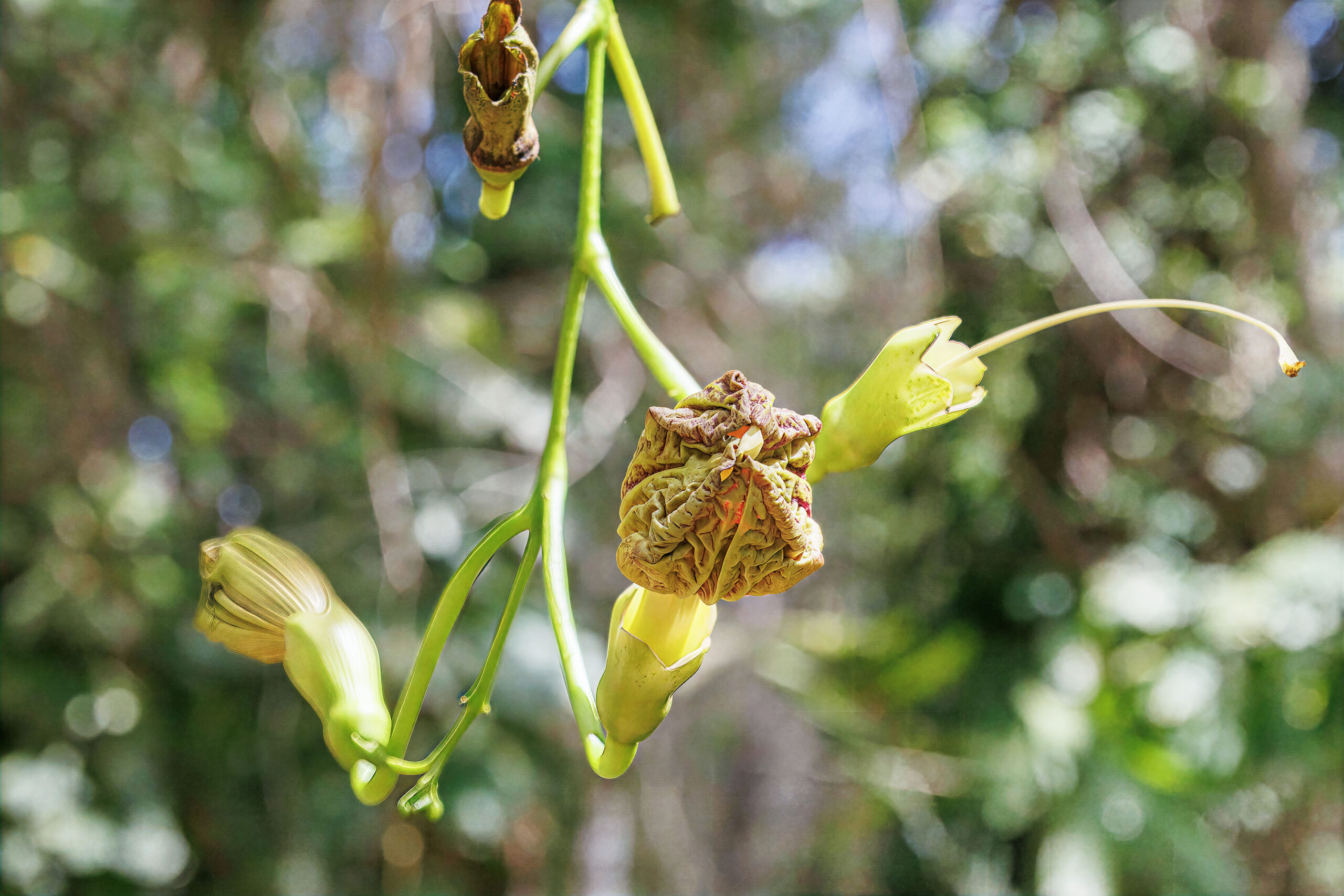
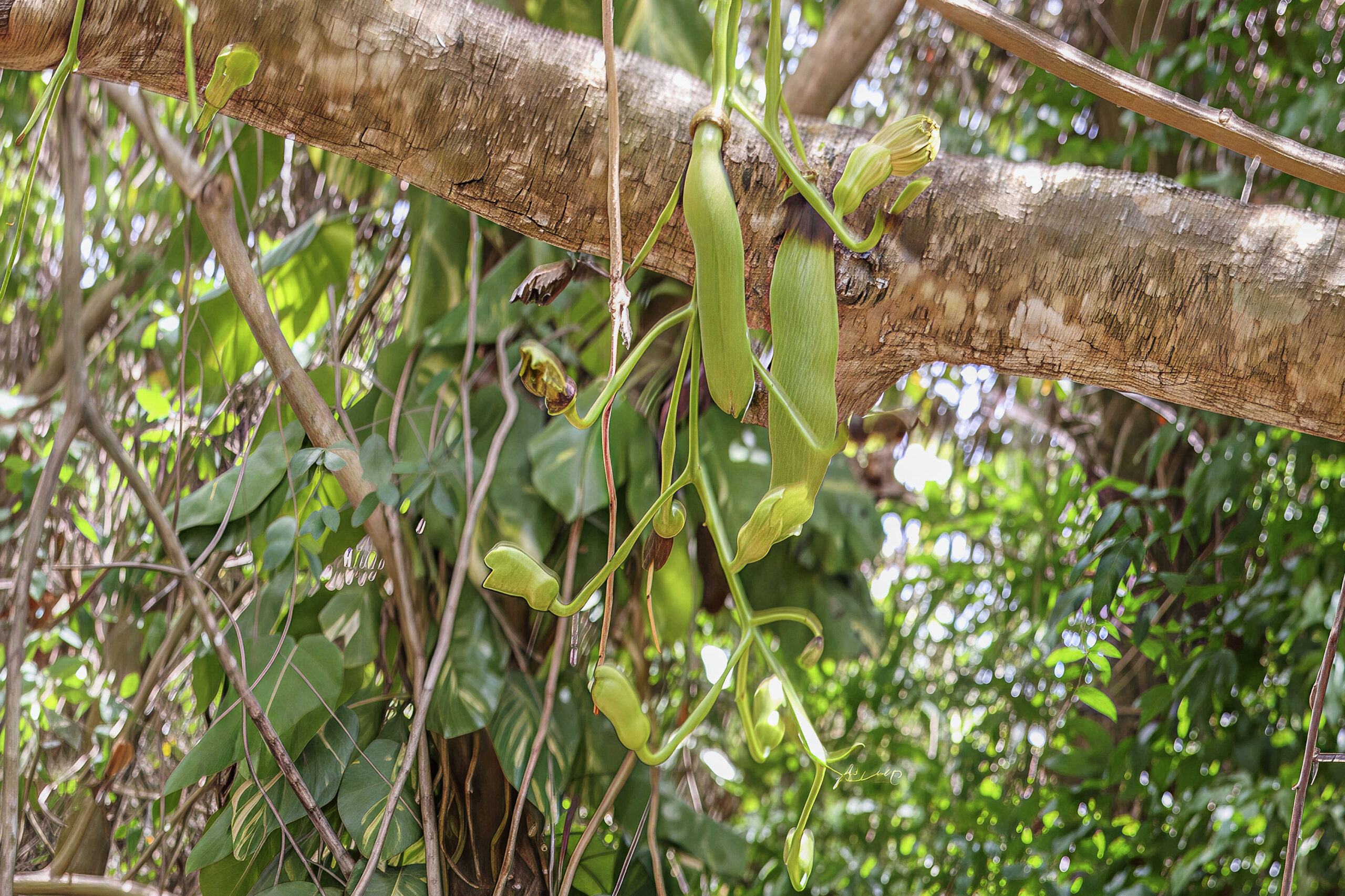
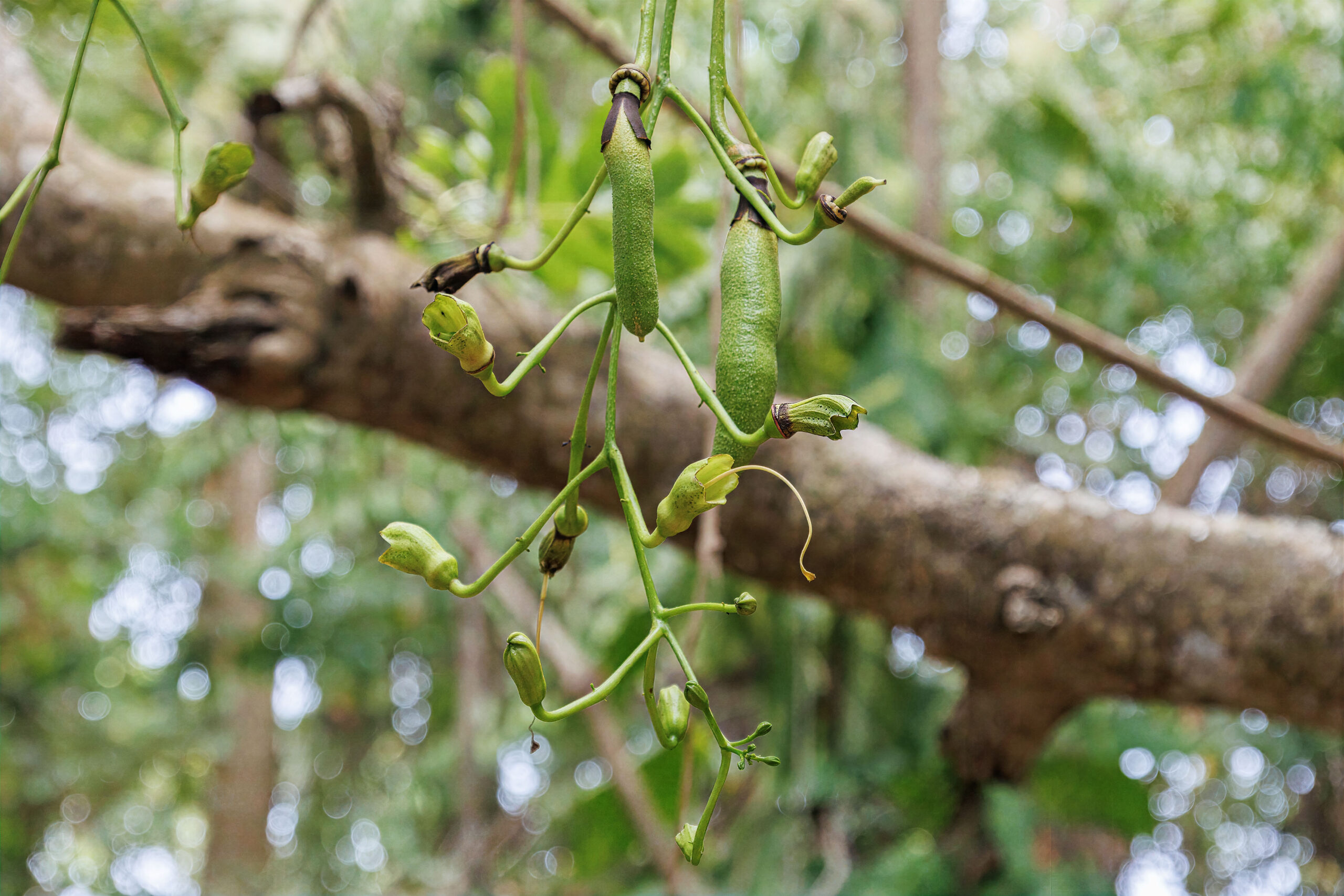
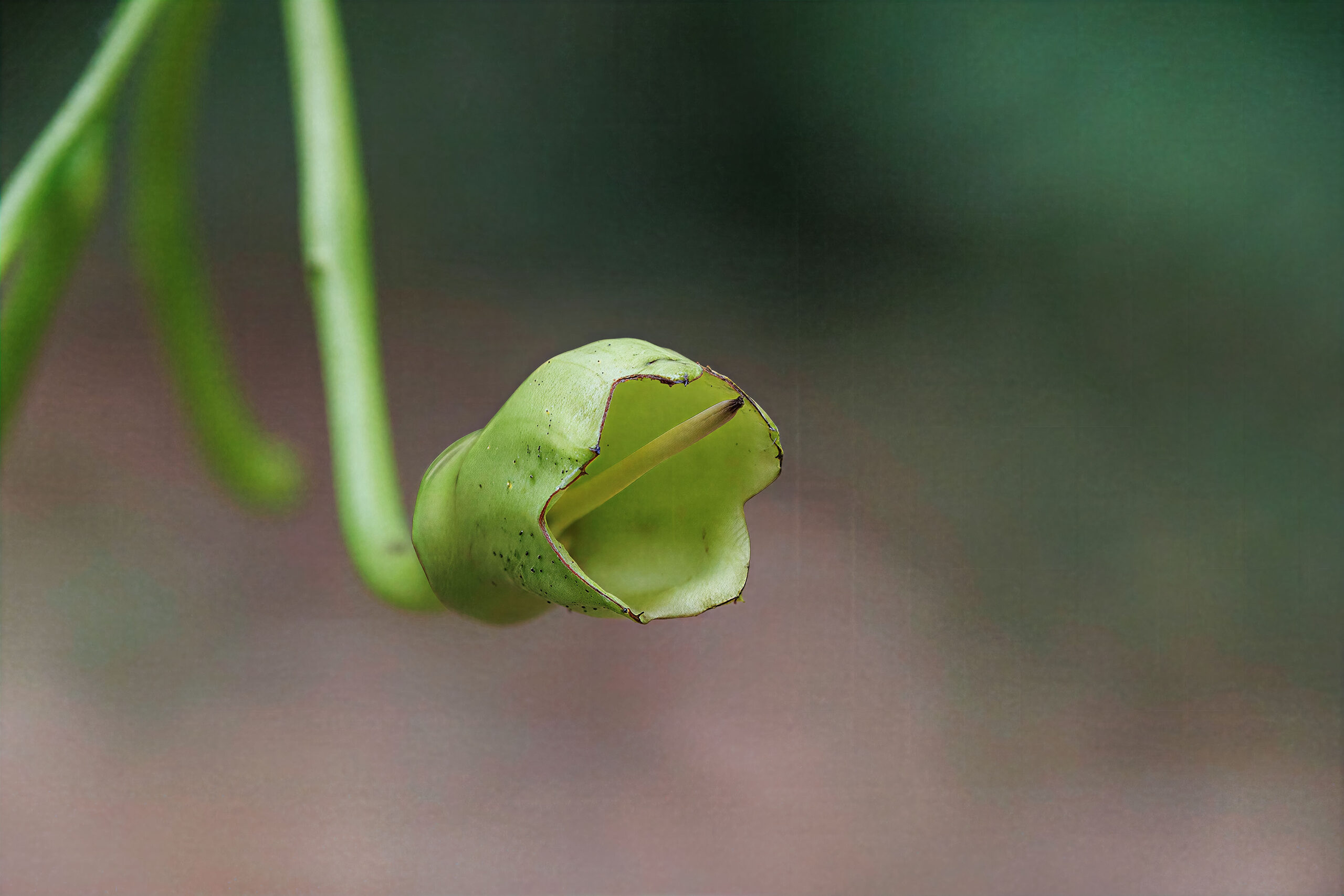
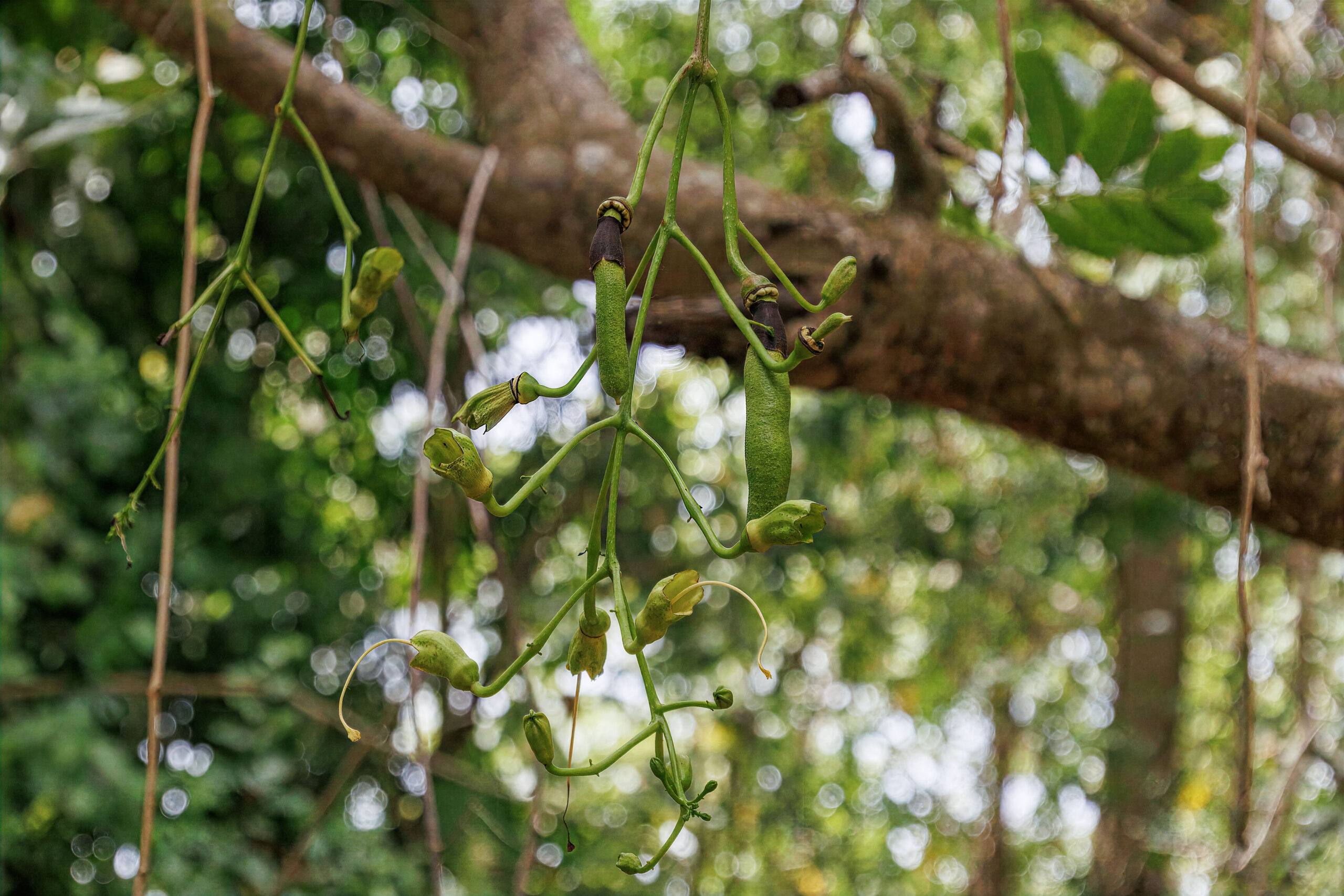
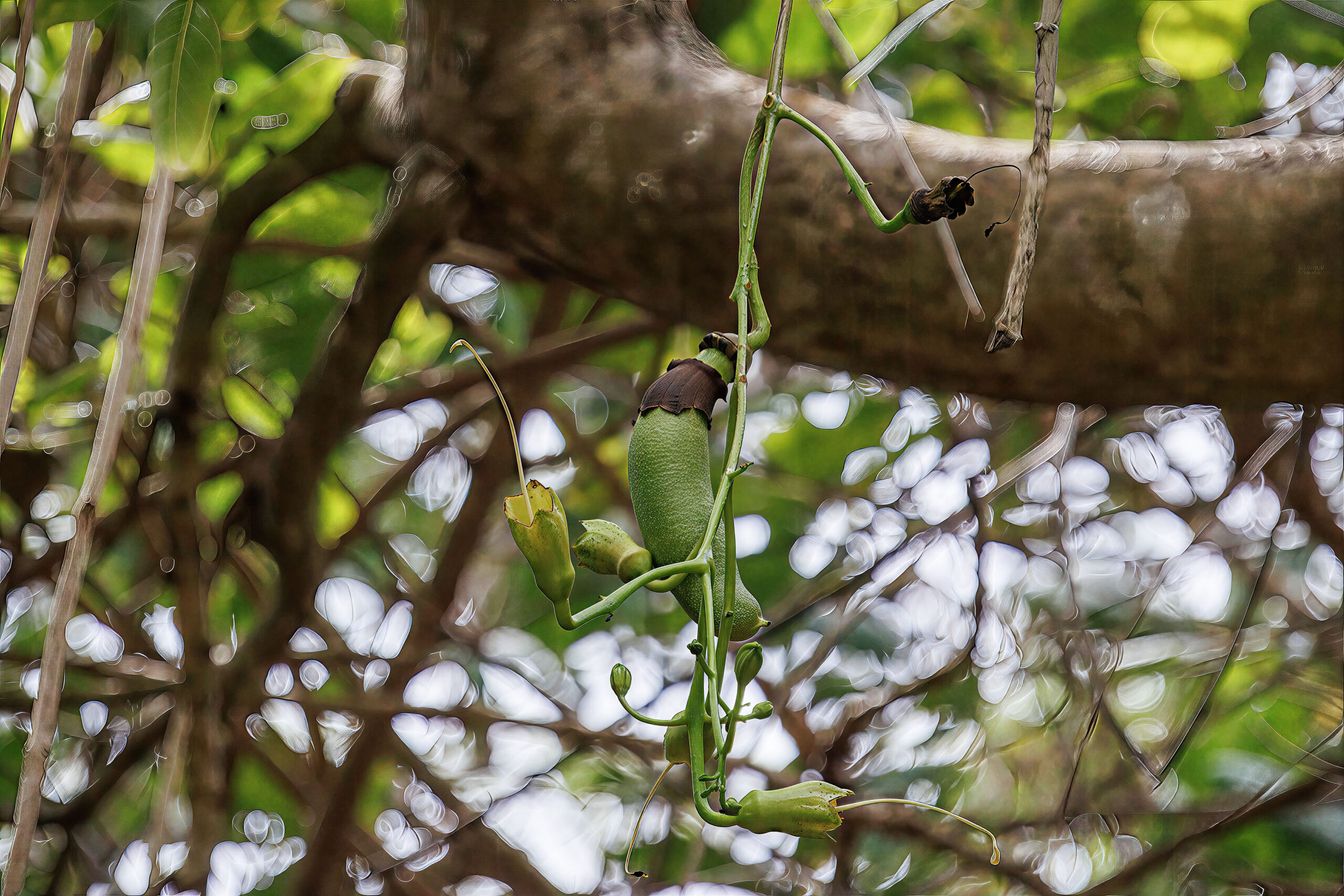
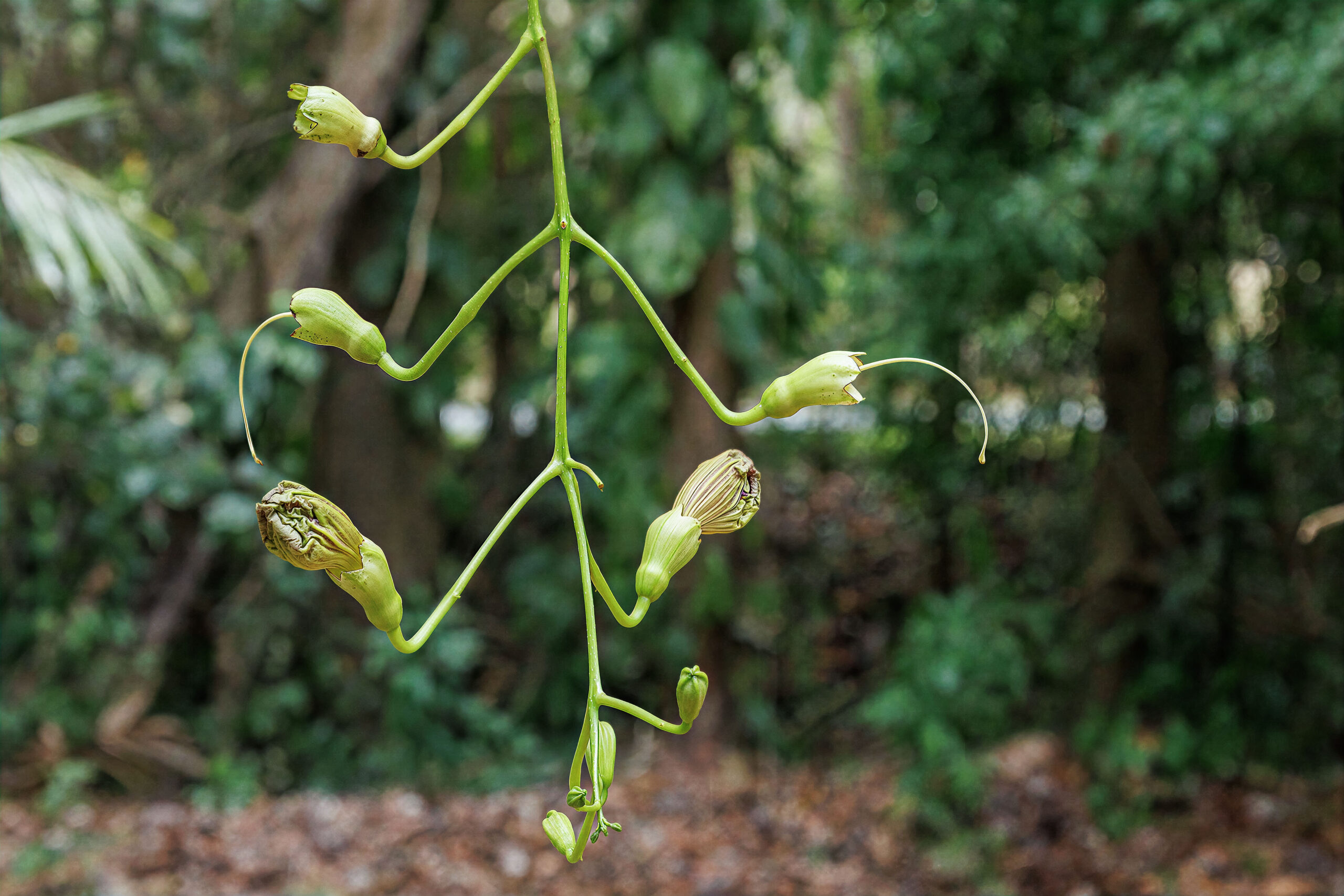
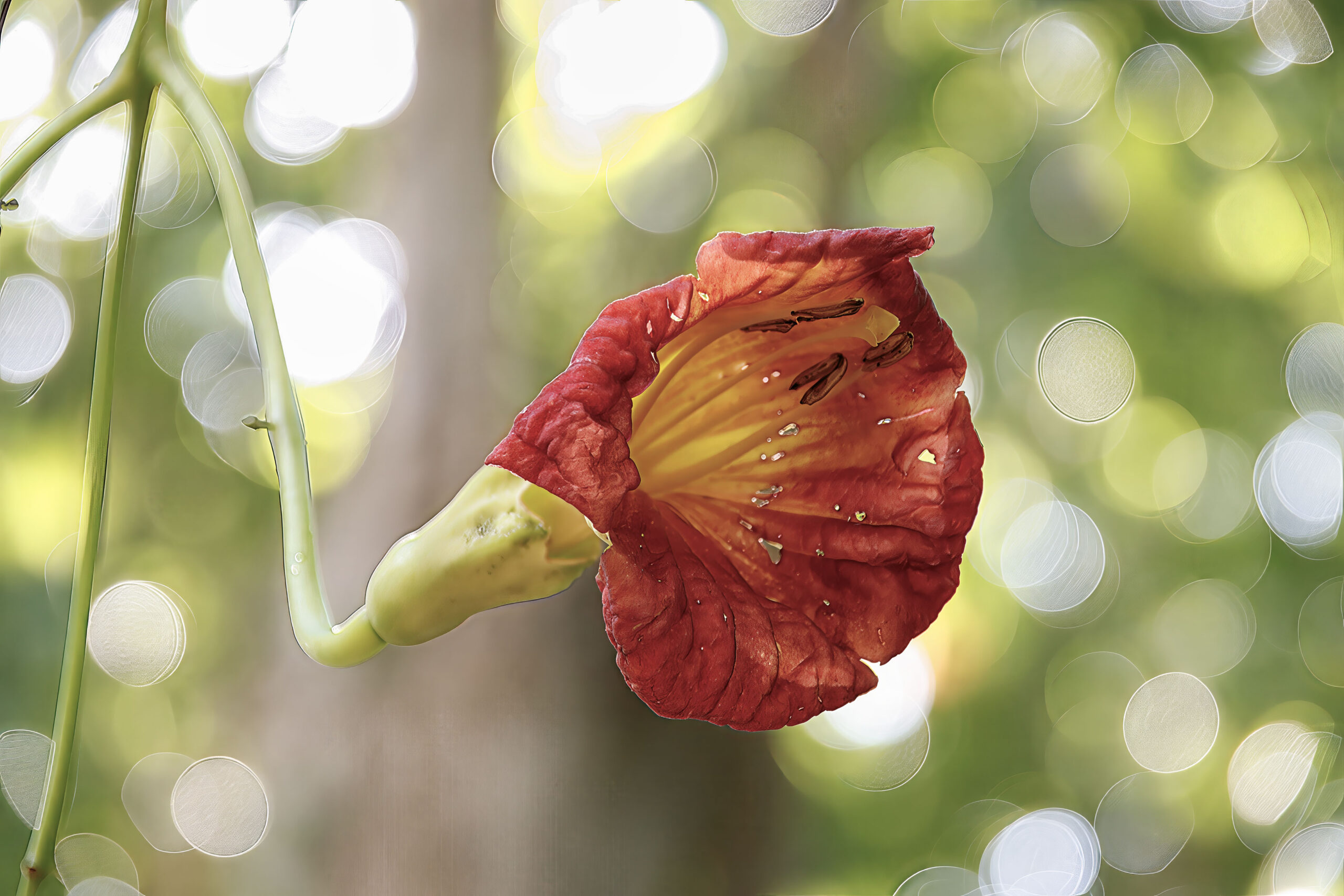
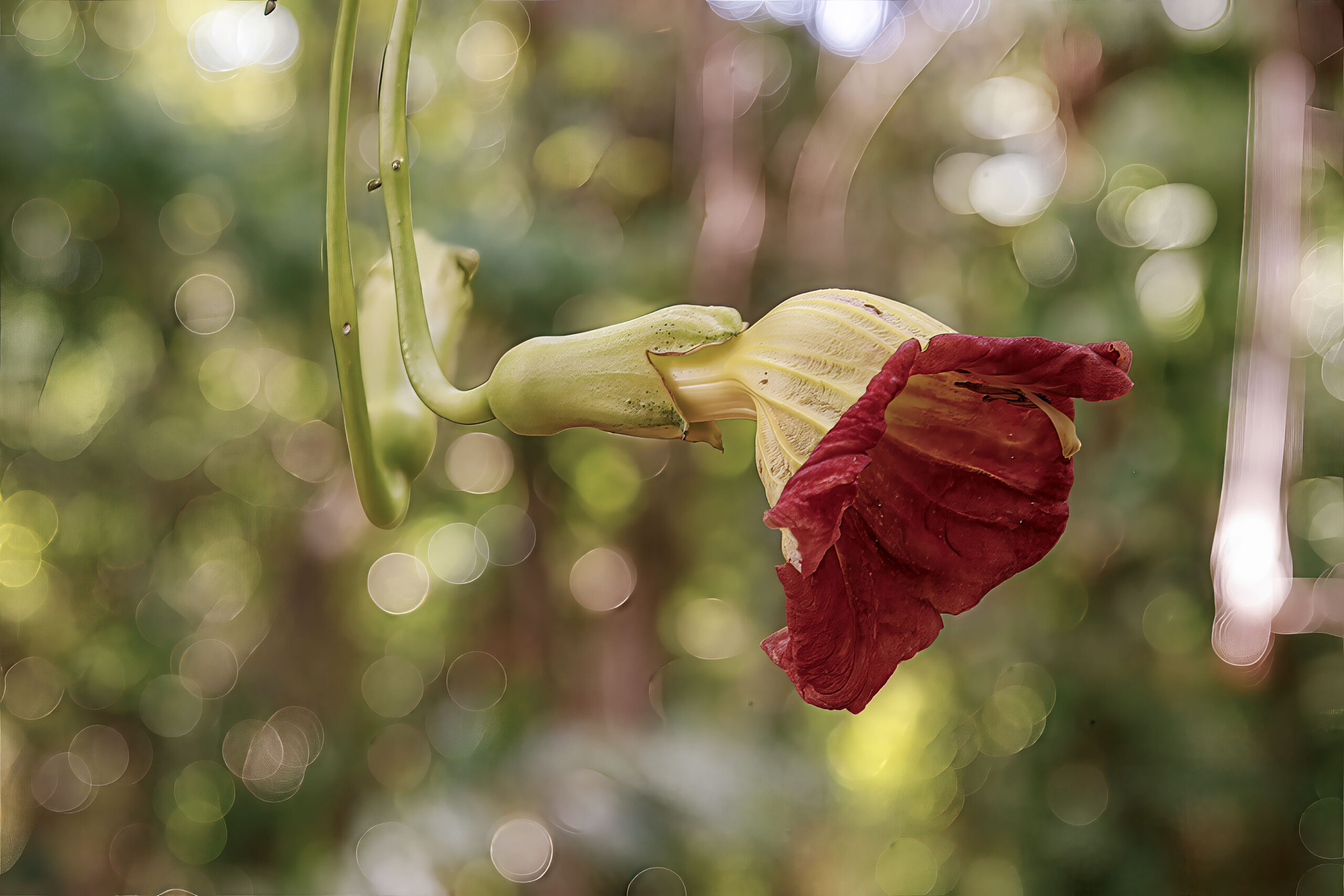
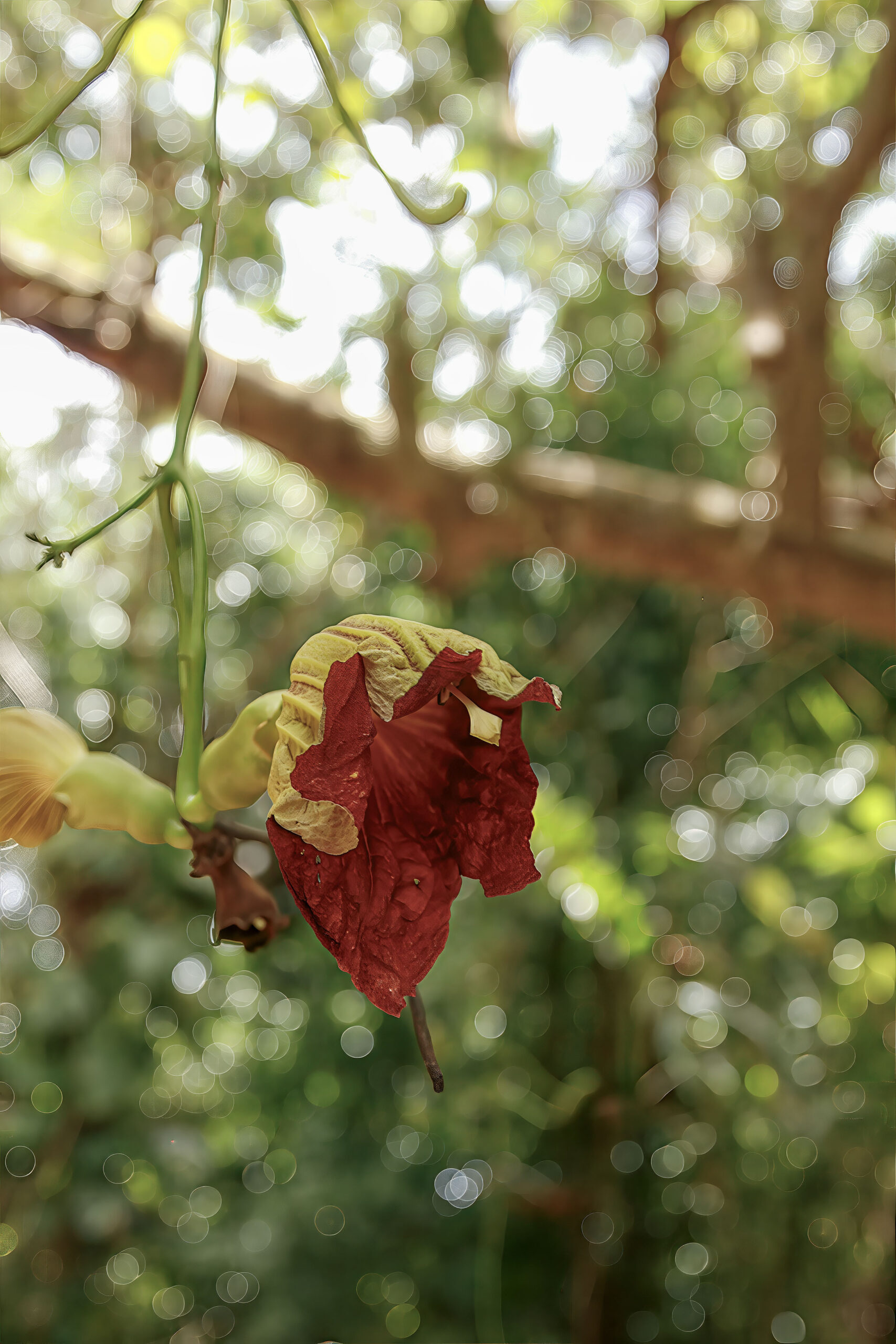
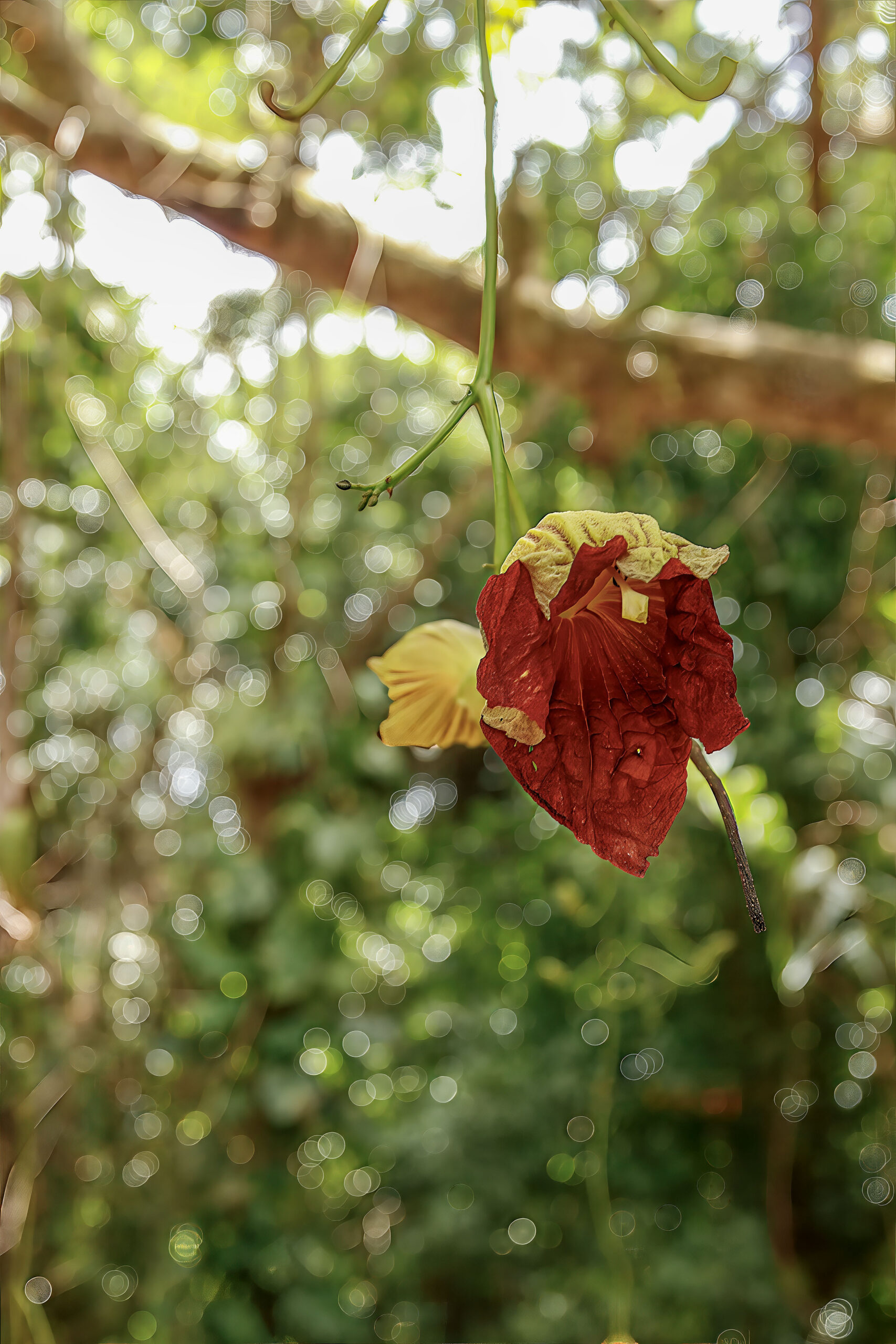
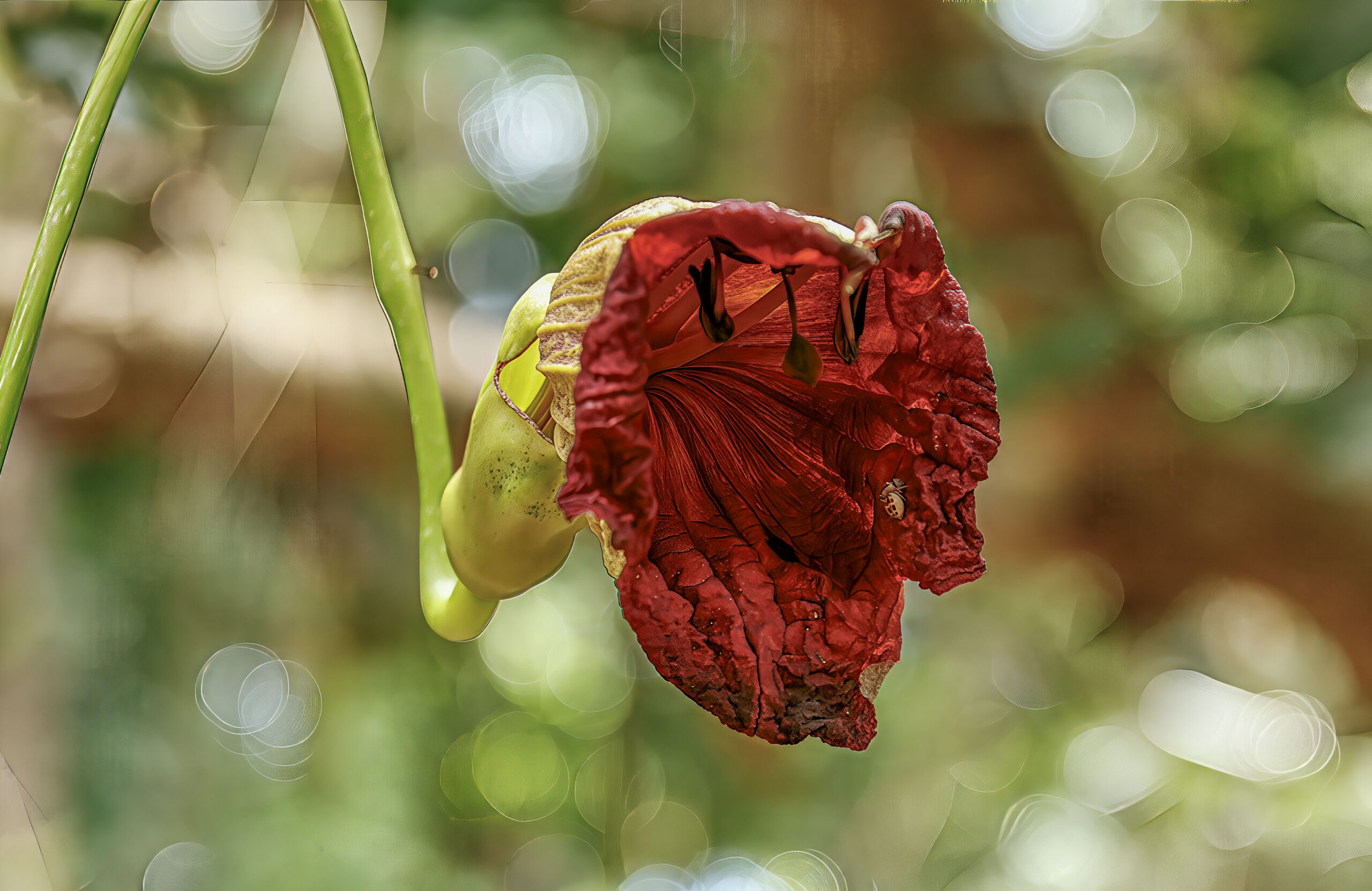
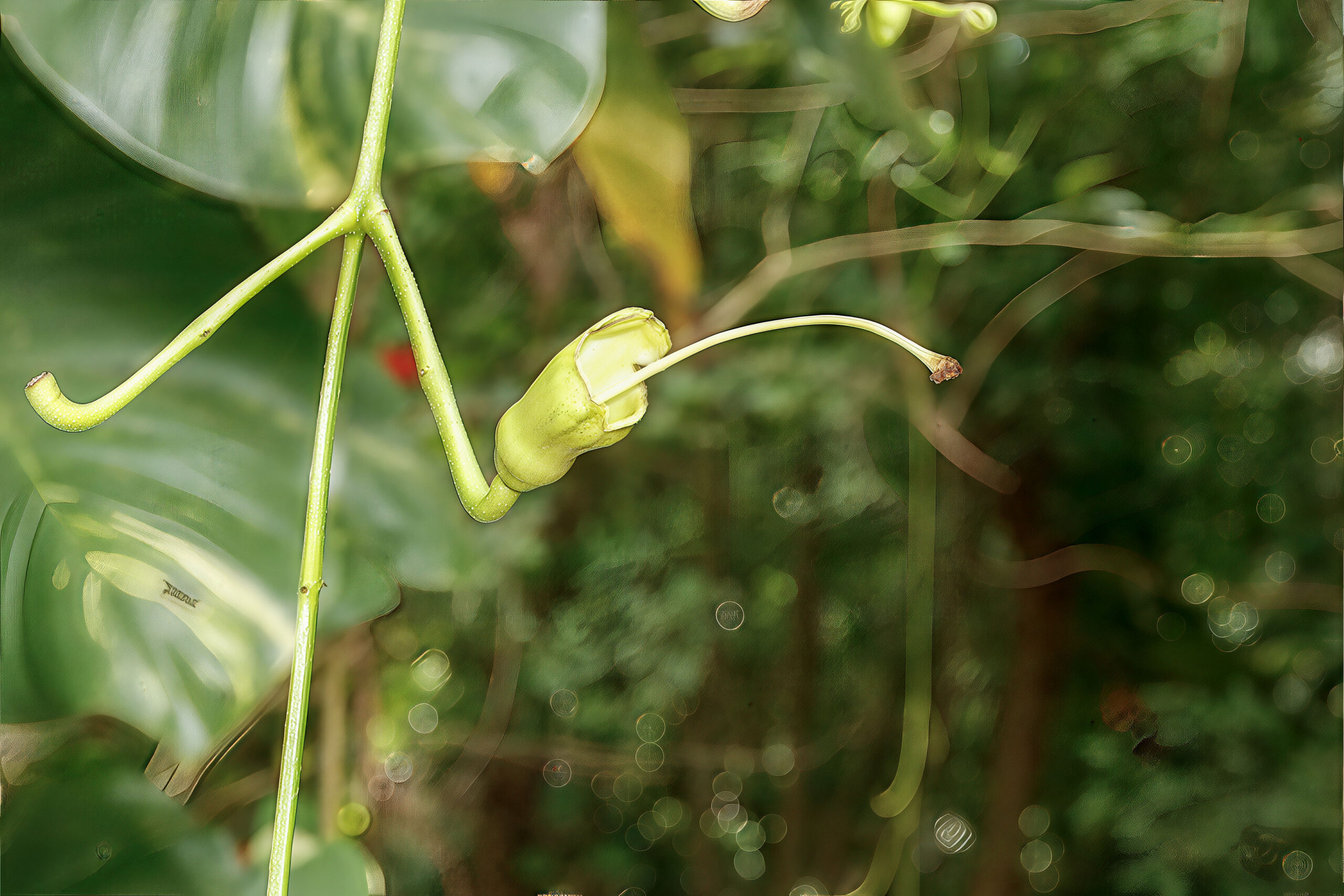
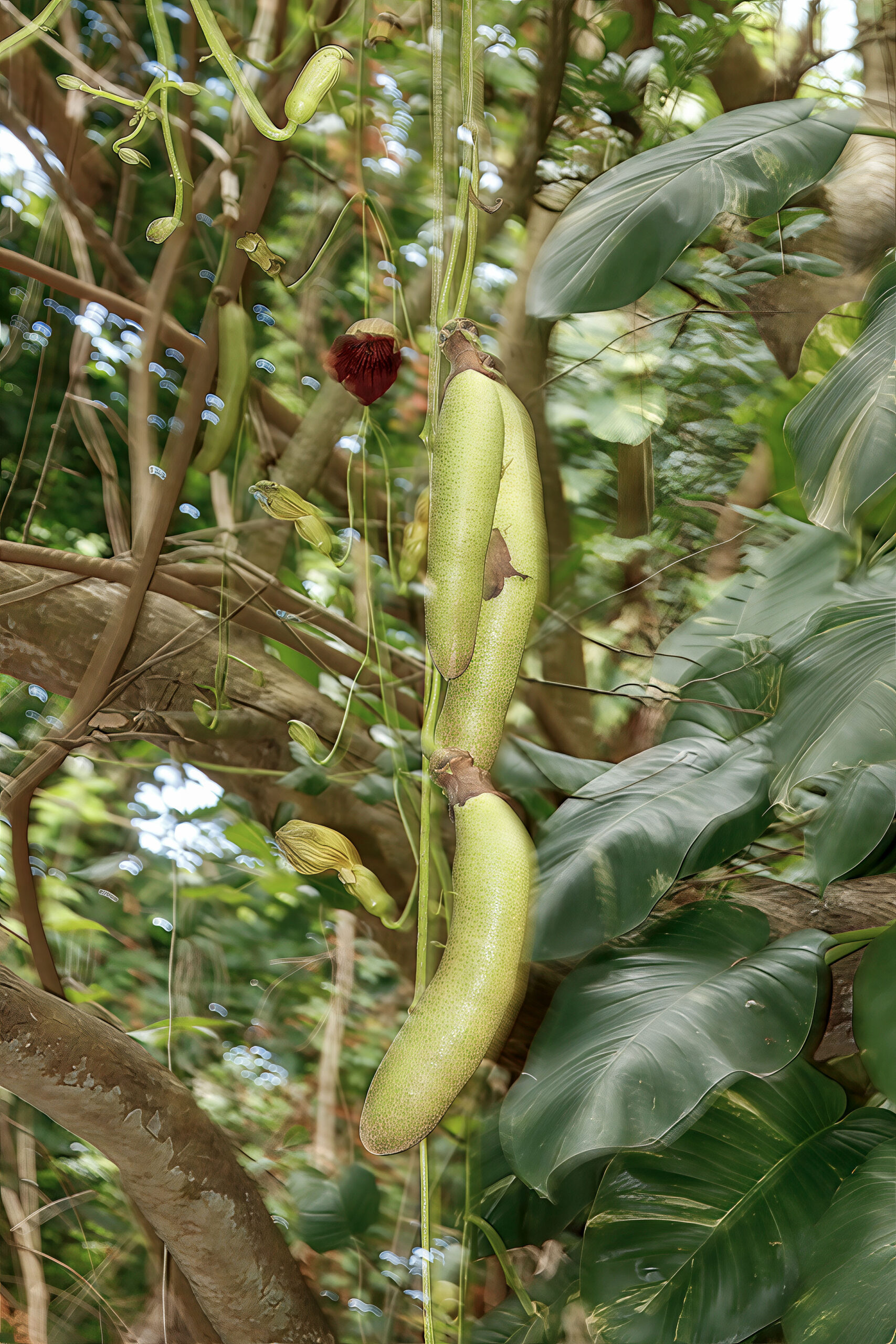
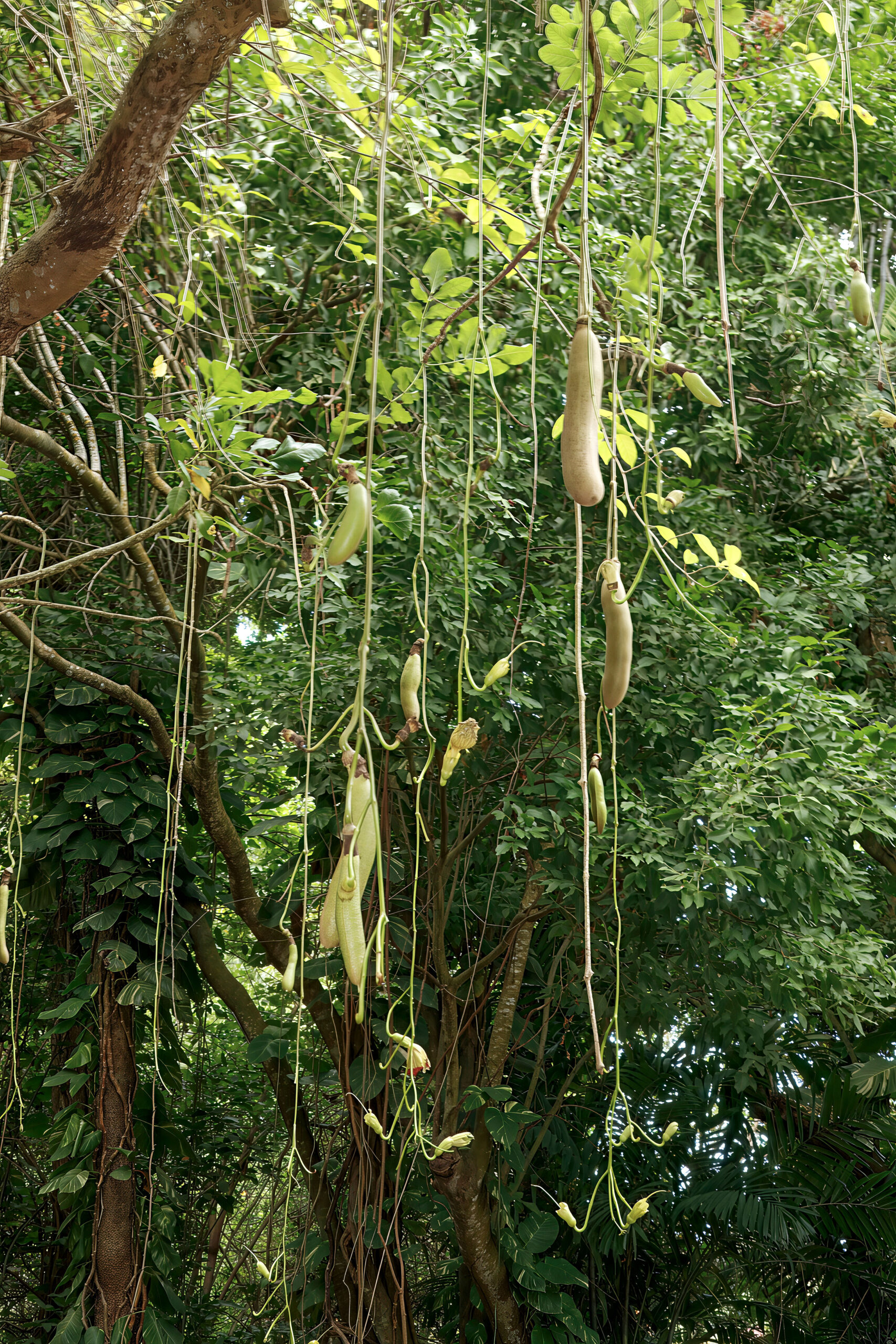
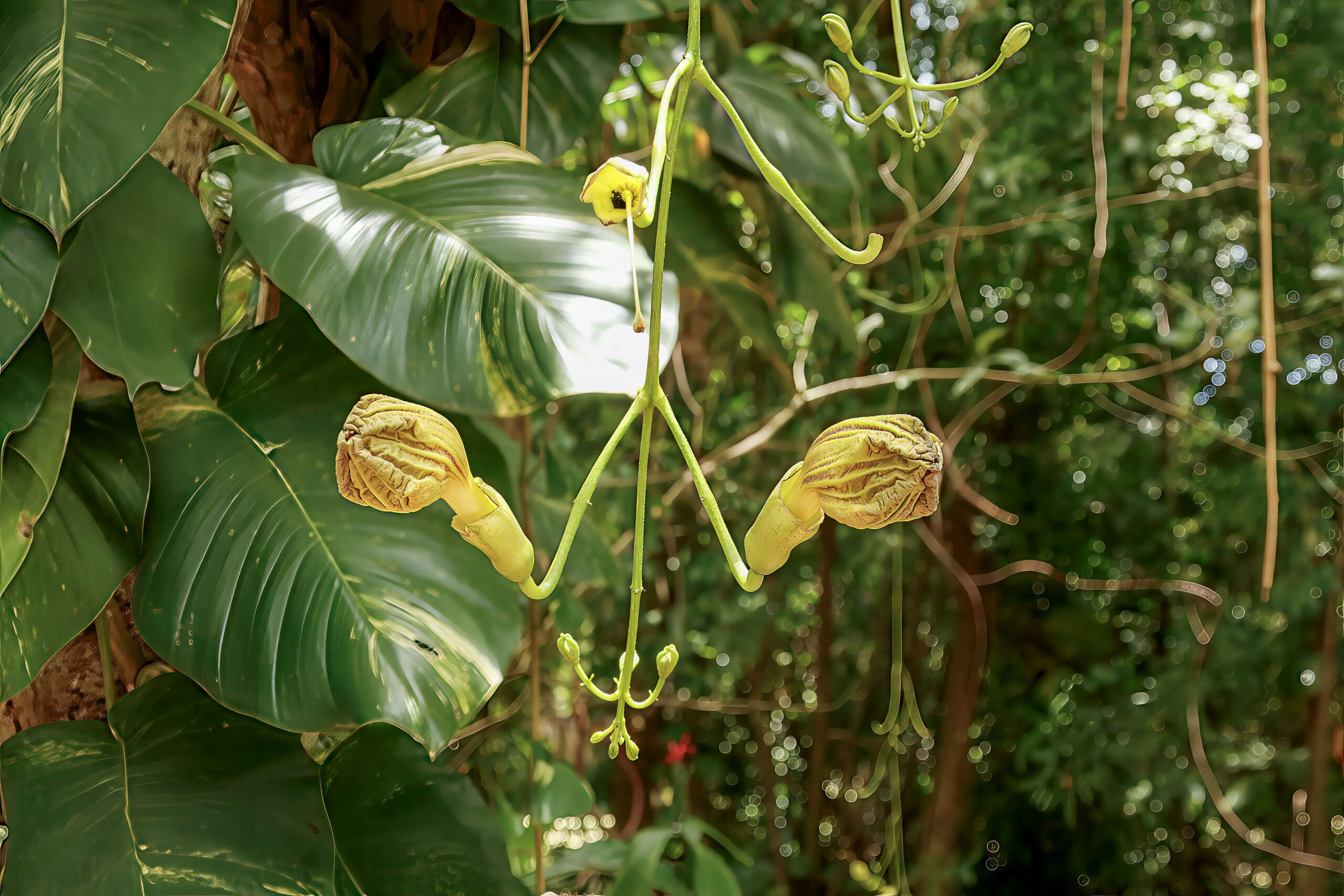
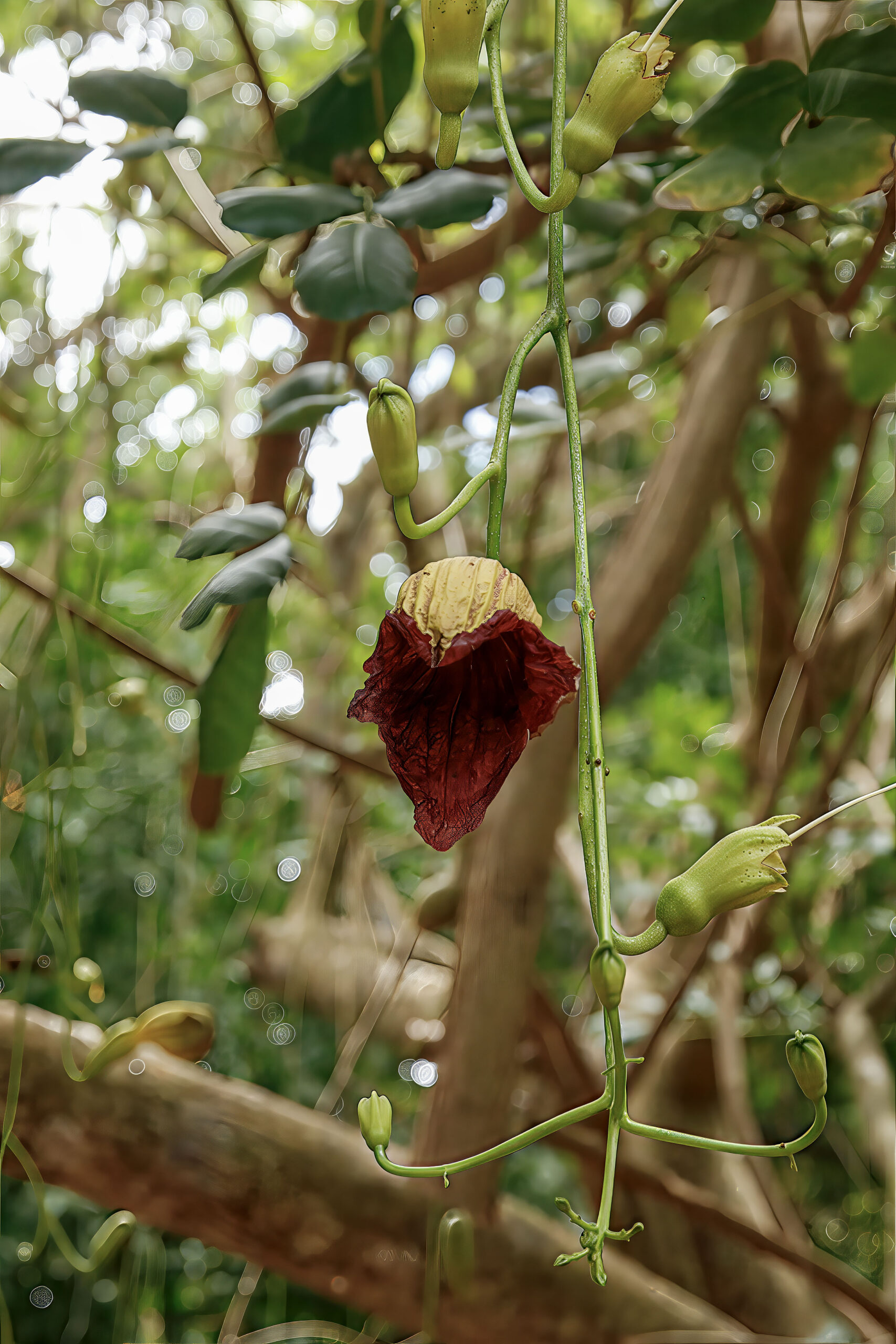
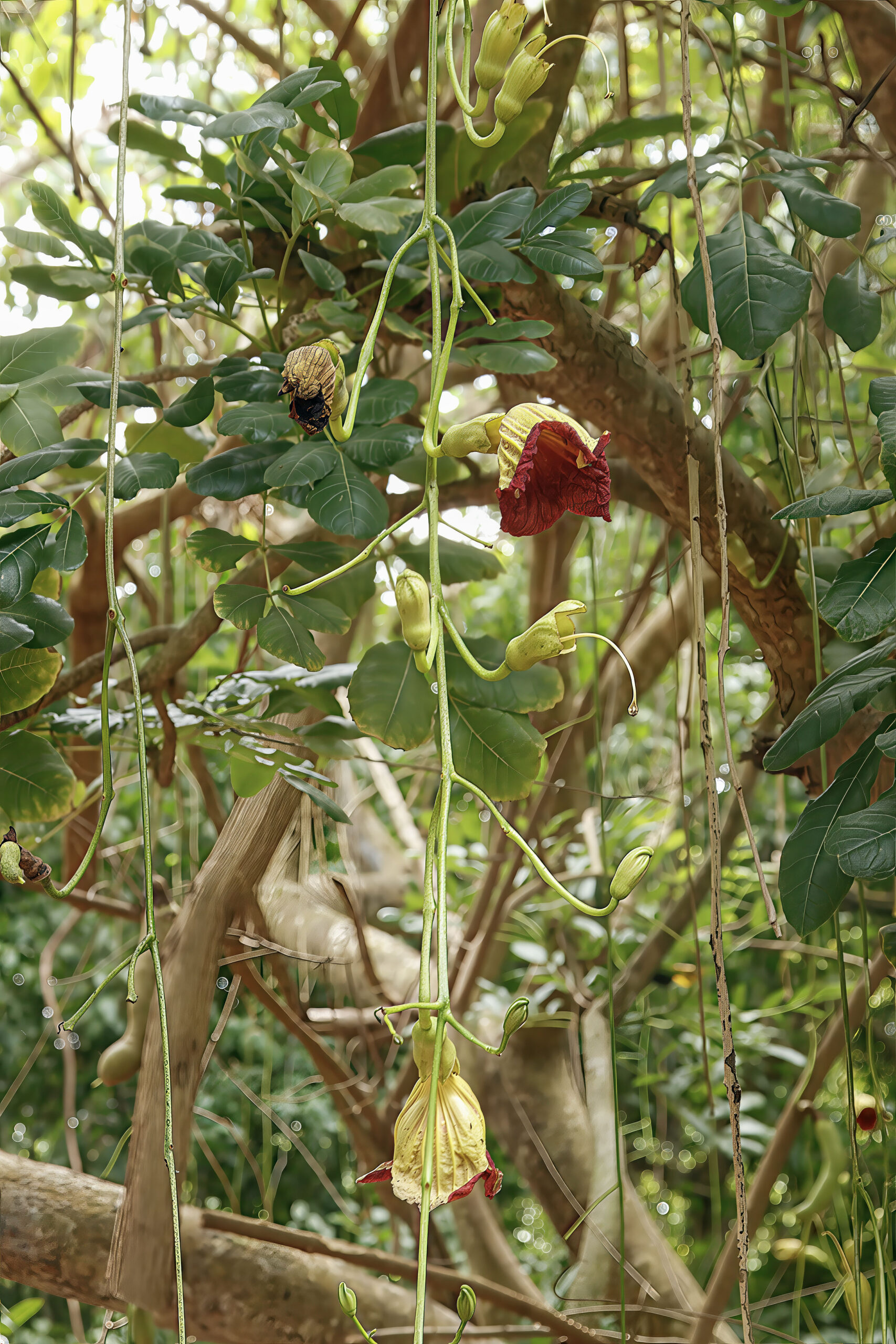
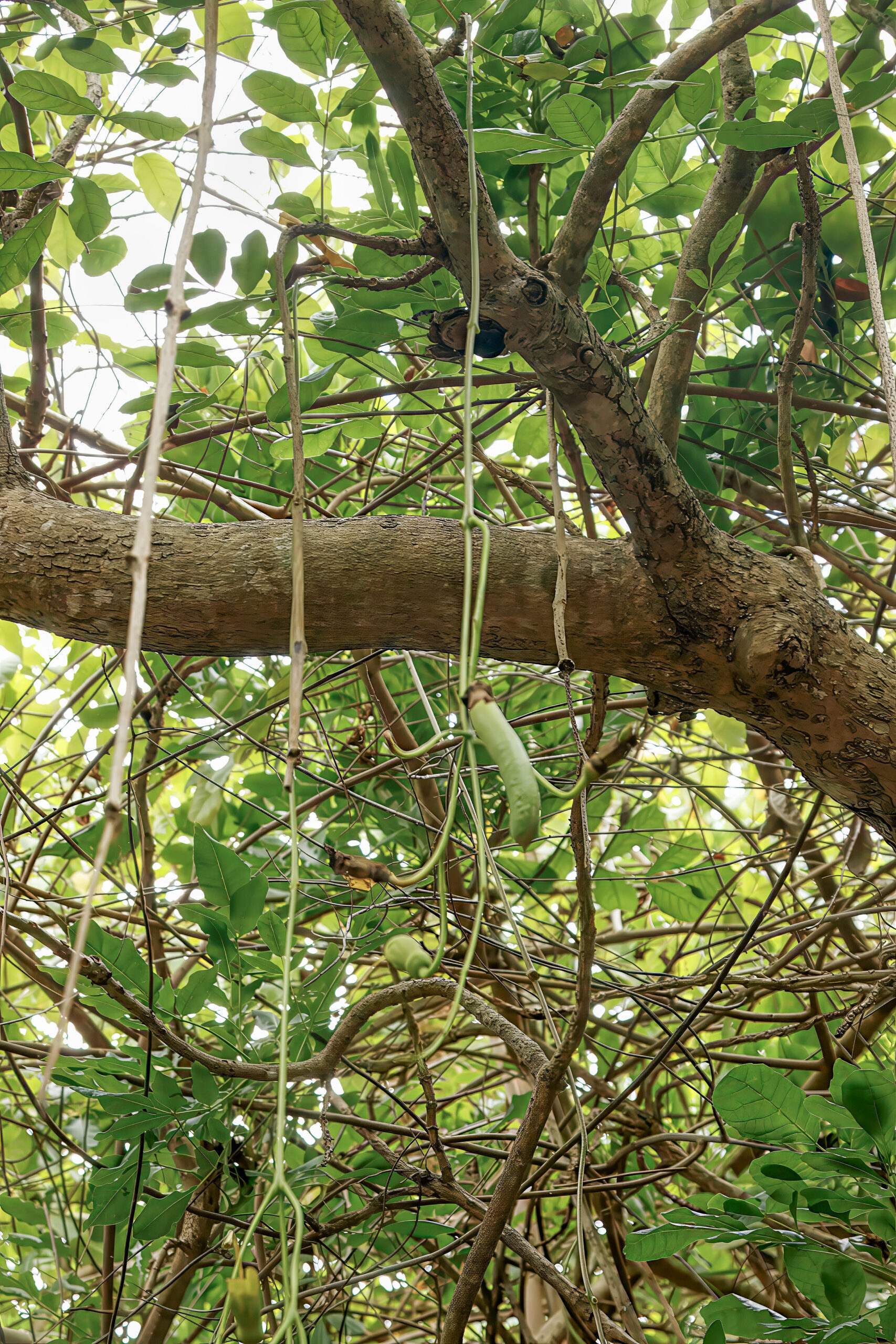
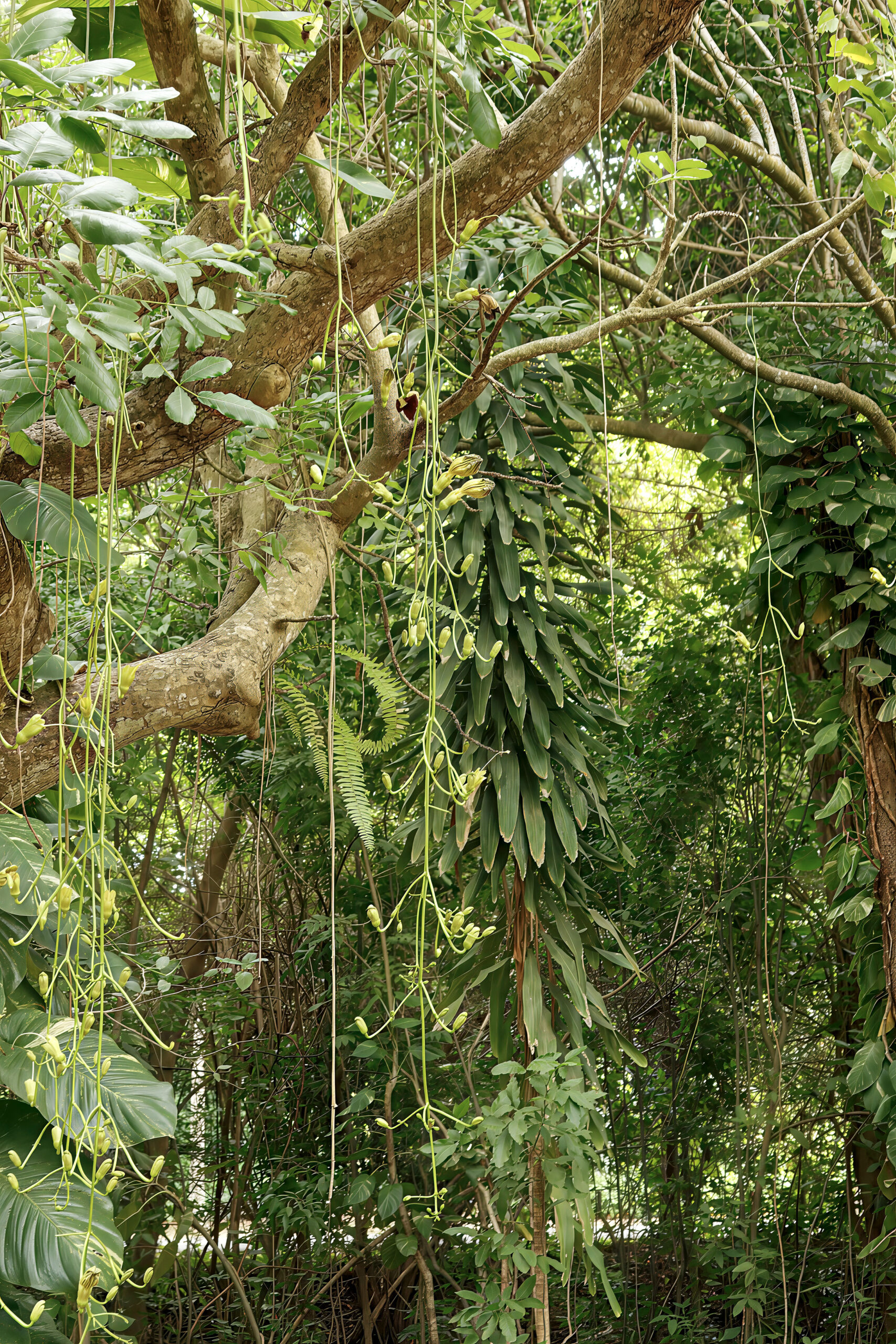
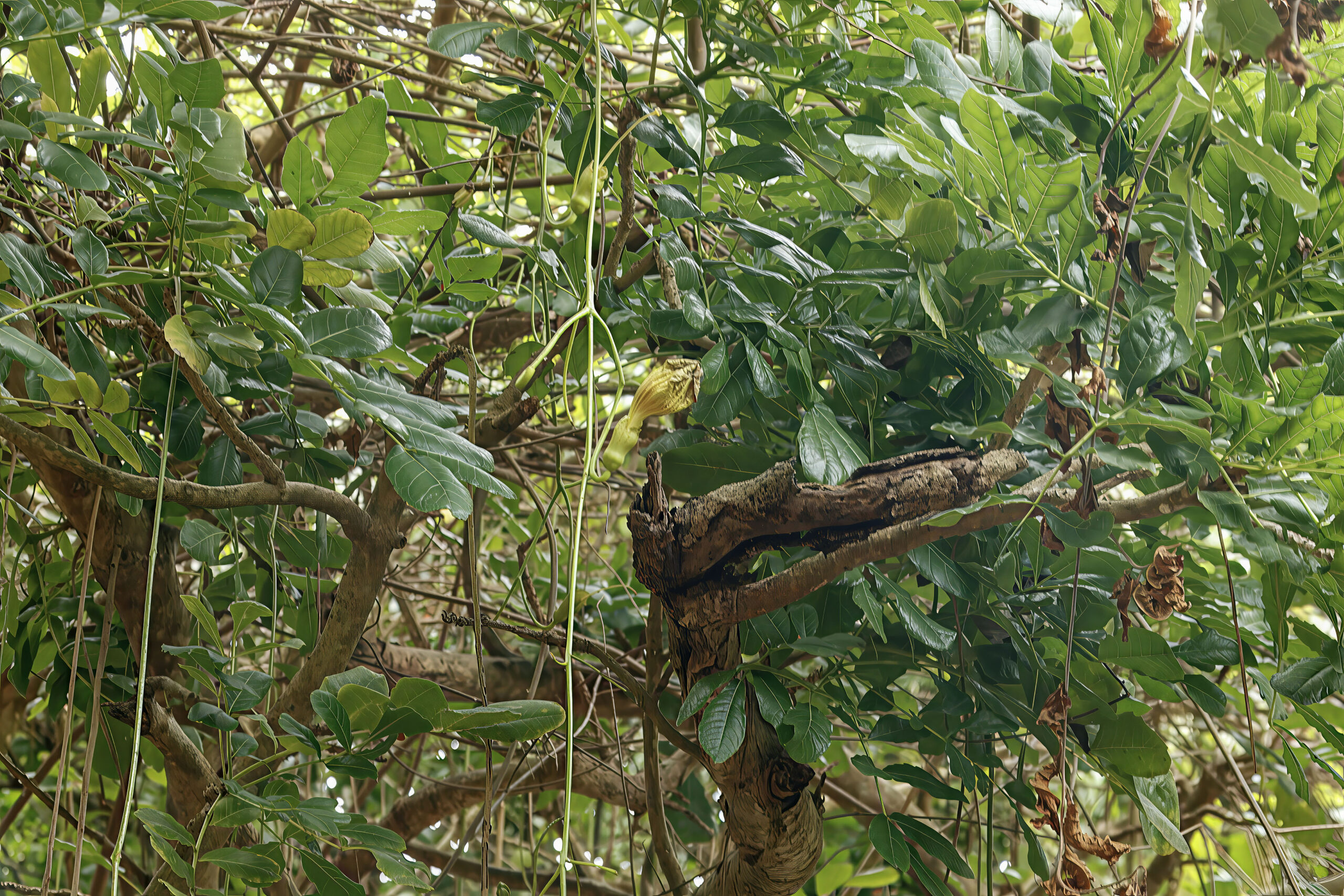
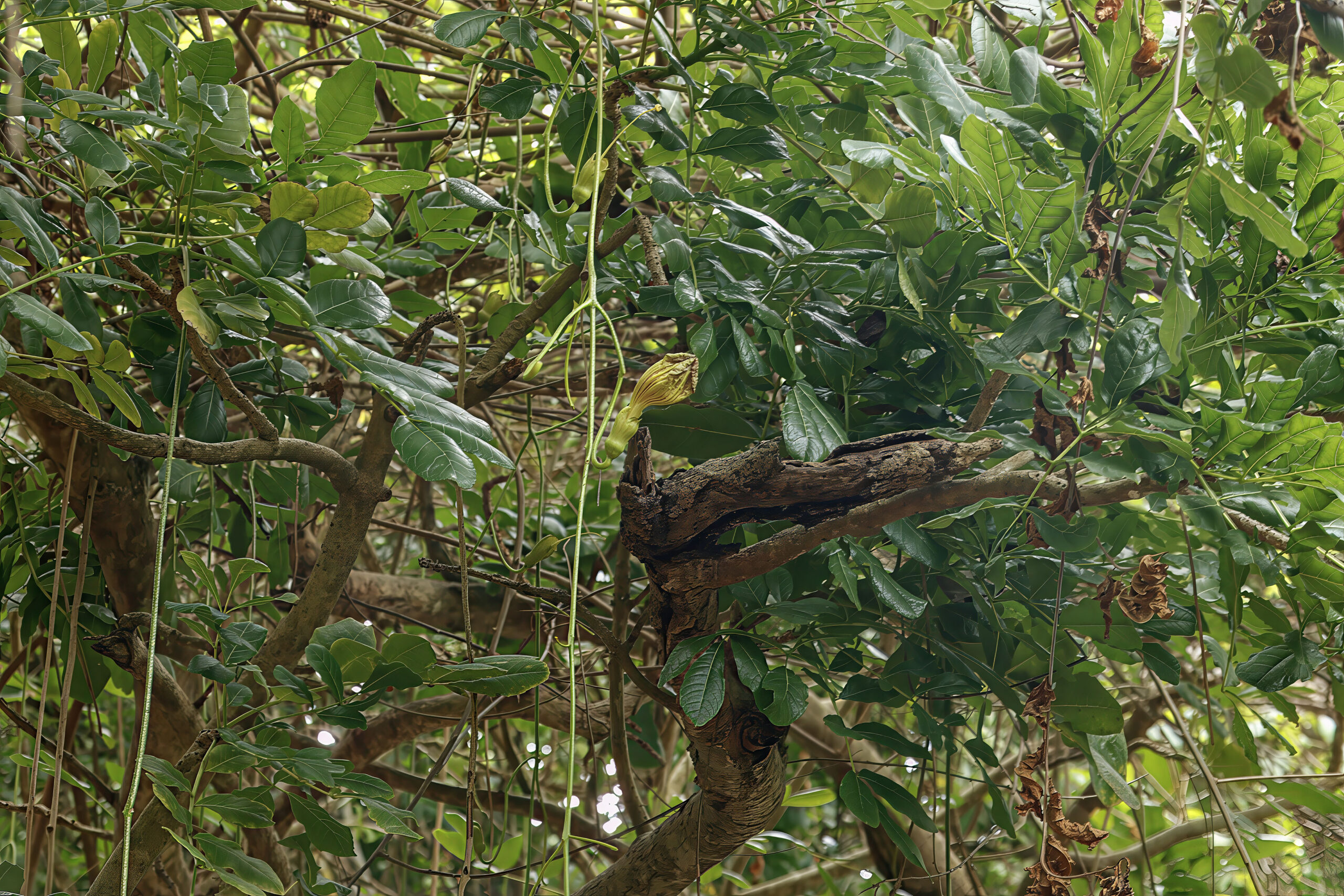
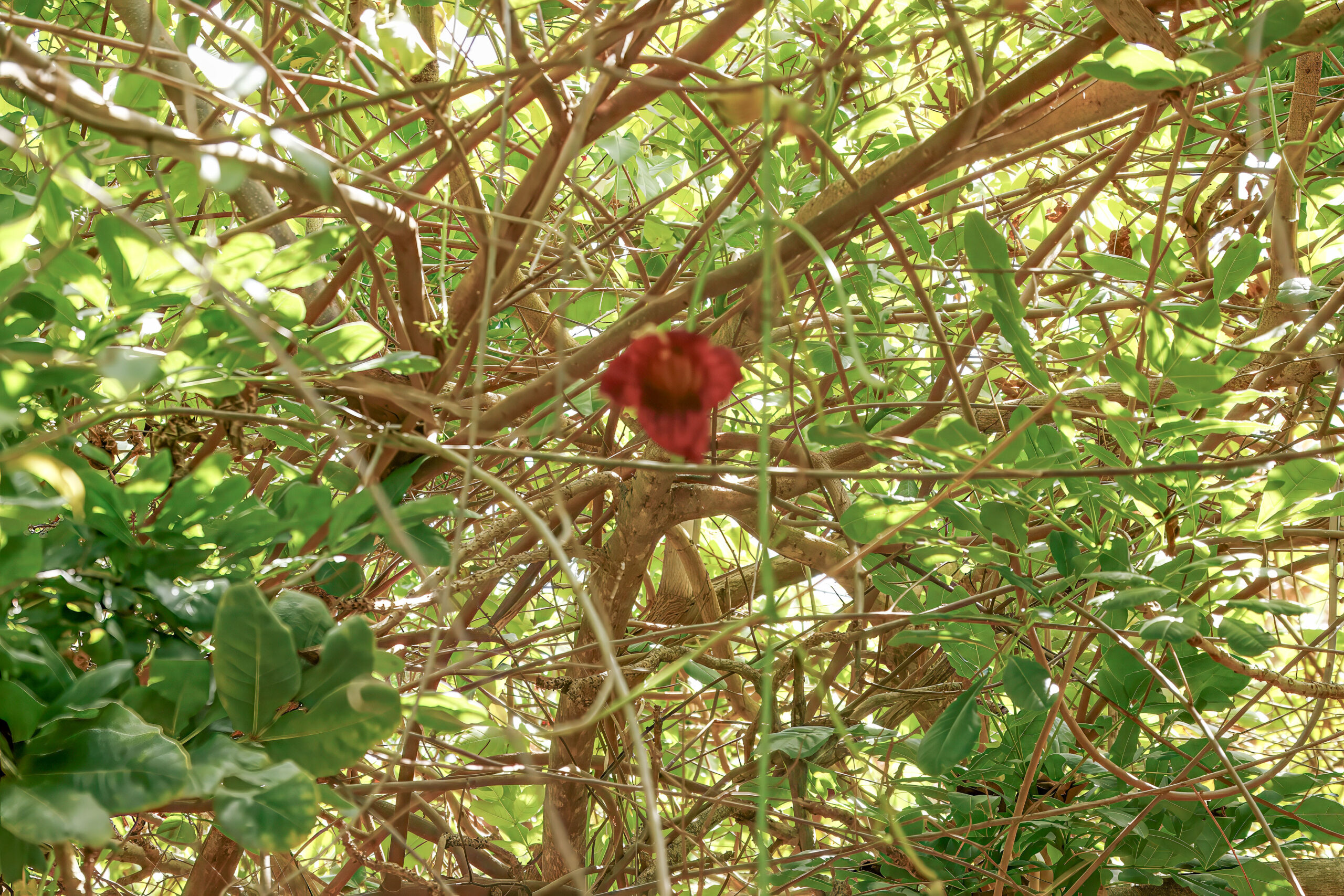
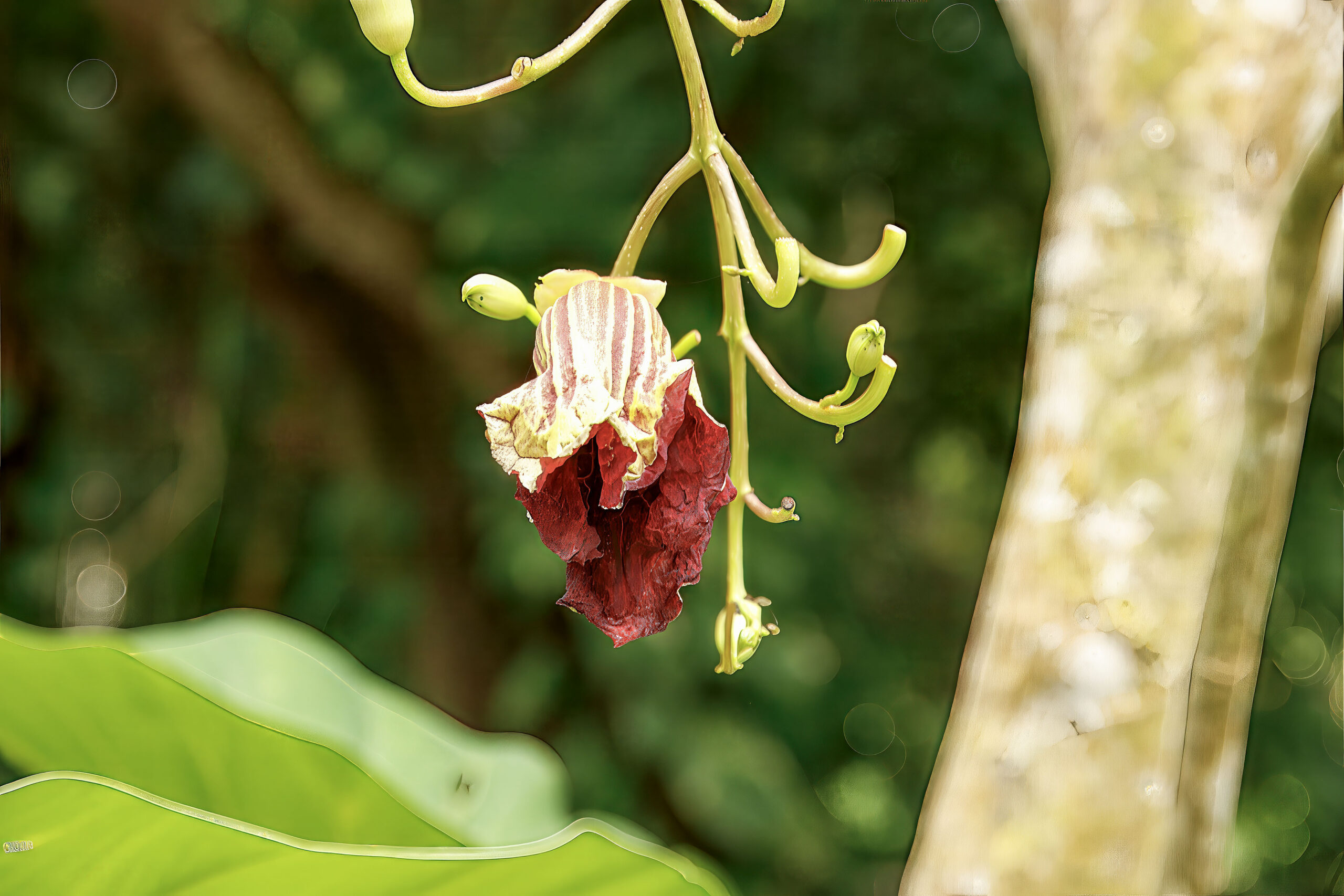
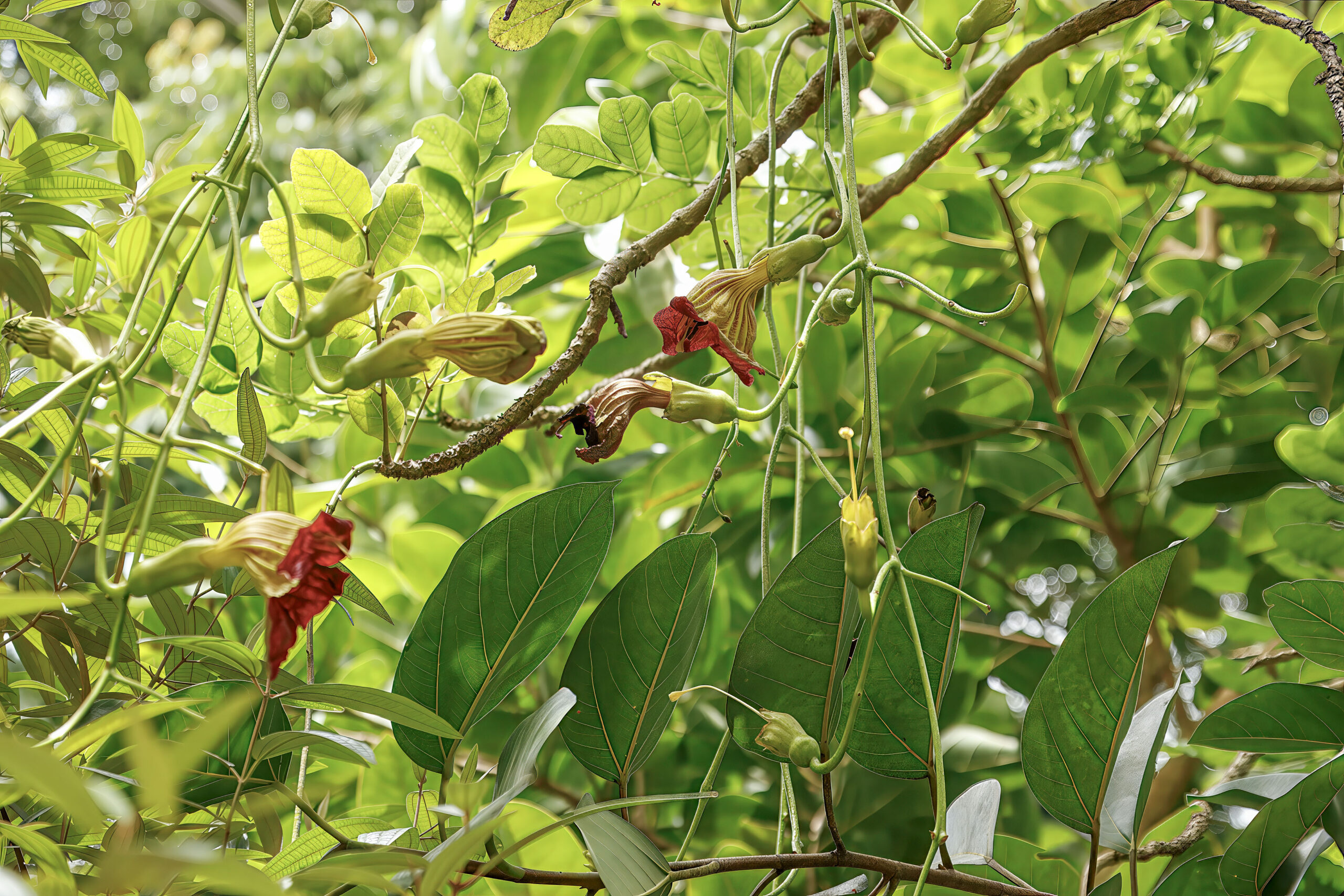
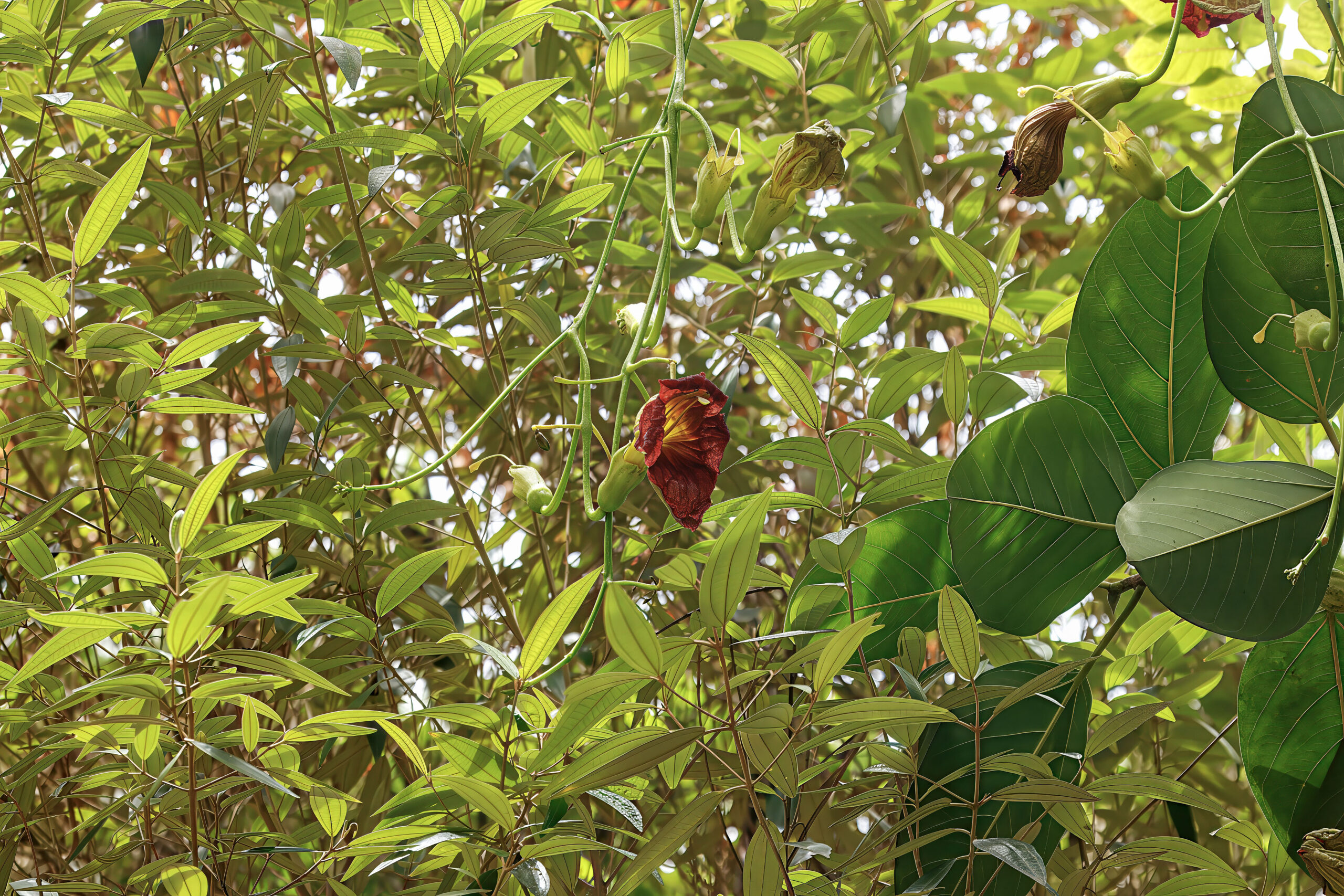
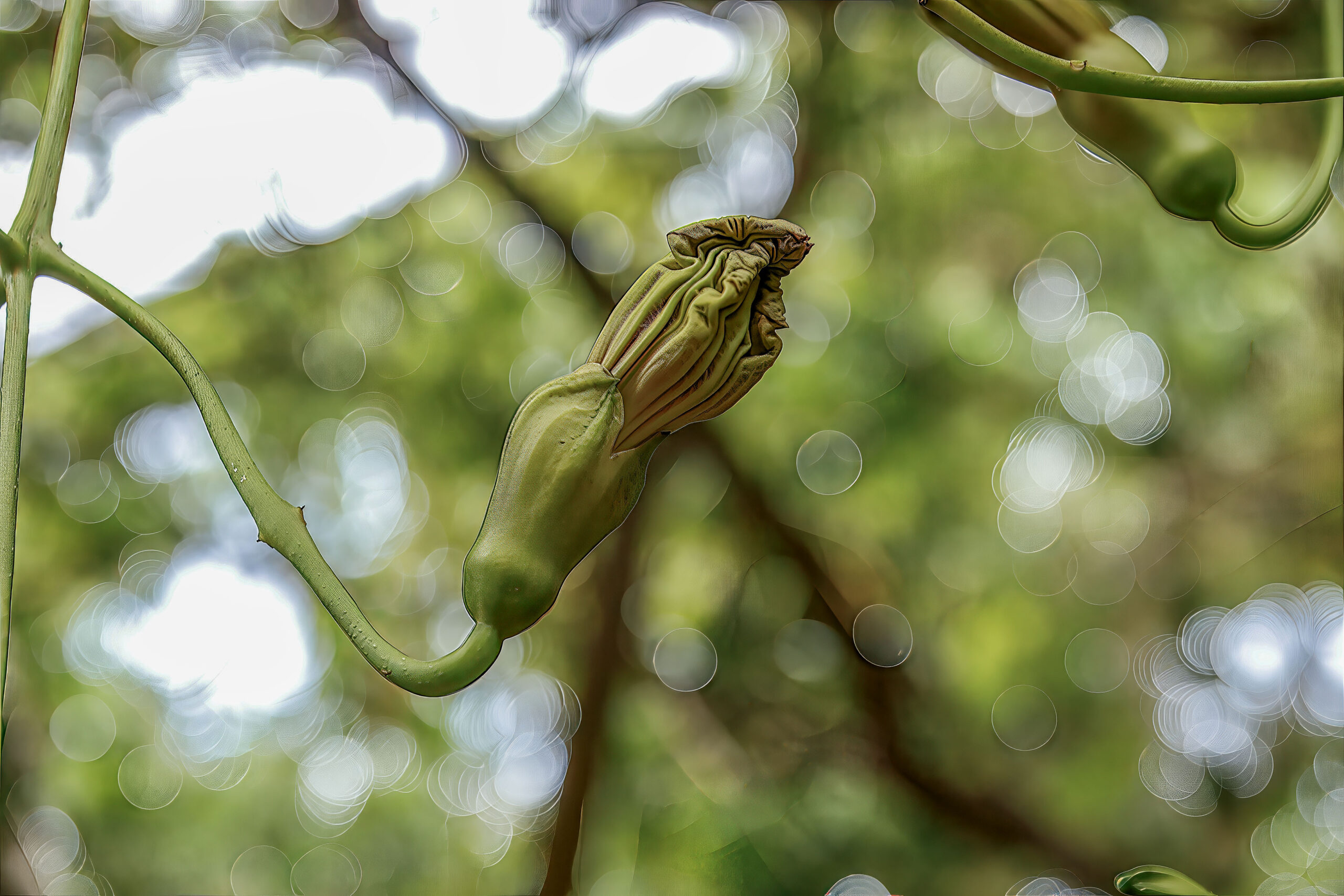
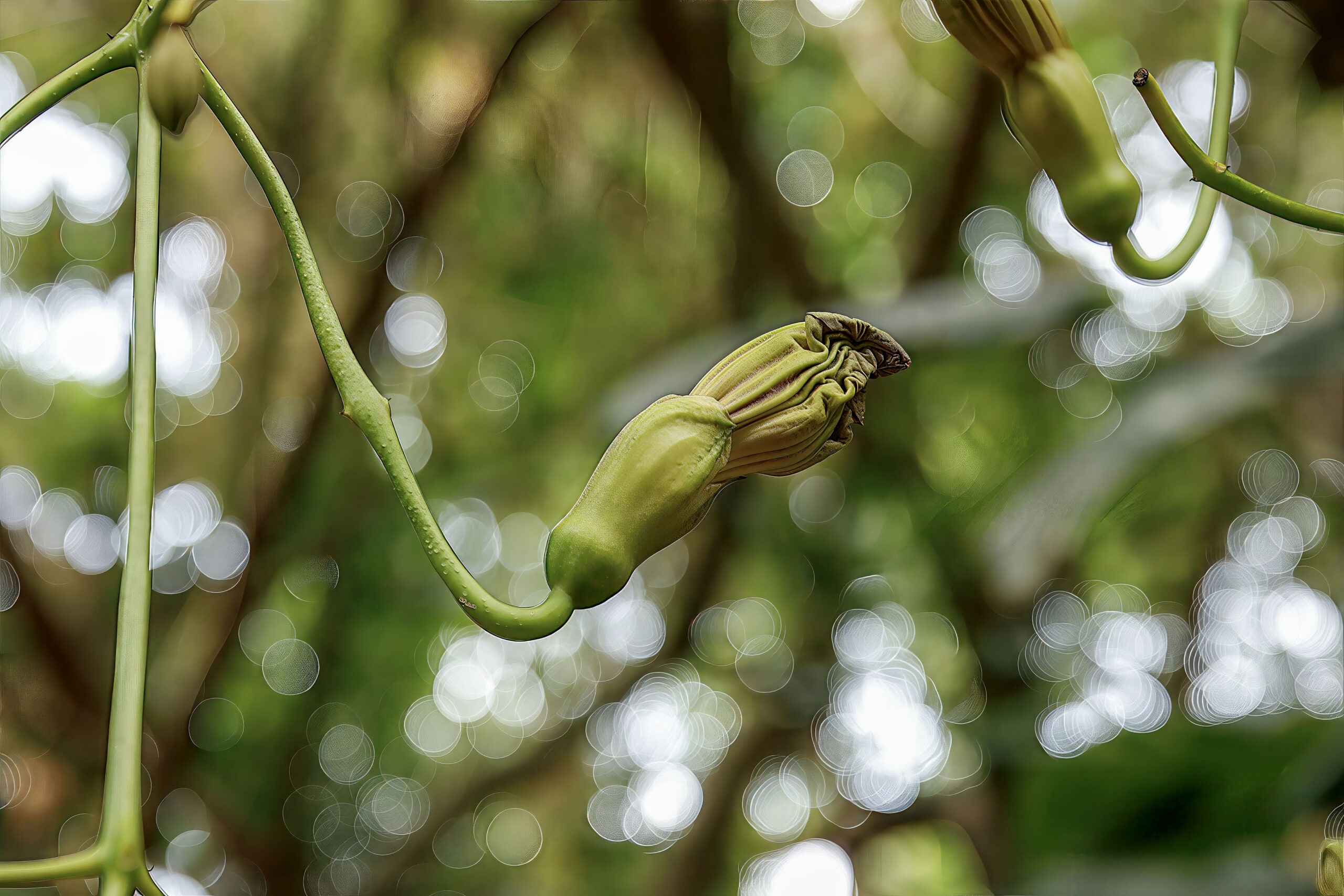
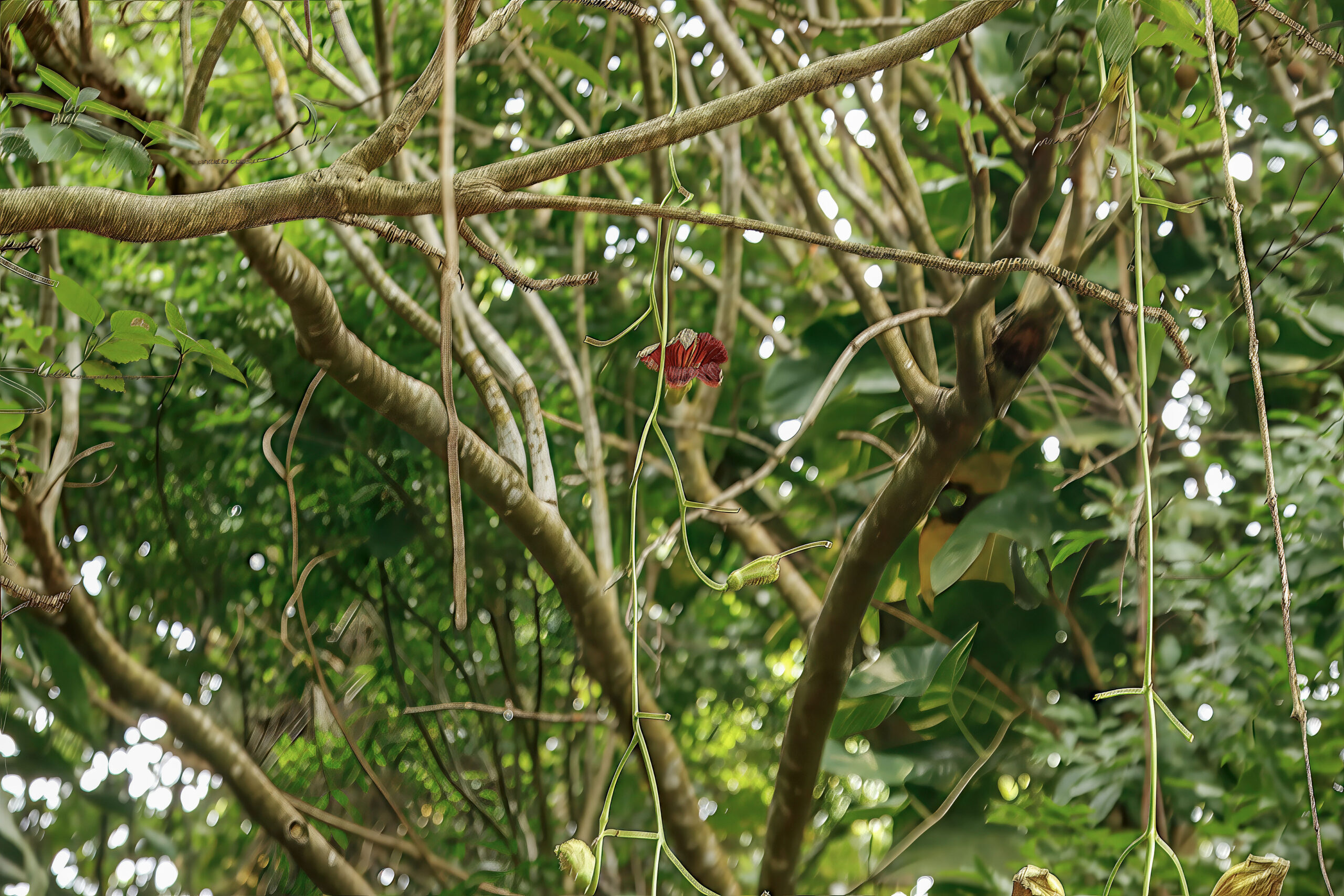
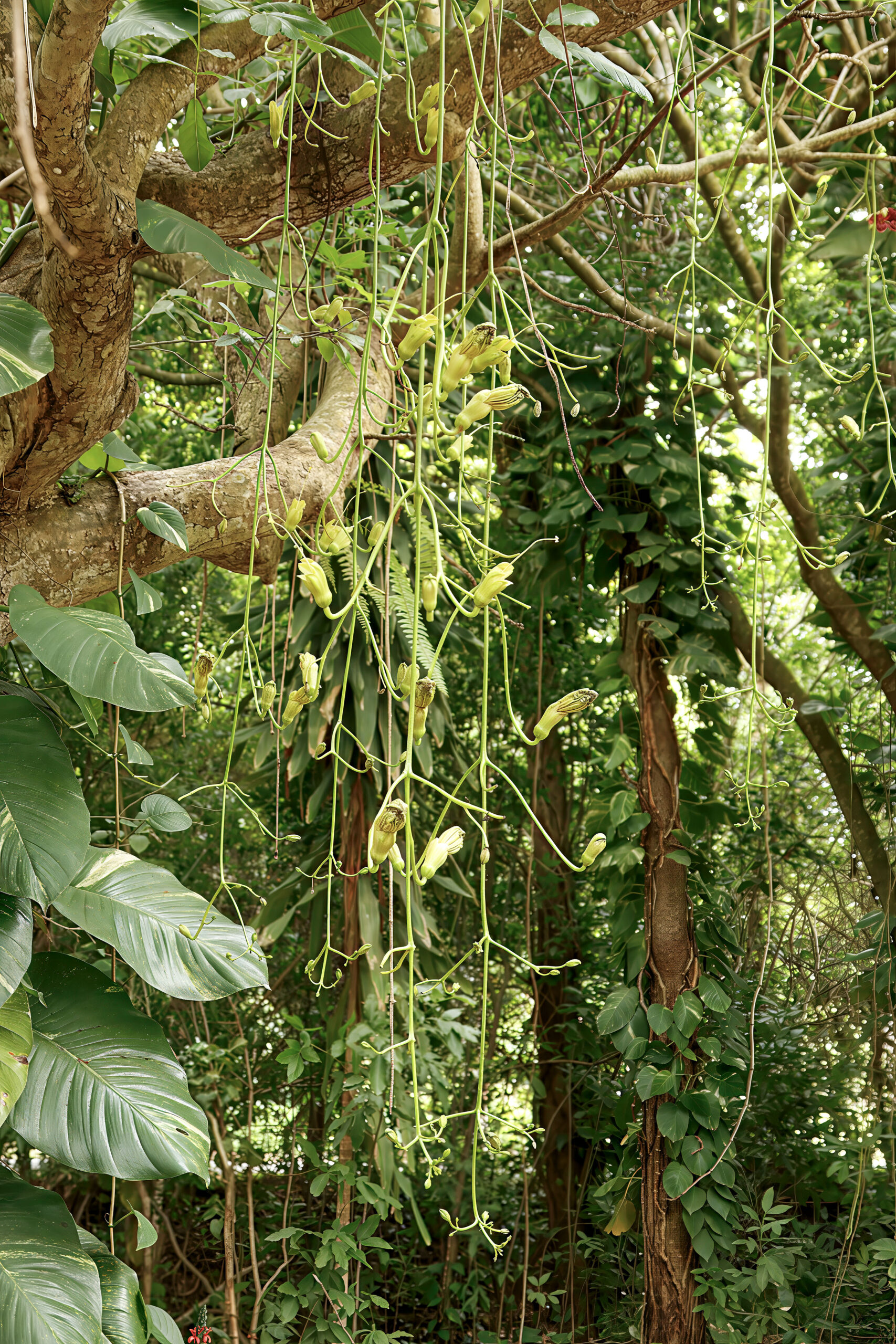
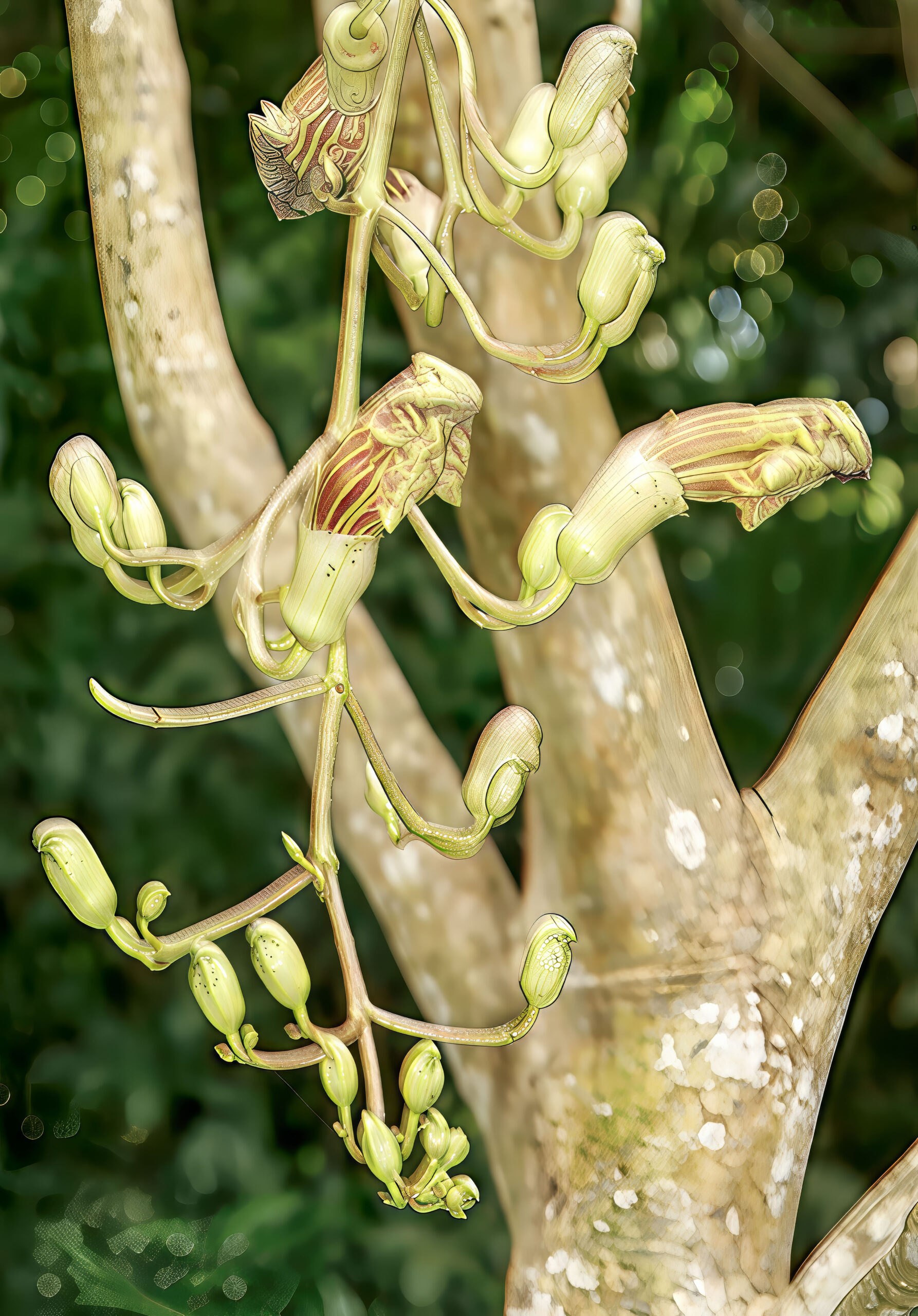
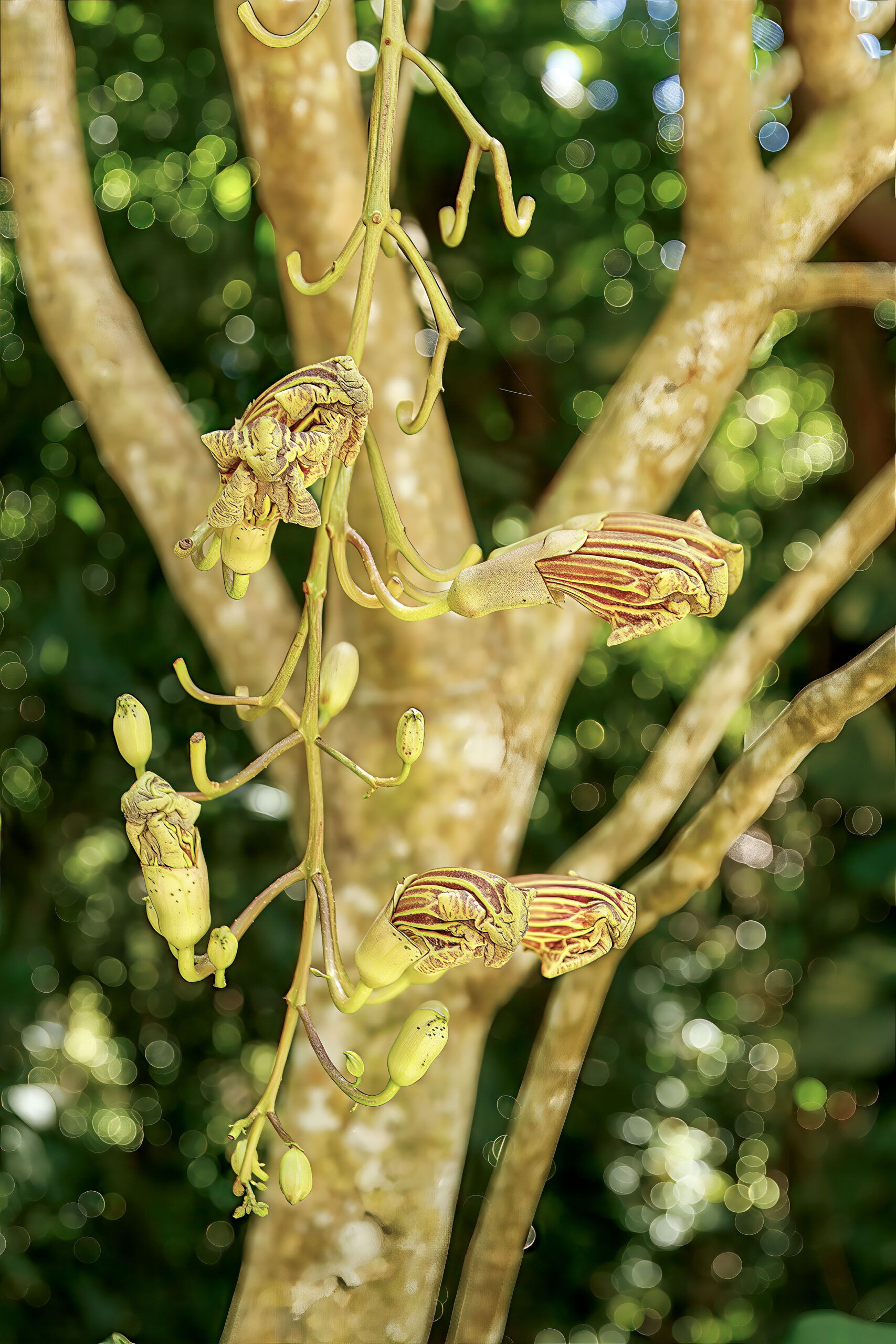
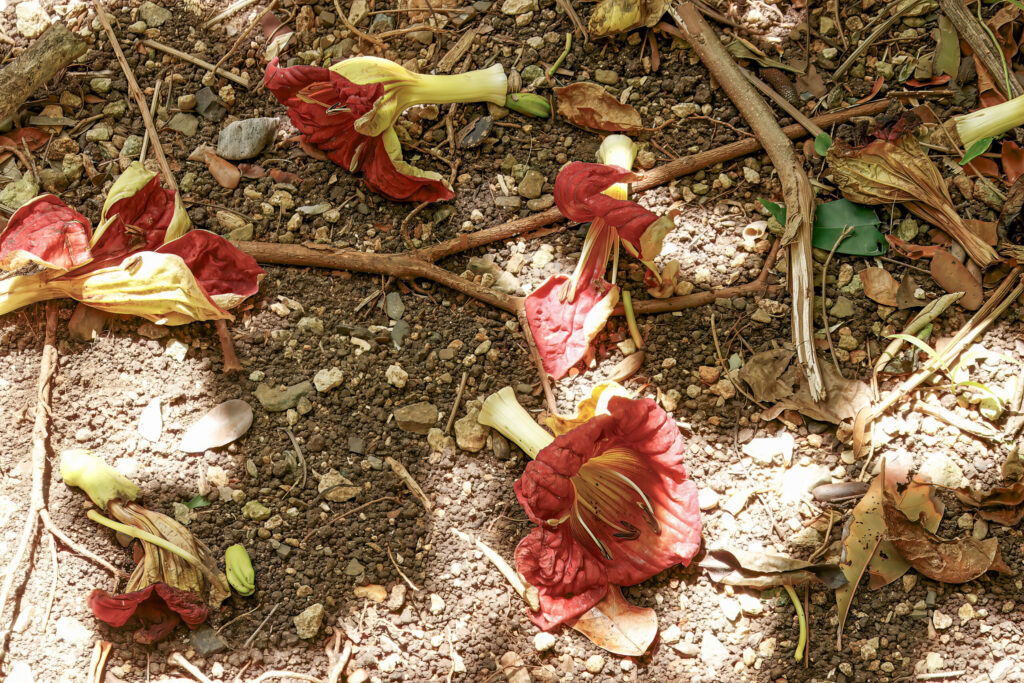
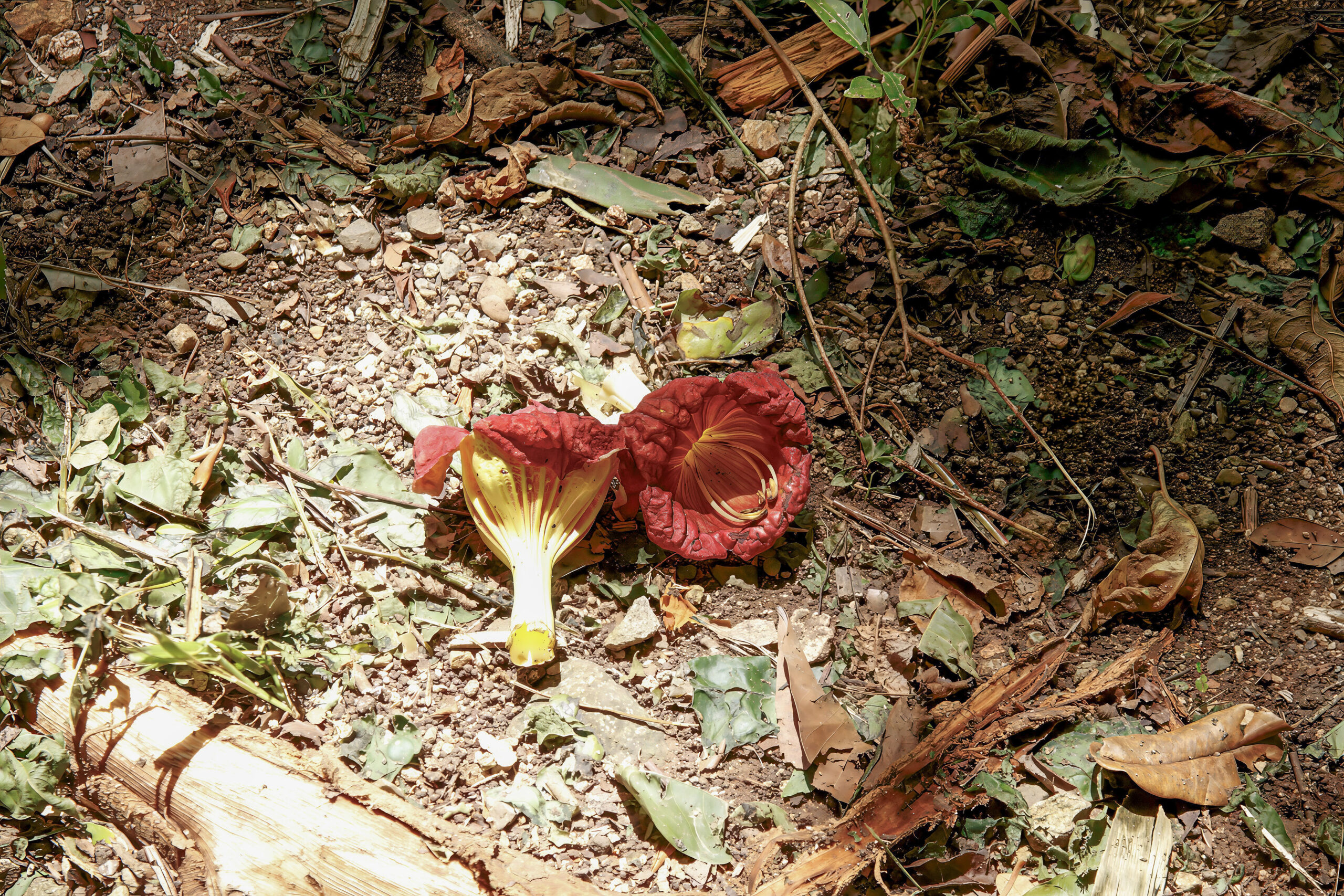
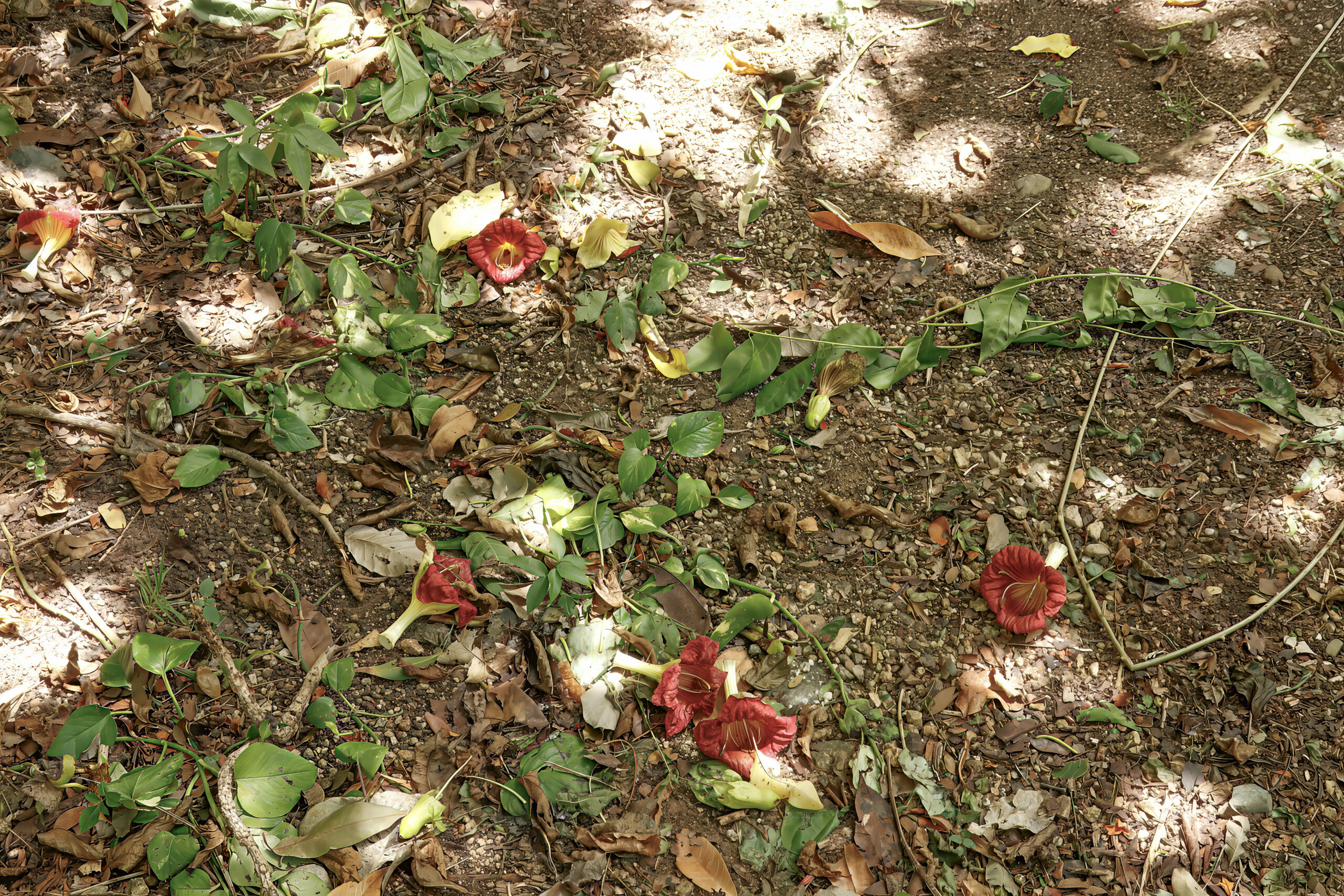
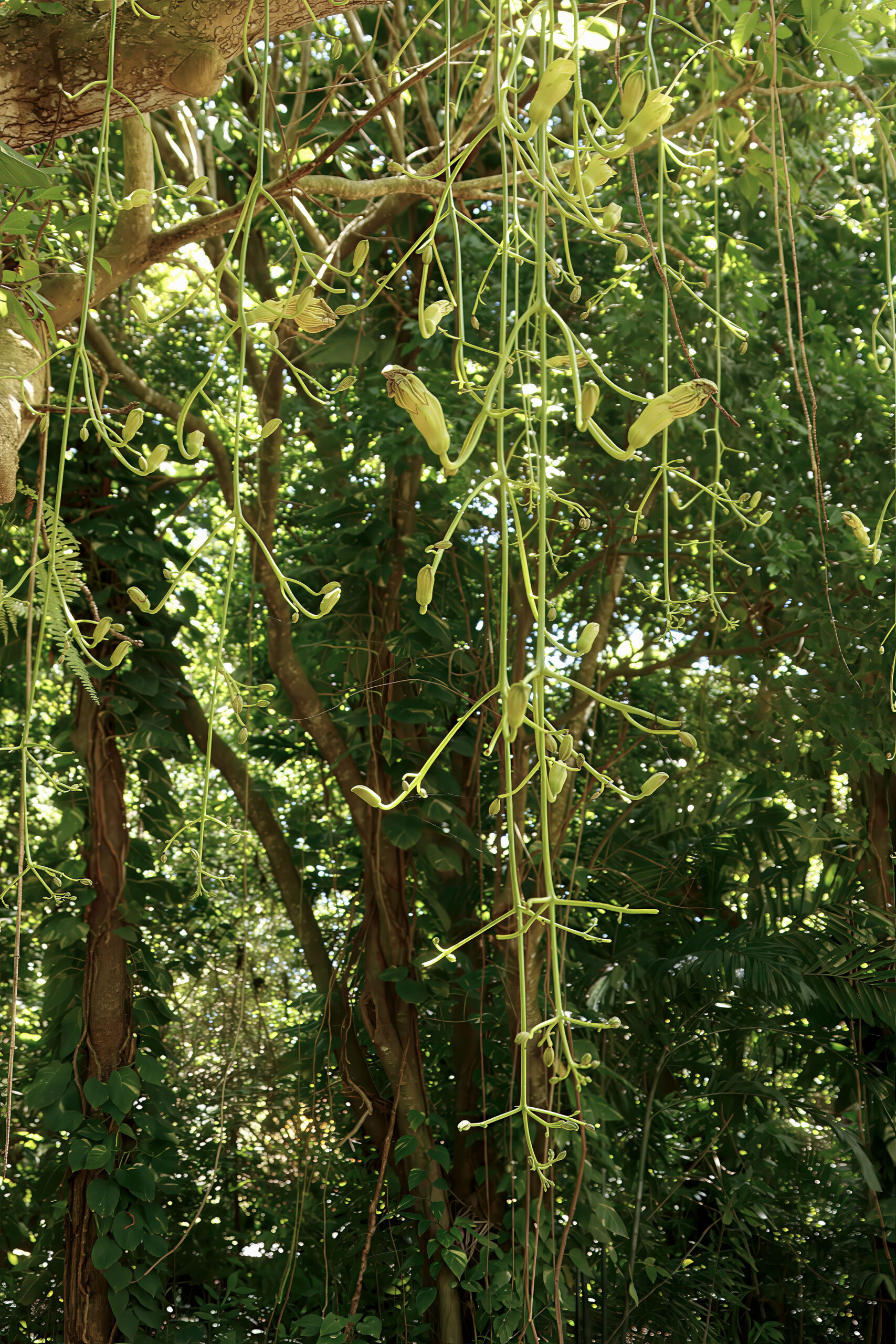
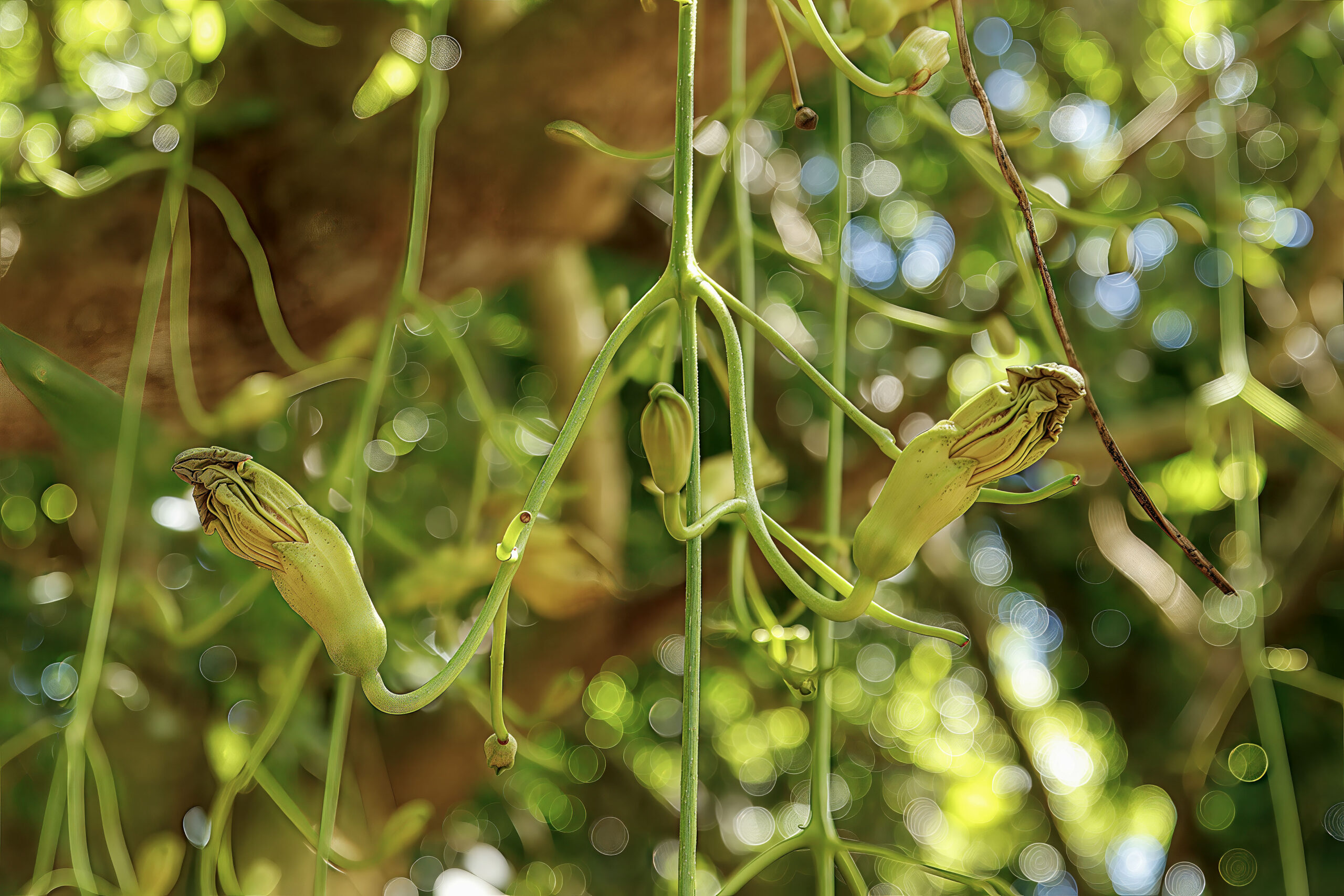
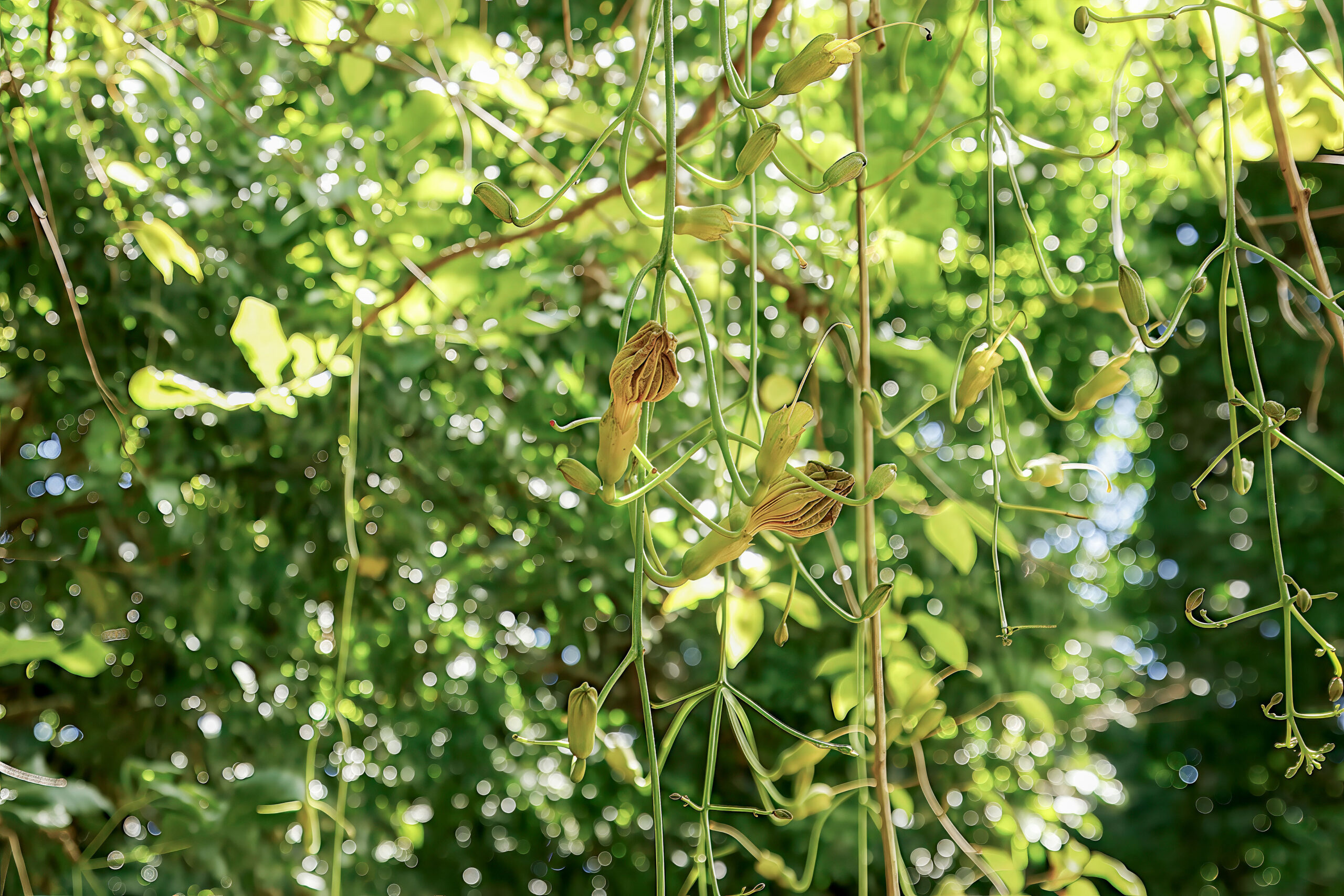
The Sausage Tree produces large, dark red to maroon bell-shaped flowers, which hang from long, rope-like stalks (peduncles). These inflorescences often dangle well below the canopy, making them highly visible.

  • In St. Croix’s climate, flowering typically peaks during the dry season to early wet season, often March to June.
  • Flowers open at night and are pollinated by bats and large insects—though daytime visitors like bees may also be seen.
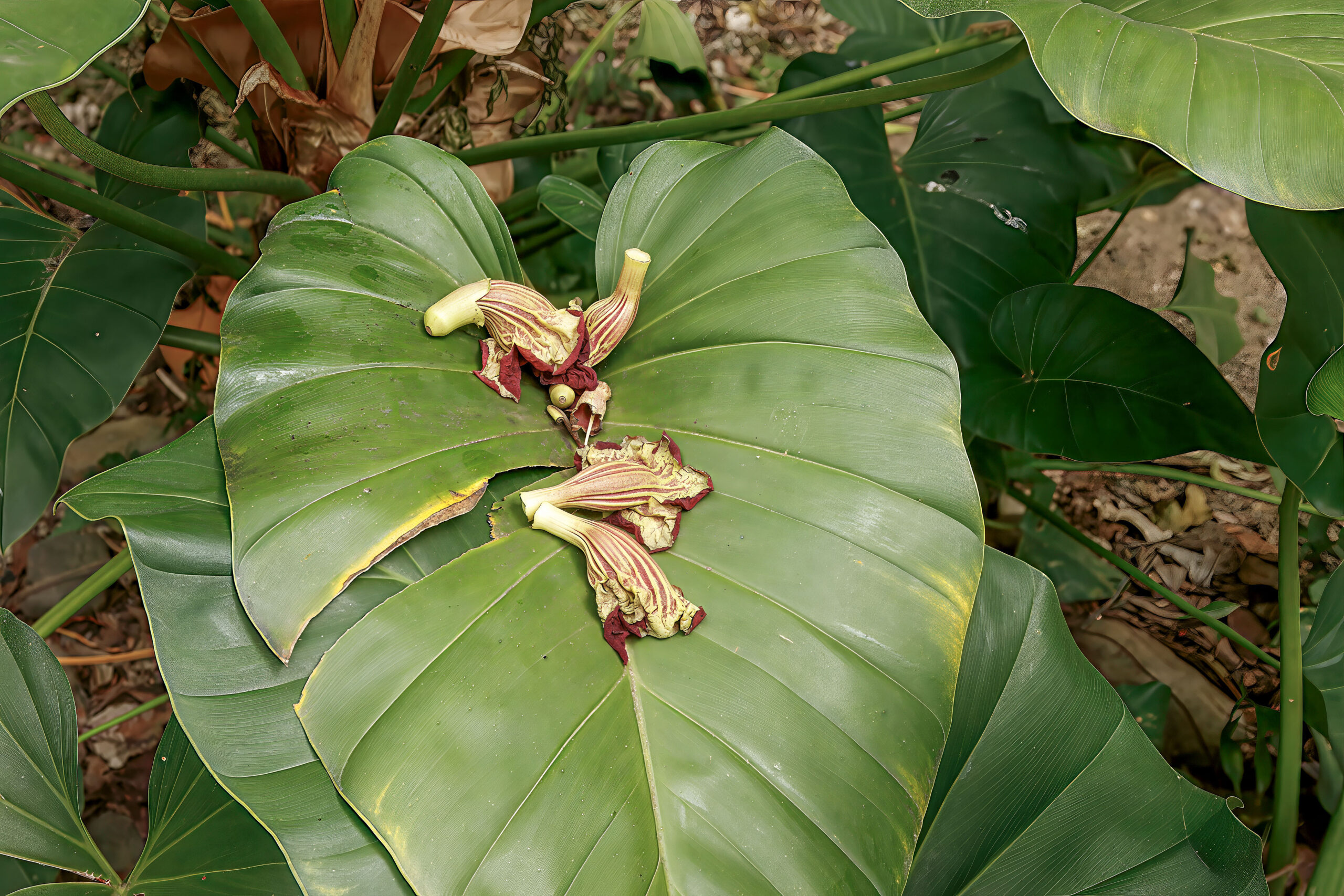
  • Flowers are short-lived, often falling to the ground within a day.

Observation Tips:

  • Track initial stalk emergence, flower bud development, and flower drop timing.
  • Note pollinator activity, especially around dusk or early morning.
  • Watch for flower litter beneath the tree as an indicator of active blooming.

2. Fruiting
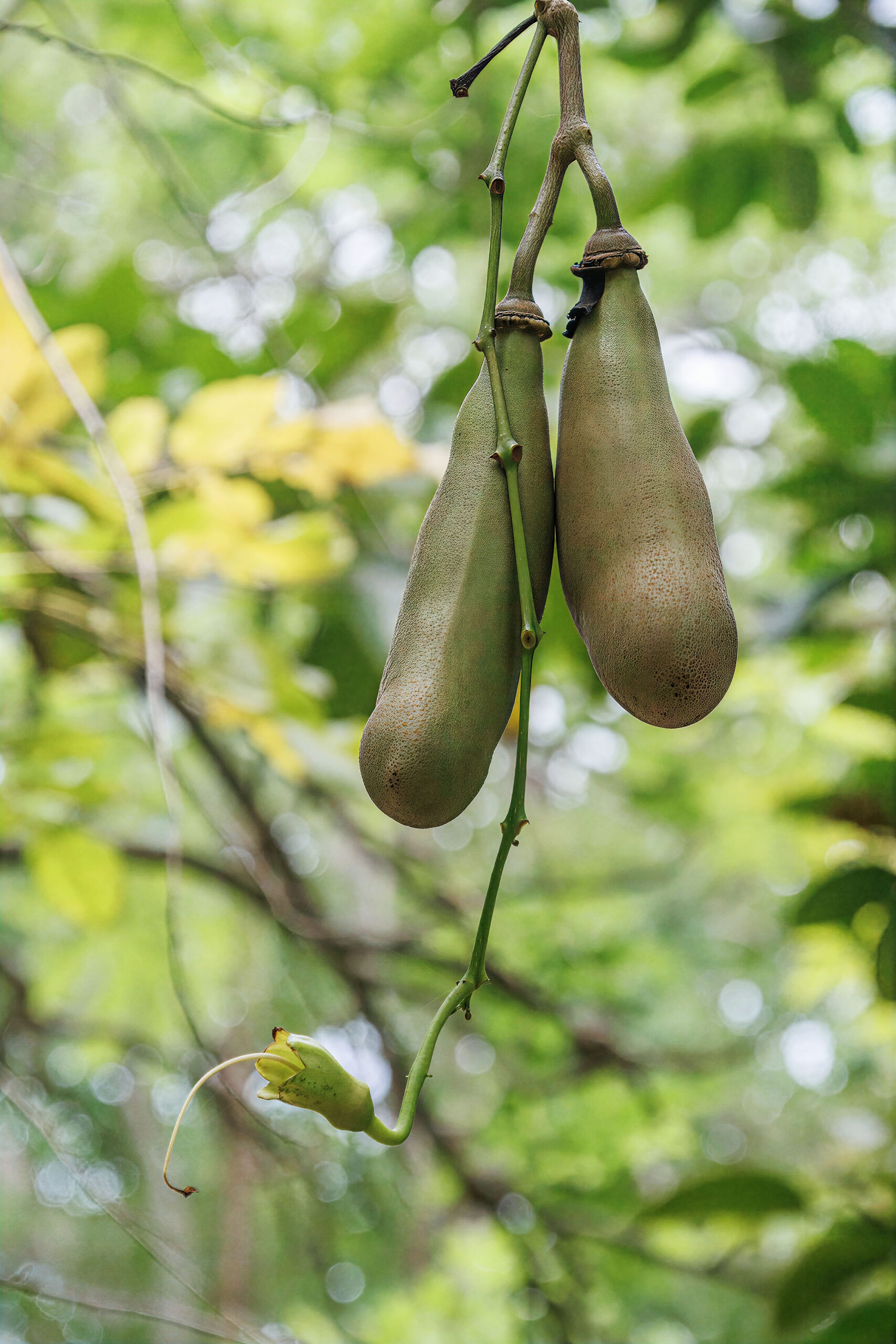
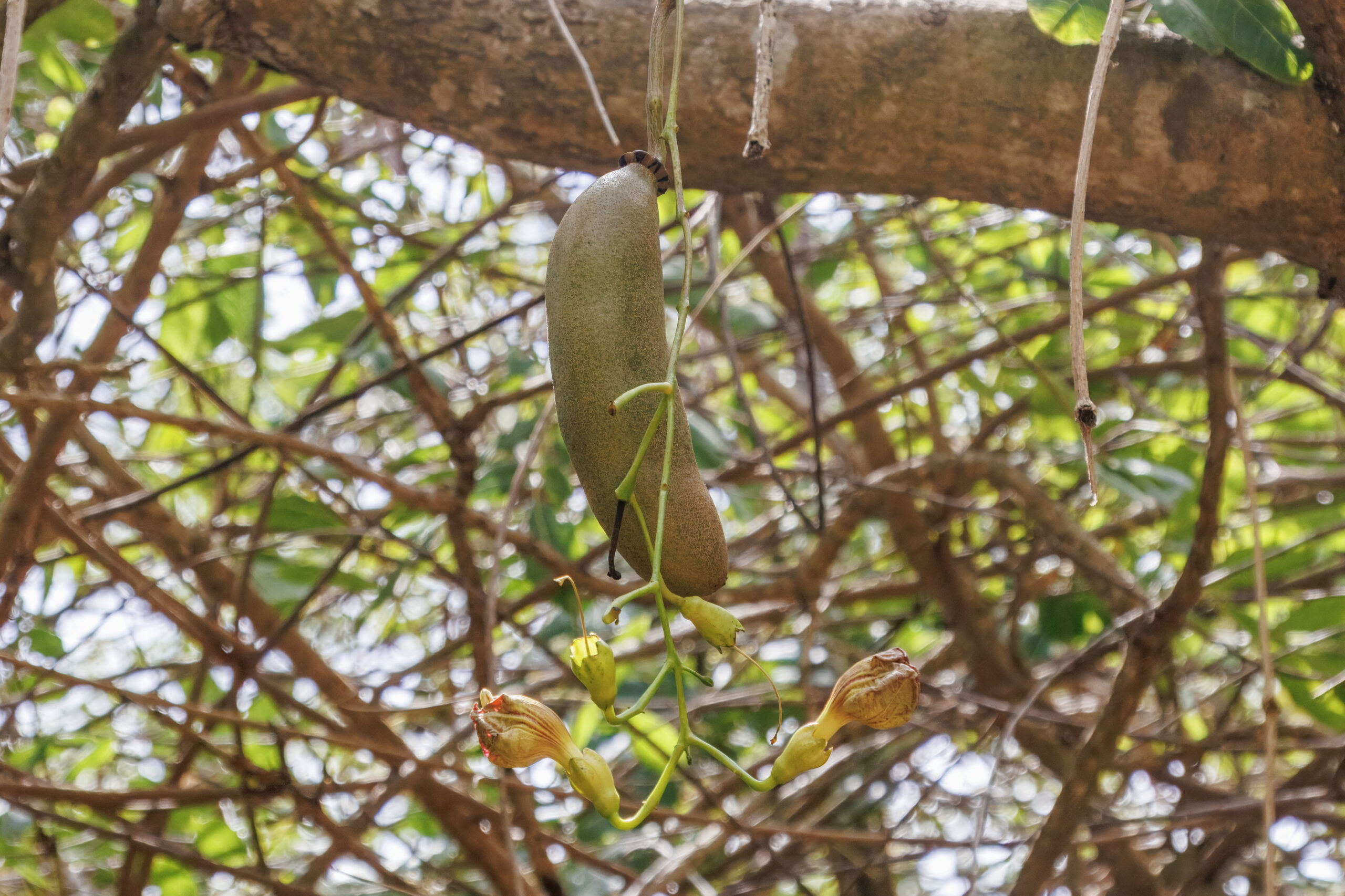
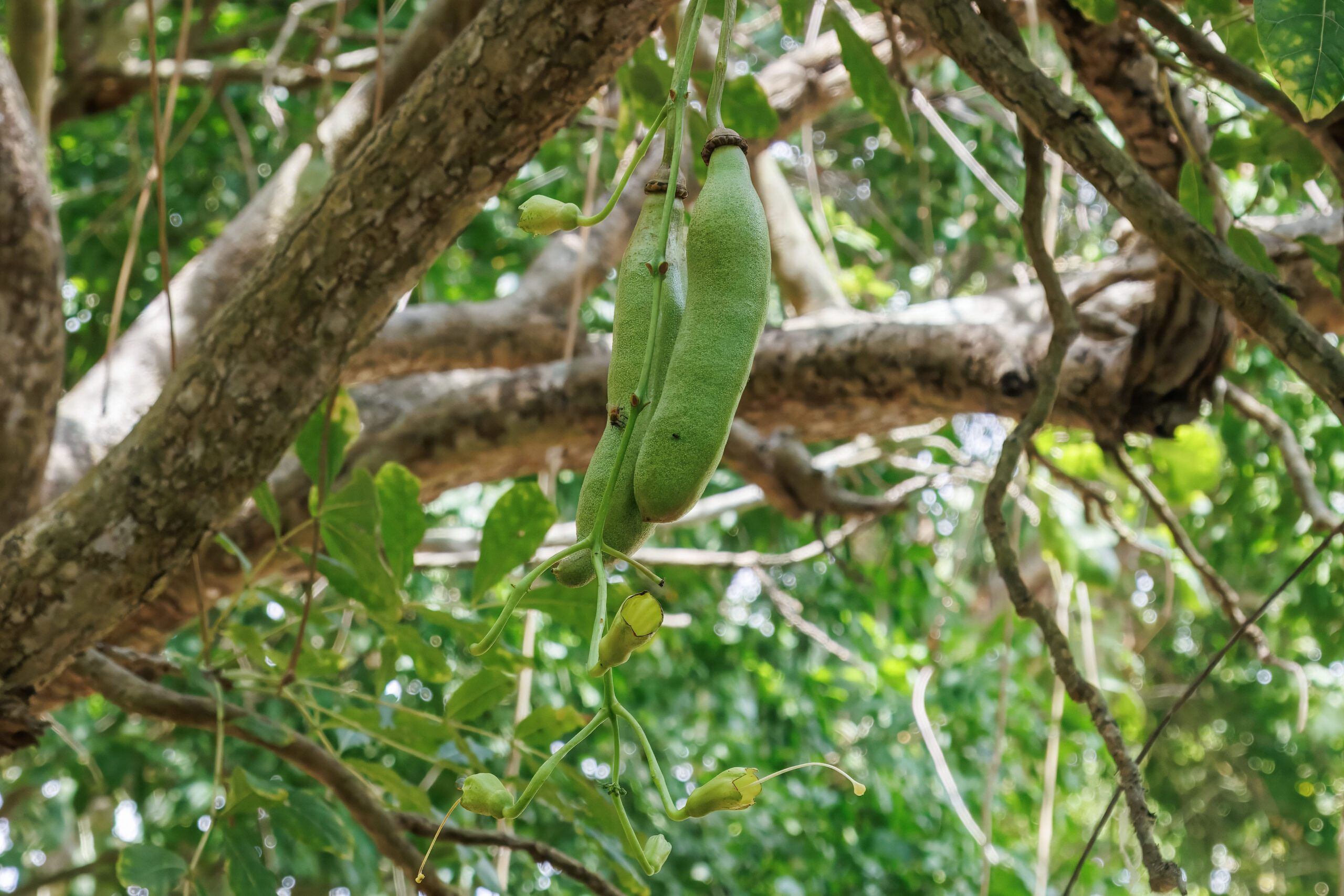
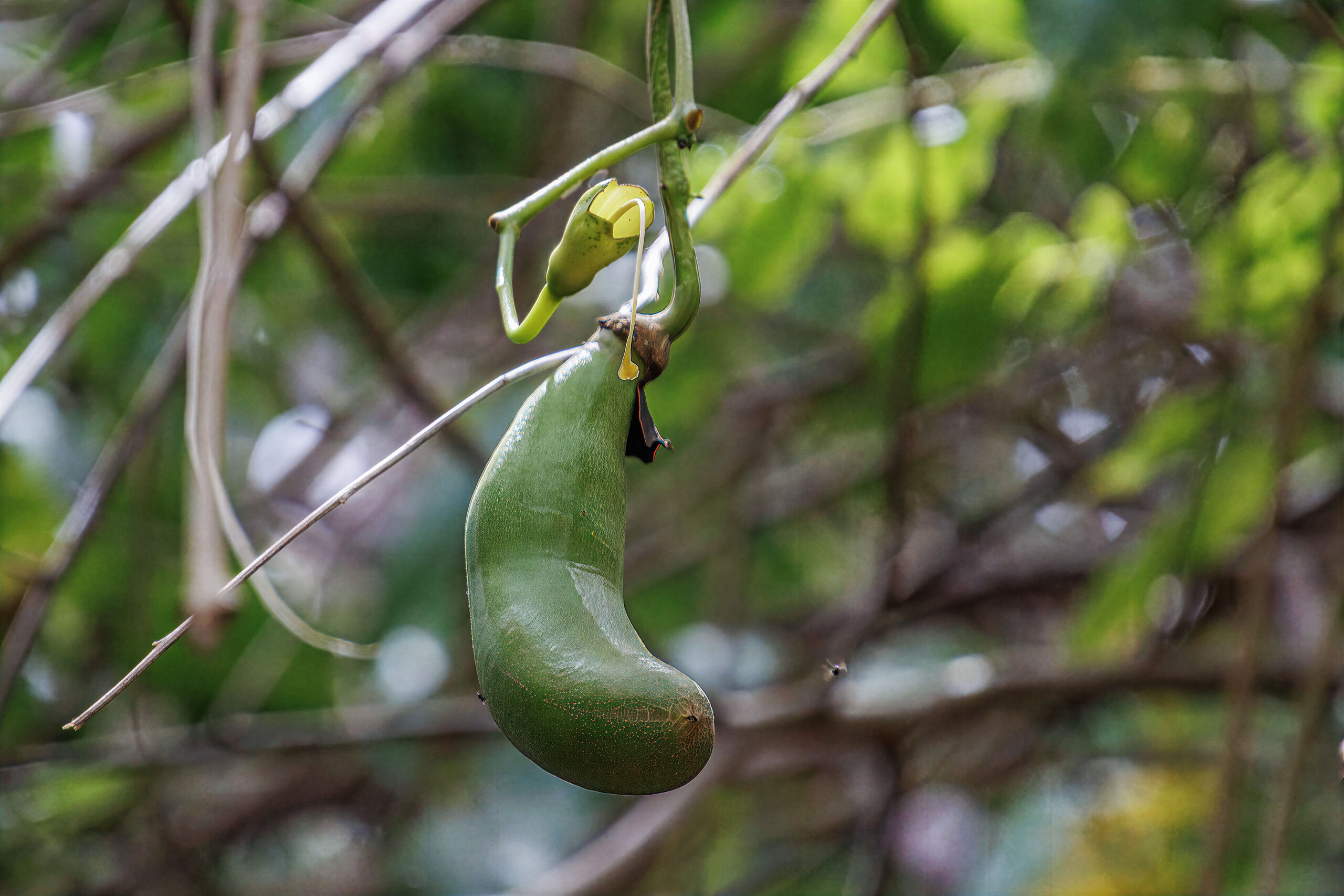
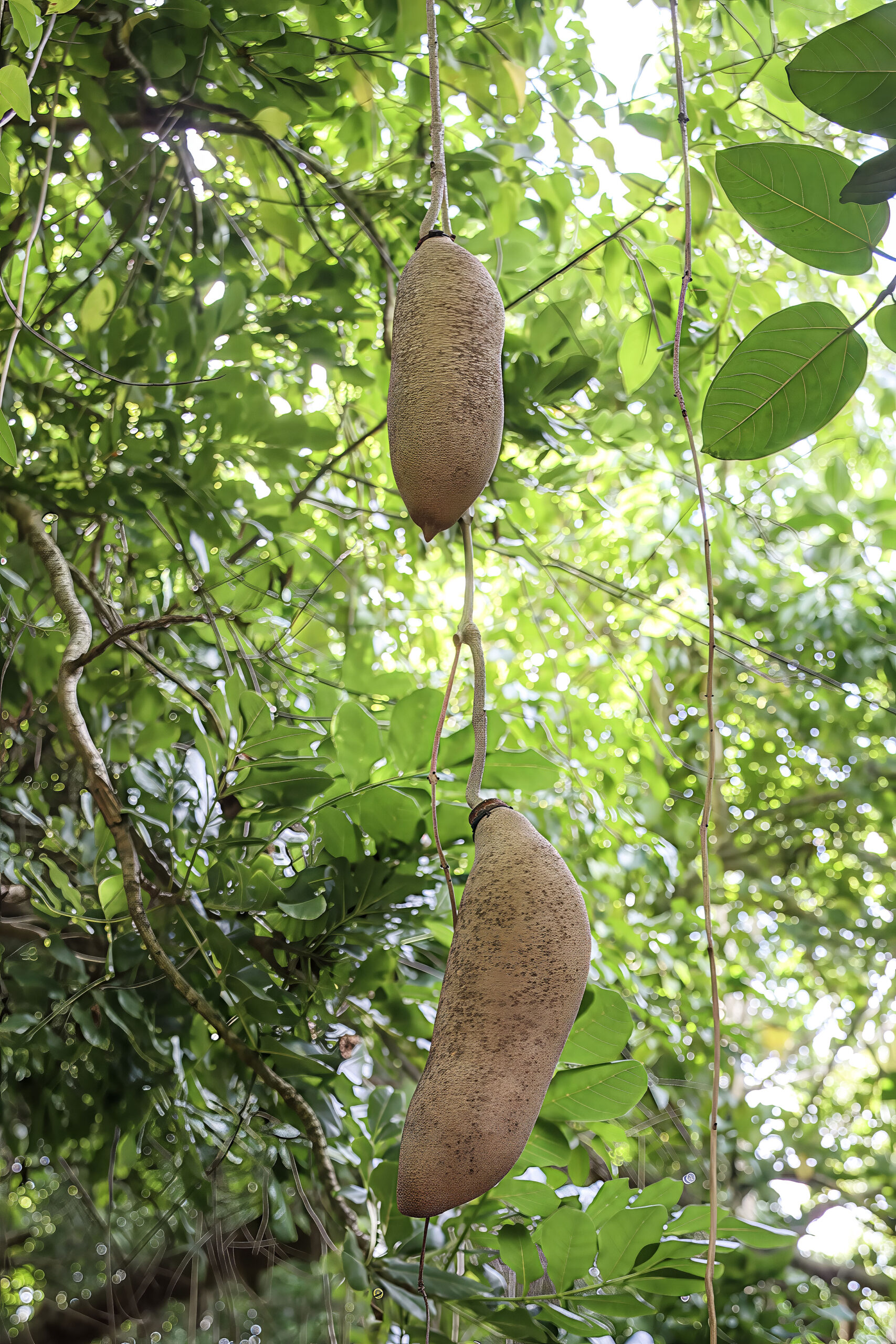
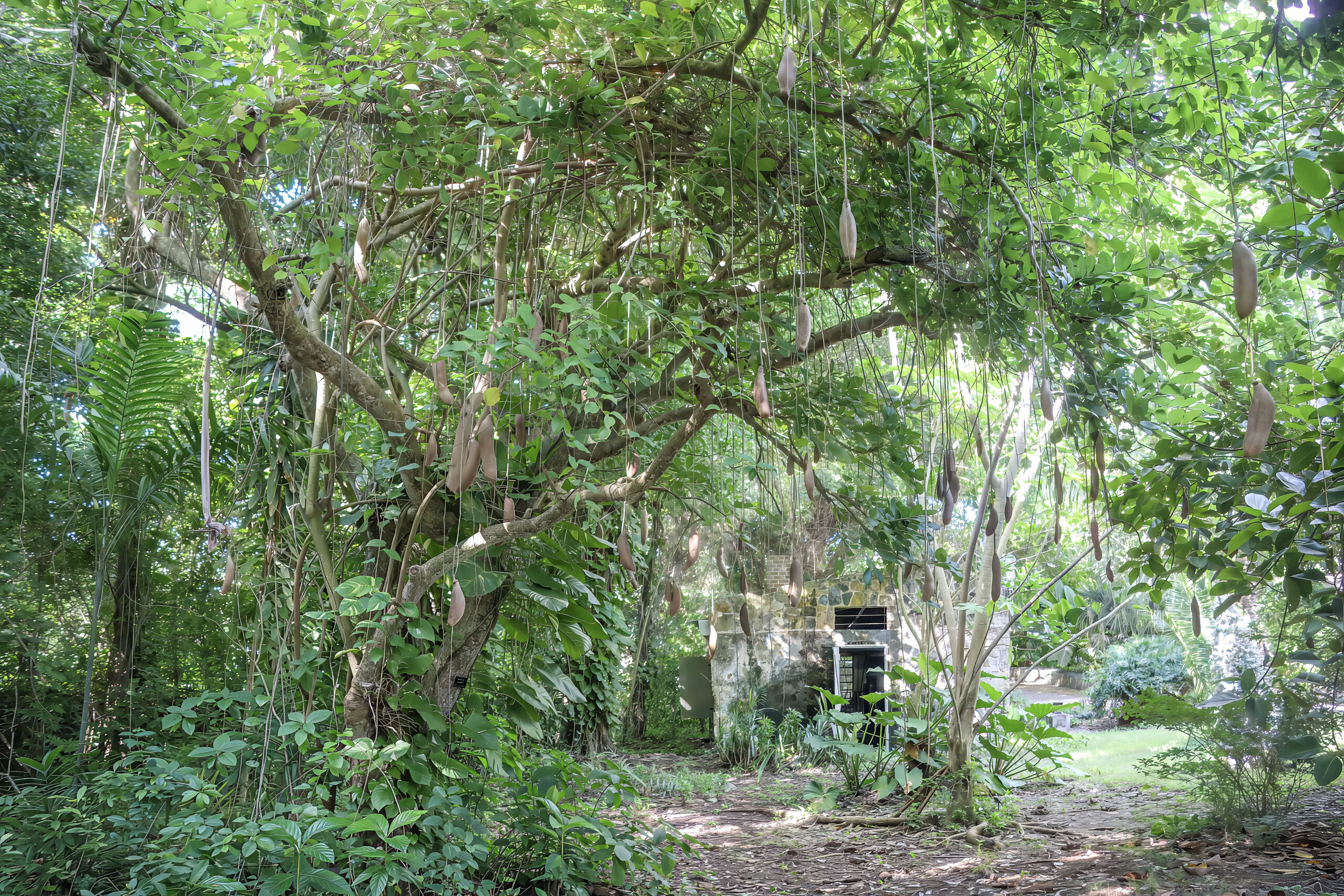
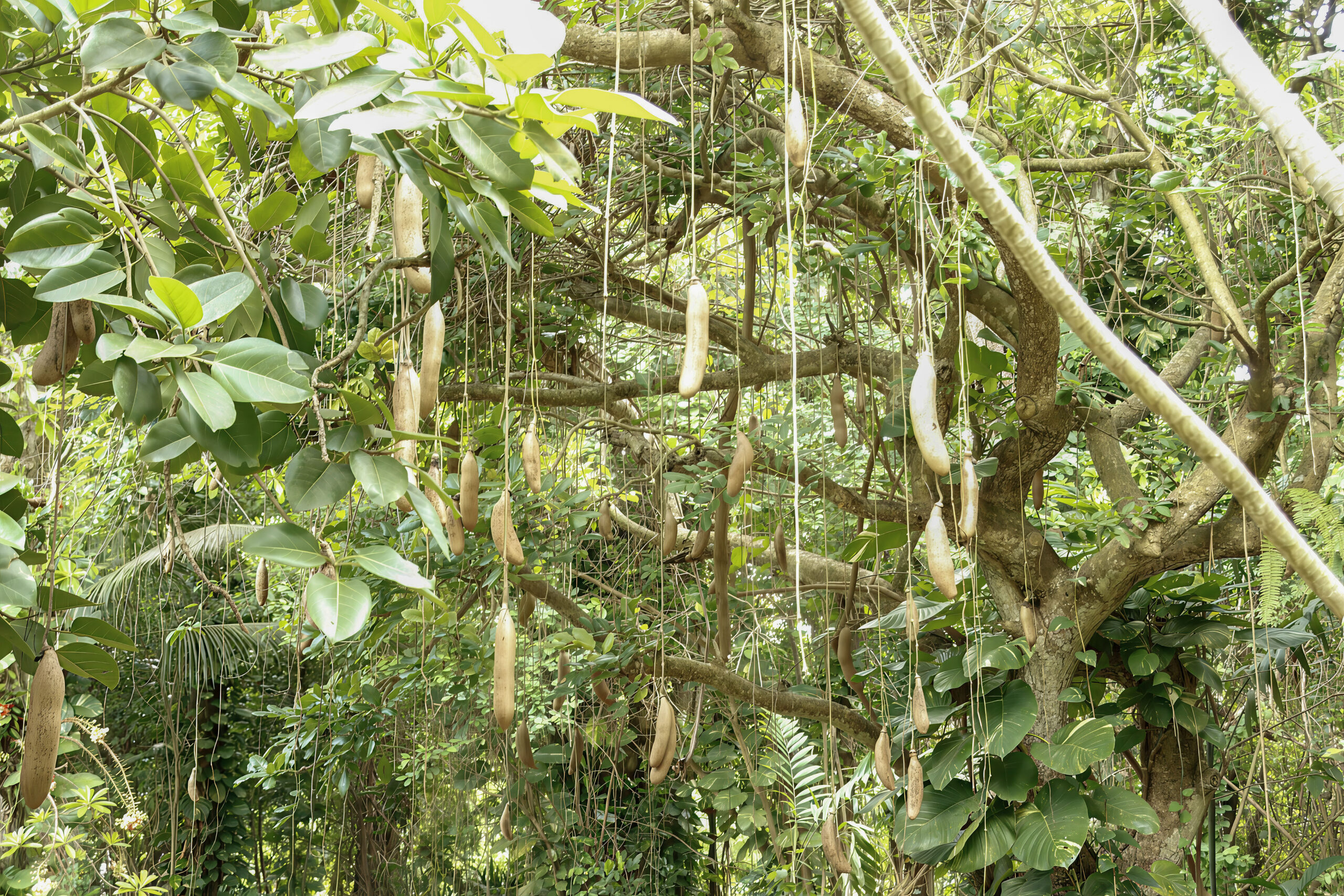
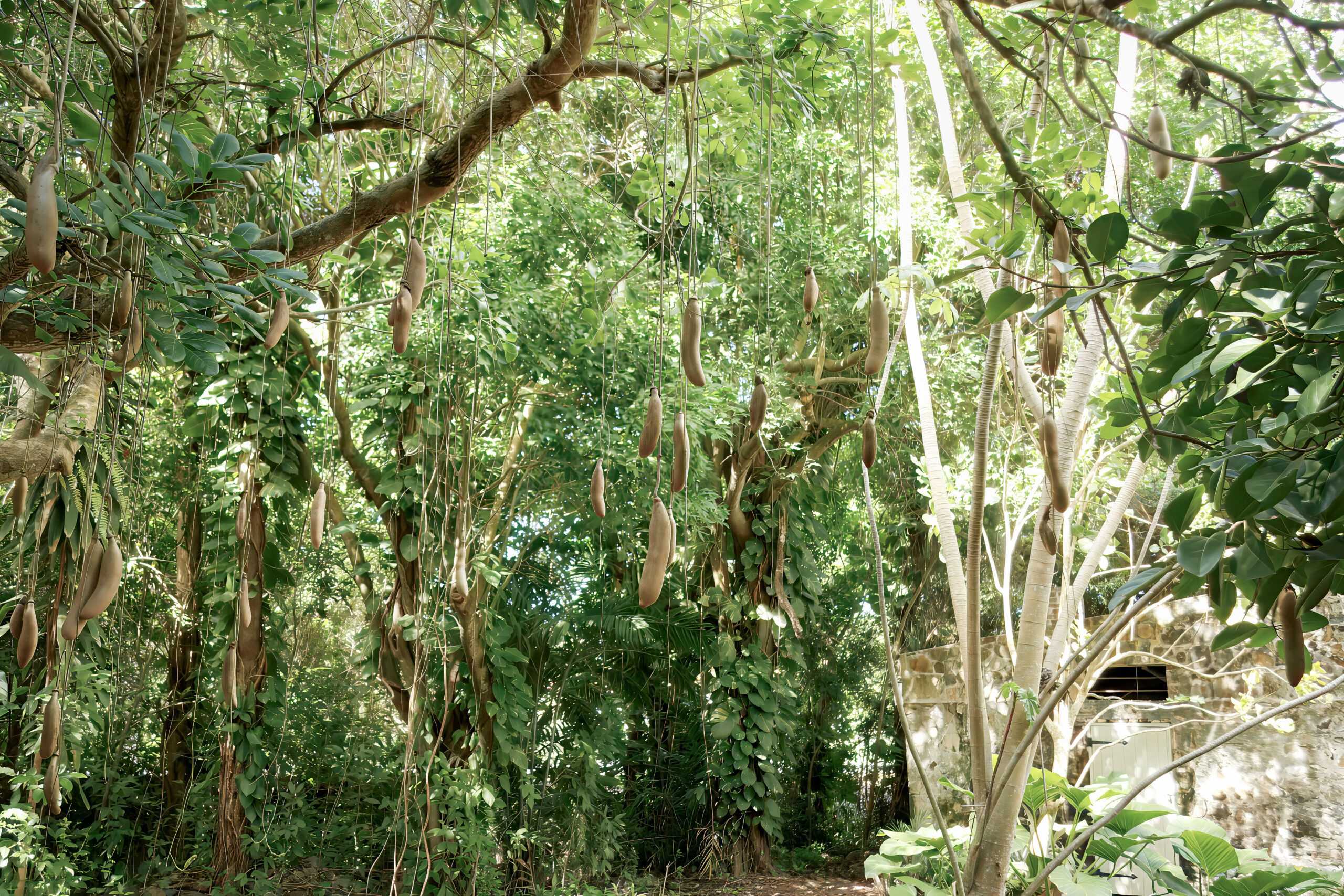
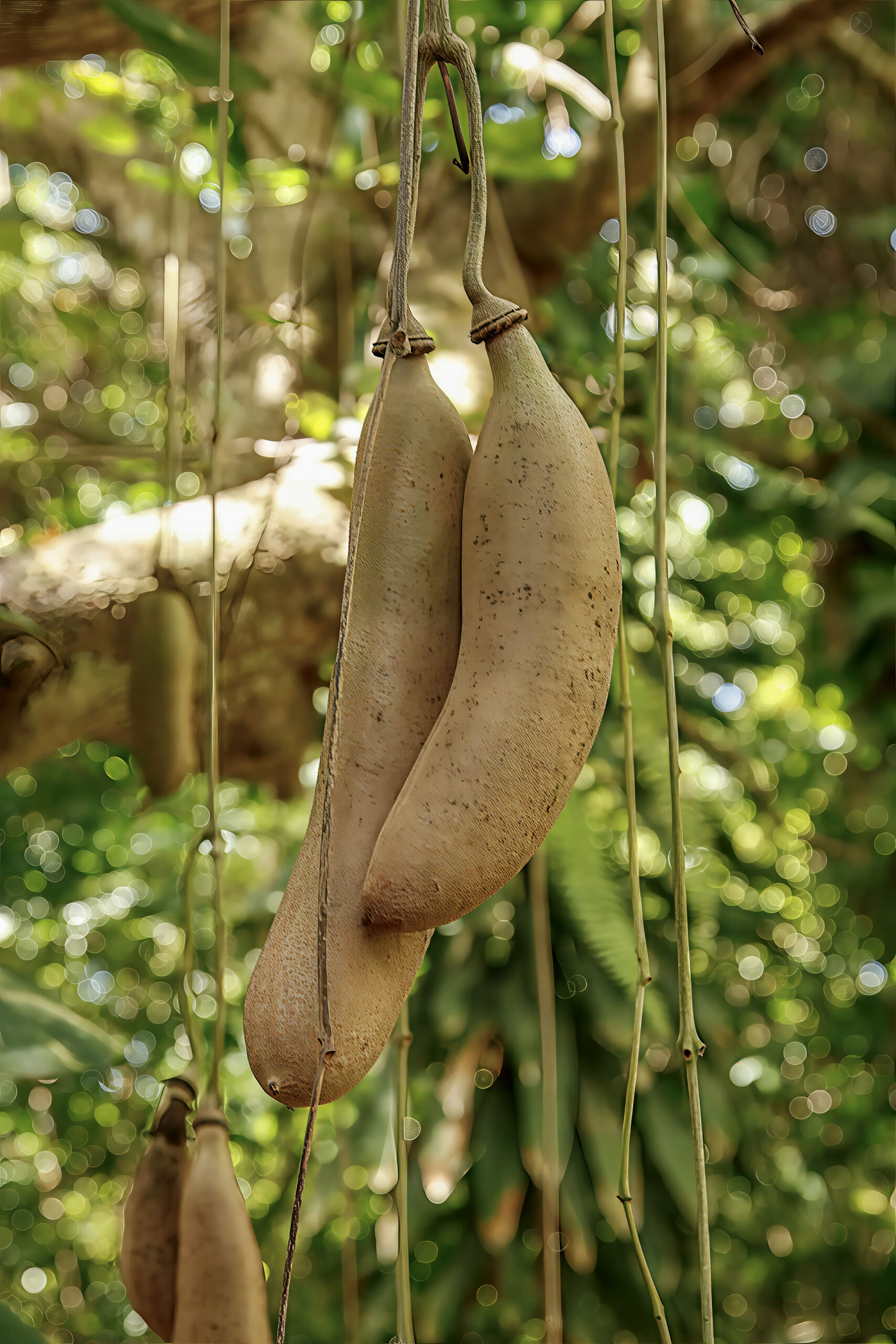
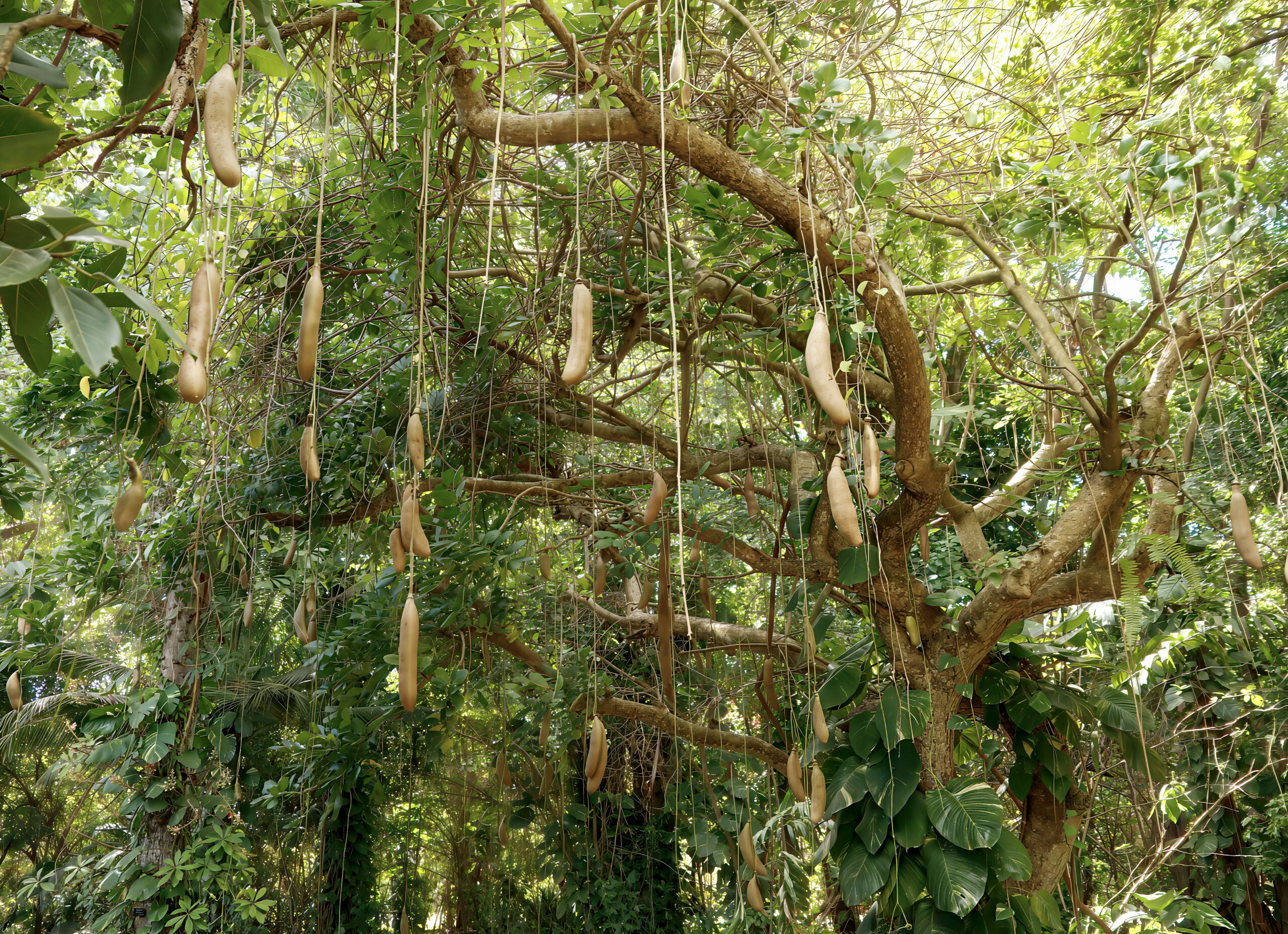
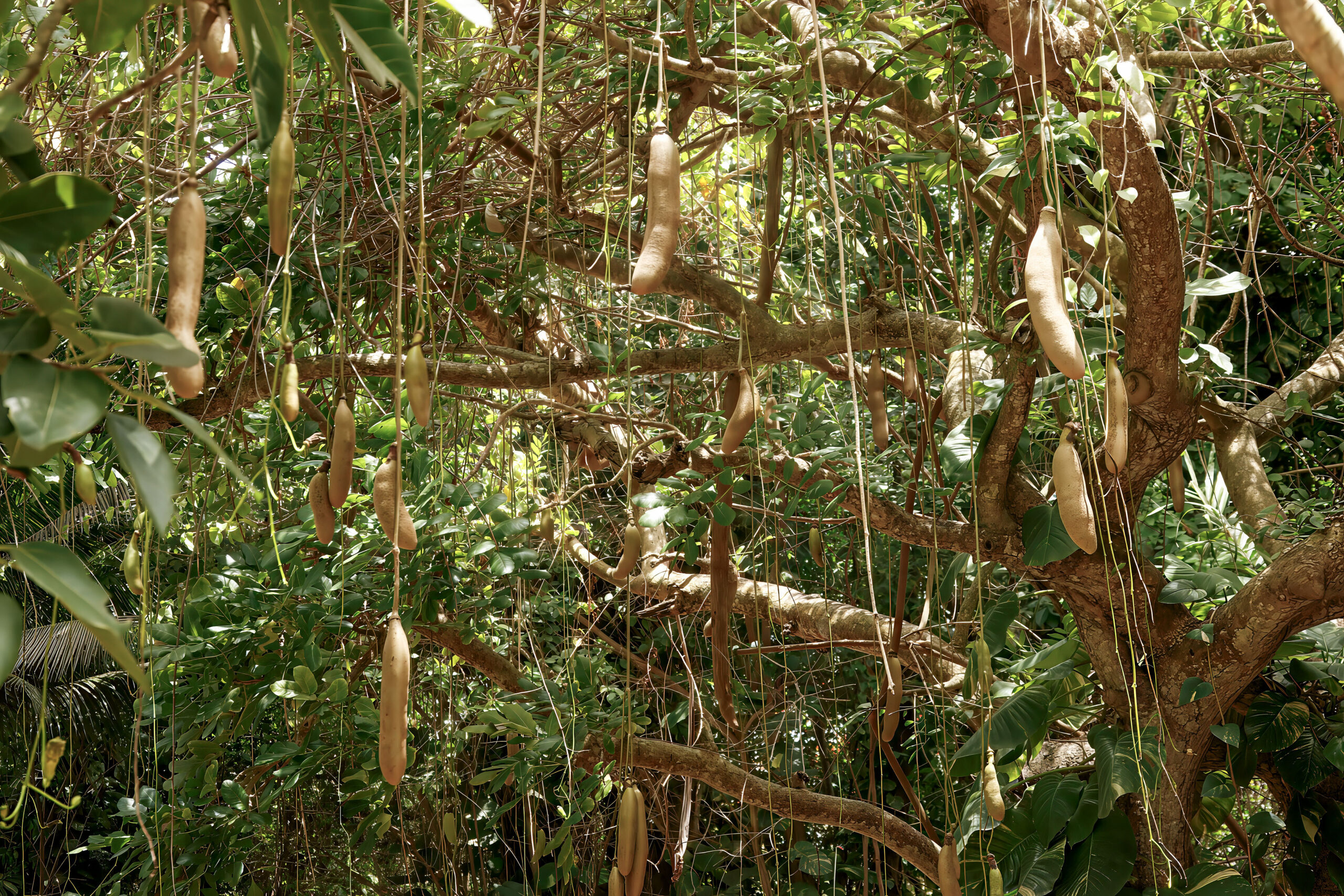
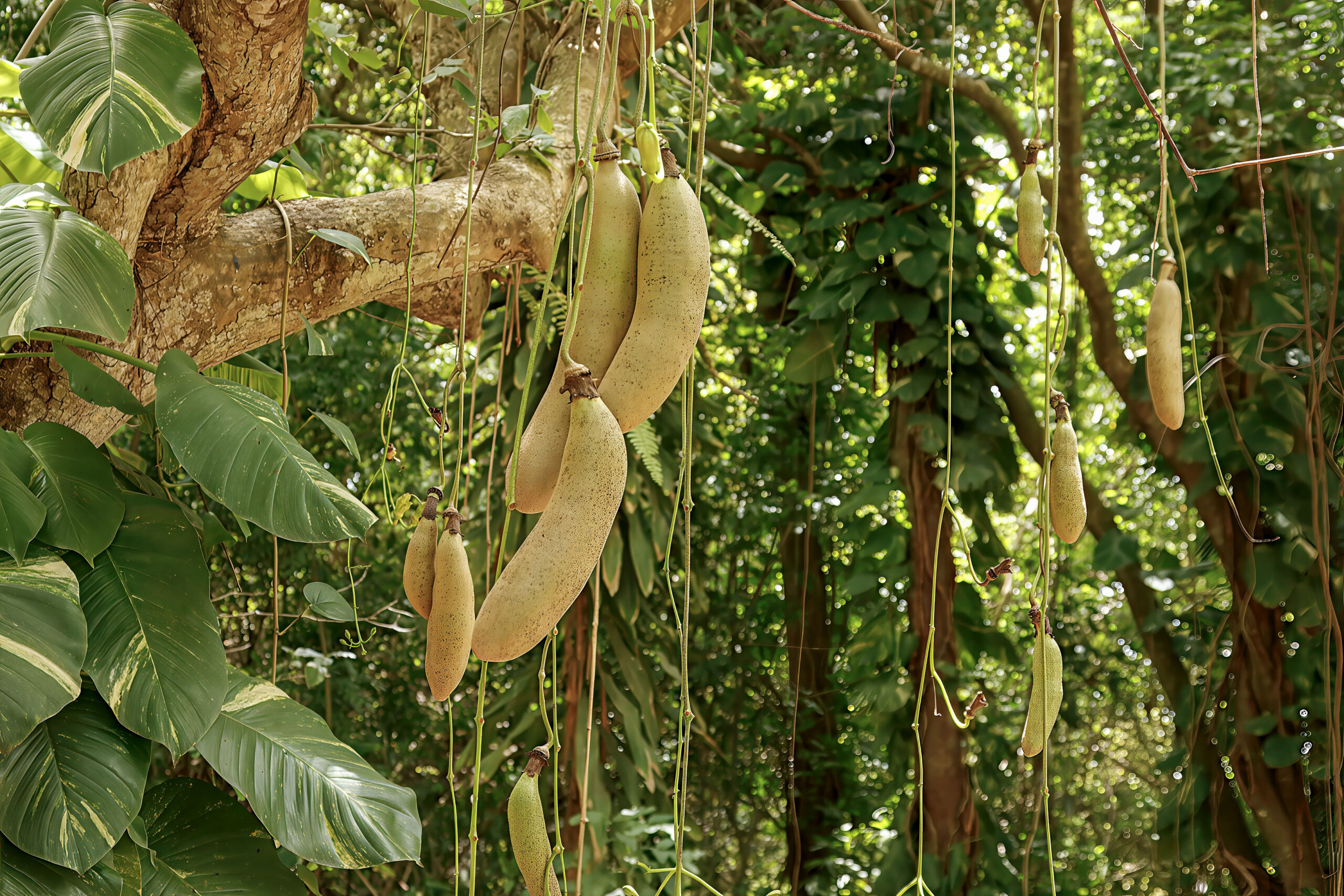
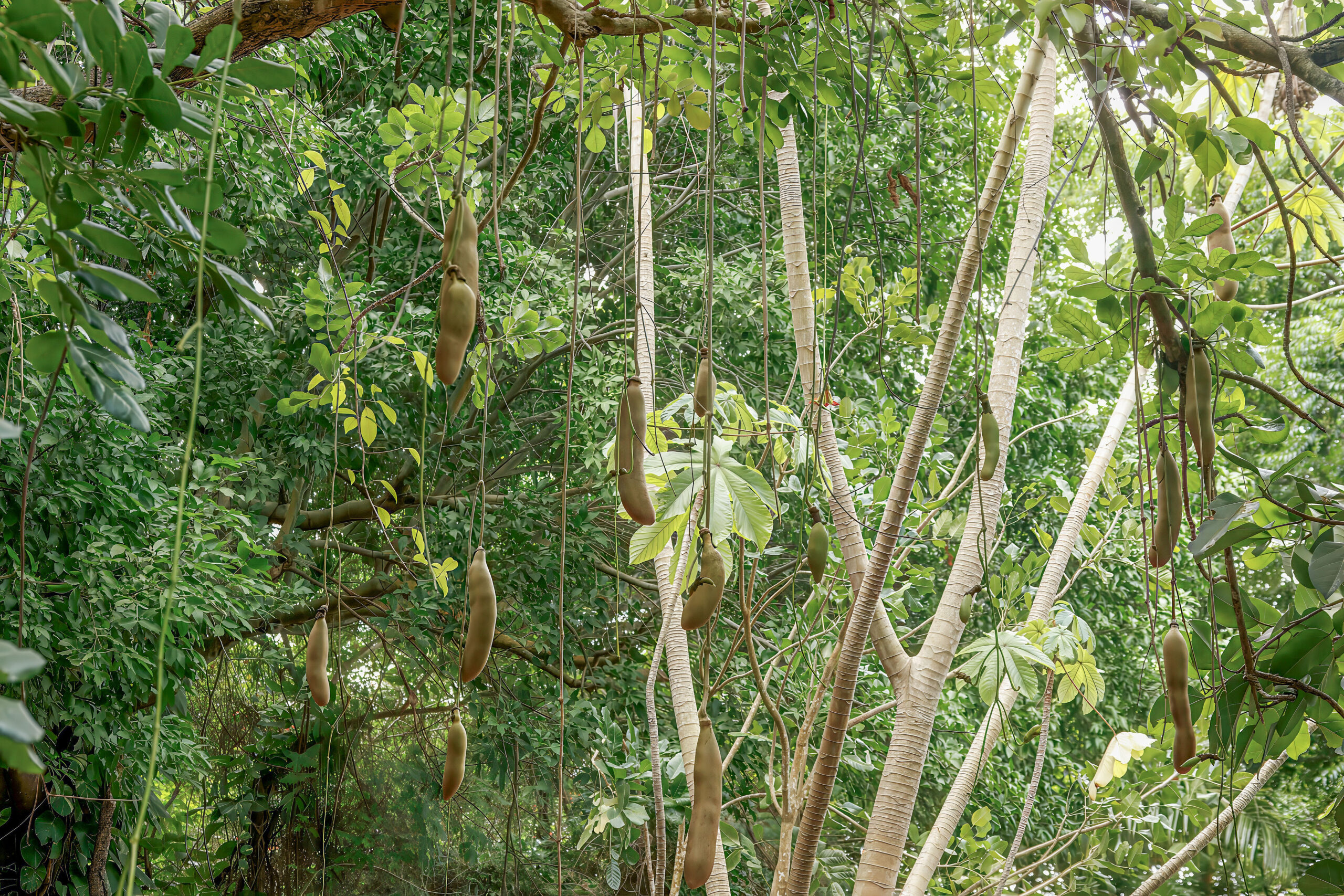
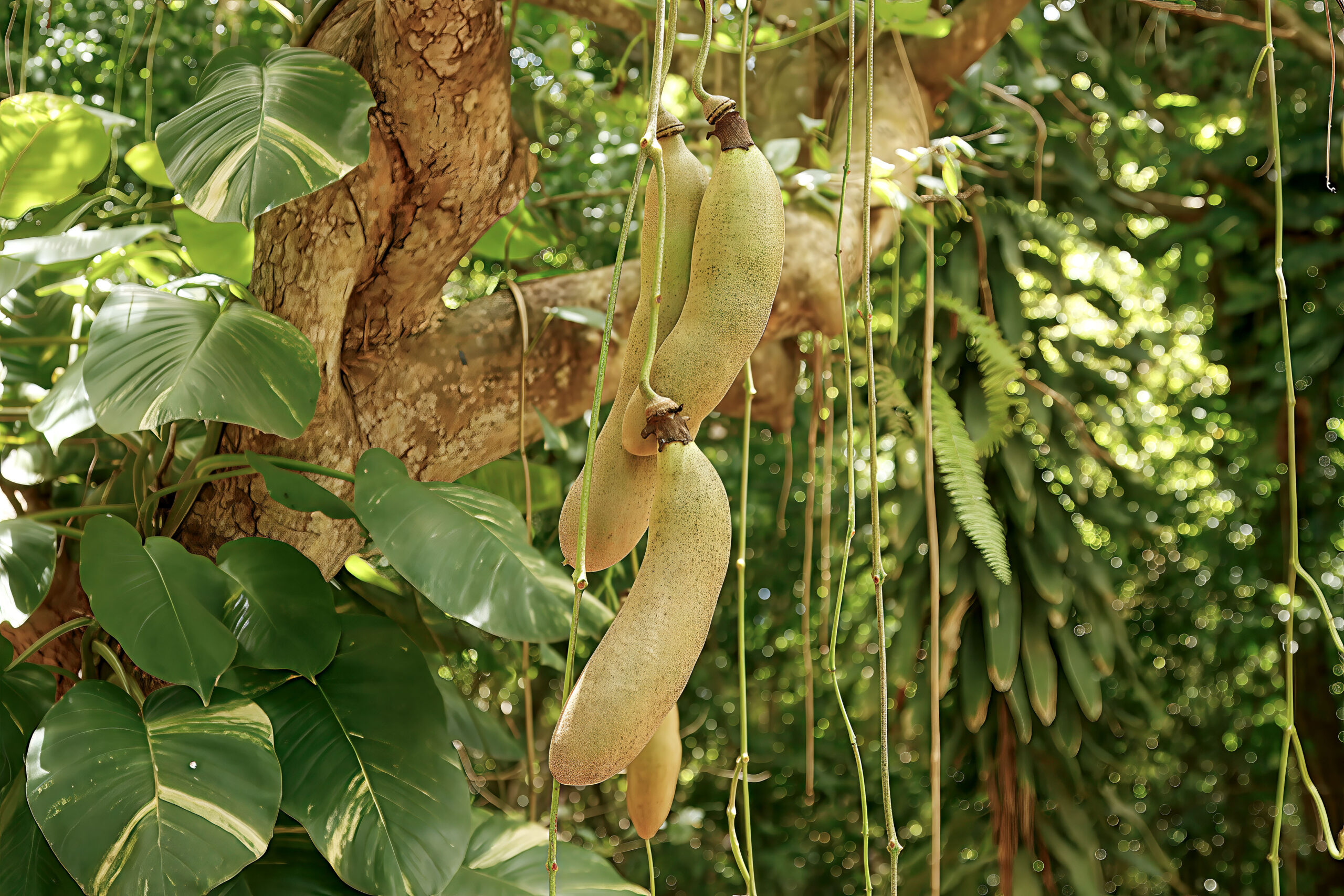
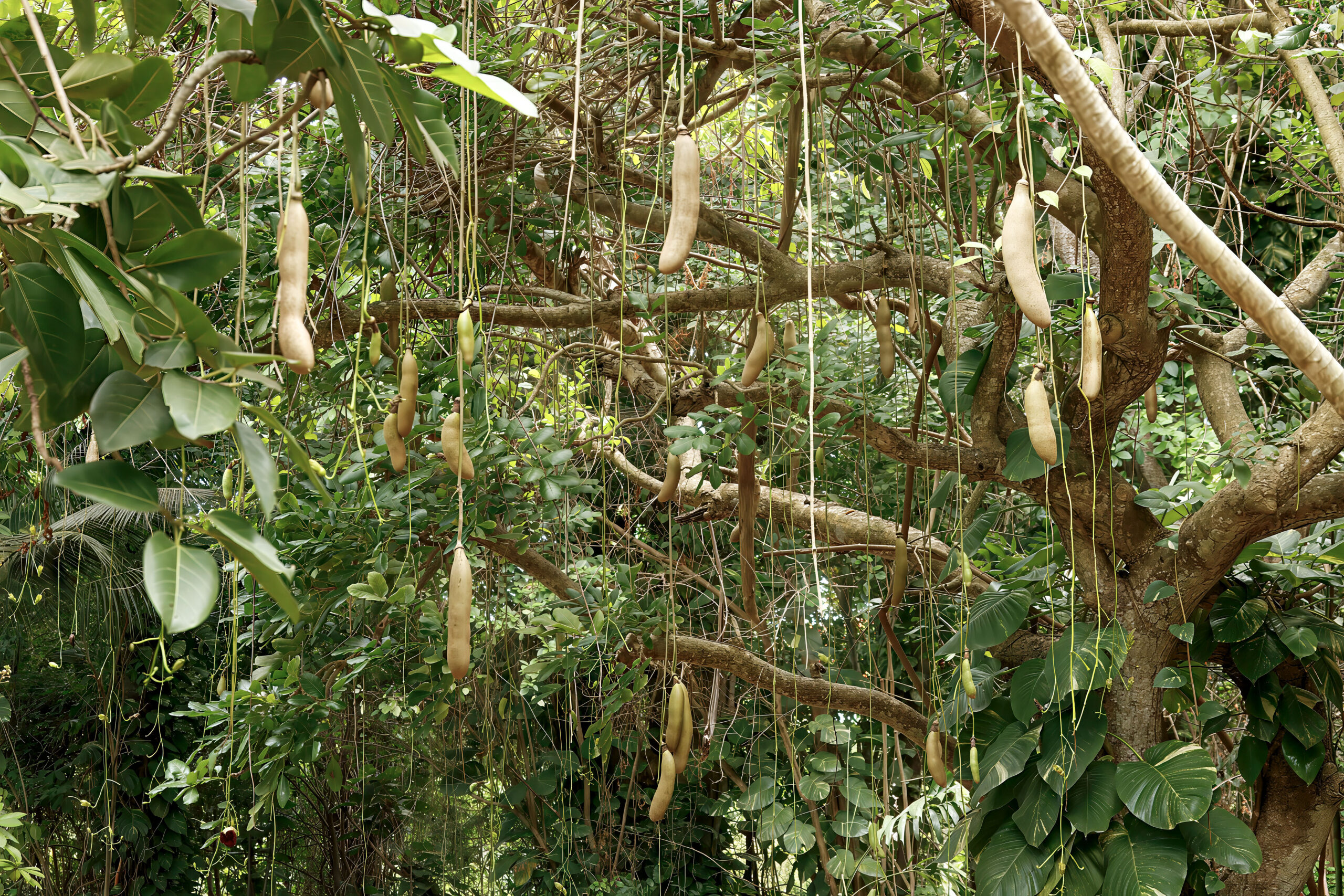
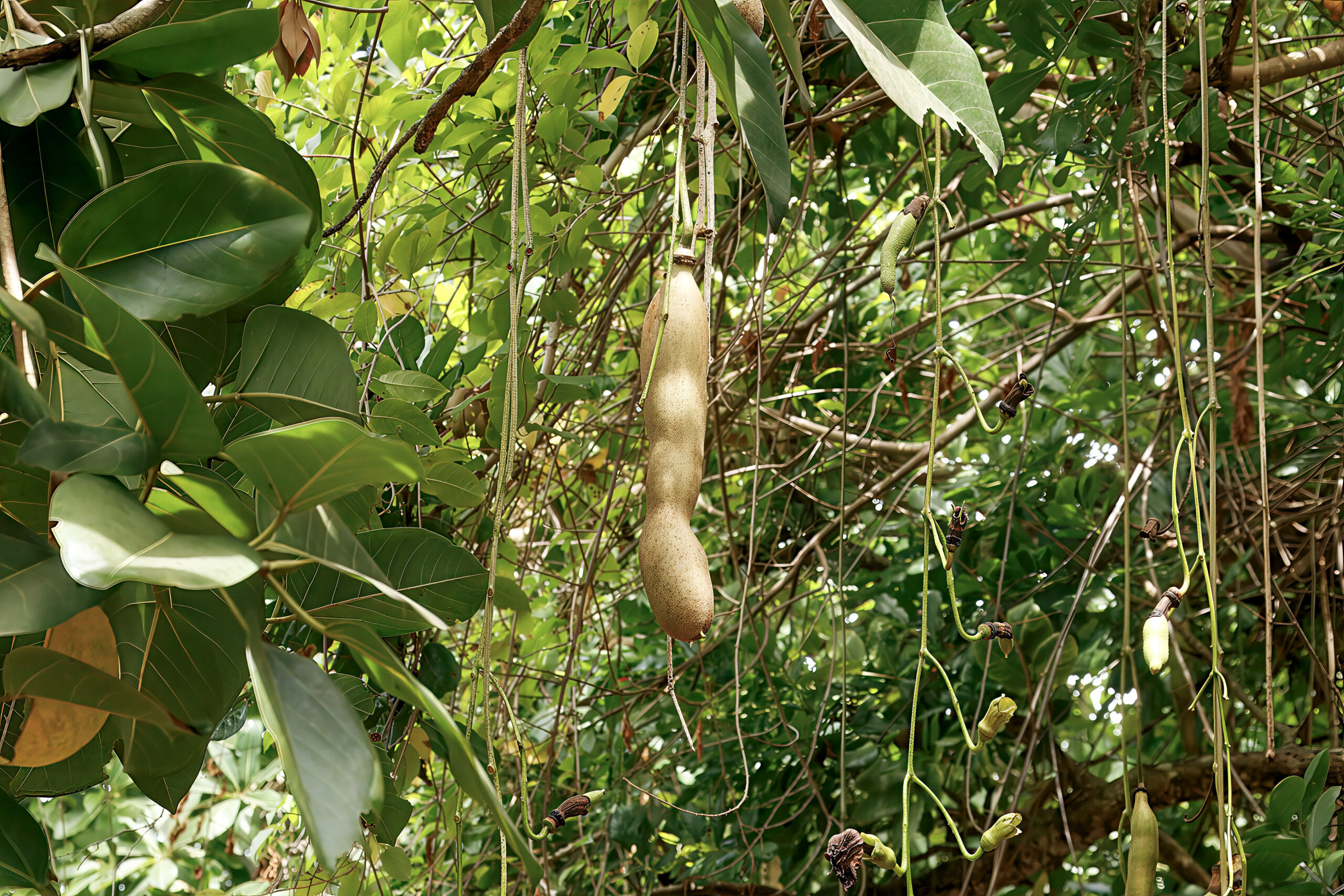
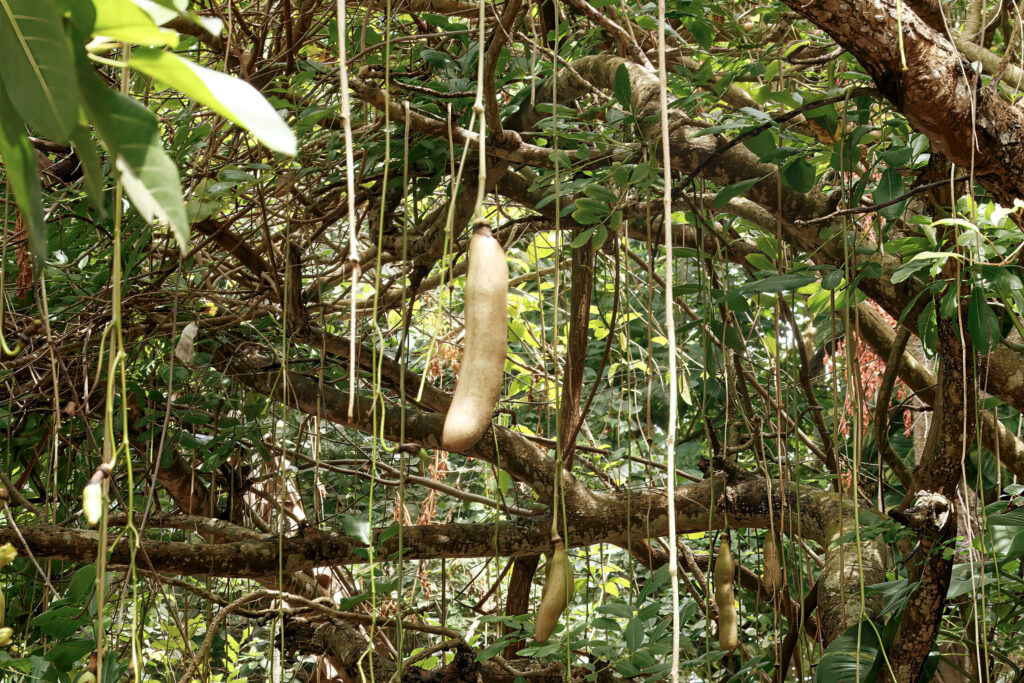
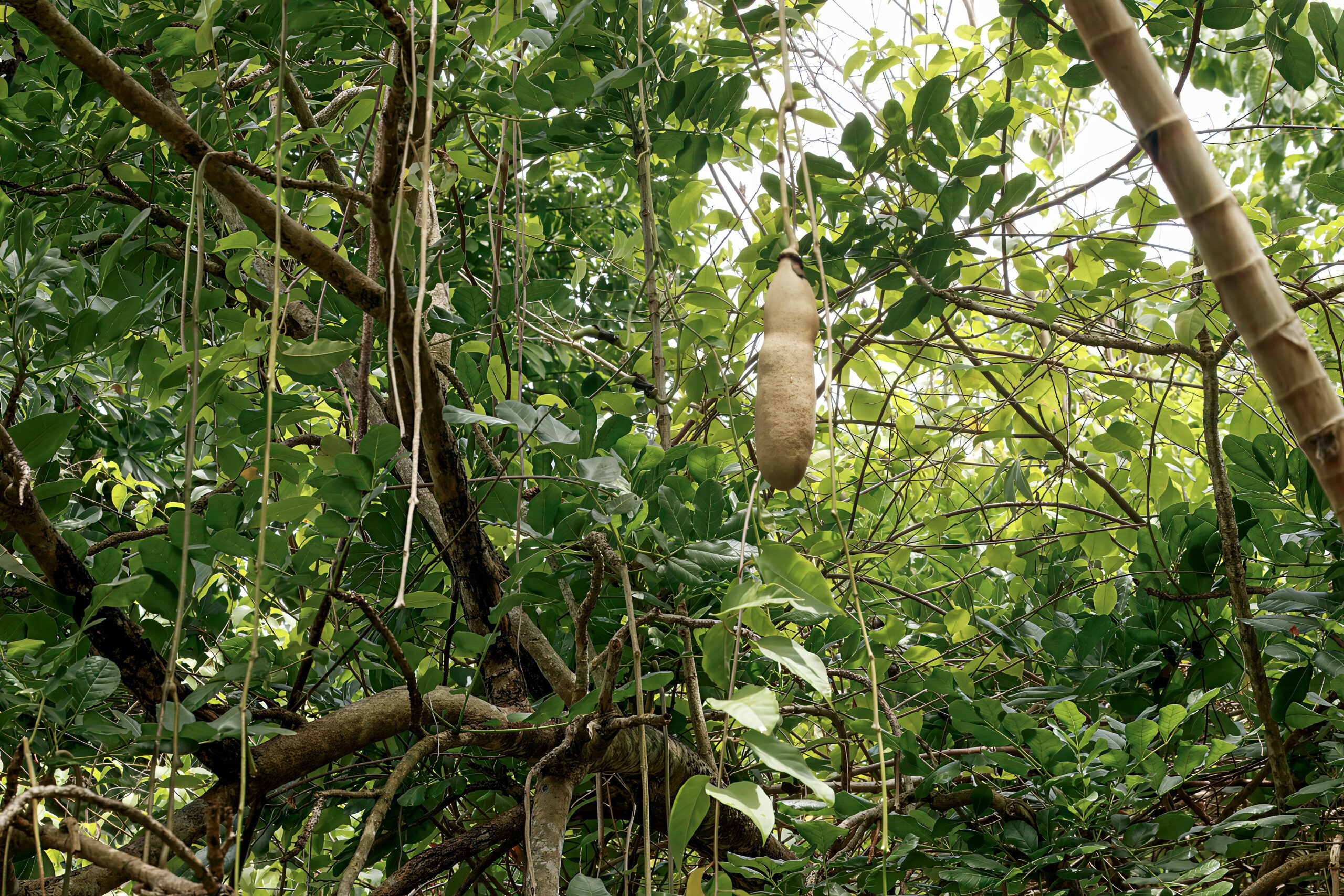
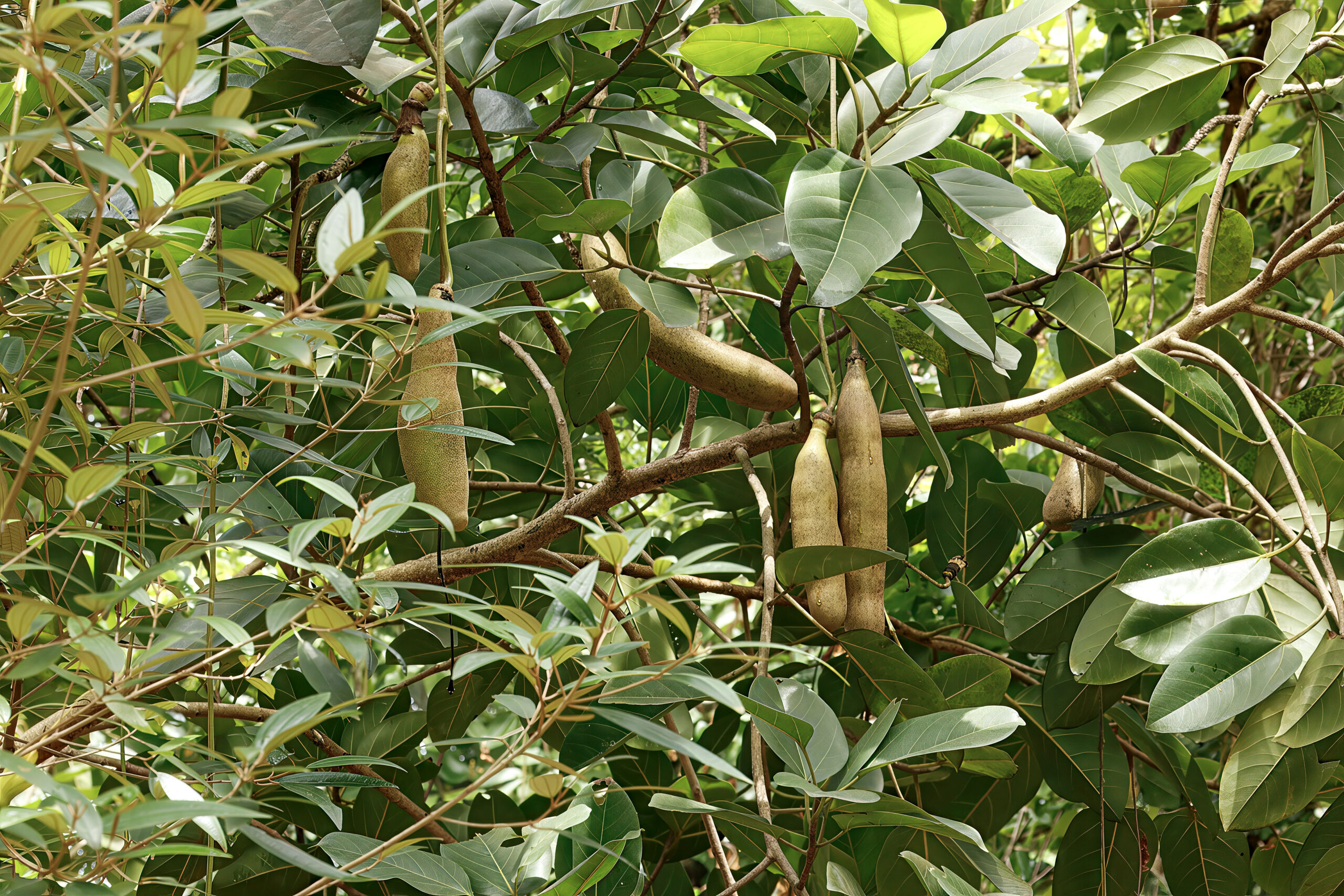
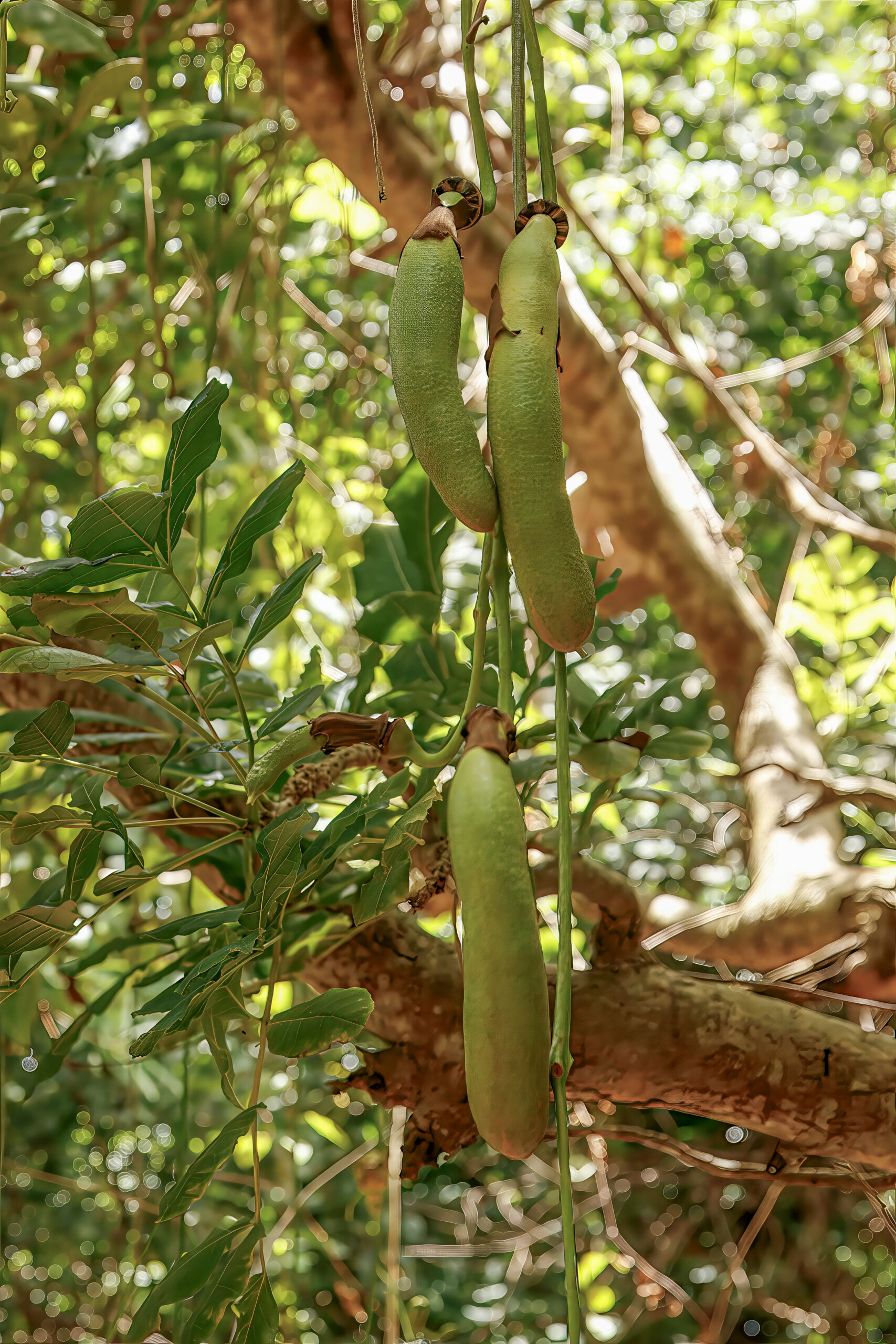
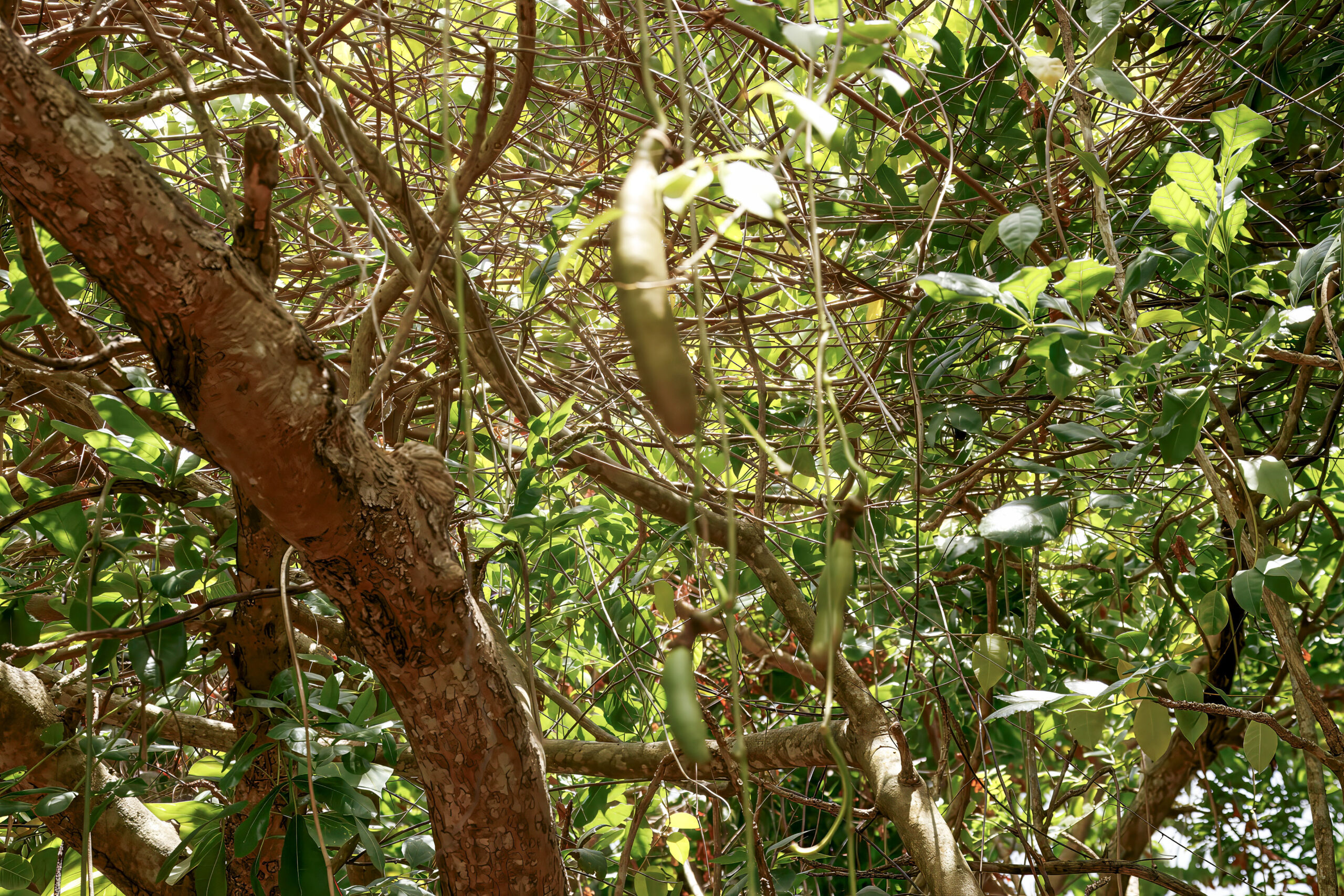
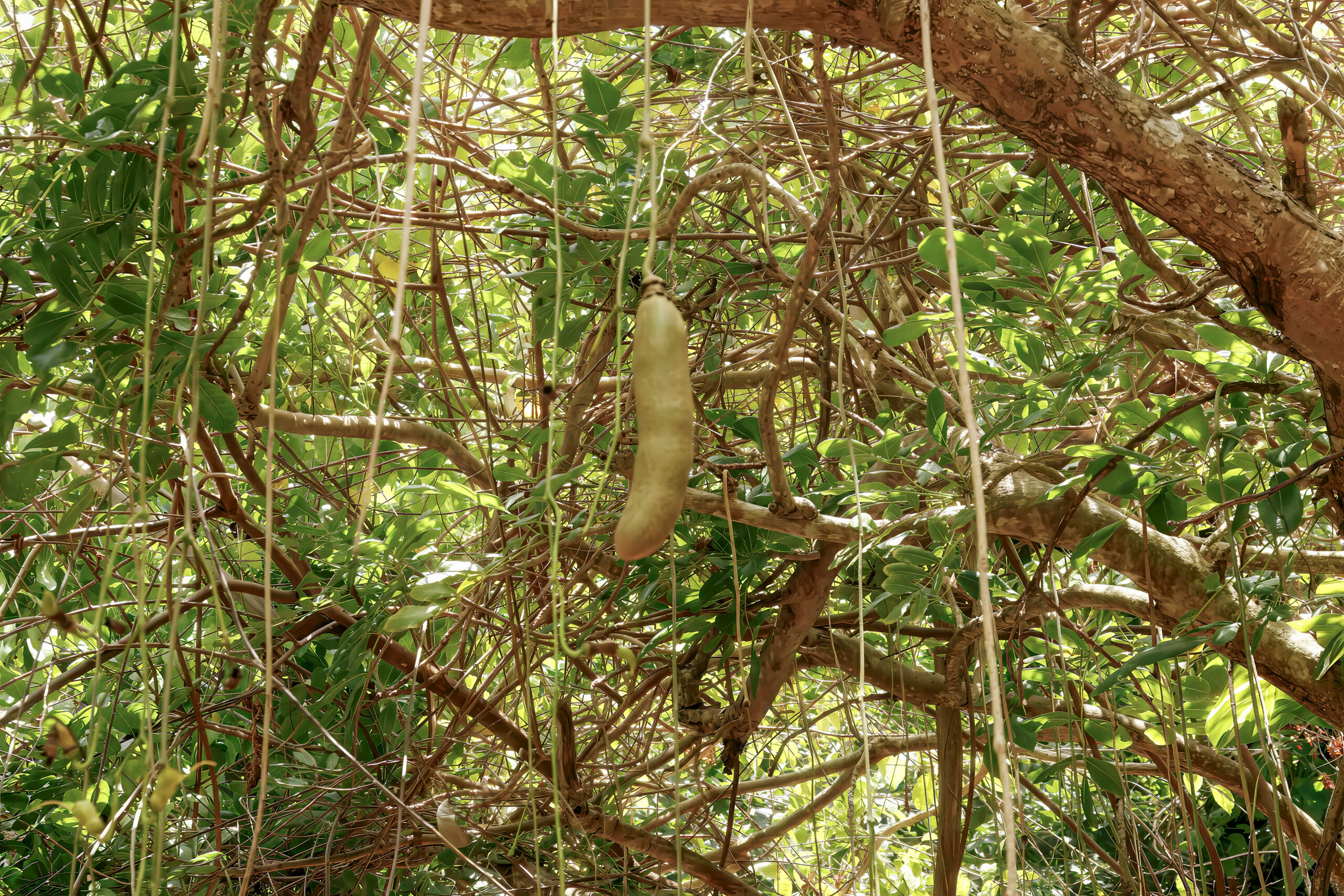
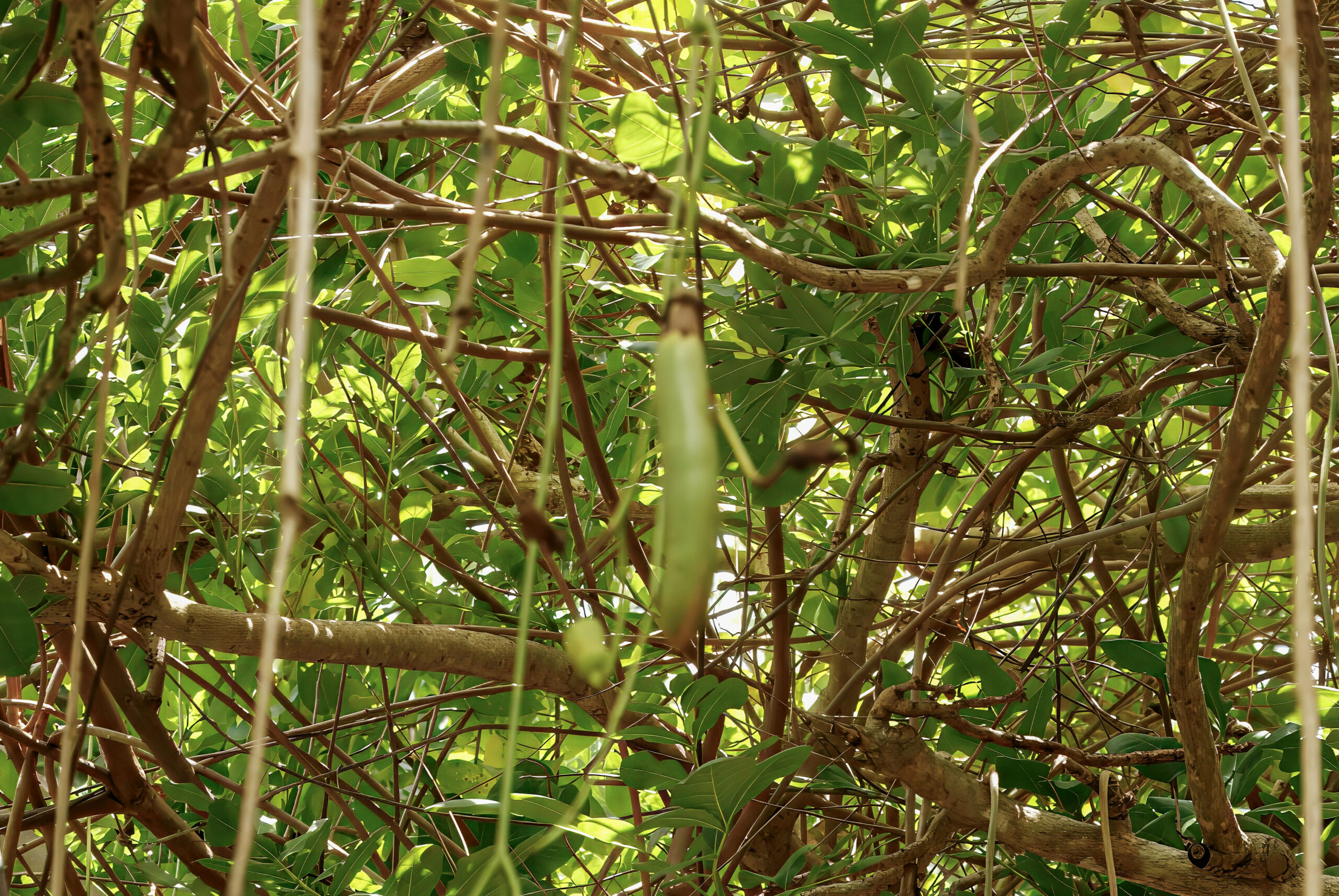
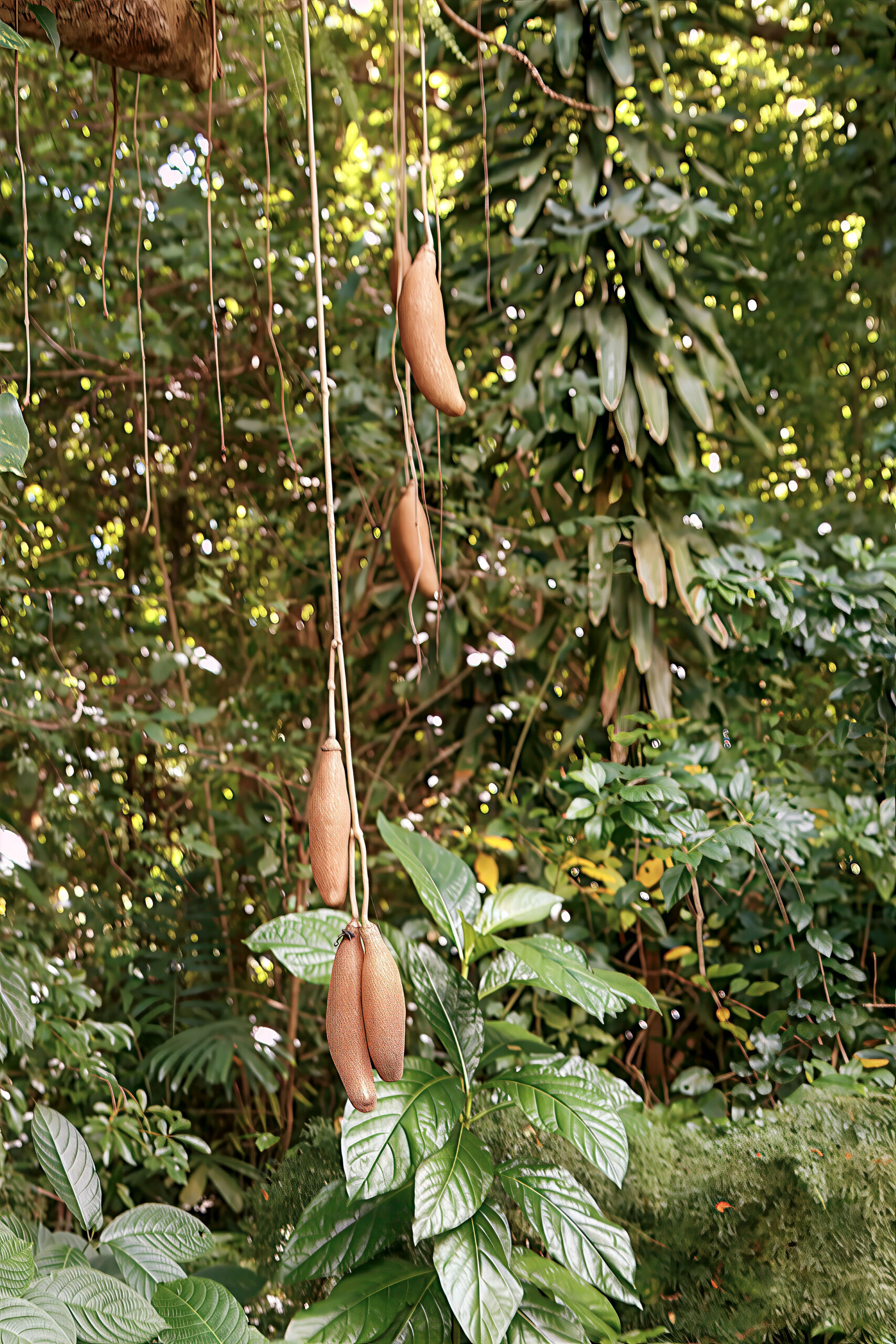
Following pollination, the tree develops massive, sausage-shaped fruits (12–24 inches long, 10+ lbs), which hang from the same long stalks.

  • Fruit development is slow and extended, often taking up to a year to reach maturity.
  • Mature fruits are woody and gray-brown, often left hanging for months or until dropped by wind or decay.

Observation Tips:

  • Document fruit length and surface changes (smooth green to coarse brown).
  • Use caution—mature fruits can be dangerous if they fall unexpectedly.
  • Note any fruit drop, cracking, or wildlife interaction.

3. Leaf Behavior
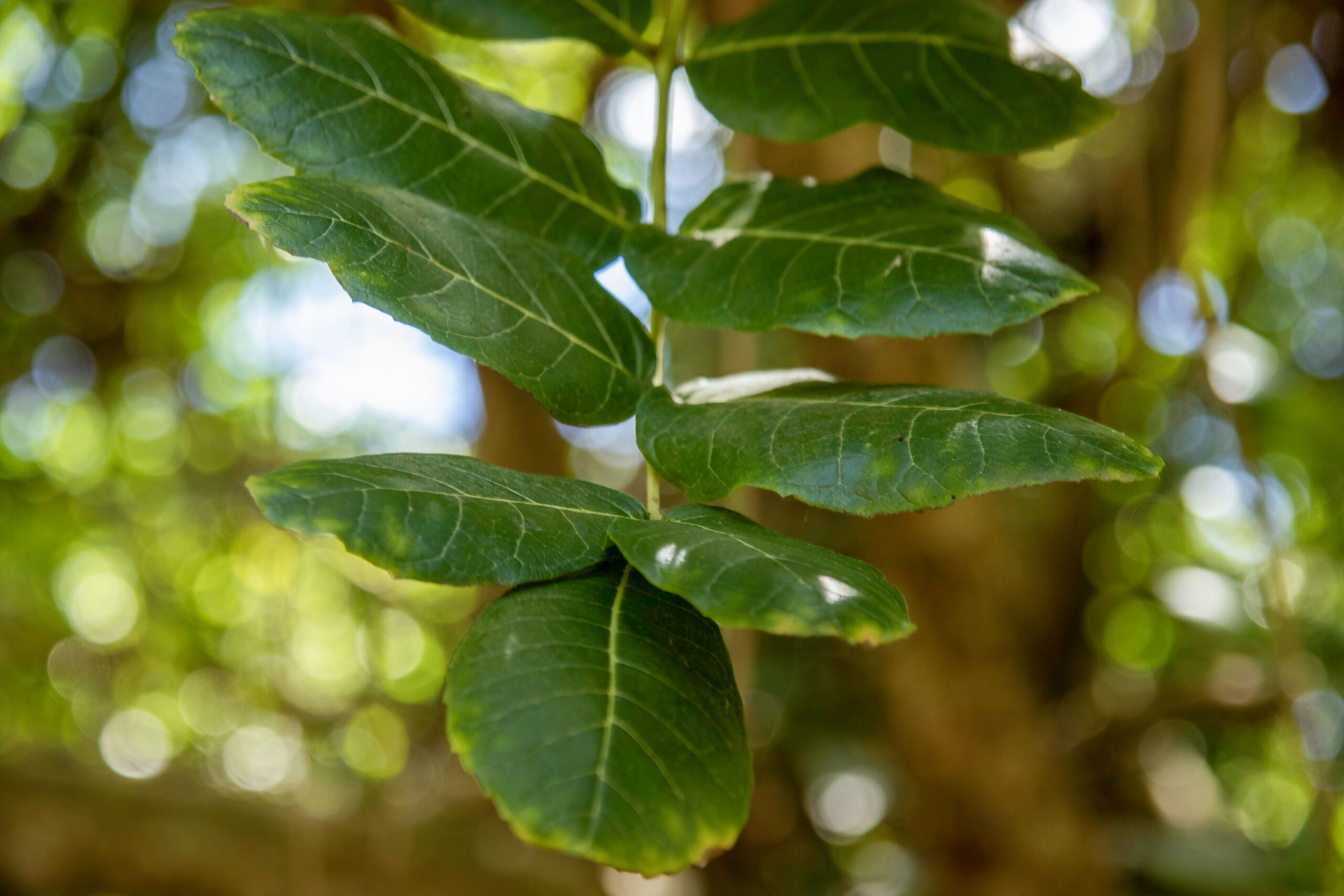
The Sausage Tree is semi-deciduous, sometimes shedding part or all of its leaves during dry periods, particularly before flowering.

  • New leaves emerge with flowering or shortly thereafter and are compound, with 3–7 leaflets.
  • Leaf flush is often synchronized, producing a refreshed green canopy.

4. Cauliflorous Traits
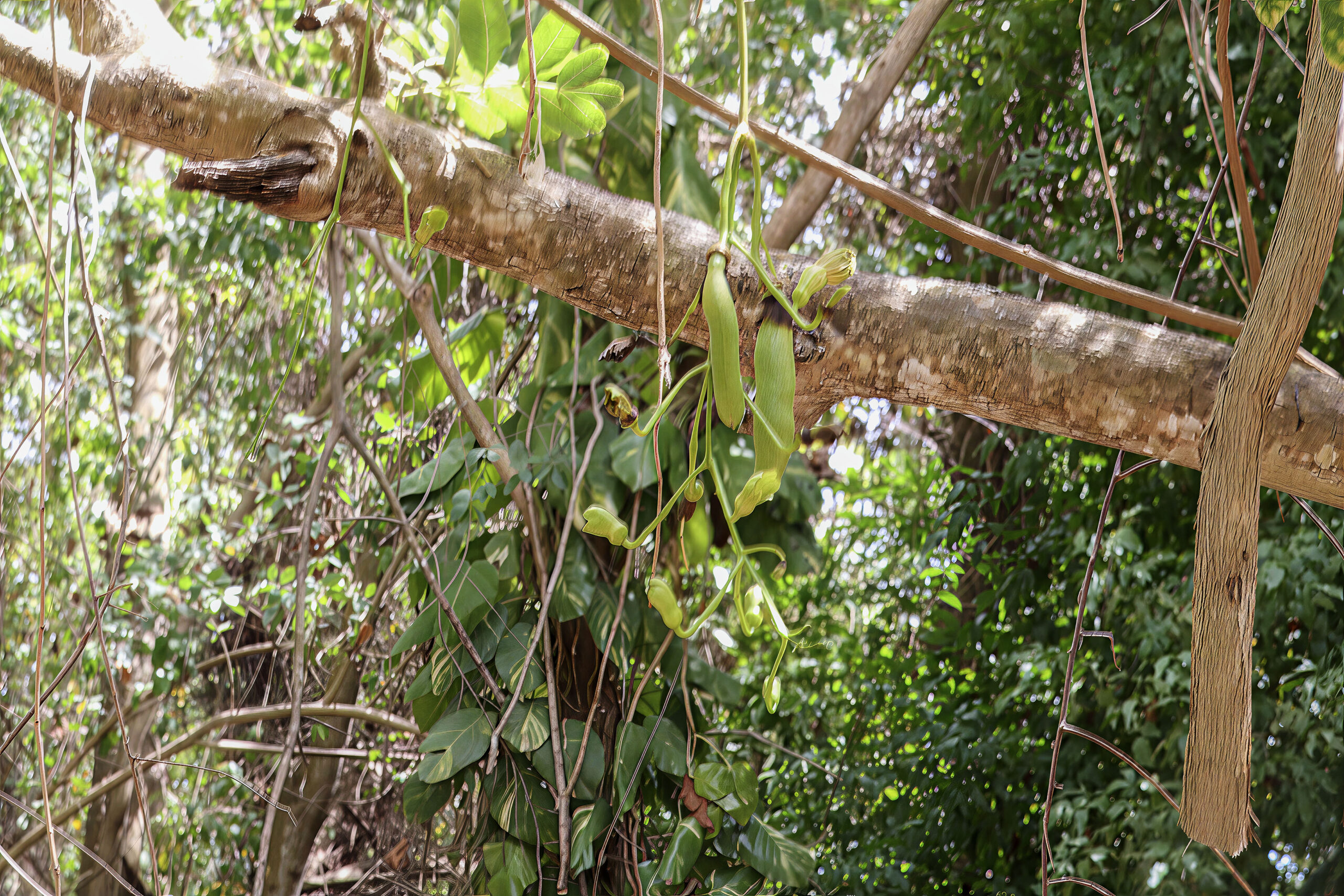
While not as strictly cauliflorous as the Cannonball Tree, flowers and fruits are borne on long pendulous stalks that hang conspicuously from the main branches.

Scroll to Top