
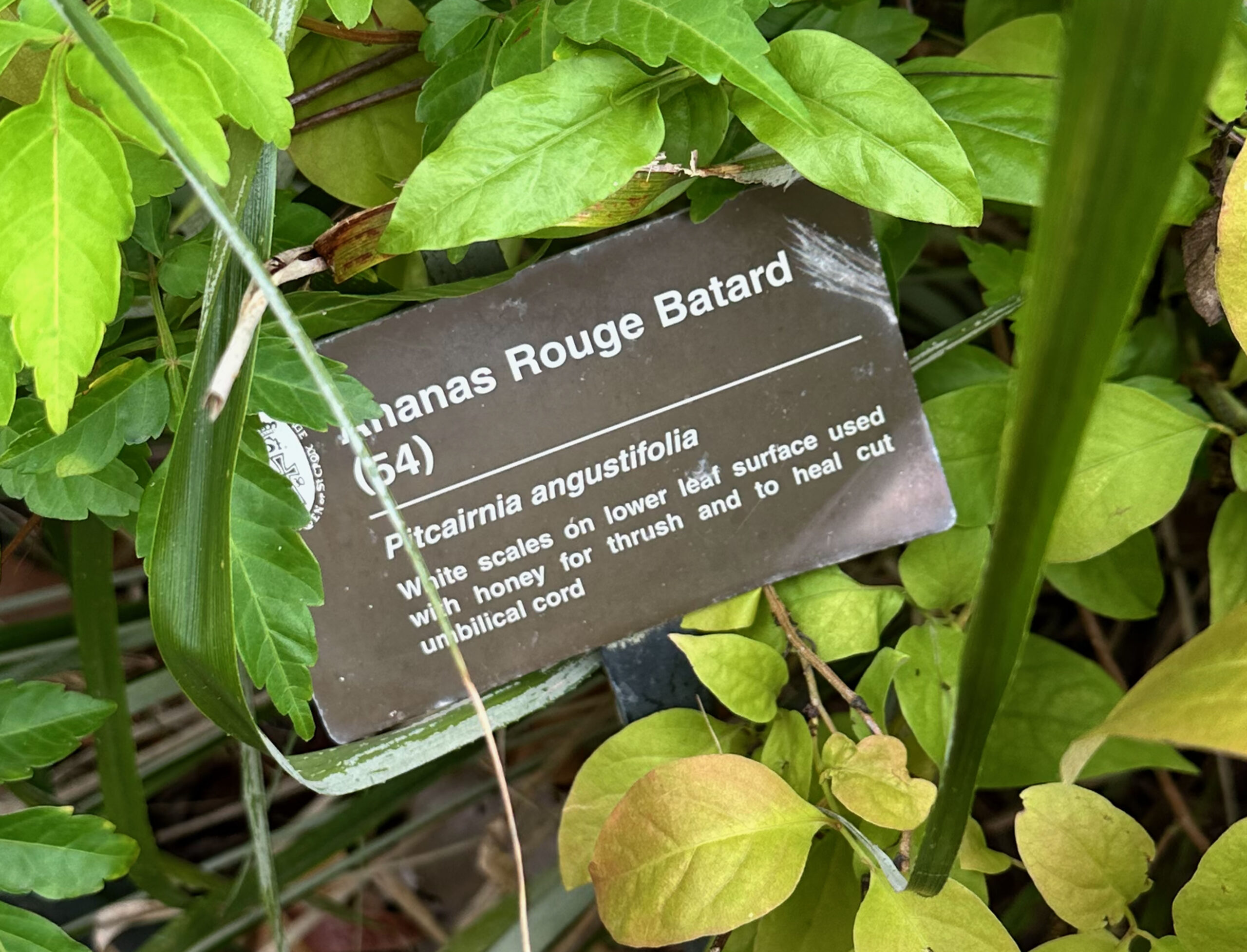
Ananas Rouge Batard
Not a Tree or Shrub
Scientific name: Pitcairnia angustifolia
Common names: Red Pineapple, Ananas Rouge Batard
GPS Location: 17° 42′ 58.37″ N, 64° 49′ 46.33″ W
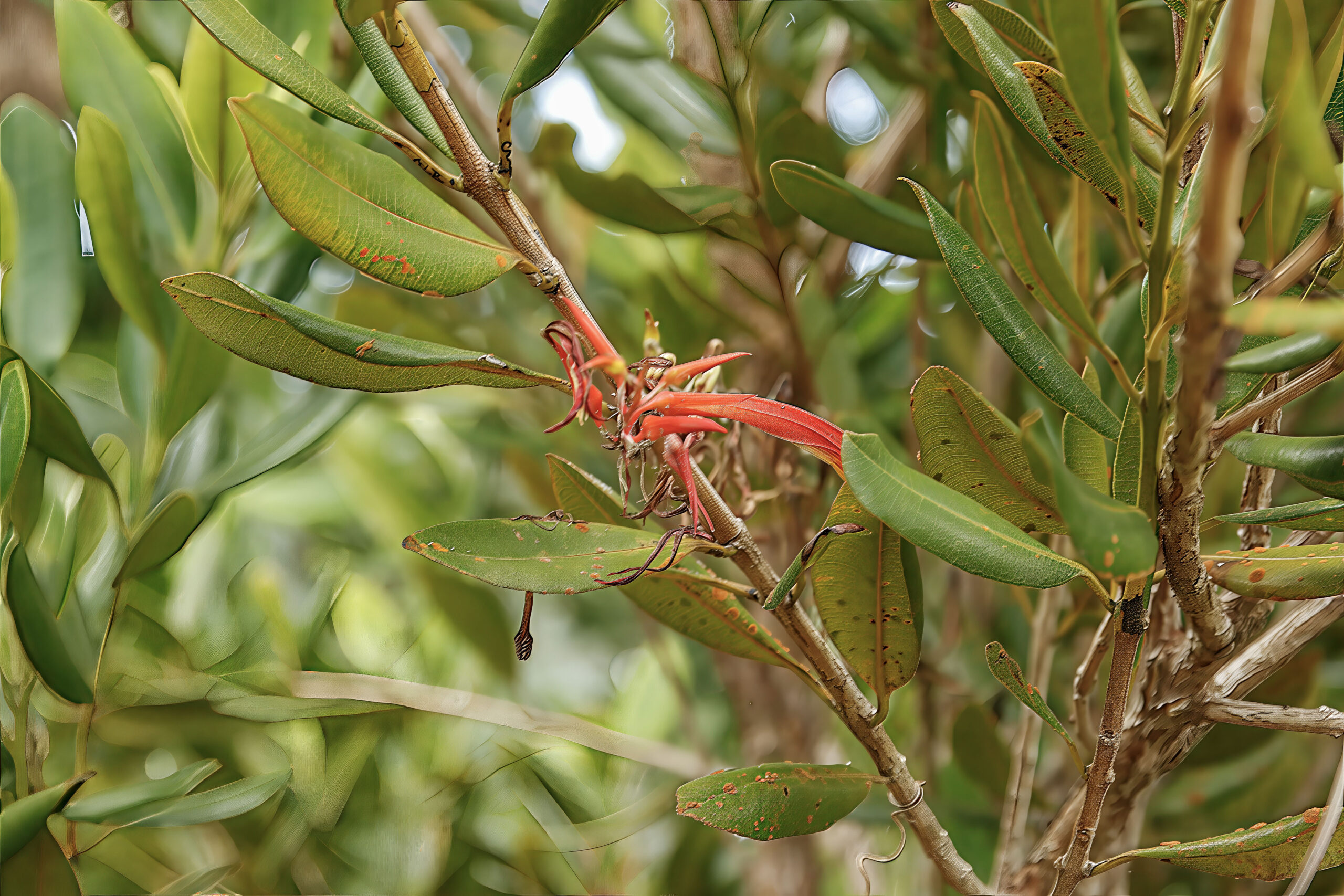
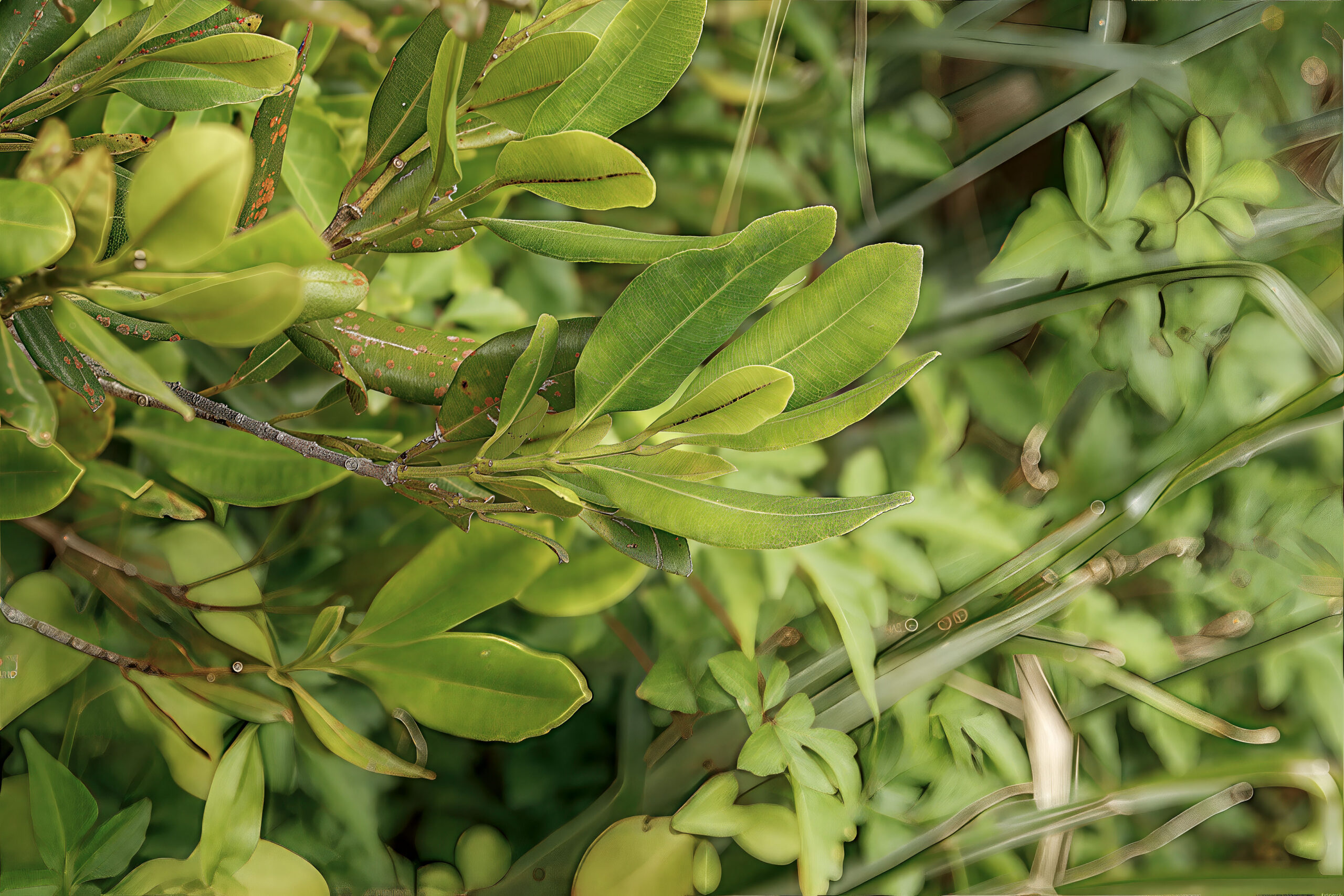
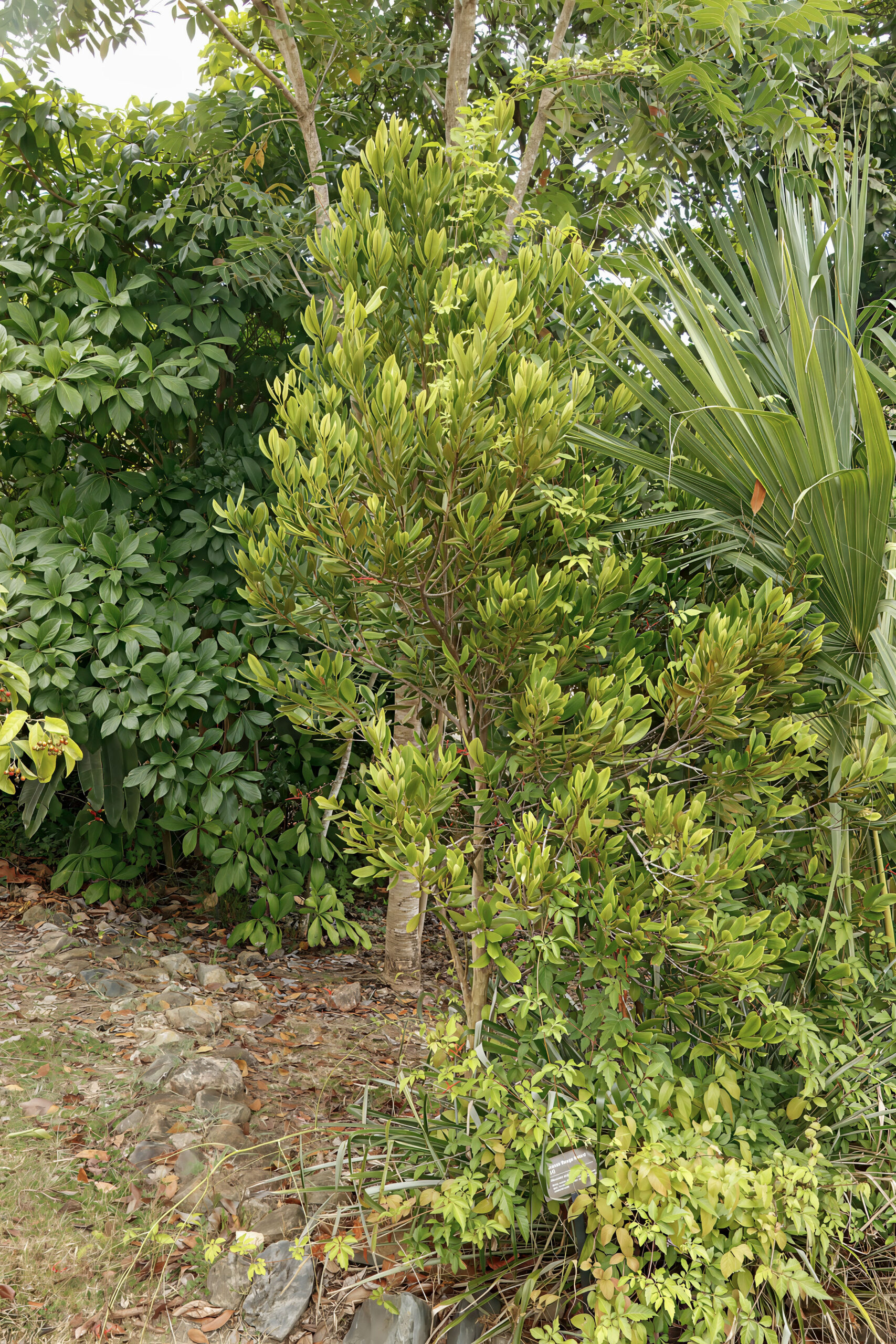
Observations:
Phenological Markers – Ananas Rouge Batard
Overview
Ananas Rouge Batard is a variety of pineapple that is distinguished by its red or reddish-colored fruit. Native to tropical regions, this cultivar is particularly grown in the Caribbean and parts of Central America. The Ananas Rouge Batard pineapple is prized for its unique taste, which tends to be sweeter and less acidic than some of its yellow-fleshed counterparts. Its vibrant red or pinkish-red fruit also gives it ornamental appeal, making it a favorite in home gardens and botanical collections.
The Red-Bastard Pineapple is typically smaller than regular pineapple varieties but is highly prized for its superior flavor profile. It thrives in tropical and subtropical climates, particularly in areas with ample sunlight and regular rainfall.
Scientific Classification
- Family: Bromeliaceae
- Genus: Ananas
- Species: A. comosus
- Variety: Ananas Rouge Batard
- Common Names: Red Bastard Pineapple, Ananas Rouge Batard, Red Pineapple
Physical Description
- Height: Typically grows to about 0.5 to 1 meter (1.6 to 3.3 feet) in height, with a dense, compact growth habit.
- Leaves: The leaves are long, narrow, and spiny, with sharp margins. They are typically green to bluish-green and have a waxy surface.
- Flowers: Small, purple, and tubular, forming a central inflorescence. The flowers are grouped in a spike-like structure and bloom towards the top of the plant.
- Fruit: The most distinguishing feature of the Ananas Rouge Batard is its small, round, reddish-colored fruit. The fruit’s color can range from deep red to pinkish, and the flesh inside is sweet, slightly tangy, and juicy.
- Bark: The plant has a succulent base and fibrous stalks.
Habitat and Distribution
Native to the tropical regions of the Caribbean and Central America, Ananas Rouge Batard thrives in warm, humid climates. It is commonly found in well-drained, sandy loam soils, particularly in tropical or subtropical climates with ample sunlight. In its natural habitat, this pineapple variety is often cultivated in gardens or small farms, though it can be found in wild or semi-wild settings as well.
It is also grown in other areas with tropical conditions, where it benefits from high rainfall and well-drained soils.
Ecological Role
- Pollinators: The small, tubular flowers attract bees, hummingbirds, and other pollinators, contributing to local biodiversity.
- Wildlife: The sweet, edible fruit is eaten by birds and small mammals, which helps in seed dispersal.
- Soil Fertility: Pineapple plants have a shallow root system, but they play an important role in preventing soil erosion in tropical areas.
Phenological Markers
| Phenological Phase | Observation Notes |
|---|---|
| Leaf Flush | New leaves appear as light green and soft, followed by the mature spiny, leathery texture. This flush typically occurs in the early wet season. |
| Full Foliage | Mature, leathery, spiny leaves form a rosette at the base. The plant maintains its leaves throughout the year, though they may become tattered at the edges. |
| Flower Budding | Small, purple flowers begin to form near the top of the plant in the late spring or early summer. These flowers are grouped in a dense spike-like structure. |
| Flowering | The pineapple typically flowers in late spring to early summer, with each plant producing a single flower spike that turns into the central fruit. |
| Fruit Set | Following flowering, the fruit begins to develop at the top of the plant. This process takes 3–4 months to reach maturity. The fruit sets in early to mid-summer. |
| Fruit Maturity | The red or pinkish fruit ripens from mid to late fall, with the fruit becoming vibrant in color as it matures. |
| Seed Dispersal | While pineapples are primarily propagated by vegetative means (e.g., crowns, slips, or suckers), seeds within the fruit may be dispersed by birds and small mammals that consume the fruit. |
Growing Conditions
- Light: Prefers full sun, although it can tolerate some light shade. Adequate sunlight is crucial for fruit production and coloring.
- Soil: Prefers well-drained, sandy or loamy soil. It thrives in soils with a slightly acidic pH (around 5.5 to 6.5).
- Watering: Requires regular watering to keep the soil moist, especially during the dry season. However, it is important not to overwater to avoid root rot.
- Temperature: Ideal for tropical climates with temperatures ranging from 20°C to 30°C (68°F to 86°F). It is sensitive to cold temperatures and frost.
Propagation
- Vegetative Propagation: The most common method for propagating Ananas Rouge Batard is through vegetative means—using the top crown, slips, or suckers from mature plants. These should be planted in well-draining soil with moderate watering.
- Seeds: While not commonly propagated by seed, it is possible to collect seeds from ripe fruit and germinate them in moist conditions. However, vegetative propagation is preferred for faster and more consistent results.
Conservation Status
Ananas Rouge Batard is not listed as threatened or endangered. It is widely cultivated in tropical regions for its edible fruit and ornamental value. However, like many tropical plants, it could face pressures from habitat destruction or climate change, which may affect its distribution.
Phenology Monitoring Notes
- Flowering and Fruit Set: Track the timing of flowering relative to rainfall patterns and temperature changes. The fruiting phase is particularly important for assessing growth rates.
- Pollinator Activity: Document the type of pollinators that interact with the flowers, particularly bees and hummingbirds, during the flowering phase.
- Fruit Development: Monitor the fruit ripening process and note how quickly the fruit matures compared to other pineapple varieties.
Conclusion
Ananas Rouge Batard (Red-Bastard Pineapple) is a tropical plant known for its sweet and colorful fruit, along with its ability to thrive in warm, moist climates. While smaller in size compared to other varieties, it is prized for its distinctive red or pink fruit, which ripens to a sweet, flavorful treat. By observing its phenological markers, we can gain a better understanding of how this cultivar responds to seasonal changes, making it an interesting species to monitor for phenology studies in tropical and subtropical regions.