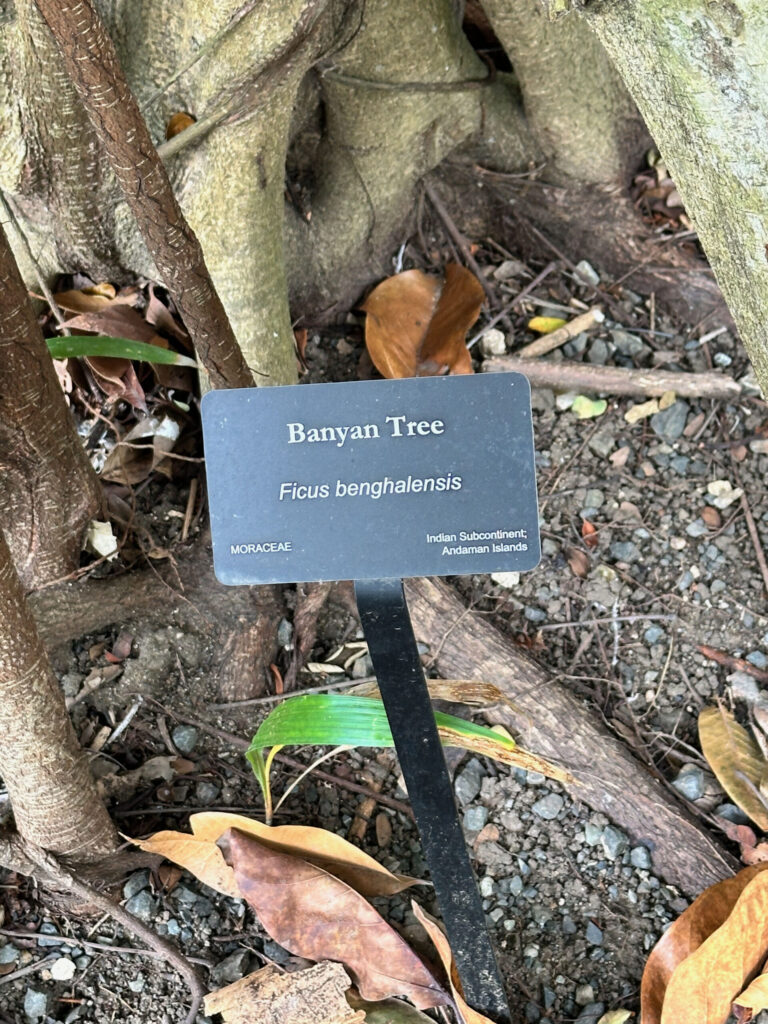
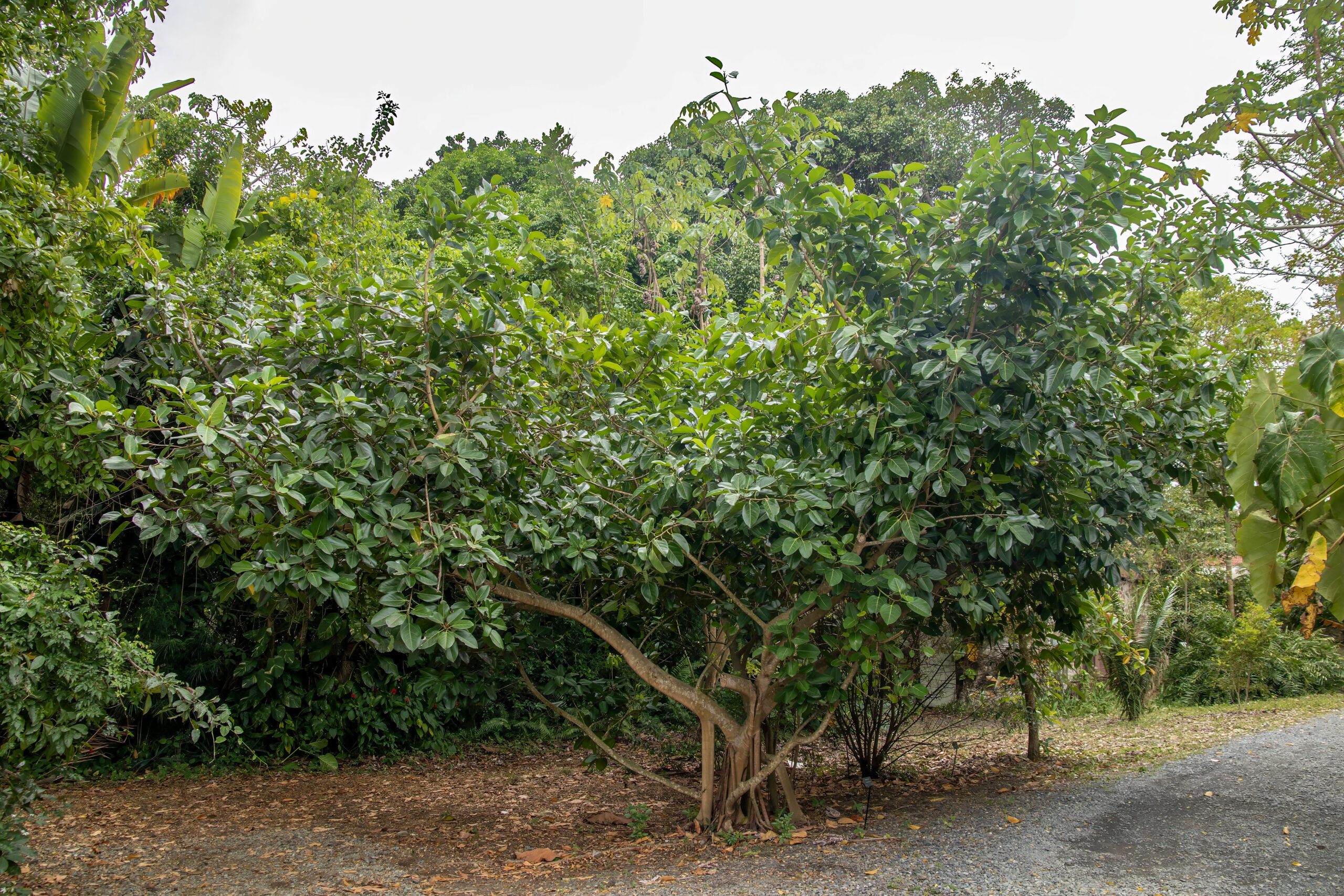
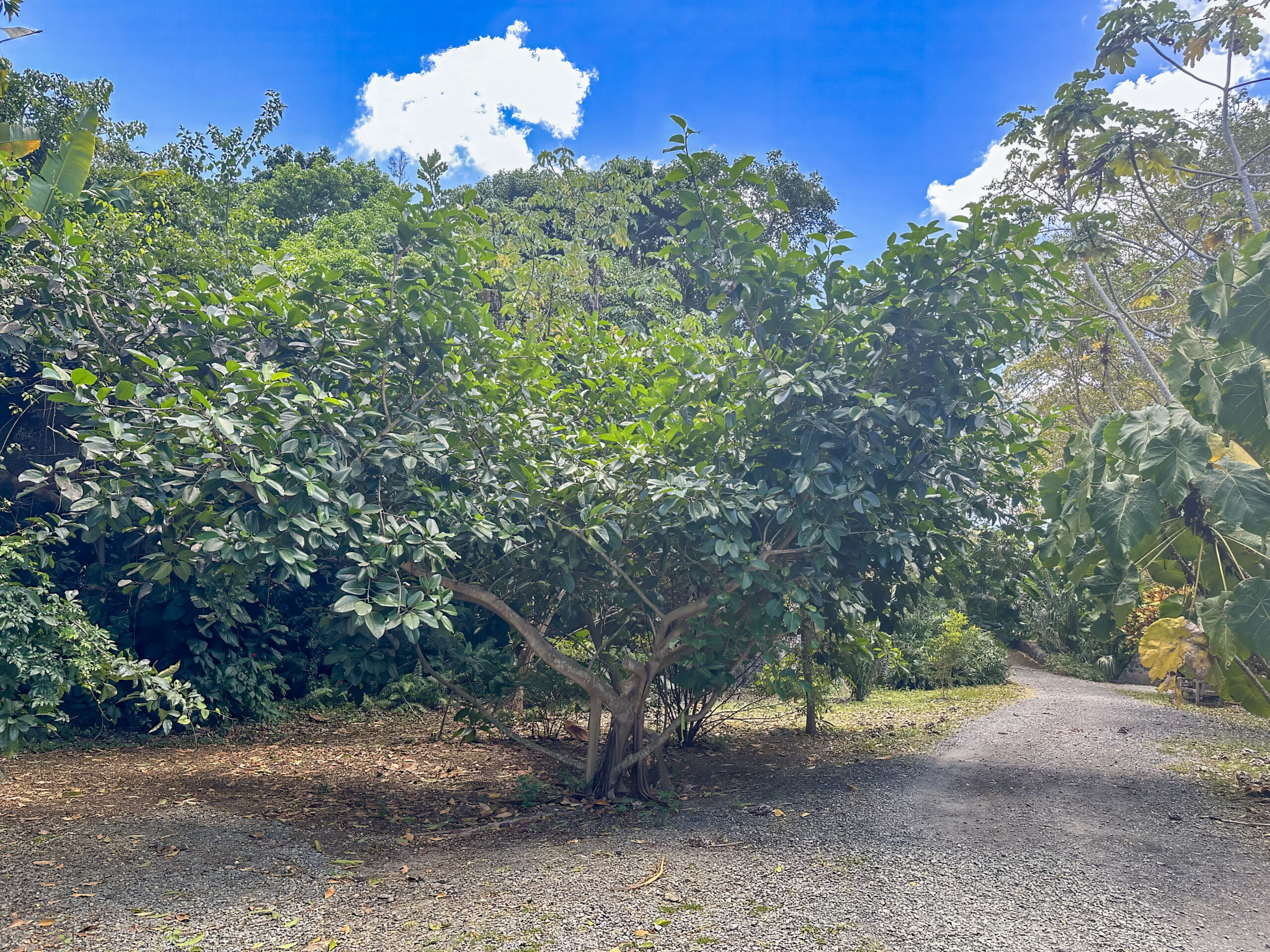
Banyan tree
Scientific name: Ficus benghalensis
POWO Status: Tree
IUCN Red List threat level: Not Evaluated
GPS Location: 17° 42′ 56.60″ N, 64° 49′ 46.69″ W


Medicinal Uses
Ficus benghalensis (Banyan tree) is a staple in traditional South Asian medicine (Ayurveda, Siddha), with various parts used for diabetes, diarrhea, skin issues, inflammation, and wounds, utilizing bark, leaves, latex, and roots for their anti-diabetic, anti-inflammatory, antioxidant, and wound-healing properties, though more scientific research is needed for full validation.
Medicinal Uses by Plant Part
- Stem Bark: Used for diabetes, diarrhea, dysentery, skin diseases, and as a general tonic.
- Latex (Sap): Applied to wounds, burns, rheumatism, and skin inflammations; also used for urinary issues and to promote conception.
- Leaves: Applied to abscesses, ulcers, and skin inflammations; also used for gastrointestinal issues like diarrhea and dysentery.
- Aerial Roots: Used for gum and teeth disorders, as well as urinary and gonadal problems.
- Fruits: Considered a tonic, though the fleshy fruit is sometimes avoided due to laxative effects.
- Seeds: Used as a dietary supplement for peptic ulcers.
Key Therapeutic Properties
- Antidiabetic: Extracts show promise in managing blood sugar.
- Anti-inflammatory: Helps with swelling, rheumatism, and inflammatory conditions.
- Wound Healing: Promotes tissue repair for burns, sores, and ulcers.
- Antioxidant & Cardioprotective: Contains flavonoids and phenolic compounds with protective effects.
- Antidiarrheal & Antidysenteric: Effective in treating digestive issues.
Traditional Applications
- Diabetes: Bark and seeds used as a tonic.
- Skin Conditions: Bark decoctions for ulcers, leaves for abscesses, latex for bruises.
- Digestive Health: Bark and leaves for diarrhea and dysentery.
- Women’s Health: Used for leucorrhea (whitish vaginal discharge) and menstrual issues (menorrhagia).
Important Note: While widely used in traditional systems, many properties need further scientific investigation and validation. Always consult a healthcare professional before using herbal remedies.
Observations:
Phenological Markers – Banyan Tree (Ficus benghalensis)
1. Leaf Flush
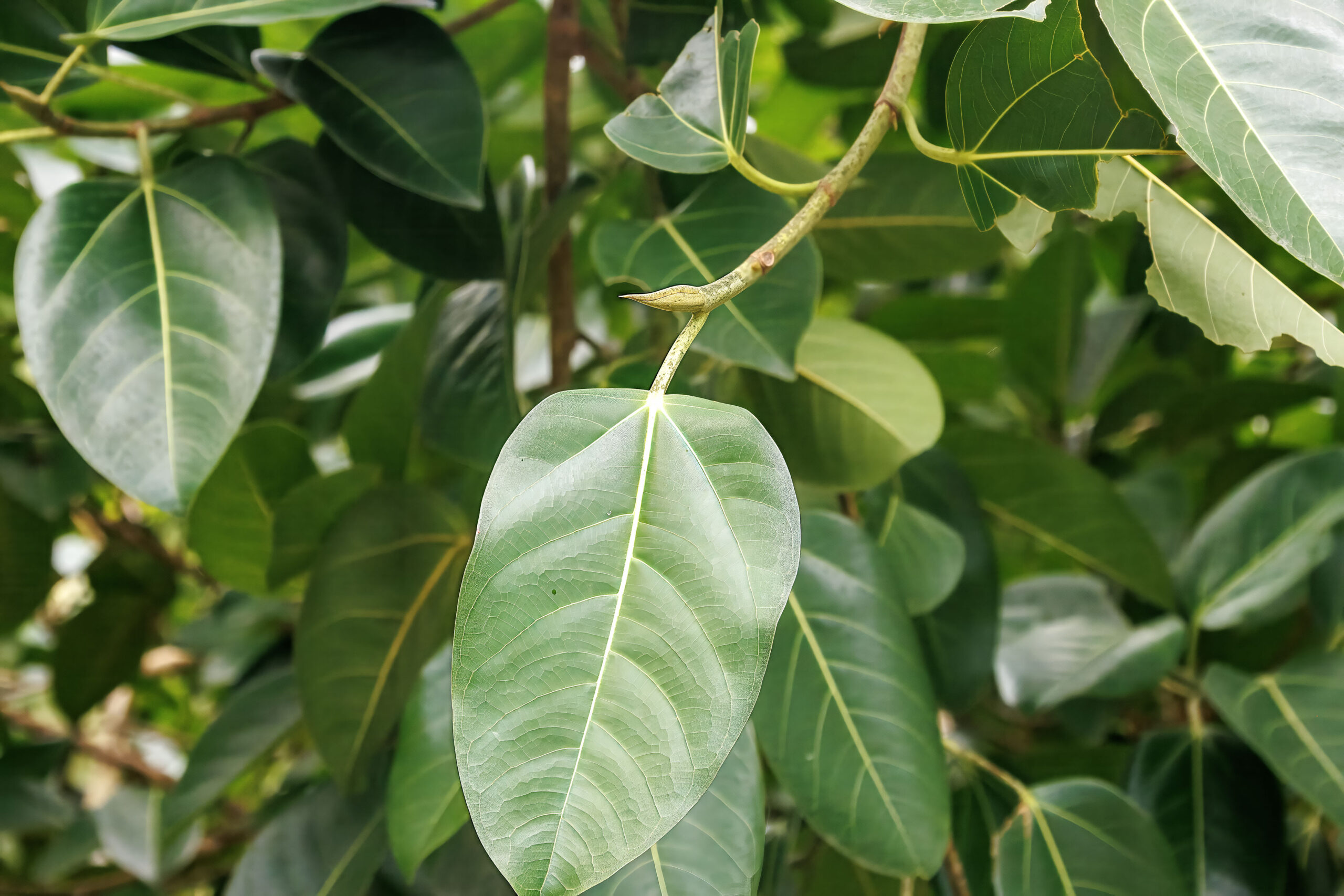
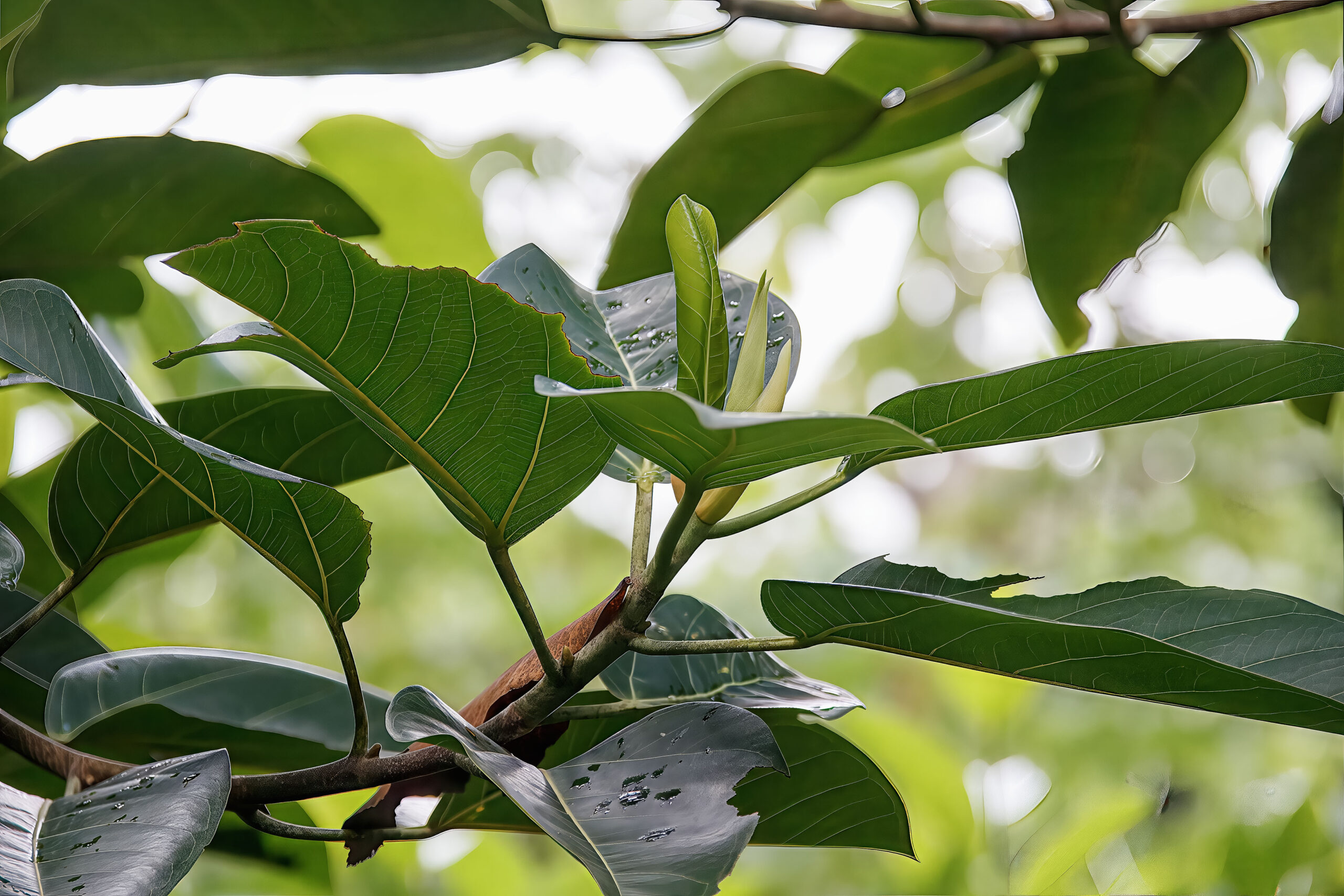
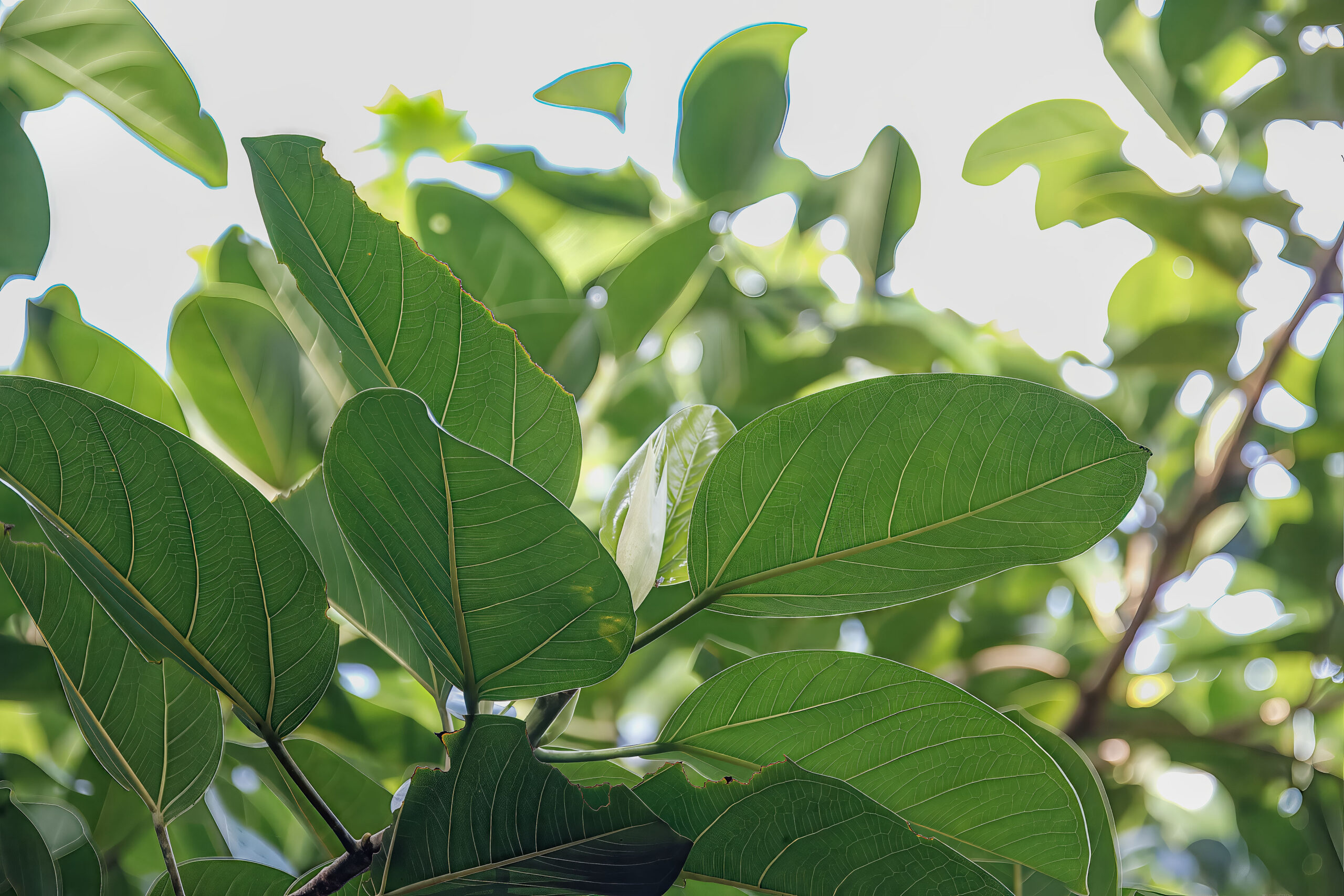
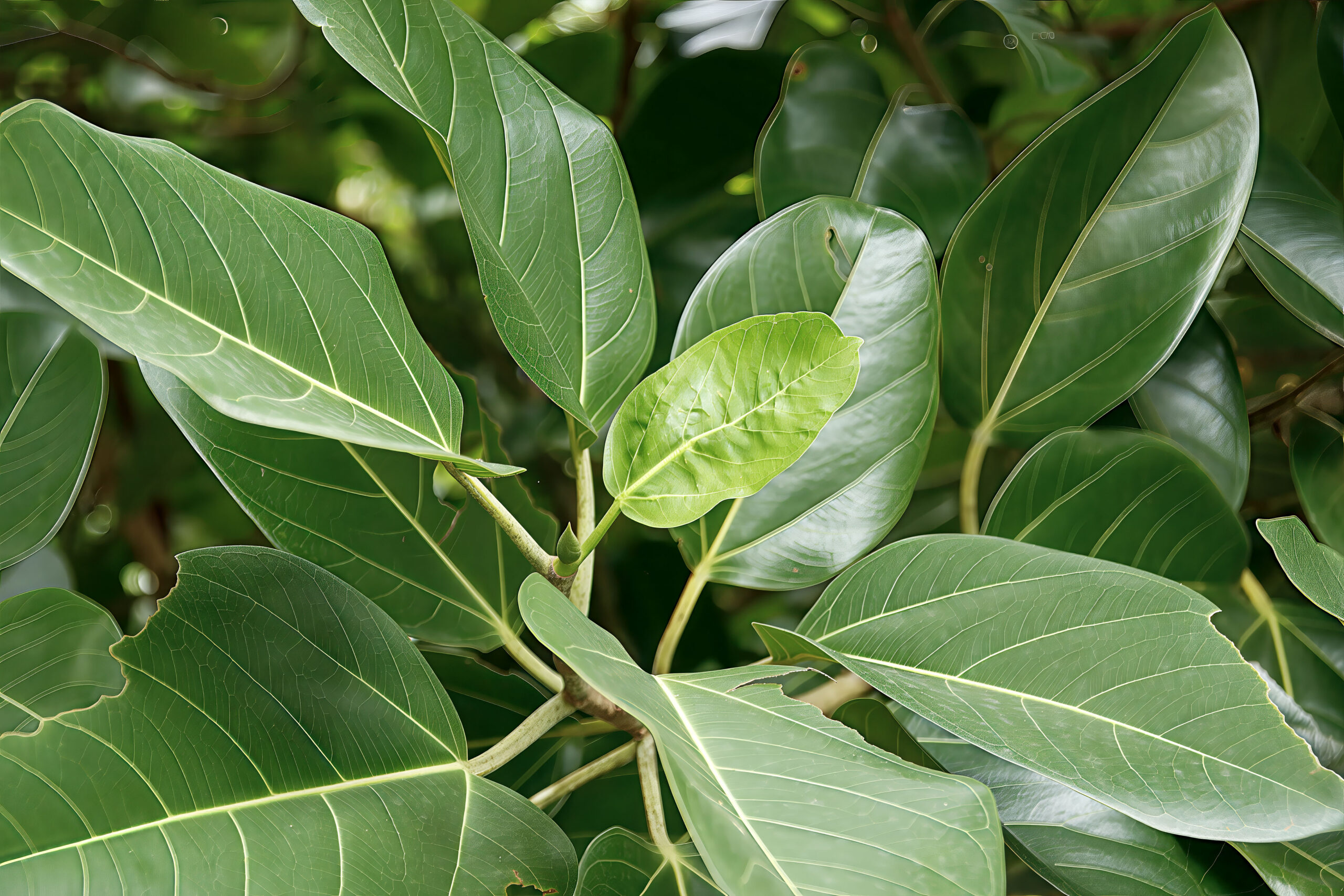
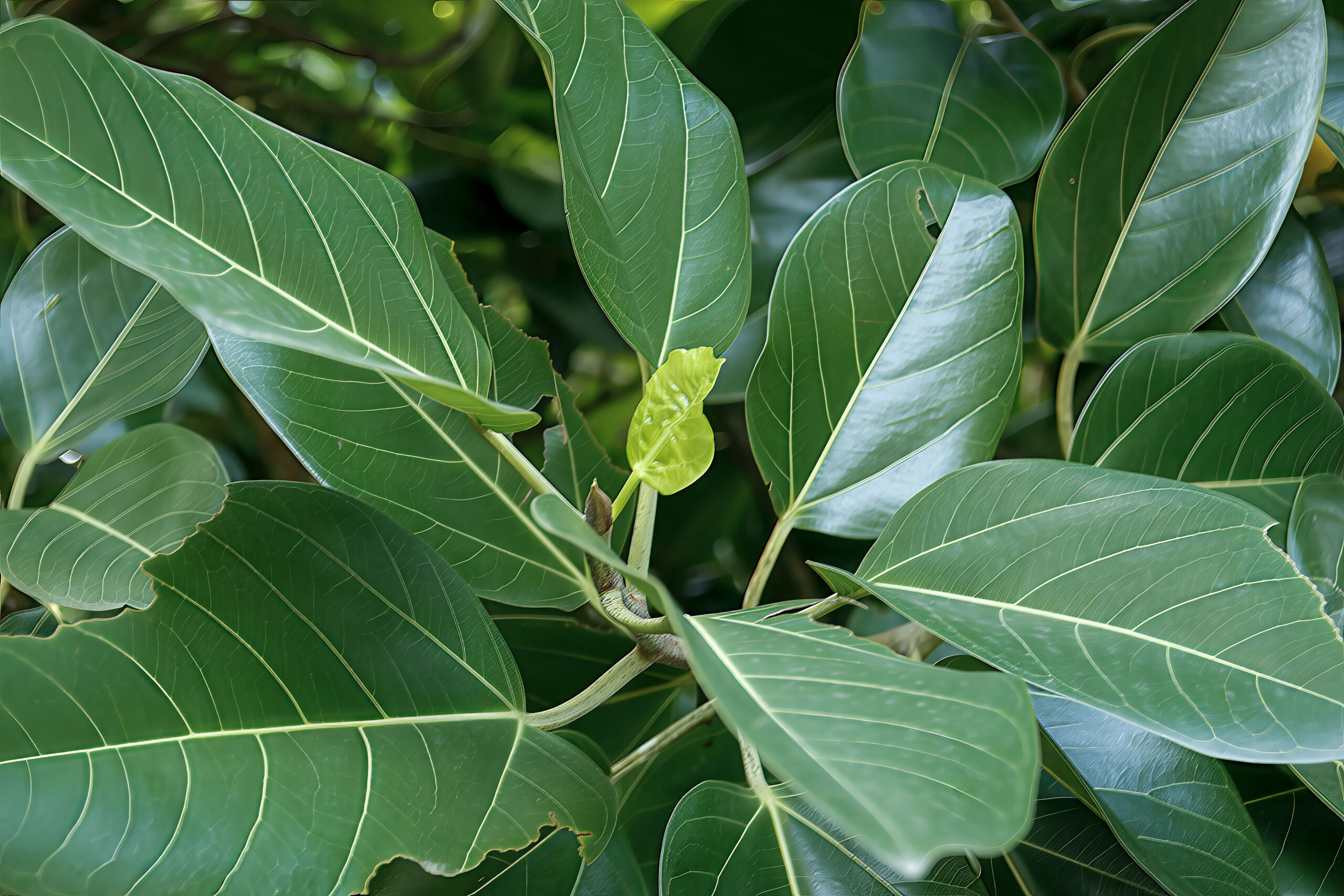
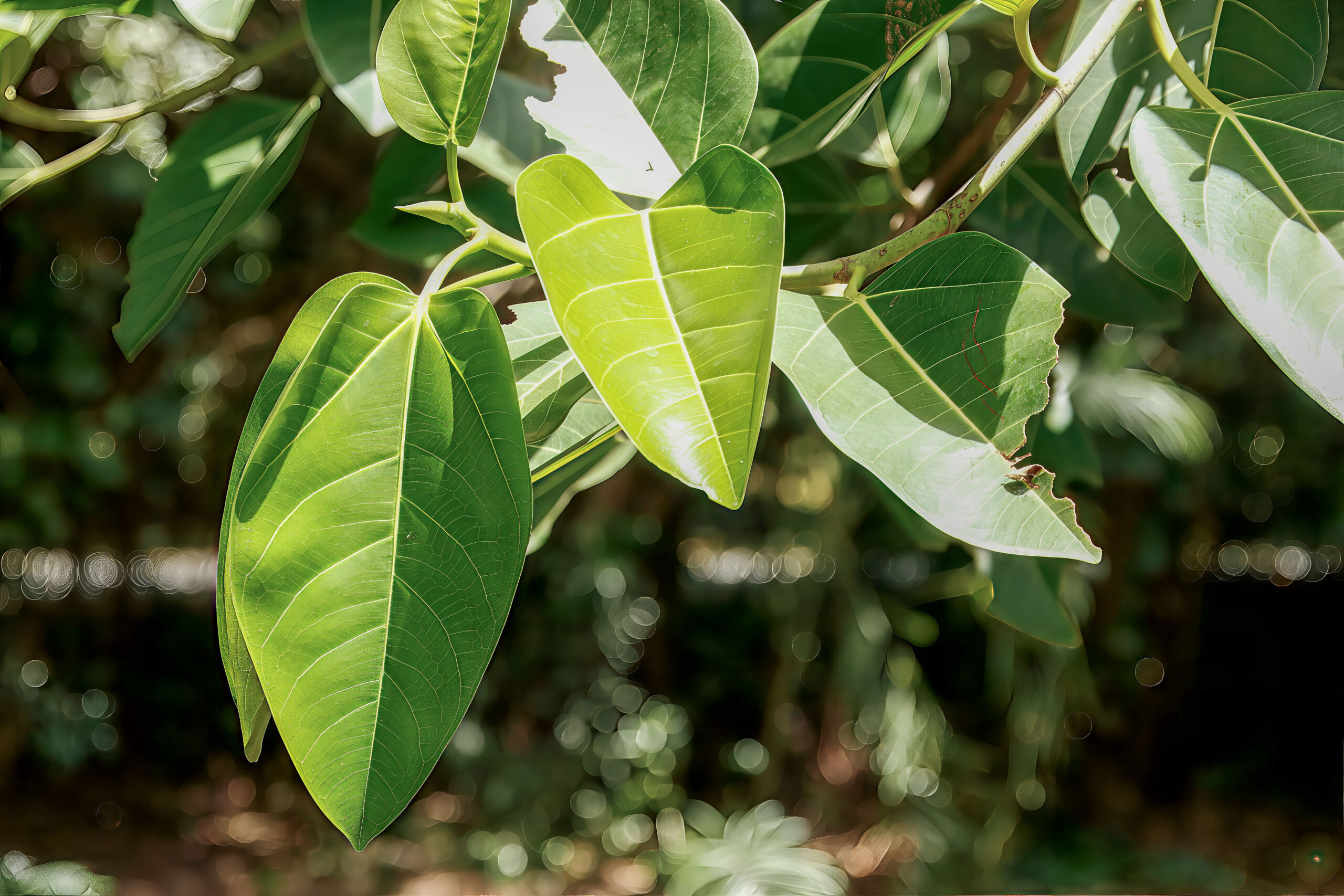
Banyan trees are evergreen in tropical climates like St. Croix but may exhibit mild seasonal leaf turnover or semi-deciduous behavior during dry spells.
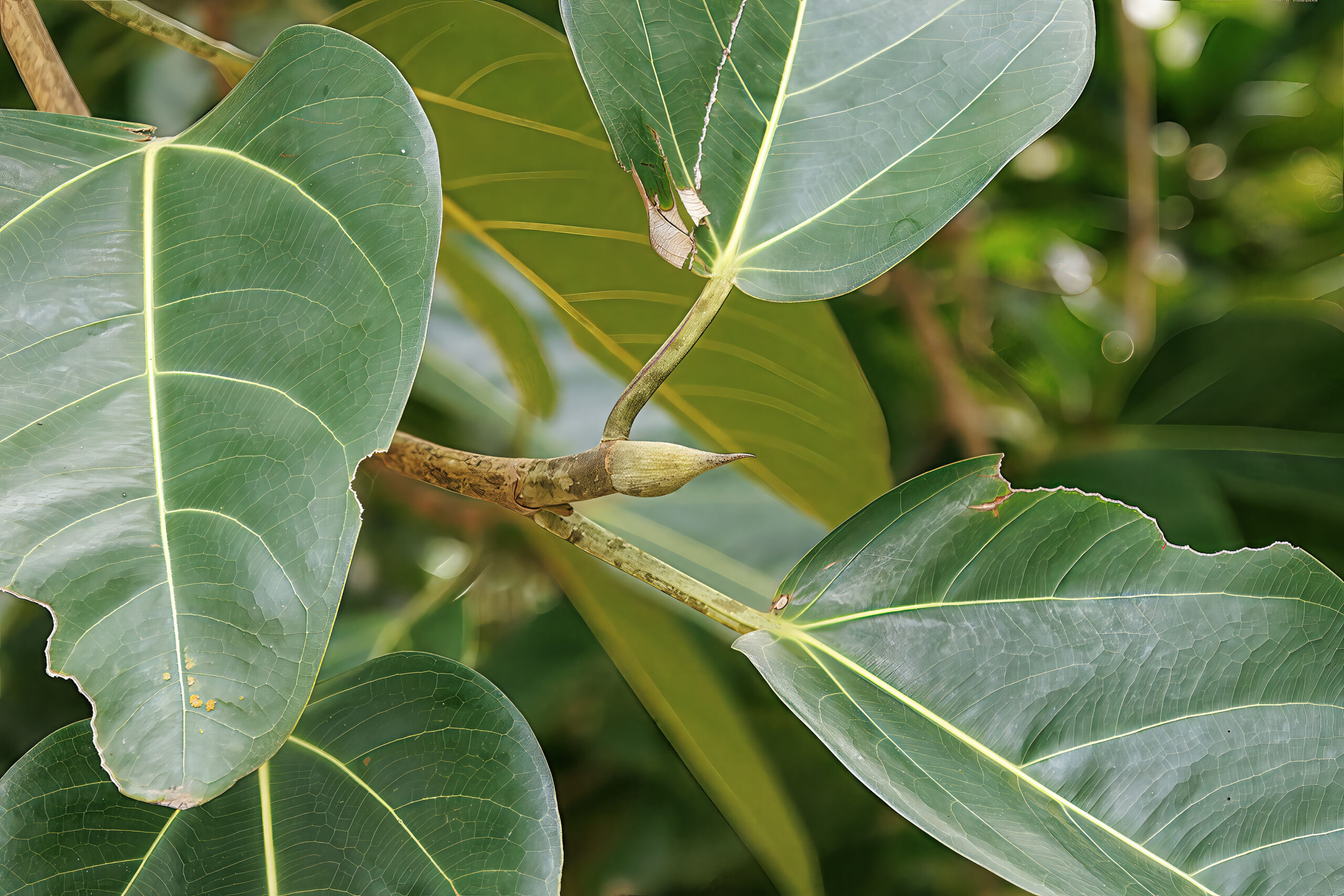
- New leaf flushes occur periodically and are often triggered by rainfall or pruning.
- New leaves are lighter green and tender, sometimes with a slightly reddish hue.
- These flushes help mark growth cycles, even in the absence of full leaf drop.
2. Leaf Drop (Minor or Cyclical)
While not truly deciduous, the tree may shed some older leaves during dry periods or before a flush.
- Watch for a subtle increase in leaf litter beneath the tree as a precursor to new growth.
- This is usually not synchronized but can be noted over time as a minor phenophase.
3. Syconia Development (Fig-Like Fruit)
Like all Ficus species, the Banyan produces syconia—enclosed fig-like structures that house internal flowers.
- These appear as small green, reddish, or purplish nodules on twigs and branchlets.
- They may appear multiple times a year, but fruiting is often asynchronous—not all figs on the tree mature at the same time.
- Fruiting is often linked with increased pollinator activity, especially fig wasps, birds, and bats.
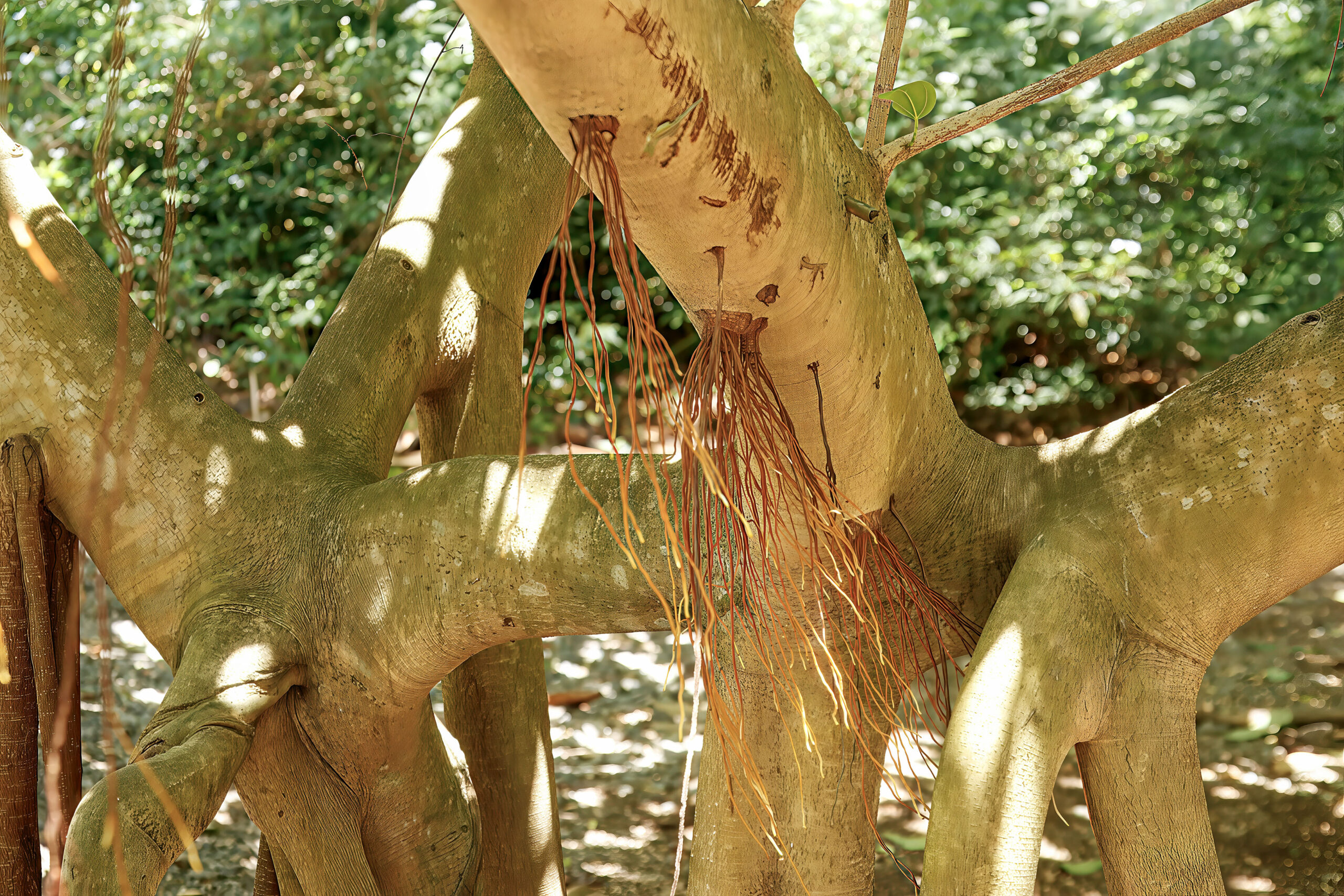
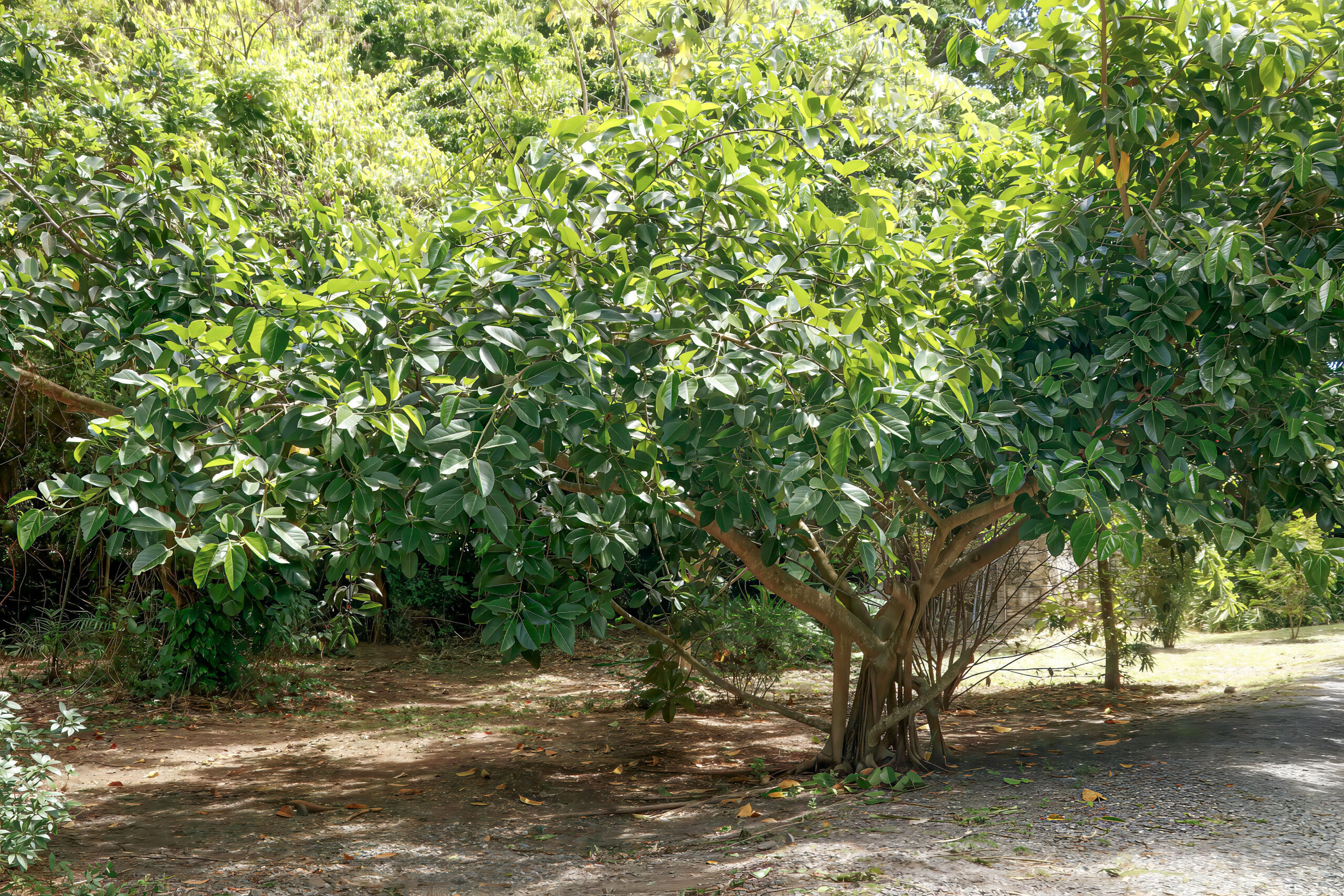
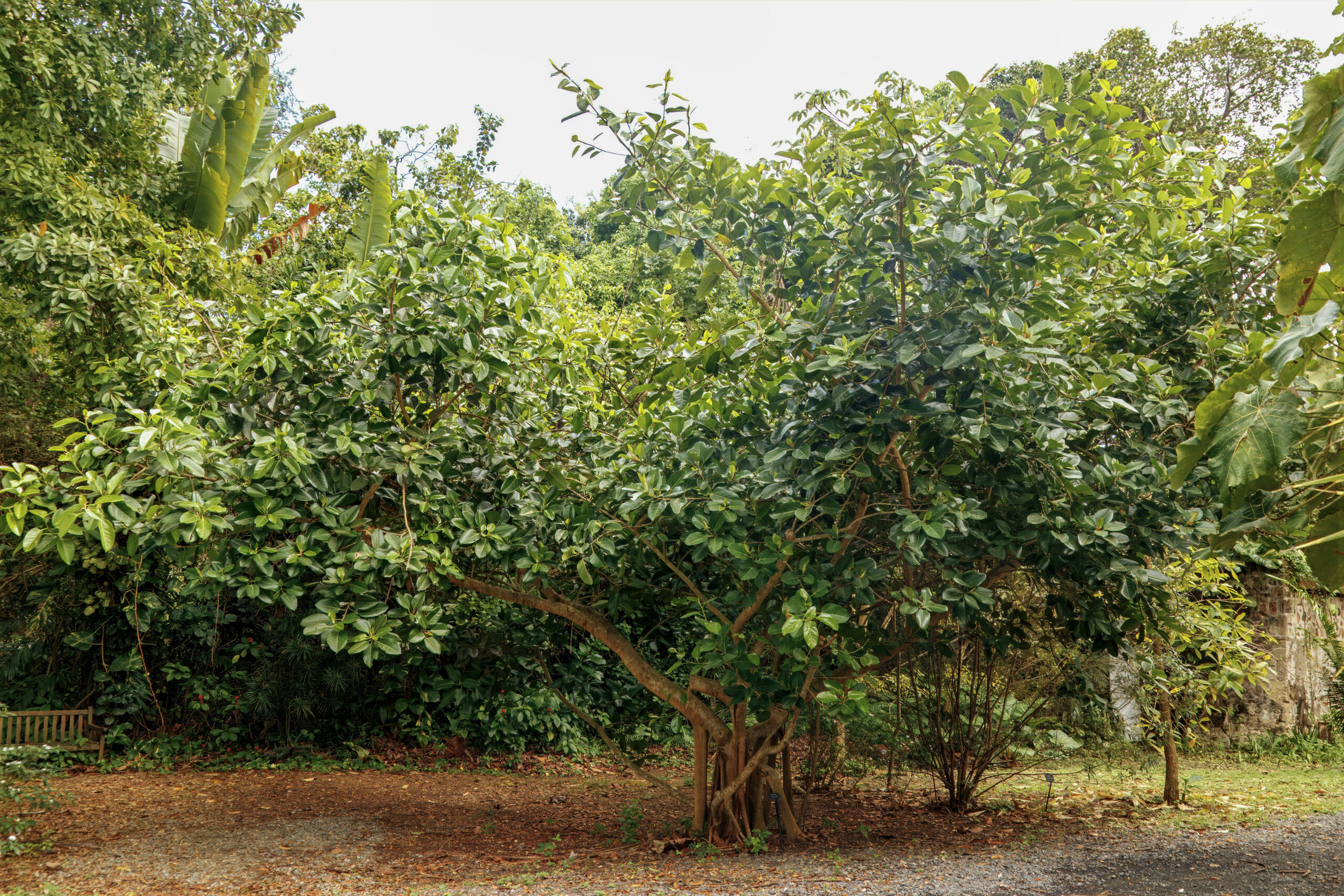
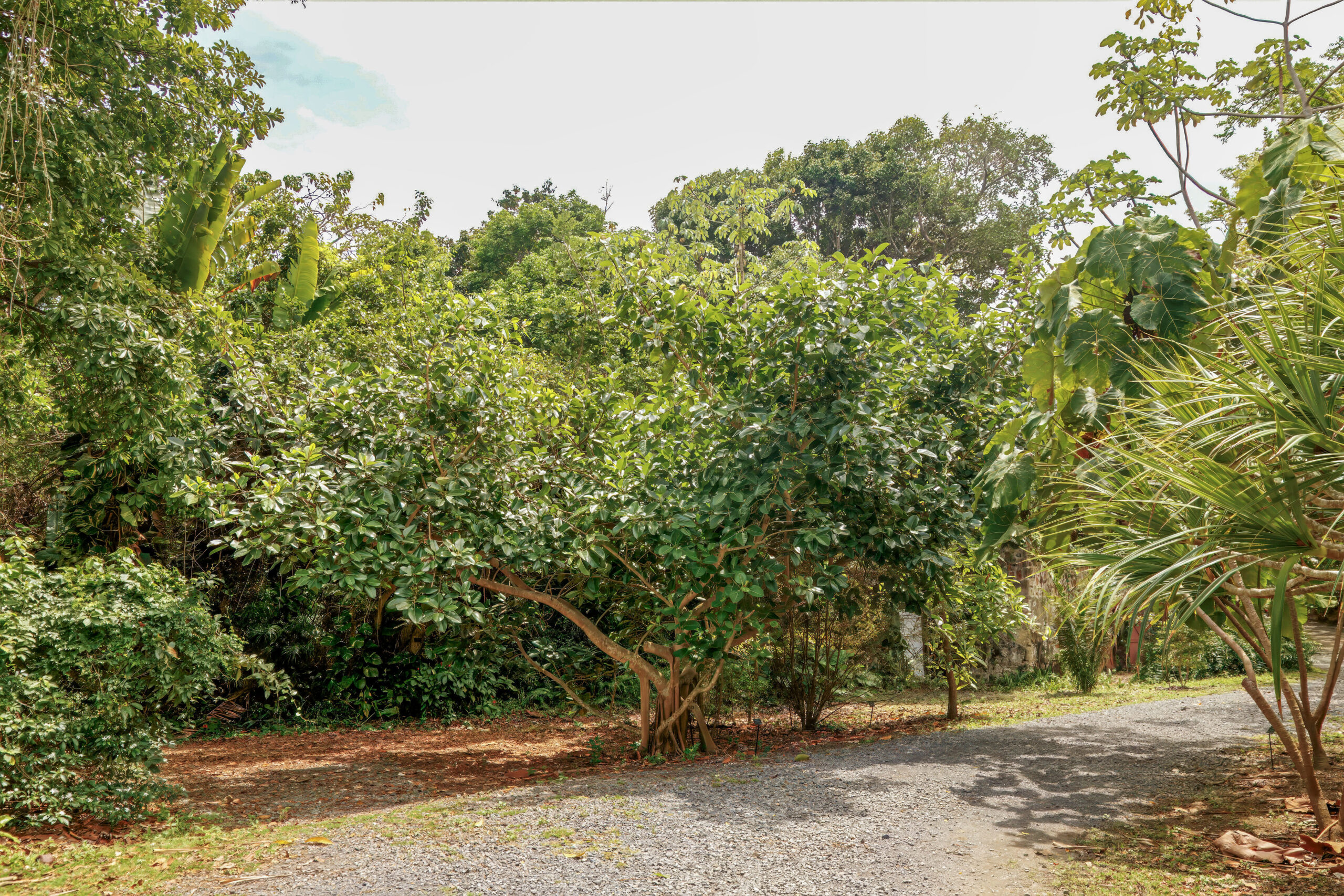
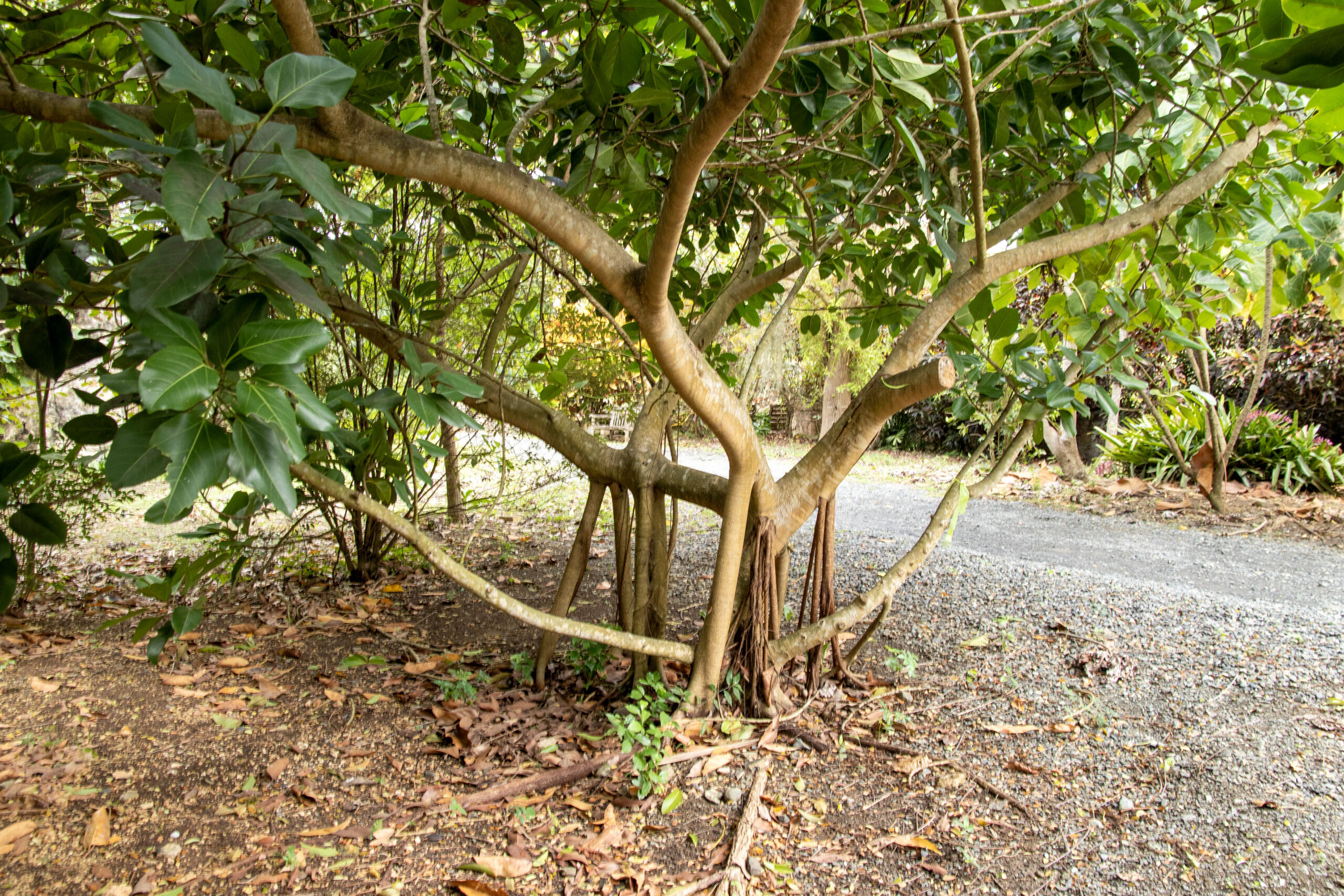
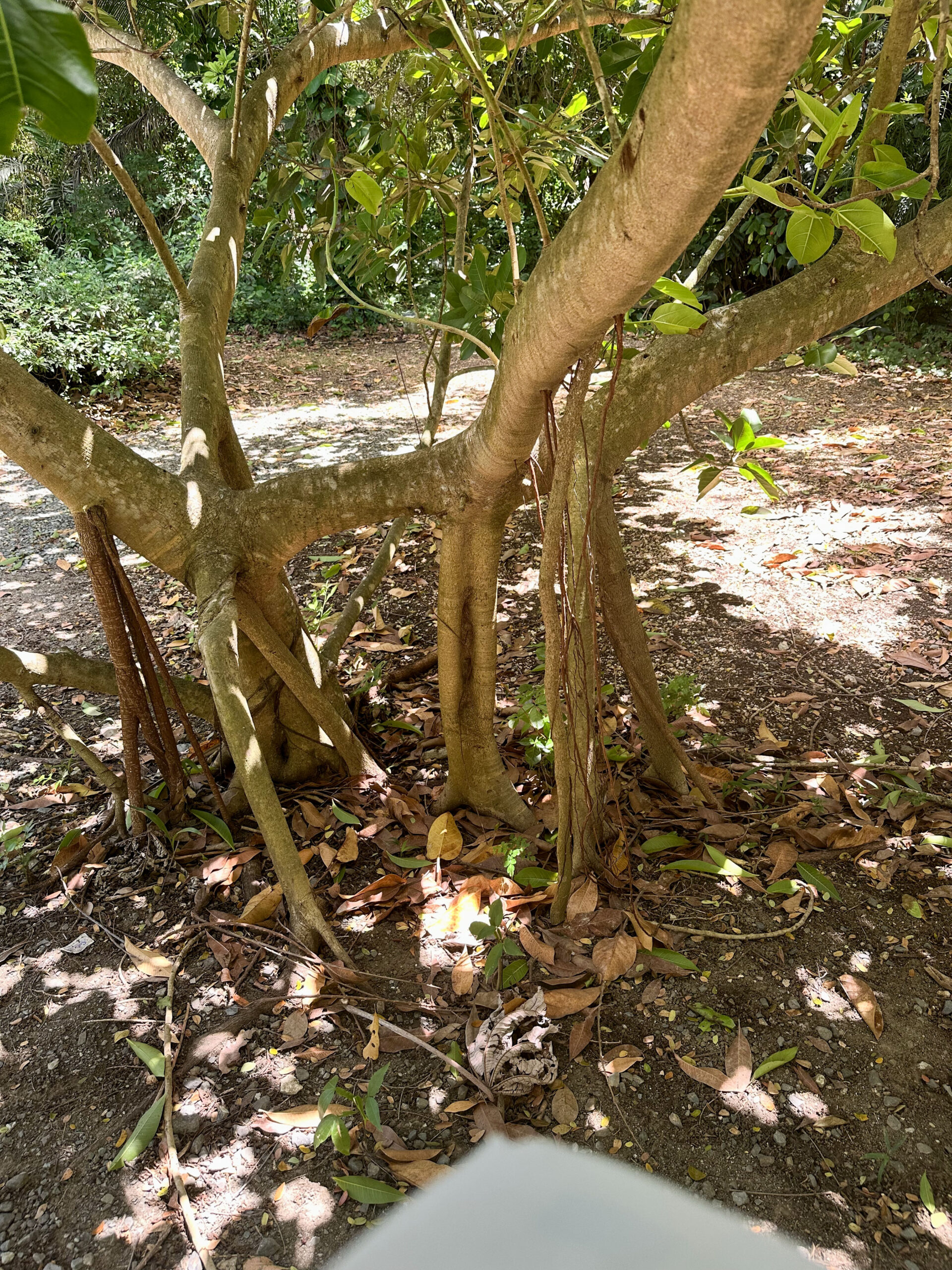
4. Rooting Behavior (Aerial Roots)
Though not traditionally a phenological marker, aerial root production can increase during wet seasons or periods of high humidity.
- Roots grow down from limbs and can eventually anchor in the soil, expanding the tree’s footprint.
- Monitoring aerial root formation may reflect moisture conditions and tree maturity.
5. Wildlife Interaction
Syconia attract fruit bats, birds, and small mammals—observing feeding behavior can help pinpoint fruiting periods.
- Because figs ripen intermittently, repeated visits are key to identifying active phenophases.