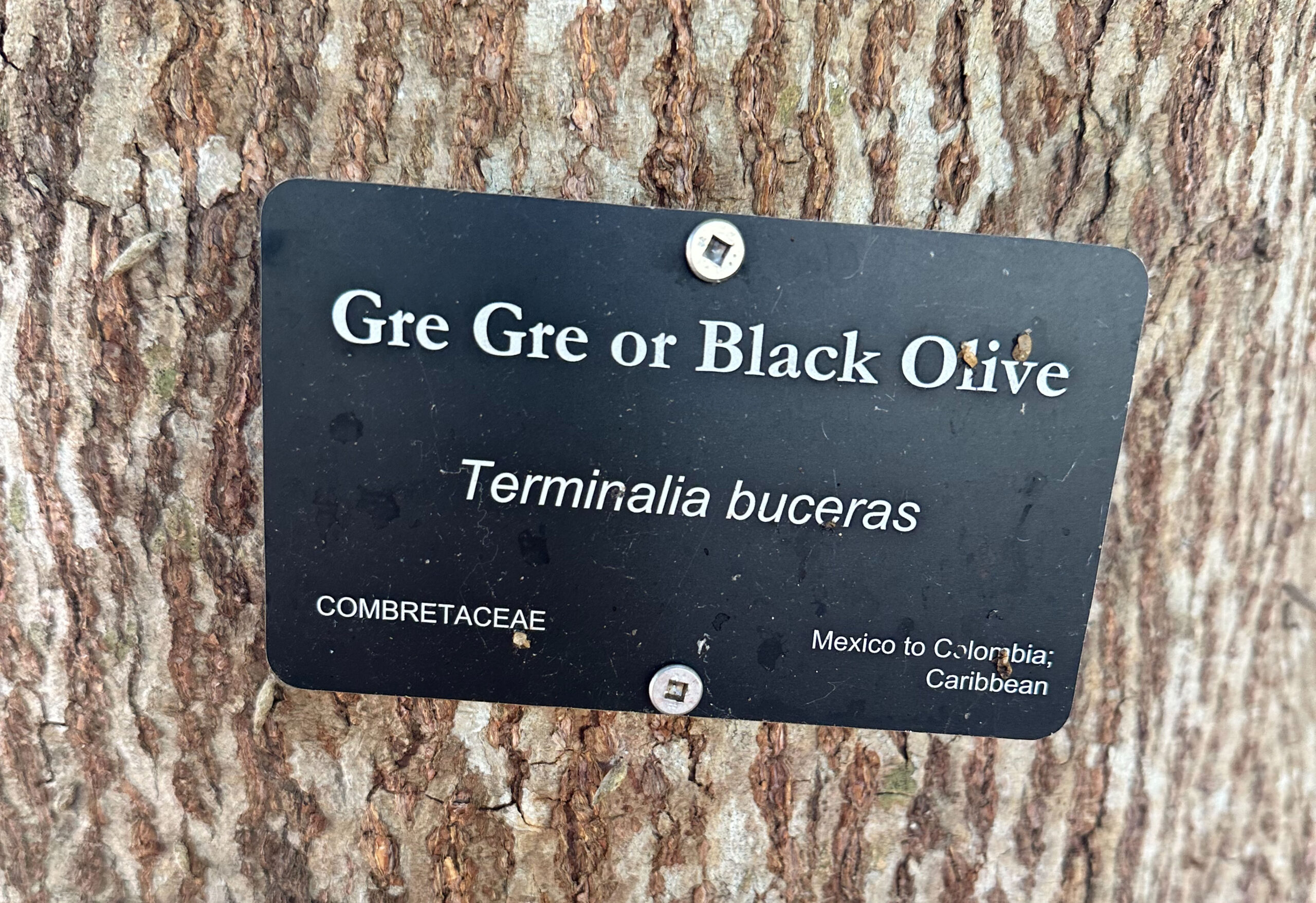
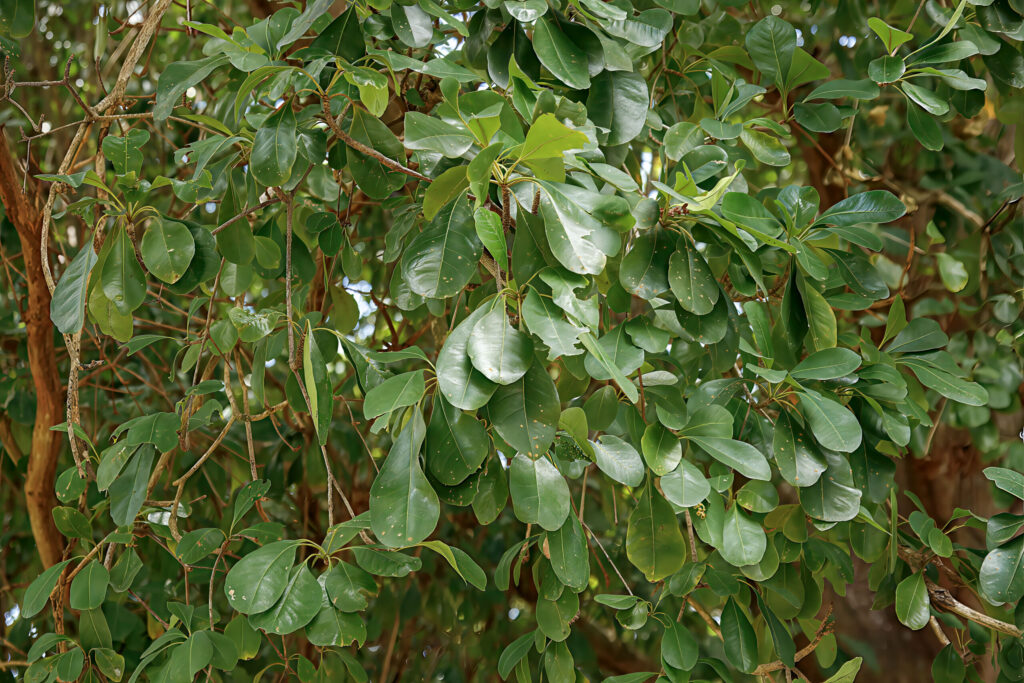
Black Olive Tree
Scientific name: Terminalia buceras
POWO Status: Tree
IUCN Red List threat level: Not Evaluated
GPS Location: 17° 42′ 58.77″ N, 64° 49′ 43.04″ W


20-250818

Medicinal Uses
Terminalia buceras (Black Olive Tree) is traditionally used for its antifungal, antiseptic, and astringent properties, with various parts applied for skin issues like leprosy, wounds, and fungal infections; the leaves and bark are brewed for fevers, digestive problems (diarrhea, stomachache), headaches, and used in baths for colic, while root teas treat kidney issues and venereal diseases, showcasing broad applications from skin ailments to internal remedies.
Key Medicinal Uses
- Skin & Wounds: Leaf juice or extracts, sometimes mixed with oil, are used for leprosy, scabies, eczema, and applied to wounds to stop bleeding.
- Fever & Pain: Root teas, leaf infusions, or bark decoctions are used for fever, headaches, colic, and rheumatic joints.
- Digestive Issues: Pulp from the fruit can treat dysentery and kidney infections, while bark decoctions address diarrhea and stomach cramps.
- Respiratory: Seeds act as expectorants, and root decoctions are used for asthma.
- Antifungal: Extracts from leaves show strong antifungal activity against plant pathogens, suggesting potential human antifungal applications.
- Other Uses: Bark decoctions treat gonorrhea, and sap from young leaves with kernel oil helps leprosy.
Traditional Preparations
- Leaf Juice/Maceration: For skin conditions, headaches, and colic.
- Root Decoction/Tea: For fever, kidney issues, venereal diseases, and asthma.
- Bark Decoction: For diarrhea, dysentery, gonorrhea, and stomach ailments.
- Fruit Pulp: Mixed with water to form an astringent drink for dysentery.
Note: Terminalia buceras is closely related to other medicinal Terminalia species (like T. catappa and T. chebula), which share similar uses for antioxidant, anti-inflammatory, and antimicrobial properties, highlighting the genus’s medicinal importance.
Observations:
Phenological Markers – Black Olive Tree (Terminalia buceras)
1. Leaf Behavior
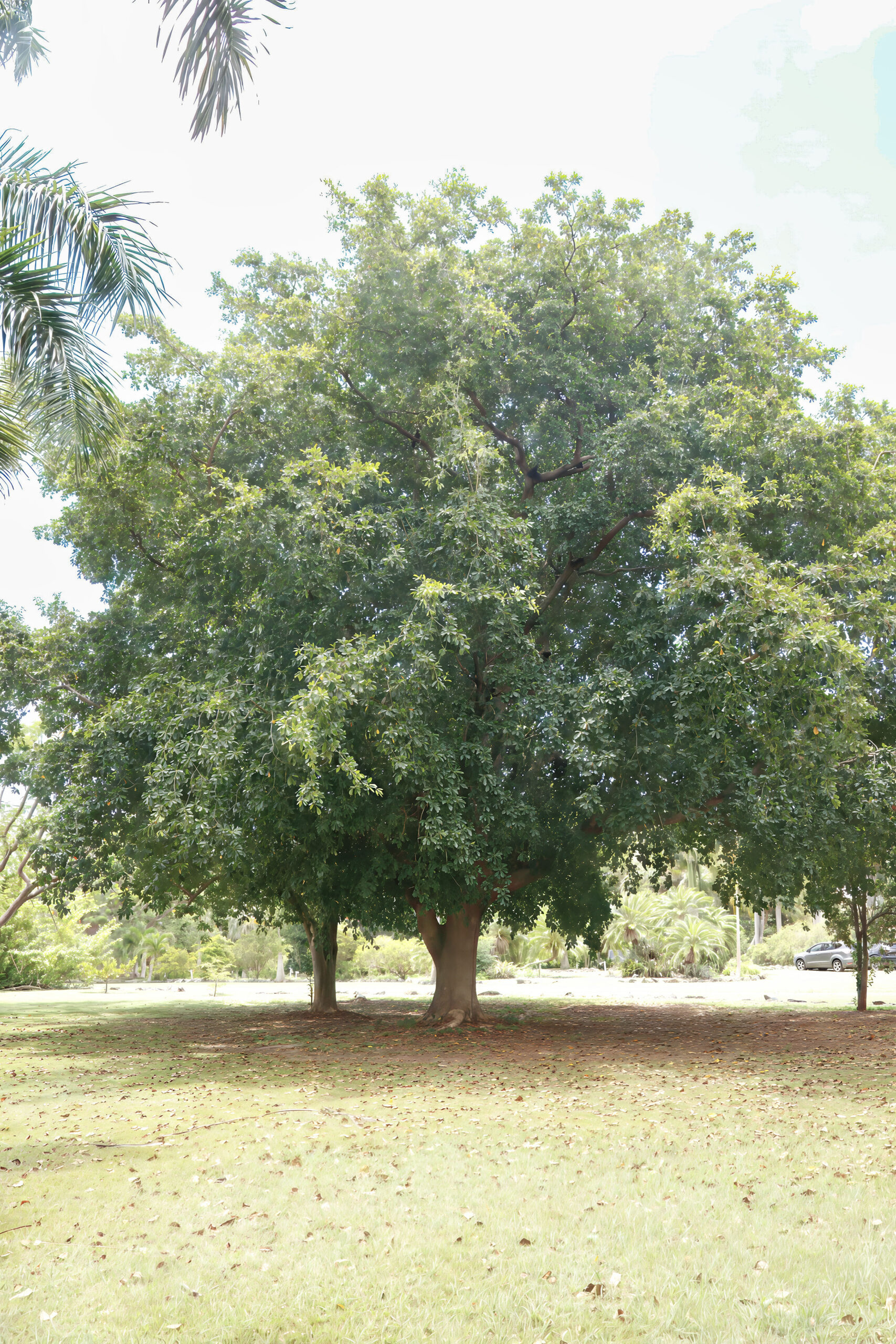
Black Olive is typically evergreen in moist or coastal areas, but it may become briefly deciduous in dry conditions or drought stress, especially during January to March in St. Croix.
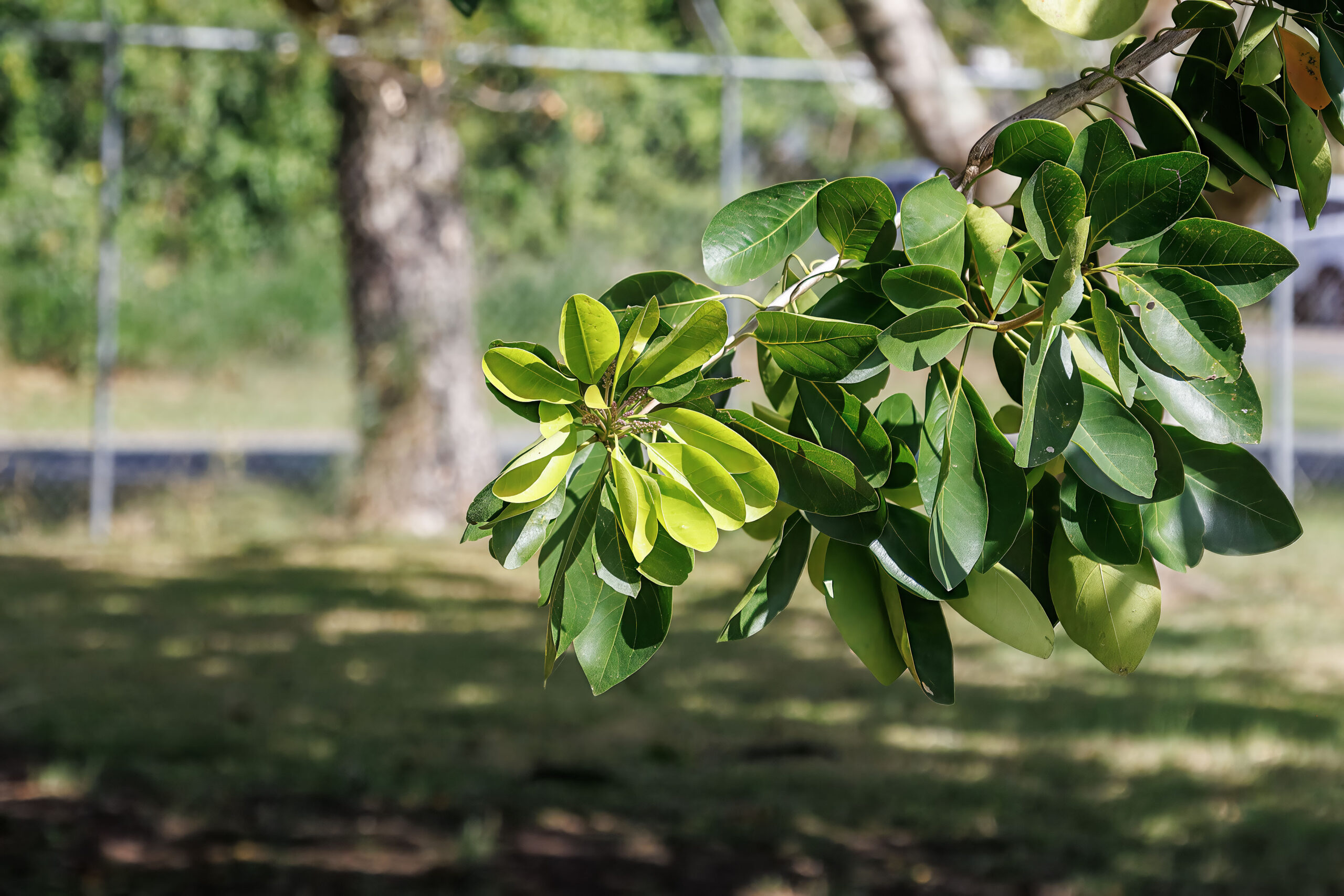
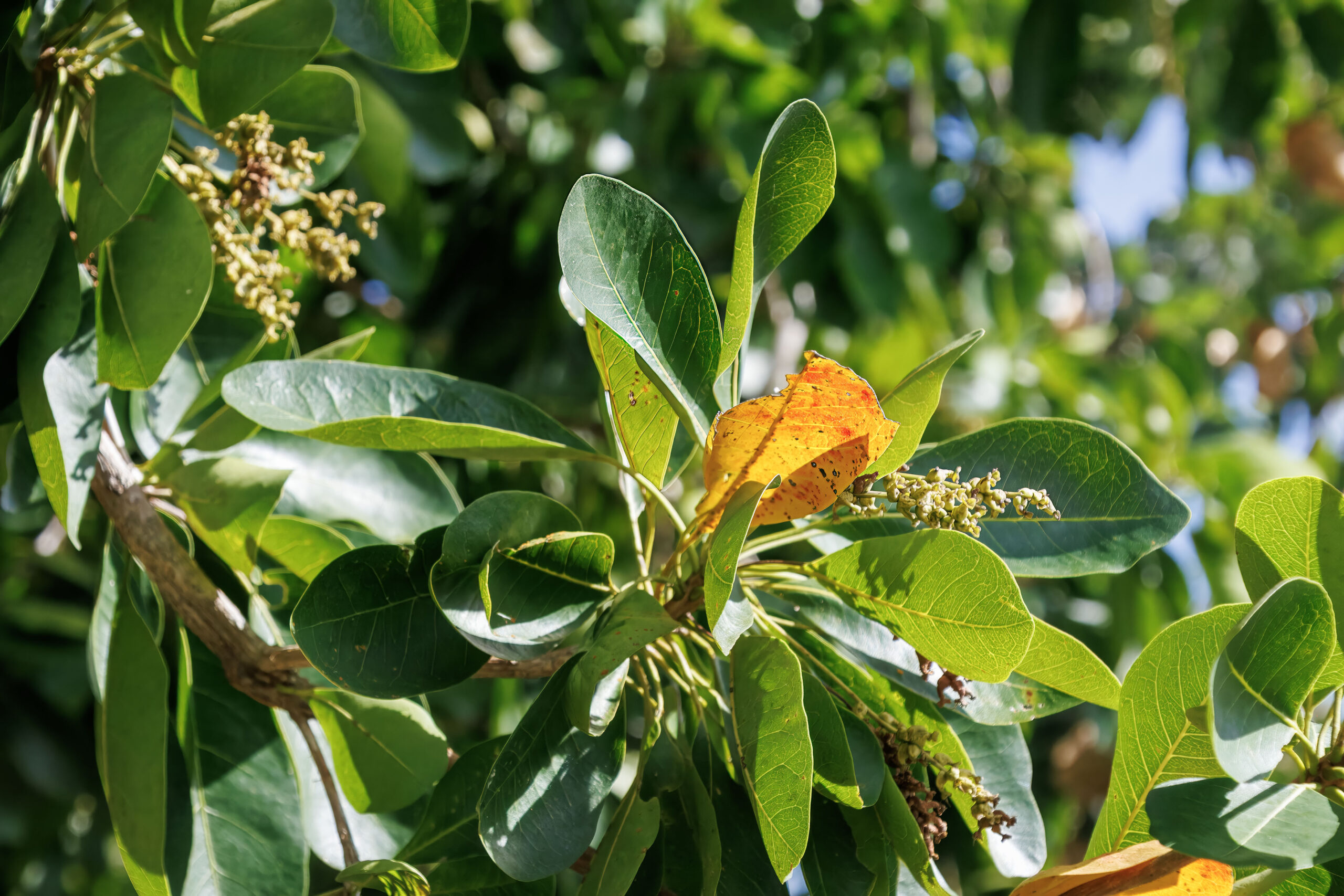
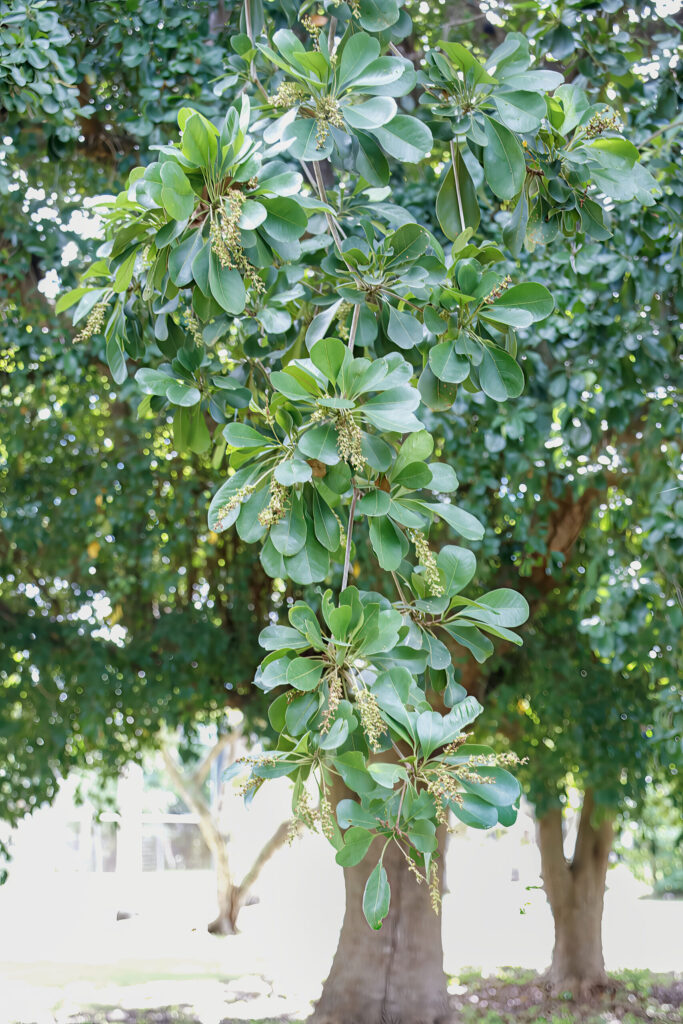
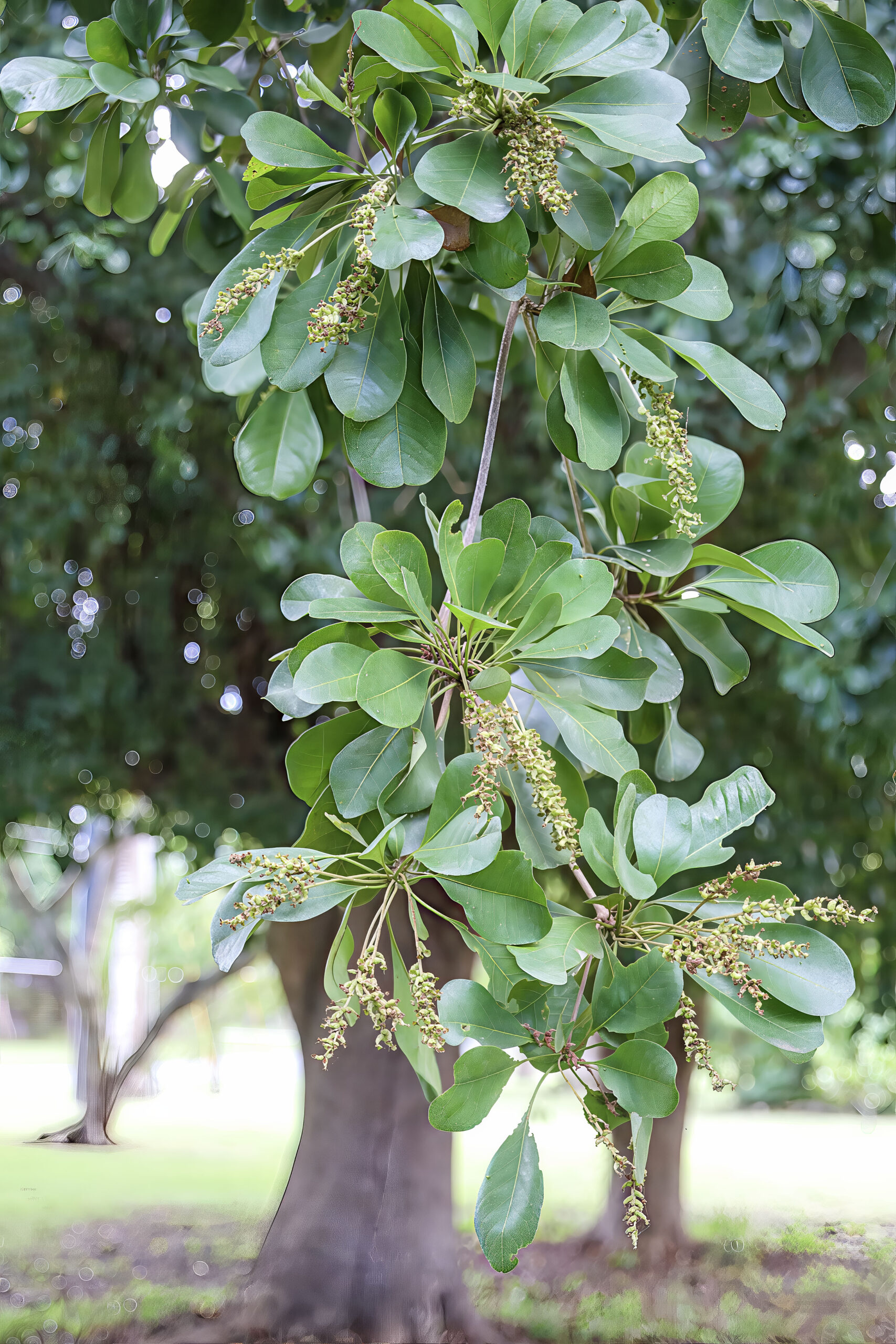
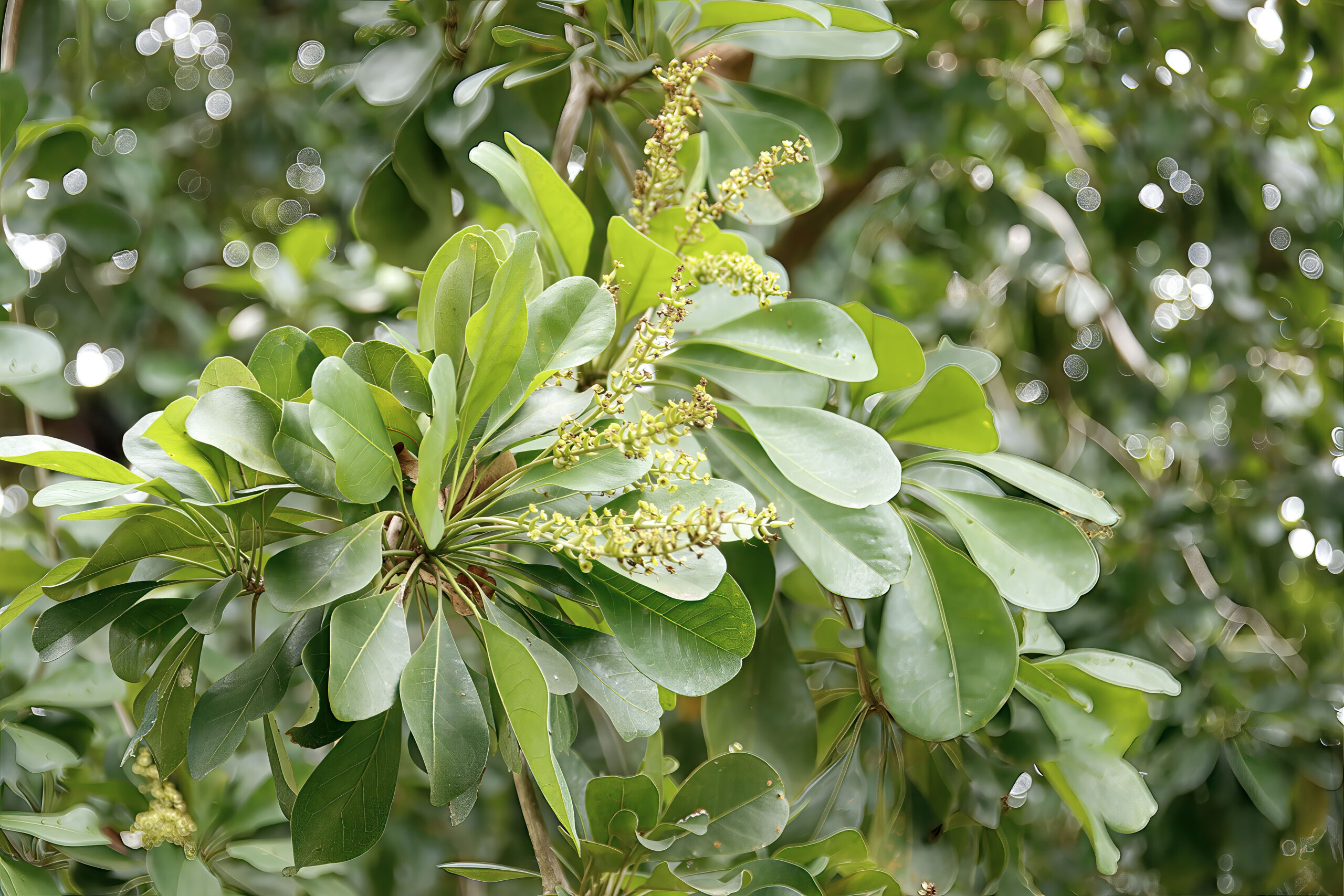
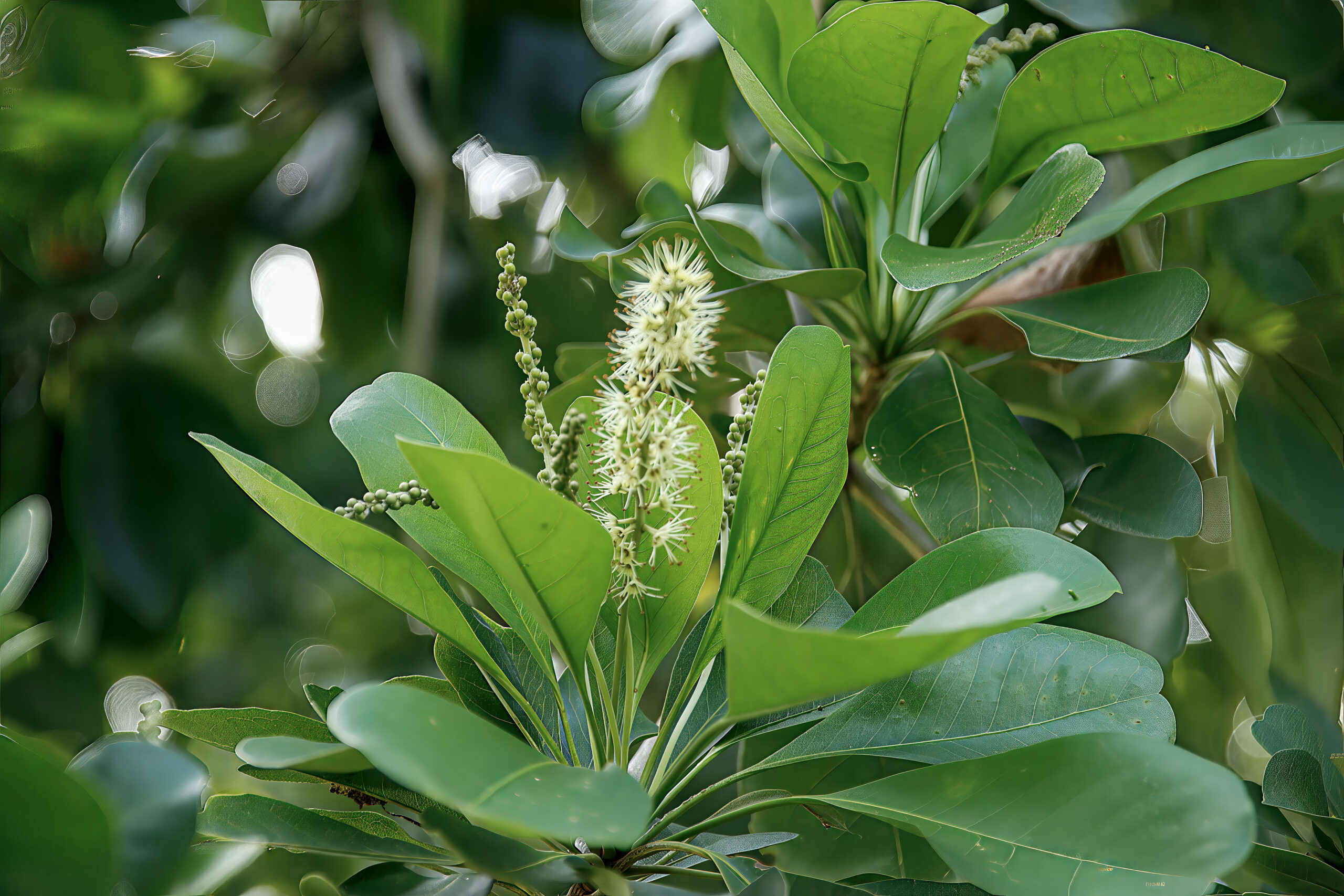
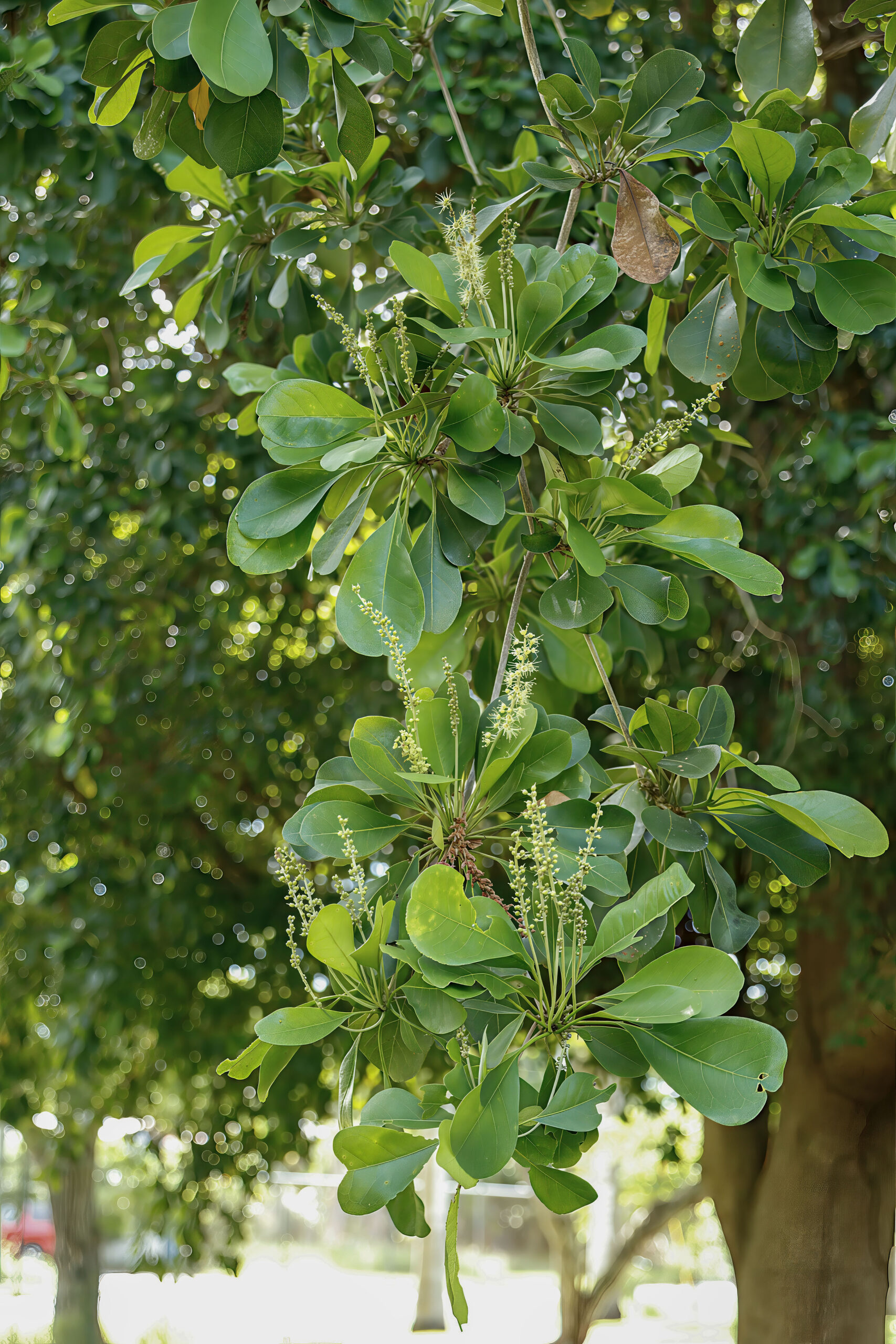
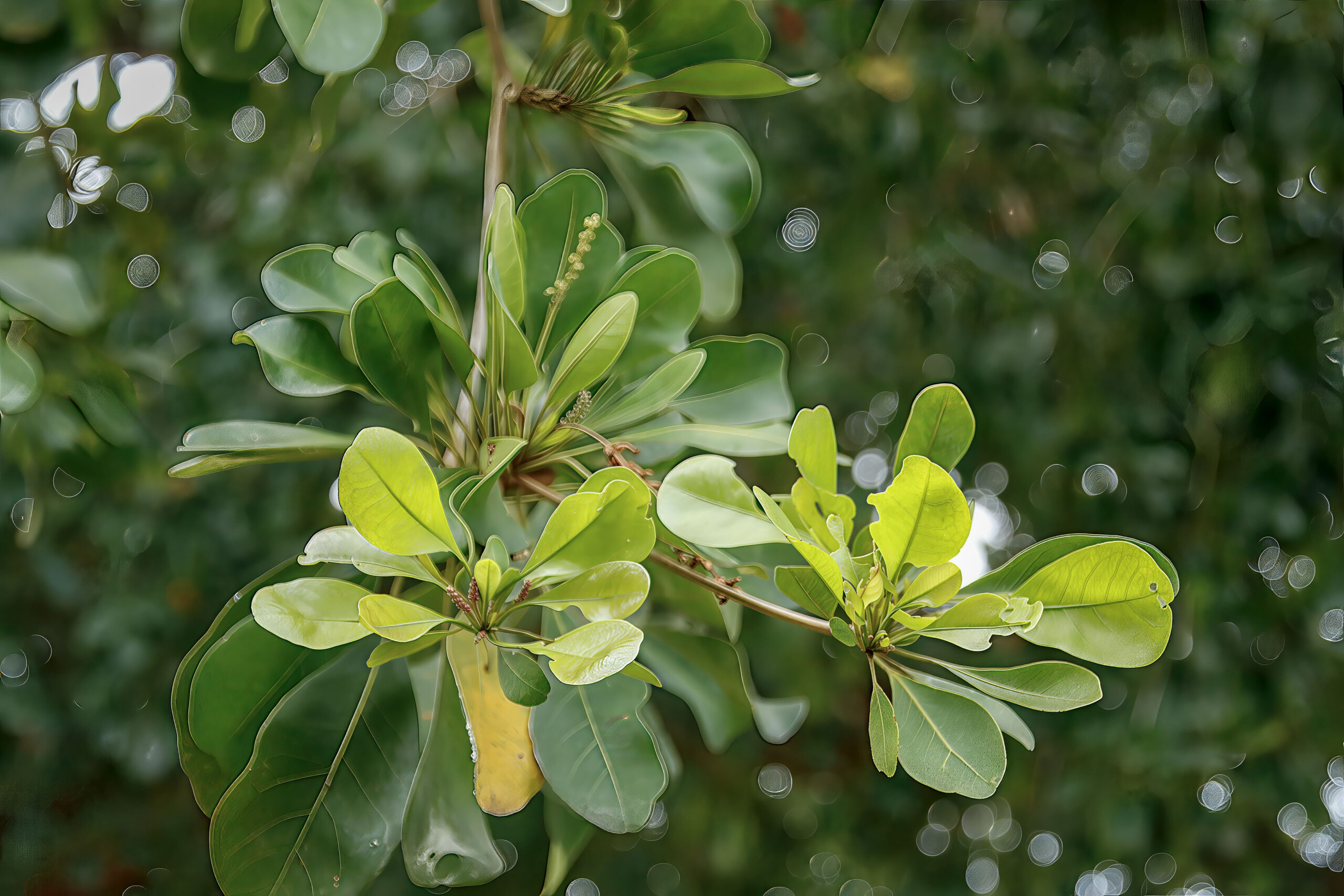
- Leaves are small, leathery, and simple, arranged in tight spirals around branchlets.
- New leaf flushes occur after rain or flowering, emerging light green before maturing to a dark, glossy green.
Observation Tips:
- Watch for flushing at branch tips following dry spells or early wet season rains.
- Note canopy density—this tree’s compact form can make subtle changes easy to overlook.
2. Flowering
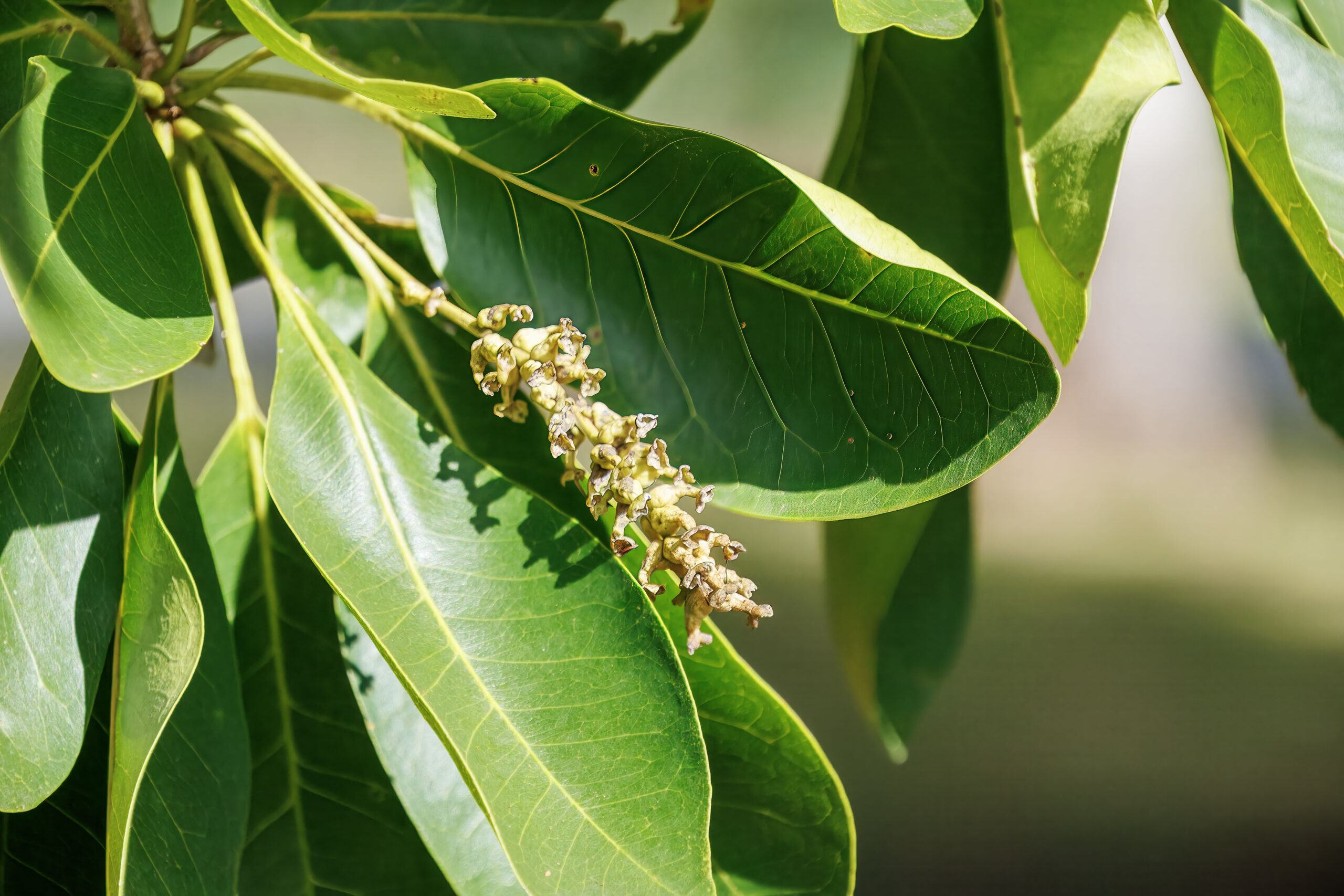
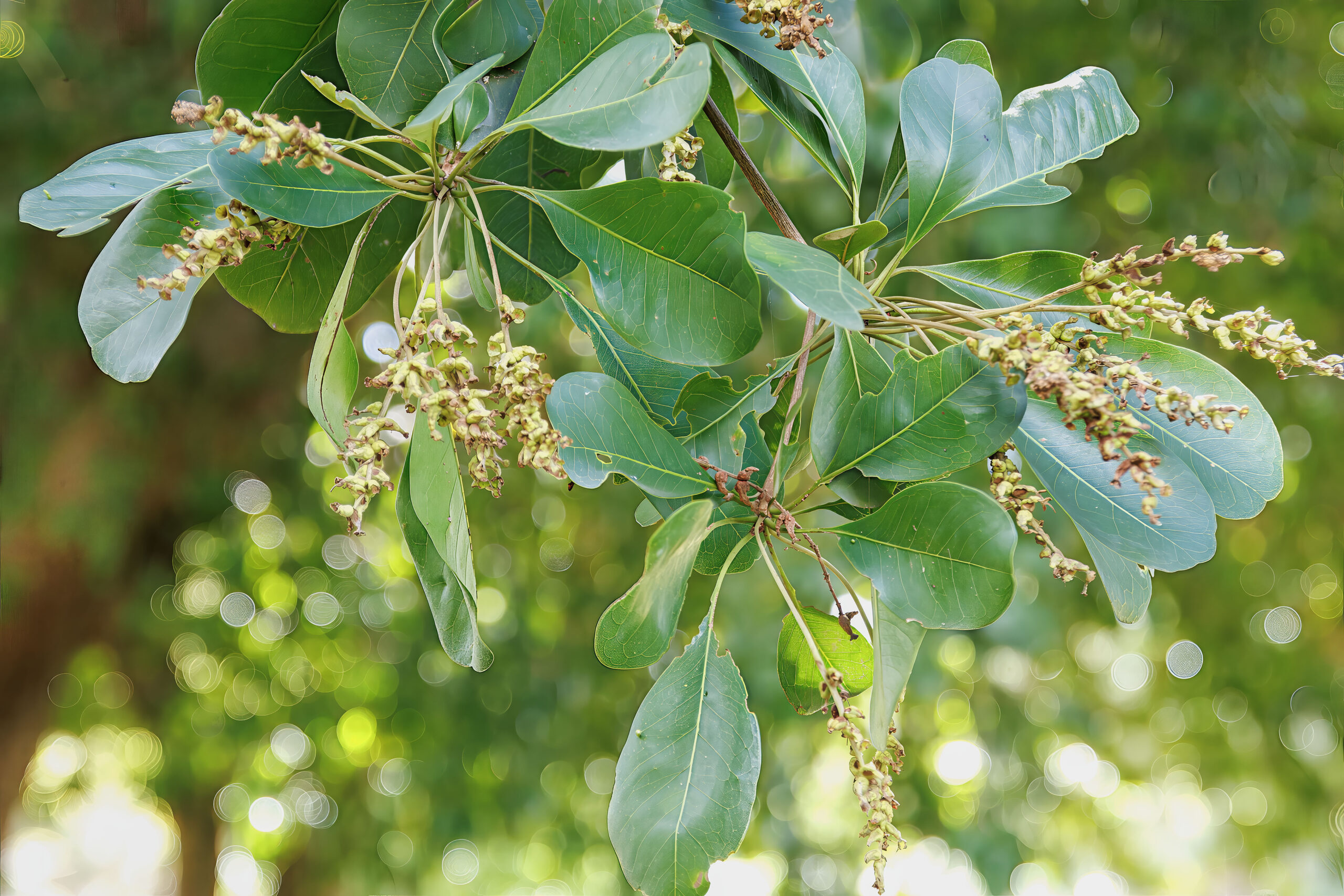
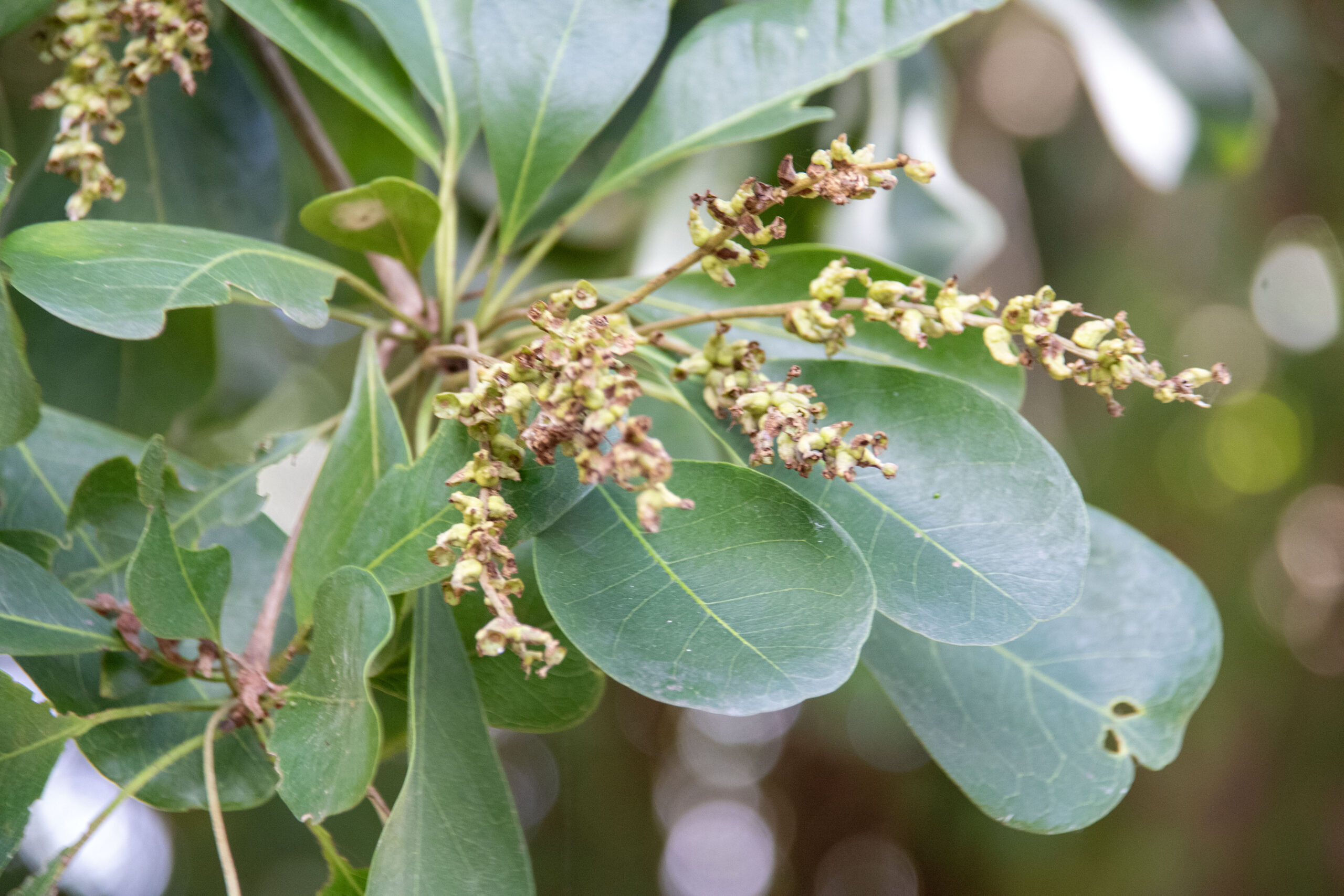
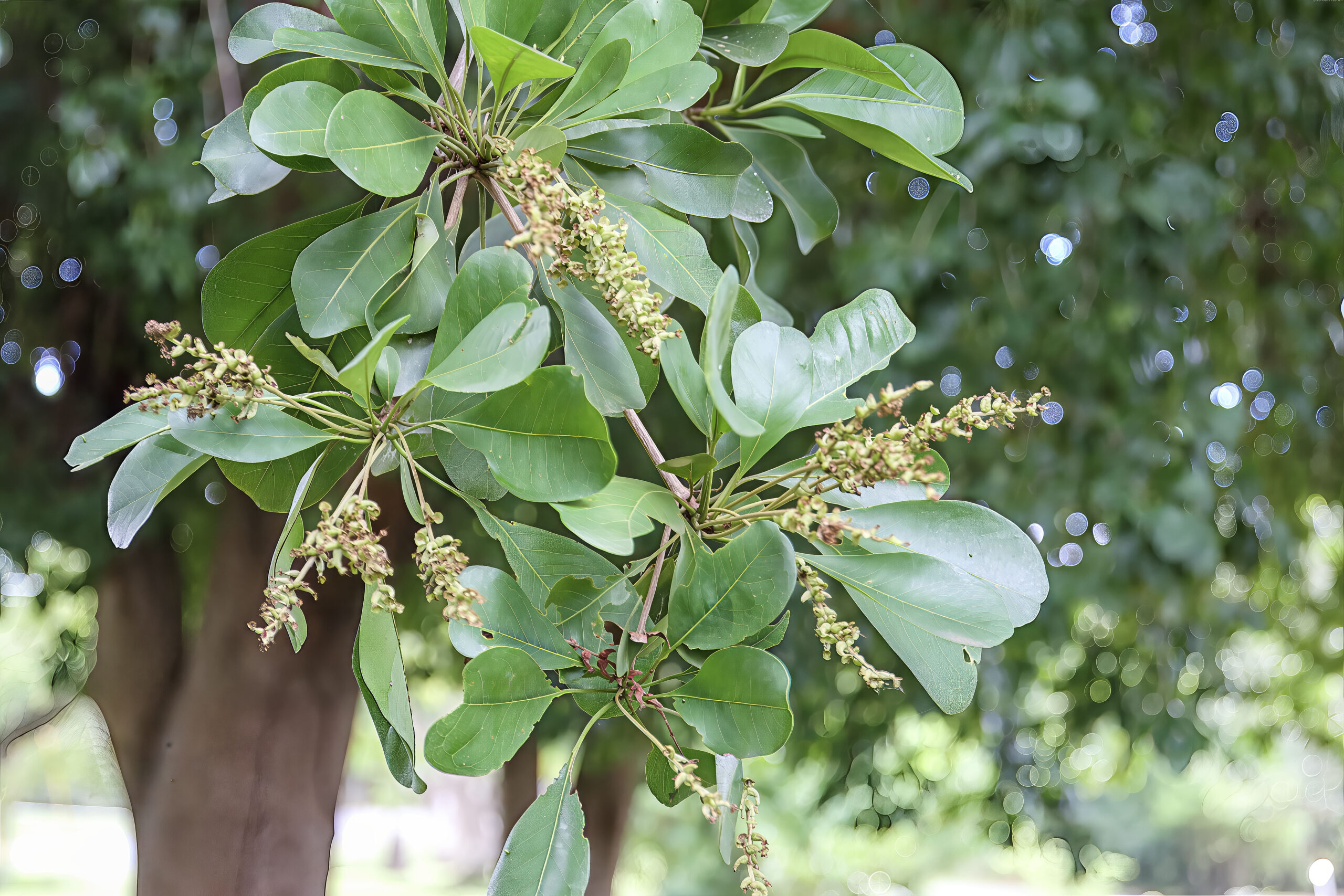
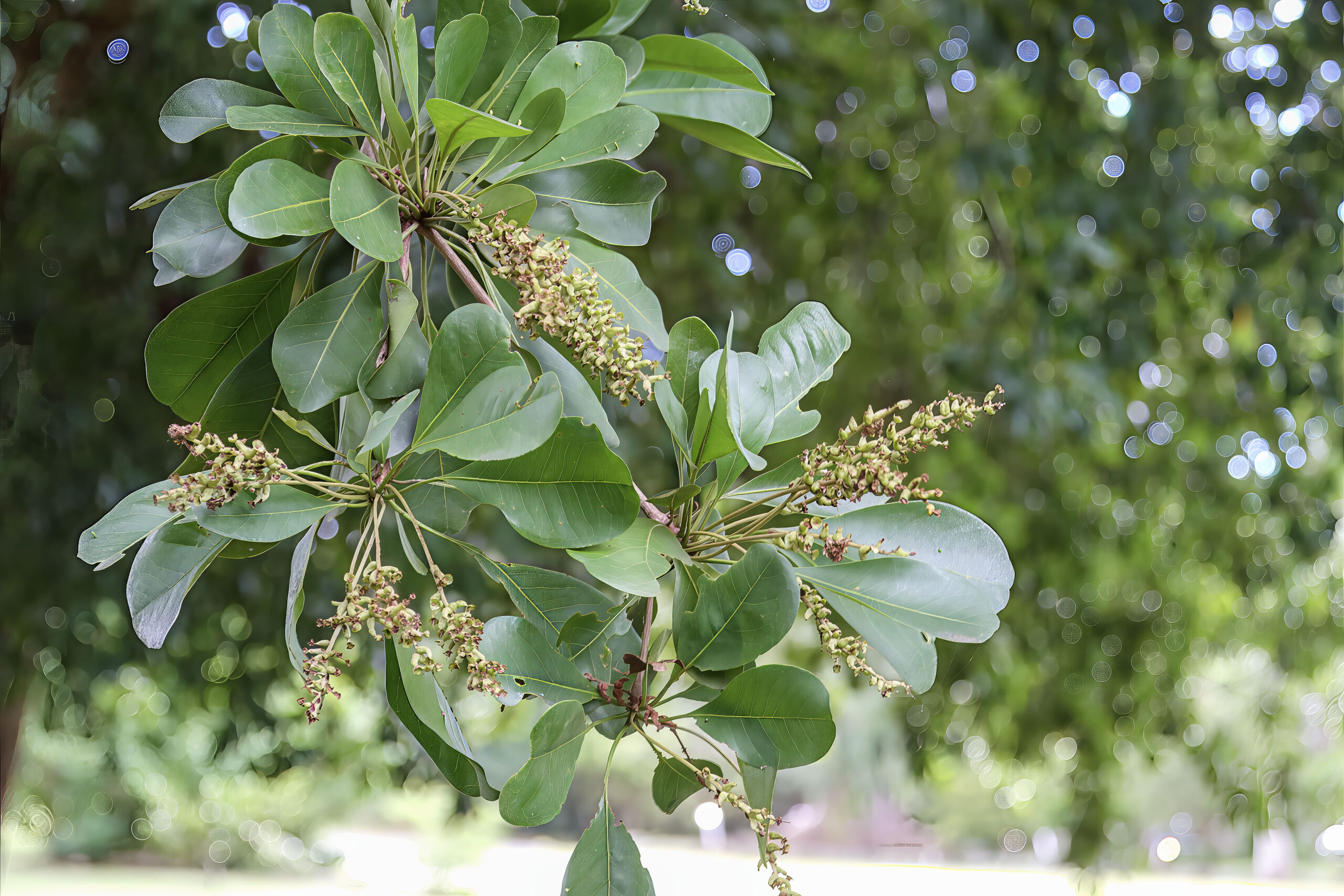
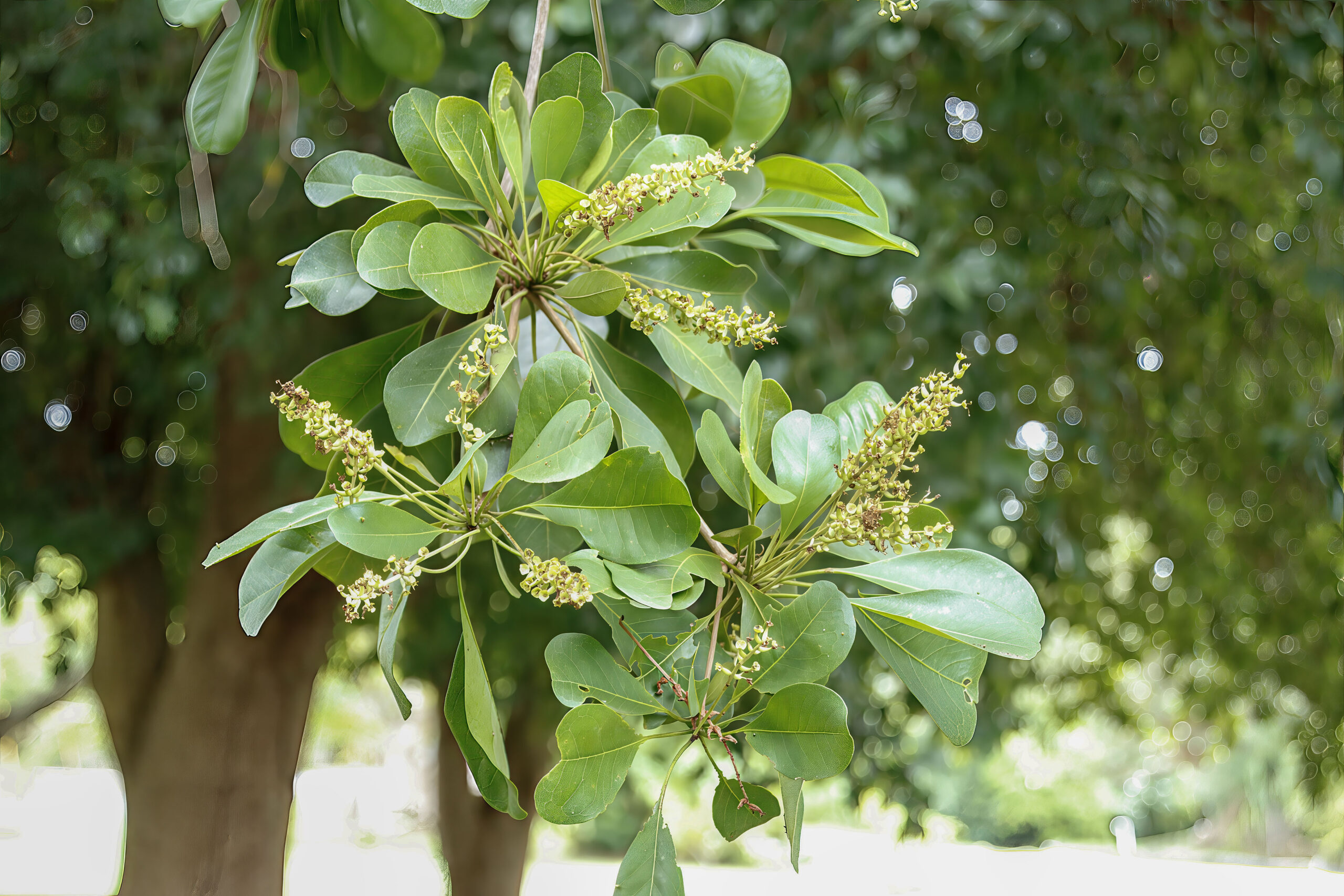
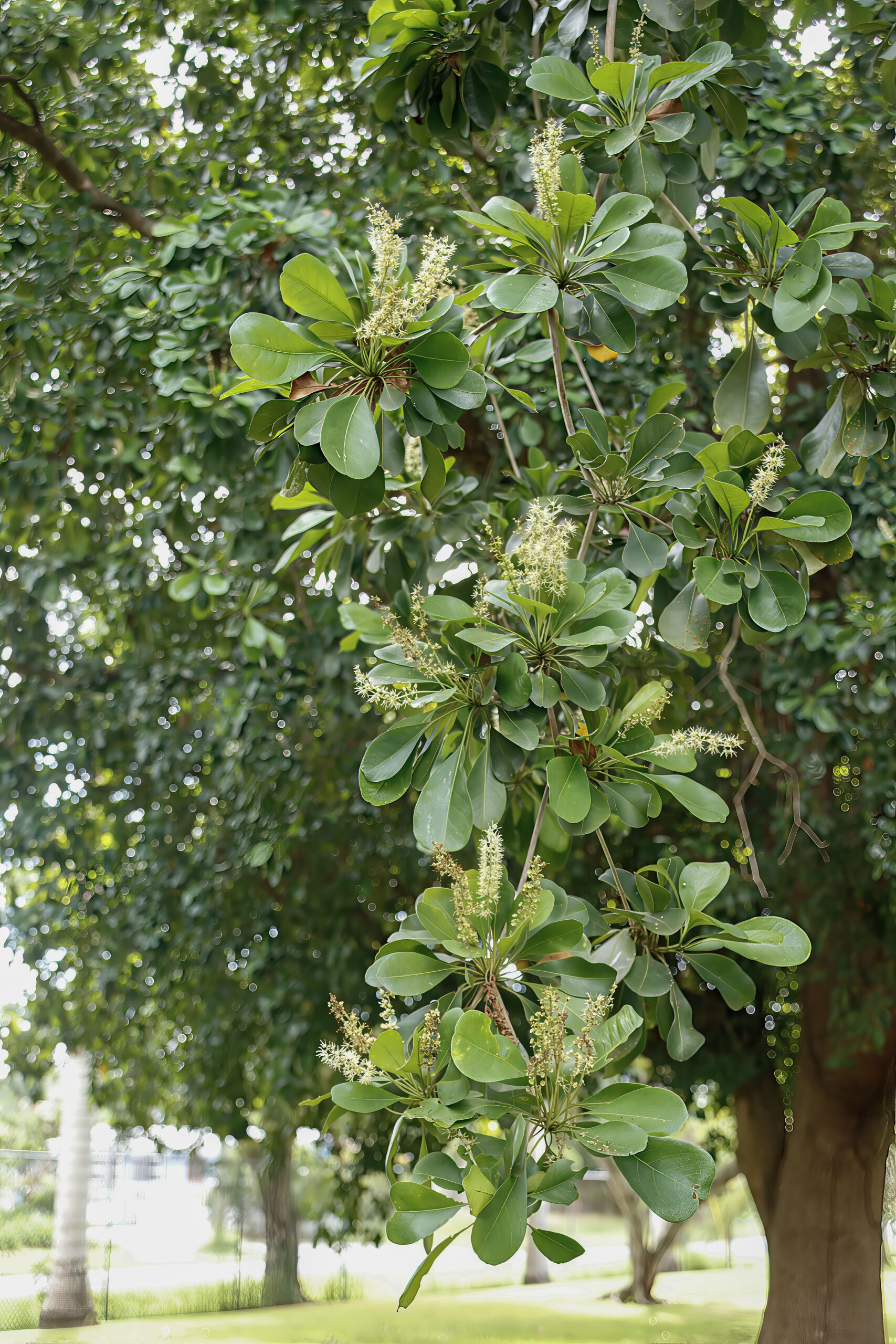
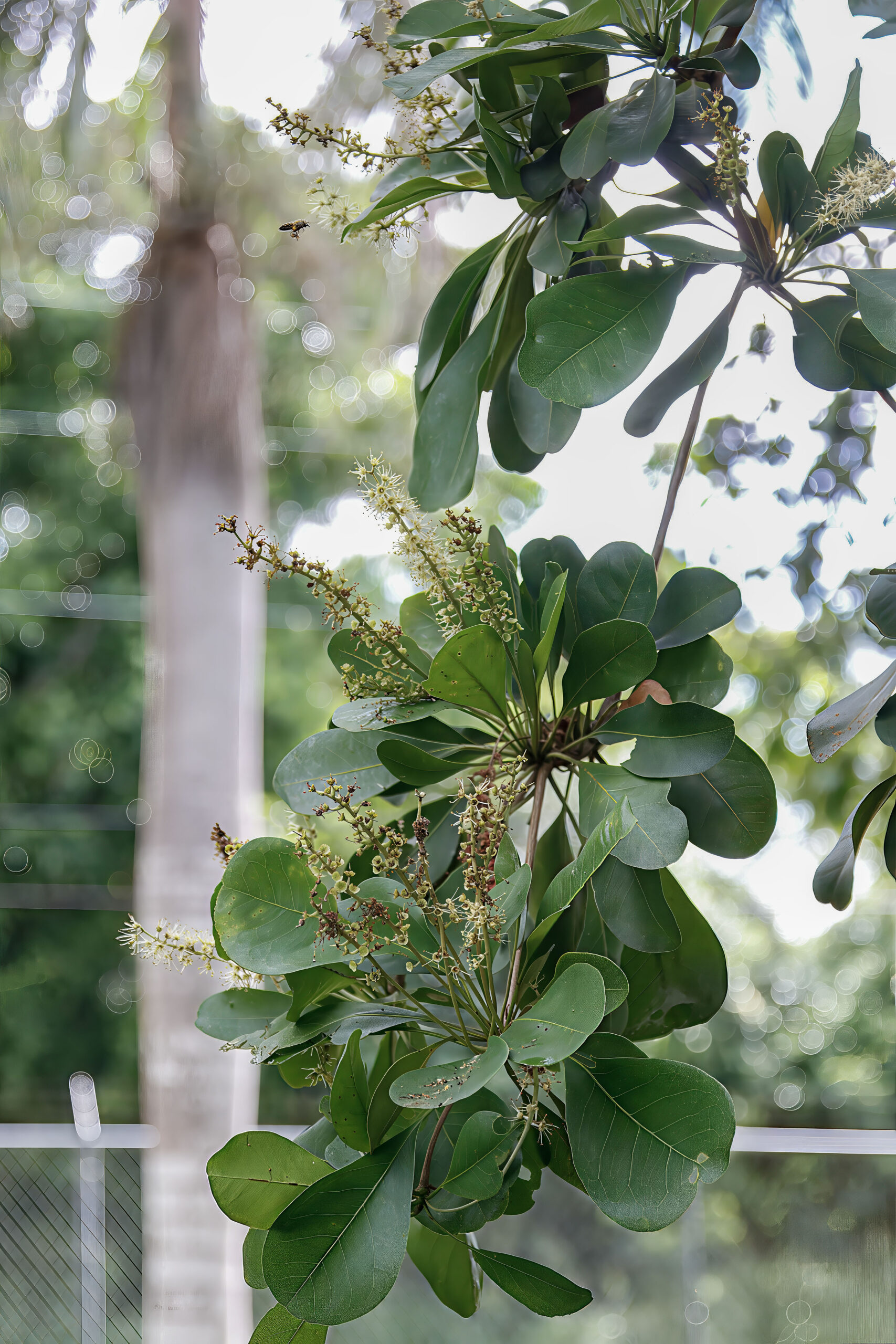
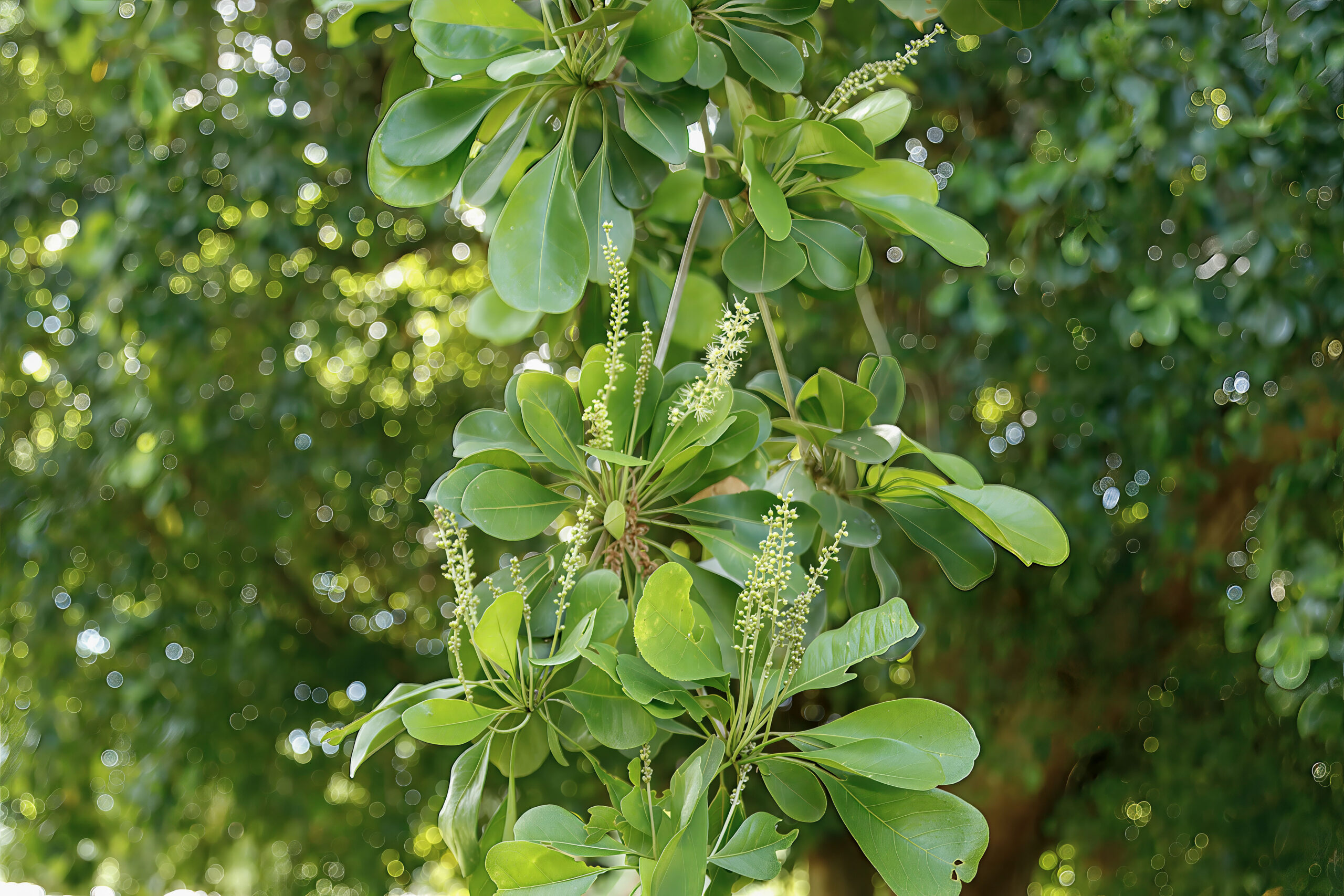
Flowers are tiny, yellow-green, and inconspicuous, borne in slender, hanging spikes.
- Flowering usually begins in late dry to early wet season (March–June), but may occur more than once a year.
- Though not showy, the mass flowering of small blooms may produce a light scent and attract pollinators like bees and ants.
Observation Tips:
- Look for threadlike flower spikes at the ends of branches.
- Record first flowering and duration, and observe insect visitation.
3. Fruiting
Fruits are small, oval, dark brown to black drupes, giving the tree its common name.
- Fruiting typically follows flowering by several months, peaking between June and September.
- Fruits may persist on the tree and fall gradually, often accumulating under the canopy.
Observation Tips:
- Track fruit development, color change, and drop.
- Note any wildlife feeding activity, as birds may eat the small fruits.
4. Bark and Twigs
Not a phenological marker per se, but worth noting:
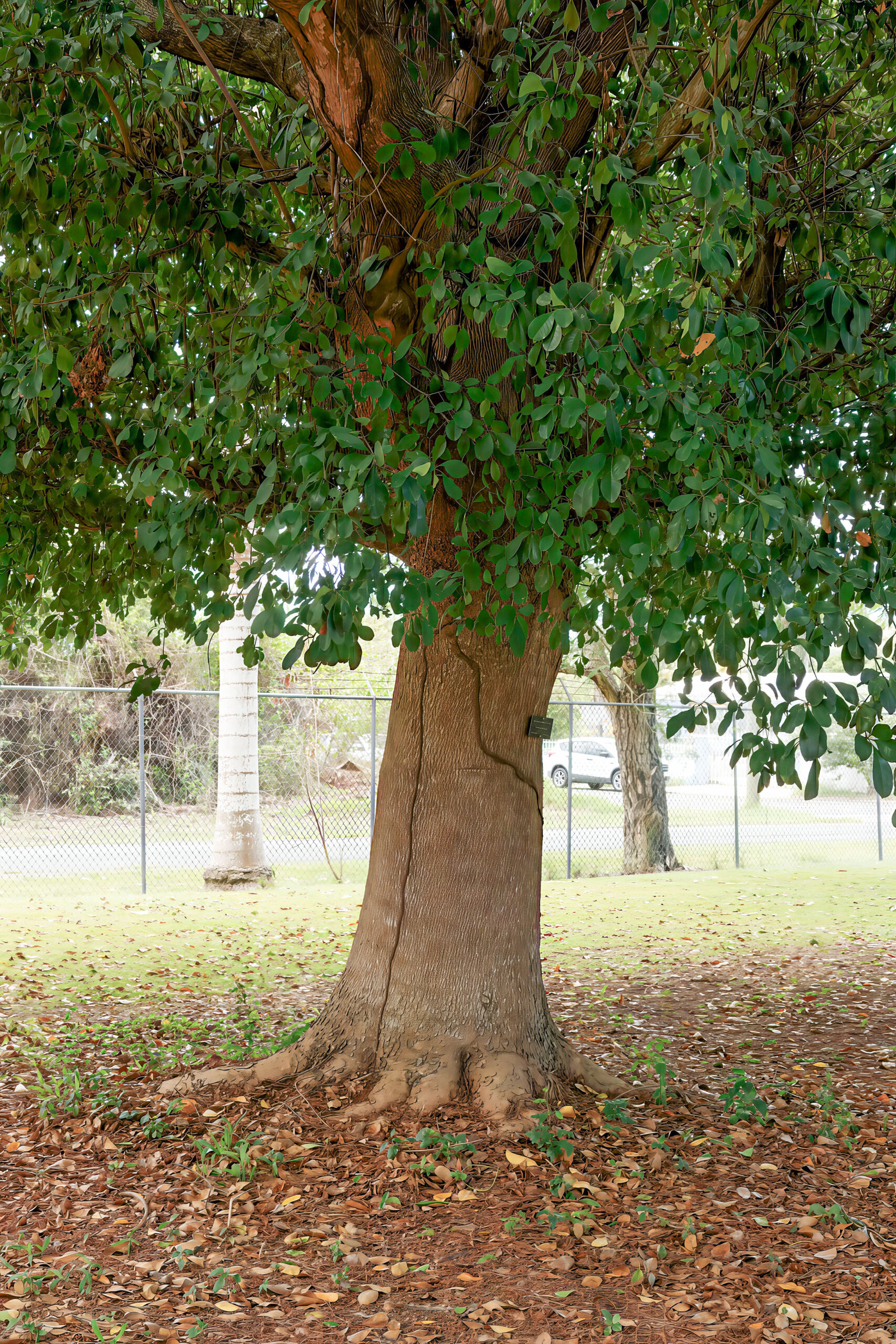
- Twigs have a distinctive zig-zag pattern, and the bark is smooth and gray on younger trees, becoming rougher with age.
5. Seasonal Pattern (St. Croix)
- Jan–Mar: Occasional leaf thinning or drop
- Mar–Jun: Flowering peak + new leaf flush
- Jun–Sep: Fruiting and seed drop
- Oct–Dec: Dense evergreen canopy, occasional sporadic flowering