Bunchberry

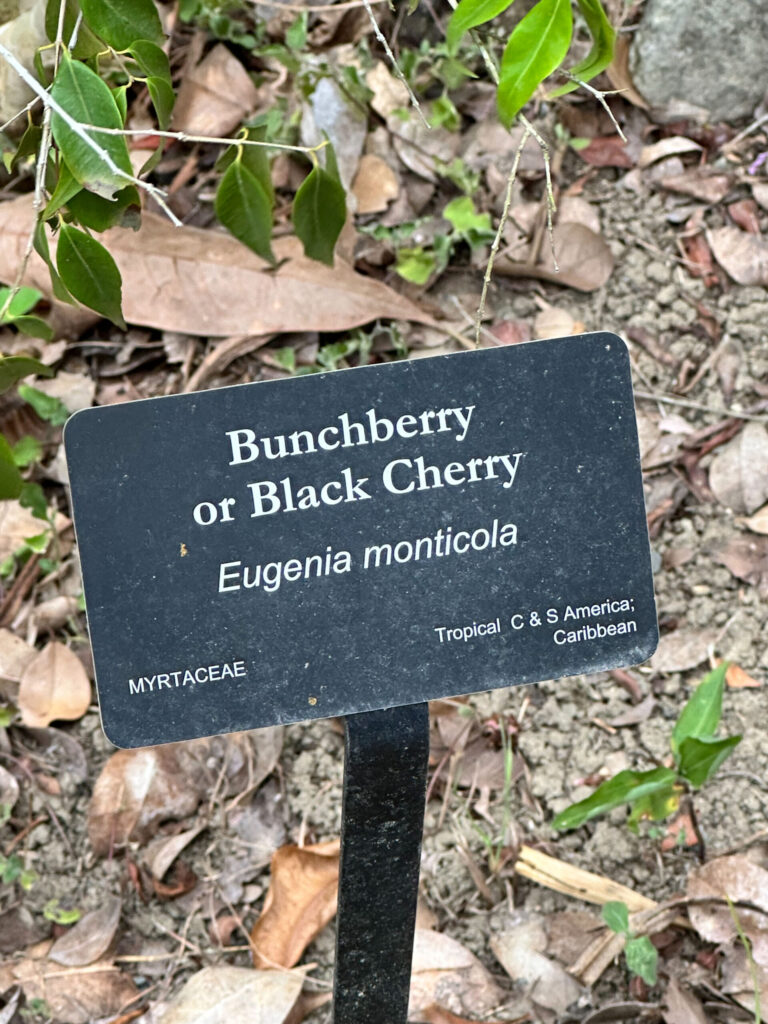
Scientific name: Eugenia monticola

POWO Status: Shrub or Tree

IUCN Red List threat level: Least Concern

GPS Location: 17° 42′ 56.41″ N, 64° 49′ 47.16″ W

Medicinal Uses

Eugenia monticola, like many Eugenia species, is used in traditional medicine for antipyretic (fever-reducing), anti-inflammatory, antidiarrheal, and antimicrobial purposes, leveraging flavonoids and tannins for ailments like coughs, wounds, and digestive issues, though research is often generalized across the genus, highlighting its potential for diabetes, infections, and inflammatory conditions. 

Common Medicinal Uses (General Eugenia Species):

  • Fever & Inflammation: Used to reduce fever (antipyretic) and treat inflammatory conditions, including sore throats and rheumatism.
  • Digestive Issues: Applied for diarrhea, dysentery, and liver problems.
  • Wound Healing: Extracts are used topically for wounds.
  • Respiratory: Employed for coughs and bronchitis.
  • Antimicrobial: Possesses antibacterial, antifungal, and antiviral properties, potentially fighting various infections.
  • Diabetes Management: Contains compounds that help regulate blood sugar, making it a candidate for diabetes prevention and treatment. 

Key Phytochemicals:

  • Rich in flavonoids, tannins, terpenes, and phenolic acids, which contribute to its therapeutic effects. 

Note on Eugenia monticola Specifically:

  • While Eugenia monticola is mentioned within the context of the Eugenia genus’s broad medicinal uses (like Myrtus monticola), specific studies focusing solely on E. monticola are less common in general searches. Much of the documented traditional use and research applies to related species like Eugenia uniflora (Pitanga).

Observations:

Phenological Markers – Eugenia monticola (Bunchberry)

Family: Myrtaceae
Common Names: Bunchberry, Black Cherry, Bird Cherry, Mountain Stopper, West Indian Cherry
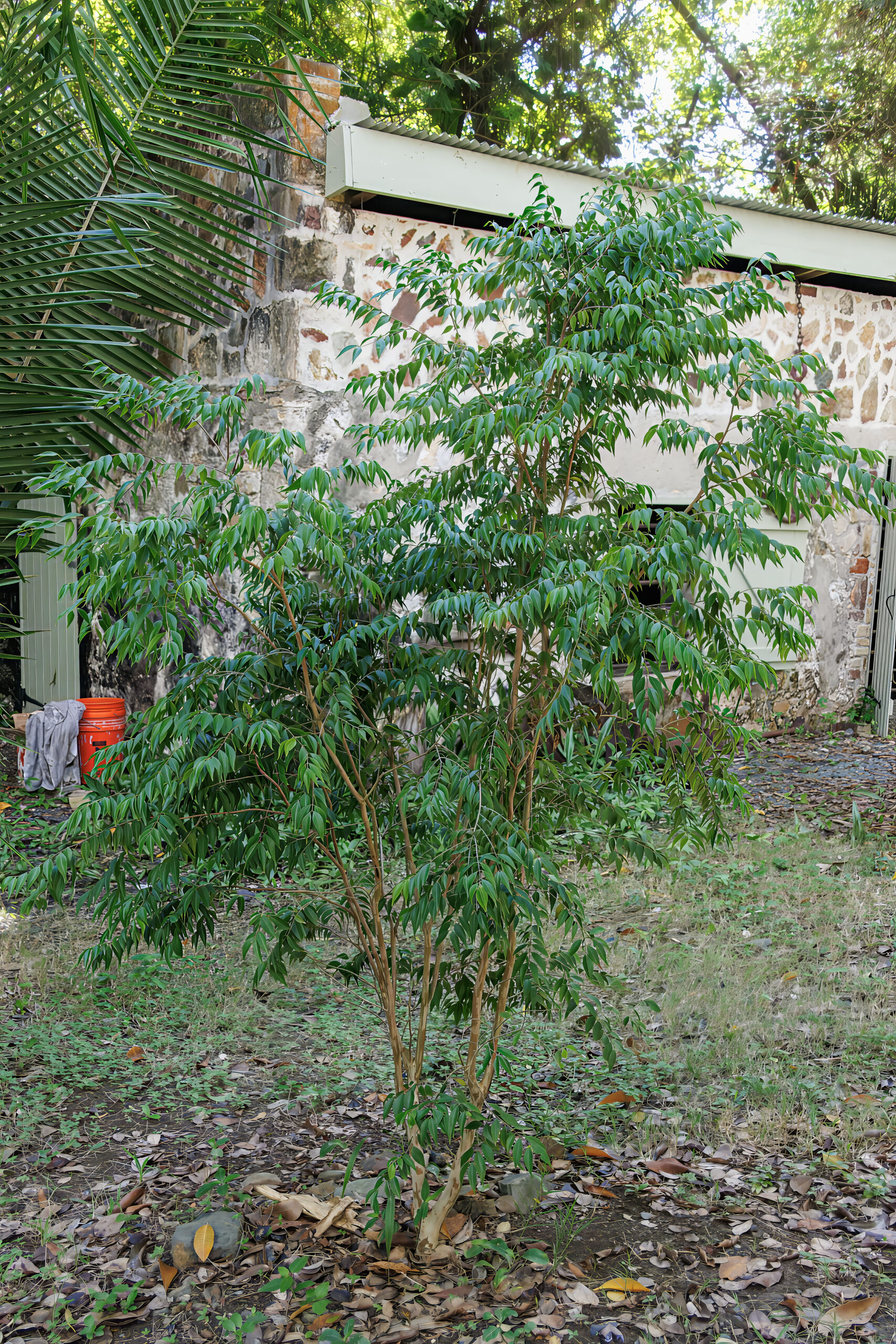
Habitat: Native to the Caribbean and parts of tropical America, including Puerto Rico, the Virgin Islands, and southern Florida. Commonly found in dry forests, hillsides, and limestone areas.


Phenological Markers:

  • Flowering Period:
    Typically flowers from late spring to mid-summer (May to July), though timing may vary slightly with elevation and rainfall. Small white flowers appear in clusters, often after new leaf flush.
  • Fruiting Period:
    Fruits usually develop and ripen from late summer to early fall (August to October). The fruit is a small, round berry that turns dark red to purple-black when mature and is eaten by birds.
  • Leaf Fall:
    Evergreen, but may exhibit partial leaf drop during extended drought or at the start of the dry season (January to March). Otherwise, leaves persist year-round.
  • Budding Period:
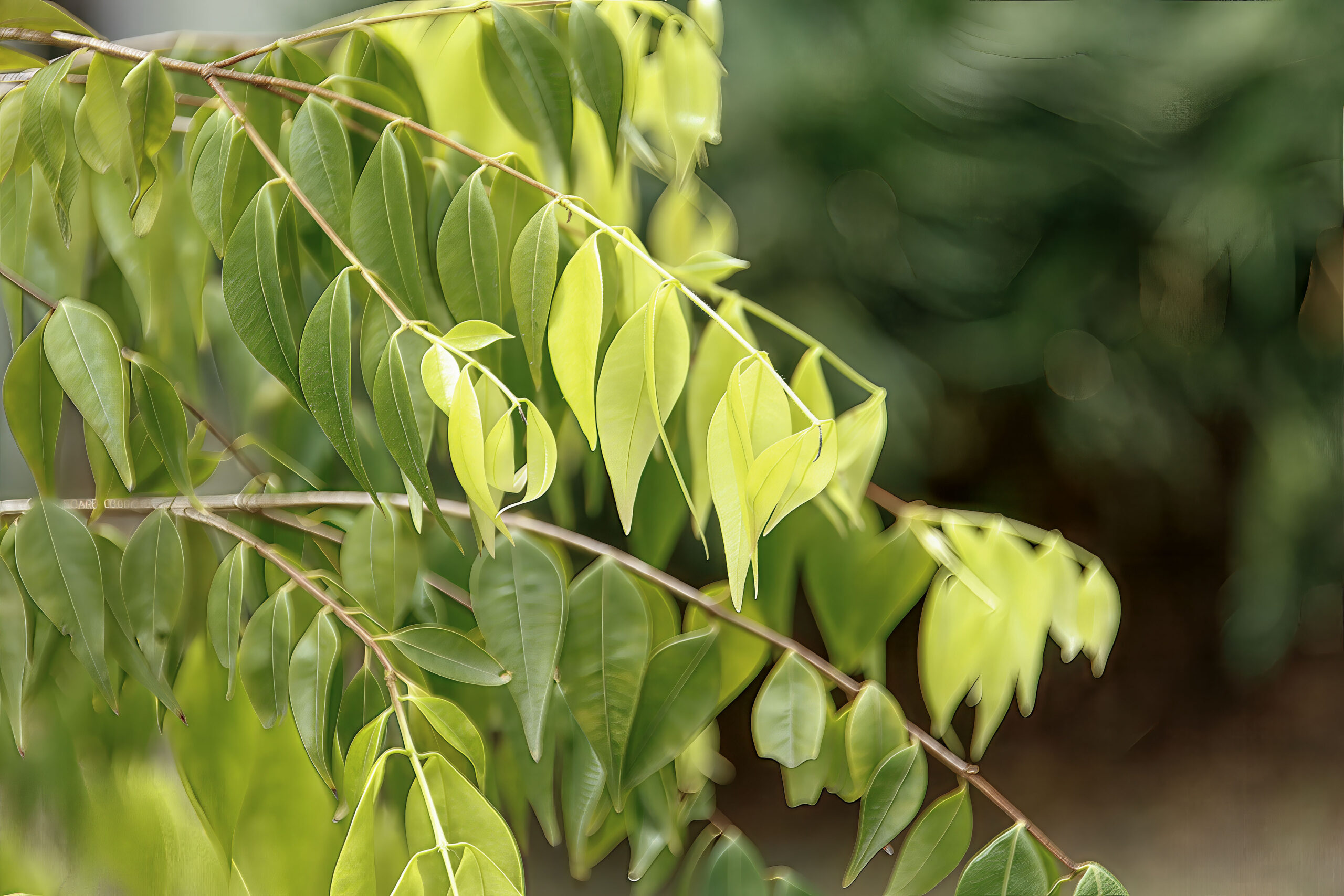
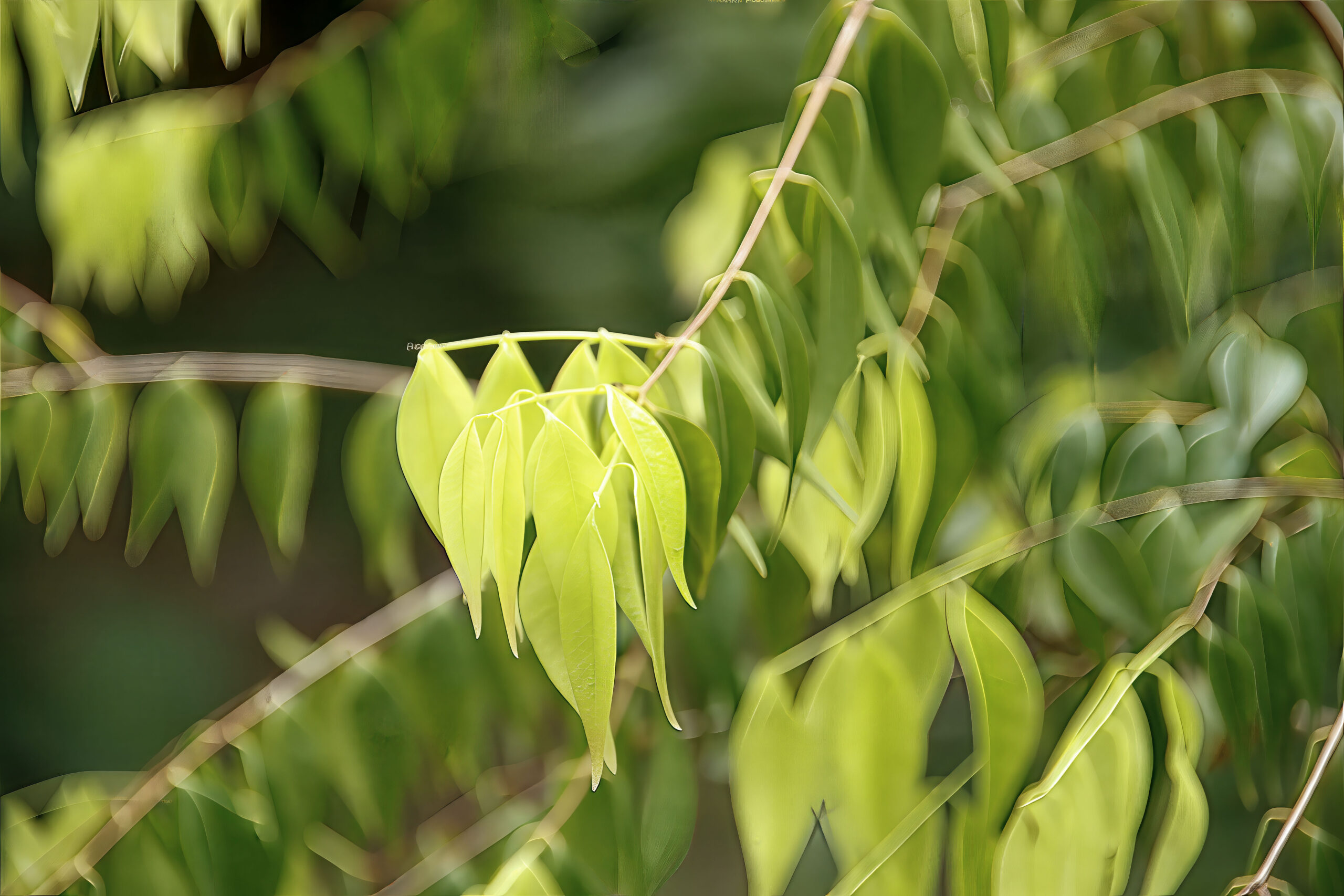
    New leaf flush and flower buds typically appear in early to mid-spring (March to May), often in response to increased rainfall or humidity.

Key Features:

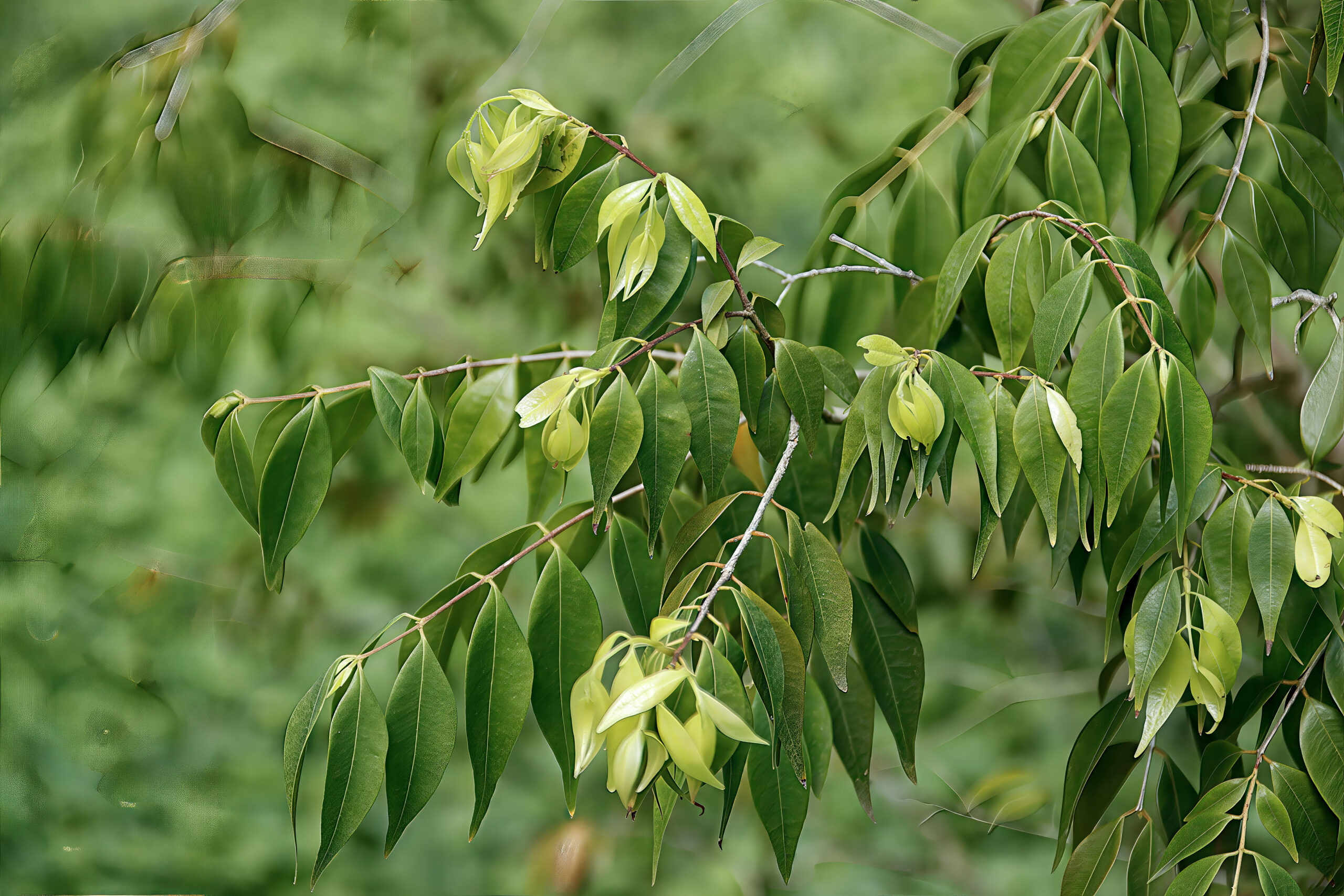
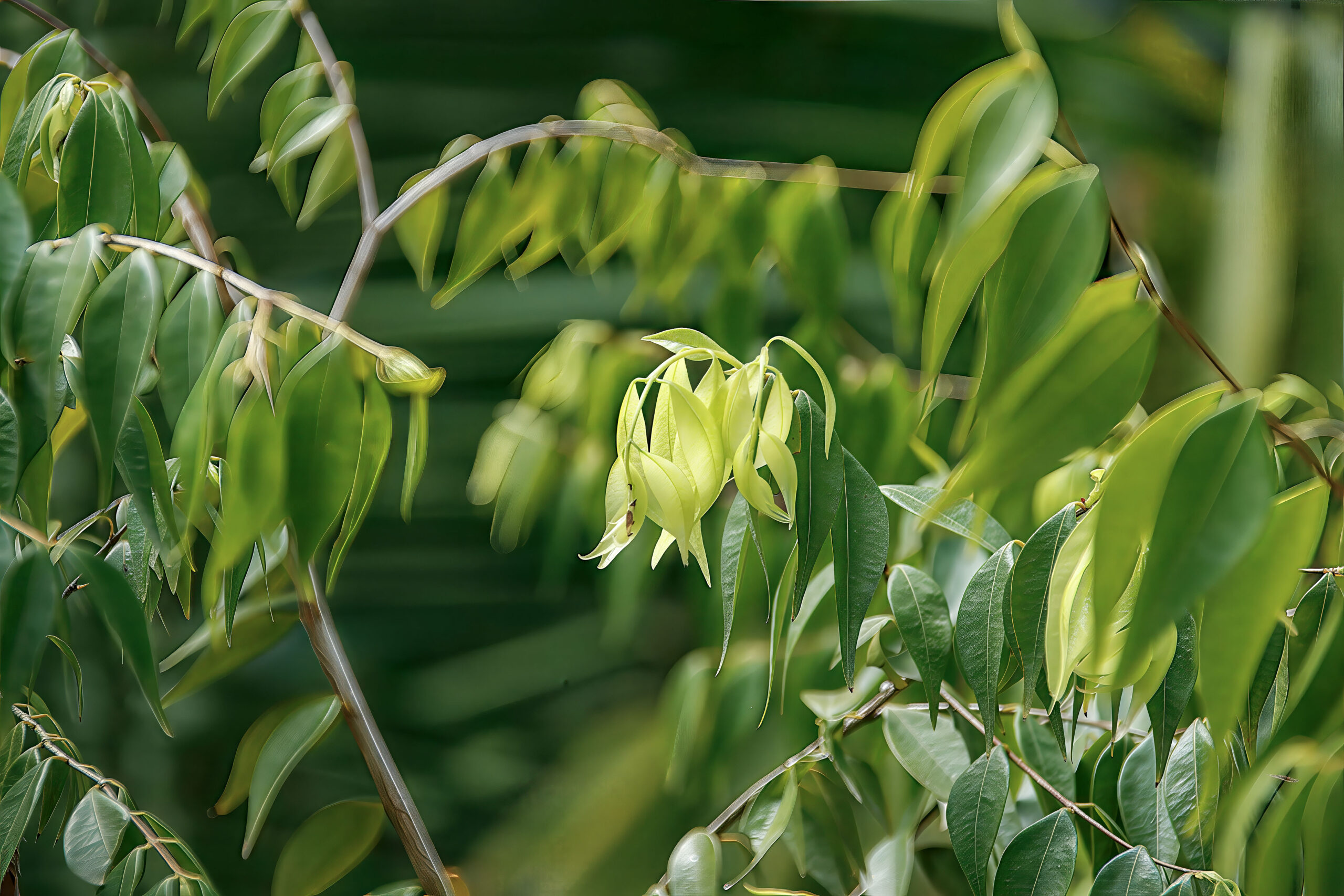
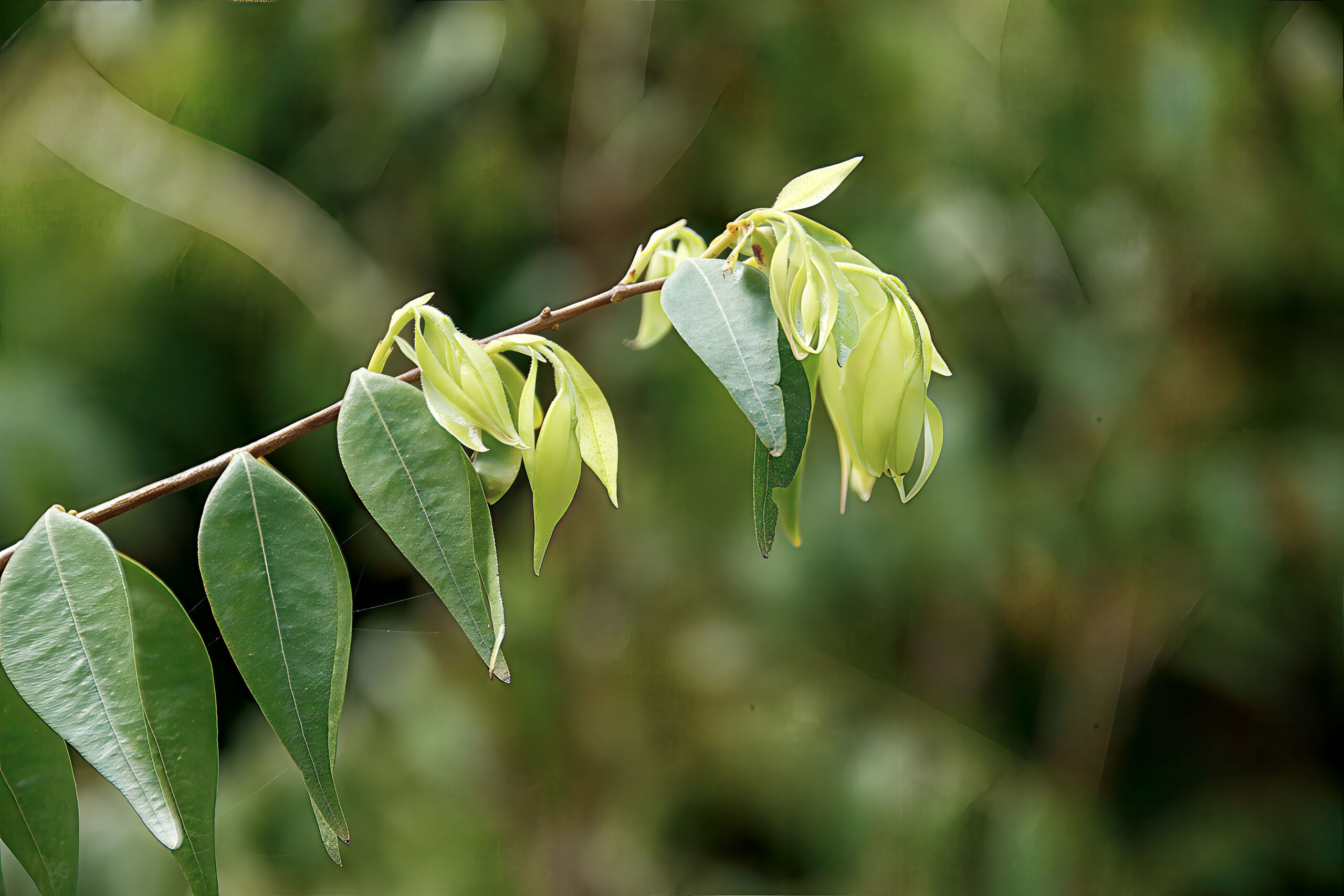
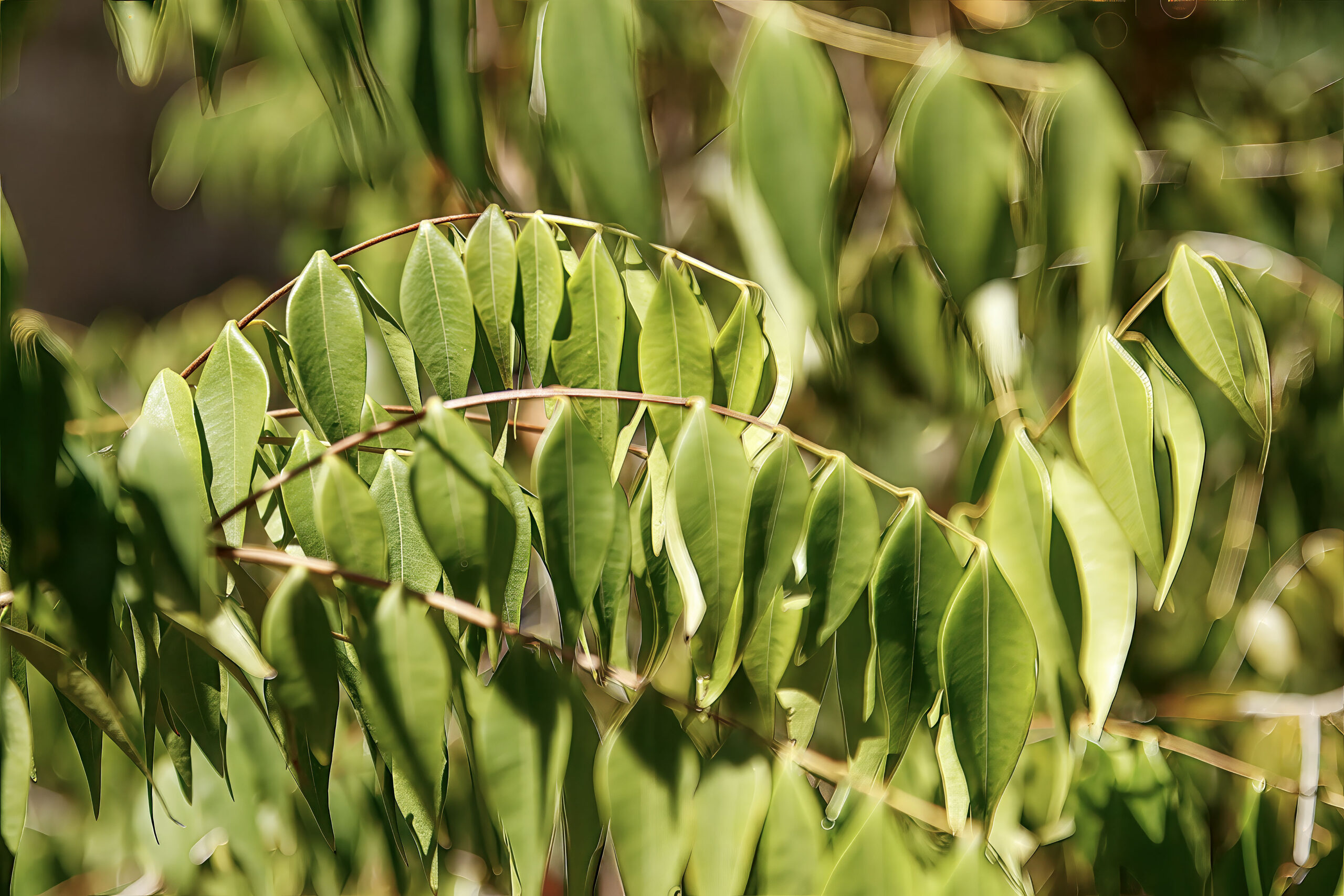
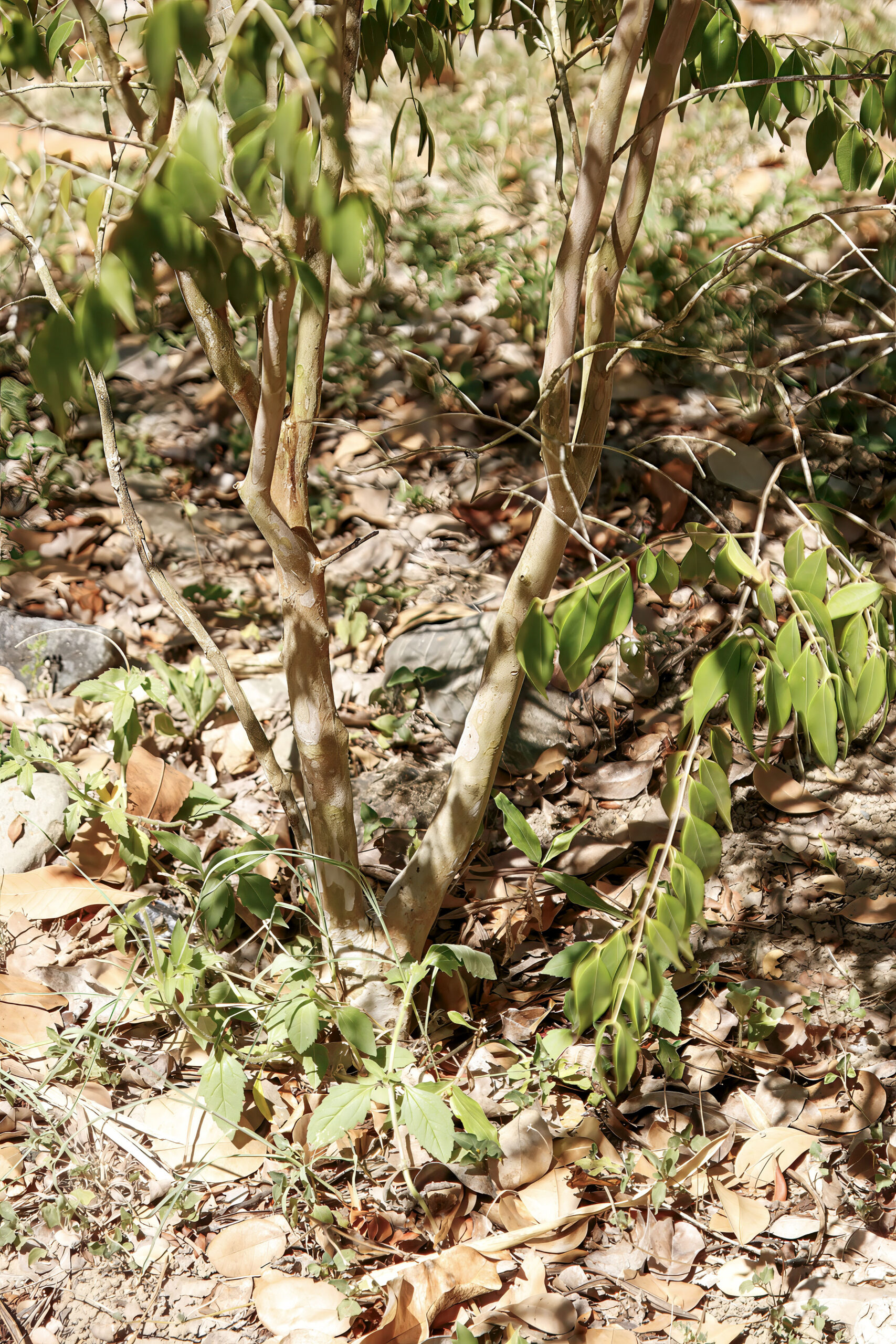
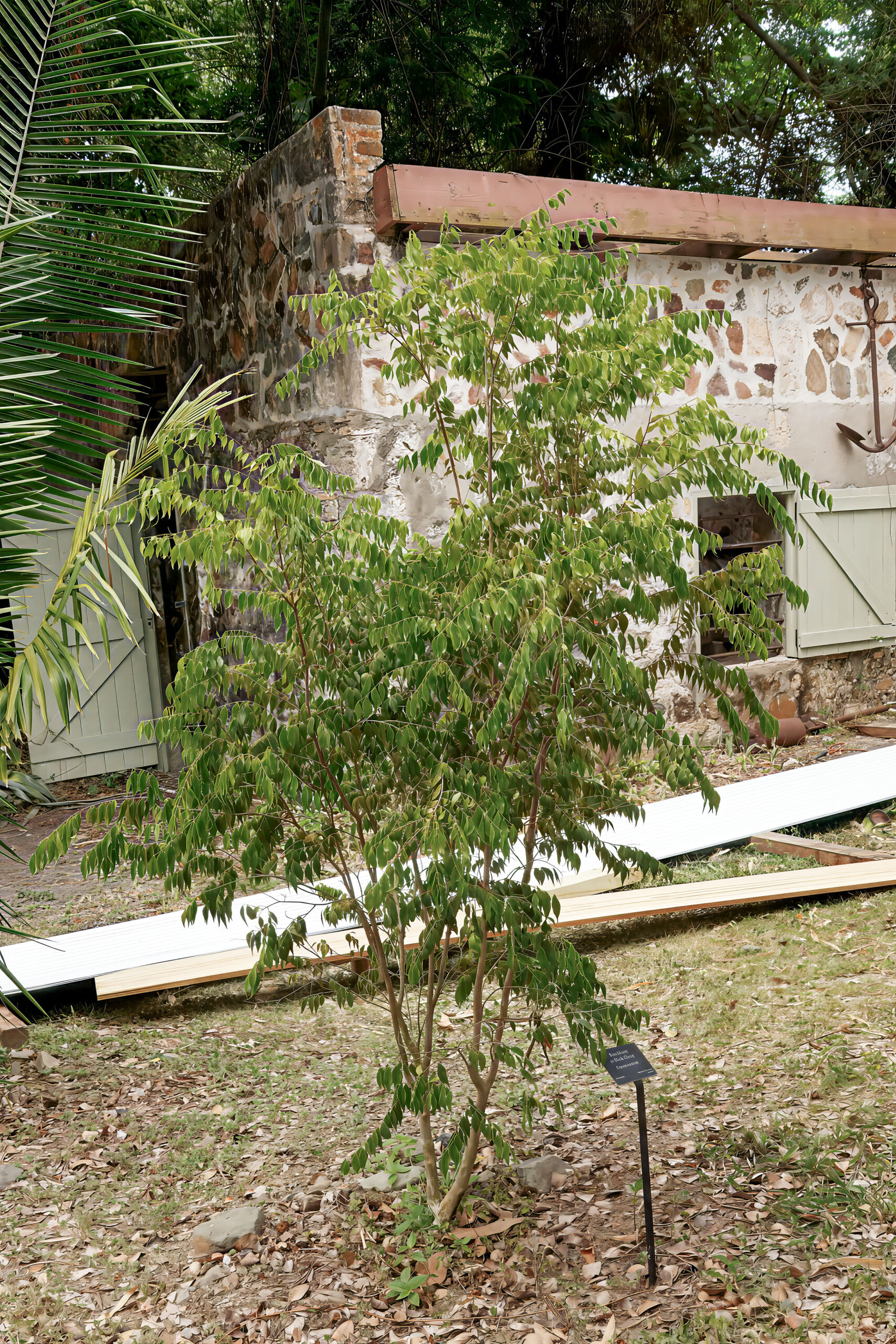
  • Leaves: Opposite, leathery, glossy green, ovate to elliptic with a pleasant spicy or resinous scent when crushed.
  • Flowers: Small, white, 4-petaled flowers with numerous stamens, typically borne in axillary clusters.
  • Fruits: Small berries (~1 cm), edible but tart, darkening to purple-black at maturity. Loved by birds and other wildlife.

Additional Notes:

While its fruit is not widely consumed by humans, it is occasionally used in preserves or traditional remedies.

Eugenia monticola is a native tree important for local ecosystems, especially as a food source for birds and insects.

Drought-tolerant and well-adapted to limestone and rocky soils, making it ideal for restoration and xeriscaping projects.

Scroll to Top