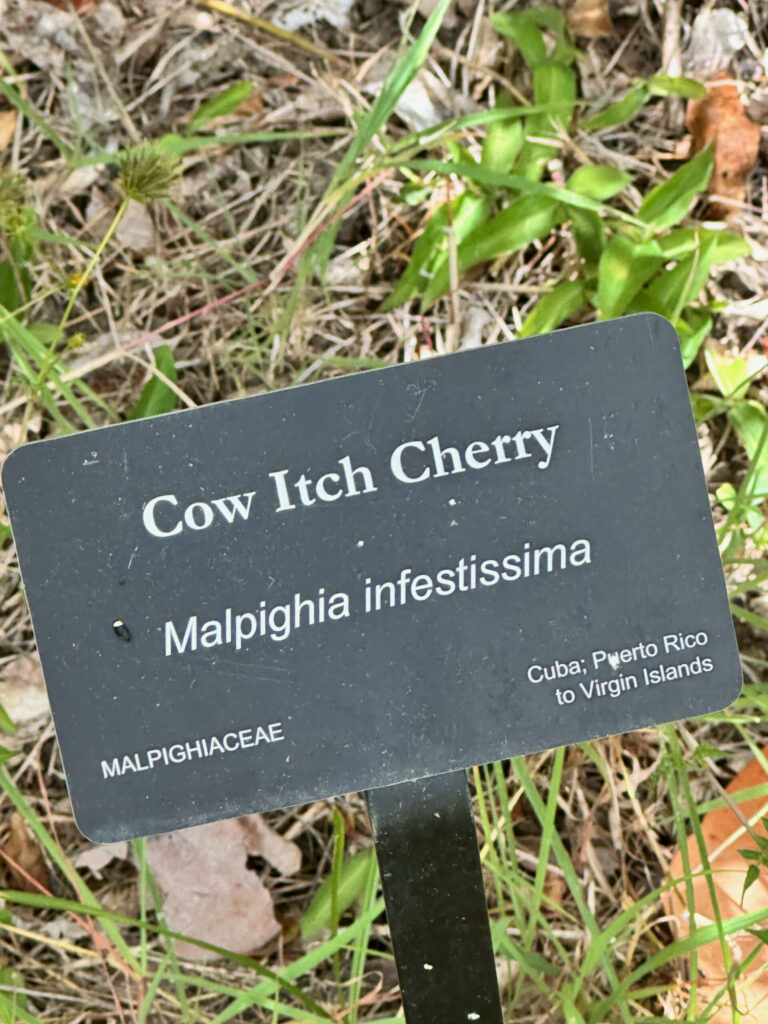
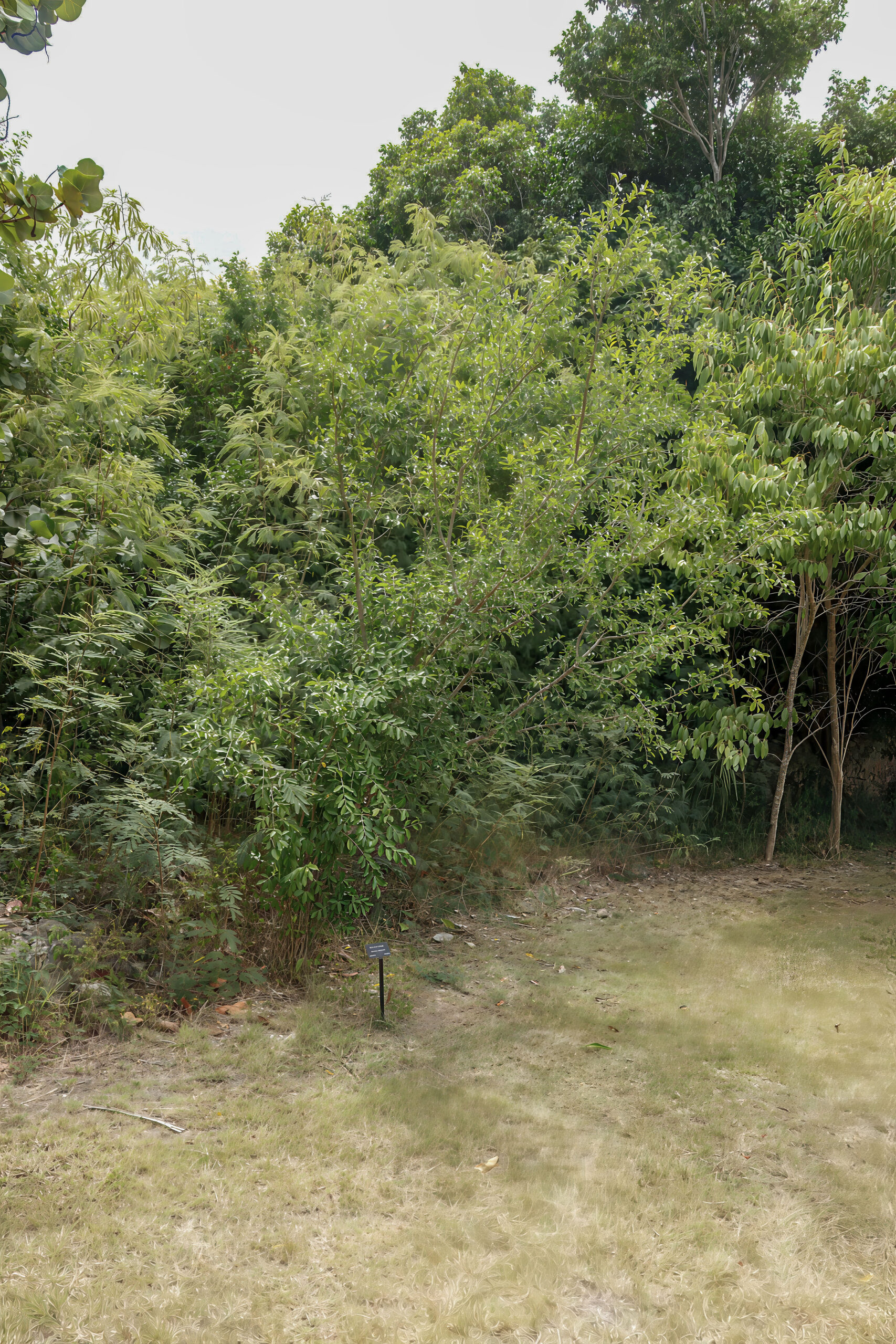
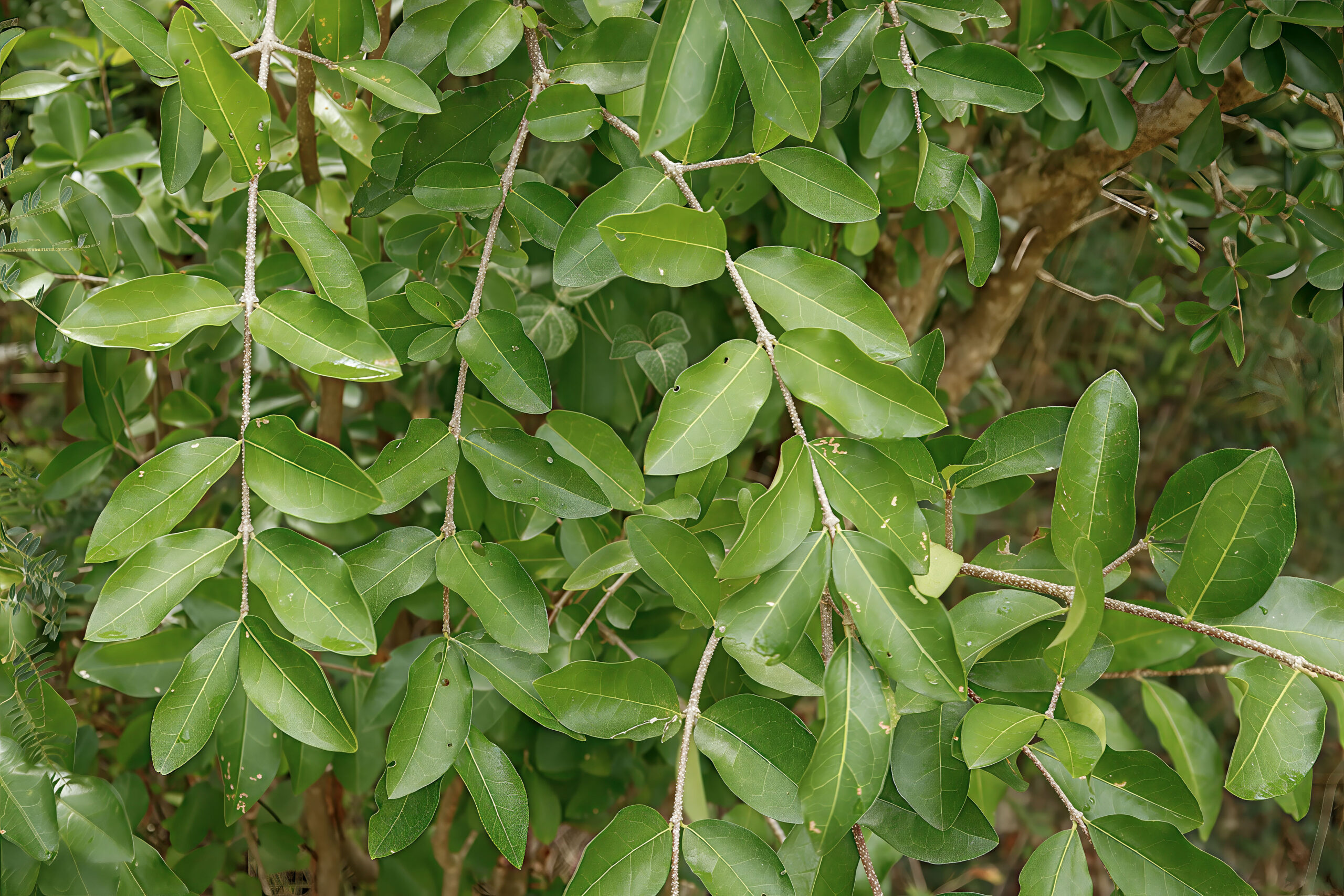
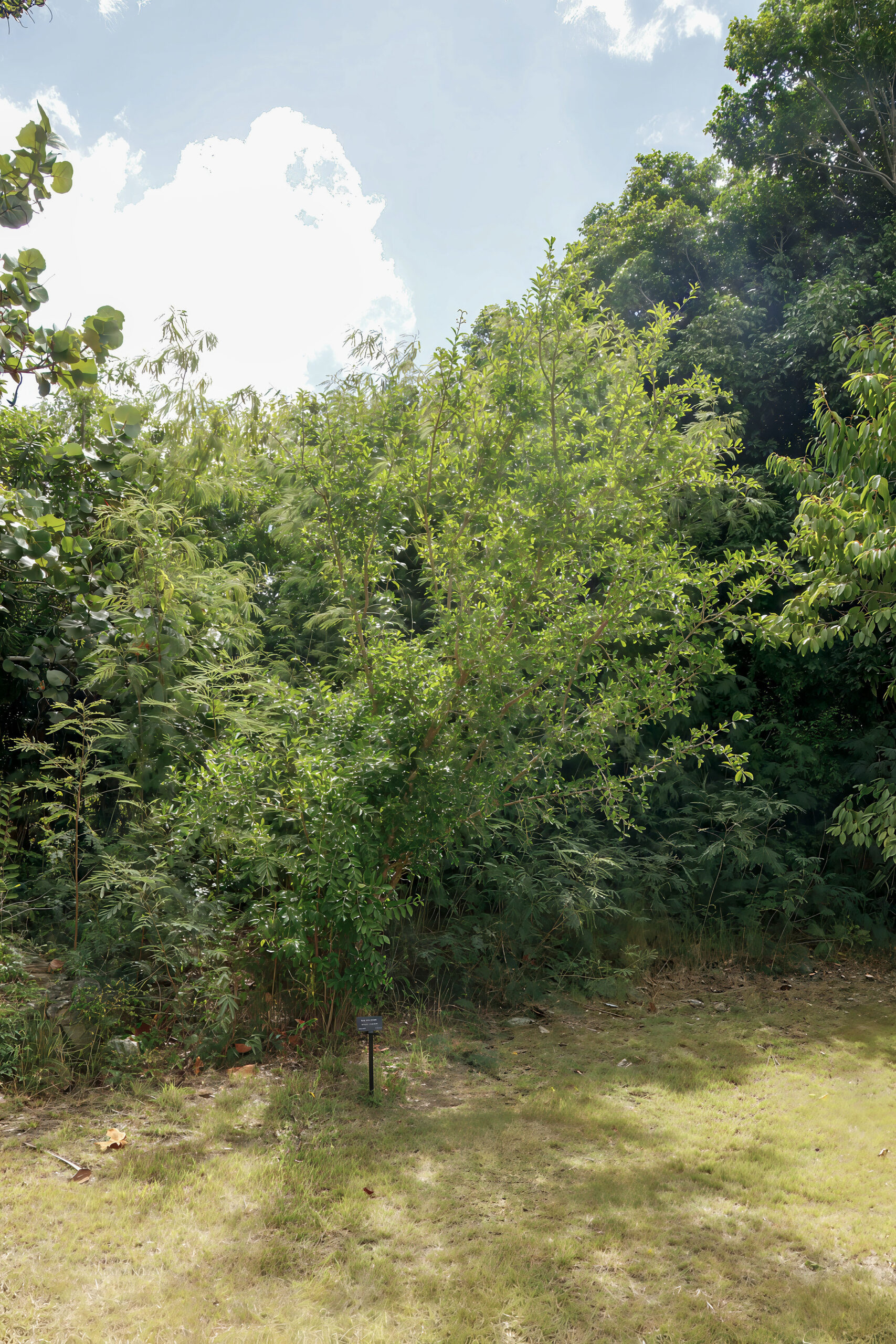
Cow Itch Cherry

Scientific name: Malpighia infestissima

POWO Status: Tree

IUCN Red List threat level: Not Evaluated

GPS Location: 17° 42′ 59.59″ N, 64° 49′ 48.83″ W

Medicinal Uses

While extensive research exists for common species like Malpighia emarginata (acerola cherry), information specifically detailing the traditional or modern medicinal uses of Malpighia infestissima is limited in the provided search results. 

Malpighia infestissima has been identified as a recognized medicinal herb and adaptogen in general terms, but specific applications and scientific data are scarce. The plant is native to the U.S. Virgin Islands and is present in herbaria collections, but those records do not detail its uses.

Observations:

Phenological Markers – Cow Itch Cherry (Malpighia infestissima)

Common Name: Cow Itch Cherry
Scientific Name: Malpighia infestissima DC.
Family: Malpighiaceae
Origin: Native to the Caribbean, including the Virgin Islands
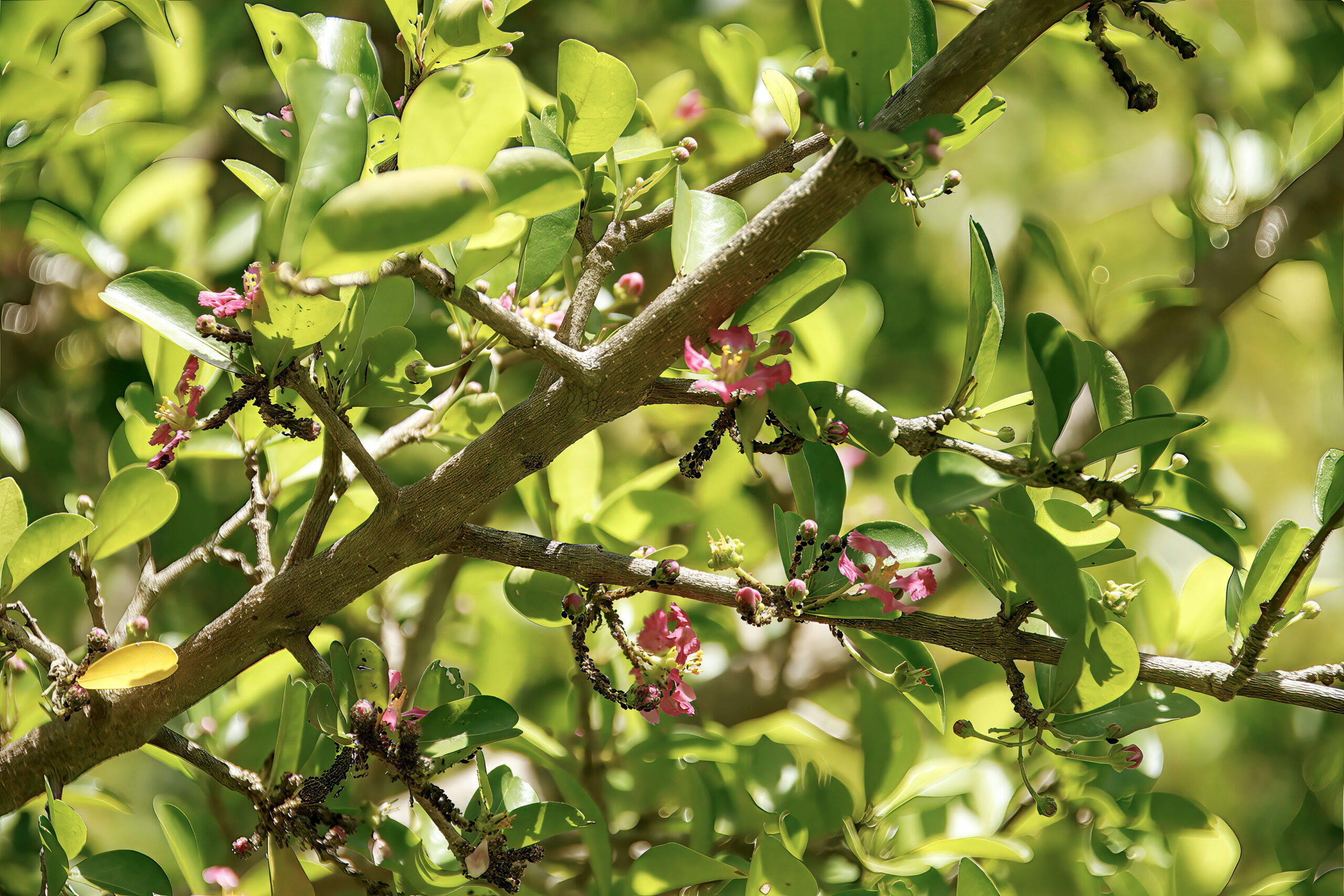
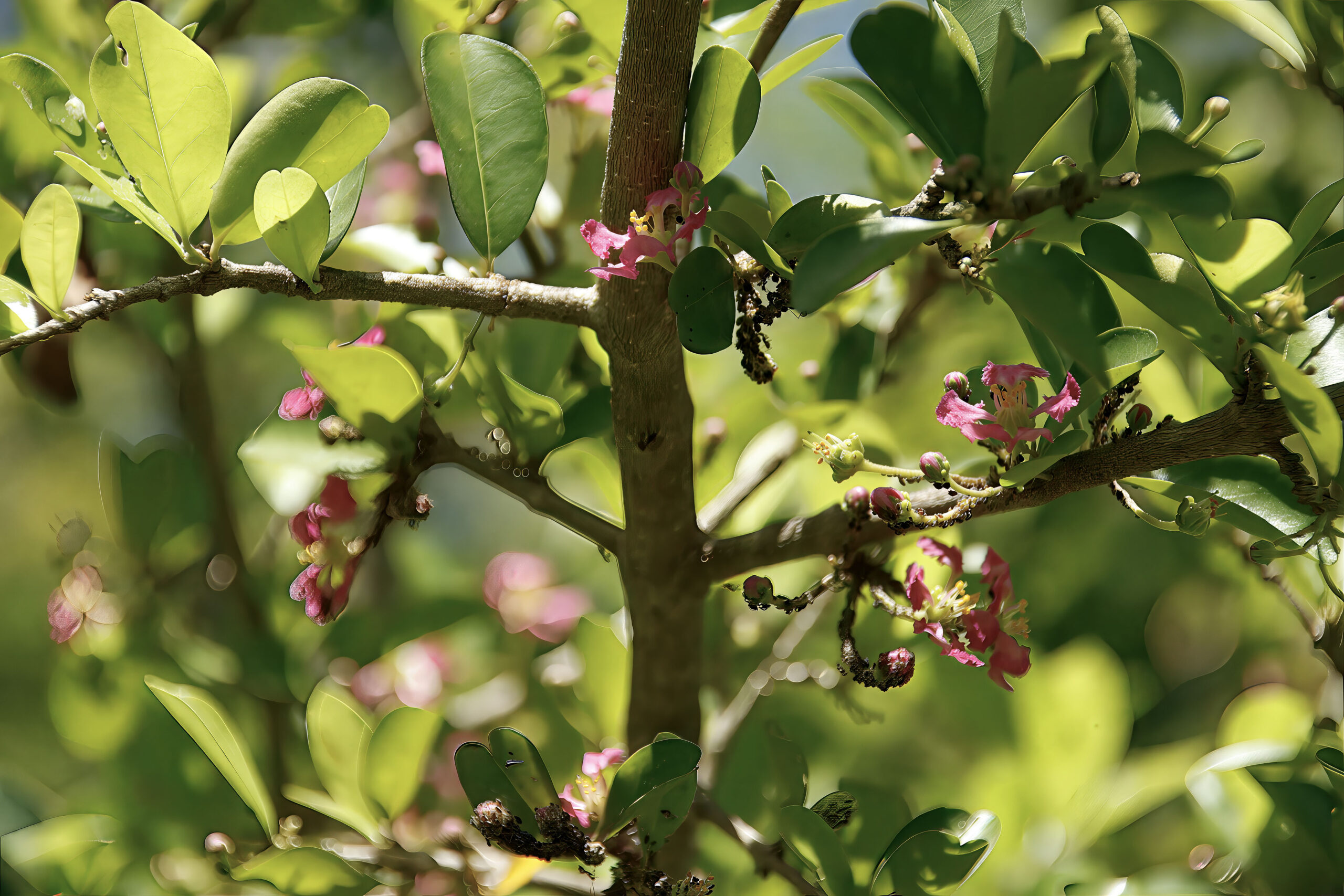
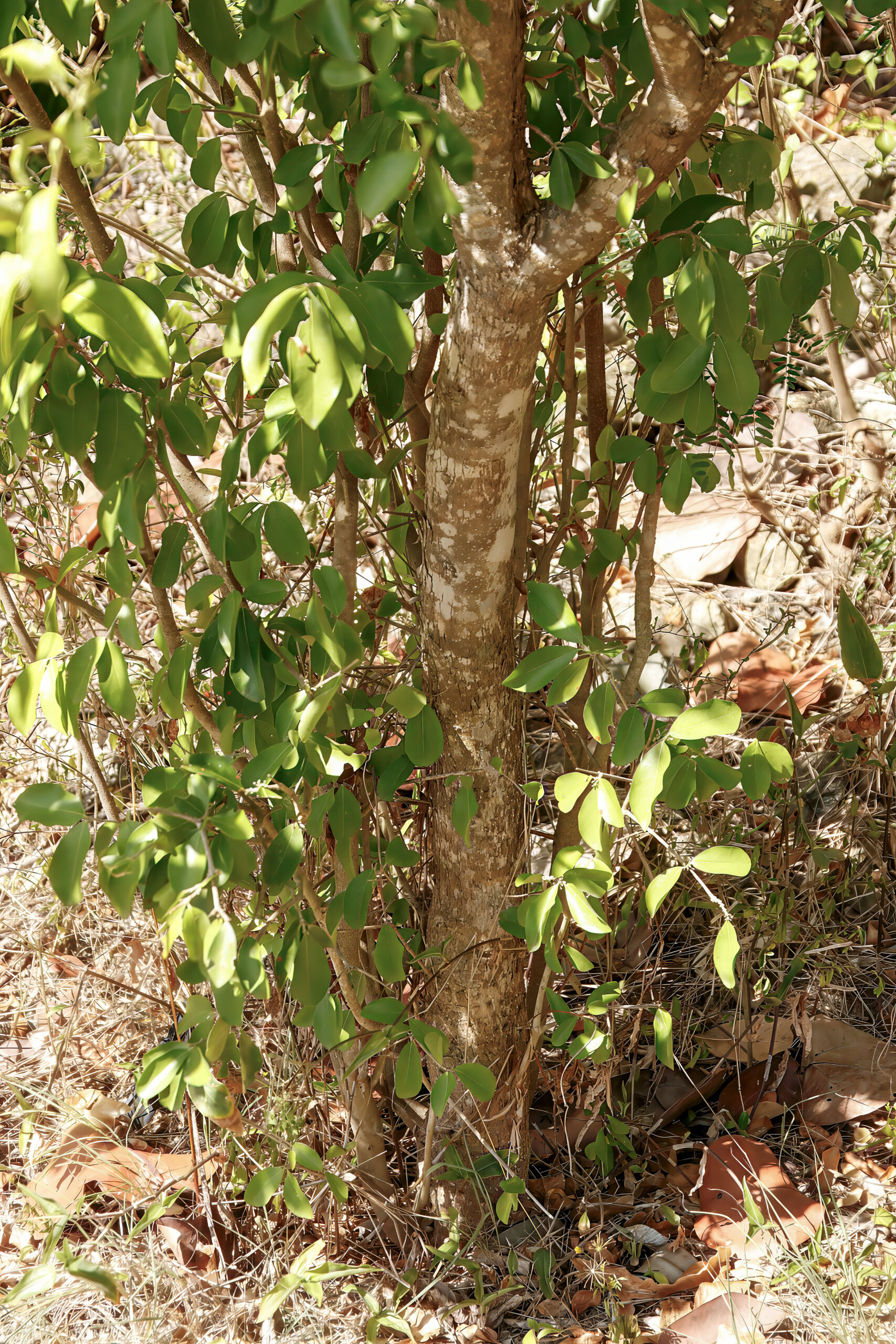
Form: Shrub to small tree, typically 1–4 meters in height, often with a spreading form


Annual Phenological Cycle

PhenophaseTypical Timing (St. Croix – Lowland Tropical)Field Notes
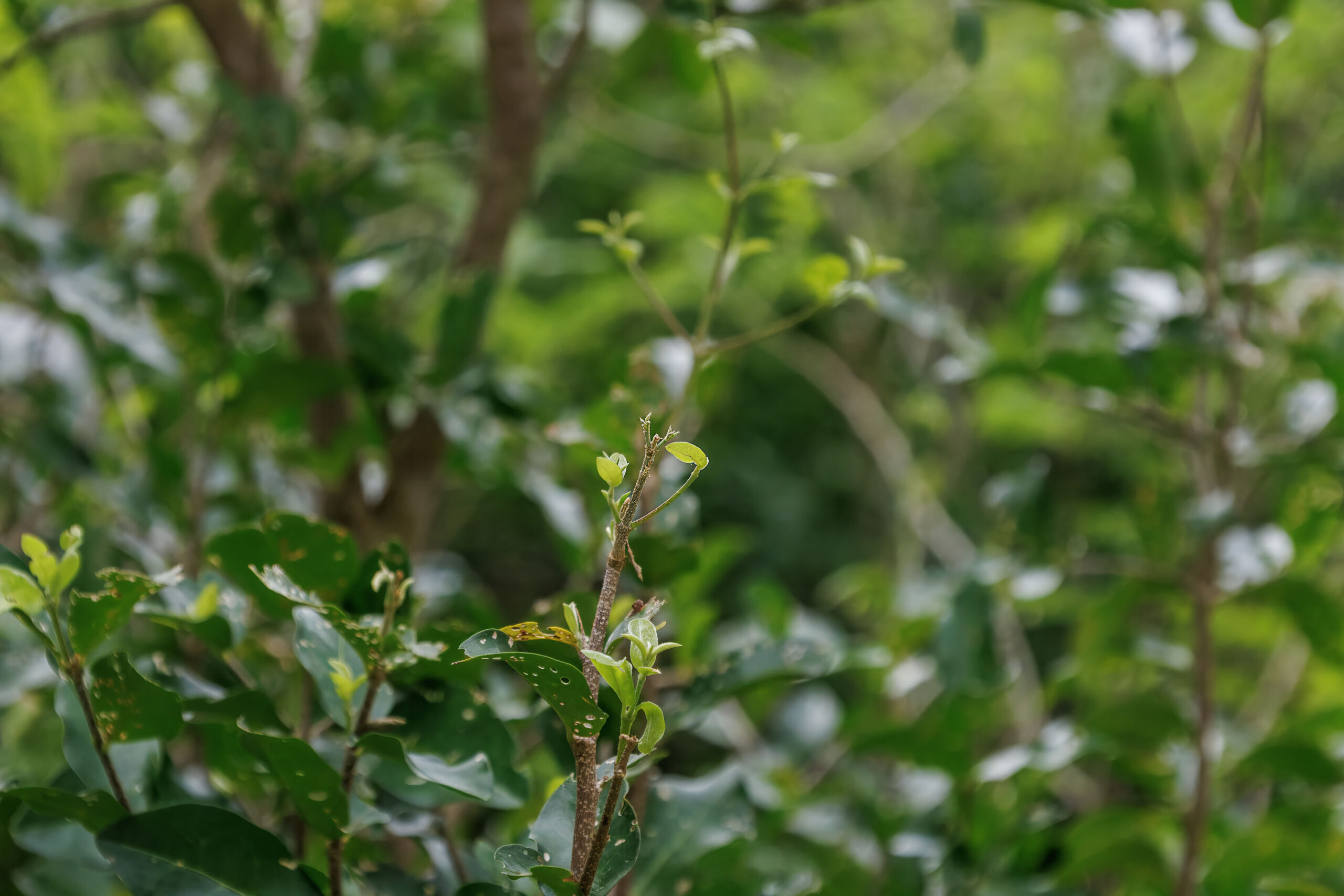
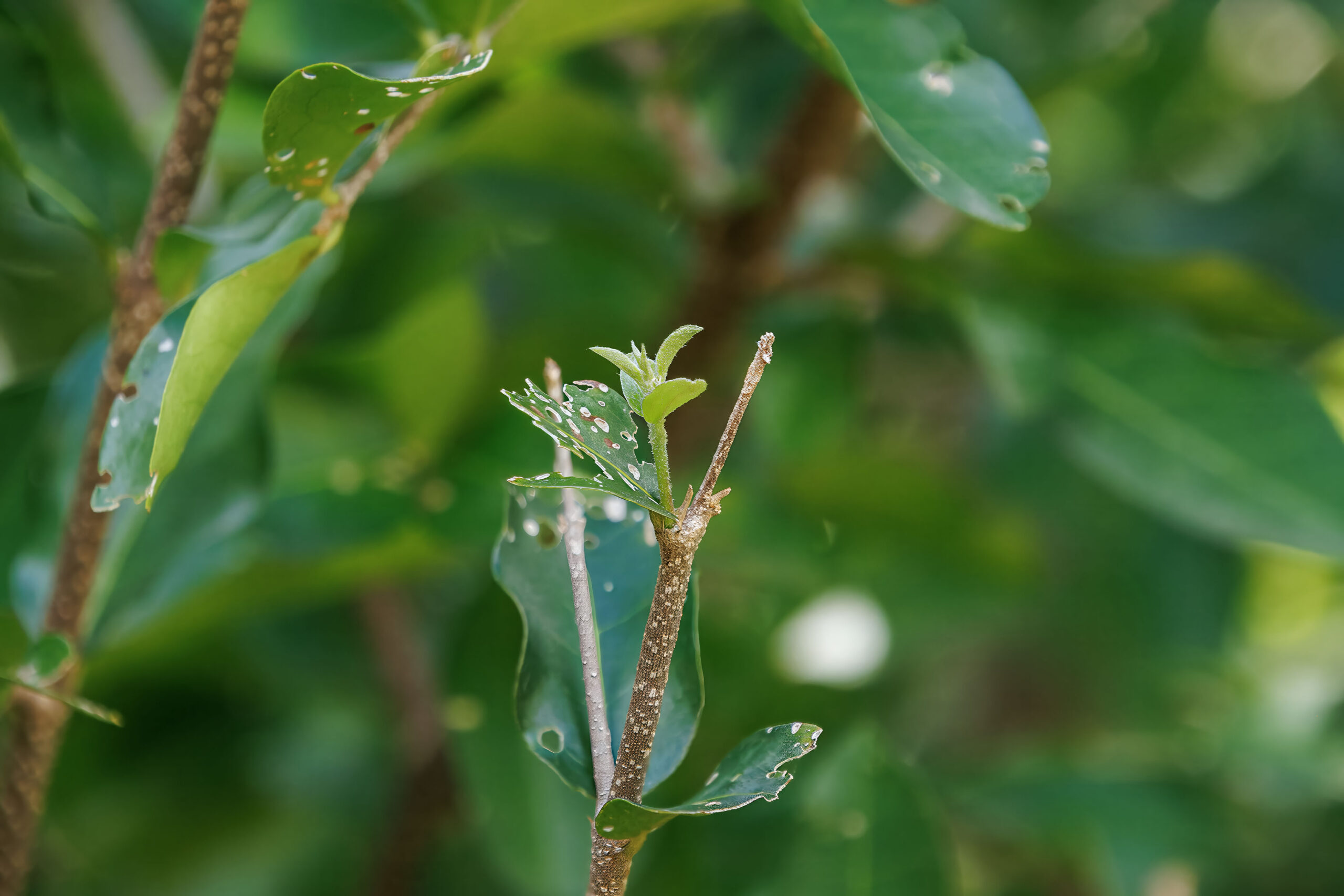
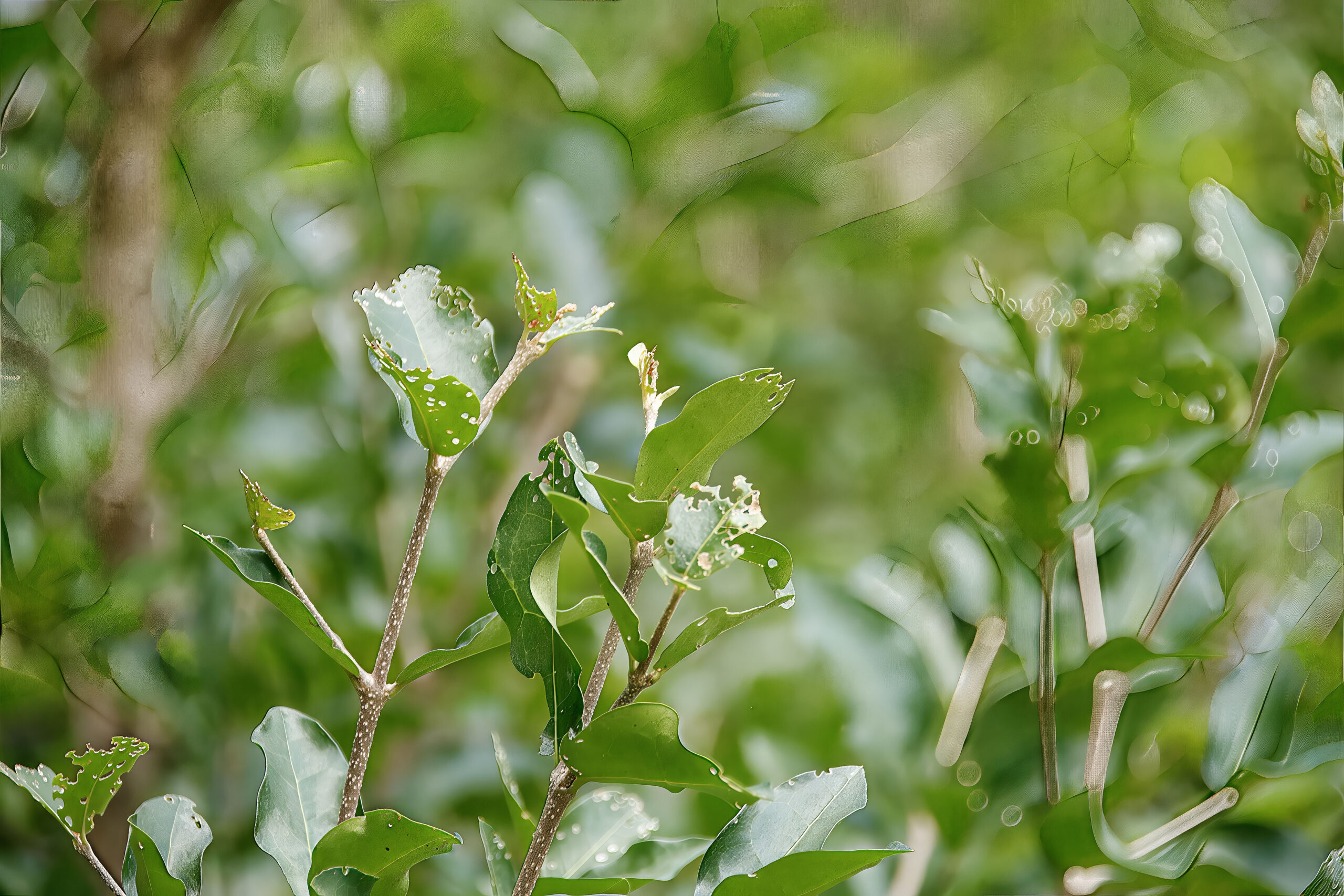
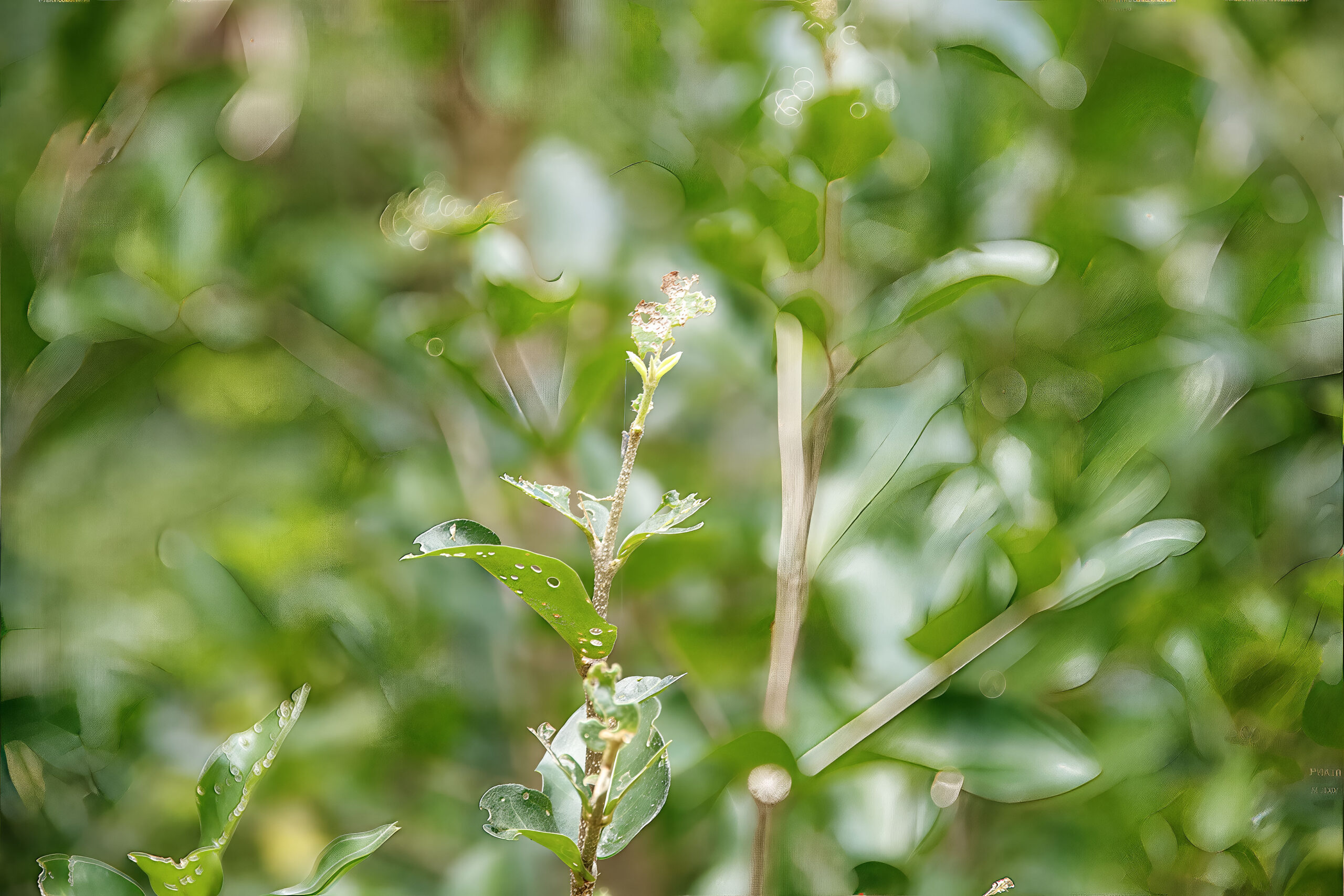
Leaf FlushMarch – MayNew growth emerges with soft, bright green leaves; appears after early rainfall.
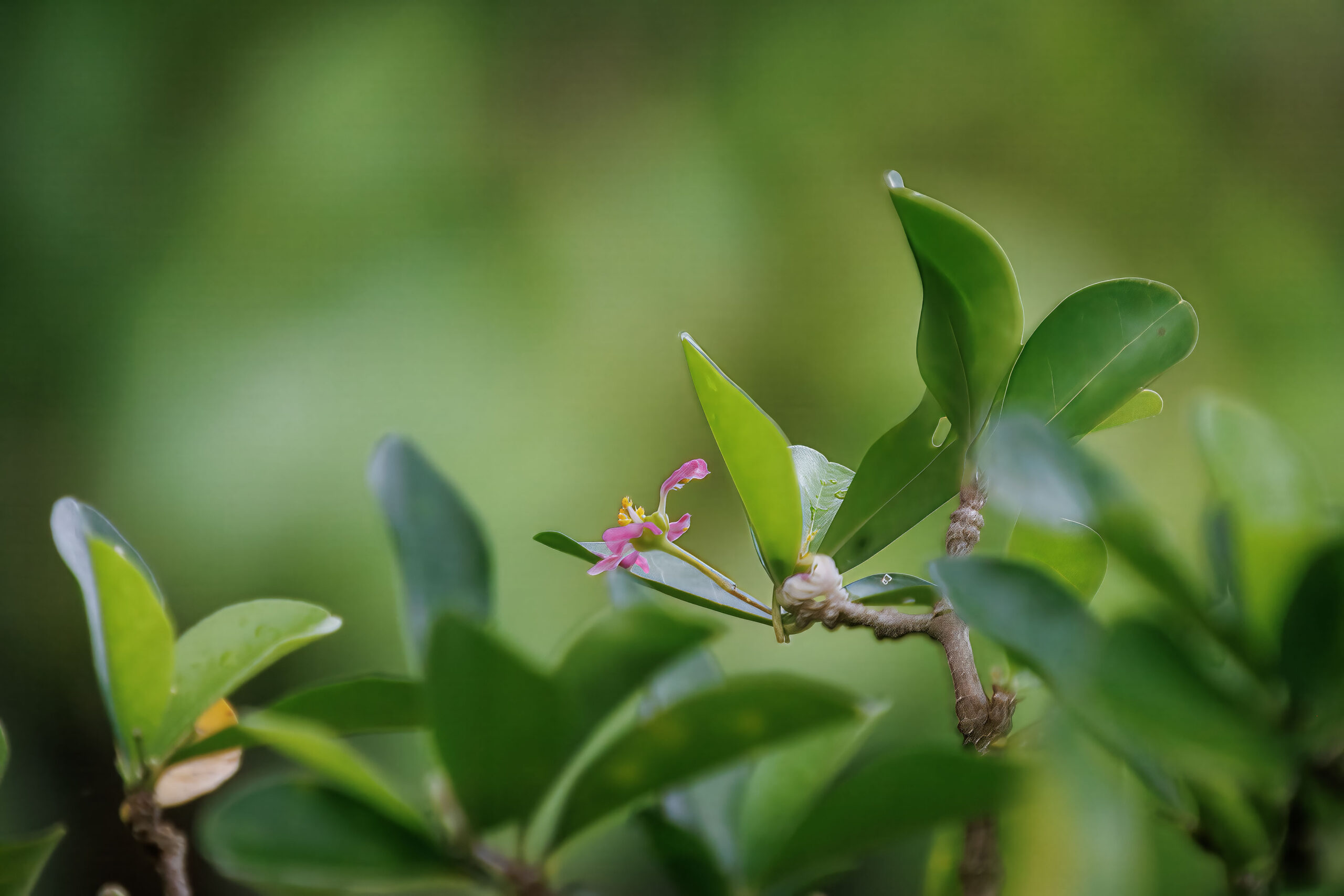
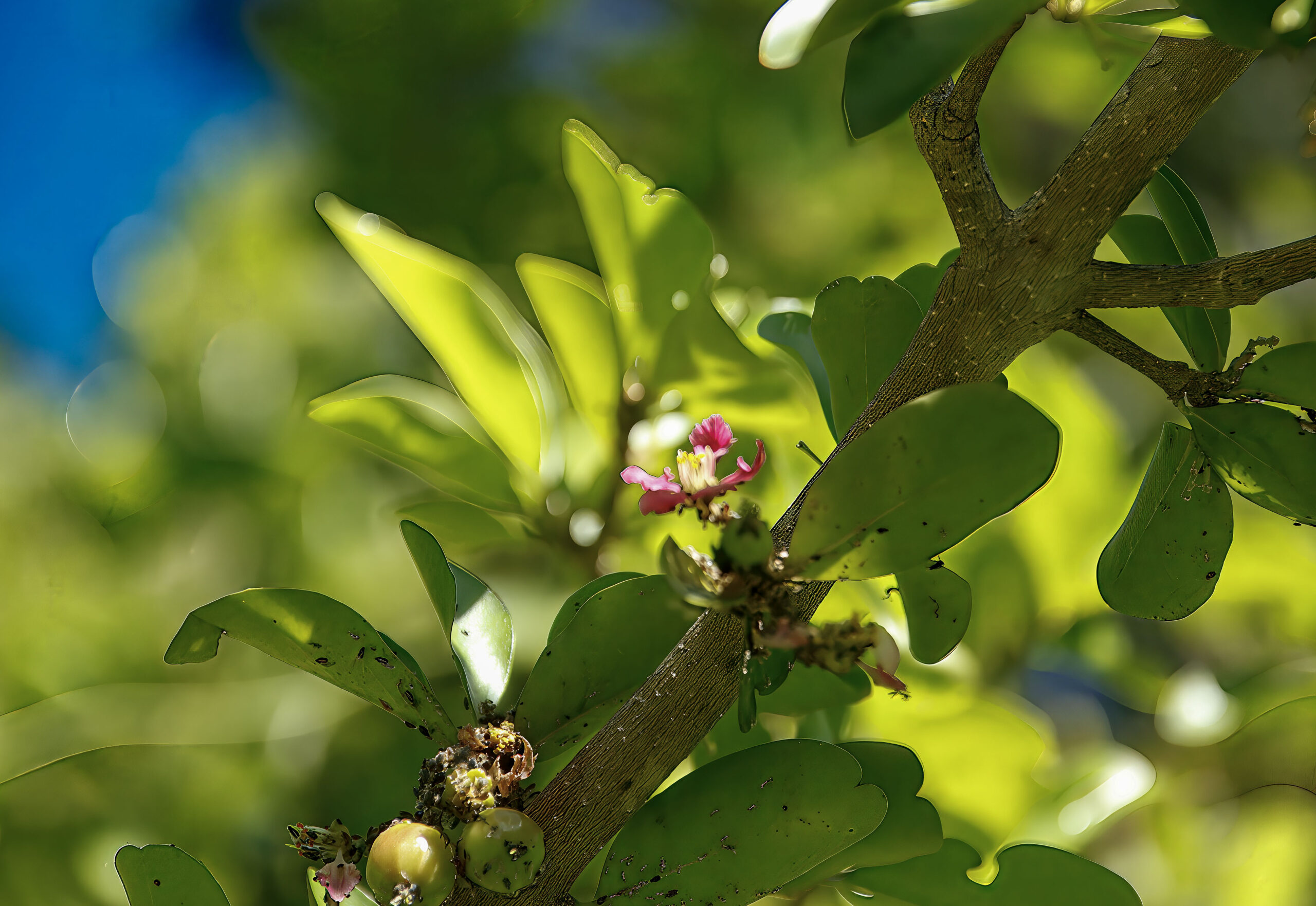
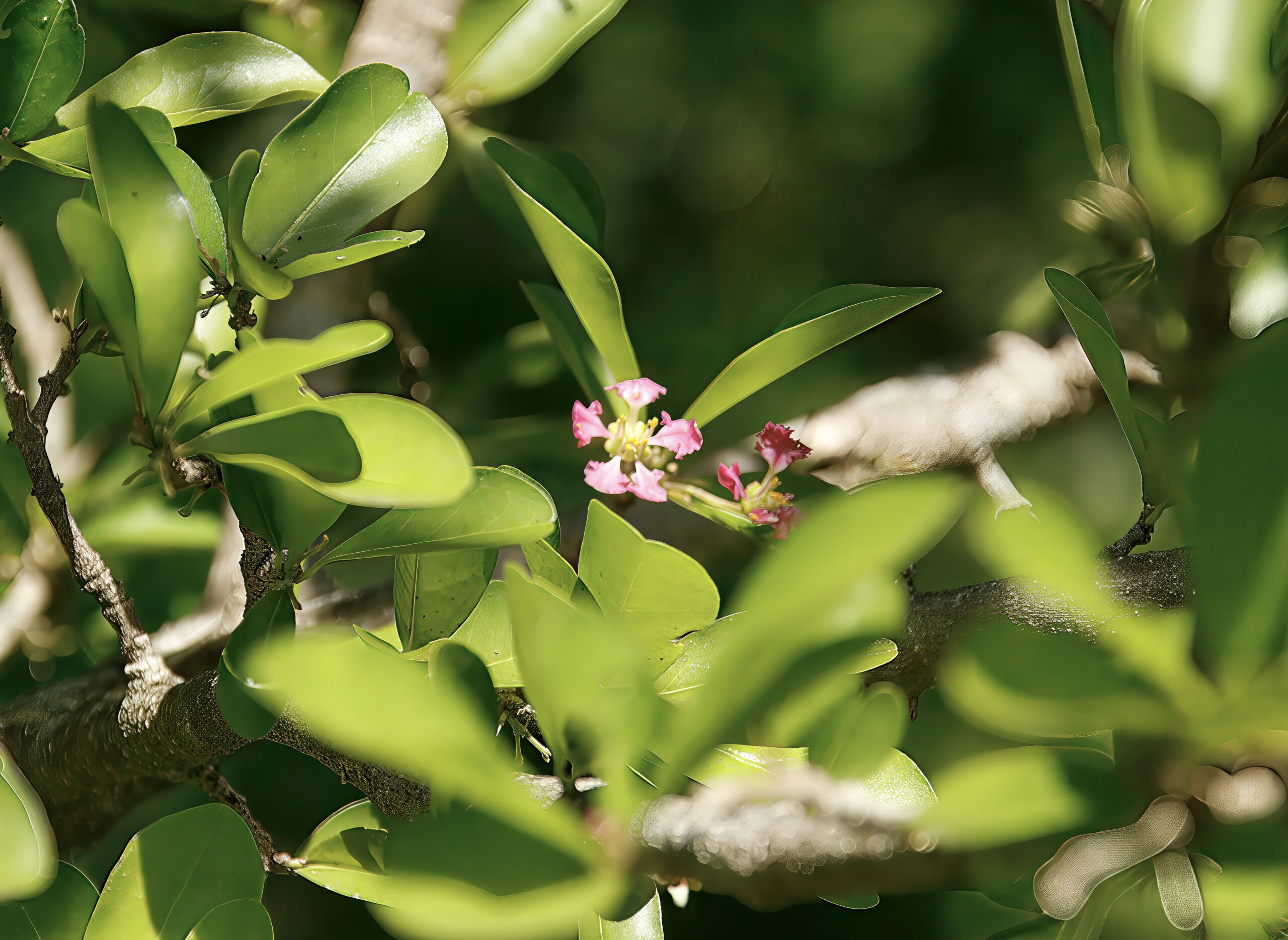
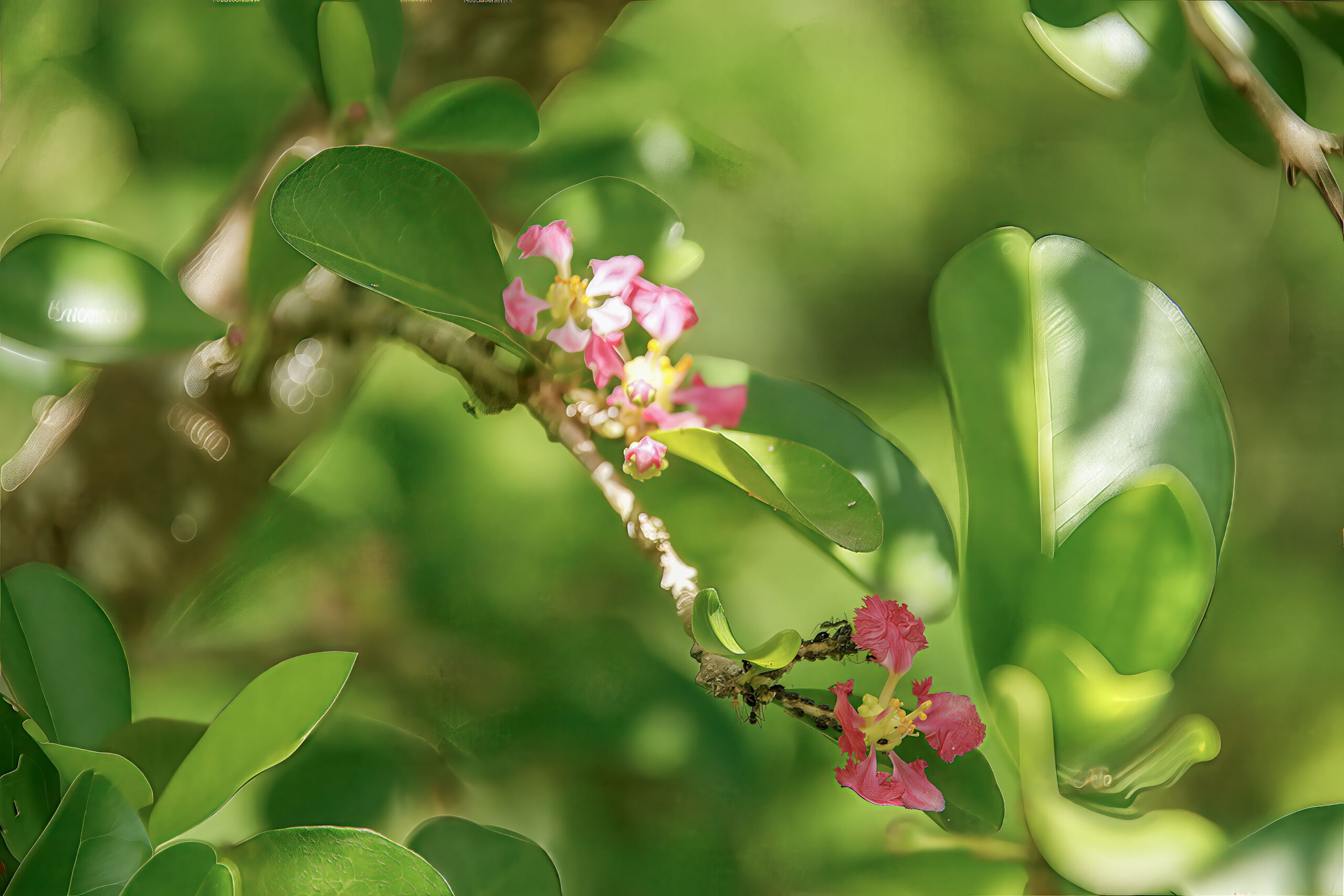
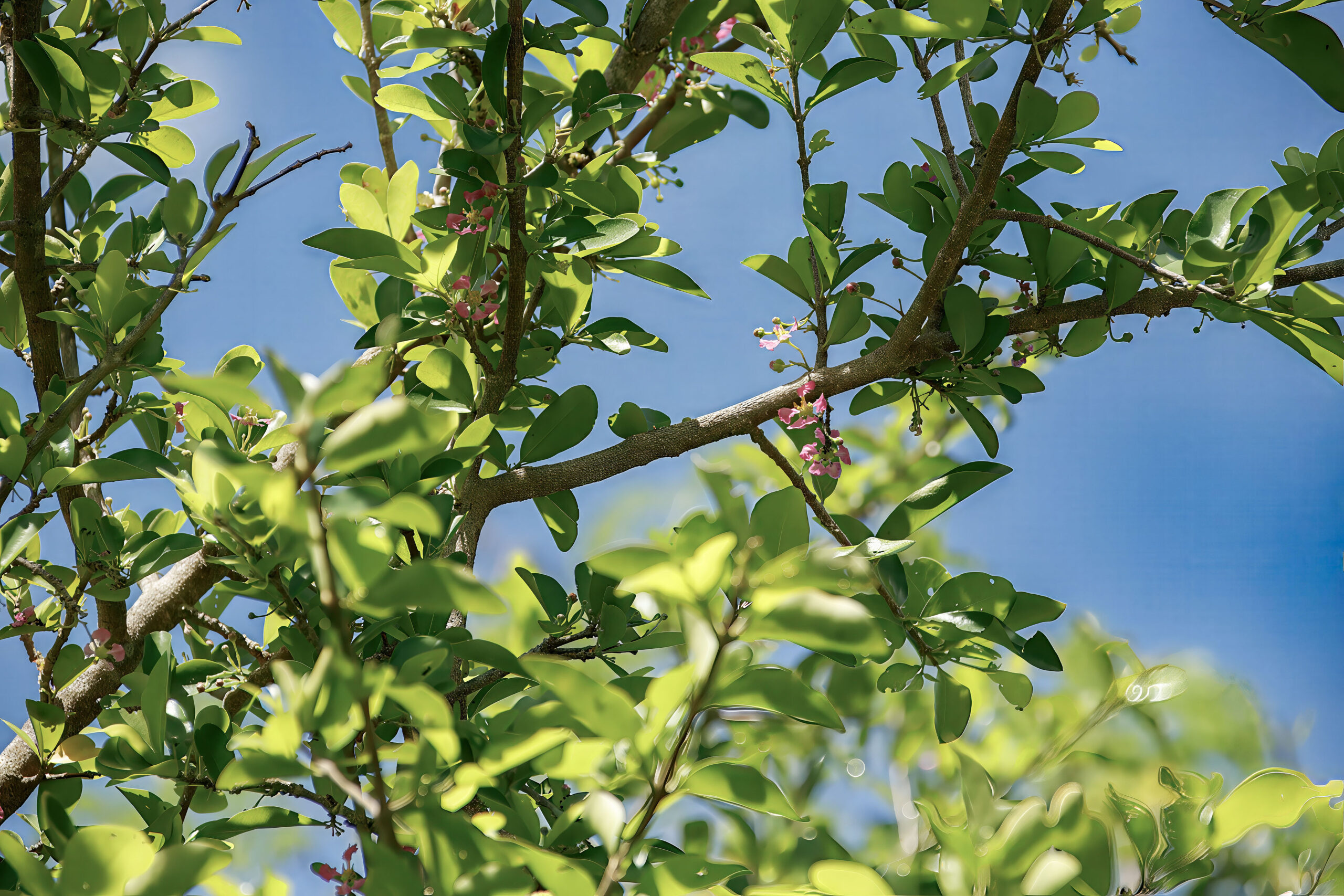
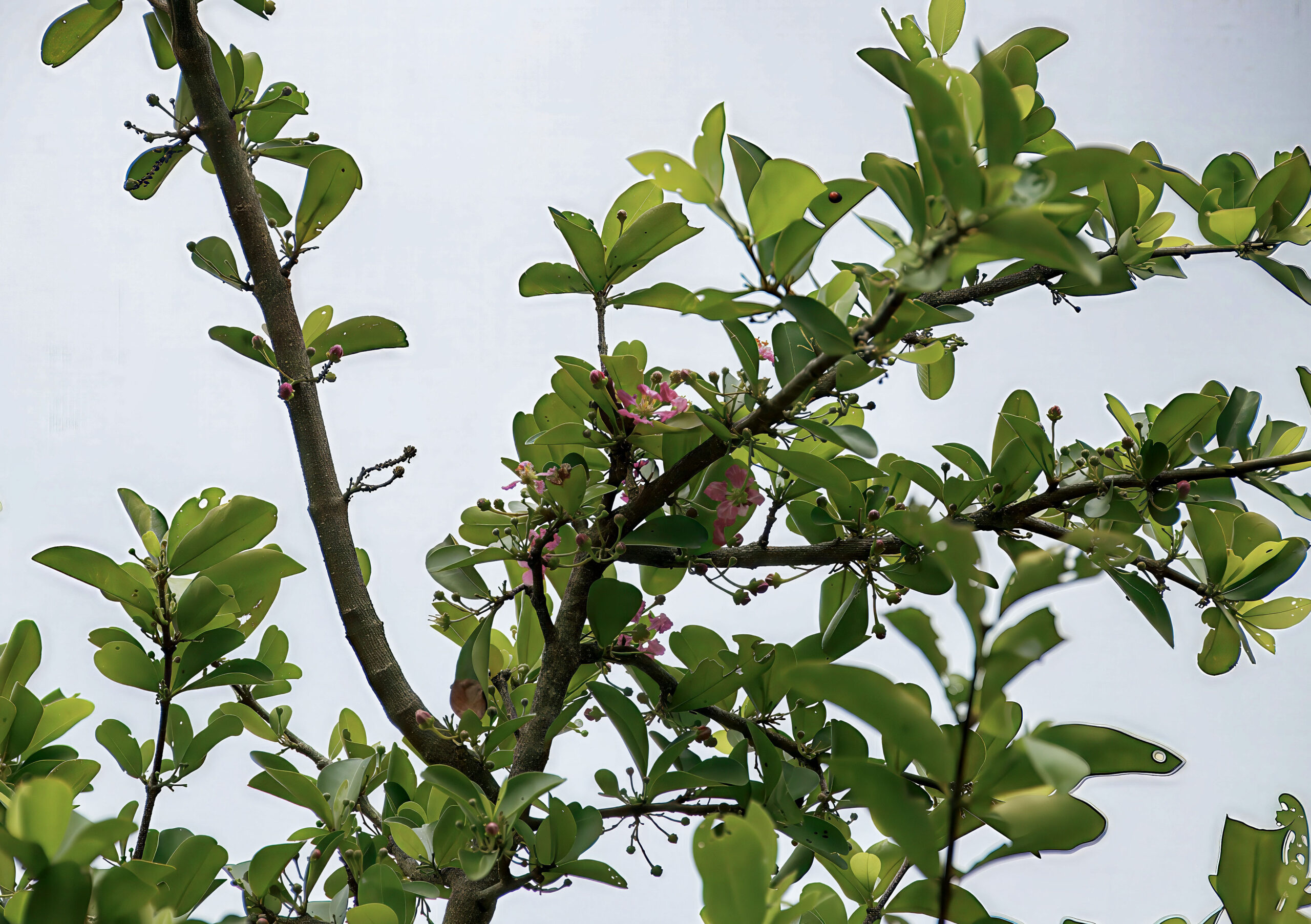
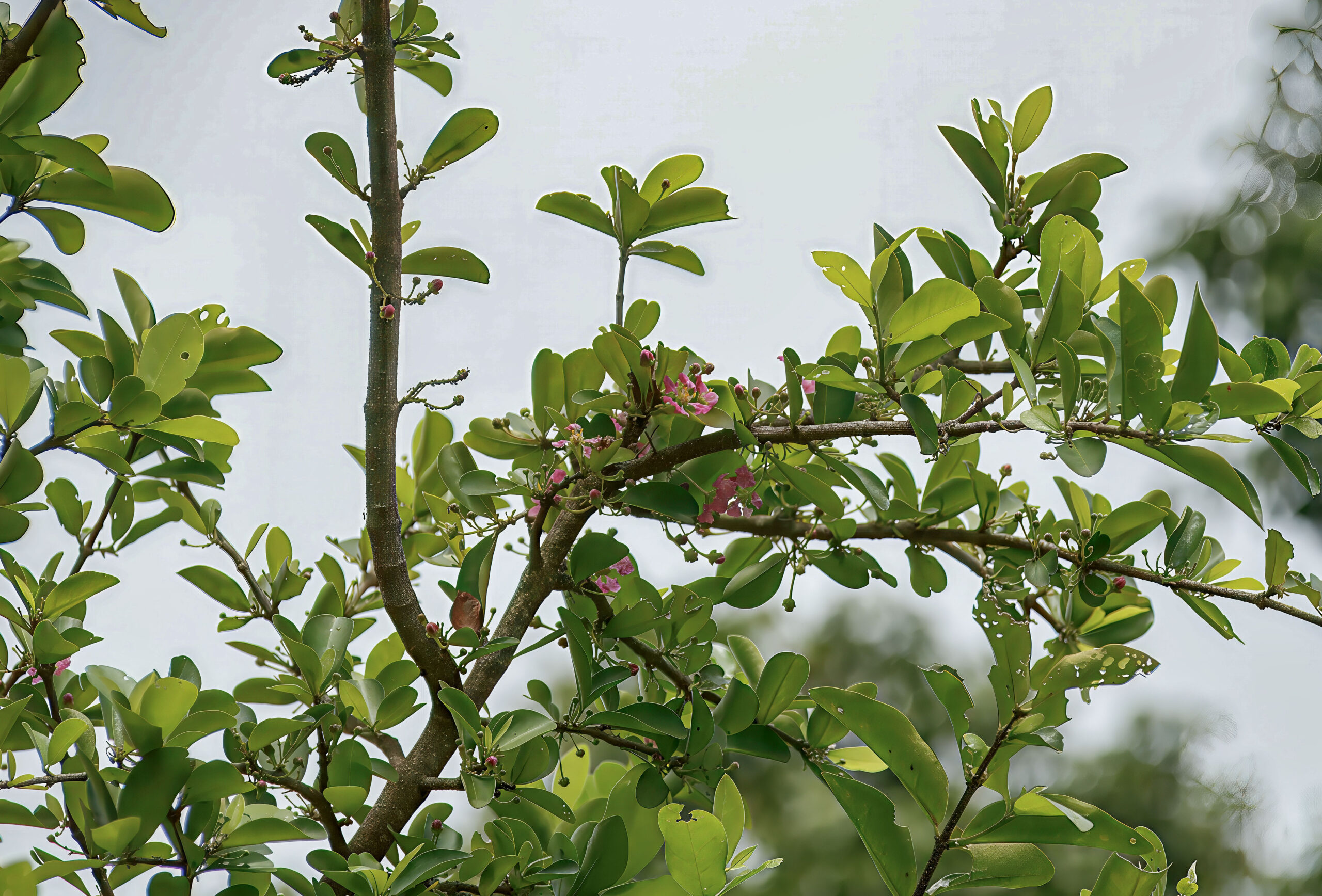
FloweringApril – AugustSmall pink to lavender 5-petaled flowers, often profuse; may occur more than once a year.
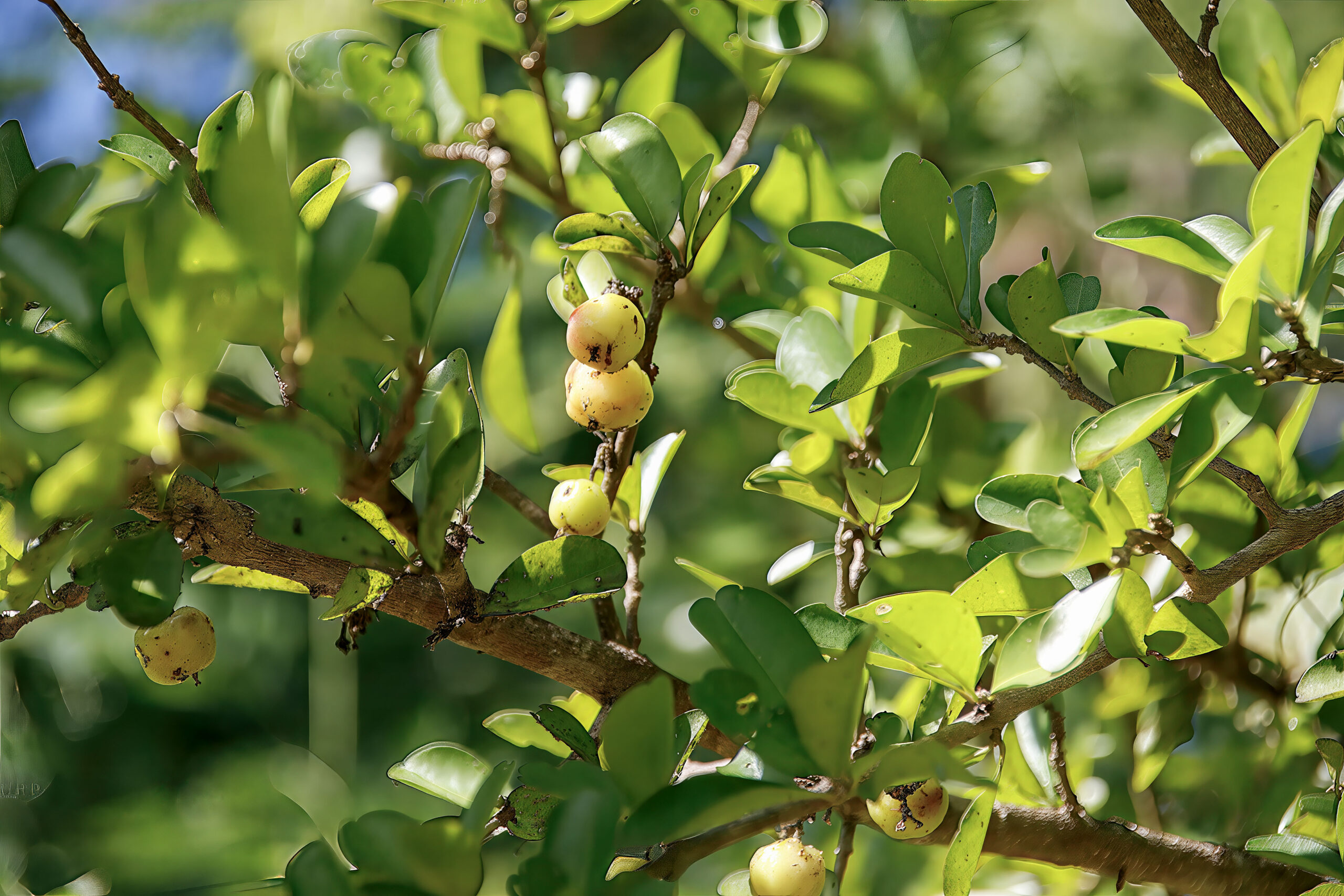
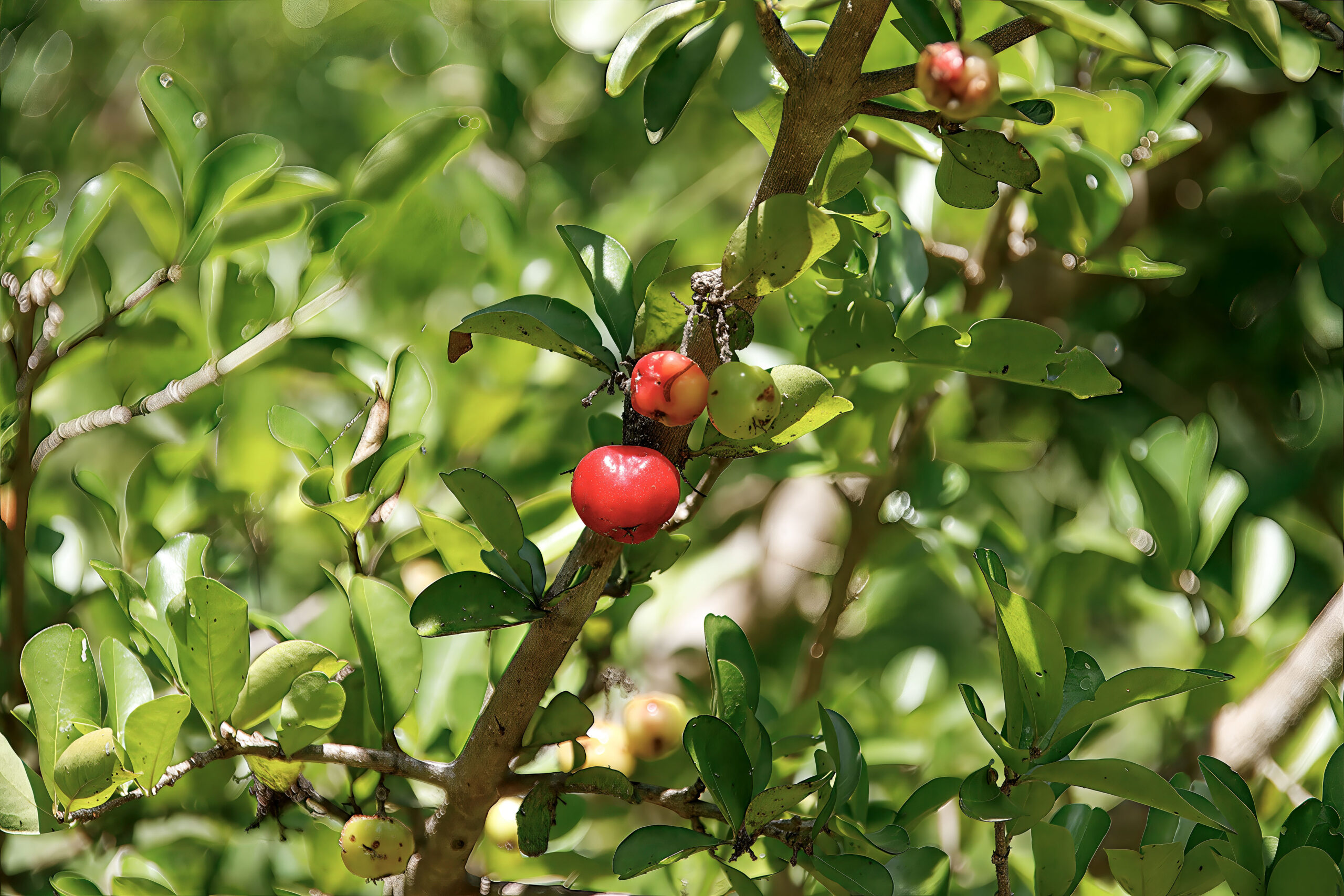
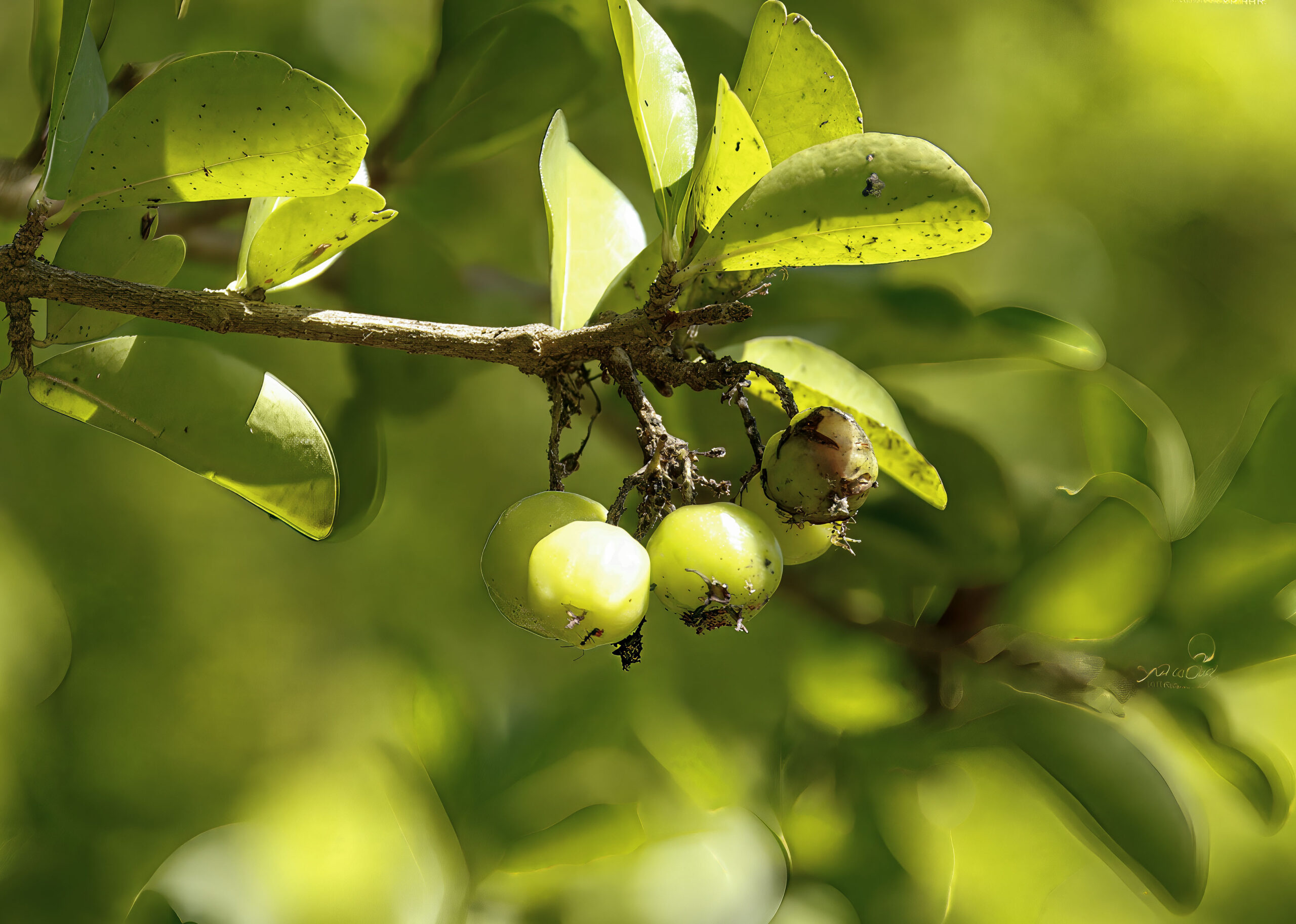
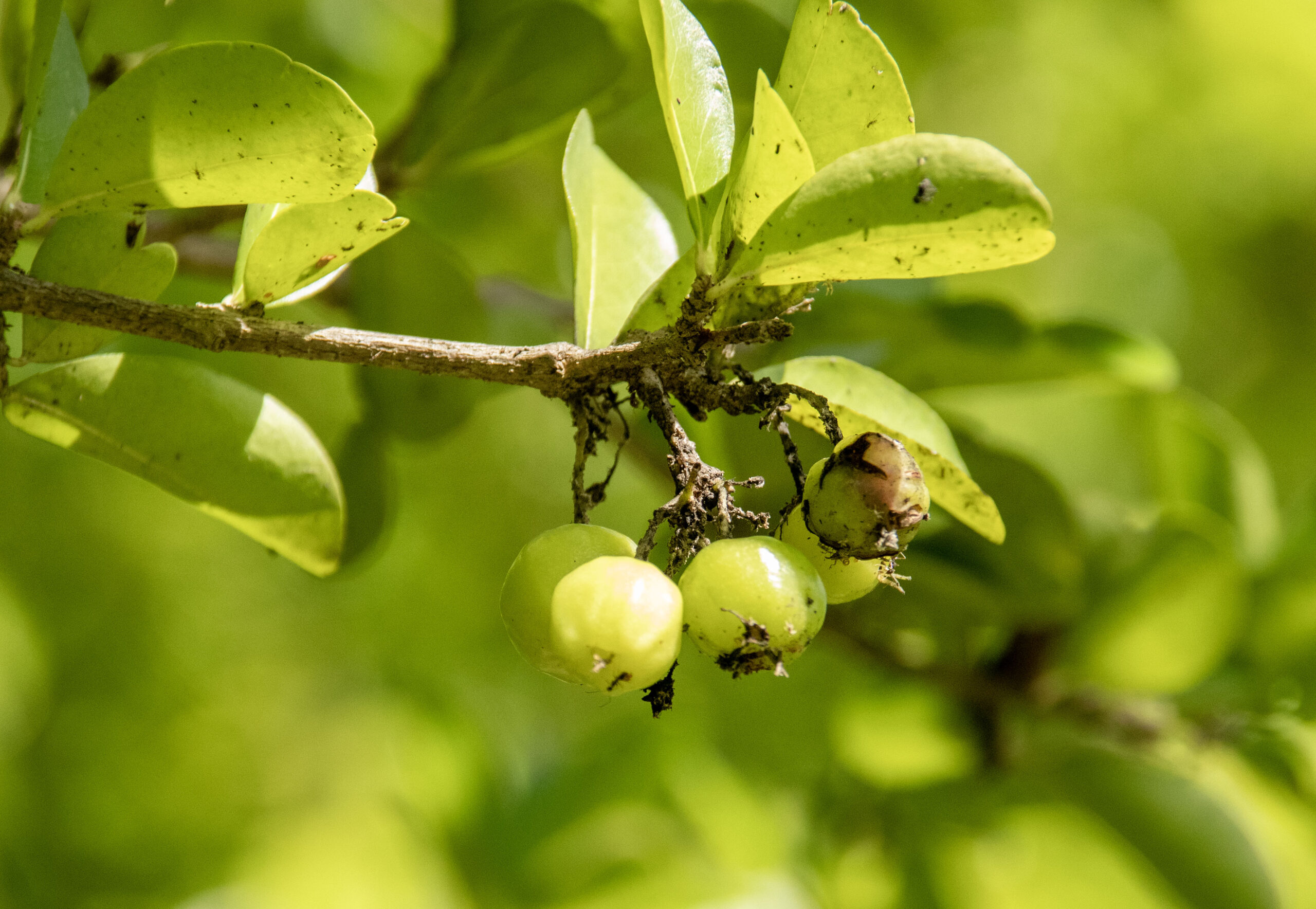
Fruit DevelopmentMay – OctoberBright red, cherry-like drupes ripen rapidly; fruit is juicy but acidic and slightly irritating to skin.
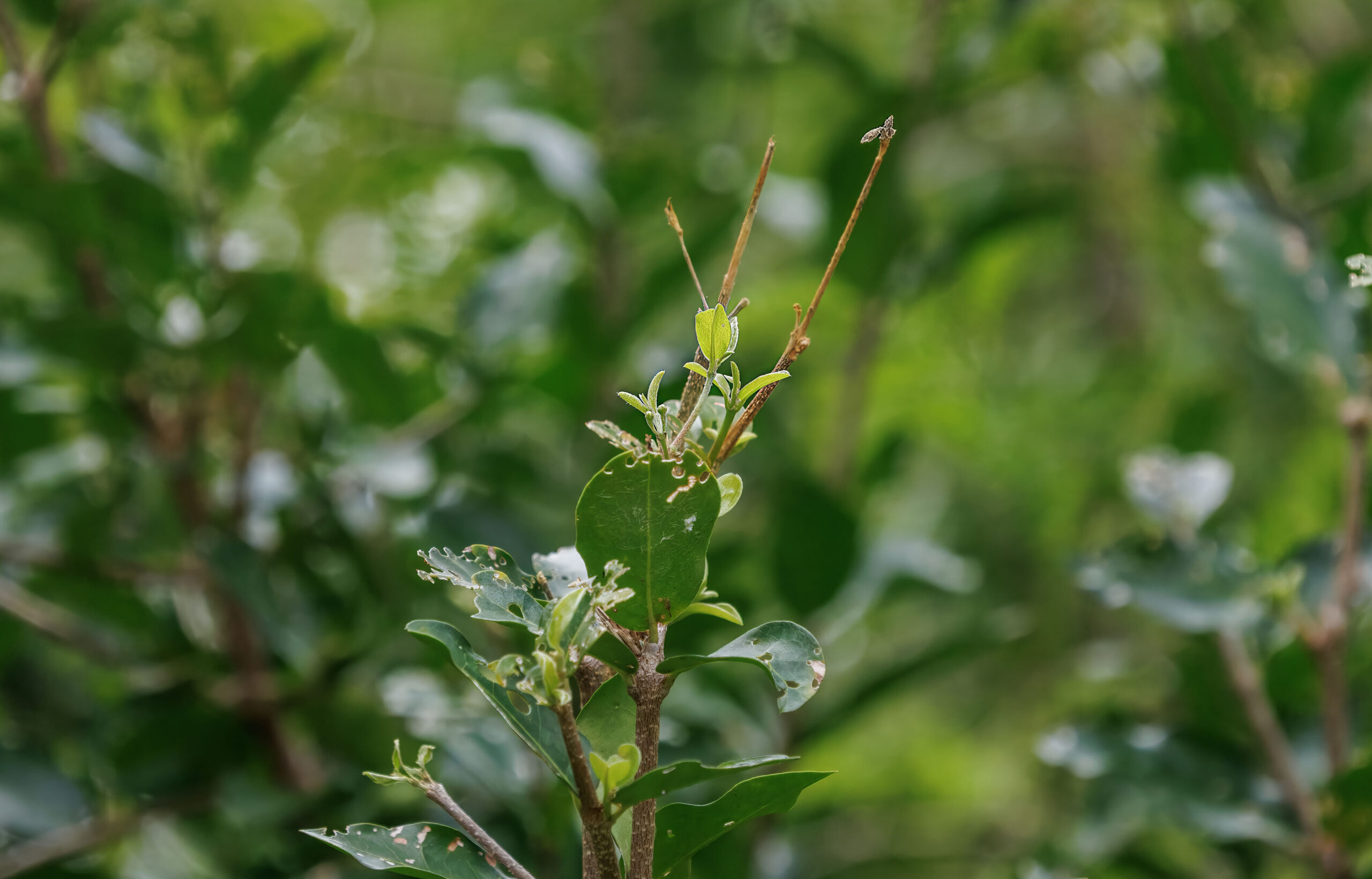
Leaf Drop (Partial)January – MarchMay lose some foliage during the dry season, particularly on exposed branches.
DormancyFebruary – March (reduced activity)Growth slows markedly before wet season onset.

Identification Notes

  • Leaves are opposite, simple, and slightly rough to the touch.
  • Flowers attract bees and small butterflies.
  • Fruits are visually similar to Barbados cherry (Malpighia emarginata) but are generally less palatable.
  • The name “Cow Itch” refers to the mildly irritating nature of the leaves or fruit skin in sensitive individuals.
  • Common in dry coastal woodlands, thickets, and disturbed areas.


Scroll to Top