Desert Cassia

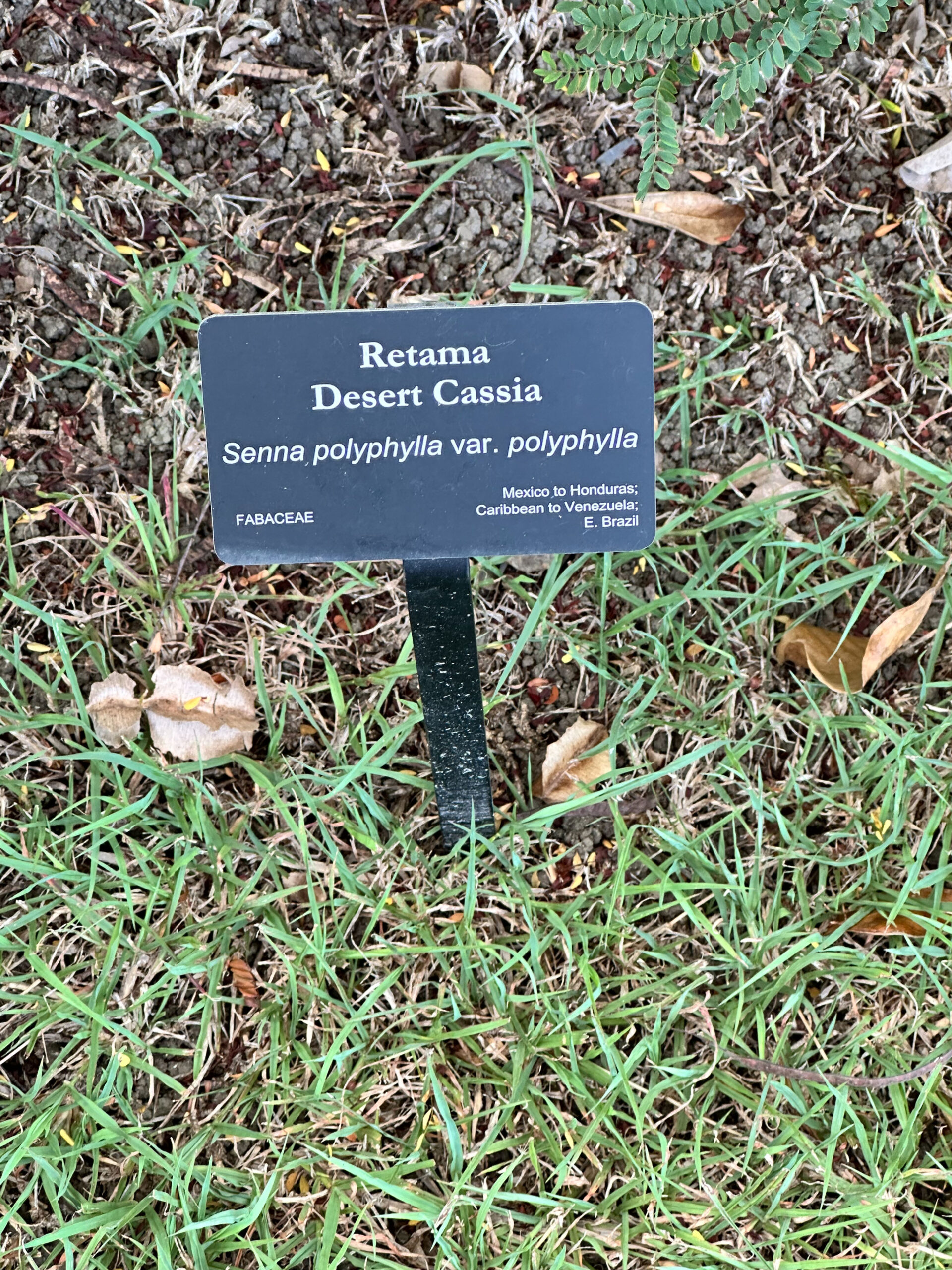
Scientific name: Senna polyphylla var. polyphylla

POWO Status: Shrub or Tree

IUCN Red List threat level: Least Concern

GPS Location: 17° 42′ 58.68″ N, 64° 49′ 43.67″ W

Medicinal Uses

Senna polyphylla, or Desert Cassia, is used in traditional medicine for skin conditions (infections, eczema) due to its antibacterial properties, as a laxative for constipation, and for general wellness, though some sources suggest specific medicinal uses for S. polyphylla are limited compared to other Senna species, which are broadly used for digestive, anti-inflammatory, and antidiabetic purposes. 

Key Medicinal Uses (General Senna Genus, often applicable):

  • Skin Health: Leaf pastes or oils are applied for acne, eczema, ringworm, and other infections, leveraging antibacterial and antifungal properties.
  • Laxative: A well-known purgative, stimulating bowel movements and relieving constipation by reducing water absorption in the colon.
  • Anti-inflammatory: Used to soothe inflammation and irritation, often in baths or compresses for skin issues.
  • Antidiabetic: Some Senna species contain compounds that may help control blood sugar levels.
  • Antioxidant: Rich in flavonoids and phenolic compounds, offering antioxidant benefits.
  • Fever & Infections: Traditional uses include treating fevers, malaria, and other infections. 

Specific to Senna polyphylla:

  • While the Senna genus is well-studied, some resources indicate that for S. polyphylla, medicinal uses are less documented than for relatives, though it’s used for skin diseases, wounds, and snake bites, alongside its use for timber and fuel. 

How it’s Used:

  • Leaves are made into pastes, decoctions (teas), or infusions.
  • Flowers and seeds are used in teas or as coffee substitutes. 

Important Note: Always consult a healthcare professional before using herbal remedies, as effectiveness and safety can vary, and potential interactions with medications exist.

Observations:

Phenological Markers – Senna polyphylla var. polyphylla

Common Name: Desert Senna, Privet Senna, Manyleaf Senna
Scientific Name: Senna polyphylla var. polyphylla
Family: Fabaceae (Caesalpinioideae subfamily)


Leaf Phenology

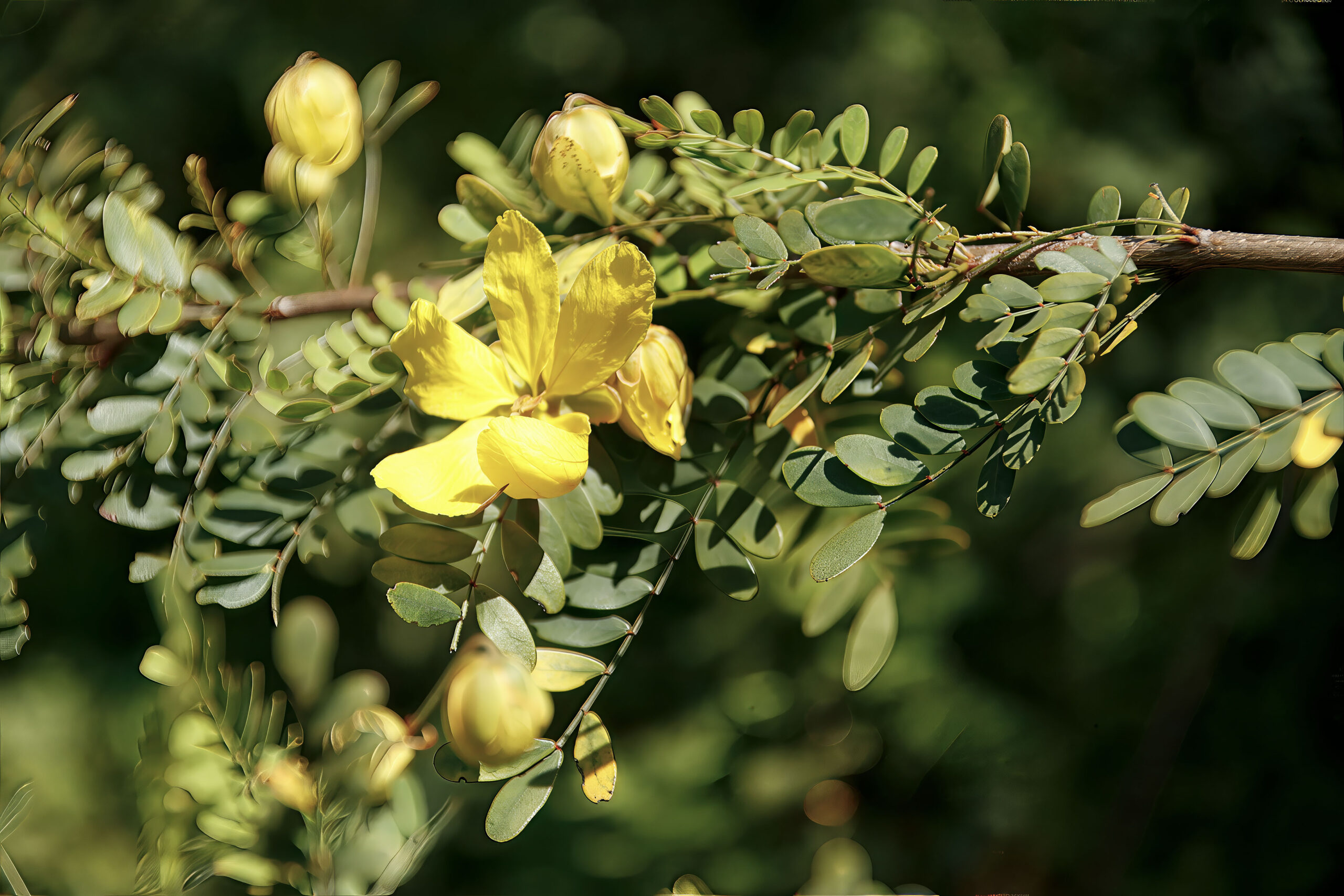
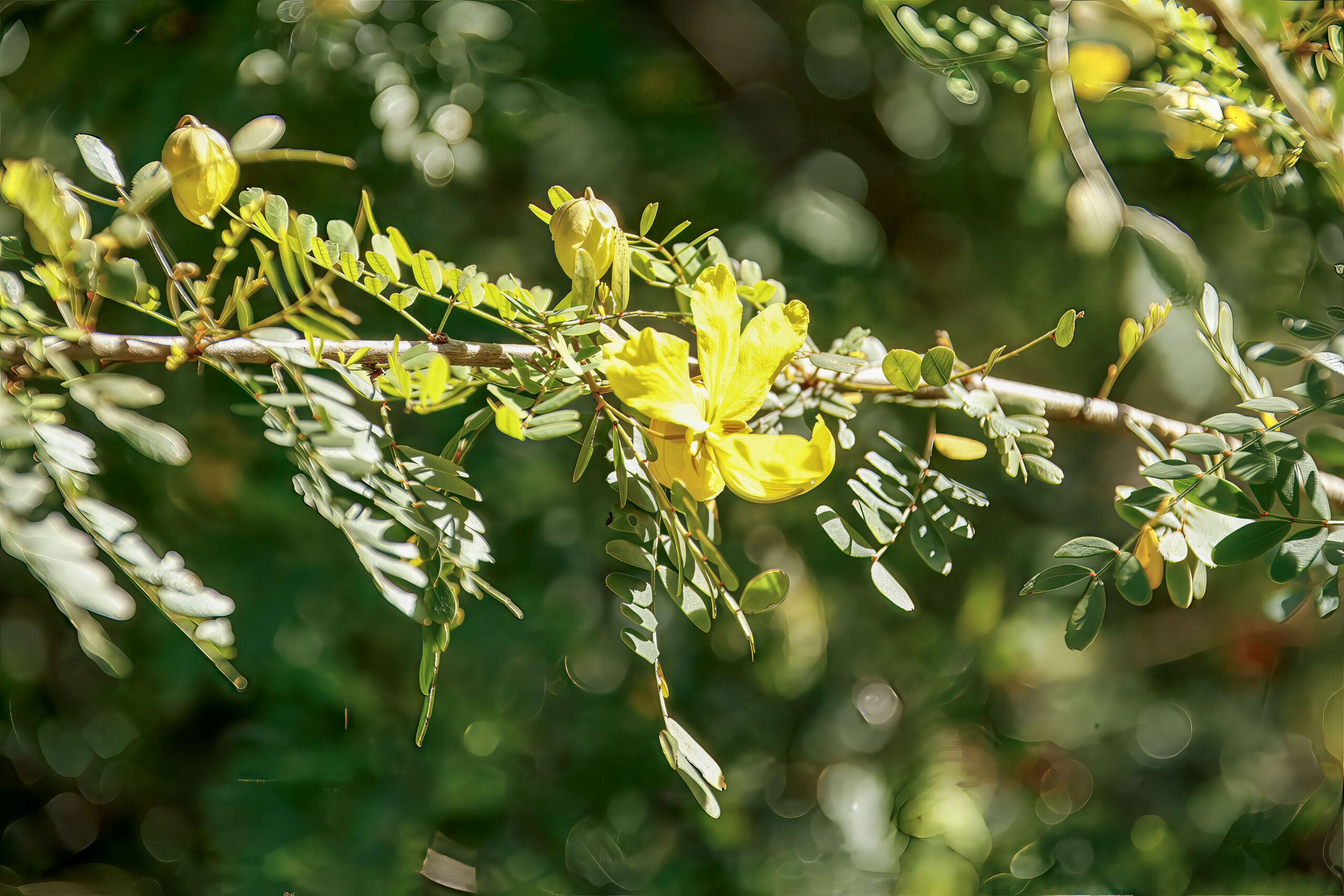
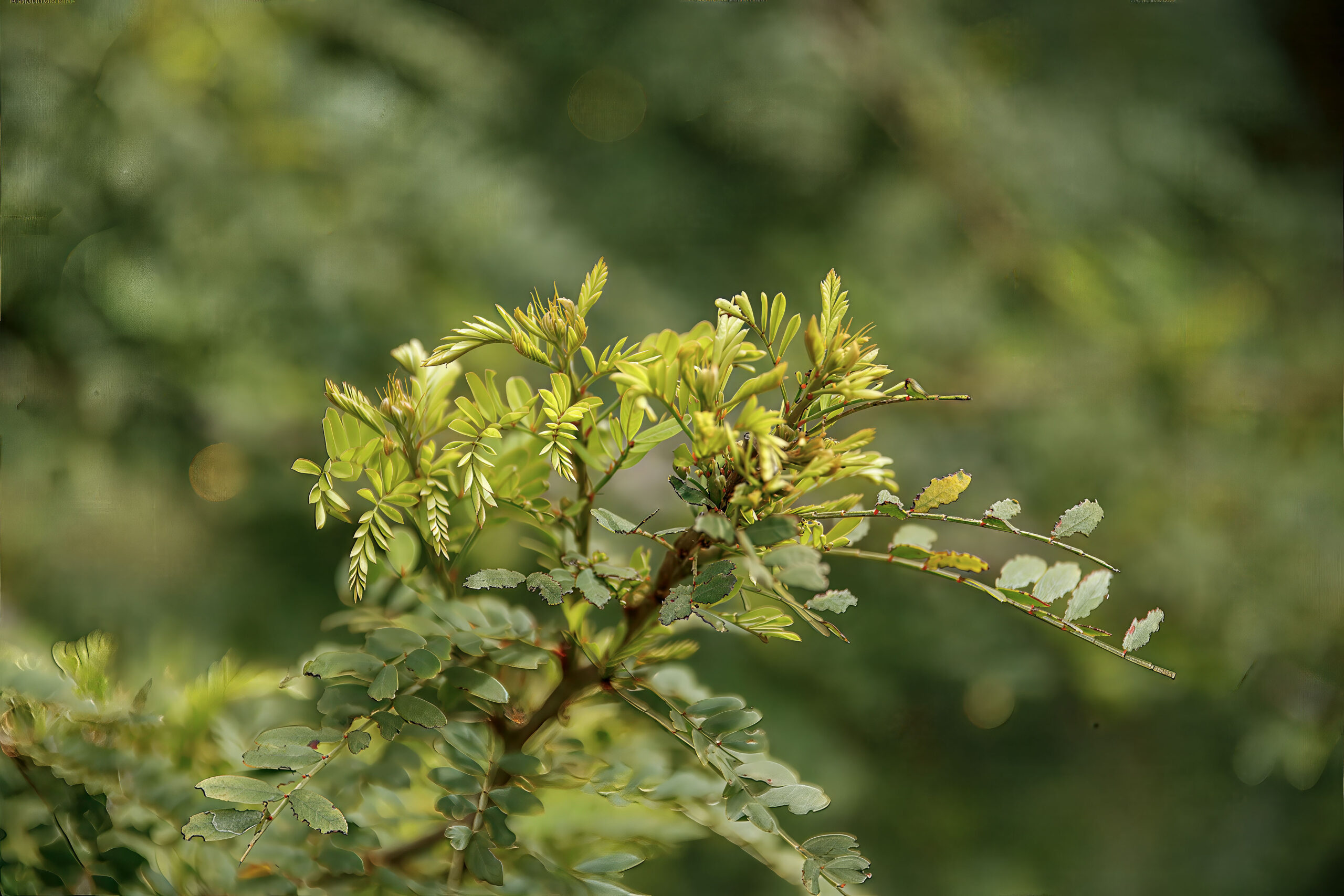
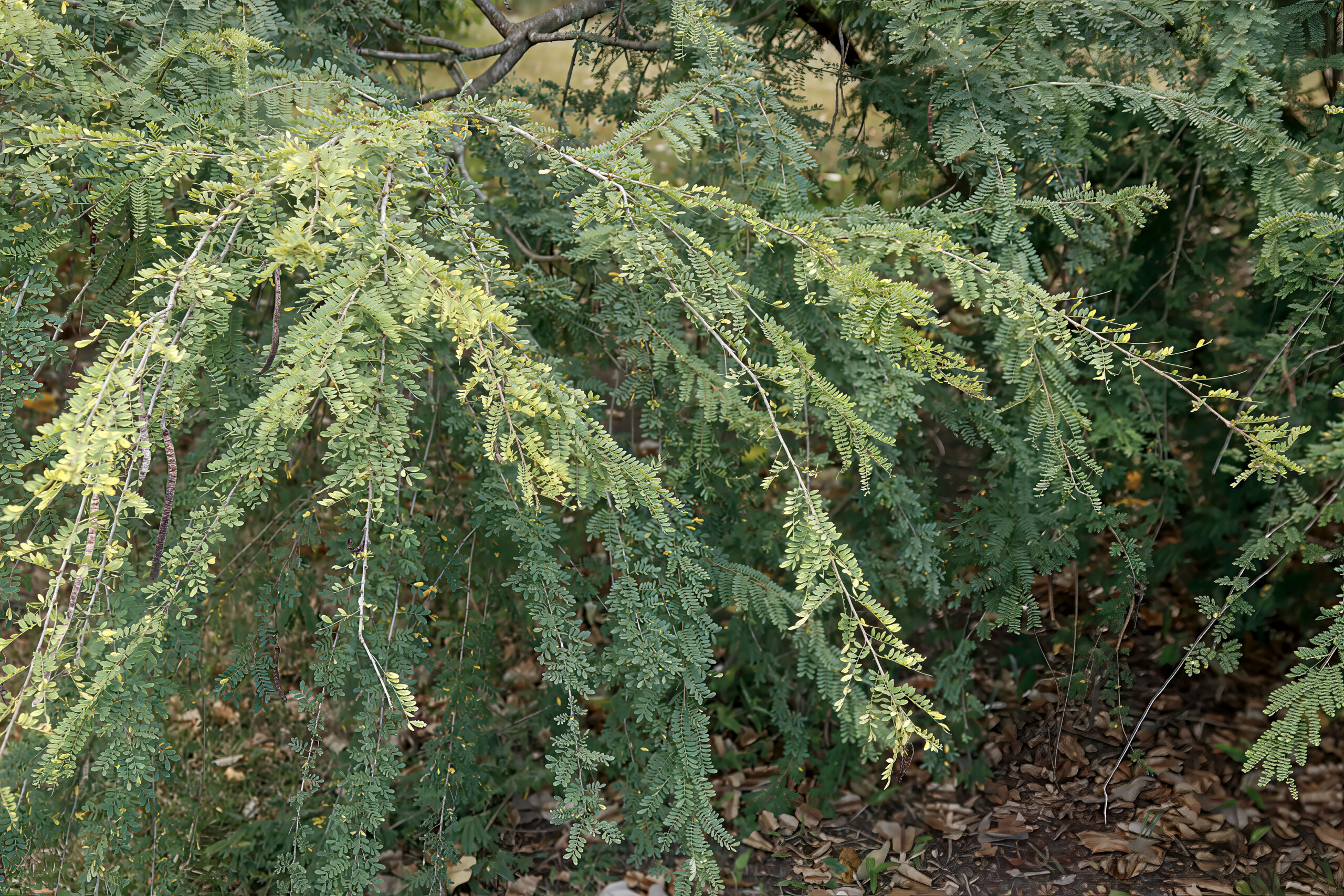
  • Leaf Type: Even-pinnate compound leaves with many small leaflets (hence “polyphylla” = “many-leaved”); alternate, light green, finely textured
  • Evergreen/Semi-deciduous: Semi-evergreen; retains leaves in moist conditions but may shed during extended dry periods
  • Leaf Flush: New foliage emerges after rains or following flowering; young leaves may be lighter or reddish in tone
  • Senescence: Older leaves drop gradually during drought or seasonal shifts; mild yellowing often precedes leaf fall

Flowering

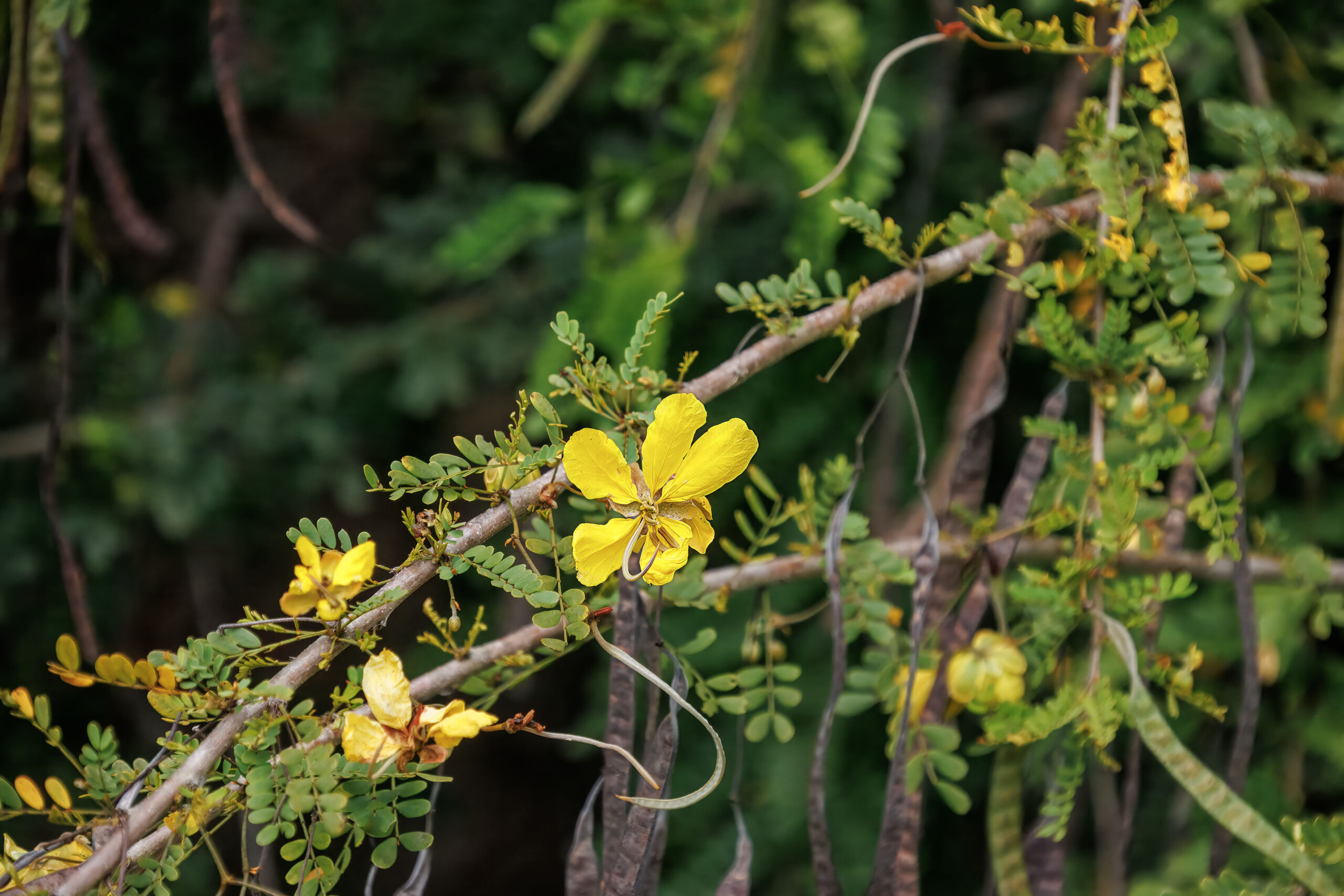
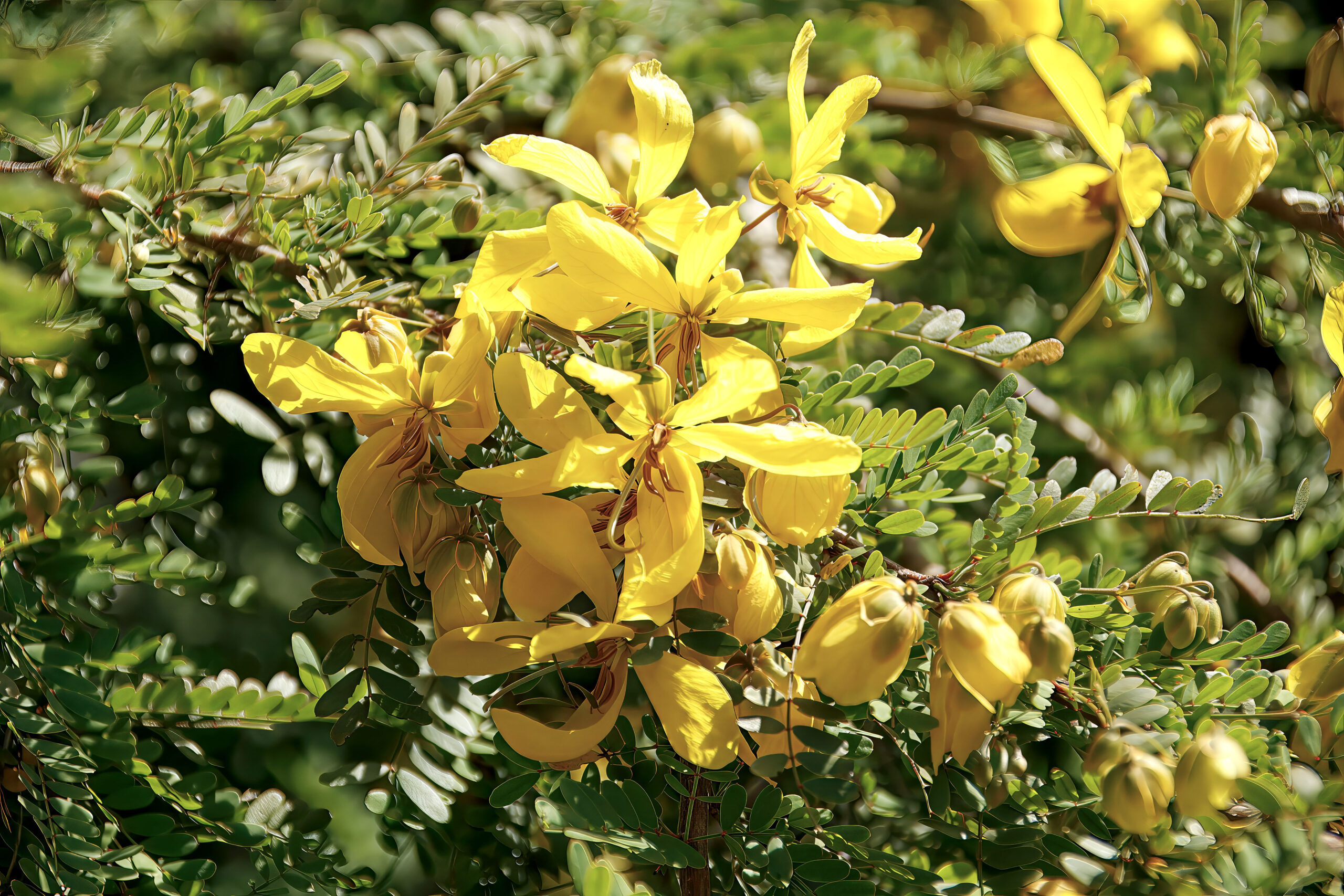
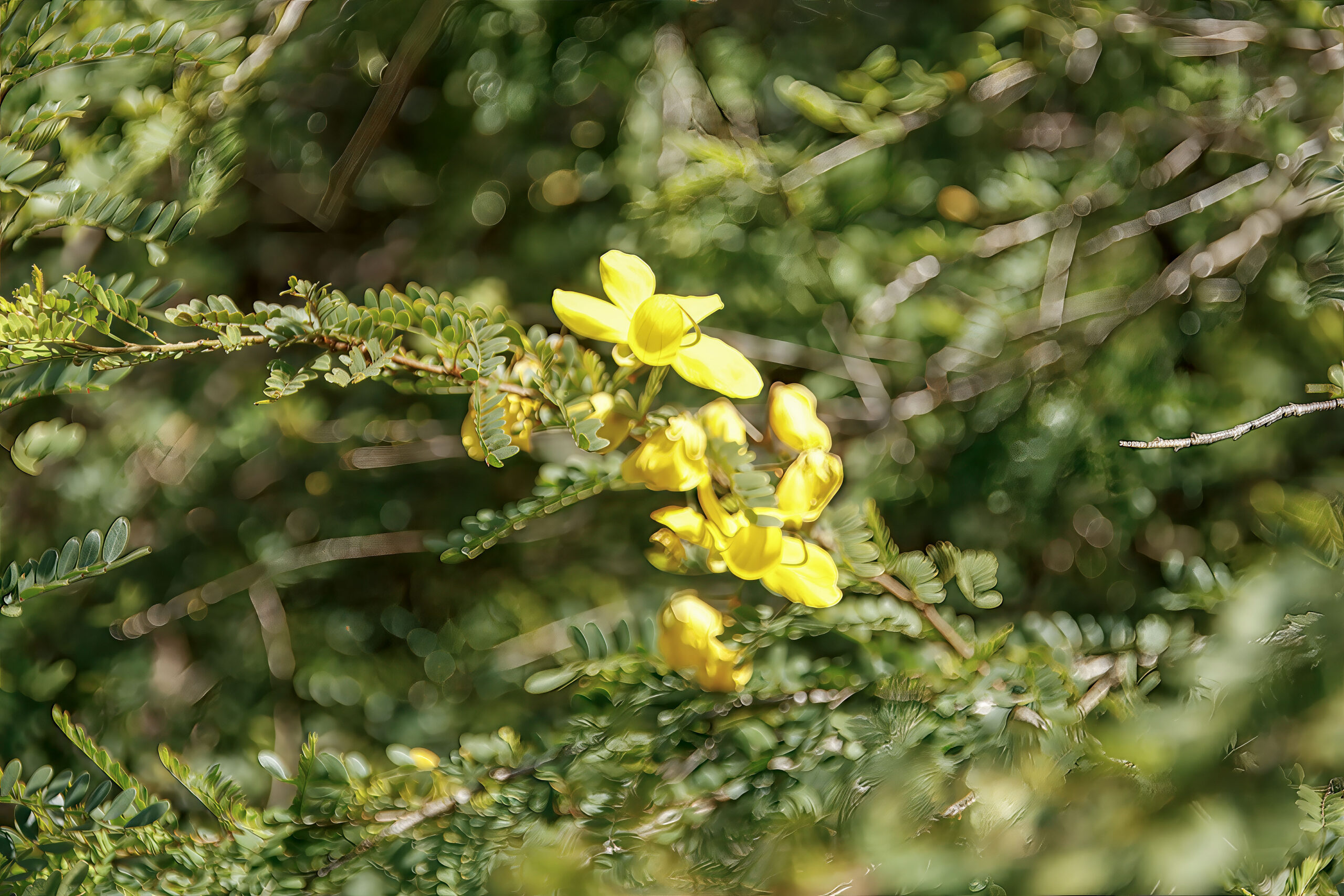
  • Inflorescence: Clusters of bright yellow, five-petaled flowers at branch tips or leaf axils
  • Blooming Period: Primarily late dry to early rainy season, but can flower intermittently year-round depending on rainfall and pruning
  • Pollinators: Bees and butterflies
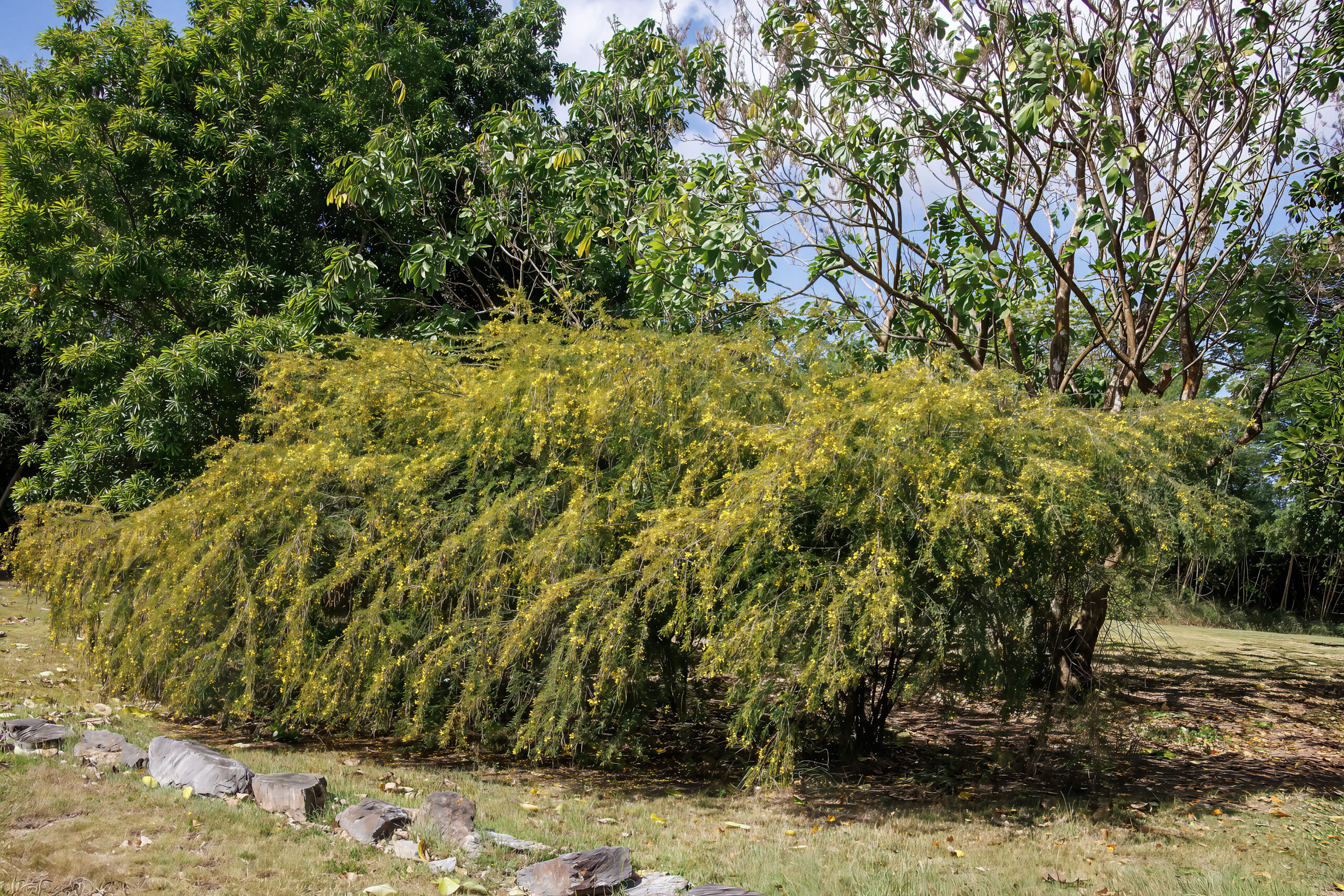
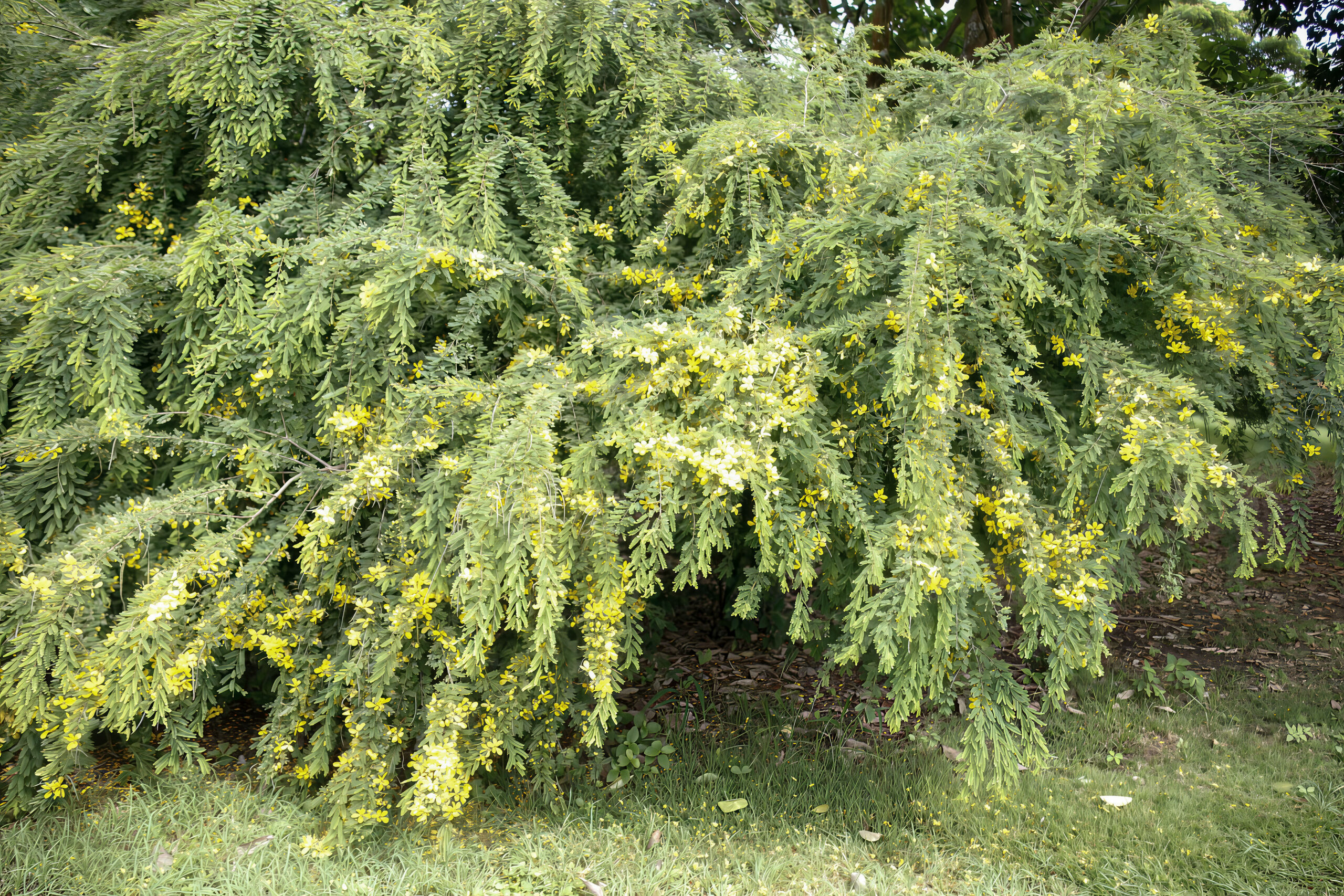
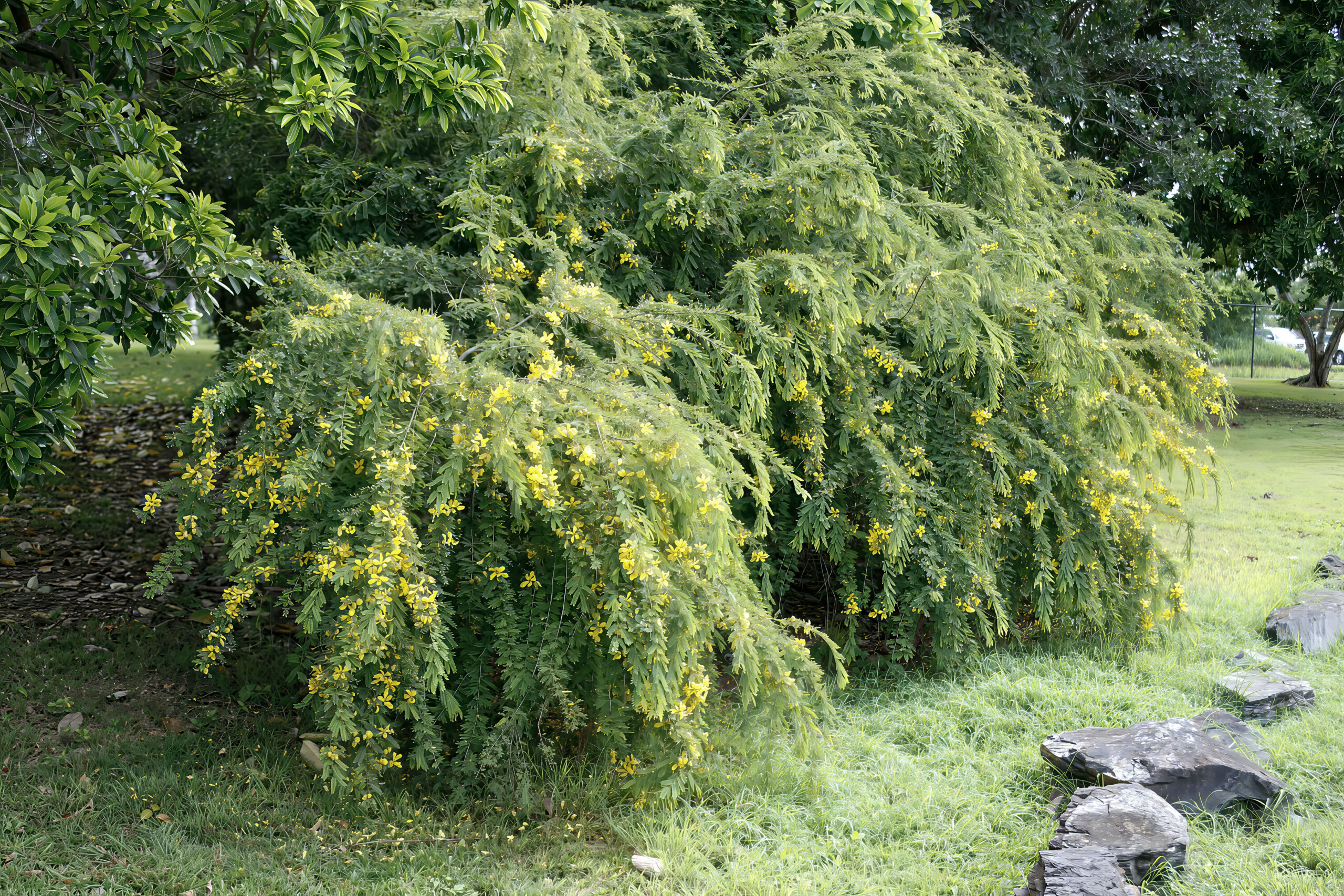
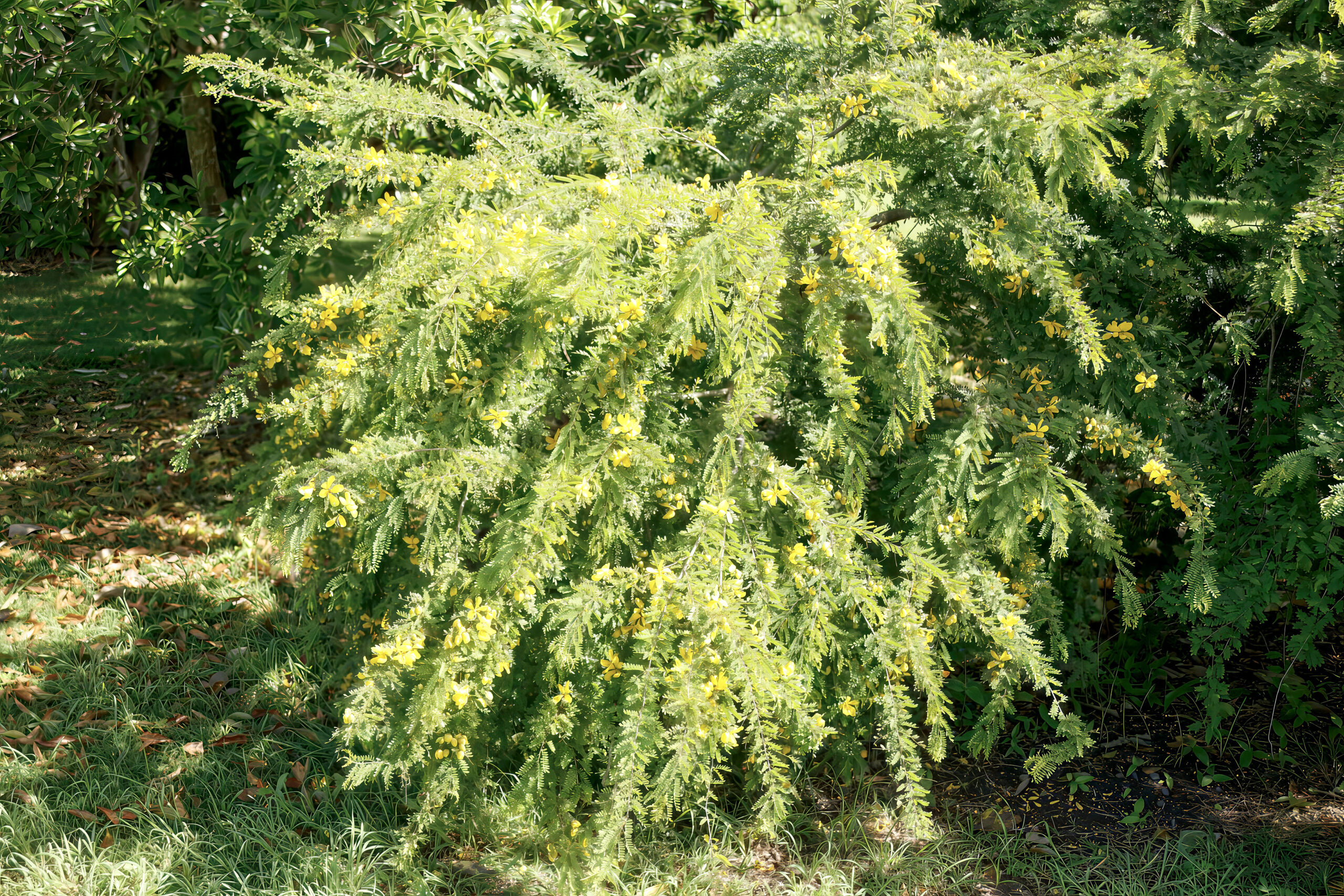
  • Phenological Indicator: Presence of bright yellow flowers, often covering the shrub in showy masses during peak bloom

Fruiting

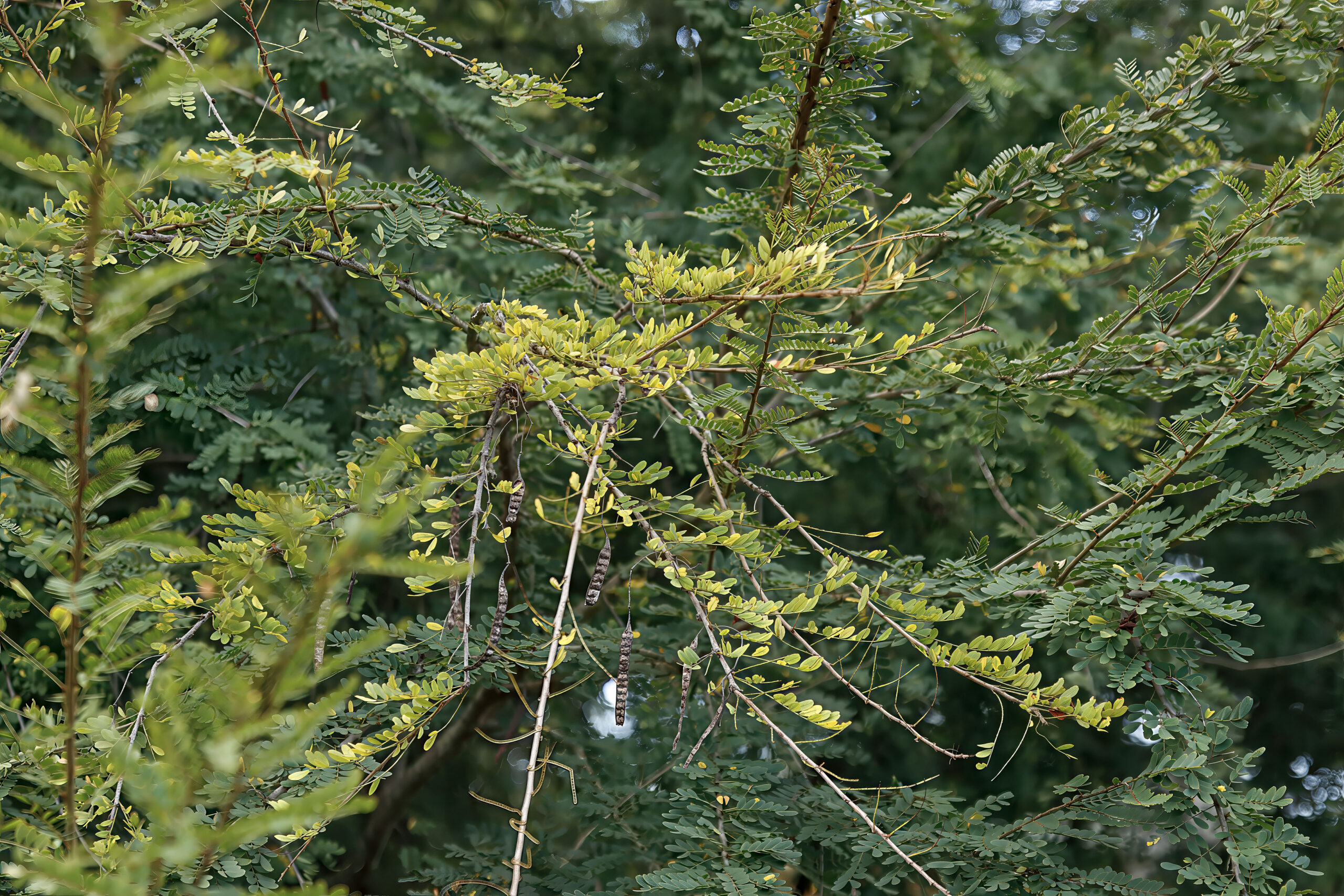
  • Fruit Type: Slender, flattened legume (pod), green turning brown when mature, typically curved or twisted
  • Fruit Development: Occurs shortly after flowering; pods ripen over several weeks
  • Dispersal: Gravity and mechanical dehiscence; may also be dispersed by wind
  • Phenological Indicator: Green or brown seed pods visible among or following flowering clusters

Suggested Photo Angles

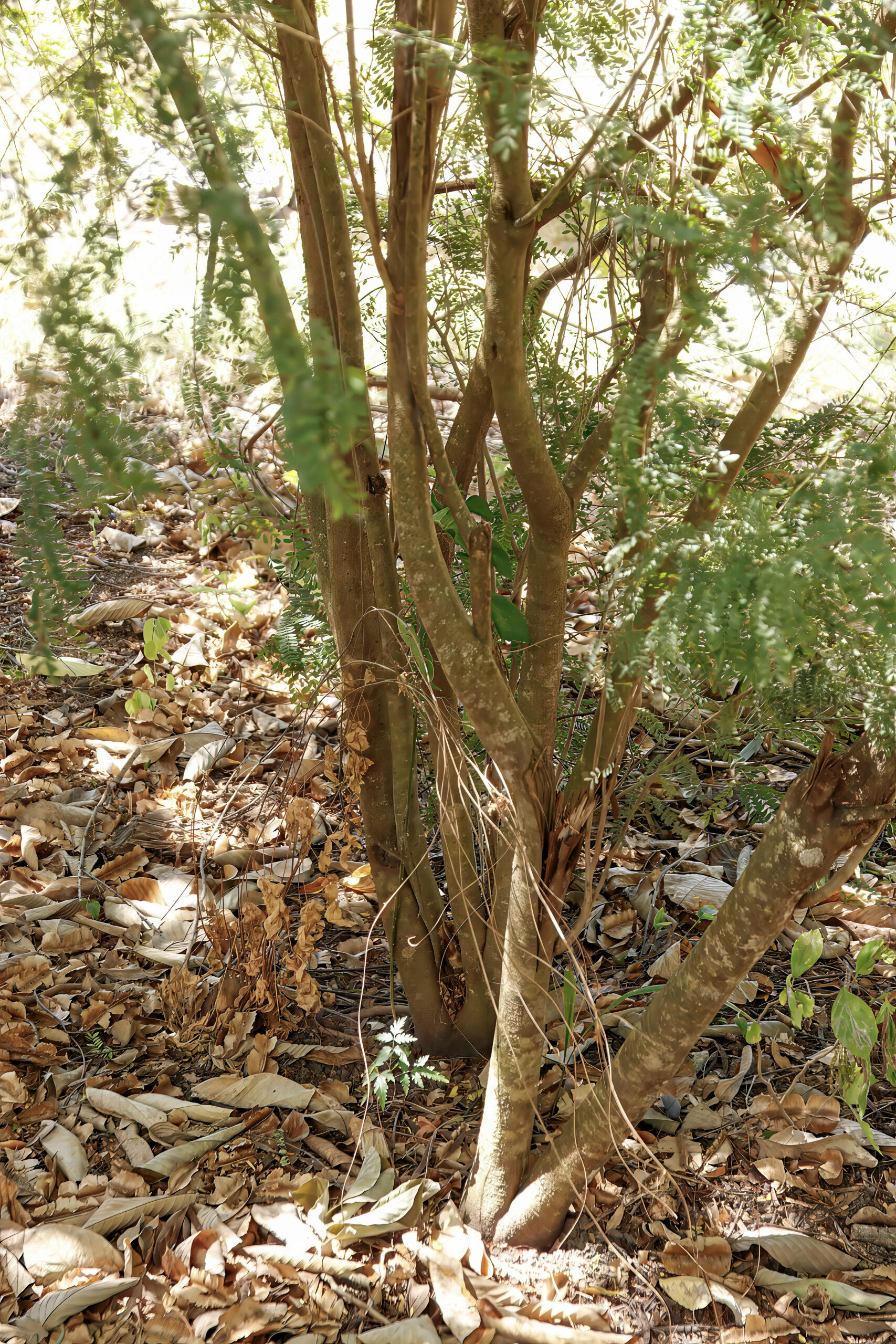
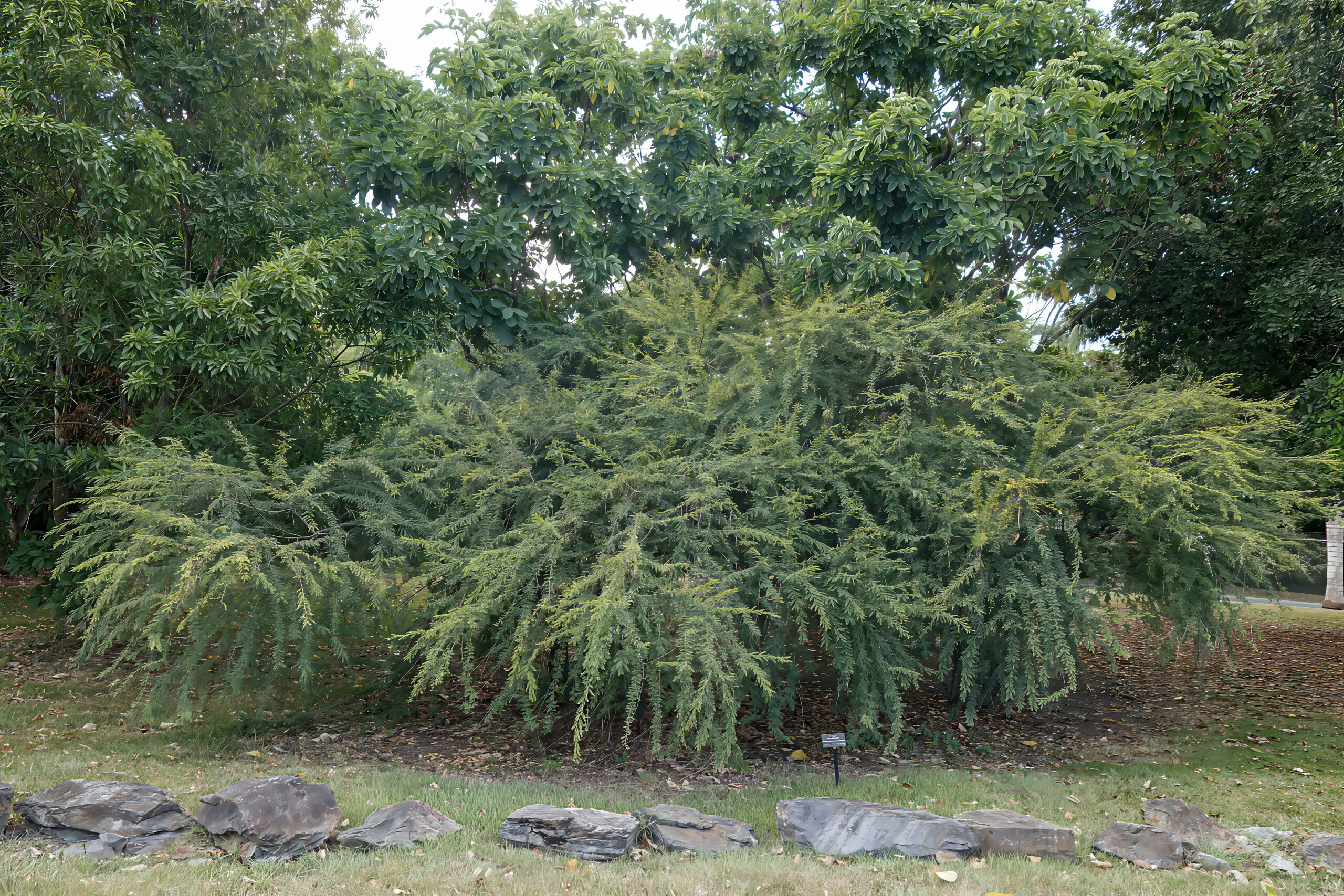
  • Full shrub or small tree habit
  • Close-up of compound leaf structure showing numerous leaflets
  • Flower clusters with open yellow blooms
  • Developing and mature seed pods
  • Leaf flush or seasonal yellowing

Notes for Monitoring

Useful for tracking rainfall response and seasonal transitions in xeric or semi-arid environments

Senna polyphylla var. polyphylla is native to the Caribbean and parts of Central America, often thriving in dry coastal forests and scrublands

Highly drought-tolerant and often used ornamentally for its profuse yellow flowers

Best phenological markers include flowering flush after dry periods, leaf re-growth after flowering, and the appearance of twisting seed pods

Scroll to Top