
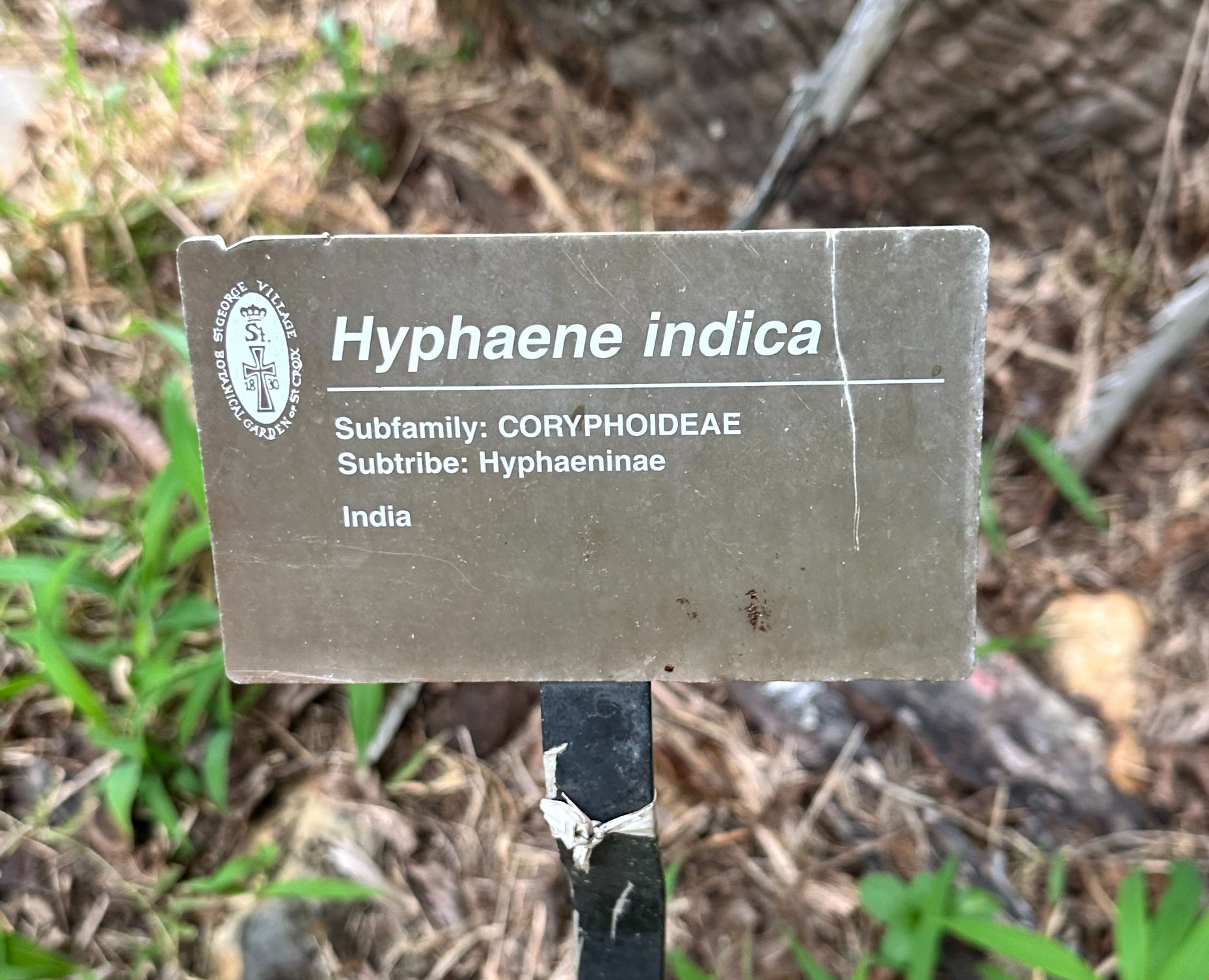
Doum Palm
Scientific name: Hyphaene indica
POWO Status: Tree
IUCN Red List threat level: Near Threatened
GPS Location: 17° 42′ 54.74″ N, 64° 49′ 46.77″ W
Medicinal Uses
Hyphaene indica (often referenced in studies under the more common name Hyphaene thebaica or doum palm) has various traditional and studied medicinal uses due to its rich composition of bioactive compounds such as flavonoids, phenols, and saponins.
It is important to note that most of the reported benefits are based on traditional practices and preclinical studies (in vitro and on animals); further human clinical trials are needed to confirm safety and efficacy.
Traditional and Studied Medicinal Uses
- Antihypertensive: Traditionally, a tea made from the fruit or regular chewing of the fruit has been a popular remedy in places like Egypt to lower blood pressure.
- Antidiabetic: Extracts from the fruit pulp have shown potential in reducing blood glucose levels in diabetic animal models and improving insulin sensitivity.
- Anti-cholesterol/Hypolipidemic: Consumption of the fruit extract has been shown to significantly lower total cholesterol, triglycerides, and “bad” (LDL) cholesterol, while increasing “good” (HDL) cholesterol levels.
- Antioxidant and Anti-inflammatory: The plant is rich in natural antioxidants like polyphenols and flavonoids, which help combat oxidative stress and inflammation, key factors in many chronic diseases.
- Antimicrobial: Extracts have demonstrated broad-spectrum antibacterial and antifungal properties against a range of microorganisms, including Staphylococcus aureus and Candida albicans.
- Anticancer Potential: In vitro studies have indicated that extracts possess anti-proliferative activity against various cancer cell lines, such as prostate, breast, and liver cancer cells.
- Other Traditional Uses:
- Roots: Used in the treatment of bilharziasis (schistosomiasis) and anemia.
- Fruit Pulp Extract: Used to stop excessive bleeding, such as after childbirth.
- Powdered Fruits: During the First World War, it was used topically for cold feet, burning wounds, and toothaches.
Active Compounds
The diverse medicinal properties of the plant are attributed to the presence of numerous phytochemicals, including:
- Flavonoids
- Phenolic compounds
- Saponins
- Coumarins
- Tannins
- Essential oils
The fruit is also a good source of essential minerals, vitamins, and fiber, adding to its health benefits as a functional food additive.
Observations:
Phenological Markers – Hyphaene indica (East African Doum Palm)
Family: Arecaceae (Palm family)
Common Names: Doum Palm, East African Gingerbread Palm, Sea Coconut, Borassus de Mer (in older references)
Habitat: Native to eastern Africa, including coastal Kenya, Tanzania, and Mozambique, and also found on Madagascar. Typically grows in coastal scrub, dry forests, and near rivers and estuaries, often in sandy soils.
Phenological Markers:
- Flowering Period:
Typically flowers from late spring through early summer (April to July). Like other Hyphaene species, dioecious (male and female flowers occur on separate trees). Flowers are small, cream to yellowish, borne on large, branched inflorescences. - Fruiting Period:
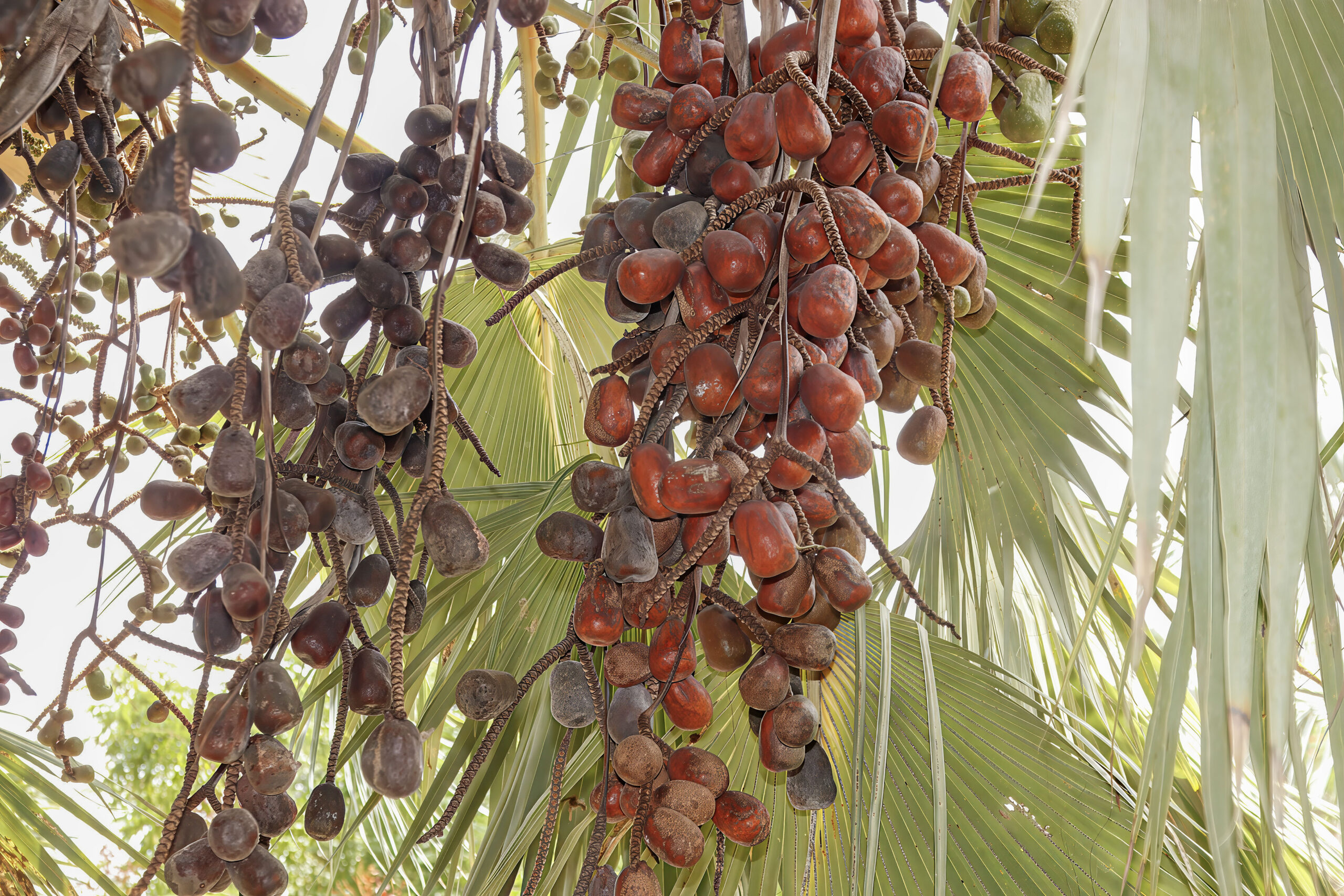
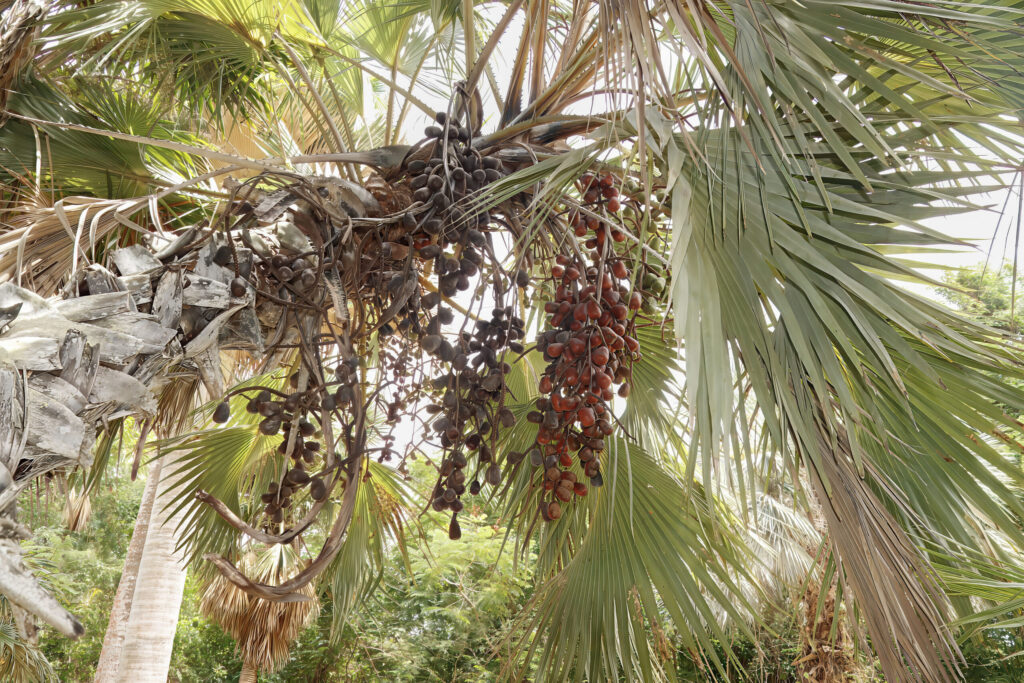
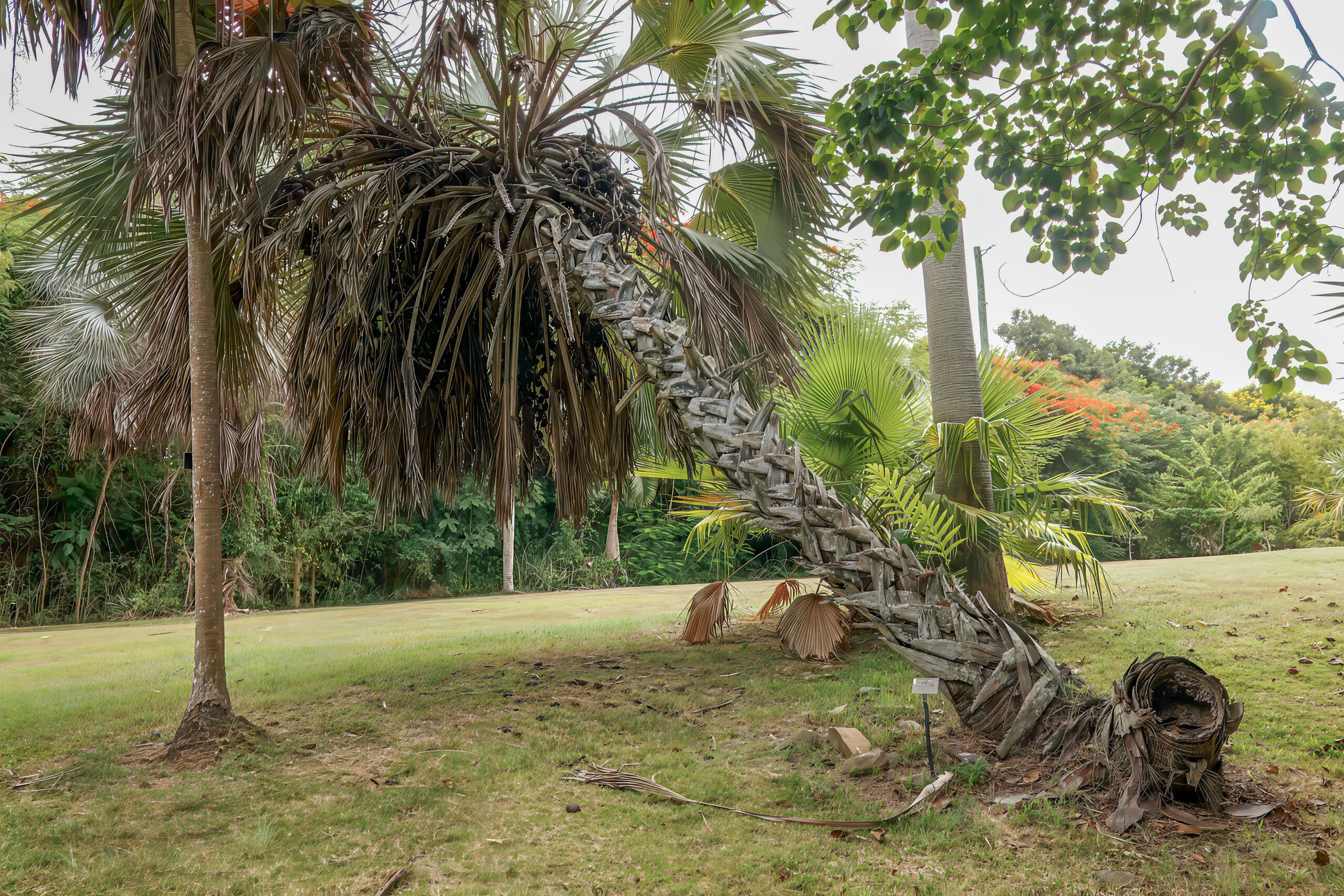
Fruits take many months to mature, usually ripening 8–10 months after flowering, with a peak from January to March. The fruit is a large, woody, brown drupe, resembling a small coconut, containing a hard, edible seed (sometimes called “gingerbread fruit”). - Leaf Fall:
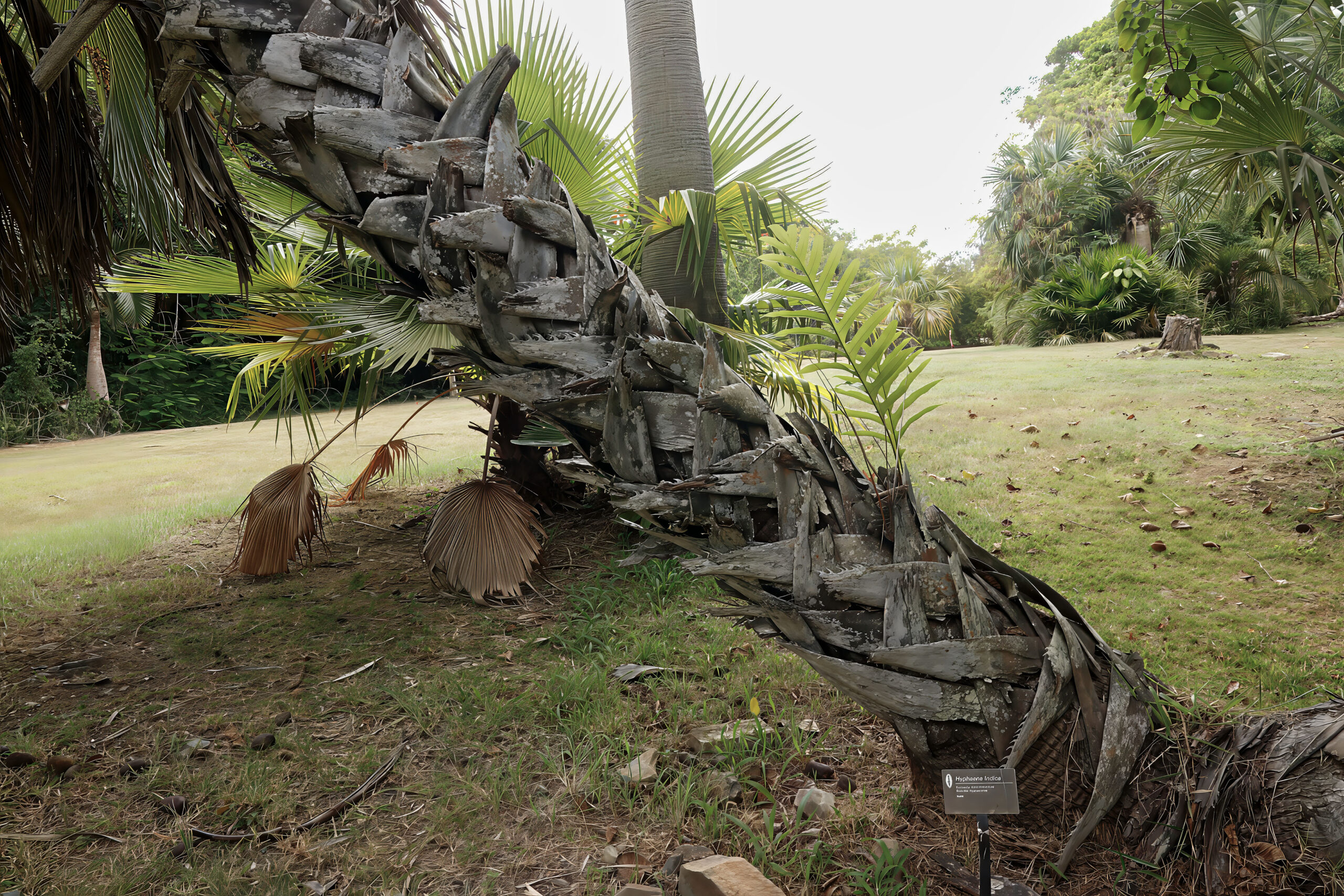
Evergreen, but older fronds die and hang down or fall naturally throughout the year. Dead fronds often form a “skirt” unless pruned. - Budding Period:
New fronds appear continuously, with increased growth at the onset of the rainy season (March–May).
Key Features:
- Leaves: Large, fan-shaped (palmate), blue-green to gray-green in color, stiff and deeply divided.
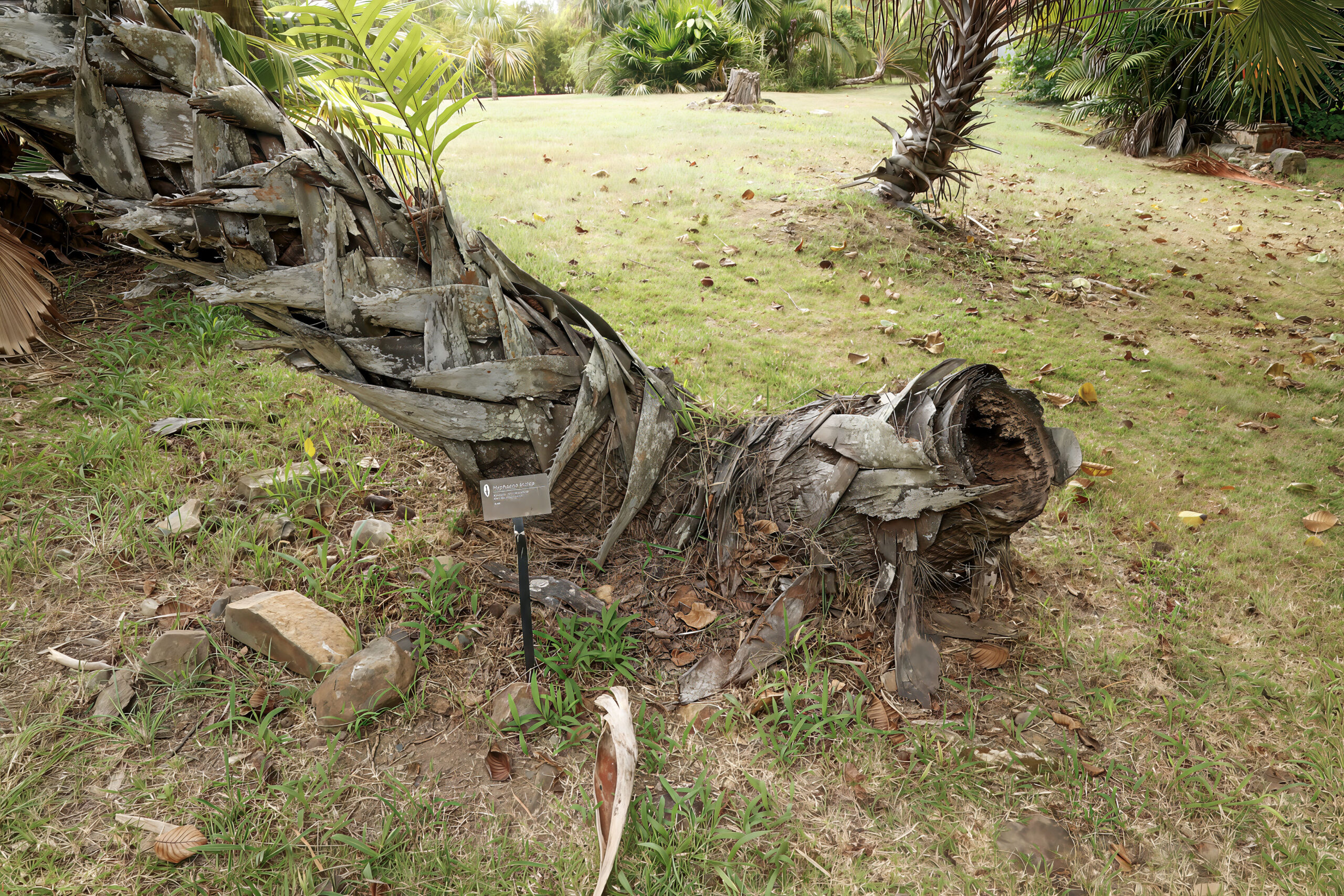
- Trunk: Typically forked (dichotomously branching), a distinctive trait of Hyphaene palms. Trunks are stout and may reach 12–15 meters in height.
- Flowers: Male flowers are borne in catkin-like structures; female flowers are larger and spaced farther apart on the inflorescence.
- Fruits: Large, round to oval, woody drupes (~6–10 cm), edible when young, with a sweet, fibrous interior.
Additional Notes:
Well-suited to dry, coastal environments, it is tolerant of salinity and seasonal drought, making it a good candidate for coastal restoration and botanical collections in the Caribbean.
Hyphaene indica is a rarely cultivated but highly distinctive palm, especially valued for its branching habit and edible fruit.
The tree has cultural and nutritional importance in its native range, where the fruit and inner stem are consumed.