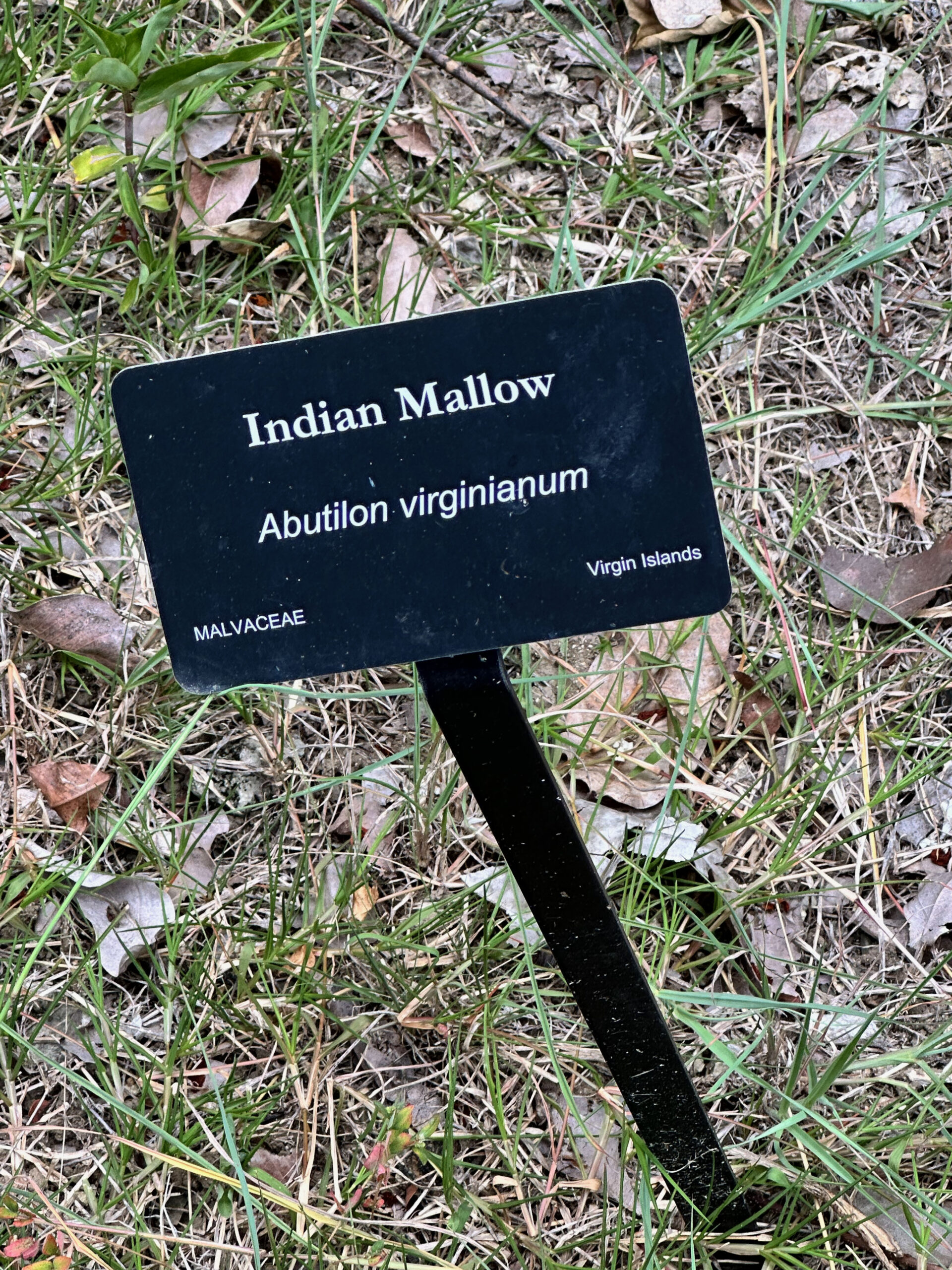
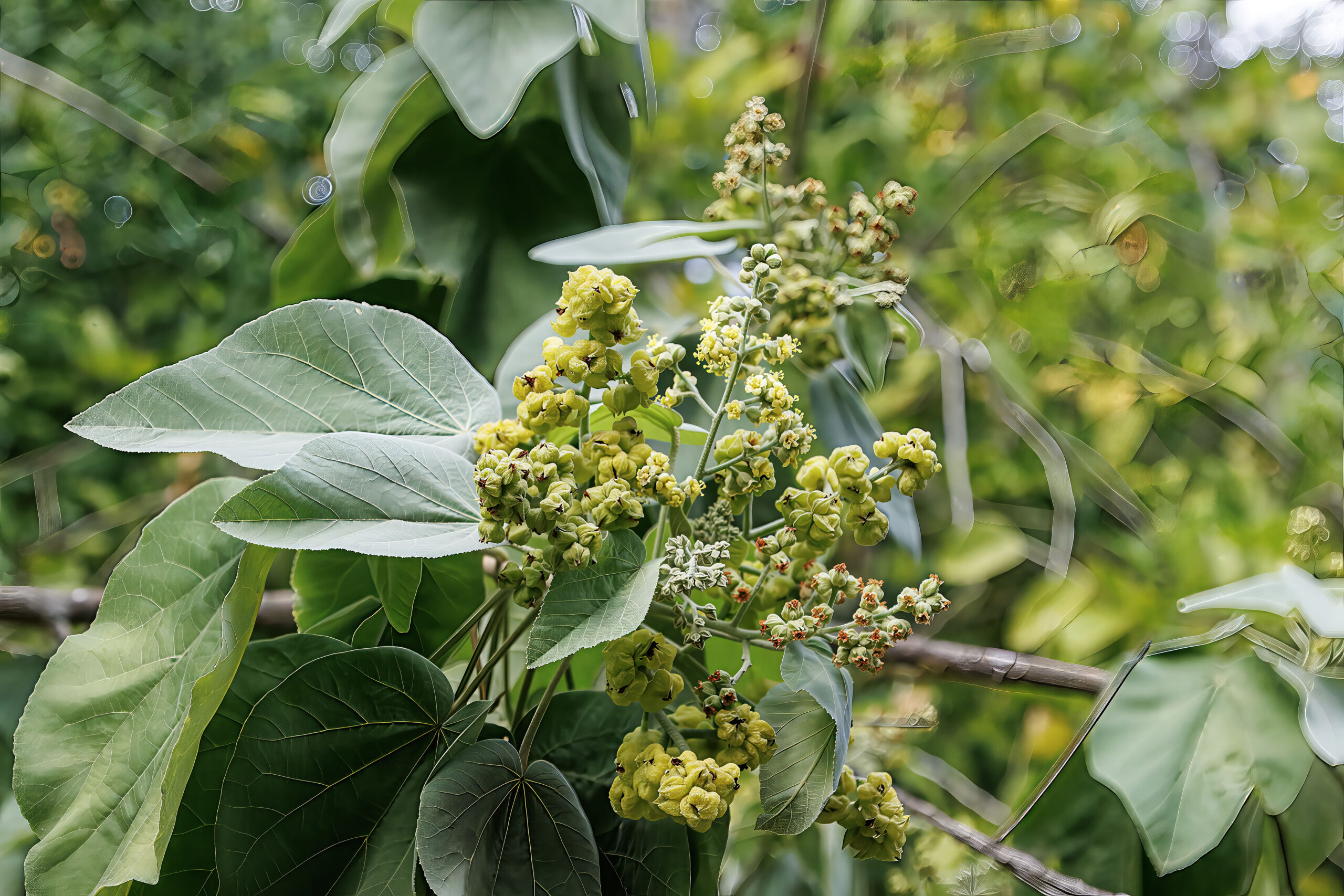
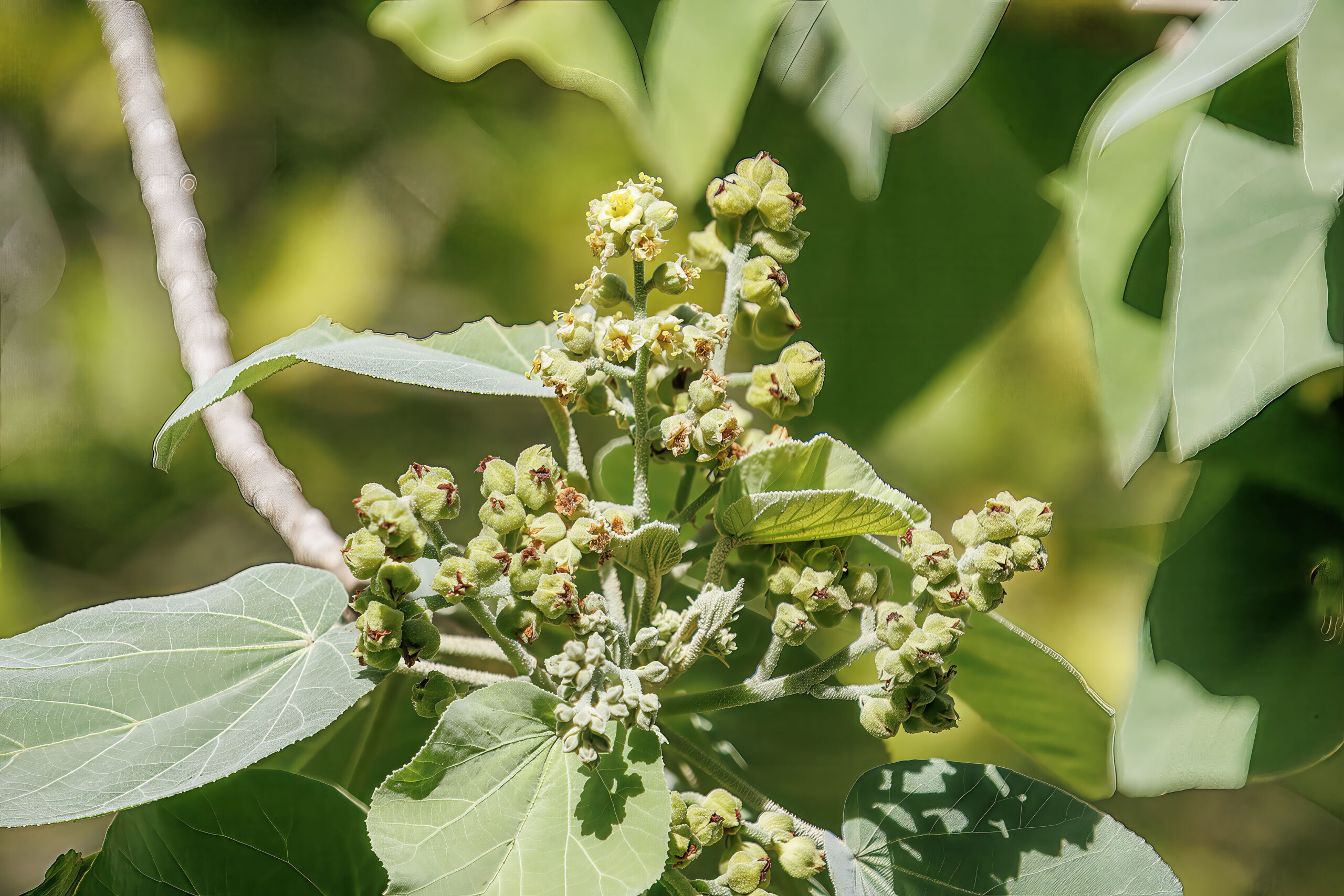
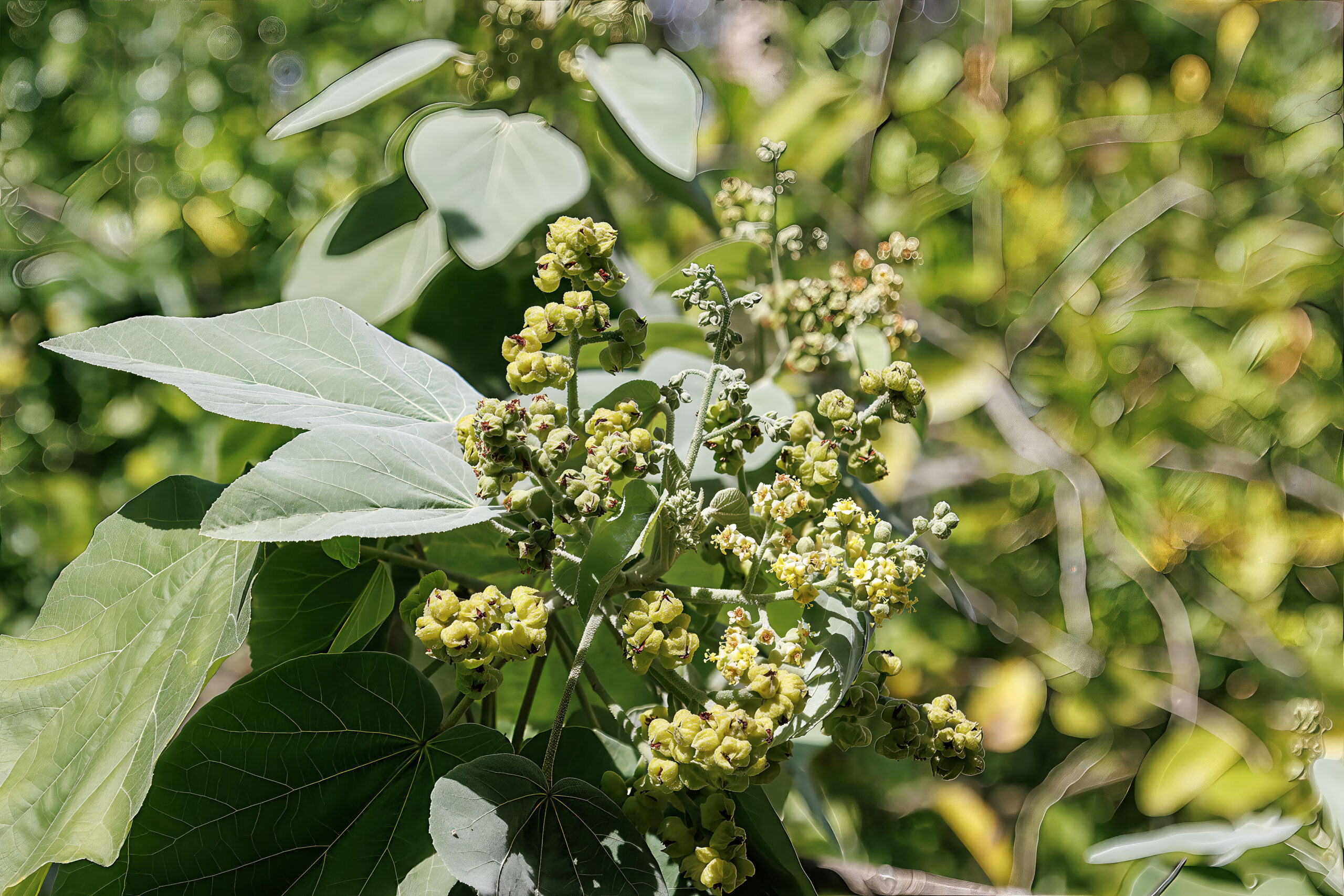
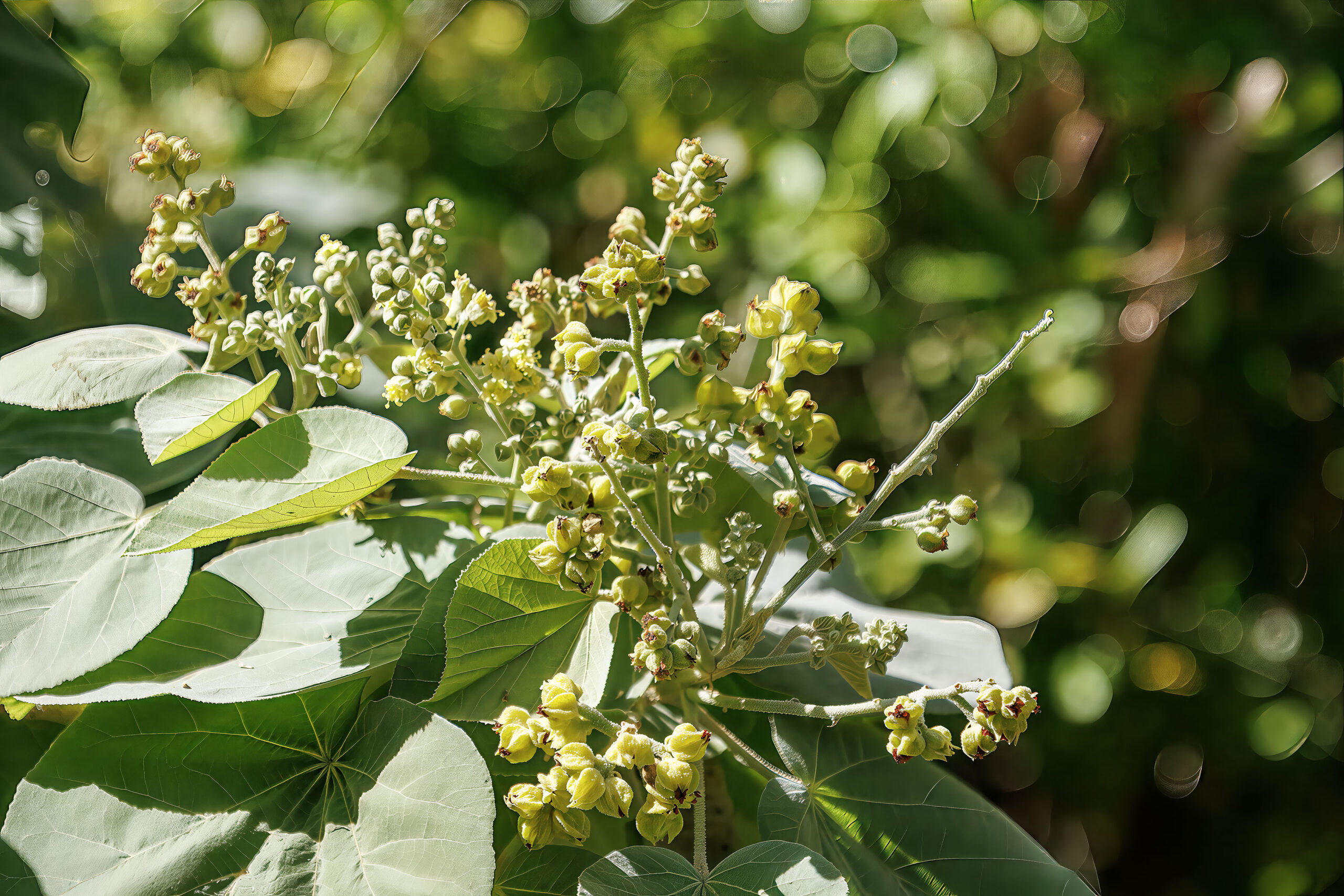
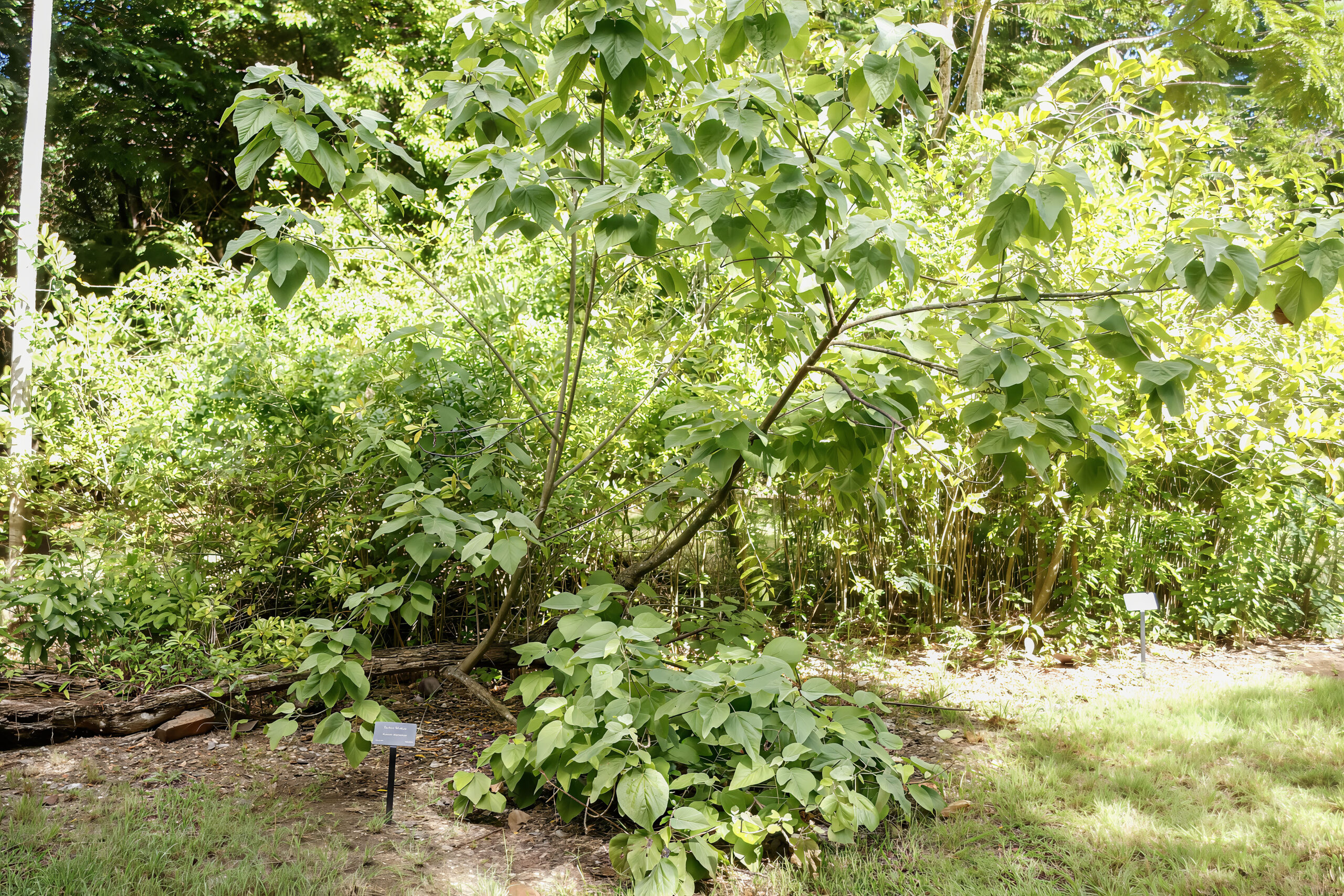
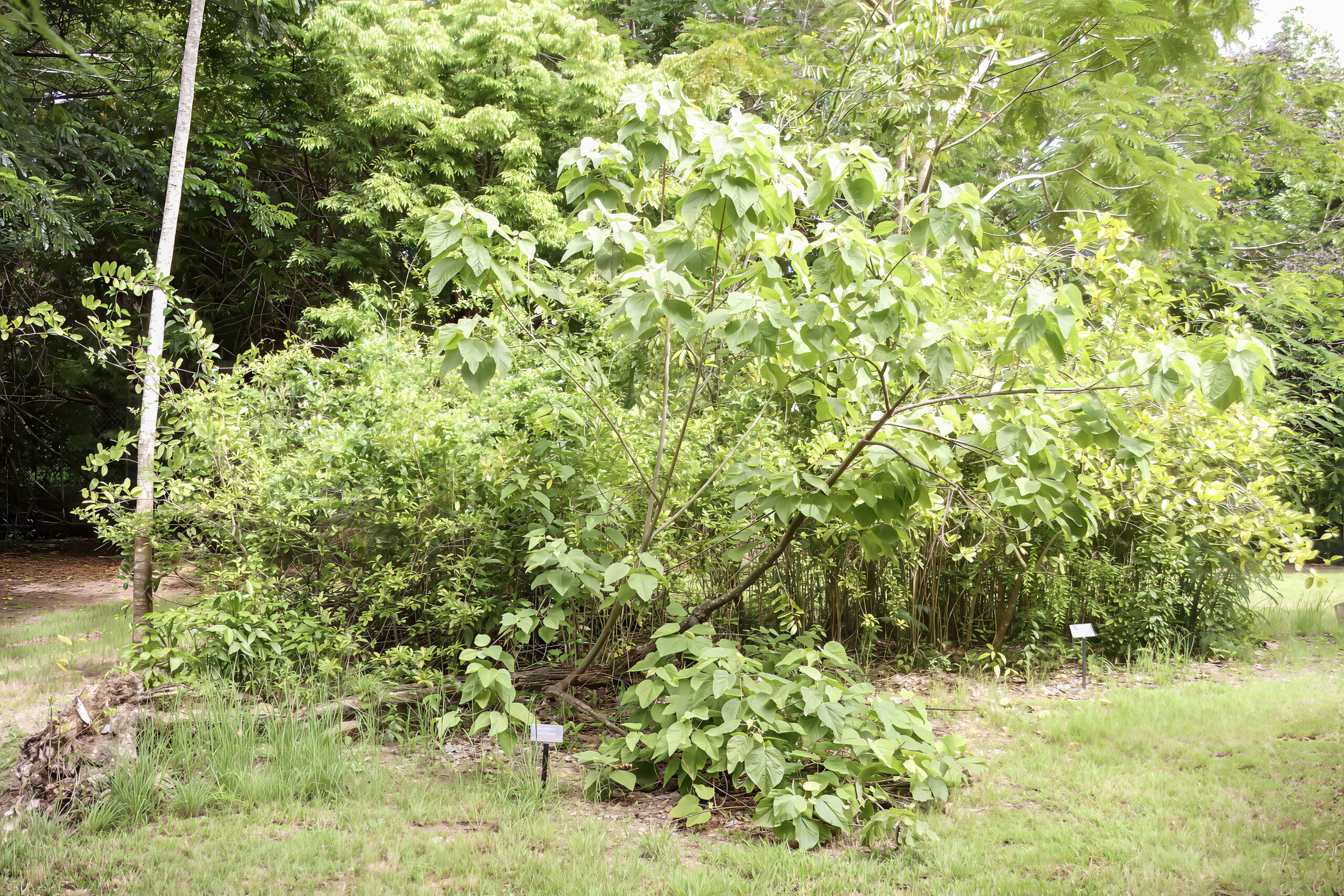
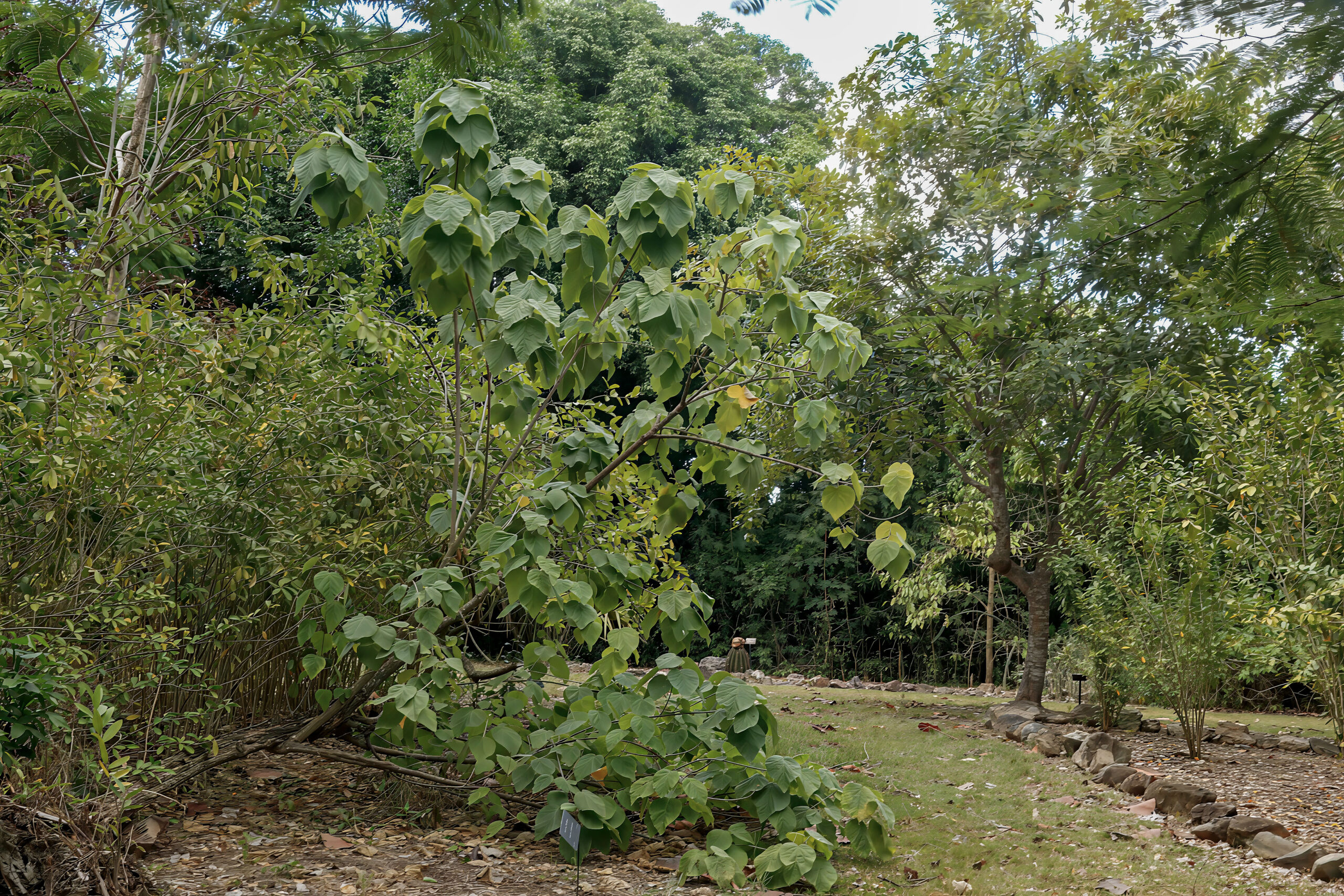
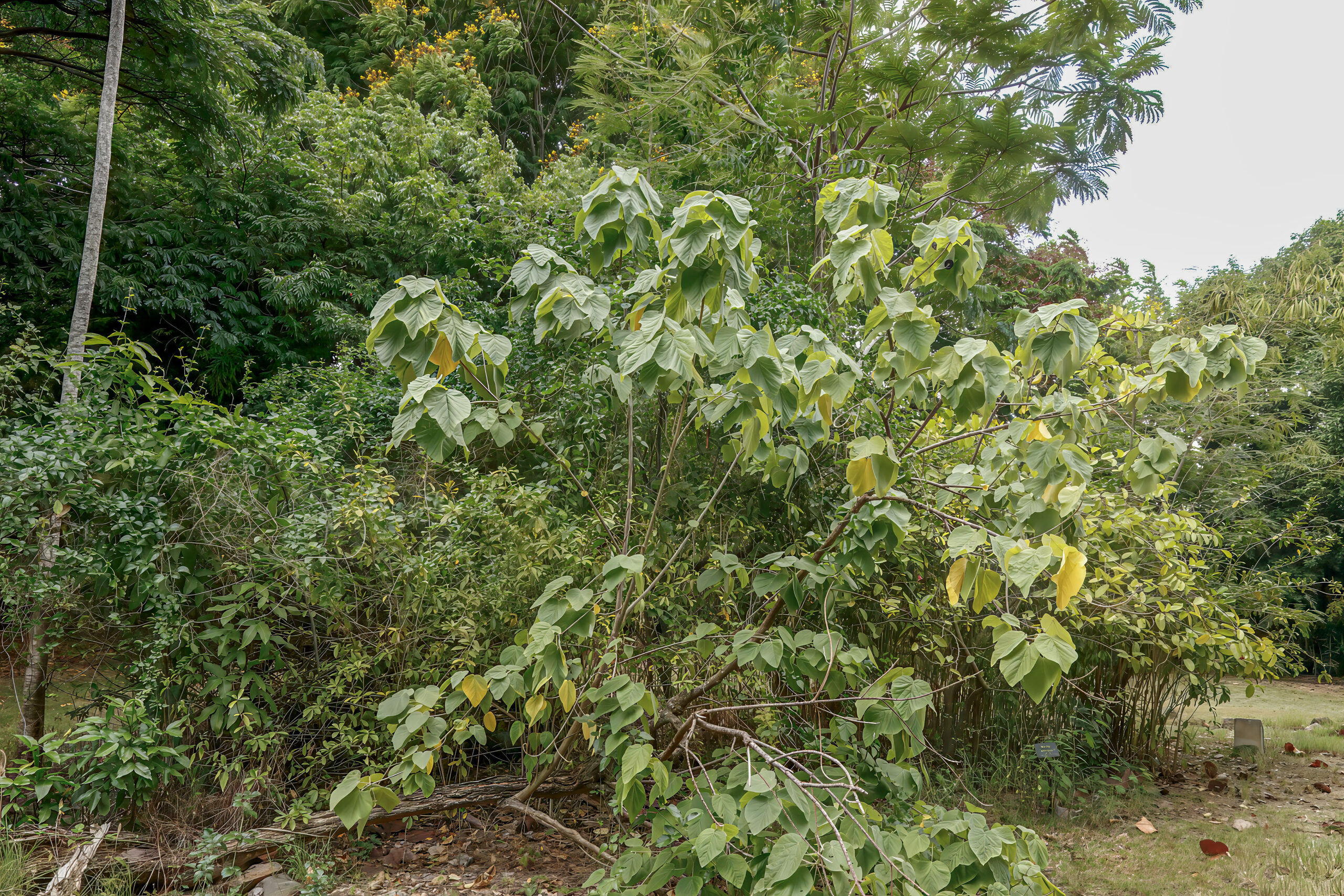
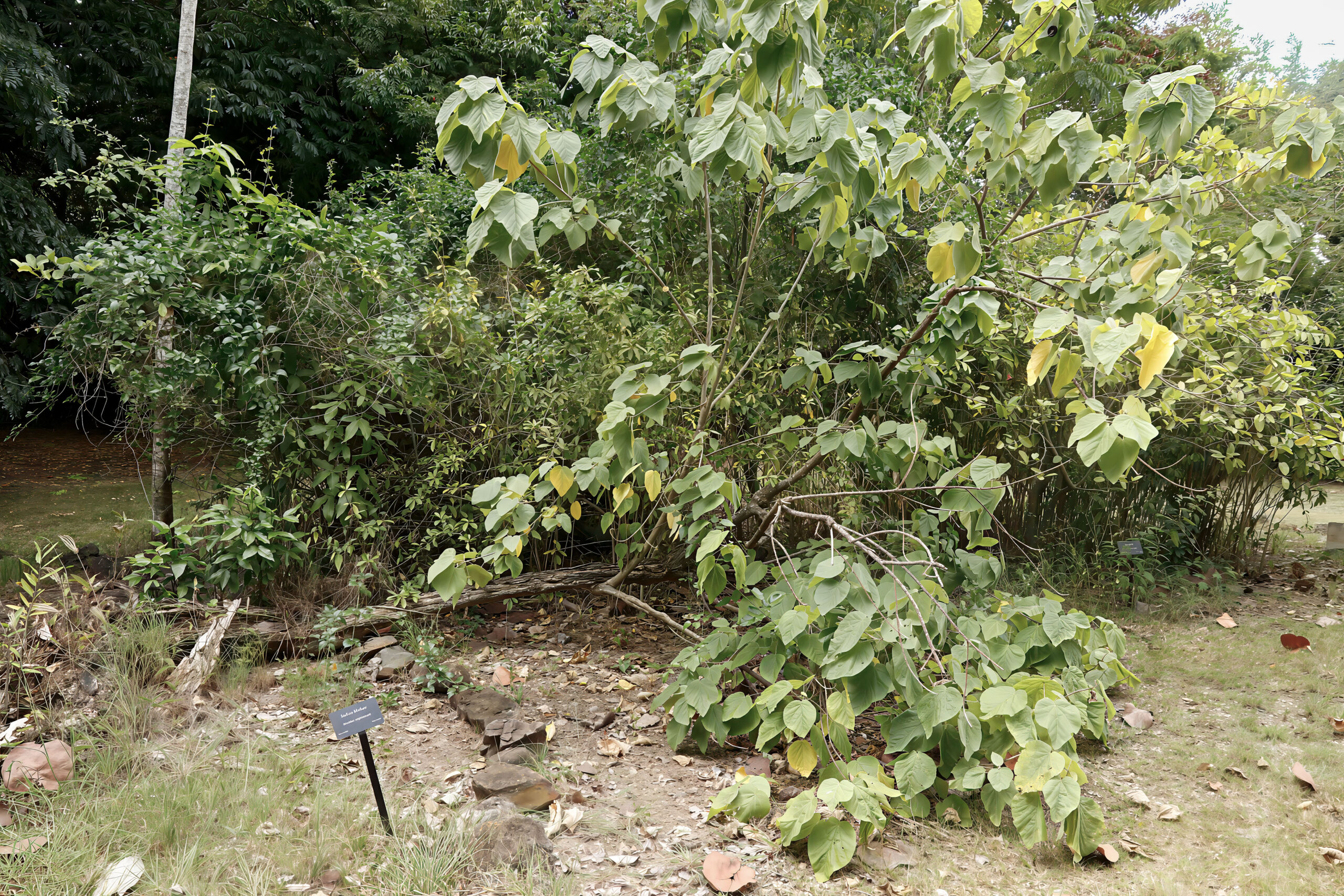
Indian Mallow

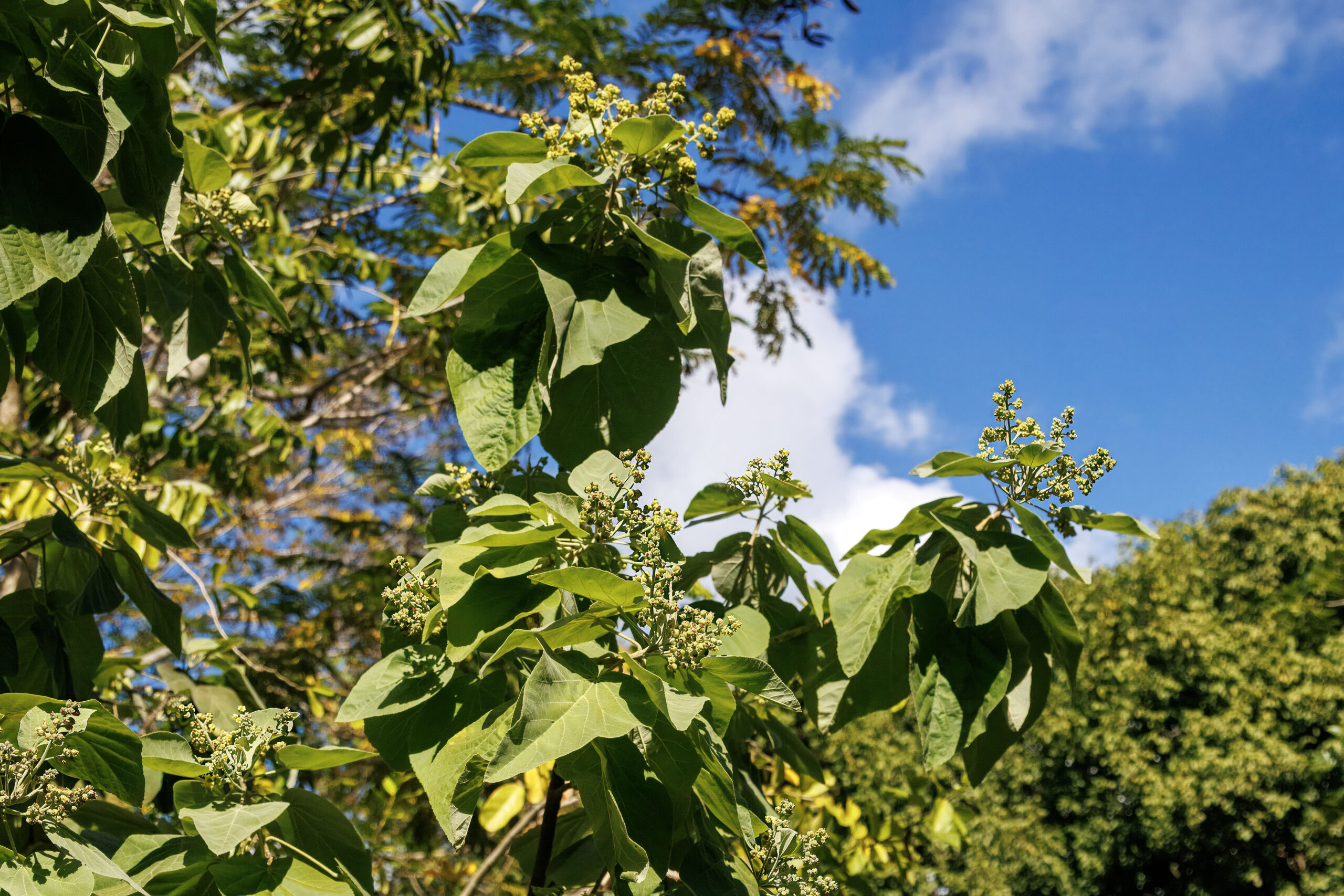
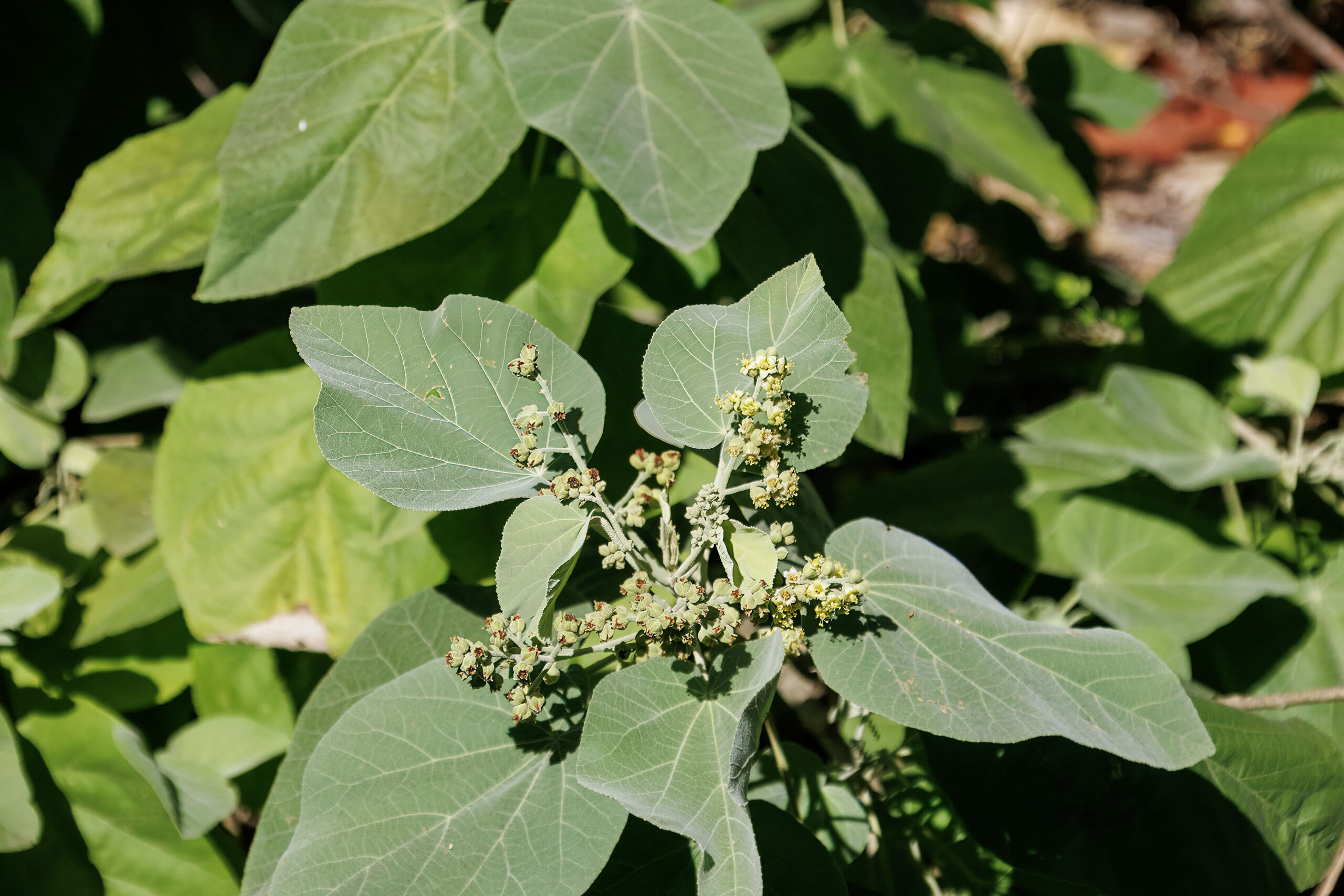
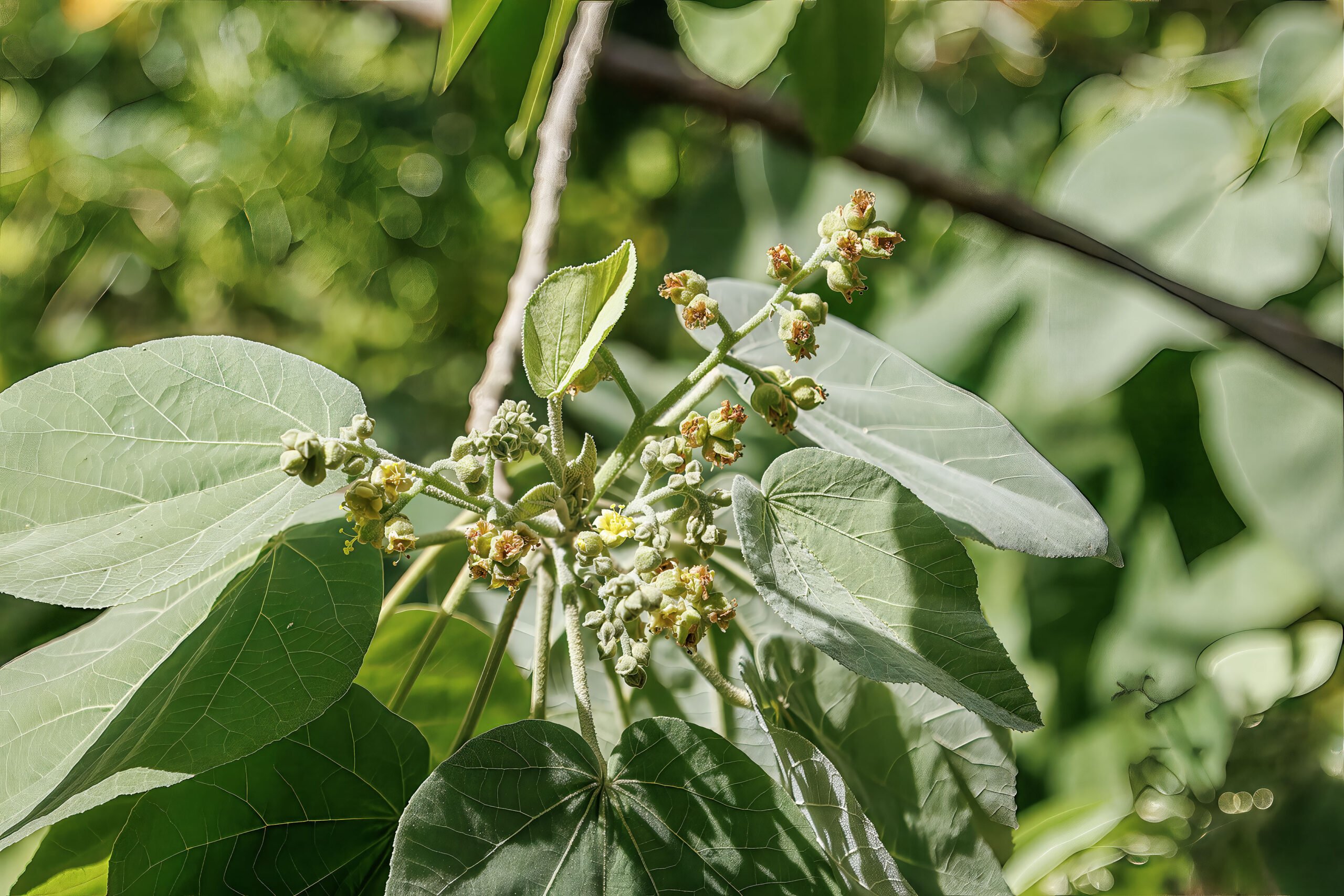
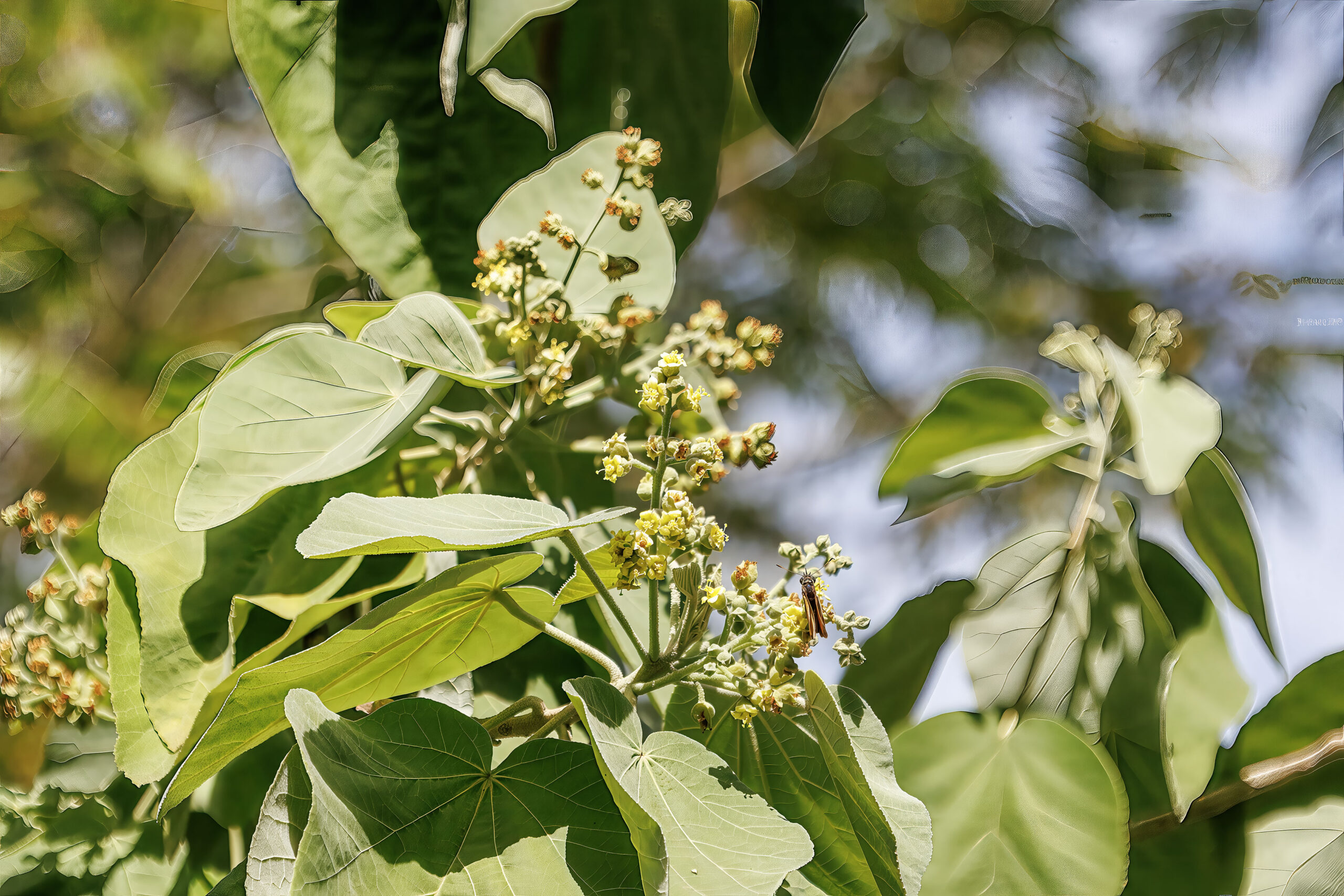
Scientific name: Abutilon virginianum

POWO Status: Shrub

IUCN Red List threat level: Endangered

Common names: Jost Van Dyke’s Indian Mallow

GPS Location: 17° 42′ 59.54″ N, 64° 49′ 49.68″ W

Conservation Garden

Medicinal Uses

Abutilon virginianum is primarily known for traditional uses as a diuretic, astringent, and stomachic, with various parts of the plant historically applied to treat ailments such as dropsy, gonorrhea, and fevers. Most scientific studies and documented traditional practices relate to its close relative, Abutilon indicum (Indian Mallow). 

Traditional Medicinal Applications

In traditional and folk medicine systems, particularly in regions where A. virginianum or related Abutilon species grow, different parts of the plant are used to address a wide array of health conditions. 

  • Whole Plant: The entire plant has been used as a diuretic, febrifuge (fever reducer), and antiseptic. It is a traditional remedy for dropsy (edema), gonorrhea, menorrhagia, jaundice, diarrhea, dysentery, and intermittent fevers.
  • Leaves and Young Shoots: Crushed leaves and young shoots are applied externally to boils, ulcers, and wounds. Internally, they may be consumed for dysentery.
  • Roots: The fresh root is a traditional remedy for jaundice. A root infusion may also be taken as a cooling drink for fevers, chest affections, and urethritis.
  • Bark: The bark is considered an astringent and diuretic, and in some practices, is used to make strong fibers for cordage that are carried by pregnant women in the belief it eases delivery.
  • Seeds: The seeds are used as a demulcent, laxative, and expectorant, helpful for coughs, piles, and urinary disorders. 

Modern Research & Potential

Phytochemical analyses of the Abutilon genus have identified a range of active compounds, including alkaloids, flavonoids, saponins, phenolic acids, and essential oils. These compounds are believed to be responsible for the observed pharmacological activities, which include: 

  • Anti-inflammatory properties
  • Analgesic (pain-relieving) and anti-pyretic (fever-reducing) effects
  • Antimicrobial and antioxidant activities
  • Hepatoprotective (liver-protecting) effects
  • Anti-diabetic potential, by inhibiting enzymes that digest disaccharides in the small intestine 

Note: While traditional uses are numerous and form the basis for scientific inquiry, these practices are not a substitute for professional medical advice. Scientific studies often use isolated extracts and specific dosages, and more research is needed to fully understand the safety and efficacy of using the plant in modern medicine.

Observations:

Phenological Markers – Abutilon virginianum (Virginia Mallow)

Family: Malvaceae
Common Name: Virginia Mallow, Velvet-leaf
Habitat: Native to North America, found in fields, disturbed areas, and along roadsides, particularly in the eastern U.S. and parts of Canada.

Phenological Markers:

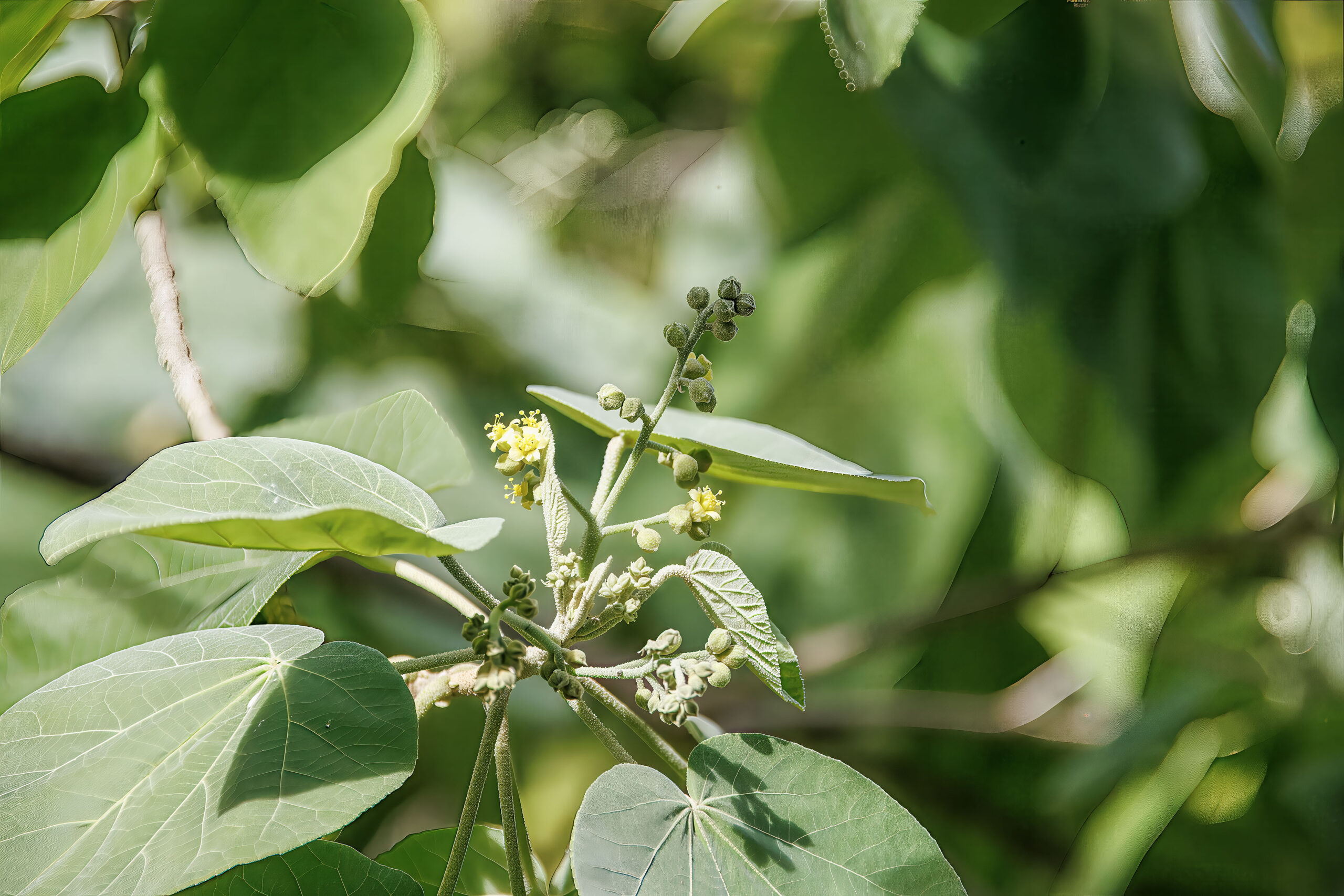
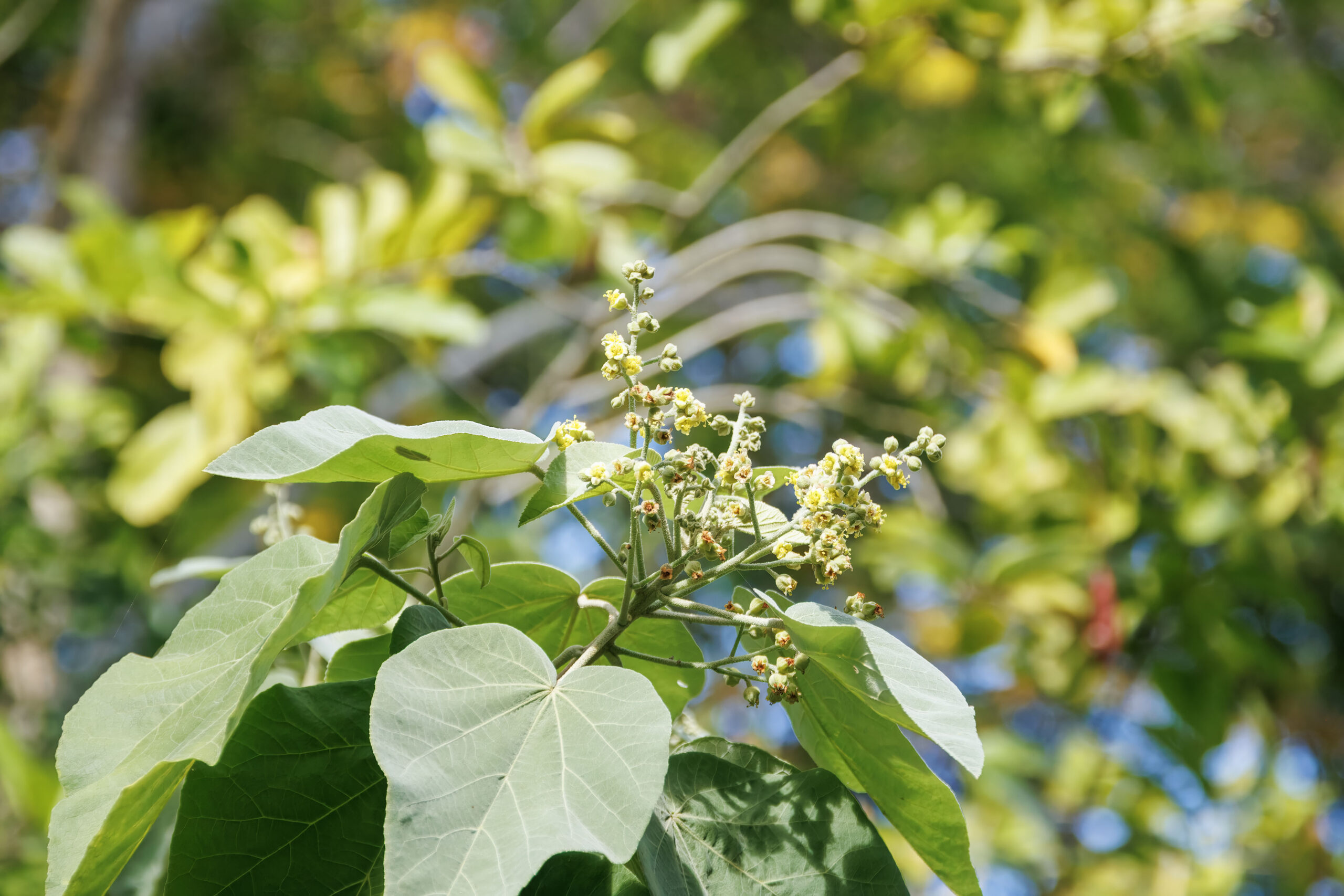
  • Flowering Period: Flowering typically occurs in late spring to early summer (May to June), with large, yellow-orange, hibiscus-like flowers.
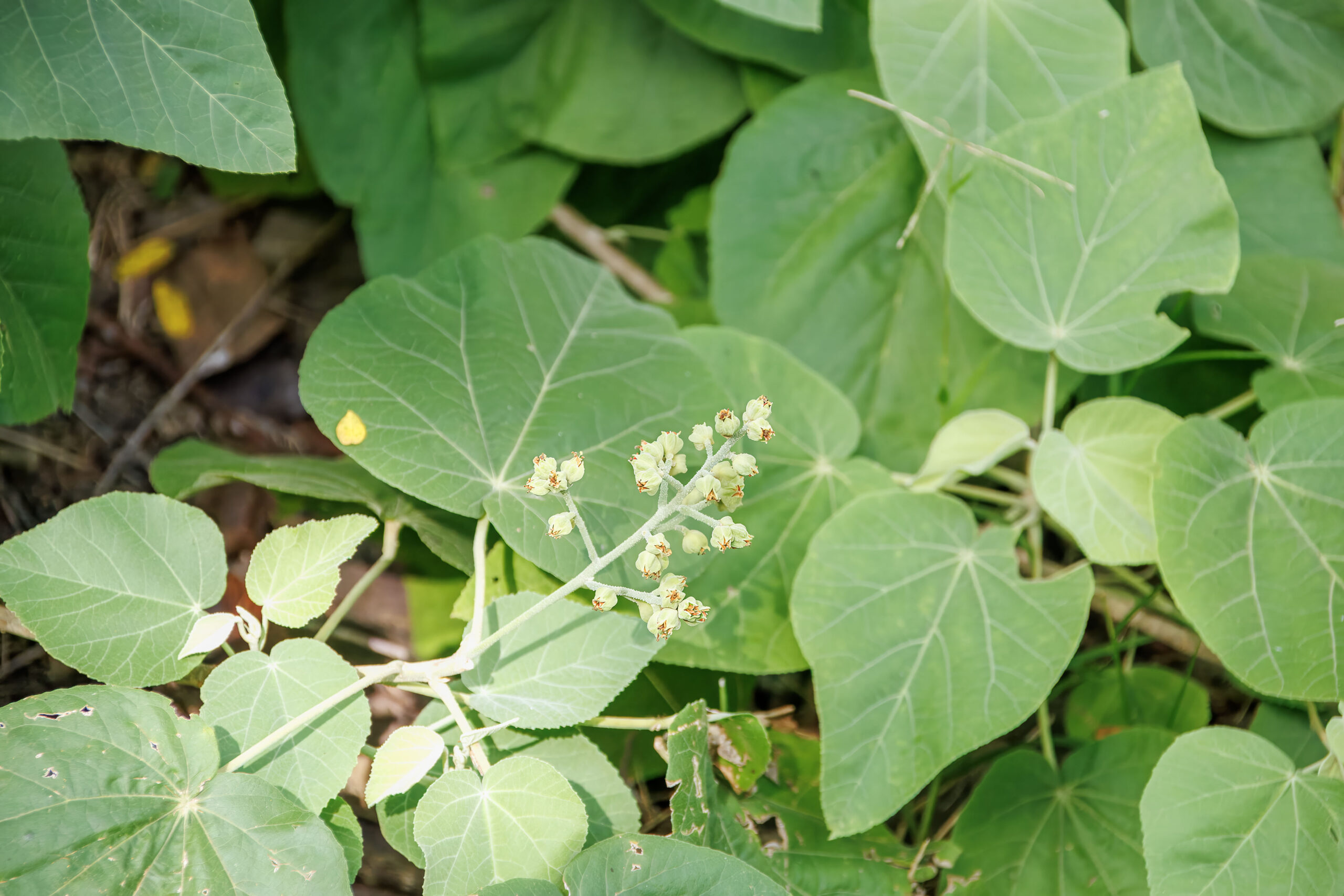
  • Fruiting Period: The fruiting period follows flowering and typically occurs late summer to early fall (August to September). It produces capsule-like fruits containing several seeds.
  • Leaf Fall: Deciduous, with leaves often shedding by the onset of cold weather in late fall.
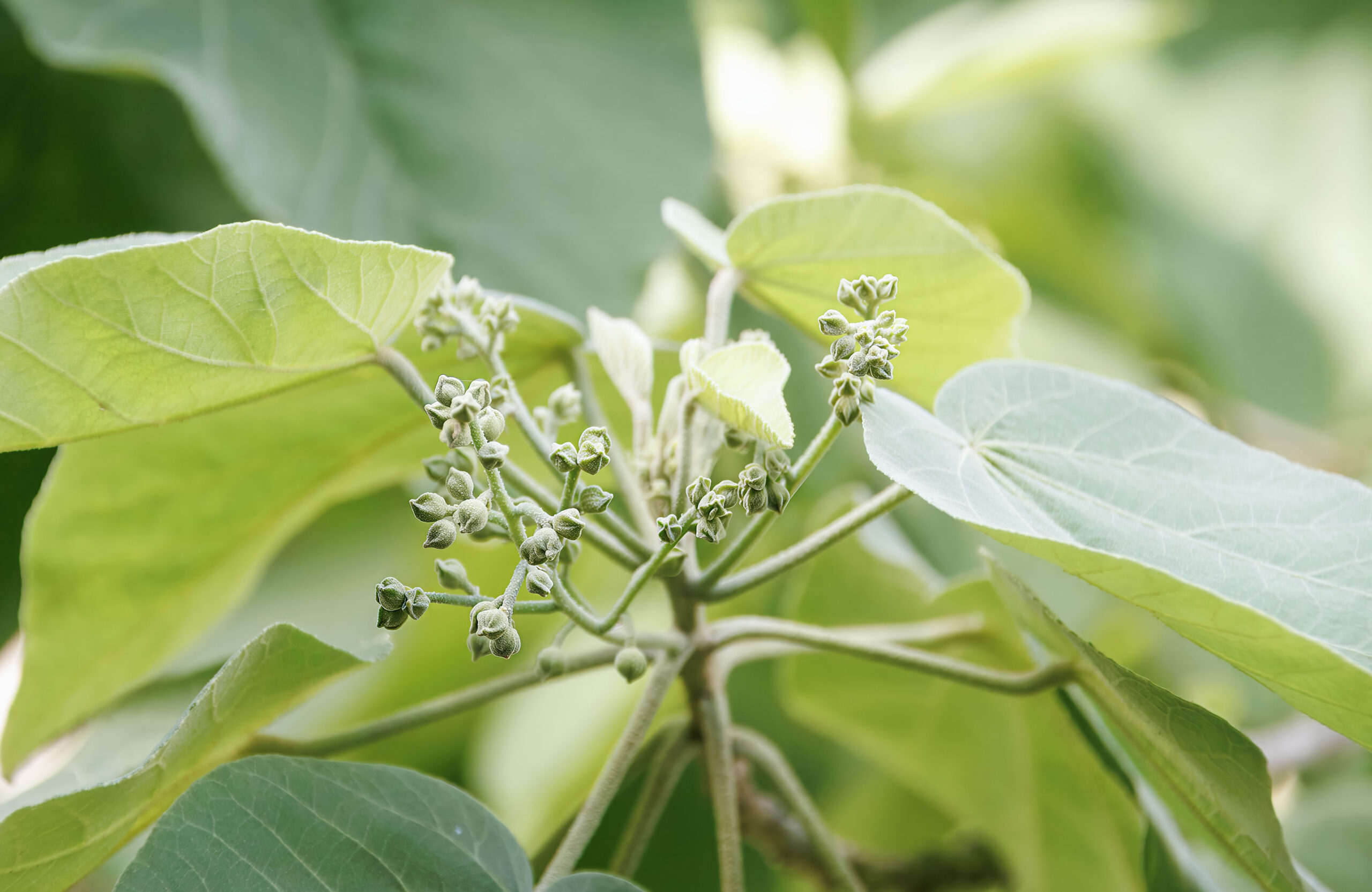
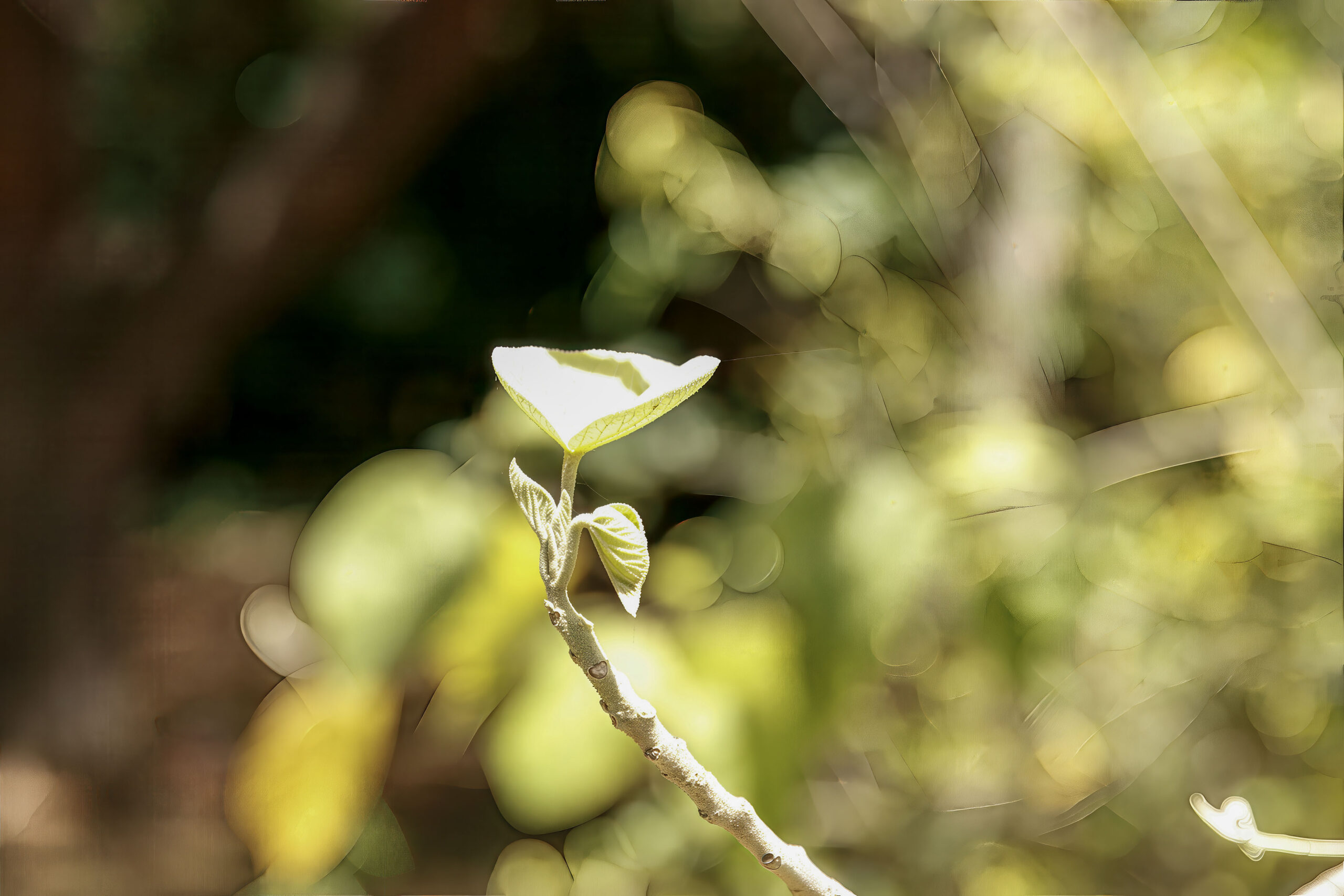
  • Budding Period: Budding typically begins early spring (April) before flowering, with new leaves emerging alongside early flower buds.

Key Features:

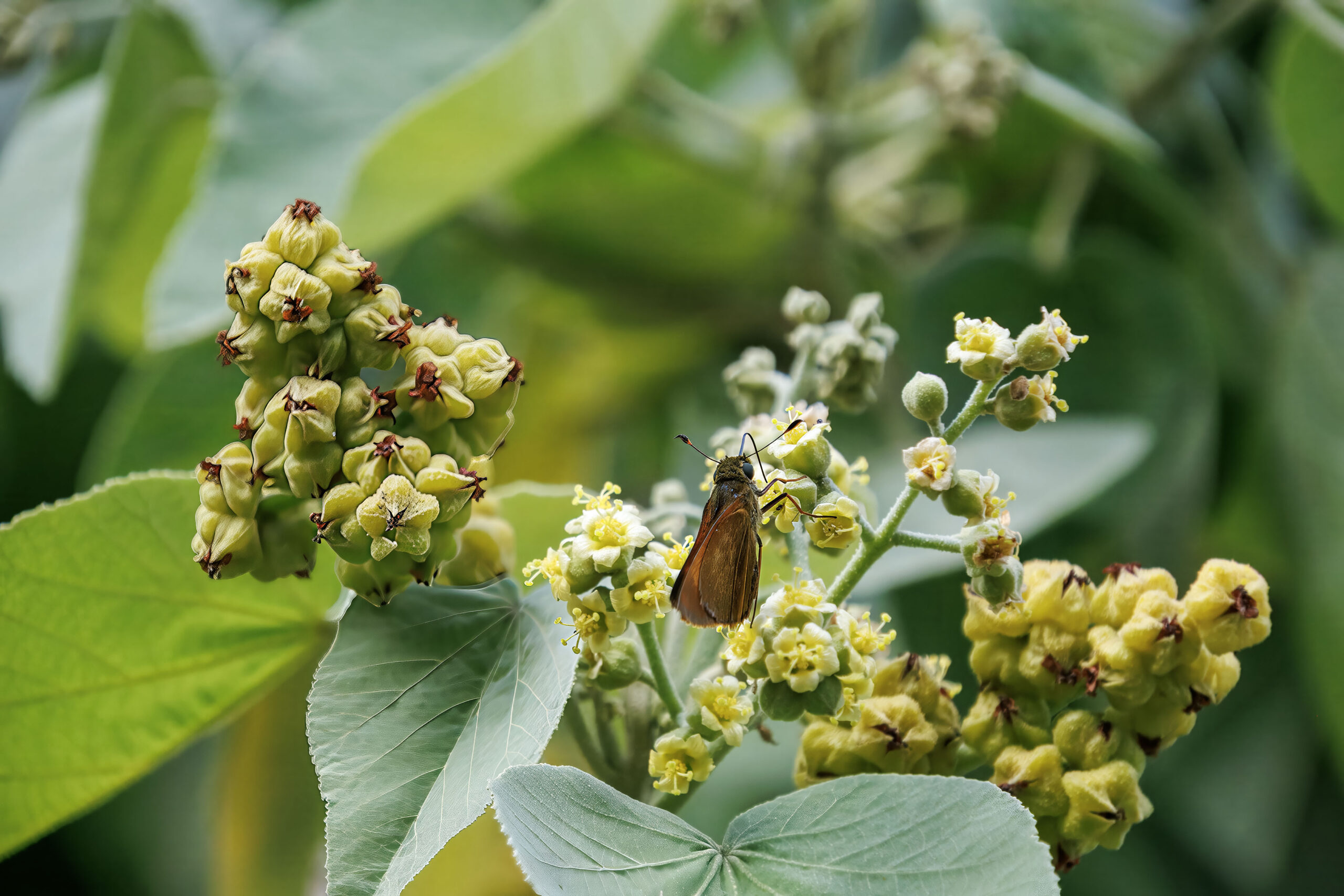
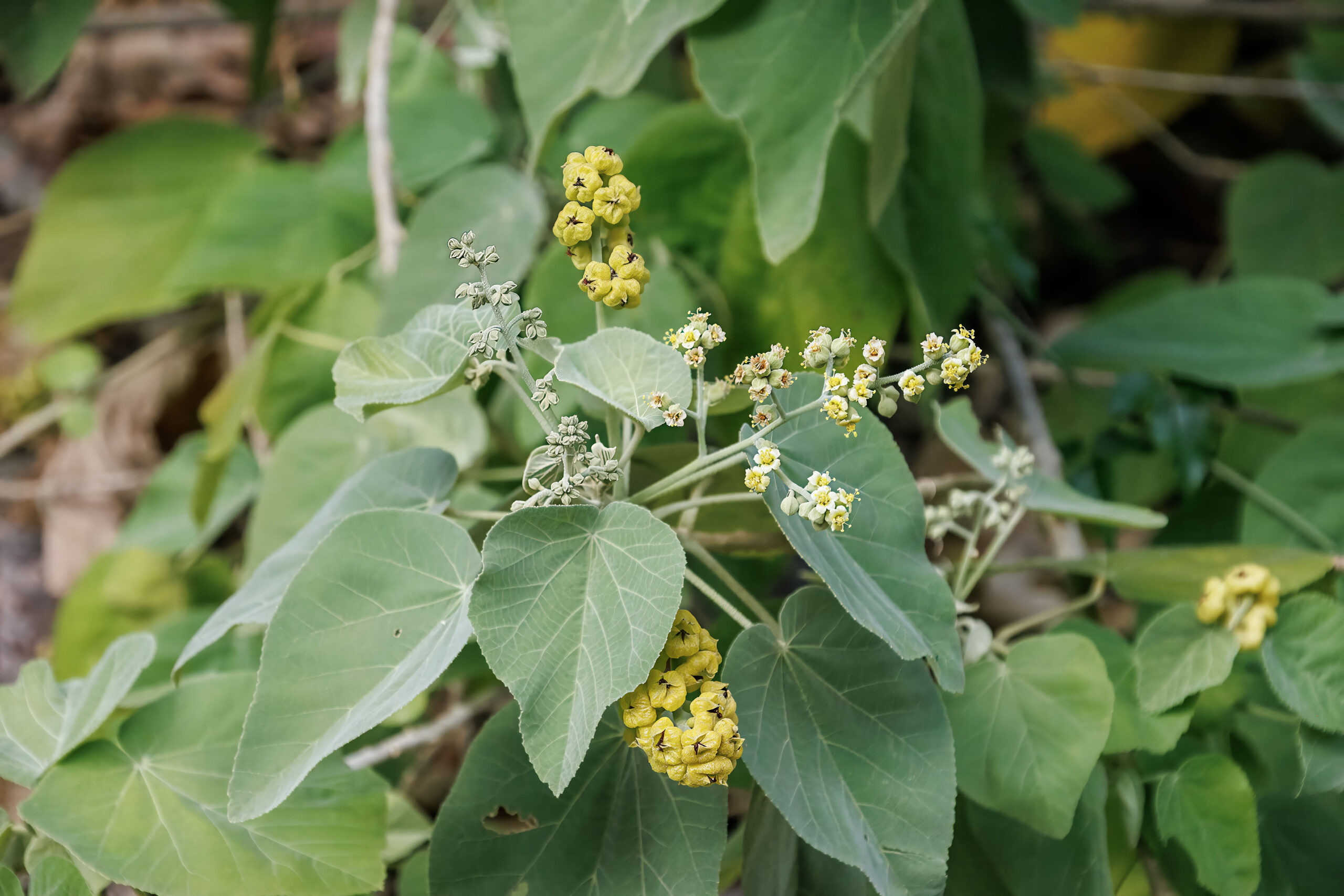
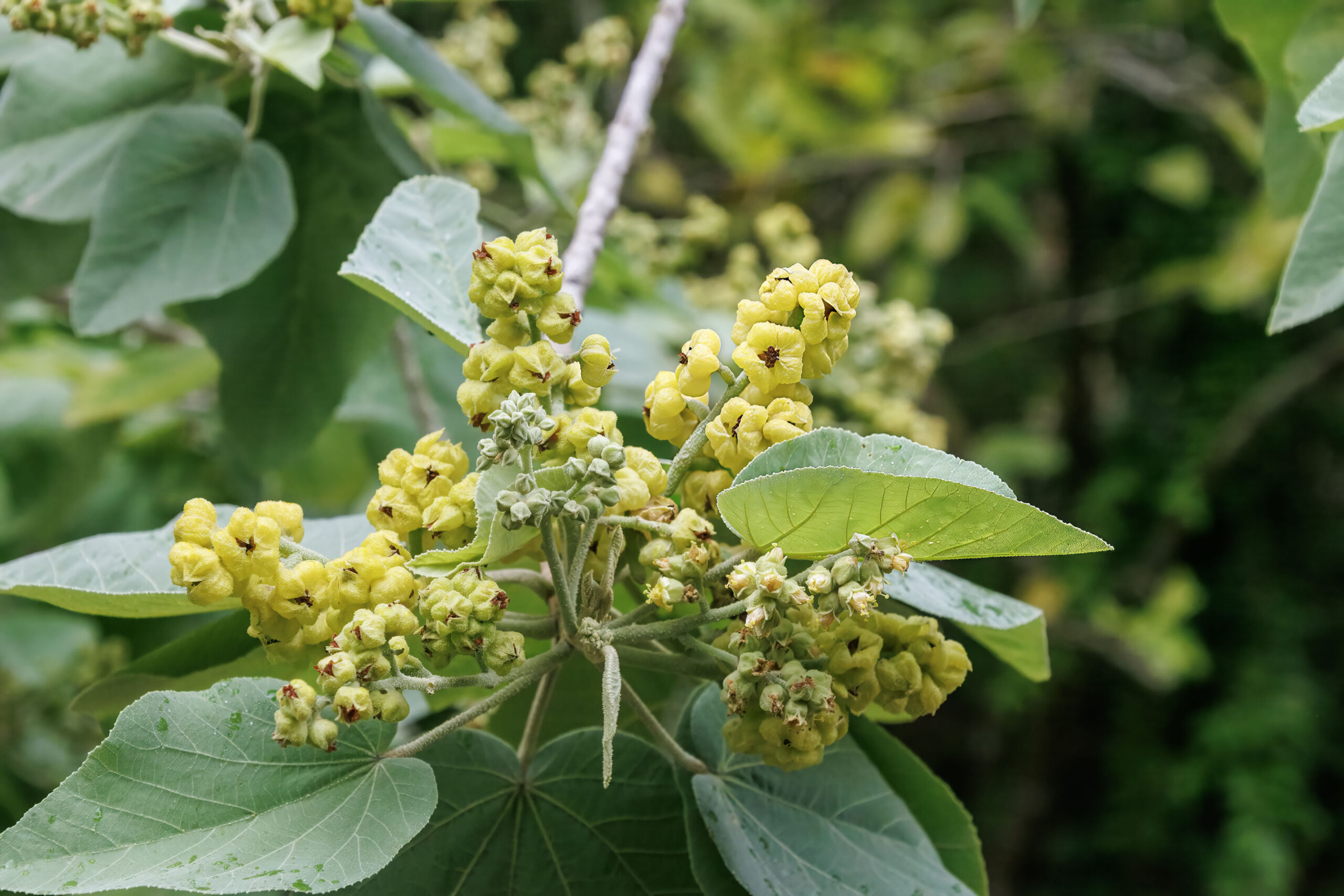
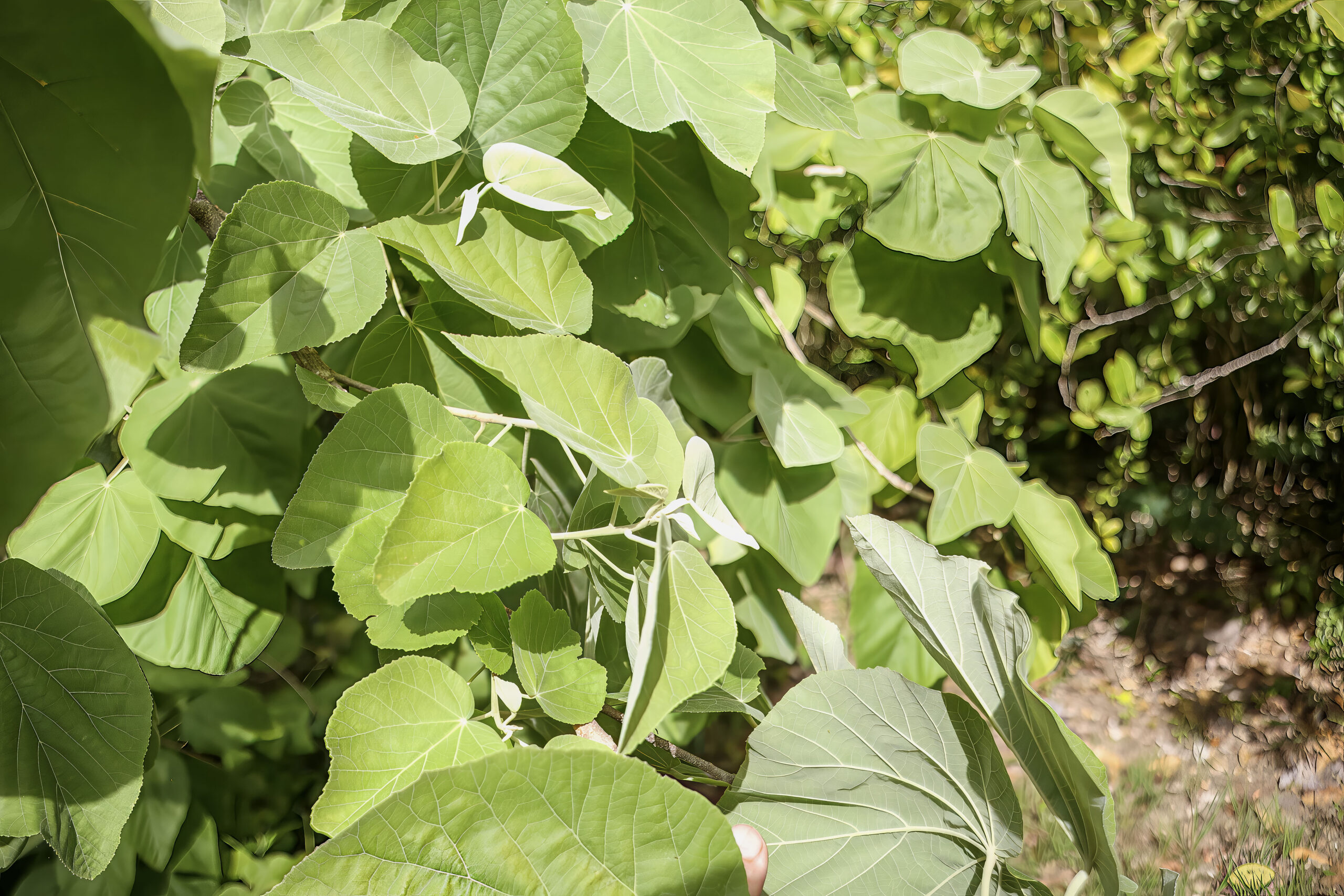
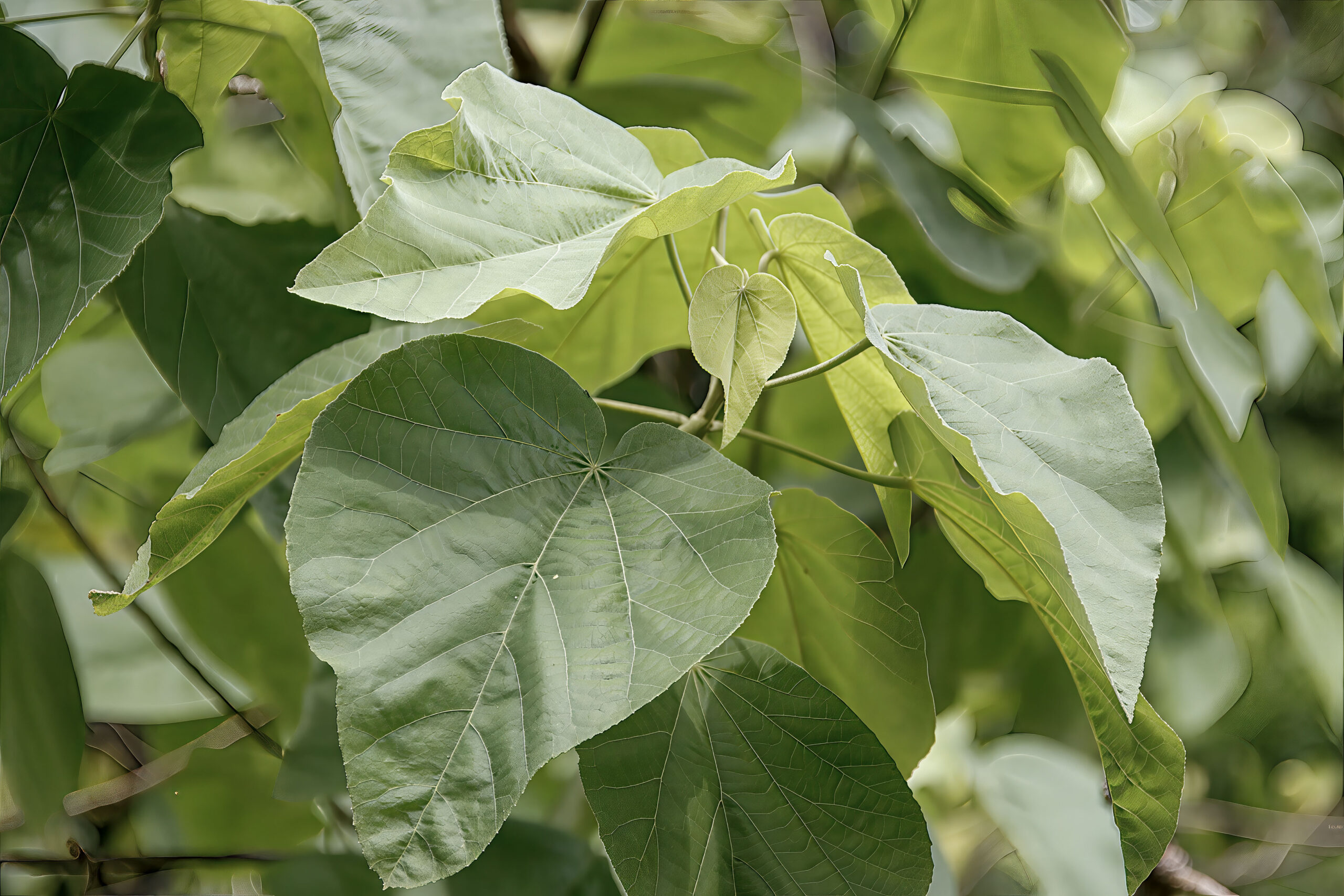
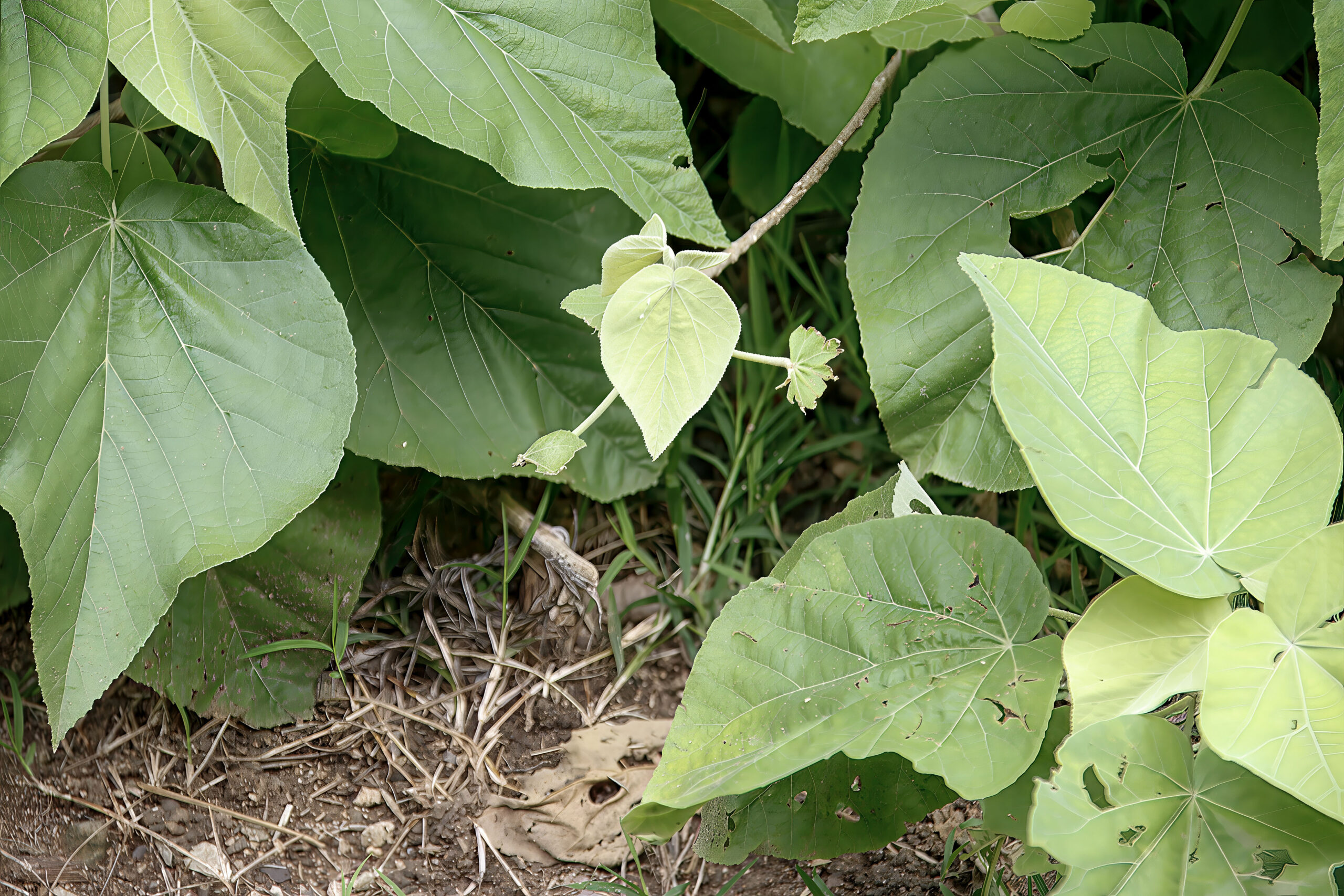
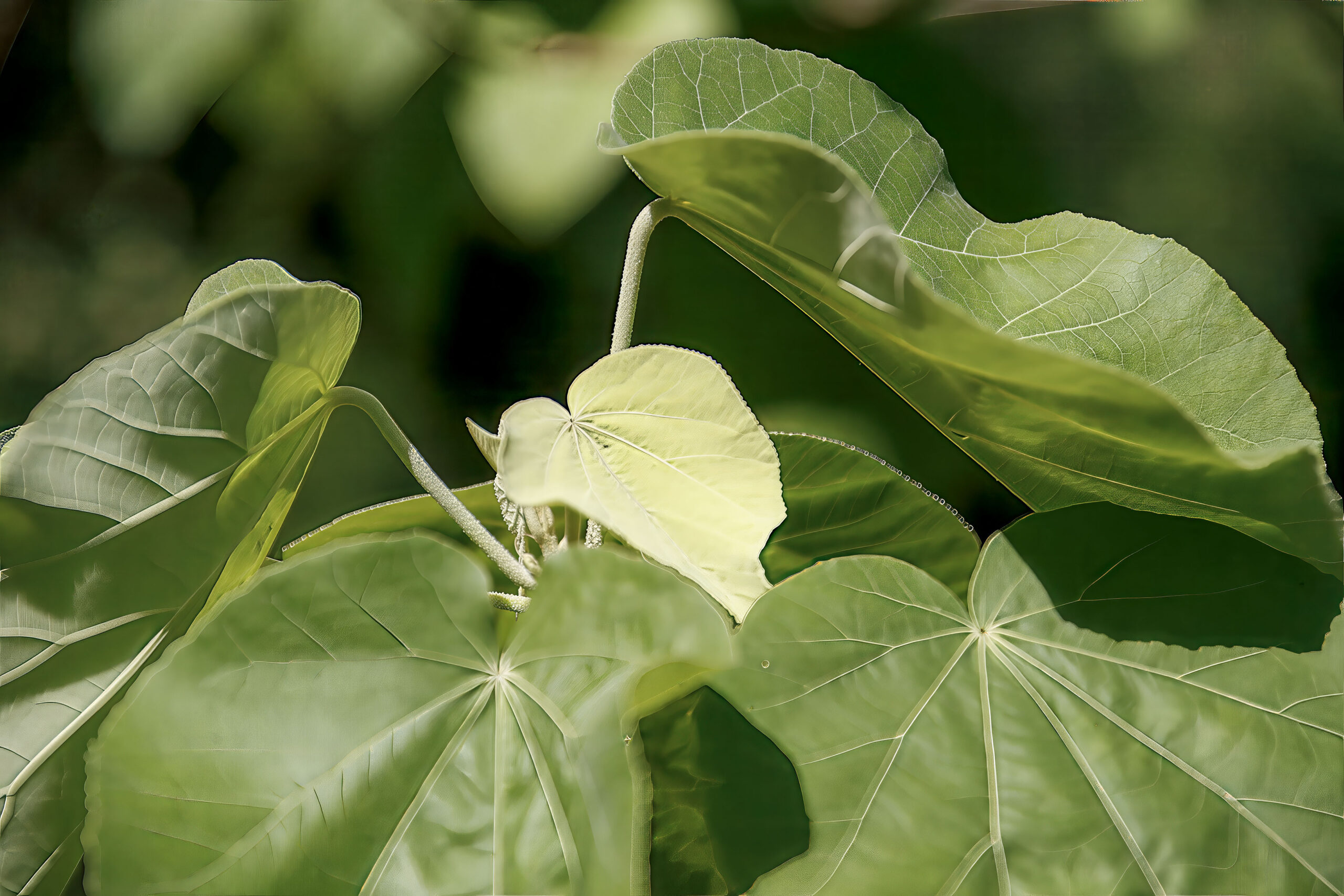
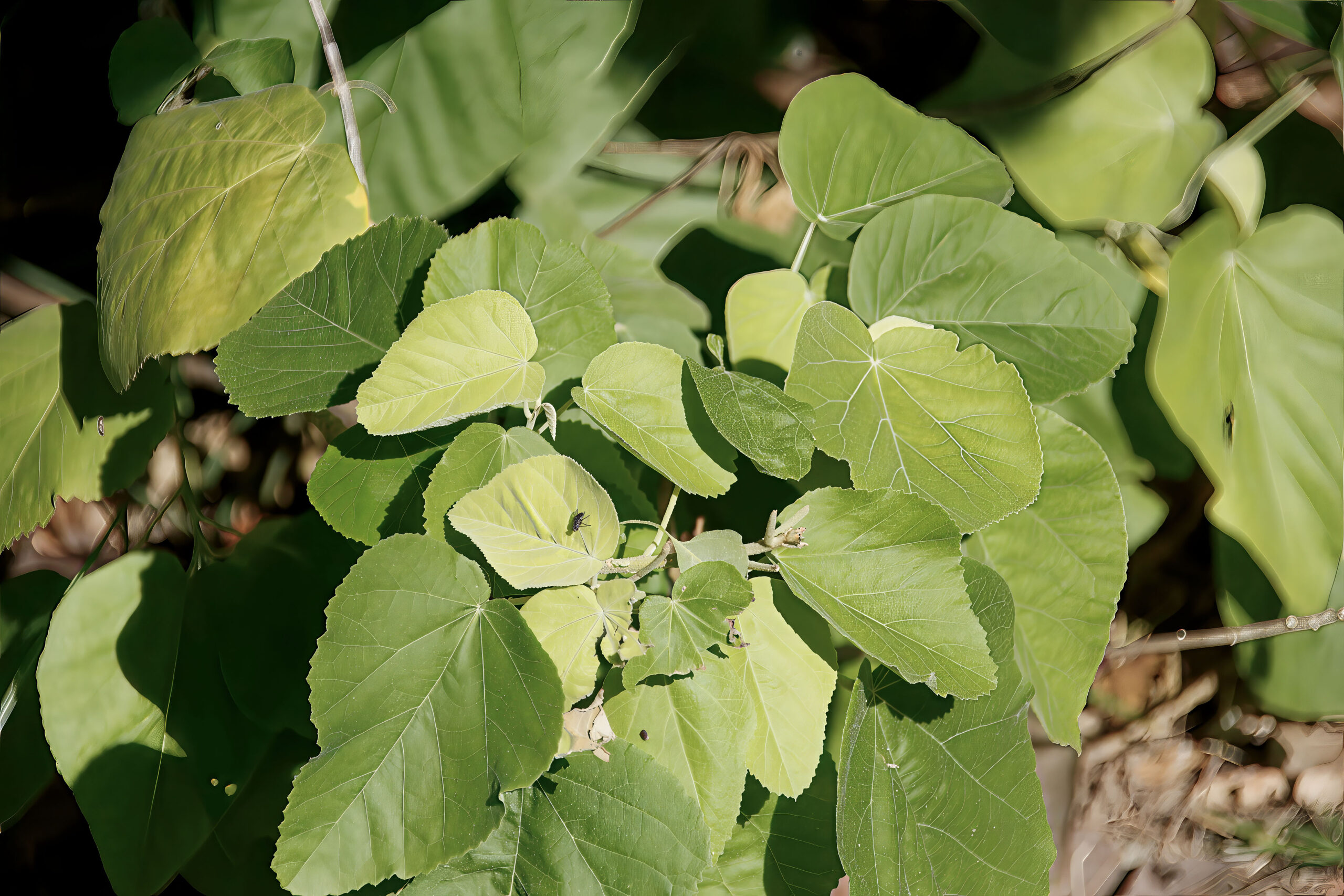
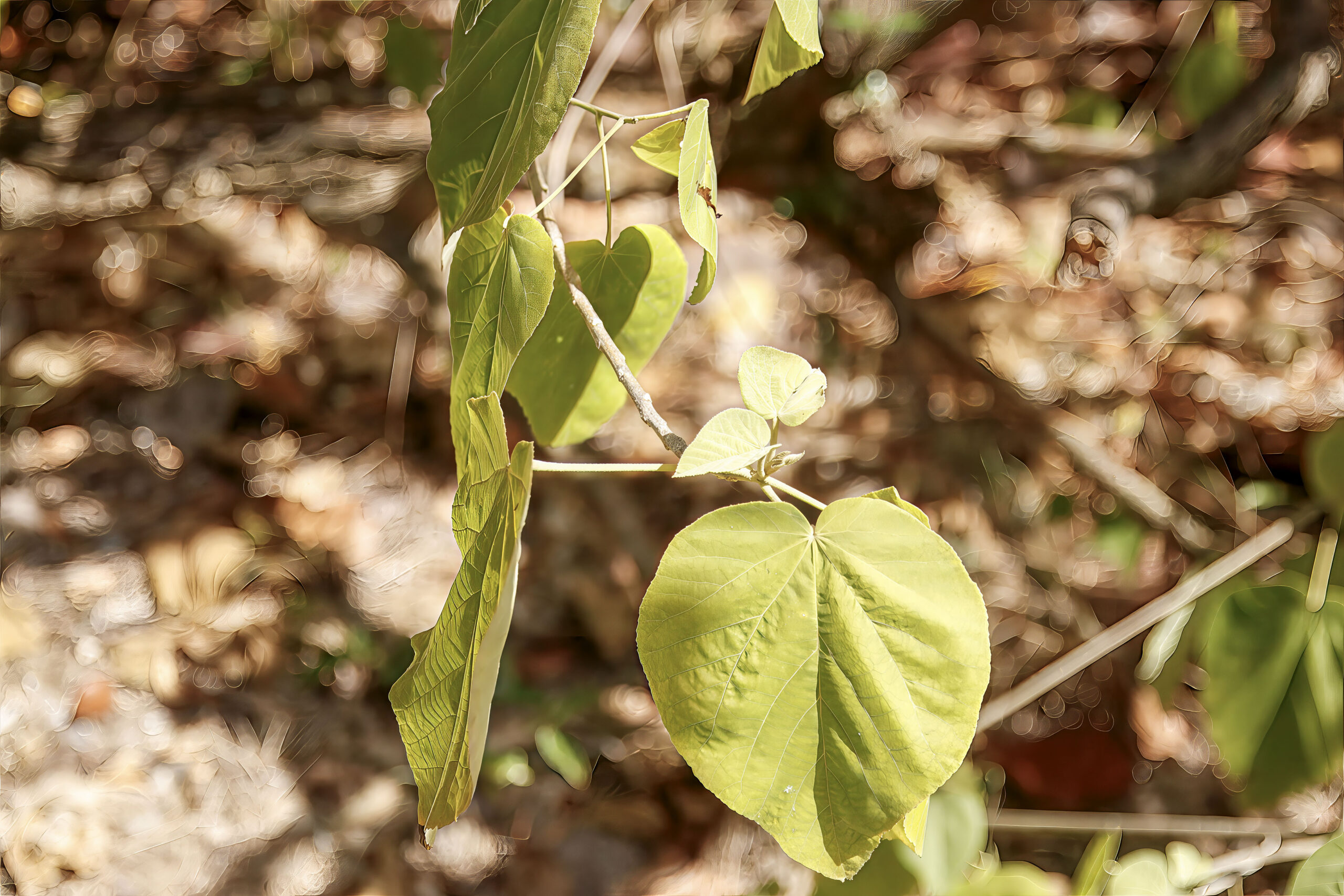
  • Leaves: Large, heart-shaped, and deeply lobed with a velvety texture.
  • Flowers: Yellow to orange, 5-petaled, with a hibiscus-like appearance, often about 5–7 cm in diameter.
  • Fruits: A capsule containing several seeds, which can be dispersed by wind and water.

Additional Notes:

It thrives in well-drained soils and can tolerate a variety of conditions, including full sun to partial shade.

Abutilon virginianum is an annual herbaceous plant known for its ornamental value due to the striking appearance of its flowers. It can also serve as a beneficial plant for pollinators.

Scroll to Top