
Julie Mango
This page has been removed as a cultivar does not qualify under ArbNet Level II.
Scientific name: Mangifera indica ‘Julie’
GPS Location: 17° 42′ 53.31″ N, 64° 49′ 52.21″ W
Medicinal Uses
Mangifera indica (mango) is a versatile medicinal plant, with all parts—fruit, leaves, bark, flowers, roots, and seeds—used in traditional systems like Ayurveda for conditions from diarrhea, diabetes, and inflammation to wounds, heart issues, and skin ailments, leveraging properties like antioxidant, anti-inflammatory, astringent, and digestive aid. Leaves help with diabetes and cough, bark treats rheumatism and ulcers, flowers purify blood, and ripe fruit acts as a tonic and laxative, while seeds address diarrhea and parasites, highlighting its broad therapeutic potential.
Uses by Plant Part
- Leaves: Infused for diabetes, blood sugar control, coughs, burns, diarrhea, and as a contraceptive.
- Bark: Astringent for diphtheria, rheumatism, ulcers, and syphilis; believed to tone mucous membranes.
- Flowers: Used for purifying blood, treating gastric issues, anorexia, diarrhea, ulcers, and as a styptic for bleeding.
- Fruit (Ripe): Invigorating, restorative tonic for heat stroke, laxative, aphrodisiac, and helps with anemia.
- Fruit (Unripe): Antacid, digestive, carminative, and used for ophthalmia and dysentery.
- Seed/Kernel: Powdered for chronic diarrhea, asthma, diabetes, parasites (helminthiasis), hemorrhoids, and as a uterine tonic.
- Gum/Resin: Applied to cracked feet, scabies, and wounds.
Key Medicinal Properties & Actions
- Antioxidant & Anti-inflammatory: Rich in polyphenols like mangiferin, fighting oxidative stress.
- Digestive: Unripe fruit is carminative; kernels are astringent for diarrhea; ripe fruit is a laxative.
- Antidiabetic: Leaves and bark help manage blood sugar.
- Anticancer Potential: Preliminary studies show effects against certain cancer cells (breast, lung, etc.).
- Cardioprotective: Ripe fruit and seed kernel support heart health.
- Wound Healing: Bark, gum, and seed extracts can aid in wound repair and stop bleeding.
Important Considerations
- While traditional uses are extensive, many findings are from preliminary studies; clinical trials are needed.
- Consulting a healthcare professional is crucial for safe and effective use, especially for serious conditions.
Observations:
Phenology Markers – Mangifera indica ‘Julie’
Common Name: Julie Mango
Scientific Name: Mangifera indica ‘Julie’
Family: Anacardiaceae
Cultivar Origin: Likely Trinidad or Jamaica; widely grown throughout the Caribbean
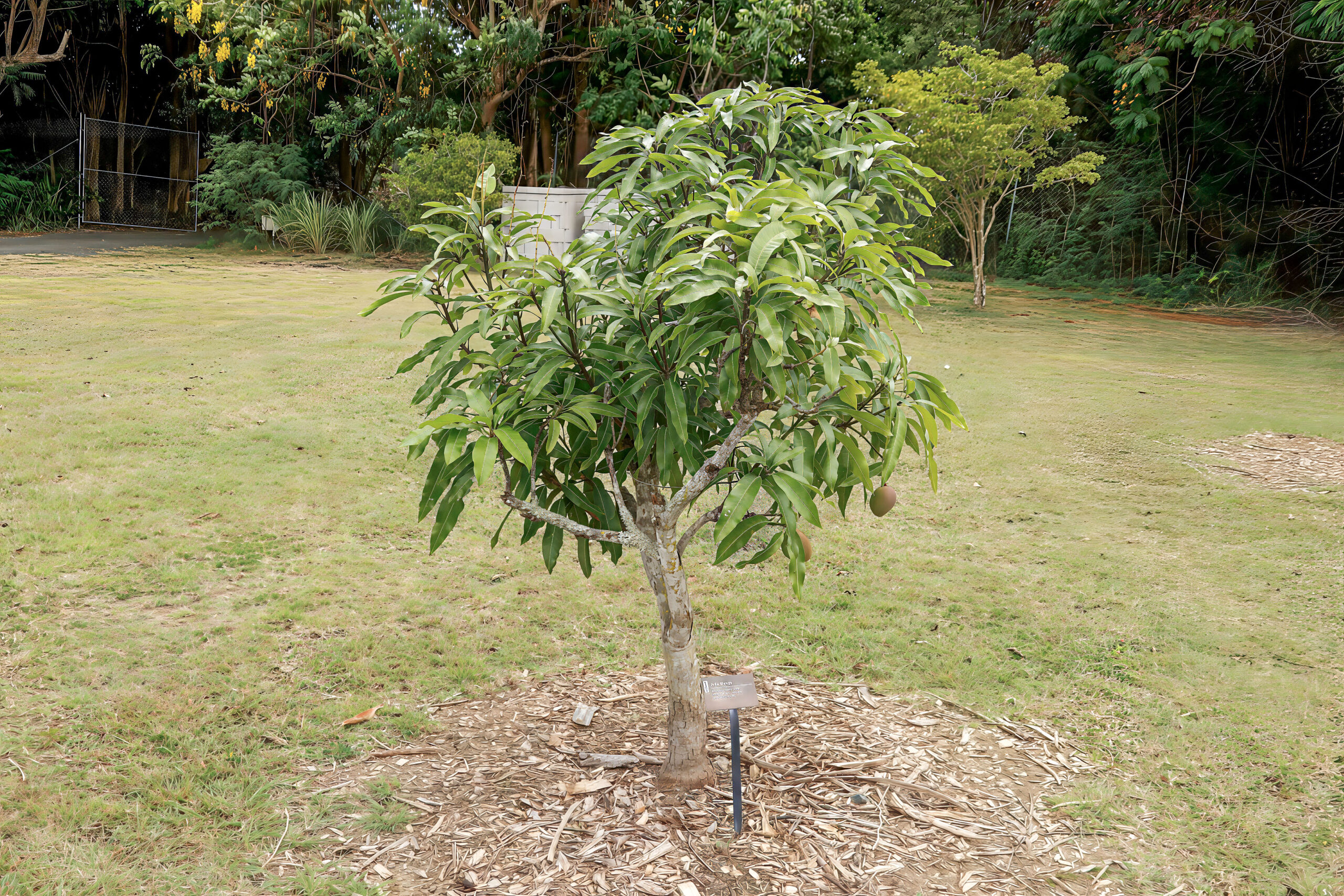
Tree Type: Semi-dwarf mango cultivar, ideal for small spaces
General Description:
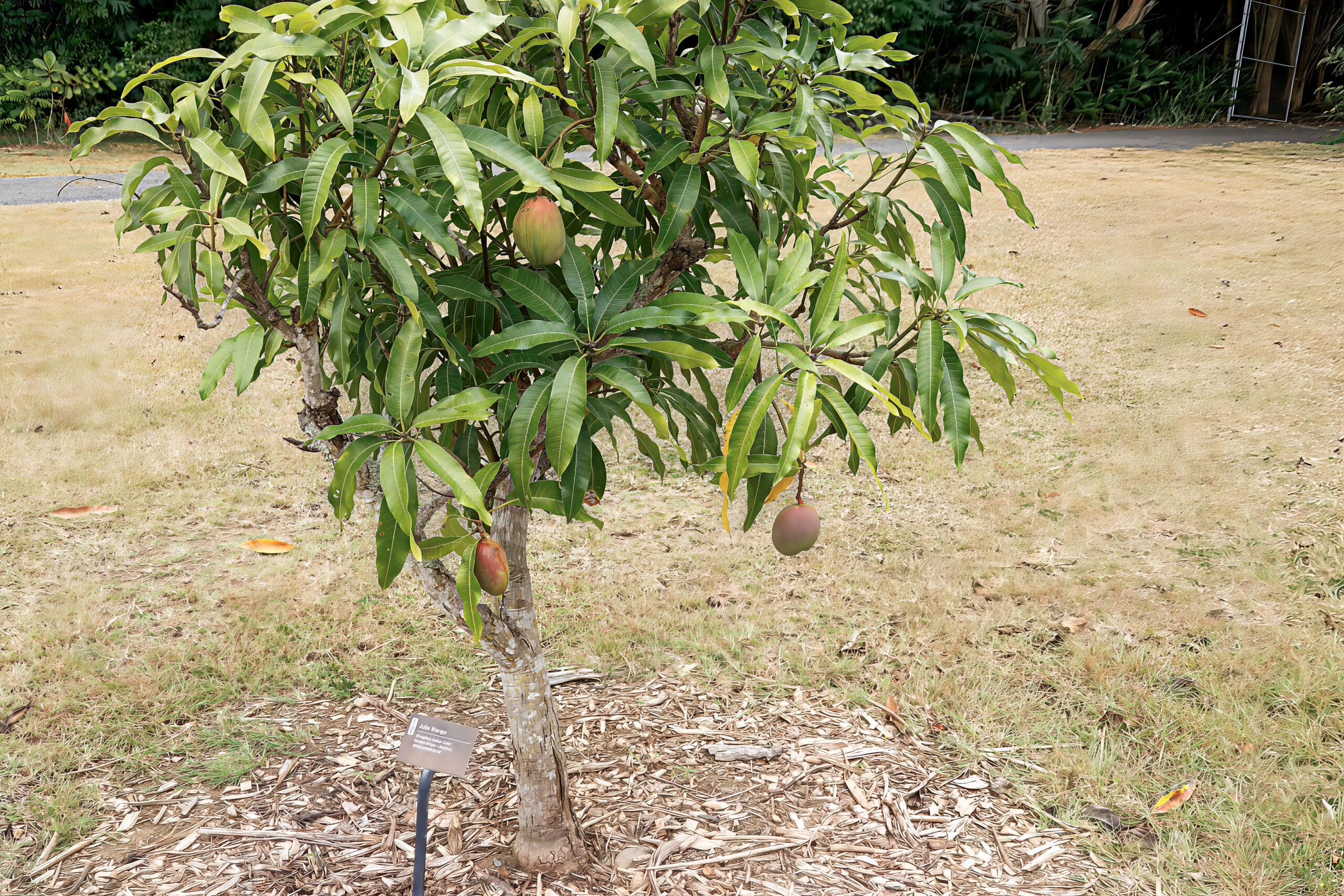
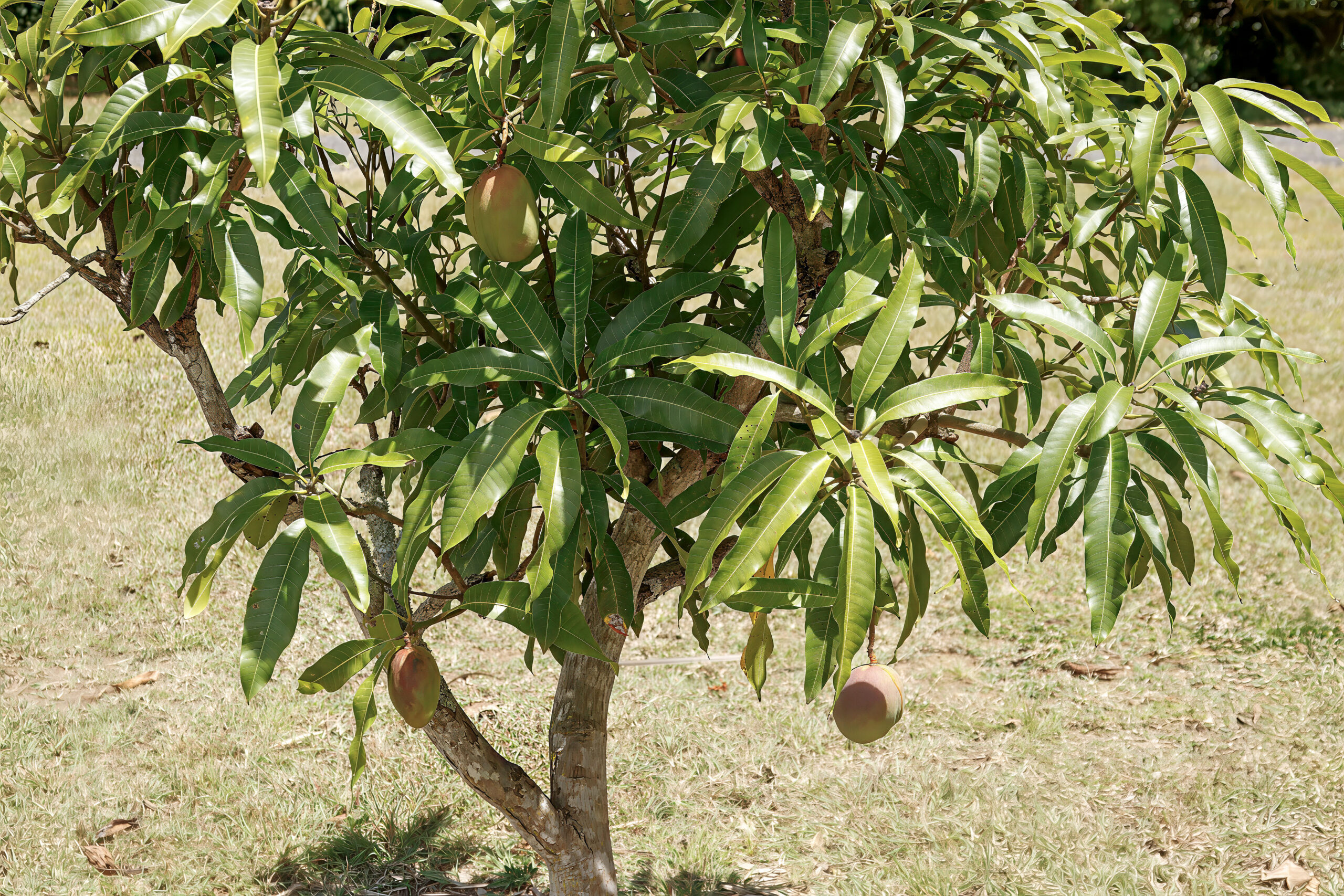
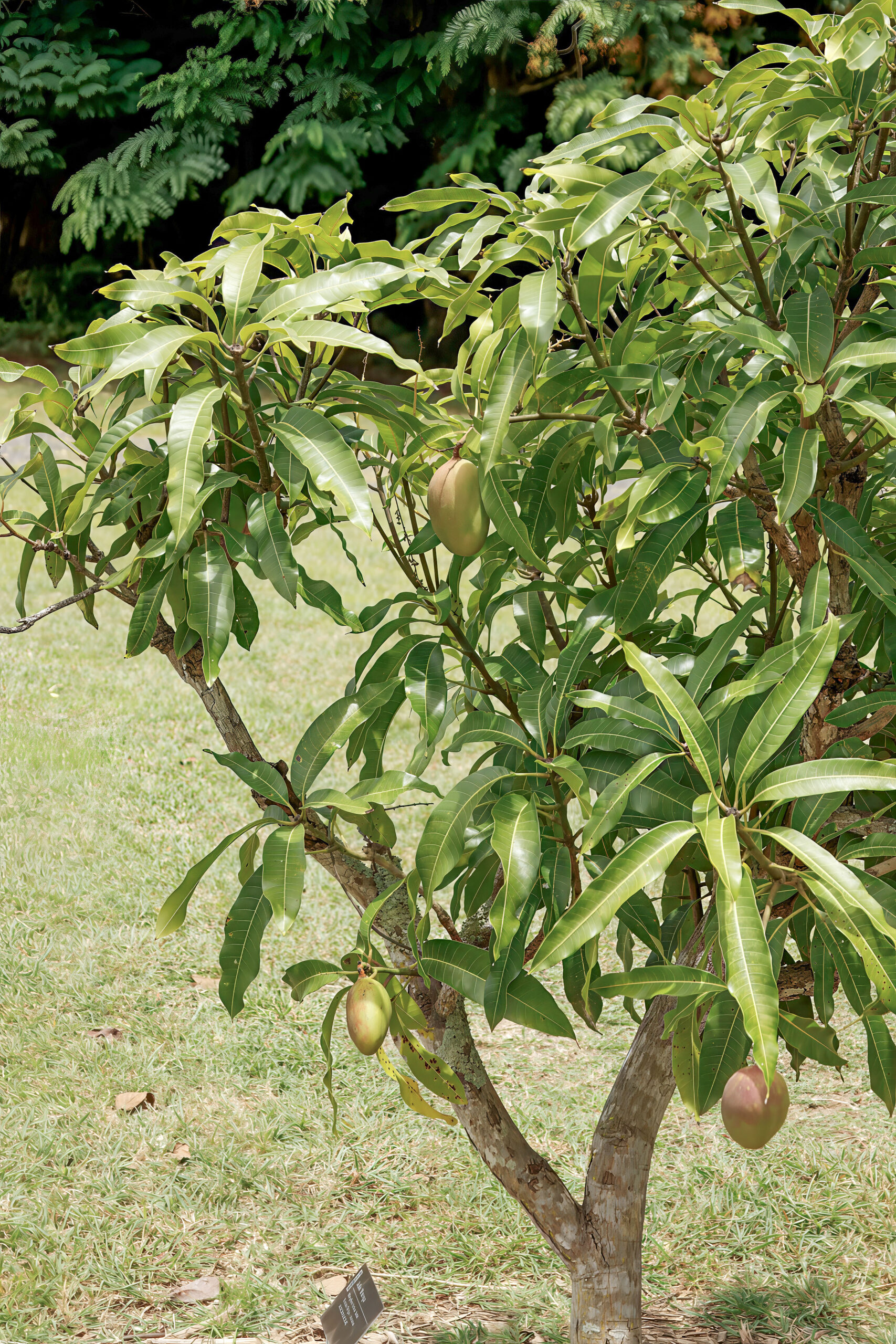
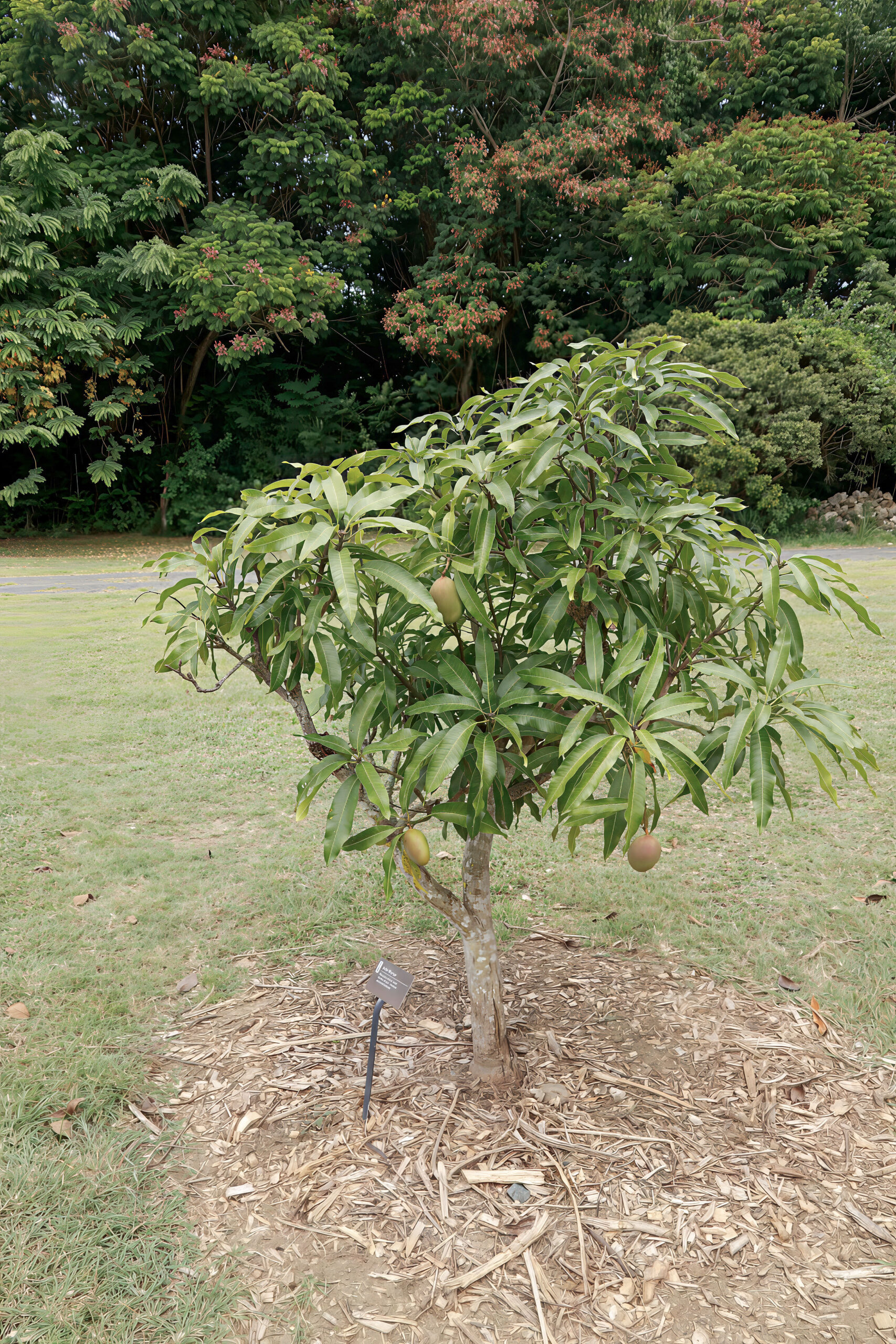
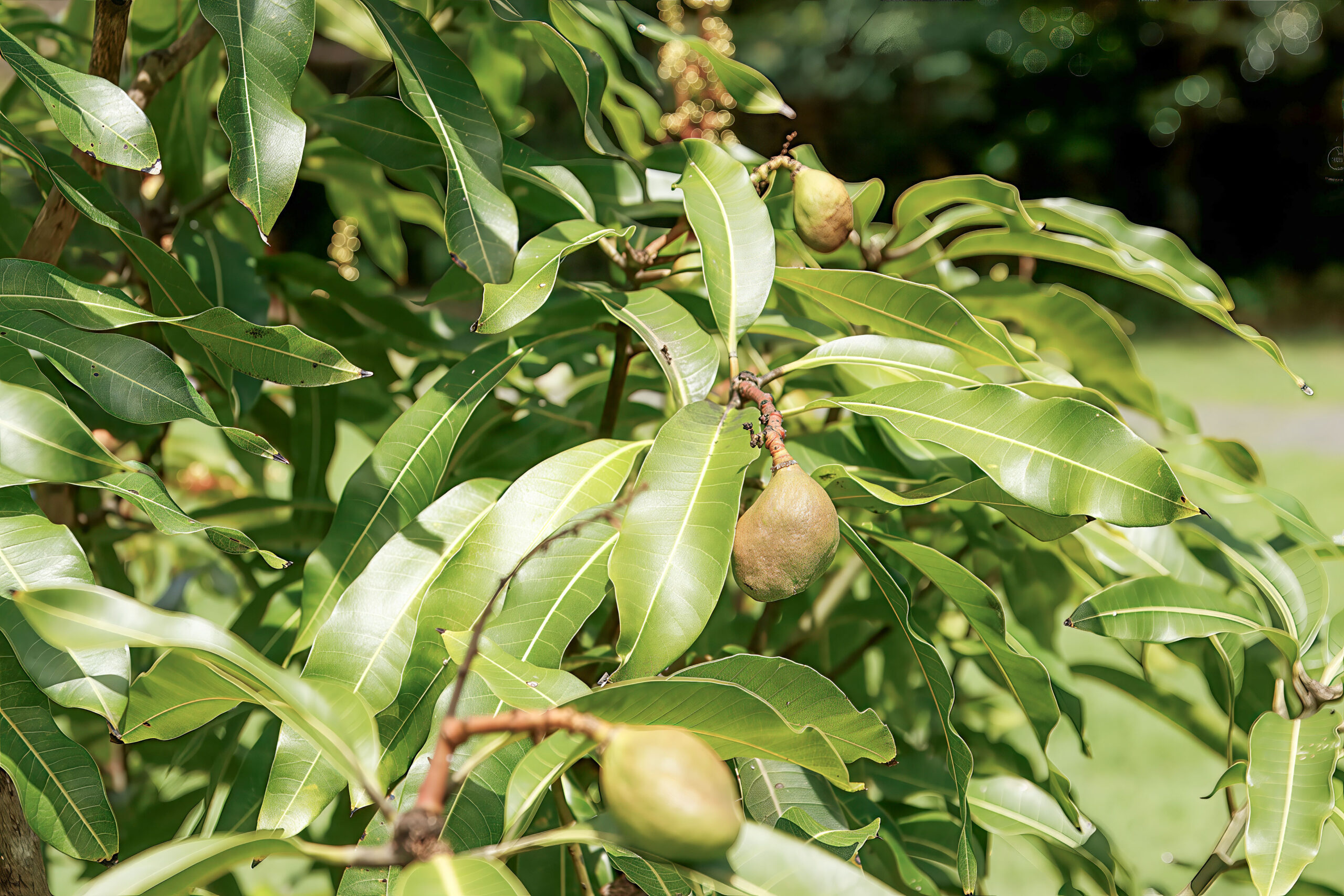
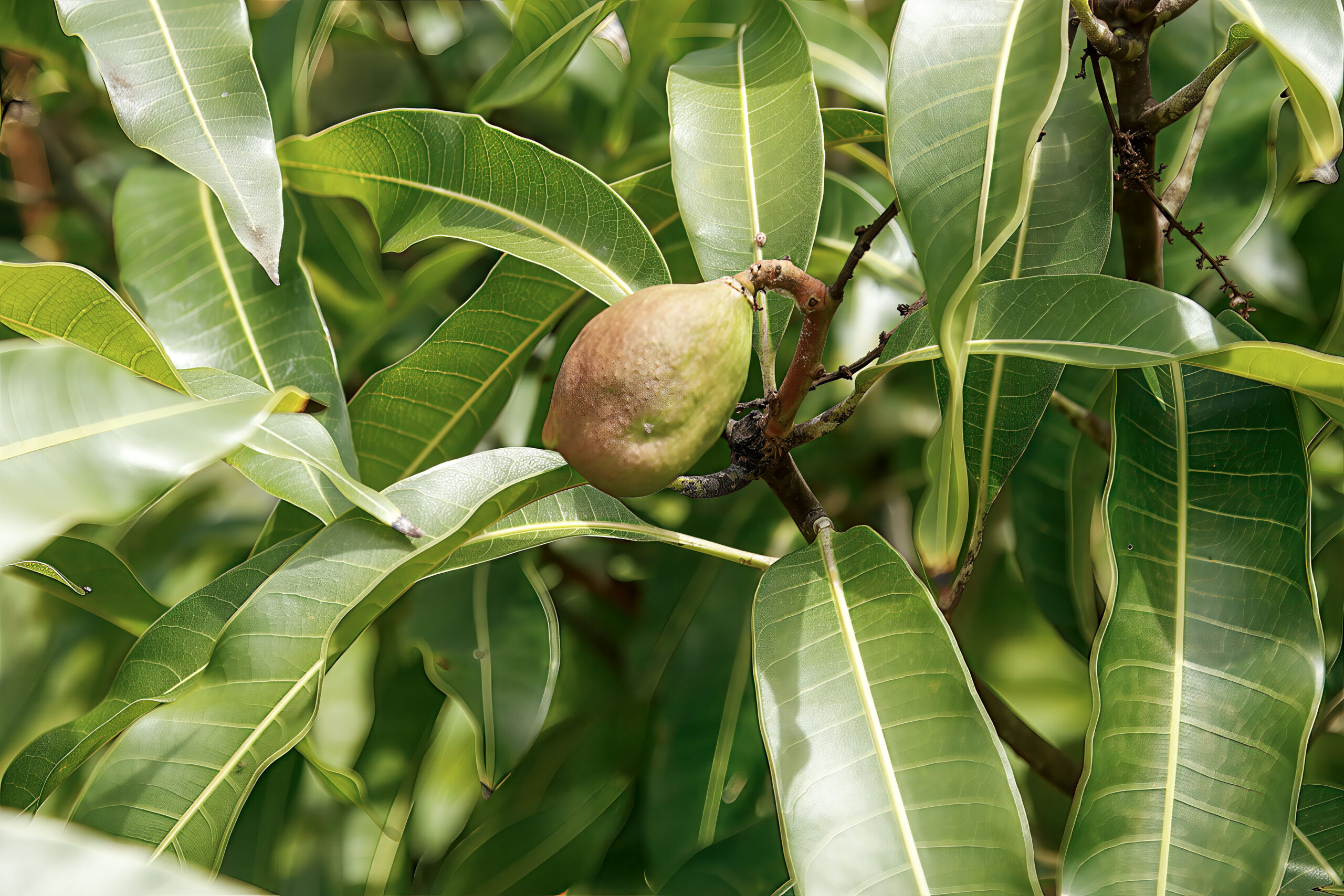
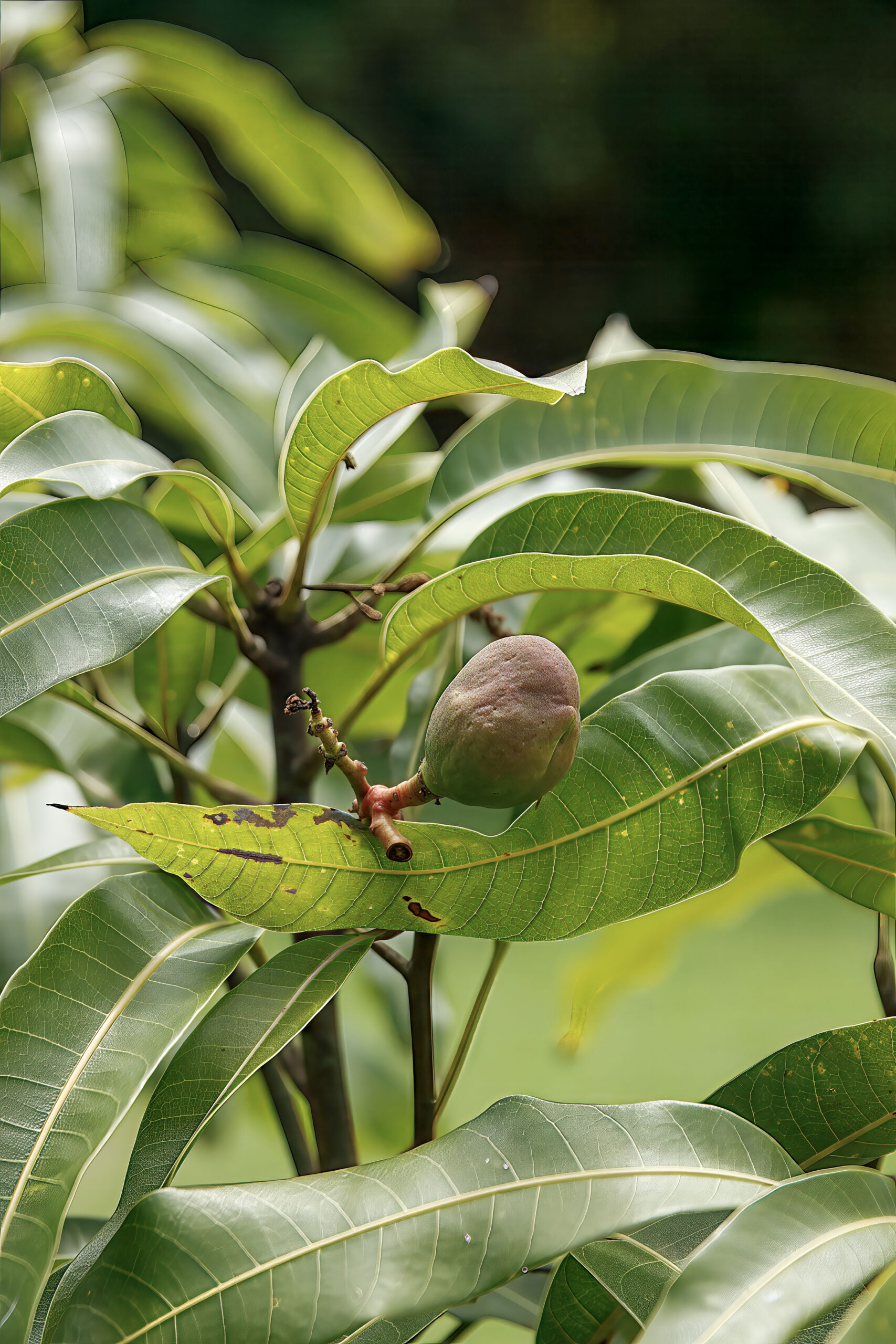
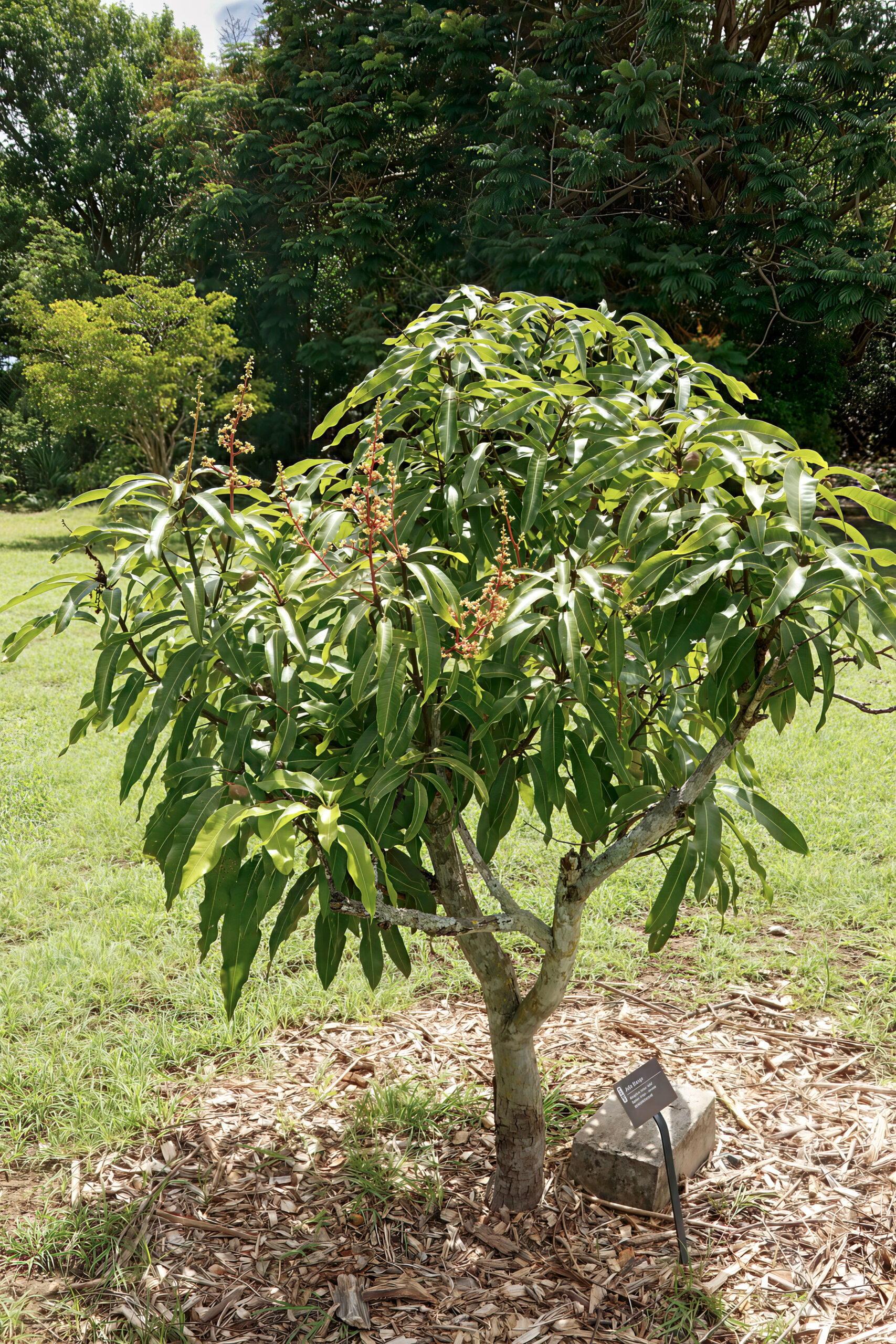
The Julie mango is a compact, slow-growing variety of Mangifera indica cherished in the Caribbean for its exceptional flavor — sweet, rich, and often described as “spicy” or “tropical candy.” The fruit is small, flattened, and oval with green-to-orange skin that often blushes red when ripe. The tree’s dense canopy and manageable size make it a popular choice for backyard gardens and small orchards.
Phenological Markers:
1. Flowering Period:
- First Sign of Budding: Late winter (January – February)
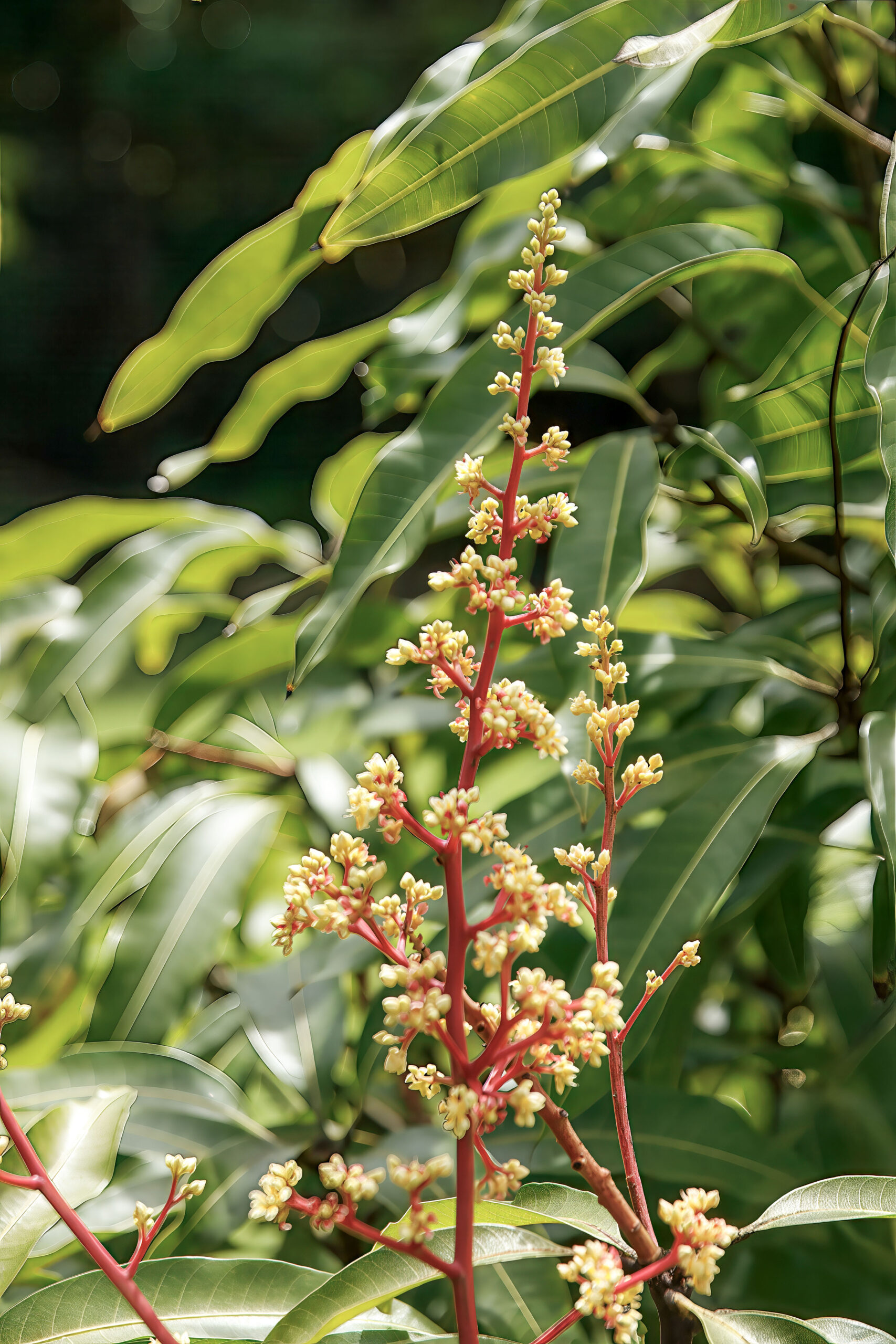
- Peak Bloom: Early to mid-spring (March – April)
- End of Flowering: Late spring (May)
- Flower Characteristics: Panicles of small, pale yellow to cream flowers; both male and hermaphroditic flowers appear on the same inflorescence
2. Leaf Growth and Senescence:
- New Leaf Growth: Late winter to early spring (February – April)
- Leaf Maturity: Spring (April – May)
- Leaf Senescence: Minimal unless under drought stress; older leaves may yellow and drop in fall
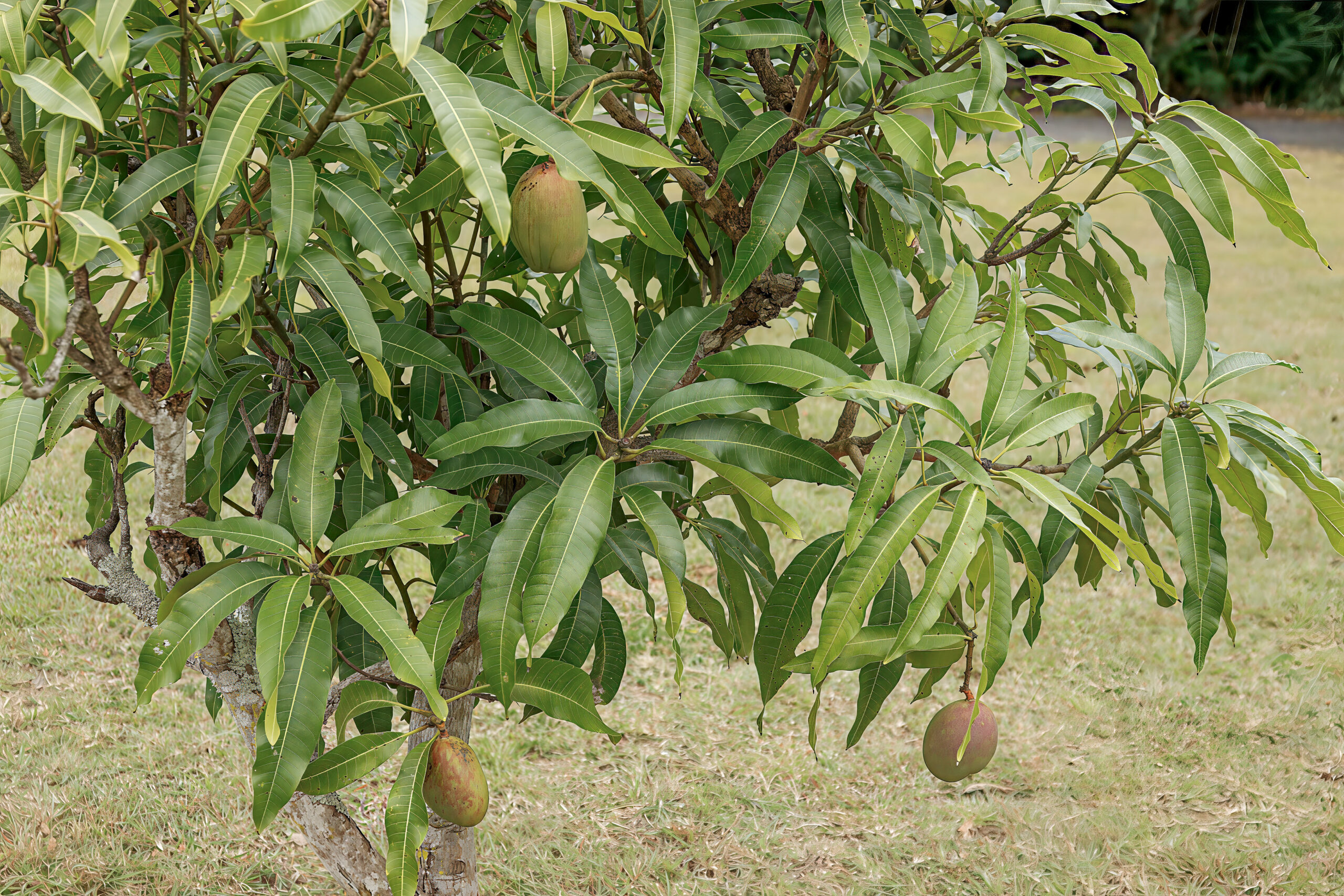
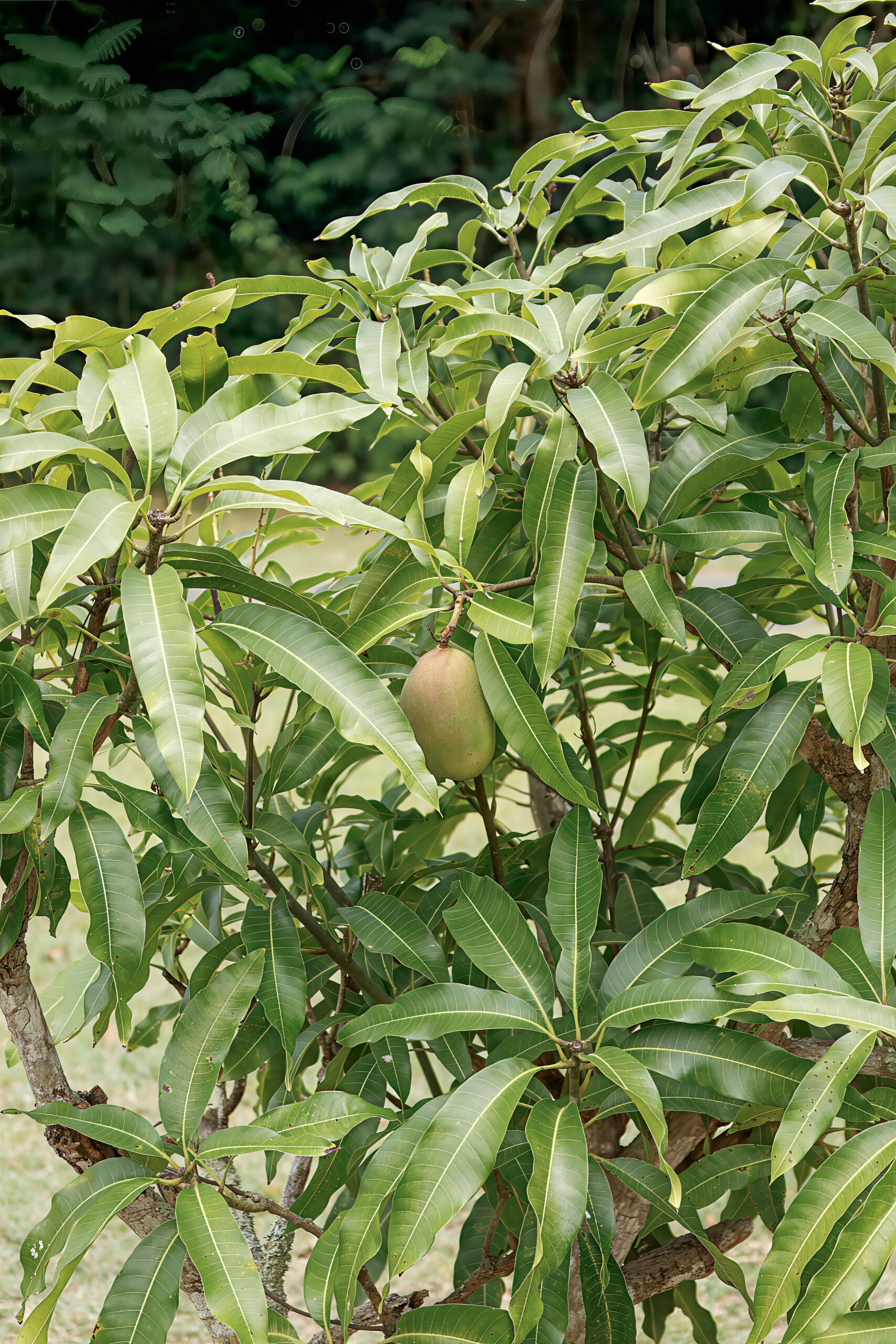
- Leaf Characteristics: Long, leathery, lance-shaped leaves; new flushes are often reddish-bronze
3. Fruit Production:
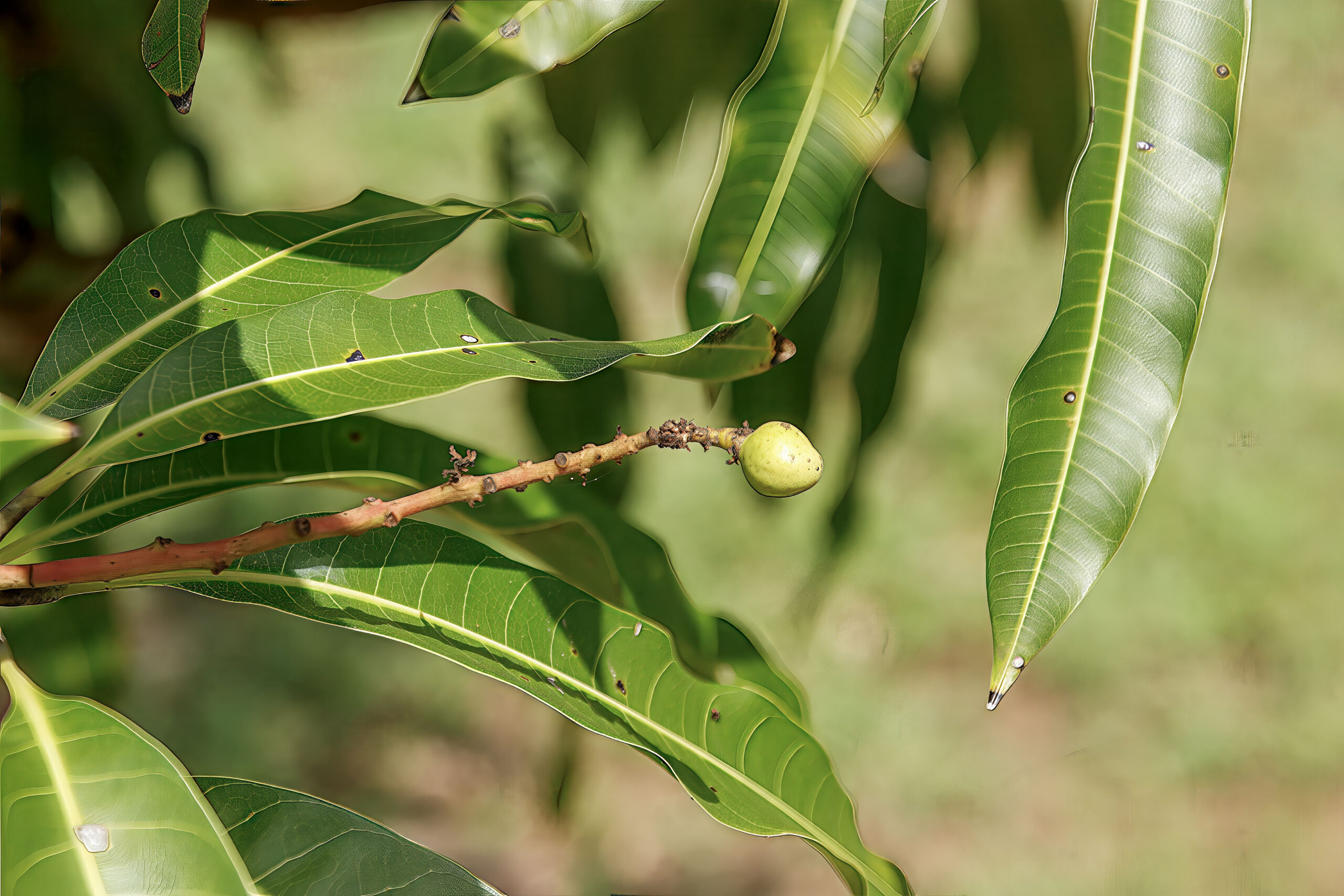
- First Sign of Fruit Set: Mid to late spring (April – May)
- Fruit Maturity: Early to mid-summer (June – July)
- End of Harvest: Late July (sometimes into August)
- Fruit Characteristics: Small to medium, flattened, fibrous flesh with rich, spicy-sweet flavor; green when immature, ripening to orange with red blush
4. Dormancy Period:
- Dormancy Begins: Fall (October – December)
- Dormancy Ends: Late winter (January – February)
- Dormancy Characteristics: Slowed growth; minimal flowering or leaf production; often triggered by reduced day length and dry season
Ecological Notes:
- Pollinators: Primarily small insects (flies, bees, ants)
- Wildlife Interaction: Fruit attracts birds, bats, and small mammals; fallen fruit can promote seedling growth
- Soil Preferences: Well-drained, sandy loam; sensitive to standing water
- Growth Habit: Semi-dwarf (10–15 feet tall); ideal for small orchards or home gardens
Observational Guidelines:
- Best Time for Observation: March through July for flowering and fruit development
- Photographic Focus: Panicles, new flushes, fruit development and ripening stages
- Phenology Triggers: Flowering and fruiting are strongly tied to the dry-to-wet seasonal transition
- Cultivation Notes: Prune lightly after harvest to maintain shape; overwatering during dormancy may delay flowering