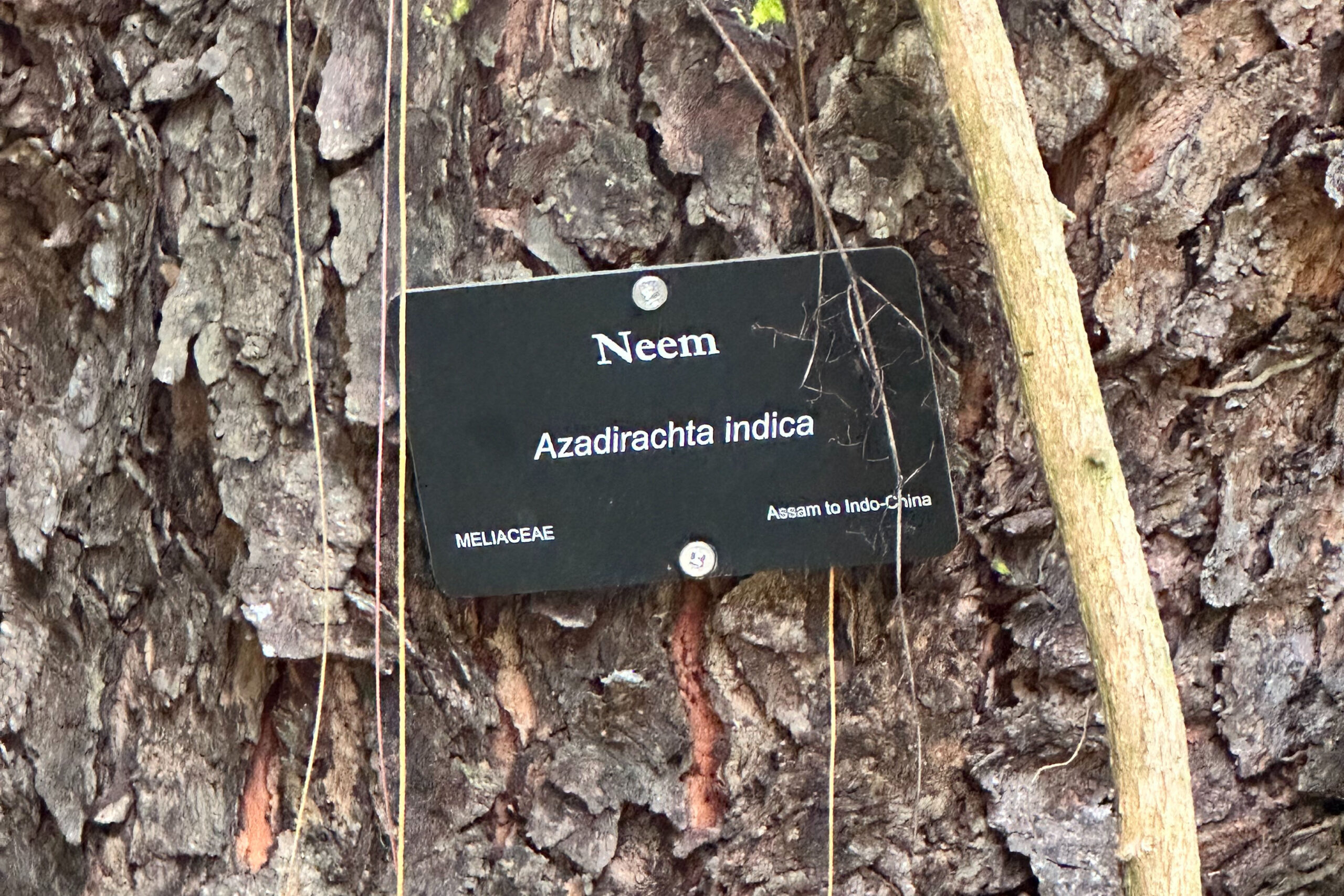
Neem
Scientific name: Azadirachta indica
POWO Status: Tree
IUCN Red List threat level: Least Concern
GPS Location: 17° 42′ 57.76″ N, 64° 49′ 51.60″ W


Medicinal Uses
Azadirachta indica (Neem) is a versatile medicinal plant used in traditional medicine for its antibacterial, antifungal, anti-inflammatory, and insecticidal properties, treating conditions from skin issues (acne, eczema) and fever to dental problems (plaque, gingivitis) and boosting immunity, with nearly all parts of the tree holding therapeutic potential. Its extracts are found in soaps, mouthwashes, and pesticides, leveraging compounds like azadirachtin and quercetin for various ailments, though some uses lack robust scientific evidence.
Key Medicinal Uses & Properties:
- Skin Conditions: Antibacterial and anti-inflammatory properties help treat acne, eczema, psoriasis, and fungal infections.
- Oral Health: Leaf extracts reduce tooth plaque and gingivitis; twigs serve as natural toothbrushes, while bark helps with bleeding gums.
- Fever & Pain: Acts as an antipyretic (fever-reducing) and analgesic (pain-relieving) agent, also used for malaria.
- Immunity: Boosts immune function due to its antimicrobial and antibacterial effects.
- Detoxification: Stimulates liver and kidneys to help eliminate toxins.
- Insect & Pest Control: Acts as a natural repellent and insecticide, used for lice, mosquitoes, and in garden sprays.
- Gastrointestinal Issues: May help with ulcers and support liver health.
- Other Uses: Anti-diabetic, anti-cancer, antioxidant, and wound-healing properties are also reported.
How it’s Used:
- Leaves: Tea, capsules, paste for skin, insect repellent.
- Bark: Decoctions for fever, oral hygiene.
- Seeds/Oil: Cosmetics, soaps, pesticides, skin treatments.
- Flowers: Digestive health, blood purification.
Important Note:
While widely used, scientific evidence for some uses is limited, and it’s best to consult a healthcare professional before using neem for specific conditions.
Observations:
Phenological Markers – Azadirachta indica
Common Name: Neem Tree
Scientific Name: Azadirachta indica A. Juss.
Family: Meliaceae
Leaf Phenology
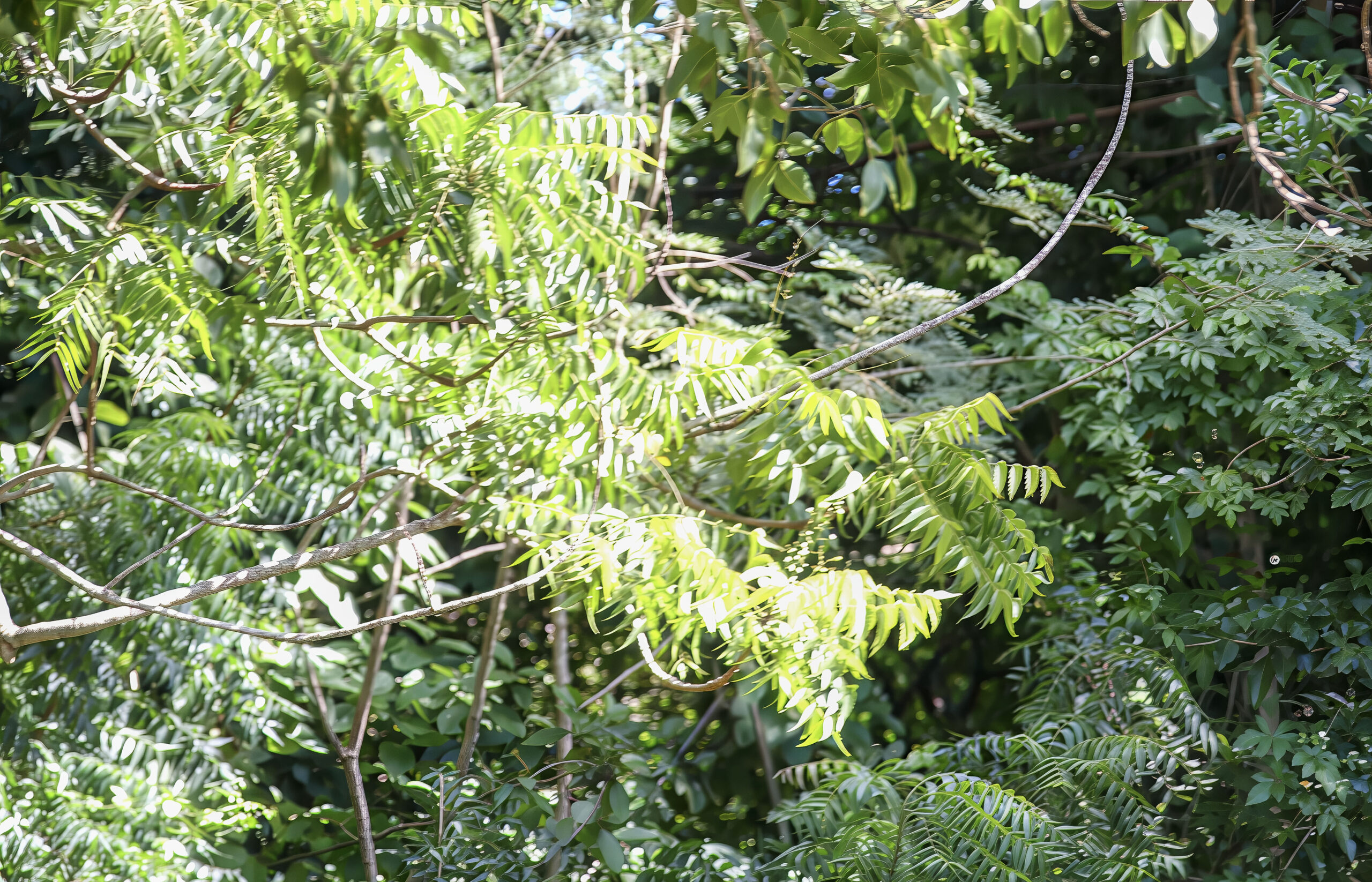
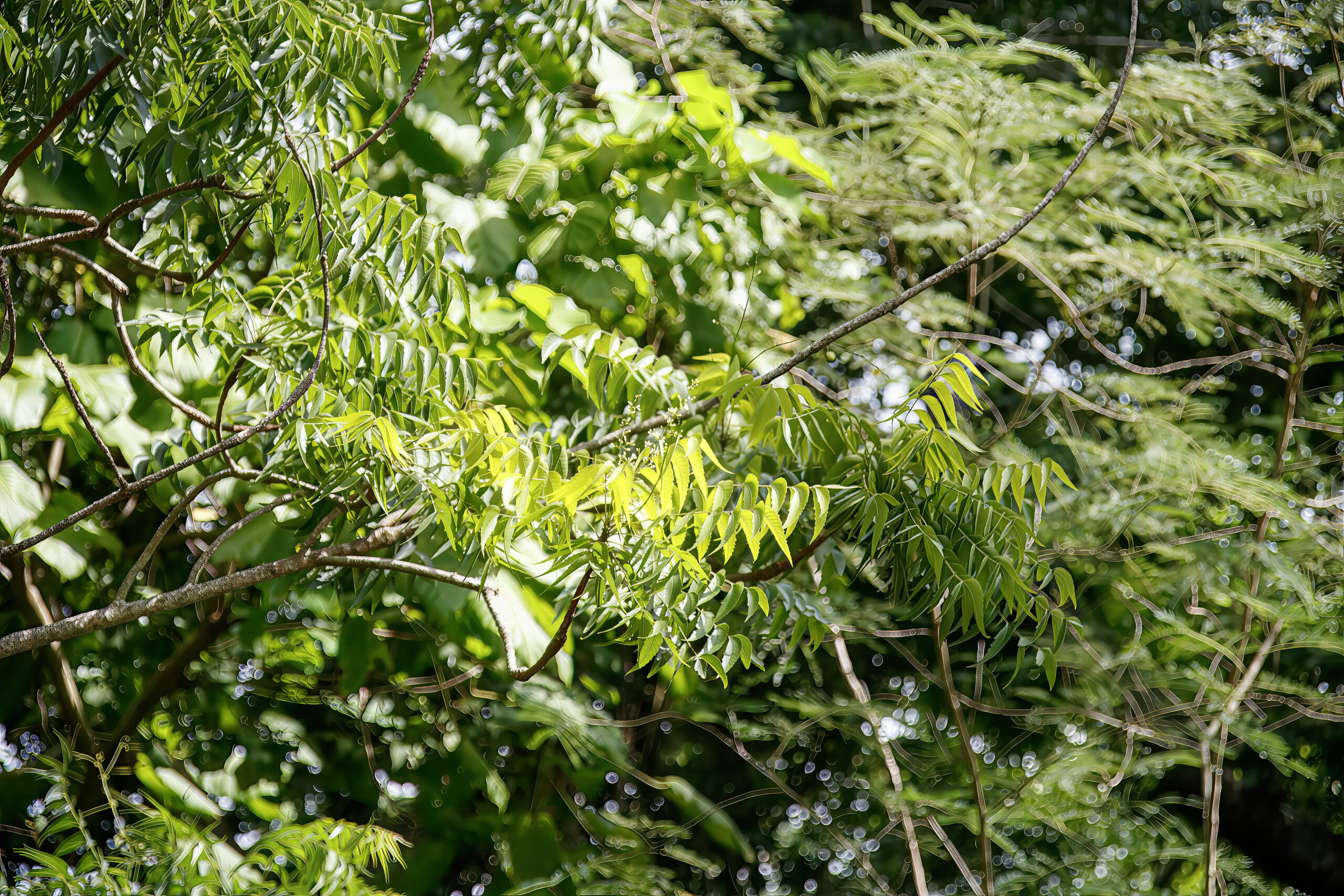
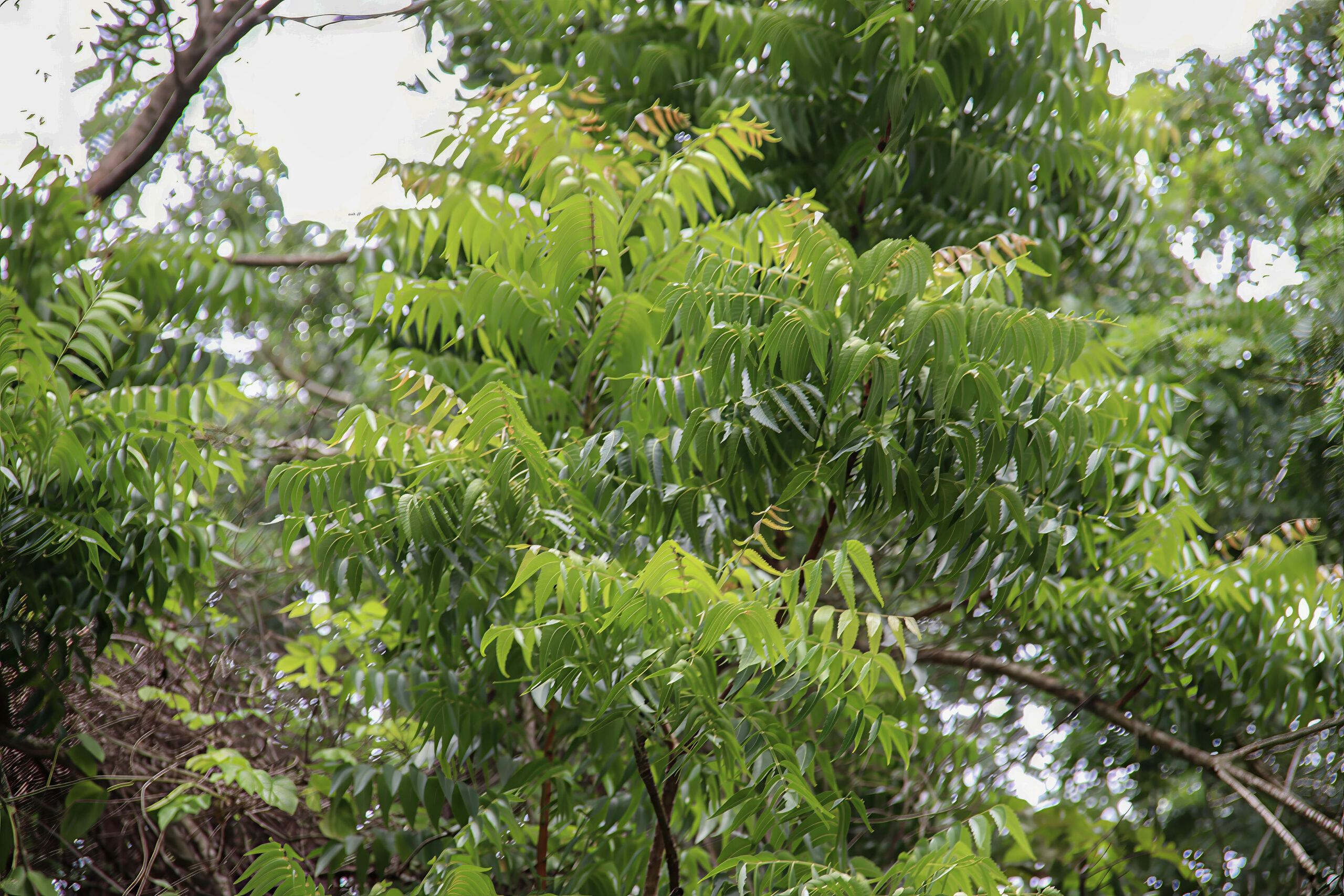
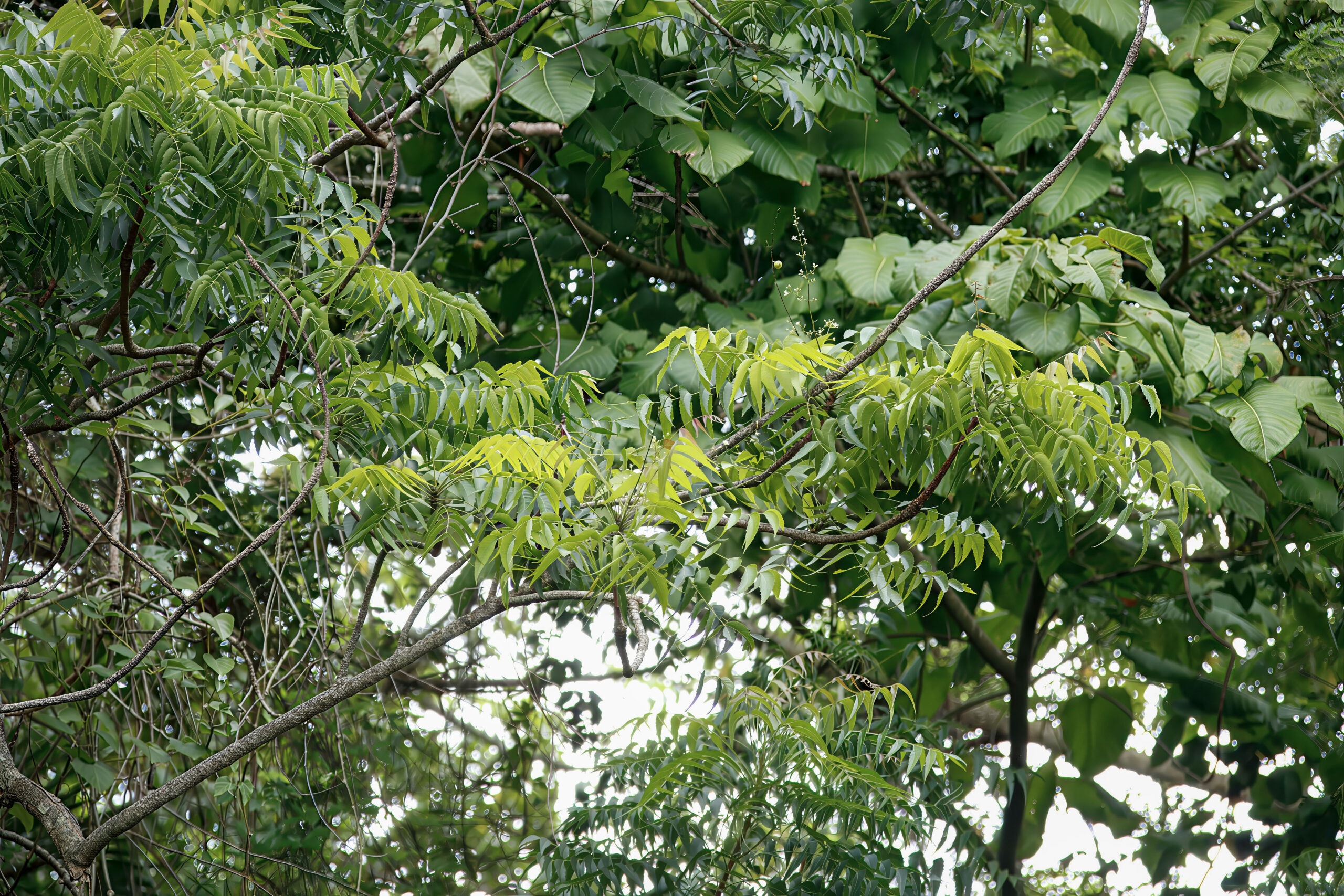
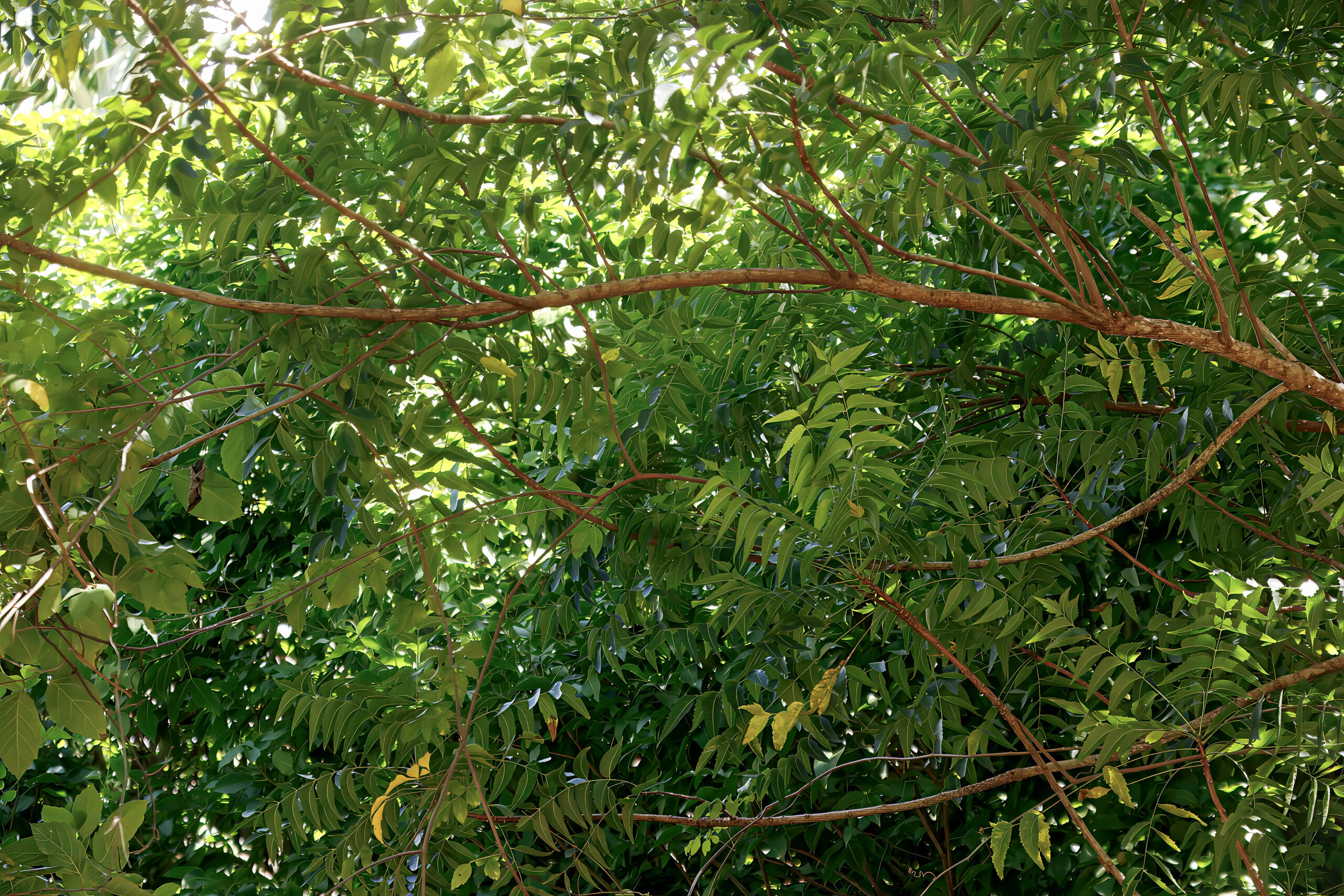
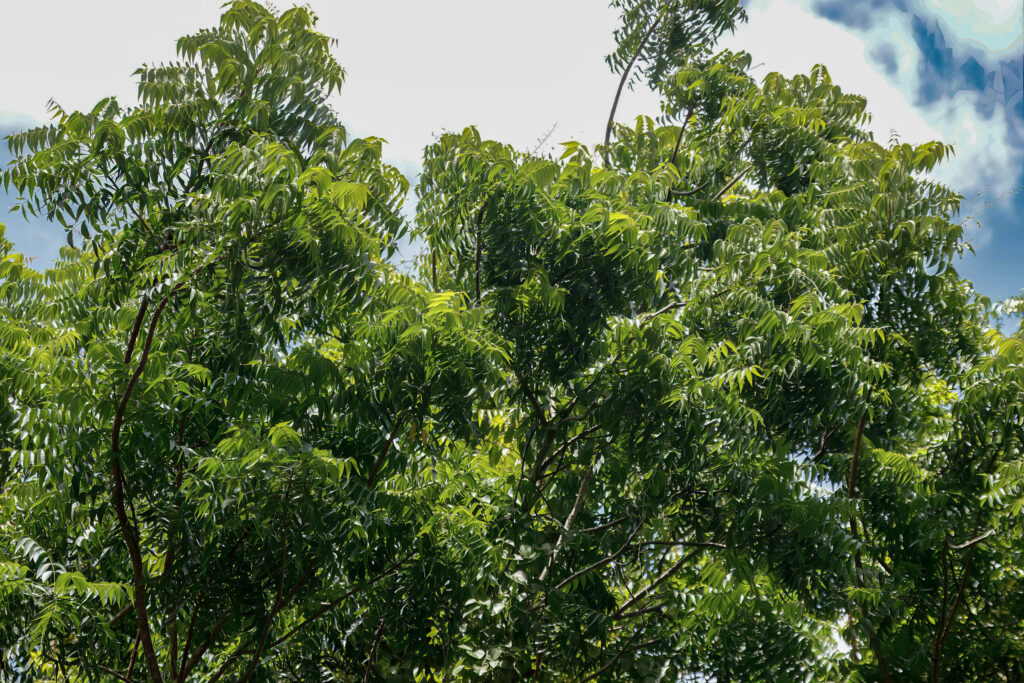
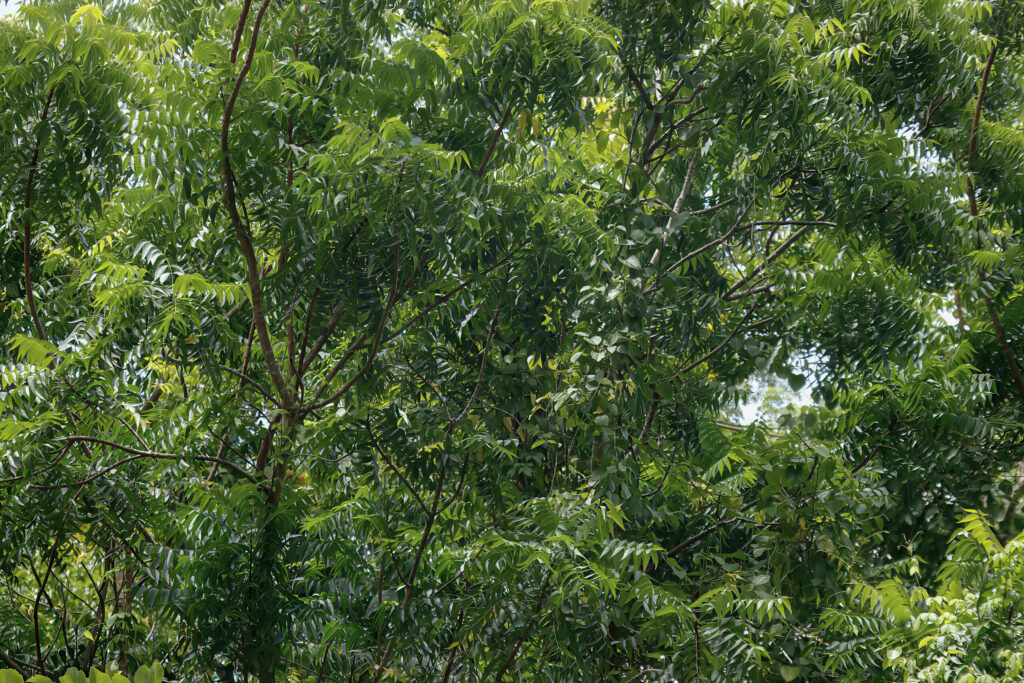
- Leaf Type: Pinnately compound with 5–15 sharply serrated leaflets
- Deciduous Status: Semi-deciduous — may shed many or all leaves during extended dry periods or seasonal droughts
- Leaf Flush: New leaves typically emerge in late dry season to early rainy season, often in sync with flowering
- Senescence: Yellowing and drop of older leaves during dry season or stress; often followed immediately by new growth
Flowering
- Inflorescence: Axillary panicles of small, fragrant, white to cream-colored flowers
- Blooming Period: Typically late dry season to early rainy season (spring to early summer in tropics)
- Pollinators: Bees and other small insects
- Phenological Indicator: Dense sprays of small white flowers among or just after new leaf flush
Fruiting
- Fruit Type: Smooth olive-like drupe; green when unripe, yellow when mature
- Fruit Development: Begins soon after flowering and matures in 1–3 months
- Dispersal: Birds, bats, and other animals; also gravity
- Phenological Indicator: Green to yellow fruits hanging singly or in small clusters along branches
Suggested Photo Angles
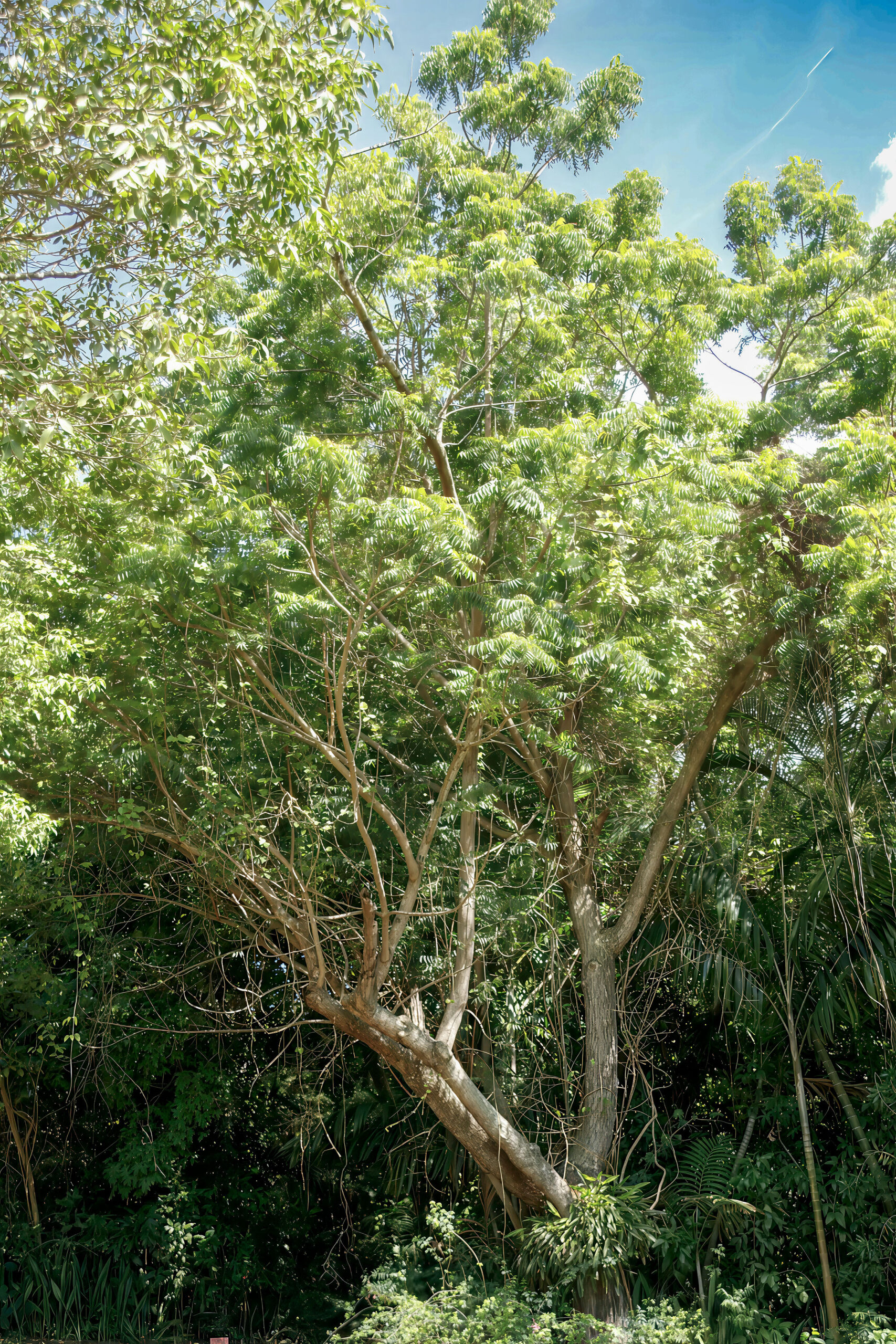
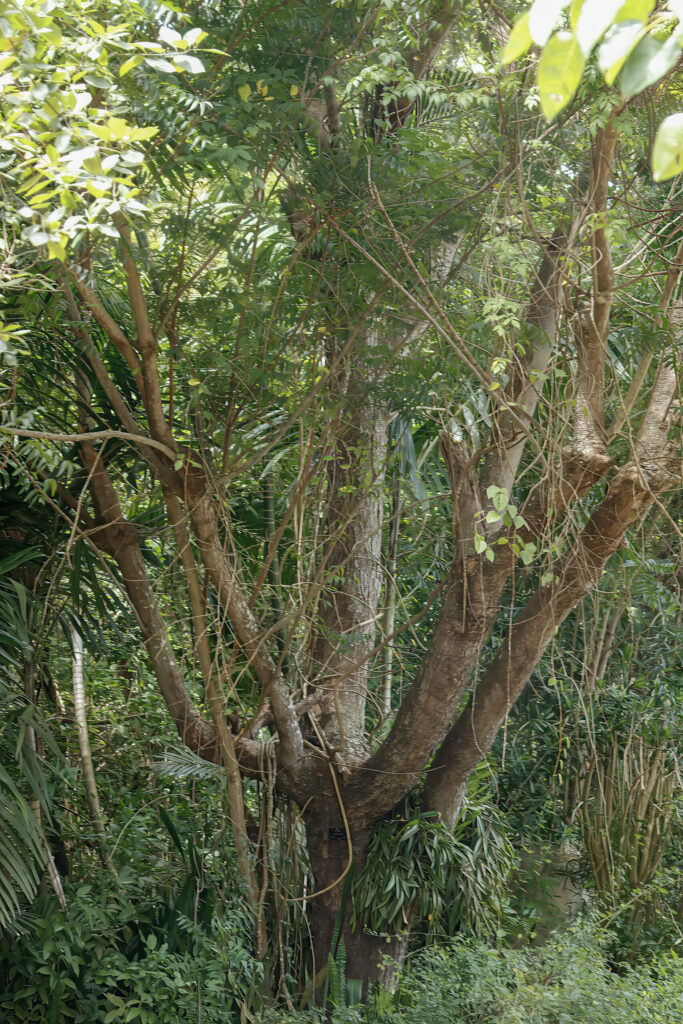
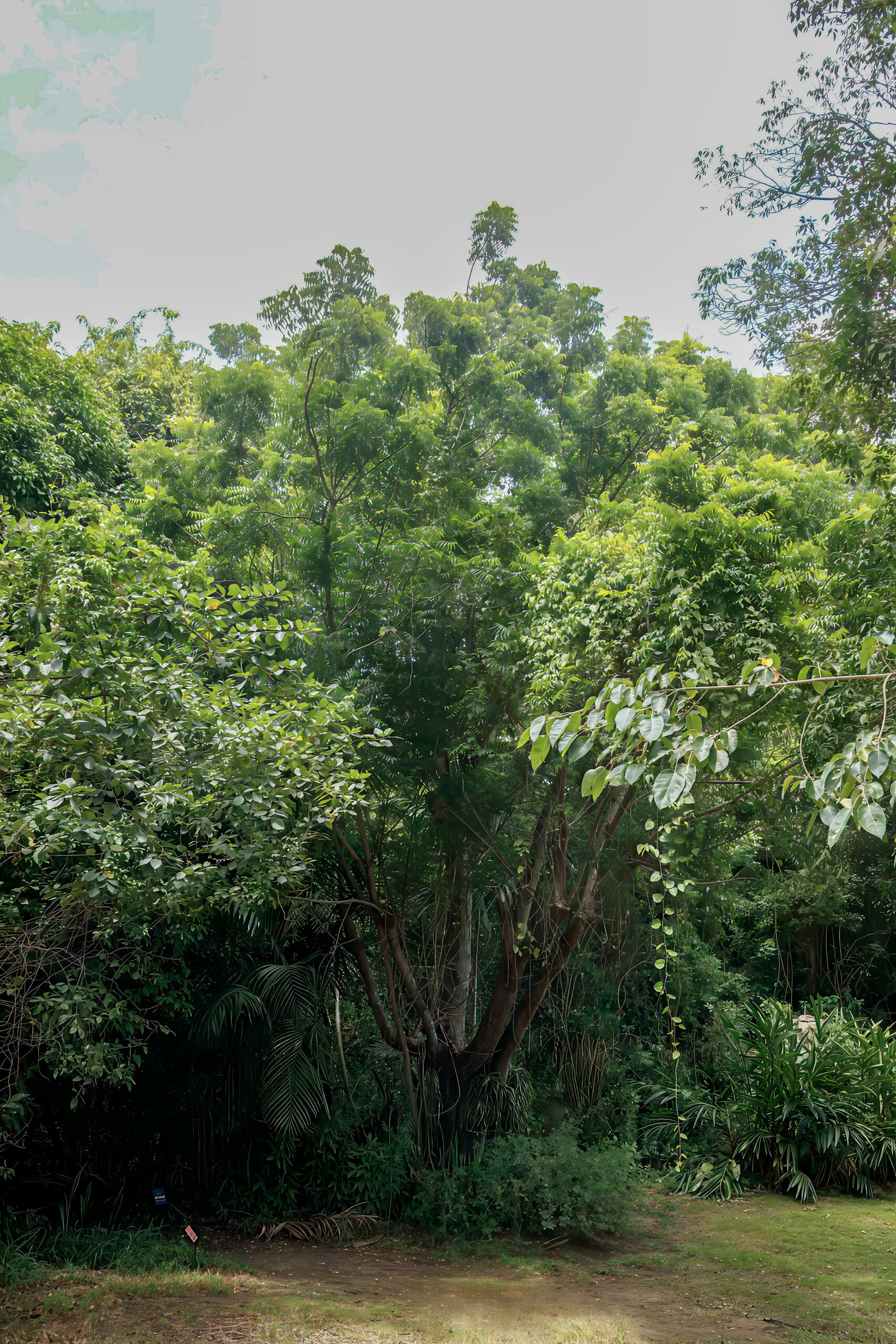
- Full tree (noting rounded crown and spreading limbs)
- Leaf flush and compound leaf close-ups
- Flower panicles (small, white, abundant)
- Immature green and mature yellow fruits
- Seasonal leaf drop or transition from bare to flushed canopy
Notes for Monitoring
Useful for tracking seasonal transitions from dry to wet periods in the landscape
Azadirachta indica is native to South Asia but widely planted across the tropics for its medicinal, pesticidal, and drought-tolerant qualities
Leaf flush, flowering, and fruiting are often closely timed and offer excellent seasonal markers
In dry tropics, the tree may become nearly leafless before flushing and blooming explosively