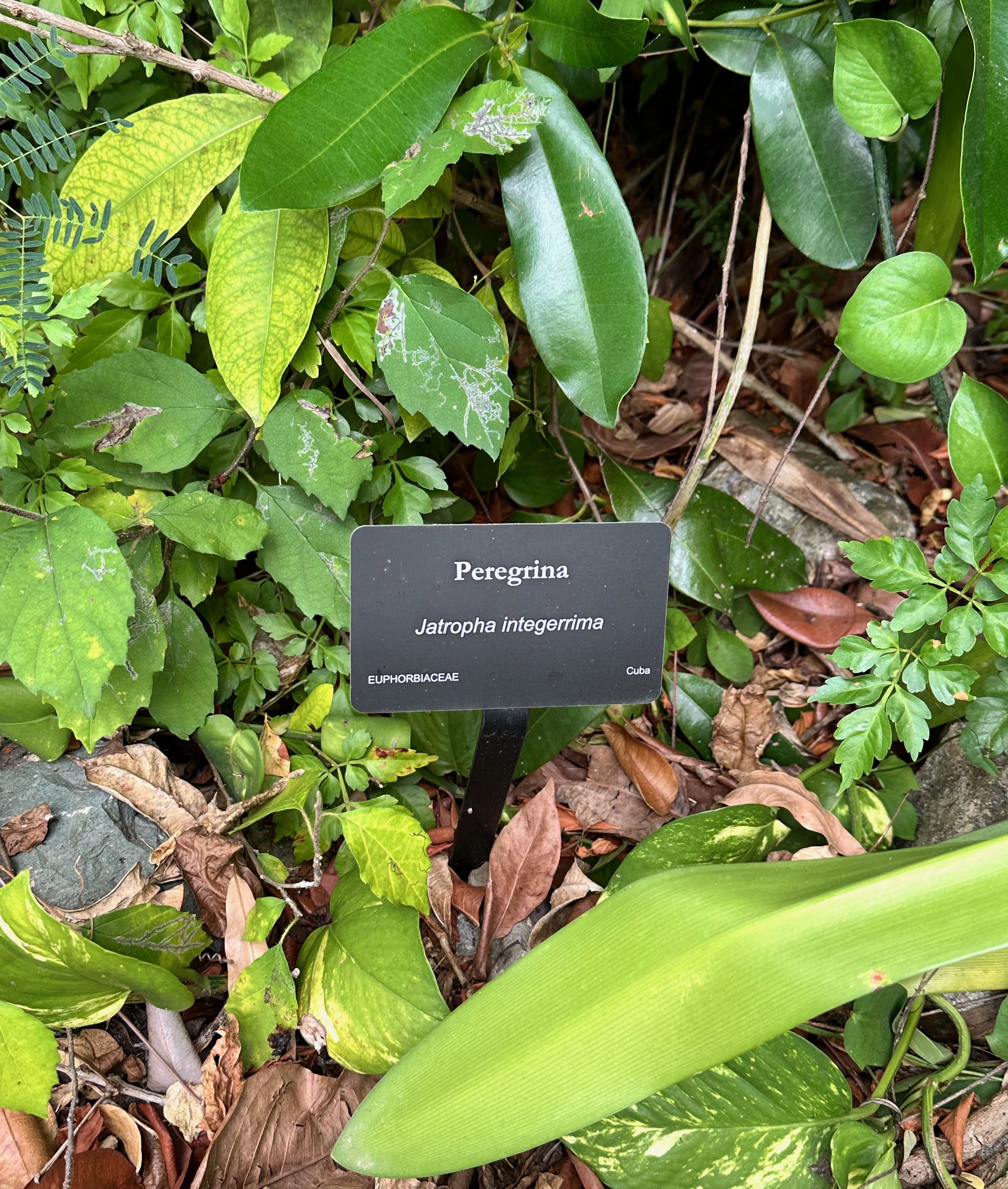
Peregrina

Scientific name: Jatropha integerrima

POWO Status: Shrub or Tree

IUCN Red List threat level: Least Concern

GPS Location: 17° 42′ 56.78″ N, 64° 49′ 45.84″ W

Medicinal Uses

Jatropha integerrima (Spicy Jatropha) is traditionally used for skin issues like eczema, warts, scabies, and herpes, as well as for toothaches and rheumatism, while scientific studies show its extracts possess promising antioxidant, anti-inflammatory, and antimicrobial properties, though all parts are toxic if ingested, requiring caution and more research for safe, effective medicinal use. 

Traditional Medicinal Uses:

  • Skin Conditions: Leaves used as poultices for eczema, pruritus (itching), warts, and ringworm.
  • Pain Relief: Applied for toothaches and rheumatism.
  • Fever: Used traditionally to reduce fever.
  • Gastrointestinal Issues: Traditional uses include treating diarrhea and dysentery.
  • Respiratory Health: Steam from boiled leaves inhaled for coughs and colds. 

Scientific Findings & Properties:

  • Antioxidant: Flowers and extracts show strong antioxidant activity, protecting against cell damage.
  • Anti-inflammatory: Extracts demonstrate effectiveness in reducing inflammation, both topically and orally.
  • Antimicrobial: Extracts exhibit antibacterial properties against various bacteria, including E. coli and S. aureus.
  • Cytotoxic: Studies suggest potential cytotoxic effects against cancer cells, but this needs careful study due to plant toxicity.
  • Phytochemicals: Rich in compounds like flavonoids, coumarins, diterpenes, and cyclic peptides, which contribute to its bioactivity. 

Important Considerations:

  • Toxicity: All parts of Jatropha integerrima are poisonous if ingested, emphasizing the need for careful preparation and dosing.
  • Research Needed: While promising, extensive scientific research is still required to fully understand its safety and efficacy for medicinal applications.

Observations:

Phenological Markers – atropha integerrima

Common Name: Peregrina, Spicy Jatropha
Scientific Name: Jatropha integerrima Jacq.
Family: Euphorbiaceae


Leaf Phenology

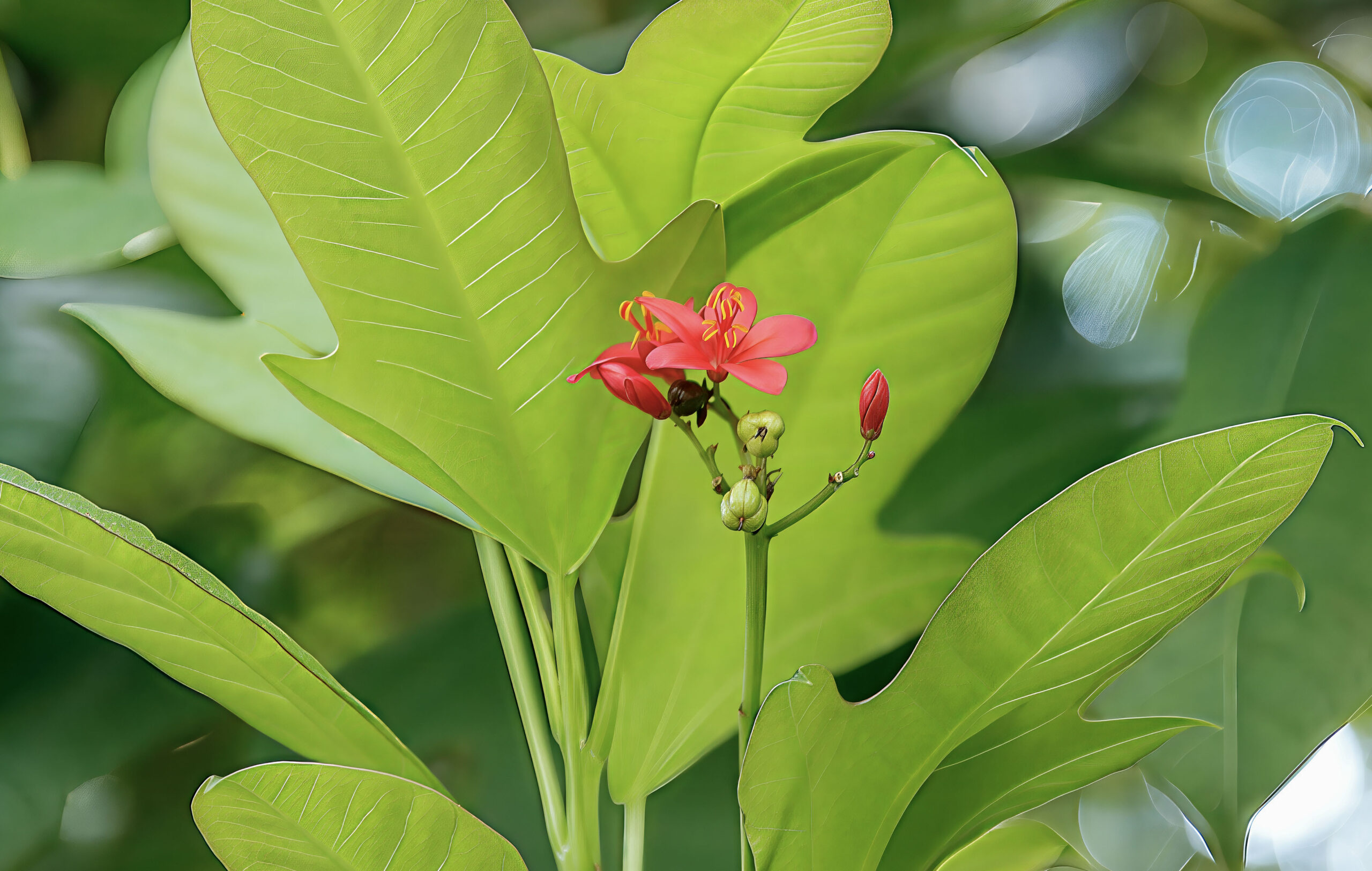
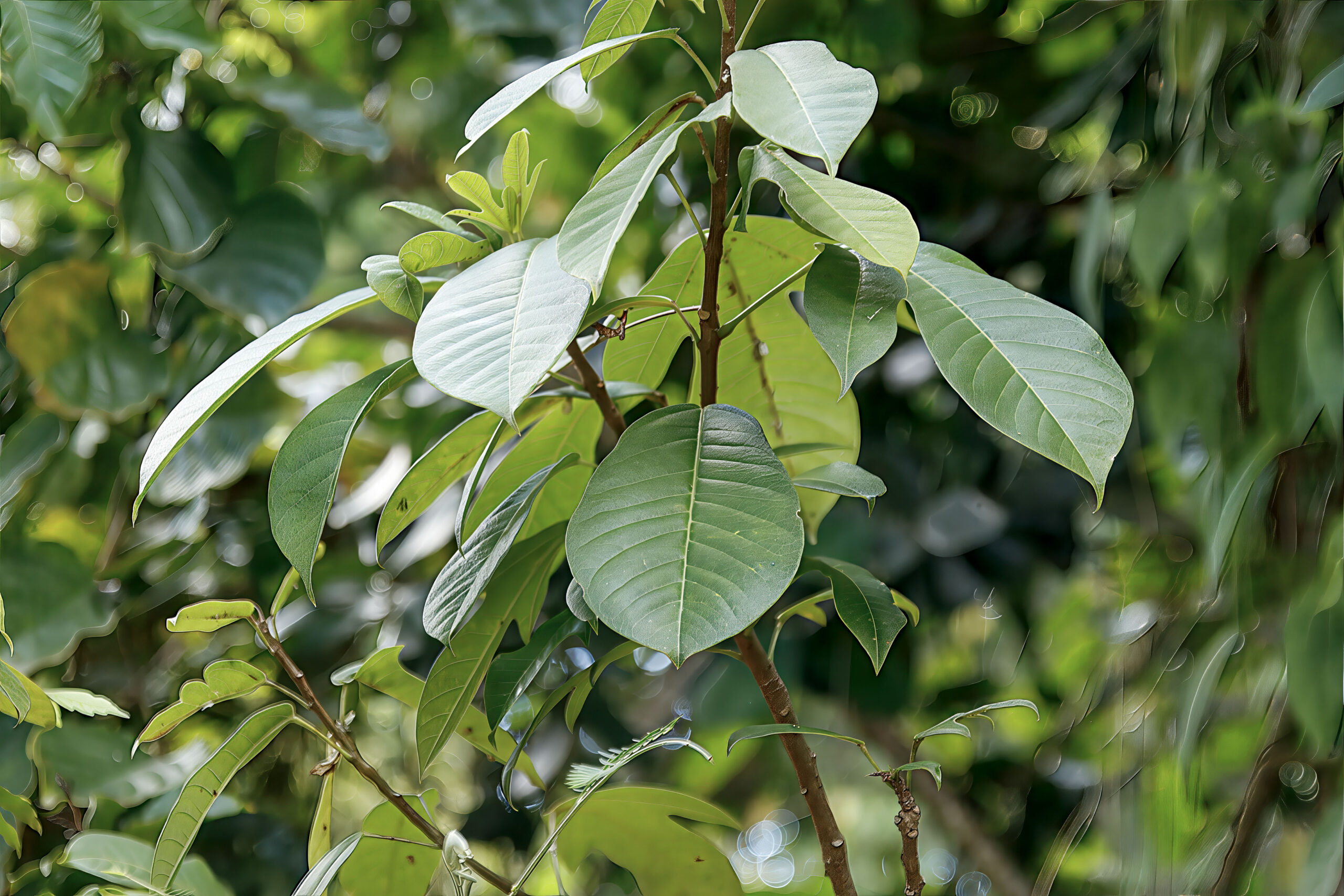
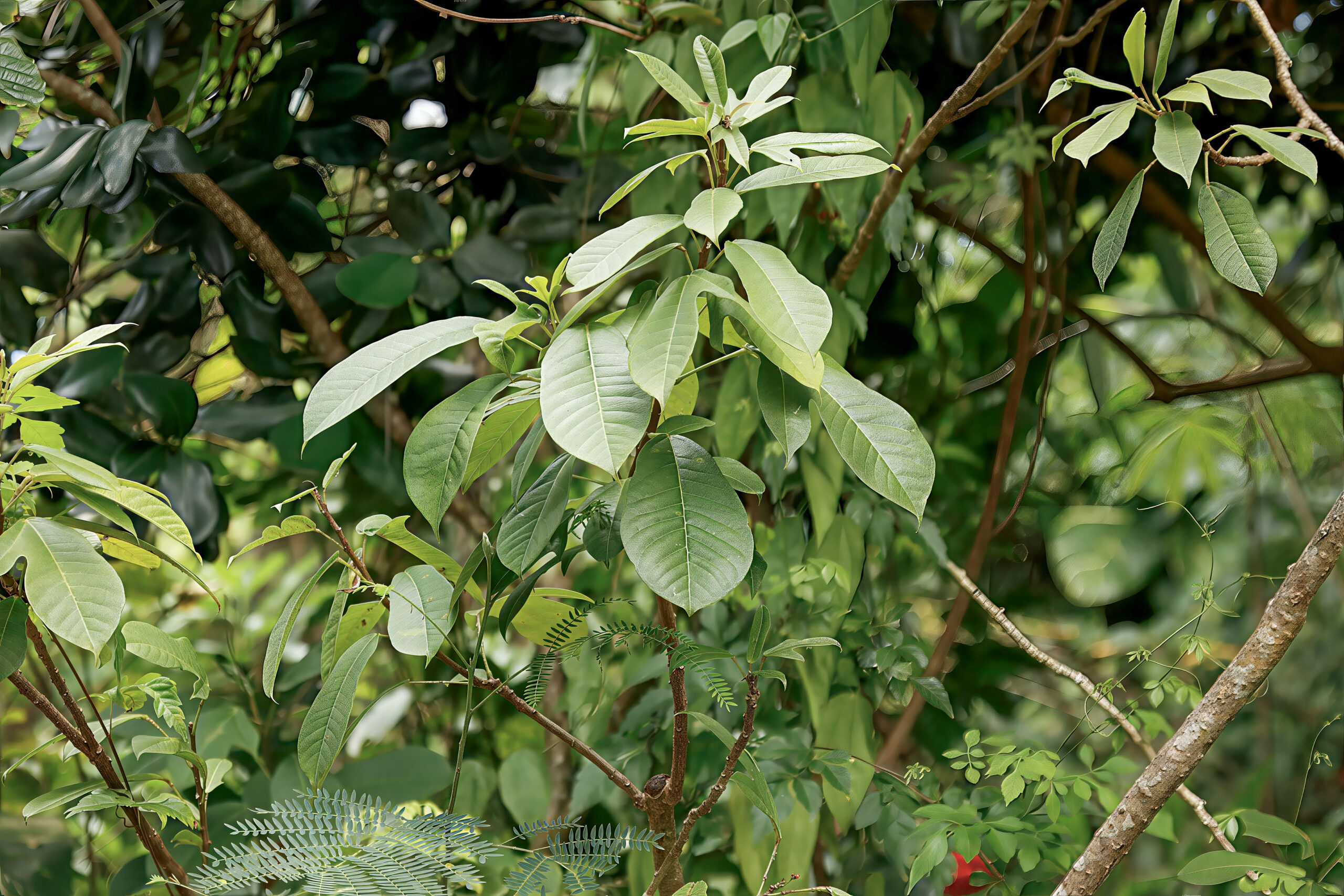
  • Leaf Type: Simple, alternate, variable in shape—entire, lobed, or fiddle-shaped; glossy dark green
  • Evergreen: Yes, in warm tropical climates
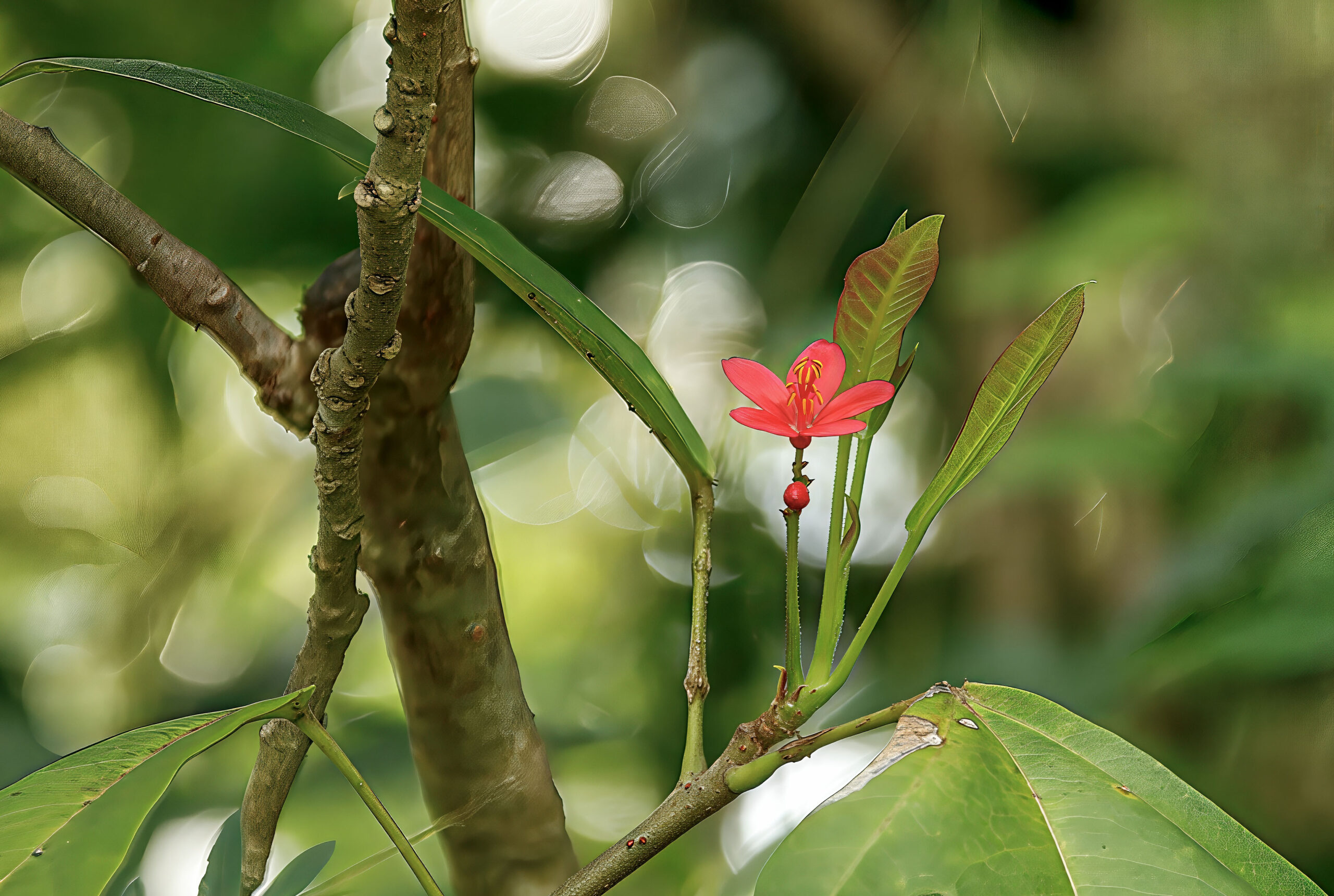
  • Leaf Flush: Continuous, especially after pruning or active flowering; new leaves are reddish or bronze
  • Senescence: Individual older leaves yellow and drop over time, but overall canopy remains green

Flowering

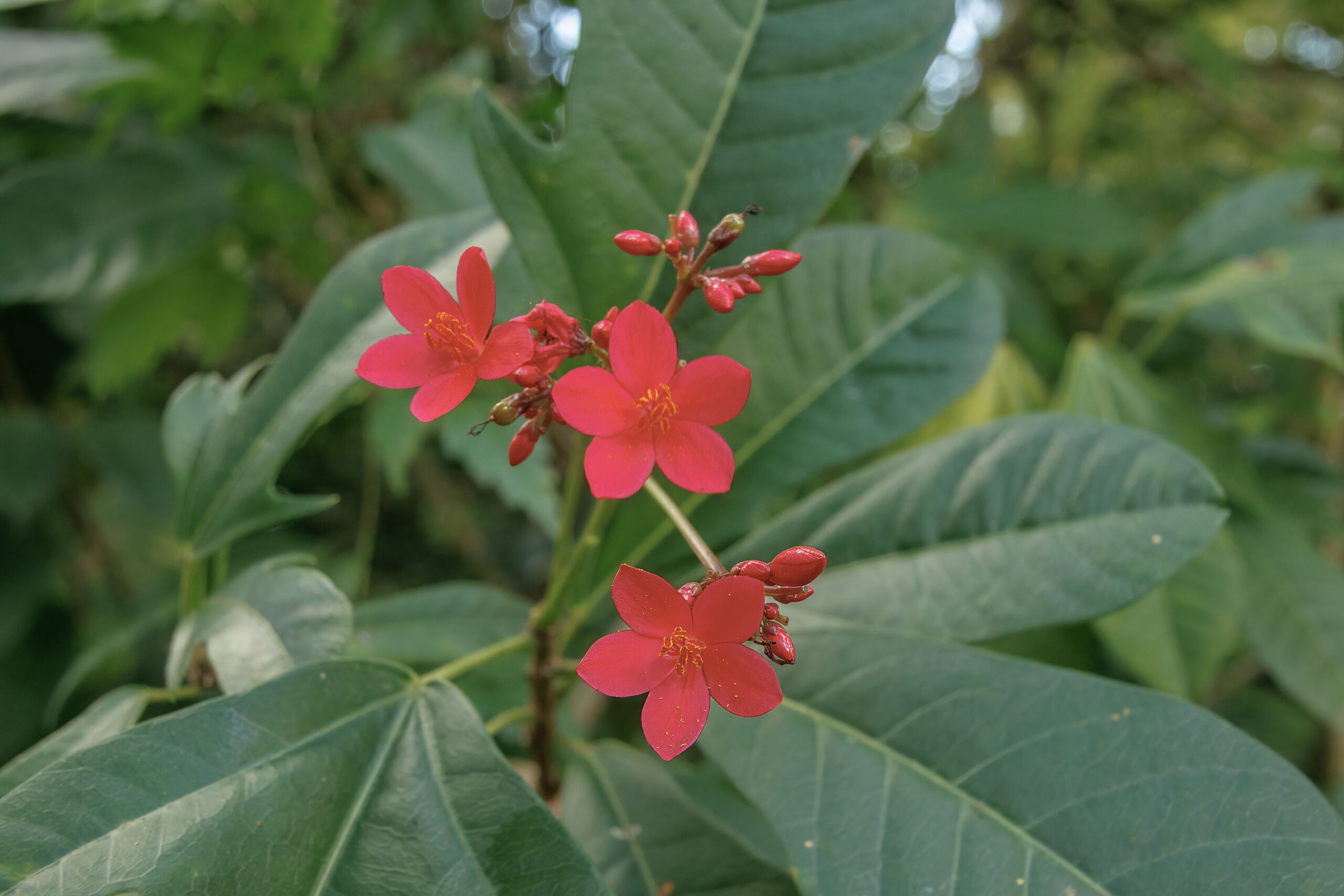
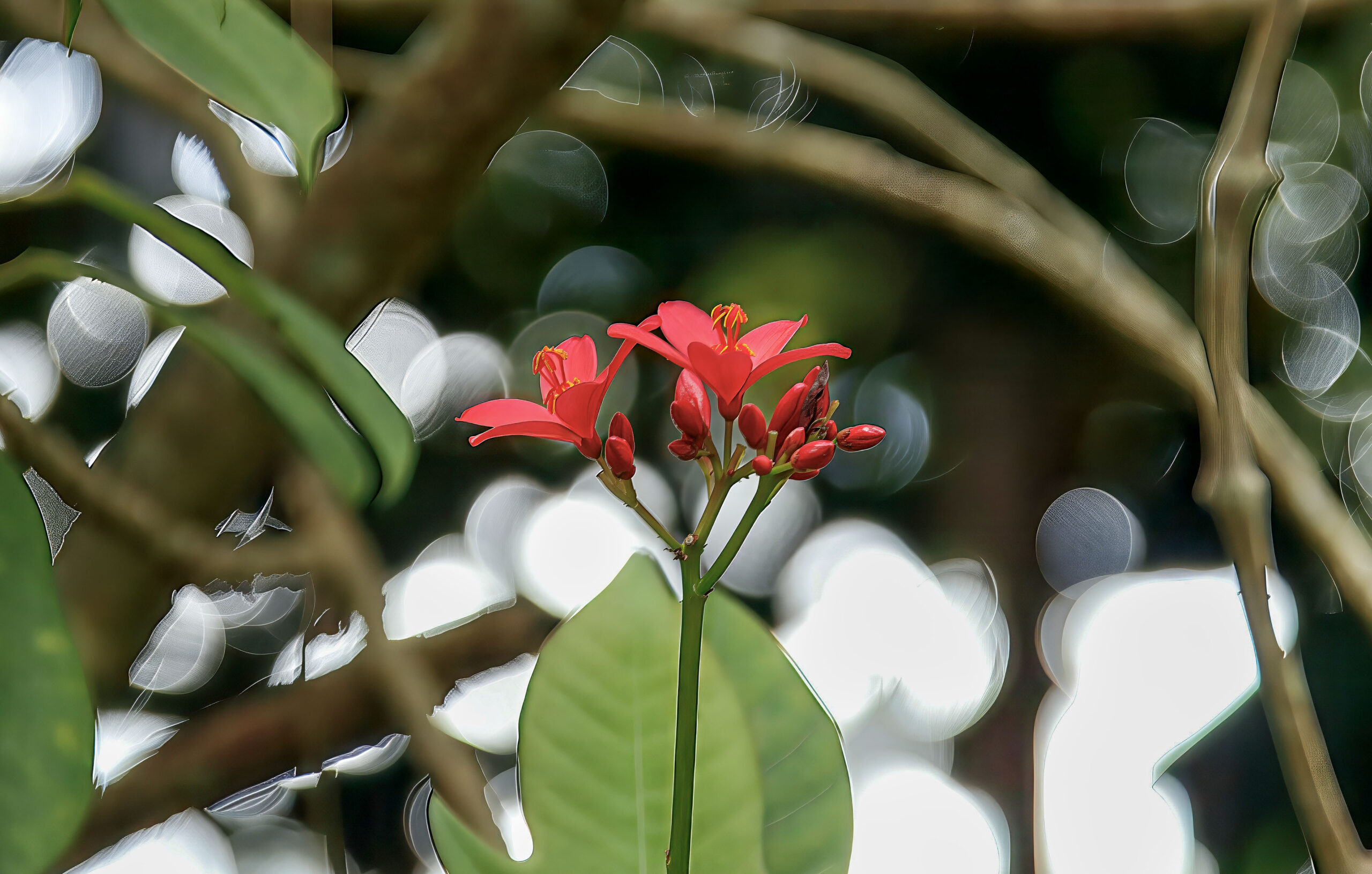
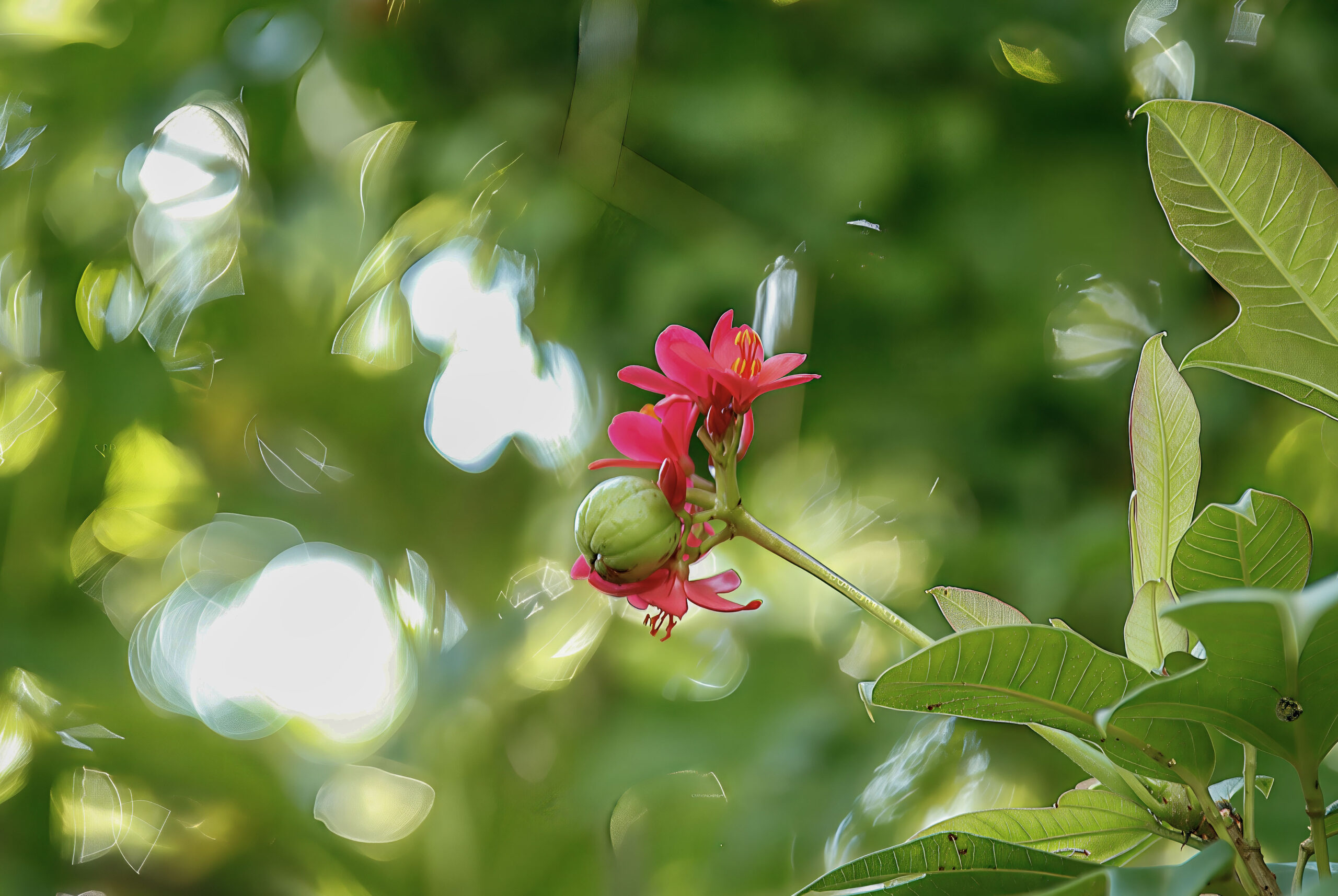
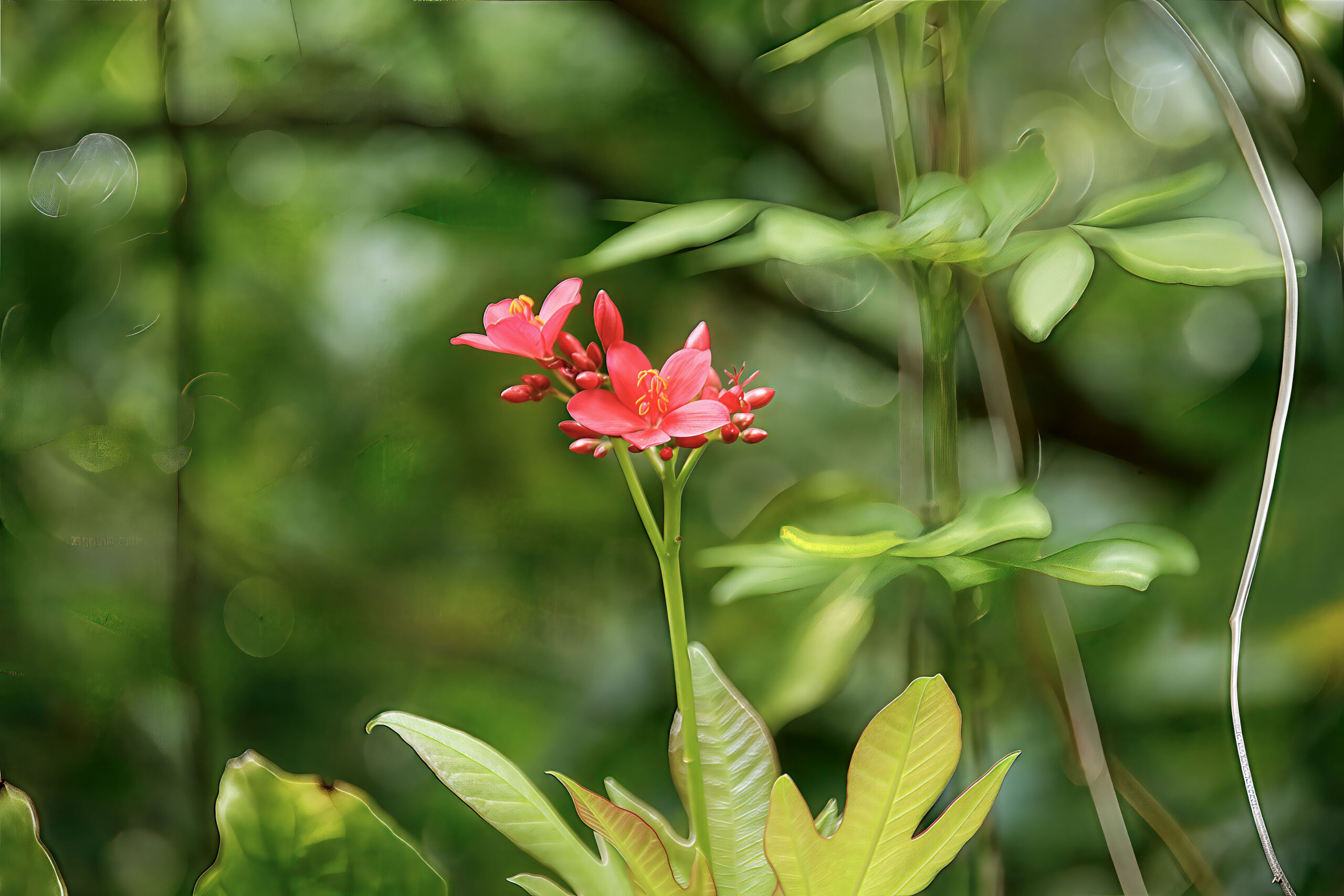
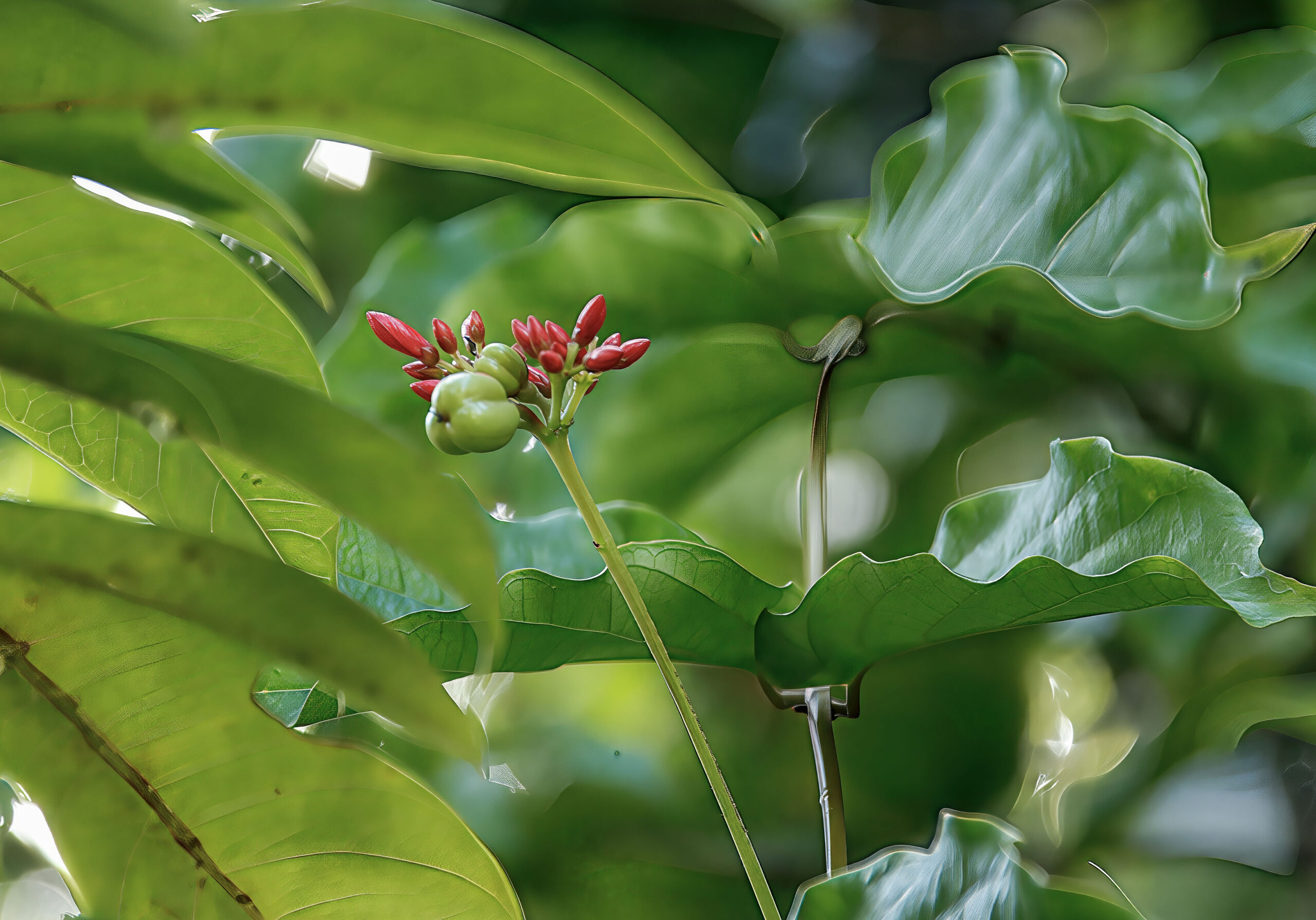
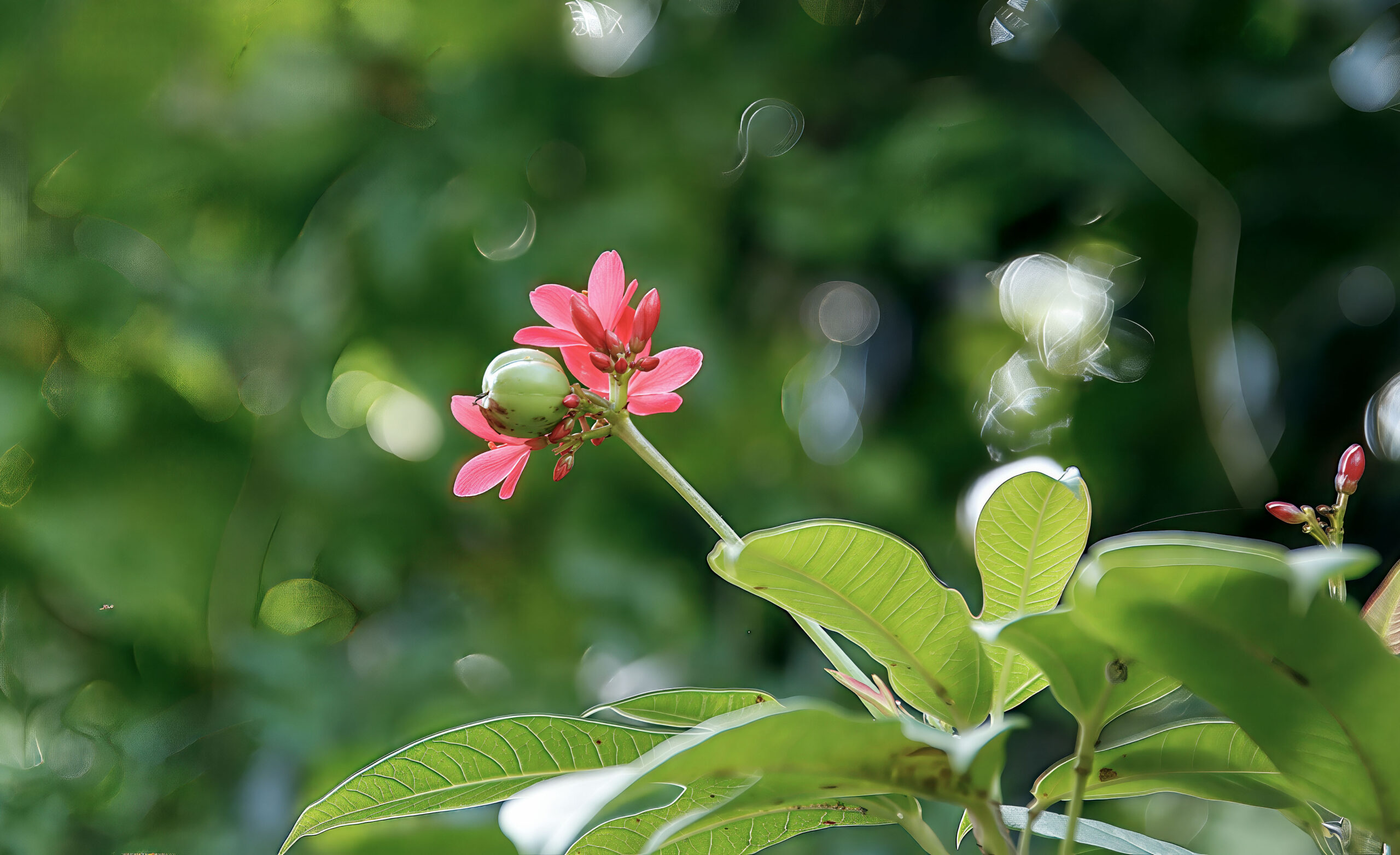
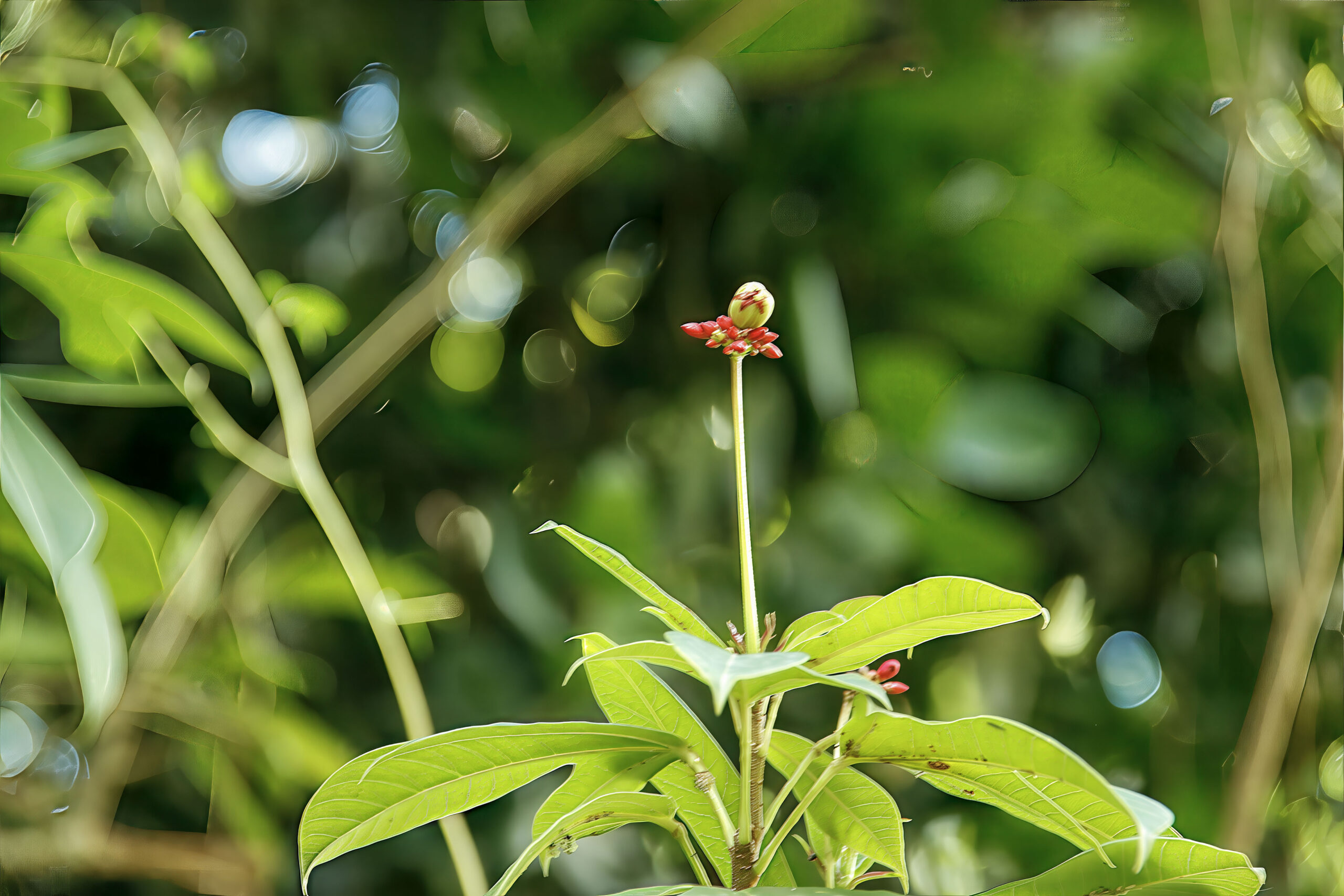
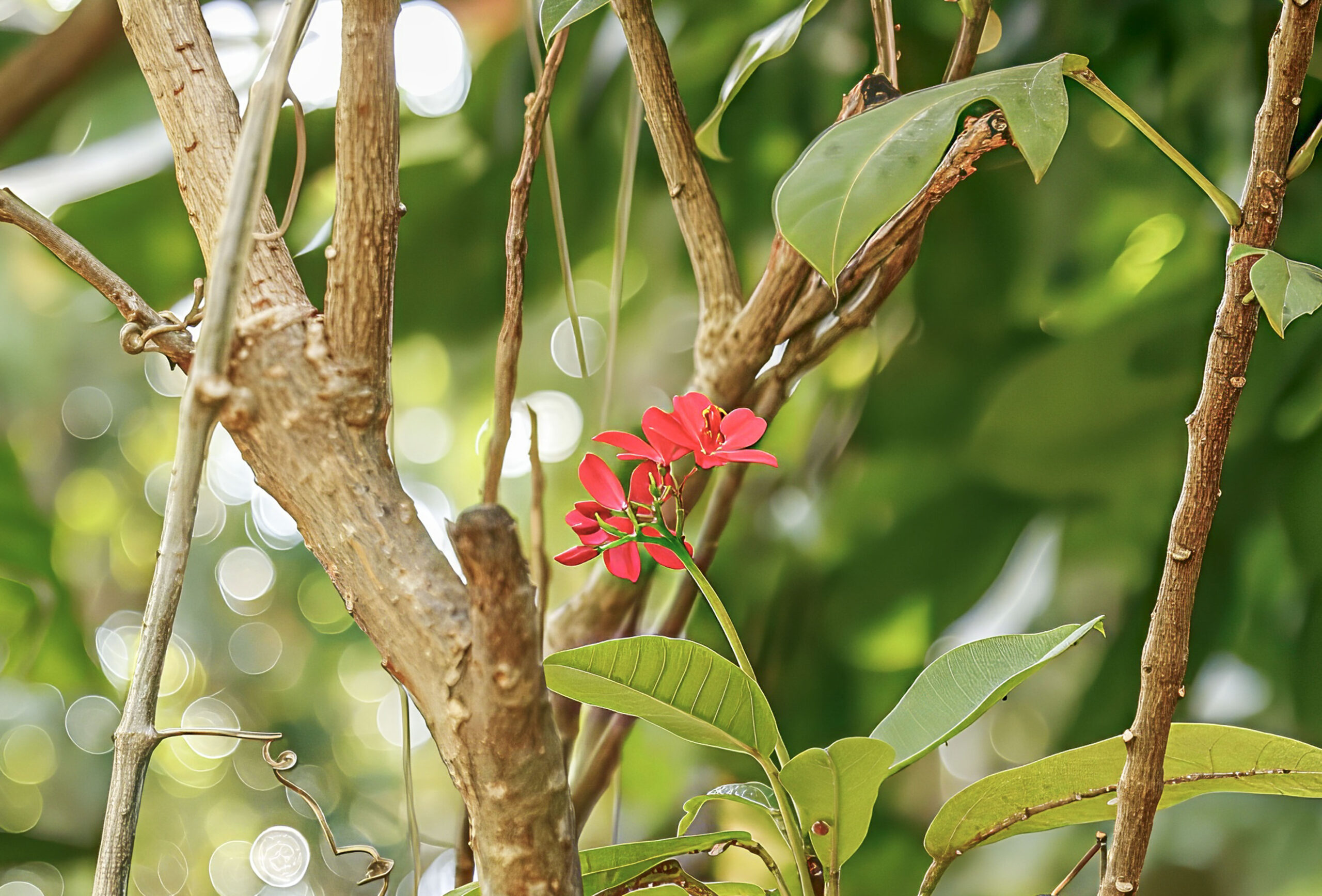
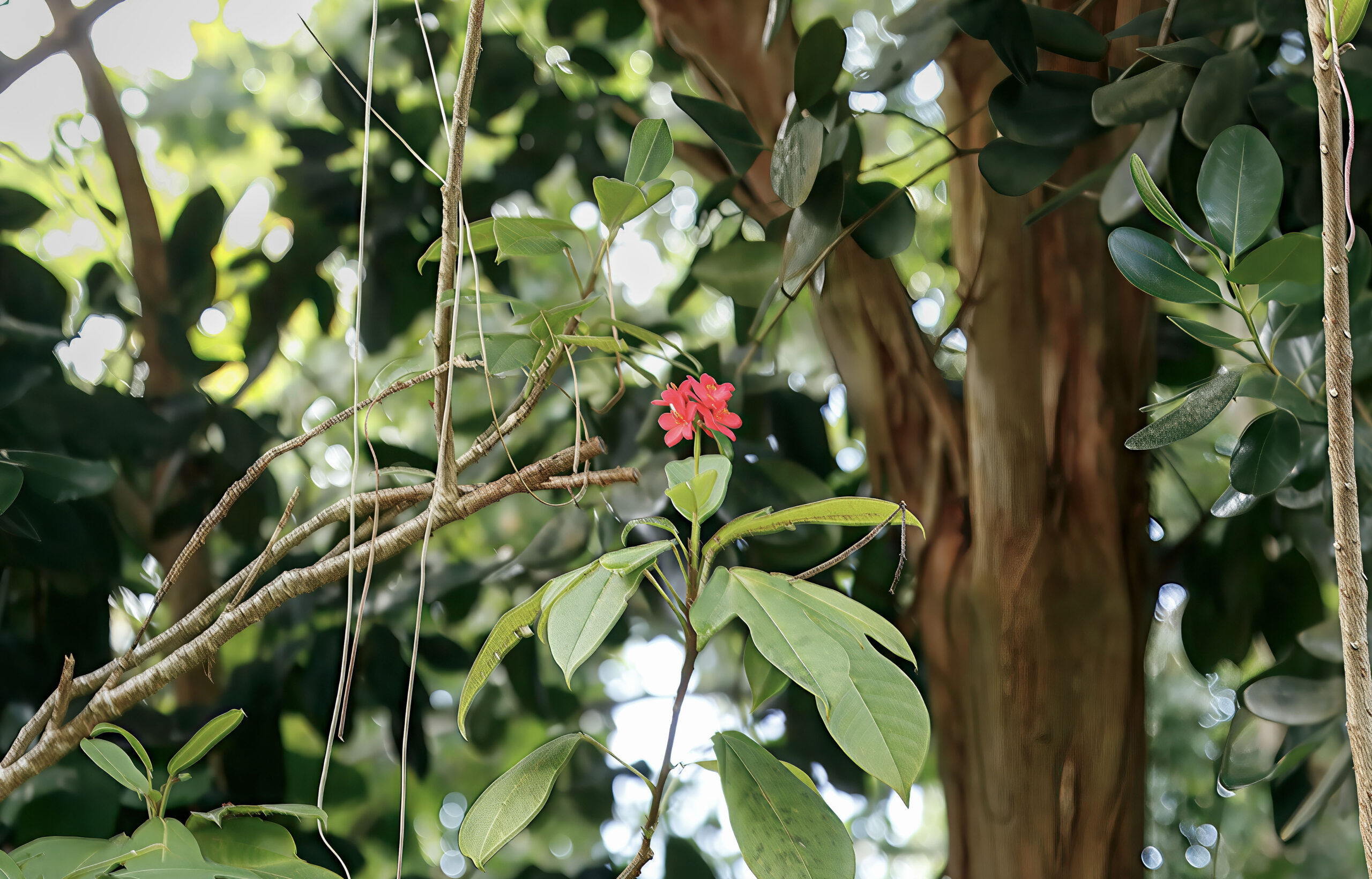
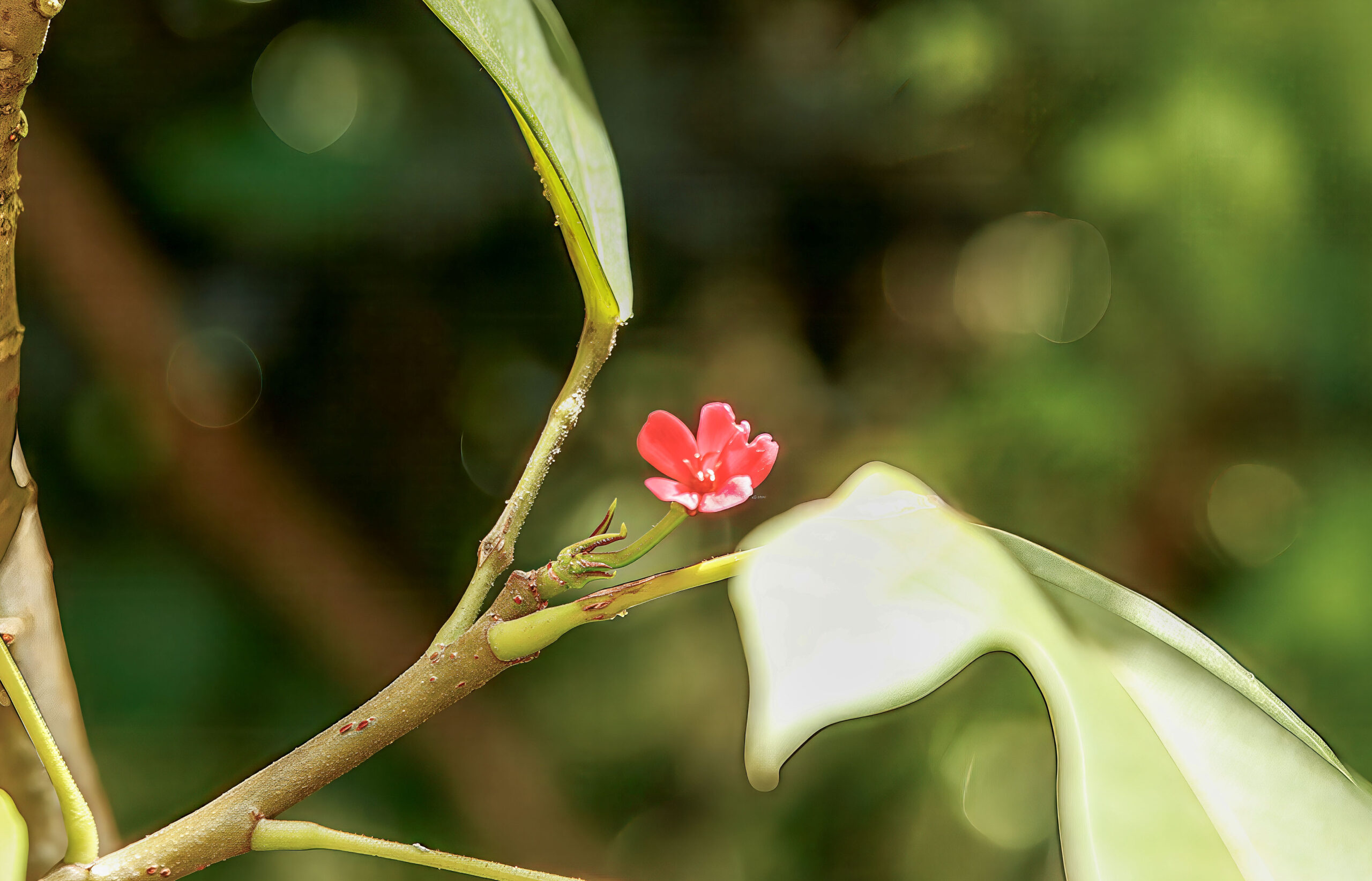
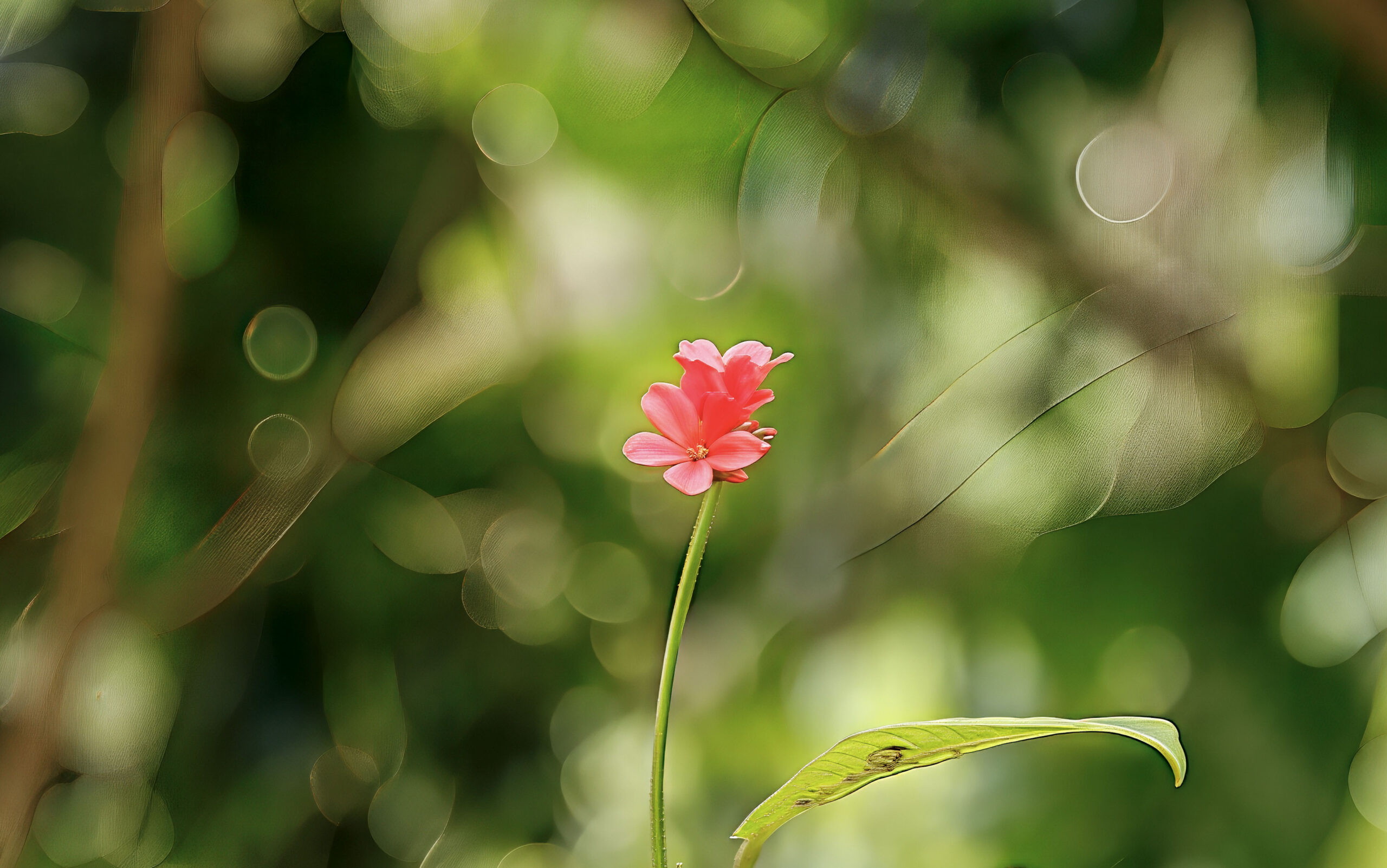
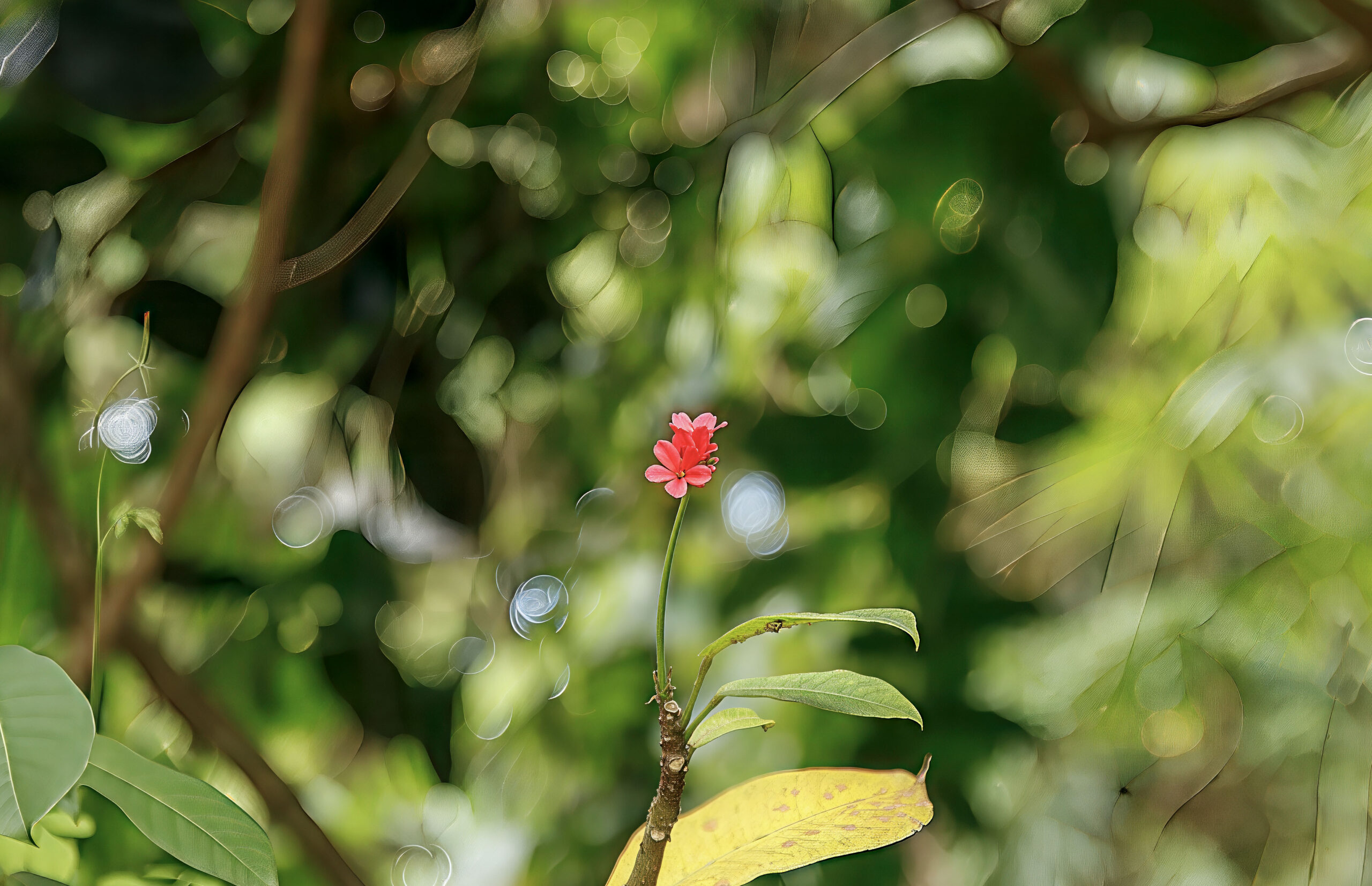
  • Inflorescence: Bright red to deep pink flowers in terminal clusters (corymbs or cymes)
  • Blooming Period: Year-round in tropical conditions, with peaks in warm and wet seasons
  • Pollinators: Butterflies, bees, hummingbirds
  • Phenological Indicator: Bright floral clusters on branch tips; new buds, open flowers, and spent blooms often present together

Fruiting

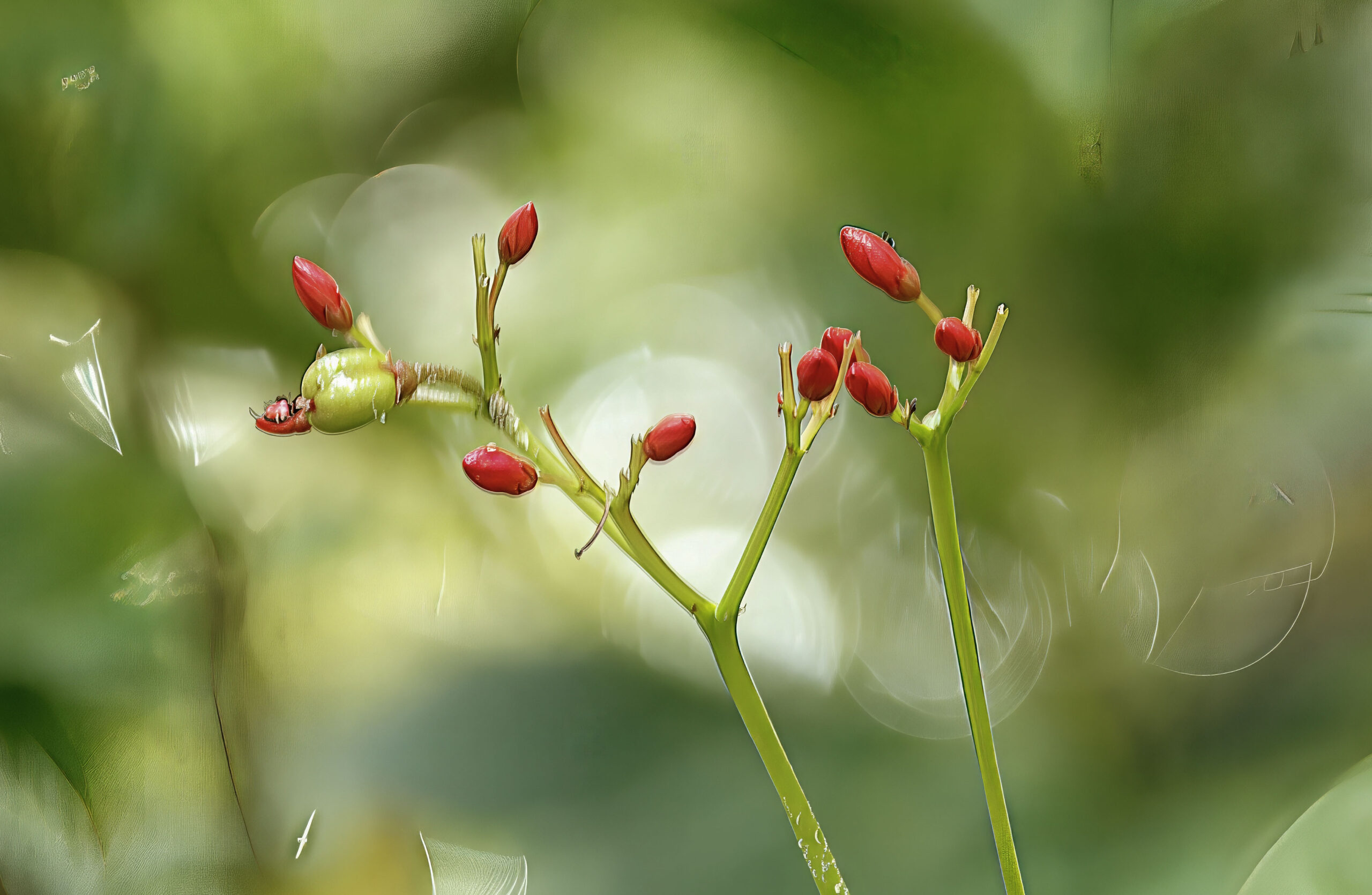
  • Fruit Type: Small, 3-lobed capsule that turns from green to tan-brown when mature
  • Fruit Development: Follows flowering; develops quickly and may persist on plant for several weeks
  • Dispersal: Gravity and explosive dehiscence; seeds may be ejected from mature capsules
  • Phenological Indicator: Developing or mature dry capsules present alongside or after flowering

Suggested Photo Angles

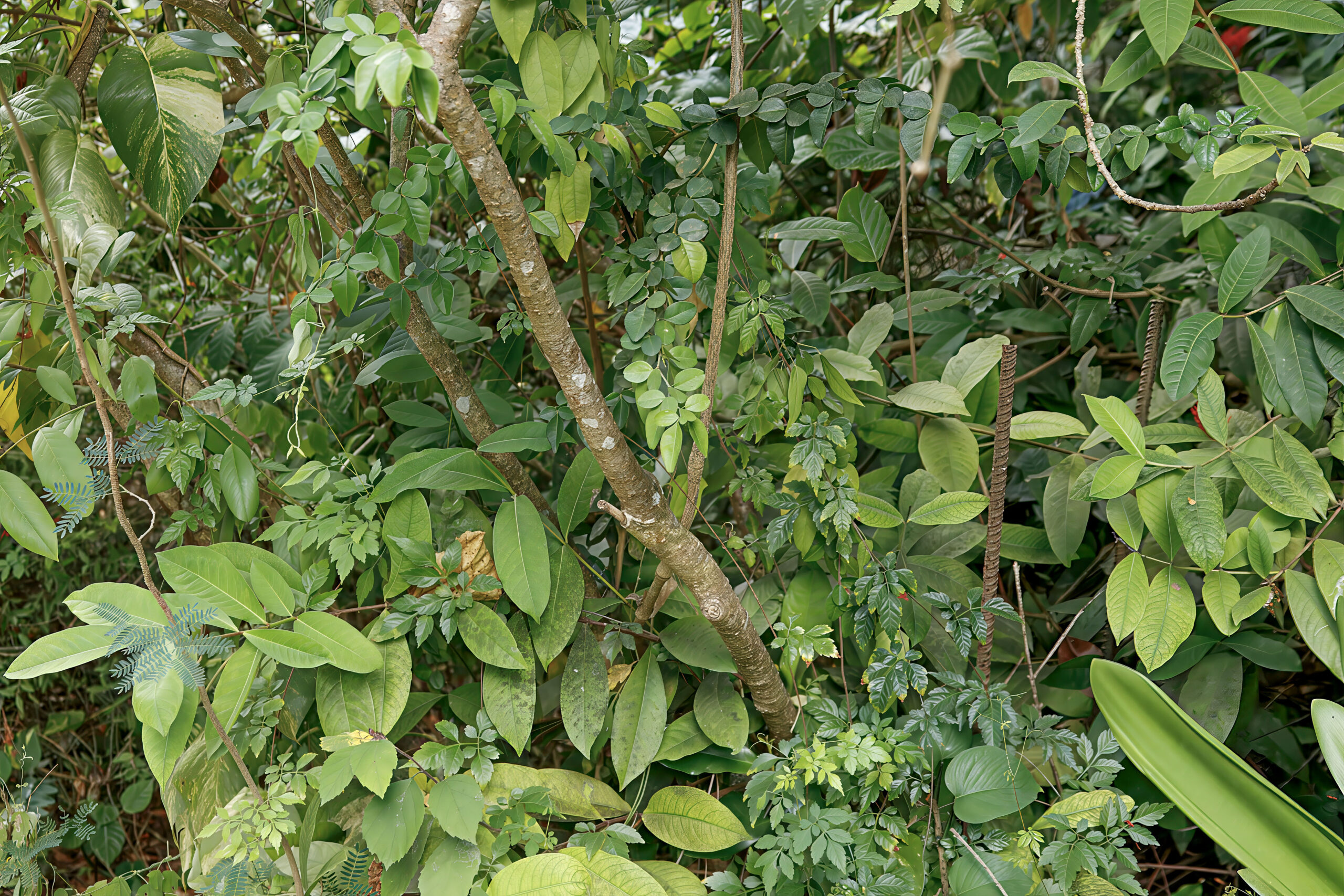
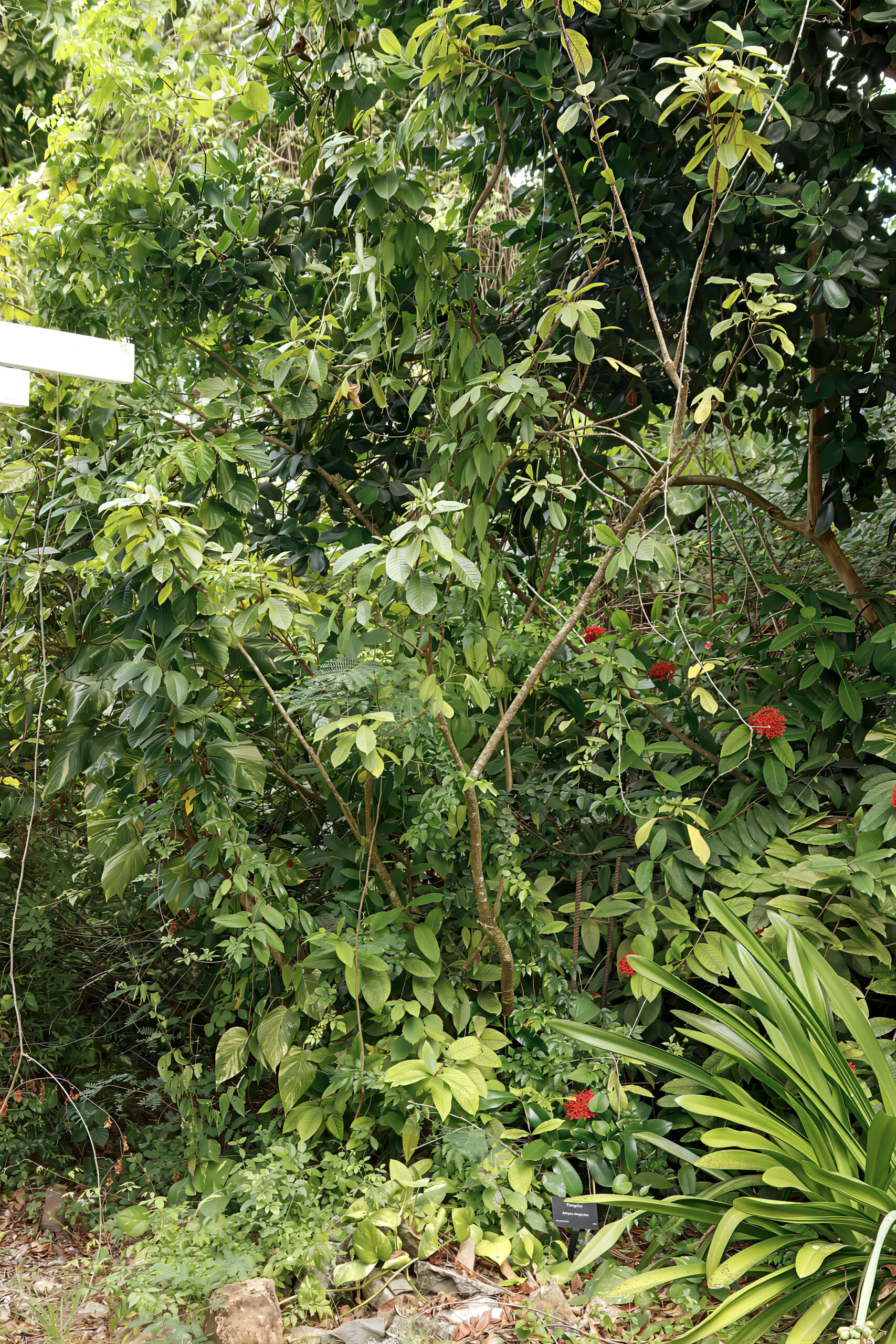
  • Full shrub or small tree form (typically 1.5–4 m tall)
  • Close-up of leaf shape variations (entire vs. lobed)
  • Flower clusters at tips of branches
  • Green and mature seed capsules
  • New leaf flush or reddish young foliage

Notes for Monitoring

May be confused with other Jatropha species—verify by compact flower clusters and shiny leaves

Jatropha integerrima is commonly grown as an ornamental, appreciated for its constant flowering and pollinator activity

It responds well to pruning, which often stimulates new flowering and leaf flush

Best phenological markers: terminal flower clusters, capsule formation, and leaf color transitions

Scroll to Top