
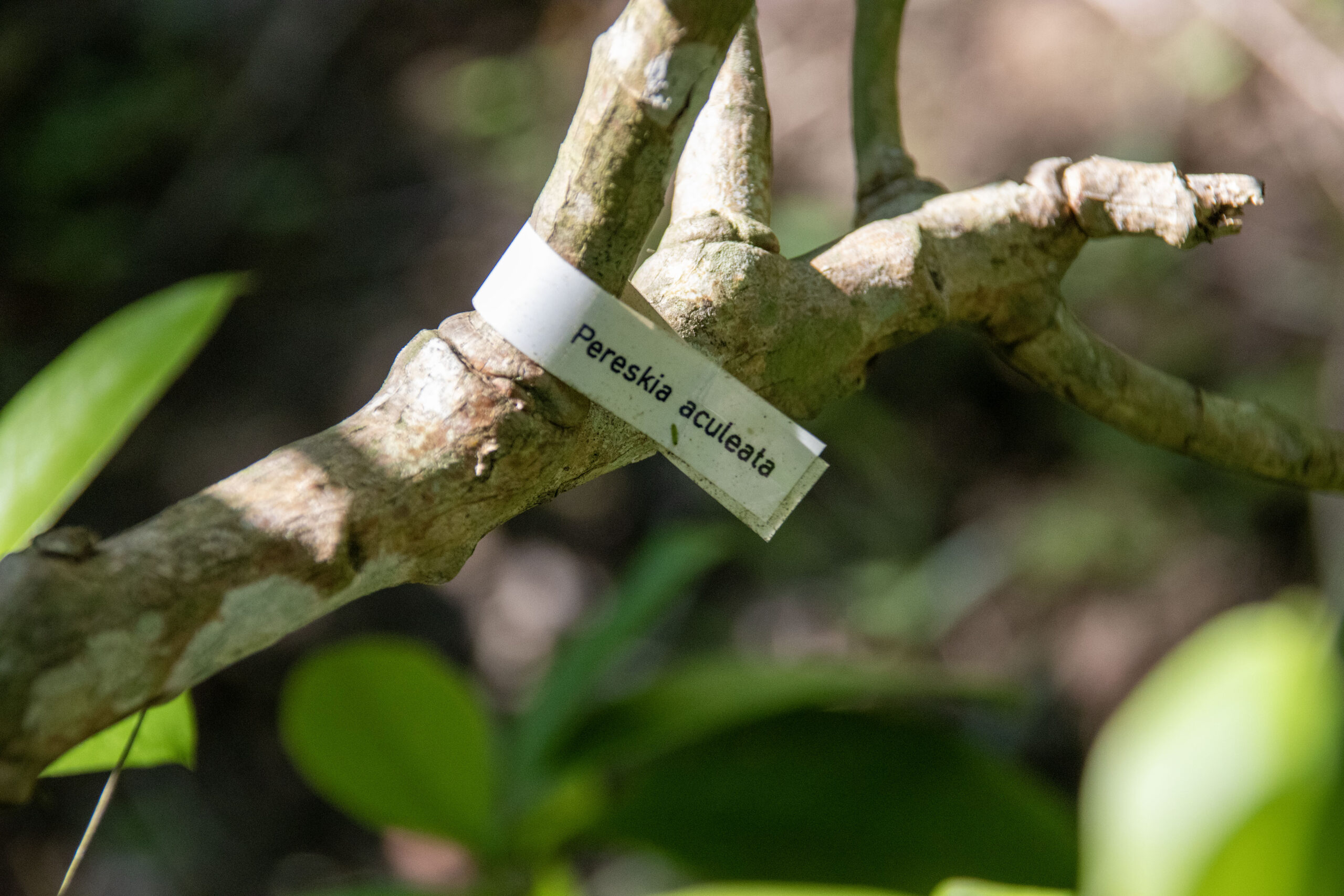
Pereskia Aculeata
Scientific name: Pereskia Aculeata
GPS Location: 17° 42′ ″ N, 64° 49′ ″ W
The native range of Pereskia aculeata is in tropical America, primarily:
- South America (Brazil, Colombia, Venezuela, Guyana, French Guiana, Argentina, Paraguay) Wikipedia+2tropical.theferns.info+2
- Central America / the Caribbean — including Panama and various islands of the Antilles keyserver.lucidcentral.org+2tropical.theferns.info+2
It is now widely introduced and naturalized in many tropical and subtropical tropical regions outside its native range.
Medicinal Uses
Pereskia aculeata, known as Barbados gooseberry or ora-pro-nobis, is a cactus used in traditional medicine for its anti-inflammatory, wound-healing, antioxidant, and analgesic properties, with leaves applied topically for skin issues like wounds, burns, and dermatitis, and also ingested for gastrointestinal and metabolic support due to high fiber, vitamins, minerals, and mucilage. Research supports these uses, showing extracts accelerate wound closure, reduce inflammation (potentially via COX-2 inhibition), possess antioxidant effects, and offer benefits for metabolic conditions like arthritis.
Key Medicinal Uses & Benefits
- Wound Healing: Extracts from leaves, rich in mucilage, promote skin wound closure and healing, used topically for burns and skin issues.
- Anti-inflammatory: Effective against acute and chronic inflammation, reducing inflammatory cytokines (IL-6, TNF-α) and acting similarly to corticosteroids (dexamethasone) without side effects.
- Pain Relief (Analgesic): Shows antinociceptive (pain-reducing) effects, helping with pain and itch associated with inflammation.
- Antioxidant: Contains flavonoids, carotenoids, and phenolic compounds that scavenge free radicals, benefiting inflammatory conditions like rheumatoid arthritis (RA).
- Metabolic & Nutritional Support: High in fiber, protein, vitamins (A, C, E), minerals, and amino acids, improving gut health, increasing satiety, and supporting iron deficiency.
- Cytotoxic Activity: Demonstrates antiproliferative effects against certain cancer cell lines (MCF-7, HL60, K562).
- Gastrointestinal Health: Used for stomach pain, ulcers, and as a tonic; flour improves digestive symptoms.
Active Compounds
- Mucilage: Rich in carbohydrates, proteins, and bioactive molecules, acting as a gelling/emulsifying agent and promoting wound healing.
- Polyphenols, Flavonoids, Carotenoids: Contribute to antioxidant and anti-inflammatory actions.
- Amino Acids: High in tryptophan.
- Terpenes: Including oxygenated sesquiterpenes like acorone.
How It’s Used
- Topical: Leaf extracts, gels, or mucilage applied directly to skin for wounds, inflammation, and burns.
- Internal: Leaves eaten as a vegetable or made into flour/supplements for nutritional and metabolic benefits.
Observations:
Phenological Markers – Pereskia aculeata
Common Name: Barbados Gooseberry
Family: Cactaceae
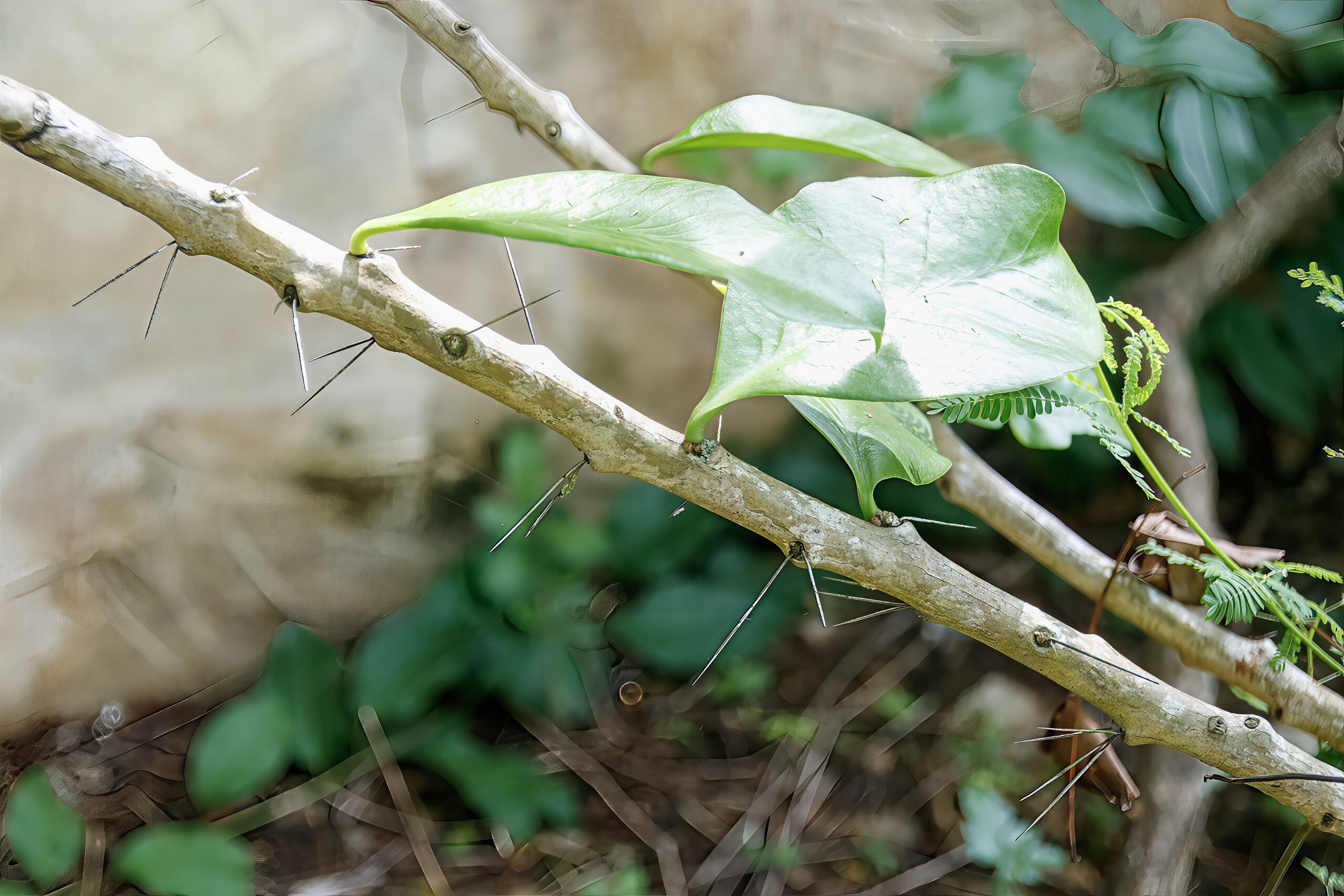
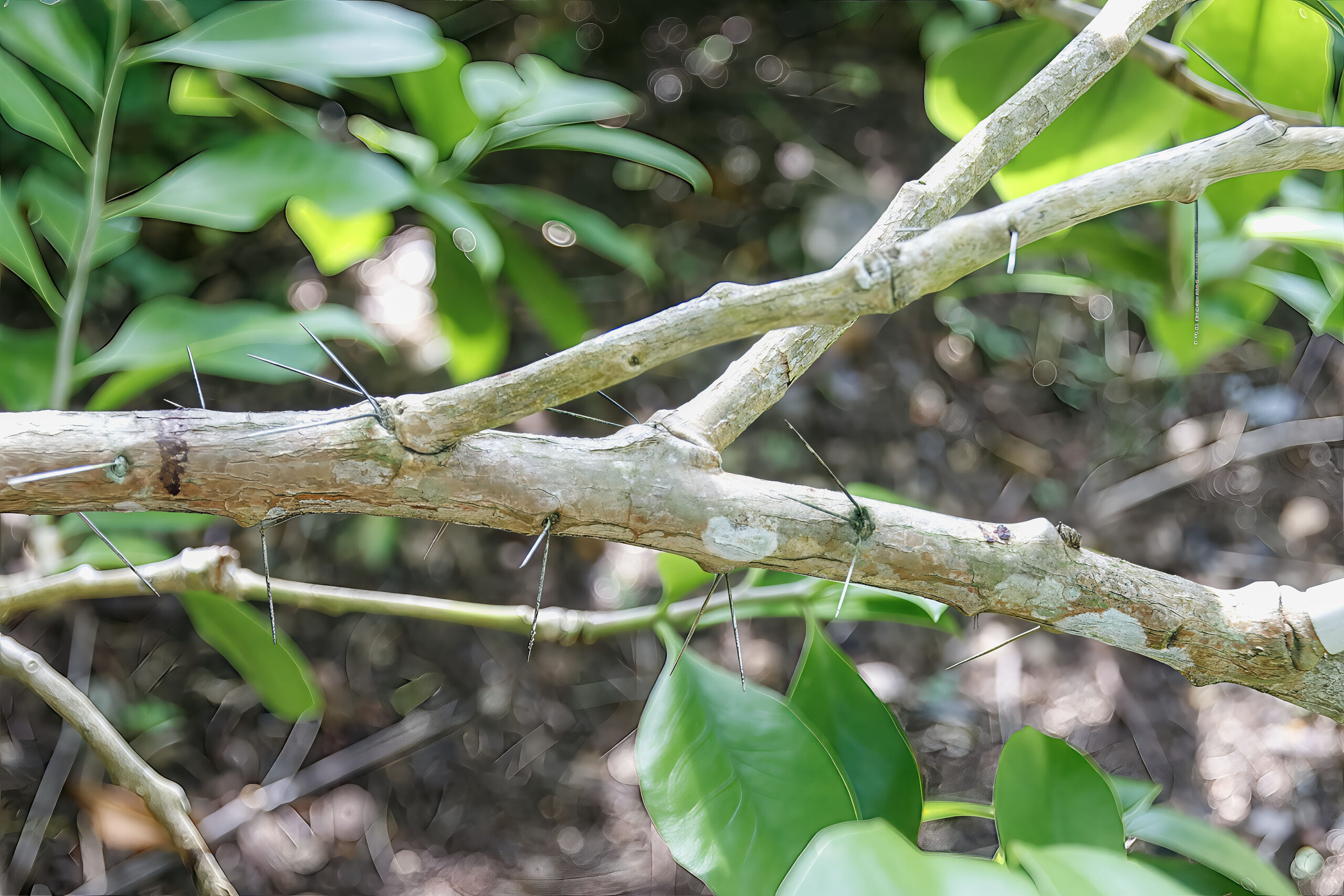
Form: Woody climber with leafy stems and axillary spines
Origin: Tropical America; naturalized in the Caribbean
Leaf Phenology
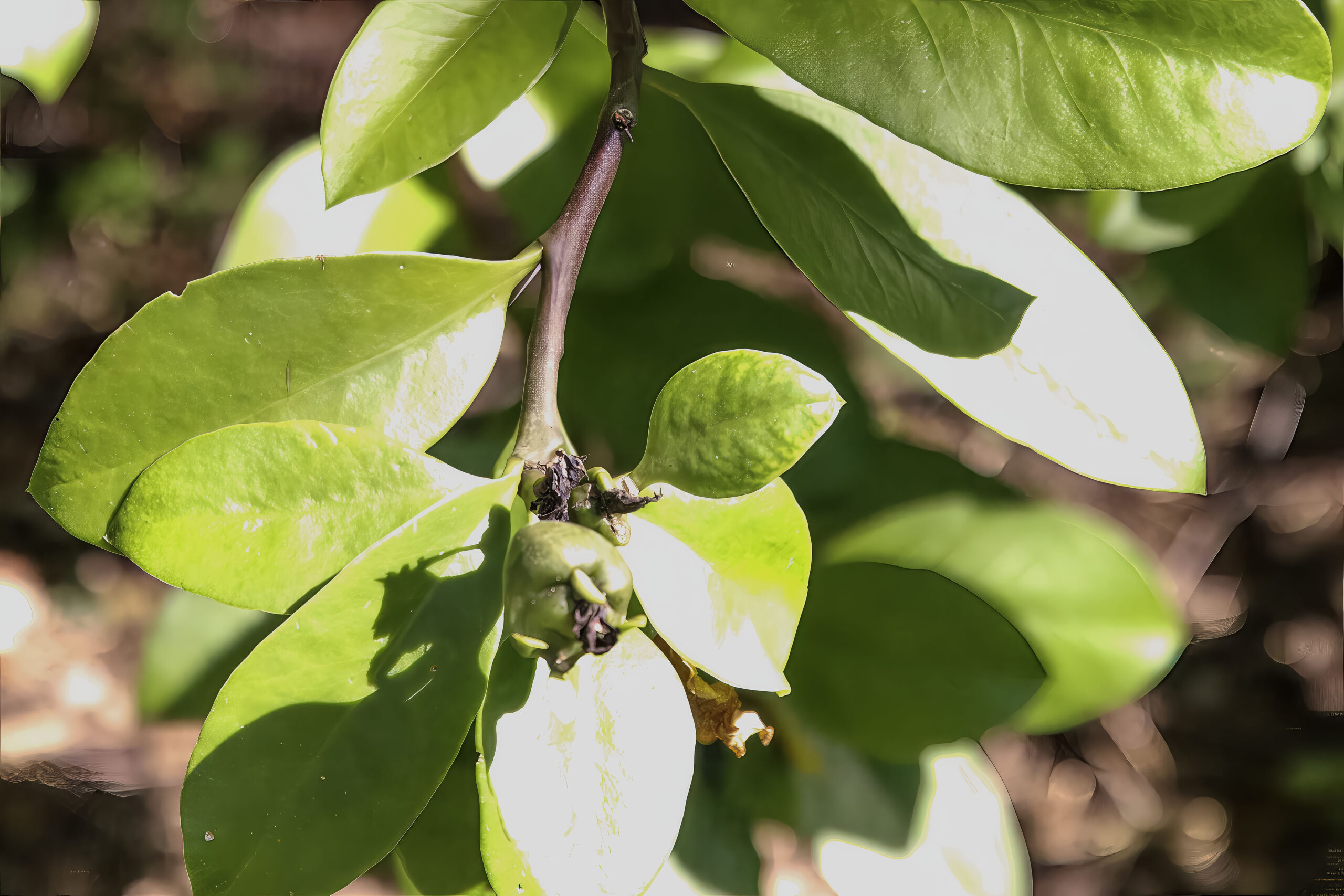
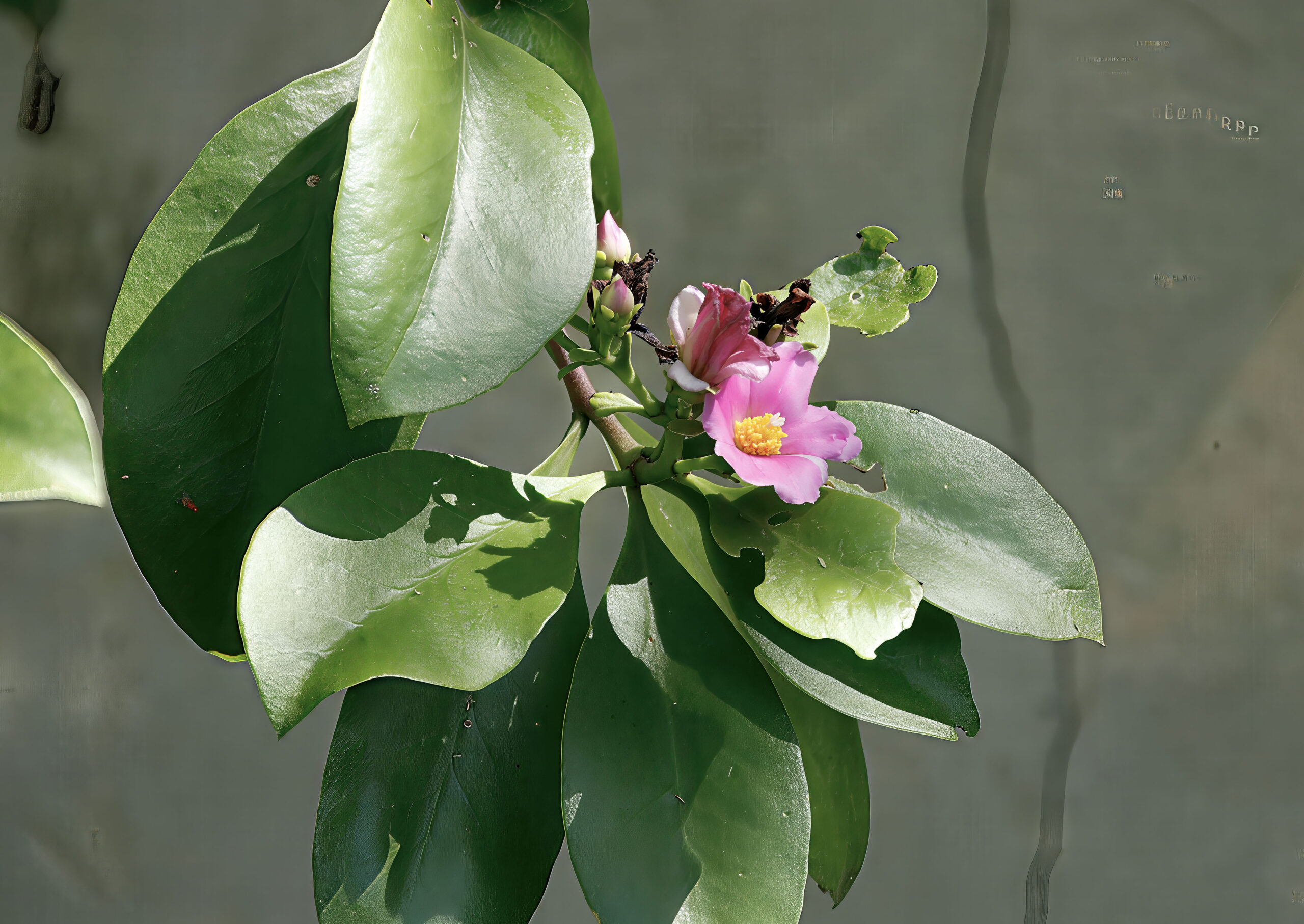
Unlike most cacti, Pereskia aculeata retains true leaves. The plant is evergreen to semi-deciduous, depending on rainfall and exposure. In wetter microhabitats, leaves persist year-round, though in exposed or drought-prone areas, partial leaf drop may occur during the dry season.
New leaves appear bright green to slightly reddish, maturing to a deeper green. Leaf production is often continuous but slows considerably during extended dry periods.
Observation: Leaves remain lush under shaded or moist conditions but show curling and shedding during drought stress.
Flowering
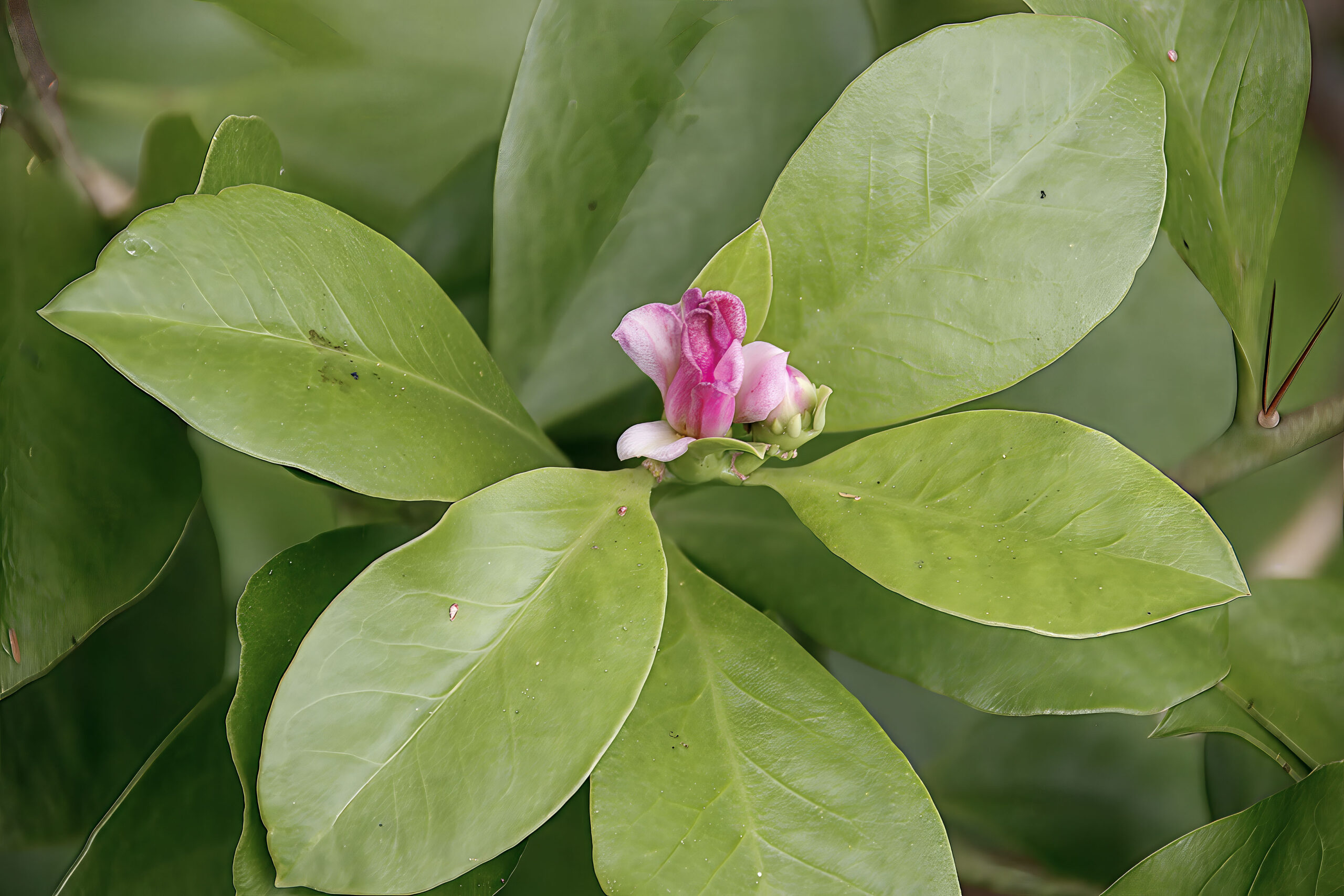
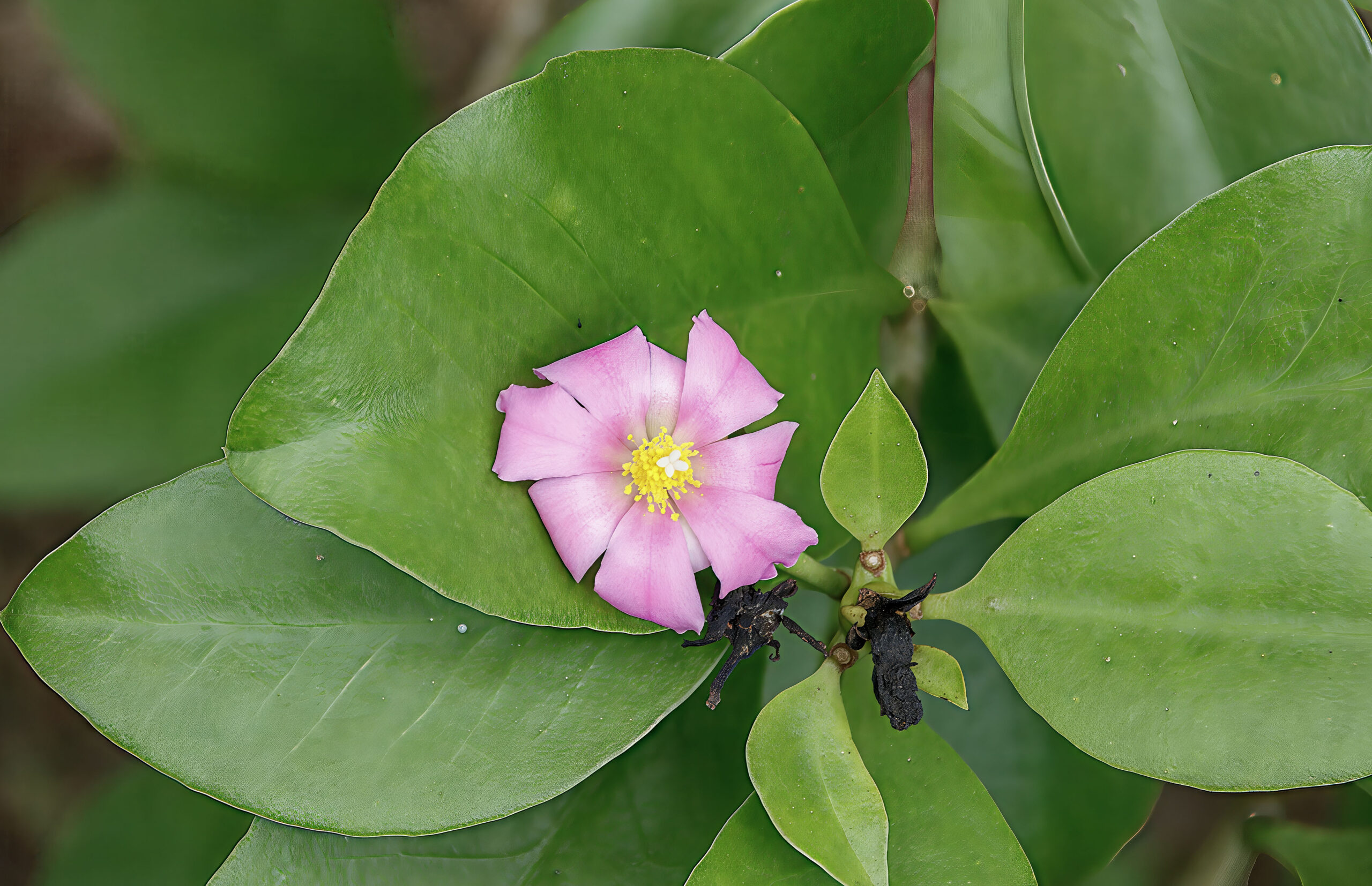
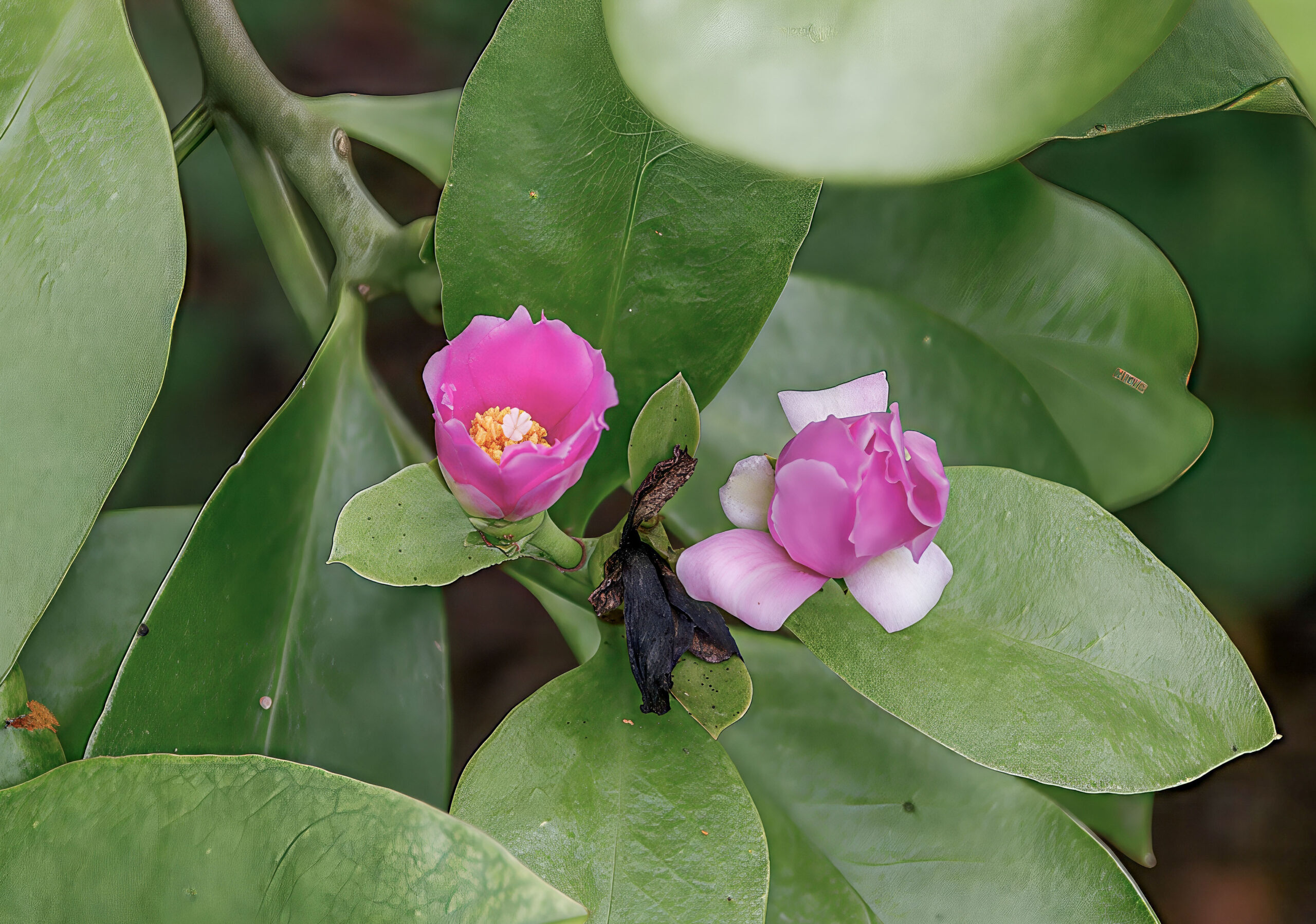
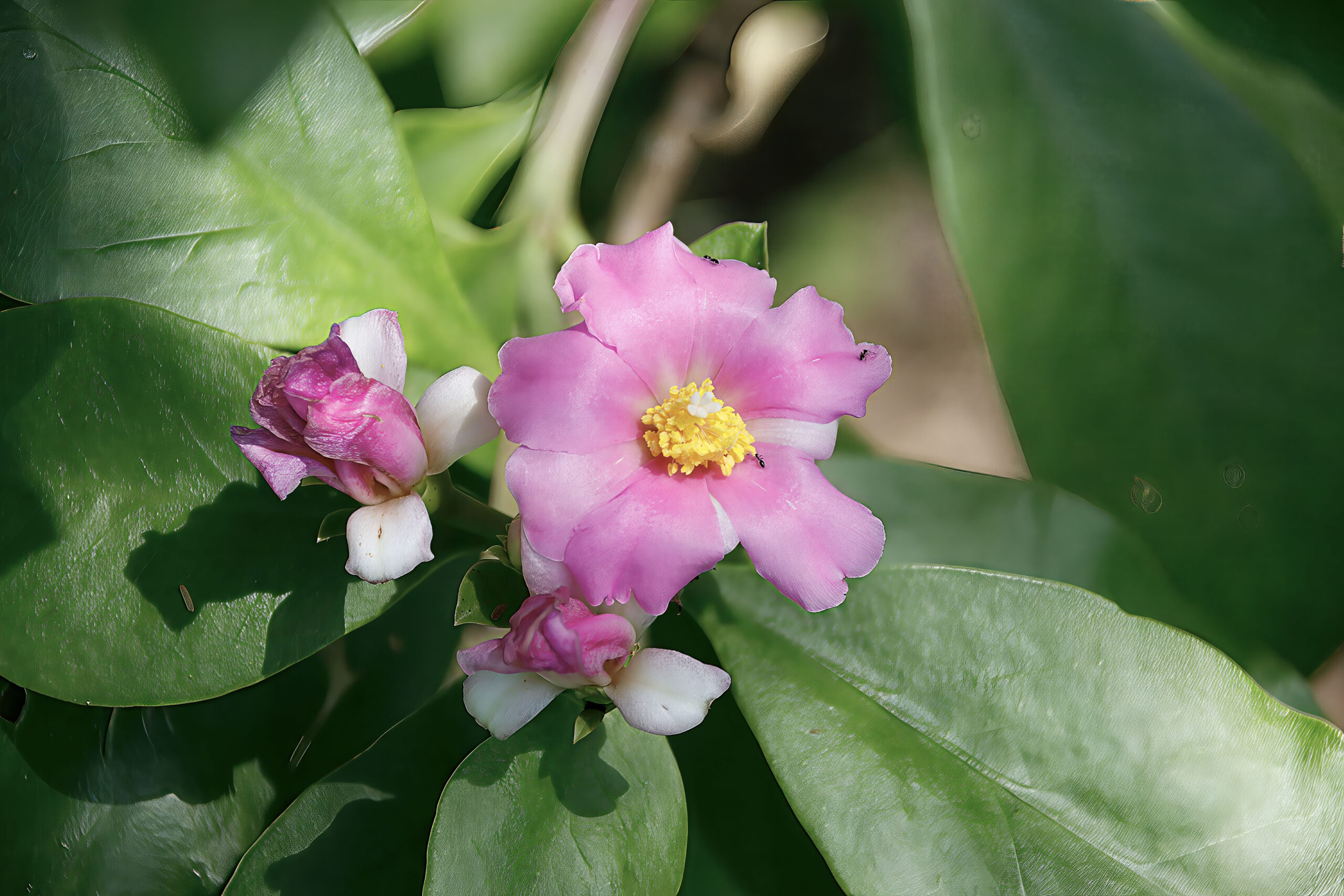
Flowers are produced in terminal or axillary clusters, typically white to pale yellow, and are lightly fragrant. Flowering is stimulated by increased light and heat, often peaking toward the late dry to early wet season (around April–June on St. Croix).
Each flower opens briefly, usually lasting a single day, but plants may flower intermittently for several weeks.
Observation: Initial buds form during the transition from dry to wet conditions; abundant blooms follow first rains or increased humidity.
Fruiting
Fruits are globose to ovoid berries, about 2–3 cm in diameter, ripening from green to translucent yellow or orange. Fruiting follows approximately 6–8 weeks after flowering, with seasonal overlap common under favorable moisture conditions.
The fruits are edible and slightly mucilaginous, containing numerous small black seeds. Fruit drop is often staggered, supporting dispersal by birds.
Observation: Mature fruits persist into the mid-wet season; fallen fruits often germinate readily in shaded, moist soil.
Seasonal Changes
- Dry Season (Dec–Apr): Reduced leaf density; slowed growth; occasional leaf reddening or loss in full sun.
- Early Wet Season (May–Jul): Vigorous regrowth and new foliage flush; peak flowering.
- Late Wet Season (Aug–Nov): Heavy fruiting; continued vegetative expansion if moisture remains adequate.
Observation: Climbing stems exhibit renewed vigor after early rains, frequently overrunning nearby vegetation.
Field Notes
- New leaves sometimes exhibit a faint reddish tint — a protective anthocyanin response to high sunlight during emergence.
- The combination of persistent leaves and spines makes P. aculeata a distinctive member of the Cactaceae, bridging succulent and woody traits.
- On St. Croix, it is sometimes planted as a living fence or ornamental climber and may naturalize along disturbed forest edges.