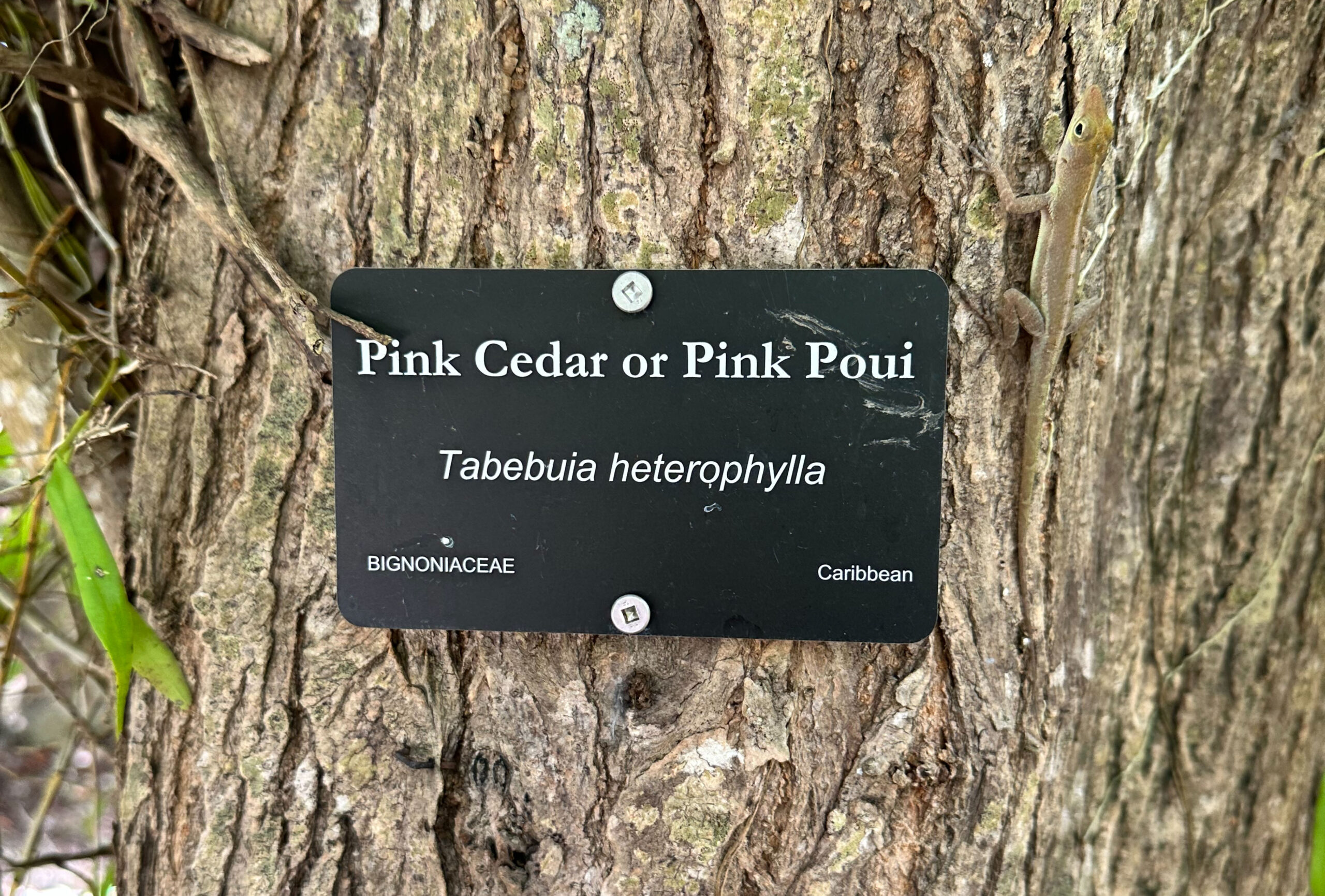
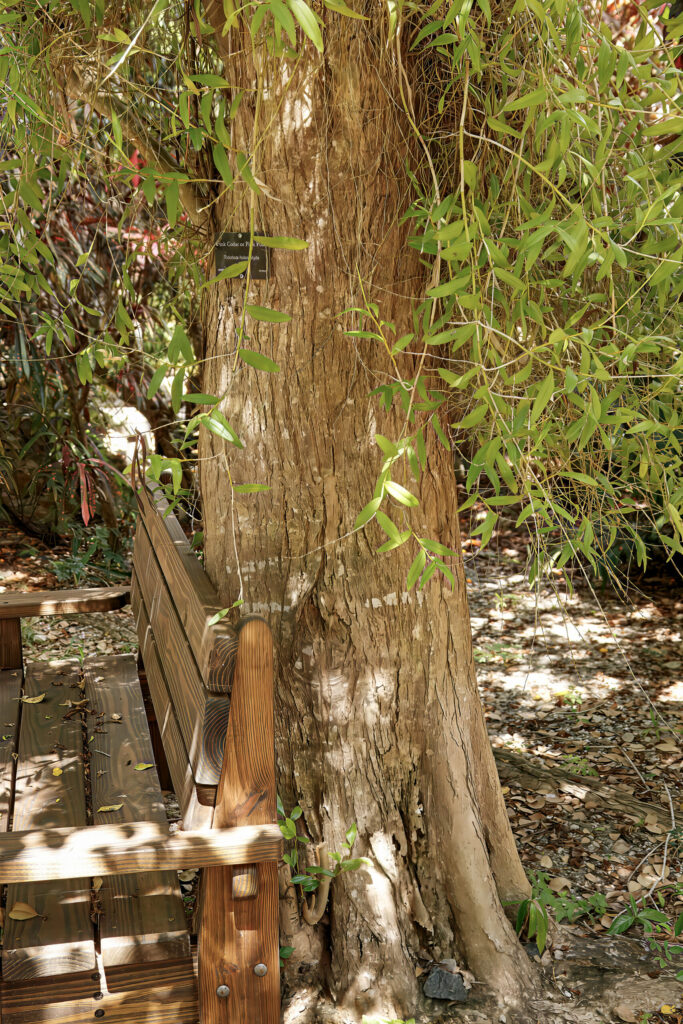
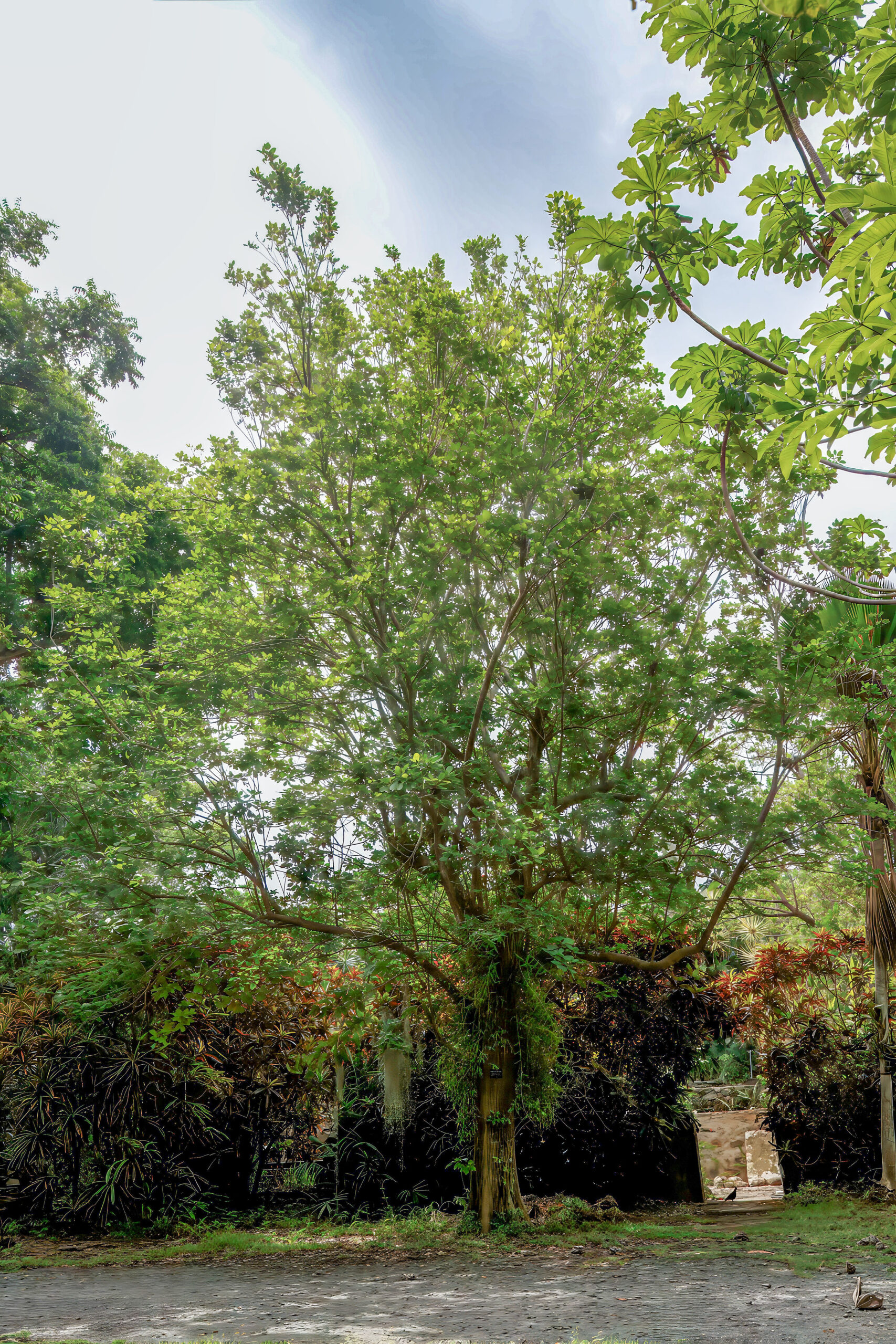
Pink Cedar / Pink Poui
Scientific name: Tabebuia heterophylla
IUCN Red List threat level: Least Concern
GPS Location: 17° 42′ 56.71″ N, 64° 49′ 47.05″ W


Medicinal Uses
Tabebuia heterophylla, or the Pink Trumpet Tree, is used in traditional Caribbean medicine for skin issues (sores, calluses), colds, fevers, pain (back, tooth), and inflammation, utilizing bark, leaves, and roots for teas, decoctions, and poultices, often combined with other herbs for remedies targeting skin conditions, infections, and general malaise, though scientific research supports its anti-inflammatory, antimicrobial, and antioxidant potential.
Common Medicinal Uses
- Skin Conditions: Bark used as a plaster for calluses and corns; leaf poultices for sores; extracts for eczema, psoriasis, and skin tumors.
- Colds & Fevers: Decoctions of bark and leaves for colds; bark, flowers, roots for fevers, pain, and tonsil inflammation.
- Pain & Inflammation: Twigs boiled for back pain; combined with other plants for headaches, stiffness, and general inflammation.
- Other Uses: Root extracts used for low blood pressure, diarrhea (with other herbs), and as diuretics; leaf tea for general wellness.
Key Active Compounds & Properties
- Contains naphthoquinones (like lapachol) and phenolic compounds.
- Possesses antimicrobial, antifungal, antioxidant, and anti-inflammatory properties.
Important Note
While traditional uses are extensive, research continues to explore the plant’s compounds, but more studies are needed to fully understand specific mechanisms and potential toxicity, so consult healthcare professionals.
Observations:
Phenological Markers – Pink Cedar (Tabebuia heterophylla)
1. Leaf Drop (Deciduous Behavior)
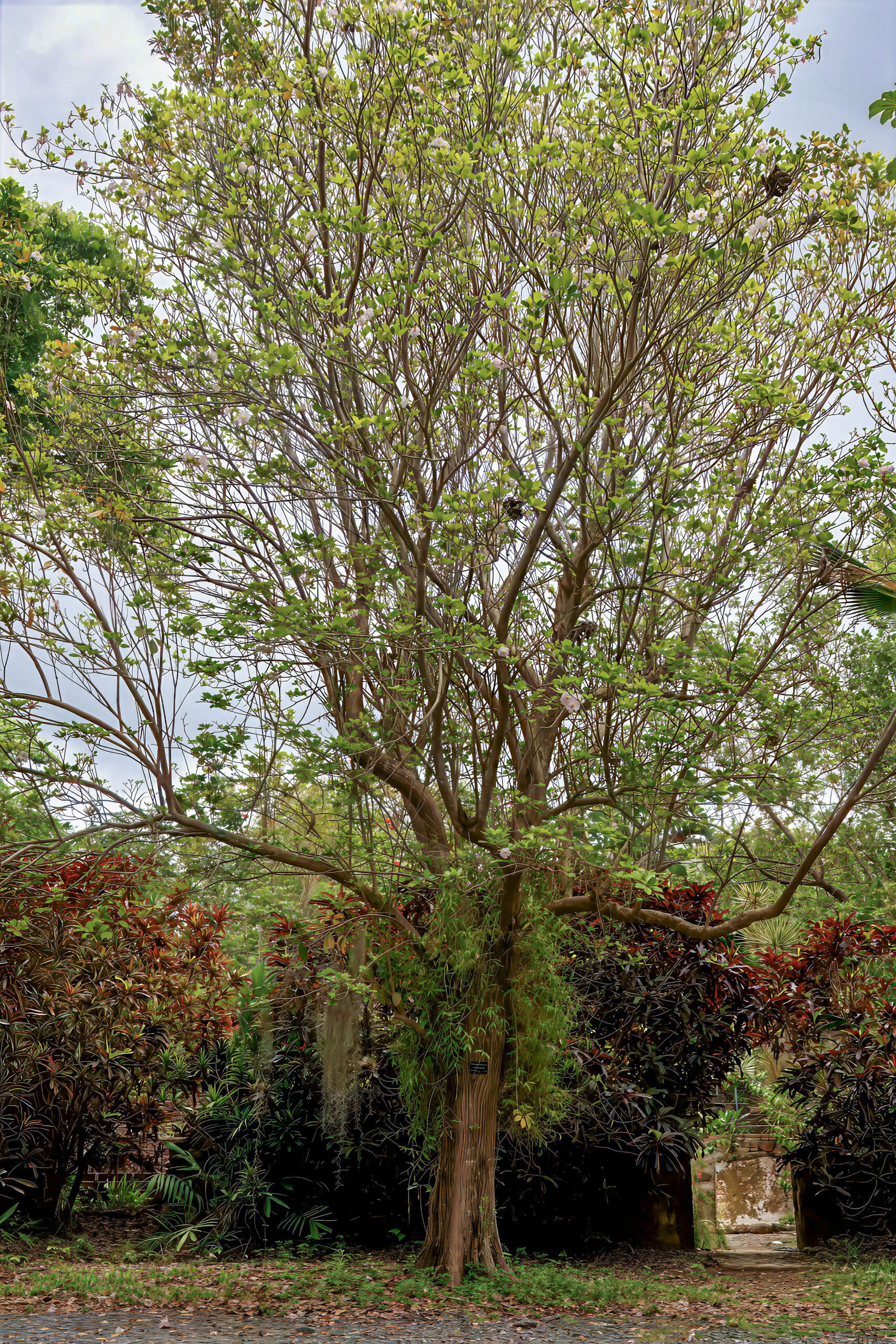
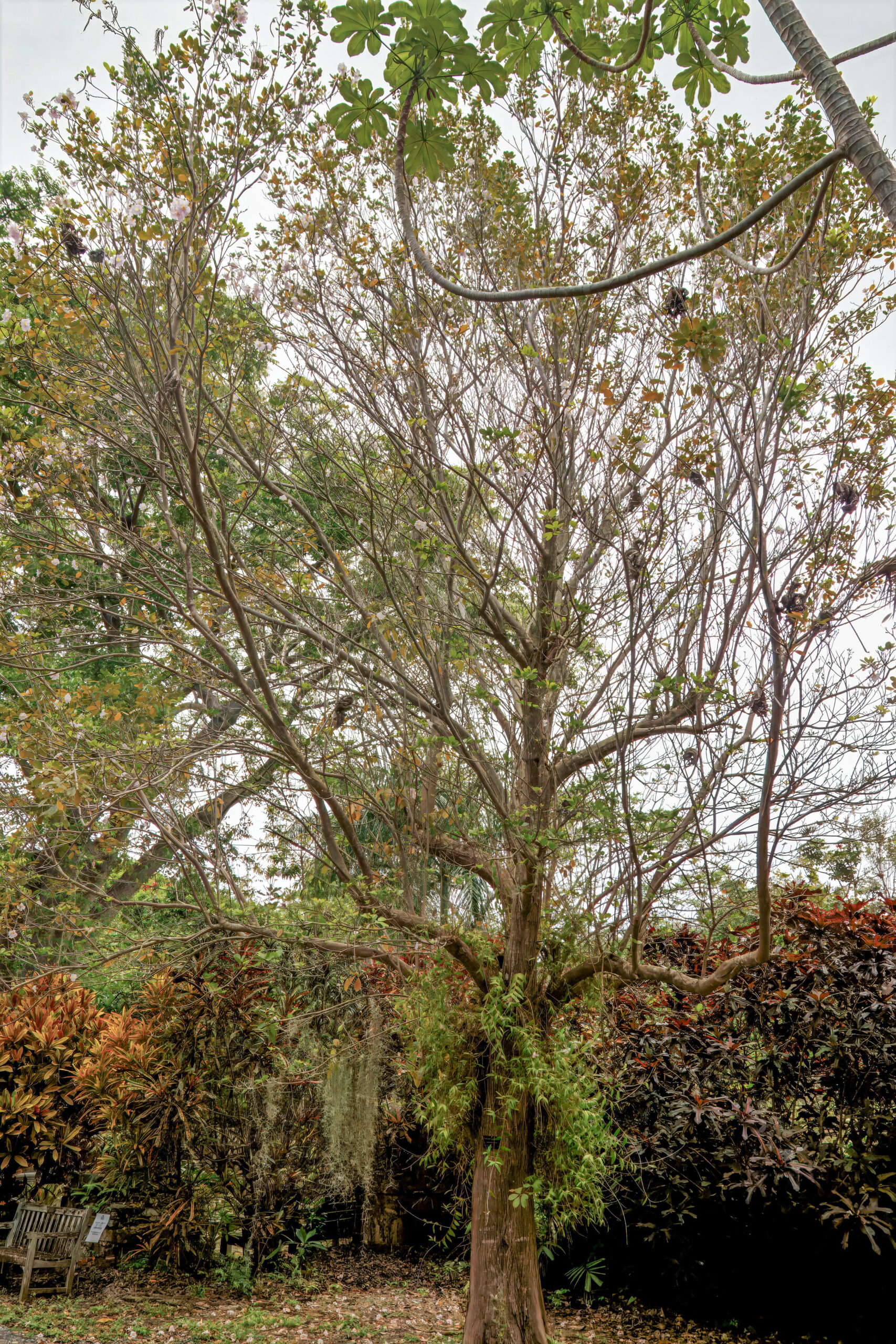
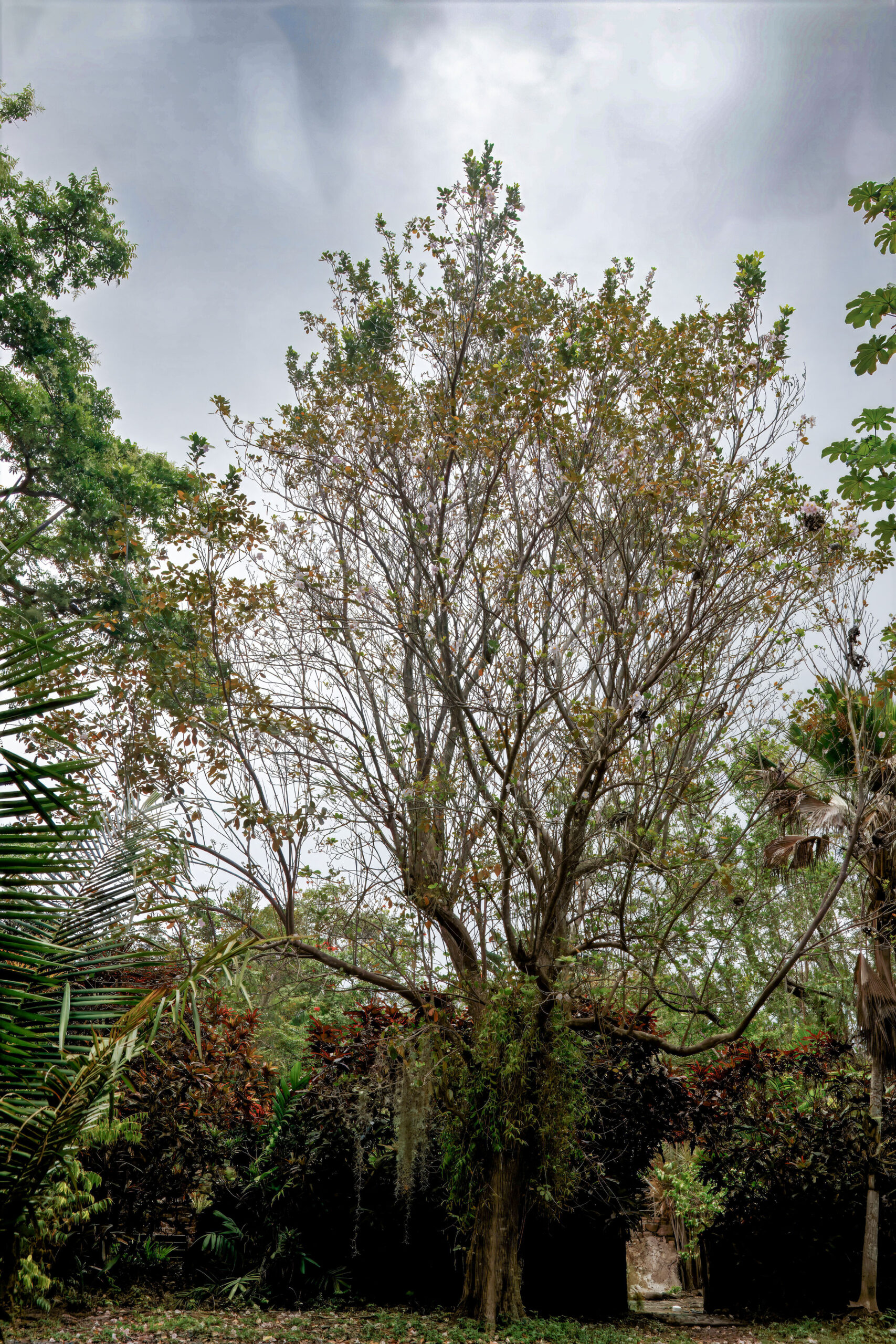
Tabebuia heterophylla is deciduous, often shedding most or all of its leaves in the dry season—typically January to March in St. Croix.
- Leaf drop is usually timed to precede flowering, leaving the tree mostly bare.
- This leafless stage enhances the visual impact of the flowers.
2. Flowering
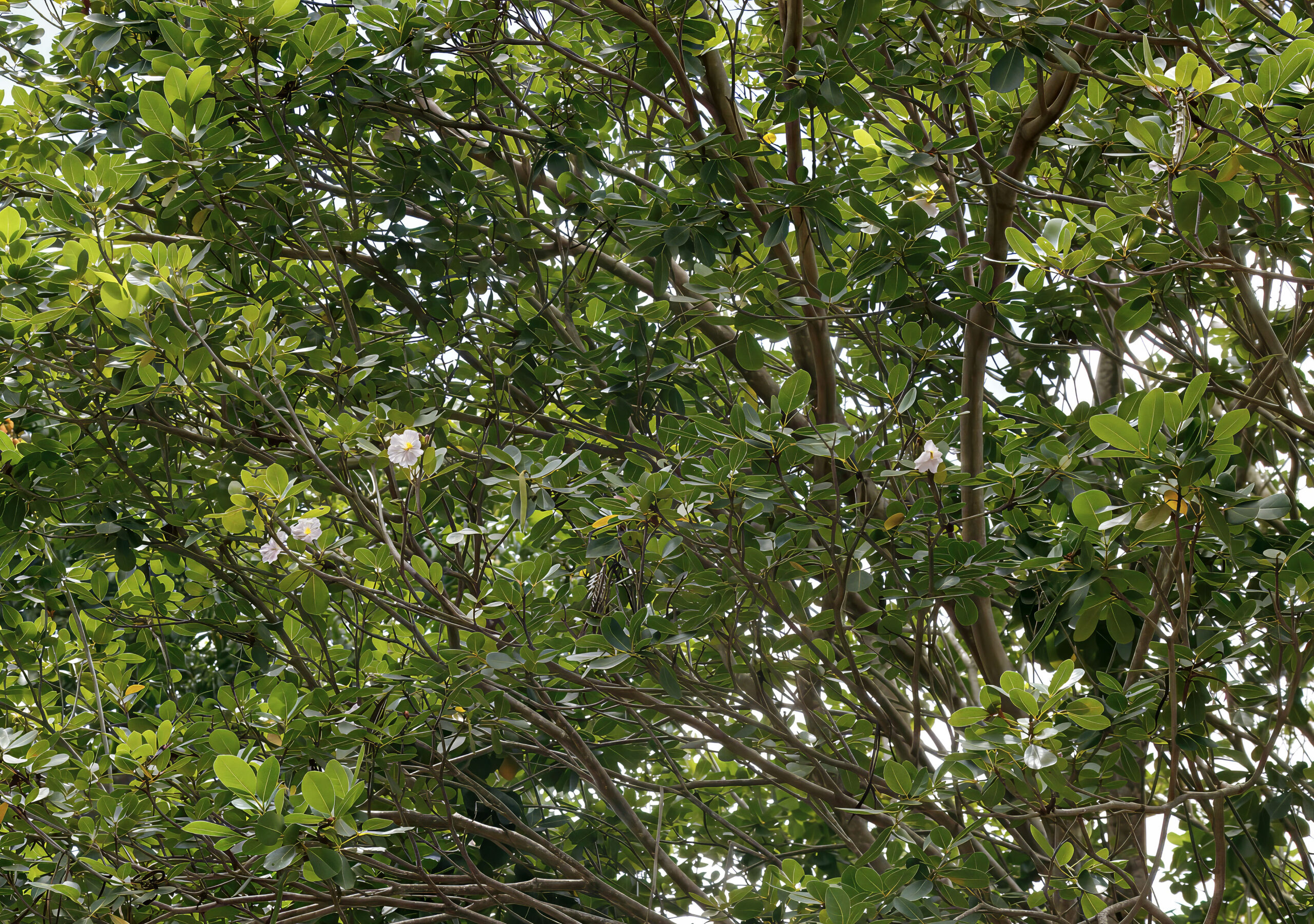
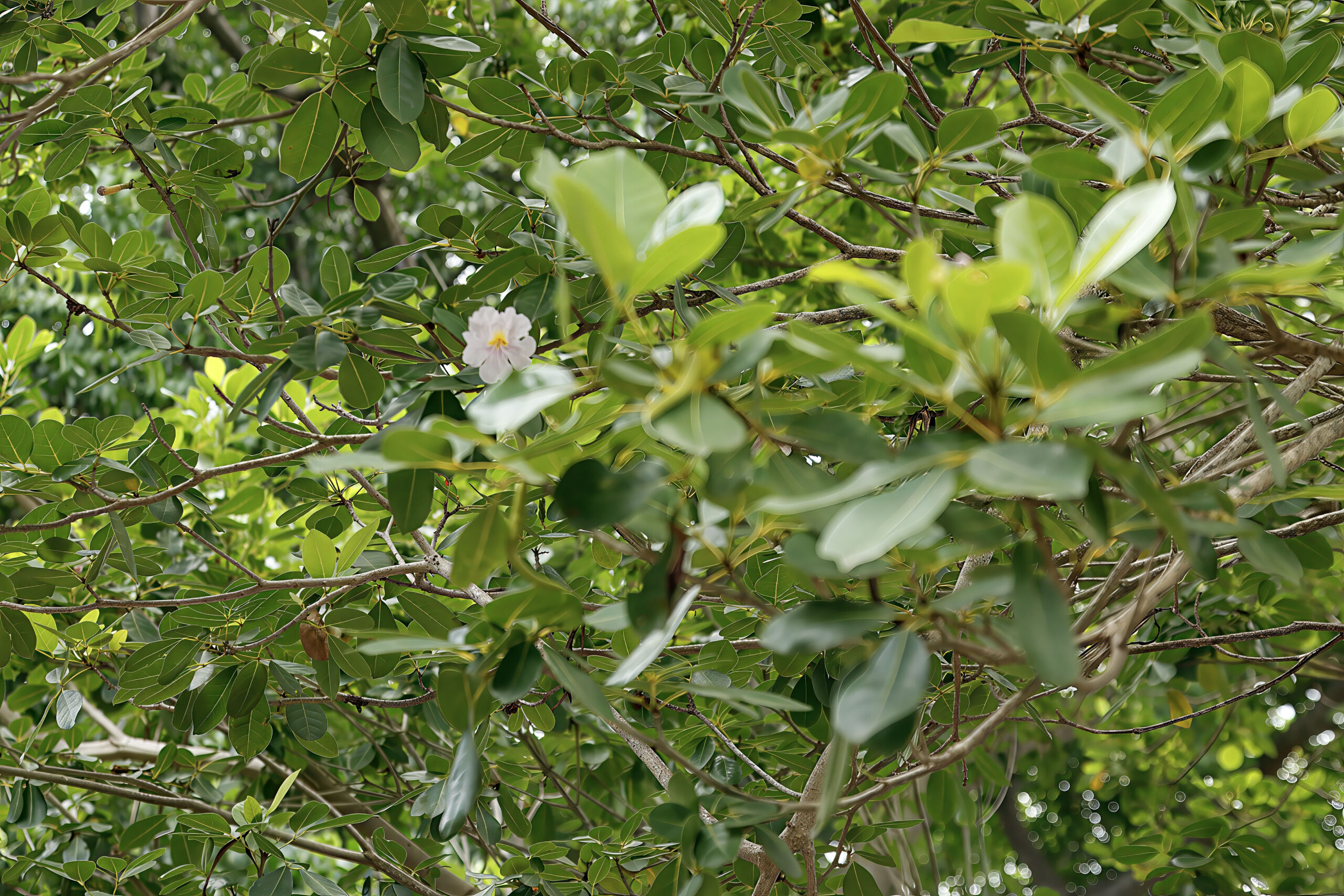
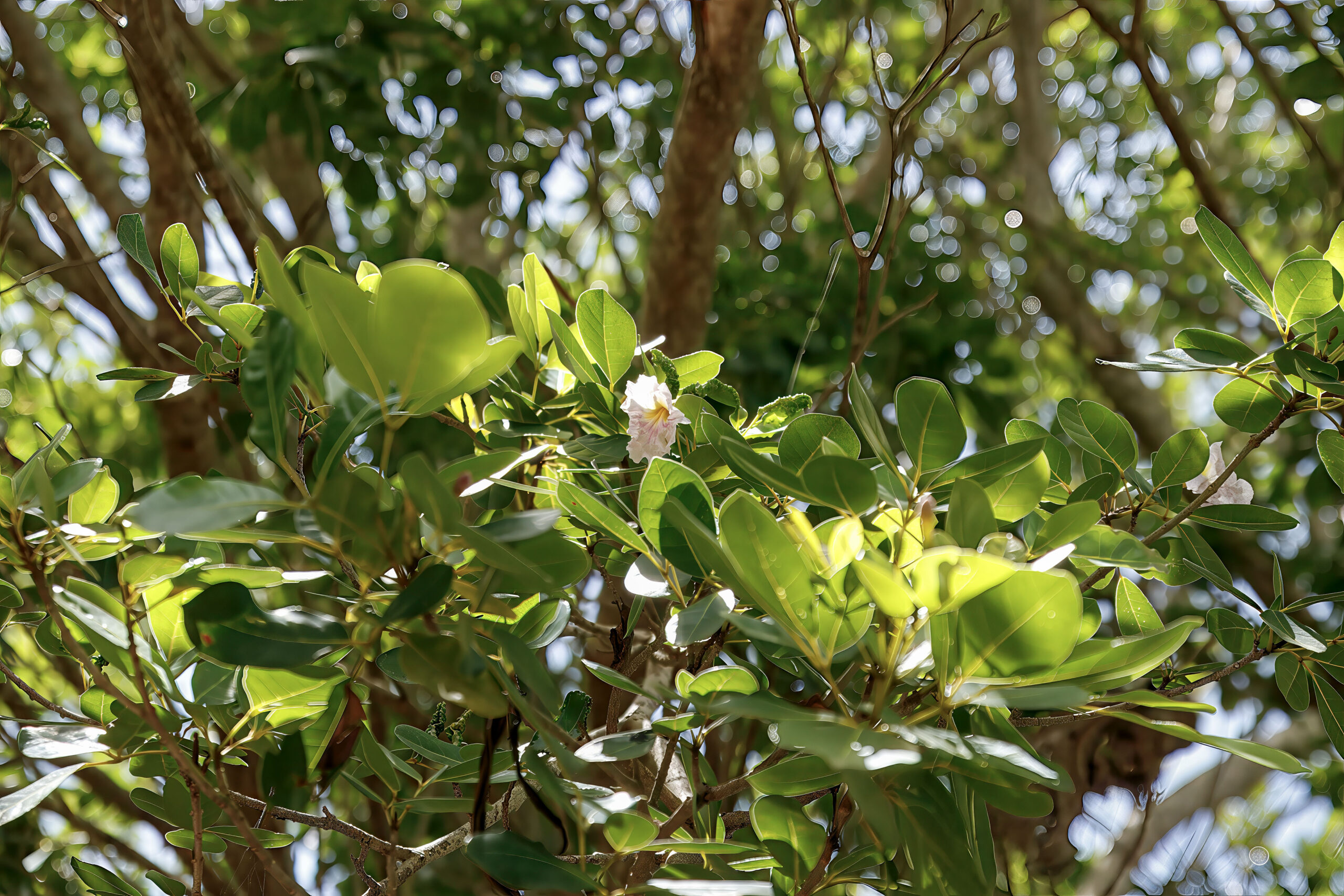
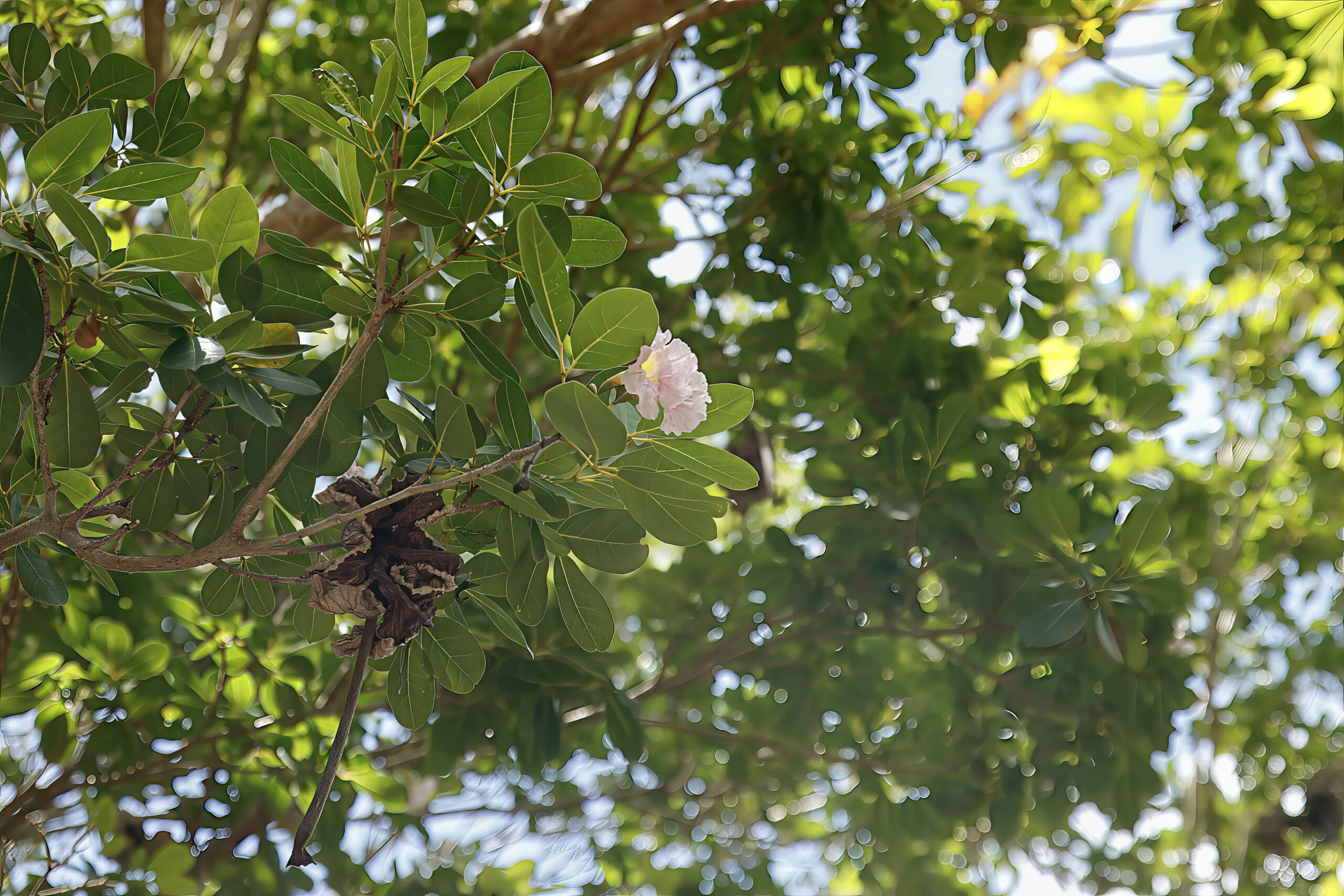
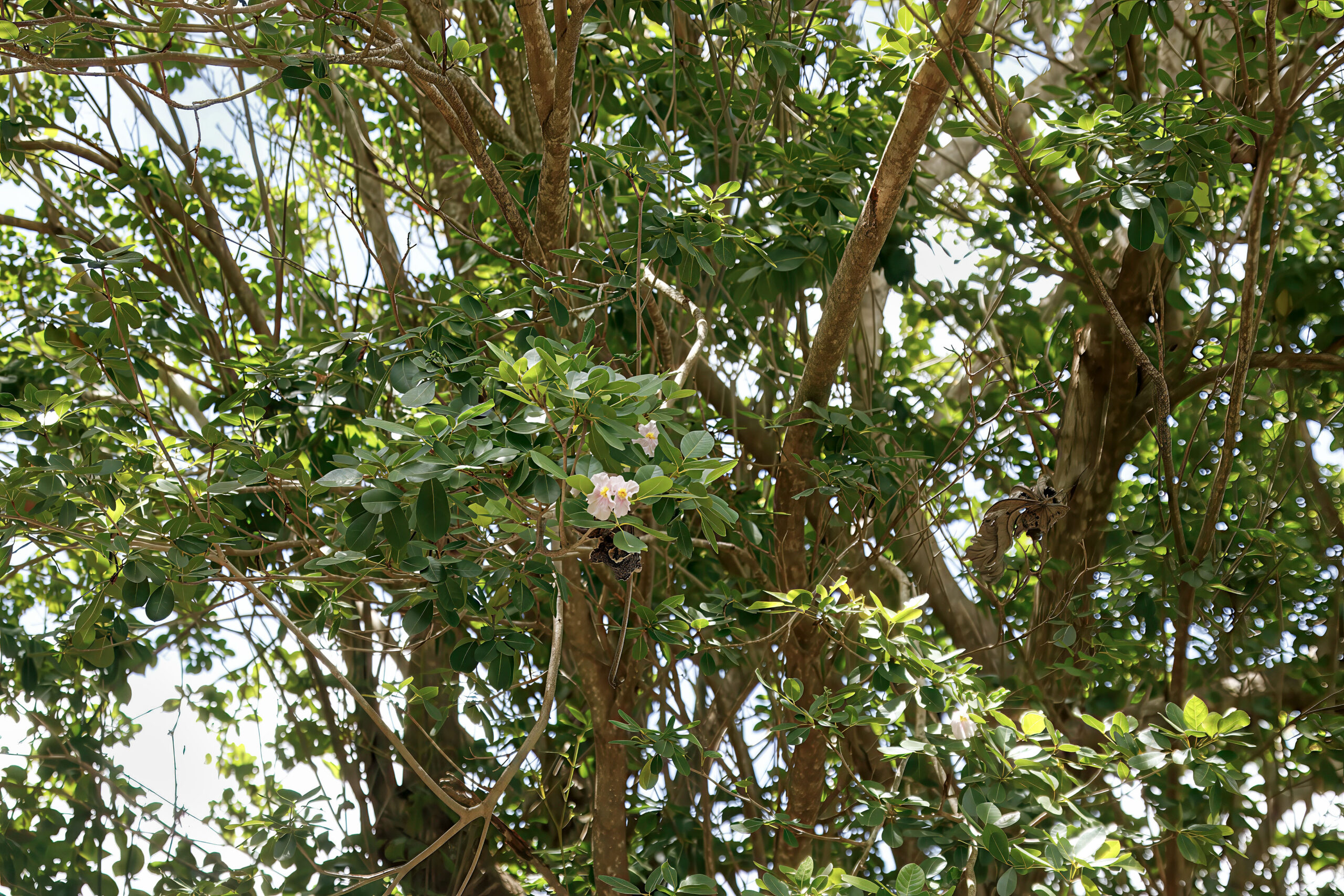
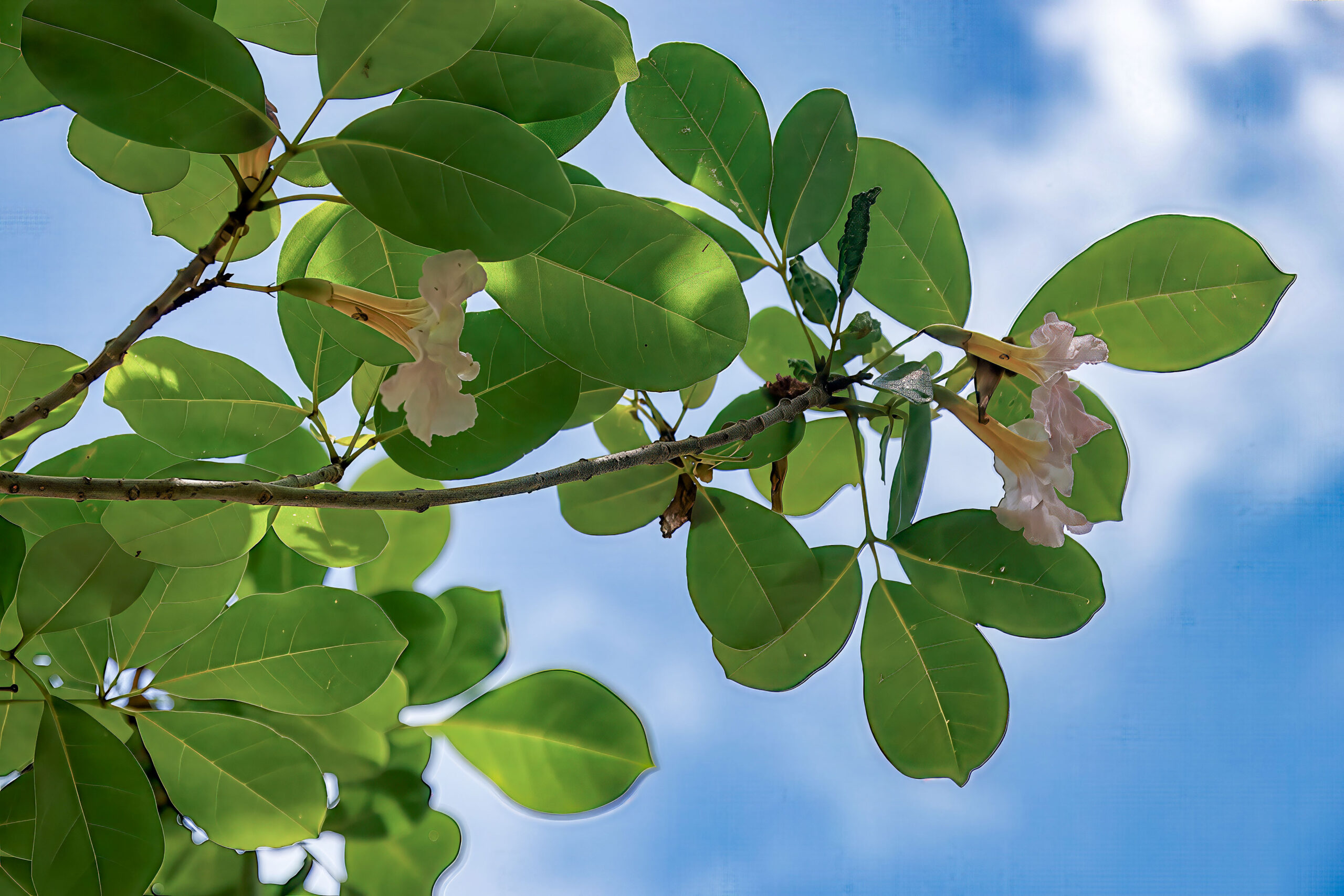
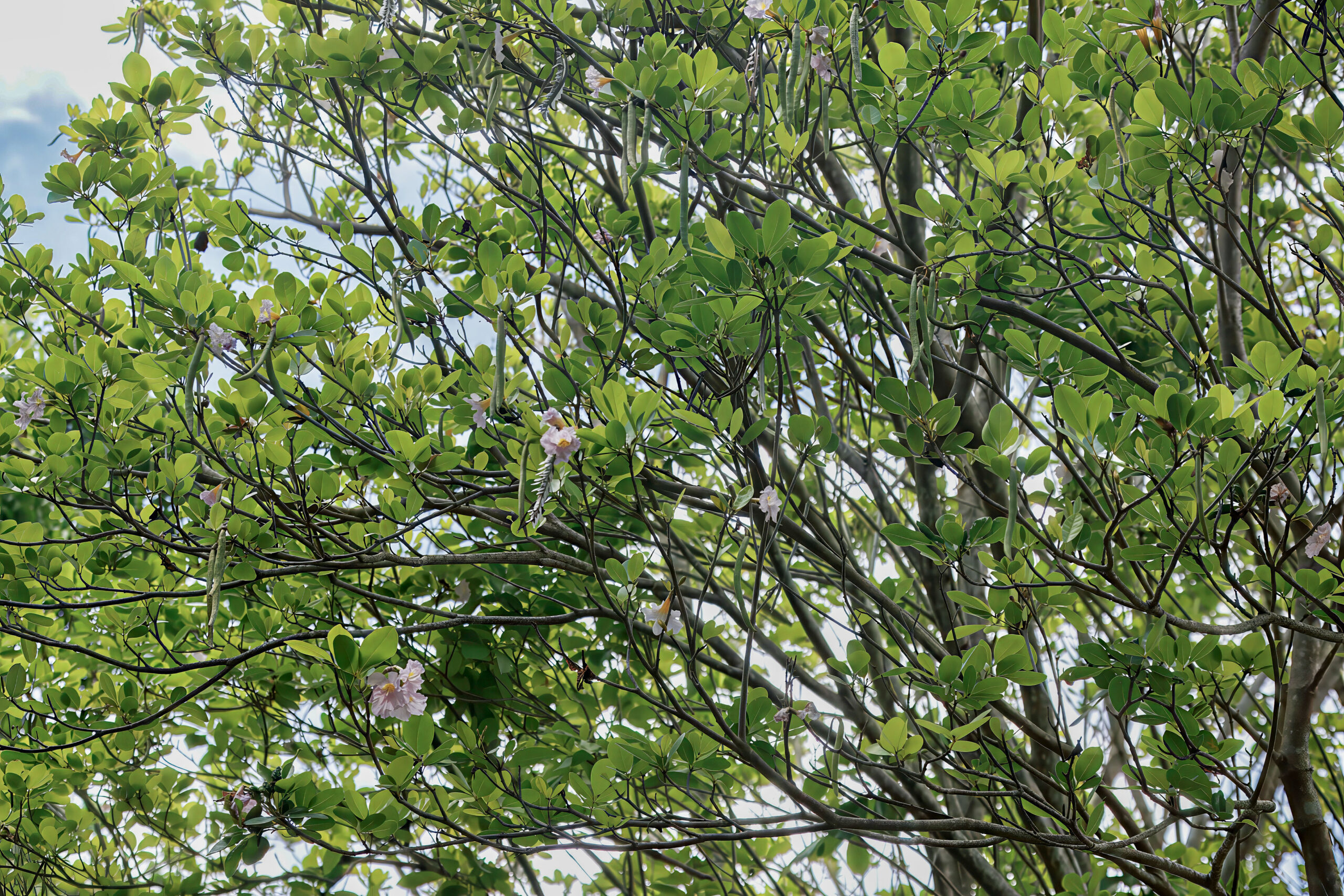
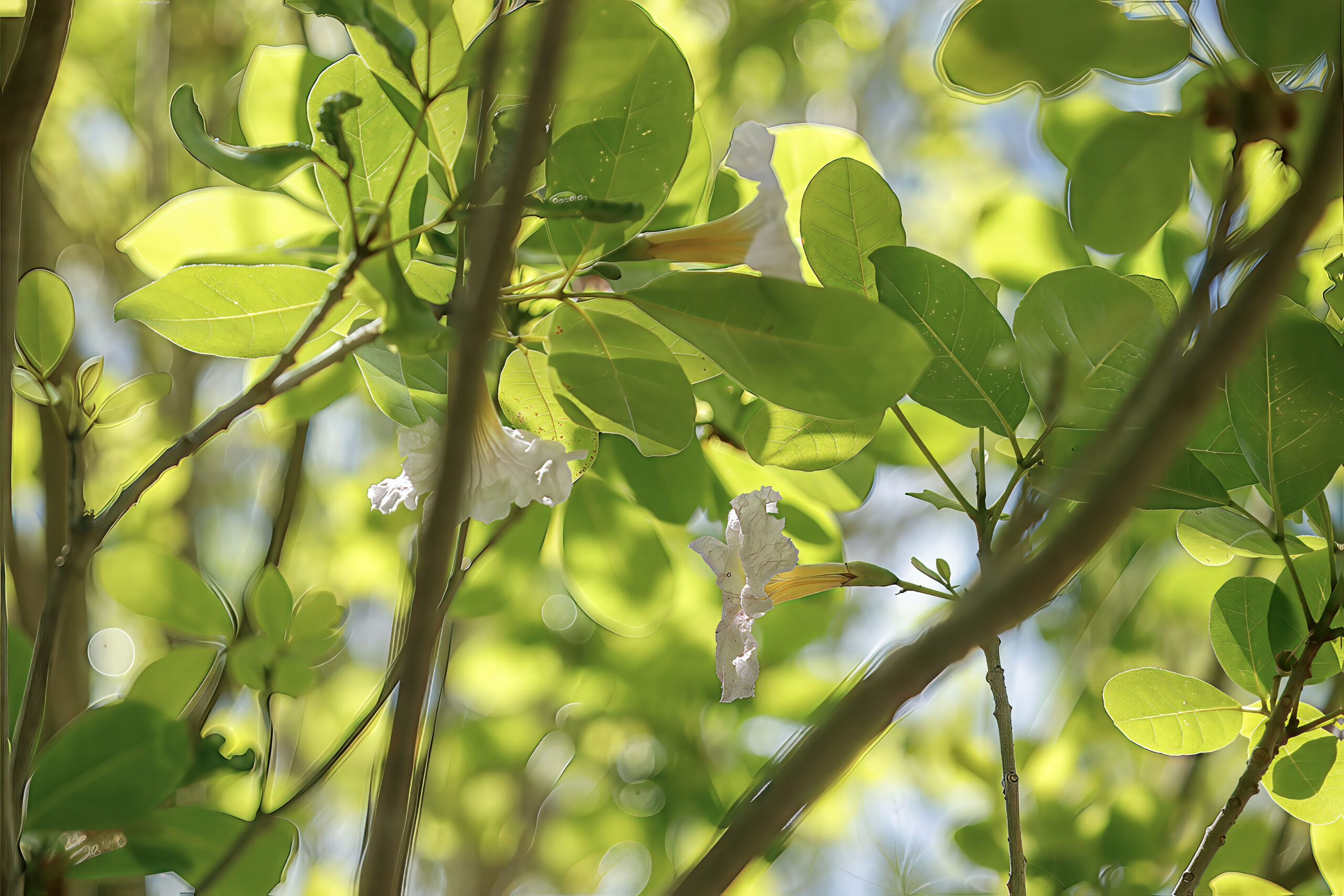
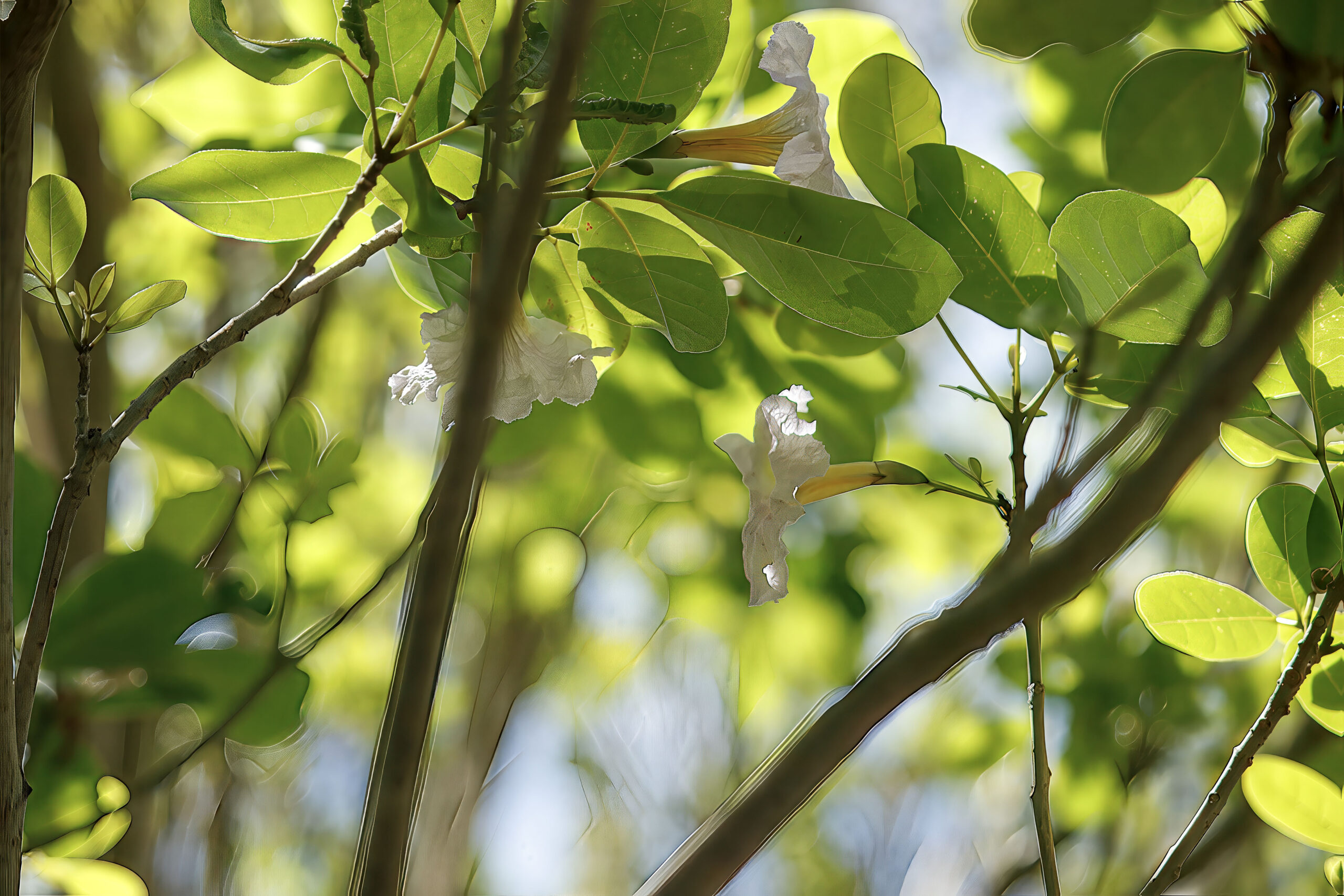
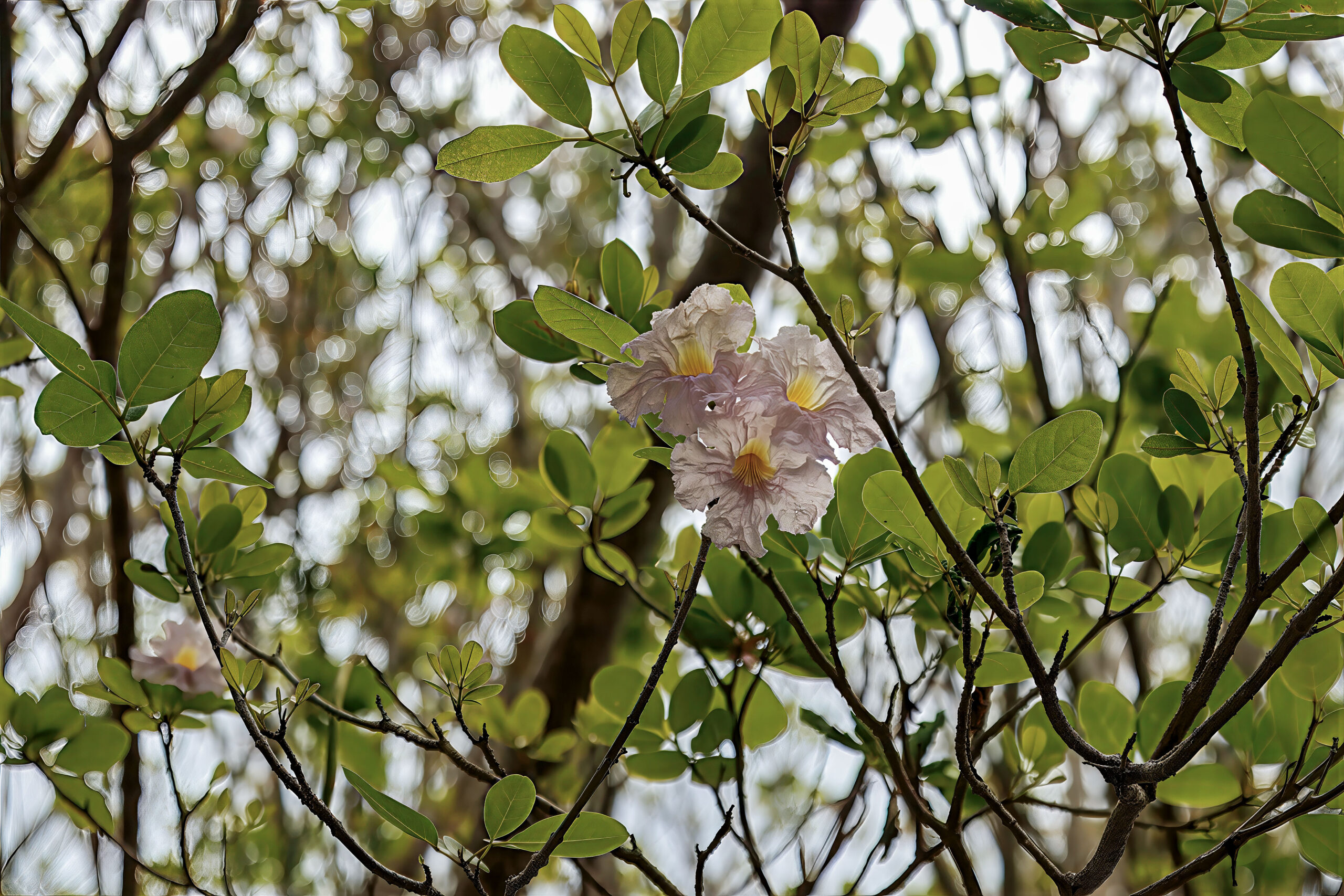
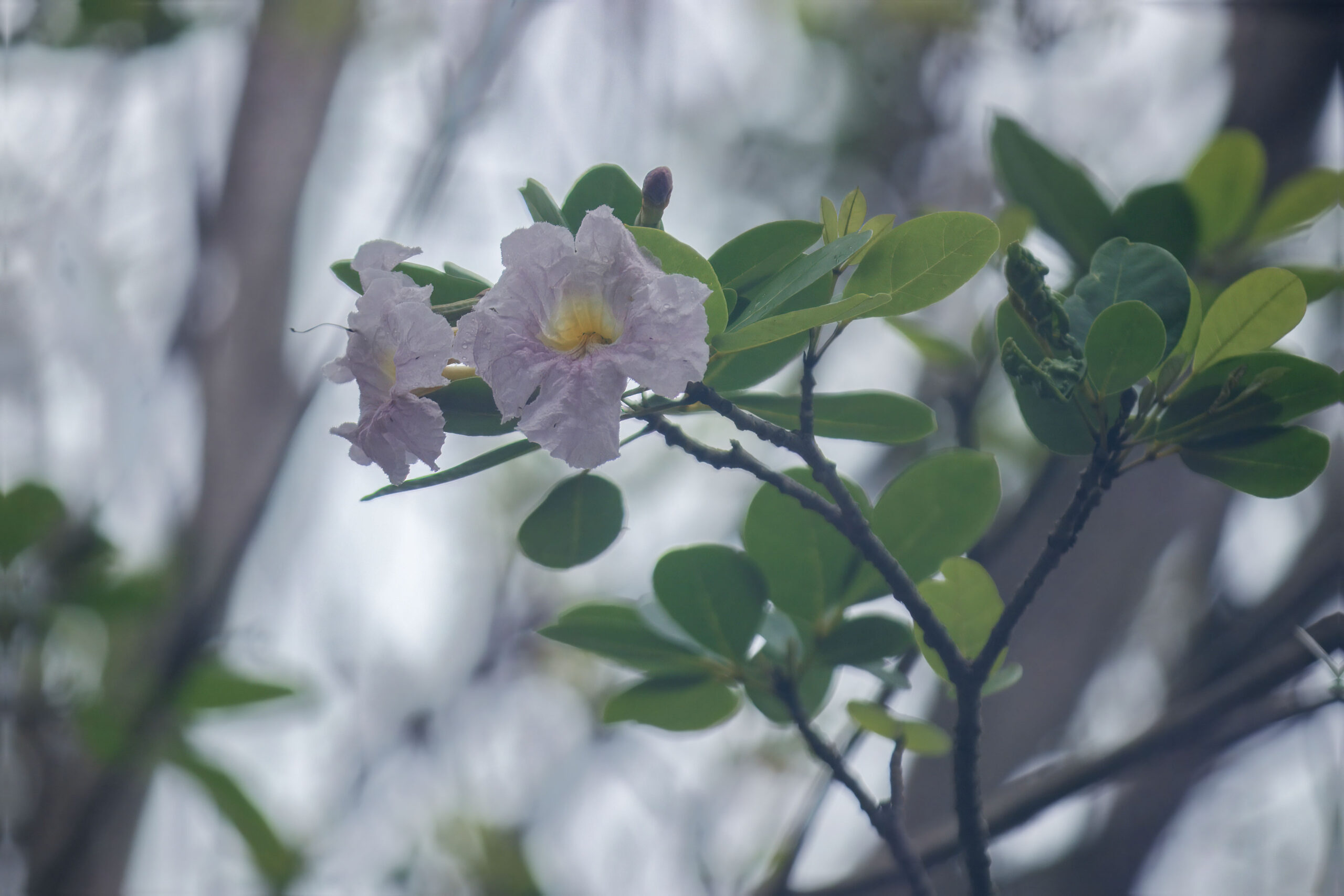
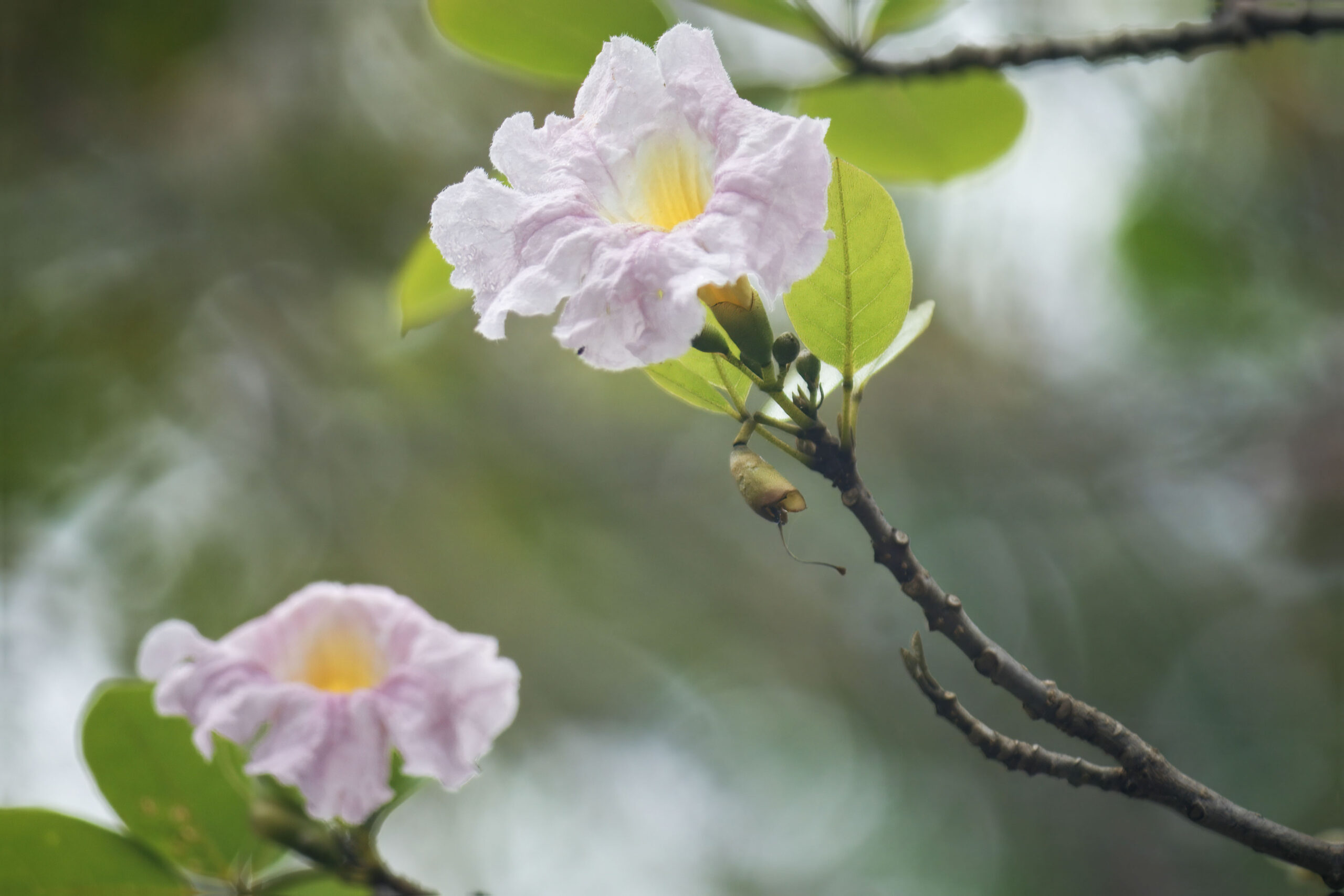
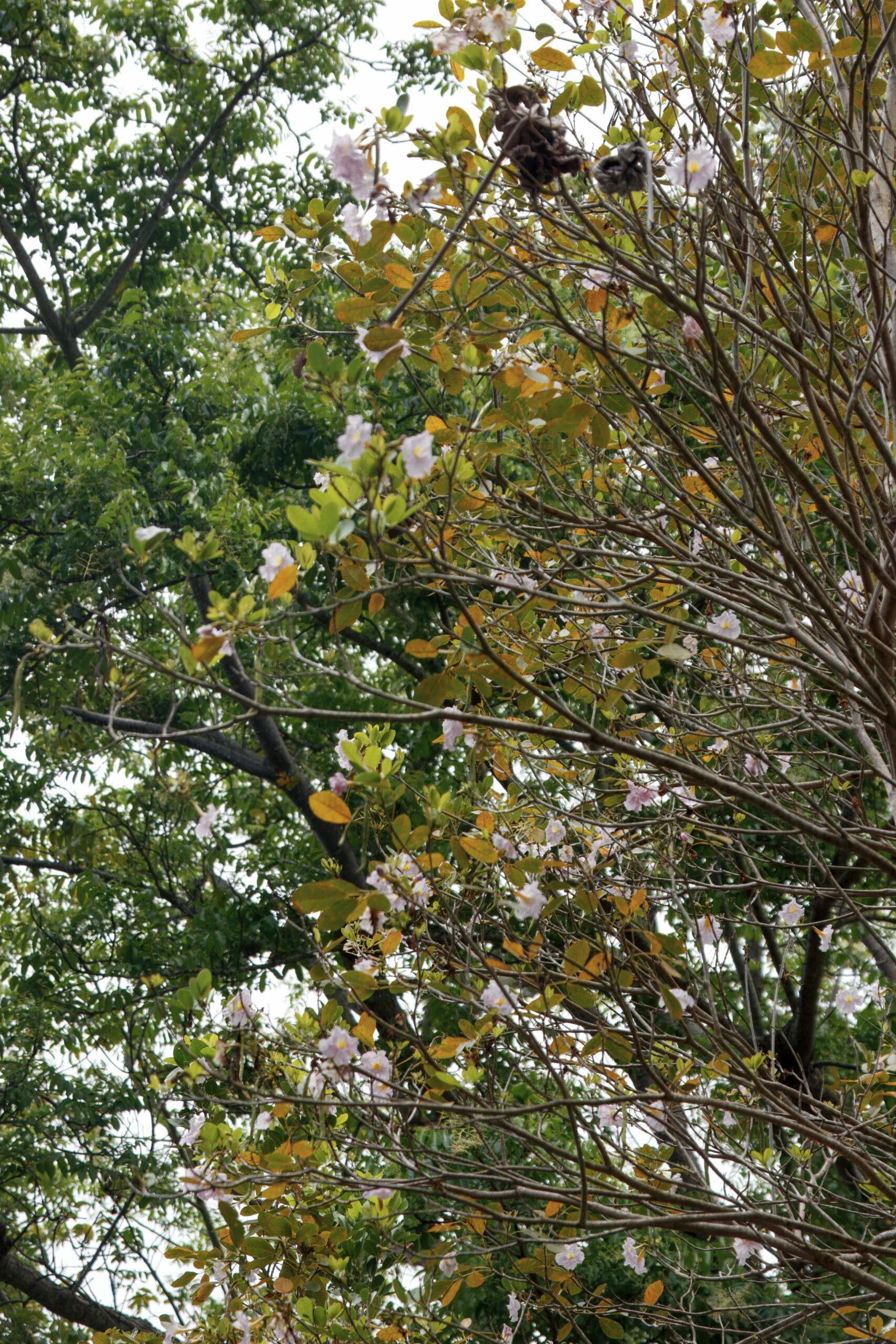
Flowering is the tree’s most striking phenophase. Large, trumpet-shaped pink to pale lavender flowers bloom in abundance, often covering the bare branches.
- Flowering usually occurs in late dry season (February–April).
- Flowering may begin before any new leaves appear, producing a spectacular floral display.
- Flowers may fall off quickly, creating a carpet of pink beneath the tree.
3. Leaf Flush (New Growth)
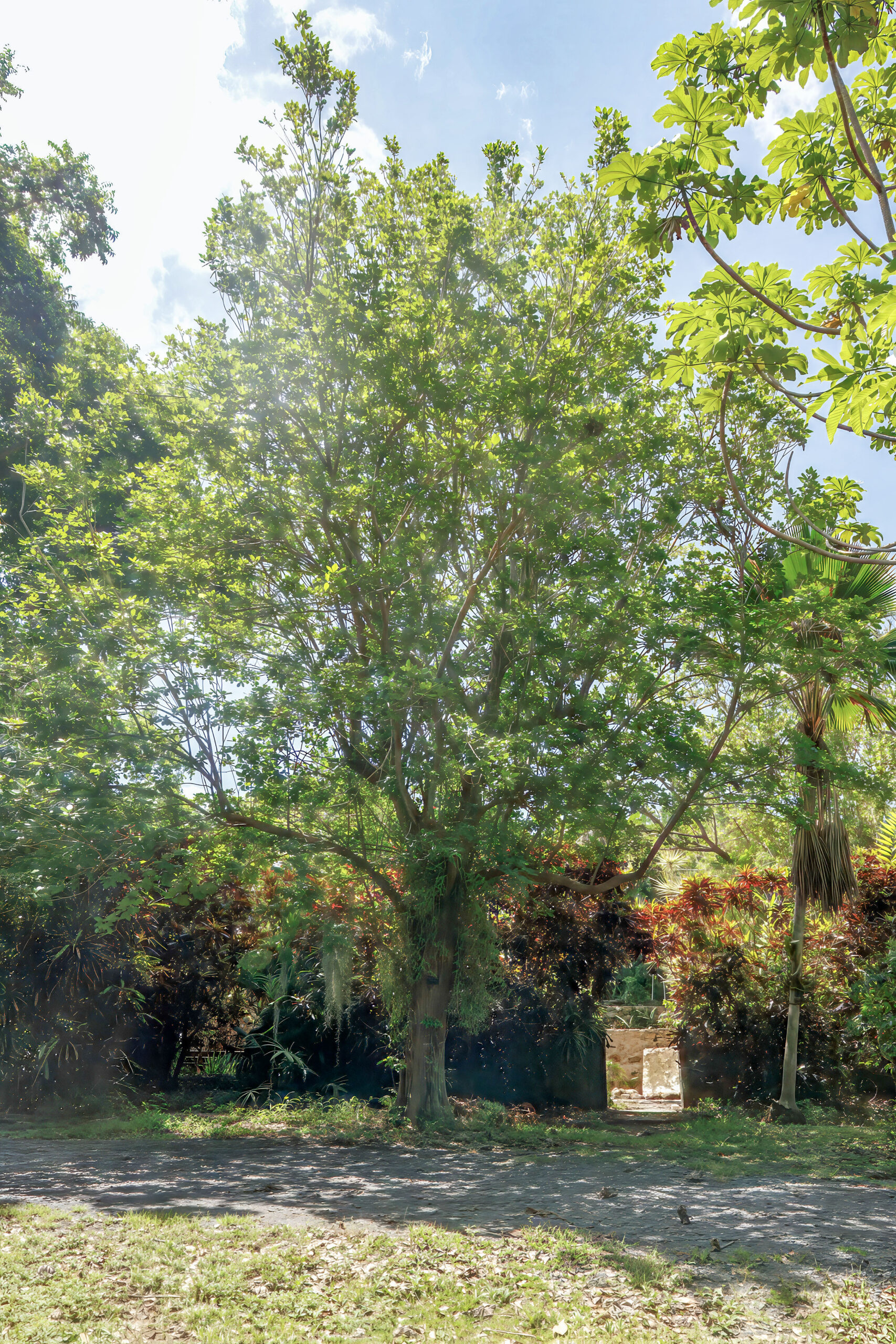
After flowering, the tree enters a period of leaf flush, producing simple, ovate green leaves.
- Leaves emerge as flowering declines—usually April through May.
- New leaves may appear slightly bronze before maturing to green.
4. Fruiting
The tree produces long, slender seed pods, often 10–15 inches long, which develop after flowering.
- Pods mature through late spring and early summer (May–July).
- When ripe, the pods split open to release numerous flat, winged seeds, dispersed by wind.
5. Seasonal Synchrony
This tree displays strong seasonal cues:
- Bare branches → Mass flowering → Leaf flush → Pod development → Seed dispersal
Observation Tips:
- Note leafless phase timing each year to anticipate flowering.
- Photograph first flower appearance, peak bloom, and flower fall.
- Document pod growth and seed dispersal—especially if windblown seeds accumulate in nearby areas.