
Portlandia tree
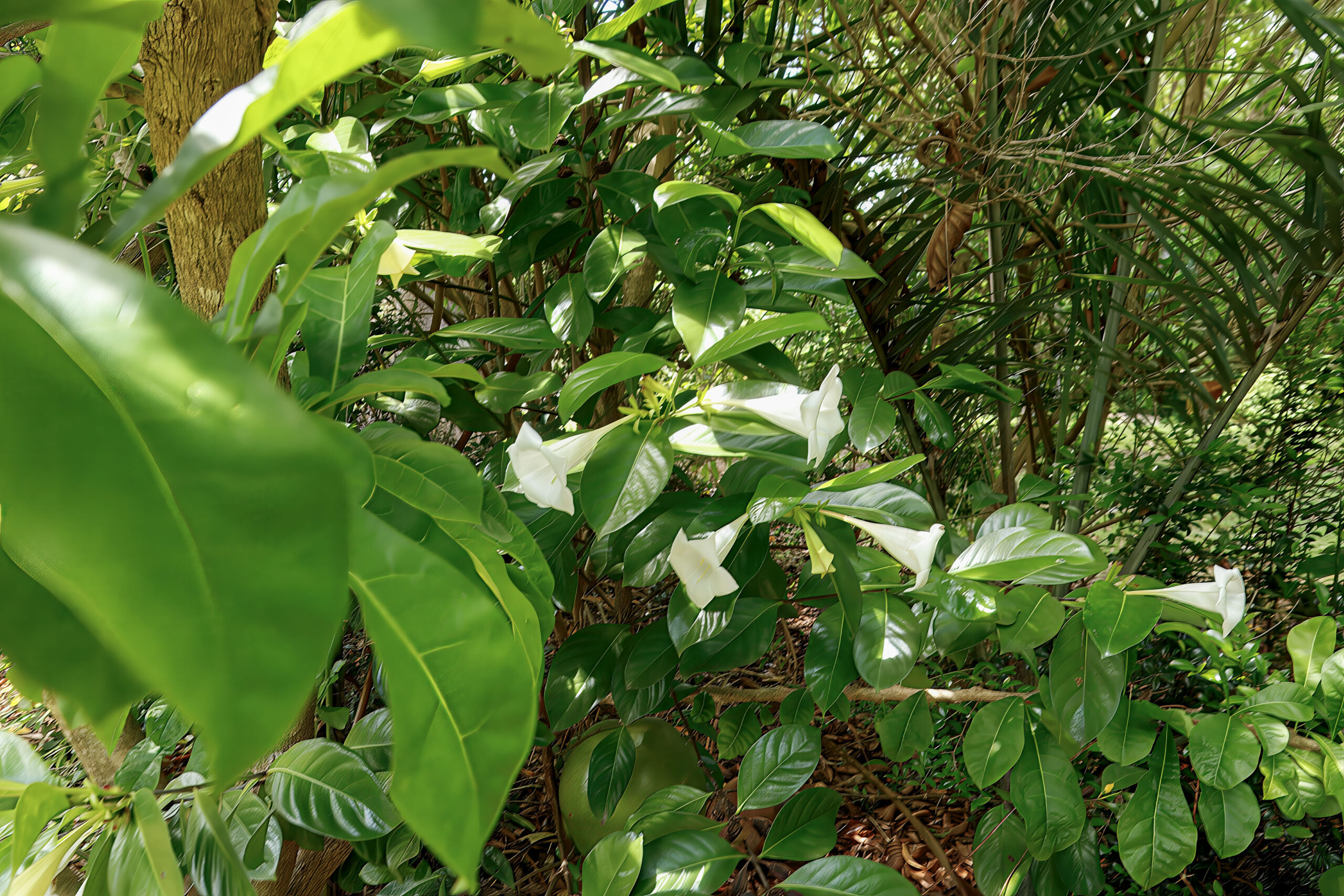
Scientific Name: Portlandia grandiflora
IUCN Red List threat level: Near Threatened
Common Names: Portlandia, Portlandia tree, Wild Allspice, Portlandia flower
GPS Location: 17° 42′ ″ N, 64° 49′ ″ W
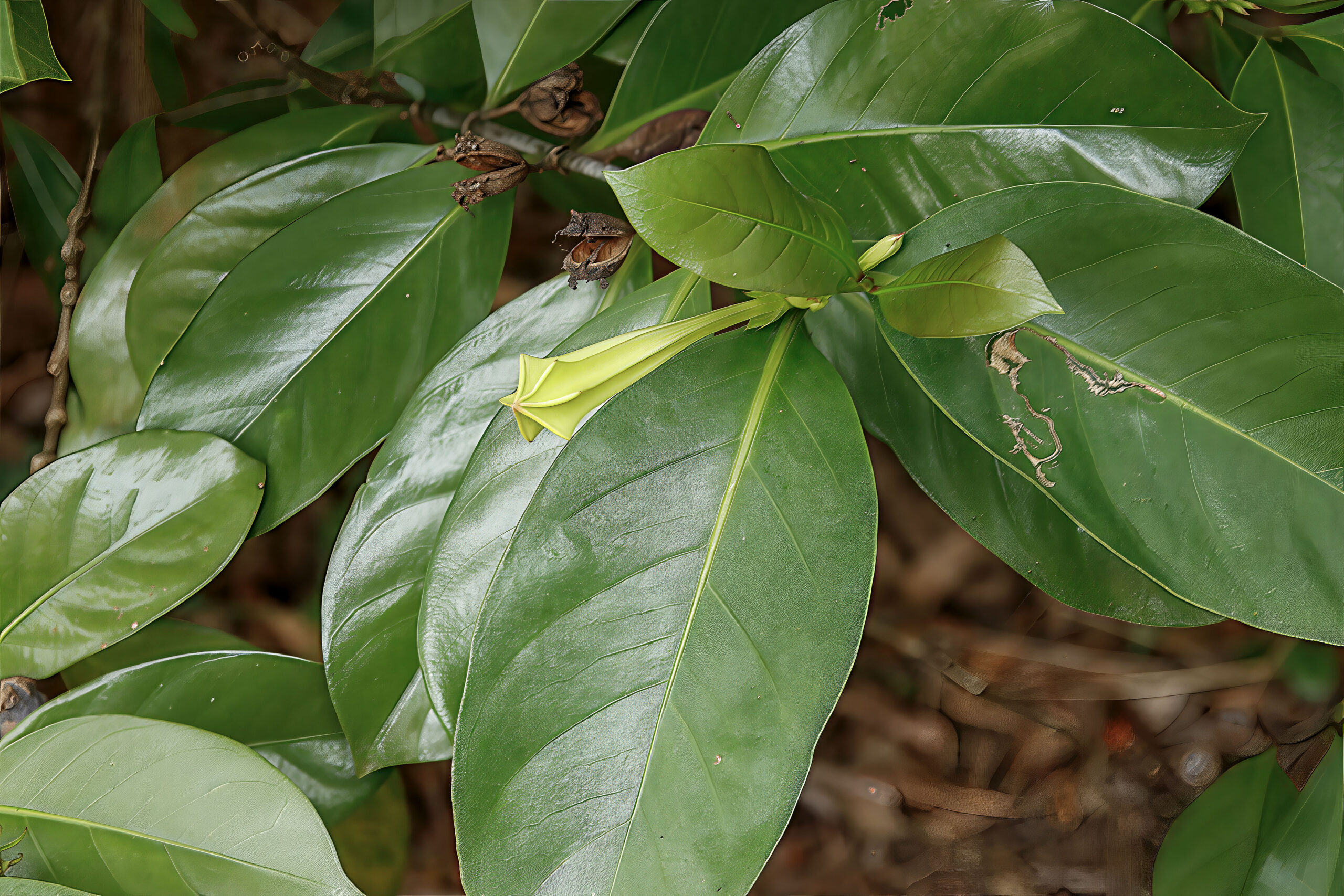
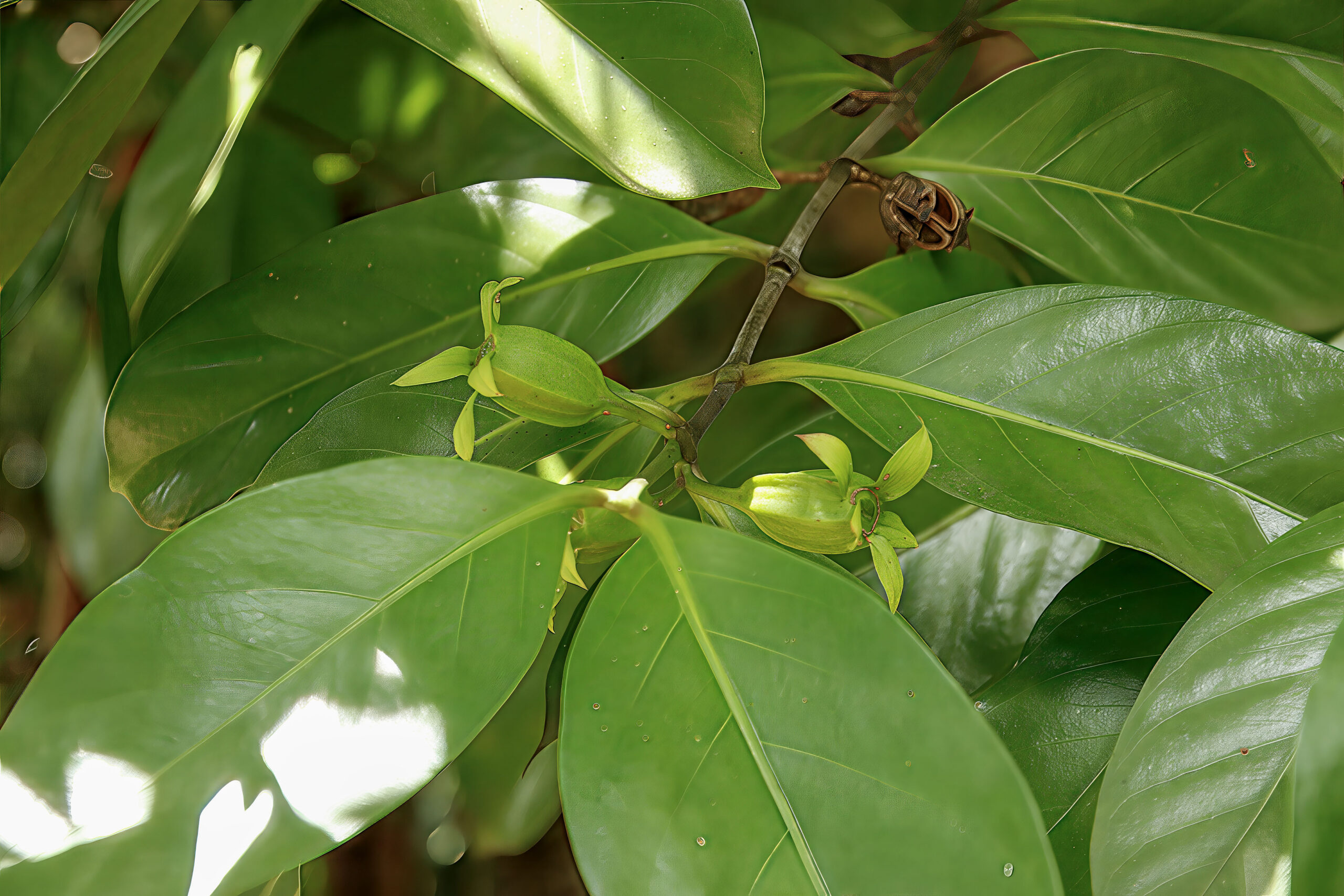
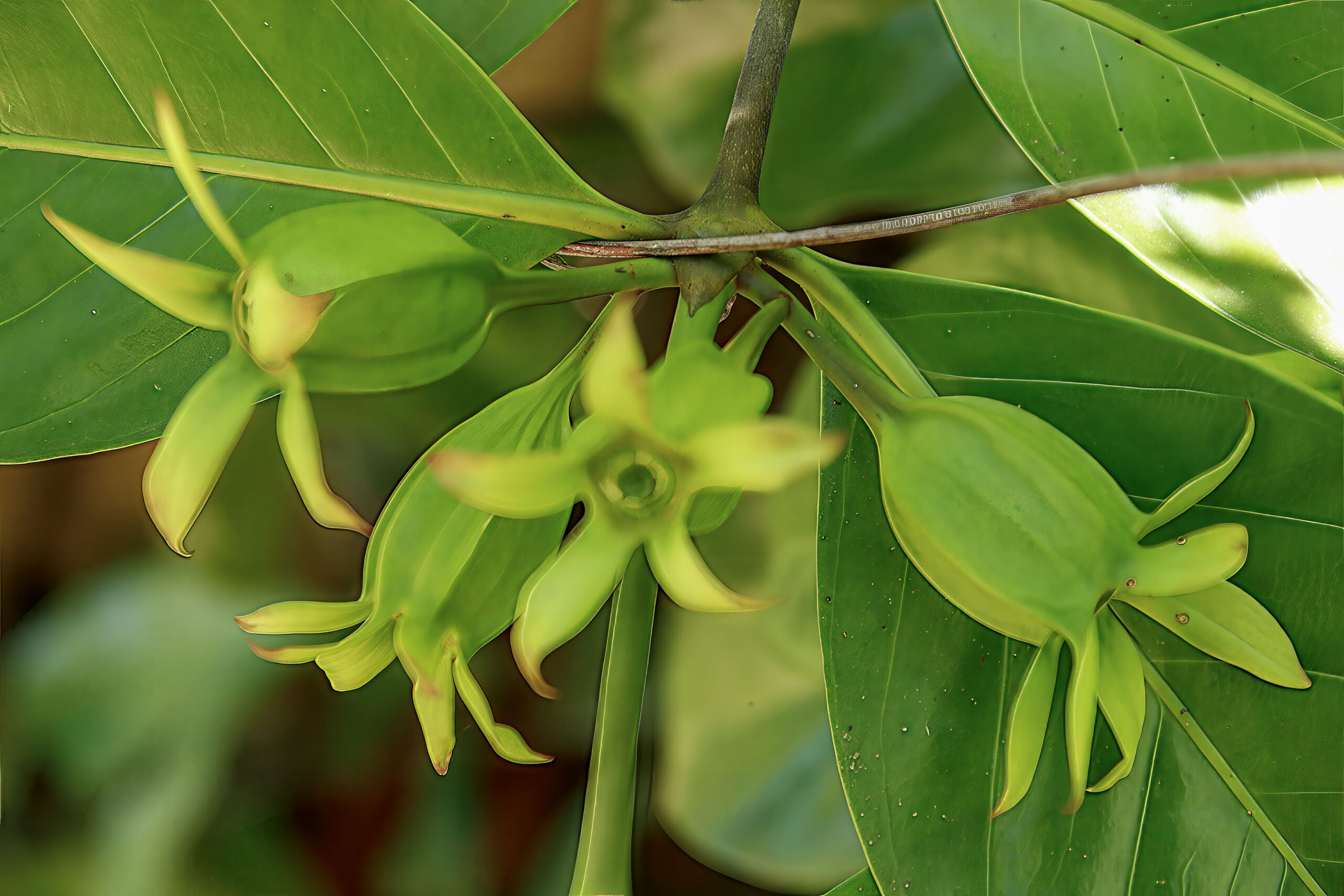
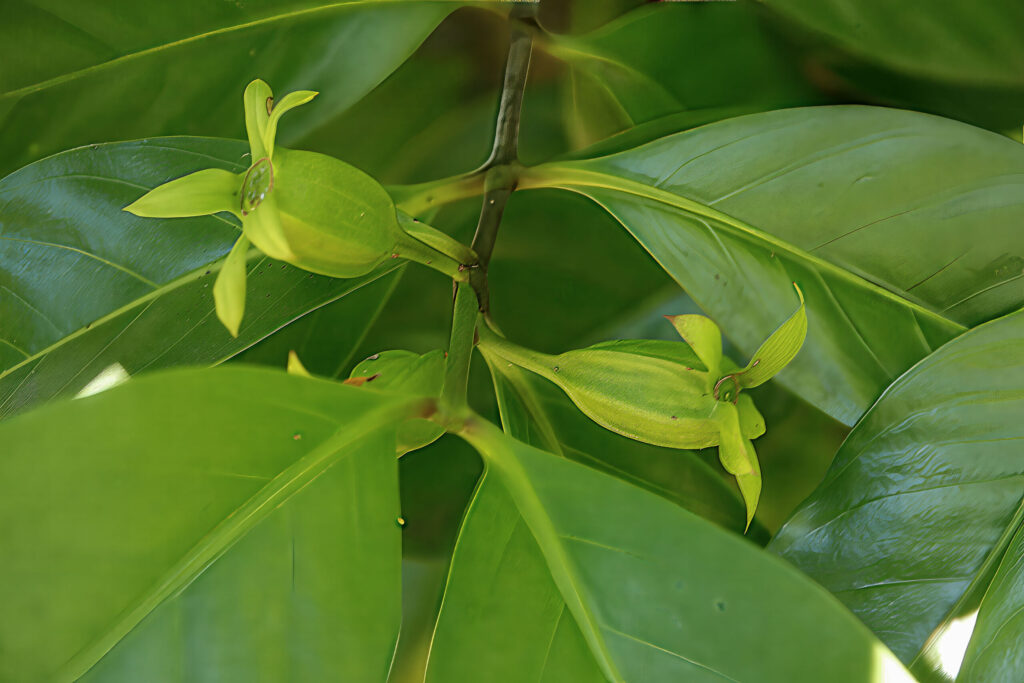
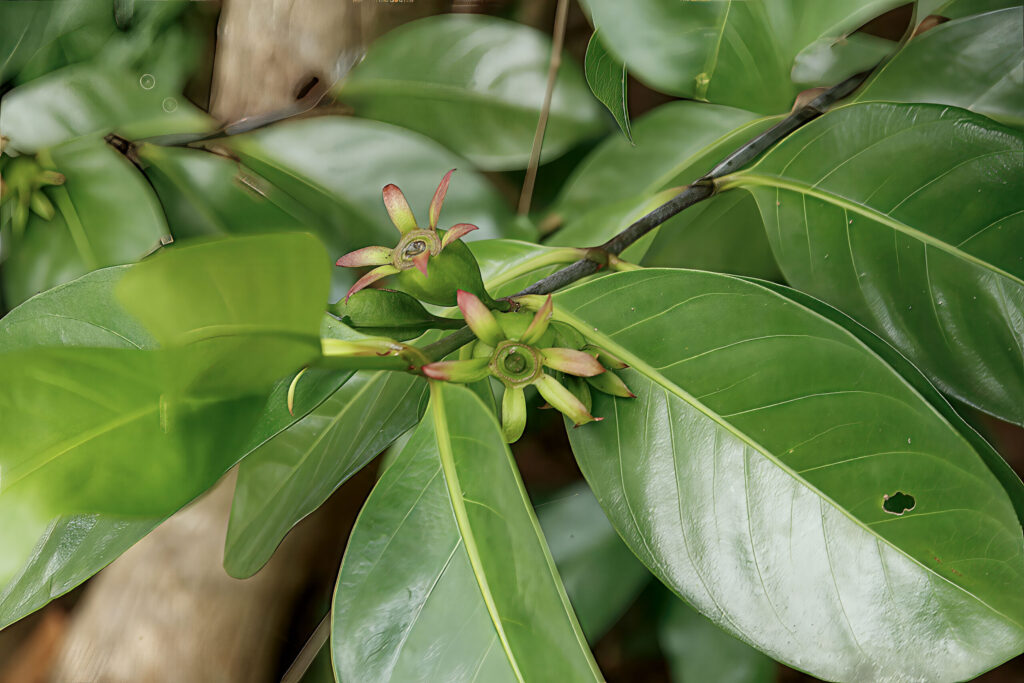
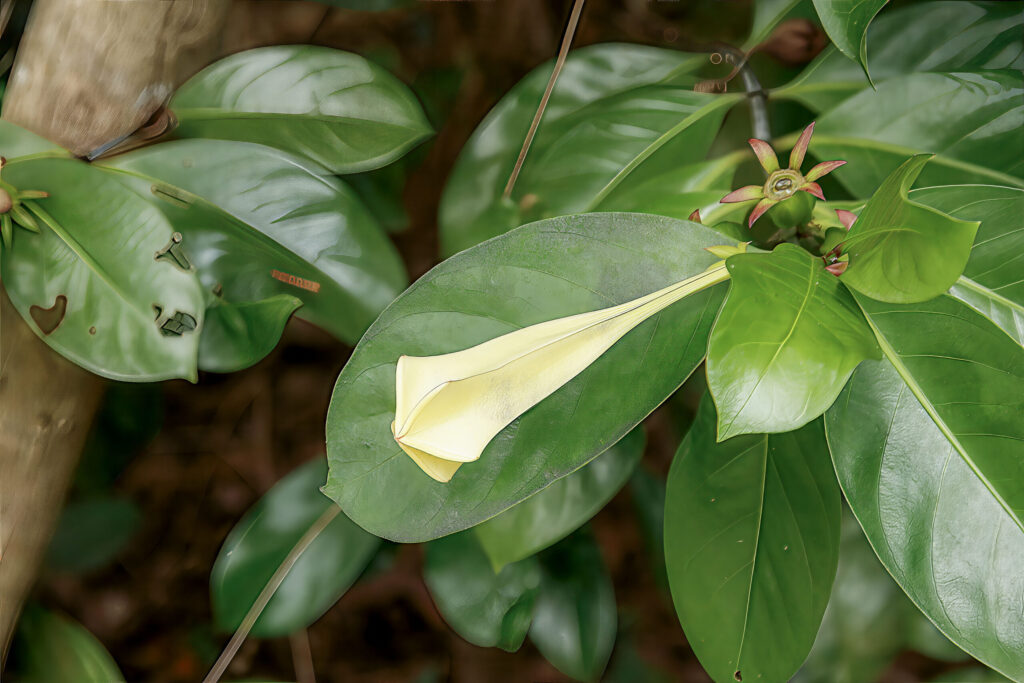
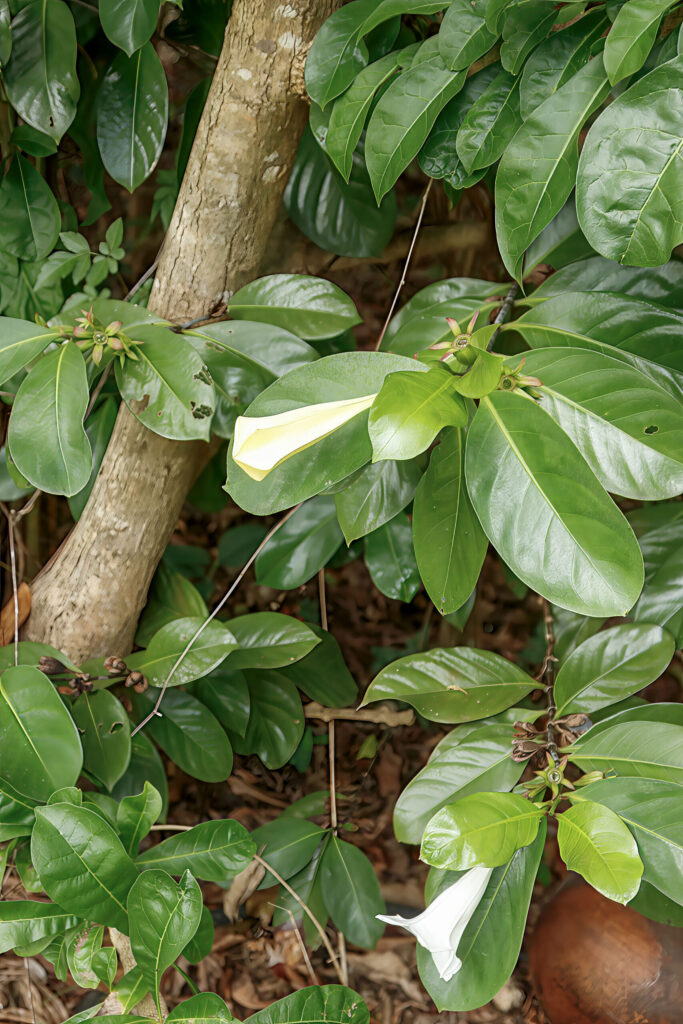
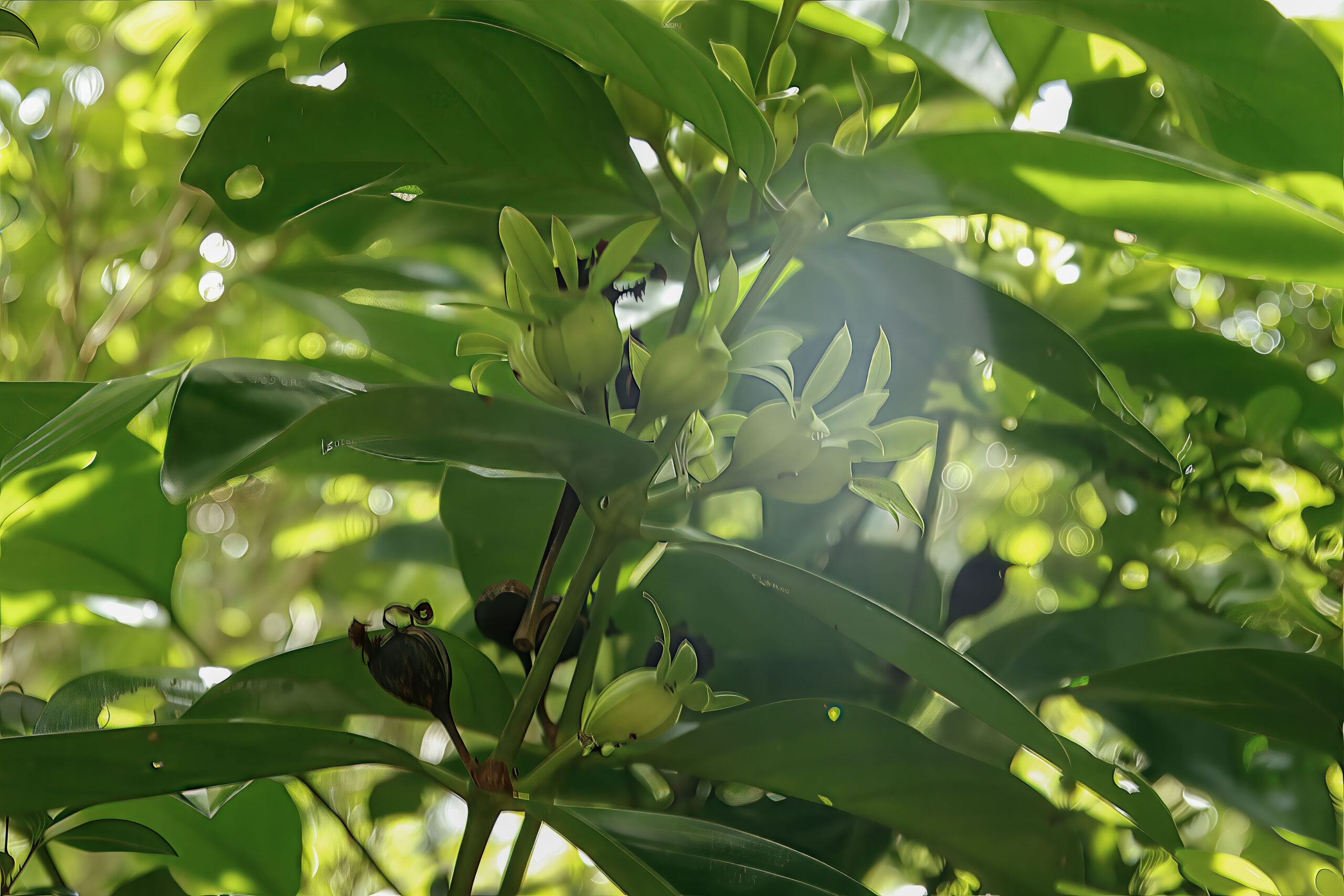
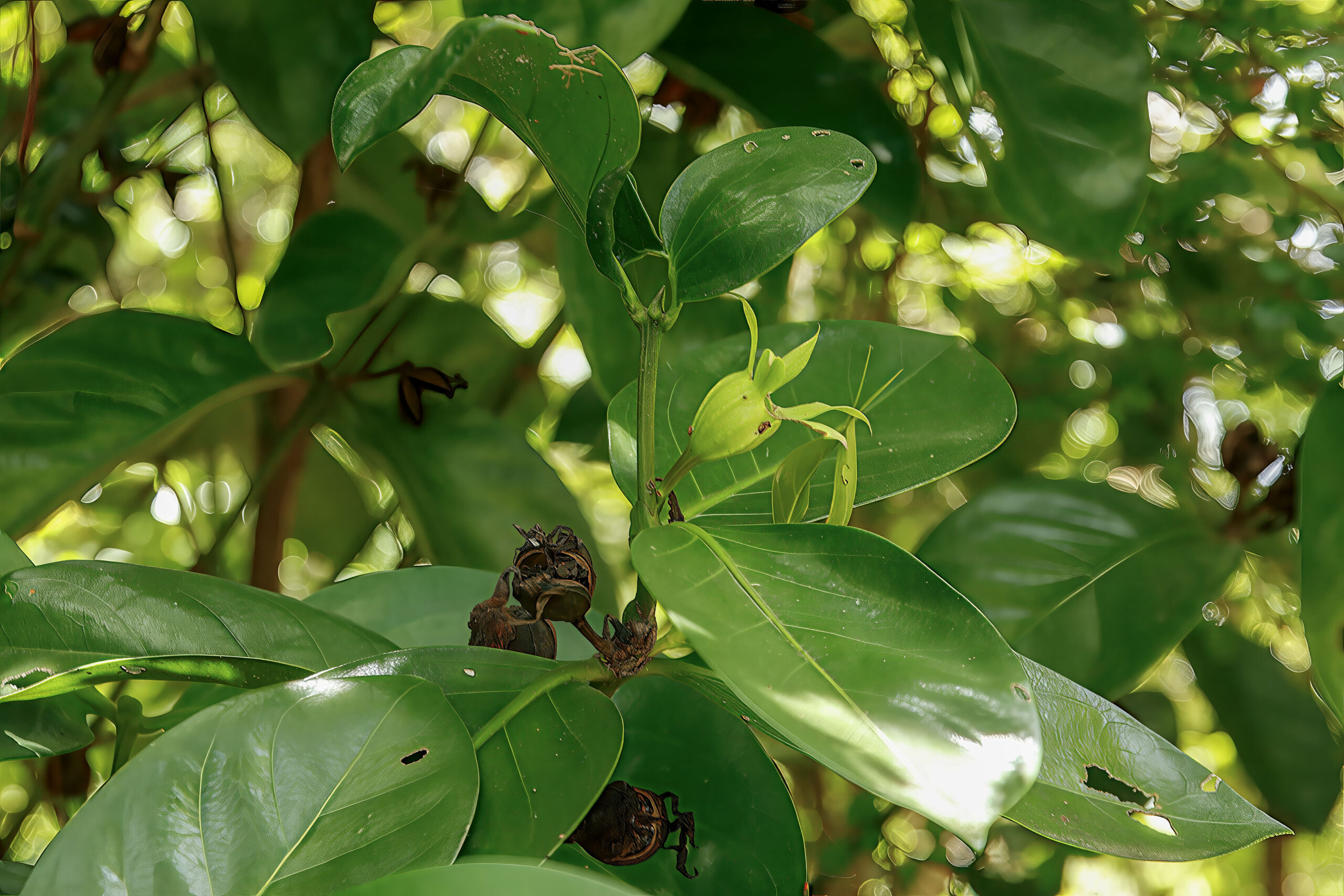
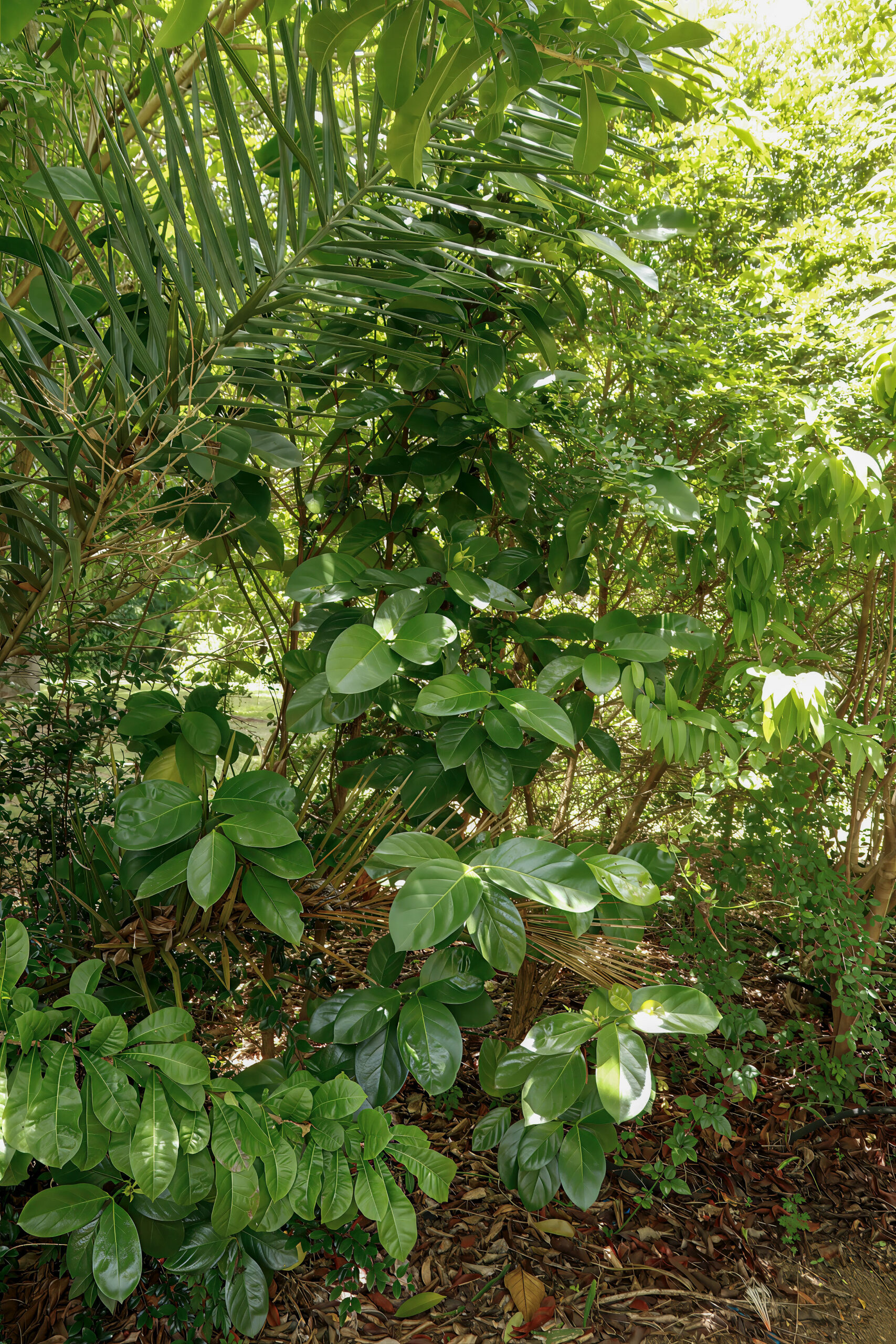
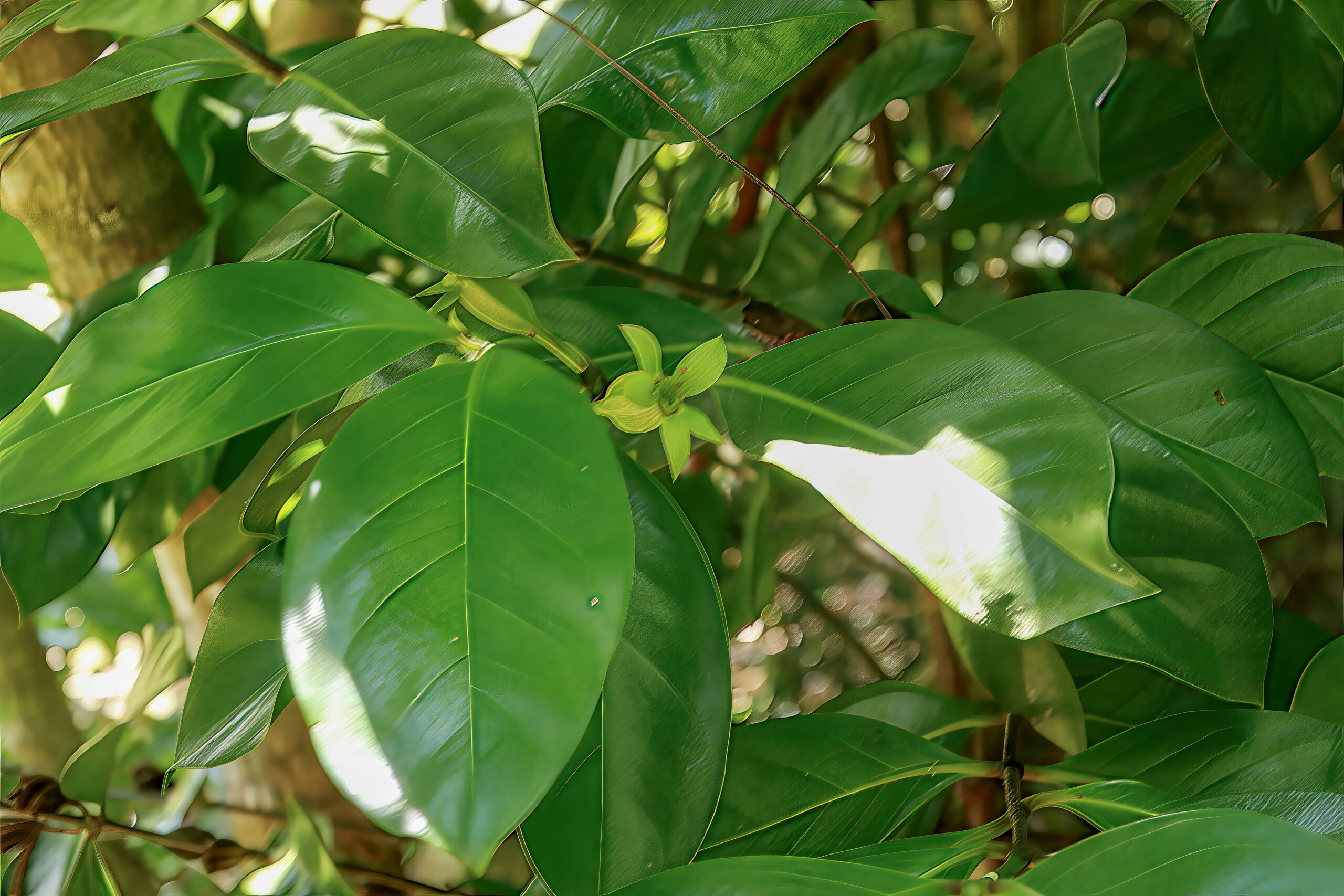
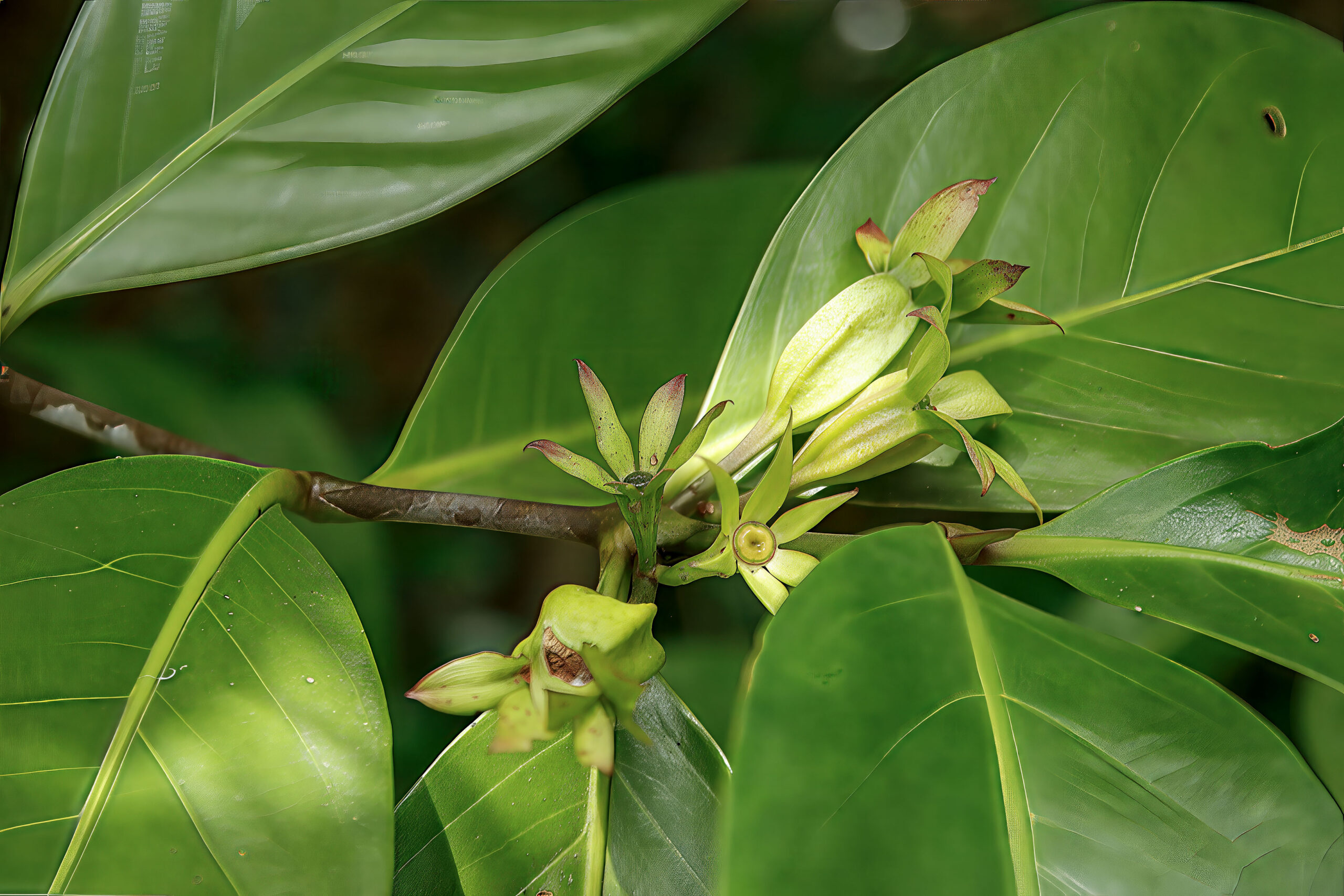
Medicinal Uses
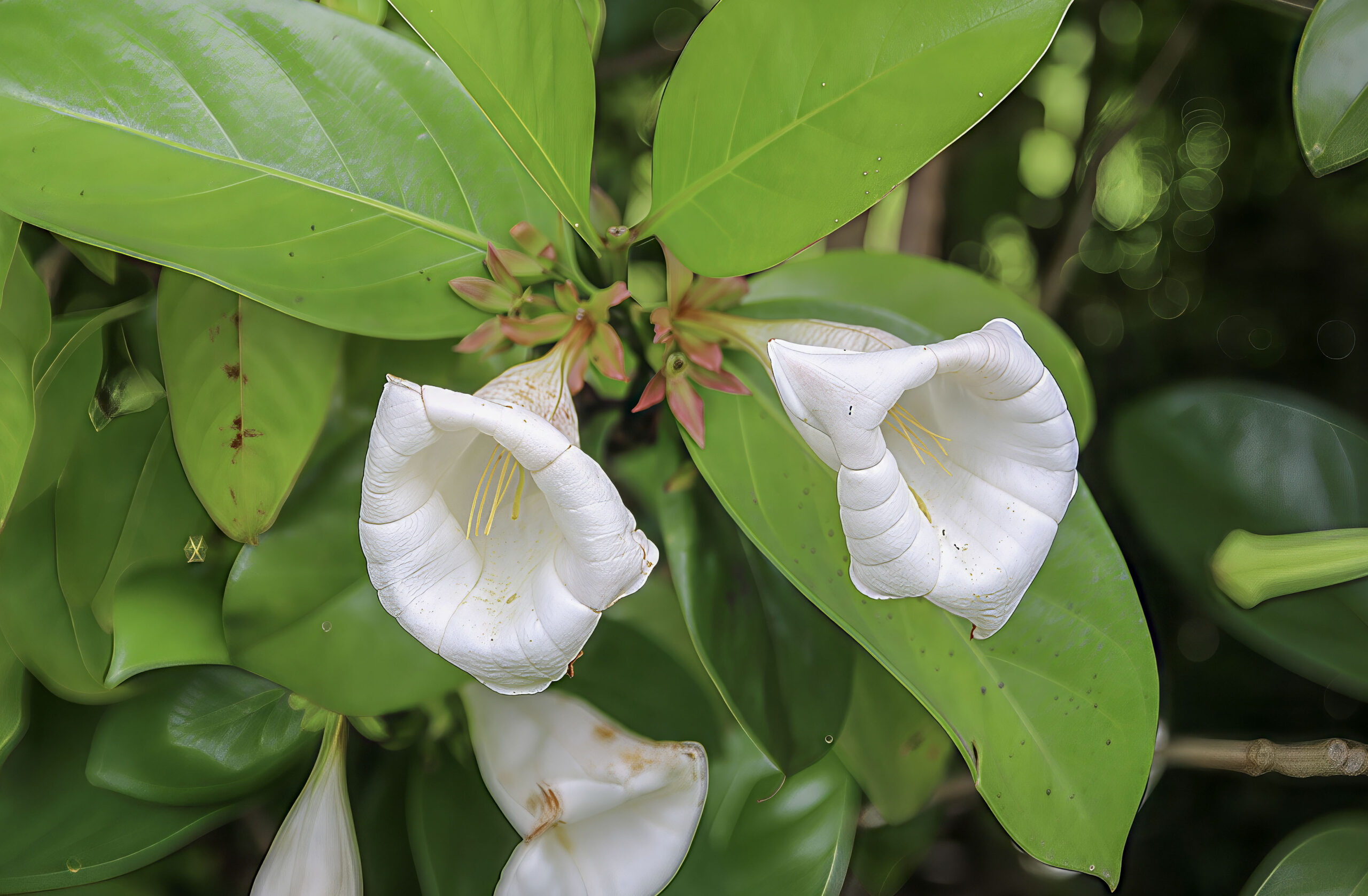
Portlandia grandiflora, the Jamaican Bell Flower, is primarily known as an ornamental plant for its beautiful, fragrant flowers, but it also has traditional medicinal uses, particularly in Caribbean folklore for skin ailments and wounds, acting as an astringent, though scientific backing is limited, with some sources attributing properties for skin issues like rashes, burns, and insect bites to related Portulaca species, not Portlandia.
Reported Traditional Uses
- Skin Conditions: Used for treating skin diseases, rashes, burns, scalds, and insect bites.
- Wound Healing: Applied as a lotion or topical treatment for wounds.
- Astringent: Used traditionally for its astringent properties, possibly to help cleanse kidneys, though this is often associated with “King of the Forest” (Dendropanax arboreus).
Key Considerations
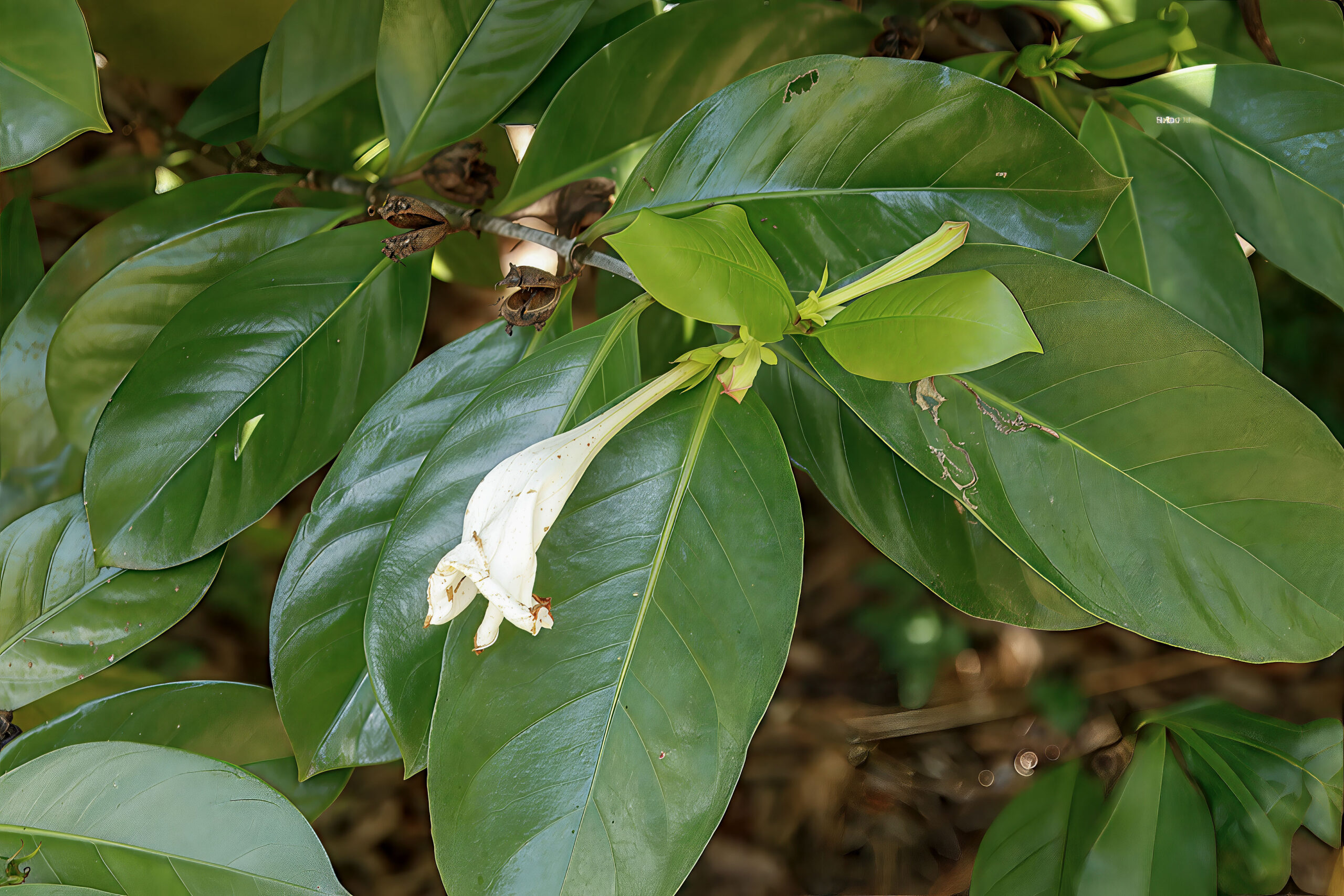
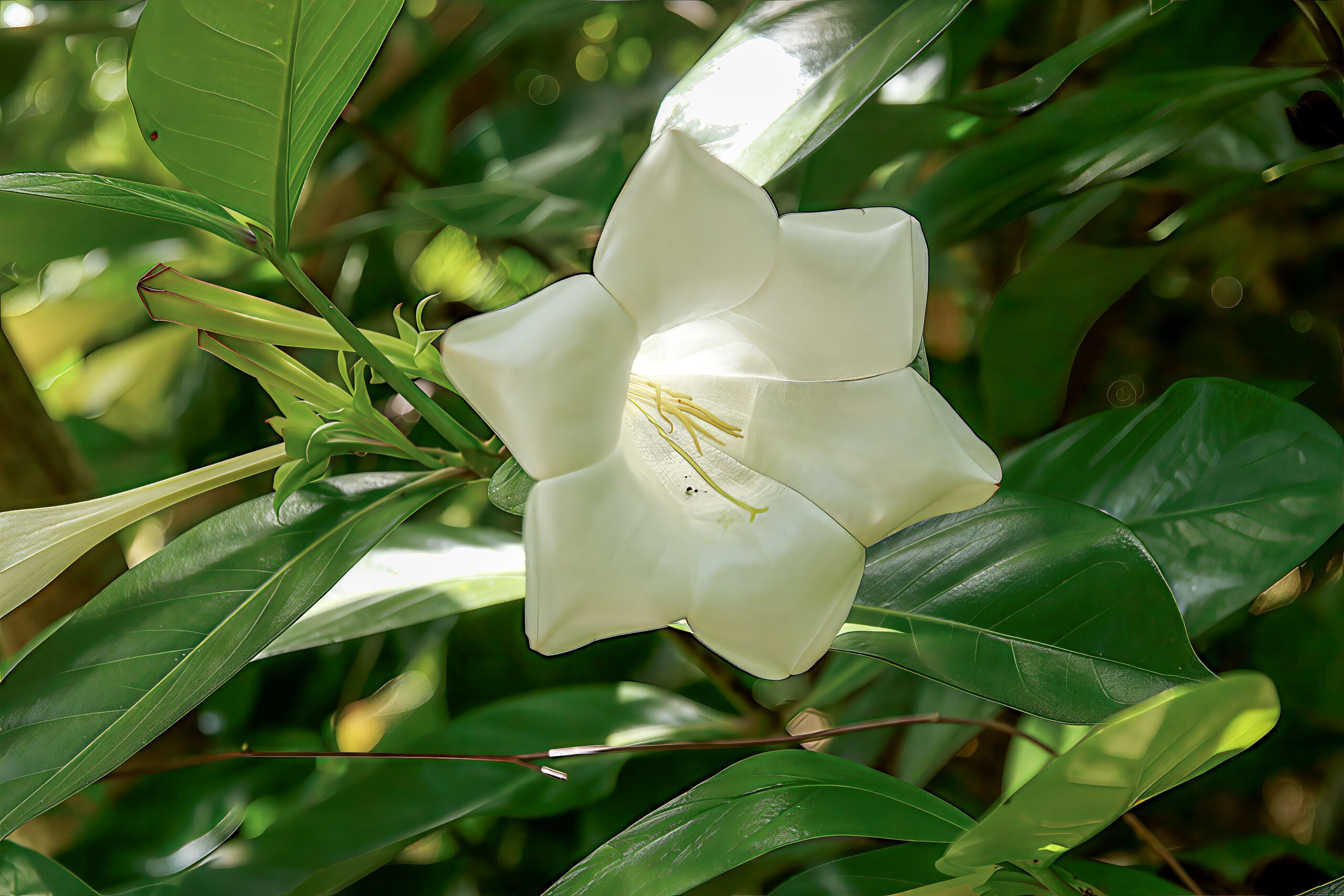
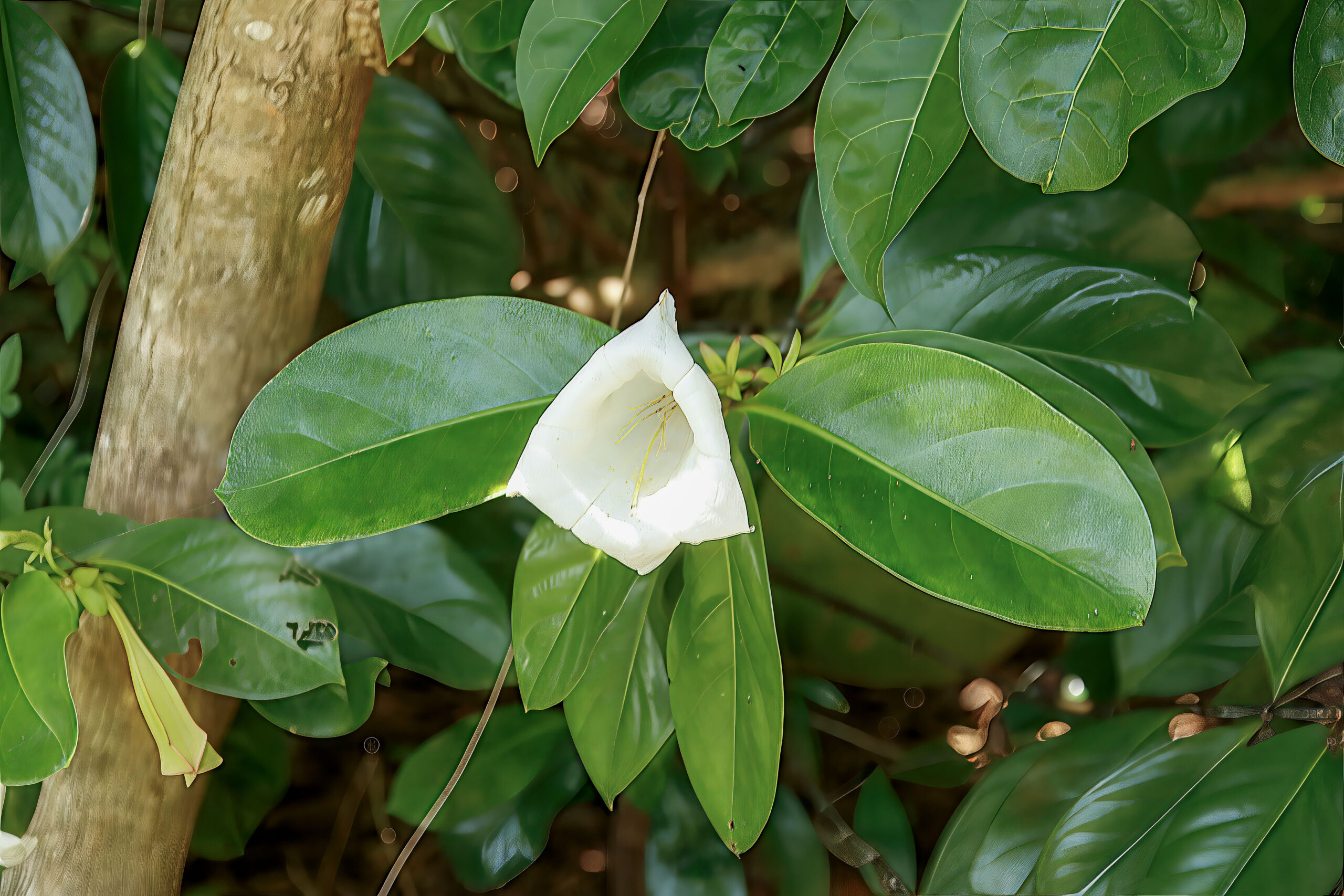
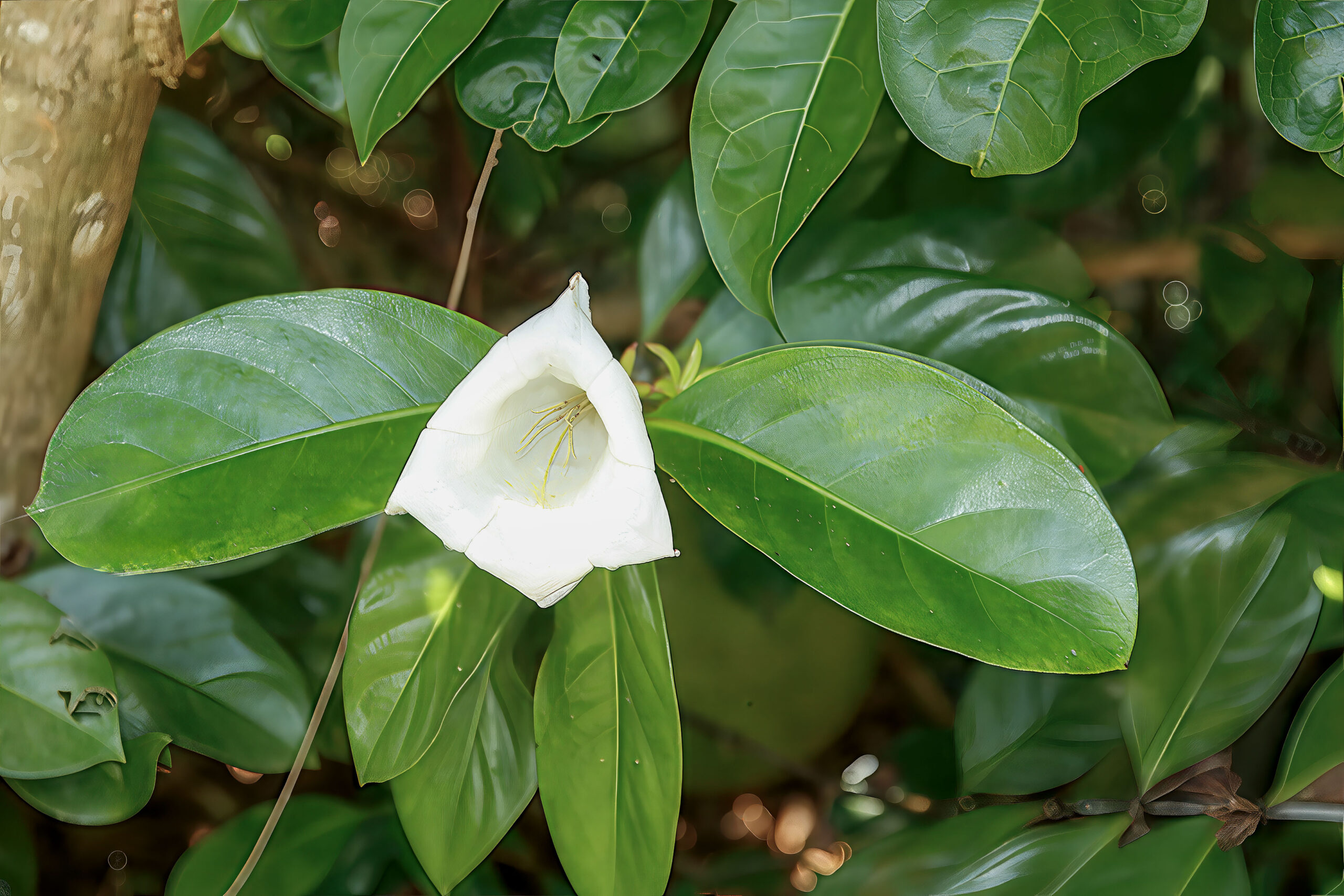
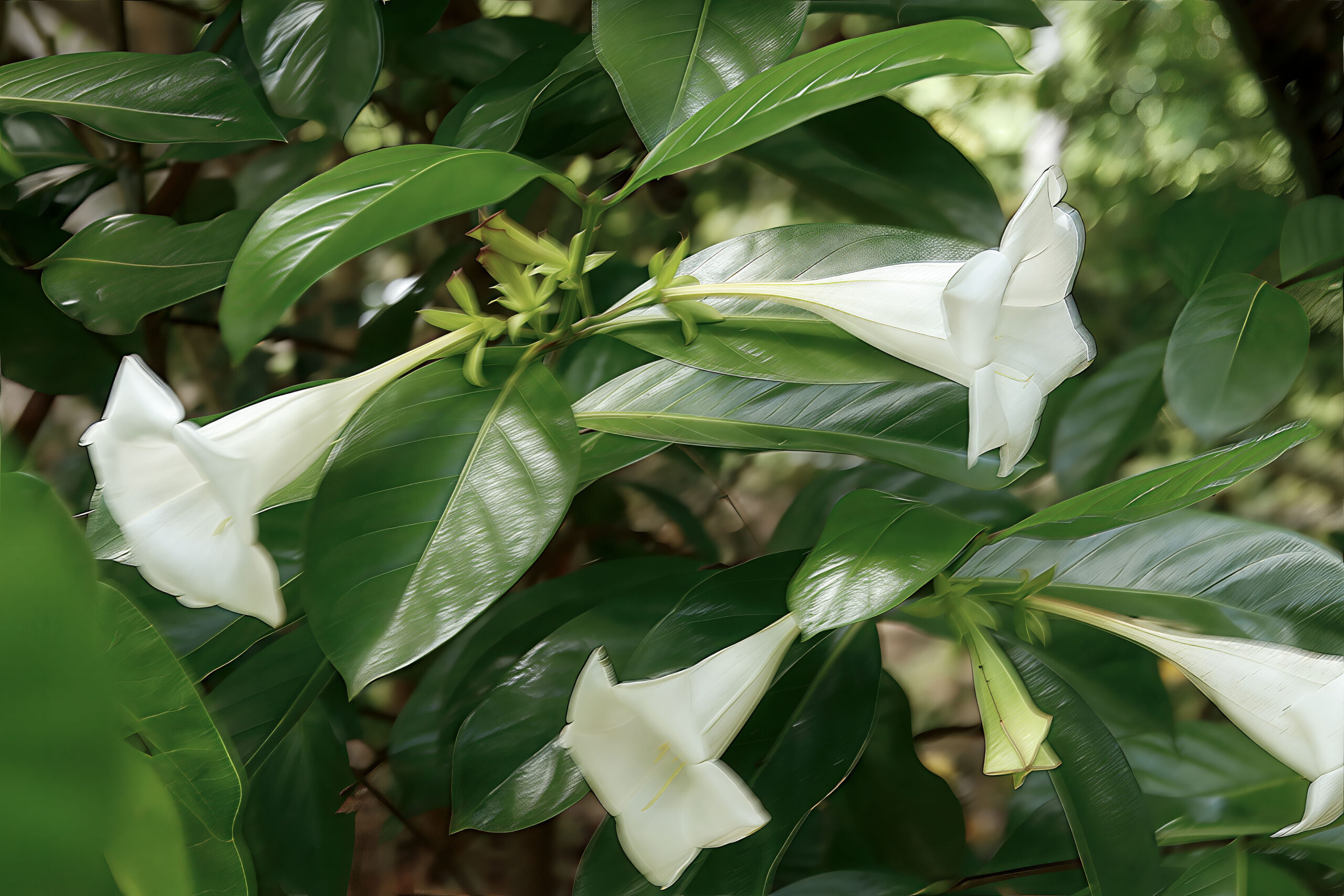
- Ornamental Value: Its main recognition comes from its stunning, large, white, fragrant flowers, making it popular in gardens and parks.
- Conflicting Information: Some sources mention medicinal uses for Portlandia grandiflora, while others state medicinal uses are not known, highlighting a need for more scientific research.
- Confusion with Other Plants: Medicinal claims might sometimes be confused with Portulaca grandiflora (Moss Rose) or Sesbania grandiflora (Agati), which have documented traditional uses.
In summary, while Portlandia grandiflora is cherished for its ornamental beauty, its medicinal applications, particularly in traditional Caribbean medicine, often focus on topical skin treatments, but require further scientific validation.
Observations:
Phenological Markers
Spring:
- New Growth: Emergence of new leaves, typically starting in early spring. The young leaves are soft, bright green, and more tender than mature leaves.
- Flower Buds: Flower buds begin forming in late spring, preparing for blooming in the coming months.
Summer:
- Flowering Period: Flowers bloom in mid to late summer. The large white flowers have a distinct, pleasant fragrance that attracts pollinators, particularly bees and butterflies.
- Pollination: As flowers open, pollinators are active, contributing to the spread of pollen across the tree’s blossoms.
- Leaf Growth: Leaves mature during this period, becoming darker and tougher as they harden off from the spring’s tender growth.
Fall:
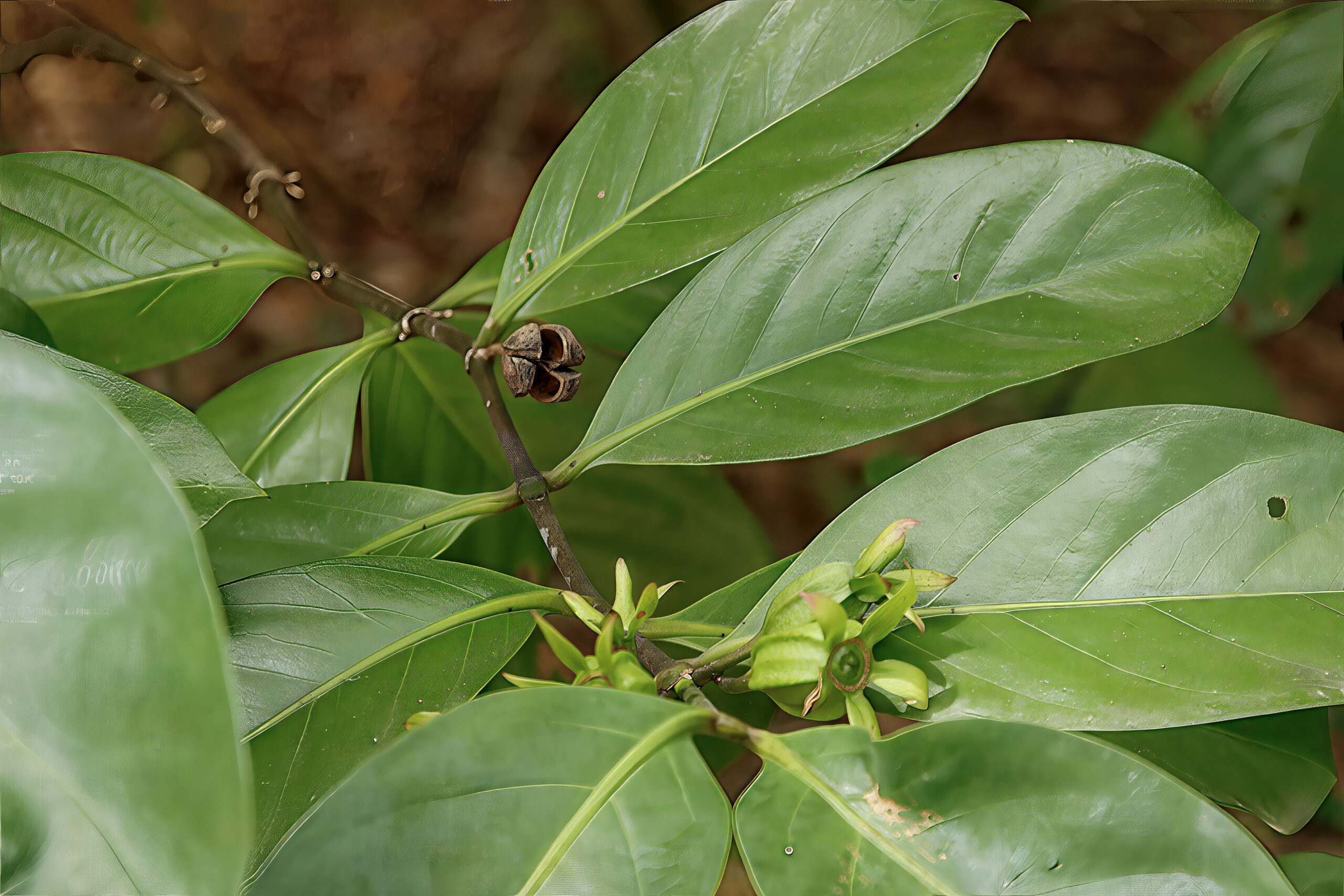
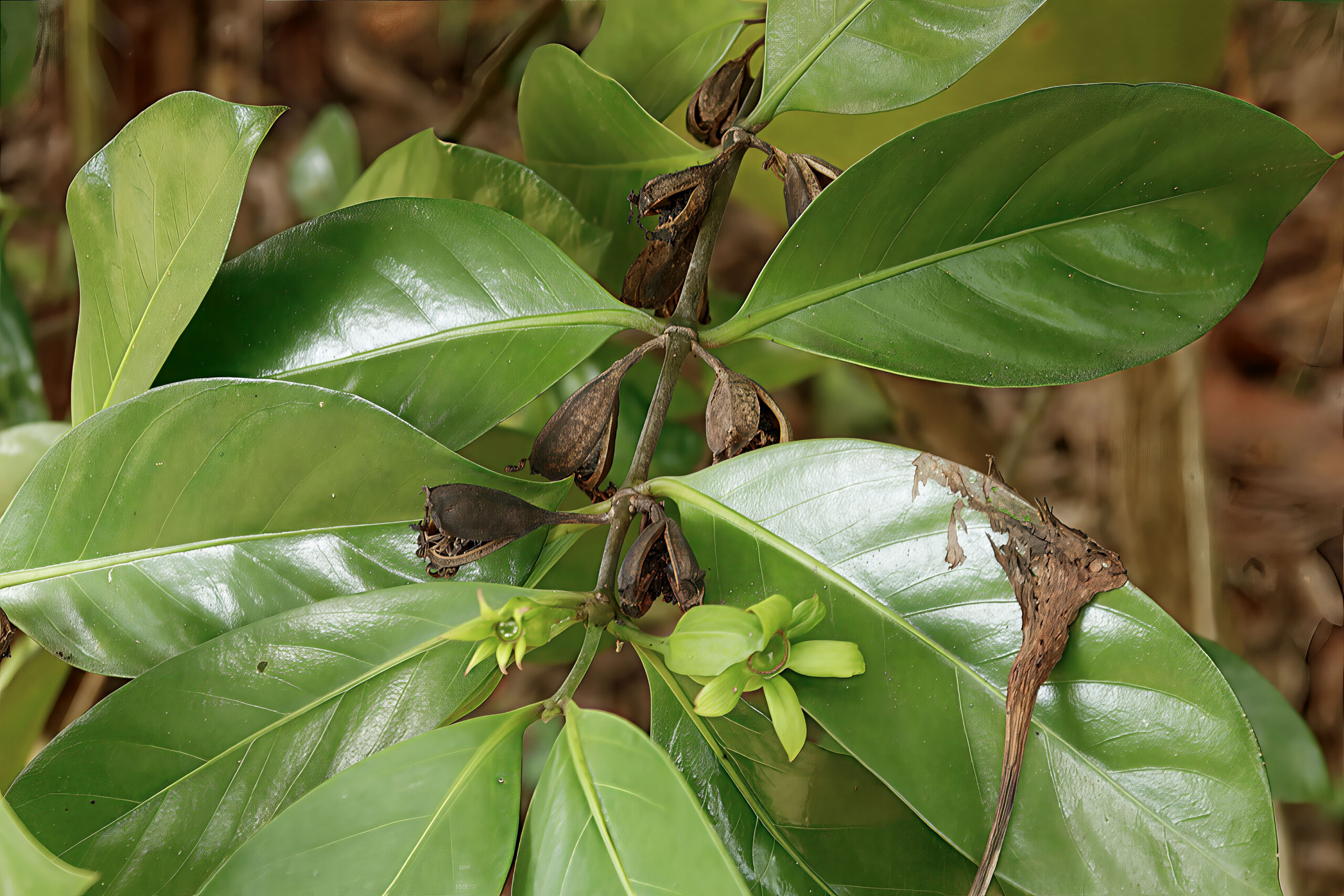
- Fruiting: Fruit begins to develop in early fall, transitioning from green to brown as it ripens. While the fruit is small, it plays a crucial role in seed dispersal.
- Leaf Drop: A moderate amount of leaf drop occurs as the tree prepares for the winter months, but it remains relatively evergreen in milder climates.
Winter:
- Dormancy: In regions with colder temperatures, the tree enters a state of dormancy. While tropical regions may keep their foliage year-round, in slightly cooler climates, leaf loss can increase, and the tree rests until spring.
- Seed Dispersal: As the fruit matures, seeds are dispersed by local wildlife, particularly birds that feed on the fruit.
Observation Tips:
- Flowering Time: Keep an eye out for blooming flowers, especially in areas with tropical climates. The fragrant white blossoms are often a sign of a healthy tree.
- Fruit Maturation: Watch the fruit change from green to brown in late summer and fall.
- Leaf Changes: The leaves of Portlandia grandiflora will often show visible signs of wear and tear after flowering. Observing their gradual transition to a harder texture can help track the tree’s health and growth cycle.
Environmental Notes:
- Portlandia grandiflora prefers consistently humid, tropical environments. It is typically found in the understory of rainforests, where it thrives in partial shade.
- Its fragrant flowers make it a critical component in the pollination networks of tropical ecosystems.
Notable Uses:
- Cultural Significance: In some regions, the tree is appreciated for its beauty and aromatic flowers, often planted in botanical gardens and used for ornamental purposes.
- Medicinal Uses: The tree has been traditionally used for its medicinal properties in some cultures, although it’s not as widely known in the commercial herbal market.