
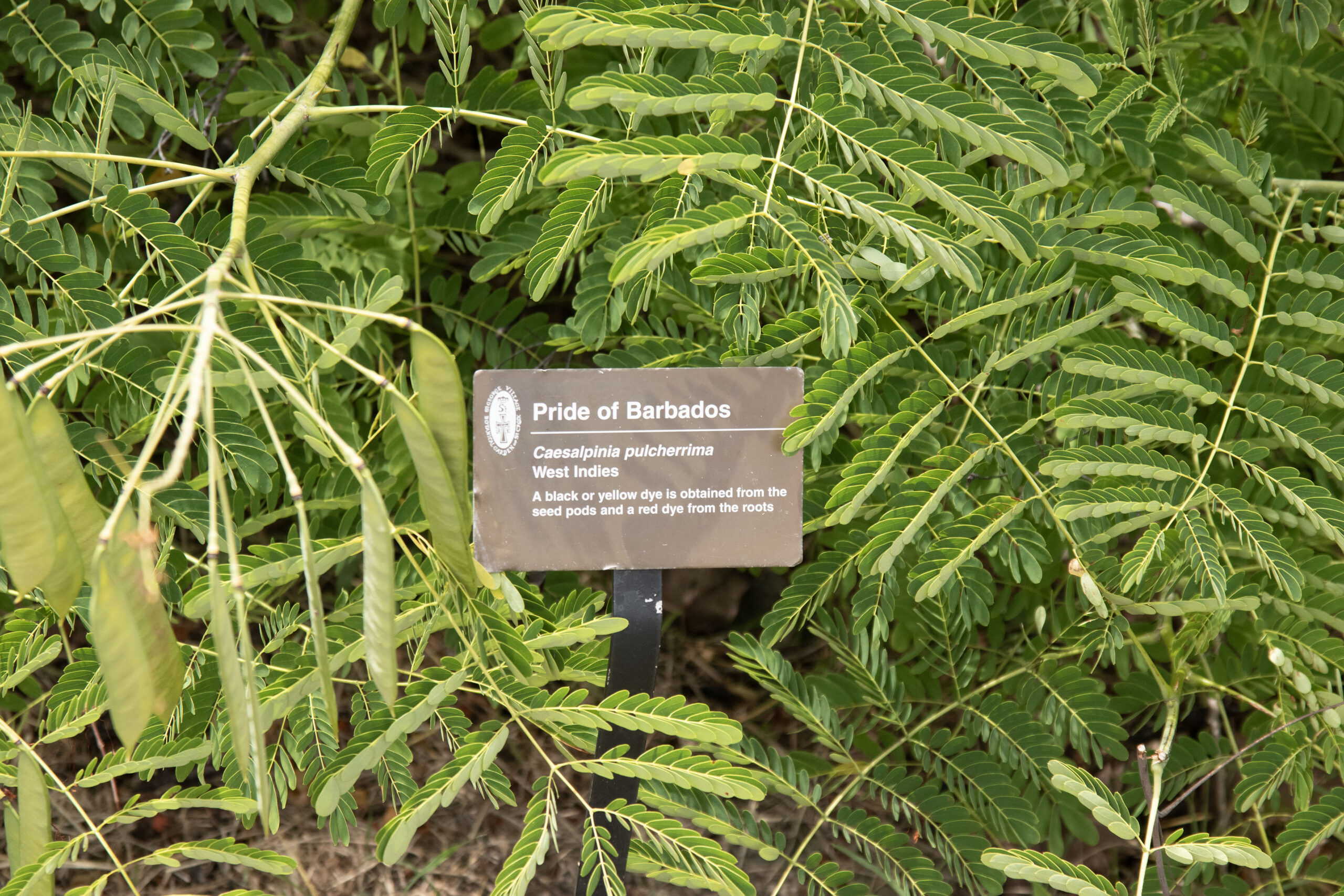
Pride of Barbados
Scientific name: Caesalpinia pulcherrima
IUCN Red List threat level: Least Concern
GPS Location: 17° 42′ 59.08″ N, 64° 49′ 47.54″ W
Medicinal Uses
Caesalpinia pulcherrima, or Peacock Flower, has extensive traditional uses, with parts like flowers, leaves, roots, and seeds used for fevers (antipyretic), intestinal issues (worms, diarrhea, constipation), respiratory problems (asthma, bronchitis), skin ailments, and as an abortifacient and emmenagogue (induces menstruation), supported by modern studies showing anti-inflammatory, antioxidant, antimicrobial, and antiulcer properties.
Traditional Medicinal Uses by Body Part
- Flowers: Used for fevers, cough, chest pain, intestinal worms, sore throats, and as a wash for skin rashes.
- Leaves: Purgative, used for fever, kidney stones, constipation, inducing abortion, and treating bronchitis.
- Roots/Bark: Purgative, abortifacient, used for rheumatism, ulcers, and as a tonic.
- Seeds: Used for breathing difficulty, chest pain, and as a purgative.
Other Traditional Applications
- Mouthwash/Eyewash: Infusions used for gum/teeth issues and conjunctivitis.
- Diuretic: Infusion of leaves and flowers.
- Labor: Infusion used to accelerate childbirth.
Pharmacological Properties (Modern Research)
- Anti-inflammatory & Analgesic: Supports traditional use for pain and inflammation.
- Antimicrobial: Shows activity against various bacteria.
- Antioxidant: Helps combat oxidative stress.
- Antiulcerogenic: Protects the stomach lining.
- Hepatoprotective: Protects the liver, as shown in studies.
Important Considerations
- Potency: Different parts and preparations have varying potencies, with some uses, like abortion, requiring careful dosing.
- Natural Medicine: While promising, these traditional uses and scientific findings suggest potential benefits, but professional medical advice is crucial for health conditions.
Observations:
Phenology Markers
Common Names: Pride of Barbados, Peacock Flower, Red Bird of Paradise, Dwarf Poinciana
Scientific Name: Caesalpinia pulcherrima
Family: Fabaceae (subfamily Caesalpinioideae)
Native Range: Tropics of the Americas, possibly native to the Caribbean and Central America
General Description:
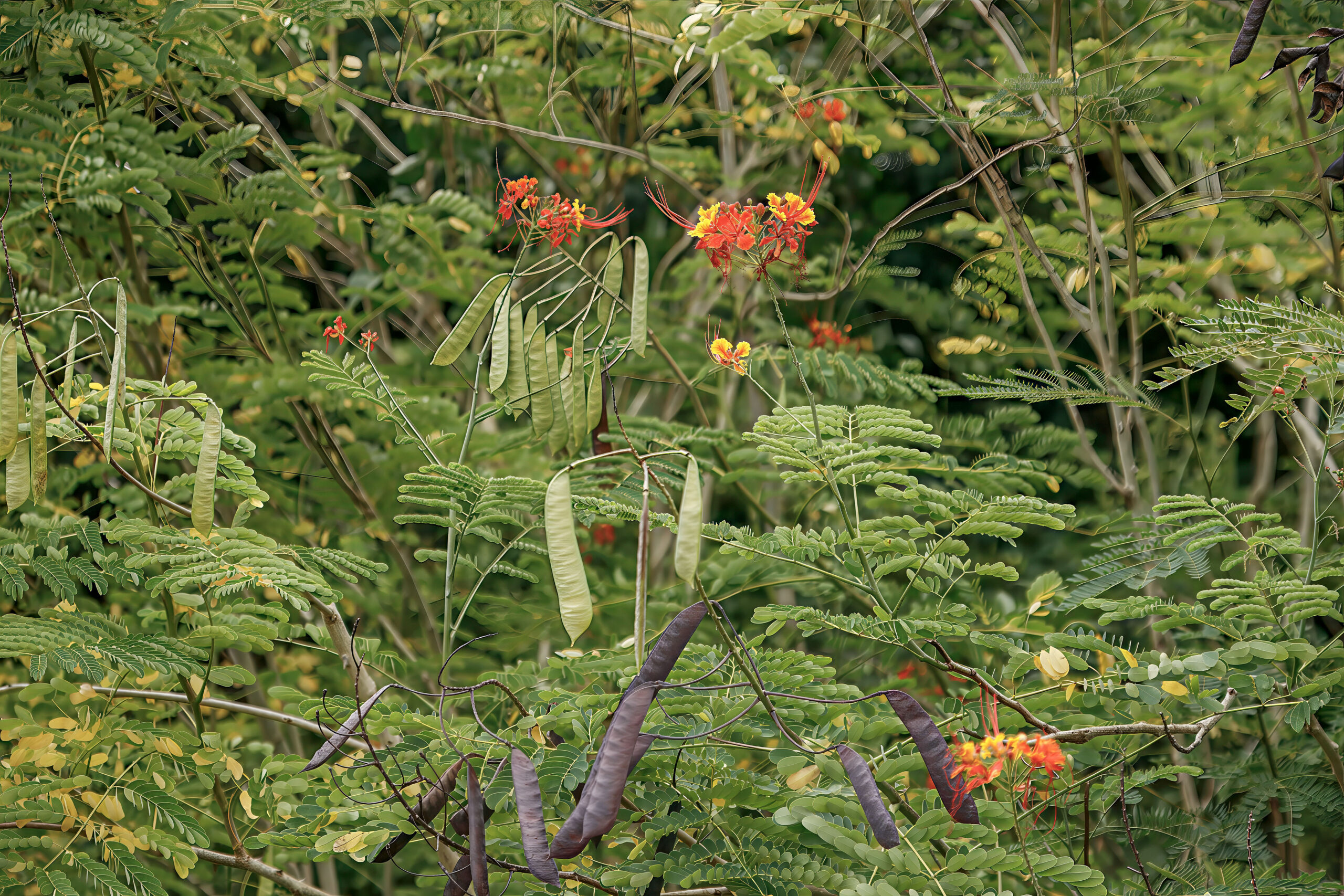
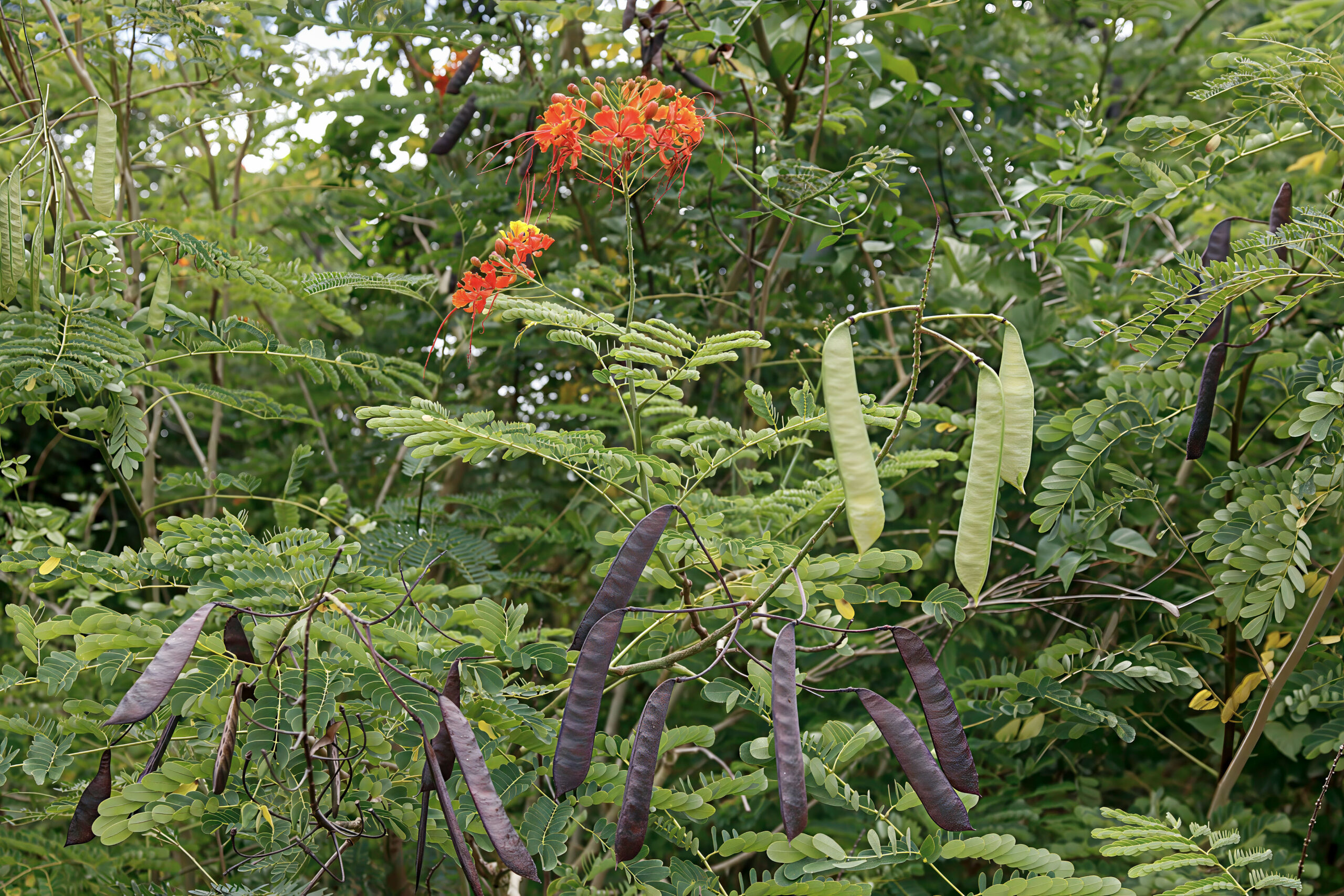
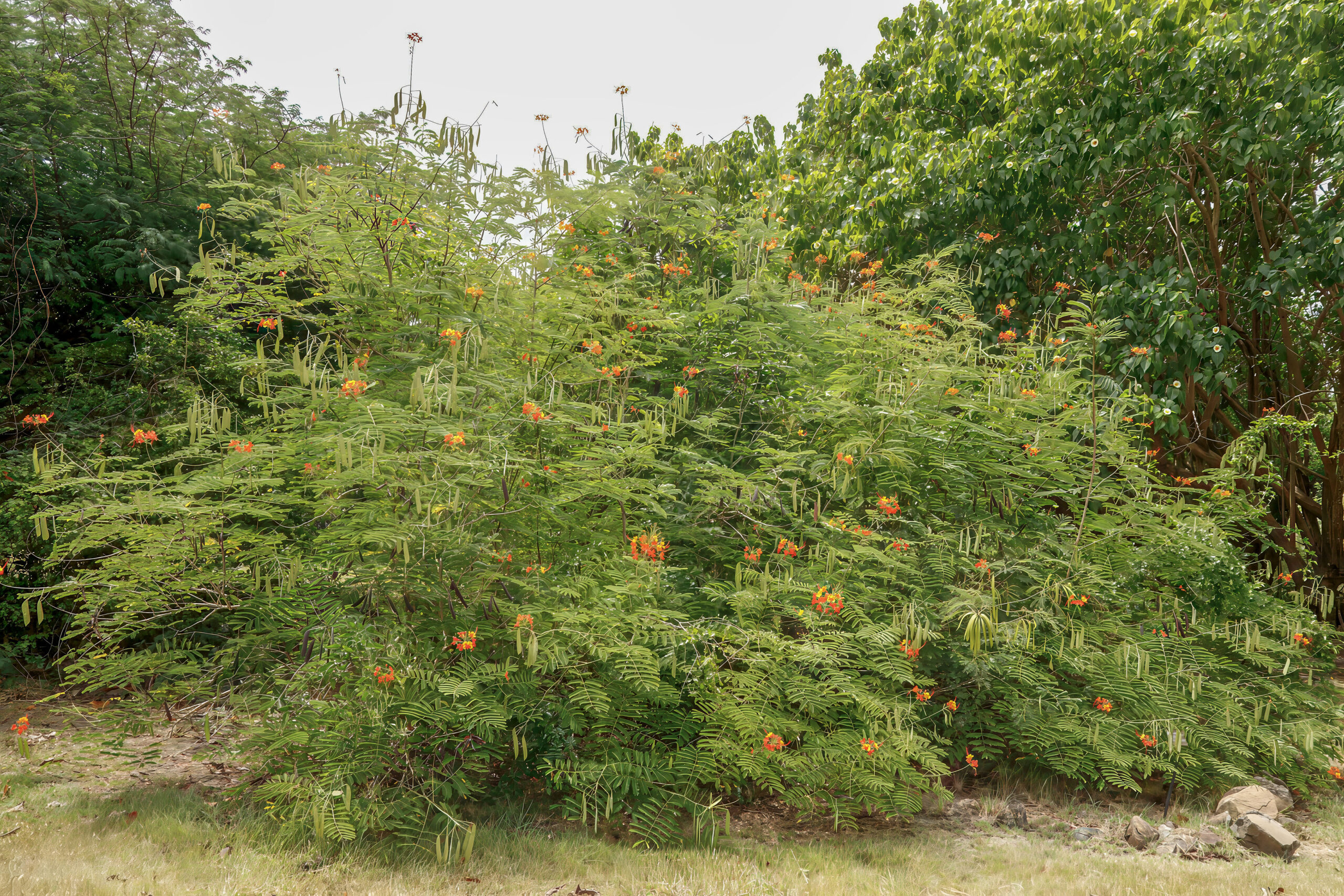
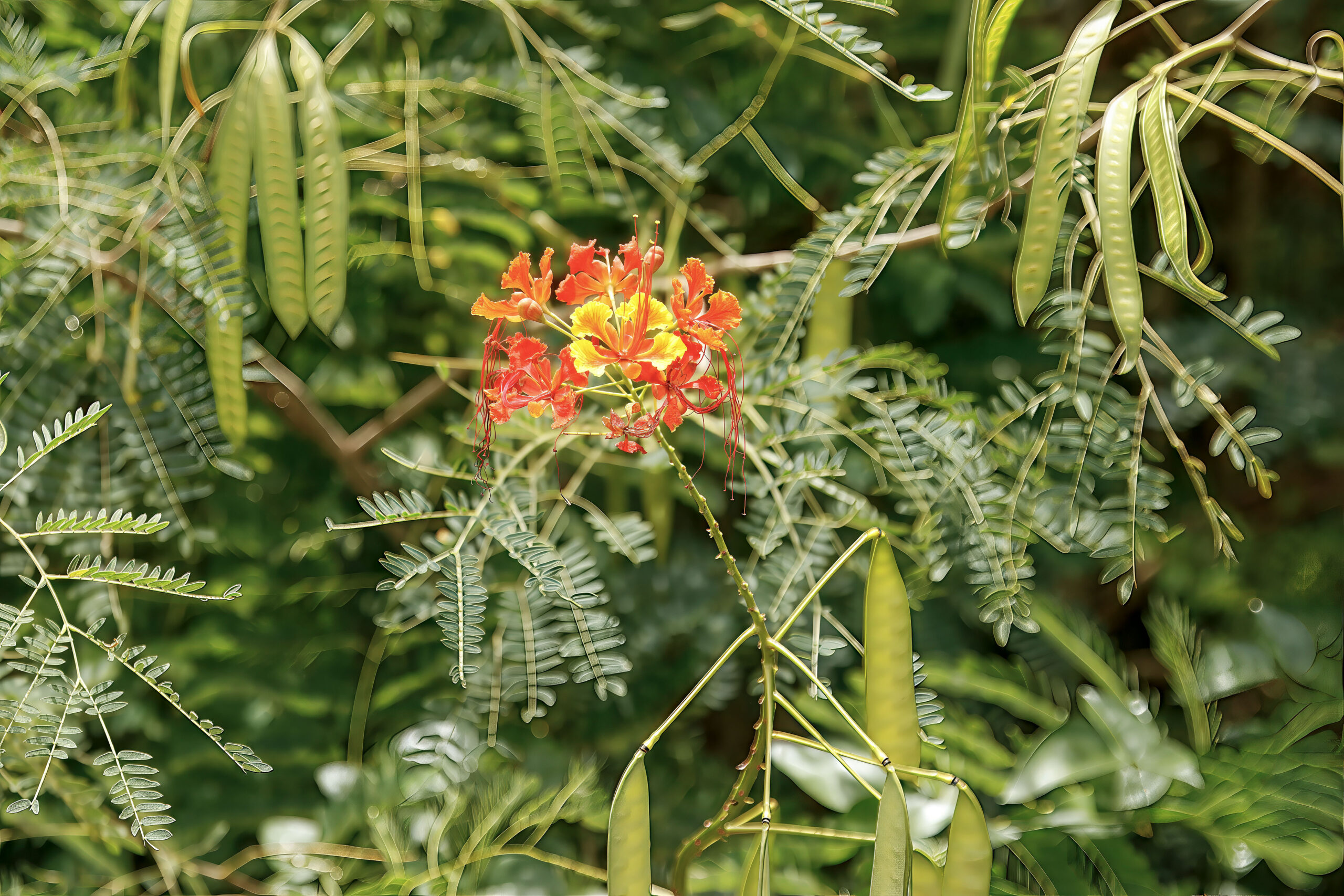
Caesalpinia pulcherrima is a fast-growing shrub or small tree known for its brilliant, flamboyant flowers in shades of red, orange, and yellow. Its finely divided, fern-like leaves and long, showy stamens make it a favorite in ornamental gardens across the tropics. It is drought-tolerant and blooms prolifically in sunny conditions.
Phenological Markers:
1. Flowering Period:
- First Sign of Budding: Late spring (April – May)
- Peak Bloom: Summer through fall (June – October)
- End of Flowering: Early winter (November – December), depending on rainfall and pruning
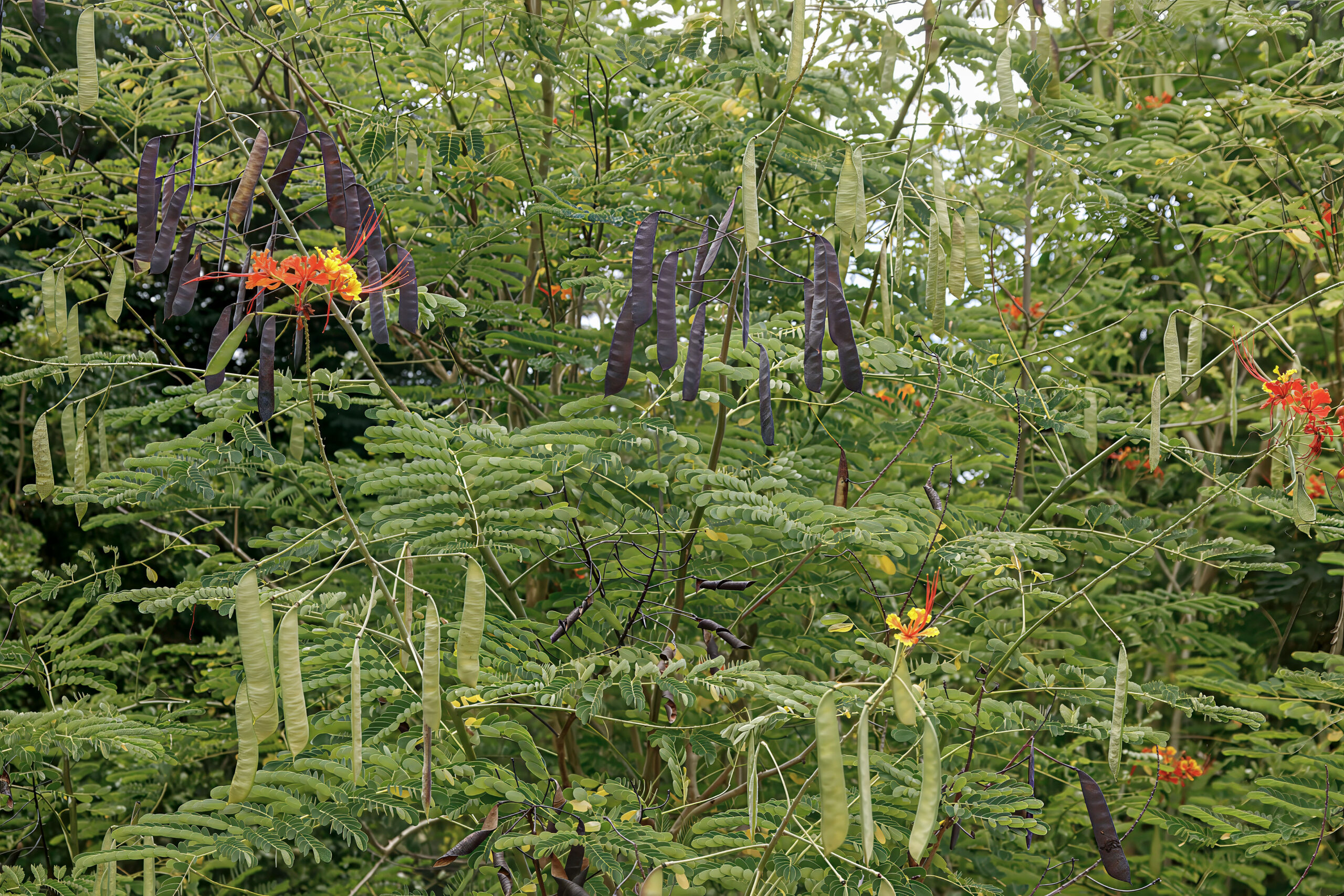
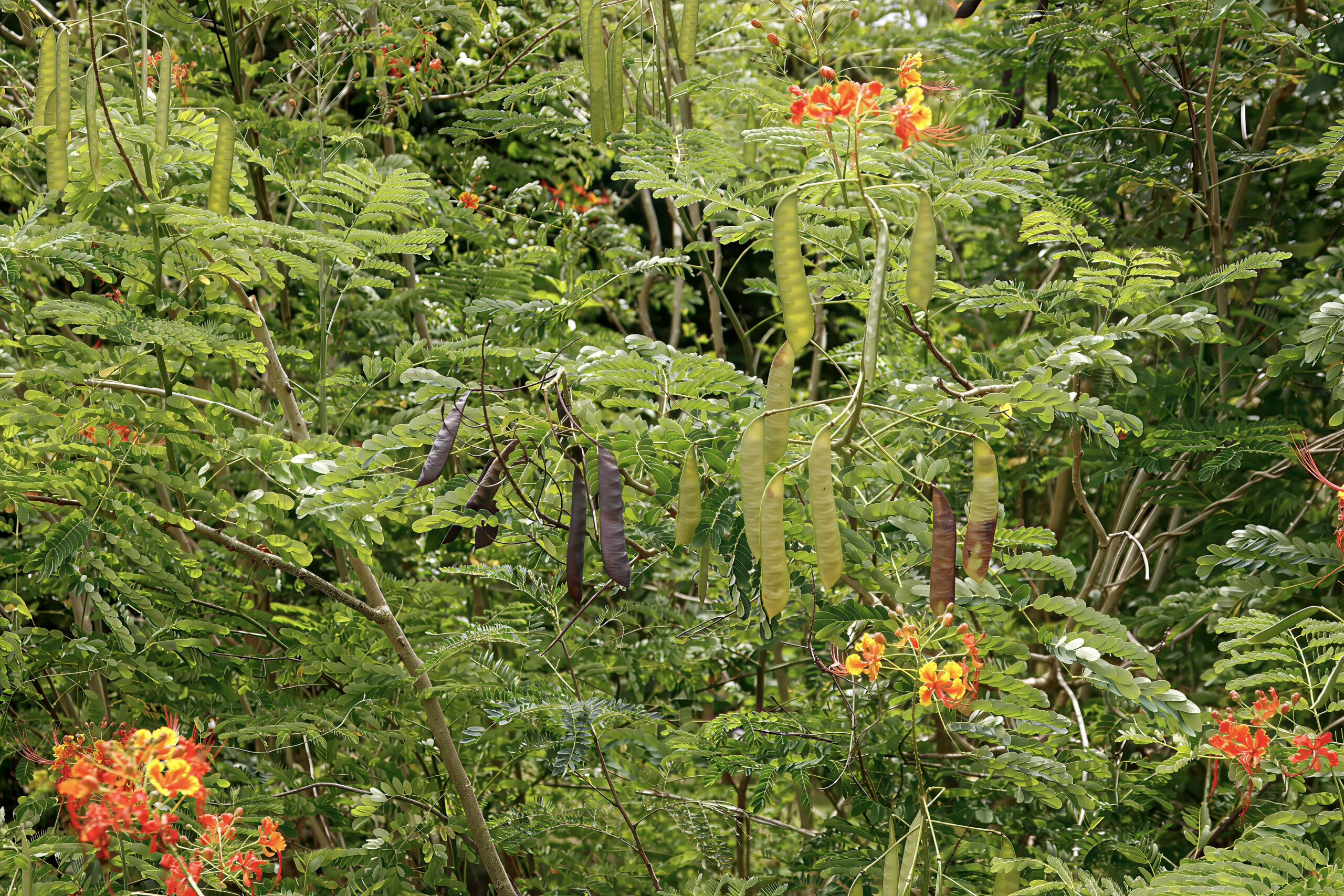
- Flower Characteristics: Clusters of five-petaled flowers with prominent red stamens; color may range from fiery red-orange to yellow
2. Leaf Growth and Senescence:
- New Leaf Growth: Early spring (March – April)
- Leaf Maturity: Late spring (May)
- Leaf Senescence: Late fall (November – December), especially in drier or cooler conditions
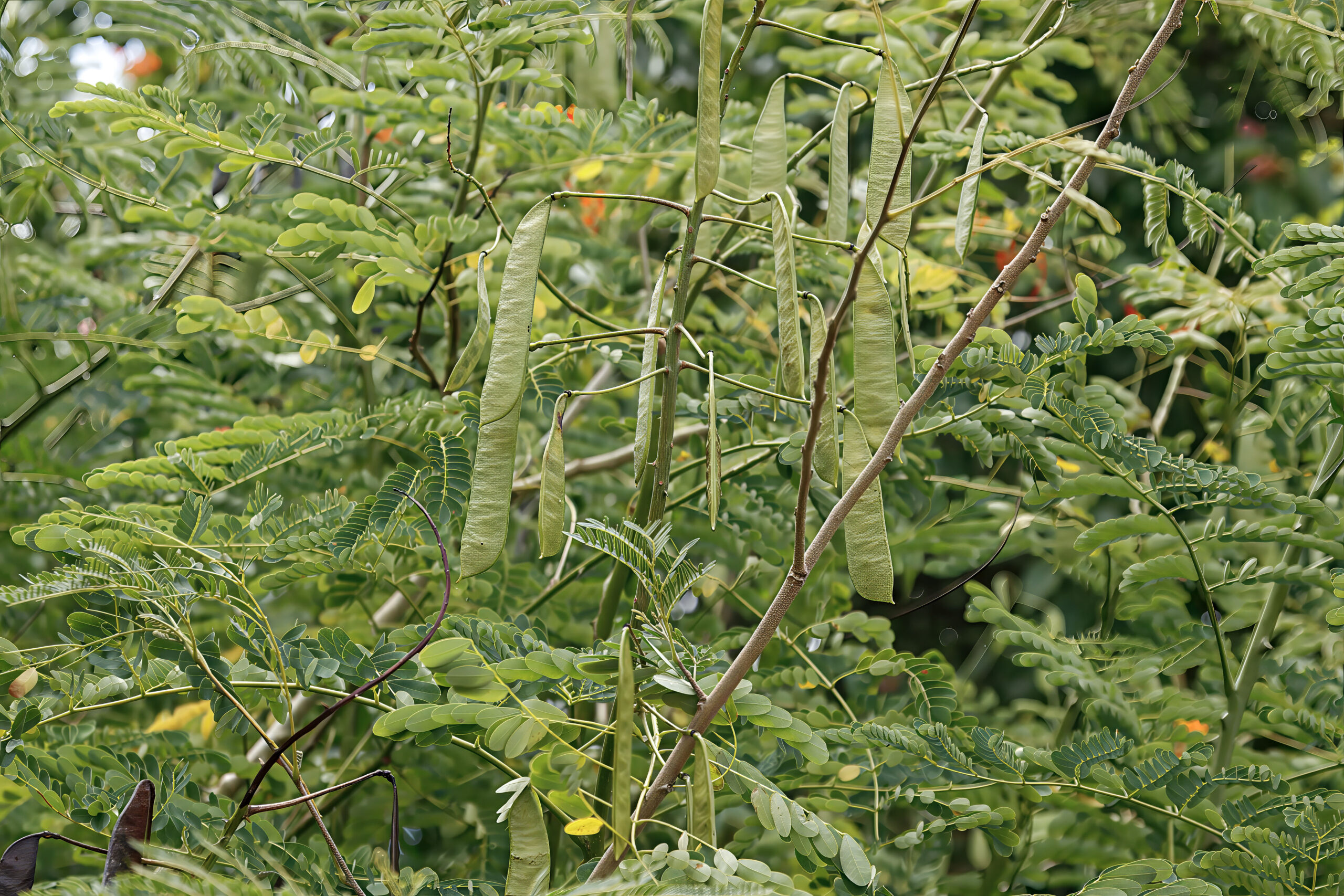
- Leaf Characteristics: Bipinnately compound leaves, delicate and feathery in appearance
3. Fruit Production:
- First Sign of Fruit Development: Summer (July – August)
- Peak Fruit Maturity: Fall (September – October)
- End of Fruit Production: Early winter (November – December)
- Fruit Characteristics: Flat, brown seed pods, about 2–4 inches long, often persistent on the plant
4. Dormancy Period:
- Dormancy Begins: Late winter (January – February), especially in dry seasons or cooler climates
- Dormancy Ends: Early spring (March)
- Dormancy Characteristics: Reduced growth, possible leaf drop, no flowering
Ecological Notes:
- Pollinators: Bees, butterflies, and hummingbirds are frequent visitors
- Wildlife Interaction: Seeds are sometimes eaten by birds; the plant can reseed readily
- Soil Preferences: Prefers well-drained, sandy or loamy soil; drought-tolerant once established
- Growth Habit: Can be pruned into a multi-stemmed shrub or small tree up to 10–15 feet tall
Observational Guidelines:
Management Notes: Pruning may stimulate new growth and flowering flushes
Best Time for Observation: June through October for floral display and pollinator activity
Phenology Triggers: Heavy flowering often follows the first rains of the wet season
Photography Tips: Document flower clusters, new leaves, seed pod development, and pollinator visits