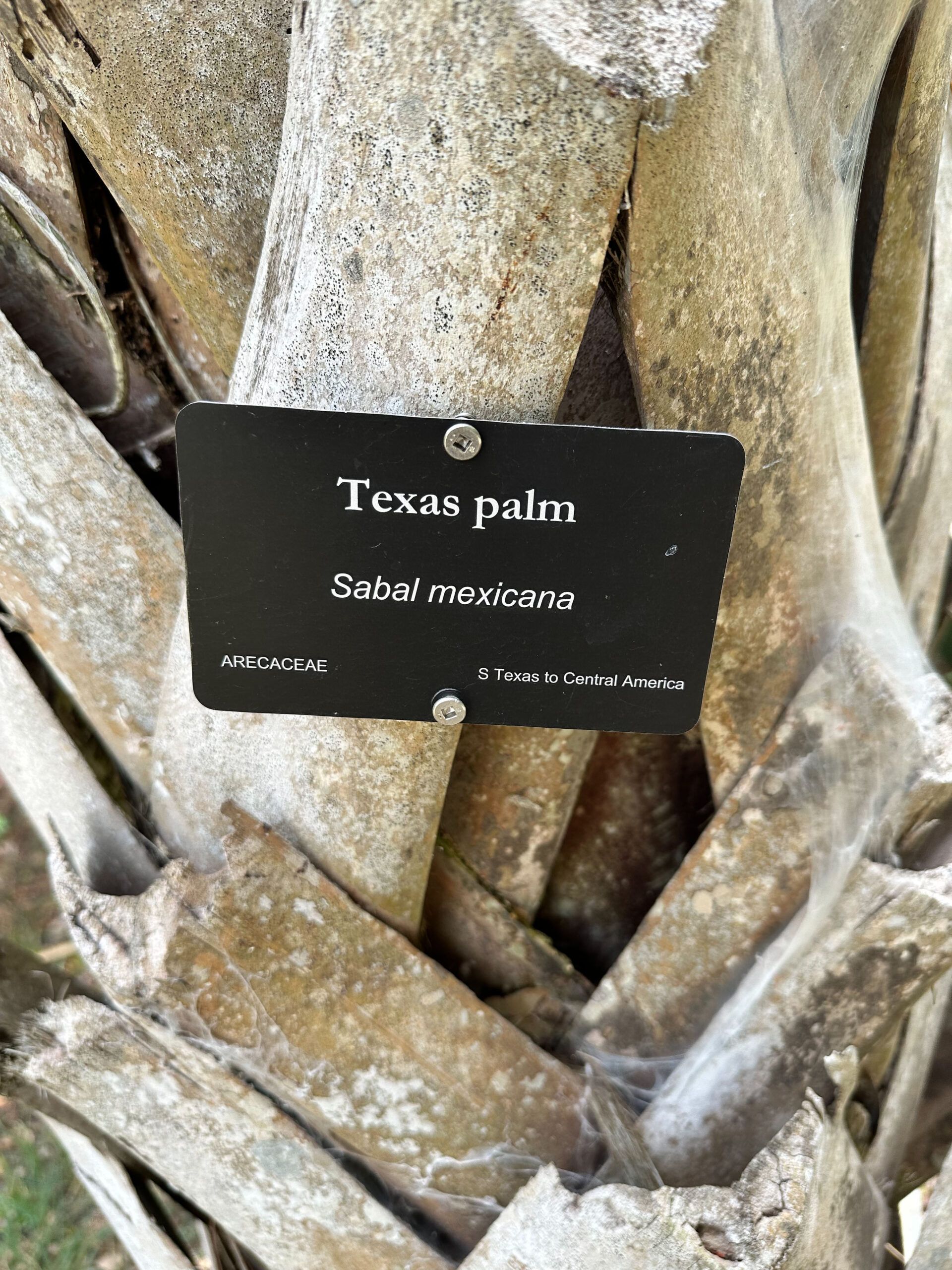
Texas Palm
Scientific name: Sabal mexicana
POWO Status: Tree
IUCN Red List threat level: Least Concern
GPS Location: 17° 42′ 55.95″ N, 64° 49′ 48.25″ W


Medicinal Uses
Sabal mexicana (Mexican Palmetto) has traditional medicinal uses, particularly in Oaxaca, for musculoskeletal and dermatological issues, while related palms like Sabal palmetto (Cabbage Palm) were used by Native Americans for fever, headaches, and as a diuretic, with its heart and berries eaten for nutrients and potential anti-inflammatory effects, though specific clinical studies on S. mexicana are limited.
Reported Medicinal Uses (Primarily Traditional/Ethnobotanical):
- Musculoskeletal & Dermatological: Used in Oaxaca, Mexico, for conditions affecting muscles and skin.
- Fever & Pain: Related Sabal species’ berries used to lower fever and treat headaches.
- Diuretic & Tonic: Extracts from cabbage palm (related species) used for diuretic and tonic properties, supporting overall wellness.
- Nutritional Support: The heart (cabbage) and fruits are rich in fiber, vitamins, and antioxidants, used for general health.
Other Uses (Related Species):
- Food: Heart of palm and fruits (berries) eaten raw or cooked; seeds made into flour.
- Thatching & Fiber: Leaves used for roofing, mats, and baskets.
Important Considerations:
- Limited Clinical Data: While traditional uses exist, direct clinical studies specifically on Sabal mexicana are scarce, with many benefits inferred from related species like Sabal palmetto.
- Safety: Consult healthcare professionals before using plant-based remedies, as some sources note potential interactions (e.g., with warfarin for some Sabal formulations).
Observations:
Phenological Markers – Sabal mexicana
Common Name: Texas Palmetto, Mexican Palmetto, Sabal Palm
Scientific Name: Sabal mexicana Mart.
Family: Arecaceae
Leaf Phenology
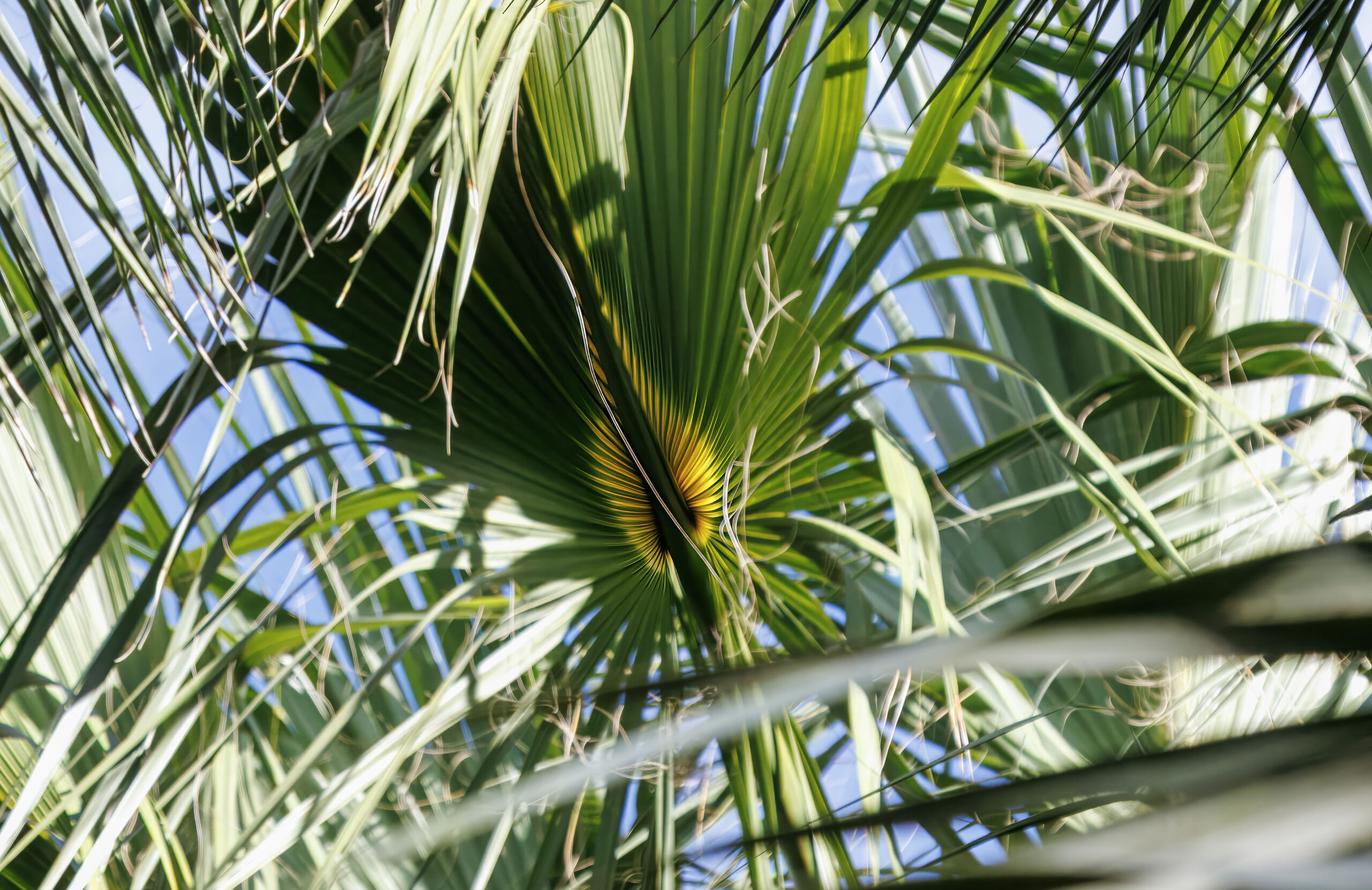
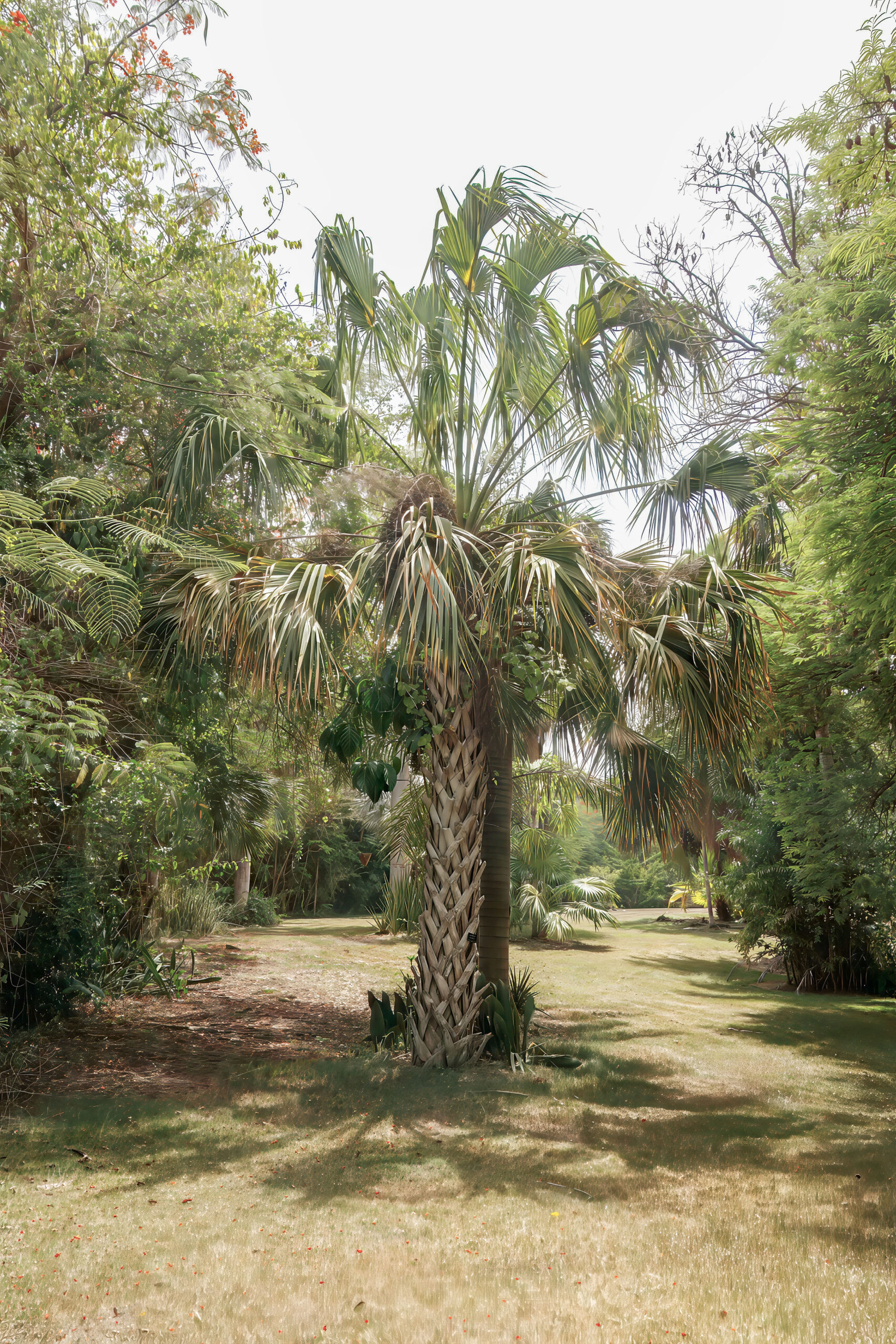
- Leaf Type: Fan-shaped (costapalmate), with deeply divided segments and prominent central rib (costa); dark green, persistent
- Evergreen: Yes — retains fronds year-round in tropical and subtropical climates
- Leaf Flush: New fronds emerge slowly and sequentially from the apical bud at the crown
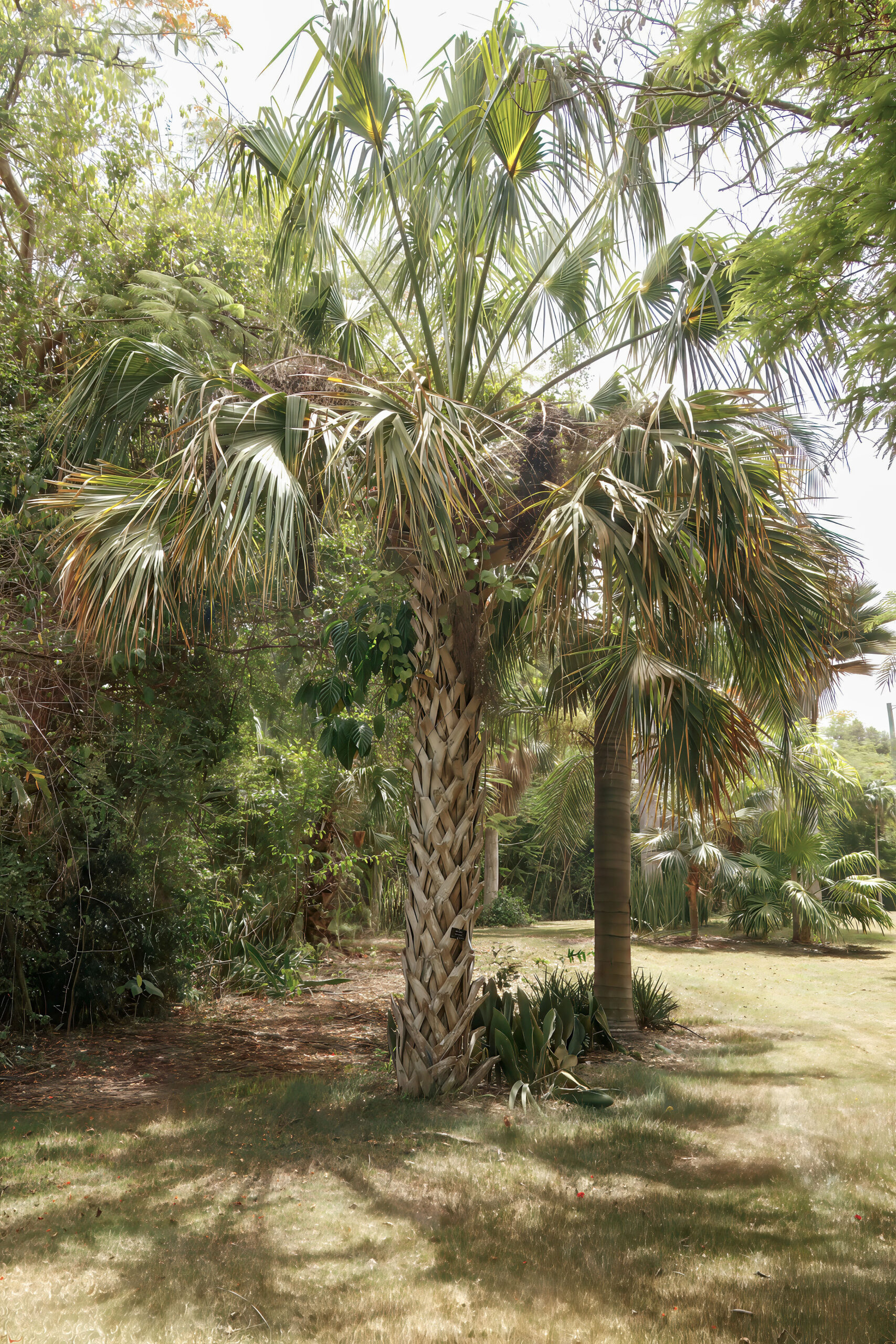
- Senescence: Older fronds gradually yellow and die, hanging downward before falling or being shed naturally or through pruning
Flowering
- Inflorescence: Long, arching, highly branched panicles emerging from among or just below the leaves
- Flowers: Small, creamy white, numerous, and fragrant
- Blooming Period: Typically late spring to summer (e.g., May–July in native range), but may vary with local climate
- Pollinators: Bees, flies, and other small insects
- Phenological Indicator: Long inflorescences with thousands of tiny white flowers extending beyond or between the fronds
Fruiting
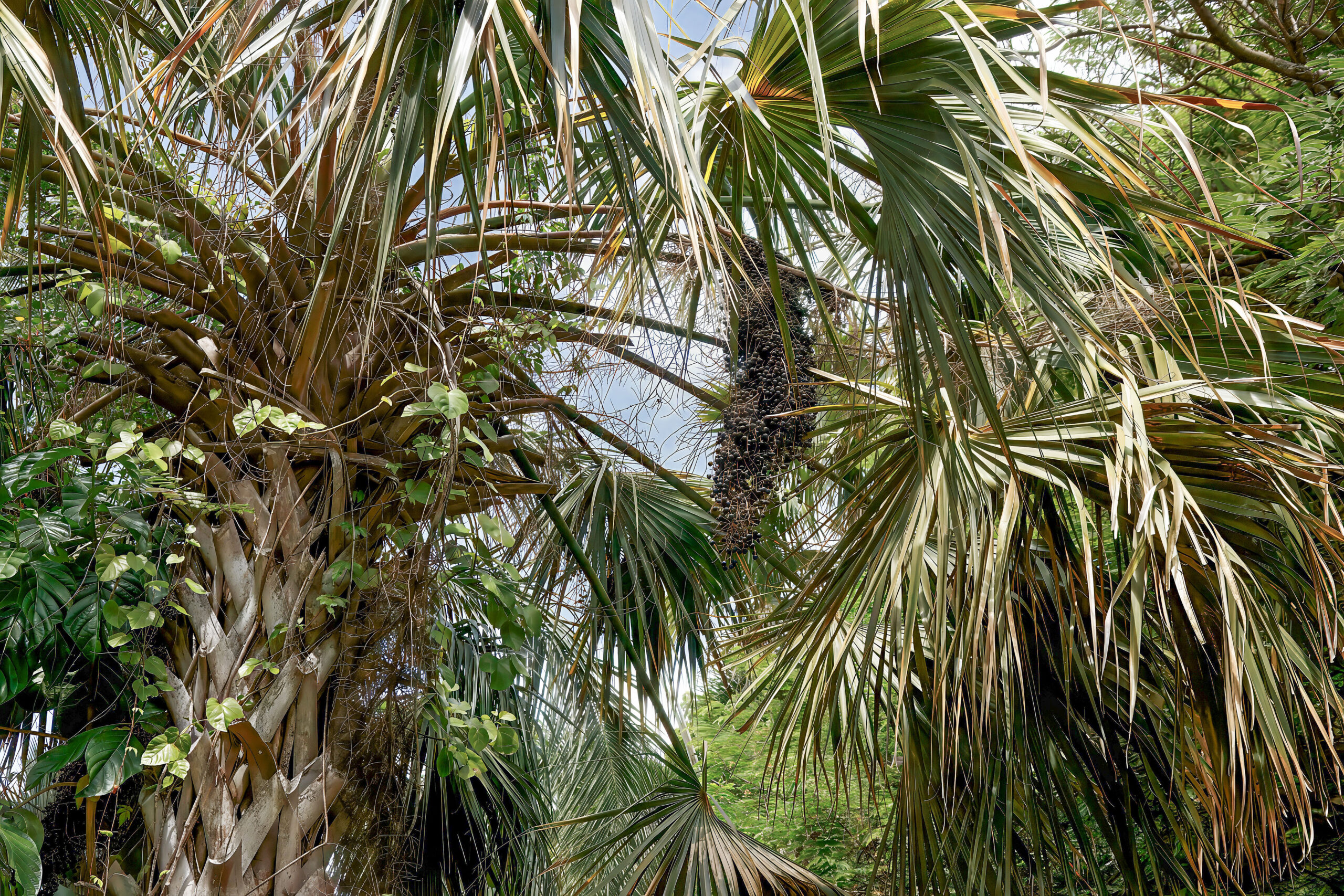
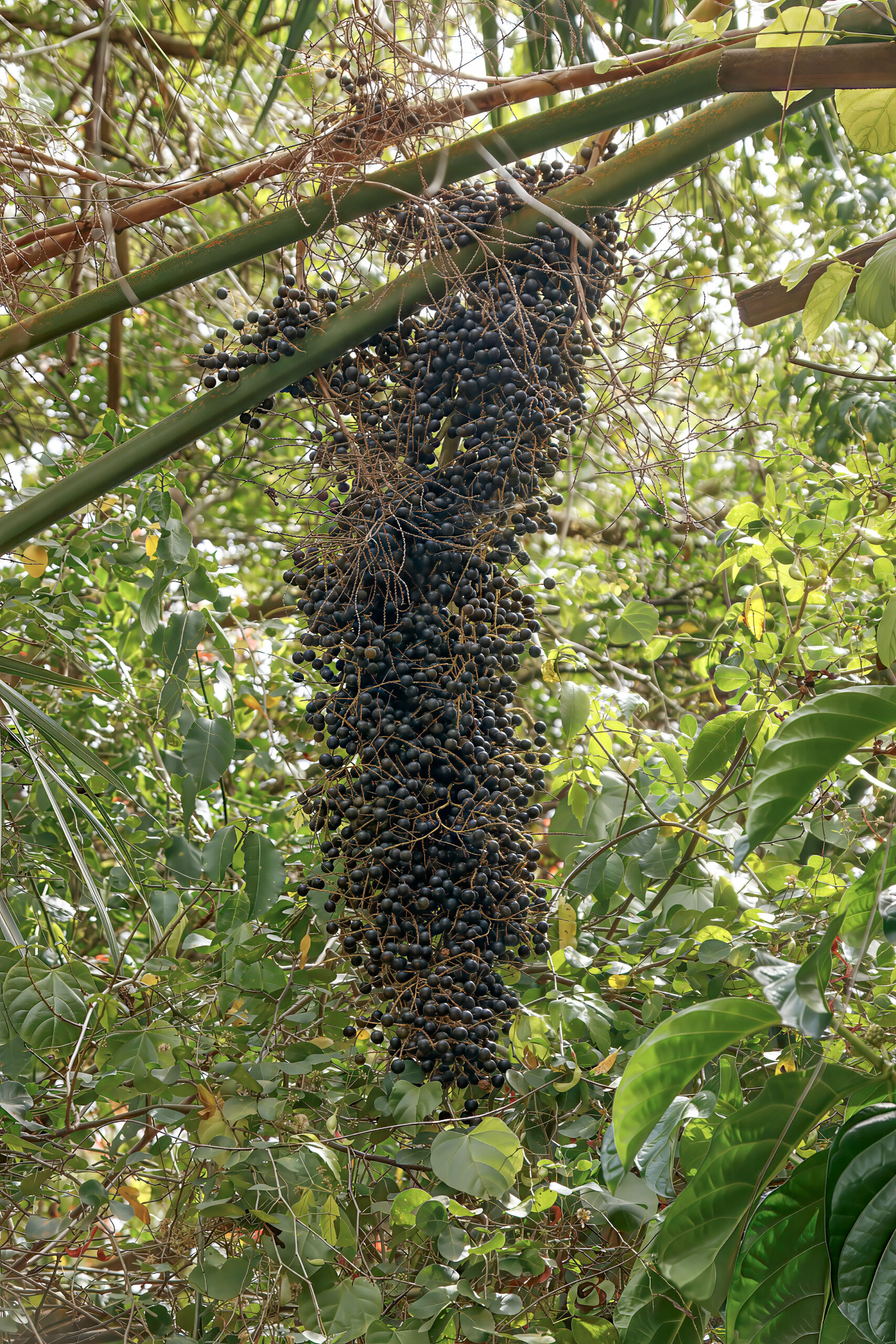
- Fruit Type: Small, round to oval black drupe (0.8–1.5 cm diameter)
- Fruit Development: Begins soon after flowering; ripens late summer to fall
- Dispersal: Birds and mammals (including humans); gravity
- Phenological Indicator: Clusters of green ripening to black fruits hanging below the crown, sometimes persistent
Suggested Photo Angles
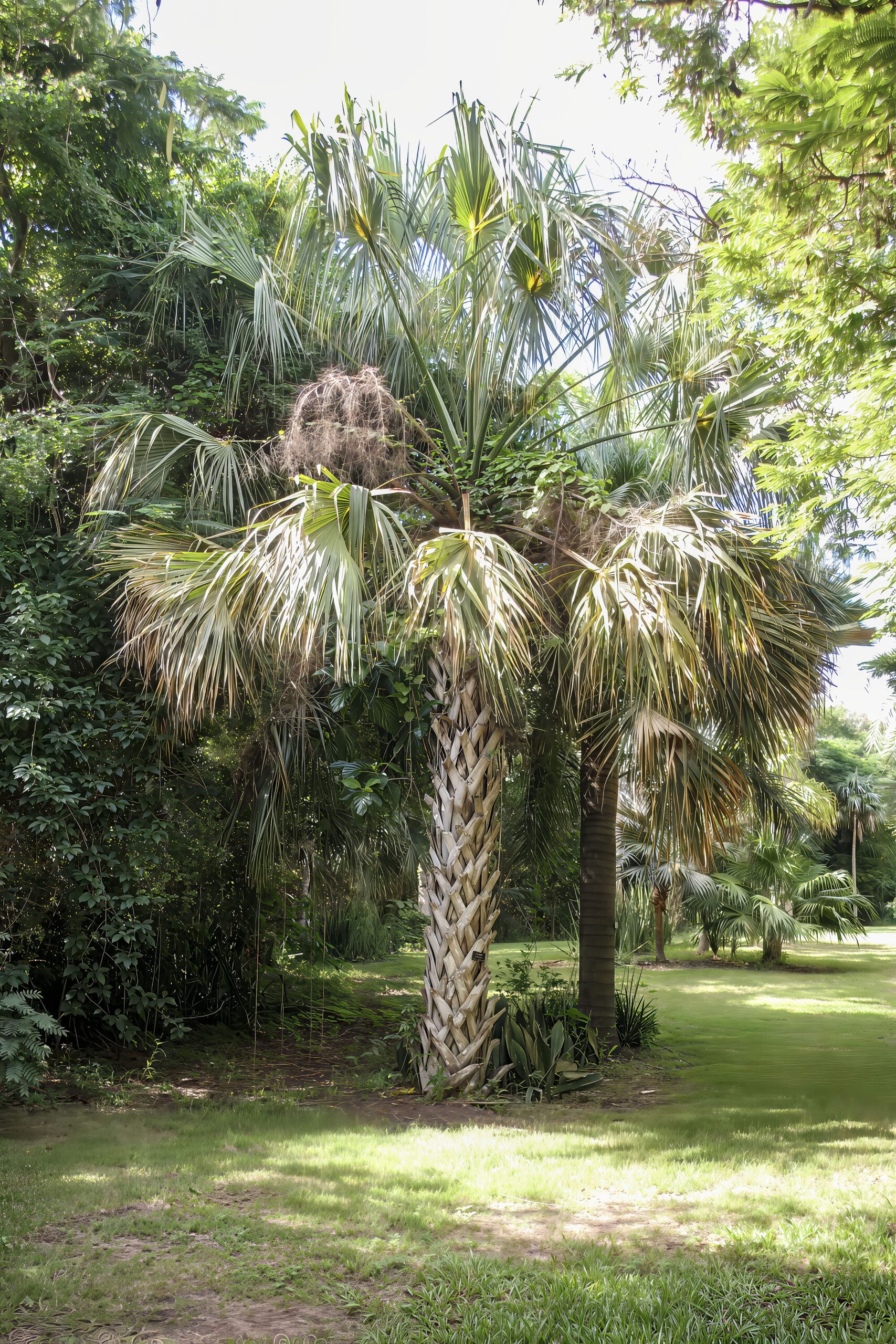
- Whole palm tree with trunk and canopy
- Close-up of costapalmate leaves and apical frond development
- Inflorescences during flowering (extending outward or drooping)
- Developing and ripe black fruit clusters
- Senescing fronds hanging beneath crown (optional seasonal indicator)
Notes for Monitoring
Best phenological markers: inflorescence emergence, fruit maturation, and leaf senescence patterns
Sabal mexicana is native to southern Texas, Mexico, and Central America; tolerant of wet soils and occasionally found near rivers or seasonally inundated areas
Flowering and fruiting are highly seasonal, making them effective for long-term tracking of reproductive cycles
Often planted as an ornamental or cultural landscape feature in warm climates