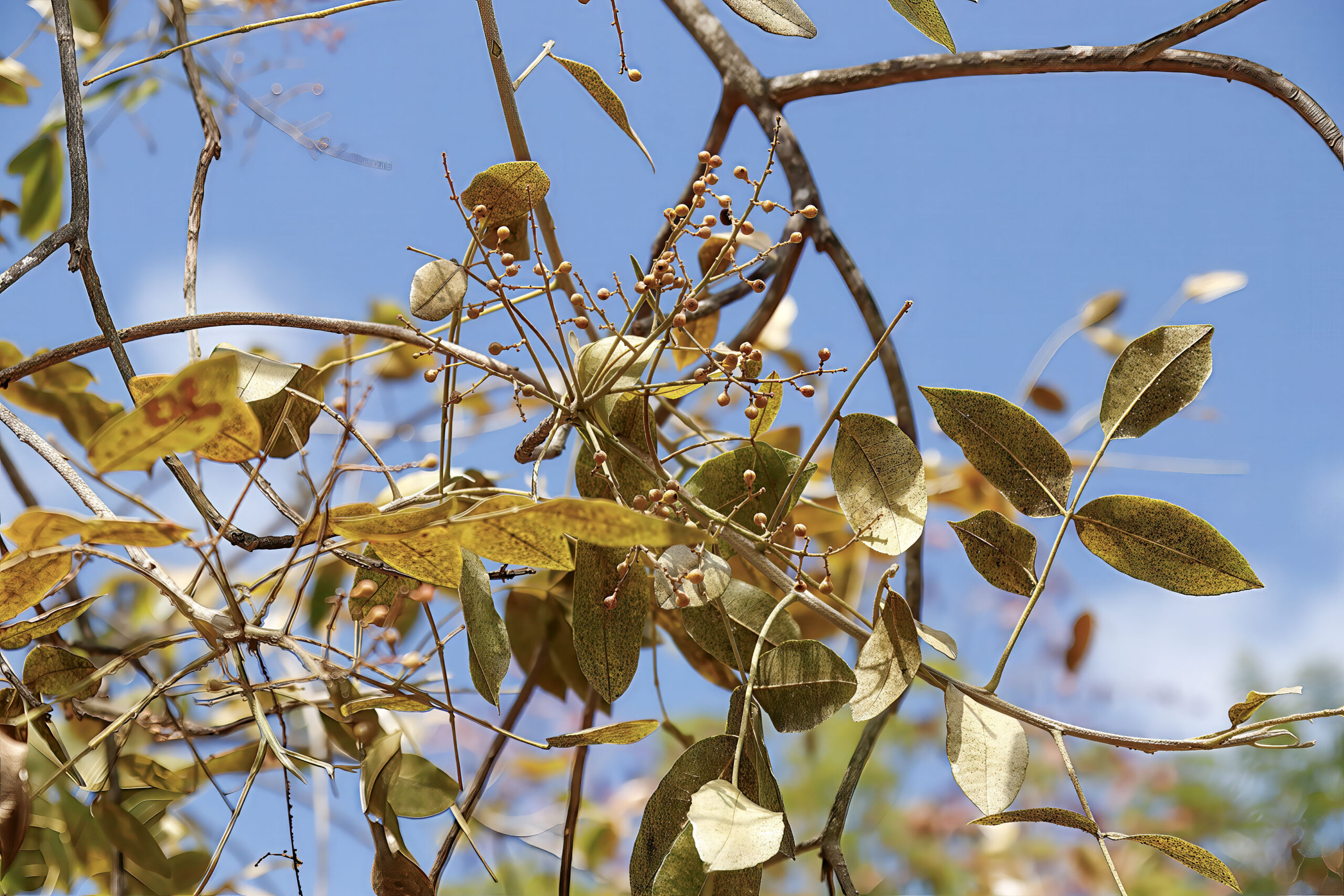
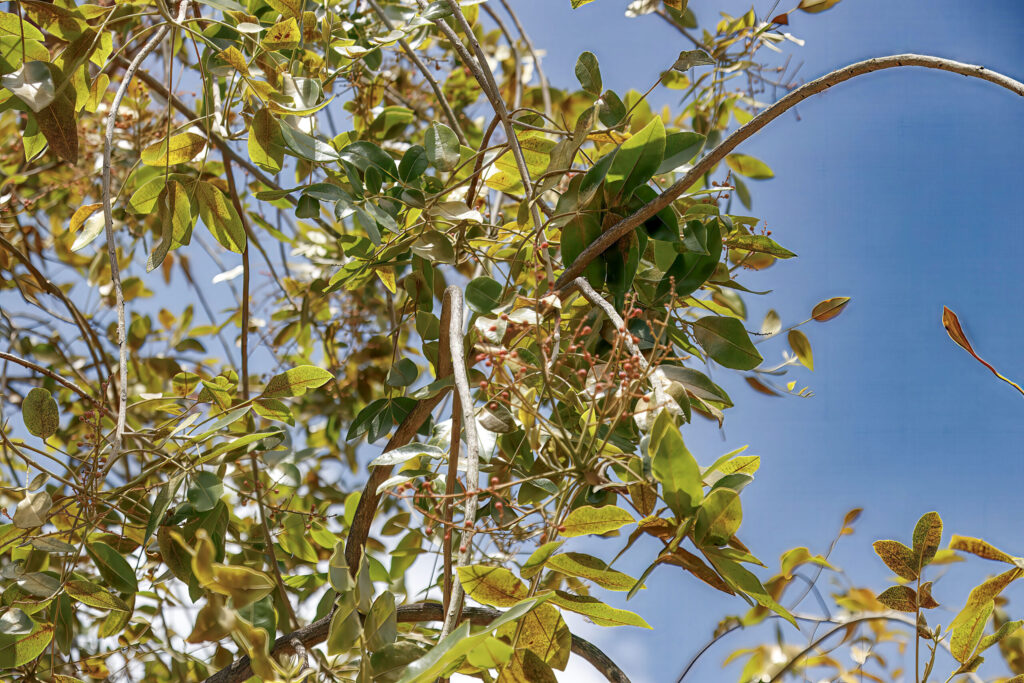
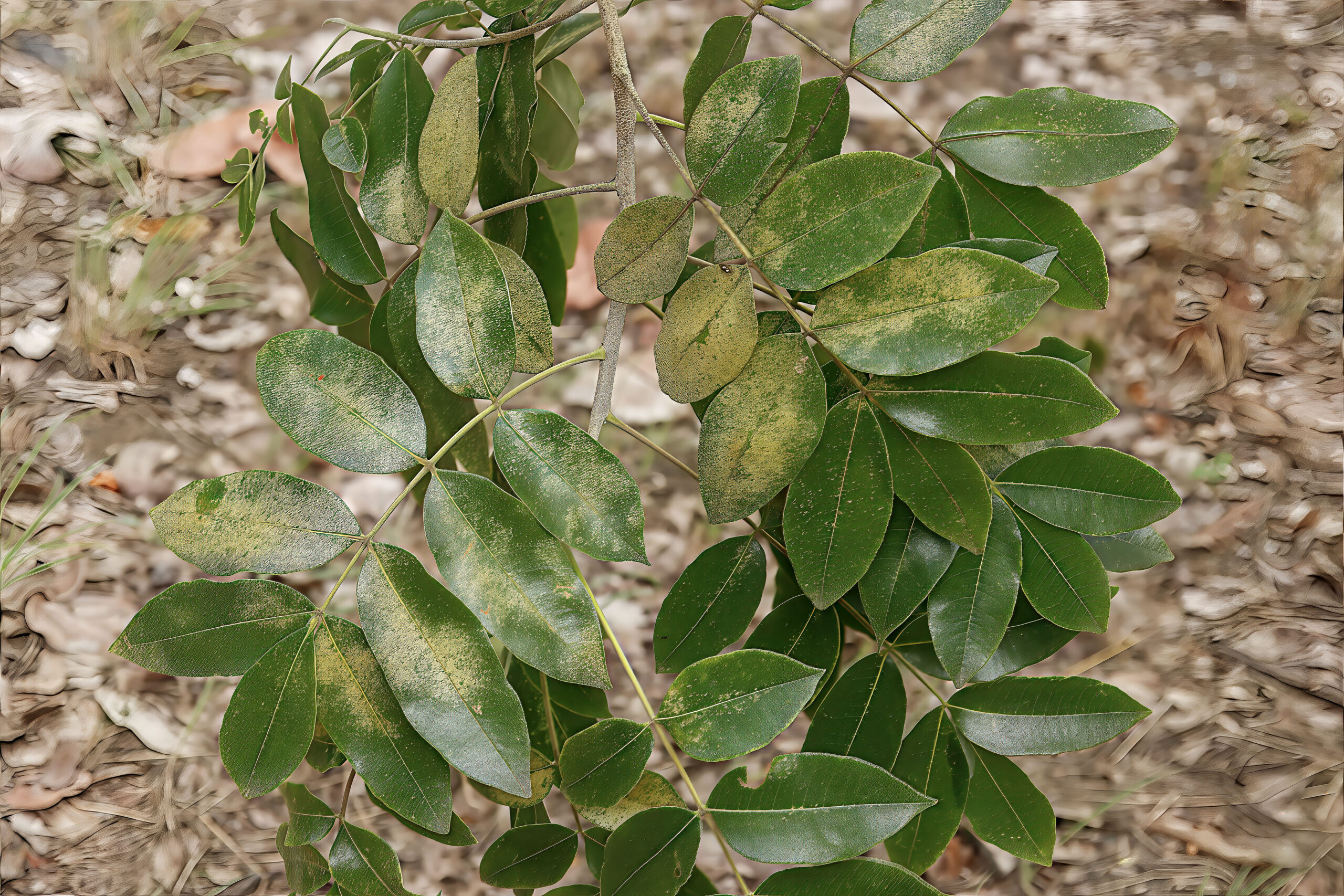
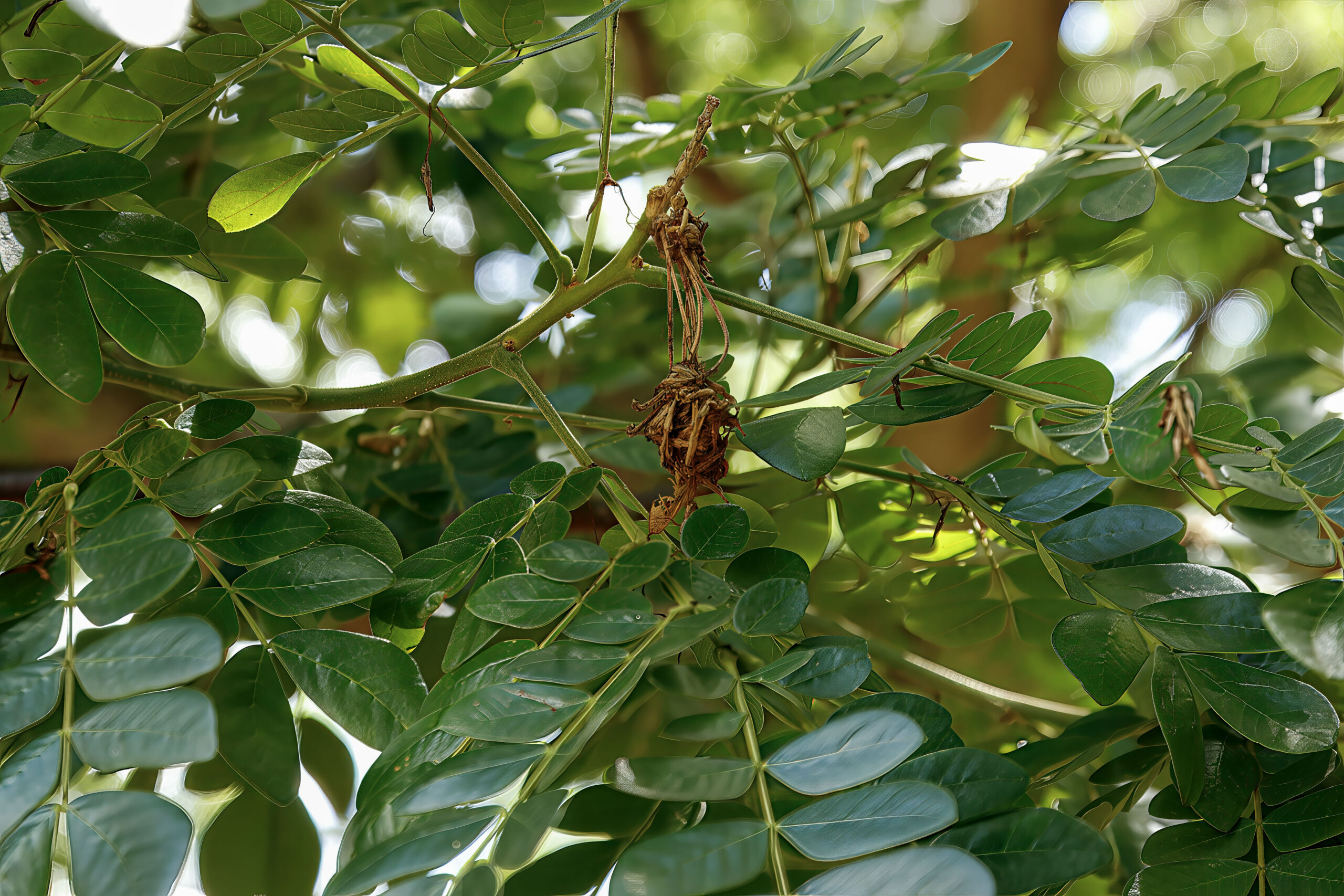
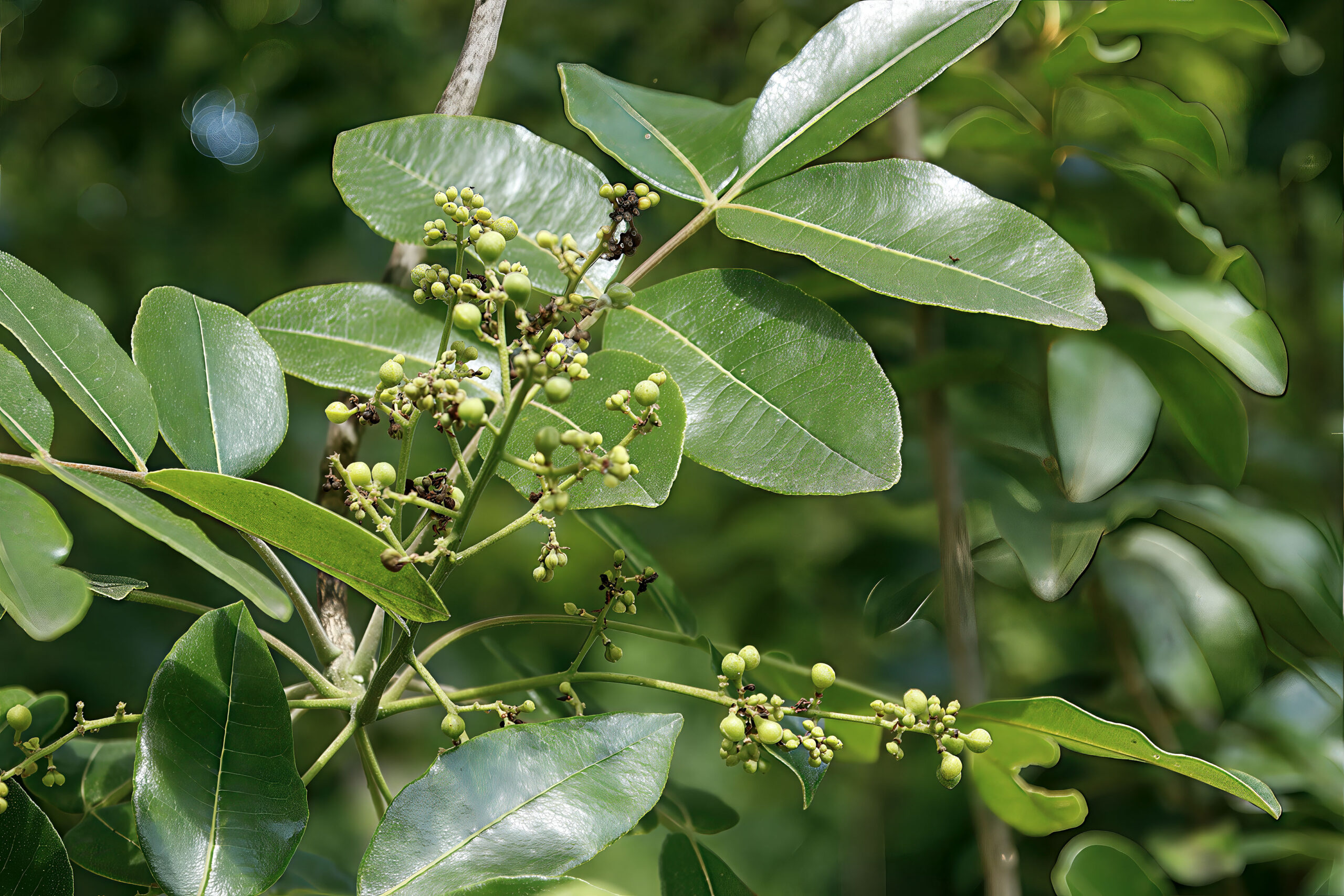
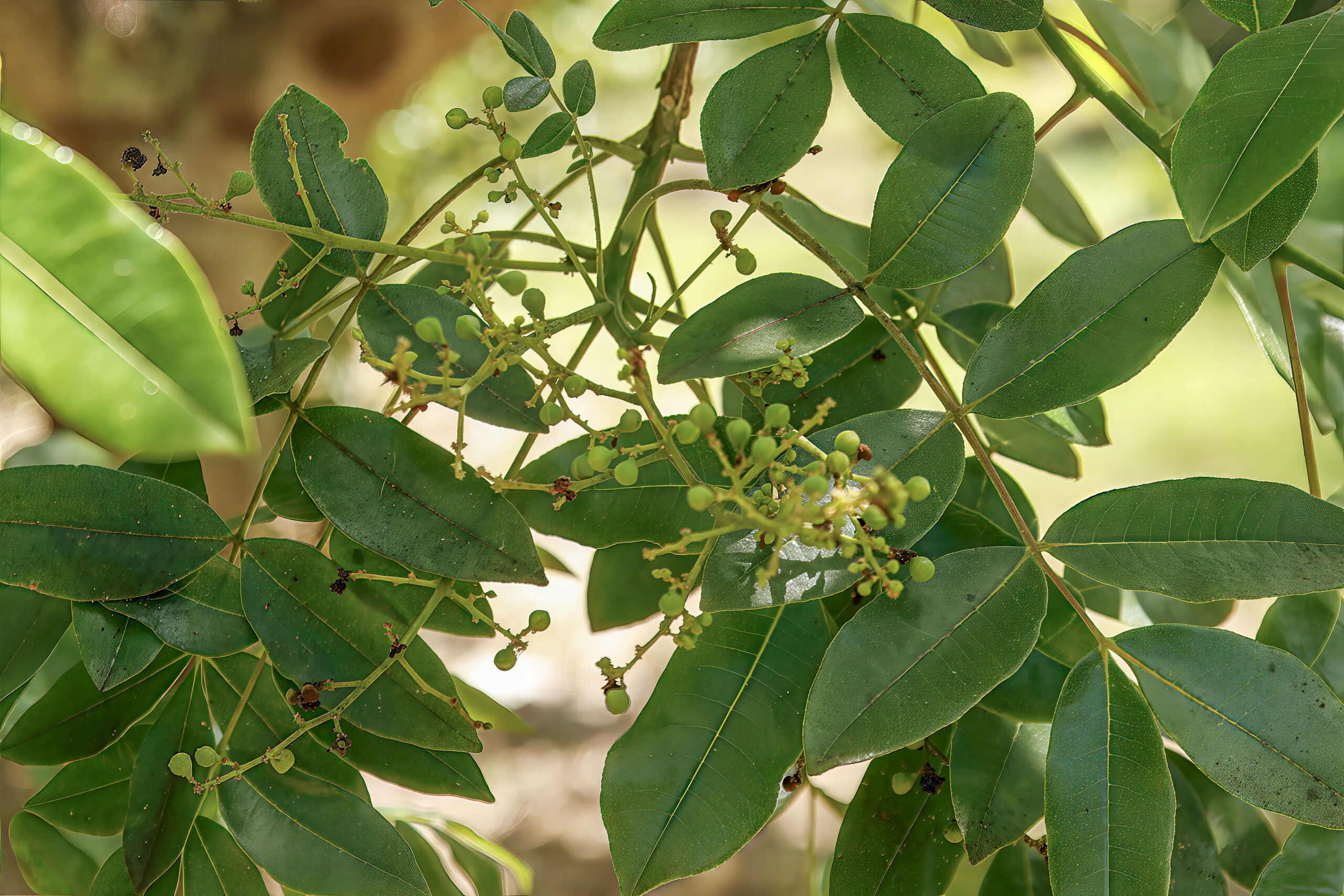
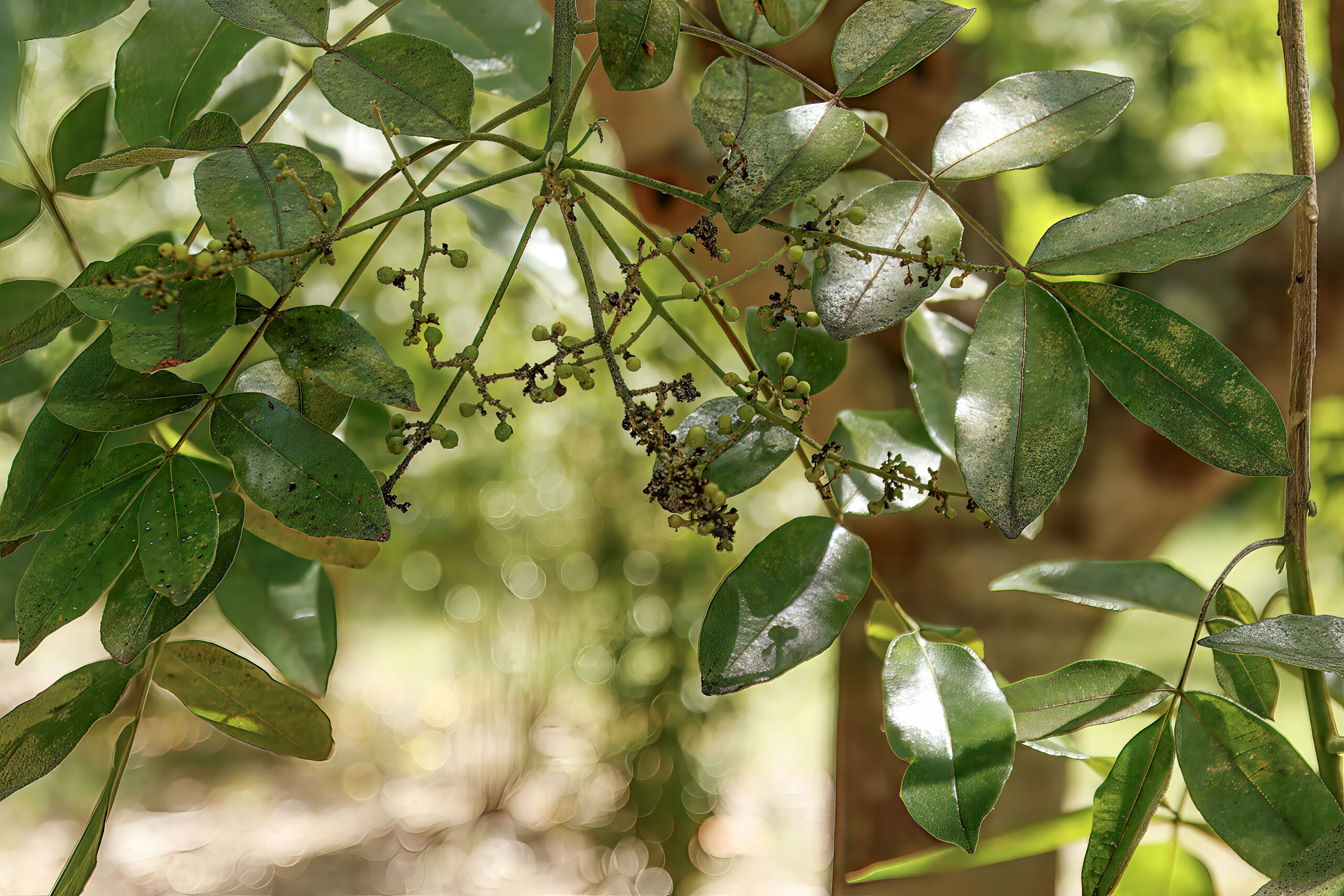
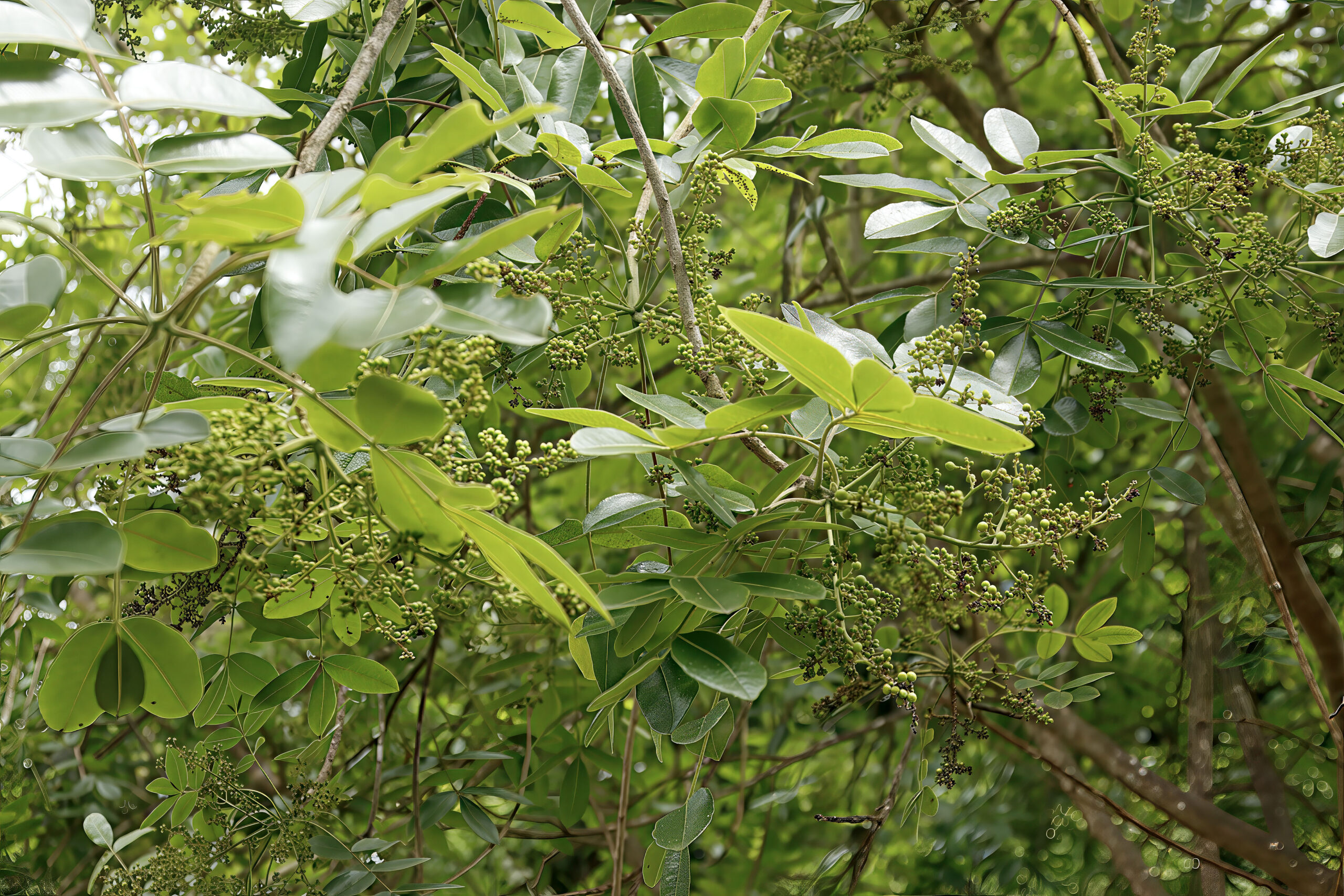
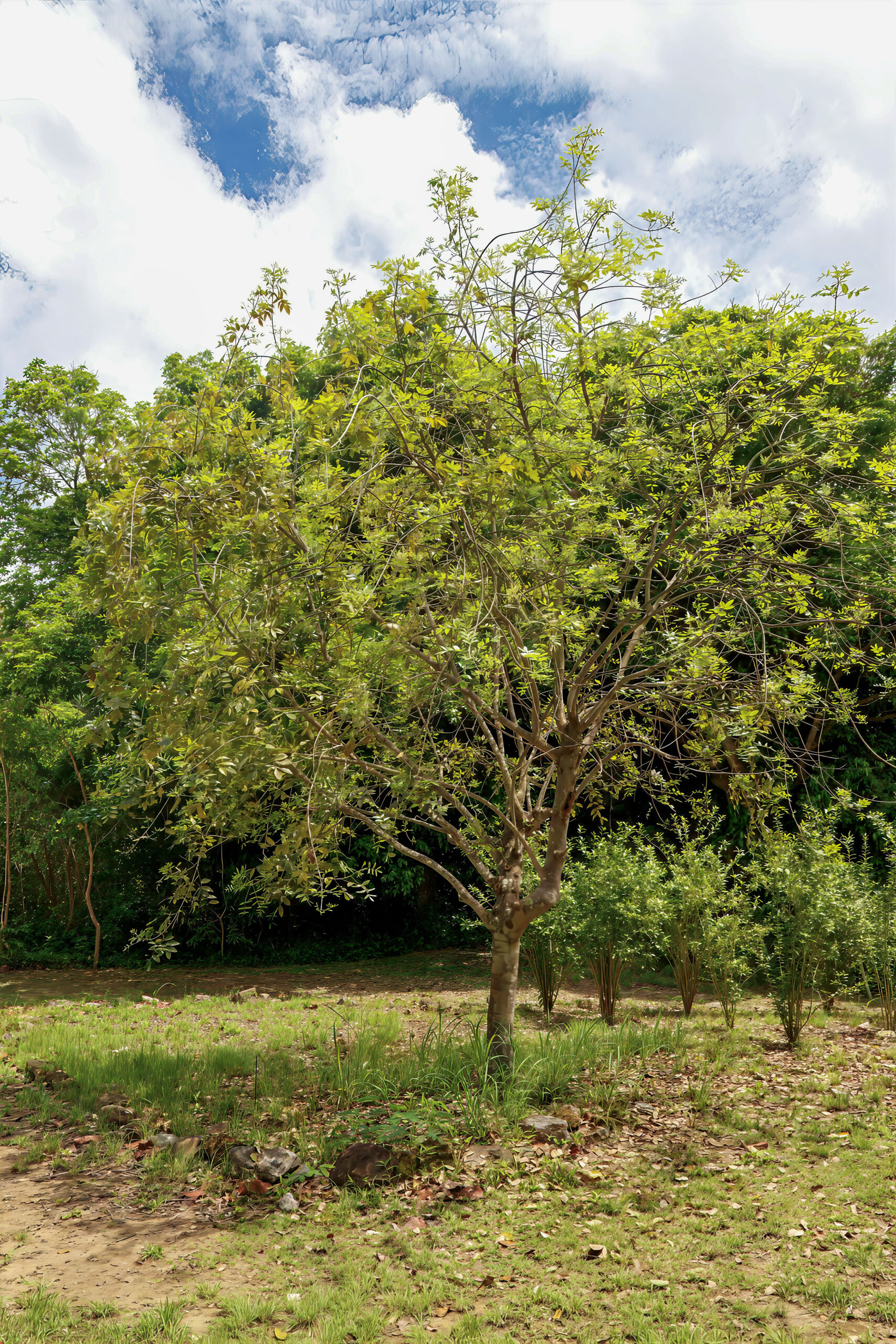
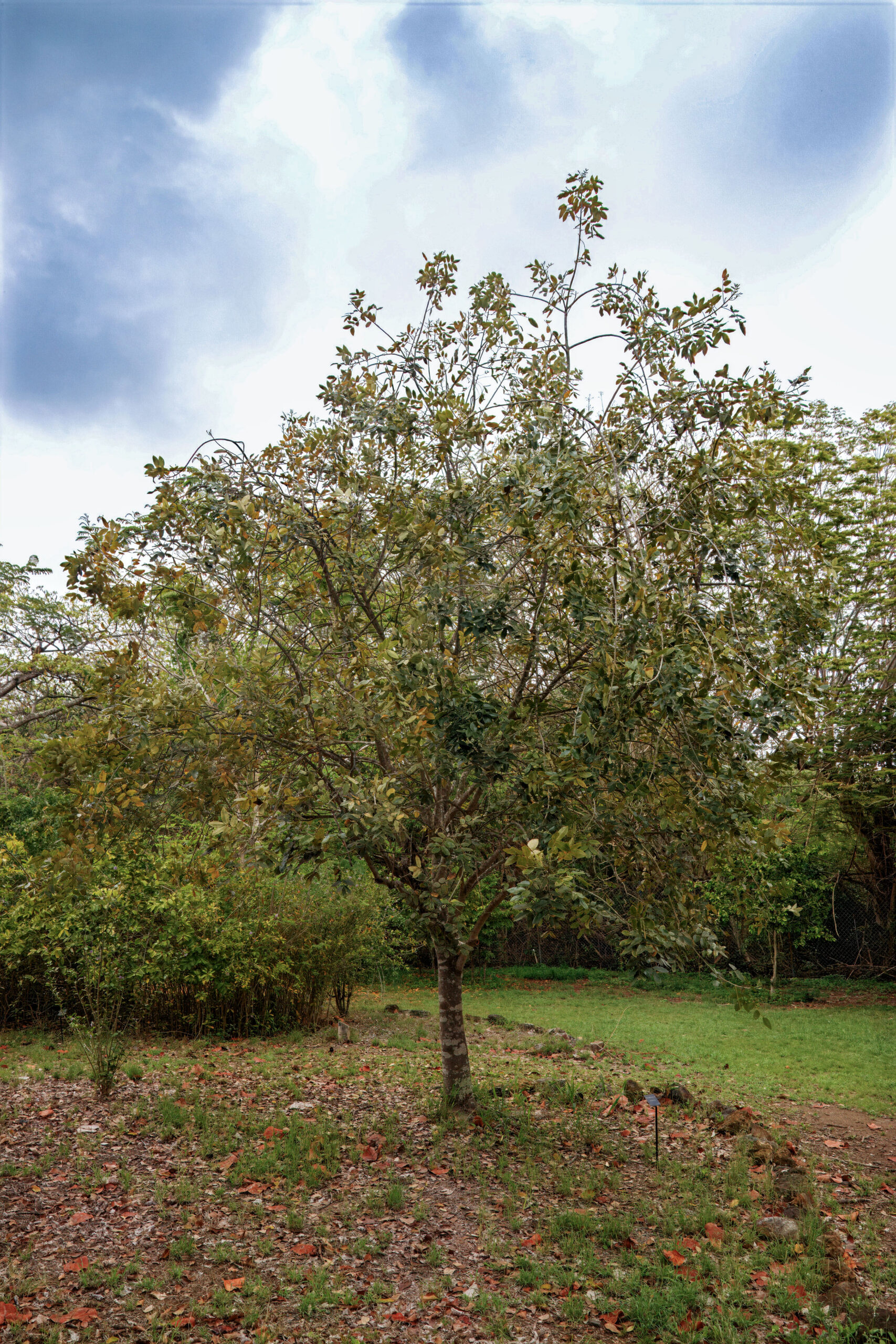
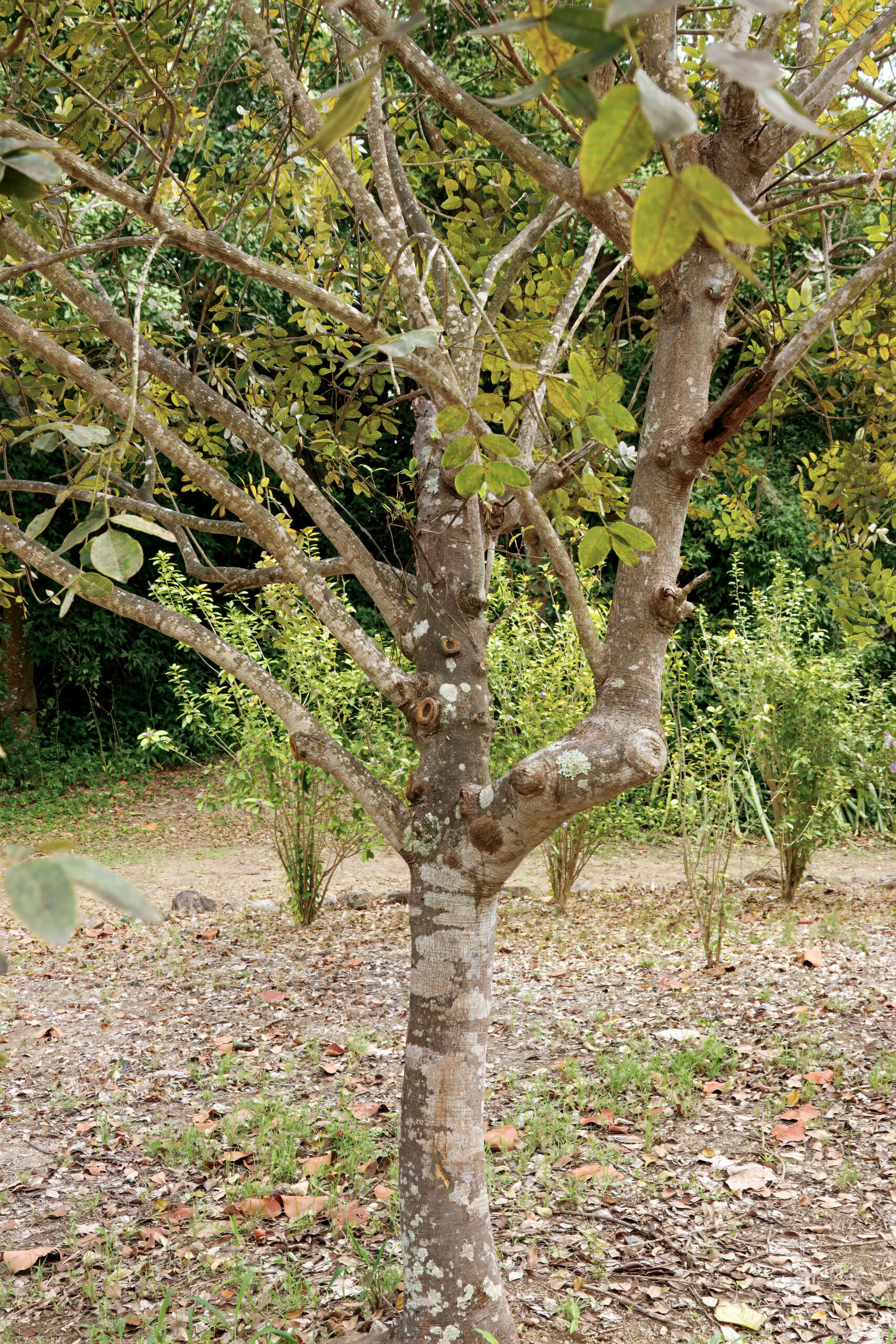
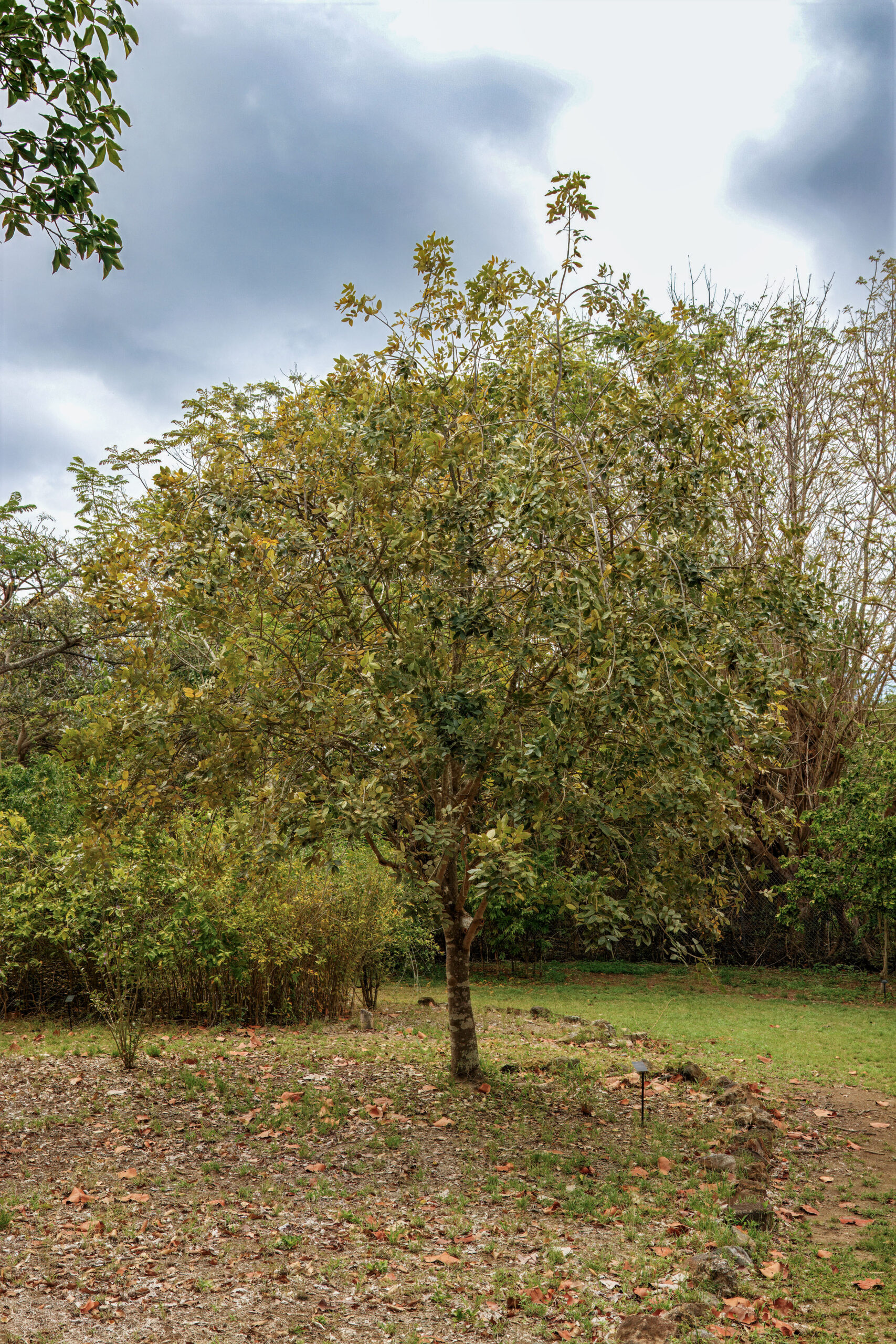
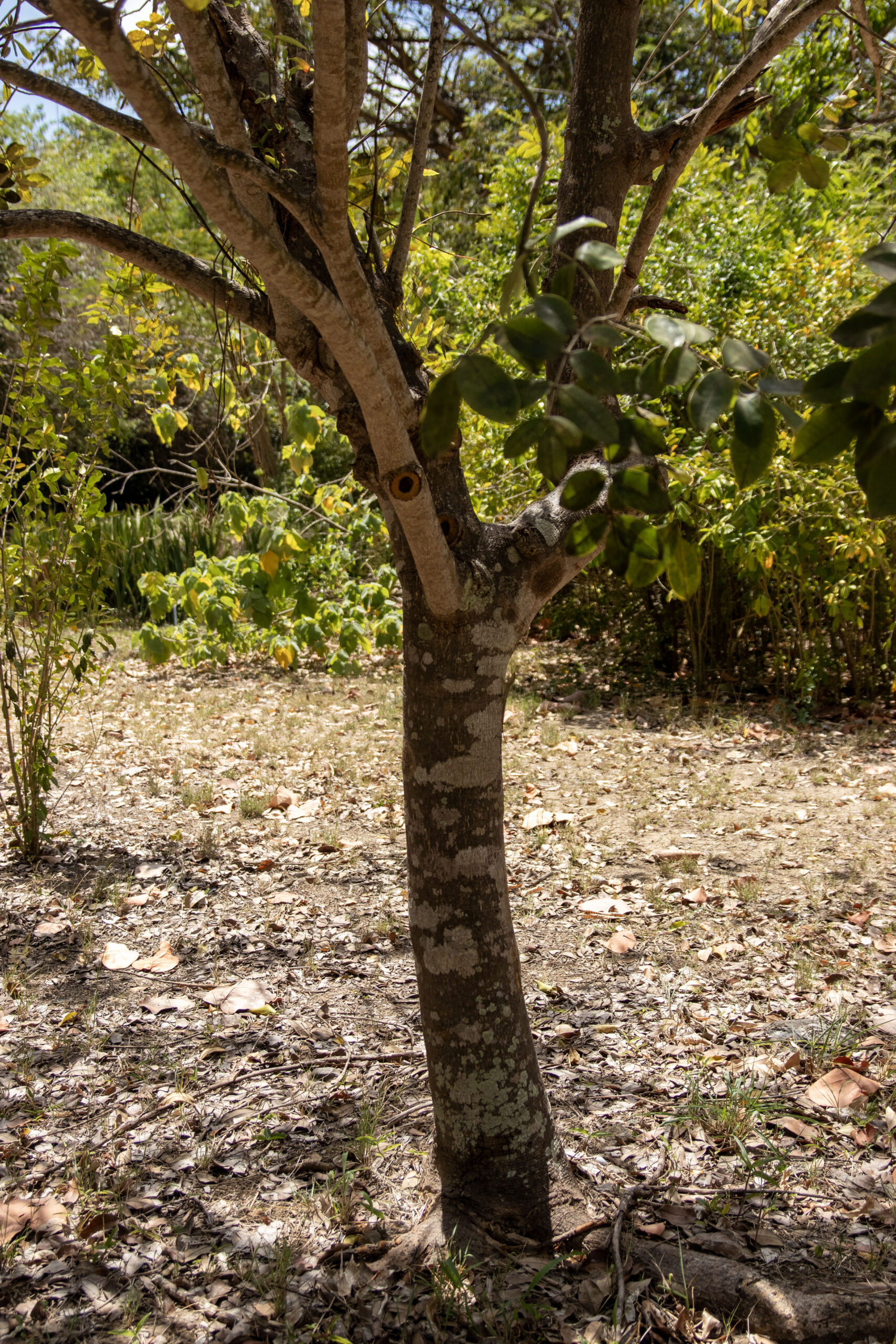
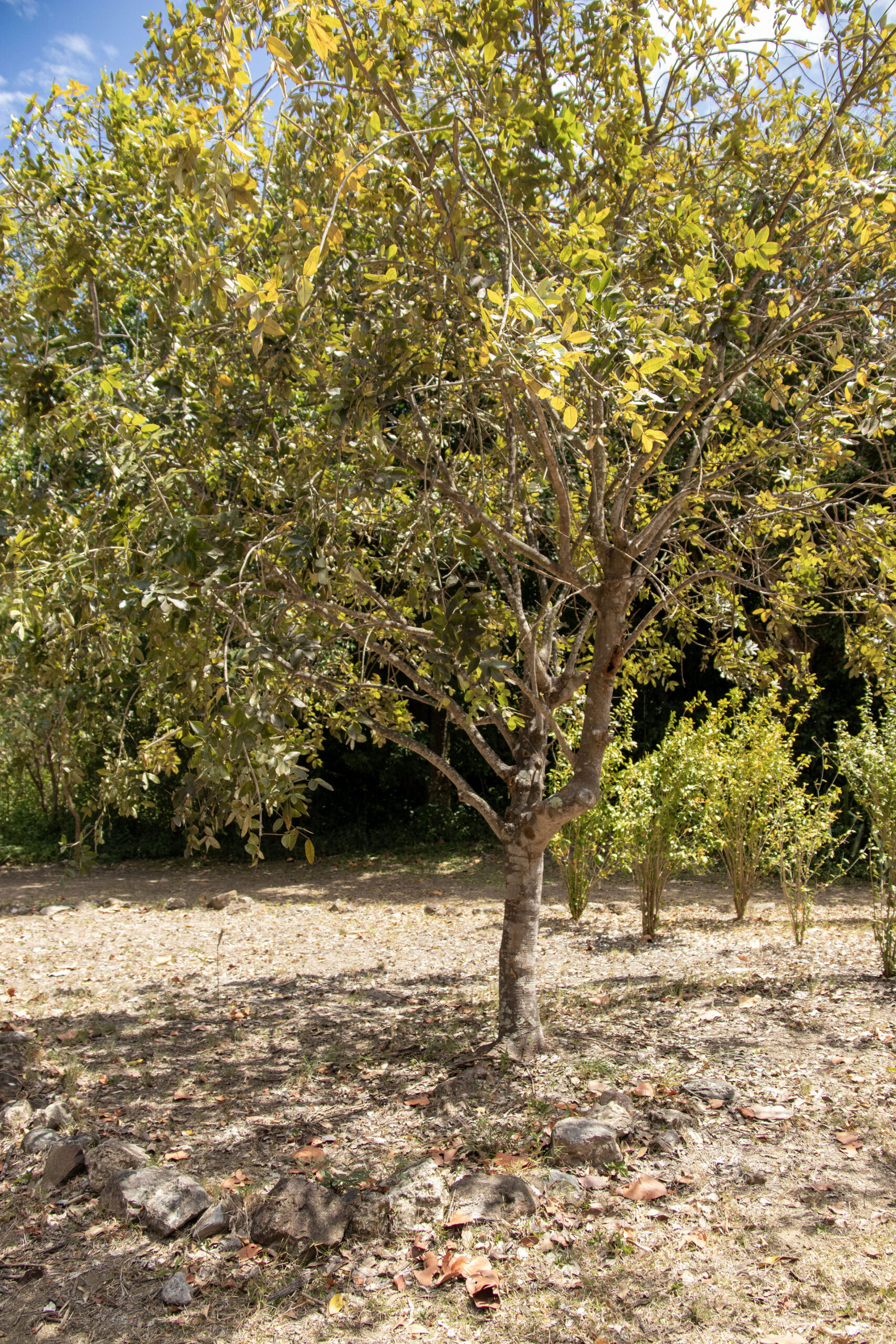
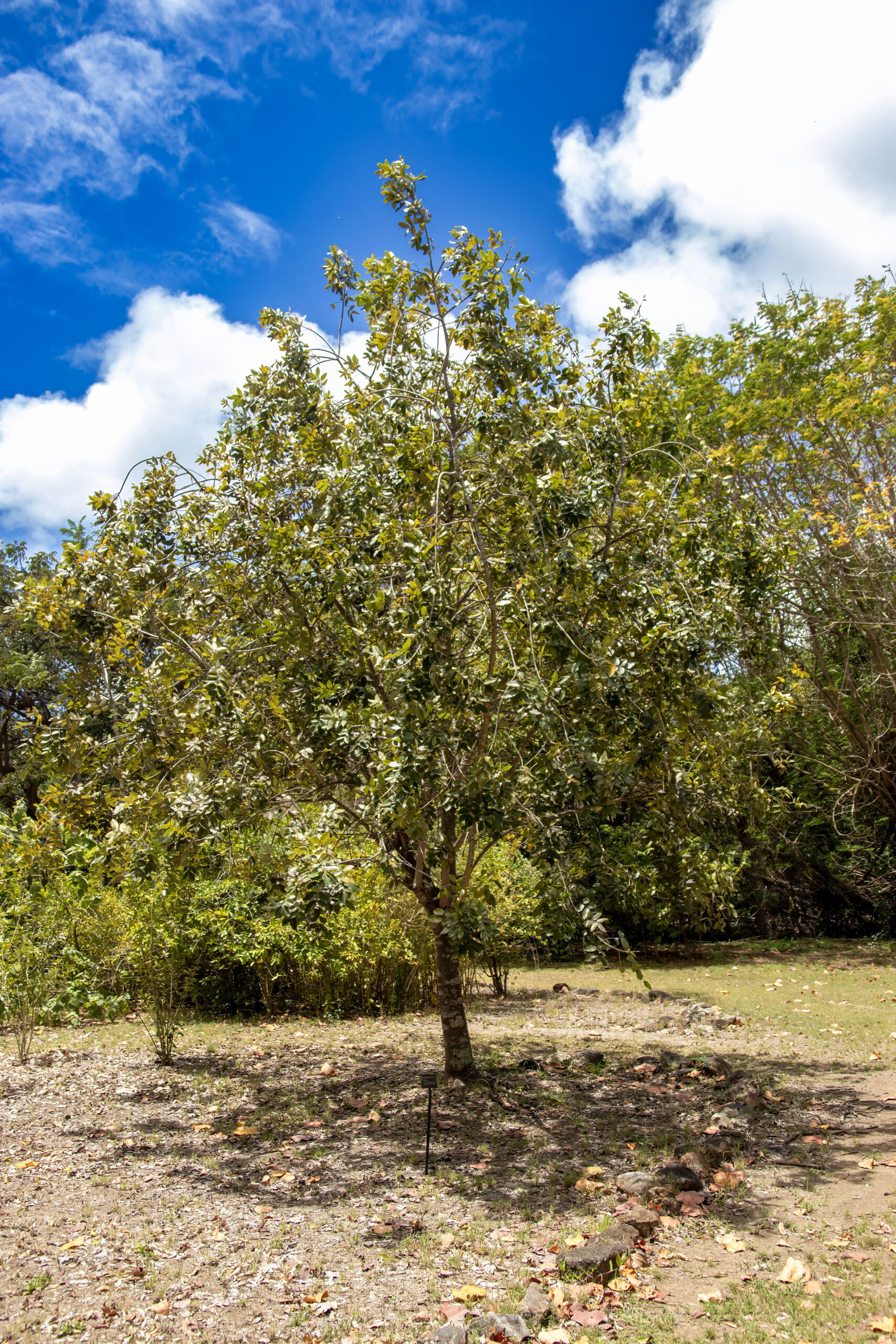
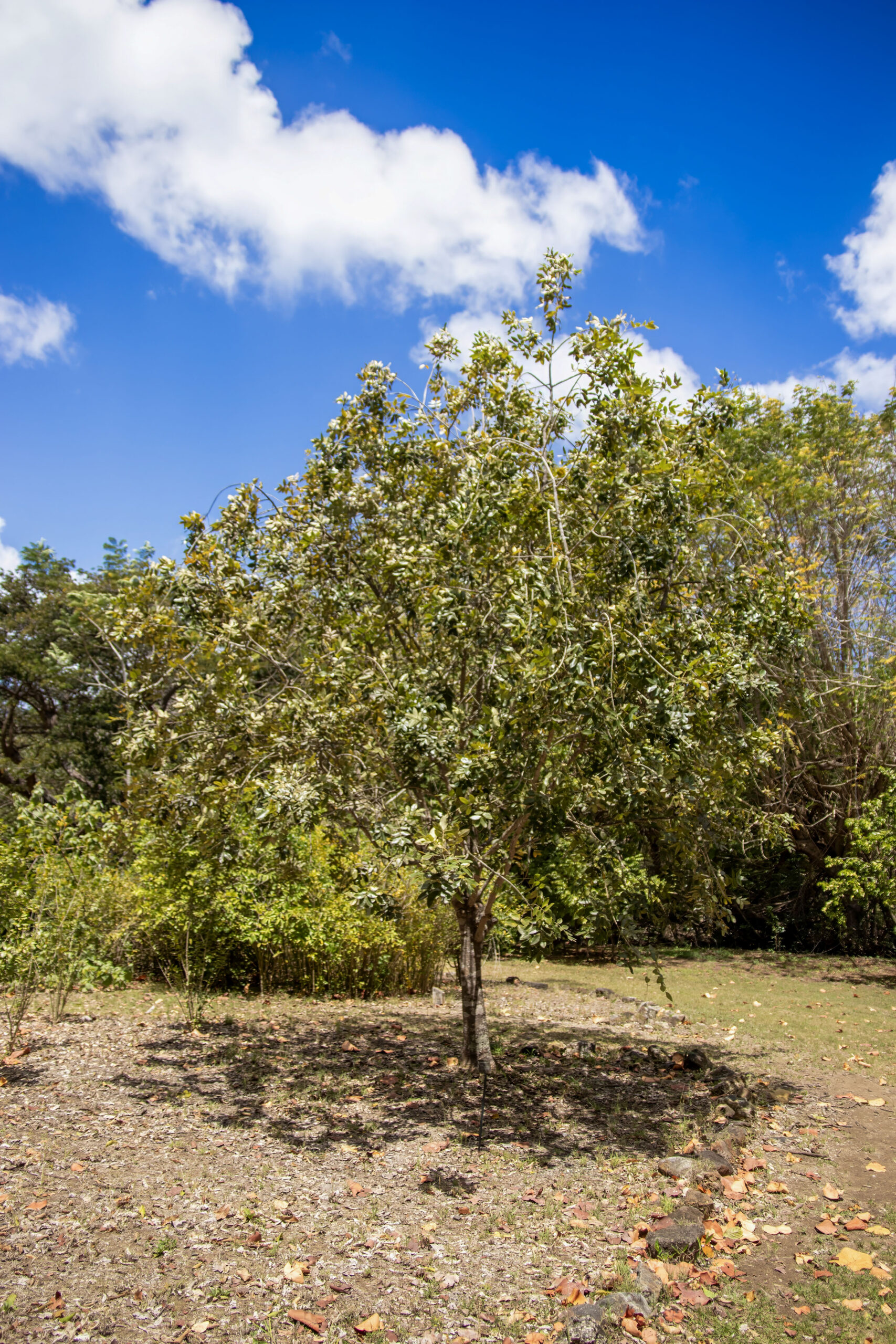
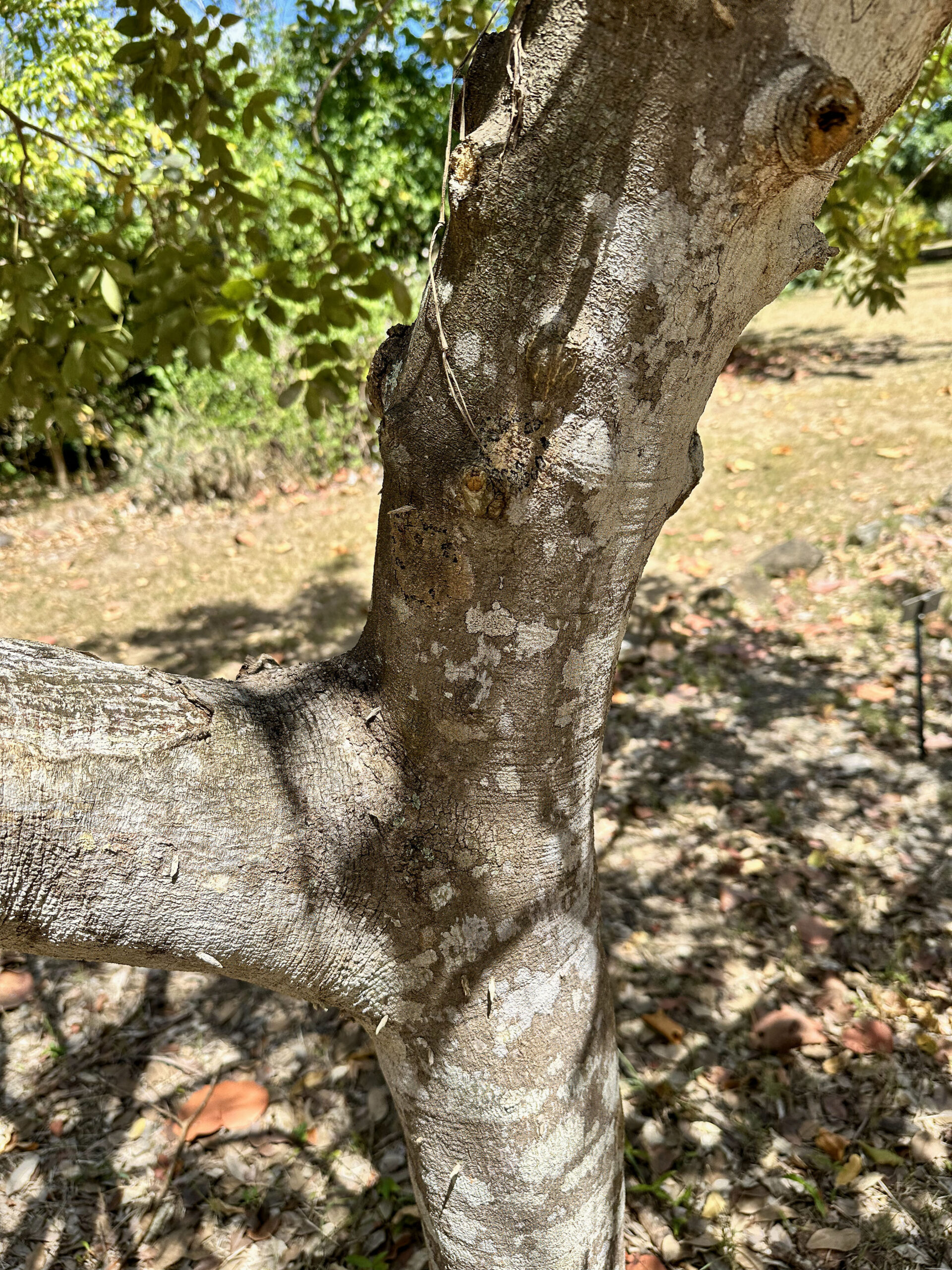
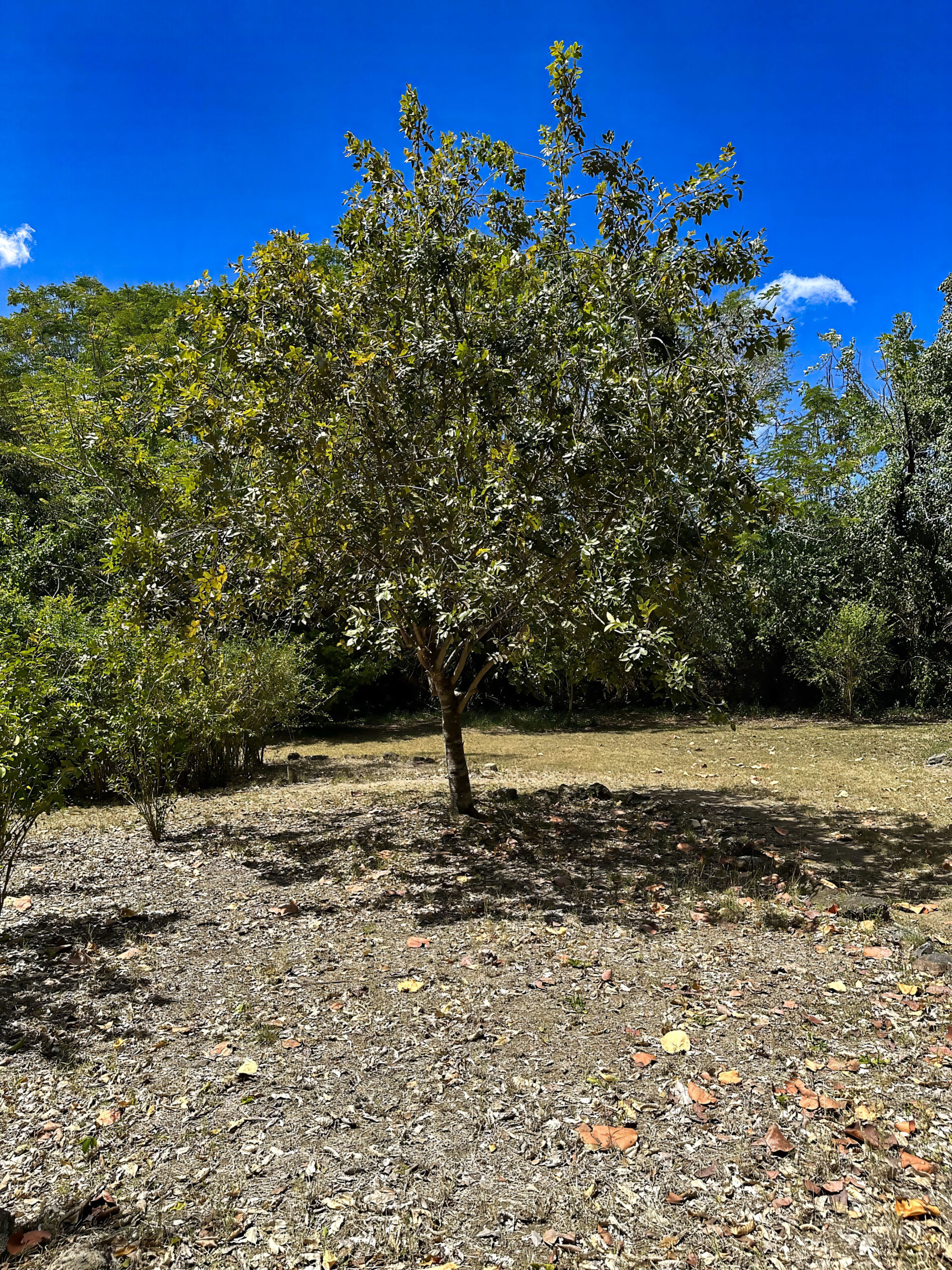
West Indian Satinwood tree

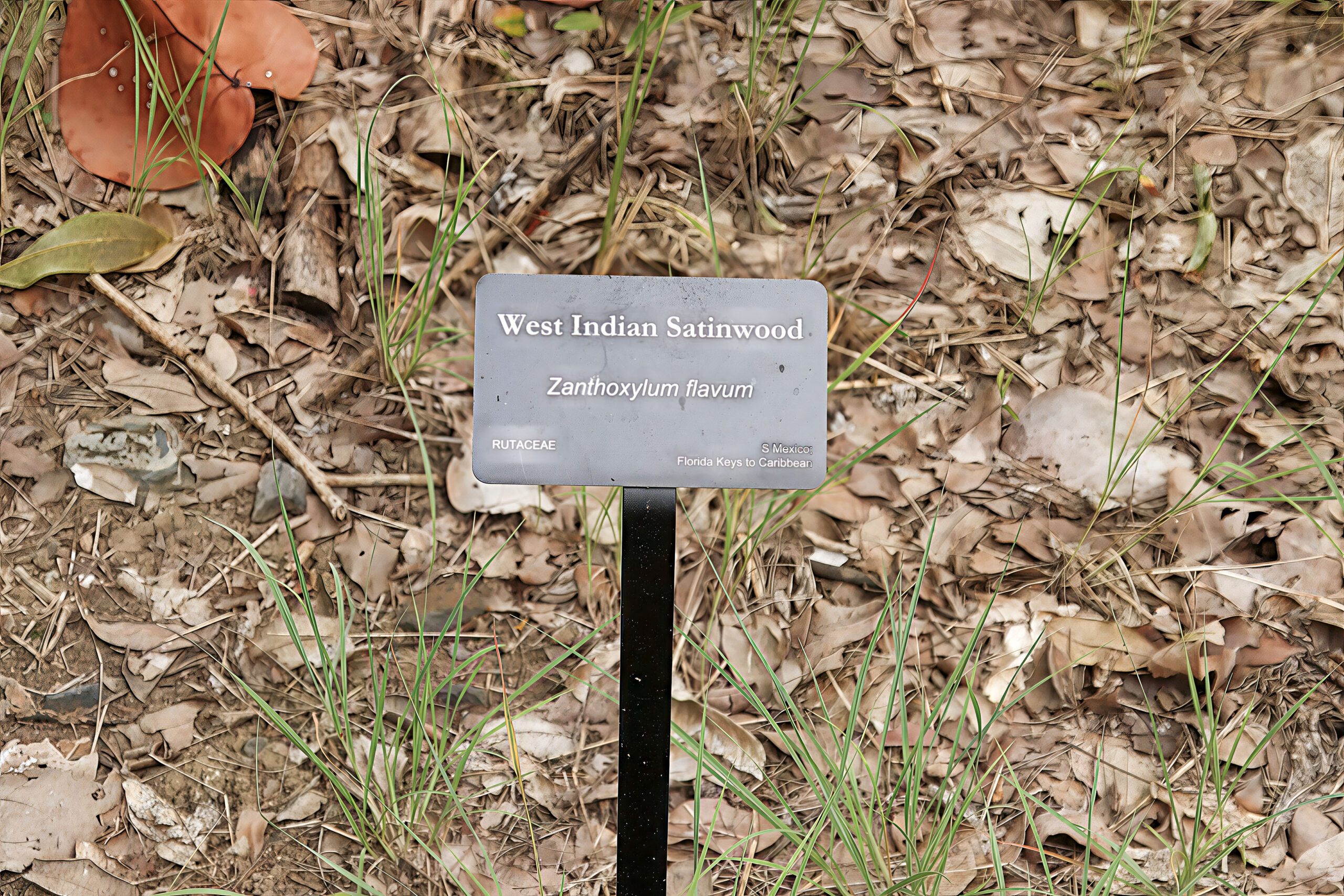
Scientific name: Zanthoxylum flavum

POWO Status: Tree

IUCN Red List threat level: Vulnerable

GPS Location: 17° 42′ 56.76″ N, 64° 49′ 43.01″ W

Conservation Garden

Medicinal Uses

Zanthoxylum flavum, like other Zanthoxylum species, holds traditional medicinal value for pain (toothaches, rheumatism), infections (bacterial, fungal, parasitic), digestive issues (stomach aches, dyspepsia), and respiratory problems, with various parts used as tonics, anti-inflammatories, or to treat fever, though specific uses for Z. flavum are less documented than for relatives like Z. armatum. Its rich phytochemicals (alkaloids, flavonoids, coumarins) show potential for antioxidant, antimicrobial, and anti-cancer activities, but research often focuses on the broader genus. 

Traditional Medicinal Uses (Genus Zanthoxylum):

  • Pain Relief: Toothaches, gum problems, chest pains, arthritis.
  • Digestive Health: Stomach aches, dyspepsia, indigestion, expelling worms.
  • Anti-inflammatory/Antipyretic: Fever, rheumatism, inflammation.
  • Antimicrobial: Bacterial, fungal, and parasitic infections (e.g., gonorrhea).
  • Respiratory: Coughs, colds, asthma.
  • Other: Treating tumors, hypertension, skin diseases, as a blood purifier, or even as an aphrodisiac. 

Potential Applications of Z. flavum & Related Species:

  • Antioxidant & Antimicrobial: Extracts show promise against various microbes and oxidative stress.
  • Anti-diabetic: Extracts from Z. armatum (similar species) show anti-diabetic effects in animal studies.
  • Antimalarial: Studies have explored its potential in this area.
  • Constituents: Contains compounds like coumarins, which have antifungal and photochemotherapeutic uses. 

How It’s Used:

  • Decoctions, infusions, powders, pastes, or poultices from leaves, bark, fruits, and seeds.
  • Bark chewed for toothaches; leaves used in infusions. 

Important Note:

  • While the genus shows great promise, much research focuses on other species (Z. armatumZ. alatum). Specific uses for Zanthoxylum flavum are less detailed, though it shares many characteristics and potential uses. Always consult a healthcare professional before using any medicinal plant.

Observations:

Phenological Markers – West Indian Satinwood (Zanthoxylum flavum)

1. Leaf Behavior
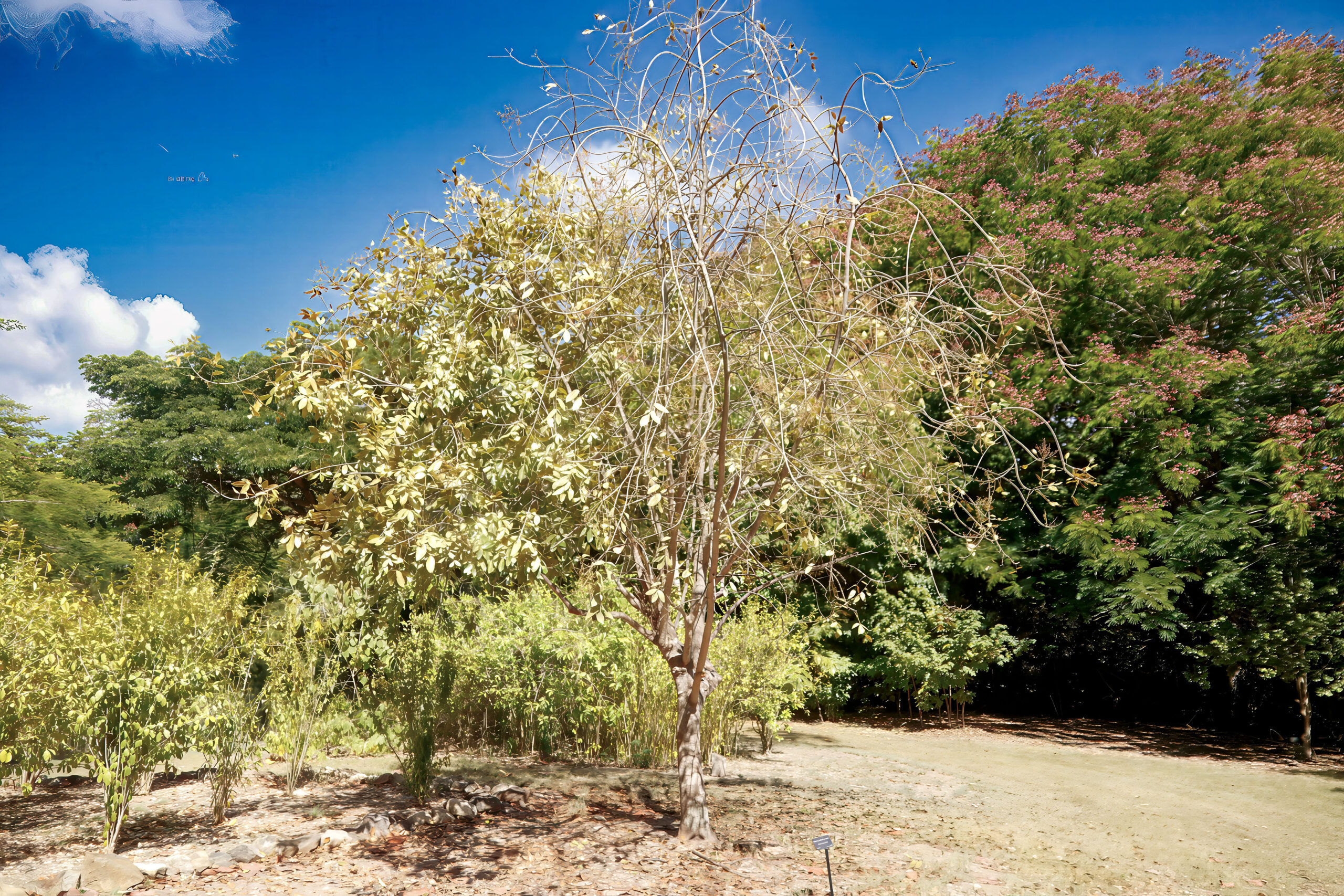
This species is deciduous to semi-deciduous, often shedding leaves during the late dry season, typically January through March in St. Croix.

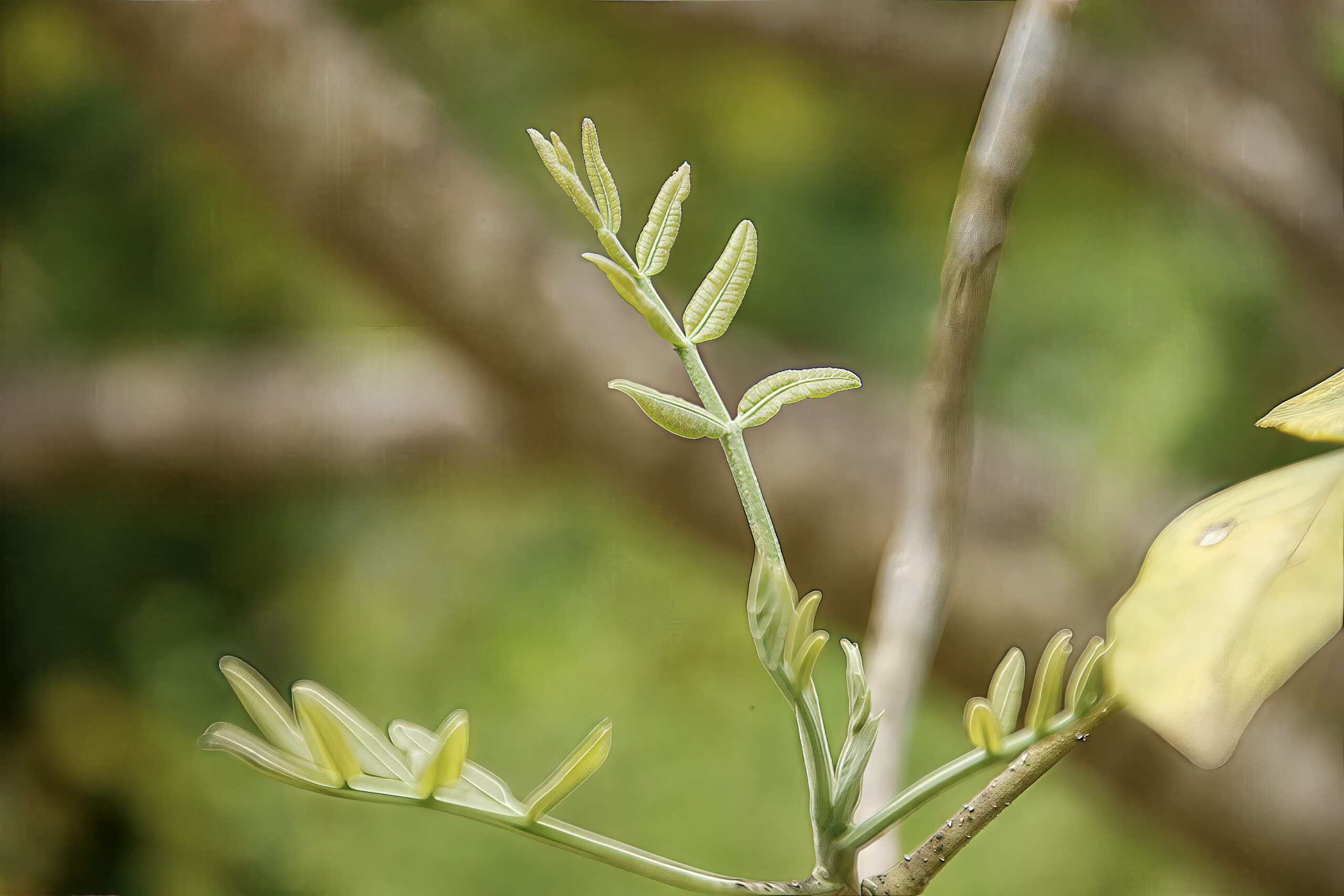
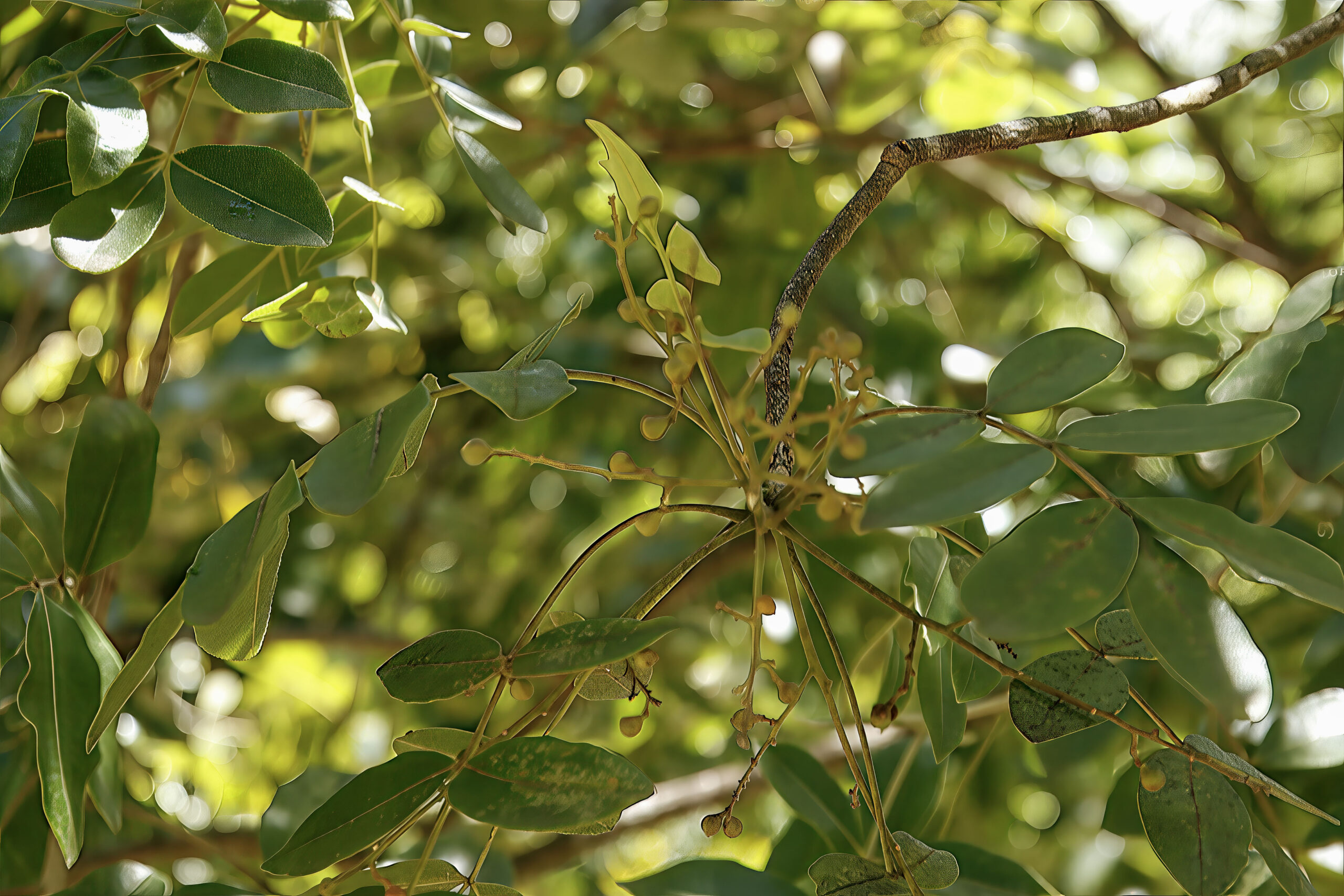
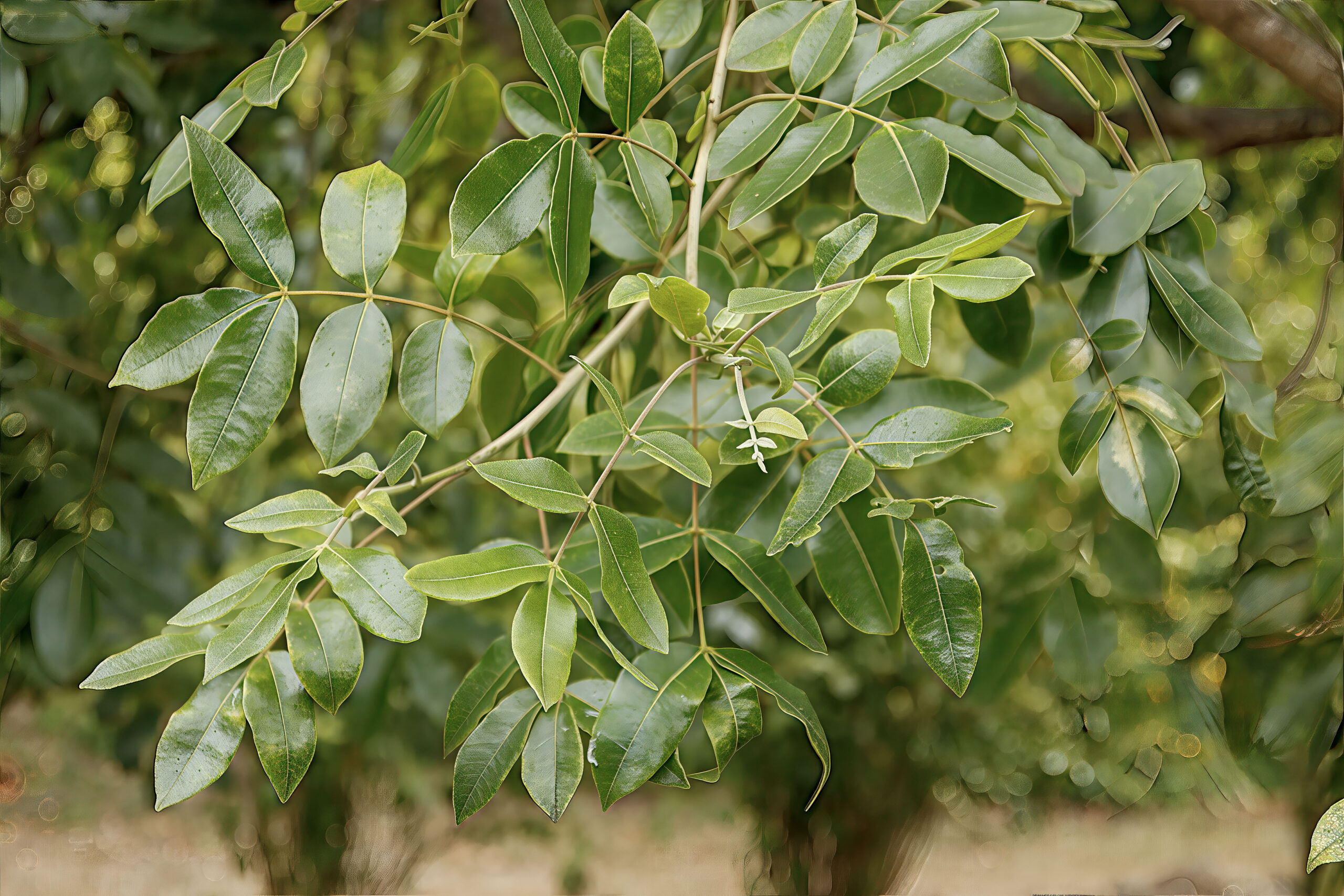
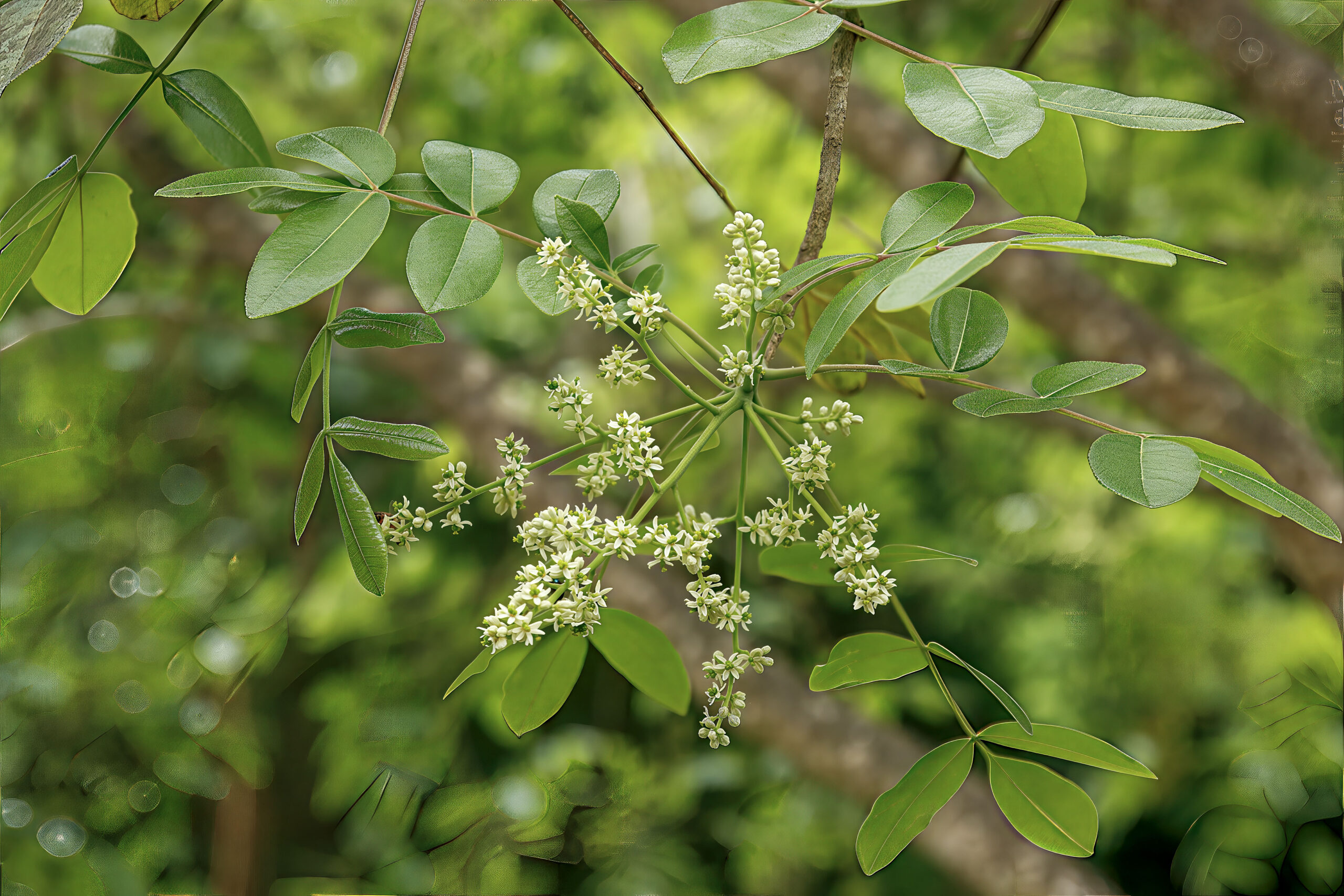
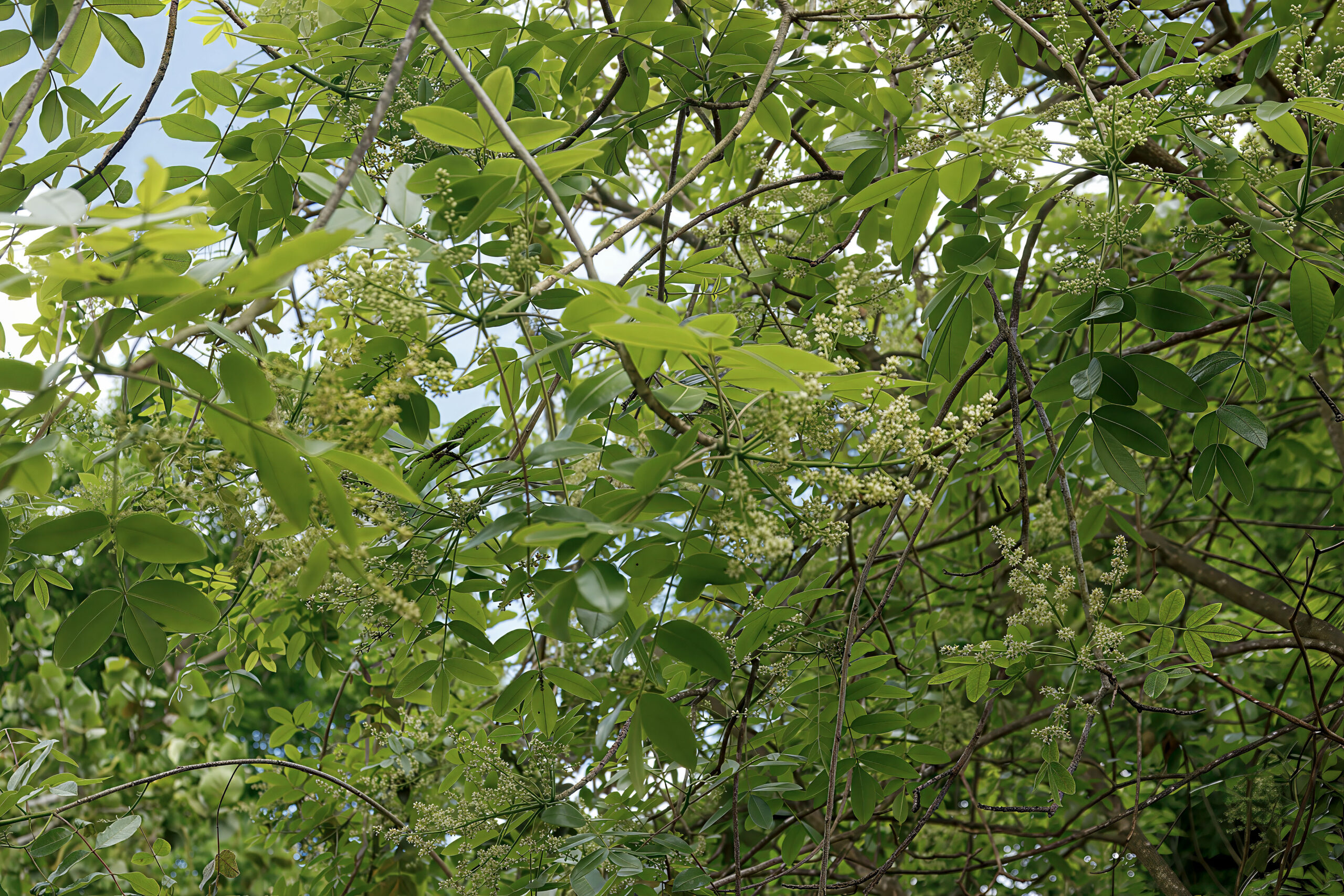
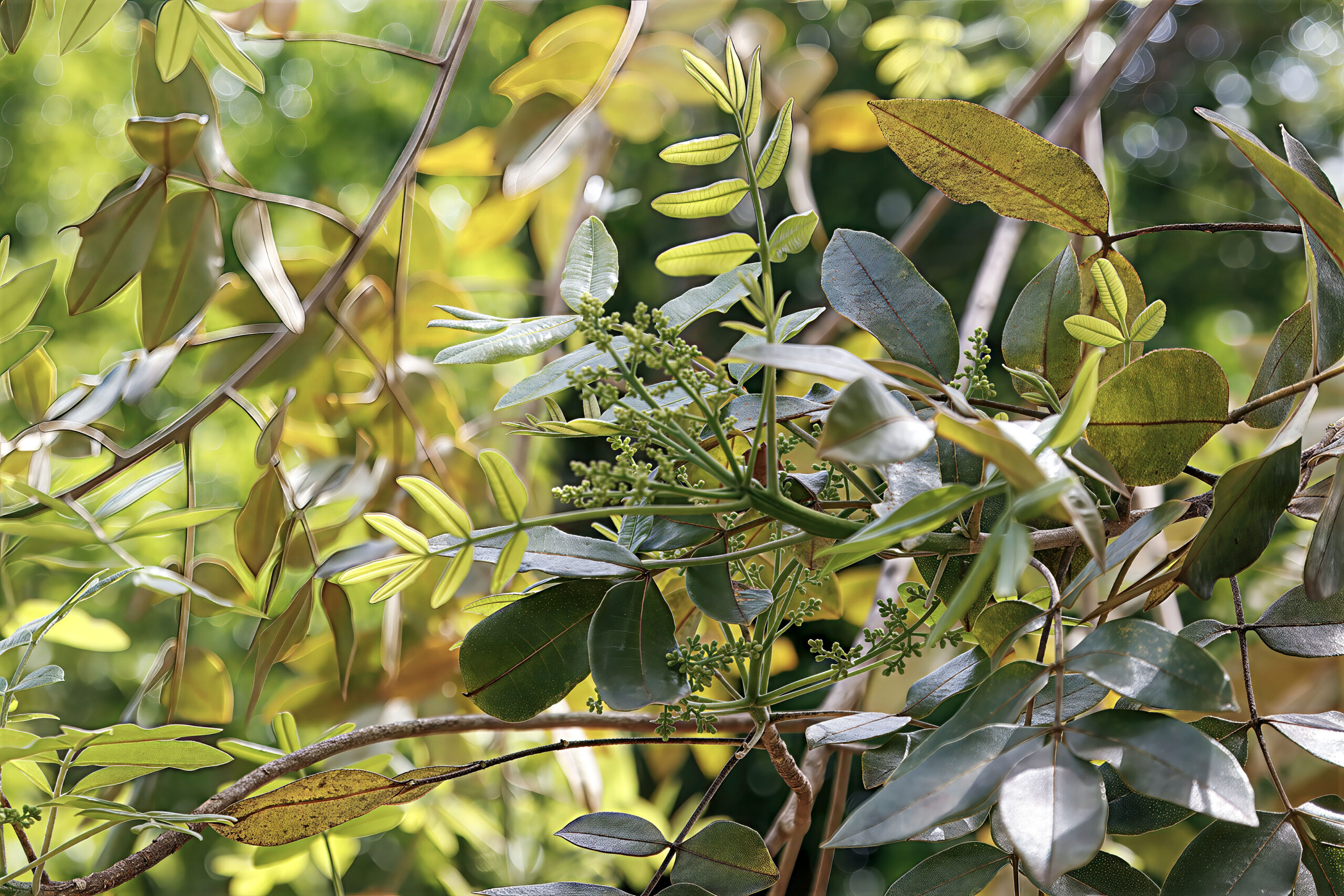
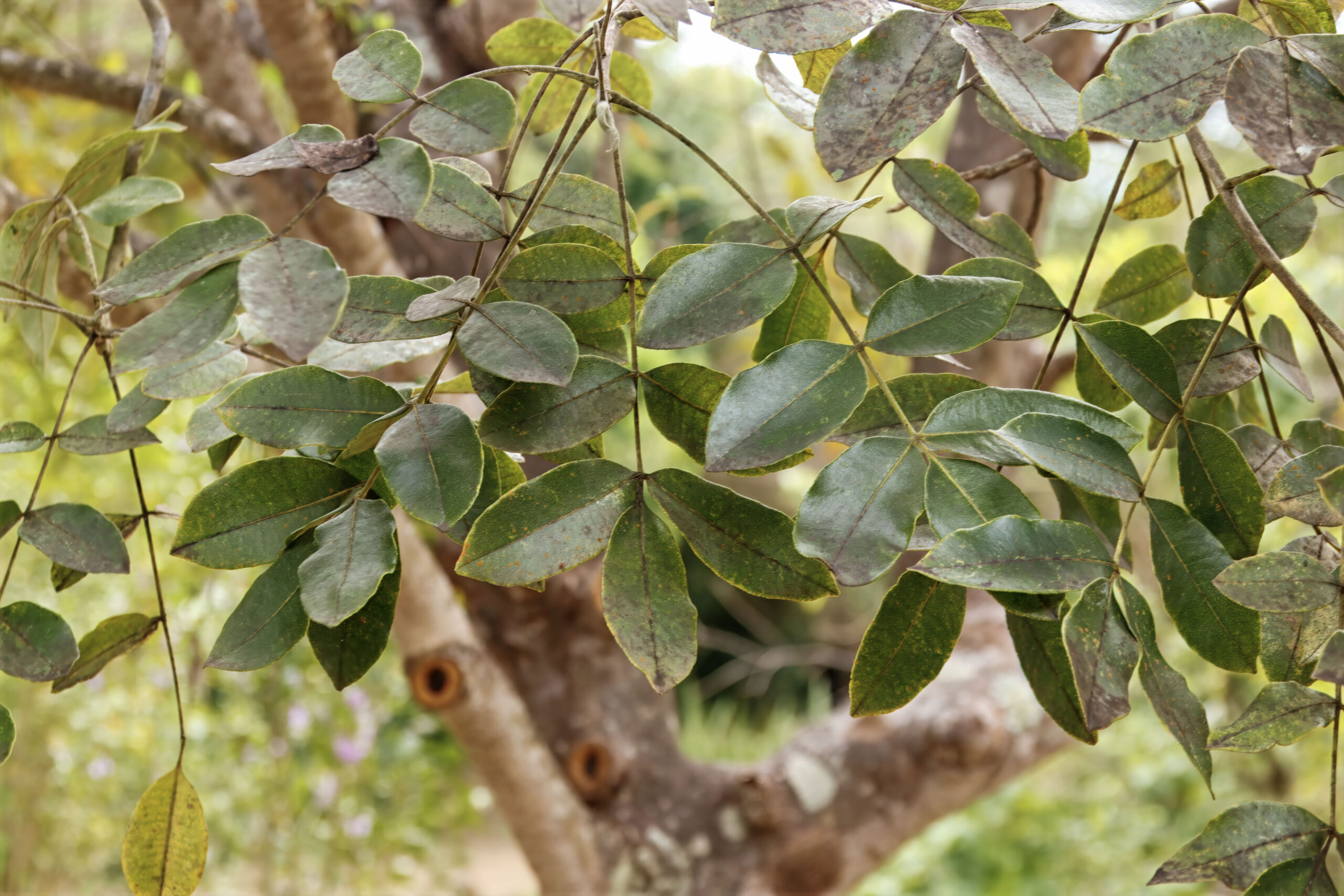
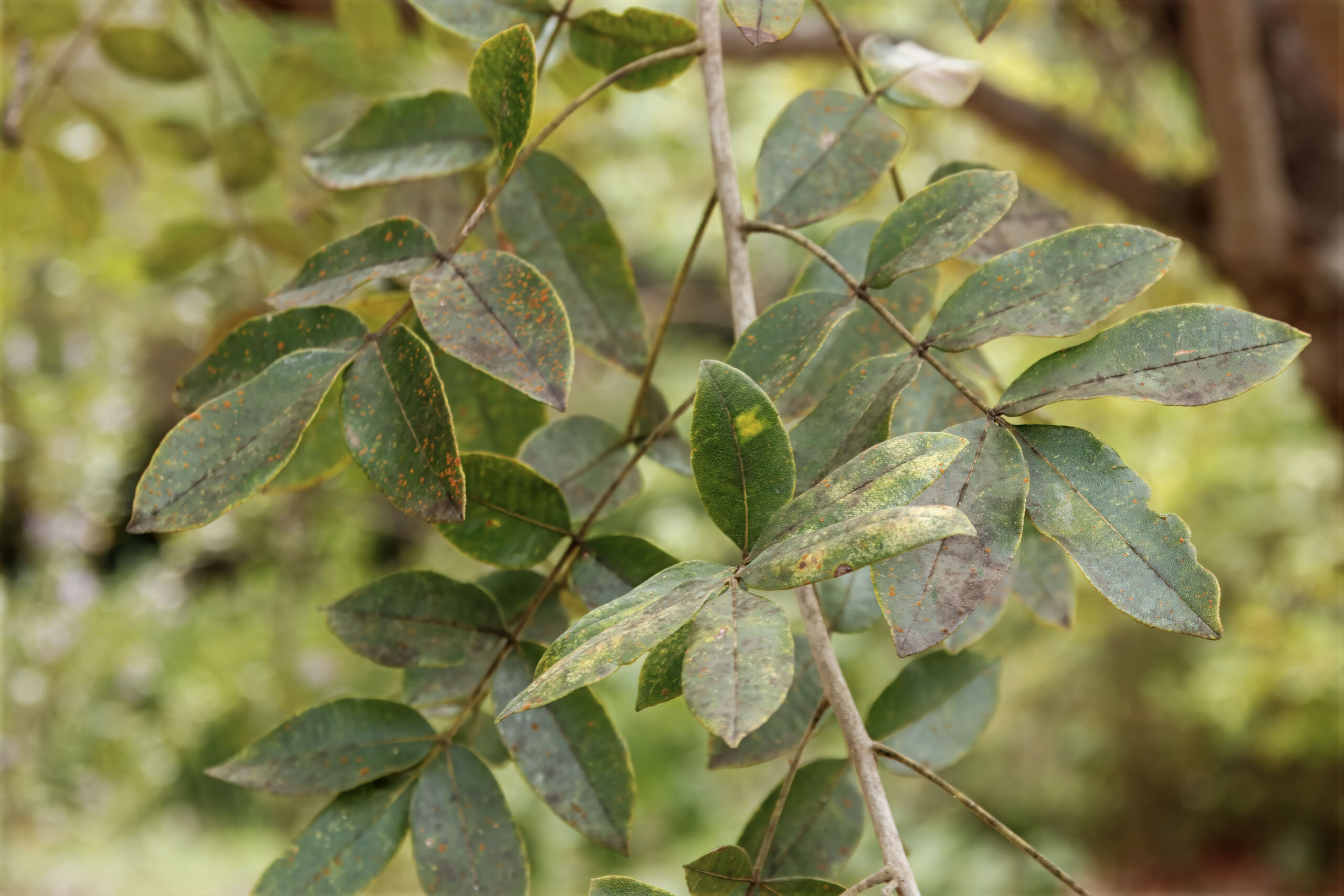
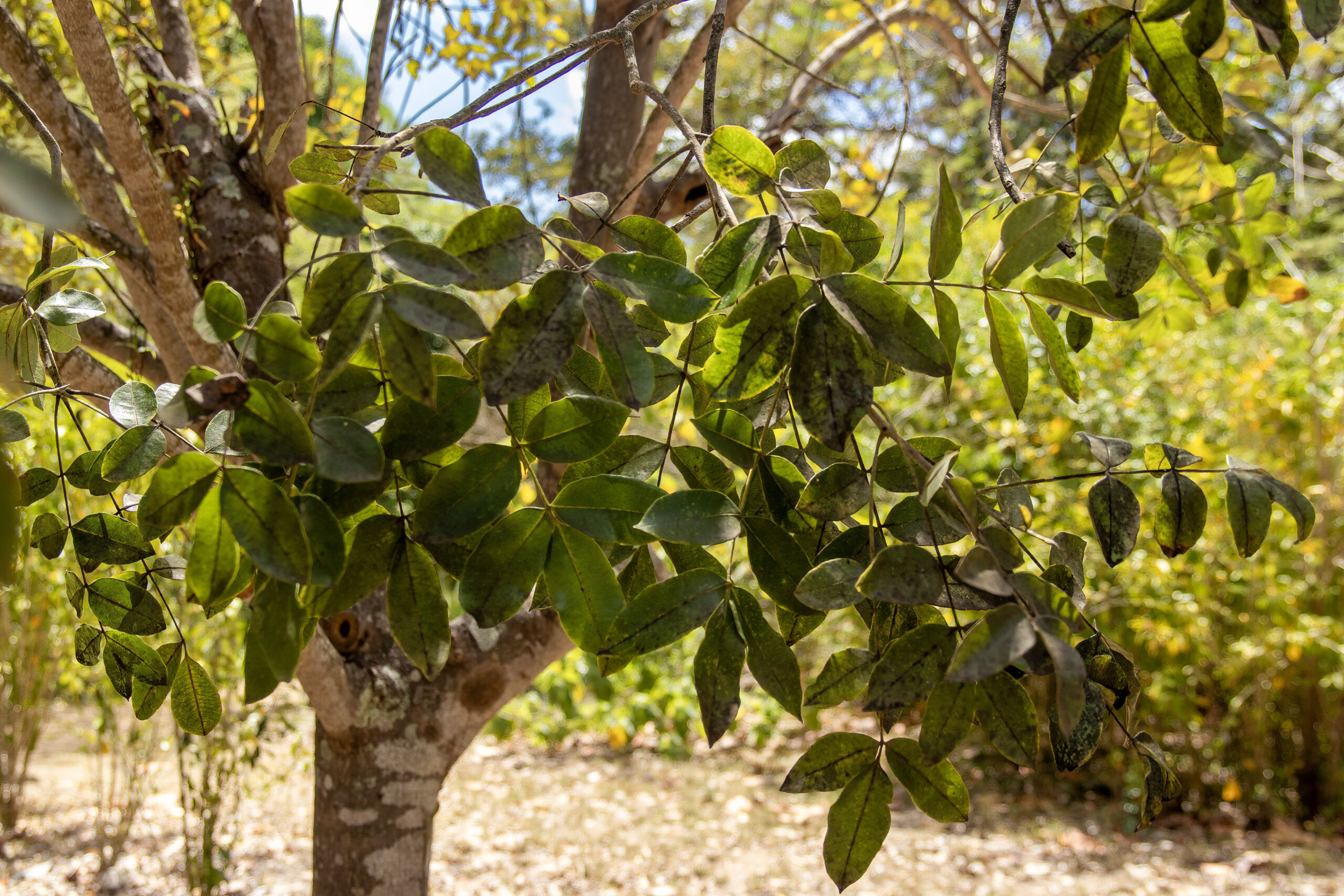
  • Leaves are pinnately compound, with several oval leaflets, sometimes edged with tiny teeth.
  • The foliage is lightly aromatic when crushed and often emerges soon after the dry season ends.

Observation Tips:

  • Track degree of leaf drop, which may vary by microclimate.
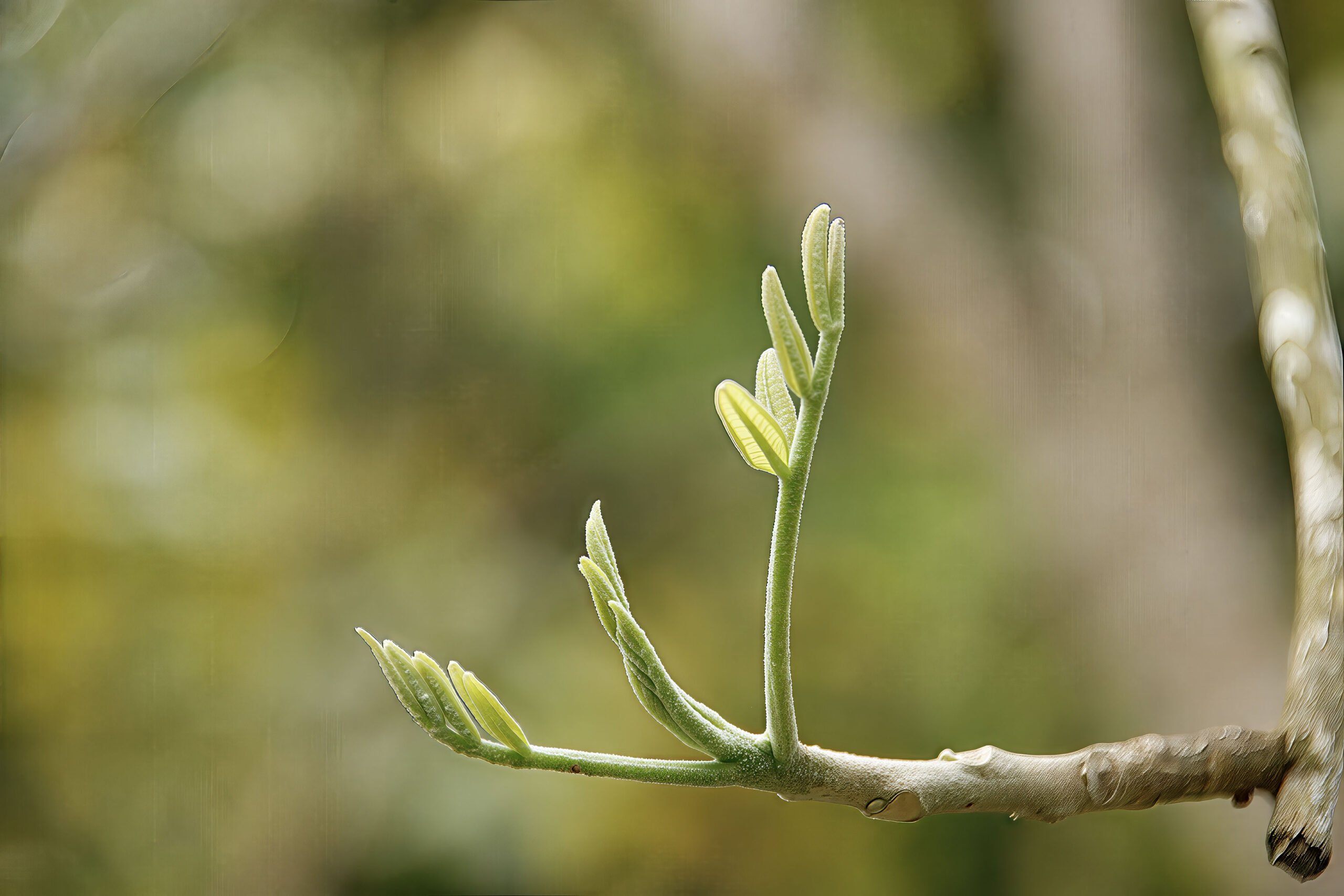
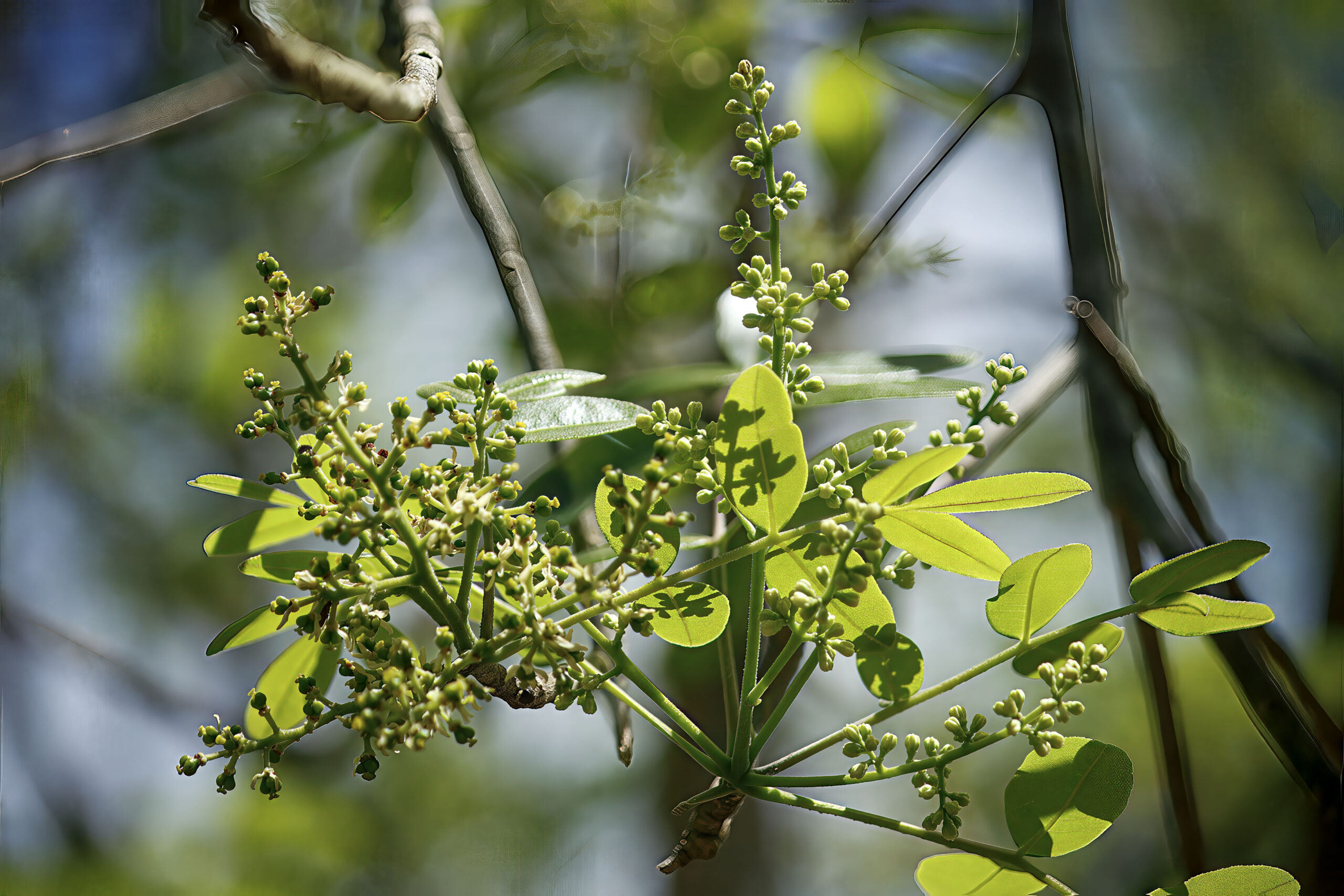
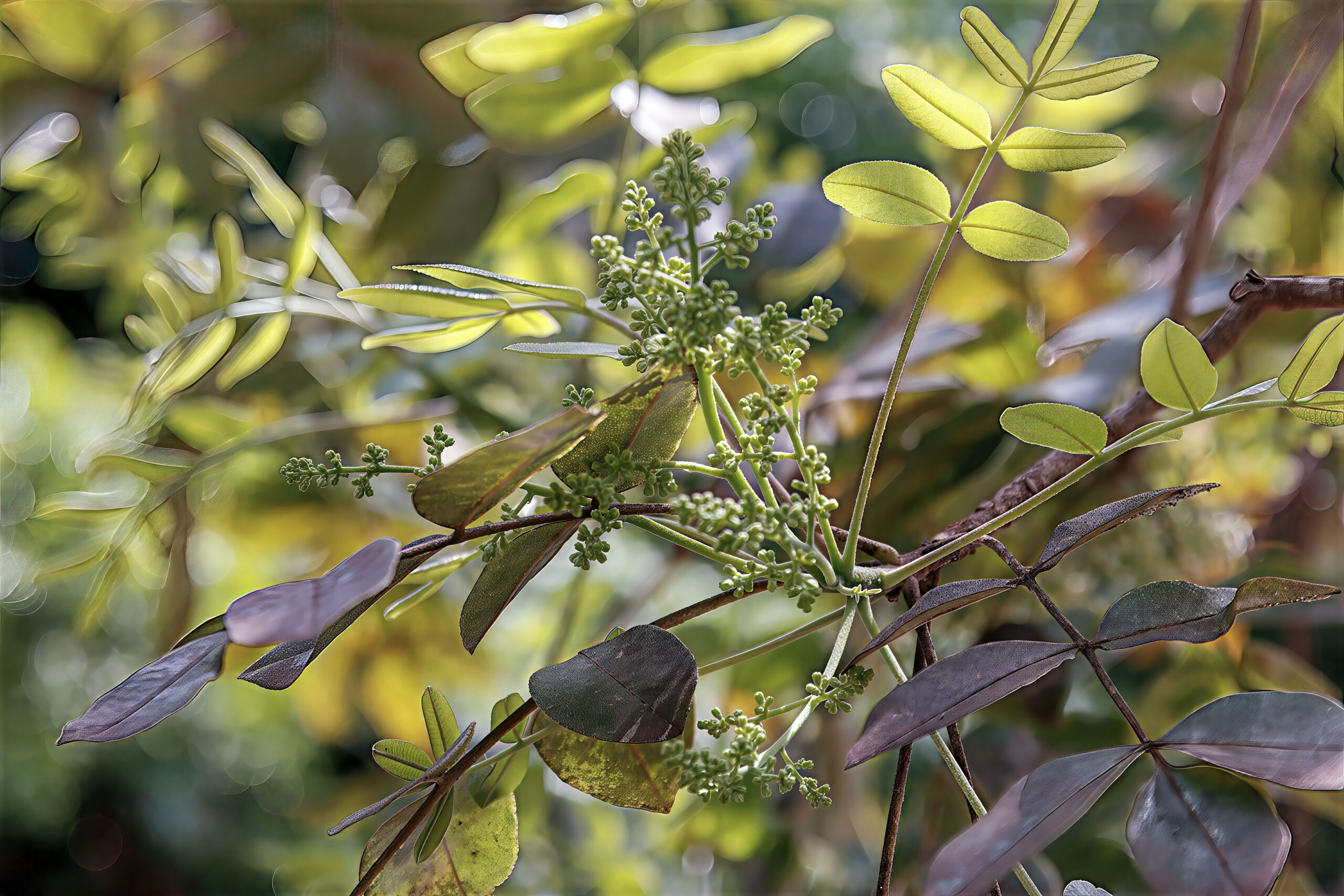
  • New leaf flushes emerge bright green and delicate, often in tandem with flowering.

2. Flowering
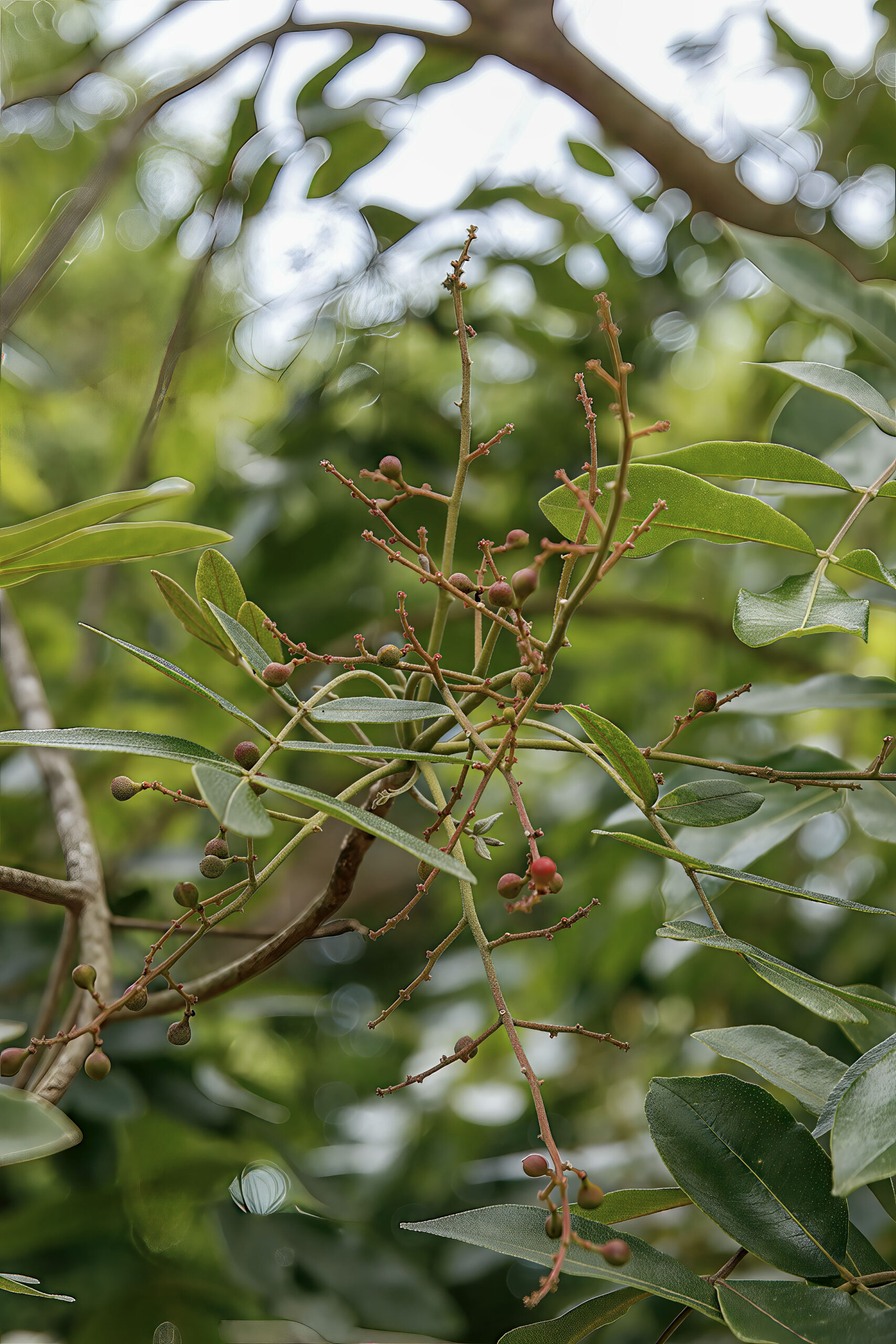
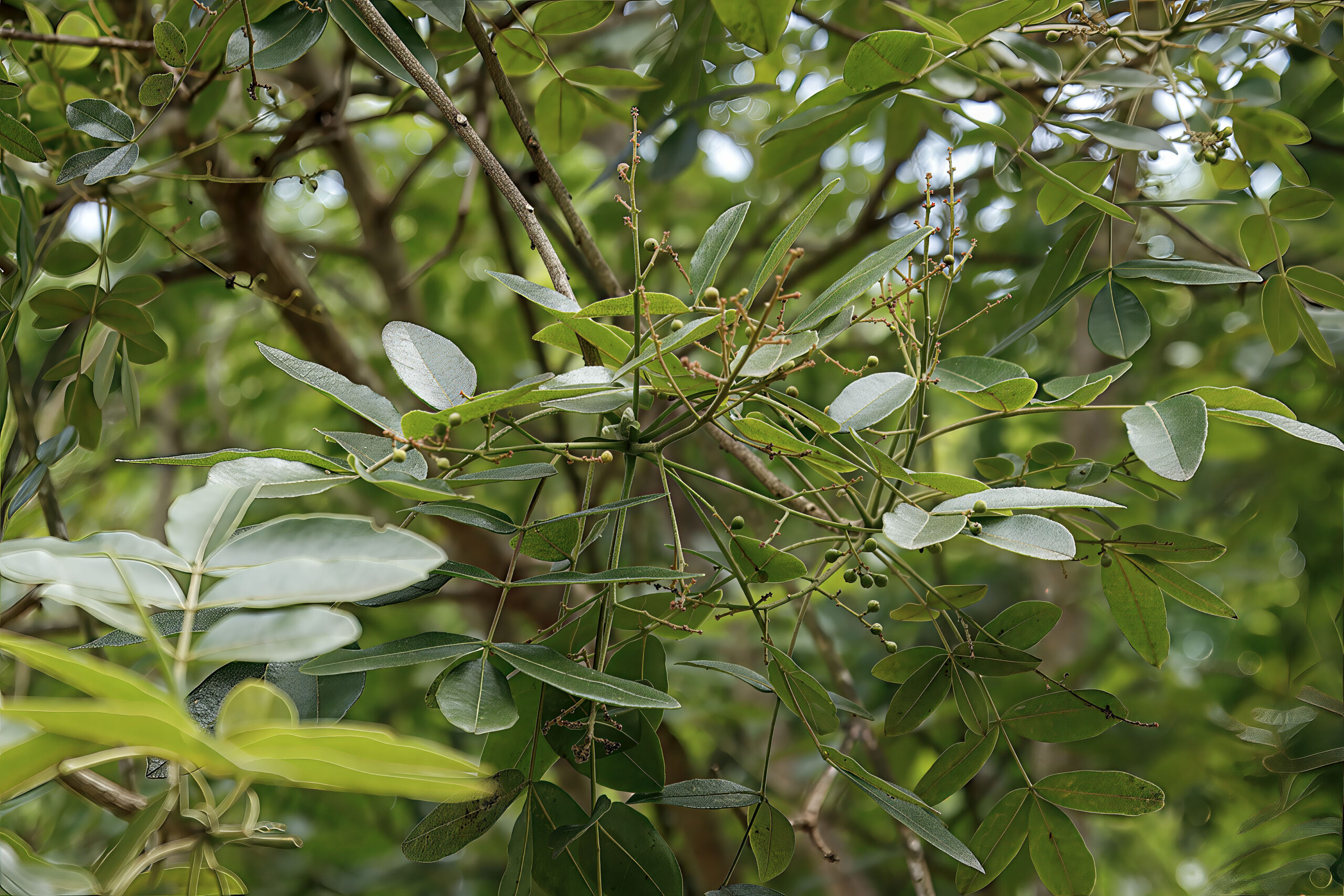
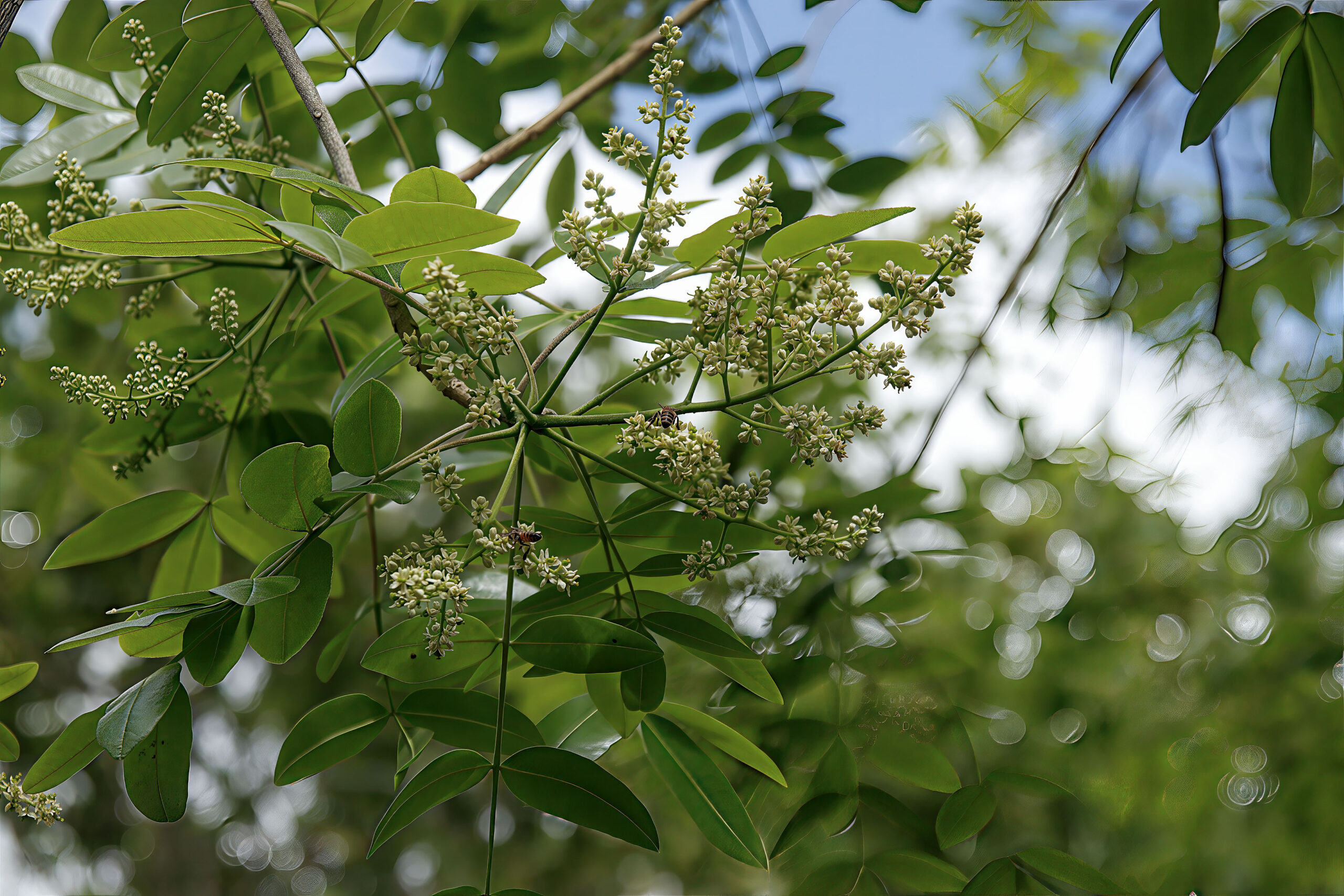
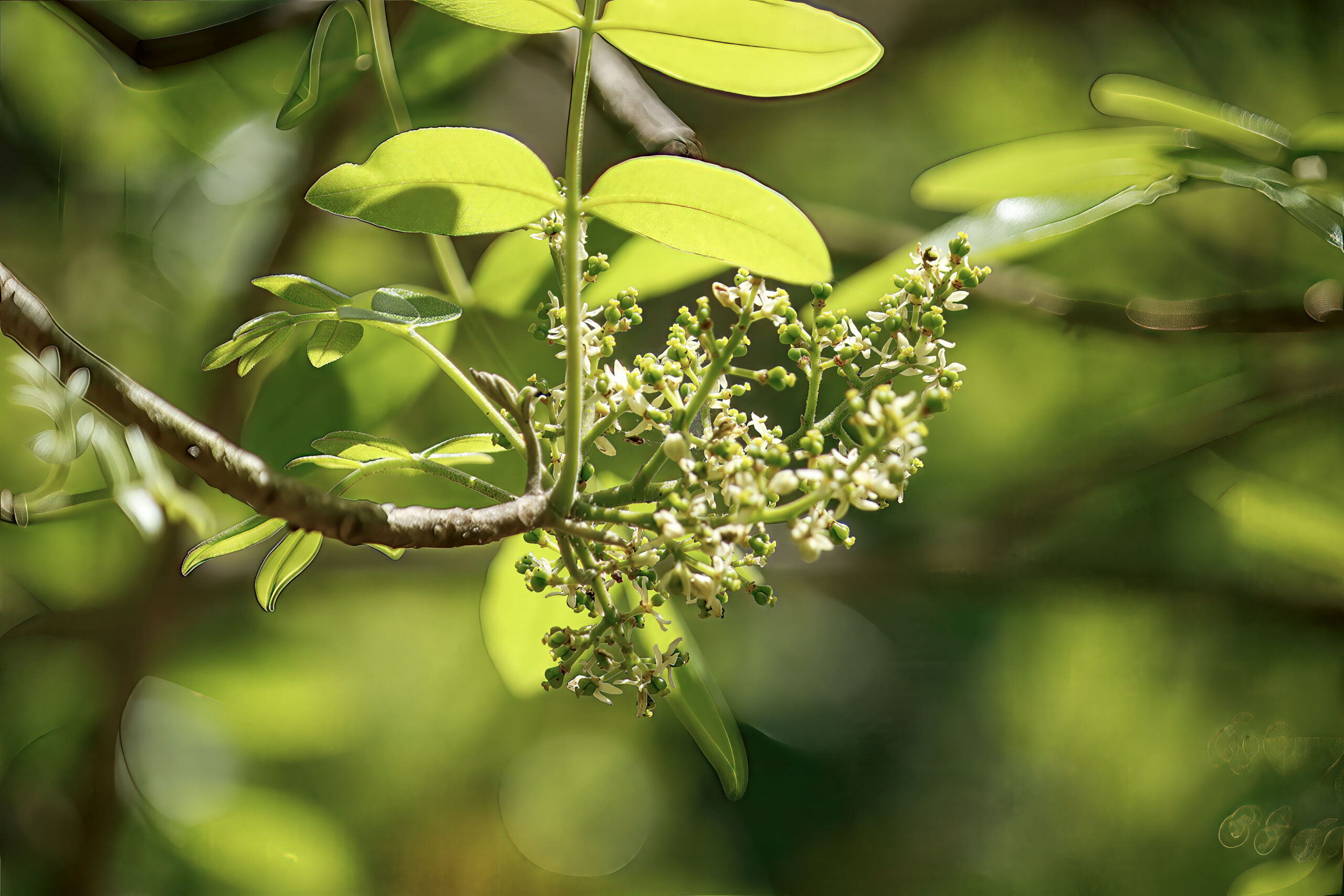
Flowers are small, pale yellow to greenish, and produced in loose terminal panicles.

  • Flowering usually occurs in late dry to early wet season (March–May).
  • As a dioecious species, individual trees produce either male or female flowers.
  • Flowers are insect-pollinated, especially by small native bees and flies.

Observation Tips:

  • Watch for bud development and flower clusters forming at branch tips.
  • Document pollinator activity and compare bloom duration across individual trees.

3. Fruiting
Fruits are small, woody capsules that turn from green to dark brown or black when ripe.

  • The capsules split open to reveal 1–2 shiny black seeds.
  • Fruiting generally occurs June through August, with seeds dispersed by gravity or possibly birds.

Observation Tips:

  • Monitor for capsule development, dehiscence, and seed drop.
  • Fallen seeds may remain viable under the canopy or be collected for conservation.

4. Growth & Conservation Note

  • Z. flavum is considered threatened due to illegal logging and habitat pressure.
  • It grows very slowly and thrives in dry, rocky or coastal scrub habitats.
  • Phenological data supports seed banking, nursery propagation, and restoration efforts.

5. Seasonal Pattern (St. Croix)

  • Jan–Mar: Leaf drop
  • Mar–May: Flowering + new leaf flush
  • Jun–Aug: Fruiting and seed dispersal
  • Sep–Dec: Leaf and branch development; occasional resting phase
Scroll to Top